Schneider Shorts 12.12.2025 – An independent analysis refuting allegations of inappropriate image editing
Schneider Shorts 12.12.2025 - insanity and retractions in Canada, a papermiller in Scotland, an ancient London artwork destroyed, with Belgian geniuses, unusual references, and finally, Elsevier cracks down on papermill fraud.
Schneider Shorts of 12 December 2025 – insanity and retractions in Canada, a papermiller in Scotland, an ancient London artwork destroyed, with Belgian geniuses, unusual references, and finally, Elsevier cracks down on papermill fraud.
“The authors regret that Fig. 1,Fig. 2 (Panel F), and Fig. 3 (Panel A) in the original publication were inadvertently replaced with incorrect versions during the figure preparation phase due to an internal versioning error.
This issue was identified during an internal post-publication review conducted by the authors as part of their commitment to scientific transparency. The corrected figures are provided below.
The authors confirm that these corrections do not affect the results, interpretations, or conclusions of the study, but are necessary to ensure accuracy and clarity of the published record.”
“The authors regret that a mistake occurred in the above cited paper: Fig. 1 is incorrect in the final version of the manuscript. The correct Fig. 1 is below. The scientific results, interpretations, or conclusions of the study are not affected by the wrong version of Fig. 1.”
Dysdera arabisenen: “I am not sure if the authors are referring to the partial similarity between E and F traces. E and F are near-identical EXCEPT for the section marked by the blue box.”
Another case, where the authors even forgot to submit a replacement for the correction, but Elsevier went ahead anyway:
“The authors regret that Figure 3 in the published article was inadvertently replaced with an incorrect version during figure preparation. This error does not affect the results, interpretations, or conclusions of the study.
To ensure accuracy and clarity, we request to replace the incorrect figure with the correct version provided.
We sincerely apologize for any inconvenience caused.
Corrected figure (Fig. 3. EDX spectra of raw muscovite (A), sodalite grains after 24 h (SD-24) (B), sodalite grains after 48 h (SD-48) (C), and sodalite grains after 72 h (SD-72) (D).)”
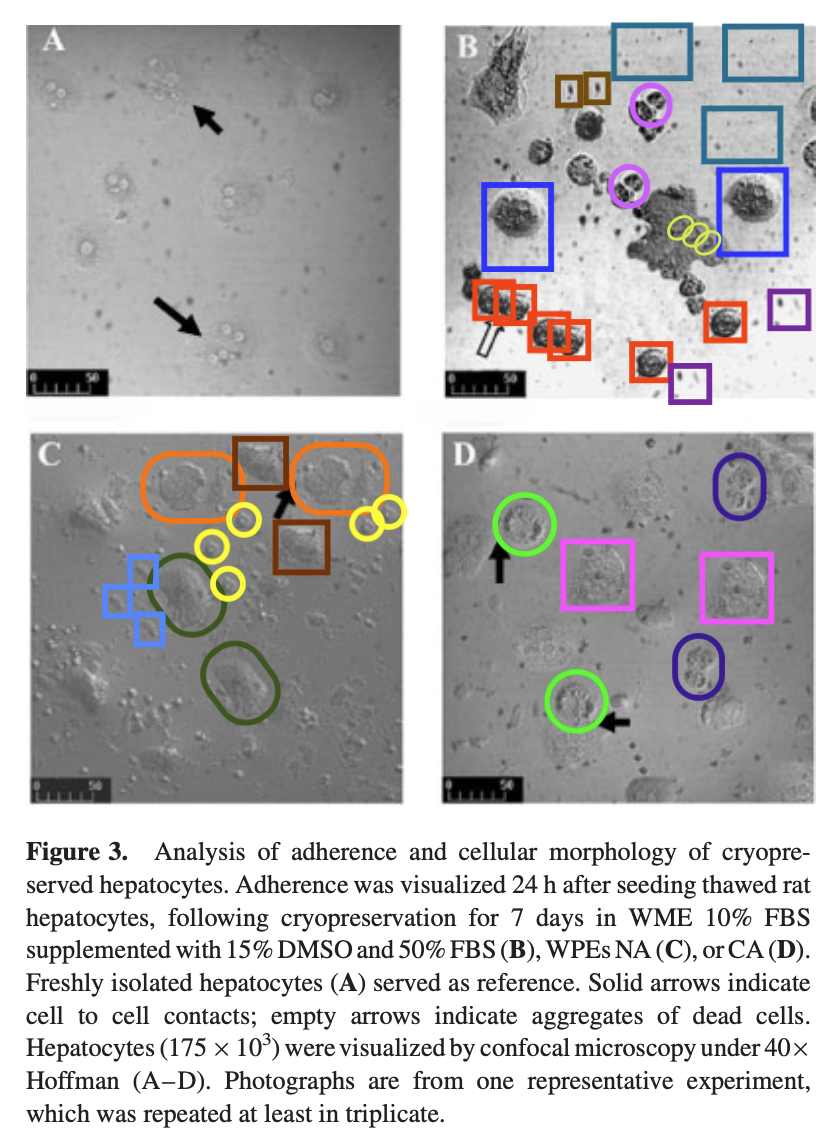
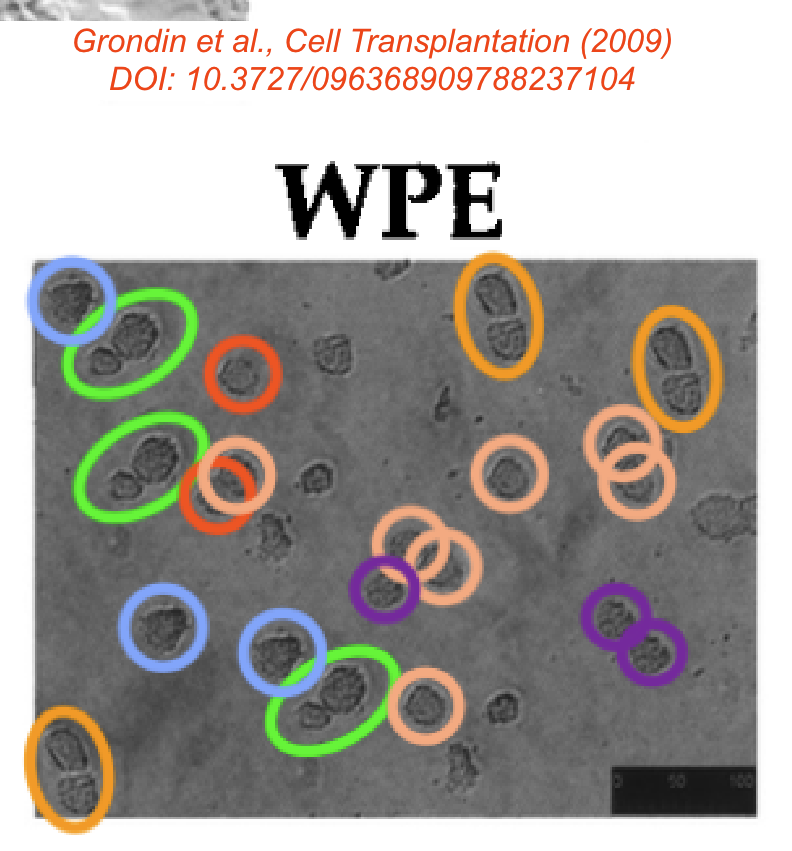
“The retraction has been agreed due to concerns raised by third parties. Specifically, the micrographs presented in Figure 3B, C and D were found to contain numerous repetitive elements (i.e., cells) suggesting inappropriate image processing. Investigation by the publisher has confirmed the validity of the concerns.
The authors were unable to retrieve the raw data underlying Figure 3 due to the time elapsed since original publication. They also stated that the images presented in Figure 3 were acquired as original images and have not been altered in any form. They conducted an independent analysis of the magnified published images, highlighting that the cells identified as duplicated exhibit differences. According to the authors, the observed similarities are characteristic of cells within a homogeneous population (i.e., hepatocytes) and are therefore to be expected, thereby refuting allegations of inappropriate image editing. The authors stated that the issues identified do not affect the conclusions of the article.
However, the editors have deemed the clarification from the authors as insufficient to resolve their concerns. The similarities detected in Figure 3 were found to outweigh the differences highlighted by the authors and were considered unlikely to result solely from morphological resemblance within a homogeneous population of primary isolated hepatocytes. The editors have determined that the new experimental data generated by the authors to replace the images in Figure 3 were unsuitable for direct comparison with the originally published data, due to the substantial time gap between the two experimental sets. Therefore, the concerns of the editors were not addressed acceptably and accordingly, the article must be retracted. The authors disagree with the retraction decision.”
Consider: scientists constantly fail to store data longer than 5 years, but they claim to be perfectly able to preserve reagents and even frozen cell lines for decades and repeat any ancient experiment in a matter of weeks, to replace their old fake figures.
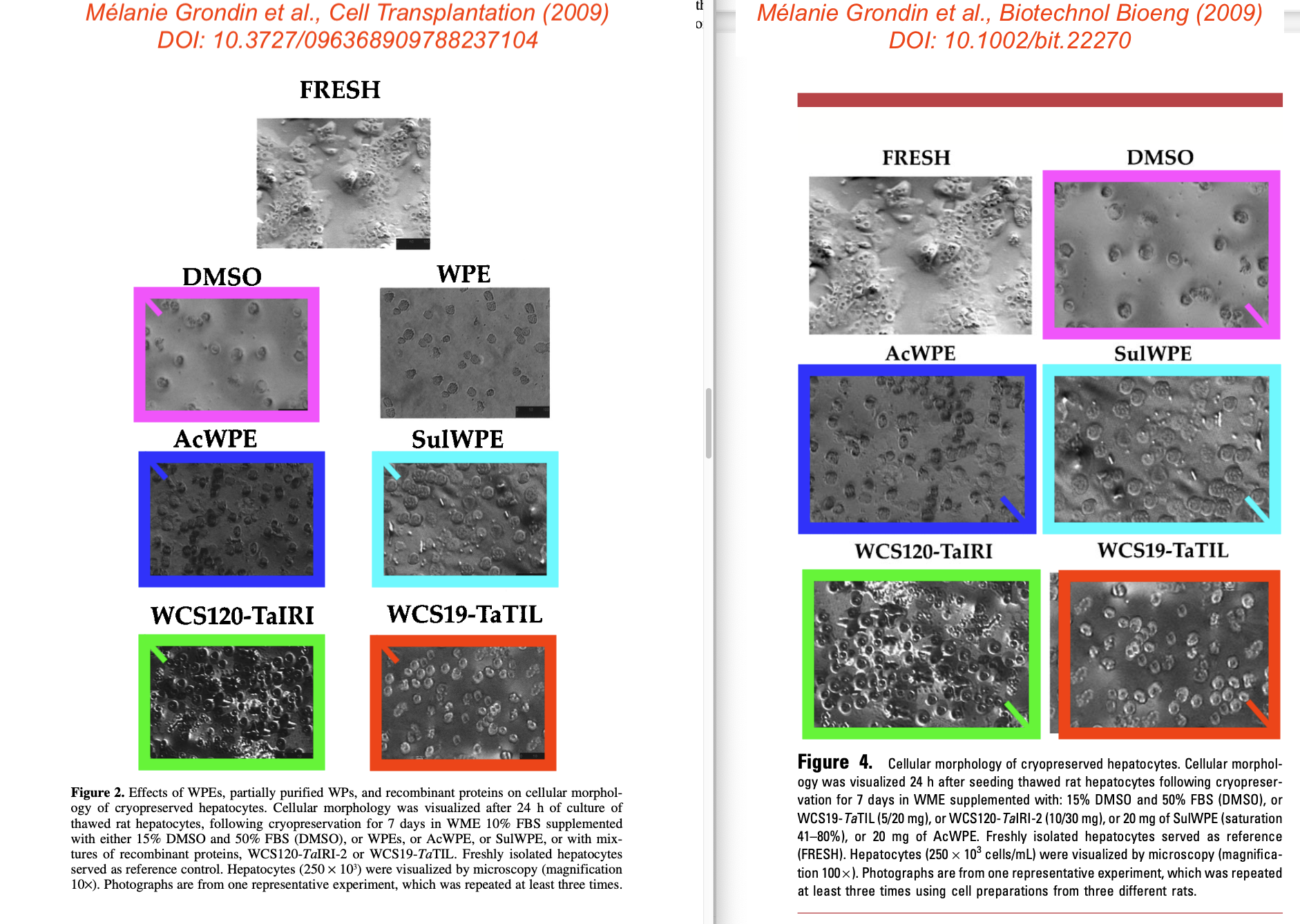
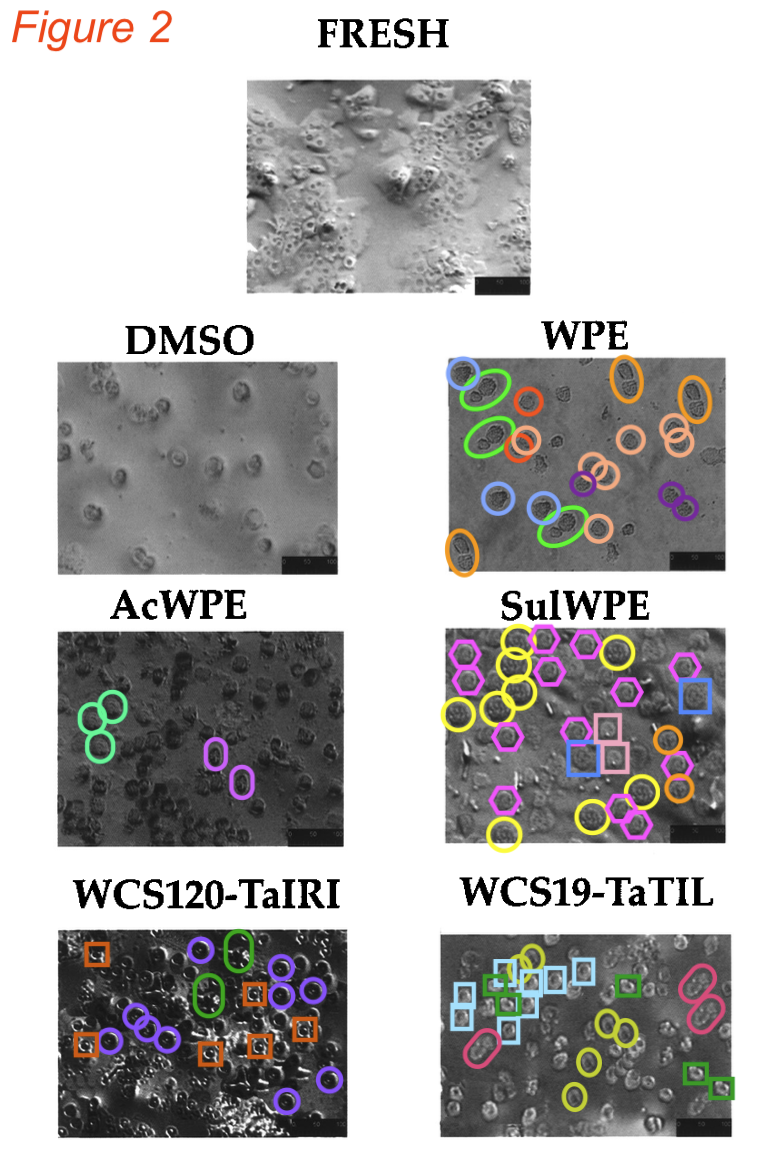
This is the Fig 4 (or Fig 4, depending on the paper):
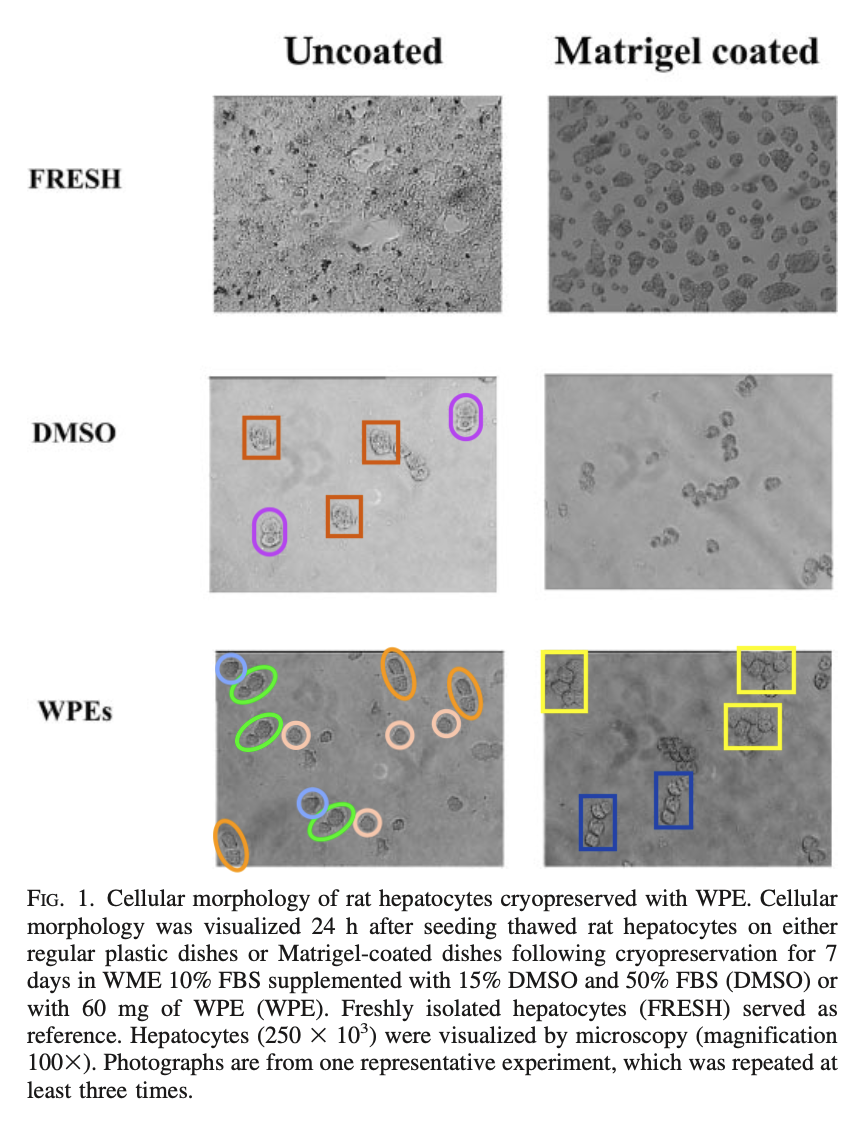
Elisabeth Bik: “Most importantly, panels in this paper’s Figure 4 – as well as those in Cell Transplantation (2009) Figure 2 – appear to contain duplicated elements.”
The retraction from 2 December 2025 had almost the same wording:
“The retraction has been agreed due to concerns raised by third parties. Specifically, several micrographs presented in Figure 4 were found to contain numerous repetitive elements (i.e., cells) suggesting inappropriate image processing. Furthermore, data presented in Figure 4 and part of the data presented in Figure 1 were found to have been previously published by the same author group [Grondin et al, (2009); https://doi.org/10.3727/096368909788237104]. Investigation by the publisher has confirmed the validity of the concerns.
The authors were unable to retrieve the raw data underlying Figure 4 due to the time elapsed since original publication. They also stated that the images presented in Figure 4 were acquired as original images and have not been altered in any form. They conducted an independent analysis [….]
The editors have determined that the new experimental data generated by the authors to replace the images in Figure 4 were unsuitable […] The authors disagree with the retraction decision.”
Here a related paper by these same clowns, again about frozen livers:
As you can imagine, the New Zealand native Averill-Bates has much more of that fake stuff on PubPeer, courtesy of Bik’s sleuthing. Here is a third retraction, again in a Wiley journal:
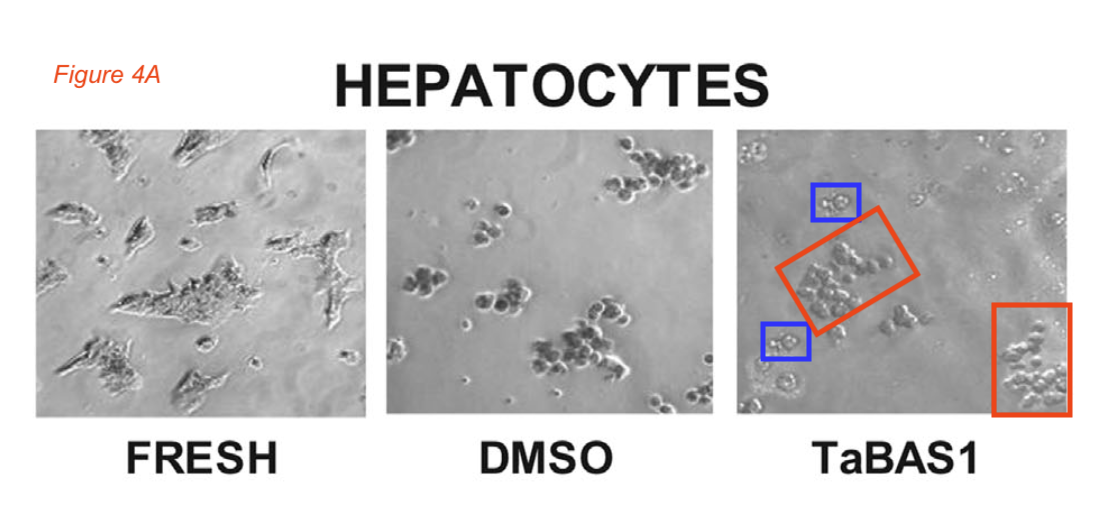
Elisabeth Bik: “Concern about Figure 4A: The TaBAS1 panel in the HEPATOCYTES set appears to contain unexpected repetitive elements. Shown with blue and red boxes.”
“The retraction has been agreed due to concerns raised by third parties. Specifically, Figure 4A was found to contain repetitive elements (i.e., cells) suggesting inappropriate image processing. Investigation by the publisher has confirmed the validity of the concerns.
The authors were unable to retrieve the raw data underlying Figure 4A due to the time elapsed since original publication. They also stated that the images presented in Figure 4A were acquired as original images and have not been altered in any form. The authors conducted an independent analysis […]”
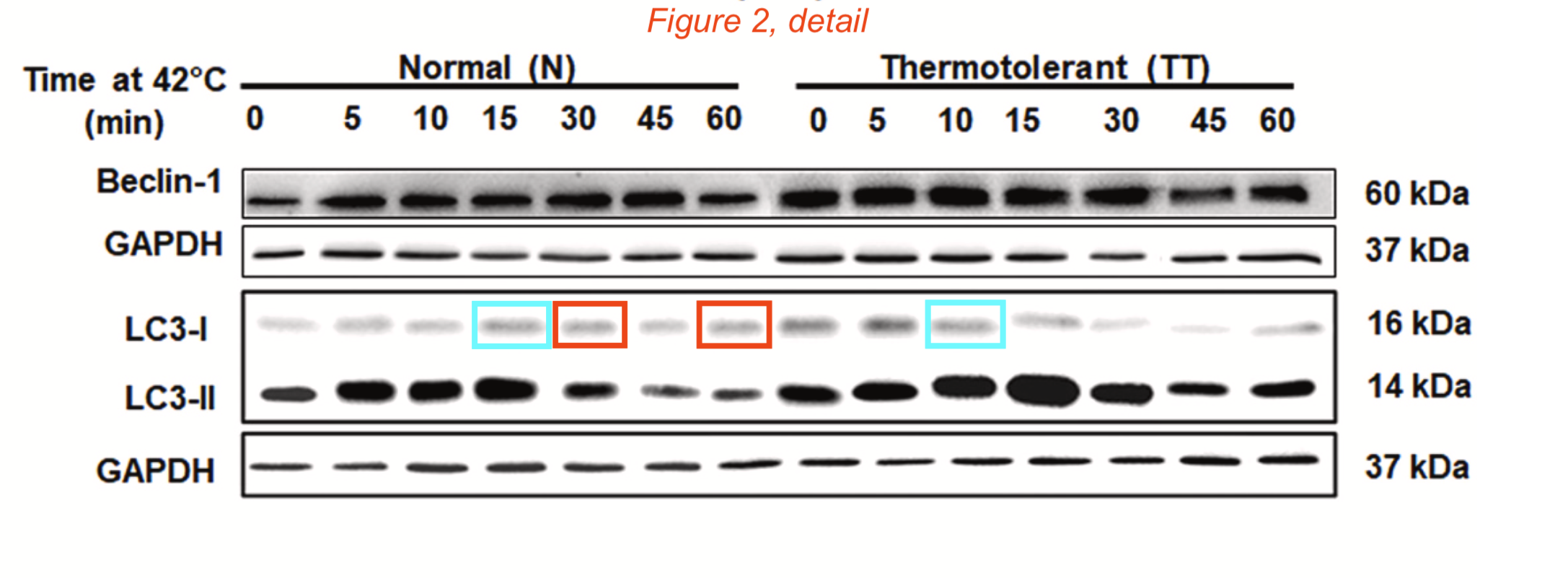
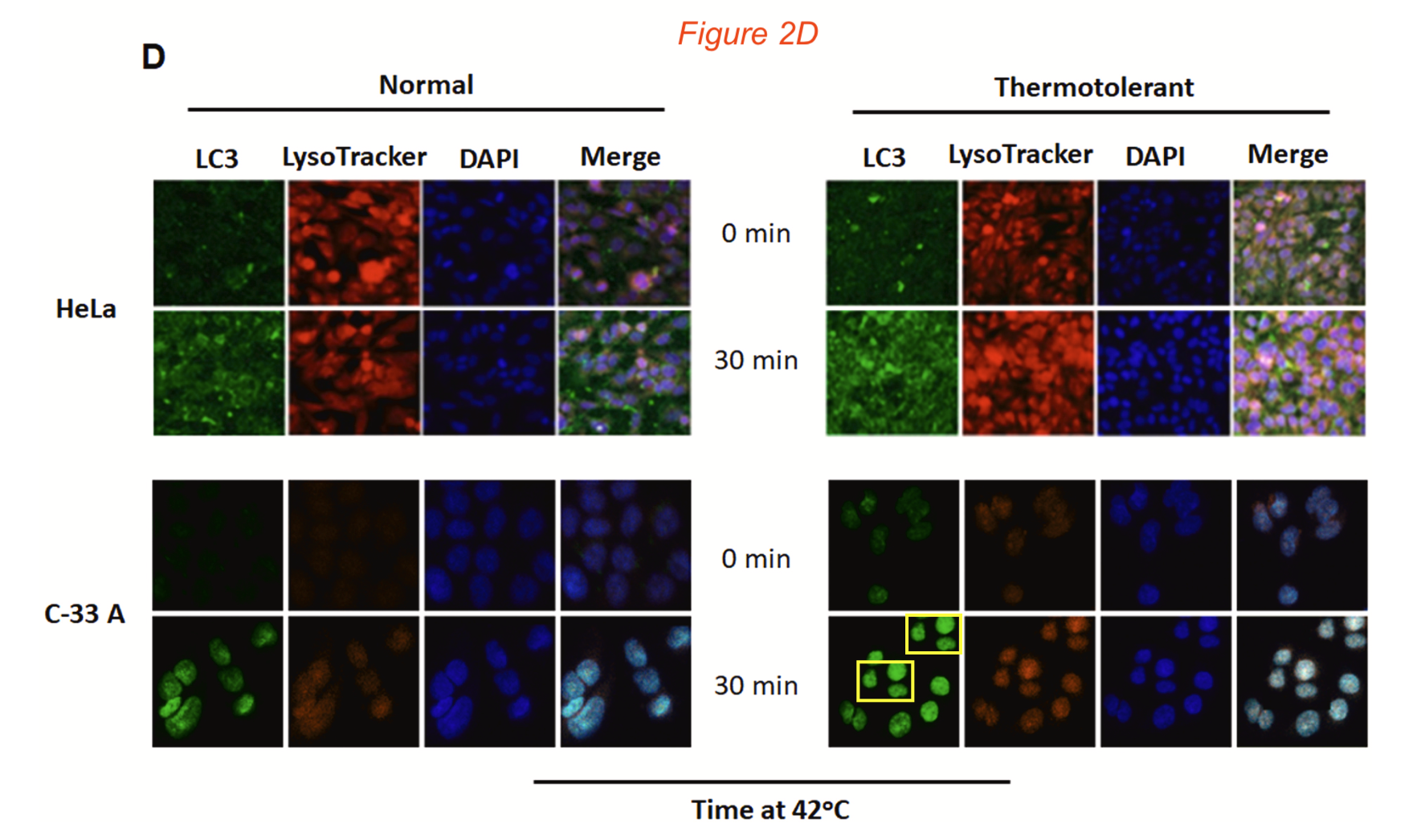
And so on, you read this insanity already. Not retracted, but again with Avereill’s mentee Melanie Grondin:
Elisabeth Bik: “Concern about Figure 2’s Western blot: Red and cyan boxes highlight bands that look unexpectedly similar”
“Concern about Figure 2D: Yellow boxes: […] the same group of three cells is visible twice. Marked only in the LC3 panel but also visible in the other panels.”
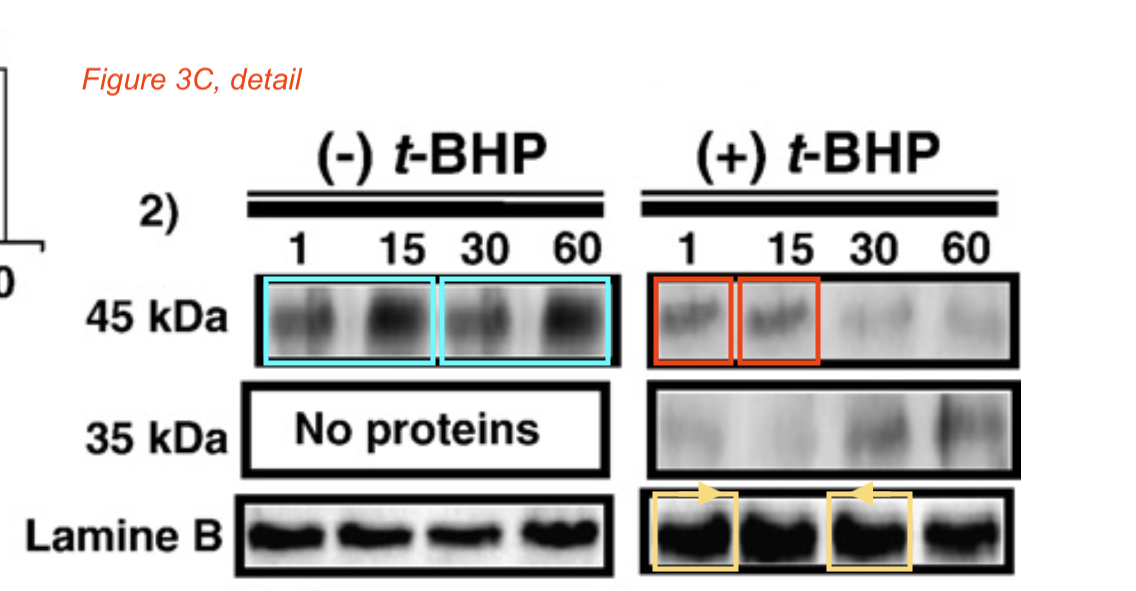
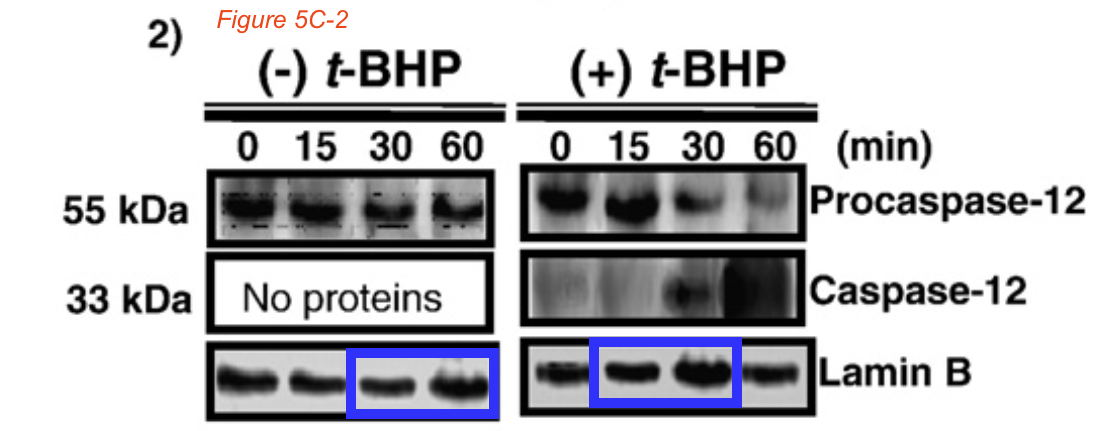
Elisabeth Bik : “Concern about Figure 3C-2: Boxes of the same color highlight lanes that look unexpectedly similar. One pair is in mirror image”“Concern about Figure 5C-2:Blue boxes highlight lanes that look unexpectedly similar.”
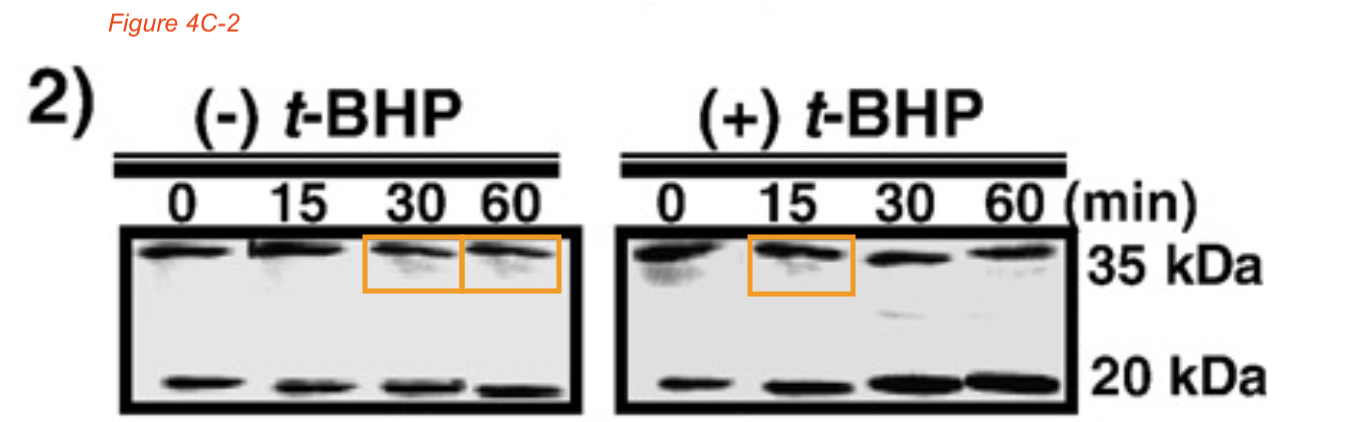
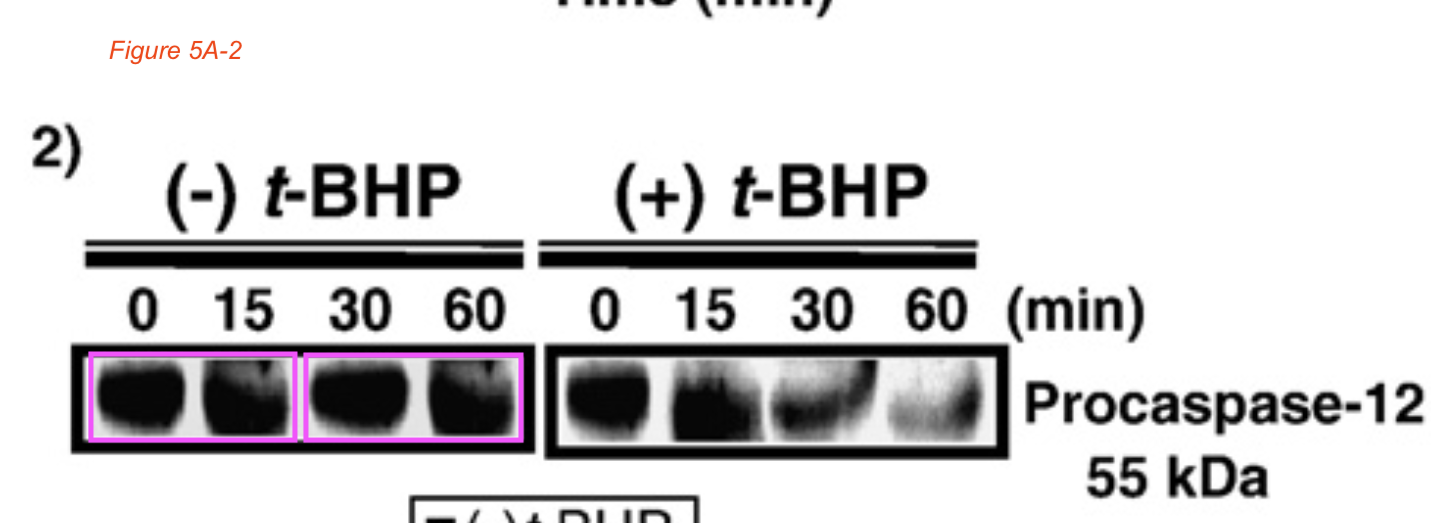
“Concern about Figure 4C-2: Orange boxes highlight lanes that look unexpectedly similar.”“Concern about Figure 5A-2: Pink boxes highlight lanes that look unexpectedly similar.”
Yet another fake paper, again a different student to blame:
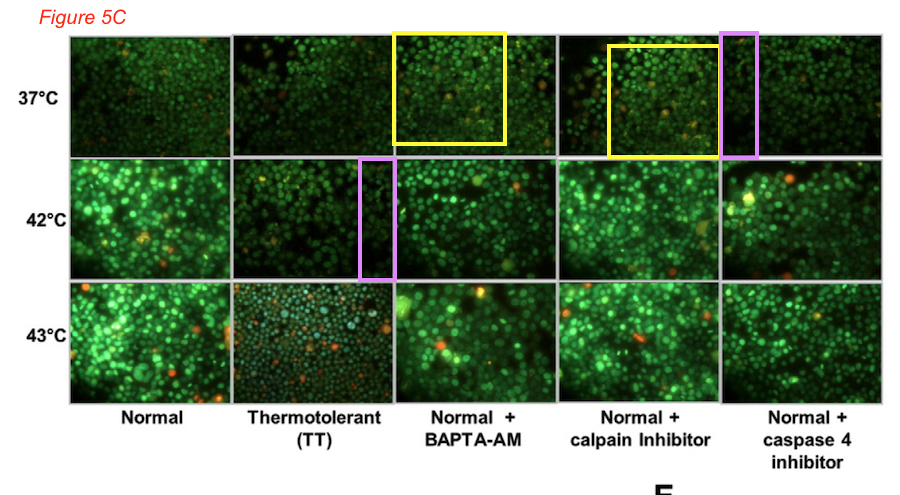
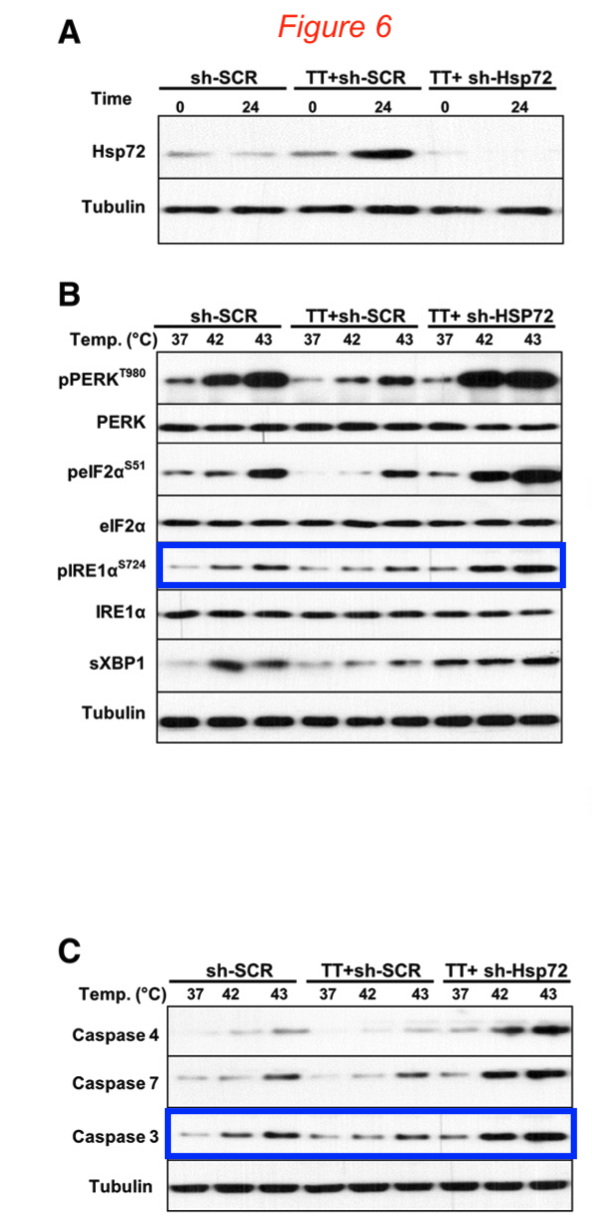
Elisabeth Bik: “Figure 5C. Yellow boxes: Two panels appear to overlap with each other Pink boxes: Two other panels appear to overlap with each other”“Blue boxes: The pIRE1aS724 panel in Figure 6B looks very similar to the Caspase 3 panel in Figure 6C.”
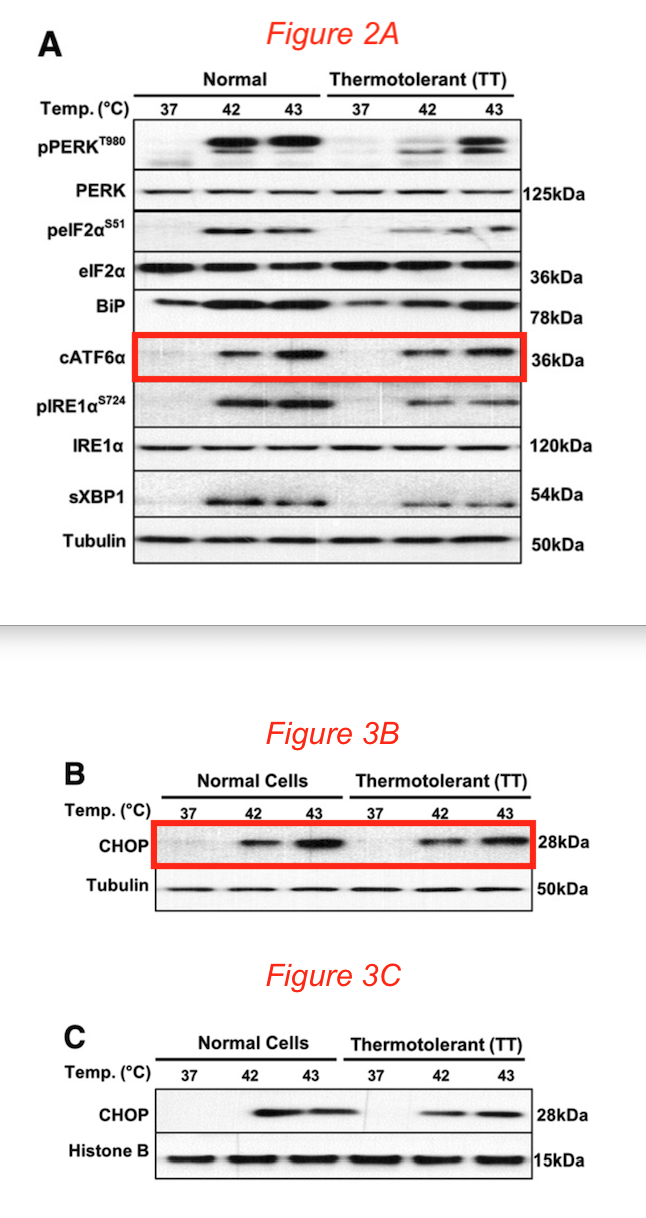
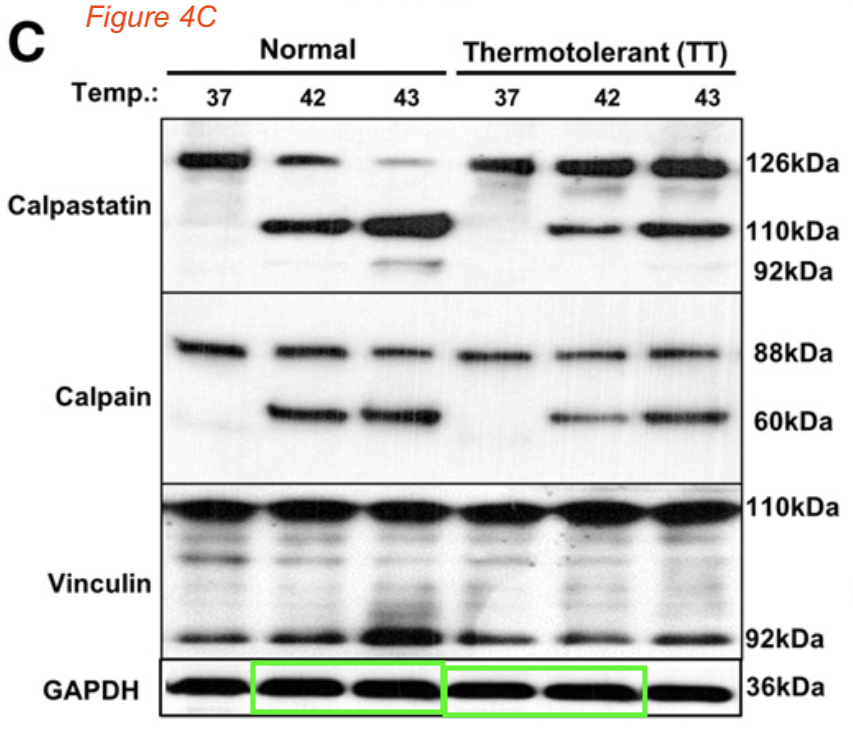
“Red boxes: The cATF6a panel in Figure 2A looks very similar to the CHOP panel in Figure 3B.”“Figure 4C, […] Green boxes: In the GAPDH panel, two lanes appear to be visible twice.”
Yes, Averill-Bates students wilfully participated in this fraud. But the main culprit is not them.
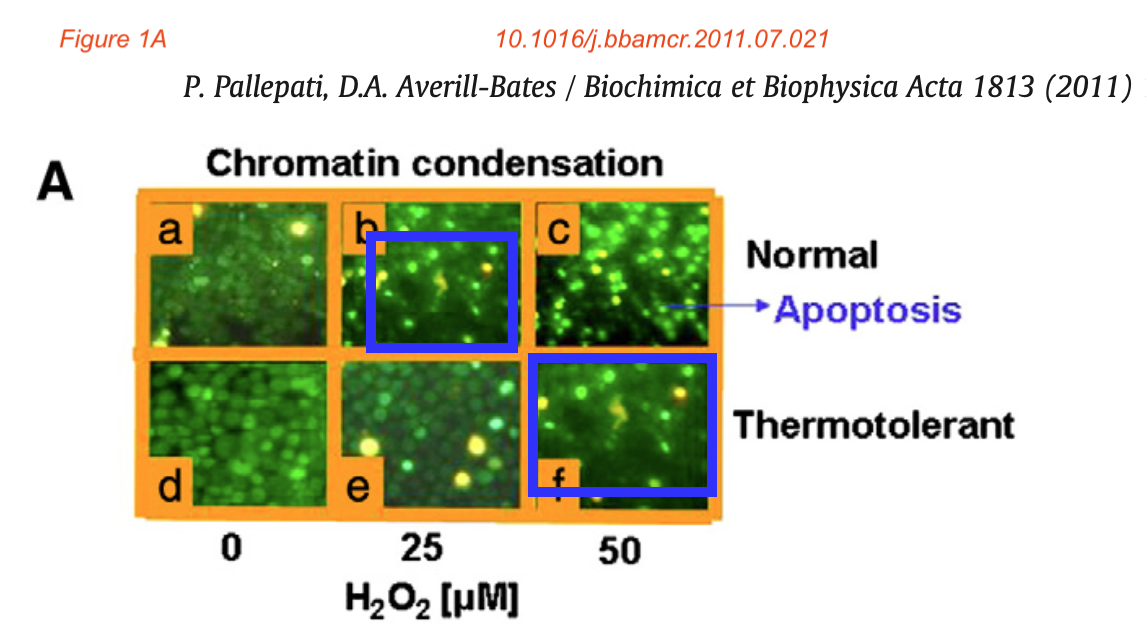
Elisabeth Bik: “Concern about Figure 1A; Blue boxes highlight two panels that appear to overlap unexpectedly, with a change in magnification.”
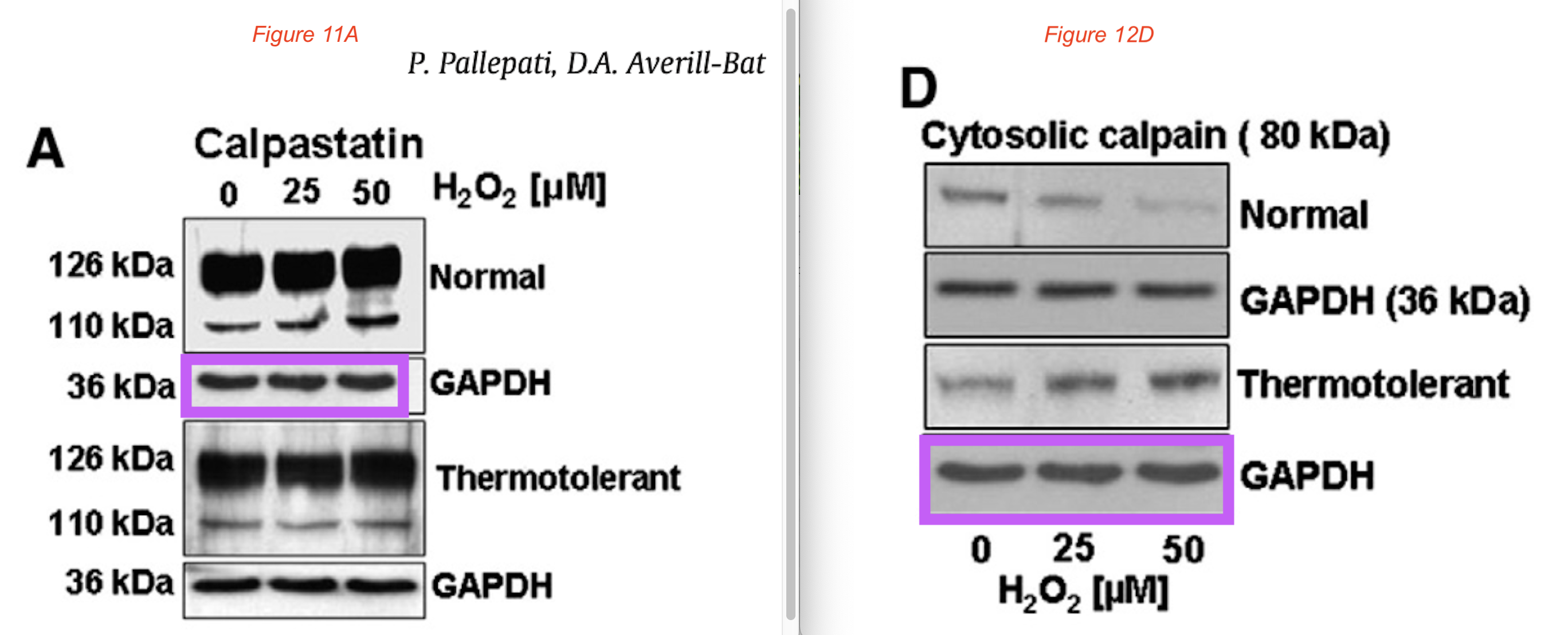
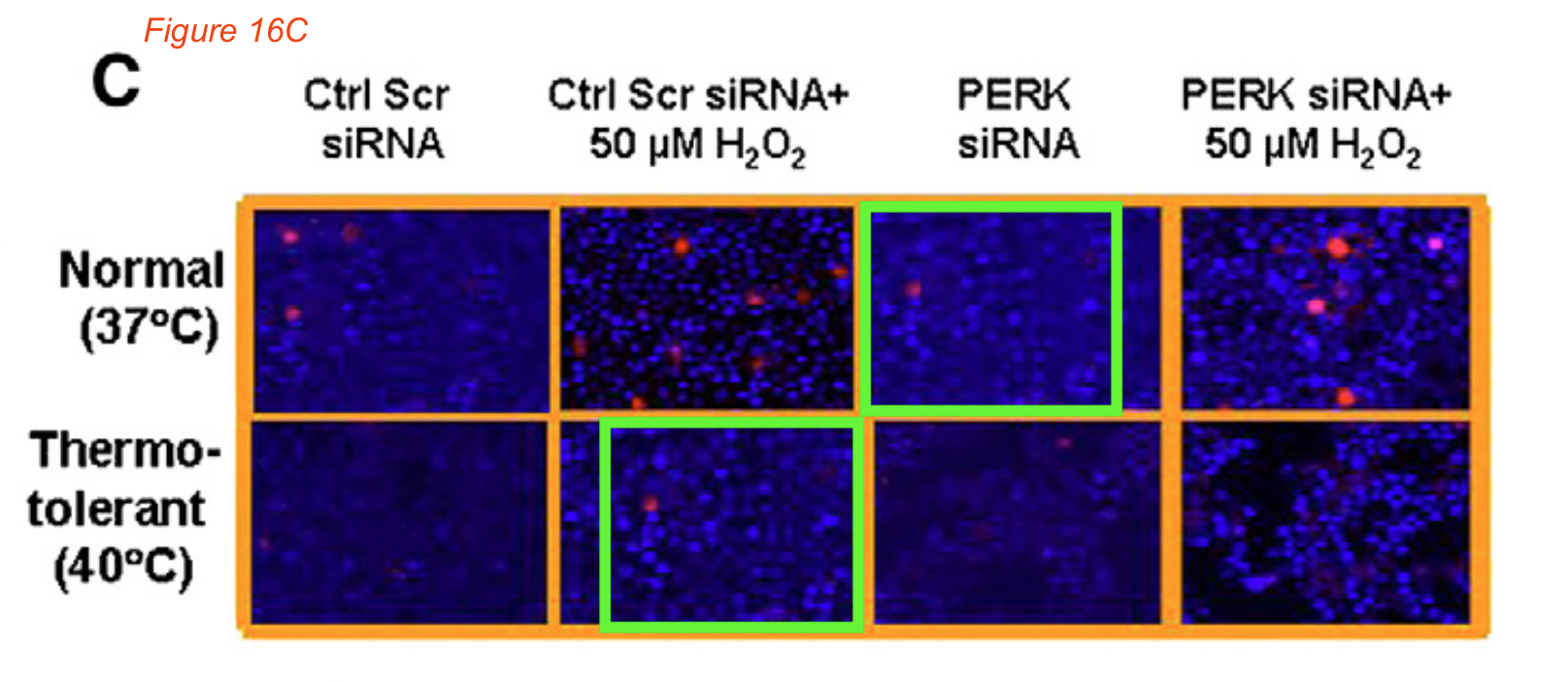
“Concern about Figure 11 and 12: Pink boxes highlight two GAPDH panels that represent different samples”“Concern about Figure 16C: Green boxes highlight two panels that unexpectedly overlap”
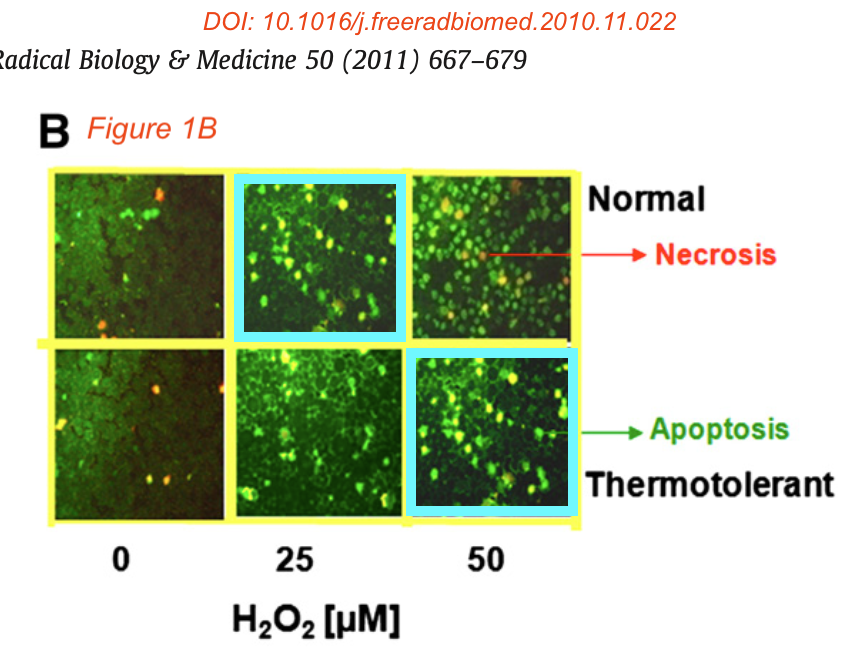
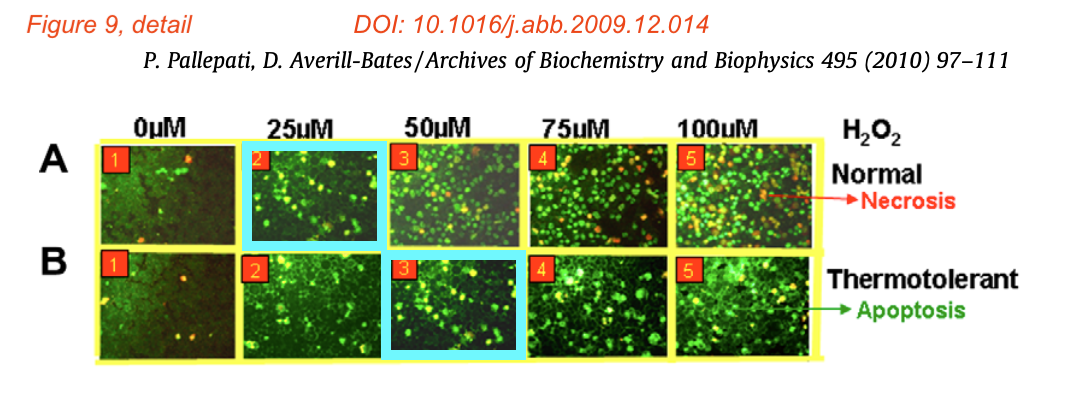
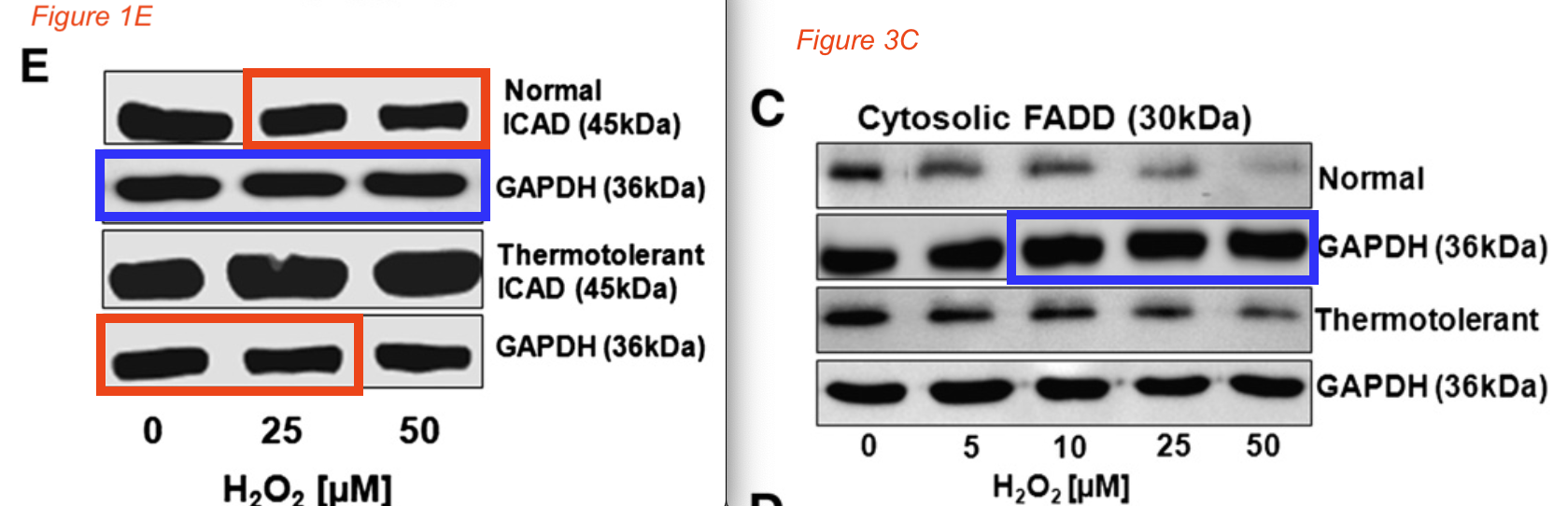
The Corrigendum was issued on 12 November 2025 (highlights mine):
“The authors regret that there is similarity between the two photo panels b and f in the published version of Fig. 1A. It is possible that there was an honest copy-paste mistake during sizing and assembly of the photos for the figure. Given that the original data from 2009 to 2010 is not available after this amount of time, the authors have repeated the experiment and are providing revised photos for Fig. 1A to correct the scientific record. The experiment has been repeated at least three times with distinct cell preparations obtained on different days. The data in Fig. 1A represents a control condition, which does not affect or change the interpretation of any of the results, the interpretation and the overall scientific conclusions of the published paper. To address this issue, the authors have provided a new version of Fig. 1A. The authors would like to apologise for any inconvenience caused.”
I think some pathological liar (who might possibly answer to the name of Diana), is ripe for a mental institution.
Also, the Canadian professor is always ready to fight back with fake “raw data”!
Elisabeth Bik: “Concern about Figure 4: Red boxes highlight two lanes that look unexpectedly similar.”
Averill-Bates replied on PubPeer with scans of gels:
“We sent the original Western blot films for Figure 4, from about 20 years ago, to the journal. The films prove that there was no duplication or splicing of protein bands or unethical manipulation of our published image. The image is attached. The journal viewed the image and closed the case on May 19, 2025”
The “original Western blot films” didn’t match the published material and were falsified in Photoshop, as Bik found out:
“the MW band in the middle disappeared. Instead, I now noticed a potential duplication in that lane”
Averill-Bates is professor at Université du Québec since 1986. I wrote to her, and expressed my concerns about her mental health, but received no reply.
Also her colleague, the plant scientist Fathey Sarhan didn’t reply. As it turned out, his other paper without Averill-Bates contain forgeries also, see PubPeer. For example:
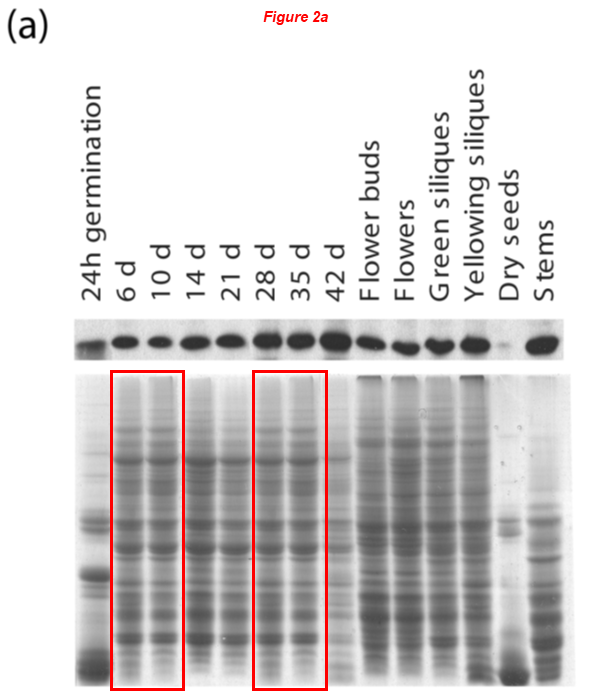
Aneurus inconstans: “Figure 2a: two lanes appear twice within this figure (red boxes).”
Not deemed sufficient
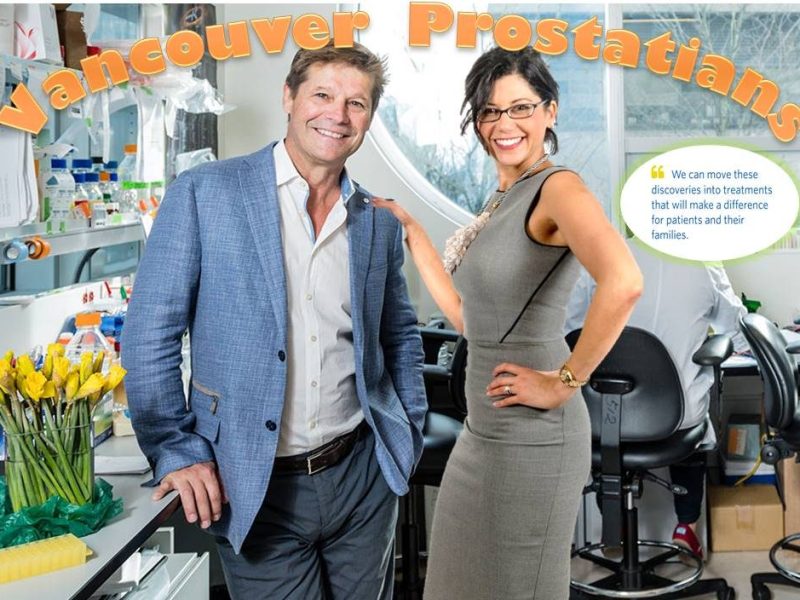
This is apparently the first joint retraction for the Canadian superstars Martin Gleave and his mentee/lady friend/fellow board member Amina Zoubeidi at University of British Columbia in Vancouver. Read August 2025 Shorts and here:
The Canadian university refuses all communications and won’t investigate anything. Which is understandable, next to Vancouver Prostate Centre, Gleave (>60 papers on PubPeer) and Zoubeidi (>30 papers on PubPeer) preside over the newly established “M. H. Mohseni Institute of Urologic Sciences”, sponsored by wealthy donors with $65 million.
This was retracted by a Wiley-published Germany-based society journal:
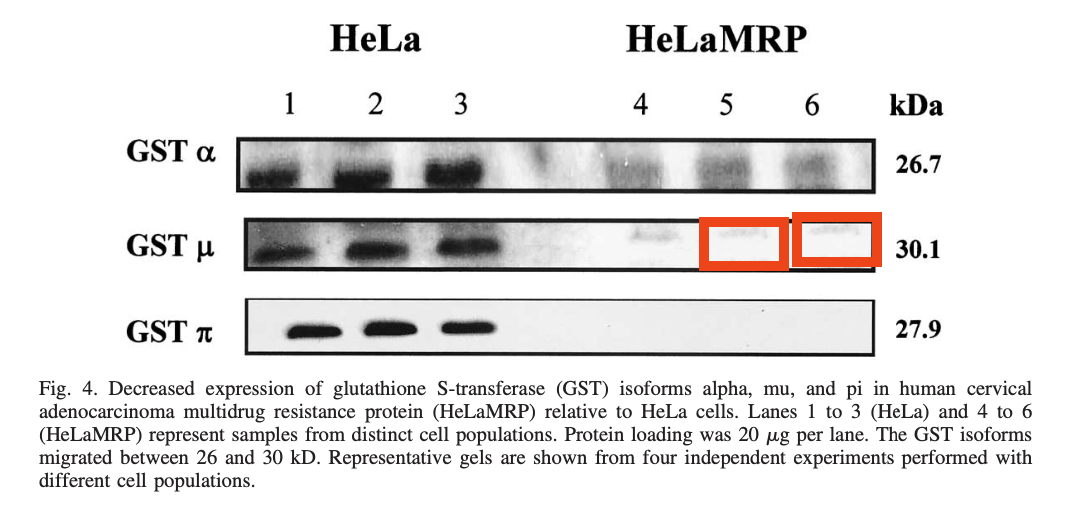
Aneurus inconstans : “The same Hsp27 blot appears in both Figure 1B and Figure 3 (red boxes).”
Aneurus inconstans: “Figure 3C, right panel: in this immuno-precipitation (IP) experiment using an Hsp27 antibody, two bands of the β-Cat blot seem to share a common origin (see enlargement to the bottom), as the background to the lower side of the bands shows identical features (magenta polygons).”
The PubPeer posts were from May 2025, Aneurus Inconstans notified the editor, and the retraction appeared on 3 December 2025.
“The retraction has been agreed upon following an investigation into concerns raised by a third party. Duplications were identified between the p-Hsp27 western blot bands presented in Figures 1b and 3a, despite the Vinculin loading controls being different. Additionally, in Figure 3c, the sh-27 lanes of IP:Hsp27 (Veh and EGF) in the β-Catenin panel appear duplicated. The authors cooperated with the investigation and provided some representative data, but this was not deemed sufficient. As a result, the editors consider the results and conclusions reported in this article unreliable. The authors disagree with the retraction.”
Congratulations, Amina and Martin! Many happy returns!
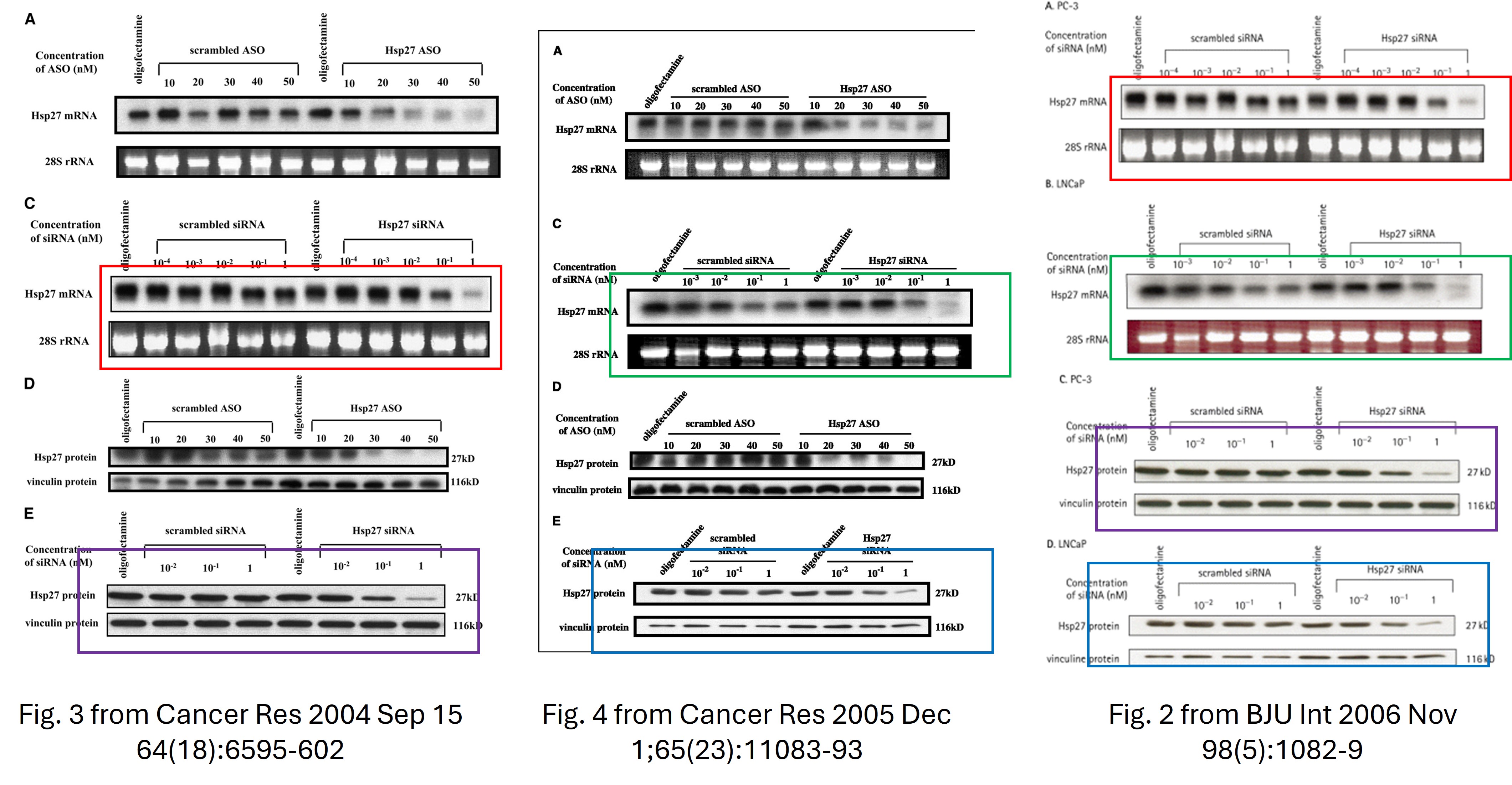
This by Gleave and his colleague Palma Rocchi (now in France), however was corrected by Wiley. Four blots with the central message to this study were recycled from earlier papers:
The Correction from 7 October 2025 shamelessly plagiarised the PubPeer content, colour boxes and all, without reference:
“In figure 2 of the “Results” section, the authors used blots that were previously published and did not mention the journal references. The authors would like to add previously published paper references.
The authors apologize for these mistakes. The authors confirm that all the experimental results and corresponding conclusions mentioned in the paper remain unaffected. The corrected Figure 2 is shown as follows.
Adapted from previously published: Rocchi, P., Cancer Research, 2004;64(18):6595–602; Rocchi, P., Cancer Research, 2005;65(23):11083–93.”
The PubPeer user Dendrodoris tuberculosa commented:
“The correction, however, now states that Figure 2 was “adapted” from earlier papers by the same group. That means the figure that documents the key claim (effective Hsp27 knockdown in these prostate cancer cell lines) is at least partly taken from previous publications, whereas the 2006 text makes the reader believe it was obtained in this study. This is a material discrepancy between the claims of the article and the source of the data. 2/ Secondary issue – the corrected figure imports PubPeer annotations without explanation. The corrected version of Figure 2 reproduces the colored boxes that were originally added on PubPeer to show that different bands came from different sources, but the correction does not explain what these colors mean.“
Marie Curie Seal of Excellence
An Iranian papermill product, but from the University of Dundee in UK! The lead author is Shahin Homaeigohar, who worked in Germany and Finland and is presently in Scotland:
“Dr. Shahin Homaeigohar is an assistant professor in Biomedical Engineering at the University of Dundee, UK. He is a Baxter Fellow and a HEA Fellow. He is also a recipient of Marie-Sklodowska Curie Individual Fellowship (MSCA IF) and Helmholtz-DAAD PhD Fellowship.”
The last two are expensive and prestigious German fellowships, well invested obviously.
The first issue with this publication by Royal Society of Chemistry was flagged in October 2023, the second a year later:
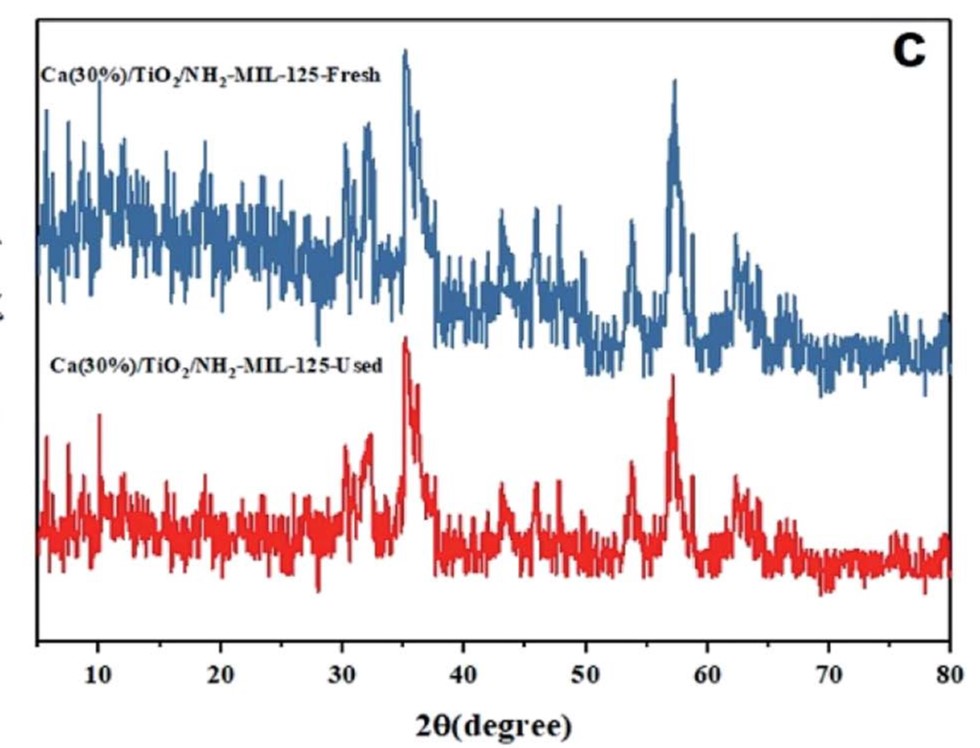
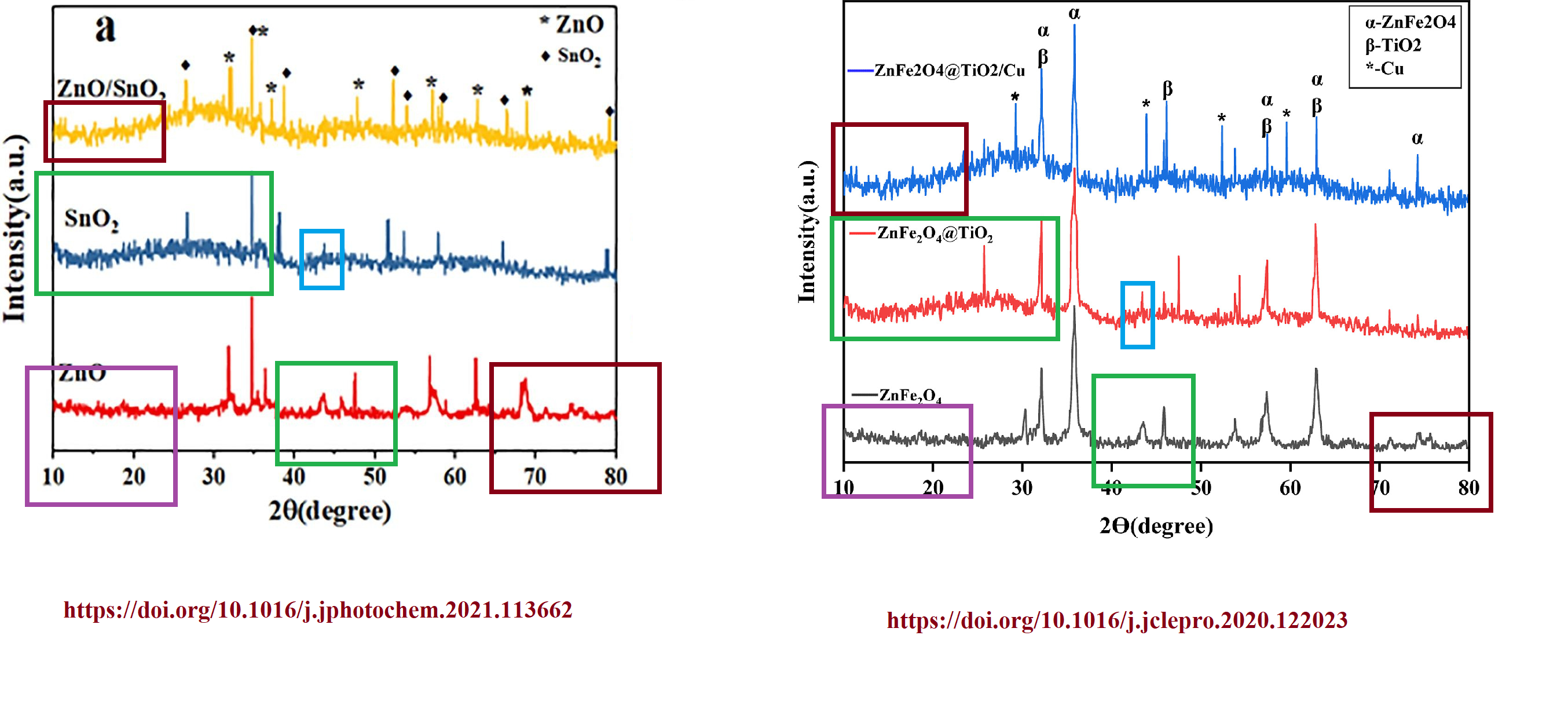
Tetraphleps parallelus “All XRD patterns are identical”
Thallarcha lechrioleuca “Fig.7 The same XRD pattern in 2 copies”
In November 2024, the University of Dundee replied on PubPeer with “The University of Dundee School of Science and Engineering Research Integrity group is examining the points raised.” Then more was found:
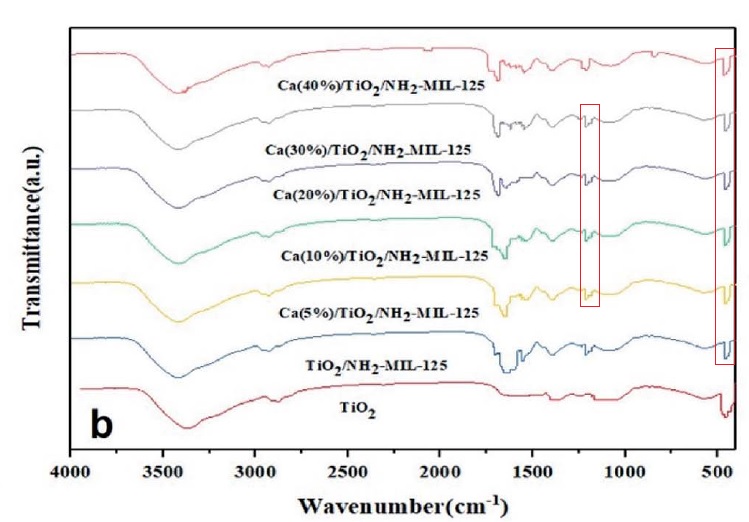
Paralabrax clathratus : “Figure 1b. FTIR spectra look questionable too […] Areas of inexplicable coincidences are framed (red). Many peaks are of straight angles. In some areas, backgrounds are as straight horizontal lines.”
Paralabrax clathratus: “Two plots are inexplicably similar (indeed, values for RhB (b) are slightly lower than those for MO (a)).”
In August 2025, the University of Dundee provided on PubPeer an update:
“The University of Dundee School of Science and Engineering Research Integrity Group has examined the points raised. We were able to obtain the original data for Figures 1a, 1b, and 7c. Unfortunately, we are unable to obtain the data for Figure 8. Based on the data we obtained, our independent analysis revealed indications of data duplication in Figures 1a, 1b, and 7c. We shared our findings with the Journal to facilitate any actions they deem appropriate.”
Shahin Homaeigohar celebrated by University of Dundee
In October 2025, the author Mohammad Hossein Sayadi provided a lengthy reply on PubPeer to “assure the scientific community that all data presented are original and obtained from our own experiments“. It was possibly AI-generated and ended with:
“That said, we fully acknowledge the importance of bibliographic accurac…… We respectfully suggest that future implementations of the journal’s reference-checking system could benefit from enhanced AI-driven validation tools capable of detecting such subtle omissions, thereby supporting authors in maintaining the highest standards of scholarly referencing.“
The Retraction arrived on 14 November 2025, where the authors admitted to papermilling (highlights mine):
“The Royal Society of Chemistry hereby wholly retracts this RSC Advances article after being contacted by the University of Dundee regarding an investigation into the reliability of the data presented in this RSC Advances article.
Concerns had been raised with the integrity of XRD data in Fig. 1a and 7c, the FTIR spectra in Fig. 1b, and the TOC analysis in Fig. 8.
The University of Dundee obtained the raw data for Fig. 1a, b, and 7c, but they were not able to obtain the raw data for Fig. 8.
Their investigation concluded that in Fig. 1a, the same data was used to produce multiple XRD traces. They concluded that in Fig. 1b, the Ca data appears to be identical over a substantial range of wavelengths, that the same data was reused in all plots for wavelength beyond ≈2000 cm−1, and that the noise appears to be identical. They found that in Fig. 7c, independent measurements were performed only for ≈25° < 2θ < ≈26°, ≈31° < 2θ < ≈33°, and ≈34° < 2θ < ≈35°, and potentially for ≈57° < 2θ < ≈58°. The remaining spectra seem to have been copied in several areas with some rescaling.
We requested the raw data from the authors, but they have not provided it, and claim this data was provided by a third party.
Given the significance of these concerns, the Editor has lost confidence that the findings presented in this paper are reliable.”
Note, the paper received a Correction in June 2023, but that was to add an Iranian grant number.
And yes, Dundee’s Fellow Homaeigohar and his friends have more such papermilled stuff on PubPeer. Green and sustainable papermill waste:
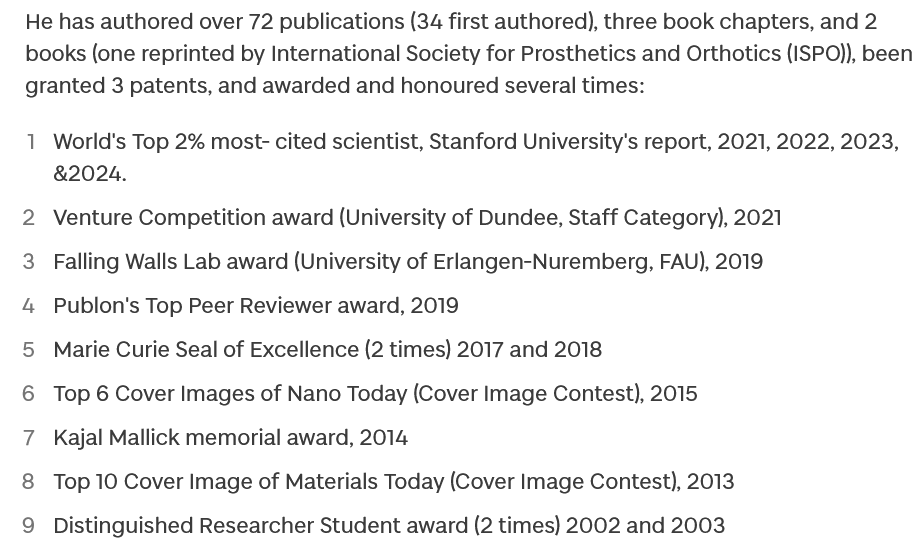
World’s Top 2% most- cited scientist, all those fellowships, Venture Competition award in Dundee, Falling Walls Lab award in Erlangen, Kajal Mallick memorial award in Aalto, plus Marie Curie Seal of Excellence, now think of all those sad failed scientist losers who got nothing.
Authors did not respond to requests
Retraction for Mohamad Krayem, a former PhD student of Ghanem Ghanem at the Institut Jules Bordet in Brussels, which is part of Hôpital Universitaire de Bruxelles (H.U.B), the academic hospital of the Université Libre de Bruxelles (ULB). Read about their bad science in January 2024 Shorts, and about their joint retraction in June 2024 Shorts, together with Ghanem’s codirectors of Laboratory of Oncology and Experimental Surgery, Ahmad Awada and Fabrice Journe. Krayem then worked as postdoc of another questionable cancer researcher: François Fuks (read about him in December 2023 Shorts), and became in 2018 Head of Radiotherapy Research Unit at Ghanem’s LOCE lab at the Institut Bordet, which he runs (according to his LinkedIn profile) “in collaboration with Prof. Dirk Van Gestel and Prof. Ahmad Awada”.
This one however is by Krayem with other colleagues: at Institut Bordet:
“The Editor-in-Chief has retracted this article after concerns were raised about the data reported. Specifically, there appears to be duplication between the following blots:
β-actin in Figs. 3d and 4e;
β-actin in Figs. 3e and 4b.
Fig. 5c p-65 and Fig. 6d ERK;
Fig. 5c P-ERK and Fig. 5e TNFR1;
Fig. 5c ERK and Fig. 6c JAK3;
Fig. 5d STAT3 and Fig. 5e P-65;
β-actin in Fig. 5e and f;
Fig. 5f ERK and Fig. 6c JAK3.
The authors did not respond to requests from the Publisher to provide raw data for the impacted figures. The Editor-in-Chief no longer has confidence in the reliability of the results and findings of this article.
Khalid Otmani did not explicitly state whether they agree or disagree with this retraction. The remaining authors did not respond to correspondence from the Publisher regarding this retraction.”
A horizontally flipped version
Retraction for Ian Adcockand his mentor Peter Barnes, two professors of pulmonology at Imperial College London in the UK, read about them here:
This ancient paper in a Wiley-published society journal, was flagged by the pseudonymous sleuth Claire Francis already in 2017, and then supplemented with much graver fidindings in July 2025:
“The above article […] has been retracted by agreement between the journal Editor-in-Chief, Péter Ferdinandy; the British Pharmacological Society; and John Wiley and Sons Ltd. The retraction has been agreed upon following an investigation into concerns raised by a third party. Duplication was identified between the β2-R (media) and β2-R (RU486) western blot bands presented in Figure 3a, with the β2-R (RU486) bands being a horizontally flipped version of the β2-R (media) bands. Furthermore, analysis indicated that the third and fourth bands in the IL-1β + FP panel of Figure 4d appear to have been spliced into the panel. The authors cooperated with the investigation but could not provide original data due to the length of time that has elapsed since the study was conducted. Due to the nature of these concerns, the editors no longer have confidence in the results and conclusions of this article. The corresponding author, I. M. Adcock, disagrees with the retraction; acknowledgement of the retraction could not be obtained from the remaining co-authors.”
Reference to one or more non-existent papers
And now, some papermill humour!
Pease enjoy the references which led to the retraction of this Elsevier paper:
“This article has been retracted at the request of the Editor.
An investigation conducted on behalf of the journal by Elsevier’s Research Integrity & Publishing Ethics team has identified the presence of a reference to one or more non-existent papers, as indicated below:
[1] Z.D. Grthtyy, Zx D Grthtyy, (2022).
[8] D. Gfnnhn, Dfffb Gfnnhn, (2021).
[48] P. Xu, C.F. Reeder, C.R. Lscher, In w e i v re w e i v re, (2021).
Additionally, the team identified references that are irrelevant to the article. The authors were asked to comment upon the presence of these references in their work but did not respond. Consequently, the editor no longer has confidence in the integrity and the findings of the article and has decided to retract it. The scientific community takes a very strong view on this matter and apologies are offered to readers of the journal that this was not detected during the submission process.
The authors have not responded to the retraction notice.”
If you are interested to support my work, you can leave here a small tip of $5. Or several of small tips, just increase the amount as you like (2x=€10; 5x=€25). Your generous patronage of my journalism will be most appreciated!
Probably. Looking at the photo with Mohseni, some faces will surely look familiar.
But at the same time, this is a huge show off. Canada’s technical and natural sciences fields are packed with Iranian researchers in significant numbers. There are so many of them that it’s impossible for any one person to speak out against this cartel. That’s why Canadian academia will get worse every year because Canadian universities have become a transfer point for Iran. Not a place for science and technology.
I say it is a major show off because the Iranian community in Canada has nothing to hide. They are already very powerful and there is no force to deter them from showing it.
Apparently, even though they have become very powerful in Europe, they are not yet in a position to show off their power in this way. They probably still project an image of being oppressed, always smiling, but coming from difficult circumstances and living for science, with a respectable humility. However, seeing their acceleration and support in European universities, the likelihood of something similar happening in Canada within the next 10-20 years is quite high. Because they came to Canada years ago as victims, humble, and profiles who had dedicated their lives to science.
Fathey already blames his students!
” We are contacting the first author who did the experiment and the figure to provide the answer to your question.”
It is worth noting that it appears Hervé Vaucheret may have had interactions with PubPeer moderators, as some of the concerns I raised were subsequently removed.
What do these three laboratories have in common? Based on my investigations over the past five years, they are characterized by the recurrent reuse of identical control panels in their figures. Such practices raise concerns about data integrity and transparency, and may increase the risk of scientific misconduct, whether intentional or resulting from inadequate oversight or data management practices.
Expression of Concern for the article of Rocchi et al.
EXPRESSION OF CONCERN: Small Interference RNA Targeting Heat-Shock Protein 27 Inhibits the Growth of Prostatic Cell Lines and Induces Apoptosis via Caspase-3 Activation In Vitro
“Following an investigation, it was confirmed that the blots in Fig. 2 were taken from earlier publications and were produced using siRNA sequences that differ from those reported in this study. As the figure does not correspond to the experimental conditions described in the study, Fig. 2 cannot be considered a valid representation of the results reported, contrary to the authors’ correction. The author’s institution was contacted regarding this matter, but no response has been received”













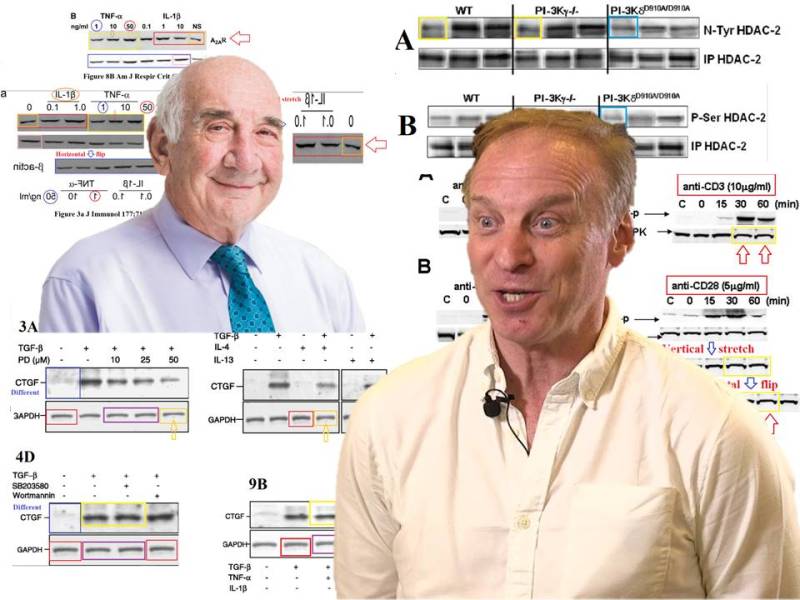




“M. H. Mohseni Institute of Urologic Sciences”, sponsored by wealthy donors with $65 million.”
Fools and their money are easily parted, or is it money laundering?
LikeLike
Probably. Looking at the photo with Mohseni, some faces will surely look familiar.
But at the same time, this is a huge show off. Canada’s technical and natural sciences fields are packed with Iranian researchers in significant numbers. There are so many of them that it’s impossible for any one person to speak out against this cartel. That’s why Canadian academia will get worse every year because Canadian universities have become a transfer point for Iran. Not a place for science and technology.
I say it is a major show off because the Iranian community in Canada has nothing to hide. They are already very powerful and there is no force to deter them from showing it.
Apparently, even though they have become very powerful in Europe, they are not yet in a position to show off their power in this way. They probably still project an image of being oppressed, always smiling, but coming from difficult circumstances and living for science, with a respectable humility. However, seeing their acceleration and support in European universities, the likelihood of something similar happening in Canada within the next 10-20 years is quite high. Because they came to Canada years ago as victims, humble, and profiles who had dedicated their lives to science.
LikeLike
Fathey Sarhan currently sports 9 entries on PubPeer, have a look at these masterpieces:
https://pubpeer.com/publications/C5F95A2BE9DC7147738210296942EC
https://pubpeer.com/publications/6FE96F66E7EAD03A2FD56515A22C8E
I’m not done with him.
LikeLike
That’s Fat-hey Shaming
LikeLiked by 1 person
That Fathey is a Dick,too
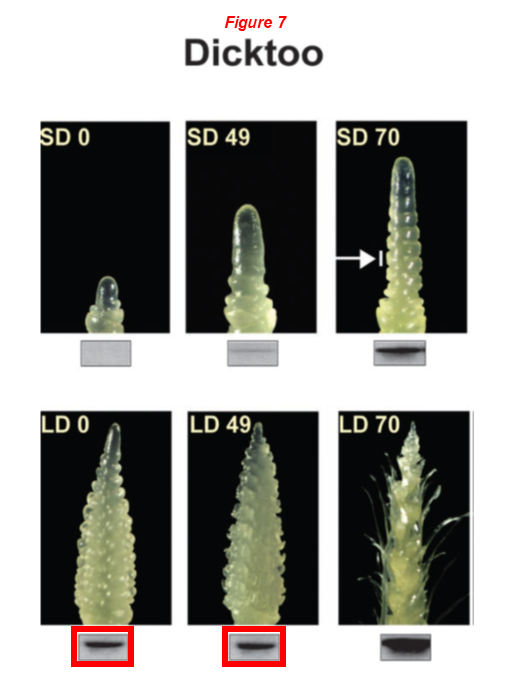
LikeLike
Fathey already blames his students!
” We are contacting the first author who did the experiment and the figure to provide the answer to your question.”
LikeLike
And from Diana, an out of office reply:
” Bonjour
Cette semaine, je ne pourrais pas consulter mes courriels.
I am unable to access email messages this week.
Bonne journée
Have a great day
Dr Diana Averill-Bates”
LikeLike
“another one for Institut Bordet geniuses“
More problematic data comes to light in a 2018 European Journal of Medicinal Chemistry paper.
PubPeer – Targeting prohibitin with small molecules to promote melanog…
LikeLike
See https://www.utoday.nl/spotlight/76308/how-phd-candidates-suffered-under-years-of-misconduct-by-professor-m for a case at the University of Twente, The Netherlands (publised on 11 December 2025). Note that all names of all persons have been changed into pseudonyms.
LikeLike
What an impressive garland of great plant scientists we have this Christmas! Have a look to some others below.
Hervé Vaucheret’s lab:
– https://pubpeer.com/publications/E524E6447D5EE235E82DDA8757ABE5
– https://pubpeer.com/publications/065E9D73312155C69BB922BCC702D2
– https://pubpeer.com/publications/F6DD3A020DEBAC2C7DB4ED3B91BA1F
– https://pubpeer.com/publications/3651579401B5BD5A04BCF6F95A911C
– https://pubpeer.com/publications/D42631A1A02A24731352BBEC9A157E
– https://pubpeer.com/publications/BC25EBB0A8A2A8AB83BA4D868353D7
– https://pubpeer.com/publications/8B1781415F0BB271415E67D69DF892
– https://pubpeer.com/publications/1B010904DB4E257E1FC1B1DC937B27
– https://pubpeer.com/publications/769C1D00434608E7BB667466F7E09E
– https://pubpeer.com/publications/57814D9E8524EBE6333AF399338DD0
– https://pubpeer.com/publications/9BE7193386BBA1FD3F4A4937B256E2
It is worth noting that it appears Hervé Vaucheret may have had interactions with PubPeer moderators, as some of the concerns I raised were subsequently removed.
Martin Crespi’s lab:
– https://pubpeer.com/publications/E71BE29D7DE1F52D61B103AC90665A
– https://pubpeer.com/publications/E7675F002AB2E554E176B492E4191A
– https://pubpeer.com/publications/F6DD3A020DEBAC2C7DB4ED3B91BA1F
– https://pubpeer.com/publications/94579837D90B5018F2945E6581DC8A
– https://pubpeer.com/publications/7A06DC94077F7F12EBFD240546F16A
– https://pubpeer.com/publications/4BE3F7240613EEE5973950DCA51FCE
– https://pubpeer.com/publications/E4D809C4395A097B6E65448A4065CE
– https://pubpeer.com/publications/9BE7193386BBA1FD3F4A4937B256E2
Moussa Benhamed’s lab:
– https://pubpeer.com/publications/AB9C00A24DB1DD74BEC2BB100DB33B
– https://pubpeer.com/publications/9DF0AD8F52B9D503AC9891292AD5BA
– https://pubpeer.com/publications/55492D62595D926BDF0388F85E4BD2
– https://pubpeer.com/publications/9A9F71CE8F4C285674C7D47000EB64
– https://pubpeer.com/publications/4B8AB40750DF03B9FE8A550390A8E4
– https://pubpeer.com/publications/F1CD48D9B34142380E5B05D712D416
What do these three laboratories have in common? Based on my investigations over the past five years, they are characterized by the recurrent reuse of identical control panels in their figures. Such practices raise concerns about data integrity and transparency, and may increase the risk of scientific misconduct, whether intentional or resulting from inadequate oversight or data management practices.
LikeLike
And Palma Rocchi’s lab:
https://pubpeer.com/publications/1273B89A662057A9D6CF4A3B092AD0#0
https://pubpeer.com/publications/34C0EECF7206D23A14E5FEF5ADB4E3#0
https://pubpeer.com/publications/A40C6B03CA7FA606F4991B41059C92#0
https://pubpeer.com/publications/F6E74ECC6C3ECCD0073A1E51C92DE2#0
https://pubpeer.com/publications/DDE847FC8812EF5EA108FC57925826#0
https://pubpeer.com/publications/2321246203DA72B5EFB63FFDEB4649#0
https://pubpeer.com/publications/A4DCD2A8FDE4B6A198CCE129507A63#0
https://pubpeer.com/publications/392B2ACA7E3E0F7E48DEE1C9BE188D#0
https://pubpeer.com/publications/FDB46769D7D7F57124D5F6D29D7E29#0
https://pubpeer.com/publications/4C9F14E87FC3A5B64D7042262A5E9B#0
https://pubpeer.com/publications/D16404B72787854F130AF7D9DC0852#0
https://pubpeer.com/publications/BF6F3197D28881A3855D62F505C6CD#0
https://pubpeer.com/publications/9B862EB3FD2D0BD722DECA58ECCF0F#0
https://pubpeer.com/publications/18F4438D07A17BA9D485D2602489E0#0
https://pubpeer.com/publications/6824C71D6ADDD0085553E0B9AA386D#0
…
LikeLike
Antonio Celada, Universitat de Barcelona.
Antonio Celada Cotarelo
Bon Nadal!
PubPeer – Search publications and join the conversation.
LikeLike
Expression of Concern for the article of Rocchi et al.
EXPRESSION OF CONCERN: Small Interference RNA Targeting Heat-Shock Protein 27 Inhibits the Growth of Prostatic Cell Lines and Induces Apoptosis via Caspase-3 Activation In Vitro
https://bjui-journals.onlinelibrary.wiley.com/doi/10.1111/bju.70458
“Following an investigation, it was confirmed that the blots in Fig. 2 were taken from earlier publications and were produced using siRNA sequences that differ from those reported in this study. As the figure does not correspond to the experimental conditions described in the study, Fig. 2 cannot be considered a valid representation of the results reported, contrary to the authors’ correction. The author’s institution was contacted regarding this matter, but no response has been received”
LikeLike