

Schneider Shorts of 18 October 2024 – obituary for one of the few upright academics, horrid abuse by Dutch archaeologist revealed in lawsuit, MDPI causes death of Romanian employee, a society publisher has enough of pesky sleuths, big alpha males retract papers, and finally, with hyperbaric oxygen scam in UK.
Table of Discontent
Obituary
- The man behind Cell Onion – David Wasserman, who retracted own papers, supported whistleblowers and fought McLNeuro, is dead
Science Elites
- Don’t talk, work harder – Corinne Hofman’s crimes unearthed in lawsuit
Industry Giants
- Evaluation of a service development – Peter Wilmshurst et al reveal another patient abuse
- Pain, cancer and endometriosis – Gilles Guillemin opens shop in Indonesia
Scholarly Publishing
- Death by MDPI – publisher’s greed kills a young employee in Romania
- Spamming without any embargo – EMBO Press boss defends Belgian cheater, attacks sleuth
Retraction Watchdogging
- At request of last author – Steve Jackson finally retracts another paper by another rogue postdoc
- Whims and fancies – a corrected retraction for litigious P. Stanely Mainzen Prince
- Hailed as a breakthrough – Macchiarini, Birchall and Hollander retract an editorial
- Published in an unrelated journal – Sam Yoon loses 5 papers at AACR
- Considered human waste – IHU fails to save Raoult’s papers in PLOS One
Obituary
The man behind Cell Onion
Usually obituaries on For Better Science are about fraudsters, who advance science one funeral at a time. Not now. I was really sad to hear that one of my most dedicated readers, David Wasserman, has passed away.
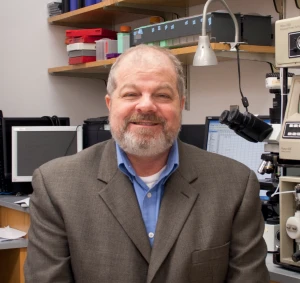
Dave was a diabetes researcher and professor of molecular physiology at Vanderbilt University in Nashville, Tennessee, USA. He was a very decent person and a fighter against fraud and abuse in academia. We were in contact since at least 2018, and our last WhatsApp exchange was in April/May 2024, when Dave told me that his wife just suddenly died from pancreatic cancer, and that he himself was preparing for a heart operation next month. According to obituaries by Vanderbilt and in Nature Metabolism, Dave died on 20 June 2024, aged only 66.
In his last messages, Dave again spoke about writing a guest post for For Better Science. I invited him to inspire his peers by telling about the fraud case in his own lab. Around 15 years ago, Dave’s PhD student Eric Berglund falsified data. I wrote about Berglund’s case in October 2022 Shorts, he lost his job as assistant professor at UT Southwestern soon after. As soon as Dave found out about Berglund’s fraud, he requested retractions and reported the case to his university for investigation. During the Vanderbilt investigation and in the retraction notices, Dave took the blame upon himself because he felt he failed in his oversight duty as principal investigator. Do you know many professors who would have acted anywhere near as ethically as Dave did?
Dave also alerted me to the case of Harvard Medical School’s and Boston Children’s Hospital associate professor Umut Ozcan, who was accused by his postdocs of bullying, racism, sexual harassment and of course also of research fraud. Officially, this man is a pediatrician. I briefly discussed Ozcan’s case in this June 2020 article. And here is the whistleblowers’ complaint:
Dave was in contact with the whistleblowers. Harvard however stood fully behind Ozcan, and sentenced the whistleblowers for research misconduct instead, because they removed their names from two of Ozcan’s fraudulent Cell papers. As Dave told me in 2020, with those misconduct findings the three postdocs lost their leverage against Harvard and decided to accept a very bad settlement, which is why they can never speak about their case. Ozcan suffered no consequences, except being (so far) denied full professorship, apparently a standart punishment for crooks in academia. Even those papers which Harvard determined to be fraudulent to frame the whistleblowers, were not retracted.
And Dave was probably the only academic, certainly the only one at Vanderbilt, who dared to fight back against one very famous fraudster at his university: the neuroscientist and the self-proclaimed leader of #MeTooStem movement BethAnn McLaughlin, aka McLNeuro, who for a time used to be a national hero. Everyone criticising McLaughlin was immediately declared a sexual harasser or a rapist, myself including.
Very soon her Twitter mob found out Dave’s identity and started to terrorize him with nasty accusations and complaints to Vanderbilt. Eventually it came out that McLaughlin was a bullying racist sociopath who made up all her accusations, defrauded her supporters, invented fake sockpuppet identities and yes, also faked science, but nobody ever cared for the last part.

BethAnn McLaughlin affair: now also research fraud?
BethAnn McLaughlin is a liar, a racist, an embezzler, and a dangerous manipulative bully. But surely she is at least a great neuroscientist?

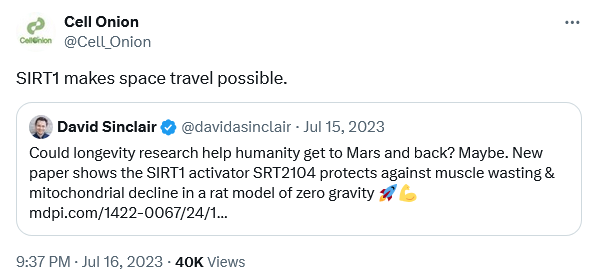
Finally, Dave was behind the Cell Onion Twitter account. His last tweet, ridiculing the Cell Metabolism journal, was on 21 May 2024.
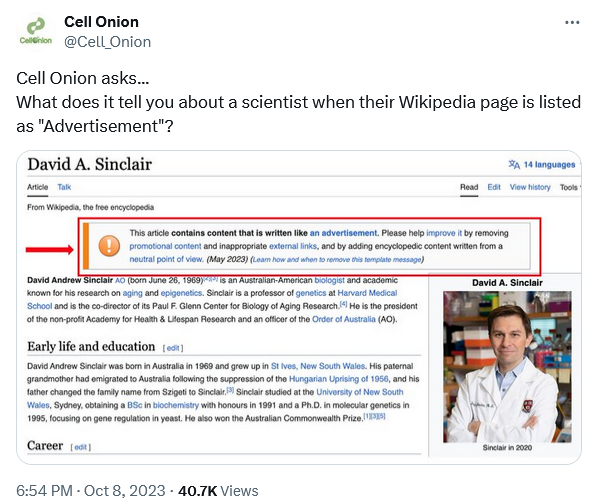

Dave may not have always dared to speak out openly and under his own name, but where others hid and run away, he fought against fraud and abuse in academia. Unfortunately, even his obituaries are afraid to mention that. With a very few exceptions like Dave, academia consists almost entirely of cowards.
RIP, Dave Wassermann.
Science Elites
Don’t talk, work harder
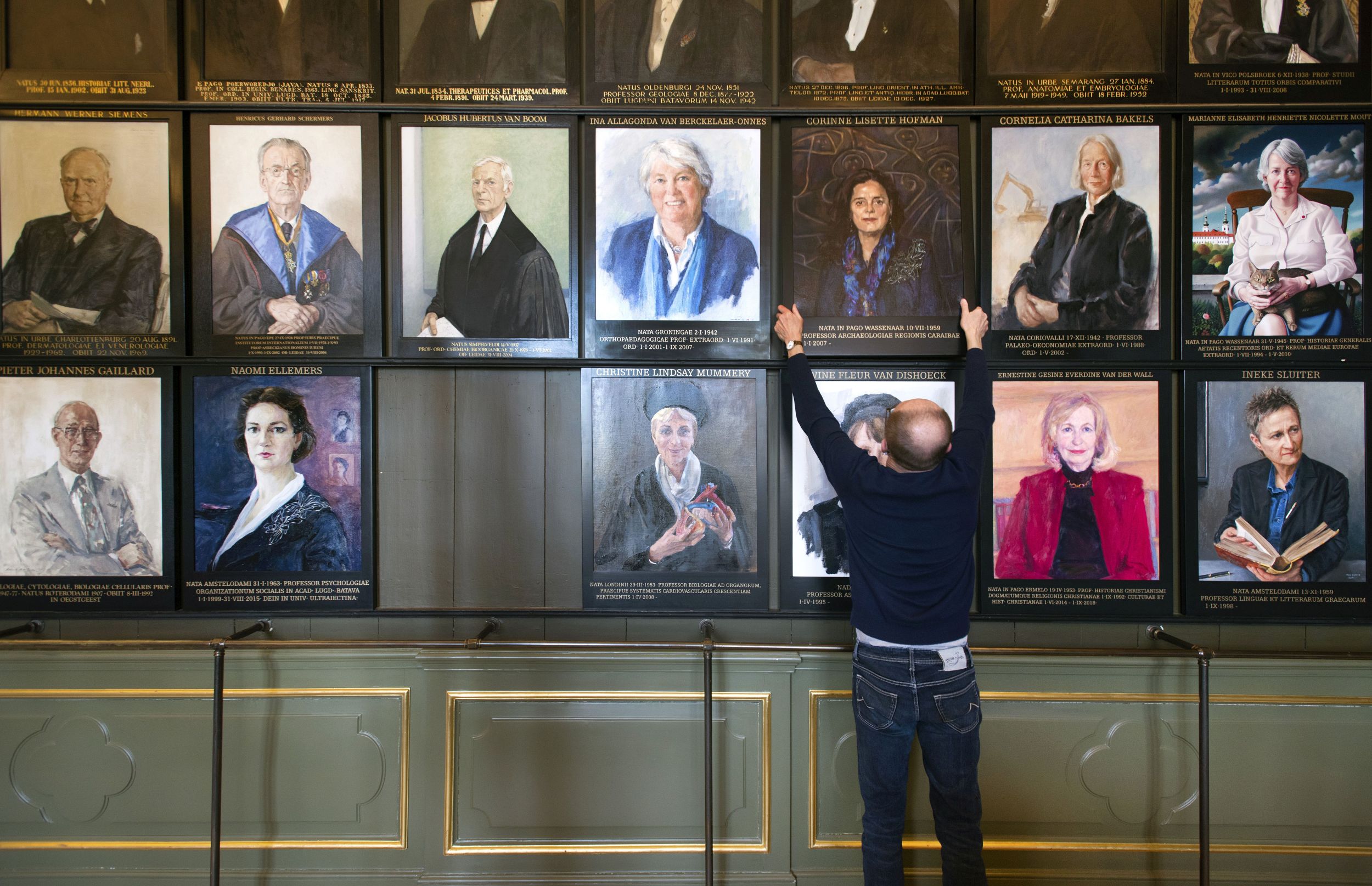
In May 2024 Shorts, I quoted Dutch news about the Leiden University professor Corinne Hofman and her husband Menno Hoogland, who was both banned from campus for massive bullying and power abuse.
Now, in the wake of the Hofman suing against her dismissal and misconduct findings, the university newspaper Mare reported on 11 October 2024 how bad the abuse really was, which took place between 1990 and 2023. And nobody interfered.
The university’s lawyer Henriëtte van Baalen was quoted:
“”People worked at least six days a week, twelve hours a day, and did not dare to take breaks or days off for fear of being told later that they were lazy,” said Van Baalen. Hofman is said to have shouted at students and PhD candidates: ‘Don’t talk, work harder, you’re going too slow.’ Going to the toilet during fieldwork was ‘a waste of time’ because it was ‘not a party thing’.
Reporters stated that there was a lack of drinking water and food and that they ‘went to bed exhausted and hungry’, while Hofman himself was eating in a restaurant. The food could only be served ‘when Hofman was hungry and she had to be served first’. People also sometimes ate with muddy hands, which led to students and researchers ‘contracting parasites, kidney stones and food poisoning’. Participants in the fieldwork would have been imposed a duty of silence because complaints would ‘reflect poorly on the image of the project and the professor’, the lawyer summarized.
Due to a lack of good sleeping space, students and PhD students ‘sometimes had to sleep in bed with Hofman, or for weeks on a concrete floor or in a brothel’. Students who were menstruating were not allowed to shower but had to use the water tap to wash themselves. One reporter had to pick up Hofman’s underwear from the bathroom floor and pack them up. This ‘young student’ could not avoid this with the assessment of his final thesis ahead of him.
According to some reporters, participation in nightlife was mandatory. One of the reporters stated that she had to ‘sacrifice her body every week to show goodwill’ when going out. That gave a feeling of insecurity, which she tried to ‘assuage by drinking beer and rum’.
Participants were not allowed to report sexual assaults because ‘this was just how Caribbean men are’ or because the perpetrator ‘was an important local contact’ and it would lead to reputational damage to the project.
The most striking information the lawyer gave, which is not included in the investigation report, was about reports of children from local families helping with the archaeological excavations. Child labor, according to the lawyer. ‘Photos show children working barefoot with heavy shovels, digging into holes on their bellies and doing archaeological work.’
The was an investigation, but it didn’t address the accusations of child labour. Because Hofman paid very little, at least one child was beaten up by its family for not bringing enough money.
Hofman was also found guilty in a university investigation “of violation of scientific integrity (such as removing dental remains without a permit and enforcing co-authorship),” but she employed ‘a good family friend‘ as her her own counter-investigator who then declared her innocent. It is now a part of Hofman’s lawsuit against Leiden University, she demands one a half million Euros in compensation.
Industry Giants
Evaluation of a service development
Peter Wilmshurst, together with Patricia Murray and Susan Bewley, published another blog post about patient abuse in UK which was approved by the authorities the higher noble purpose of making some millionaires even richer.
It is about the so-called Hyperbaric oxygen therapy (HBOT), which is marketed for rejuvenation and as a cure for all diseases, including COVID-19. Read here:
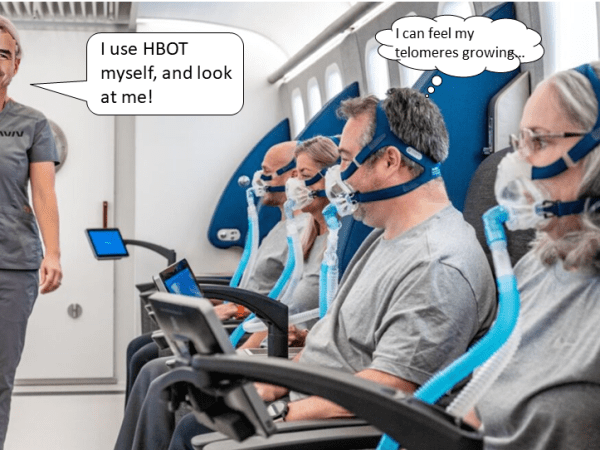
Hyperbaric Oxygen Therapy extends life, the telomeres, and everything
Telomere dysfunction is a common problem in older men. Dr Shai Efrati can help: Book your appointment for Hyperbaric Oxygen Therapy now!
The blog post from 13 October 2024 sums up:
“NHS Health Research Authority (HRA) […] has decided that it is acceptable to test the effects of entirely unproven and potentially lethal interventions on NHS patients without obtaining ethical approval, provided the experimentation is labelled “evaluation of a service development”. […]
In this case, the so-called ‘service’ was funded by the same commercial sponsor that collected the patient data. There was no report of independent oversight of data collection nor audit of what was reported. With these biases it is unsurprising that the published paper reported a clinical benefit.”
This is the paper:
Tim Robbins, Michael Gonevski, Cain Clark, Sudhanshu Baitule, Kavi Sharma, Angel Magar, Kiran Patel, Sailesh Sankar, Ioannis Kyrou, Asad Ali, Harpal S Randeva Hyperbaric oxygen therapy for the treatment of long COVID: early evaluation of a highly promising intervention Clinical Medicine (2021) doi: 10.7861/clinmed.2021-0462.
In that study, 10 sufferers of long COVID-19 were all treated in 2021 with HBOT in non-blinded non-controlled manner and achieved “significant improvements”. The treatments were all performed by Michael Gonevski, employed by the service provider Midlands Diving Chamber, located in a private clinic. The other 10 authors were affiliated with University Hospitals Coventry and Warwickshire NHS Trust (UHCW), one of them (Kiran Patel) is even UHCW’s chief medical officer. These doctors’s input was to refer their patients to Gonevski.
As it happens, Wilmshurst is an expert on HBOT, and he mentions:
“The known harms of hyperbaric oxygen include: neurological oxygen toxicity (convulsions), pulmonary oxygen toxicity (pneumonitis), pulmonary barotrauma (arterial gas embolism and pneumothorax), auditory barotrauma (deafness, tinnitus and vertigo) and death.
In subsequent correspondence, the HRA confirmed that its assessors “appreciate that there were risks to patients who received this treatment, and that this could even have led to death”.1 Yet, despite admitting that the intervention can be fatal, HRA is content that there was no ethical approval for first-use testing of the intervention in sick patients with long COVID.”
The Elsevier journal agreed with the authors that no ethics approval or informed consent was required. And HRA educated Wilmshurst that ethics approvals are needed only for research, not when a commercial “new service […] was going to be evaluated“.
Indeed, ethics or evidence in medical decision-making are much less relevant than money:
“In response to a FOI request, UHCW was unable to cite any published evidence of assessment or use of hyperbaric oxygen therapy for long COVID before the paper by Robbins et al. was published in November 2021.”
This is what prompted UHCW to send their patients over for HBOT treatment:
“Professor Andrew Hardy, the Chief Executive Officer of UHCW, wrote to one of us (PW) “Their Hyperbaric and Diving Physician Dr Michael Gonveski contacted Dr Ali, Dr Lara and Professor Randeva in January 2021 explaining that the Dive Centre had ‘Completed today 10 sessions with Hyperbaric Oxygen (HBOT) with our patient with long COVID. The results have been more than impressive, with the positive changes starting to take place even after the first three sessions’.”10 Subsequent correspondence revealed that this sole patient started his or her hyperbaric oxygen treatment on 11 January 2021 (a Monday) and is the patient referred to in the introduction section of the paper by Robbins et al.”
Peculiarly, UHCW understood quickly that HBOT treatment doesn’t work as advertised. After the ten patients ended 10-sessions treatment in June 2021, no further patients were referred to the Midlands Diving Chamber, “despite the paper claiming the treatment was beneficial“. The company continues treating large numbers of long COVID patients privately, for £200 per 90 minute session, with 60 sessions in total.
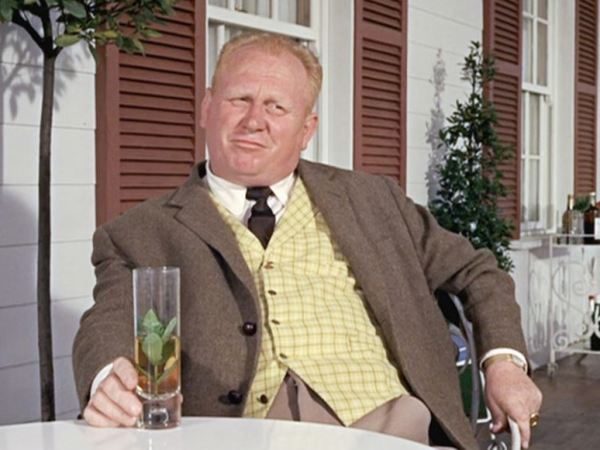
Ulrich Goldfinger sells Goldic youth
“This is gold, Mr. Bond. All my life I’ve been in love with its colour… its brilliance, its divine heaviness.”
We learn that the Midlands Diving Chamber Ltd was founded in 2008 by Julian (Jules) Eden and Simon John Wilson, who also own other the London Diving Chamber Ltd and the charity The Diving Chamber Treatment Trust, which lobbies for treating stroke, cerebral palsy, autism, post-traumatic brain injury and rheumatoid arthritis with HBOT. Now, Wilmshurst et al write regarding Eden:
“Following complaints to the General Medical Council (GMC) and a BBC radio programme about Dr Eden, the GMC suspended him from the UK Medical Register in 2007 for prescribing large amounts of dangerous and addictive drugs over the internet. Eden admitted various charges, including prescribing 60 sedatives to a suicidal 16-year-old boy despite his history of self-harming and psychiatric care.15,16 While suspended, Dr Eden illegally continued to prescribe drugs and as a result he was struck off the Medical Register in 2009.17
After he was struck off the UK medical register, Eden set up a company registered in a flat in Romania which employed Romanian doctors to prescribe drugs to patients without a consultation. The drugs were delivered by post to patients in the UK. As a result, Eden became the subject of a BBC Panorama programme broadcast on 6 August 2018.18
The fact that Dr Eden resigned from being a director of both the Midlands Diving Chamber Ltd and the London Diving Chamber Ltd on 18 June 2018 shortly before the 6 August 2018 Panorama programme was broadcast may be because BBC staff had already interviewed him and he knew that the television programme critical of his conduct would be broadcast. […]
According to the Panorama programme, Dr Eden has described the Care Quality Commission as “idiots” and said he was fed up with regulatory bodies and their auditing rules.18“
Pain, cancer and endometriosis
Do you remember Gilles Guillemin? A French neuroscience cheater in Australia, first whitewashed, then fired out by his by his Macquarie University. Read about his fake neuroscience here:
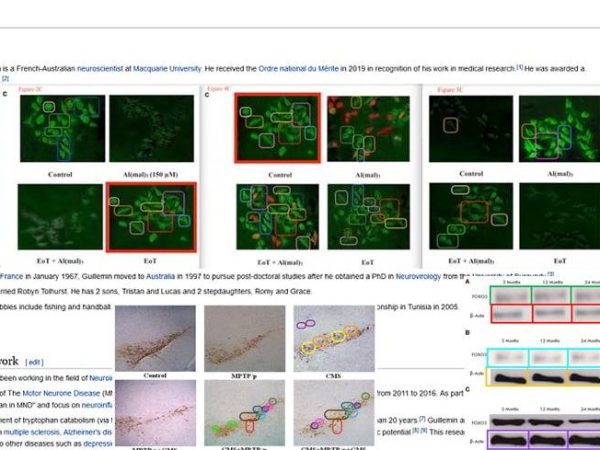
“NONE of the work HAS NOT BEEN DONE in my lab”
“you can make a mistake once, but twice hmmmm I’d like to have my name removed from the potential revised version of this manuscript”, – Prof Guillemin.
Last we heard of Guillemin, or Sir Gilles as he used to call himself, was in connection of his discovery of Asian papermills (read December 2023), thanks to which this sacked neuroscientist became an expert in cancer and biofuels (sic!), including studies titled “Cluster analysis of hikikomori-like idiom of distress in Oman“.
Well, together with his charming wife Robyn Tolhurst (they used to embezzle the Macquarie’s funds together, read January 2023 Shorts), Sir Gilles set up a new business: Bionyeri, a biotech startup which “uses only plant-based products combined with artificial intelligence and nanotechnologies” to cure “pain, cancer and endometriosis“. Sir Gilles is CEO, his wife is Chief Operating Officer, Gayathri Sundaram, a former postdoc of Sir Gilles’s collaborator Bruce Brew, is Chief Scientific Officer. Sir Gilles’s prodigy son isn’t involved though, he likes fish.
But the Indonesian government is very interested!
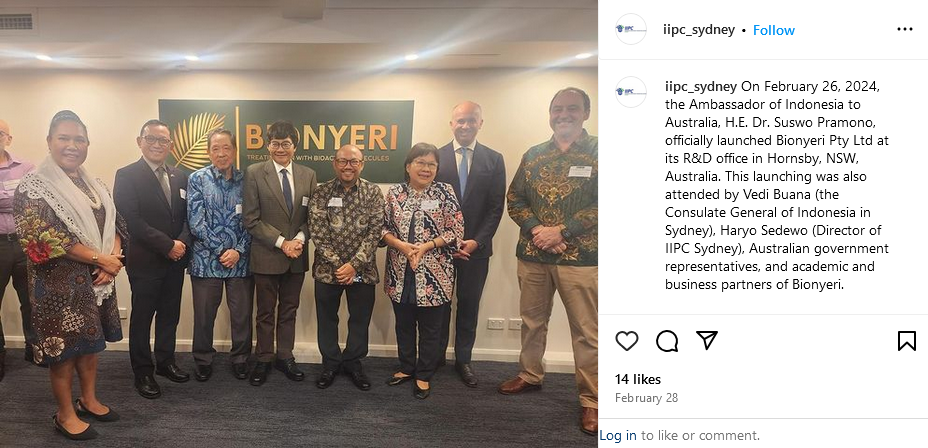
The product is “translational nutraceuticals”.
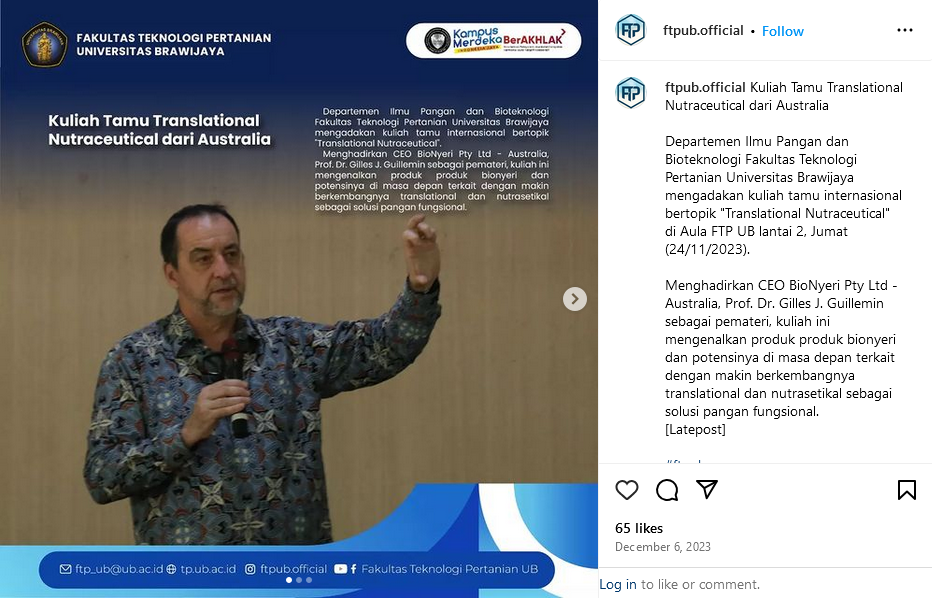
Scholarly Publishing
Death by MDPI
The trash publisher MDPI caused the death of one of its Romanian employees. This was reported by the website Predatory Journals referencing Romanian news, like Cluj24 from 5 October 2024.
A 27-year-old female employee of the MDPI seat at Cluj, Romania, died from a heart attack:
“Eyewitness accounts suggest that she had previously complained of feeling unwell but was not permitted to leave the office.
According to reports, the woman experienced fainting spells earlier in the day but was told by her supervisors that she could not leave. Shortly after, she collapsed and was later pronounced dead at the hospital.”

MDPI and racism
In 2019, MDPI published a Special Issue “Beyond Thirty Years of Research on Race Differences in Cognitive Ability”, one year later its owner Shu-Kun Lin expressed admiration for Trump and said “Black Lives Matter. White Lives Matter. All Lives Matter.”
MDPI is owned by a Chinese millionaire called Shu-Kun Lin, who is a self-professed Trump fan. The Romanian blogger Doru Şupeala shares an email Lin sent to all MDPI employees in 2022:
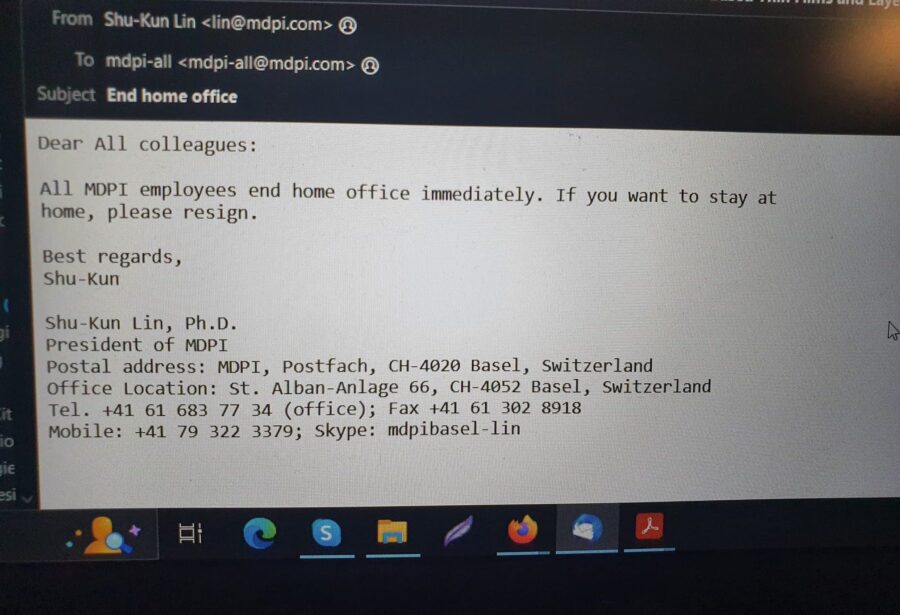
Supeala also shared a letter from an anonymous MDPI Romania employee, quote (Google-Translated):
“Broadly speaking, the management in Romania looks passively at the problems of the employees and allows the management in China* (because that is where the decisions are actually made) an exaggerated and unjustified control over the activity of the employees in Romania. […]
MDPI is headquartered in Basel, Switzerland, but the management there does not have any decision-making power, the most they can do is negotiate (apparently or not). The director is a Chinese citizen who leads from Basel, but all “orders” are sent to China, and then, through China, the daily tasks are “distributed” to each section (valid for Romania and all other offices in the world). […]
…daily work is mostly done with colleagues from China who assign tasks and then control every step of that task on a daily basis. […] Micro-management to micro-management. Every day, the colleagues in China make lists after lists, and sub-lists after lists, to check each task, to then report them to the group leaders and ask them why X or Y employee did not finish one task or another.“
Basically, MDPI is an extension of Chinese papermills, its European employees are slaves whose lives do not matter. Those who don’t obey or try to organise to defend their employee right are sacked. As the whistleblower revealed:
“…the Chinese management wants to publish as many scientific articles as possible without thinking too much about their quality or the impact of false or erroneous research on society.“
This human abuse to feed Chinese totalitarian regime and its papermill industry is sponsored by the Consortium of Swiss Academic Libraries, the Max Planck Digital Library, and in fact very likely also by your own university, find it on this MDPI list.
Spamming without any embargo
The pseudonymous sleuth Clare Francis reported an issue in a freshly published paper. It is from University of Liege in Belgium, where I was once found guilty of misconduct (read May 2024 Shorts). In fact, some papers by the Liege professor Alain Chariot featured in this article:

My Liège is not so vile a sin
“The Board of Ethics and Scientific Integrity of University of Liège investigated the overlap between the aforementioned panels and recommended the article be corrected”
This was published in the European society-owned EMBO Journal in July 2024 and flagged on PubPeer in October:
Caroline Wathieu , Arnaud Lavergne, Xinyi Xu , Marion Rolot , Ivan Nemazanyy , Kateryna Shostak , Najla El Hachem , Chloé Maurizy , Charlotte Leemans , Pierre Close, Laurent Nguyen , Christophe Desmet, Sylvia Tielens , Benjamin G Dewals, Alain Chariot Loss of Elp3 blocks intestinal tuft cell differentiation via an mTORC1-Atf4 axis The EMBO Journal (2024) doi: 10.1038/s44318-024-00184-4

The last author Alain Chariot explained on PubPeer:
“We specifically mentioned in the legend of Figure Expanded View 4D (EV4D) that the anti-Atf4 blot was the same as the one illustrated in Figure 10 F.”
Sure sure, but according to the two different loading controls those are supposed to be two different gels. Not one. Fact is: EMBO Press runs pre-publication screens for image duplications. Presumably the duplicated blot was spotted, the authors were asked to replace it, had nothing to offer, so a sentence was added “Note that the anti-Atf4 blot is identical to the one illustrated in Fig. 10F.” Special rules for special people.
In any case, this is the reply Clare Francis received from Bernd Pulverer, Head of Scientific Publications at EMBO Press:
“Please stop spamming us (including editors not working at the journal anymore) with comments you also post directly at PubPeer without any embargo.
You are not making things more efficient.“
I understand Bernd’s anger. It is so unfair to complain about that one blot when Alan Chariot has much worse stuff on PubPeer (as already mentioned in my earlier article). Like this:
Tieu-Lan Chau , Serkan Ismail Göktuna, Ayman Rammal , Tomás Casanova , Hong-Quan Duong , Jean-Stéphane Gatot , Pierre Close , Emmanuel Dejardin, Daniel Desmecht, Kateryna Shostak , Alain Chariot A Role for APPL1 in TLR3/4-Dependent TBK1 and IKKε Activation in Macrophages The Journal of Immunology (2015) doi: 10.4049/jimmunol.1401614


In May 2021, Chariot arrived to PubPeer with both ERK blots on Figures 9A and 9B replaced, while stating: “Our conclusions remain totally valid“. No correction was ever published.
Gel duplication is rather normal in Chariot’s lab in Liege:
Aurore Keutgens , Kateryna Shostak , Pierre Close , Xin Zhang , Benoît Hennuy , Marie Aussems , Jean-Paul Chapelle , Patrick Viatour , André Gothot , Marianne Fillet , Alain Chariot The repressing function of the oncoprotein BCL-3 requires CtBP, while its polyubiquitination and degradation involve the E3 ligase TBLR1 Molecular and Cellular Biology (2010) doi: 10.1128/mcb.01600-09

Chariot with his Liege friends, this time a histology image was fudged:
Céline Deroyer , Edith Charlier , Sophie Neuville , Olivier Malaise , Philippe Gillet , William Kurth , Alain Chariot , Michel Malaise , Dominique De Seny CEMIP (KIAA1199) induces a fibrosis-like process in osteoarthritic chondrocytes Cell Death & Disease (2019) doi: 10.1038/s41419-019-1377-8

Chariot studied and spent his entire academic career in Liege, according to his LinkedIn he didn’t even briefly leave to do a symbolic postdoc stay abroad. A paper from his time as trainee of the Liege professor Vincent Bours, who of course has more fake stuff on PubPeer:
Valérie Benoit , Alain Chariot , Laurence Delacroix , Valérie Deregowski , Nathalie Jacobs , Marie-Paule Merville , Vincent Bours Caspase-8-dependent HER-2 cleavage in response to tumor necrosis factor alpha stimulation is counteracted by nuclear factor kappaB through c-FLIP-L expression Cancer Research (2004) doi: 10.1158/0008-5472.can-03-2914


Pulverer didn’t deny that he knew of Chariot’s record of bad science, and that he allowed him to fibs the readers after Chariot’s duplicated gel was caught by EMBO Press’s internal checks.
Retraction Watchdogging
At request of last author
Britain’s superstar of cancer research, Stephen P. Jackson, professor at Cancer Research UK Cambridge Institute and associate group leader at the Gurdon Institute, University of Cambridge, retracts another paper because of another rogue postdoc, Abdeladim Moumen. Read here for background:
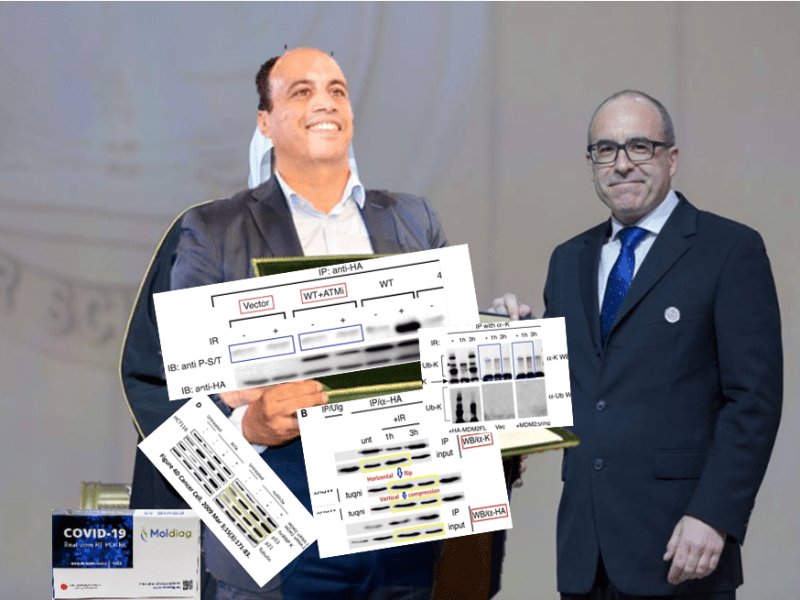
Steve Jackson and the Moumen Troll
“I take issues of research integrity very seriously and shall of course review the concerns posted on PubPeer to establish whether there are any issues that need to be addressed.” Stephen P Jackson.
It is a Cell paper, here some of the many fraud issues in it:
Abdeladim Moumen , Philip Masterson , Mark J. O’Connor, Stephen P. Jackson hnRNP K: an HDM2 target and transcriptional coactivator of p53 in response to DNA damage Cell (2005) doi: 10.1016/j.cell.2005.09.032


Martin Enge , Wenjie Bao , Elisabeth Hedström , Stephen P. Jackson , Abdeladim Moumen, Galina Selivanova MDM2-dependent downregulation of p21 and hnRNP K provides a switch between apoptosis and growth arrest induced by pharmacologically activated p53 Cancer Cell (2009)doi: 10.1016/j.ccr.2009.01.019
The evidence is from March 2021, at that time Jackson announced to me to address the issues and have his Gurdon Institute open an investigation. He and Moumen have more problematic papers on PubPeer. Until now, sod all happened. Even that Enge et al 2009 paper done with Galina Selivanova from Karolinska Institutet in Sweden was not even corrected despite its many other problems (read October 2021 Shorts). But suddenly, on 9 October 2024 the retraction arrived for Moumen et al 2005 in Cell:
“This paper is being retracted at the request of the last author.
Our paper reported that heterogeneous nuclear ribonucleoprotein K (hnRNP K) is induced in response to DNA damage via a signaling pathway that results in stabilization of hnRNP K and recruitment to TP53 target genes. We, the authors, have become aware of various duplications and strong similarities between images in the following figure panels: 1E, 1F, 3A, 4A, 4B, 4D, 4E, 6B, 7A, and 7B. These issues occur in both control data and in experimental data. Unfortunately, we no longer have access to the original results from the 2005 study and are therefore unable to ascertain how these issues arose. As these issues impact confidence in the paper’s conclusions, we are retracting the paper. We sincerely apologize to the scientific community for any inconvenience and confusion that we have caused.
We note that none of the issues that we have become aware of relate to experiments carried out at KuDOS Pharmaceuticals, Ltd.
The first author, Abdeladim Moumen, declined to sign this retraction.”
The statement about “none of the issues” relating to “experiments carried out at KuDOS Pharmaceuticals, Ltd.” gives a possible clue why retractions are so difficult for Jackson. He founded the biotech company KuDOS Pharmaceuticals in 1997 and sold it in 2005 to Astra Zeneca for $210 million. Including Jackson himself, three out of four authors of the retracted paper are affiliated with KuDOS.
It is Jackson’s third retraction, two other papers, in Nature and Science, were retracted in 2019 because of his other super-postdoc, Abderrahmane Kaidi. Read here:
Abder Kaidi fraud and bullying scandal unravels
The fraud case of Bristol cell biologist Abderrahmane Kaidi looked rather straightforward: Bristol University caught a group leader on data faking and bullying, and immediately had him removed. Turns out, it was not really like that. Now I publish some very revealing leaked material, spiced with stories of a guerrilla Twitter account and a deleted…
Whims and fancies
A retraction had to be corrected. The offended scientist is called P. Stanely Mainzen Prince, M.Sc.,B.Ed.,M.Phil.,Ph.D.,(D.Sc), associate professor at Annamalai University in India and “World Top 2% Scientist, Biochemistry&Biotechnology“.
These two papers were flagged by Elisabeth Bik, who in 2019 wrote a whole blogpost about the Annamalai University:
- K. Senthil Kumaran , P. Stanely Mainzen Prince Protective effects of caffeic acid on lactate dehydrogenase isoenzymes, electrocardiogram, adenosine triphosphatases, and hematology on isoproterenol-induced myocardial infarcted rats Journal of Biochemical and Molecular Toxicology (2011) doi: 10.1002/jbt.20359
- V. R. Punithavathi , P. Stanely Mainzen Prince The cardioprotective effects of a combination of quercetin and α-tocopherol on isoproterenol-induced myocardial infarcted rats Journal of Biochemical and Molecular Toxicology (2011) doi: 10.1002/jbt.20357

Both were retracted, with very similar notices (here and here):
“The retraction has been agreed following an investigation into concerns raised by a third party, which revealed that the western blot in Figure 1 [resp 2, -LS] has been published in another article by one of the same authors. The duplicated blots in the two articles represent different experiments. The authors did not provide an explanation or their original data. The editors consider the results and conclusion reported in this article unreliable.”
Here are two more retractions for Mainzen Prince in the same Wiley journal:
M. Rajadurai , P. Stanely Mainzen Prince Preventive effect of naringin on cardiac mitochondrial enzymes during isoproterenol‐induced myocardial infarction in rats: A transmission electron microscopic study Journal of Biochemical and Molecular Toxicology (2007) doi: 10.1002/jbt.20203
Bik: “Red boxes: Panels b (normal and naringin (10 mg/kg) treatment) and f (naringin (10 mg/kg) and ISO-induced) show a significant overlap.”

The retraction from 4 September 2024 referred to “duplication of panels presented in figure 3b and 3 f” and mentioned that “authors did not provide an explanation or their raw data“.
Mohamed Fizur Nagoor Meeran , Ponnian Stanely Mainzen Prince Protective effects of N‐acetyl cysteine on lipid peroxide metabolism on isoproterenol‐induced myocardial infarcted rats Journal of Biochemical and Molecular Toxicology (2011) doi: 10.1002/jbt.20371

Retraction 14 September 2024: “The retraction has been agreed due to duplication of several Western blot bands observed in Figure 2. The authors did not provide an explanation or their raw data. The editors consider the results and conclusion reported in this article unreliable.”
However, on 7 October 2024, the retraction for Kumaran et al 2011 received a Correction:
“In the previously published retraction note, the reasons for the retraction were described inaccurately and the authors’ disapproval of the retraction was not reflected. This has now been addressed and corrected below.
The retraction has been agreed following an investigation into concerns raised by a third party, which revealed that some of the bands presented in the agarose gel electrophoresis in Figure 1 have been published in another article by one of the same authors. The gels in the two articles represent different experiments. The authors did not provide a satisfactory explanation or their original data. The editors consider the results and conclusion reported in this article unreliable. The authors disagree with the retraction.
We apologize for this error.”
Why was it important to add that P. Stanely Mainzen Prince disagrees with the retraction? Because he is a litigious sociopath who sues everyone.
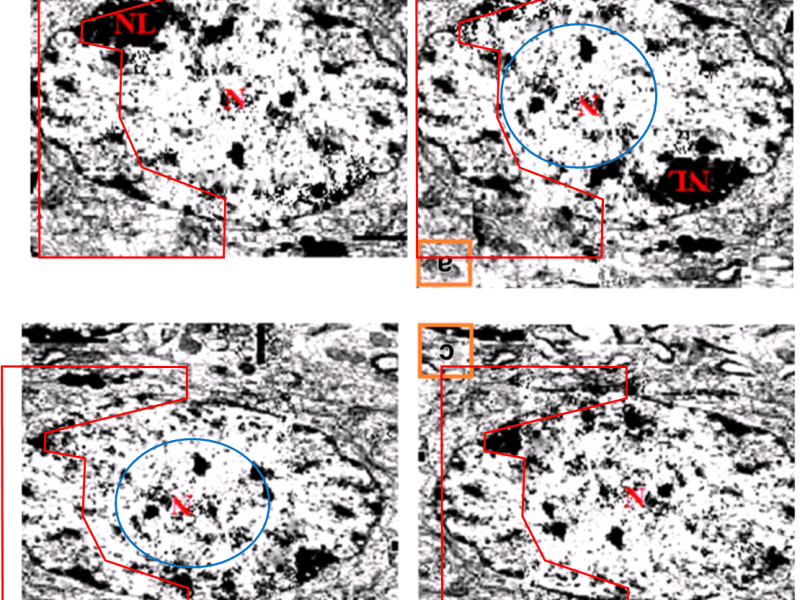
Milton Prabu’s outsourced art gallery
“now we have equipped with our own photo microscopy, we didn’t depend on the out sourcing fellows to take the photography our slides”. – Dr Milton Prabu.

Behold, the online records of the Madras High Court from September 2021 which rejected Mainzen Prince’s appeal. The Annamalai University academic sued his Registrar, the Controller of Examinations, the Dean, the Head Department of Biochemistry & Biotechnology, and last but not least, three of his own PhD students!
“…when the appellant was working as Assistant Professor in the Department of Bio- https://www.mhc.tn.gov.in/judis/ chemistry and Bio-technology in Annamalai University, the respondents 6 & 7 were pursuing their Ph.D programme under his supervision from 10.11.2010 and 18.11.2010 respectively. As they had not completed the research successfully, the appellant instructed them to perform more experiments to complete their research. But they did not do so. On the contrary, the respondents 6 & 7 forced the appellant to complete the Ph.D thesis according to their whims and fancies and they also made false and untenable allegations against him. Not stopping with that, they also changed the research supervisor, resultantly, the fifth respondent became their new guide. Learned counsel for the appellant further argued that as per clause 13.2.2 of Annamalai University Ph.D Programme Prospectus, 2014-15, when the change of supervisor is approved, the candidate shall work for a minimum of two years with the new supervisor, provided he/she fulfills the attendance requirements. When the respondents 6 & 7 have worked between 27.6.2014 and 30.7.2014 after the change of guide and have submitted their Ph.D thesis and they have not done any research work under the guidance of the fifth respondent, who became their guide from 26.6.2014, finding such irregularities are taking place in the department, that too, by giving special https://www.mhc.tn.gov.in/judis/ preference to the respondents 6 & 7, the appellant has given a complaint as to the wrong procedure followed in favour of the respondents 6 & 7, which has not been considered.”
Ponnian Stanely Mainzen Prince remains professor at Annamalai University. Despite or maybe because of his PubPeer record of fake science. Like this:
Ponnian Stanely Mainzen Prince, Koothan Dhanasekar , Sundaresan Rajakumar Vanillic acid prevents altered ion pumps, ions, inhibits Fas-receptor and caspase mediated apoptosis-signaling pathway and cardiomyocyte death in myocardial infarcted rats Chemico-Biological Interactions (2015) doi: 10.1016/j.cbi.2015.03.009

A potpouri from some of Bik’s findings, with much more on PubPeer:

 , Rafeek Hidhayath Basha Preventive effects of N-acetyl cysteine on lipids, lipoproteins and myocardial infarct size in isoproterenol induced myocardial infarcted rats: An in vivo and in vitro study European Journal of Pharmacology (2012) doi: 10.1016/j.ejphar.2011.11.043


Mainzen Prince’s coauthors (if he even has any!) are his fellow professors, at Annamalai University or elsehwere in India. Which means, he abuses his PhD students as unpaid papermill.
The backgroudn for that lawsuit must have been the following: Mainzen Prince bullied his PhD students into fabricating research papers for him and his friends, threatening to deny them graduation until they don’t deliver. They instead reported their abuser and found themselves a new thesis supervisor. Mainzen Prince tried to retaliate, failed, then sued everyone including the students for allowing them to graduate. He fell on his fat arse, sued again, fell on his fat arse again and was ordered to pay all legal expenses.
Hopefully at least the papermill slavery was abolished. Mainzen Prince only publishes between 1 and 2 papers between 2020 and 2024, he probably had to fake them himself.
Hailed as a breakthrough
Paolo Macchiarini and his fellow trachea transplanter Martin Birchall retract another paper, this time an editorial. Another prominent co-author is Anthony Hollander, who made his career helping out the two colleagues with their very first trachea transplant in 2008, read here:
Macchiarini partner Anthony Hollander chairs mass-sacking committee in Liverpool
“I felt I had a lot to give the world. Getting my first at university and doing so well in research was an antidote. Underneath, though, there is part of me that feels maybe one day someone will discover that I am stupid.” – Tony “Blue Peter” Hollander
This is their now-retracted editorial:
Anthony Hollander , Paolo Macchiarini , Bert Gordijn , Martin Birchall The first stem cell-based tissue-engineered organ replacement: implications for regenerative medicine and society Regenerative Medicine (2009) doi: 10.2217/17460751.4.2.147
It started with:
“In June 2008, a young woman with end-stage bronchial disease received a decellularized donor tracheal graft that had been repopulated with autologous cells, many of which (chondrocytes) were derived from mesenchymal stem cells; 6 months later, she is well and actively caring for her two young children. She has no signs of stenosis or rejection and is on no immunosuppressive medication [1]. This success has been hailed as a breakthrough in some quarters,”
That was all a lie, the cadaveric trachea failed, the patient almost died and lost her lung, and eventually, the referenced Lancet paper was retracted. Read here:
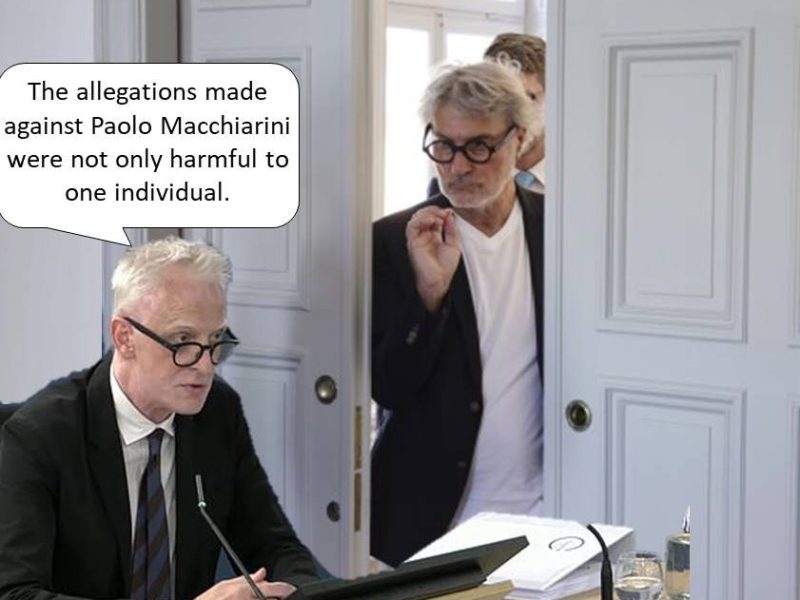
Swedish investigation spoils Macchiarini cover-up at Lancet
NPOF, again and again: “Philipp Jungebluth and Paolo Macchiarini guilty of research misconduct” Lancet: “Paolo Macchiarini is not guilty of scientific misconduct”
The retraction was published on 14 October 2024:
“Since publication, the Publisher has identified concerns regarding the content of this editorial article. Whilst under investigation by the Publisher and the Editors, the authors Anthony Hollander, Martin Birchall, and Bert Gordijn have requested the retraction of this editorial article as the original article the editorial is based upon has been subsequently retracted:
The Editors Of The Lancet. Retraction: Clinical transplantation of a tissue-engineered airway. Lancet. 2023 Oct 28;402(10412):1510. doi: 10.1016/S0140–6736(23)02341-3.
As the Editor and Publisher also have concerns about the integrity of the editorial article, we have agreed to retract the editorial article to ensure the correction of the scholarly record. Whilst the authors Anthony Hollander, Martin Birchall, and Bert Gordijn have expressed their agreement with the retraction, we have been unable to contact Paolo Macchiarini.”
Macchiarini is likely in jail now, read June 2024 Shorts. I struggle to believe that Hollander and especially Birchall voluntarily asked for this retraction, they generally oppose retractions all the time. Anyway, Bert Gordijn, who is the Director of the Ethics Research Centre at Dublin City University in Ireland, has a great ethics lesson for his students now.
Published in an unrelated journal
Five retractions for Sam Yoon of Memorial Sloan Kettering Cancer Center (MSKCC), whose fraud was uncovered by Sholto David and then picked up by the New York Times:

Memorial Sloan Kettering Paper Mill
“Why do successful and apparently intelligent surgeons feel the need to play pretend at biology research? Has Sam S. Yoon ever performed an invasion or migration assay? […] if this is how he “supervises” his research does anyone trust his supervision of surgery?” – Sholto David

The 5 retractions in the two AACR journal all appeared on 15 October 2024, the studies prominently feature Yoon’s wife Sandra Ryeom and his trusty right-hand man Changhwan Yoon:
- Soo-Jeong, Changhwan Yoon, Jun Ho Lee, Kevin K. Chang, Jian-xian Lin, Young-Ho Kim, Myeong-Cherl Kook, Bülent Arman Aksoy, Do Joong Park, Hassan Ashktorab, Duane T. Smoot, Nikolaus Schultz, Sam S. Yoon KMT2C Mutations in Diffuse-Type Gastric Adenocarcinoma Promote Epithelial-to-Mesenchymal Transition Clinical Cancer Research (2018) doi: 10.1158/1078-0432.ccr-17-1679


The retraction notice:
“This article (1) has been retracted at the request of the authors. In Fig. 3G, the image that represents a migration assay of HFE-145 cells transduced with shKM12c was previously published as an image representing an invasion assay of HT1080 grown as spheroids and treated with imatinib (Fig. 3D; ref. 2). […]
A figure panel in this article (1) appears to have published in a later article in an unrelated journal (3). Specifically, one panel in Fig. 4D of this article appears to be duplicated in Figs. 2D and 3E of the subsequent article.”
- Changhwan Yoon, Soo-Jeong Cho, Bülent Arman Aksoy, Do Joong Park, Nikolaus Schultz, Sandra W. Ryeom, Sam S. Yoon Chemotherapy Resistance in Diffuse-Type Gastric Adenocarcinoma Is Mediated by RhoA Activation in Cancer Stem-Like Cells Clinical Cancer Research (2016) doi: 10.1158/1078-0432.ccr-15-1356


Also this retraction notice informed that Yoon agreed to retraction, and:
“This article (1) has been retracted at the request of the authors. In Fig. 1D, the four immunofluorescence images used to represent CD44(−) in MKN-45 cell lines grown as spheroids were repeated in Fig. 3B as the four images representing LYS294002 in SNU-668 cell lines grown as spheroids. […]
Figures in this article (1) appear to be published in later articles. Specifically, there appear to be duplications in Fig. 1D of this article and Fig. 4H of a subsequent article that has been retracted (2). There also appears to be image duplications in Fig. 3C of this article and in Fig. 3E of a subsequent article in an unrelated journal (3). Finally, an image in Fig. 5B of this article appears to be duplicated in Fig. 6C of a subsequent article in an unrelated journal that has been retracted (4).”
- Changhwan Yoon, Do Joong Park, Benjamin Schmidt, Nicholas J Thomas, Hae-June Lee, Teresa S Kim, Yelena Y Janjigian, Deirdre J Cohen, S. S. Yoon CD44 expression denotes a subpopulation of gastric cancer cells in which Hedgehog signaling promotes chemotherapy resistance Clinical Cancer Research (2014) doi: 10.1158/1078-0432.ccr-14-0011

The retraction, again with Yoon’s approval:
“This article (1) has been retracted at the request of the authors. Images in this article were duplicated within the article or in other publications:
- In Fig. 1B, the four AGS images at 4 hours are the same as the four NCI-N87 images at 1 hour.
- In Fig. 4A, the IHCs representing AGS cells at monolayer, AGS cells with spheroid/Smo.shRNA treatment, and AGS cells with spheroid/vismodegib treatment are the same.
- In Fig. 4A, the IHCs representing N87 cells at monolayer and N87 cells with spheroid/vismodegib treatment are the same.
- In Fig. 4A, the IHCs representing N87 cells with both spheroid/Scr.shRNA treatment and spheroid/Smo.shRNA treatment were previously published as representations of C#13 cells treated with DMSO and U0126, respectively (Fig. 3F, ref. 2).
[…]
Figure panels in this article (1) appear to have published in a later article in an unrelated journal that has since been retracted (3). Specifically, two panels in Fig. 4A of this article appear to be duplicated in Fig. 3B and D of the subsequent article.”
- Yoon-Jin Lee , Daniel L. Karl , Ugwuji N. Maduekwe , Courtney Rothrock , Sandra Ryeom , Patricia A. D’Amore , Sam S. Yoon Differential effects of VEGFR-1 and VEGFR-2 inhibition on tumor metastases based on host organ environment Cancer Research (2010) doi: 10.1158/0008-5472.can-10-1138


This time, because this is a different AACR journal, the retractions took place at the request of editors, and not of authors. Also, we learn that Yoon did not agree to the retraction, and:
“This article (1) has been retracted at the request of the editors. An internal review by the editors found that the same image was used to represent Total VEGFR-2 in lanes 1–6 and in lanes 7–12 in Fig. 2A, and the same image was used to represent VEGFR-1 in lane 1 of Supplementary Figs. S2B and S4A. In addition, there appears to be splicing in the image of the Phospho-VEGFR-1 Western blot in Fig. 2A between the Lung EC and Liver EC samples and in the image of β-actin in Supplementary Fig. S4A between the Normal lung and Lung metastases samples. These splicing alterations were noted when applying adaptive histogram equalization to the figure using image analysis software.”
- Yoon-Jin Lee, Moritz Koch, Daniel Karl, Antoni X. Torres-Collado, Namali T. Fernando, Courtney Rothrock, Darshini Kuruppu, Sandra Ryeom, M. Luisa Iruela-Arispe, Sam S. Yoon Variable Inhibition of Thrombospondin 1 against Liver and Lung Metastases through Differential Activation of Metalloproteinase ADAMTS1 Cancer Research (2010) doi: 10.1158/0008-5472.can-09-3094


Also here, Yoon didn’t agree and his wife didn’t respond:
“This article (1) has been retracted at the request of the editors. An internal review by the editors found that:
In Supplementary Fig. S2, the same image was used to represent GFP immunofluorescence in the lower panels of the GFP-Control RNAi and GFP-ADAMTS1 RNAi #2 groups.
The same image was used to represent the TSP1 Western blot in Fig. 4B for the No lysate sample with rTSP1 incubated with rADAMTS1 and in Fig. 4C for the Liver lysate sample with rTSP1.
The same image was used to represent the TSP1 Western blot in Fig. 4B for the No lysate sample with rTSP1 and in Fig. 4C for the No lysate sample with rTSP1.
In Fig. 6D, the same image was used to represent the lungs in the CT26.3TSR-2 and CT26.3TSR-3 groups.”
According to RW database, the cancer cheater Sam Yoon already had 7 retractions, the newly issued 5 make it 13 in total. In positive news, the totally unrelated and highly successful MSKCC professor S. Sunghyun Yoon has no retractions whatsoever (read June 2024 Shorts).

New York Times reported this time also, on 16 October 2024, and mentioned:
“Dr. Yoon’s more junior collaborator, Changhwan Yoon, no longer works in the lab, Columbia said in response to questions on Wednesday. But the university has said little else about what, if anything, it has done to address the allegations.”
Considered human waste
Also France’s most beloved grandpa, Didier Raoult, gets five more retractions. This time, in PLOS One.
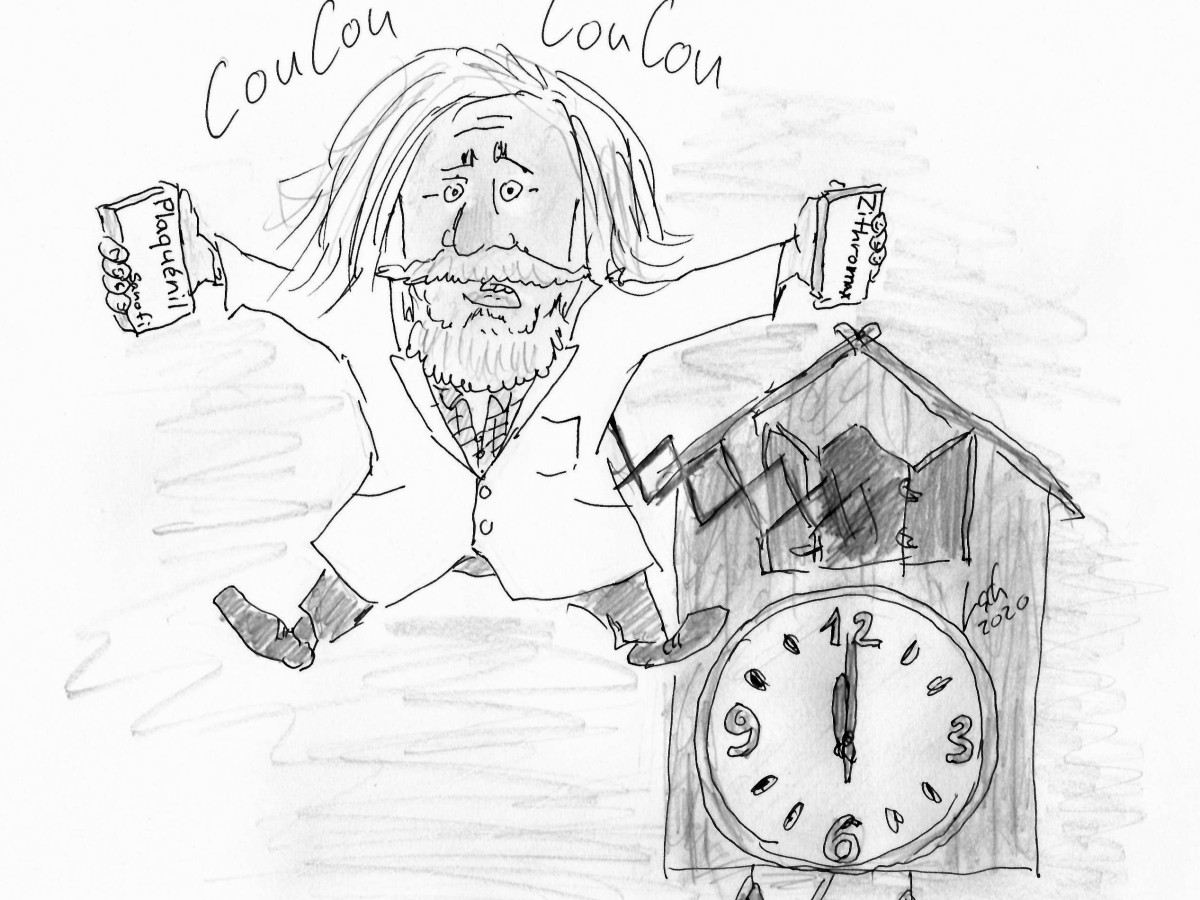
Didier Raoult fraud: “Je ne regrette rien”
One year on: more fake data, financial fraud and illegal and falsified clinical trials by the chloroquine guru Didier Raoult.
Here they are, all retracted on 14 October 2024:
- Retracted: Abdessamad El Kaoutari , Fabrice Armougom , Quentin Leroy, Bernard Vialettes, Matthieu Million, Didier Raoult, Bernard Henrissat Development and validation of a microarray for the investigation of the CAZymes encoded by the human gut microbiome PLoS ONE (2013) doi: 10.1371/journal.pone.0084033
- Retracted: Alpha Kabinet Keita, Cristina Socolovschi, Steve Ahuka-Mundeke, Pavel Ratmanov, Christelle Butel, Ahidjo Ayouba, Bila-Isia Inogwabini, Jean-Jacques Muyembe-Tamfum, Eitel Mpoudi-Ngole, Eric Delaporte, Martine Peeters, Florence Fenollar, Didier Raoult Molecular evidence for the presence of Rickettsia Felis in the feces of wild-living African apes PLoS ONE (2013) doi: 10.1371/journal.pone.0054679
- Retracted: Aurélie Veracx , Amina Boutellis , Vicky Merhej , Georges Diatta, Didier Raoult Evidence for an African cluster of human head and body lice with variable colors and interbreeding of lice between continents PLoS ONE (2012) doi: 10.1371/journal.pone.0037804
- Retracted: Aurélie Veracx , Romain Rivet, Karen D. McCoy , Philippe Brouqui, Didier Raoult Evidence that head and body lice on homeless persons have the same genotype PLoS ONE (2012) doi: 10.1371/journal.pone.0045903
- Retracted: Yannael Coisel , Sabri Bousbia, Jean-Marie Forel, Sami Hraiech, Bernard Lascola, Antoine Roch, Christine Zandotti , Matthieu Million, Samir Jaber, Didier Raoult, Laurent Papazian Cytomegalovirus and herpes simplex virus effect on the prognosis of mechanically ventilated patients suspected to have ventilator-associated pneumonia PLoS ONE (2012) doi: 10.1371/journal.pone.0051340
The retraction notices all mentioned the absence of an ethics approval as the retraction reason. All retraction notices also menioned a protest from IHU Marseille, where Raoult until his recent forced retirement was the dictator:
- “A representative of the Aix-Marseille Université Ethics Committee stated that the institute disagrees with the retraction decision, and that their investigation has not determined that the article violates French regulations or international ethics rules. They stated that the stool samples collected in this study are considered human waste, and that the study did not require ethics approval from a Comité de Protection des Personnes according to French law.”
- “A representative of the Aix-Marseille Université Ethics Committee stated that the institute disagrees with the retraction decision, that the cited approval from Cameroon authorized the research in [1, 2], and that the study complied with the local legislation and international ethics standards. PLOS concluded that the response from Aix-Marseille Université did not resolve the above concerns.”
- “A representative of the Aix-Marseille Université Ethics Committee stated that the institute disagrees with the retraction decision, and that the department’s investigation has not determined that the article violates French regulations or international ethics rules. They also commented that this study focuses exclusively on the analysis of lice and does not involve human subjects, and therefore did not require ethics approval from a Comité de Protection des Personnes according to French law.”
- “The representative of the Aix-Marseille Université Ethics Committee stated that the institute disagrees with the retraction decision, and that their investigation has not determined that the article violates French regulations or international ethics rules. They stated that the study is not considered research involving the human person that would require CPP approval according to French law, because it focused exclusively on the analysis of lice collected previously and there was no specific sampling for this study.”
- “A representative from the Aix-Marseille Université stated that the institutional investigation into the ethics concerns concluded this article meets ethical standards. They commented that the authors wrongly describe this study a prospective study and commented that this is a retrospective study instead. Furthermore, the institute’s representative stated that this study did not involve the human person and as such it did not require approval from a Comité de Protection des Personnes according to French law, and they state that there are no written consents. The institute’s statement that no consent was obtained for this study directly contradicts the statement in the IFR48 #07–026 approval document, which states that patient consent was obtained. The institute’s response did not resolve the concerns regarding the discrepancy between the information in the article and the information in the ethics approval documentation.”
I think I know who that psychopathic representative of the Aix-Marseille Université Ethics Committee was: Audrey Zeitoun-Calvo (read June 2024 Shorts).
Liberté, Égalité, Fraternité – only for Raoult and French elites
“Didier Raoult, the IHU institute, and Eric Chabrière all decided to sue Leonid Schneider for defamation and insults, which they claim to be present in this article. They also sued me, because I translated it into French and put it on my blog ” – Alexander Samuel
In other recent Raoult-related news:
“Professor Didier Raoult, a famous microbiologist and former director of the IHU of Marseille, is banned from practicing medicine for two years from February 1, 2025. This decision, taken on appeal by the national disciplinary chamber, increases the initial sanction which had only imposed a reprimand on him in December 2021. The Order of Physicians then appealed, judging this first sanction too lenient.”
Since the choloroquine guru already officially retired, this punishment is symbolic. Like all punishments Raoult receives, if he even receives any. Because France.
Donate!
If you are interested to support my work, you can leave here a small tip of $5. Or several of small tips, just increase the amount as you like (2x=€10; 5x=€25). Your generous patronage of my journalism will be most appreciated!
€5.00
Donate!
If you are interested to support my work, you can leave here a small tip of $5. Or several of small tips, just increase the amount as you like (2x=€10; 5x=€25). Your generous patronage of my journalism will be most appreciated!
€5.00

 For Better Science
Audrey Zeitoun-Calvo needs courses on research legislation in france ASAP. It’s embarrassing for the University of Aix-Marseille…
LikeLike
I think AMU leaders are very happy with her performance!
LikeLike
That is the Platonic ideal of something, though I’m not sure just what. Bullshit, perhaps.
LikeLiked by 2 people
Considering his CV, the linkedIn page of Eric Berglund, PhD, is laughable. Seriously, if you feel depressed, this is a recommended reading. His core competencies include “Scientific Research” and “Scientific Writing and Publication”… Ah, btw, he is flagged #opentowork. Good luck! https://www.linkedin.com/in/eric-d-berglund/
LikeLiked by 1 person
The story on the Leiden University professor Corinne Hofman is absolutely wild.
Yes, I know (all too well) that a lot of bad shit happens in academia but it seems crazy to me that such conditions could be allowed to occur for so long.
LikeLiked by 1 person
“A paper from his time as trainee of the Liege professor Vincent Bours, who of course has more fake stuff on PubPeer:”
With a rather famous American.
PubPeer – Mutational analysis of the p50 subunit of NF-kappa B and inh…
LikeLiked by 1 person
Bernd Pulverer seems to join the expert assessment of University of Liege regarding my journalism:
“This sort of poor journalism is not helping, which is too bad really”
My journalism is the problem. Not the Liege fraud.
LikeLike
Belated obituary Roy M Katso.
https://www.chronicle.co.zw/academic-technocrat-katso-buried/
Roy M Katso first author here:
PubPeer – Functional analysis of H-Ryk, an atypical member of the rece…
Senior author:
Sri Ramachandra Medical college and Research Institute : Professor T.S Ganesan
Roy M Katso first author here:
PubPeer – Phosphoinositide 3-Kinase C2beta regulates cytoskeletal orga…
Several prominent scientists as coauthors.
To name a couple:-
Julian Downward | Crick
Professor Anne Ridley – Our People
LikeLike
Another belated obituary. More serious this time.
Janet A. Houghton, PhD: In Memoriam (1952–2017) | Cancer Research | American Association for Cancer Research
PubPeer – Search publications and join the conversation.
LikeLike
“Sam Yoon already had 7 retractions, the newly issued 5 make it 13 in total.”
That doesn’t add up…
LikeLike
Just checking if you were reading carefully:-b
LikeLike