

Schneider Shorts of 11 October 2024 – Cancer cures and Nobel Prize special with a British and a German businessman selling vaccine therapy, two oncology professors with fake figures, plus a Hungarian papermiller, and the real cause and cure for Alzheimer’s.
Table of Discontent
Science Elites
- Tokens of scientific legitimacy– International Society for Cell & Gene Therapy fights stem cell crookery
- Not included in the prize – 2024 Nobel Prize goes to Chinese papermills
- Further experimental checks on the data – how Adrian Harris cures cancer
- Top cited and funded – How Martin Gleave cures cancer
- Denetled cults – Patrik Viktor, Hungary’s shooting star
Industry Giants
- Safe and effective – How one German makes millions with cancer cures
Science Breakthroughs
- Increases the risk of dementia – German professor found the real cause of Alzheimer’s
- Tomatoes, carrots, apricots, and passion fruit – Spanish professor found the cure for Alzheimer’s
Science Elites
Tokens of scientific legitimacy
The International Society for Cell & Gene Therapy (ISCT) is “a global society of clinicians, regulators, researchers, technologists, and industry partners with a shared vision to translate cell and gene therapy into safe and effective therapies to improve patients’ lives worldwide.” It also issues Guidelines and Resources for Healthcare Providers on Unproven Cell & Gene Therapies. ISCT’s Ethics of Cell and Gene Therapy (ECGT) Committee educates:
“Unproven CGT products are often marketed in ways that seem to be supported by more robust scientific evidence than actually exists. These marketing strategies are collectively known as:
“tokens of scientific legitimacy”“
You are specifically asked to:
“Report clinics or companies making therapeutic claims that cannot be scientifically substantiated to the relevant regulatory body, to patient advocacy groups and to scientific organizations/societies such as ISCT and its ECGT committee.”
Thank god we have such amazing watchdogs, who tell us which stem cell scientists to trust and which dangerous quacks to report to them for due punishment.
You know where this is going, right?
Behold, the ISCT 2024 Career Achievement Award in Cell and Gene Therapy goes to…
Because his former collaborator Paolo Macchiarini was unavailable (in jail).
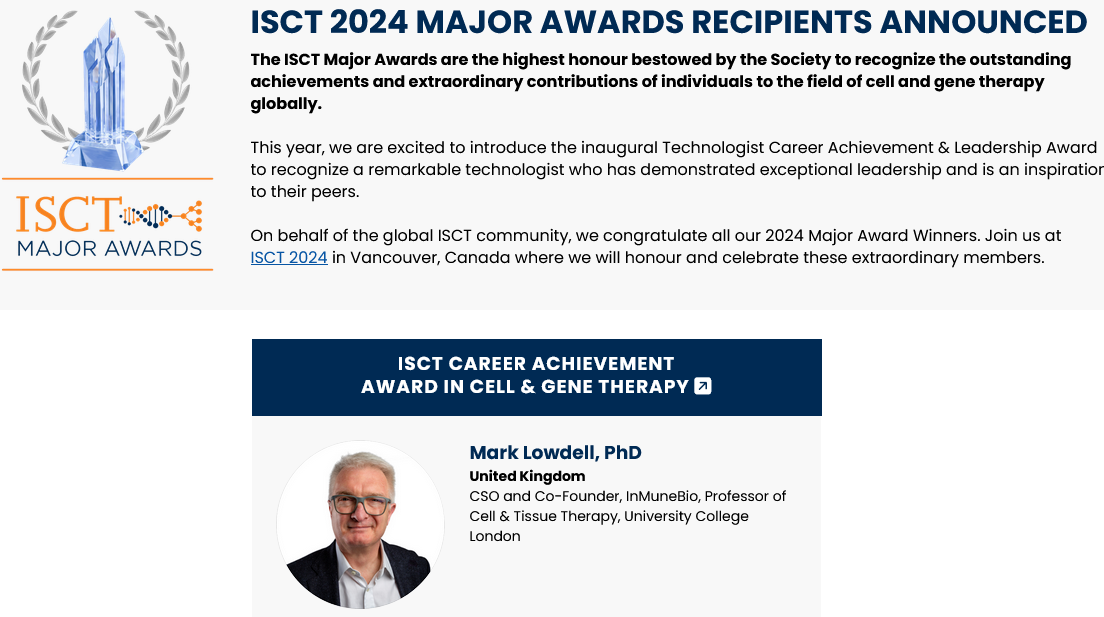
Lowdell used to produce cadaveric and synthetic tracheal grafts for Macchiarini and his UCL colleague and another deadly trachea transplanter, Martin Birchall. Lowdell is obscenely rich due to his other ISCT-approved businesses. Via his company INmune Bio, Lowdell used to sell umbilical cords (which were originally donated to charity) to posh anti-aging clinics in London, at least until Patricia Murray spoiled that scam (read July 2023 Shorts). Lowdell’s main cash cow is however INmune Bio’s collaboration with the US company Northwest Biotherapeutics and the British business Advent Bioservices, which sell a brain tumour “vaccine” called DCvax which doesn’t work except in being dangerous (read November 2022 Shorts).
Obviously Lowdell satisfies the ISCT criteria for cell therapy entrepreneurial success by a) being a white Anglo-Saxon man and b) having made millions with cell therapy scams, so he now receives an ISCT award.

As it happens, ISCT’s also announced that the 2024 Darwin J. Prockop Mentoring Award goes to ISCT’s newly elected President Daniel J. Weiss of University of Vermont, USA. Weiss is also the Vice-Chair for the Science of ECGT Committee at ISCT.
Here is Weiss’ main achievement in cell therapy ethics:
Stephen F Badylak , Daniel J Weiss , Arthur Caplan , Paolo Macchiarini Engineered whole organs and complex tissues The Lancet (2012) doi: 10.1016/s0140-6736(12)60073-7


“Fig 3(I) (“Haematoxylin and eosin stain of decellularised trachea 1 year after transplantation“) looks familiar, especially after a 180-deg rotation. Apart from the 2 months part.”
“In letters to The Lancet, the President of the Karolinska Institute has sent the results and conclusions of the final investigation that has identified serious flaws in the conduct and reporting of the study by Philipp Jungebluth and colleagues.1 The report concludes that part of the series paper by Stephen Badylak and colleagues2 referring to the Jungebluth and colleagues’ research article is therefore misleading. In accordance with a request from the Karolinska Institute, The Lancet is retracting the series paper from the scientific record.”
Retraction July 2018
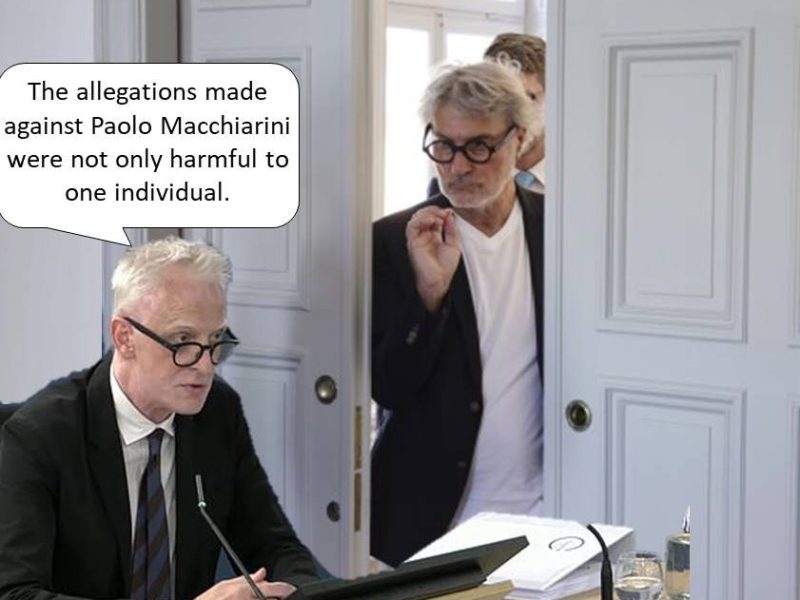
Swedish investigation spoils Macchiarini cover-up at Lancet
NPOF, again and again: “Philipp Jungebluth and Paolo Macchiarini guilty of research misconduct” Lancet: “Paolo Macchiarini is not guilty of scientific misconduct”

And here is from 2015, an article by Weiss and Birchall, called “Tracheal Rebuilding: Cellular Therapy, Tissue Engineering, and Consensus“
“Combining stem cell therapy and tissue engineering allows us to provide cellularized, personalized products for patients, including tracheal patients, which potentially has the ability to get around the problems associated with immunosuppression for patients receiving conventional organ transplants.
Our group, along with Paolo Macchiarini, who was in Spain at the time and is now at Karolinska Institute in Stockholm, were able to implant a woman in Spain who had had traumatic and tuberculose damage to the trachea, and she’s actually done very well subsequently. We were both then able to work on a product in 2010 for a child at Great Ormond Street Hospital in London, who’s also done pretty well. These two cases have shown proof of principle that that method might be useful going forward. There are still major concerns about it, though, particularly in the realm of revascularization and biomechanical rigidity, which has led the Macchiarini group and others to now look at synthetic tracheas as an alternative to relying on human and animal donors. And this may, indeed, be a very good way going forward since synthetic materials can be 3D-engineered to suit the patient—the patient would be 3D-bioprinted.”
As both Weiss and Birchall knew in 2015 very well, the synthetic trachea was a tool of gruesome murder, a very good way going forward indeed if you plan to torture your patient to death. As for the similarly deadly cadaveric tracheas, the first success Weiss and Birchall refer to is a fraudulent lie which eventually ended in two Lancet retractions, and the second case is covered up in secrecy, only Birchall alone knows the truth.
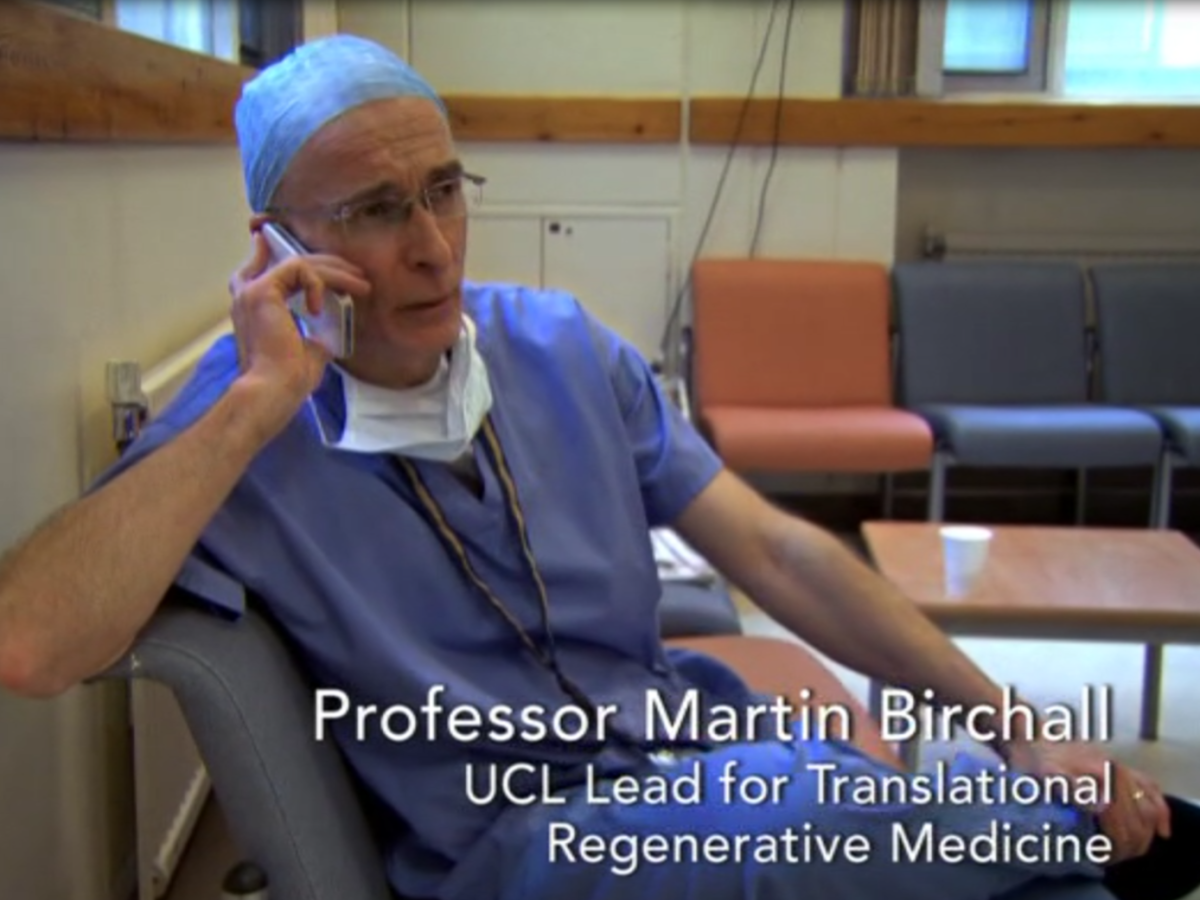
Trachea transplanters: Round 2 at UK Parliament
The Science and Technology Committee of the British House of Commons is now dealing with the trachea transplants performed by the scandal surgeon Paolo Macchiarini and his former parter at UCL, Martin Birchall as part of its inquiry into Research Integrity. Two UK scientists from Liverpool initiated this with their written submission from November 21st…
I hope you now trust ISCT with your life.
Not included in the prize
We remain on the topic of awards. As you all surely have heard, the 2024 Nobel Prize in Physiology or Medicine has been awarded to two US researchers, Victor Ambros and Gary Ruvkun “for the discovery of microRNA and its role in post-transcriptional gene regulation.“
Now, it is peculiar that probably the most fraud-polluted biomedical research field of non-coding RNA, which was popularised by the mega-cheaters Carlo Croce and George Calin, and which is the main business foundation for many Chinese papermills, receives a Nobel Prize. As if it reached such a disrepute that hordes of research grants millionaires had to lobby the Swedish Nobel Prize Committee to rescue their swamp from draining.
Maybe this is what really happened. Imagine for how long the Committee members at the Karolinska Institutet had to screen suitable candidates as to avoid awarding yet another fraudster. And indeed, Ambros has no PubPeer record and Ruvkun only one correction for image duplications in Amaranath Govindan et al 2015. Moreover, Ambros and Ruvkun are pedigree researchers – both worked as postdocs in the lab of Robert Horvitz, Nobel Prize laureate of 2002.
I am sure the prices for miRNA manuscripts at Chinese papermills will now skyrocket. Buy quick!

The scientific sea of miR- and exosome-related knowledge
“Whole cohorts of peer-reviewers have been trained to view all these mannerist stylings as what western blots should look like. […] It will be a challenge to convince them otherwise.” – Smut Clyde.

Science Twitter exploded because Ambros’s wife Rosalind Lee was first author on all the relevant papers of her husband’s, but Lee was obviously not awarded, just the two men.
The Guardian quoted fellow Nobelists:
“Prof Venki Ramakrishnan, who shared the Nobel prize in chemistry in 2009 for his work elucidating the structure of the cell’s protein-making apparatus, welcomed the news.
“This is a very well deserved and long awaited prize which shows that small RNAs can regulate which genes are expressed in different types of cells. It has opened up an entirely new field of biology and has broad implications,” he said.
But, he added, “It is a pity that David Baulcombe, whose lab discovered a similar phenomenon in plants and shared the 2008 Lasker award with Ambros and Ruvkun, was not included in the prize.””
The reason why David Baulcombe didn’t get the Nobel also this time is once again because of his genius PhD mentee and now a zombie scientist Olivier Voinnet. Not only because of Voinnet’s massive fraud, but also because of Baulcombe’s own disgraceful behaviour to cover it up, to undermine Voinnet investigations and to save his and Voinnet’s joint publications plus Voinnet’s PhD degree from retraction. Read here, for example:
The Voinnet investigator and the tricky issue of conflict of interests
Great scientists never have any conflicts of interests, and in the case of the investigation of the research misconduct by the plant scientist Olivier Voinnet, led by his Swiss employer ETH Zürich, this was also apparently the case. Voinnet was found guilty of misconduct and admitted image manipulations in many papers. Yet his science remained…
As it happens, years ago it was Voinnet who was bemoaned by another British Nobelist to not have gotten that same Nobel Prize for miRNAs.
“Many of us were very surprised that the work that he did didn’t earn a share of the Nobel Prize.” –Timothy Hunt.”
The 2024 Nobel Prize in Physics was given for artificial neural networks and machine learning. Expect even more papermill bestialities with fuzzy bat dolphin penguin swarm cuckoo optimization honey bee spider search algorithms.
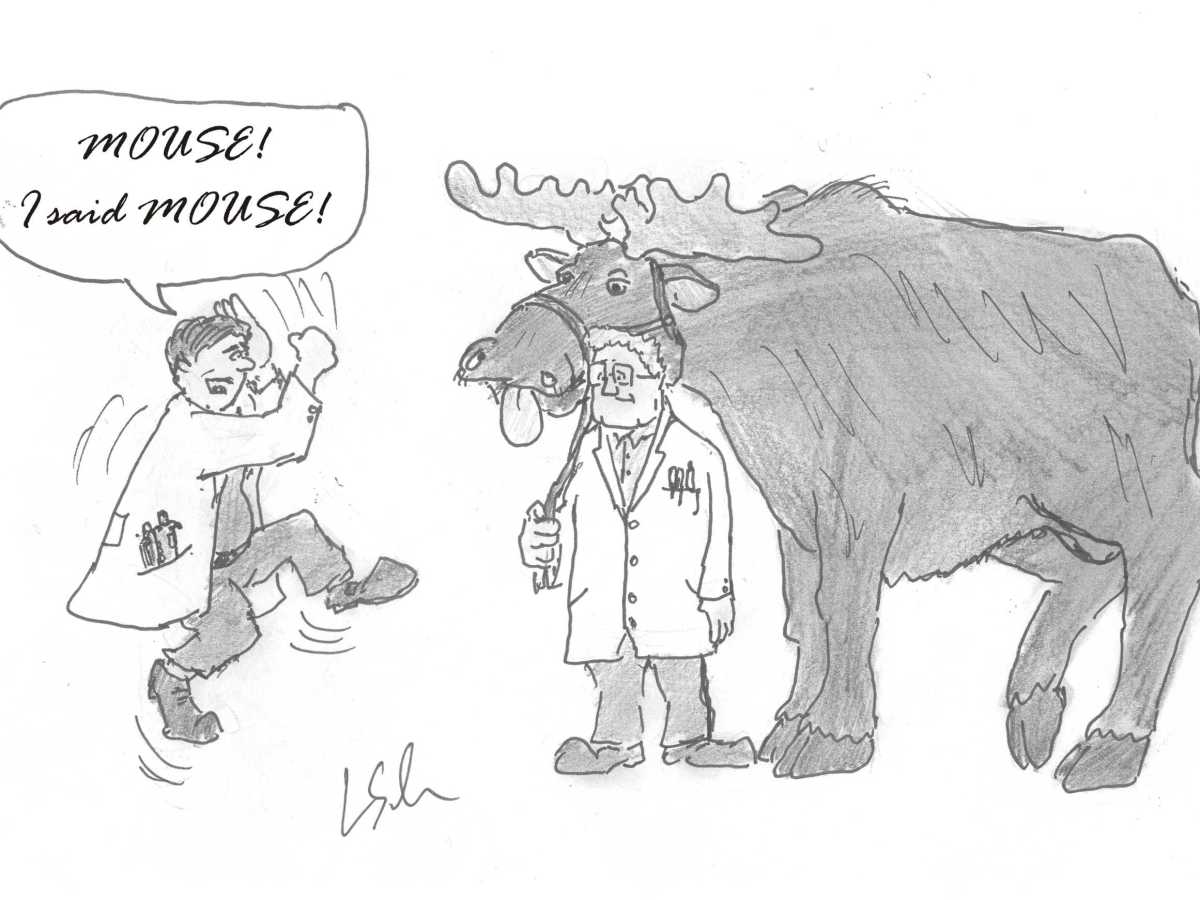
Bottom of the barrel: BatDolphin-based sparse fuzzy algorithm
“BatDolphin-based sparse fuzzy algorithm, cat swarm optimization, honey bees optimization, moth amalgamated elephant herding optimization, fitness sorted moth search algorithm, improved tunicate swarm optimization, lion algorithm, deer hunting optimization, various rider optimization schemes, grey wolf optimization, cuckoo search, and finally a bat algorithm. Such a zoo of names immediately raises suspicion, and for a good…

Further experimental checks on the data
We remain on the topic of Nobel Prize laureates.
In June 2023 Shorts, I wrote about the problematic PubPeer record of the 2019 Nobel Laureate and Oxford University professor Sir Peter Ratcliffe. To be fair, those are mostly collaborative studies from other labs. Like this paper, flagged in October 2020 when Ratcliffe immediately replied with announcement to investigate:
Helen J. Knowles , David R. Mole , Peter J. Ratcliffe , Adrian L. Harris Normoxic Stabilization of Hypoxia-Inducible Factor-1α by Modulation of the Labile Iron Pool in Differentiating U937 Macrophages: Effect of Natural Resistance–Associated Macrophage Protein 1 Cancer Research (2006) doi: 10.1158/0008-5472.can-05-2351

In November 2020, the corresponding author and Ratcliffe’s Oxford colleague, the retired Cancer Research UK (CRUK) professor Adrian L. Harris wrote on PubPeer that he and his coauthors “cannot, so many years later ,find the originals, so we are repeating the experiments”. In March 2021, Harris reported success:
“The repeat experiments using both THP1 and U937 cells confirm the original findings that both ascorbate and FeCl2 reduce or abrogate PMA-mediated accumulation of HIF-1 alpha in these cells. We will inform the journal, as previously indicated“
If the journal was ever informed, no correction was published, but then again, the journals advisory editors are Bert Vogelstein and Harris’s CRUK colleague Karen Vousden, read about her research here:
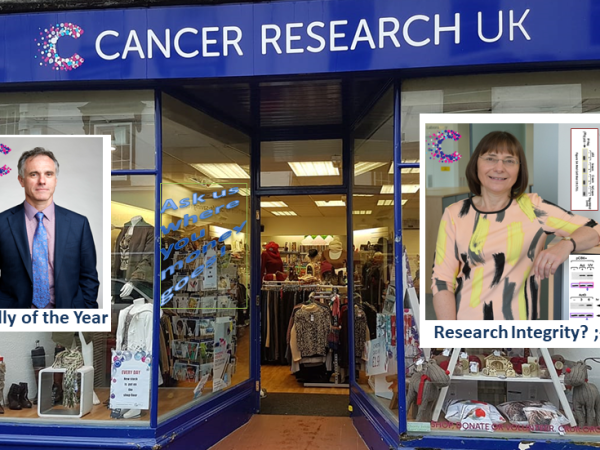
The Crooks of CRUK
Cancer Research UK is a charity which relies on donations, volunteer work and fundraising. What if these citizens knew their money goes to fund bad science?
Instead, the sleuths found more problems in Figure 2B:

In September 2024, I contacted Ratcliffe. He announced to get in touch with Harris, and then:
“The position is that Professor Harris will respond on pubpeer and to the journal when we have completed some further experimental checks on the data, which are in progress.”
Now, my view was that Ratcliffe shouldn’t rely on Harris too much, what with Harris’s PubPeer record. Like this, with Vousden’s former mentee, now Cambridge professor Margaret Ashcroft, who has her own PubPeer record:
Jun Yang , Oliver Staples , Luke W. Thomas , Thomas Briston , Mathew Robson , Evon Poon , Maria L. Simões , Ethaar El-Emir , Francesca M. Buffa , Afshan Ahmed , Nicholas P. Annear , Deepa Shukla , Barbara R. Pedley , Patrick H. Maxwell , Adrian L. Harris , Margaret Ashcroft Human CHCHD4 mitochondrial proteins regulate cellular oxygen consumption rate and metabolism and provide a critical role in hypoxia signaling and tumor progression Journal of Clinical Investigation (2012) doi: 10.1172/jci58780

But do appreciate this Greek tragedy with Harris as last author:
Michael I. Koukourakis, Dimitra Kalamida , Alexandra Giatromanolaki, Christos E. Zois, Efthimios Sivridis, Stamatia Pouliliou , Achilleas Mitrakas , Kevin C. Gatter, Adrian L. Harris Autophagosome Proteins LC3A, LC3B and LC3C Have Distinct Subcellular Distribution Kinetics and Expression in Cancer Cell Lines PLoS ONE (2015) doi: 10.1371/journal.pone.0137675


Alexandra Giatromanolaki , Efthimios Sivridis , Achileas Mitrakas , Dimitra Kalamida , Christos E Zois , Syed Haider , Charitomeni Piperidou , Aglaia Pappa , Kevin C Gatter , Adrian L Harris , Michael I Koukourakis Autophagy and lysosomal related protein expression patterns in human glioblastoma Cancer Biology & Therapy (2014) doi: 10.4161/15384047.2014.955719
With the same Greek team from the Democritus University of Thrace:
Michael I Koukourakis, Alexandra Giatromanolaki , Konstantina Fylaktakidou , Maria Kouroupi , Efthimios Sivridis , Christos E Zois , Dimitra Kalamida , Achilleas Mitrakas , Stamatia Pouliliou , Ilias V Karagounis , Konstantinos Simopoulos , David J P Ferguson , Adrian L Harris Amifostine Protects Mouse Liver Against Radiation-induced Autophagy Blockage Anticancer Research (2018) doi: 10.21873/anticanres.12212

In fact, Michael Koukourakis, professor at the Democritus University and head of radiology at the University General Hospital of Alexandroupolis, is Harris’s former postdoc (1994-1996) and since then, a collaborator.
Michael I. Koukourakis , Alexandra Giatromanolaki , Christos E. Zois , Dimitra Kalamida , Stamatia Pouliliou , Ilias V. Karagounis , Tzu-Lan Yeh , Martine I. Abboud , Timothy D. W. Claridge , Christopher J. Schofield , Efthimios Sivridis , Costantinos Simopoulos , Savvas P. Tokmakidis , Adrian L. Harris Normal tissue radioprotection by amifostine via Warburg-type effects Scientific reports (2016) doi: 10.1038/srep30986


But one shouldn’t blame the Greeks alone. Maybe Harris should blame Italians? Like his former PhD student Daniele Generali, now professor at the University of Trieste:
Daniele Generali , Stephen B. Fox , Alfredo Berruti , John W. Moore , Maria Pia Brizzi , Nilay Patel , Giovanni Allevi , Simone Bonardi , Sergio Aguggini , Alessandra Bersiga , Leticia Campo , Luigi Dogliotti , Alberto Bottini , Adrian L. Harris Regulation of hepatocyte growth factor activator inhibitor 2 by hypoxia in breast cancer Clinical Cancer Research (2007) doi: 10.1158/1078-0432.ccr-06-1266

Manuela Milani , Sergio Venturini , Simone Bonardi , Giovanni Allevi , Carla Strina , Maria Rosa Cappelletti , Silvia Paola Corona , Sergio Aguggini , Alberto Bottini , Alfredo Berruti , Adrian Jubb , Leticia Campo , Adrian L. Harris , Kevin Gatter , Stephen B. Fox , Daniele Generali , Giandomenico Roviello Hypoxia-related biological markers as predictors of epirubicin-based treatment responsiveness and resistance in locally advanced breast cancer Oncotarget (2017) doi: 10.18632/oncotarget.20239
Generali again, on a paper by Harris with with another former PhD student of his, Anthony Kong (now reader at King’s College London):
Katharina Feldinger, Daniele Generali , Gabriela Kramer-Marek, Merel Gijsen , Tzi Bun Ng , Jack Ho Wong , Carla Strina , Mariarosa Cappelletti , Daniele Andreis , Ji-Liang Li , Esther Bridges , Helen Turley , Russell Leek , Ioannis Roxanis , Jacek Capala , Gillian Murphy, Adrian L. Harris, Anthony Kong ADAM10 mediates trastuzumab resistance and is correlated with survival in HER2 positive breast cancer Oncotarget (2014) doi: 10.18632/oncotarget.1955


h/t Elisabeth Bik Other bands also appear similar, potentially with altered dimensions (magenta).”
The study was merely 6 years old when it was flagged on PubPeer. Yet Kong admitted on PubPeer in December 2020:
“...we couldn’t locate the blots, which could be due to the lab being moved twice since the publication. […] The potential mistake was definitely unintentional and we regret that we did not pick them up when preparing for the manuscript. However, the concerned blots were used merely as controls and do not affect the conclusion of the paper.“
In fact, this is standard attitude in Oxford. And raw data is supposed to be burned after 2 years or so, read here:

Dame Kay Davies, Commander of the Photoshop Empire
Oxford professor Dame Kay E Davies, DBE FRS FMedSci, edits the journal Human Molecular Genetics. If you are a scientist who likes Photoshop, but afraid to get caught, give Dame Kay a call!
Another one by Harris, this time with respectable English lead authors:
Luke R. G. Pike , Dean C. Singleton , Francesca Buffa , Olga Abramczyk , Kanchan Phadwal , Ji-Liang Li , Anna Katharina Simon , James T. Murray , Adrian L. Harris Transcriptional up-regulation of ULK1 by ATF4 contributes to cancer cell survival Biochemical Journal (2013) doi: 10.1042/bj20120972


Indeed, the English are the real problem here:
Dylan T. Jones , Ian S. Trowbridge , Adrian L. Harris Effects of transferrin receptor blockade on cancer cell proliferation and hypoxia-inducible factor function and their differential regulation by ascorbate Cancer Research (2006) doi: 10.1158/0008-5472.can-05-3857

If Harris did nothing about all those awfully fake figures, why would he bother retracting his paper with a Nobelist?
Ratcliffe then assured me that “no decision has as yet been taken” and that he will consider the Harris evidence I provided.
Top cited and funded
Meet the Canadian superstar, the urologist Martin Gleave. His University of British Columbia (UBC) celebrates their Distinguished Professor, British Columbia Leadership Chair, founder of the Vancouver Prostate Centre and of various biotechs, and “recipient of numerous awards”:
“Dr. Gleave is […] amongst the top cited and funded scientists in Canada, publishing > 600 papers with >60,000 citations, an H-Index of 122, and attracting >$120M in research funding. […] He patented several anti-cancer drugs and founded OncoGenex Pharmaceuticals to develop OGX-011 and OGX-427, inhibitors of cytoprotective chaperones clusterin and Hsp27, progressing to Phase III and Phase II trials worldwide. […]
In 2017, Dr. Gleave was appointed to the Order of Canada for his leadership role in developing new treatments for prostate cancer and for his research on mechanisms mediating treatment resistance in cancer. In 2020, he was inducted as a Fellow of the National Academy of Inventors.”
Let’s look what Dr Gleave invented, with the help of the pseudonymous sleuth Claire Francis. Here is Gleave’s Hsp27 invention which as you read above, already solved cancer:
Masayuki Kamada , Alan So , Mototsugu Muramaki , Palma Rocchi , Eliana Beraldi , Martin Gleave Hsp27 knockdown using nucleotide-based therapies inhibit tumor growth and enhance chemotherapy in human bladder cancer cells Molecular Cancer Therapeutics (2007) doi: 10.1158/1535-7163.mct-06-0417


Another HSP27 invention, the red arrows show a duplicated gel band:
C Andrieu , D Taieb , V Baylot , S Ettinger , P Soubeyran , A De-Thonel , C Nelson , C Garrido , A So , L Fazli , F Bladou , M Gleave , J L Iovanna , P Rocchi Heat shock protein 27 confers resistance to androgen ablation and chemotherapy in prostate cancer cells through eIF4E Oncogene (2010) doi: 10.1038/onc.2009.479

Here is Gleave’s clusterin invention:
Alan So , Shannon Sinnemann , David Huntsman , Ladan Fazli , Martin Gleave Knockdown of the cytoprotective chaperone, clusterin, chemosensitizes human breast cancer cells both in vitro and in vivo Molecular Cancer Therapeutics (2005) doi: 10.1158/1535-7163.mct-05-0178
Fig 4

Another clusterin invention:
Hiroaki Matsumoto , Yoshiaki Yamamoto , Masaki Shiota , Hidetoshi Kuruma , Eliana Beraldi , Hideyasu Matsuyama , Amina Zoubeidi , Martin Gleave Cotargeting Androgen Receptor and Clusterin Delays Castrate-Resistant Prostate Cancer Progression by Inhibiting Adaptive Stress Response and AR Stability Cancer research (2013) doi: 10.1158/0008-5472.can-13-0359

However, we know from some highest official sources that it is the PubPeer evidence that is fake, not Gleave’s figures:
Christian Thomas, Francois Lamoureux , Claire Crafter , Barry R. Davies , Eliana Beraldi , Ladan Fazli , Soojin Kim , Daksh Thaper , Martin E. Gleave, Amina Zoubeidi Synergistic Targeting of PI3K/AKT Pathway and Androgen Receptor Axis Significantly Delays Castration-Resistant Prostate Cancer ProgressionIn Vivo Molecular Cancer Therapeutics (2013) doi: 10.1158/1535-7163.mct-13-0032
Fig 1A.


Gleave’s mentee from Germany, Christian Thomas, is since 2019 head of the urology clinic at the Technical University of Dresden. The national funder, the German Research Council (DFG), assessed Thomas’s professorial status versus obvious facts, and decreed:
“we were able to identify sufficient DFG-funding for publication Mol Cancer Ther (2013) 12 (11): 2342–2355. However, the necessary initial suspicion could not be established.”
Yes, dear reader. DFG must have an internal rule that a full professor can never be guilty. More is on PubPeer, but don’t believe your lying eyes.
I wrote to Gleave twice, but he refused communication, and so did his UBC and their research integrity responsibles. They must have blacklisted he since I dissed their other (former) superstar, Joseph Penninger.
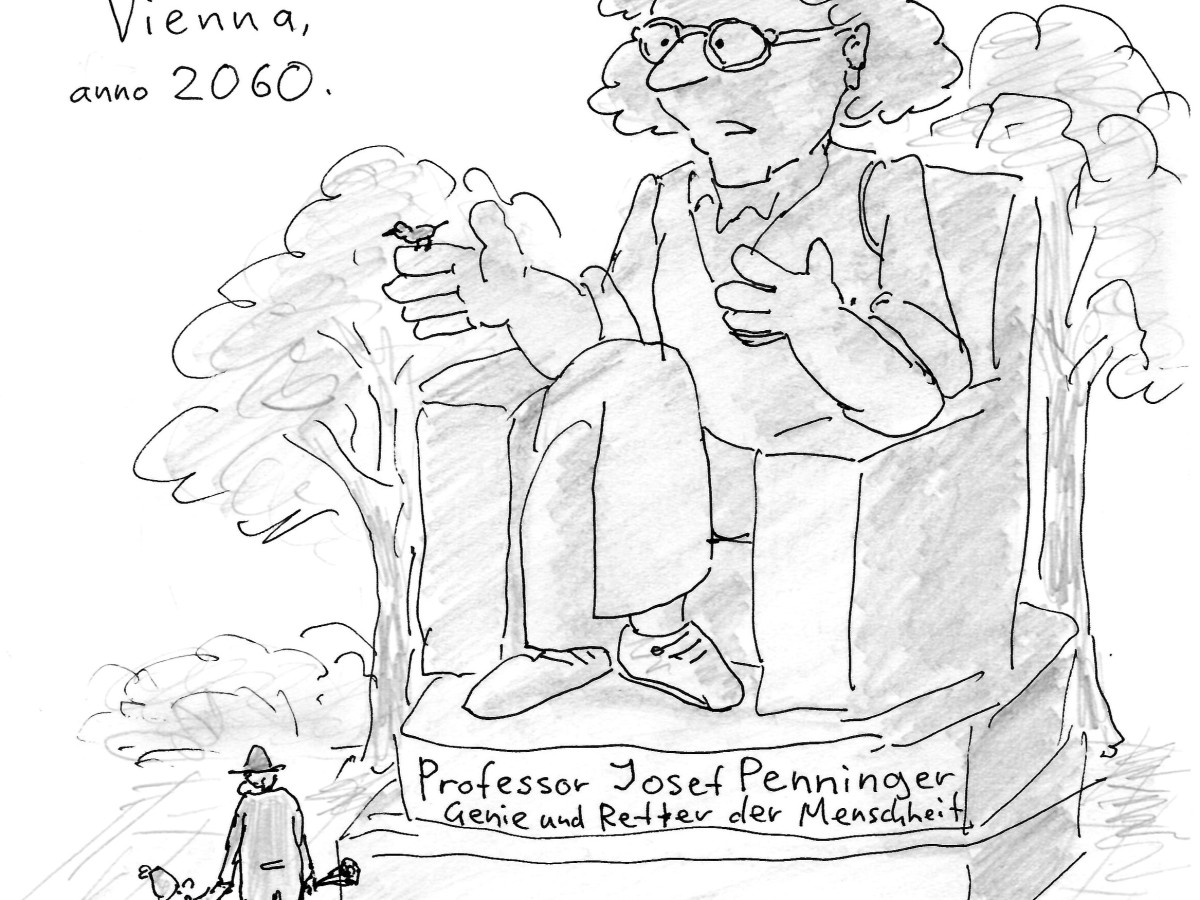
Mr ACE2 Josef Penninger, Greatest Scientist of Our Time
As a young Wunderkind, Josef Penninger discovered the ACE2 receptor. Now he invented the cure for the coronavirus which will work in his hands where Big Pharma failed. He was never found guilty of research misconduct and never retracted a paper. Dr Penninger is a Genius making a COVID-19 vaccine.
Denetled cults
The Hungarian magazine Telex published a long read about the young and aspiring papermiller Patrik Viktor, PhD student and assistant lecturer at the Faculty of Economics of the Obuda University, member of the Committee of Technical Sciences of the Hungarian Higher Education Accreditation Committee, president of the Jánossy Ferenc College for Advanced Studies and member of the Presidium of the National Association of Doctoral Students for Foreign Affairs and Development. Basically, not your average little graduate student.
Viktor’s official expertise is in self-driving cars, but he publishes on any random topic which his trusty Iraqi papermill has on sale. This is why Viktor previously featured in this article by Nick Wise:
Anyone can start a papermill!
“There are no capital requirements or significant technological barriers, anyone can create papers by rewriting already published works, either themselves or with the assistance of ChatGPT or other software. With a Telegram channel or WhatsApp group the papermiller can easily organise the sale of authorship” – Nick Wise

The Telex article informs that Viktor’s papers often include blocks of nonsense references to his four Indian colleagues, Steffi R., S. Suman Rajest, R. Regin and Shynu T.
And then there is the issue of Viktor’s PhD mentor, Mónika Garai-Fodor, dean of the Faculty of Economics at Obuda University, and co-author on two of Viktor’s 12 papermill studies, one of them already retracted. These papers also inappropriately reference the four Indians. She was contacted by Telex author Gabor Stöckert (Google-translated):
“As she wrote, she never bought an authorship or reference, and was not a member of paper-factory channels, and she regards these methods as a clearly prohibited category as a dean representing the values of the university. “I had no professional relationship with the foreign authors of the studies, I am not in any professional relationship. I didn’t see the manuscripts before they were published. I did not approve of my co-authorship in any system of studies,” she wrote about the two suspicious publications. […]
“Unfortunately, there was a strong suspicion that my PhD student, Patrik Viktor, had assigned the manuscripts to the respective manuscripts without my knowledge and without my consent. Similarly, in the case of the denetled cults you have named,” Garai-Fodor said.”
Garai-Fodor “asked for the investigation of the case and initiated the establishment of a faculty committee” and contacted the journal editors to remove her name from these two publications.
Qusay Hassan, Sameer Algburi , Marek Jaszczur , Ali Khudhair Al-Jiboory , Tariq J. Al Musawi , Bashar Mahmood Ali , Patrik Viktor, Monika Fodor , Muhammad Ahsan , Hayder M. Salman , Aws Zuhair Sameen Hydrogen role in energy transition: A comparative review Process Safety and Environmental Protection (2024) doi: 10.1016/j.psep.2024.02.030

Viktor was also interviewed, he admitted to paid between $200 and $500 per paper to the owner of the WhatsApp papermill channel Ali Khudhair Al-Jiboory, and to have added Garai-Fodor as coauthor without her knowledge. Khudhair featured prominently in Nick Wise’s article. Viktor also revealed a citation scam:
“There were several exchanges of messages between the WhatsApp group participants, which were about helping each other in this circle, we cite each other’s articles. Everyone could submit studies that he would recommend to others for reference. I also took advantage of this opportunity, I submitted my many studies and independent studies with different co-authors, thinking that this is an excellent opportunity to collect citations. I also named studies written in Hungarian and foreign languages.“
Also the rector of the Obuda University, Levente Kovács, was interviewed.
“The rector summed this up as follows: “In the case of one of our colleagues, the committee sees the anomalies you have raised to be well-founded. In the case of our other colleague, the committee states that the colleague did not act with the duty to be expected, but that he does not consider a violation of the scientific ethical norm to be justified or proven.” […] The rector did not disclose any further details, according to whom it is a university internal affair to carry on the case and his personal consequences, but “yes, there will also be the latter”.“
Gosh, will Patrik Viktor lose his positions now? Or will Viktor Orban intervene to save him and to sack and arrest those who disagree?
Industry Giants
Safe and effective
Since we mentioned Mark Lowdell and his award-winning dendritic cell vaccine (DCVax) scam above (also read November 2022 Shorts). He has a German competitor – Johannes Schumacher, a businessman with zero medical or scientific training who resides in the sunny Marbella in Spain and sells via his company Immucura the same dendritic cell cancer quackery all over Europe, to hundreds of dying cancer patients, for €40k a pop. Which is incidentally much cheaper than the £250k which Lowdell’s INmune and his US business partner, Linda Power’s Northwest Biotherapeutics (NWBT), charge!
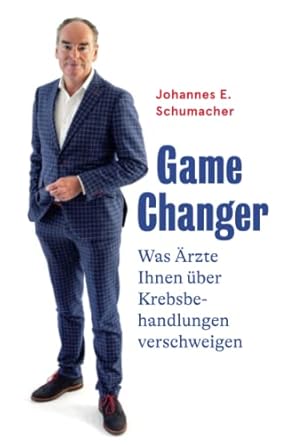
The discovery of adaptive immunity via dendritic cells earned Ralph Steinman a Nobel Prize in 2011. In the therapy sold by Lowdell, dendritic cells from the patient’s blood are exposed to antigens from the patient’s tumour, which is supposed to prime those dendritic cells. When they are injected back into the patient, the cells are supposed to create an anti-tumour immune response and kill all of the cancer. It doesn’t work in practice, as NWBT’s failed phase III trial proved. And in Immucura’s case, the media reporting indicates that dendritic cells apparently aren’t even primed on patient’s individual cancer antigens. Which probably explains why Schumacher’s offer is so much cheaper than Lowdell’s.
El Pais reported on 8 October 2024 (translated):
“Schumacher is accused of a crime of fraud and another crime against public health. An international consortium of journalists, in which EL PAÍS participates, has investigated the businessman for months, who has earned millions of euros selling illegal therapies to hundreds of people with cancer.”
As it happens, Schumacher, who used to manage Cayman Islands funds for tax evaders and worse, also “claims to have been an advisor to the Russian Government“. His employees have no medical training either. Their job was to push the dendritic cell cures online to desperate cancer sufferers. One former Immucura employee revealed:
“They were simply intermediaries, without any type of medical knowledge or ability to offer treatments, who only recruited patients to whom they offered a treatment for 40,000 euros that the company bought for less than a quarter”
Schumacher communicates with journalists in Spain, Germany and Belgium only through his lawyers.
“Although Schumacher does not reveal in which clinics they draw the blood or inject the treated cells, in the 2019 investigation the Junta de Andalucía already suspended the activity of the El Campanario Clinic, in Calahonda, near the Immucura headquarters. According to a former worker, these activities were carried out there for the company. In Gibraltar, from where Mejía and Schumacher were returning by car, local authorities state that “there are no medical clinics that have requested a license to provide dendritic cell therapies.” At the time of publishing this report, on the company’s website you can still read that the treatment is offered at the headquarters of Immucura Med SL, in Spain, as well as in additional locations, such as Gibraltar.
Another of the dark points of Immucura is the laboratory in which the preparation of dendritic cells is carried out. The salespeople who sell the therapies to potential clients always talk about a “super secret laboratory in Germany” about which it is better not to ask too many questions.”
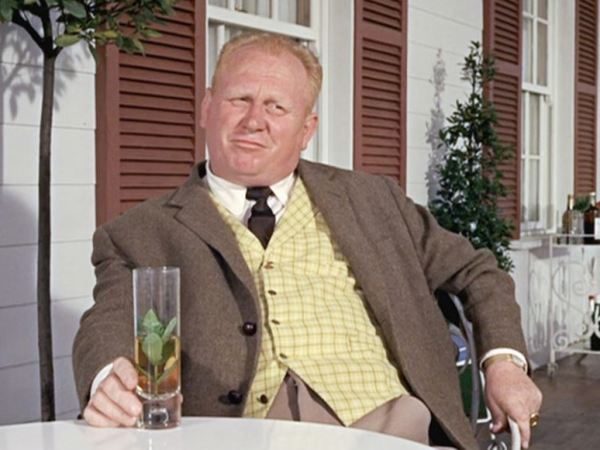
Ulrich Goldfinger sells Goldic youth
“This is gold, Mr. Bond. All my life I’ve been in love with its colour… its brilliance, its divine heaviness.”
It is certainly not Lowdell’s collaborator in UK, Advent Bioservices, which has an official licence to manufacture the dendritic cell drug. Neither is this the Fraunhofer Institute for Cell Therapy and Immunology (IZI) in Leipzig, Germany, which previously manufactured DCVax for the failed phase III clinical trial by INmune and NWBT. That collaboration ended, although it is not clear how many Fraunhofer-made “vaccines” ended up being sold by NWBT to private patients in UK and Germany under “compassionate care”. In fact, there are 4 institutions in Germany licenced to produce the dendritic cell vaccine, yet all reportedly have denied working with Immucura.
The journalists found the company, but can’t name it because of German media laws:
“The labels of some packages sent to patients with the treatment, added to the confirmation of witnesses who prefer not to reveal their names, suggest that the mysterious laboratory is located near Ulm […] The laboratory’s seal and the owner’s signature appear on Immucura documents received by patients, although the owner denies that he has produced dendritic cells for Schumacher’s company and is not clear where the documents with his signature could have come from. This same individual acknowledges that his laboratory has never had a license to produce dendritic cells.”
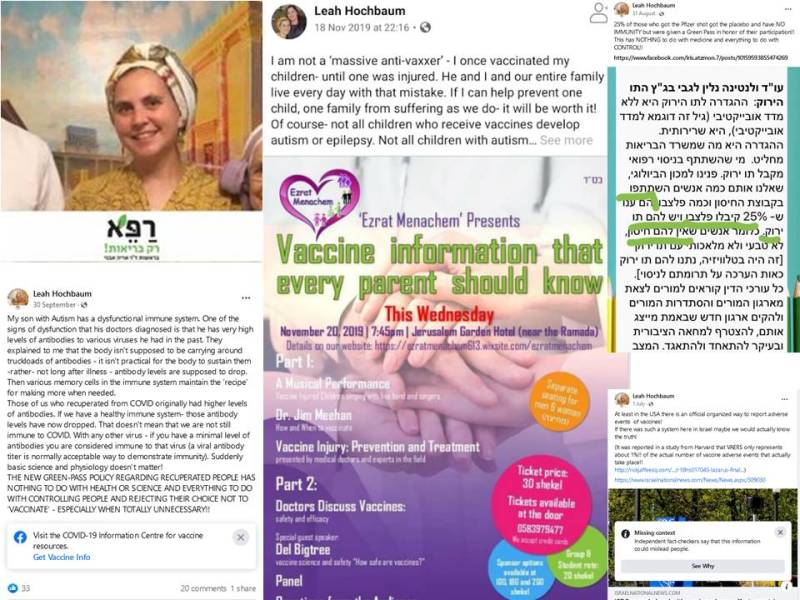
Gesundheit! Israeli Scientists treat autism with stem cells
A mysterious clinical trial in Israel is recruiting autistic children for blood draws. As the company’s founder admitted, the actual therapy on offer is extraction of bone marrow “stem cells” and their injection into patient’s spine. Smut Clyde investigates.
Schumacher also has a new business in Ireland:
“Although Immucura’s Spanish office has been dismantled, the investigation by the international consortium of journalists has found payments for treatments in a company account in an Irish bank. In that country, with an address in Dublin, Immucura Limited was founded in July 2022, established through Goodspeed Business Solutions, another Spanish company founded by Schumacher in 2021. Also in Ireland, in June 2023, the German businessman launched Immunyo, which offers dendritic cell therapies. The alleged Immucura treatment is not legal in Ireland.”
The Belgian journalists of De Tijd mention:
“And it doesn’t stop there. In Madrid, Schumacher founded Breathe Health Innovations, another company at the end of 2021. In London, a dormant Immucura company has also been in existence since June 2020. And just like an Immucura vacancy for a health coordinator– In Mexico. There is a global network, just in other countries. […]
A German who worked for Immucura for more than three years started his own company for dendritic cell therapy in April last year.”
El Pais also mentions that when the journalists “contacted the Paul Ehrlich Institute , the German drug regulator, its spokespersons acknowledged that they were not aware of Immucura’s dealings“. Indeed. The Paul Ehrlich Institute previously indicated to me that they don’t care about DCVax business of INmune and NWBT in Germany, because compassionate use treatments in private clinics are absolutley NOT regulated in Germany. As long as your medicinal product is sourced legally, you can do with it whatever you want here. Holy Deutscher Mittelstand, you know.
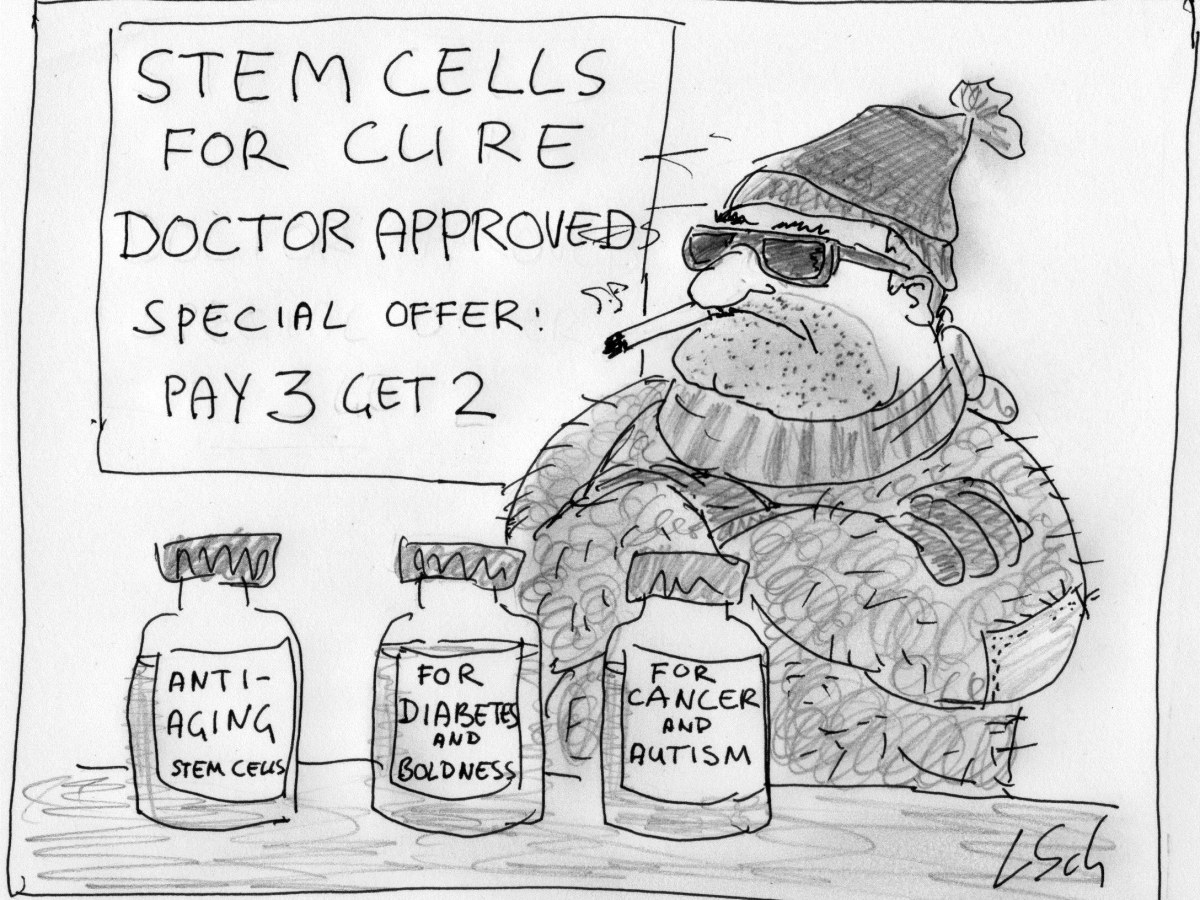
Stem cell cures for everything, Made in Germany by TICEBA
The Heidelberg-based company TICEBA (abbreviated from Tissue & Cell Banking) is not your ordinary run-of-the-mill cell bank. This German company, scientifically advised by the Harvard professor Markus Frank, claims that our skin contains pluripotent stem cells, which are capable of curing all kinds of diseases. This concept is utterly unsupported by scientific literature, and is…
German journalists of ZDF were warned by Schumacher’s lawyers:
“In a legal letter, Schumacher and his company refer to “over 70,000 publications in PubMed alone” as well as “over 10,000 clinical studies” that show that dendritic cell therapy is “safe and effective.””
Schumacher’s lawyers should tell this to his dead patients.
Science Breakthroughs
Increases the risk of dementia
Doctors from McGill University in Montreal, Canada and Charité Berlin in Germany found the real cause for Alzheimer’s. Here the Charité press release from December 2023:
“Infection with the stomach bacterium Helicobacter pylori could increase the risk of developing Alzheimer’s disease: In people over the age of 50, the risk following a symptomatic infection can be an average of 11 percent higher, and even more about ten years after the infection, at 24 percent greater risk. […]
“We know that the bacterium can reach the brain via various routes, potentially causing inflammation, damage, and the destruction of neurons there,” explains Prof. Antonios Douros, a pharmacoepidemiologist at Charité and the first author of the study. When the stomach has been damaged by these microbes, it is also no longer able to absorb Vitamin B12 or iron effectively, which also increases the risk of dementia.”
When you are a Charité professor, every rubbish you authoritavely claim becomes undeniable science fact, or else.
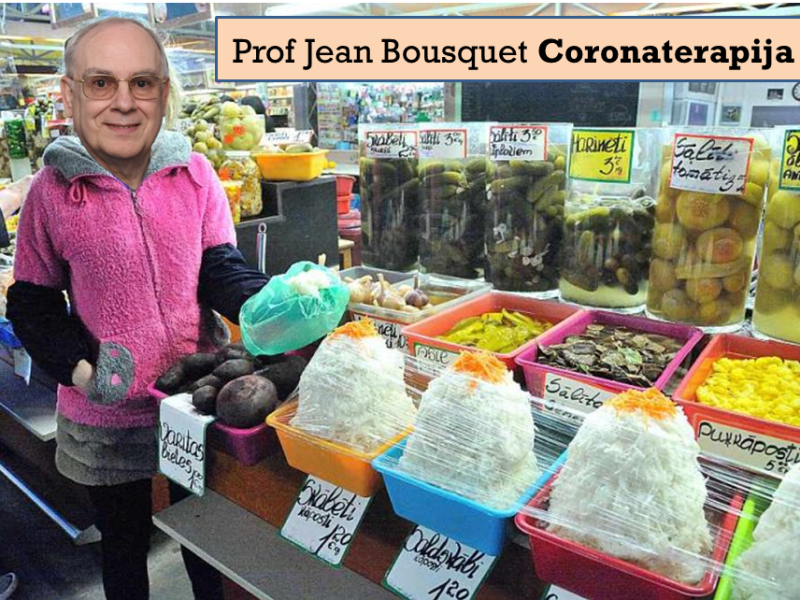
Prof Jean Bousquet’s Sauerkraut Therapy
For some reason, Christian Drosten is the most famous COVID-19 scientist of the Charité Berlin medical school. Meanwhile, Professors Jean Bousquet and Torsten Zuberbier found and tested the pandemic cure, and it’s Brassica oleracea!
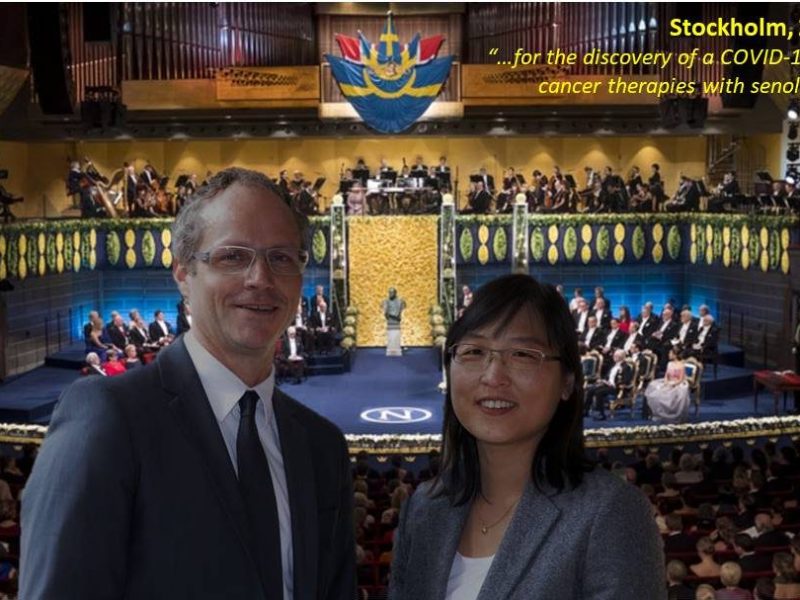
Antonios Douros joined forces with Paul Brassard of McGill University who had access to clincial dataseit of “at over four million people:
“Our study shows that symptomatic infections with H. pylori after the age of 50 can be associated with an eleven percent increase in the risk of Alzheimer’s disease. The risk increase peaks at 24 percent about a decade after the initial infection,” Douros says, summarizing the team’s findings. […] “To us, this finding reinforces the assumption that an H. pylori infection could be a modifiable risk factor for Alzheimer’s disease,” Douros concludes.”
This is the paper:
Antonios Douros , Zharmaine Ante , Carlo A. Fallone , Laurent Azoulay , Christel Renoux , Samy Suissa , Paul Brassard Clinically apparent Helicobacter pylori infection and the risk of incident Alzheimer’s disease: A population‐based nested case‐control study Alzheimer’s & Dementia (2023) doi: 10.1002/alz.13561
If stomach bacterium H. pylori can cause gastric cancer, there’s absolutely no reason indeed why it can’t cause Alzheimer’s as well. Science has spoken.
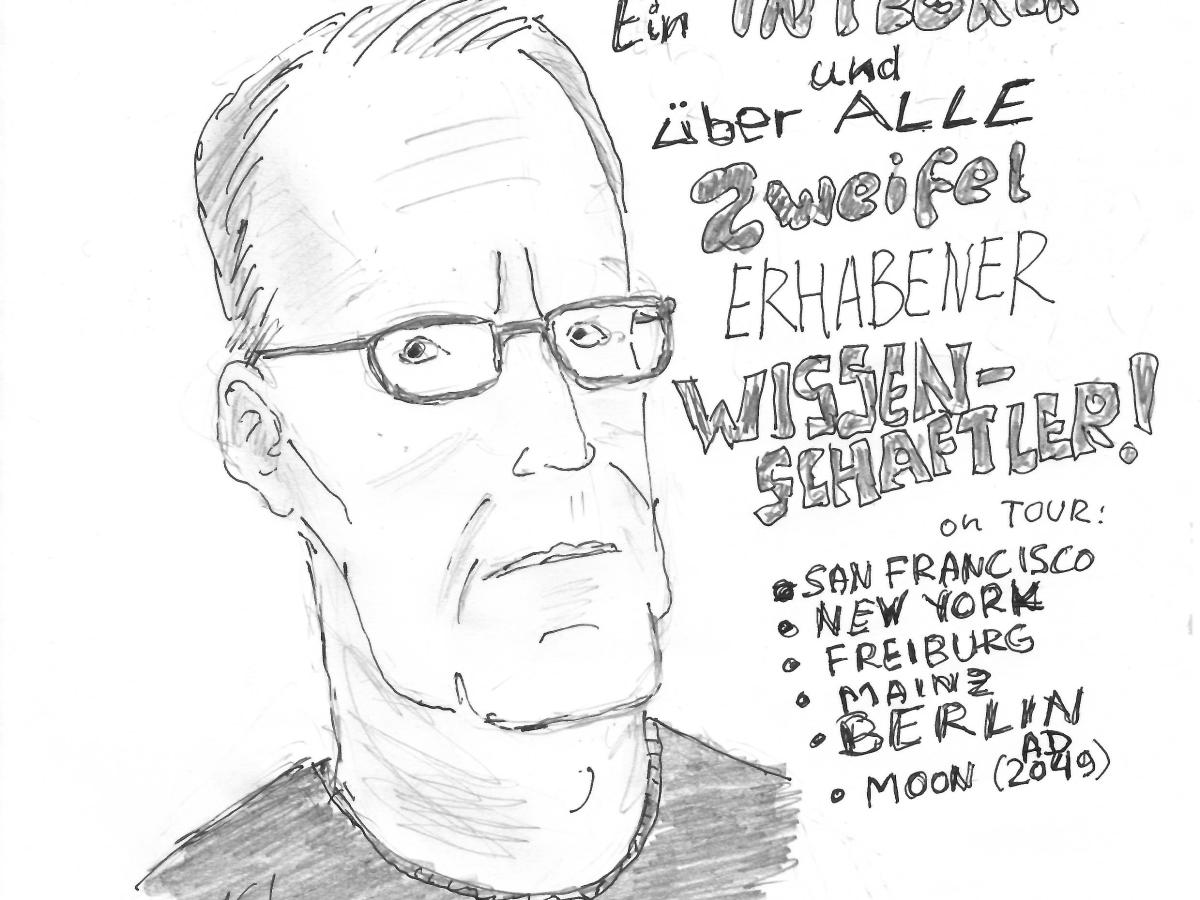
A scientist of integrity and beyond reproach
“The Investigative Committee notes that the infractions to normal scientific conduct surveyed in this report were blatant and repeated. Dr. [XY] should be dealt with in a manner consistent to the flagrant nature of the misconduct and data manipulation.” 2004 Berkeley report, illegal in Germany
Tomatoes, carrots, apricots, and passion fruit
Elsewhere, a cure for Alzheimer’s was found, which is fresh fruits. Here the press release from the University of Seville from 26 September 2024:
“Researchers from the Color and Food Quality group at the Faculty of Pharmacy (University of Seville), in collaboration with Dr. Marina Ezcurra’s group at the University of Kent (U.K.), have shown that the carotenoid phytoene increases the lifespan of the nematode Caenorhabditis elegans and can slow the onset of paralysis associated with the formation of amyloid plaques in a model of Alzheimer’s disease.
Specifically, increases in longevity of between 10% and 18.6% and decreases in the proteotoxic effect of plaques of between 30% and 40% were observed. […]
Professor Antonio Jesús Meléndez Martínez’s team has spent 15 years studying phytoene, which is found in foods such as tomatoes, carrots, apricots, red peppers, oranges, mandarins and passion fruit, among others. It is a compound that is efficiently absorbed and found in many tissues, including the skin, where studies indicate that it can protect against ultraviolet radiation.”
This is the paper, published in MDPI:
Ángeles Morón-Ortiz , Antonis A. Karamalegkos , Paula Mapelli-Brahm , Marina Ezcurra , Antonio J. Meléndez-Martínez Phytoene and Phytoene-Rich Microalgae Extracts Extend Lifespan in C. elegans and Protect against Amyloid-β Toxicity in an Alzheimer’s Disease Model Antioxidants (2024) doi: 10.3390/antiox13080931
Even more reason to eat your 5 a day. Self-defence not against but with fresh fruit!
Donate!
If you are interested to support my work, you can leave here a small tip of $5. Or several of small tips, just increase the amount as you like (2x=€10; 5x=€25). Your generous patronage of my journalism will be most appreciated!
€5.00

 For Better Science
Got another authoritative reply in Gleave’s case!
From Professor Sophia Frangou, MD, Ph.D., FRCPsych, FRCPC, President’s Excellence Chair in Brain Health, Associate Dean-Research, Faculty of Medicine:
“Dear Mr. Schneider
I have no knowledge of the issues you mentioned regarding Dr Gleave so I am unable to assist you.
Typically, inquires by journalists are handled by our Media Relations Team. “
LikeLiked by 1 person
And the Media Response Team are trained scientists. Sure.
Why are you “Mr.” Schneider and Gleave is “Dr.”??
LikeLike
The funny thing she only replied after I sent them this article.
As reminder, the associate dean for research is the person in charge of research integrity investigations
LikeLiked by 1 person
“Top cited and funded – How Martin Gleave cures cancer”
Since you mentioned how Martin Gleave, Vancouver cures cancer, in particular prostate cancer,
it is only fair to mention how Professor Allen C Gao, UC Davis, cures prostate cancer.
Allen C. Gao | Research (ucdavis.edu)
Ignore the “guidelines” entries, so many authors that they are picked up in the search.
See list: PubPeer – Search publications and join the conversation.
Particularly pretty, reminiscent of Christmas lights.
PubPeer – Interleukin-6 promotes androgen-independent growth in LNCaP…
Vintage black and white.
PubPeer – Selective Activation Of Members Of The Signal Transducers An…
More black and white.
PubPeer – Hypoxia increases androgen receptor activity in prostate can…
Anyway, you get the picture.
Credit, where credit is due!
LikeLike
As an alumna of UC Davis (MA. Zoology) I find this post troubling. One can only hope any issues are resolved.
LikeLike
Editorial Expression of Concern in full.
Editorial Expression of Concern: Interleukin-4 enhances prostate-specific antigen expression by activation of the androgen receptor and Akt pathway | Oncogene (nature.com)
Editorial Expression of Concern
Published: 01 October 2021
Editorial Expression of Concern: Interleukin-4 enhances prostate-specific antigen expression by activation of the androgen receptor and Akt pathway
Soo Ok Lee,
Wei Lou,
Min Hou,
Sergio A. Onate &
Allen C. Gao
Oncogene volume 40, page6547 (2021)
Editorial Expression of Concern to: Oncogene https://doi.org/10.1038/sj.onc.1206735
The Editors-in-Chief are issuing an Expression of Concern for this article [1] due to concerns about the images. The specific concerns are as follows:
For Fig. 6C, the far-right lane in the “Nuclear AR” panel is remarkably similar to the left-most lane in the “Total AR” panel.
Despite representing different cell lines, lanes 2–5 in the R1881/PSA panel of Fig. 1B look similar to lanes 1–4 in the PSA panel of Fig. 4A of DeMiguel et al. [2].
Additionally, lanes 1–4 in GAPDH panel of Fig. 1B appear to overlap with lanes 1–4 in the GAPDH panel of Fig. 4A of DeMiguel et al. [2] and lanes 1–4 in the GAPDH panel of Fig. 2A of Lee et al. [3].
Figure 6B, which is supposed to show the results of the supershift assay of LNCaP cells after R1881 treatment, exhibits remarkable similarities with Fig. 3B from Lee et al. [3], which is supposed to show the results of the supershift assay of LN-17 cells using anti-AR antibody.
The original images are no longer available, so readers are advised to interpret the findings related to these figures with caution.
Authors Allen C. Gao and Sergio A. Onate do not agree to this Editorial Expression of Concern. Soo Ok Lee, Wei Lou, and Min Hou have not responded to any correspondence from the Publisher about this Editorial Expression of Concern.
The original article can be found online at https://doi.org/10.1038/sj.onc.1206735
References
Lee SO, Lou W, Hou M, Onate SA, Gao AC. Interleukin-4 enhances prostate-specific antigen expression by activation of the androgen receptor and Akt pathway. Oncogene. 2003;22:7981–8. https://doi.org/10.1038/sj.onc.1206735.
DeMiguel F, Lee SO, Lou W, Xiao X, Pflug BR, Nelson JB, et al. Stat3 enhances the growth of LNCaP human prostate cancer cells in intact and castrated male nude mice. Prostate. 2002;52:123–9.
Lee SO, Lou W, Hou M, de Miguel F, Gerber L, Gao AC. Interleukin-6 promotes androgen-independent growth in LNCaP human prostate cancer cells. Clin Cancer Res. 2003;9:370–6.
Author information Authors and Affiliations
Department of Medicine and Pharmacology & Therapeutics, Roswell Park Cancer Institute, Buffalo, NY, 14263, USASoo Ok Lee, Wei Lou, Min Hou & Allen C. Gao
Department of Cell Biology and Physiology, University of Pittsburgh Medical Center, Pittsburgh, PA, 15213, USASergio A. Onate
Corresponding author
Correspondence to Allen C. Gao.
LikeLiked by 1 person
Regarding Allen C Gao, UC Davis.
https://pubpeer.com/publications/5CEEC0DDB3631056C3806AD7D9D341
Comment #7 is the Expression of Concern issued by the editors of the journal.
As part of the Expression of Concern the editors have written:
“Authors Allen C. Gao and Sergio A. Onate do not agree to this Editorial Expression of Concern.”
The Expression of Concern should have been a warning for UC Davis to check all Allen C Gao’s publications. Of course UC Davis will say that the Expression of Concern was for a publication committed before Allen C Gao was at UC Davis, but surely the publications which secured Allen C Gao his first job at UC Davis must have been committed before he was at UC Davis? Besides, New York State, and California are part of the same country.
LikeLiked by 1 person
This is what UC Davis believes in, this is what it published.
Message from the Director of Research | Allen C. Gao (ucdavis.edu)
Message from the Director of Research
“We are the one of the largest urologic research programs in the nation with six research laboratories and over $4 million in research grants in 2014.”
Allen C. Gao, M.D., Ph.D.
Director of Research
Department of Urologic Surgery
LikeLike
Martin Gleave on board!
https://pubpeer.com/publications/FCF9AC00E9EFB80D9C100D6948292C
LikeLike
Megastar in plain sight.
https://www.dijonlhebdo.fr/2021/10/14/carmen-garrido-grand-prix-ruban-rose-de-la-recherche/
https://pubpeer.com/search?q=Carmen+Garrido
With Guido Kroemer even!
LikeLike
“There is also this centre in Germany led by Stefaan Van Gool offering dendritic cell therapies for cancer: https://www.iozk.de/en/stefaan-van-gool-md-phd/
More info about Van Gool here: https://www.standaard.be/cnt/dmf20170328_02803926“
LikeLike
I can see the first paper of Viktor Patrik was retracted by Professor Alexander Magazinov: https://pubpeer.com/publications/35F42AED9396E6E1173303AC0A9D41
In fact the Vitcor project started by him, yet no credit given to Professor Magazinov. Why Magazinov keeps distance? please give credit where is belongs.
LikeLike
Quackery is probably the second oldest profession.
LikeLike
Flint knapping, shaping of flint, or other rocks, may be an older profession.
LikeLike
Great job Nick!
LikeLike
See https://www.mareonline.nl/nieuws/affaire-hofman-opeens-gaat-het-in-de-rechtbank-over-kinderarbeid/ for a court case about the sacking of Corinne Hofman of Leiden University, The Netherlands. Apparently only in Dutch (with links to other recent developments in this case).
LikeLiked by 2 people
From £1k meals to a £39 herb chopper: How university bosses ran up £1m expenses (inews.co.uk)
The 10 universities with the highest paid vice chancellors are:
This is likely a significant underestimate given several universities that did not respond and that much of the data provided was incomplete. For 2023 to 2024, a quarter of universities that responded did not provide complete data for this year.
Some £533,000 was earned by the Vice-Chancellor of the London School of Economics, the university that also saw the highest amount of expenses claimed at around £83,000.
The vice chancellor of Manchester Metropolitan University who claimed £56,000 in expenses earned a salary of £358,000.
LikeLike
“Further experimental checks on the data – how Adrian Harris cures cancer”
5th November 2024 Expression of Concern for Adrian Harris amongst other people.
Expression of Concern: Delta-Like Ligand 4–Notch Blockade and Tumor Radiation Response | JNCI: Journal of the National Cancer Institute | Oxford Academic
This is an Expression of Concern regarding: Stanley K. Liu, Saif A. S. Bham, Emmanouil Fokas, John Beech, Jaehong Im, Song Cho, Adrian L. Harris, Ruth J. Muschel, Delta-Like Ligand 4–Notch Blockade and Tumor Radiation Response, JNCI: Journal of the National Cancer Institute, Volume 103, Issue 23, 7 December 2011, Pages 1778–1798, https://doi.org/10.1093/jnci/djr419
In September 2024, a whistleblower contacted the journal, noting a PubPeer post related to Figure 1B (https://pubpeer.com/publications/A4752542C9DA2CDC6E5EDE522E7B22) and an issue with inconsistent splicing in Figure 1B. The journal is investigating these concerns in line with COPE guidance and is publishing this Expression of Concern to alert readers while the outcome of the investigation is pending.
LikeLike
“Top cited and funded – How Martin Gleave cures cancer”
Editorial Expression of Concern
Published: 03 December 2024
https://www.nature.com/articles/s41416-024-02918-x
Editorial Expression of Concern to: British Journal of Cancer https://doi.org/10.1038/bjc.2012.209, published online 15 May 2012
The Editor-in-Chief would like to alert the readers that concerns have been raised regarding the similarity between Fig. 1c β-actin blot lanes 2-4 and Fig. 3b β-actin lanes 1-3, representing different treatment groups.
The original data are no longer available for validation due to the age of the article. Readers are therefore advised to interpret these results with caution.
All authors agree with this Editorial Expression of Concern.
LikeLike
“Top cited and funded – How Martin Gleave cures cancer”
Journals investigating dozens of papers by leading Canadian urologists – Retraction Watch
LikeLike
I bow down and prostrate myself at RW’s feet, as I am unworthy.
Anyhow, when I wrote to Gleave and his UBC, I only got that stupid reply from associate dean Frangou I quoted above.
RW gets instead courted by Gleave:
“In an email to Retraction Watch, Gleave stated, “We are taking the comments seriously, and assessing them internally now,” adding it would take “a couple of months to understand and respond to the issues.” He declined to speculate on how the mistakes might have occurred, writing that he couldn’t provide insights “at this time,” but maintained the errors did not affect the findings or conclusions of the papers.
A media representative at the University of British Columbia acknowledged the PubPeer comments, but declined to comment on whether the works were under investigation, stating the university does not “discuss employee matters.””
LikeLike
2025, another year of plain sailing for Martin Gleave, Vancouver, or will the waters become a little choppy, may even all go titsy-turvy?
O! Canada!
LikeLike
Just ran into Martin Gleave in Nature Communications:
https://pubpeer.com/publications/AECD4AC973F3FC89FE755EB52ACE0A
LikeLiked by 1 person
Two 1st June 2025 Editor’s Notes in Cancer Research for Adrian Harris editor-in-chief Br J Cancer Research 2000-2020:-
Editor’s note with Sir Peter J Ratcliffe, Nobel Laureate 2019.
Editor’s Note: Normoxic Stabilization of Hypoxia-Inducible Factor-1α by Modulation of the Labile Iron Pool in Differentiating U937 Macrophages: Effect of Natural Resistance-Associated Macrophage Protein 1 | Cancer Research | American Association for Cancer Research
Editor’s Note without Sir Peter J Ratcliffe.
Editor’s Note: Effects of Transferrin Receptor Blockade on Cancer Cell Proliferation and Hypoxia-Inducible Factor Function and Their Differential Regulation by Ascorbate | Cancer Research | American Association for Cancer Research
LikeLike
“retired Cancer Research UK (CRUK) professor Adrian L. Harris“
04 February 2026 Editorial Expression of Concern for a 2011 Nature Medicine paper.
Editorial Expression of Concern: Direct targeting of Sec23a by miR-200s influences cancer cell secretome and promotes metastatic colonization | Nature Medicine
LikeLike