Schneider Shorts 9.02.2024 – An esteemed global figure in the scientific community
Schneider Shorts 9.2.2024 - rector scandal exploding in Germany, Bik finds bizarre fraud in Harvard, Hannover secret divulged, English university sued and sentenced over fraud, Chinese money vs basic ethics, a Nobel correction, and finally, Tiwari's new scam!
Schneider Shorts of 9 February 2024 – rector scandal exploding in Germany, Bik finds bizarre fraud in Harvard, Hannover secret divulged, English university sued and sentenced over fraud, Chinese money vs basic ethics, a Nobel correction, and finally, Tiwari’s new scam!
Table of Discontent
Science Elites
Venia legendi – Paolo Macchiarini not a professor since 2018
An unexpected email reached me on 6 February 2024. It is about Paolo Macchiarini, and the email sender was the President of the Hannover Medical School (MHH) in Germany, Michael Manns.
I previously wrote about Macchiarini’s past tracheal transplants experiments with Heike and Thorsten Walles at MHH, which happened during in earlier 2000s, when the killer surgeon was recruited to MHH to grow organs and to perform thoracic surgery.
The trachea surgeon and formerly world-renowned stem cell pioneer Paolo Macchiarini, whose human experimenting left most of his trachea-transplant patients dead or in permanent emergency care, certainly did not intend to restrict himself to regenerating airways. He wanted to grow hearts, and he was likely to have been inspired by his former colleagues in Hannover,…
Macchiarini was granted an adjunct professorship at MHH which he retained all these years long after he left for Spain, then for Italy, then for Sweden. After he was sacked in Sweden, Macchiarini still went around calling himself professor because he had the MHH title. But it was granted illegally: the professorship required by state law for regular teaching, which Macchiarini of course never did after he left MHH in 2007. But becasue of that professorship, he was able to supervise theses defended at MHH, until around 2016.
If these days you should bump into the miracle surgeon Paolo Macchiarini, do not just greet him with some offhand “Ciao Paolo”. But also “Hello, Doctor Macchiarini” would not be respectful enough. As a saying goes among German clinicians: you must take your time, namely by addressing the great man in full as “Professor Doctor…
Now, to Manns’ email. Here it is in full, translated:
“Dear Dr Schneider, I would like to inform you that the award of the habilitation with the venia legendi for surgery to Dr. Paolo Macchiarini was revoked in 2017 and the award of the title of “Adjunct Professor” was revoked in 2018. Best regards Prof. M. P. Manns President of the MHH”
EIGHT CLUCKING YEARS.
For eight years MHH ignored all my emails regarding Macchiarini. In 2016, MHH refused to give me even their lecture curriculum (available to every student) on the grounds that it contained private and confidential information about their professors (a lie). The real reason: I wanted to check if Macchiarini was still falsely listed as lecturer there, so that MHH could justify his ongoing adjunct professorship and the ensuing theses supervision.
MHH must have cheered on Macchiarini’s acolyte and their star medical graduatePhilipp Jungebluth when he repeatedly sued me, with “Professor Macchiarini” eventually deployed as his star witness against me. MHH denied me all information, including about Macchiarini’s withdrawn title and privileges, when I needed that information most to defend myself in court.
Manns’ predecessor Christoph Baum even issued an order that Jungebluth MD thesis must never be investigated (it was about the very first trachea transplant, the relevant Lancet papers are now retracted).
Philipp Jungebluth, formerly right-hand man and student of the lethal trachea transplant surgeon Paolo Macchiarini, is threatening another lawsuit against me. This time, he is unhappy about being associated with the 5 trachea transplant operations Macchiarini performed in Italy (only one of these five might still be alive, with a permanent brain damage). Jungebluth freely…
So now their president sends me this email Why? The next story has a possible clue.
No factual basis
For Better Science has finally reached German national news. The bad science scandal of Simone Fulda, President of the University of Kiel in the high German north, follows this week’s reports in a local newspaper and on NDR public radio.
Tagesschaureported on 7 February 2024 (translated):
“A science blog accuses Simone Fulda, President of Kiel University, of manipulating data in previous research work. The professor rejects the serious allegations and the Ministry of Education is demanding a quick clarification.
The biologist Leonid Schneider told the President of the Christian Albrechts University in Kiel (CAU), Prof. Dr. Simone Fulda, accused of manipulating data in previous research work together with other scientists. She was the responsible author. More specifically, it is about major errors in previous scientific publications in the field of molecular cancer research. The allegations were published by Schneider on 22 January 2024 in an English-language article on the science blog forbetterscience.”
“Two professors from other universities independently requested by NDR Schleswig-Holstein have confirmed the possibility of irregularities on the basis of the available illustrations. They do not want to be named. […]
Science blogger Schneider told the NDR that he had informed Professor Fulda about his criticisms. However, it would not have reacted. […]
After the publication of the article, Fulda informed the deans about the allegations, according to the university. She told NDR Schleswig-Holstein that she strongly rejected the accusation of data manipulation. There was no factual basis that would justify this accusation.”
The University of Kiel is investigating, and the research ministry of the federal state Schleswig-Holstein announced that it also expects Fulda’s former employers, the Universities of Ulm and Frankfurt, to investigate. Except that those two so far refused to admit my notification. Maybe they will now?
Now, in my article about Fulda and her former mentor Klaus-Michael Debatin I also discussed the Macchiarini affair and the Hannover Medical School (MHH), because MHH’s former president Christoph Baum collaborated with Fulda and Debatin to design German national guidelines for reproducible research. Presumably, journalists on the Fulda beat started to phone in, asking MHH what’s this thing with Macchiarini’s professorship. Hence Mann’s unexpected email above.
NPOF, again and again: “Philipp Jungebluth and Paolo Macchiarini guilty of research misconduct” Lancet: “Paolo Macchiarini is not guilty of scientific misconduct”
Now, what made the journalists interested in the Fulda case in the first place? Here is the clue, reported by the same local newspaper Kieler Nachrichten (translated):
“The Christian Albrechts University (CAU) in Kiel entered the race for clusters of excellence with three new research projects – and cannot prevail with none of them before the international panel of experts. With no new project from Schleswig-Holstein participates in the competition for fresh funding anymore. It’s about three up to ten million euros each year, flowing for seven years in a cluster of excellence.”
Three big multimillion-euro heavy research projects in Kiel, ROOTS (archaeology), “Precision Medicine in Chronic Inflammation“ and the Geomar collaboration “Ocean Health“ are now unexpectedly left stranded, their funding dries up in 2025, or in case of the high prestige project Ocean Health, will never materialise at all. You can safely assume a lot of people at the university are angry and blame their rector Fulda for this failure. Some are so angry they must have sent my article to local media.
On 8 February 2024, several Kiel professors publicly demanded for Fulda to resign (translated):
“In a letter to the CAU President, which is available to the Kieler Nachrichten, it says verbatim: “We, appointed professors of the Medical Faculty of the Christian Albrechts University, have seen with great concern the failure of all new applications from our university in the Excellence Initiative .” Clinicians from Kiel: “We call on you to fulfil your responsibility”
The public allegations about the integrity of “many of your original scientific papers over the last 20 years have also been read and noted in detail”. The signatories, who include numerous renowned doctors from Kiel, conclude their letter with a clear message: “We therefore strongly urge you to fulfil your responsibility to the university as our president and to do everything now to prevent further damage to our Alma Mater.”
Fulda will likely resign very soon. Even the ministry is rumoured to be against her now.
The perpetrator is the Harvard Medical School professor Khalid Shah, affiliated with the Brigham and Women’s Hospital and Harvard Stem Cell Institute. He claims “to develop and test novel, targeted, cell-based therapies for brain cancers.”
Bik was tipped off about bad practices in Shah’s lab (I also happen to know who the tipster is). This is what Bik found about Shah, the wearer of ‘Harvard Young Mentor Award’ and a 2021 ‘Pillars of Excellence Award’ from Mass General Brigham in the area of “Integrating Diversity, Equity & Inclusion”:
I did my usual ImageTwin scan to see if any of the figure panels were duplicated or overlapping. What I found was a huge surprise.
Several images showing mouse tissues matched those of older papers from completely different groups. […]
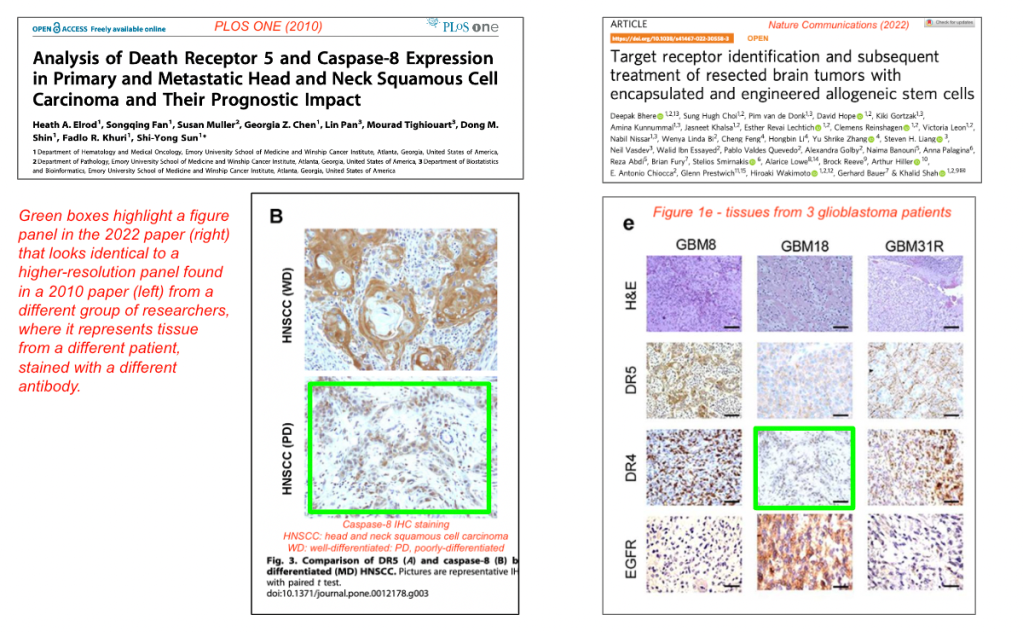
Two glioblastoma tissue panels in Figure 1e of the 2022 Nature Comms paper matched those of a 2010 PLOS ONE paper by Elrod et al., from researchers at Emory University School of Medicine, where they represented head and neck squamous cell carcinoma tissues. These panels are shown below marked with red and green boxes. The older paper is on the left, and the 2022 paper is on the right. There are no overlapping authors or affiliations, and the older images are of higher resolution and are less cropped than the 2022 images, suggesting that they were the originals.
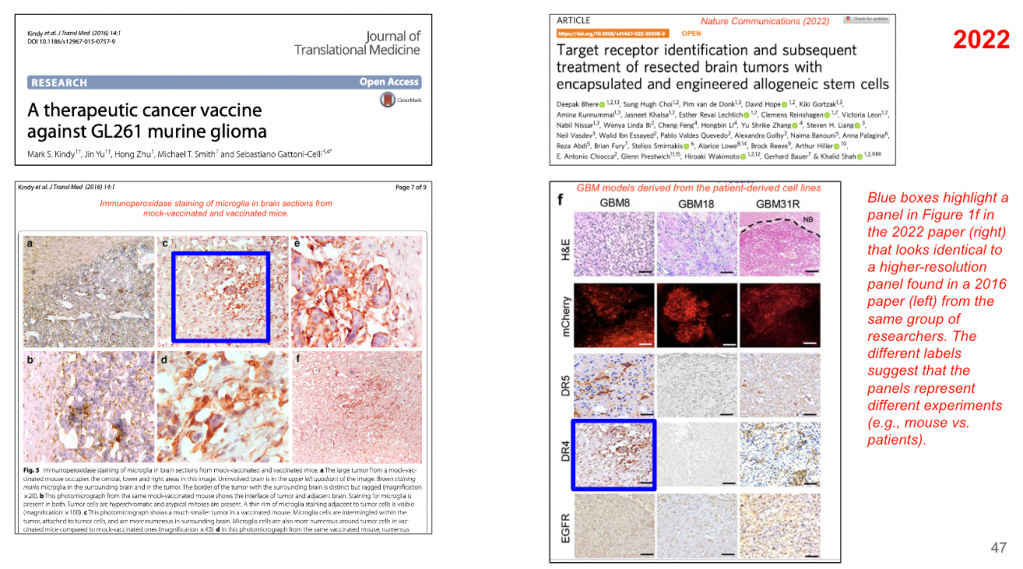
One panel in Figure 1f matched another in a 2016 Journal of Translational Medicine paper published by researchers at the University of South Florida and the Medical University of South Carolina.
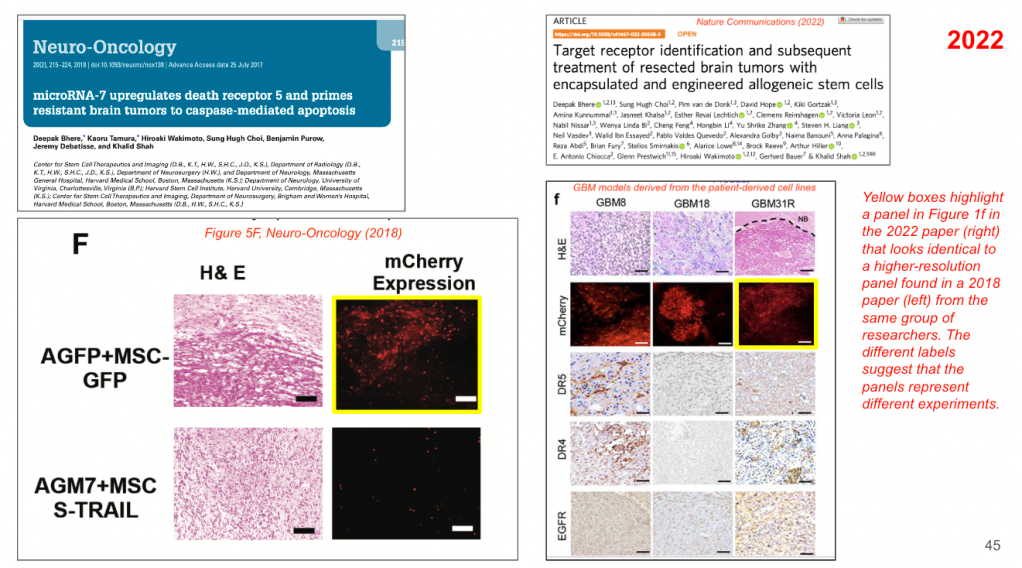
Another Figure 1f panel was taken from a 2018 Neuro-Oncology paper from the same Harvard Medical School researchers, but again appeared to be showing a different experiment.
Supplemental Figure 4b has nine (!) panels that ImageTwin flagged for duplications. These panels came from the five following papers:
Xuejiao Liu et al., Journal of Experimental & Clinical Cancer Research (2019), DOI: 10.1186/s13046-019-1235-7, from researchers at Xuzhou Medical University in China (two panels)
Jinling Wang et al., International Journal of Nanomedicine (2016), DOI: 10.2147/IJN.S113882, from Beijing University of Chinese Medicine (four panels)
Peng Miao et al., Neural Plasticity (2016), DOI: 10.1155/2016/3258494, from Shanghai University (one panel, Ischemic Injury in mice)
Musi Ji et al., Experimental and Therapeutic Medicine (2017), DOI: 10.3892/etm.2017.5327, from Guangdong Medical University (one panel; representing aging in dogs)
Yuanyuan Xu et al., G3 (2018), DOI: 10.1534/g3.118.300448, from Jilin University (one panel; representing a diabetes model in rabbits)”
Then Bik did a Google reverse image search.
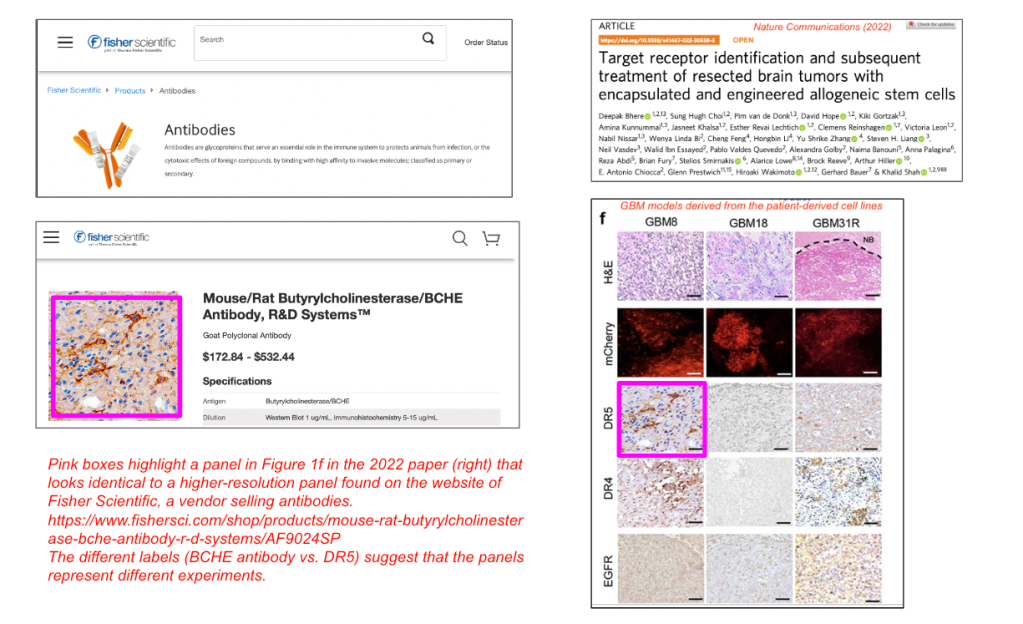
“One panel in Figure 1F matched an image on the Fisher Scientific website, featuring a high-resolution photo of a tissue sample stained with an antibody for Butyrylcholinesterase, a different protein than the DR5 that it represents in the 2022 paper. Fisher Scientific is an Amazon-like vendor for laboratories, selling antibodies, cell lines, glassware, labels, racks, chemicals, and equipment.
Two panels in Supplemental Figure 2a yielded matches with photos of human bone marrow-derived mesenchymal stem cells, a product advertised on the website of ScienCell (for $845, in case you wondered).
In summary, at least 12 panels in this paper appear to have been copied from unrelated papers; one panel from one of their own older papers; and three panels from scientific vendors. There was also an overlap between panels in Supplemental Figure 5a (shown on PubPeer, not here), bringing the total number of problematic images in this paper to 17.”
Now, this above may sound horrible, but Shah could have easily gotten out of it by claiming that a rogue student snake bit his hand behind his back. Say, the first author Deepak Bhere, who made it to assistant professor at University of South Carolina.
But thing is, other Shah papers are fake also. Bik writes:
“I did not find other papers from the Shah lab that appeared to contain copied images from vendors or random other papers. But I did discover 27 28 additional papers containing the regular range of image problems, such as duplicated and overlapping photos, or photos reused from papers by the same authors.
There are several papers in which photos of mice injected with tumor cells appear to have been reused. This suggests sloppiness in the correct labeling of experiments and photos, which is particularly bad in my opinion when it involves work with animals.”
Bik also prepared this:
spreadsheet with the 28 29 papers found with PubPeer links [Excel file]
slide deck with the 58 image problems found in the 28 29 papers [PDF].
Drive and ambition
Congratulations to David Argyle, the Scottish professor of veterinary medicine and bully psychopath who terrorised his subordinates and published fake science, including about non-existent heart stem cells. You can read about his rule of terror at the University of Edinburgh here:
“I have worked at several universities in my career, and never have I encountered the degree of bullying, harassment, intimidation, and discrimination that I have here. The atmosphere is utterly toxic, and everyone is scared to say anything in case it is heard and reported to [David Argyle] or [Richard Mellanby]. It is like working…
A year ago, after the whistleblower reports, media coverage and a massive internal investigation, which proved that Dave “Mad Dog” Argyle is really the last person to be allowed into a position of superiority, the University of Edinburgh resolved the affair in the most elegant way possible.
Congratulations to Professor David Argyle who has been appointed as Vice-Principal and Head of College of Medicine and Veterinary Medicine, taking up his position officially on 1 March 2023 https://t.co/tZc1zzoxDJpic.twitter.com/Fw0TWHvXSC
— Staff News | University of Edinburgh (@EdinUniStaff) December 20, 2022
“The University has appointed a new Head of College for the College of Medicine and Veterinary Medicine.
Professor David Argyle has been appointed as Vice-Principal and Head of College of Medicine and Veterinary Medicine.
Professor David Argyle is William Dick Chair of Veterinary Clinical Studies and has been Acting Head of the College of Medicine and Veterinary Medicine since January 2022, in Professor Moira Whyte’s absence. […]
“I am incredibly proud to be the next Head of College and to be given the opportunity to lead such an amazing community of staff and students. The College is in an incredibly strong position thanks to the work of Professor Moira Whyte and I look forward to working with colleagues on the College’s next chapter. “
Professor David Argyle Vice-Principal and Head of College of Medicine and Veterinary Medicine
“My sincere congratulations to Professor David Argyle on his appointment as Vice-Principal and Head of College of Medicine and Veterinary Medicine. Professor Argyle brings drive and ambition for the College and a commitment to the wider goals of the University. Along with other recent changes to the senior leadership team, his appointment means that we can continue to build on our success as one of the world’s most distinguished universities.”
Professor Peter Mathieson Principal and Vice-Chancellor, The University of Edinburgh
Of course. In Edinburgh, like in the rest of British academia, only forriners like Irina Stancheva get sacked. White British fraudster thugs get promoted, the more vicious, the higher they rise.
Irina Stancheva was investigated in Edinburgh for fraud at least twice, in 2009 and 2017, yet retraction and correction decisions were not implemented. Apparently to protect the reputation of Nobel Prize candidate Sir Adrian Bird and his male mentees, primarily Richard Meehan. One wonders: how much of Bird research in past two decades was actually…
Anyway. Here two more papers by Argyle, recently flagged for data manipulation. the first one features his wife and fellow faculty member in Edinburgh, Sally Argyle (she is in charge of undergraduate students).
“An image seems to appear in both Figure 5 and Figure 6, but they are labeled differently.”
Trust me, the university is NOT investigating any of it. They are afraid their Head of College will go for their throats. Probably literally, in his case.
David Argyle was about to become President of the Royal College of Veterinary Surgeons. But then bullying allegations emerged, which the University of Edinburgh swiftly dismissed and suppressed. Now they can do same with the data integrity concerns in Argyle’s research.
The affair which I broke some years ago, about Richard Hill, the former group leader at the University Portsmouth in UK, achieved a new and unexpected turn. The university was sued by a pharma company over Hill’s fraud and lost in court.
The law company Taylor Wessing published this on 1 February 2024:
“Innovate Pharmaceuticals Limited v University of Portsmouth Higher Education Corporation [2023] EWHC 2394 (TCC) involved a dispute between the University of Portsmouth (UOP) and Innovate Pharmaceuticals (IPL).
It centred around alleged misrepresentations made by the UOP’s principal investigator (PI) concerning the results of a preclinical research programme for a lead compound conducted by UOP under a research agreement between the parties. IPL sought to recover damages for two heads of loss:
The costs of re-running the research programme using a contract development and manufacturing organisation (CDMO) (assessed at c. £1.4 million).
The diminution in the value of its patent for the lead compound since the reputation of the lead compound was tarnished through its association with the misrepresentations (range of £0.5-94 million, based on the evidence of respective experts (estimated at c. £95 million)).
The evidence showed that UOP had charged IPL only £50,000 to carry out the research programme, the balance of the costs of the programme being covered by funding provided by a medical research charity.
The trial took place on 2 October 2023, and the judgment was handed down on 12 January 2024, finding that UOP was in breach of its obligation to carry out the research under the agreement with reasonable care and skill. The court found UOP liable in principle for both heads of damage claimed by IPL, but went on to hold that the effect of the liability clause in the research agreement was to limit UOP’s liability to £1 million.”
It was Hill who was to blame. No wonder the university tried to cover up his fraud back then. But in July 2023, he had to retract his third paper (the other two retractions are listed here). The Taylor Wessing article continues:
“On 7 July 2016 the parties entered into a written agreement, under which IPL hired OUP to conduct a research programme into the properties of IP1877B, also known as Glioprin™ (the drug), for the treatment of brain tumours (the contract). The research programme was to be undertaken under the direction of Dr Richard Hill, the principal investigator and an employee of UOP at the time. […]
In August 2018 Dr Hill allegedly made numerous false representations of the research programme results to UOP through both oral and electronic communications.
On 26 May 2019 Dr Hill published a scientific paper in the scientific journal ‘Cancer Letters’ (the paper). The paper made representations to the effect that the data obtained from the research programme showed that the drug suppressed resistance to epidermal growth factor receptor (EGFR) inhibitors. “
That paper’s coauthor is Hill’s wife Patricia Madureira, group leader at the Universidade do Algarve in Faro, Portugal. He worked there before going to Portsmouth and returned after they kicked him out.
“the same band has been used in Figures 3(a) and 5(i) with the lanes relabelled as if obtained in different experiments, and supplied with different lists of relative intensities.”
“This is a serious mistake, since the same beta-actin blot was used for 2 different experiments reported in 2 different publications from the same team”
The university celebrated “The breakthrough” for “future treatments of brain tumours” with a press release and announced a clinical trial, while that paper was debunked on PubPeer. But instead of earning millions with Hill, the University of Portsmouth was sued for millions.
In August 2019, Hill admitted some mistakes on PubPeer and on Retraction Watch, and published a Corrigendum in October 2019:
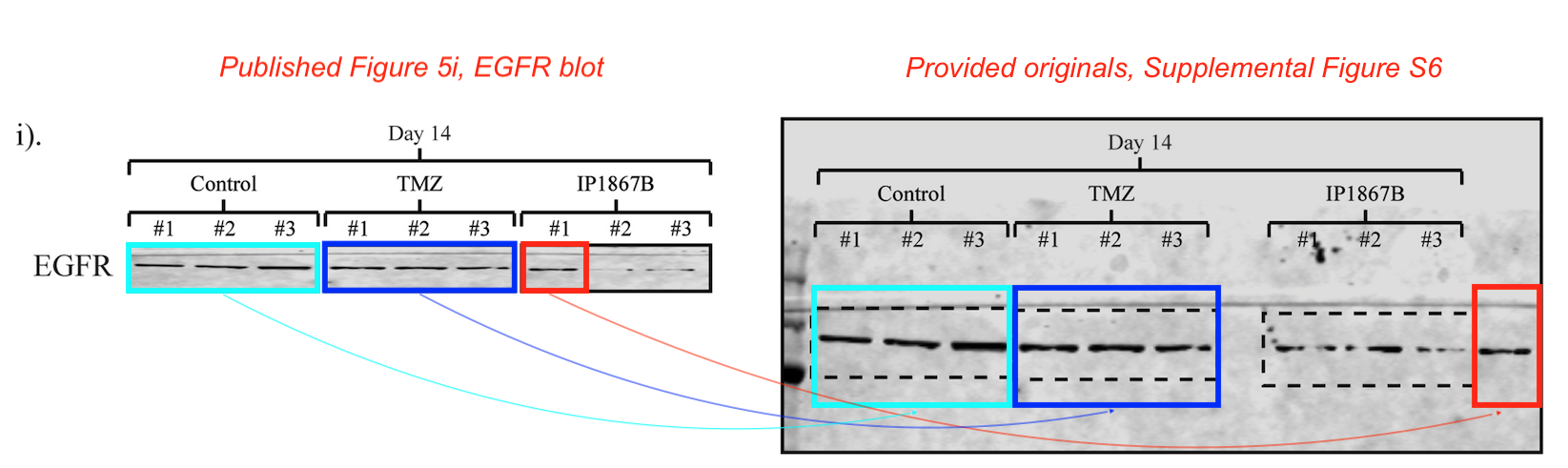
“In the article above, we, the authors, discovered that a single microscopy panel was inadvertently placed in Figure 1f, using the SEBTA-023 panel twice instead of the SEBTA-003 representative image. We discovered that an actin western blot loading control data associated with Figure 3a was also incorrectly placed in Figure 5i. We retrieved the original actin western blot data linked to Figure 5i and corrected this error. Neither correction alter the conclusions of the original paper; however, we sincerely apologize for any confusion that this may have caused.”
Turned out, the “raw data” he provided with that Corrigendum was fraudulent. Thus, a Retraction was published on 1 June 2021:
“The Editor and Publisher received a letter from the University of Portsmouth alerting us to an investigation into alleged research misconduct. The University concluded their investigation with external experts and determined that misconduct did take place in relation to the research involved in this paper.
Upon our separate investigation, it has been determined that the paper headline relies on showing that there was considerable reduction of IGF1R, IL6R and EGFR post treatment in all cell lines. During review, it was determined that this cannot be concluded from the presented data. For example, in SEBTA-003 the EGFR levels go up and there is no difference in IGFR1. It is apparent from Fig. 4d that in the SEBTA-003 cell line the EGFR level does not go down, which is stated in the Results section on page 32, it is rather going up. The data for IGFR1 are inconclusive and there are concerns regarding the blot. The general implications would be that the effects of the drug IP1867B does not seem to be the same for all tested cell lines, and this should have been discussed in detail by the authors. Additionally, in subsequent experiments (Fig. 4g and h) the SEBTA-003 cell line (no reduction of EGFR, rather increased expression) and the other 3 cell lines (reduction of EGFR) show similar responses. This is particularly evident in Fig. 4g: Two cell lines are compared, SEBTA-003 (increased EGFR expression) and UP-029 (decreased EGFR expression), both behave similarly after exposure to drugs.
The corrigendum (https://doi.org/10.1016/j.canlet.2019.10.002) issue is with respect to the Supplemental Figure 6i EGFR, particularly panel IP1867B. The Corrigendum states that the left part is a cut out of the very right part. If so, the bands for IP1867B should show the same staining pattern – but they do not. Also, in the Corrigendum, there are incorrect mentions between day 14 in the Figure and day 19 in the Figure legend.
All authors were informed of the retraction in advance. Drs. Pritchard and Duckworth agreed to the retraction. The corresponding author, Dr Hill, did not agree to the retraction. No response had been received from Drs. Mihajluk, Simms, Reay, Madureira, Howarth, Murray, Nasser and Pilkinton at the time of the retraction being published.”
Elisabeth Bik then found even more fraud in Hill’s “raw data”:
Hill was found guilty of research misconduct by the Portsmouth disciplinary panel in early 2020.
“The judge found that Dr Hill’s representations and data, including in the paper, contained significant inaccuracies. Note that this finding was consistent with the decision of the UOP disciplinary panel. The judge went on to conclude that “UOP did not use all reasonable skill and care to ensure the accuracy of the work performed (which included the work of preparing the paper) or in the giving of information (including the information given in the paper)”, with the result that UOP was in breach of clause 11.1 of the contract.”
The university got off with paying merely 1 million. The lawsuit can be found here.
An esteemed global figure in the scientific community
The Sweden-based predatory conference fraudster Ashutosh Tiwari has a set up a new scam. This time, it is not about heart surgery.
Ashutosh Tiwari and his patron Tony Turner were found guilty of research misconduct by Linköping University. Turner is to be sacked as EiC of his Elsevier journal Biosensors and Bioelectronics, a paper he tried to correct there will be retracted. Meanwhile, Tiwari and his LiU colleague Mikael Syväjärvi started a new business: they offer heart…
“The IIW is at the forefront of advancing global water expertise in alignment with United Nations’ initiatives.”
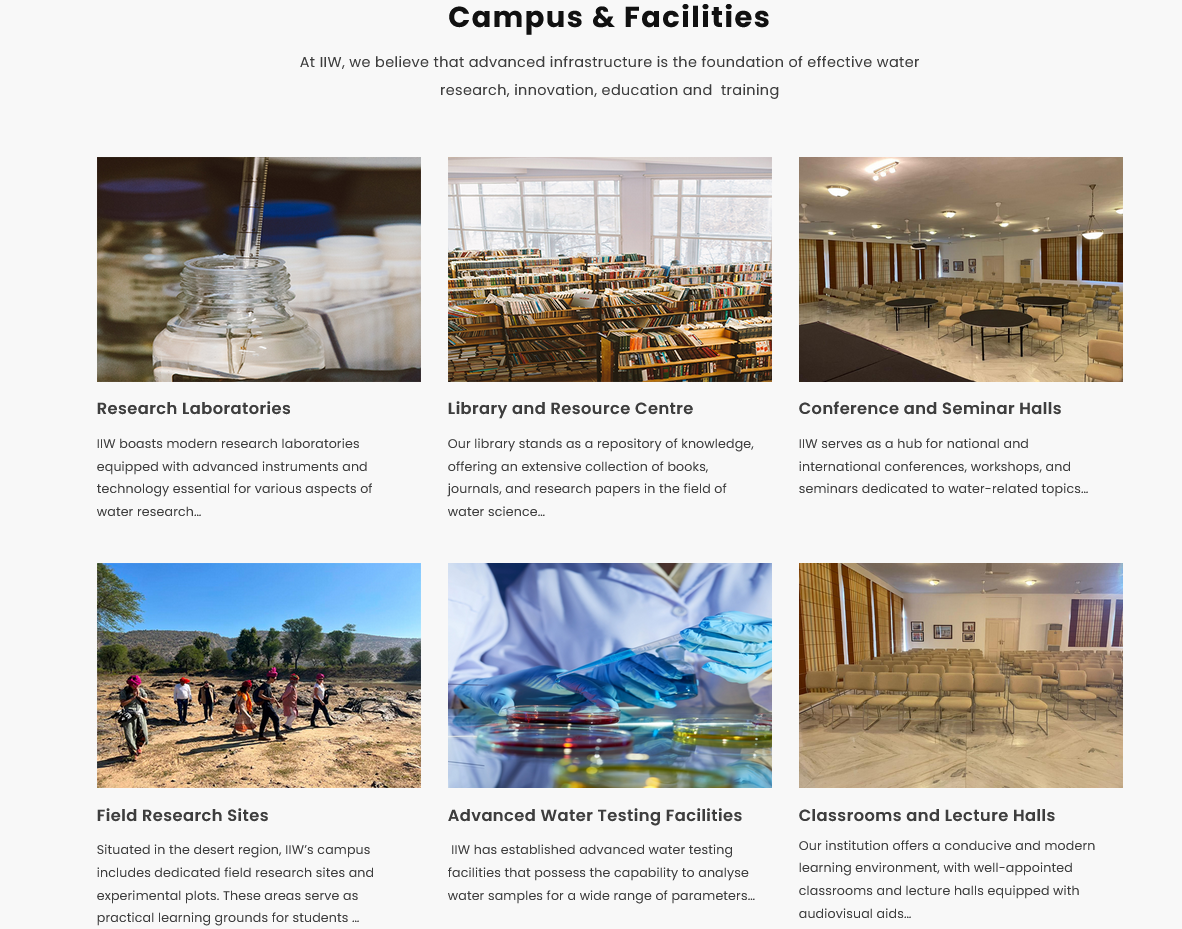
Tiwari’s IIW claims to have its own research laboratories, lecture and conference halls, a huge library, and even water treating facilities. All located at the address “Bijolai Palace, Near Kaylana Lake, Air Force Radar Road, Bijolai, Jodhpur 342 003, Rajasthan, India“.
Which is a hotel. A very fancy and old one, but still a hotel. Typical Tiwari, eh?
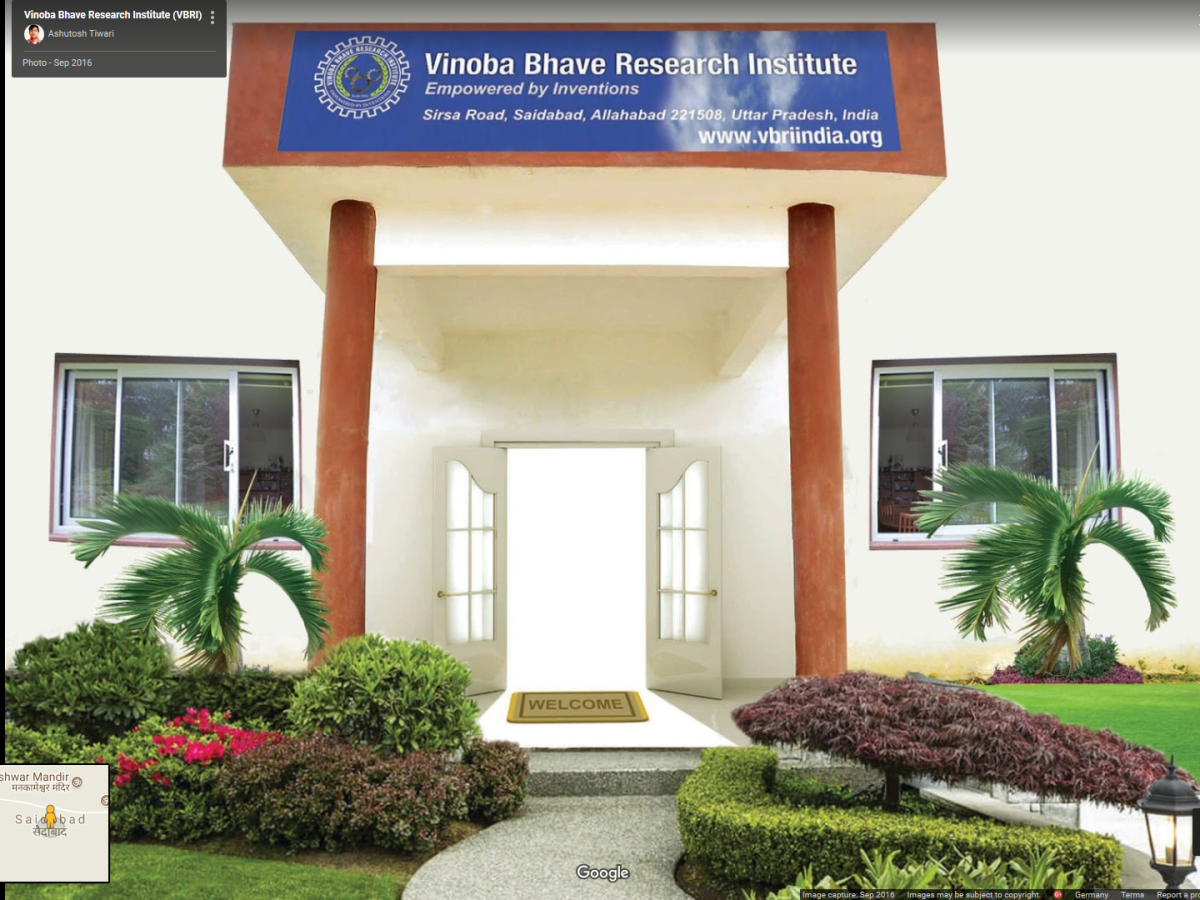
This all is somewhat similar to Tiwari’s past invention VBRI (Vinoba Bhave Research Institute), which he registered at his father’s diploma mill in Allahabad, and faked the rest in Photoshop. Read here:
Ashutosh Tiwari, former employee of Linköping University, built an entire industry of predatory publishing and conferences, which hosted many among the material science research elite, all from a small rented office in the industrial area of Linköping. Tiwari’s genius trick was to play at the vanity and greed of certain academics.
Now, you might wonder, what kind of people will join Tiwari in this business?
Next to several Indians, an MIT professor and a professor from Germany. Here is the Executive Board (and an archived copy here), we have:
Dr. Ashutosh Tiwari – President, International Institute of Water, Jodhpur, “an esteemed global figure in the scientific community, […] Celebrated for his groundbreaking work in water science, technology, and sustainable development, Dr. Tiwari has been instrumental in shaping discussions around worldwide water-related challenges…”
Prof. Thomas Ernst Müller – Ruhr-Universität Bochum, Germany, “endowed chair Carbon Sources and Conversion (CSC) at the Ruhr-Universität Bochum (RUB), Germany. His expertise lies…“
Dr. Rajendra Kumar Tiwari – Former Chief Secretary, UP Govt., India “a former member of the Indian Administrative Services (IAS) of the Uttar Pradesh cadre from the 1985 batch.”
Prof. Manoj Gupta – National University of Singapore, Singapore, “published over 515 articles in international journals and presented at over 200 conferences.”
Prof. Kamal Youcef-Toumi – Massachusetts Institute of Technology, USA, “Director of MIT’s Mechatronics Research Laboratory and of the Ibn Khaldun Fellowship, and Co-Director of the Center for Complex Engineering Systems.”
Prof. Basant Maheshwari – Western Sydney University, Australia, “passionate about understanding the social, economic, cultural, policy and institutional aspects of groundwater“
Prof. Debashis Chakraborty – Indian Institute of Technology Madras, India, “awarded Dr.rer.nat. from the University of Göttingen in 2000 under the mentorship of Professor Dr. Dr. h.c.mult. Herbert W. Roesky.”
I decided to contact only Müller in Bochum and Youcef-Toumi at MIT. I can’t waste time with universities in India, Singapore and Australia, call me what you want for this.
Youcef-Toumi replied with this:
“Thank you for bringing this to our attention. I was unaware of this. I did not receive any payments from him or anyone for these organizations. I plan to discuss this matter with Profs Müller. Thanks again for the information.“
But I think Youcef-Toumi is being dishonest about not knowing Tiwari. In between, I contacted Müller’s University of Bochum (because Müller did not reply), and the Ombudsman spoke to Müller, and then informed me (translated):
“Mr Müller in no way denies knowing Mr Tiwari. According to initial research, contacts between Mr. Tiwari and Müller have existed for around 3 years. There are no joint publications, but there are planned collaborations in joint project applications to recognized funding institutions where the funding is subject to strict control (EU funds).”
Basically, Tiwari uses Müller to get his hands on EU money.
Four years after Ashutosh Tiwari’s scamferences and research fraud were exposed, his impressive-sounding yet fictional “International Association of Advanced Materials”, or IAAM, still opens doors, hearts and wallets.
In March 2021, Müller even gave a lecture “IAAM, Session: Smart Biomaterials, Advanced Materials Lecture Series,” sponsored by Tiwari’s fictional International Association of Advanced Materials (IAAM, run from Tiwari’s bathroom to organise predatory conferences). See page 17 of the conference programme by Indo-German Science & Technology Centre (IGSTC). The Bochum Ombudsman explained that the lecture was given online due to the pandemic:
“It is probably the only lecture that Prof. Müller has given in IAAM conferences.“
The Ombudsman announced to investigate. Right then, Müller’s photo at IIW, the same one used on his university website, was replaced with a private picture. But Müller himself is determined to stay on. He is not the only German professor in love with that criminal clown.
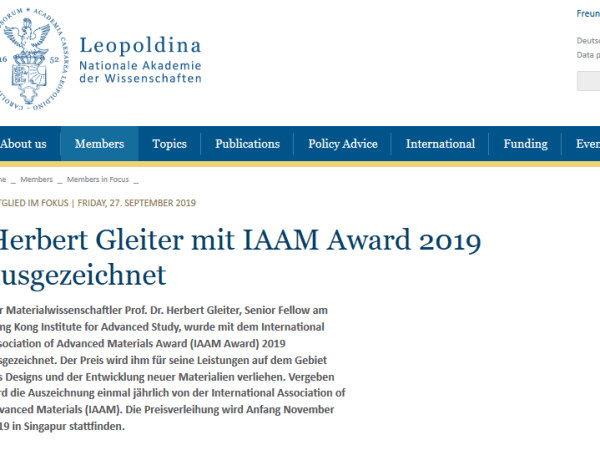
The German Academy of Sciences, Leopoldina, advertises for Ashutosh Tiwari’s predatory conferences. Occasion: Academician Herbert Gleiter won an IAAM Award.
Nature published a few days ago an article about the work of the computational geneticist Yves Moreau, professor at the Catholic University of Leuven in Belgium, who “become deeply concerned about the ethics of studies that report the collection of biometric data from vulnerable or oppressed groups of people“, especially the Tibetans and Uygur.
Some such unethical studies got retracted thanks to Moreau’s activism, Nature writes about this one:
“…in 2022, the international advocacy organization Human Rights Watch, among others, had reported that a mass DNA-collection programme of Tibetan populations was under way. Moreau also recognized one co-author from other papers he had flagged: Atif Adnan, who had previously been based in China and was now affiliated with the Naif Arab University of Security Sciences in Riyadh. For Moreau, this raised questions about links to security forces. Moreau urged the journal editors to investigate whether the Tibetans in the study had given informed consent.Forensic database challenged over ethics of DNA holdings
And by January 2023, three months after Moreau’s complaint, the publisher PLOS based in San Francisco, California, had retracted the article, with a notice saying that editors had concerns about informed consent and ethics approval procedures that were not resolved by documents they’d been sent.”
Who would have known that Uyghur DNA, used by Chinese state security for genetics research into racial profiling and face prediction, was obtained under coercion? Four papers by Caixia Li et al are now retracted.
“Ethical concerns are particularly acute in forensic science because the field has close connections with law enforcement, Moreau notes. […]
For the 12 papers retracted so far in relation to this issue, publishers say they’ve done so on the grounds that they haven’t been able to establish that participants gave informed consent. (Publishers have also closed seven cases deciding no action was warranted.) But around 70 papers are still under investigation 2 or more years since Moreau first flagged them. That includes 14 papers in the journal Molecular Genetics and Genomic Medicine; in 2021, nine members of the journal’s editorial board resigned in response to the journal’s failure to tackle the concerns raised by Moreau. [..]
The journal Genes, for instance, decided that no action was needed for seven articles that it published. MDPI, the journal’s publisher in Basel, Switzerland, says that authors sent ethical-oversight documentation, and the studies’ institutional review boards confirmed their validity.”
In 2019, MDPI published a Special Issue “Beyond Thirty Years of Research on Race Differences in Cognitive Ability”, one year later its owner Shu-Kun Lin expressed admiration for Trump and said “Black Lives Matter. White Lives Matter. All Lives Matter.”
Our western naivety and arrogance let us believe that science in totalitarian and corrupt states is subject to our ethical standards. We think a scientist can never be an agent of a murderous regime and that an ethics approval and informed consent in China is the same as in Belgium.
“The idea that signed consent forms don’t always prove that someone has given voluntary, informed consent is borne out by reports coming out of Xinjiang. Abduweli Ayup, a Uyghur linguist who was detained and imprisoned in Xinjiang, attests to the circumstances that lead people to provide blood, saliva or urine samples under duress. […]
During his 15-month detention, Ayup says, he was subjected to inhumane treatment by physicians and nurses at the centre. Prison officers often forced him to take unidentified tablets, he says, and then he and other detainees would be told to strip naked and line up so that nurses could administer a health survey and collect blood samples. “I felt like a mouse” being experimented on, says Ayup, who is now based in Norway but continues to worry about his brother and sister, who, as far as he knows, remain in detention.”
Hundreds of papers, up to 500, Moreau says. Only 12 retracted. Enormous databases for surveillance of Chinese minorities, created with eager help from western researchers. And we even outsourced research ethics to MDPI and its ilk.
Replaced with different data that look more dissimilar
Nobel Prize Laureate and Stanford professor Thomas Südhof corrects a paper.
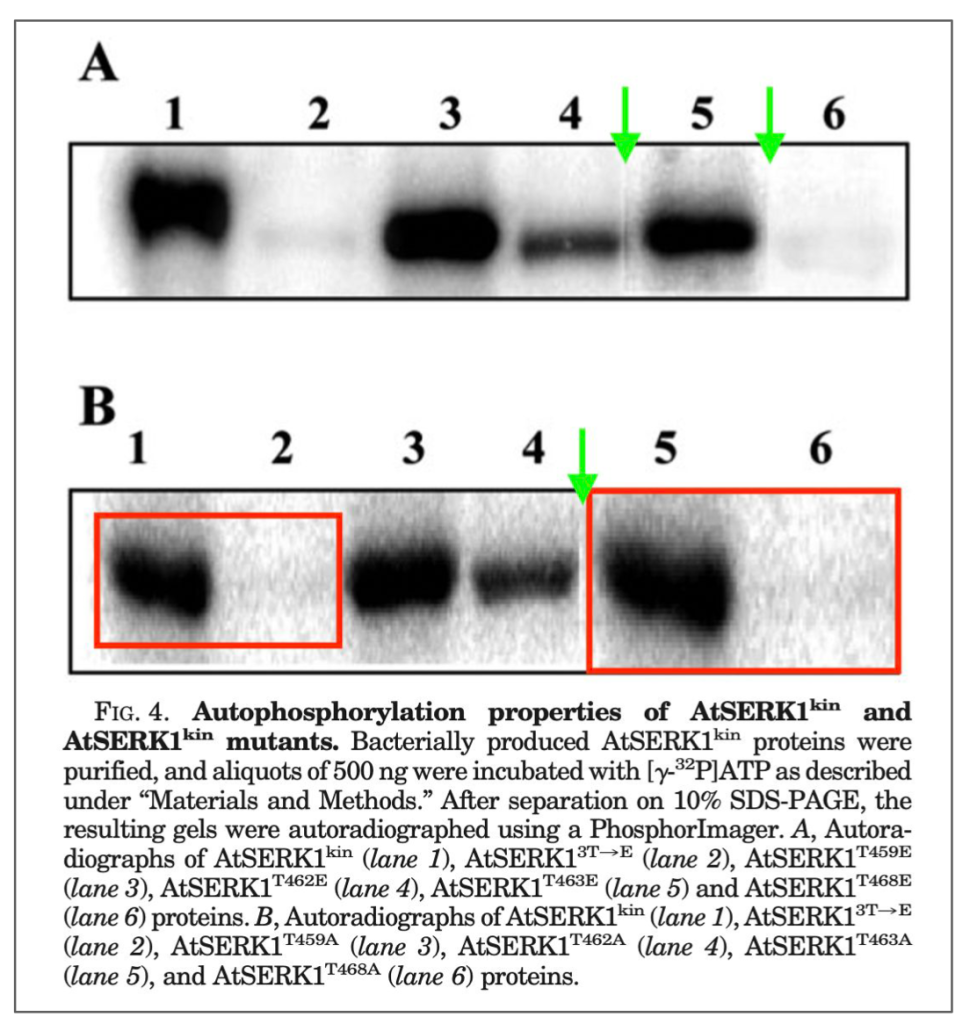
“Figure 3A:[…] Munc18 and syt1 are the same blot.”
“actin of Suppementary Fig 1C and tubulin of Fig 3 are the same blot”
Südhof replied on PubPeer with enormous amounts of western blot raw data, and insisted:
“This response illustrates using the original data that the allegations of blot duplications are mistaken.”
After a sleuth asked “Could Prof Südhof kindly extract from this pile of stuff just […] the pairs Munc18/syt1 and actin/tubulin“, Südhof refused to clarify, but stated:
“I hope PlosONE will publish these blots even though an Erratum is not appropriate since we are not aware of any mistakes in the original data – although given the similarity of the various bands in the various blots, we could have made mistakes, which we can’t rule out because we are human.”
The bands are never duplicated, even if they quite possibly are. Nobel thinking!
On 6 February 2024, PLOS One published a long Correction (highlights mine):
“With this notice we provide amended versions of Fig 3, S1 Fig, and the Data Availability statement in [1].
Fig 3 has been updated to address the following questions:
Concerns were raised that the Munc18 and Syt1 panels of Fig 3A appeared similar and did not appear to match the primary image data for these experiments. In the updated figure, these panels have been replaced with different data from the original experiments that look more dissimilar.
In reviewing the primary data for Fig 3C it came to light that HSP70 inducible blots had been displayed in the HSP70 constitutive panel. This error has been corrected in the updated figure.
The Tubulin control panels in Fig 3A and 3C were replaced to correct a loading order discrepancy: review of the primary data revealed that the loading order for Tubulin panels in the original figure differed from the loading order in other panels of Fig 3A and 3C.
VAP-A and VAP-B panels were replaced in the updated Fig 3C with a better selection, although no issues were raised about these panels in the published figure.
In addition, concerns were raised about similarities between the Tubulin panels in Fig 3A and 3C and the Actin panel for Cortex (Cx) experiments in S1C Fig. The updated Fig 3 legend clarifies that Tubulin data are intentionally reused in Fig 3A and 3C as the data for these two panels were obtained in the same set of experiments. S1C Fig has been revised to report the correct loading control data for each blot experiment.
These figure updates do not impact the results and conclusions as stated in the article [1]. The original images underlying Fig 3A, Fig 3C, and S1C Fig are provided in S1–S3 Files.”
Totally shameless, but this is our Tom how we all love him.
On 26 January 2024, the publisher Bentham issued this press release:
“Bentham Science is proud to announce partnership with Elsevier
Bentham Science Publishers, a science, technology and medical publisher, providing academic researchers and industrial professionals with the latest information via our more than 150 electronic and print journals is proud to announce a collaboration with Elsevier. This collaboration will make all Open Access content published in Bentham Science’s 42 Gold Open Access journals as well as the Open Access content from 127 Hybrid journals available on ScienceDirect, Elsevier’s premier platform for searching and reading peer-reviewed scholarly literature, in 2024.
This collaboration will increase the discoverability and visibility of more than 5000 Open Access works, by researchers. published through Bentham Science and further our mission to help propel research and innovation globally.”
Now, some may be concerned that Elsevier teams up with a predatory publisher, but there is ample evidence that Bentham is NOT a predatory publisher. Here it is:
Bentham was founded in 1994 by the Pakistani professor Atta ur Rahman and his friend Matthew Honnan. It seems the entire publishing operation is run fromPakistan, even if Bentham denies it. It is known for spamming scientists and publishing trash (read here), but then again, many publishers do this today.
In any case, Bentham is clean now thanks to Science Direct listing. Plan S money will flow to Pakistan.
This is Appeal by several European scientists protesting against Plan S, recently revealed by the EU and a coalition of European research funders. Lynn Kamerlin and her coauthors worry that Plan S will deprive them of quality journal venues and of international collaborative opportunities, while disadvantaging scientists whose research budgets preclude paying and playing in…
”Employee is suspected of embezzling millions of reais in funds for Unicamp researchers. Fraud in project resources at the Institute of Biology is investigated by the university and FAPESP. Employee was fired”
“The Journal has been made aware of concerns raised by a reader regarding images in Figures 2C, 4E and 5F of this paper. The Journal is publishing this expression of concern while an investigation is carried out.”
hi Leonid, LOWI informed me last Monday that I was not allowed to list in my internal document about an appeal in a case by Rogier Louwen / Erasmus MC, that I had reported to the national authority IGJ that the medical doctors Han Brunner of Radboud UMC and Joeri Tijdink of Amsterdam UMC, both members of LOWI, were engaged in a large-scale facilitation of the spreading of large amounts of dangerous medical disinformation about COVID-19 and about the COVID-19 vaccines. See a thread posted several months ago at https://twitter.com/KlaasvanDijk5/status/1664932524932358146?t=NFtxGv2z2NXpYynfN13B8Q&s=19 for some details. [in Dutch] No one has until now informed me that my texts in this short thread contain errors or mistakes.
















This week news from Mario Saad’s university:
”Employee is suspected of embezzling millions of reais in funds for Unicamp researchers. Fraud in project resources at the Institute of Biology is investigated by the university and FAPESP. Employee was fired”
https://www1.folha.uol.com.br/educacao/2024/02/funcionaria-e-suspeita-de-desvio-milionario-de-verbas-para-pesquisadores-da-unicamp.shtml
https://12ft.io/proxy?q=https%3A%2F%2Fwww1.folha.uol.com.br%2Feducacao%2F2024%2F02%2Ffuncionaria-e-suspeita-de-desvio-milionario-de-verbas-para-pesquisadores-da-unicamp.shtml
LikeLike
Amazing. Sao Paulo is the world capital of research fraud.
LikeLike
Nice try, but that’s Boston!
LikeLike
…..wait a minute; Saad and Velloso trained in Boston…I guess you’re right, Boston truly is the world capital of research fraud.
LikeLike
I claim for a good position for CNRS in this ranking contest!
LikeLike
09 February 2024 Expression of Concern in Neuro Oncol for Khalid Shah, Harvard
https://academic.oup.com/neuro-oncology/advance-article/doi/10.1093/neuonc/noae026/7604162?login=false
“The Journal has been made aware of concerns raised by a reader regarding images in Figures 2C, 4E and 5F of this paper. The Journal is publishing this expression of concern while an investigation is carried out.”
That’s. The rest is up to your imagination.
LikeLike
Hi Leonid, you’ve made it into the big leagues:
https://www.jmwiarda.de/2024/02/11/nach-drei-tagen-kam-der-r%C3%BCcktritt/
Well done,
Cheers, Oliver
LikeLike
Hi Leonid
Stage 2 has been ignited. You’ve made it into FEFE’s blog:
https://blog.fefe.de/?ts=9b3730ff
Cheers, Oliver
LikeLike
I have no idea what that is.
LikeLike
hi Leonid, LOWI informed me last Monday that I was not allowed to list in my internal document about an appeal in a case by Rogier Louwen / Erasmus MC, that I had reported to the national authority IGJ that the medical doctors Han Brunner of Radboud UMC and Joeri Tijdink of Amsterdam UMC, both members of LOWI, were engaged in a large-scale facilitation of the spreading of large amounts of dangerous medical disinformation about COVID-19 and about the COVID-19 vaccines. See a thread posted several months ago at https://twitter.com/KlaasvanDijk5/status/1664932524932358146?t=NFtxGv2z2NXpYynfN13B8Q&s=19 for some details. [in Dutch] No one has until now informed me that my texts in this short thread contain errors or mistakes.
LikeLike