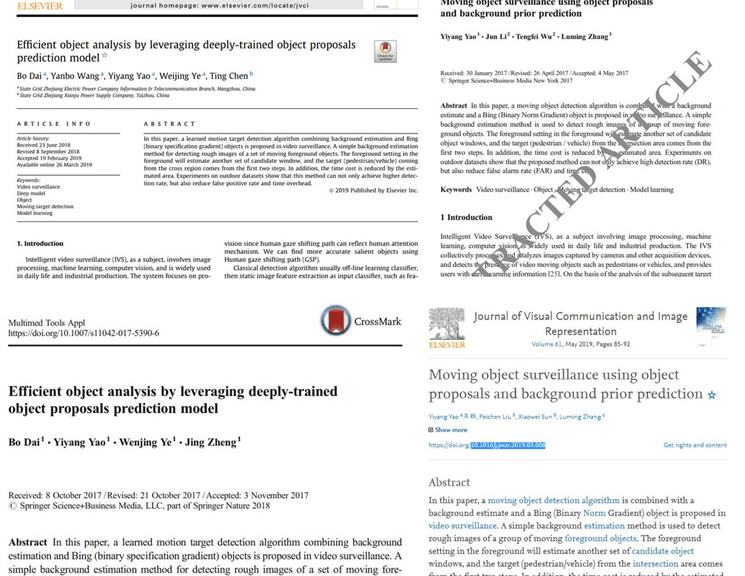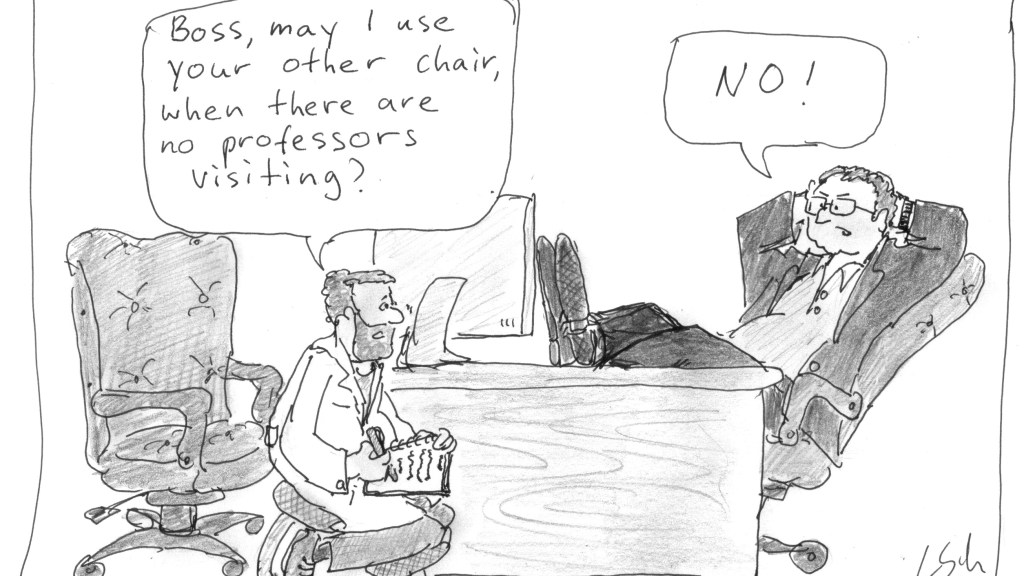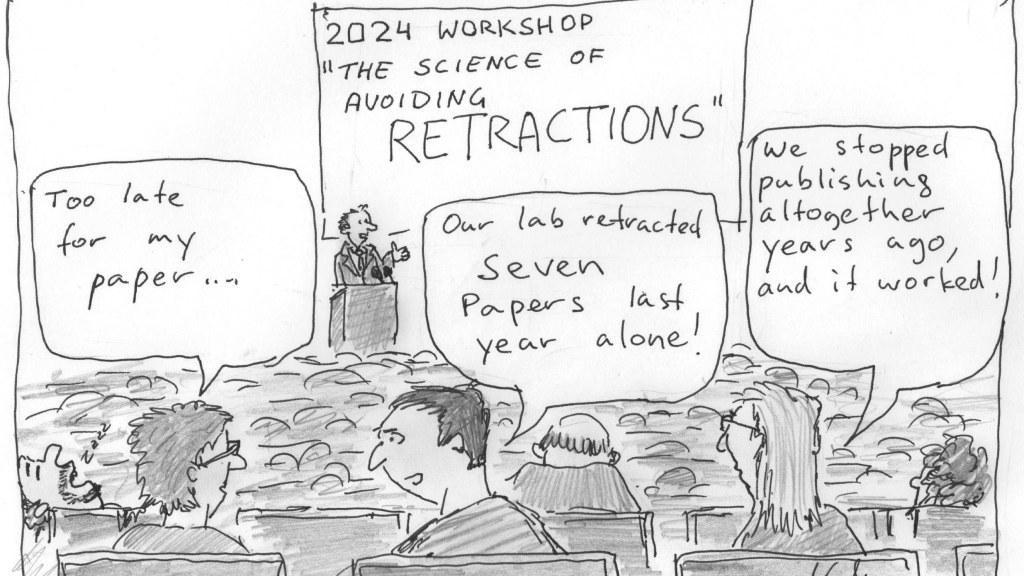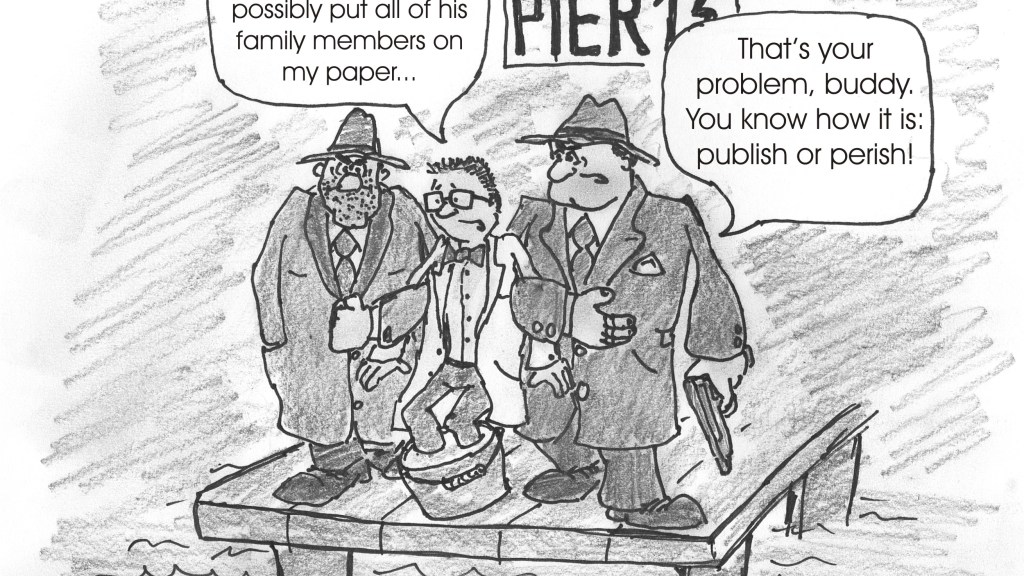
Springer secretly ashamed, Elsevier lets it all hang out
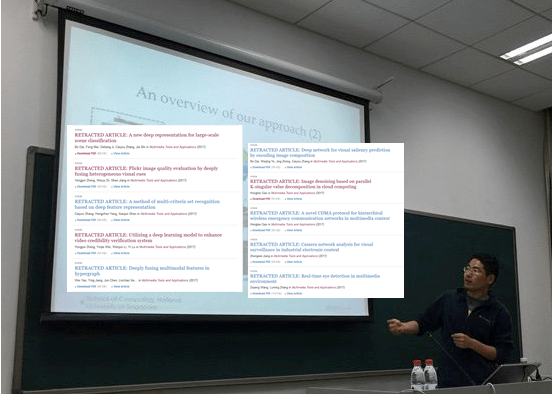
In this guest post by Smut Clyde and Tiger BB8 you will witness a publication practice you would never have thought possible. Even from China. Even at Elsevier.
By Leonid Schneider, on research integrity, biomedical ethics and academic publishing
In this guest post by Smut Clyde and Tiger BB8 you will witness a publication practice you would never have thought possible. Even from China. Even at Elsevier.
Bremen rector Bernd Scholz-Reiter previously explained his predatory publishing and self-plagiarism as a personal crusade for Open Access. Now a closed access conference paper he coauthored was declared by his university as definitely not plagiarised.
Giovanni Tarantino andC armine Finelli are two medical plagiarists from Naples in Italy, who became infamous after one of them was caught having stolen the work of a US colleague he was peer reviewing. In other cases, the two Napolitans were even too lazy to plagiarise. They simply republished their already plagiarised “works” several times, even as book chapters. The journals were informed, but most couldn’t care less.
Every academic will probably agree that plagiarism is wrong. It is absolutely not OK to pass someone’s else’s intellectual workContinue Reading
In medicine, academic performance is evaluated quantitatively, by the sheer number of papers. Promotions are granted according to the publicationContinue Reading
Times Higher Education recently reported about an online survey on research integrity of British scientists. The study was performed andContinue Reading
Germany is a country where a doctorate still invites respect and even deference, in certain circles at least. Here, the prefixContinue Reading
Plagiarism, the misappropriation of the (usually written) work of others in order to present it as one’s own, is universally regarding asContinue Reading