
Schneider Shorts 14.05.2021: Conclusions not affected
This week’s Schneider Shorts are about unaffected conclusions and destroyed raw data, the war on virus, vaccines and antivaxxers, and the virtues of having a long nose.
By Leonid Schneider, on research integrity, biomedical ethics and academic publishing
This week’s Schneider Shorts are about unaffected conclusions and destroyed raw data, the war on virus, vaccines and antivaxxers, and the virtues of having a long nose.
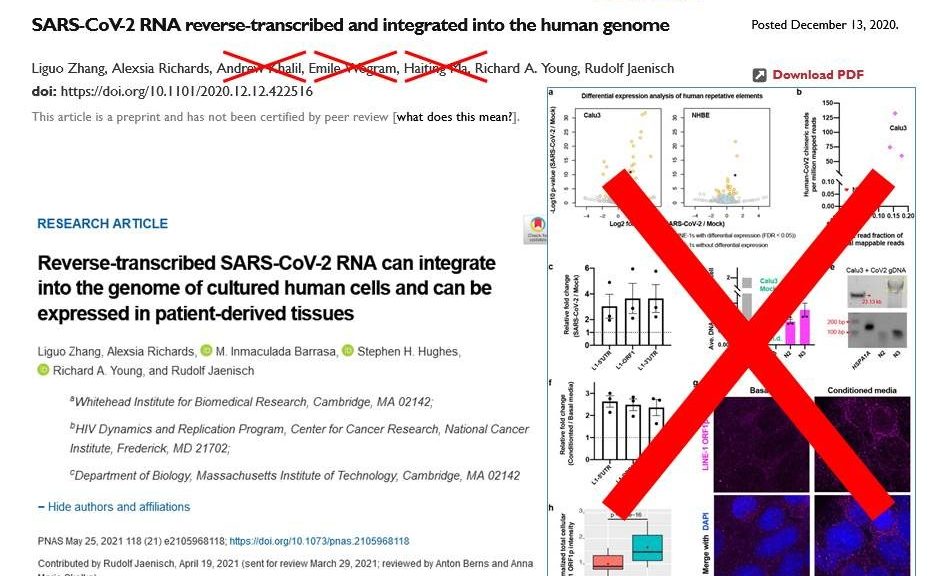
Famous MIT lab discovered the coronavirus integrates into human genome and is still transcribed! Between preprint and contributed PNAS paper, three authors and a mechanism were dropped.
Schneider Shorts for 5 May 2021: retractions and resignations, geniuses saving the world from COVID-19, anti-aging scams and Didier Raoult’s legal attack on Elisabeth Bik.
Schneider Shorts 30 April 2021: a stupid Neanderthals study, Sputnik V meltdown, German anti-maskers in MDPI, and probably the most unethical COVID-19 clinical trial.
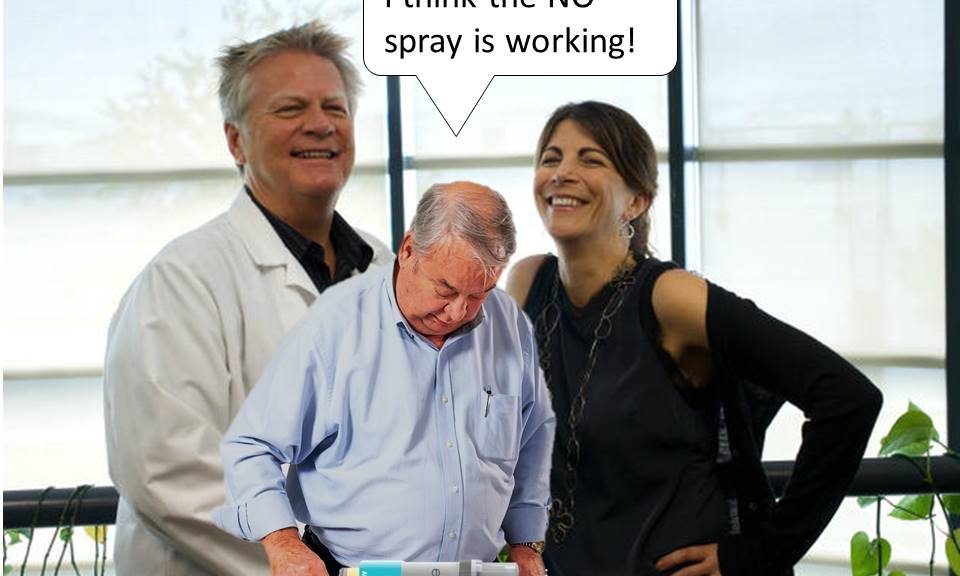
“Prior going to the grocery store, after the grocery store, you’d spray it in your nose, for instance, or you go to day care or someone coughs on you,” – Dr Chris Miller, co-founder of SaNOtize.
Schneider Shorts 23 April 2021: exciting COVID-19 clinical trials, blood tests for depression, photoshopped plant science, more tea with Professor Seeberger, chocolate diets, amazing cancer cures, and an Italian mystery troll obsessed with me.
Introducing new For Better Science weekly format: Schneider Shorts
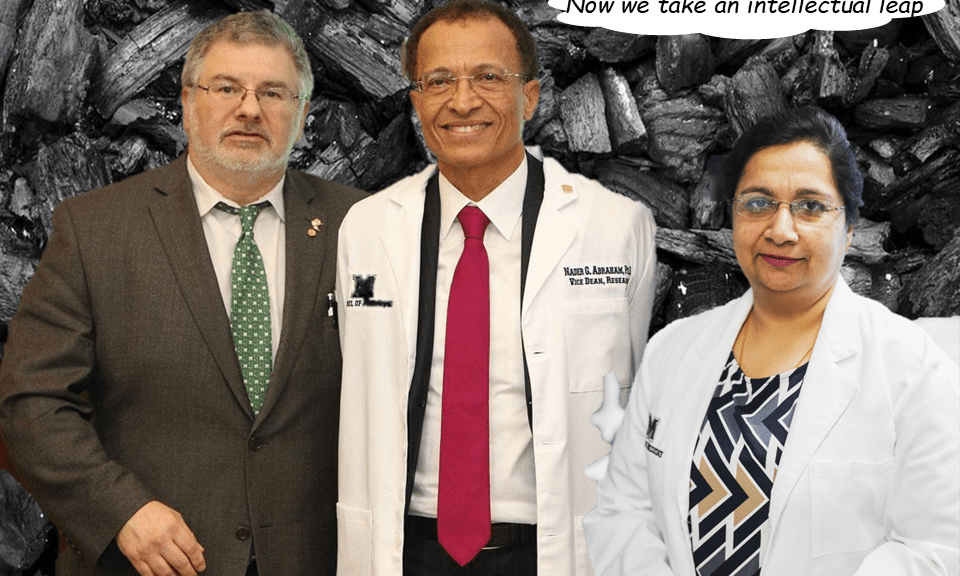
Charcoal as COVID-19 therapy? It may sound silly, but there is solid history of data fudging behind it, wandering western blots included!
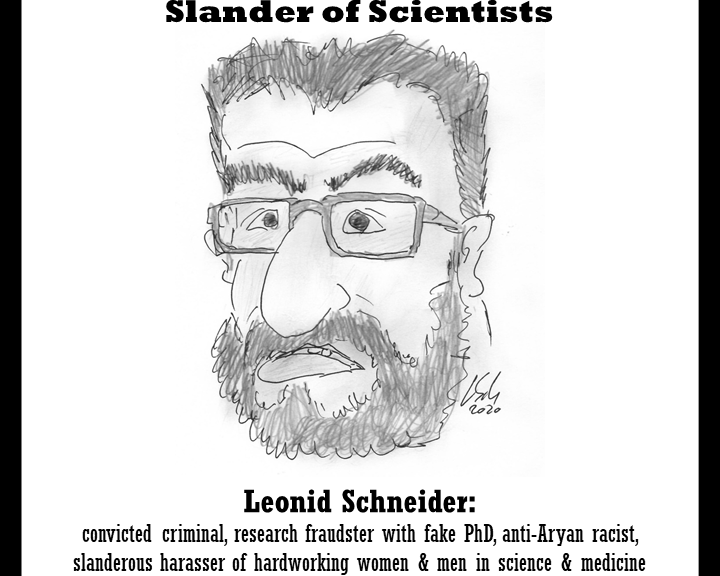
The grass root revolution continues, but I’m not on Twitter anymore.
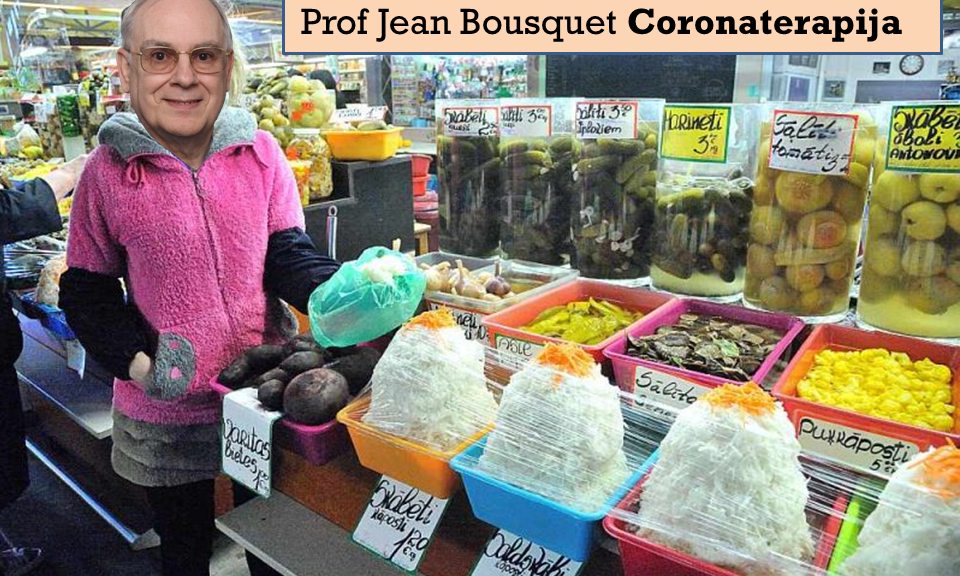
For some reason, Christian Drosten is the most famous COVID-19 scientist of the Charité Berlin medical school. Meanwhile, Professors Jean Bousquet and Torsten Zuberbier found and tested the pandemic cure, and it’s Brassica oleracea!

 For Better Science