
Carrots and sticks for fraudsters at Royal Society of Chemistry
Smut Clyde goes nanotechnology again and disagrees with Royal Society of Chemistry and the Chinese authorities on how honest a researcher Mi-Cong Jin is.
By Leonid Schneider, on research integrity, biomedical ethics and academic publishing
Smut Clyde goes nanotechnology again and disagrees with Royal Society of Chemistry and the Chinese authorities on how honest a researcher Mi-Cong Jin is.
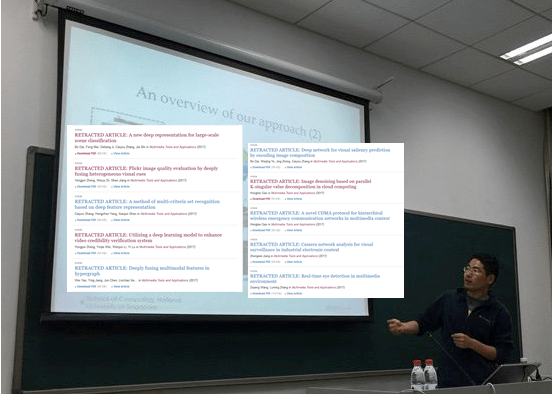
If you thought you already saw the worst research fraud from China, here comes the next level. Anything goes to please the Communist Party and to advance own academic career under the oppressive regime.
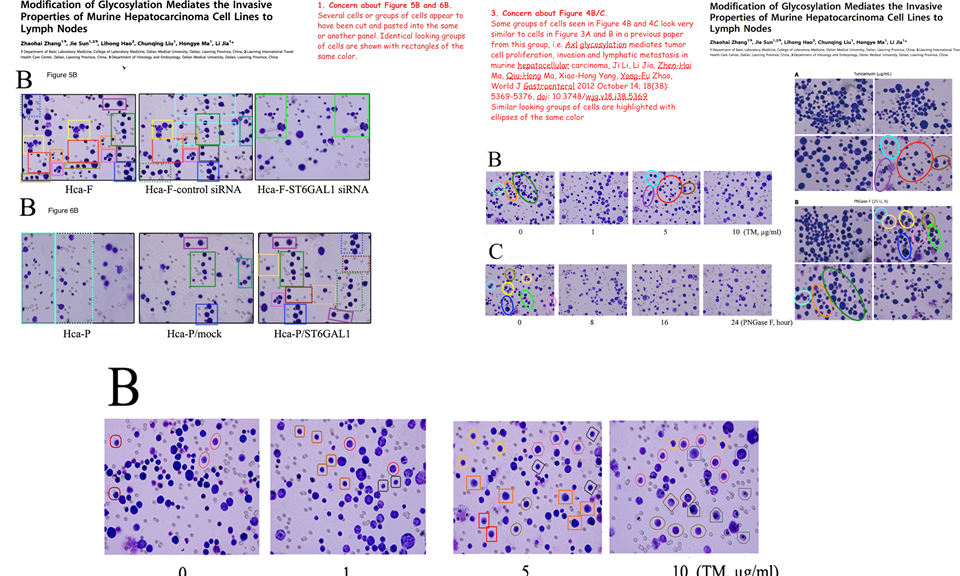
Li Jia is Chinese cancer researcher apparently training for Fraud Olympics. She fabricates data at speed and excess, and in several disciplines.
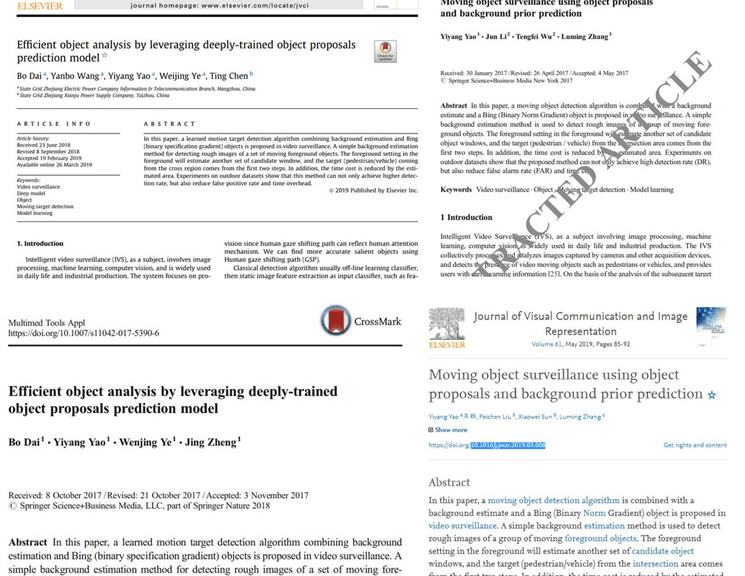
In this guest post by Smut Clyde and Tiger BB8 you will witness a publication practice you would never have thought possible. Even from China. Even at Elsevier.

Professor Shukla is a bigwig in Indian toxicology because he uses fresh fruit, tea and curry spices to cure cancer. For maximum effect, his lab resorts to fabricating data in Photoshop.
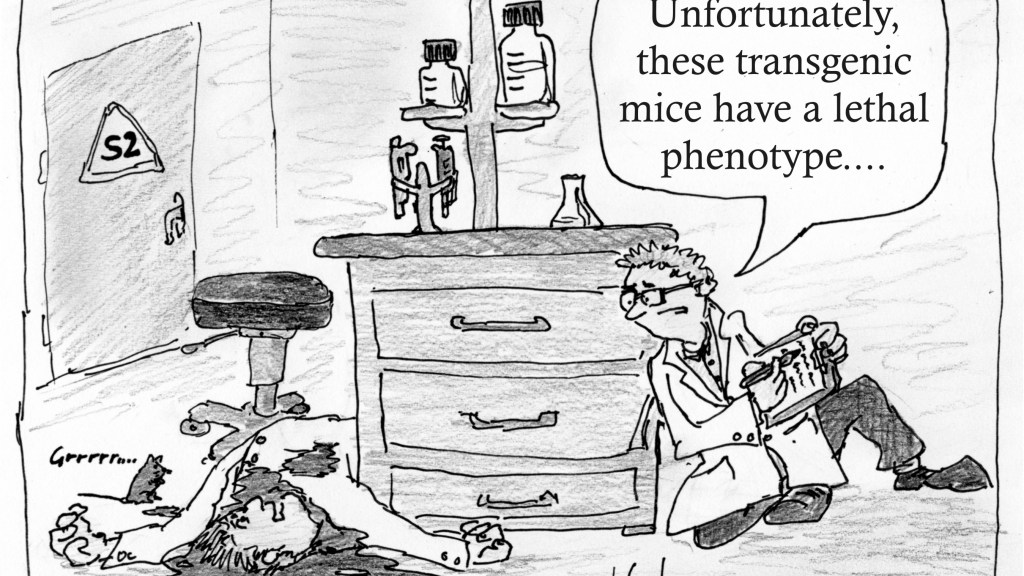
Benjamin Bonavida is a prolific science book author and recently retired as UCLA professor. He previously had to retract some papers as others took the blame. Yet Smut Clyde found so many fraudulent works signed by Bonavida that one wonders if this cancer researcher is a victim or rather the perpetrator here.
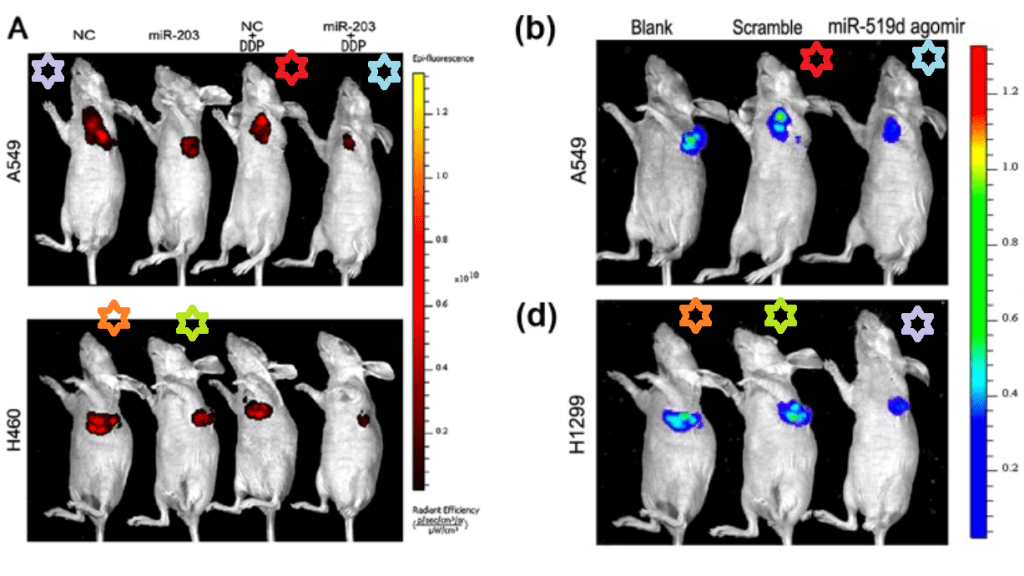
A cancer research professor in China runs a paper mill, sources claim he sells first authorships for a bribe. Problem for his customers: the peer-reviewed papers they pay for, contain fake data.
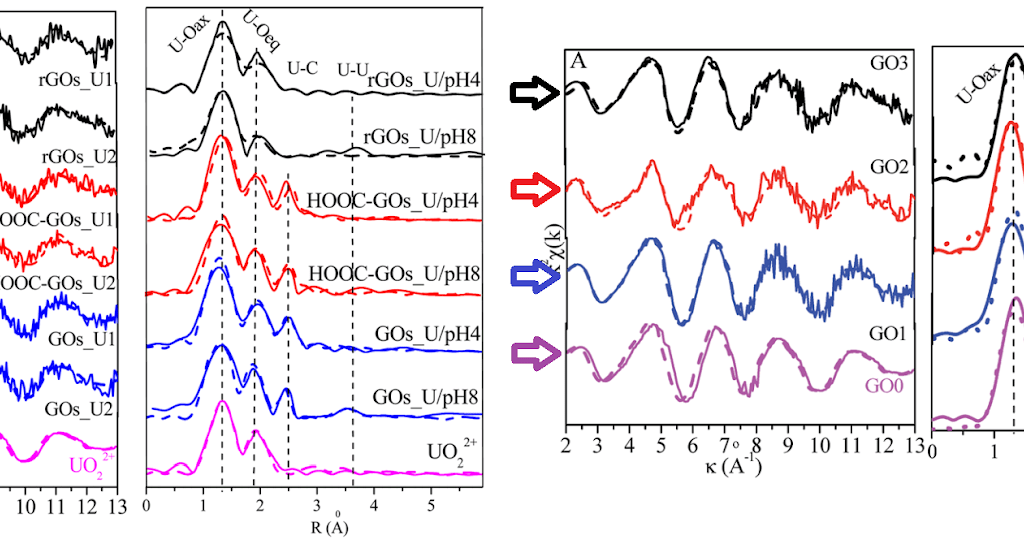
Smut Clyde and TigerBB8 investigate another case of nanotechnology research in China. Connected teams of authors pretended to work on cleaning up the environment of radioactive pollution, and instead released a toxic sludge of fraudulent data and citations.
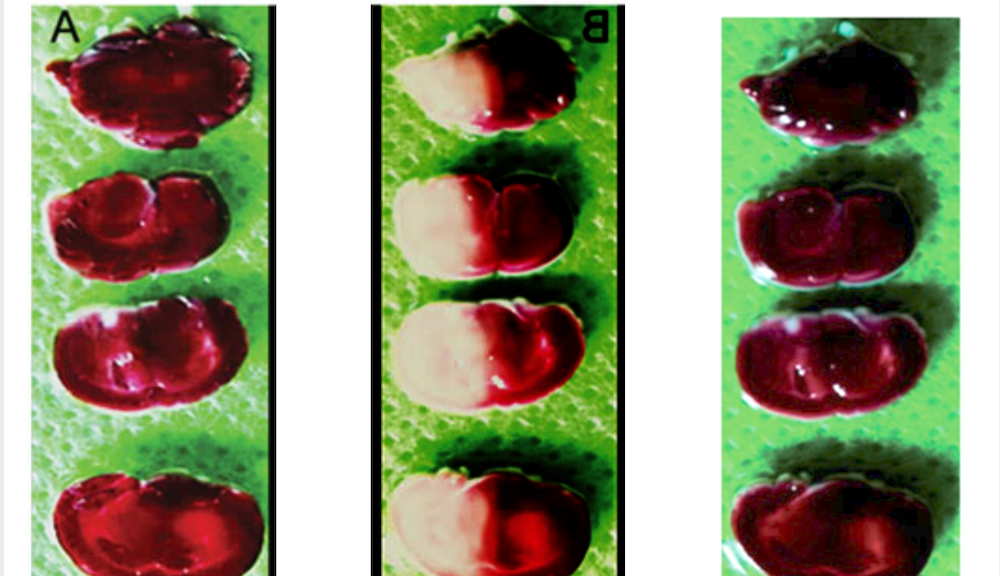
Smut Clyde and Tiger BB8 uncover a Chinese network which spreads over two cities and uses same stash of fake data to keep inventing nanoparticle or TCM-based cures for diabetic brain damage and other diseases.

The story of two data fabricators and Elsevier regulars, Sudheer Khan and Ali Fakhri. Smut Clyde brings them together in this new guest post about nanotechnology
Have a WordPress.com account? Log in now.

