

Schneider Shorts of 12 June 2026 – a German fraud fighter by night and quack doctor by day, why journal editors don’t like sleuths, Chinese influencer exposes fraud in Nature, retractions for papermillers in Germany and Poland, and finally, lab leaks and their cover-ups
Table of Discontent
Science Elites
- Not proven as promising as conventional medical methods – how science ethics hero Bernhard Sabel cures blindness
- A dropout-turned-influencer – Classmate Geng exposes fraud by Chinese superstars in Nature
Scholarly Publishing
- Be humble and admit when we screw up – Science protects Andrea Cerutti
- Nothing to change – why society journal Kidney International is being funny
Retraction Watchdogging
- Serious lapses in scientific rigor – Jörg Rinklebe earns fourth retraction
- Unaware of the authorship changes – Gdansk Polytechnic’s dean Ewa Wojciechowska papermilling like everyone else there
Lab Leak Theory
- He misspoke – Ralph Baric saved millions of lives, gets grants cancelled
- Agreed not to disclose to third parties – sometimes lab leaks which officially didn’t happen, did happen
Science Elites
Not proven as promising as conventional medical methods
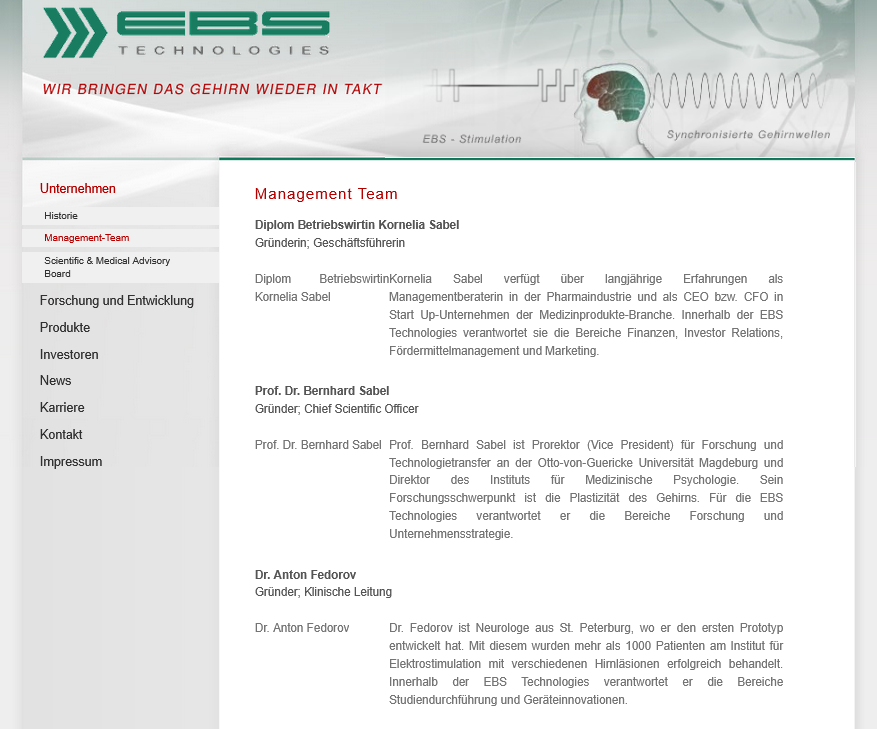
We all know and love Germany’s celebrity hero of research integrity and heroic fighter against bad science: Bernhard Sabel, professor of the University of Magdeburg. Sabel is famous for issuing authoritative books on how he single-handedly vanquished all papermills (lawsuits threats against critics included, read May 2025 Shorts), as well as a Stockholm Declaration on the reform of scholarly publishing, which somehow got publicly endorsed by the German Medical Association for Acupuncture (sic!).
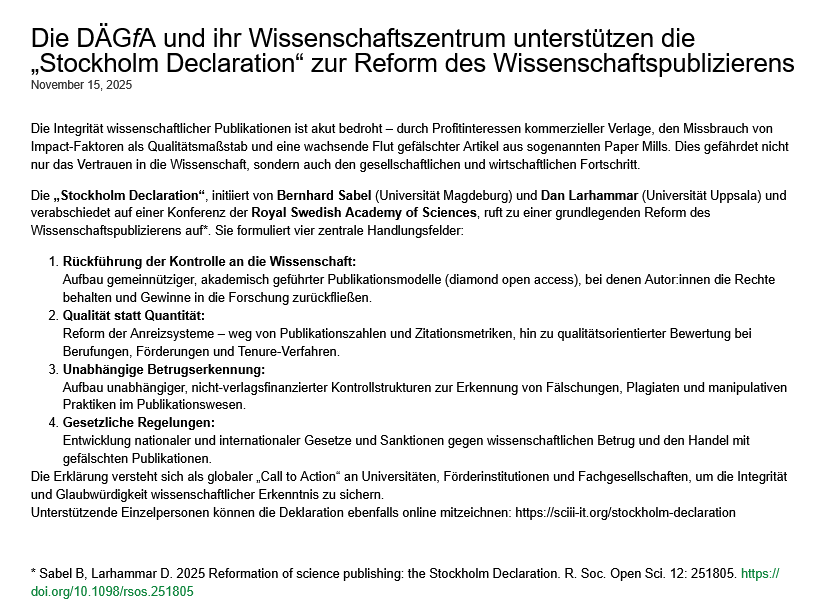
But did you also know that professor Sabel can also cure blindness? Together with his wife Kornelia Sabel, he operates since 2014 in Magdeburg the “Sabel Vision Restoration Center” (Savir), where the so-called Savir Therapy is offered to private patients:
“The core of Savir-therapy is the daily treatment with the worldwide unique microcurrent therapy for eyes and brain. The microcurrent activates neural networks to improve the processing of visual stimuli in the brain as well as improving blood flow in the eye. Thereby the “silent” nerve cells can be woken up, as they are getting supplied with more energy (oxygen, glucose) to process visual impulses. As a result, the visual performance improves.”
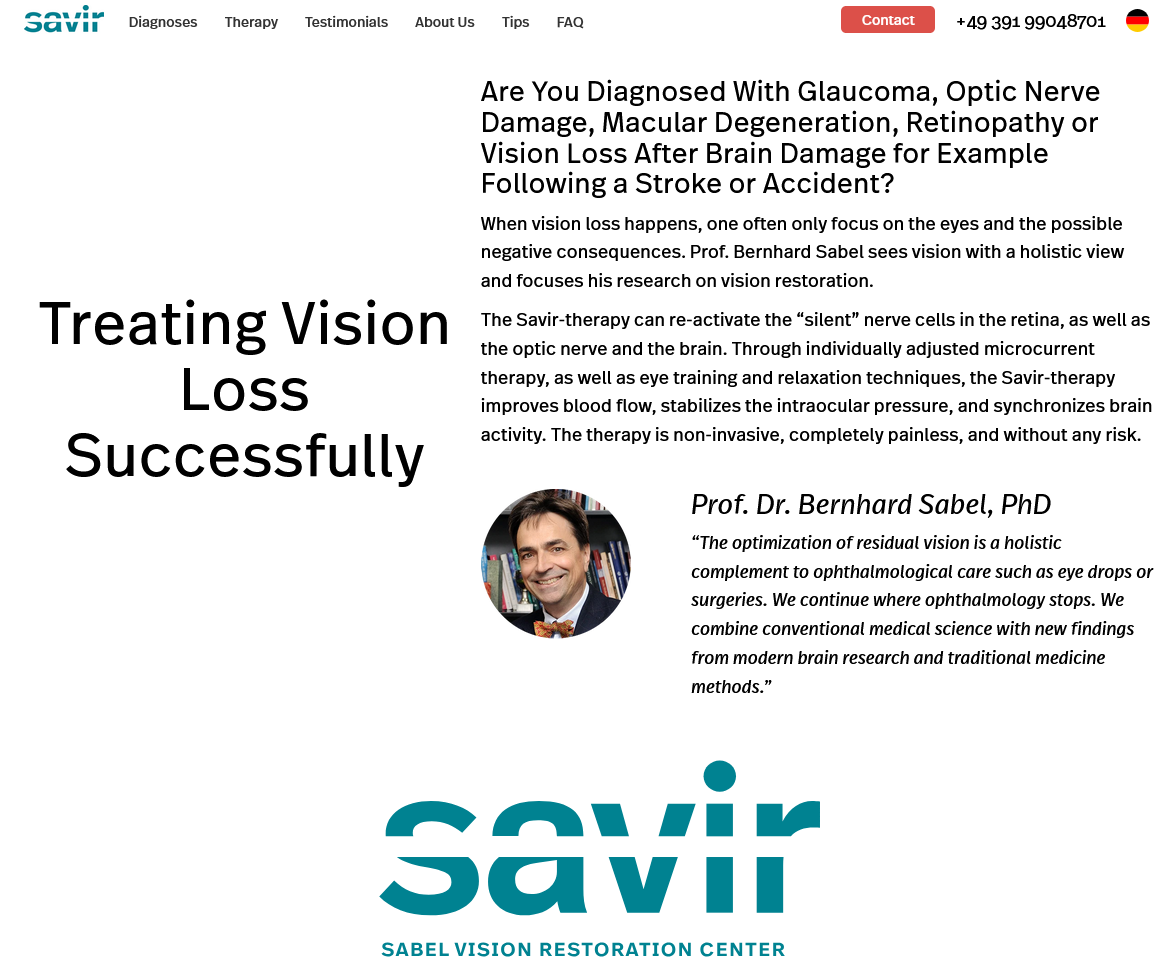
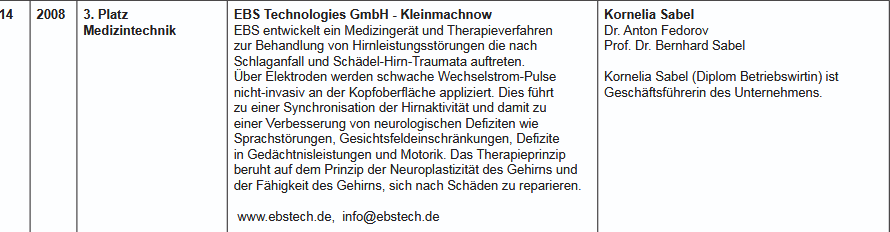
The brain stimulation device is produced by the company EBS Technologies, registered in the town of Kleinmachnow. The company was founded in 2007 and is owned by the Sabels, until 2013 a certain russian named Anton Fedorov (LinkedIn) was involved as co-founder and medical director. Since 2015, Fedorov runs his own Restore Vision Clinic in Berlin, offering the proprietary “Fedorov Restoration Therapy” which is described as “repetitive transorbital alternating current stimulation (rtACS)” which is exactly what Sabel’s Savir Therapy is also called. Indeed, it used to be celebrated as their joint invention, for example when EBS raised €3 million in 2010:
“The company, founded in 2007, can rely on 15 years of (university and clinical) preliminary research by the founder-inventors Prof. Bernhard Sabel and Dr. Anton Fedorov. Clinical experience with application studies from over 1000 patients is already available. Seed financing and other funding enabled EBS Technologies to complete a randomized, placebo-controlled double-blind study and to carry out a second single center study (Phase II). […]
News from 2010
“The therapy process helps stroke and brain trauma patients to improve their functional speech and vision disorders much more quickly and efficiently than before. And the good thing about it is: the therapy is painless and has no side effects.” explains Prof. Sabel”
Today’s “Fedorov therapy” promises to paying customers “80-85% stable improvement” in vision, much more than Sabel’s, for reasons you will soon understand.
Fedorov used to publish together with Sabel about their rtACS therapy until around 2011 (e.g., the phase 1 clinical trial Gall et al 2011), soon after their friendship soured. The most recent paper on Fedorov’s clinic website is this, the russian is however neither coauthor nor in acknowledgements:
Carolin Gall , Sein Schmidt , Michael P. Schittkowski , Andrea Antal , Géza Gergely Ambrus , Walter Paulus , Moritz Dannhauer , Romualda Michalik , Alf Mante , Michal Bola , Anke Lux , Siegfried Kropf , Stephan A. Brandt , Bernhard A. Sabel Alternating Current Stimulation for Vision Restoration after Optic Nerve Damage: A Randomized Clinical Trial PLOS One (2016) doi: 10.1371/journal.pone.0156134
“The authors have declared that no competing interests exist.”
Rather shameless of Sabel, owner of ENS and Savir Center, no? The study reported a clinical trial from 2012 at University of Magdeburg, with 45 Savir Therapy treated patients and 37 low-voltage treated controls. There, the principal investigator Sabel determined that his treatment achieves “a mean improvement in visual field of 24.0% which was significantly greater than after sham-stimulation (2.5%)“, which is incredibly impressive. However, already back in 2016 peers criticised that his method to quantify that improvement was neither proven nor reliable, while a clinically established standard test did not find any improvement in vision at all. Also, Sabel’s peers Helmut Wilhelm and Wolf Lagrèze noted:
“The patients in the treatment group were able to see better from the outset than the patients in the control group. […]
This study should comply with Good Clinical Practice (GCP) guidelines and be conducted by a team that has no stake in the commercial marketing of the method.”
Sabel countered the concerns with this argument: “At 3,500 euros, the treatment is not too expensive“. And this is where it gets even more interesting. Apparently, one of Sabel’s patients wanted their health insurance to refund these treatment costs, which the insurance refused because the therapy is not recognised by the German medical authorities. So the patient sued the insurance, and here is the verdict of a court in Dresden from 20 December 2023 (109 C 5344/21), as reported by the law firm BLD (translated):
“1. Savir therapy (“Sabel vision restoration”) is a multimodal concept that, in addition to neurostimulation of the optic nerve, also includes outpatient behavioral therapy measures.
2. Savir therapy is not a treatment method that is predominantly recognized by conventional medicine. In addition, in the case of the clinical picture in question (tumor disease in the area of the optic nerves), Savir therapy has not proven to be as promising in practice as conventional medical methods. Any tumor residues suspected postoperatively can be treated with conventional medicine through a further resection and/or targeted radiation. Drug therapies to suppress renewed tumor growth are also known and established.”
Again, all this probably proves that only Sabel can save Germany from bad science.
A dropout-turned-influencer
Research integrity has a new star, and it is a young Chinese video blogger called Geng Hongwei, who has three million followers on Chinese social media. On 8 June 2026, The Economist portrayed him as “a dropout-turned-influencer in possession of a PhD“, whose video from two months ago “cost three universities their life-science deans“.
During the pandemic lockdown, Geng decided to earn some money with video blogging and set up an account “Geng Tongxue”, or “Classmate Geng”. He started to cover research fraud his followers shared with him, and that’s how he became famous.
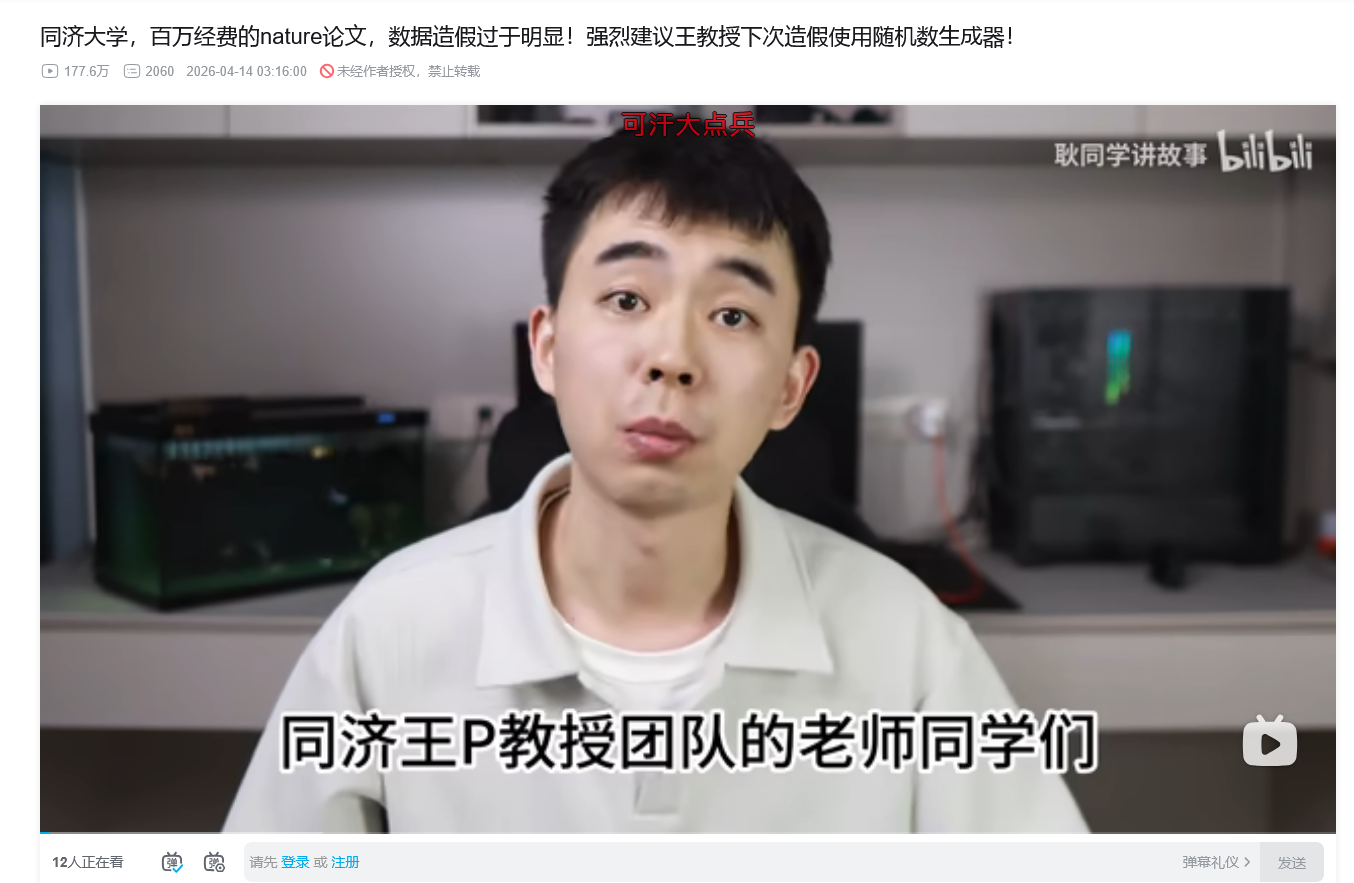
While Geng describes himself “less a whistleblower than an amplifier“, Science however insisted in their article from 9 June 2026 that he was the original “misconduct sleuth“:
“He watched for online posts flagging questionable images and data and started scouring publicly accessible raw data, looking for anomalies. For example, in a study where researchers had recorded the weight of mice, Geng spotted an unusual preponderance of fives instead of the random frequencies of digits that would be expected. “This clearly wasn’t the kind of data normally generated in a laboratory,” Geng says.
Over the past 2 months, Geng has presented evidence of image and/or data manipulation in nine biomedical papers involving prominent Chinese scientists. All were published in Springer Nature journals”
These are the papers by Jiali Jin and Ping Wang, the latter used to be Dean of School of Life Sciences and Technology of Tongji University, until they both were sanctioned on 6 May 2026 Jin fired, Wang demoted). Their papers were flagged on PubPeer, but not by Geng, who as I was informed by a first-hand source, only recently learned of PubPeer’s existence. For example, this Nature paper:
Yaxu Li , Qiao Ran , Qiuhui Duan , Jiali Jin , Yanjin Wang , Lei Yu , Chaojie Wang , Zhenyun Zhu , Xin Chen , Linjun Weng , Zan Li , Jia Wang , Qi Wu , Hui Wang , Hongling Tian , Sihui Song , Zezhi Shan , Qiwei Zhai , Huanlong Qin , Shili Chen , Lan Fang, Huiyong Yin, Hu Zhou, Xuejun Jiang, Ping Wang 7-Dehydrocholesterol dictates ferroptosis sensitivity Nature (2024) doi: 10.1038/s41586-023-06983-9


The following Nature paper was the main focus of Geng’s coverage, it led to an official announcement at the Tongji University’s website, where Wangs and Jin were found guilty of fraud and sanctioned. First PubPeer concerns were posted in May 2025, since 23 April 2026 an editorial note informs of an “investigation into the concerns”:
Jiali Jin, Tong Meng , Yuanyuan Yu , Shuheng Wu, Chen-Chen Jiao , Sihui Song , Ya-Xu Li , Yu Zhang , Yuan-Yuan Zhao , Xinran Li , Zixin Wang , Yu-Fan Liu , Runzhi Huang , Jieling Qin , Yihua Chen , Hao Cao , Xiao Tan , Xin Ge , Cong Jiang , Jianhuang Xue , Jian Yuan, Dianqing Wu, Wei Wu, Ci-Zhong Jiang, Ping Wang Human HDAC6 senses valine abundancy to regulate DNA damage Nature (2024) doi: 10.1038/s41586-024-08248-5


Of course, also Chinese media reports. QQ.com mentioned that Geng reported for professors to the authorities: “two people from Sun Yat-sen University, and one person each from Nankai University and Shanghai University“. As SCMP reported, one of them is Quan Chen, who was removed as Dean of College of Life Sciences at Nankai University for fraud in this paper (more on PubPeer):
Hao Zheng , Jinming Liu , Qi Cheng , Qianping Zhang , Yaoyao Zhang , Lingyu Jiang , Yan Huang , Wenlei Li , Yanping Zhao , Guo Chen , Fan Yu , Lei Liu , Yanjun Li , Xudong Liao , Lai Xu , Yi Xiao , Zhibo Zheng , Ming Li , Hongyi Wang , Gang Hu , Lei Du, Quan Chen Targeted activation of ferroptosis in colorectal cancer via LGR4 targeting overcomes acquired drug resistance Nature Cancer (2024) doi: 10.1038/s43018-023-00715-8

In particular, the part data in Figure 5l and Figure 5m are exactly the same, but the experimental results they represent are significantly different. A similar situation was also observed in Figure 5m and Figure 3c.”
At Sun Yat-sen University, Tiebang Kang (PubPeer record) was removed as deputy director of the State Key Laboratory of Oncology, and Dong-Ming Kuang (PubPeer record) was removed as associate dean of the School of Life Sciences. Geng focussed on this paper by Kang, which was flagged on PubPeer already in 2021:
Dan Liao , Li Zhong , Junqiang Yin , Cuiling Zeng , Xin Wang , Xingchuan Huang , Jinna Chen , Hong Zhang , Ruhua Zhang , Xin-Yuan Guan , Xintao Shuai , Jianhua Sui , Song Gao , Wuguo Deng , Yi-Xin Zeng , Jing-Nan Shen, Jian Chen , Tiebang Kang Chromosomal translocation-derived aberrant Rab22a drives metastasis of osteosarcoma Nature Cell Biology (2020) doi: 10.1038/s41556-020-0522-z


In February 2024, Nature Cell Biology issued a Correction:
“In the version of the article initially published, due to mistakes during figure preparation, Figs. 1f, 5g and 6d contained incorrect or duplicate panels. In the U2OS/MTX300 row of Fig. 1f, the HE image for Vector was the wrong image. In the top row of Fig. 5g, the image for sgSmgGDS #2 (E254K/E256K) was a duplicate of SmgGDS (sg2) in the same row. In the top row of Fig. 6d, the HE image for Rab22a-NeoF1(△1-10) was a duplicate of the Vector image in the same row. These errors do not affect the conclusion of the study.”
Or maybe they do, since 19 May 2026 there’s an editorial note about ongoing investigation, also here a future retraction is quite likely.

The 16 secret retractions of Xuetao Cao at JBC
Chairman Cao’s 16 Retractions They Don’t Want You to Know About

Kuang, we are told by SCMP, “was accused of similar misconduct associated with three papers published in Nature Cell Biology, Science Advances and Cell“. Those are Wu et al Cell 2025, Wan et al Nat Cell Biol 2026 and this paper, which Science has just recently triumphantly corrected, never mind it was found to be fraudulent:
Qiu-Hui Zeng, Yuan Wei , Xiang-Ming Lao , Dong-Ping Chen , Chun-Xiang Huang , Qian-Yi Lin , Min He , Yuan Liao , Limin Zheng , Bo Li , Guang-Bo Zhang, Yun Chen, Dong-Ming Kuang B cells polarize pathogenic inflammatory T helper subsets through ICOSL-dependent glycolysis Science Advances (2020) doi: 10.1126/sciadv.abb6296


On 17 April 2026, an Erratum was issued which the publisher American Association for the Advancement of Science (AAAS) proudly shared on PubPeer:
“In the original version […] two figure panels contained duplications inadvertently introduced during figure assembly. In Fig. 5G, the dot plot labeled as HK2 was duplicated from the PFKFB3 panel. In fig. S3D, the flow cytometry plot for isotype–IL-22 was duplicated from the isotype–IFN-γ panel.
The following corrections have been implemented:
• Figure 5 has been replaced to correct the HK2 graph in panel (G).
• Figure S3 has been replaced to correct the isotype–IL-22 graph.
The authors’ conclusions are not affected by these corrections. “
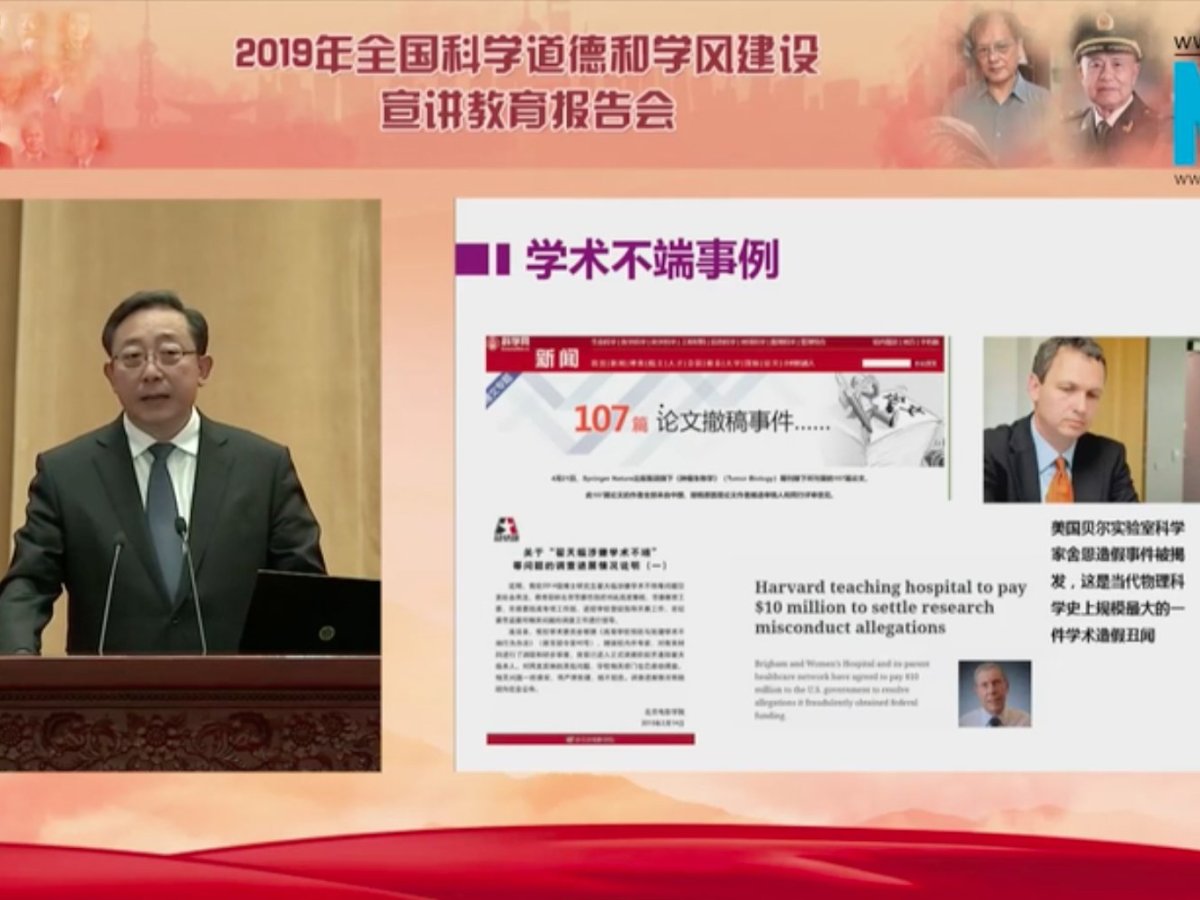
Communist Party gives Xuetao Cao, Meiyu Geng, Hongliang Li a slap on the wrist
“The 63 papers of Academician Cao Xuetao were questioned on the Internet. After investigation, no fraud, plagiarism and plagiarism were found, but many papers were found to have misuse of pictures, reflecting the lack of a strict laboratory management.”
Geng’s science fraud whistleblowing might end soon. The Economist writes:
“The government has been calling for greater quality in China’s scientific output, which is why a critic like Mr Geng is useful. Xinhua, the state news agency, published an interview with him, a sign of official support. […]
Yet the state’s enthusiasm for Classmate Geng is finite. In late May video platforms limited the visibility of his new posts. It has been communicated to him, he hints, that he should return to broader themes rather than pursue endless fraud allegations. His older relatives think he is courting danger. He himself says he has climbed out of debt and now wants to focus on “quality content”.”
Indeed, it is a very thin line between pleasing the almighty Communist Party and ending up in jail. I learned once that a Chinese journalist who tried to cover the affair of UK-based cancer cheater and TCM shill Wen G Jiang (based on my past reporting), was whisked off by the police and forced to delete their article.
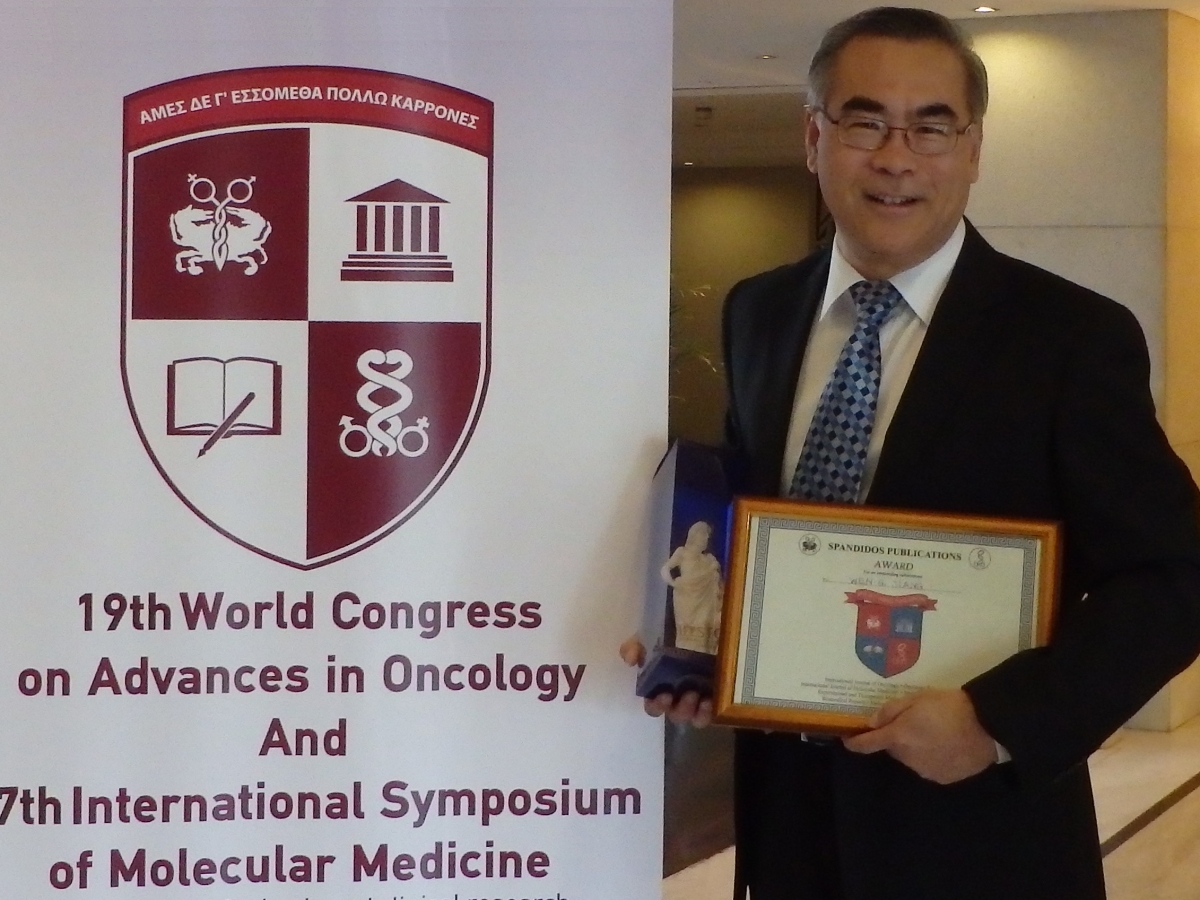
Fried Divine Comedy, featuring anti-cancer cockroach and phallic fungus
This is a follow-up to the previous article, about a misconduct investigation at the Cardiff University in UK into the published works of cancer researcher Wen Jiang, professor of Surgery and Tumour Biology, Fellow of Royal Society of Medicine and chair of Cardiff China Medical Research Collaborative. The following guest post by my regular contributor Smut…
Scholarly Publishing
Be humble and admit when we screw up
Same story again: the pseudonymous sleuth Claire Francis contacts the journal with evidence of data forgery, gets told to bugger off. This time, he was told off by Science. Yes, Science. Whose Editor-in-Chief Holden Thorp churns out one editorial after another to beat his chest about what a great hero of publication ethics and research integrity is. Thorp recently called me, in his email to his editorial office and another cheating scientist I reported, “an extremely unpleasant person“.
From what I heard from a witness, this epithet would fit to the lead author of the paper in question, Andrea Cerutti, who is also a massive research cheater:
How Andrea Cerutti molested and defiled Journal of Immunology
Spain is where dishonest research gets rewarded, with awards, grants and media fame. No wonder the New York-based immunologist Andrea Cerutti opened a second lab in Barcelona.
The Italian native used to professor at Weill Cornell and Mount Sinai in New York, and works since 2022 at ICREA in Barcelona, Spain. I wrote about Cerutti’s recent retraction in January 2026 Shorts, but hey, every paper on its own merit, right? Thus, on 28 May 2026, Claire Francis wrote to Science to report a duplicated western blot in this Cerutti paper:
Meimei Shan , Maurizio Gentile , John R Yeiser , A. C. Walland , Victor U Bornstein , Kang Chen , Bing He , Linda Cassis , Anna Bigas , Montserrat Cols , Laura Comerma , Bihui Huang , J. M. Blander , Huabao Xiong , Lloyd Mayer, Cecilia Berin , Leonard H Augenlicht, Anna Velcich , Andrea Cerutti Mucus enhances gut homeostasis and oral tolerance by delivering immunoregulatory signals Science (2013) doi: 10.1126/science.1237910

Fig 6A,B, Oct-1 blots identical after a flip
On 4 June 2026, a Jessica replied from the account “science_data@aaas.org” to inform the sleuth:
“We have reviewed and it and don’t see a clear case for investigating any further. […] We have looked at this extensively and do not have remaining concerns.”
Then, Sholto David and Elisabeth Bik found more forgeries, which were shared with Jessica of Science:

Do you think Science editors changed their mind? Nope. There was no further communication.
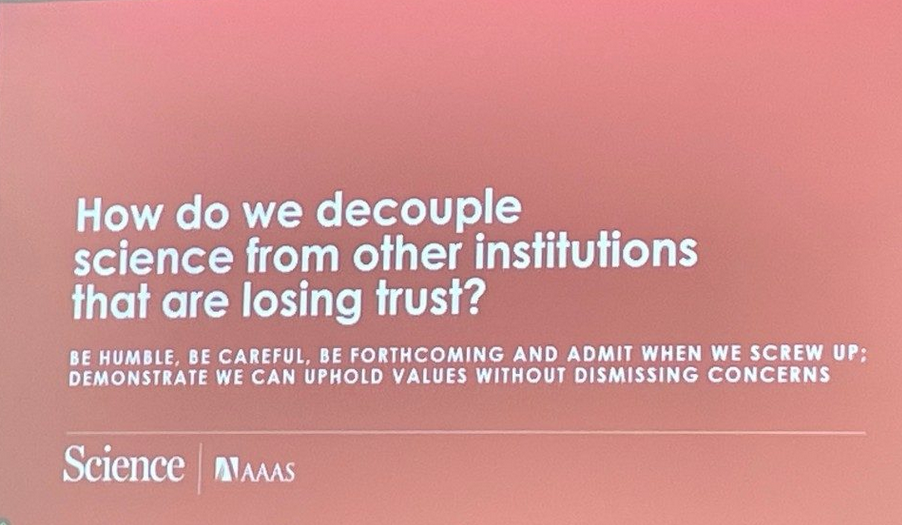
Anyway, here is Science Boss Thorp prancing around as a hero of research integrity:

Here a slide he showed, it obviously doesn’t apply to him:
While Science was shooing away that annoying sleuth, Cerutti netted yet another retraction, in a competitor journal. For a paper which a decade ago Nature Group fixed with a correction:
Xugang Qiao , Bing He , April Chiu , Daniel M Knowles , Amy Chadburn , Andrea Cerutti Human immunodeficiency virus 1 Nef suppresses CD40-dependent immunoglobulin class switching in bystander B cells Nature Immunology (2006) doi: 10.1038/ni1302

2016 Corrigention: “In the version of the article originally published, in the top immunoblot (loading control) in Figure 5f, the right half was incorrectly a mirror-image duplication of the left half. The correct immunoblot from a replicate experiment is now presented”
More forgeries were found, in 2016 and 2019:

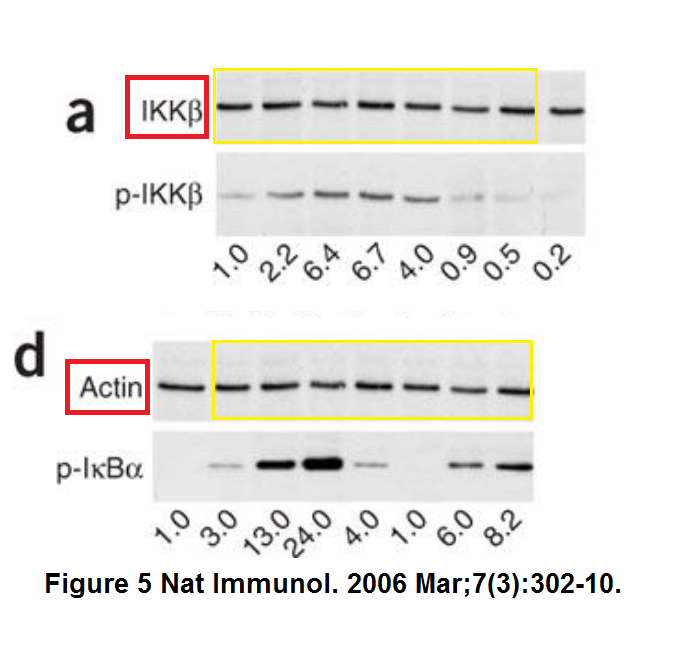
The retraction from 10 June 2026 went:
“The Editor has retracted this article. After publication, concerns were raised regarding some of the gel and blot images presented in the figures, specifically:
- Fig. 5f Oct1 blot lanes 1-4 and 5-8 appear highly similar, flipped horizontally (addressed by a 2016 correction1);
- Fig. 2b Iμ-Cμ lanes 4-5 and 6-7 appear highly similar;
- Fig. 5a IKK-β lanes 1-7 and 5d Actin lanes 2-8 appear highly similar;
- Fig. 6d Oct-1 lanes 1-5 appear highly similar to Supplementary Fig. S3d Oct-1
- Fig. S3f STAT6 lanes 1 and 2 appear highly similar.
The authors have been unable to provide the underlying raw data as the experiments were performed >20 years ago, although some data from alternative replicates remain available.
Due to the number of concerns, the Editor no longer has confidence in the presented data.”
“Courageously correct and retract” is for others.
Nothing to change
More of the same. Again, Claire Francis wrote to a society journal and its editors. About this paper, published by the International Society of Nephrology:
Thomas E.R. Baudoux , Agnieszka A. Pozdzik , Volker M. Arlt , Eric G. De Prez , Marie-Hélène Antoine , Nathalie Quellard , Jean-Michel Goujon , Joëlle L. Nortier Probenecid prevents acute tubular necrosis in a mouse model of aristolochic acid nephropathy Kidney International (2012) doi: 10.1038/ki.2012.264

Figure 8, panels e and f are identical
On 5 June 2026, the sleuth received this message from Pat Morrissey, Executive Editor of Kidney International, explicitly signed as on behalf of all editors (mostly European and American professors):
“The Editors have looked into this issue and deem there is nothing to change.“
I asked Morrissey why there was “nothing to change“, was it because the authors are white, or because she expects the data to be fake. No reply.
Of all the above authors, only Volker Arlt, senior lecturer at King’s College London, has something else on PubPeer, and it has a very similar problem:
Lisa Hölzl-Armstrong , Jill E Kucab, Michael Korenjak , Mirjam Luijten , David H Phillips , Jiri Zavadil , Volker M Arlt Characterising Mutational Spectra of Carcinogens in the Tumour Suppressor Gene Using Human Knock-in (Hupki) Mouse Embryo Fibroblasts Methods and Protocols (2019) doi: 10.3390/mps2040085

Fig 13, living cells cannot looks the same after 7 days.
But I think I can explain why the Kidney International‘s Chief Editor Pierre Ronco, emeritus professor of nephrology at Sorbonne Université in Paris, France, has such an allergic reaction to people reporting bad science. This work of his in the elite New England Journal of Medicine (NEJM) rots on PubPeer since 2015, I provided additional illustrations:
Hanna Debiec, Florence Lefeu , Markus J. Kemper , Patrick Niaudet , Georges Deschênes , Giuseppe Remuzzi , Tim Ulinski , Pierre Ronco Early-Childhood Membranous Nephropathy Due to Cationic Bovine Serum Albumin The New England Journal of Medicine (2011) doi: 10.1056/nejmoa1013792


Wait, it gets better! NEJM knew already in 2014 that Ronco’s paper was completely fraudulent. They let him issue this Correction in February 2014:
“In Figure 2B (page 2105), the result of immunoblot analysis for one of the adults was duplicated in lanes 5 and 6. The correct band from the original analysis shows that the missing adult also had circulating immunoreactive bovine serum albumin. The article is correct at NEJM.org.”
The currently available versions show only the corrected figure. But it still contains forgeries:

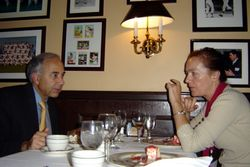
The first and corresponding author Hanna Debiec is the scientific director of Ronco’s immunopathology research team which consists of 45 researchers, official photos show Debiec and Ronco drinking wine in a restaurant together, so draw your own conclusions about the nature of their relationship.
I contacted Ronco and NEJM and received no reply, despite a reminder. We know NEJM tolerates no fraud from Asians. Special rules for white people?
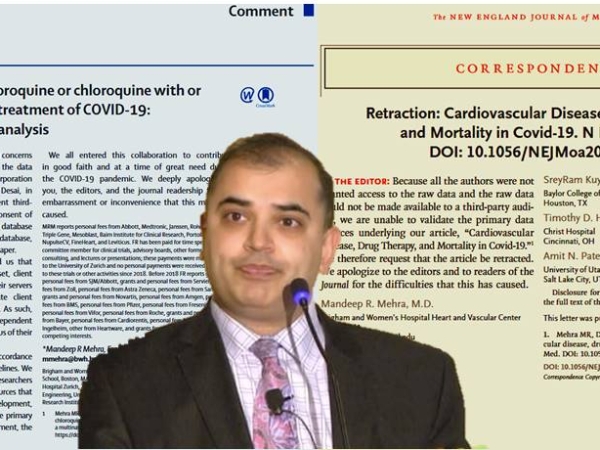
Would Lancet and NEJM retractions happen if not for COVID-19 and chloroquine?
NEJM and The Lancet retract two fake papers, one was dealing with chloroquine. Did we just get a brief glimpse into the fraudulent abyss of medical literature and the corruption of medical elites, briefly opened by the current COVID-19 situation?
Now you understand why Ronco’s Kidney International behaves like that.
Retraction Watchdogging
Serious lapses in scientific rigor
The German papermiller Jörg Rinklebe, professor of being the Lion of the World at University of Wuppertal, earned his fourth retraction. Once again, he is being attested scientific illiteracy (read also December 2025 Shorts and another December 2025 Shorts for past embarrassing Rinklebe retractions).

The last author is Rinklebe’s papermill dealer Parvaiz Ahmad, a fraudster with around 70 fake papers on PubPeer, and several more retractions, including with Rinklebe (read February 2025 Shorts and August 2025 Shorts):
Muhammad Ayub , Hira Javed , Abdur Rashid, Wardah Hayat Khan , Asif Javed , Tariq Sardar , Ghulam Mujtaba Shah , Ajaz Ahmad , Jörg Rinklebe , Parvaiz Ahmad Hydrogeochemical properties, source provenance, distribution, and health risk of high fluoride groundwater: Geochemical control, and source apportionment Environmental pollution (2024) doi: 10.1016/j.envpol.2024.125000


There was more. And here is the recent retraction, which basically declares all authors to be scientifically incompetent at best:
“Post publication, concerns were raised regarding the scientific merit of the article on PubPeer. Upon post-publication evaluation by the EiC, it was determined that the article contains fundamental flaws in the calculation and reporting of health risk assessment metrics, pervasive errors in data analysis and interpretation, and serious lapses in scientific rigor and reporting standards. These issues undermine the scientific validity of the study. The journal requested clarifications and raw data from the authors to address the concerns raised. However, the response and data provided were unsatisfactory. Therefore, the Editor has lost confidence in the results and conclusions and has decided to retract the article. The authors do not agree with this retraction.””
Rinklebe was previously declared innocent by his university. But what with the evidnece I submitted, they had to investigate again, or at least to pretend to investigate. In February 2024, I was informed by the ombudsman of the University of Wuppertal, Thomas Wagner:
“The President’s office of the University has commissioned me as ombudsperson to investigate your accusation. As an ombudsperson, I act independently of the university“
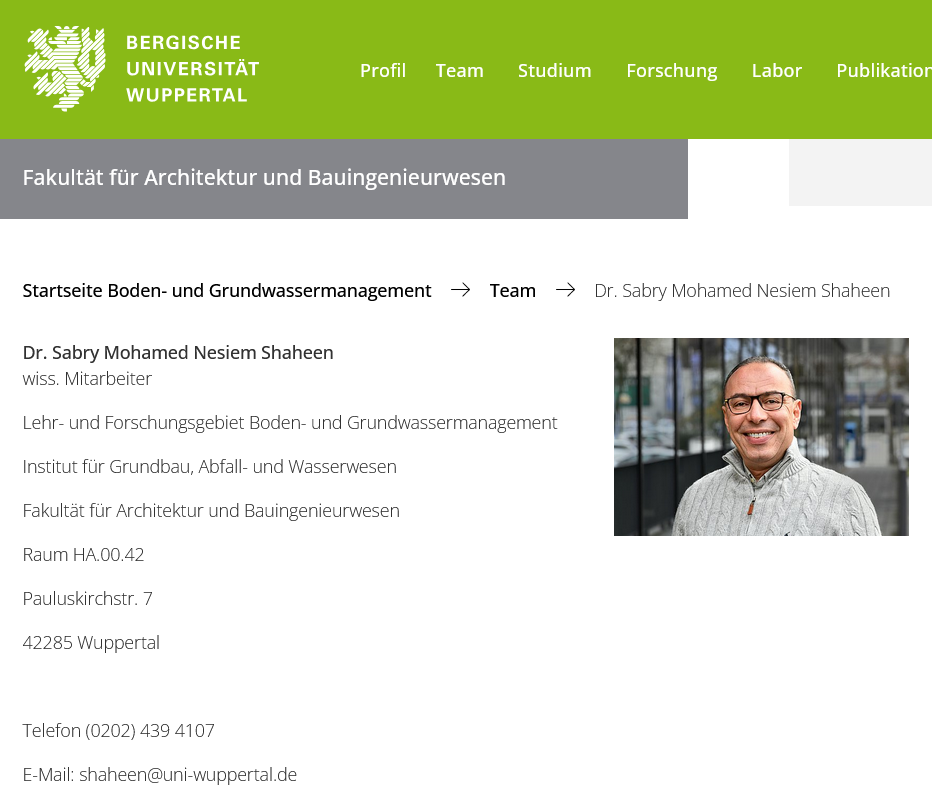
I kept submitting further evidence of Rinklebe’s papermilling, which Wagner acknowledged. In August 2025, he informed me that they “already resumed the investigation of this case“. Wagner always claimed to be already aware of Rinklebe’s retractions every time I reported them. He last replied to me in December 2025, but stopped communication after I pointed out that Rinklebe’s papermilling friend Sabry Shaheen (PubPeer record) is installed as “researcher” in Wuppertal since 2018. Even now:
All my emails to Wagner and his university went unanswered ever since. Are they still investigating, two and a half years on?
Maybe of relevance: the reason why Wagner was appointed to investigate the soil chemist Rinklebe was certainly not Wagner’s professional expertise, which is…. Protestant Theology, specifically “Epistemology of the Divine”, “Ancient Israelite Iconography” and “Prophesies”. Therefore, it must be God’s will that this papermiller is still professor in Wuppertal.
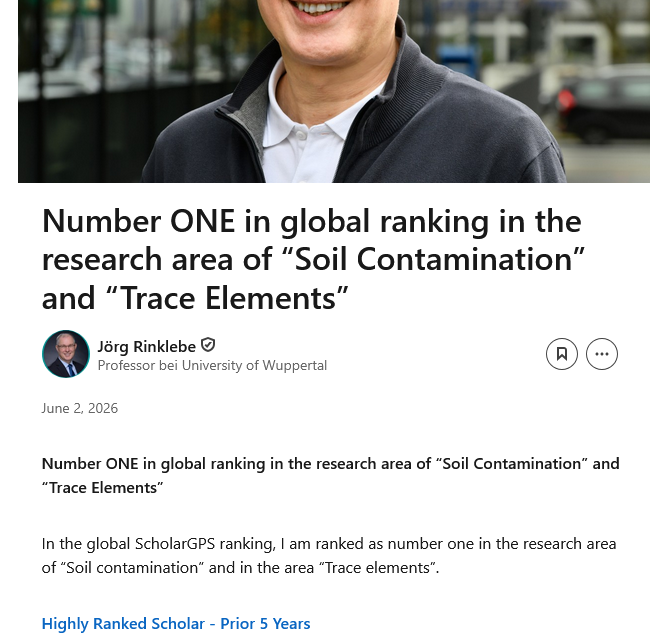
Rinklebe presently posts on LinkedIn certificates that he is never a Chinese asset, and whines about Elsevier having allowed characters like him to hijack Elsevier journals and then defecate all over them:
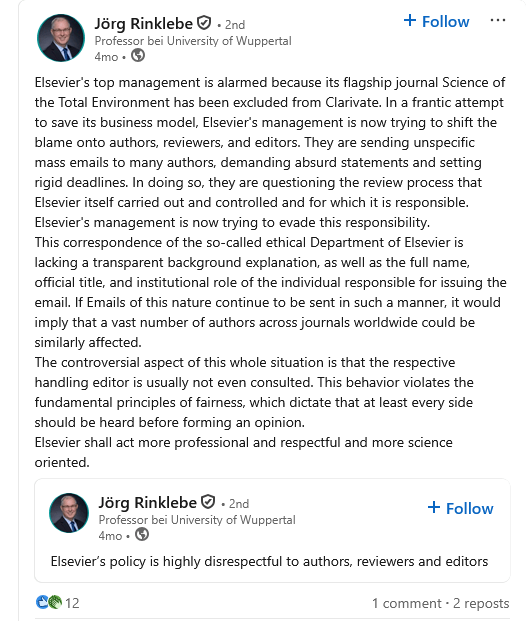
“Elsevier’s management is now trying to shift the blame onto authors, reviewers, and editors. They are sending unspecific mass emails to many authors, demanding absurd statements and setting rigid deadlines.” (LinkedIn)
Unaware of the authorship changes
Another Polish retraction for papermilling! Our heroes are Professor Ewa Wojciechowska, Dean of the Faculty of Civil and Environmental Engineering at Gdansk University of Technology, and here protege Nicole Nawrot, an assistant professor.
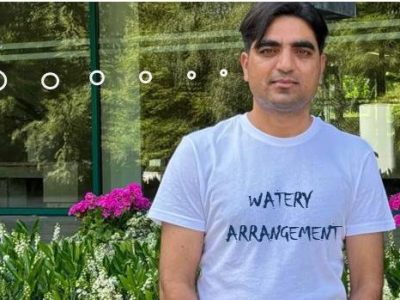
Nobelium Bilalski, a Gdansk papermiller
“To date, he has authored over 700 peer-reviewed articles, 150 book chapters, 25 edited books, and 10 editorial-type scientific articles in various areas of Science and Engineering. Dr. Bilal has a h-index of 94 with 34 000 citations (Google Scholar).”
This wasn’t even flagged on PubPeer before:
Shahabaldin Rezania, Amin Mojiri , Junboum Park , Nicole Nawrot , Ewa Wojciechowska , Najat Marraiki , Nouf S.S. Zaghloul Removal of lead ions from wastewater using lanthanum sulfide nanoparticle decorated over magnetic graphene oxide Environmental research (2022) doi: 10.1016/j.envres.2021.111959
“This article has been retracted at the request of the Editor.
An unauthorised authorship change was made when the revised version of this paper was submitted, following suggestions for relatively minor revisions from the reviewers and Guest Editor, with 5 authors – Amin Mojiri, Nicole Nawrot, Ewa Wojciechowska, Najat Marraiki, Nouf S.S. Zaghloul – being added to the paper to replace two authors who were deleted. No satisfactory explanation was given for this change, nor was it approved by the editor. Amin Mojiri, Nicole Nawrot and Ewa Wojciechowska, who during the submission process all consented to being listed as co-authors on the submission, all stated that they were unaware of the authorship changes. This authorship change breaches the policies of the journal and as a result, the editors no longer have confidence in this paper and are retracting it. The journal apologises for not having identified the problematic authorship change during the review process and for any resulting inconvenience.
It was additionally noted that the authors acceded to the suggestion made by Guest Editor Theerthagiri Jayaraman to add during the revision process a total of 8 references of a general nature which included Theerthagiri Jayaraman as an author.
The authors disagree with retraction and dispute the grounds for it.”
How embarrassing. The third liar, Amin Mojiri, is now assistant professor at Arizona State University in USA. He has two more papers on PubPeer, with professional papermillers like Christian Sonne and Yasser Vasseghian. Quite possibly the papermill dealer here was Shahabaldin Rezania (PubPeer record), he has several common papers with Nawrot and Wojciechowska, and who earned another retraction last year for Taghavijeloudar et al 2023, for plagiarism. Here a very typical fabrication of his:
Jari S. Algethami , Krishna Kumar Yadav , Amel Gacem , Ismat H. Ali , Shahabaldin Rezania , Munirah Sulaiman Othman Alhar , Amine Mezni , Byong-Hun Jeon , Sumate Chaiprapat Magnetic sporopollenin supported magnesium nanoparticles for removal of tetracycline as an emerging contaminant from water Environmental Science and Pollution Research (2023) doi: 10.1007/s11356-023-28134-3

I have a suggestion to Dean Wojciechowska. Why not recruiting Rezania to your university, as a Nobelium Professor?
By the way, here is someone who recently graduated at Wojciechowska’s faculty, and then retracted a paper for fraud:

Here is Kabeta Worku Firomsa‘s retraction:
Amibo Temesgen Abeto , Surafel Mustefa Beyan , Bayu Abreham Bekele , Kabeta Worku Firomsa Optimization and Modeling of Cr (VI) Removal from Tannery Wastewater onto Activated Carbon Prepared from Coffee Husk and Sulfuric Acid (H2SO4) as Activating Agent by Using Central Composite Design (CCD) Journal of environmental and public health (2023) doi: 10.1155/2023/5663261

Olearia ramulosa: “Fig. 3 – XRD pattern contains duplicate areas as highlighted below. Due to the stochastic nature of the XRD noise such duplication is impossible in a real measurement.”
The retraction from 20 May 2026 referred to PubPeer and mentioned:
“The XRD image presented in Figure 3 shows areas of repeating signal patterns (e.g., RCH 35–40° and 60–65°). During the investigation, the raw data were requested; however, the authors were unable to provide any.”
Firomsa’s PhD advisor in Gdansk Polytechnic was the papermilling professor Lech Bałachowski (PubPeer record). For example, he published the same paper twice, in slightly altered form, both times in Scientific Reports.

Woldstedtius holarcticus: “Figure 12: Panel (b) shows a zoomed in region of the same sample as panel (a), even though they are nominally different materials”

Woldstedtius holarcticus: “Figure 12:Panel (b) shows a zoomed in region of the same sample as panel (a), even though they are nominally different materials”
Balachowski then published another papermill fabrication twice, again in Scientific Reports: Jalalifar et al 2025 and Parsa et al 2025. A rabbit hole I must now get out of.
Lab Leak Theory
He misspoke
On 12 May 2026, Science brought a tragic story of a struggling young scientist who lost all his research funding and all his career perspectives due to a conspiracy theory:
“The Department of Health and Human Services (HHS) has already suspended Ralph Baric, a tenured professor at the University of North Carolina (UNC) at Chapel Hill and a member of the National Academy of Sciences (NAS), from receiving further money for his virology studies. Now, it has begun formal debarment proceedings, which could cut off his funding for 3 years or more. As Science finalized this story, UNC announced that Baric, 72, was retiring, but he told Science he plans to appeal the recommended debarment, likely with legal help from the school.”
Poor Ralph Baric. He received “more than $200 million over the past 40 years” from the National Institute of Allergy and Infectious Diseases (NIAID), and now he is accused by the US Department of Health that this money went into gain-of-function research of coronaviruses in Wuhan, China, which allegedly resulted in a lab leak which caused COVID-19 pandemic.
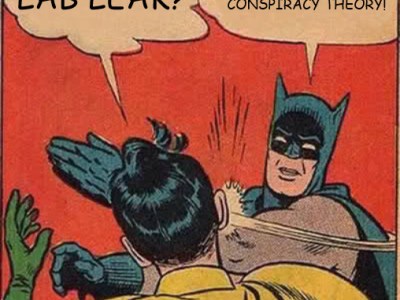
The Lab Leak Theory
A lab leak theory of the COVID-19 origins has enough circumstantial evidence and historical basis to support the urgent need for an independent and unbiased investigation. But until recently, scientists dismissed lab leak as a conspiracy theory. In public at least.
Baric calls all accusations “bullshit”, and Science reminds us that actually Baric saved us all:
“Baric, who is among the most cited coronavirus researchers in the world, says his lab’s work played pivotal roles in helping companies bring COVID-19 drugs and vaccines to market, saving millions of lives. “My payment for this is to be debarred?” he asks.”
It is about gain-of-function research specifically with the coronavirus spike protein:
“In September 2021, a collective studying COVID-19’s origin, DRASTIC, posted online a previously undisclosed grant proposal involving Baric, and a news story in The Intercept a few days later drew wide attention to it. Baric had teamed up with a research nonprofit called the EcoHealth Alliance, WIV researchers, and others, and sent the proposal to the Defense Advanced Research Projects Agency (DARPA) in 2018. (HHS debarred the principal investigator of the DARPA proposal, zoologist and former EcoHealth Director Peter Daszak, from federal funding because of reporting irregularities about alleged GOF in coronavirus mouse research that EcoHealth did with WIV.)
The DARPA proposal called for the Baric lab to possibly introduce “proteolytic cleavage sites”—which would include the ones cleaved by furin—to bat coronaviruses […]
In his January 2024 testimony to the House panel, Baric said he did not mention the DARPA proposal before it became public because he had “forgotten” about the rejected grant. He also emphasized that he didn’t know whether adding a furin cleavage site to those bat coronaviruses would have led to a gain or loss of function.”
You see, depending on the situation, Baric is either world-leadnng expert of coronavirus spike proteins and their furin cleavage sites, or he has absolutly no idea what these are for, and would therefore never bother meddling with them. And:
“The HHS suspension letter says Baric referred to the virus his team created as “a chimeric gain-of-function virus” at an NAS symposium in 2014. Baric now says he misspoke”
There were many other inconsistencies regarding Baric’s descriptions of his own research before and after the pandemic. Baric plans to appeal and then sue to get all his grants back, after all, the man is merely 72 years old and has enough lead in his pencil to help cause another pandemic. Science also wrote:
“The unproven accusations have upended Baric’s life. He frequently receives death threats, forcing UNC to tighten security at his lab.”
That is a bit incongruent. Imagine someone threatens to kill you. Would you go to police, or only to your head of department? Would you ask to be protected yourself, especially outside of office, or would you rather ask only for your lab fridges to be protected?
It is unfortunate that the lab leak discussion was suffocated by scientists and picked up by fascist conspiracy theorists like Trump, RFK Jr etc. These people are indeed evil. But Baric is a drama queen who, for the first time in his 72 years, finds himself on the other end of the bullying stick.

Viral by Alina Chan & Matt Ridley – Book review
Alina Chan’s book with Matt Ridley on the Origins of COVID-19 is finally out. It is a very informative read!
Agreed not to disclose to third parties
We remain on the topic of Impossible Lab Leaks.
The Dutch newspaper De Volkskrant brought on 4 June 2026 a story about another lab leak, from 40 years ago, which officially never happened.
It was about a foot and mouth disease outbreak which led to the mass-culling of cattle in 1983/1984 and which the villagers assumed to have escaped from the local virology lab in Lelystad, which is now called now called Wageningen Bioveterinary Research. But the Dutch government and all the experts debunked that as a crazy consipracy theory. But now archives were opened and some people spoke out.
“the FMD virus came from the institute. The virus that the animals from the Noordoostpolder carried, as shown by the CDI’s own research and by independent research by the British Animal Virus Research Institute, was exactly the same as the virus that the CDI used for vaccine production. This virus did not occur outside the lab.”
The important men of the Ministry of Agriculture and Fisheries swiftly “agreed not to disclose to third parties the contents of an investigation report regarding the ‘weak points’ in the institute’s security system“. The secret report from 1984 became available in 2026 in a
folder in the National Archives in Emmen. Back in 1985, the Dutch parliament received a version which omitted all refrences to CDI’s weak security system, a press release was issued that there were “no indications that the foot and mouth disease cases in the Noordoostpolder originated in the CDI“, the media ran with that. Apparently, there were economic concerns preventing the truth from coming out.
An expert cited by the newspaper mentions:
“‘It is estimated that around a third of FMD outbreaks worldwide are due to lab leaks.'”
So many viral epidemics have been traced to lab leaks by now. Maybe in 30-40 years we will be able to trace COVID-19?
Donate!
If you are interested to support my work, you can leave here a small tip of $5. Or several of small tips, just increase the amount as you like (2x=€10; 5x=€25). Your generous patronage of my journalism will be most appreciated!
€5.00


Here are two German ophthalmological societies criticising Sabel’s paper from. 2016:
Click to access SN_DOG_BVA_Transorbitale_Wechselstromstimulatio_bei_Optikusatrophie_20161214.pdf
“As long as these methodological limitations have not been addressed by further studies, the efficacy of the method as described cannot be considered established. In summary, DOG and BVA state that the submitted study does not provide the necessary evidence to recommend this method of transorbital alternating current therapy for improving optic atrophy.”
LikeLiked by 2 people
Great to know that Sabel’s therapy also cures Long Covid.
https://www.iospress.com/news/brain-stimulation-rapidly-improves-cognitive-deficits-in-long-covid
https://journals.sagepub.com/doi/10.3233/RNN-211249
LikeLiked by 1 person
Just bow Sabel arrived with a veiled threat, in his email to me. Translated:
“Dear Mr. Schneider, the accusation you reported is unfounded and does not correspond to the facts. Your detailed knowledge is lacking. Therefore, I politely request that you retract your comment on pubpeer. Otherwise, I will have to explain your factual misjudgment in detail, which will not help your reputation and will only increase my motivation to further investigate the quality of your many contributions.
I do, however, find it commendable that you are concerned with academic misconduct. There are 200,000 fake publications for you to examine in the literature.”
LikeLiked by 1 person
https://journals.sagepub.com/doi/epub/10.3233/RNN-211249
Not only CoI declaration is missing entirely in the long-COVID paper, there should be 2 in fact – one for the business of Sabels’, and another for him being the EiC of the journal.
LikeLiked by 1 person
“This is a clinical analysis of two patients, K.H. and G.B., who visited our SAVIR-Center in Magdeburg to receive treatment for their vision impairment according to existing SOPs.”
And do read the paper, the Sabels wish you to know that Covid-19 causes vision loss, and so does COVID vaccination.
LikeLike
More Sabel incompetence, ethics approval number passed off as clinical trial registration: Also admit to hold shares in Savir.
LikeLiked by 1 person
Gdańsk Tech now has 15 retractions (up from 4 in December, when I gave it as an example of a papermilling institution in my grant application to study science misconduct in Poland – OPUS 30, of course, rejected). It’s doing its best to catch up with Opole Tech – currently 17, thanks to Grzegorz Top Gun (currently 7) and Zhixiong Li (currently 9), who, although now longer its employees, are providing new retractions almost every month. First 2 positions currently out of reach for both Opole and Gdańsk, occupied by AGH (28, 22 – Marek Jaszczur) and Silesian Tech (24). But who knows what will happen in the next 6 months? Competition for the podium is becoming fierce.
LikeLiked by 2 people
“CRediT author statement
Amin Mojiri: Writing – review & editing, Software, Nicole Nawrot: Writing – review & editing, Ewa Wojciechowska: Conceptualization”
Hm, so Prof. Wojciechowska forgot that she had been responsible for “Conceptualization” of this project? Why wasn’t she the co-author of the original manuscript then?
LikeLike
https://www.sciencedirect.com/science/article/pii/S0013935122011586?via%3Dihub#fig5
This one does not list prof. Wojciechowska, but dr Nawrot only.
Look at Fig. 5 and the proposed adsorption due to interaction between Pb2+ and Ti3+/La3+. They also seem to believe they made a (nonexistent) “La-O3-Ti” molecule rather than a solid LaTiO3 perovskite. The paper is just bad, but there are no clear signs of image manipulation etc.
BTW. in Fig. 3 of the retracted paper there is an unphysical assymetric magnetization loop (it saturates at +30 emu/g on the positive side, but only -20 emu/g on the negative).
https://www.sciencedirect.com/science/article/pii/S0013935121012548?via%3Dihub
LikeLike
US money used for Chinese ‘research’? Never, absolutely never heard of…
Nearly $1 billion in U.S. federal research funds have been funneled into projects involving the Chinese regime’s defense laboratories that pose “critical risks” to America’s national security, according to a new study. The report, released by the Center for Research Security and Integrity (CRSI) on Feb. 19, identifies nearly 1,800 research papers published between January 2019 and July 2025 that involve U.S. collaborations with Chinese defense laboratories. About one-third of the articles specifically credited U.S. federal funding for the research. The topics of these projects ranged from directed energy systems and energetic materials to radar and sensing, artificial intelligence, flexible electronics, and high-performance computational physics.
LikeLike
… but then again … it works in both directions…
INVESTIGATION: Stanford Receives Chinese State-linked Donations
https://stanfordreview.org/investigation-stanford-receives-chinese-state-linked-donations-2/
A whistleblower has provided the non-public foreign funding disclosures of Stanford University to the Stanford Review. For the first time, the public will have access to the names of Chinese state-backed entities and individuals funding Stanford.
Stanford University accepted at least $3 million in 2025 from a donor whose name it disclosed as “Chen Yuan,” of China, recorded as a restricted gift for directed research at the Hoover Institution. The disclosure does not identify which “Chen Yuan” made the gift. But the name, nationality, and the financial capacity implied by the gift most closely match Chen Yuan, the chairman of the China Association for International Friendly Contact (CAIFC), who has extensive documented ties to Stanford spanning two generations of his family.
U.S. government reporting describes CAIFC as subordinate to the Liaison Bureau of the Political Work Department of the Central Military Commission, a Chinese Communist Party (CCP) organ responsible for political warfare and influence operations. A 2018 report by the U.S.-China Economic and Security Review Commission identified CAIFC as part of the CCP’s overseas influence apparatus. It noted the group’s involvement in intelligence collection and influence activities inside the United States…
LikeLike
When I started my PhD in New York 35 years ago 1/2 of my class was Chinese – ca. 1/4 – PRC, 1/4 – Taiwan. It was similar in other US universities I knew then. Most of them stayed in US but some returned home. Within the past 15 years it was similar for Iranians. How many researchers from Iran do now US research institutions employ? Probably in the past several months they have been frantically searched and investigated. How many researchers from Iran are now staying in institutions in Europe, China, Australia? Of course, for decades nobody could predict what consequences such training of researchers from totalitarian countries would bring. Everybody was blind as long as it was profitable to these institutions.
LikeLike
I know of a company’s R&D Center of Excellence whose boss thought it would be more efficient to incorporate Chinese slave labor into its processes. The Chinese team was given full access to the company’s networks, research data, production information, and more. Employees were assured that this posed no problem.
A decade later, the company’s overlords – for reasons that remain unclear (although official explanations were provided, they were not particularly convincing) – sold the “Chinese part” to the Chinese overseers. Only then did management “discover” that the Chinese side still had unrestricted access to the networks and conclude that it had to be cut off immediately for security reasons…
LikeLike
I think that that British academia knew very well what was happening.
Chinese firm sought to use UK university links to access AI for possible military use | Imperial College London | The Guardian
The British governmental authorities even employed them. Slow off the mark at figuring it out.
Two men first in British history to be found guilty of spying for China | Crime | The Guardian
UK immigration officer among two men guilty of working for Chinese intelligence – BBC News
“Wai started working as a Border Force officer at Heathrow Airport in December 2020, which gave him access to a vast database of information about foreign nationals in the UK.”
“By 2024, the security service MI5 had become aware of the activities of Wai and his group.”
With slow horses like that the PRC has nothing to fear, just recruit the next spy.
LikeLike
Outgoing Director of National Intelligence Tulsi Gabbard on Friday declassified a set of internal intelligence slides documenting a long-running US program that has funded a worldwide network of biolabs that handle dangerous pathogens…
https://www.dni.gov/files/BIOLAB_Slides.pdf
No worries. They are all secret vaccine production centers, that never produced any vaccines…
LikeLike
Perhaps the method could be renamed in a more fitting manner, I suggest “BS method”
There are some additional signs showing ‘rules for thee, but not for me’ approach. For example, the Reinhard et al. 2005 saga (Does visual restitution training change absolute homonymous visual field defects? A fundus controlled study). The study aimed as addressing some of the controversies of Sabel’s approach, such as lack of control of eye movements during testing, in which the ‘improvements’ could have been caused by saccades. Of course, any potential patient is not going to be happy with learning how to move their eyes more, and that can hardly be called “vision restoration”. The 2005 study (which Sabel co-authored himself!) aimed at addressing the controversy by precisely controlling the eye movements, and found no improvements. In Sabel’s response to the Reinhard‘s article he casts doubt on the methodology, claiming that the method is just too difficult for the patients (black dots on red flickering background). Very interesting, especially considering that the doubts about the methodology apparently started only after the results were collected and analyzed.
The whole story is summarized beautifully by Horton;
The saga of Sabel’s visual restoration therapy provides a cautionary tale. An investigator proposes a new therapy for a condition that has no treatment. He adduces supporting evidence by carrying out a number of trials, but fails to control properly for a source of artefact. Meanwhile, he launches a commercial venture, based on his own research, and becomes financially involved. When his data are challenged, he agrees to an independent test of his therapy in collaboration with a third party. When the results prove him wrong, he rejects them. Meanwhile, trusting patients continue to sign up for the treatment programme, motivated by hope and the knowledge that nothing else is available.
In short, if it benefits me, it is good science. If patients are satisfied, the treatment works. Using this approach one could market, for example opium as panaceum.
LikeLiked by 1 person
A few years ago I had contact with Tomek Chmielewski from Warsaw University of Technology. I found his retracted paper in mdpi metals. This is mean that he is papermill person?
LikeLike
Not papermill, but not honest either.
https://pubpeer.com/search?q=%22tomasz+chmielewski%22+
LikeLike
No, not likely a papermiller. Just another Polish scientist adapted to the the pathological rules of our evaluation system:
Materials – 6
Archives of Civil and Mechanical Engineering (Królczyk’s kingdom) – 5
Applied Sciences – 4
Coatings – 3
Metals – 2
Just shame for Warsaw University of Technology.
LikeLike
https://pubpeer.com/storage/image-1781563444023.png
https://www.sciencedirect.com/science/article/pii/S0196890423011706?via%3Dihub#f0020
Same GUT department!
LikeLiked by 2 people
How do you deal with all that nasty papermilling revealed but leading to little to no action and change? That’s a serious question for an advice.
I simply feel tired of this sh*t. I loved my academia work, but its becoming hardly bearable.
Here in Poland there seems to be no chance for things to get better.
LikeLiked by 1 person
Your expectations are too high, you young people all want a revolution. There won’t be one, but a gradual change.
LikeLike
Sadly, picoparticles turn out not to be real. What a pity 😦
https://www.nature.com/articles/s41598-025-93810-y
LikeLike
” After publication, concerns were raised regarding the veracity of the research reported in this work, as it reports the existence of picometre-sized particles of Typha latifolia, which is not physically possible.”
LikeLike
It always seems impossible until it’s done 😀
LikeLiked by 1 person