

Schneider Shorts of 30 January 2026 – Daddy’s princess must return to Iran, Japanese professor bribed with brothel visits, retractions for a German sex pest and for Iranian genius in Poland, how racists hacked NIH and how microplastic pollution causes research fraud.
Table of Discontent
Science Elites
- Daddy’s princess – Ali Larijiani’s daughter kicked out from Emory University
- Fringe researchers thwarted safeguards – Pesta, Kirkegaard and other racists had sympathisers at NIH
- Dinners, clubs and “soaplands” – Tokyo professor Shinichi Sato bribed with food and sex
Retraction Watchdogging
- Frank and Christian – Tacke and Trautwein lose a paper
- Failed to obtain Dr. Saeb’s explicit written consent – Mohammad Reza Saeb loses two papers
Science Breakthroughs
- Conjectural and not buffeted by actual data – microplastics pollution inside humans based on artefacts and fraud?
Science Elites
Daddy’s princess
In Iran, people are being murdered in their thousands right now, reports speak of 30,000 protesters already murdered in the streets, with many more imprisoned, facing torture and execution. Iran’s terror regime denies its subjects everything, including the right to live. But the regime’s elites and their families have all the freedoms and luxury, home and abroad.
The mass murderer Ali Larijani is one of the highest regime elites. He is former commander of Islamic Revolutionary Guard Corps, security advisor to Ayatollah Ali Khamenei, and since 2025 Secretary of Supreme National Security Council. He has a brother, Bagher Larijani, who used to be professor in Canada until his expulsion from the country, and is otherwise a papermill fraudster (read July 2024 Shorts).

In international affairs and paper mills
Alexander Magazinov would like you to meet an Iranian scholar named Ali Akbar Velayati.

But we have news about Ali Larijani’s daughter, Fatemeh Ardeshir-Larijani, who just lost her faculty job at Emory University in USA, after her Daddy was sanctioned by the US government on 15 January 2026 for suppressing the protests with bullets. The student newspaper The Emory Wheel reported on 24 January 2026:
“Emory University School of Medicine Dean Sandra Wong announced in an email to medical school faculty on Jan. 24 that a doctor who is also the daughter of a senior Iranian government official is no longer a University employee.
The announcement follows a Jan. 19 protest where Iranian-American demonstrators gathered outside Emory’s Winship Cancer Institute to oppose the employment of Fatemeh Ardeshir-Larijani by the University. […]
Before her departure from Emory, Fatemeh Ardeshir-Larijani was an assistant professor in the department of hematology and medical oncology at the medical school.”
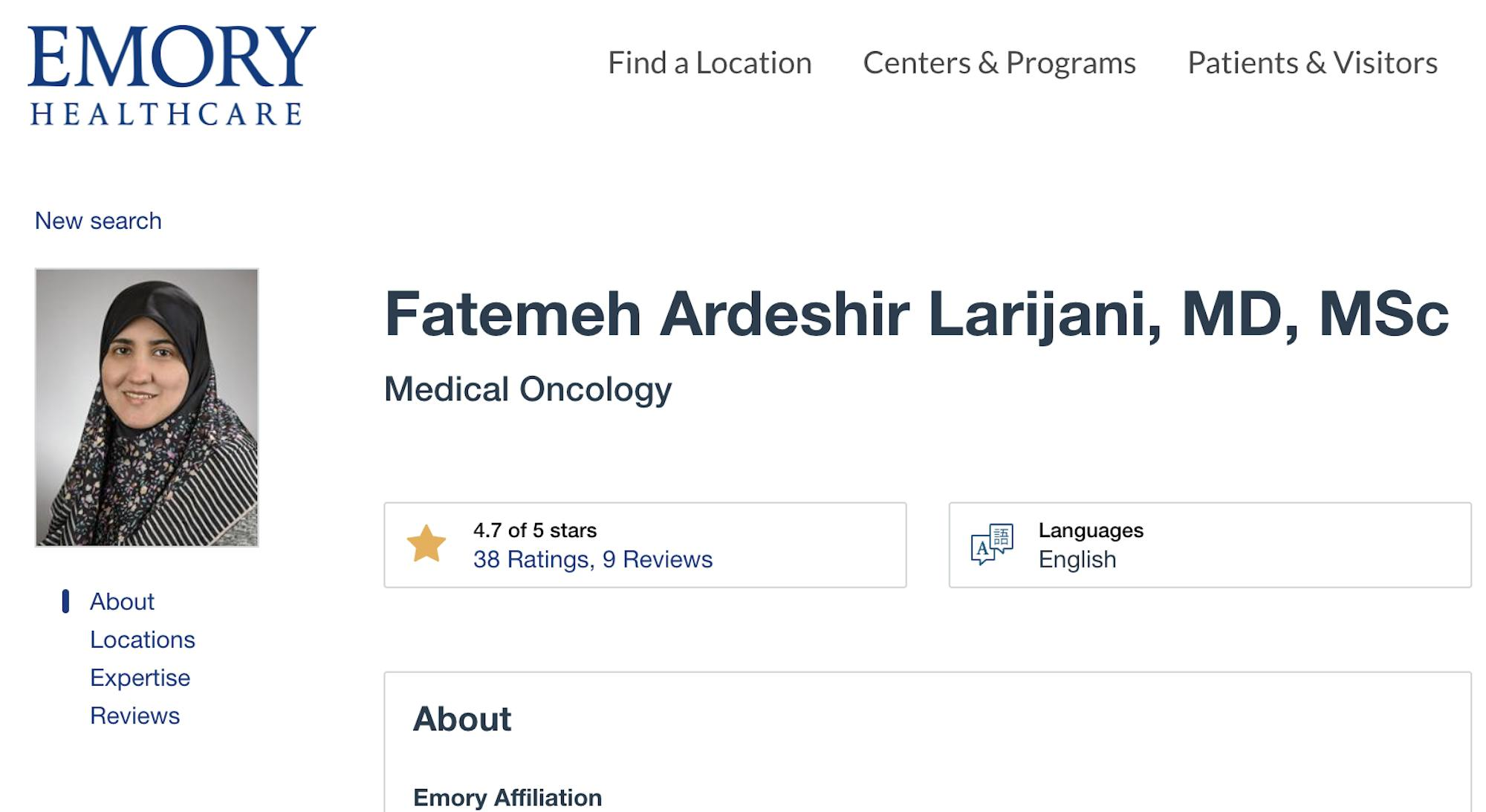
Well, no big loss for Emory University. Ardeshir-Larijani’s research is fraudulent, likely supplied by Iranian papermills. A reader of For Better Science has just flagged some of her papers on PubPeer. Turns out, despite her pedigree and privileges, Fatameh can’t count!
Well, not just her. Last author here is Patrick Loehrer, oncology bigwig at Indiana University and Director emeritus of its Simon Comprehensive Cancer Center:
Fatemeh Ardeshir-Larijani , Bryan P. Schneider , Sandra K. Althouse , Milan Radovich , Ashiq Masood , Fabiana Perna , Huda Salman , Patrick J. Loehrer Clinicogenomic Landscape of Metastatic Thymic Epithelial Tumors JCO Precision Oncology (2023) doi: 10.1200/po.22.00465
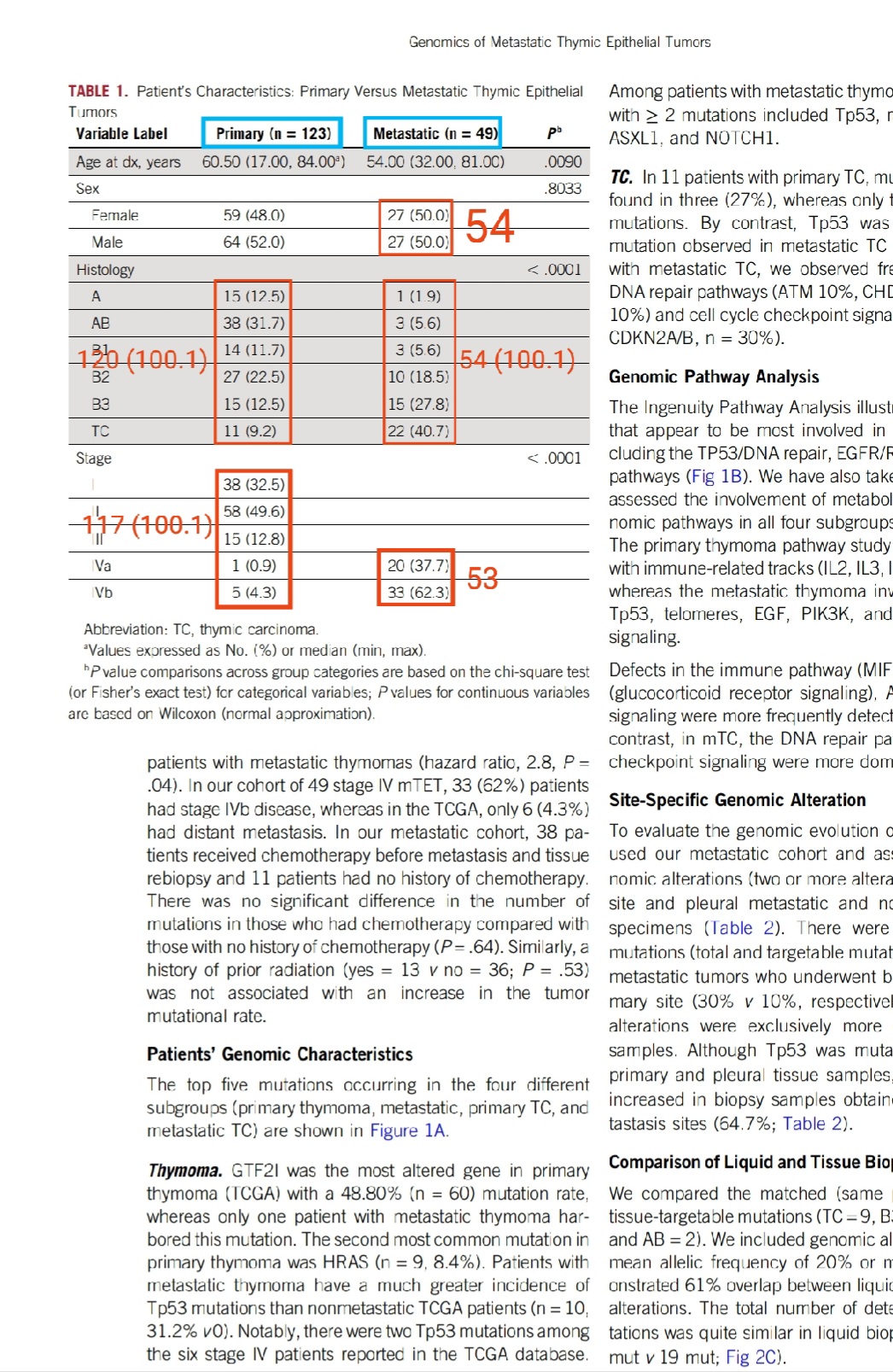
Etiella walsinghamella: “Table 1 […] compare the section highlighted in red with the section highlighted in blue, as they appear to be inconsistent”
Yes, 27+27=49, and so on.
Afshin Dowlati is professor at Case Comprehensive Cancer Center at Case Western Reserve University. He and Larijani’s princess counted a group of patients, depending on category (sex, cancer stage, smoking status, “race”), their numbers varied anywhere between 168 and 179:
Priyanka Bhateja, Michelle Chiu, Gary Wildey, Mary Beth Lipka, Pingfu Fu, Michael Chiu Lee Yang, Fatemeh Ardeshir‐Larijani, Neelesh Sharma, Afshin Dowlati Retinoblastoma mutation predicts poor outcomes in advanced non small cell lung cancer Cancer Medicine (2019) doi: 10.1002/cam4.2023
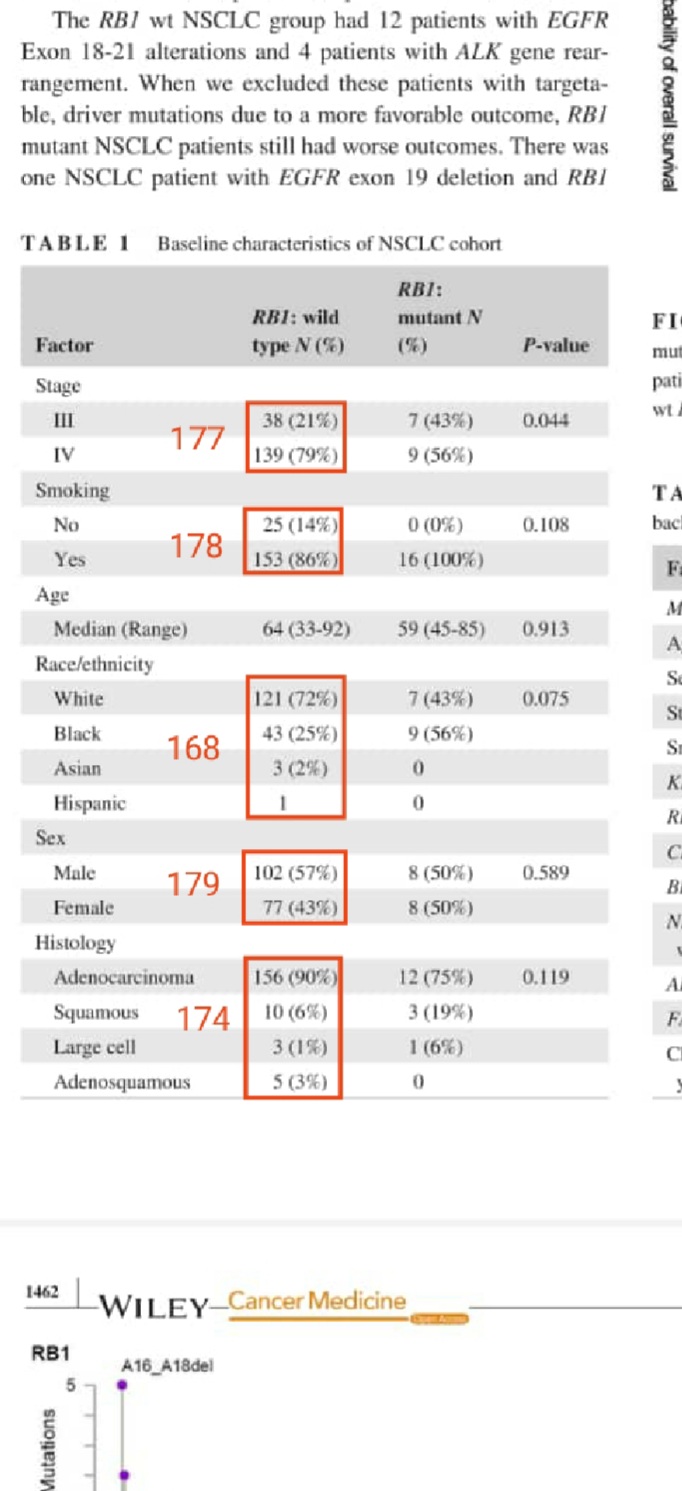
Rhodamnia acuminata: “The authors explicitly state in Figure 1 that this group includes 179 patients. However, the data presented in Table 1 do not appear to be consistent with this number. For example, the sum of smokers and non-smokers in this group equals 178, not 179 (see attached figure).”
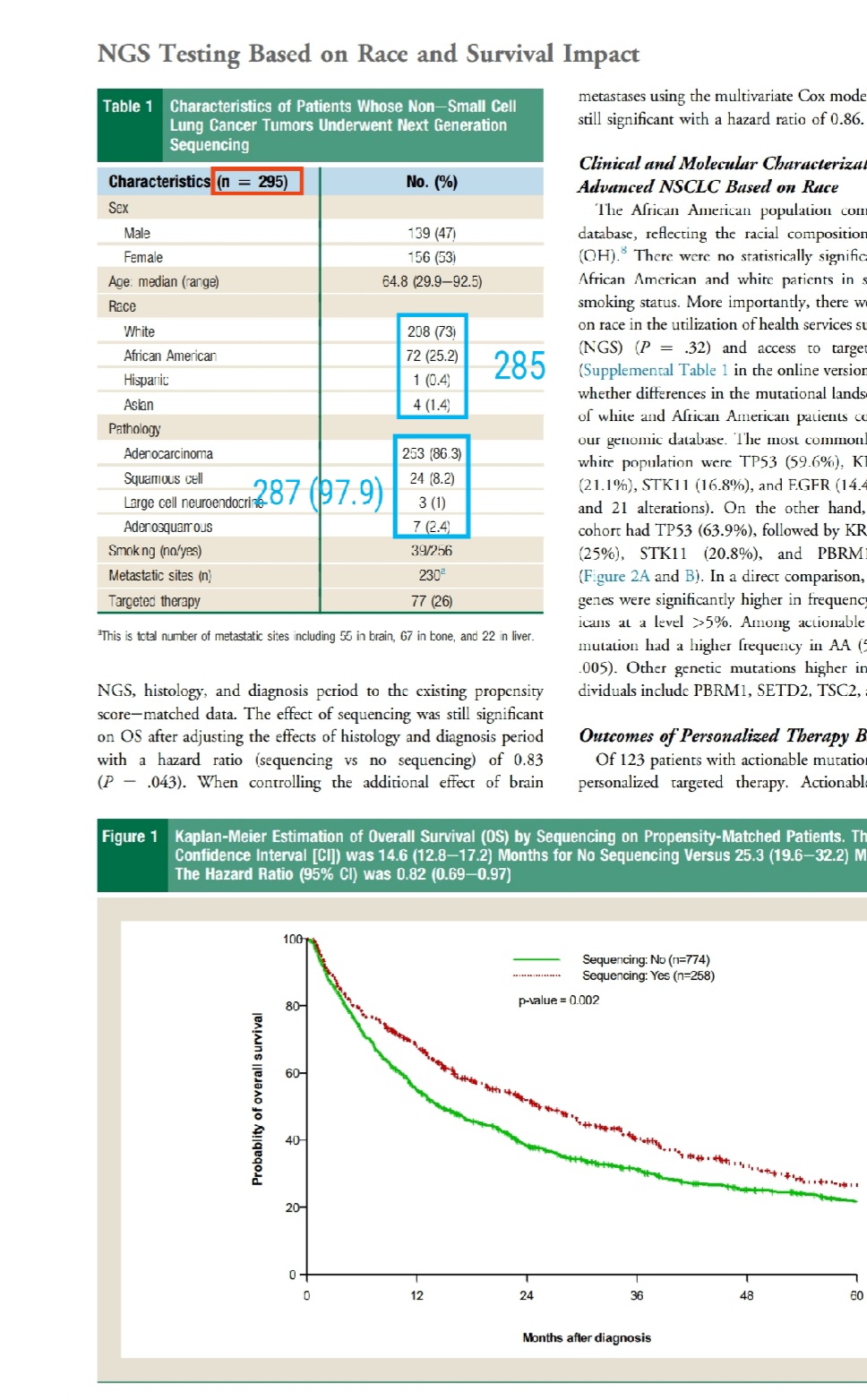
This bizarre cancer genomics study, done by Ardeshir-Larijani with Dowlati and Debora Bruno, medical director of clinical research at City of Hope Cancer Center Atlanta, claimed that “African American individuals had significantly higher rates of ALK rearrangements and mutations” than US whites:
Asrar Al-Ahmadi , Fatemeh Ardeshir-Larijani , Pingfu Fu , Shufen Cao , Mary Beth Lipka , Afshin Dowlati , Debora S. Bruno Next Generation Sequencing of Advanced Non–Small Cell Lung Cancer: Utilization Based on Race and Impact on Survival Clinical Lung Cancer (2021) doi: 10.1016/j.cllc.2020.08.004

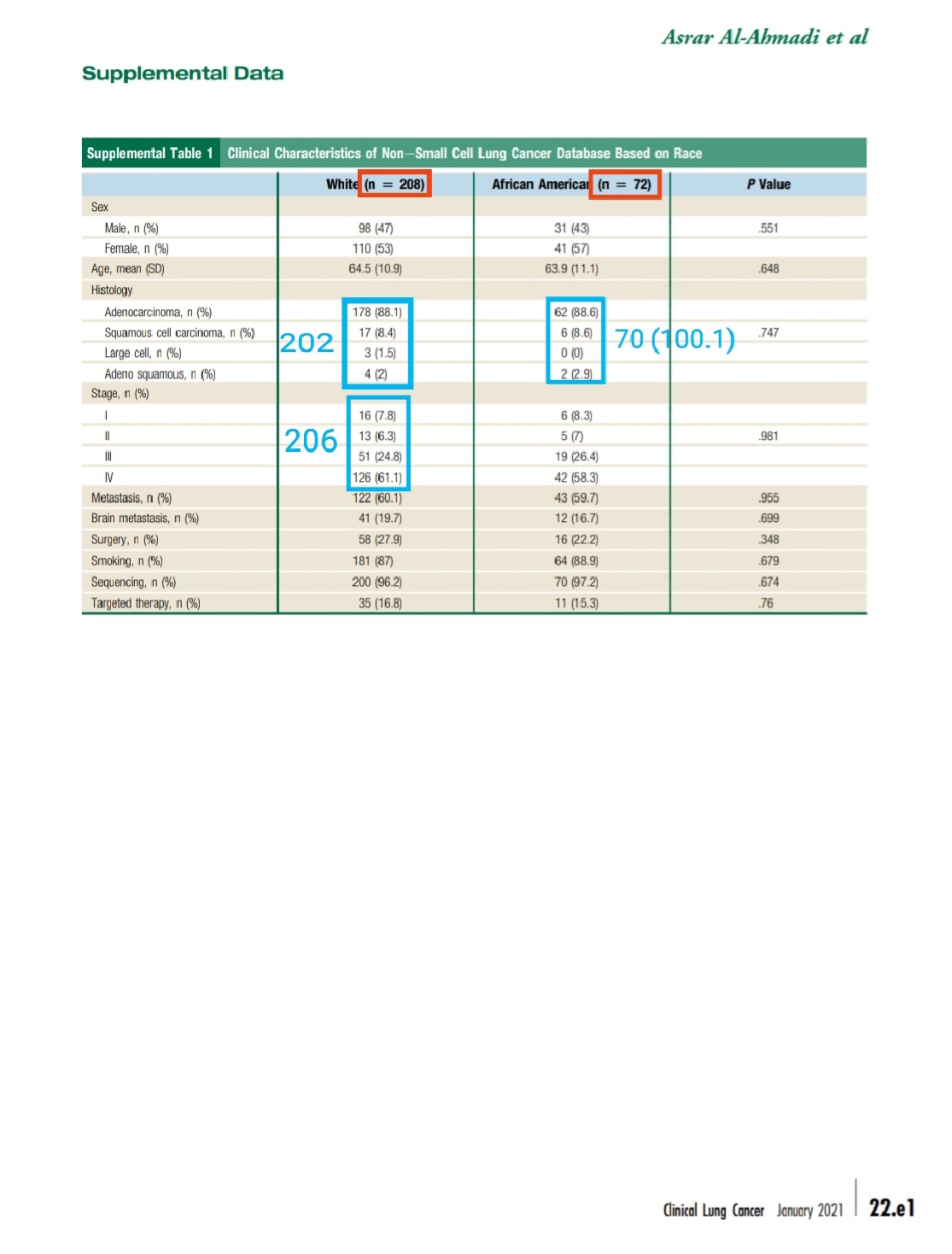
Ardeshir-Larijani’s another paper with Dowlati, Ardeshir-Larijani et al 2018, was criticised on PubPeer already in 2022, for dodgy numbers. By the way, this Case Western professor himself isn’t trustworthy, see his own PubPeer record.
- Karen McColl , Gary Wildey , Nneha Sakre , Mary Beth Lipka , Mohadese Behtaj , Adam Kresak , Yanwen Chen , Michael Yang , Vamsidhar Velcheti , Pingfu Fu , Afshin Dowlati Reciprocal expression of INSM1 and YAP1 defines subgroups in small cell lung cancer Oncotarget (2017) doi: 10.18632/oncotarget.20572
- Gary Wildey , Ashley M. Shay , Karen S. McColl , Suzy Yoon , Mohammad A. Shatat , Ahmad Perwez , Kyle B. Spainhower , Adam M. Kresak , MaryBeth Lipka , Michael Yang , Mohadese Behtaj , Pingfu Fu , Asrar Alahmadi , Wadad Mneimneh , Ata Abbas , Afshin Dowlati Retinoblastoma Expression and Targeting by CDK4/6 Inhibitors in Small Cell Lung Cancer Molecular Cancer Therapeutics (2023) doi: 10.1158/1535-7163.mct-22-0365
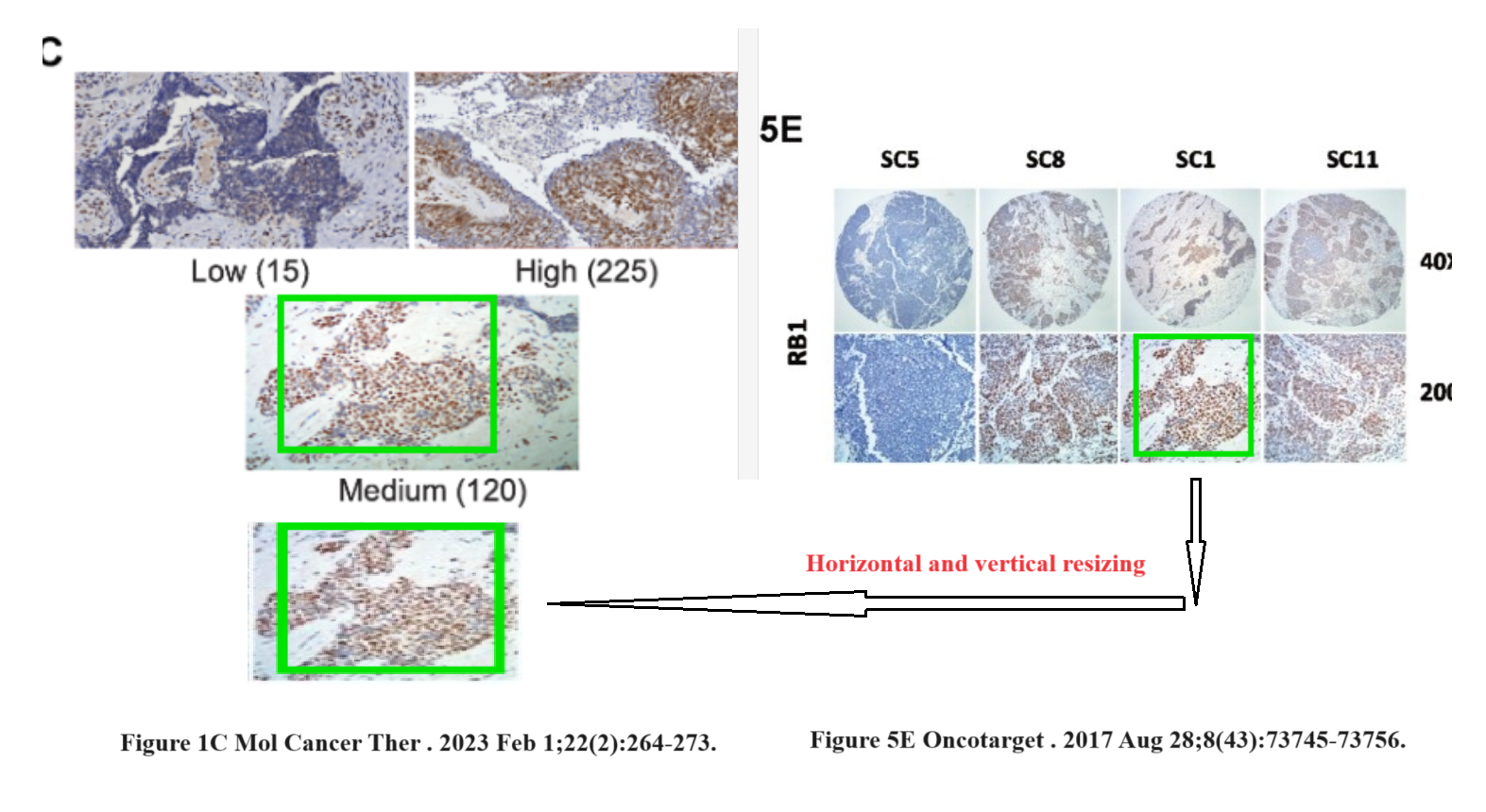
And did you know Iran’s “reform” president Masoud Pezeshkian (yes, the mass-murdering one) is also a scientist? Professor of Cardiovascular Surgery at Tabriz University of Medical Sciences in fact. Why yes, it is all fake also, see PubPeer.
Fringe researchers thwarted safeguards
Racists and Nazis gained access to NIH data from the Adolescent Brain Cognitive Development Study (ABCD) with over 11,000 children and from the Philadelphia Neurodevelopmental Cohort, with 9,000 children. They did this at least 63 times since 2007. New York Times wrote on 24 January 2026:
“A group of fringe researchers thwarted safeguards at the National Institutes of Health and gained access to data from thousands of children. The researchers have used it to produce at least 16 papers purporting to find biological evidence for differences in intelligence between races, ranking ethnicities by I.Q. scores and suggesting Black people earn less because they are not very smart. […]
Members of the research group were ineligible to obtain data from the ABCD project. But one of them gained access through an American professor who was already being investigated by the N.I.H. over his handling of another child brain study.
Their papers have provided fodder for racist posts on social media and white nationalist message boards that have been viewed millions of times. Some of the papers are cited by A.I. bots like ChatGPT and Grok in response to queries about race and intelligence. On the social media platform X, Grok has referred users to the research more than two dozen times this month alone.”
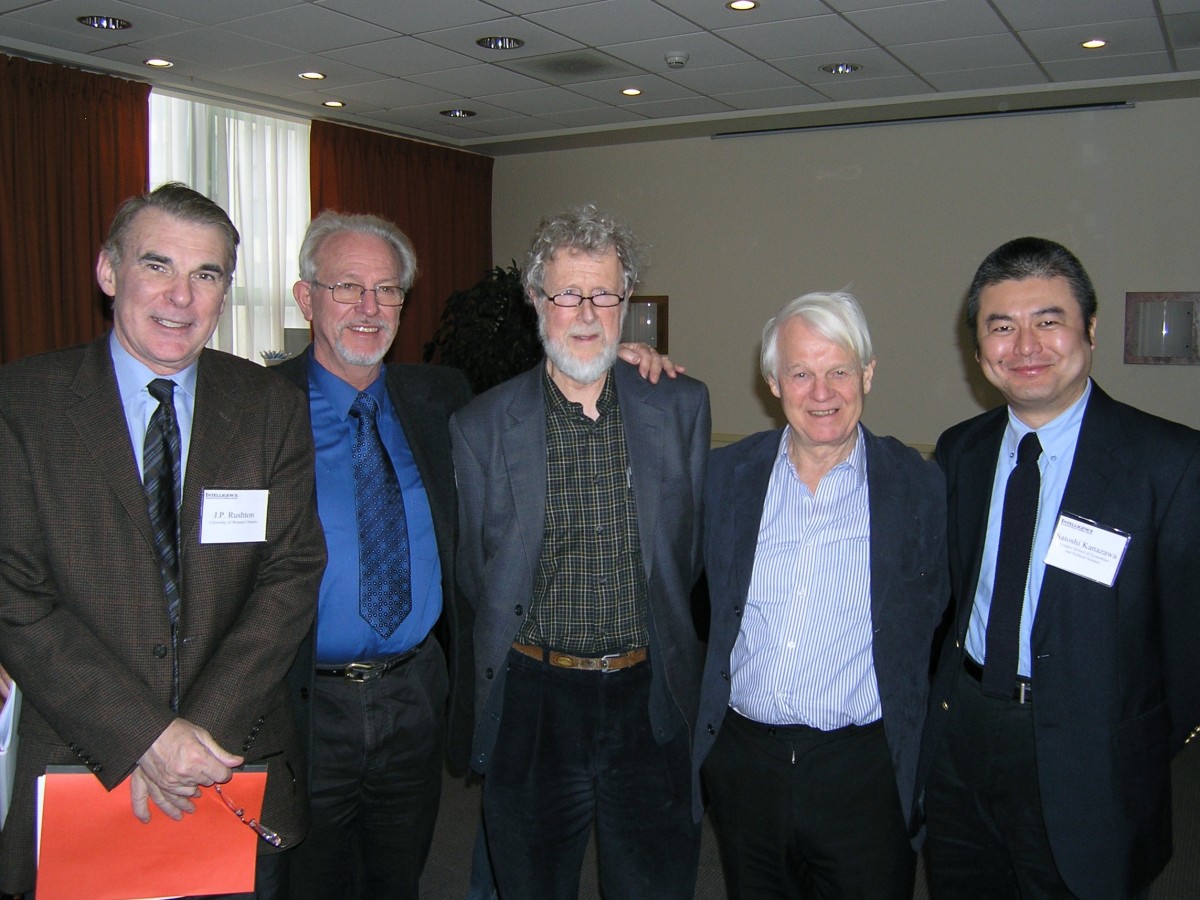
Satoshi Kanazawa and other racist “Galileos”
Outright racism and misogyny became rare in academia, eugenics and bigotry lurk these days not in Mankind Quarterly but in respected journals, wrapped in fancy genetics and neuroscience. Meet one of the last of the old school racist IQ psychologists, Satoshi Kanazawa.

Just as I expected, the perpetrators are the usual suspects: Nazi pseudoscientists Bryan Pesta (at that time management professor at Cleveland State University, then sacked), Emil Kirkegaard, John Fuerst, and Jordan Lasker aka Crémieux (read March 2025 Shorts). I don’t believe they “thwarted safeguards“, I suspect there are enough academic racists at NIH to let these unsavoury characters in through the backdoor.
Some of their vile racist drivel was published in Kirkegaard’s own Mankind Quarterly (literally, a historically Nazi-founded journal). But not only. NYT even briefly refers to their relevant studies “in Psych, an online journal“, while never even once mentioning that Psych is peer-reviewed, edited by German and other European professors, and published by MDPI, now under the name Psychology International. I wrote about this exact case:

MDPI and racism
In 2019, MDPI published a Special Issue “Beyond Thirty Years of Research on Race Differences in Cognitive Ability”, one year later its owner Shu-Kun Lin expressed admiration for Trump and said “Black Lives Matter. White Lives Matter. All Lives Matter.”
Specifically, NYT names this Psych paper, without mentioning that Pesta used to be this journal’s Editor-in-Chief at that time:
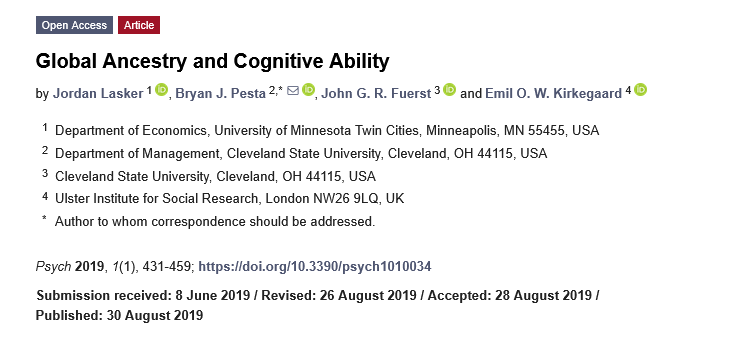
MDPI continued publishing Pesta’s racism with the NIH data he got, see “Updated IQ and Well-Being Scores for the 50 U.S. States” (Pesta et al 2022). But also other publishers were happy to oblige these racists, either nobody ever reads those horrid abstracts, or worse: they love it.
Elsevier:
Bryan J. Pesta , Emil O.W. Kirkegaard , Jan Te Nijenhuis , Jordan Lasker , John G.R. Fuerst Racial and ethnic group differences in the heritability of intelligence: A systematic review and meta-analysis Intelligence (2020) doi: 10.1016/j.intell.2019.101408
Taylor & Francis:
Jan Te Nijenhuis , Bryan J. Pesta , John G. R. Fuerst General mental ability testing and adverse impact in the United Kingdom: a meta-analysis with more than two million observations European Journal of Work and Organizational Psychology (2024) doi: 10.1080/1359432x.2024.2377780
This is officially peer-reviewed science, in respectable journals with respectable editors, therefore reliable and worthy of academic discussion, no? But NYT pretends Pesta et al published their racist bunk somewhere in the dark net.
The NYT article ends with this:
“Within weeks of Mr. Trump taking office, the N.I.H. made a little-noticed revision to the guidelines on access to a large genetic database. Its description of what constituted stigmatizing research no longer included any reference to skin color, ancestry and ethnicity.”
Dinners, clubs and “soaplands”
A Japanese professor of dermatology named Shinichi Sato was bribed by cosmetics businessman, and not just with money, but with brothel visits! Asahi Shimbun reported on 26 January 2026:
“A University of Tokyo professor was arrested on suspicion of accepting about 1.8 million yen ($11,700) in bribes, including entertainment at high-end clubs and sex-industry “soaplands,” in exchange for research favors.
Investigative sources said Shinichi Sato, a 62-year-old professor at the University of Tokyo Graduate School of Medicine, likely received much more for his cooperation in a joint study on whether cannabidiol (CBD), a substance found in cannabis, can be used to treat skin diseases.
The Metropolitan Police Department on Jan. 26 said it has submitted papers to prosecutors about the suspected briber, Koichi Hikichi, 52, head of the private-sector Japan Cosmetic Association.
Sato’s former subordinate, Ayumi Yoshizaki, 46, has also been implicated. […] Yoshizaki […] gained 1.9 million yen around the same time […]
Hikichi had grown particularly interested in the growing use of CBD in treating skin diseases. […] In March 2023, Hikichi’s association concluded a contract with the university to establish a course for conducting joint research on CBD. […] The association agreed to provide 30 million yen annually for the “clinical cannabinoid studies” course, which Sato oversaw.
Hikichi promised to Sato and Yoshizaki “to share future profits” from his CBD skincare business with them. First, “Hikichi began entertaining Sato and others at lavish restaurants about twice a month“, which was eventually followed by sex entertainment, in “expensive clubs in Ginza” and “soaplands in Tokyo’s Yoshiwara district“, the latter being a Japanese cover of a brothel. Things went sour after Sato demanded money from Hikichi. The latter went to police in September 2024, and in March 2025, the University of Tokyo terminated the contract, for which Hikichi “filed a lawsuit against Sato and the university, seeking 42 million yen in damages.”
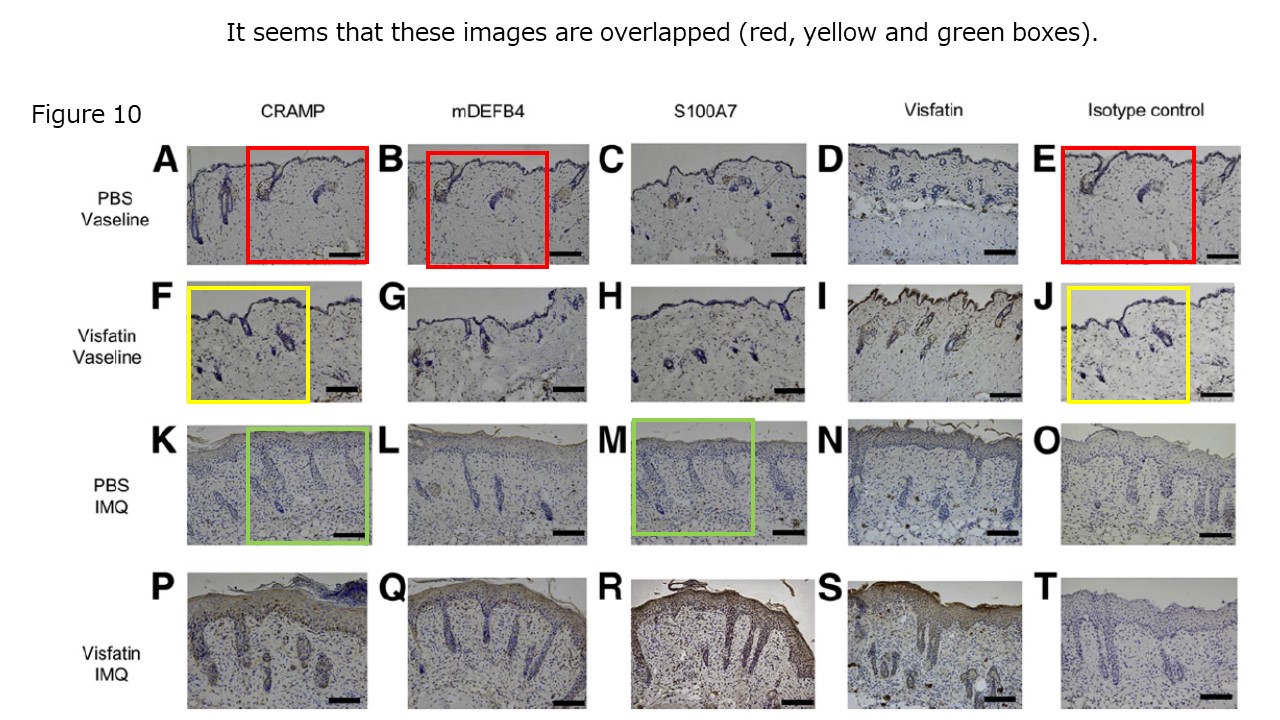
Anyway, Hikichi paid for fake research. This is what Sato produces:
Carren S. Hau , Naoko Kanda , Shinji Noda , Aya Tatsuta , Masahiro Kamata , Sayaka Shibata , Yoshihide Asano , Shinichi Sato , Shinichi Watanabe , Yayoi Tada Visfatin enhances the production of cathelicidin antimicrobial peptide, human β-defensin-2, human β-defensin-3, and S100A7 in human keratinocytes and their orthologs in murine imiquimod-induced psoriatic skin American Journal Of Pathology (2013) doi: 10.1016/j.ajpath.2013.01.044
And another one:
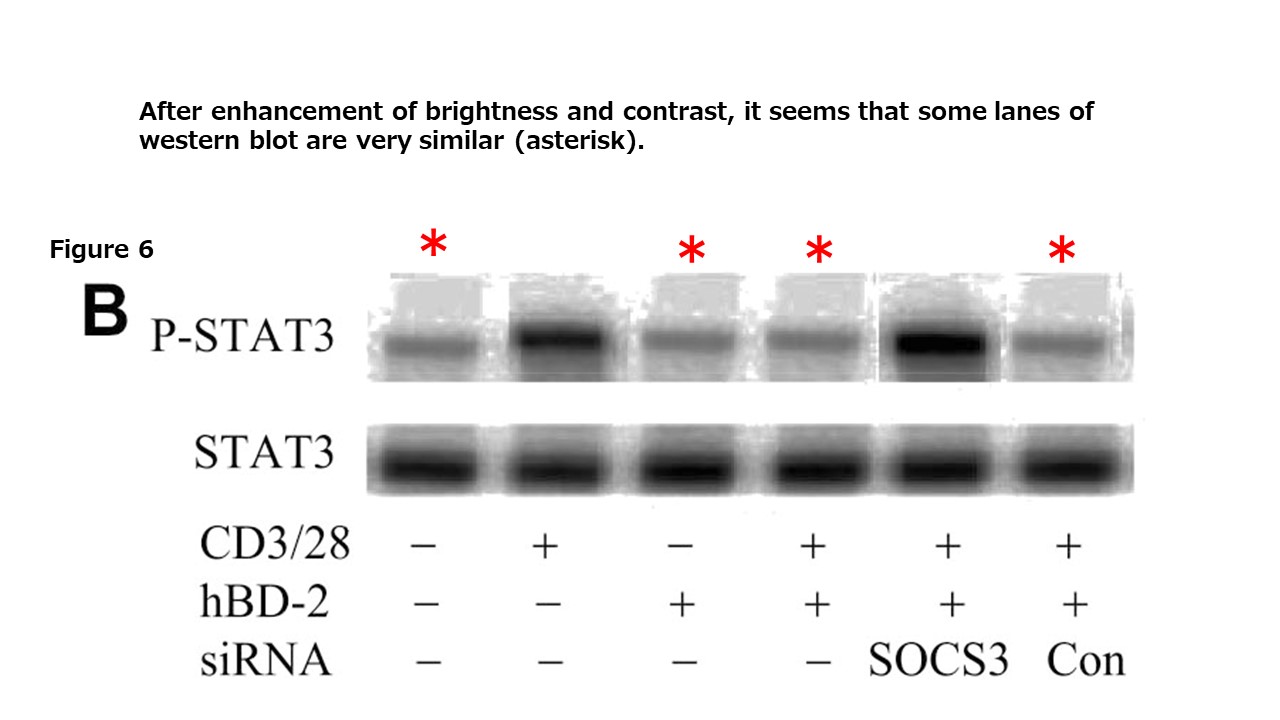
Naoko Kanda, Masahiro Kamata , Yayoi Tada , Takeko Ishikawa , Shinichi Sato , Shinichi Watanabe Human β-defensin-2 enhances IFN-γ and IL-10 production and suppresses IL-17 production in T cells Journal of Leukocyte Biology (2011) doi: 10.1189/jlb.0111004
Funny, Sato the Sex Pest never asked Hikichi for a supply of cannabis…
Retraction Watchdogging
Frank and Christian
A retraction for German scholars! Frank Tacke is professor and head of gastroenterology clinic at Charité University Medicine Berlin, and a Highly Cited Researcher.

Cancer at Charité
New season of the popular German TV series, ” Charité”, this time set in the early 21st century! Will Jürgen ever become professor? Will Bernd ever allow science to self-correct? Will Christoph ever catch his mechanical pursuer?
Tacke trained at Hannover Medical School (MHH) under its the gastroenterologist Michael Manns (later MHH President, until his death in 2025). Tacke’s coauthor on the retracted paper is Christian Trautwein – another former Manns mentee and until 2024 director of Klinik III at University Hospital Aachen, where Tacke worked before coming to Charite in 2019. Rather relevant: Trautwein’s sudden departure from that clinic directorship (and from academia altogether, he works in a communal hospital now) uncannily matches the media-reported sacking of a nameless sexual harasser from that exact position in 2024 (read November 2025 Shorts).
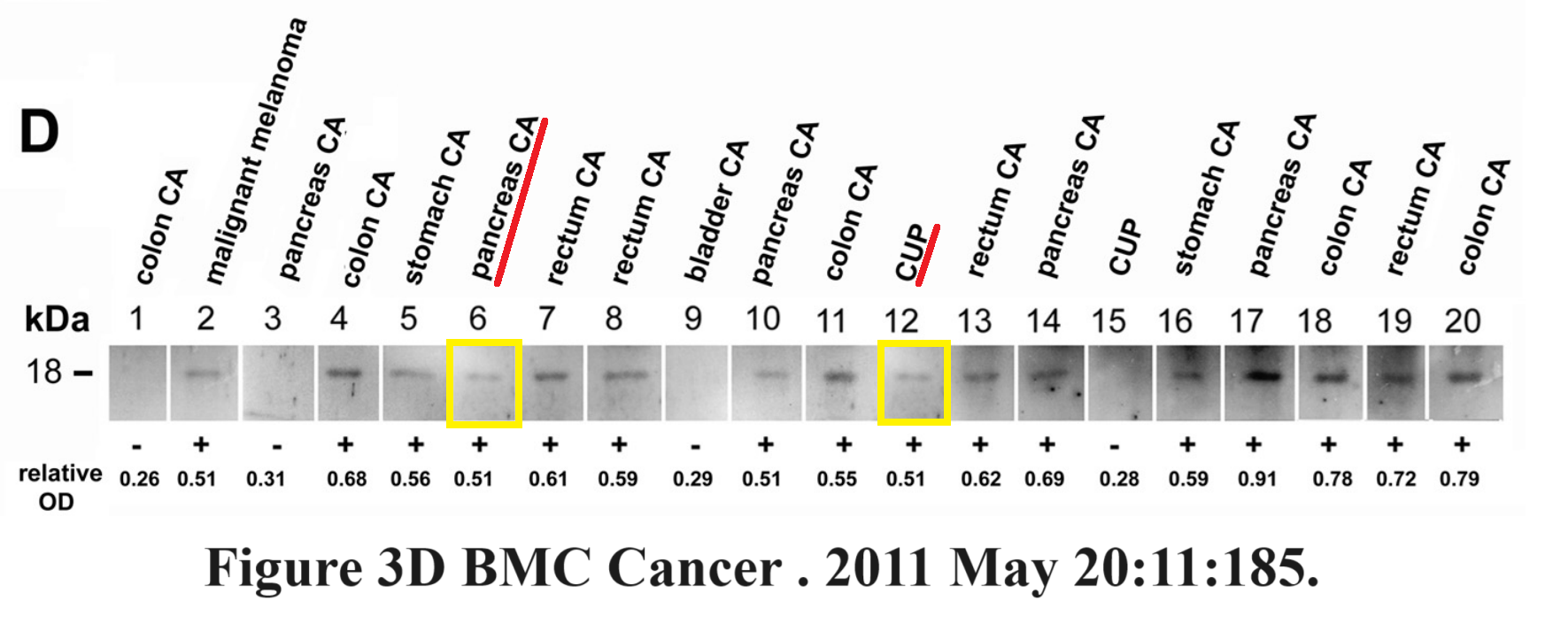
Frank Tacke , Nicolas Kanig , Abdelaziz En-Nia , Thilo Kaehne , Christiane S Eberhardt , Victoria Shpacovitch , Christian Trautwein , Peter R Mertens Y-box protein-1/p18 fragment identifies malignancies in patients with chronic liver disease BMC Cancer (2011) doi: 10.1186/1471-2407-11-185
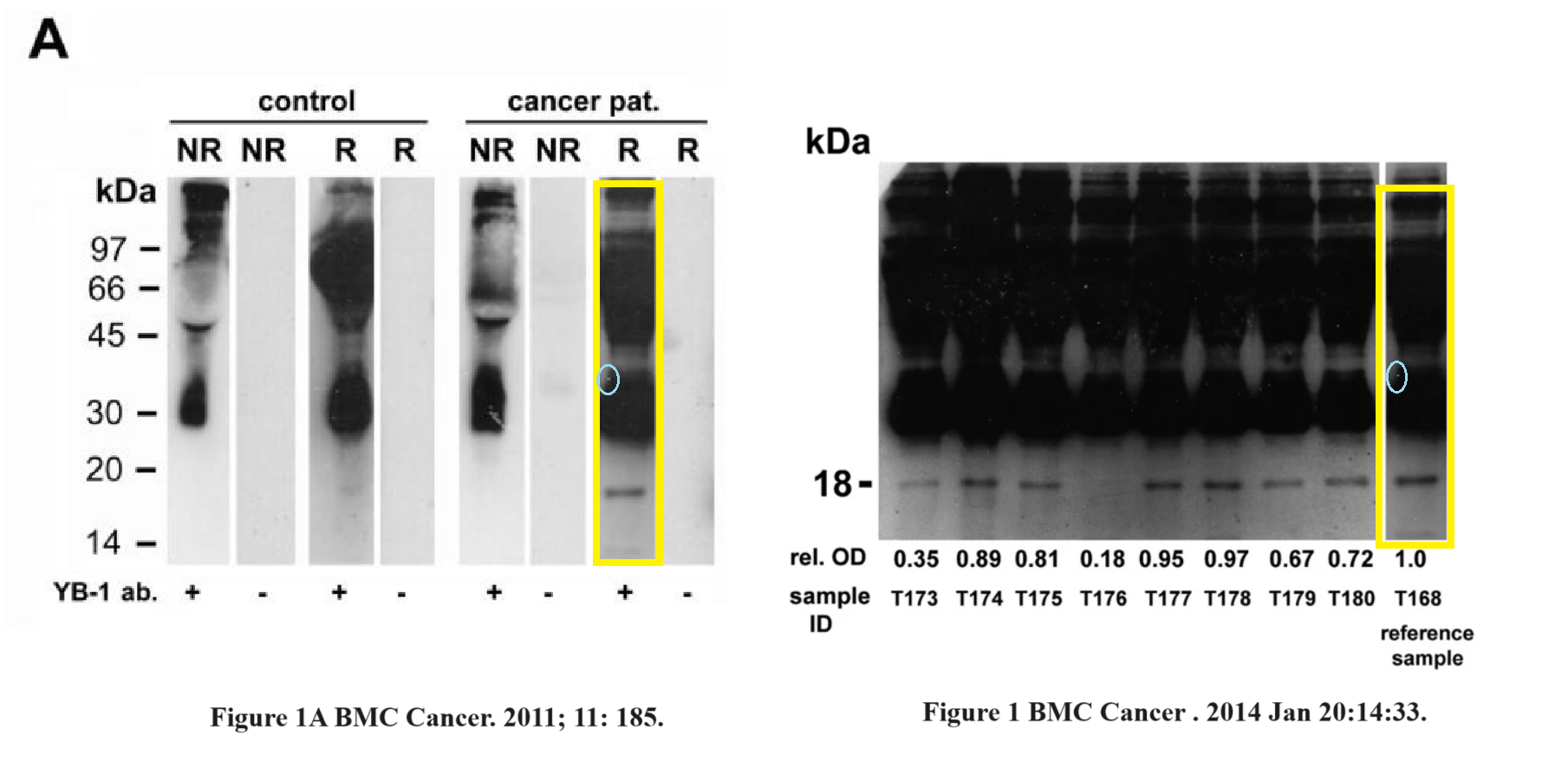
Frank Tacke , Oliver Galm , Nicolas Kanig , Eray Yagmur , Sabine Brandt , Jonathan A Lindquist , Christiane S Eberhardt , Ute Raffetseder , Peter R Mertens High prevalence of Y-box protein-1/p18 fragment in plasma of patients with malignancies of different origin BMC Cancer (2014) doi: 10.1186/1471-2407-14-33
In October 2024, the corresponding author Peter Mertens, clinic director at the University of Magdeburg, admitted the duplications on PubPeer, and attributed the responsibility to his former doctorate student, Nicolas Kanig, who is now clinic head at the Communal Hospital Nettetal.
On 23 January 2026, the retraction arrived:
“The Editor has retracted this article. After publication, concerns were raised regarding possible image similarities within the article. Further investigations by the Publisher detected additional potential image similarities and irregularities. Specifically:
- Figure 3 A, lanes 2, 5 and 7 appear to be highly similar to one another.
- Figure 3 A, lanes 21 and 23 appear to be highly similar to one another.
- Figure 3D, pancreas CA (lane 6) and CUP (lane 12) appear to be highly similar to one another.
- Figure 3B, sample 58 and Fig. 3C, HCC, sample 1,11,14 and 17 appear to show unusual western blot band features which appear to differ from the rest of the bands in Fig. 3.
The authors were unable to provide sufficient response to the concerns raised. Due to this, the Editor no longer has confidence in the presented data.
Frank Tacke, Nicolas Kanig and Peter R Mertens agree with this retraction.
Thilo Kaehne and Christian Trautwein did not respond to correspondence from the Publisher about this retraction.
The Authors Abdelaziz En-Nia, Christiane S Eberhardt and Victoria Shpacovitch could not be contacted by the Publisher.”
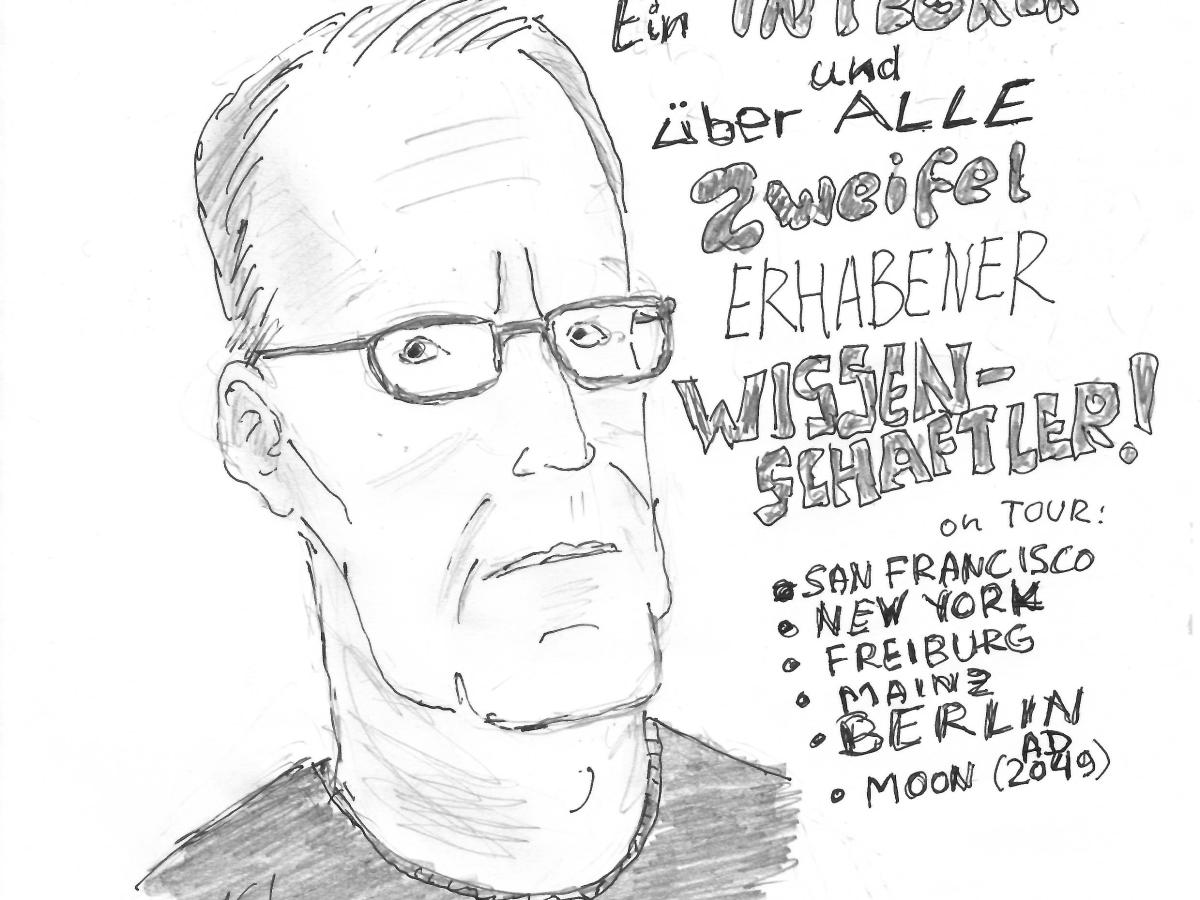
A scientist of integrity and beyond reproach
“The Investigative Committee notes that the infractions to normal scientific conduct surveyed in this report were blatant and repeated. Dr. [XY] should be dealt with in a manner consistent to the flagrant nature of the misconduct and data manipulation.” 2004 Berkeley report, illegal in Germany
But of course Tacke has more on PubPeer, around a dozen of problematic papers in fact. Tacke and his dear ex-boss Trautwein:
Leif E Sander, Sara Dutton Sackett , Uta Dierssen , Naiara Beraza , Reinhold P Linke , Michael Müller , J Magarian Blander , Frank Tacke , Christian Trautwein Hepatic acute-phase proteins control innate immune responses during infection by promoting myeloid-derived suppressor cell function Journal of Experimental Medicine (2010) doi: 10.1084/jem.20091474
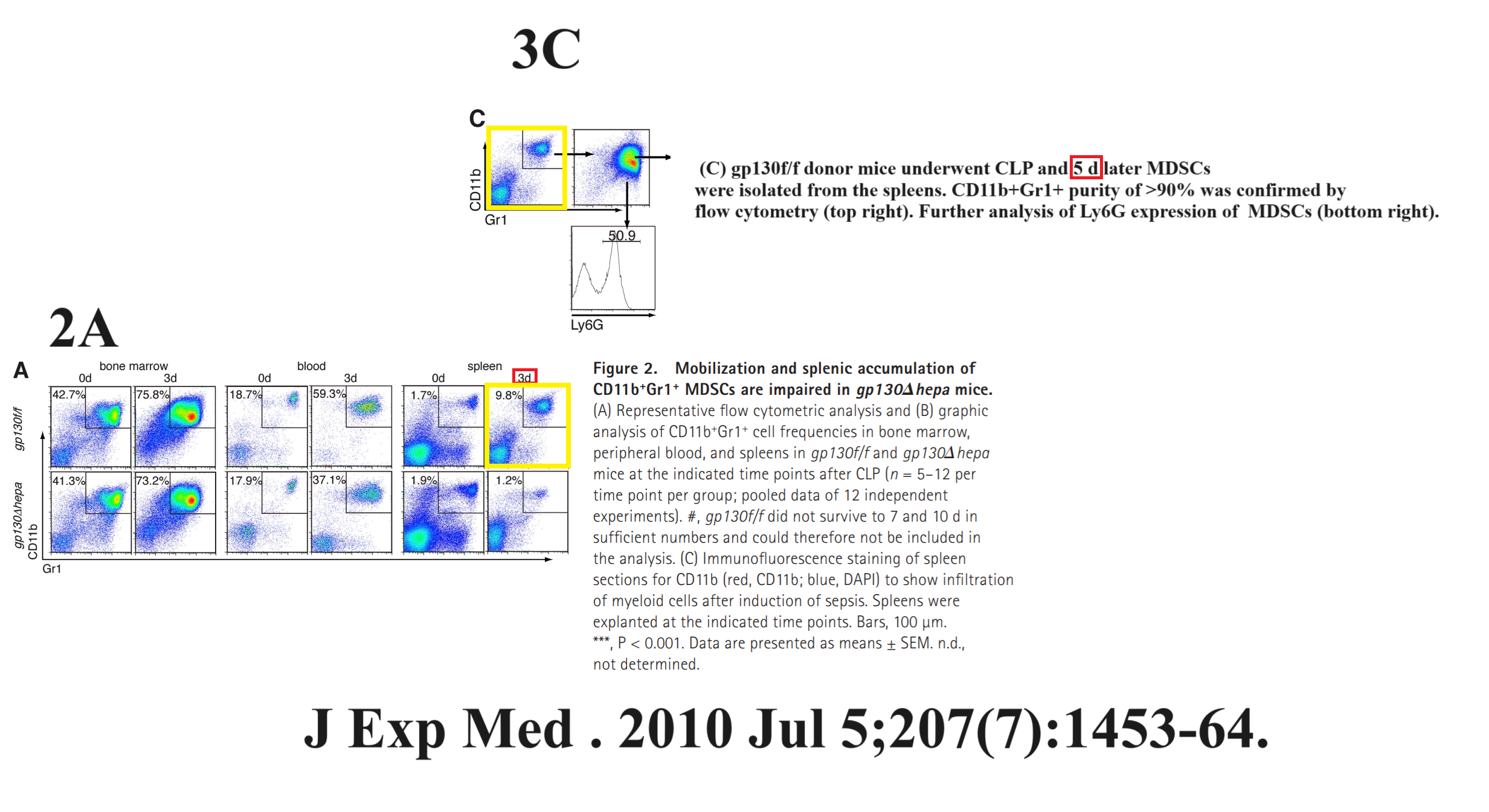
Tacke, Trautwein and their mentor Manns:
Frank Tacke , Christina Gehrke , Tom Luedde , Albert Heim , Michael P. Manns , Christian Trautwein Basal Core Promoter and Precore Mutations in the Hepatitis B Virus Genome Enhance Replication Efficacy of Lamivudine-Resistant Mutants Journal of Virology (2004) doi: 10.1128/jvi.78.16.8524-8535.2004
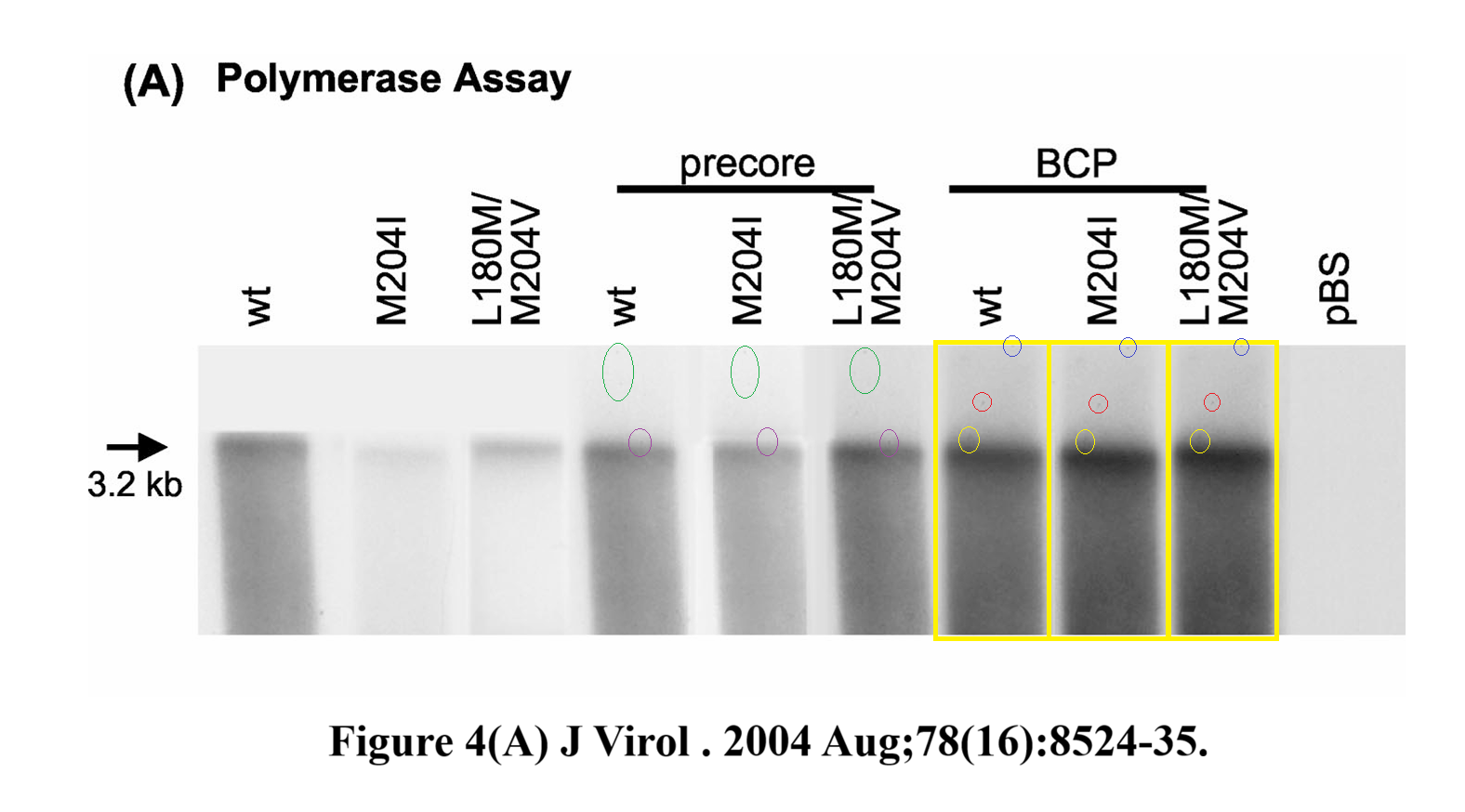
Here are more papers by Tacke and Trautwein with that other former colleague in Aachen, Tom Lüdde, now clinic director at the University of Düsseldorf:
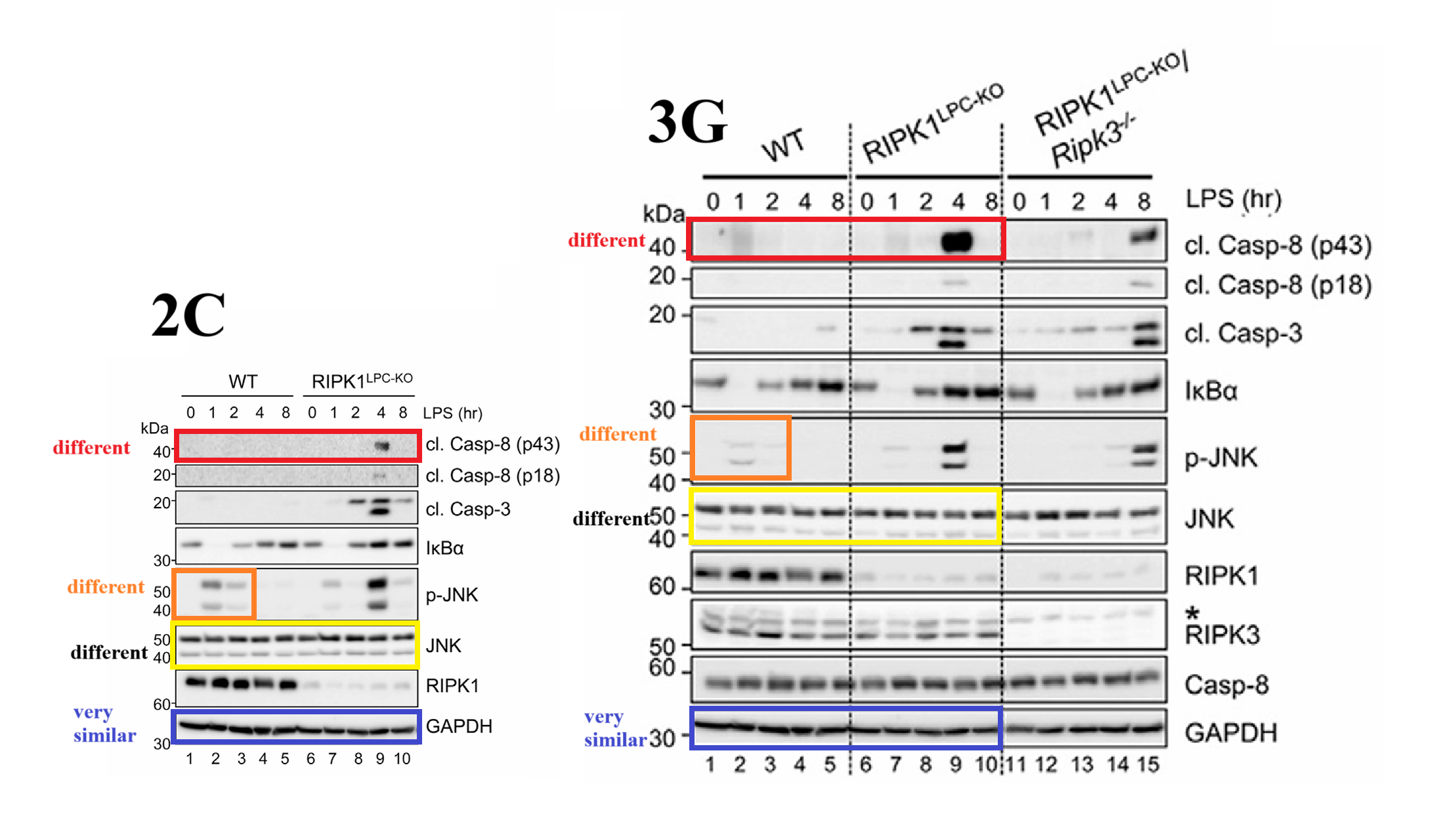
Fig 2C and 3G
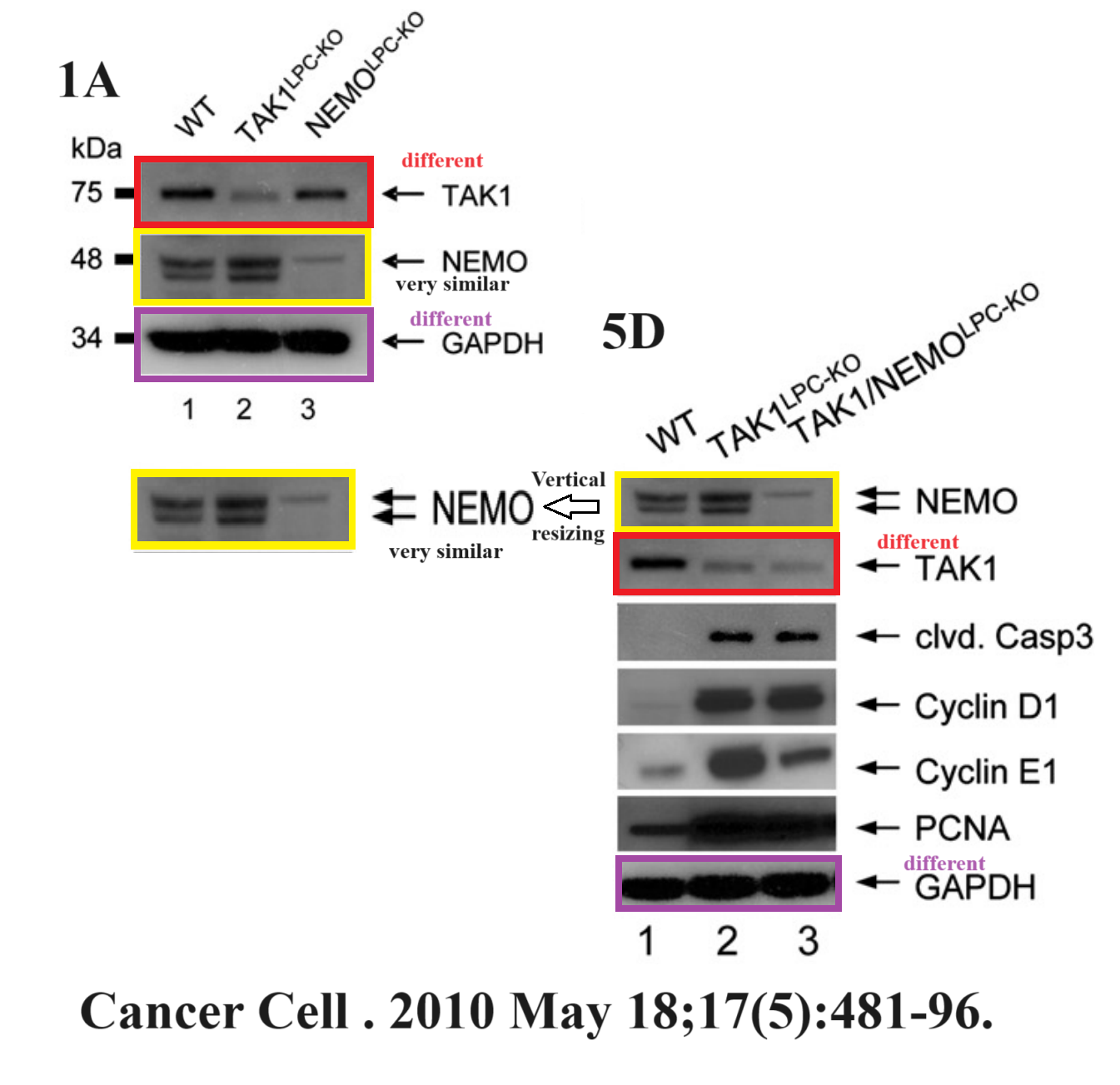
Fig 1A and 5D
The second paper is coauthored by two problematic mentees of the infamous Adriano Aguzzi: Mathias Heikenwalder (his DKFZ in Heidelberg refuses an investigation of his papers), and Johannes Haybaeck now in Austria. The latter is not just a science cheater, but also a pathologically dangerous pathologist: Haybäck was sacked by University of Magdeburg for causing death and suffering to patients (read February 2024 Shorts). Read about them here:

I Lost My Pancreas in Heidelberg
“While papermills certainly pollute the literature the most in terms of numbers, I believe the spotlight should equally be on questionable research groups at top institutions, whose articles might have an even larger negative impact on society” – Aneurus Incostans

Maybe everyone else but Tacke is to blame? Well, here is from Tacke’s DFG-sponsored stay at Mount Sinai School of Medicine in New York, USA:
Frank Tacke, Florent Ginhoux, Claudia Jakubzick, Nico Van Rooijen, Miriam Merad, Gwendalyn J. Randolph Immature monocytes acquire antigens from other cells in the bone marrow and present them to T cells after maturing in the periphery Journal of Experimental Medicine (2006) doi: 10.1084/jem.20052119
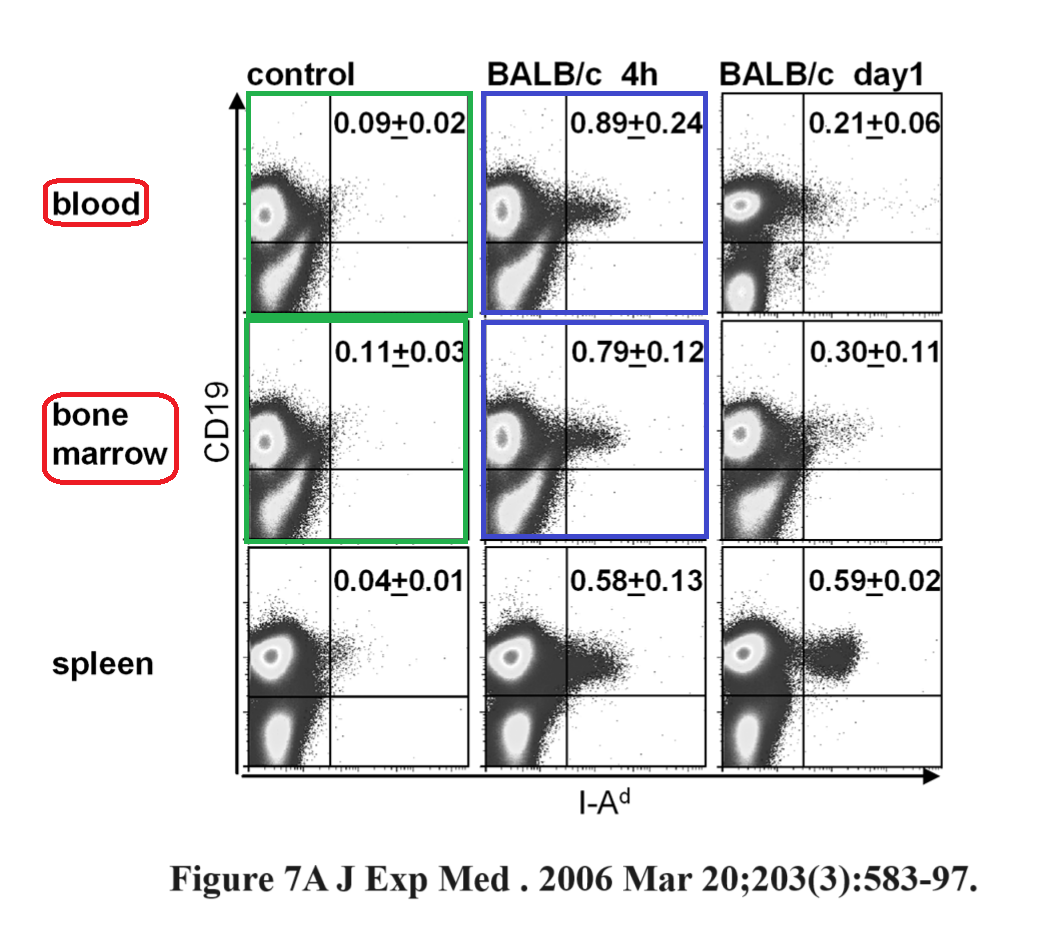
“Figure 7A. Much more similar than expected. Similarities detected by ImageTwin.”
From that time in USA, Tacke also has that dodgy paper with Marina Konopleva and Michael Andreeff (Tacke et al 2004).
But it’s not just ancient stuff! New stuff from Tacke and his Charite clinic subordinates:
Pavitra Kumar , Mohsin Hassan , Frank Tacke , Cornelius Engelmann Delineating the heterogeneity of senescence-induced-functional alterations in hepatocytes Cellular and Molecular Life Sciences (2024) doi: 10.1007/s00018-024-05230-2
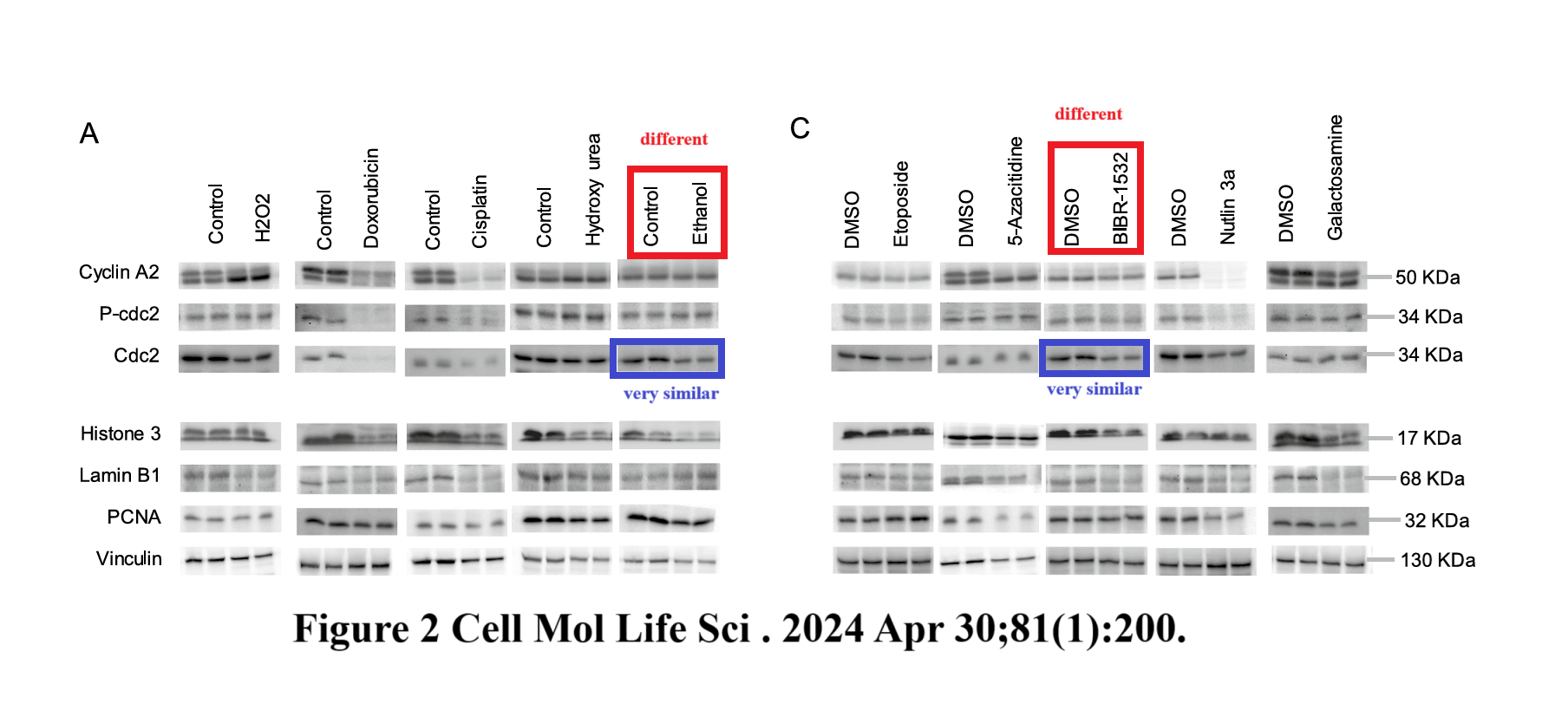
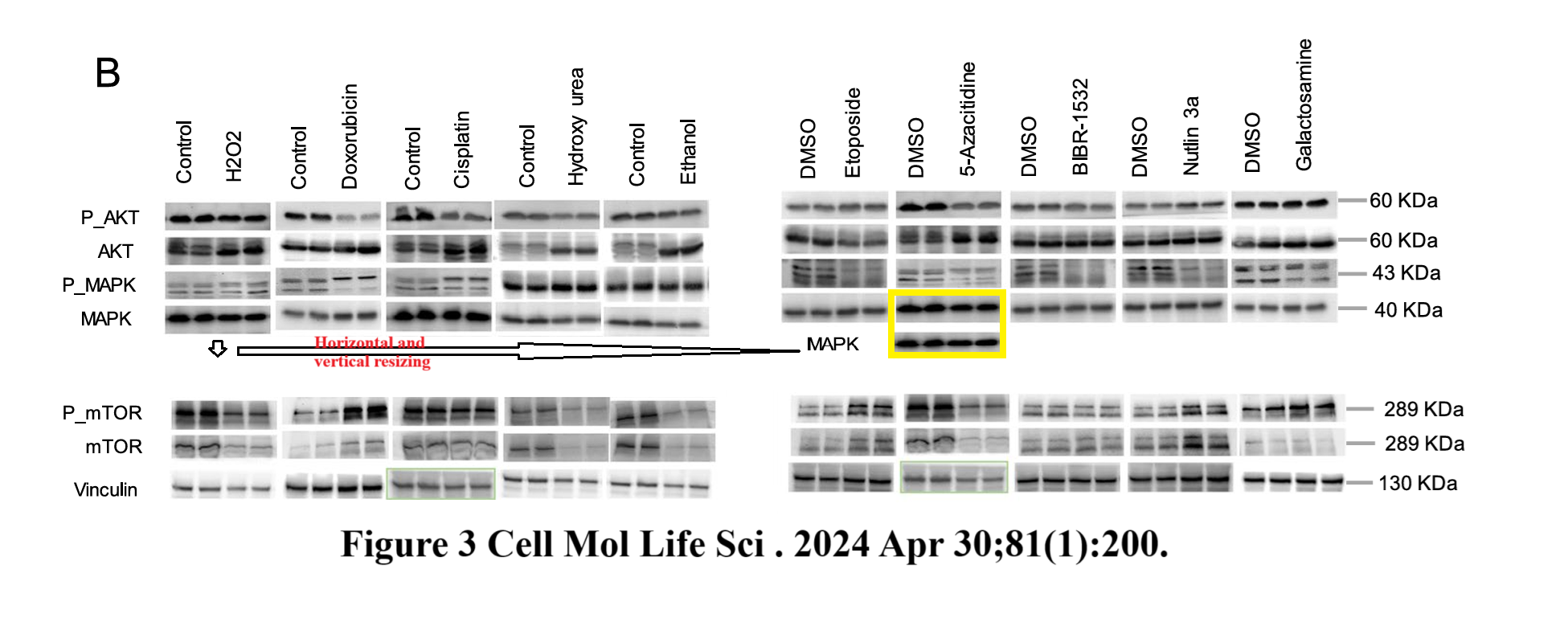
Another recent study by Tacke and his team:
Xiurong Cai, Guo Yin, Shuai Chen, Frank Tacke, Adrien Guillot, Hanyang Liu CDK4/6 inhibition enhances T-cell immunotherapy on hepatocellular carcinoma cells by rejuvenating immunogenicity Cancer Cell International (2024) doi: 10.1186/s12935-024-03351-z
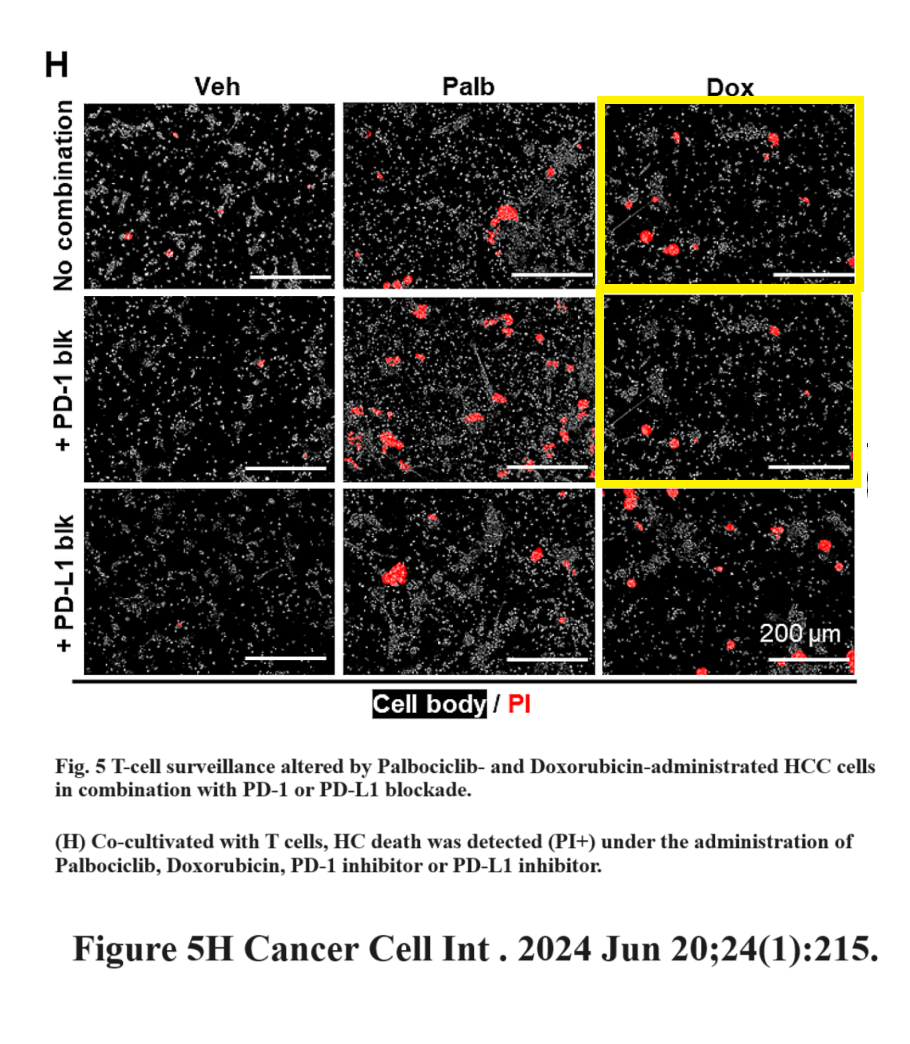
Fig 5H
The images are not exact copies, they have different signal intensities. Tacke’s PhD student Hanyang (Branden) Liu assured in October 2024 on PubPeer that “the relevant statistical analyses and conclusions in this paper were not biased” and announced a Correction, which appeared on 19 December 2025:
“In this article [1], The Fig. 5 appeared incorrectly and have now been corrected in the original publication. For completeness and transparency, the old incorrect and correct versions are displayed below. The original article has been corrected.”
The two “incorrect” and “correct” versions of the Figure 5 legend are actually identical.
Tacke did not reply to my email. Maybe because I was mean to Trautwein?
Failed to obtain Dr. Saeb’s explicit written consent
Finally, that awful paper by Poland’s great hope for scientific excellence, Mohammad Reza Saeb, is retracted. The Iranian was recruited as head of a “PLATINUM Establishing Top-Class Research Team” to the Gdansk Polytechnic, and then moved to the Medical University of Gdansk, where he is now associate professor at the faculty of pharmacy. His PubPeer record is huge, over 60 ridiculously fake papers, worst kind of papermill trash. Read the Coda here:
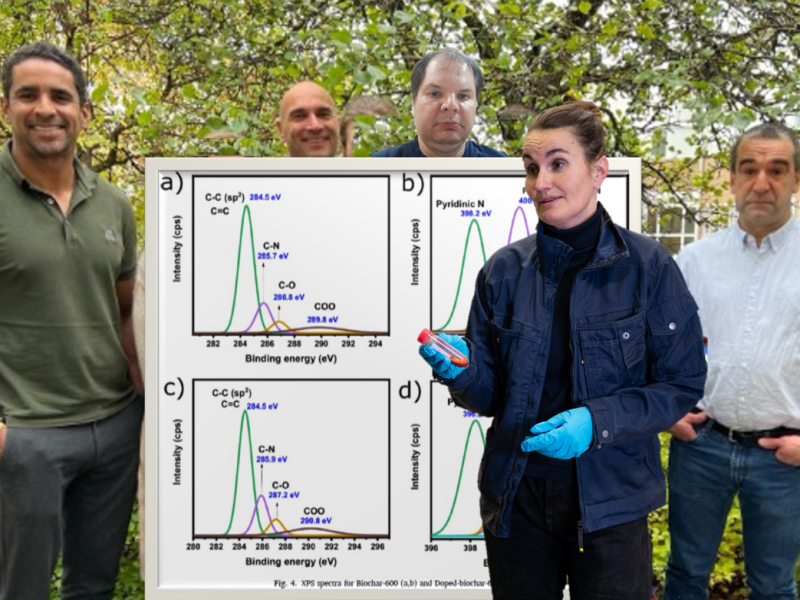
Boys from Brazil
“We can always make mistakes in our publications but never acting intensionally. Regarding Prof. Eder works, I know him well and I don’t believe he has anything wrong” – Glaydson S. Dos Reis
Saeb’s coauthors on the retracted atrocity include the papermill titans Navid Rabiee and Mohammad Reza Ganjali, as well as the Gdansk Polytechnic professor Krzysztof Formela:
Vahid Vatanpour, Maryam Jouyandeh , Seyed Soroush Mousavi Khadem , Shadi Paziresh , Ahmad Dehqan , Mohammad Reza Ganjali , Hiresh Moradi , Somayeh Mirsadeghi , Alireza Badiei , Muhammad Tajammal Munir , Ahmad Mohaddespour , Navid Rabiee, Sajjad Habibzadeh , Amin Hamed Mashhadzadeh, Sasan Nouranian, Krzysztof Formela, Mohammad Reza Saeb Highly antifouling polymer-nanoparticle-nanoparticle/polymer hybrid membranes The Science of the total environment (2022) doi: 10.1016/j.scitotenv.2021.152228

boxes of the same color highlight areas within panels that look unexpectedly similar”


This Elsevier journal was delisted by Clarivate over excessive editor fraud and papermilling, so now the publisher presumably tries to fix things with a few retractions. This retraction is fresh and not yet dated:
“This article has been retracted at the request of the Editor.
Concern was raised on PubPeer at https://pubpeer.com/publications/5BEB135C2C1B3B243343E6C7ECB5F3 about potential figure manipulation in Figure 3 of the article, specifically the observation of numerous regions within several images appearing to be duplications of one another, an observation confirmed by the assessing editor. The authors were contacted and asked to provide an explanation which included .tif files of the images in question, which included the original scale bar and metadata indicating that they had been obtained using Tescan VEGA equipment at the Iran Polymer and Petrochemical Institute. However, the authors failed to provide a satisfactory explanation for the duplicated regions. The Editor has therefore lost confidence in the reliability of the findings presented in this article, and is retracting it.”
Nobelium Bilalski, a Gdansk papermiller
“To date, he has authored over 700 peer-reviewed articles, 150 book chapters, 25 edited books, and 10 editorial-type scientific articles in various areas of Science and Engineering. Dr. Bilal has a h-index of 94 with 34 000 citations (Google Scholar).”
Elsevier retracted also this paper by Saeb with colleagues at University of Louisville in Kentucky, USA, and it wasn’t even flagged on PubPeer before:
Hossein Madineh , Zahra Hosseinzadeh , Maryam Sadat Adibhosseini , Vallabh Ramesh , Mohammadreza Saeb , Payam Zarrintaj , Kunal Kate Revolutionizing 3D printing: Unleashing the power of conductive polymers for next-gen biomedical applications Journal of Manufacturing Processes (2025) doi: 10.1016/j.jmapro.2025.09.062
The not yet dated retraction notice is really interesting (highlights mine):
“This article has been retracted at the request of the Editor-in-Chief.
Following publication, Dr. Mohammad Reza Saeb informed the journal that his name had been included in the article without his knowledge, contribution or consent. The authors indicated they “had failed to obtain Dr. Saeb’s explicit written consent for authorship, failed to confirm that he had made any actual contributions to the manuscript, and failed to verify that he had reviewed or approved any version of the manuscript.”
Considering Dr. Saeb is credited with the below contributions in the published manuscript, the Editor-in-Chief has determined that the authorship and the findings of the article cannot be relied upon and has decided to retract the article.”
Is Saeb trying to save his arse by claiming he never had anything to do with any of his fake papers?
Science Breakthroughs
Conjectural and not buffeted by actual data
It’s very rare to read something about science fraud in The Guardian, but then again, this article from 13 January 2026 is not from their science groupie division, but from an environment editor. Turns out, high-profile studies claiming microplastic pollution inside the human bodies “are probably the result of contamination and false positives“:
“Studies claiming to have revealed micro and nanoplastics in the brain, testes, placentas, arteries and elsewhere were reported by media across the world, including the Guardian. […]
There is no suggestion of malpractice, but researchers told the Guardian of their concern that the race to publish results, in some cases by groups with limited analytical expertise, has led to rushed results and routine scientific checks sometimes being overlooked.
The Guardian has identified seven studies that have been challenged by researchers publishing criticism in the respective journals”
It is not the first time scientists falsify plastics pollution research:
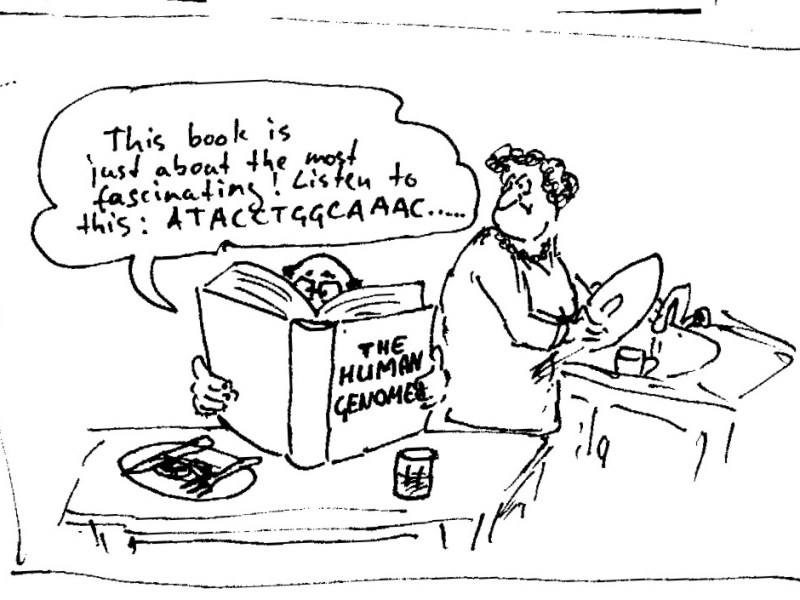
Fishy peer review at Science, by citizen scientist Ted Held
Sweden and the international research community recently faced yet another research misconduct scandal. It was about a Science paper by Oona Lönnstedt and Peter Eklöv, which in 2016 made worldwide headlines with its findings that young fish larvae (or fry), namely Eurasian perch, would eat up plastic pollution like teenagers eat fast food. It soon…
The Guardian names the following paper in particular. It was criticised in a “Matters arising” letter for “methodological challenges, such as limited contamination controls and lack of validation steps”, to which the lead author Matthew Campen, professor at University of New Mexico in USA, assured the journalists: “Most of the criticism […] has been conjectural and not buffeted by actual data“.
Alexander J. Nihart , Marcus A. Garcia , Eliane El Hayek , Rui Liu , Marian Olewine , Josiah D. Kingston , Eliseo F. Castillo , Rama R. Gullapalli , Tamara Howard , Barry Bleske, Justin Scott , Jorge Gonzalez-Estrella , Jessica M. Gross , Michael Spilde , Natalie L. Adolphi , Daniel F. Gallego , Heather S. Jarrell , Gabrielle Dvorscak , Maria E. Zuluaga-Ruiz , Andrew B. West, Matthew J. Campen Bioaccumulation of microplastics in decedent human brains Nature Medicine (2025) doi: 10.1038/s41591-024-03453-1
Oh but there is more conjectural and unbuffeted stuff in this paper, but Grauniad chose not to tell. This was posted on PubPeer in February 2025:
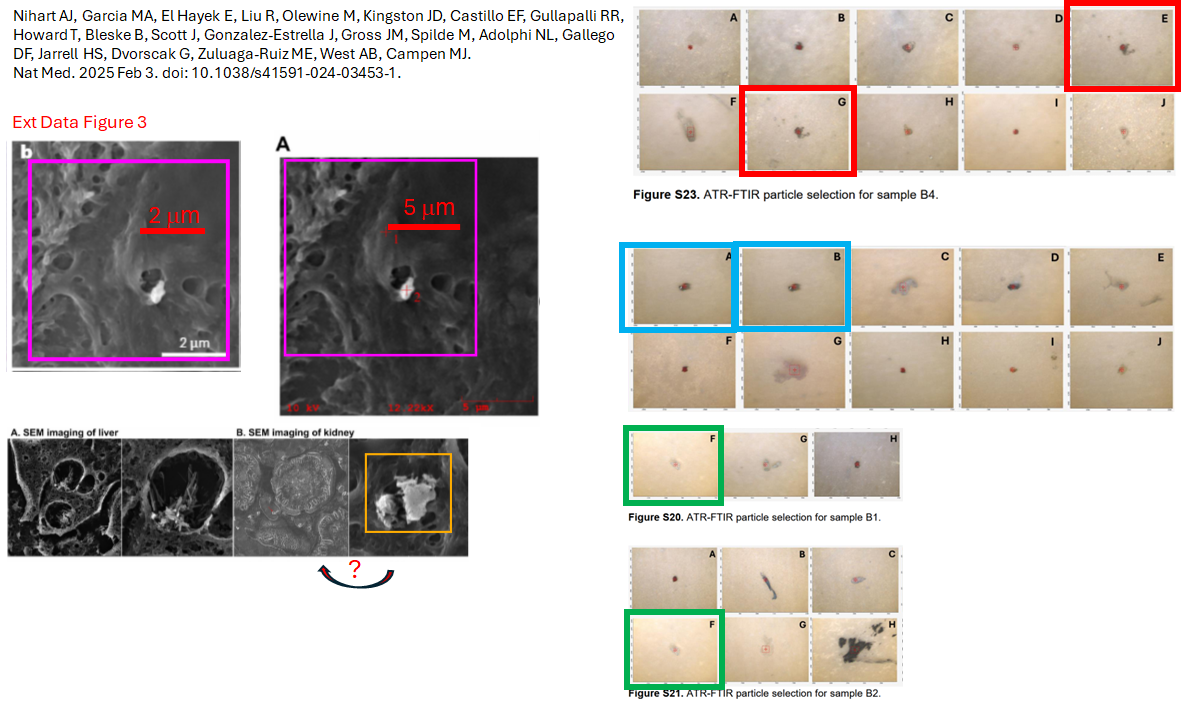
In Ext data Figure 3, identical micrograps show different size bars. Also in Ext data Figure 3, the higher resolution image (marked in orange) is not seen in the lower resolution image.”
Campen assured on PubPeer: “The mistake is purely clerical and in no way alters the conclusions of our manuscript.” In May 2025, a Correction was published, where the duplicated images “have now been omitted“, also “scale bars […] were sized incorrectly during the production process and are now corrected.“
Thus, the paper is now 100% reliable. Guardian names another study by Campen, about microplastics causing male infertility, where “other scientists took a different view: “It is our opinion that the analytical approach used is not robust enough to support these claims”:
Chelin Jamie Hu , Marcus A Garcia , Alexander Nihart , Rui Liu , Lei Yin , Natalie Adolphi , Daniel F Gallego , Huining Kang , Matthew J Campen , Xiaozhong Yu Microplastic presence in dog and human testis and its potential association with sperm count and weights of testis and epididymis Toxicological sciences (2024) doi: 10.1093/toxsci/kfae060
Here another study Guardian mentions, on microplastics in the blood causing heart attacks and stroke, its lead author is a Top Italian Scientist, Raffaele Marfella, professor at University of Campania “Luigi Vanvitelli”. Published in the most elite medical journal there is, and “subsequently criticised for not testing blank samples taken in the operating room”:
Raffaele Marfella, Francesco Prattichizzo , Celestino Sardu , Gianluca Fulgenzi , Laura Graciotti , Tatiana Spadoni , Nunzia D’Onofrio , Lucia Scisciola , Rosalba La Grotta , Chiara Frigé , Valeria Pellegrini , Maurizio Municinò , Mario Siniscalchi , Fabio Spinetti , Gennaro Vigliotti , Carmine Vecchione , Albino Carrizzo , Giulio Accarino , Antonio Squillante , Giuseppe Spaziano , Davida Mirra, Renata Esposito, Simona Altieri, Giovanni Falco, Angelo Fenti, Simona Galoppo, Silvana Canzano, Ferdinando C. Sasso, Giulia Matacchione, Fabiola Olivieri, Franca Ferraraccio, Iacopo Panarese, Pasquale Paolisso, Emanuele Barbato, Carmine Lubritto, Maria L. Balestrieri, Ciro Mauro, Augusto E. Caballero, Sanjay Rajagopalan, Antonio Ceriello, Bruno D’Agostino, Pasquale Iovino, Giuseppe Paolisso Microplastics and Nanoplastics in Atheromas and Cardiovascular Events The New England Journal of Medicine (2024) doi: 10.1056/nejmoa2309822

Top Italian Scientists
“You may think this is just a silly prank with zero impact on whatsoever, but no. […] this initiative is useful for something. It provides solid numbers for quantifying the extent of scientific misconduct in Italy and beyond” – Aneurus Inconstans
As a PubPeer commenter pointed out and as Grauniad ignored, Marfella has a serious PubPeer record. For example, with the last author above, Giuseppe Paolisso, professor at the same University of Campania “Luigi Vanvitelli”:
Raffaele Marfella , Ferdinando Carlo Sasso , Maria Rosaria Rizzo , Pasquale Paolisso , Michelangela Barbieri , Vincenzo Padovano , Ornella Carbonara , Pasquale Gualdiero , Pasquale Petronella , Franca Ferraraccio , Antonello Petrella, Raffaele Canonico , Ferdinando Campitiello , Angela Della Corte , Giuseppe Paolisso, Silvestro Canonico Dipeptidyl peptidase 4 inhibition may facilitate healing of chronic foot ulcers in patients with type 2 diabetes Experimental Diabetes Research (2012) doi: 10.1155/2012/892706
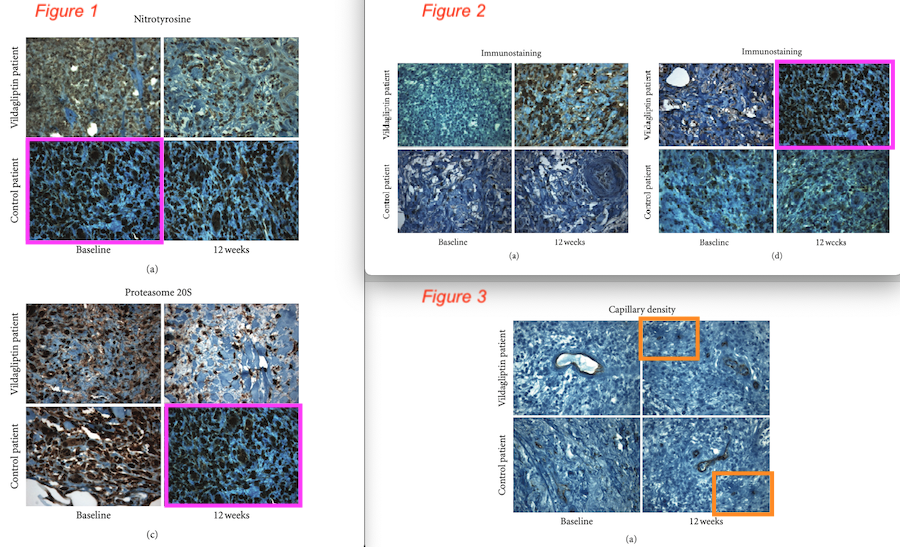
Pink boxes: Panel Nitrotyrosine/Control/Baseline in Figure 1a appears to be the same as Proteaosome 20S/Control/12 weeks in Figure 1C and the same as Immunostaining/vildagliptin patient/12 weeks in Figure 2.
Orange boxes: In Figure 3, Vildagliptin patient/12 weeks panel appears to overlap with the Control patient/12 weeks patient.”
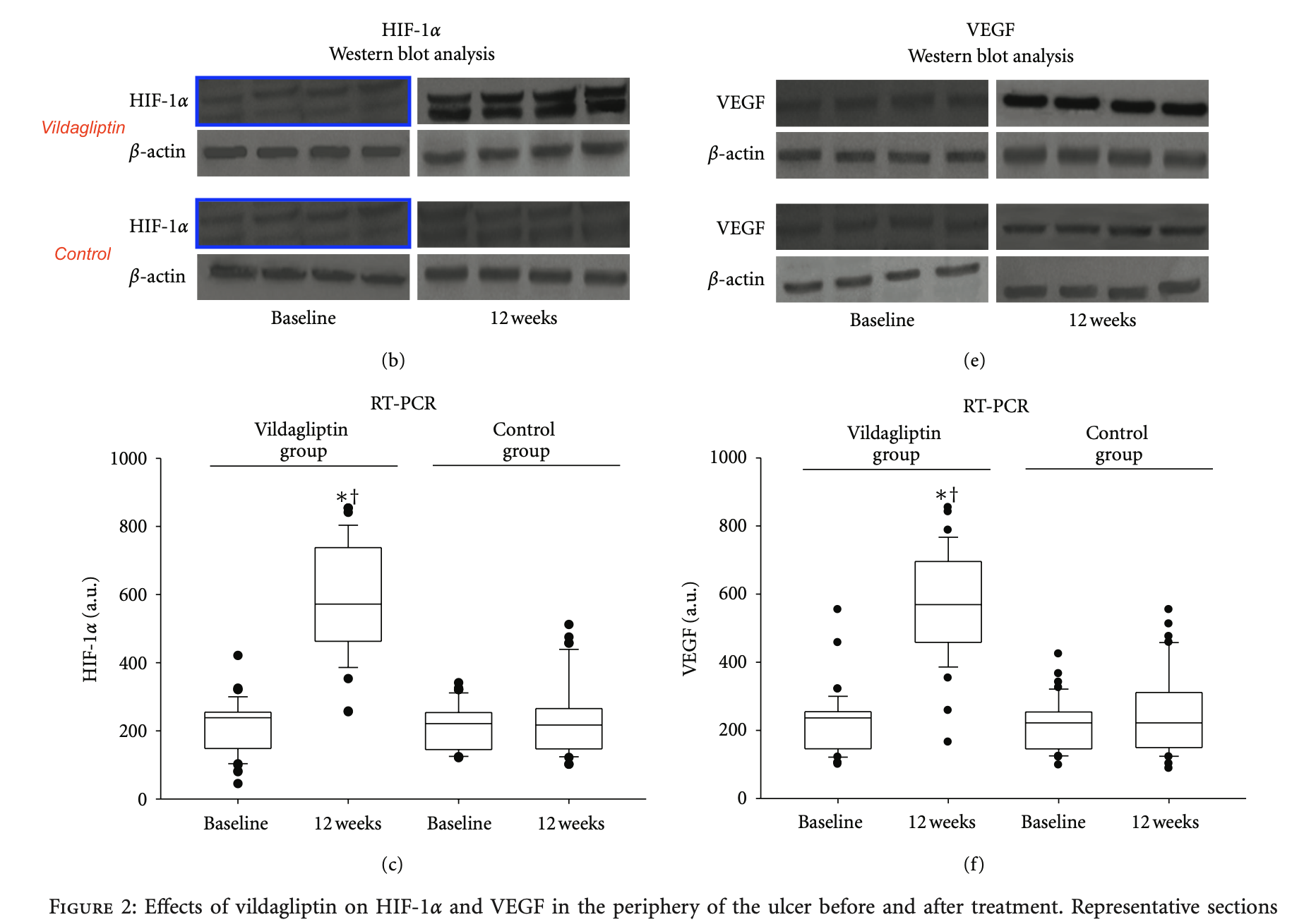
Elisabeth Bik: “Concern about Figure 2BE. Blue boxes: The top HIF-1a panel (Vildagliptin group) appears to be remarkably similar to the bottom HIF-1a panel (Control group).”
Marfella, Paolisso, and some Lorenza Marfella, possibly Raffaele’s daughter:
Nunzia D’Onofrio , Francesco Prattichizzo , Raffaele Marfella , Celestino Sardu , Elisa Martino , Lucia Scisciola , Lorenza Marfella , Rosalba La Grotta , Chiara Frigé , Giuseppe Paolisso , Antonio Ceriello , Maria Luisa Balestrieri SIRT3 mediates the effects of PCSK9 inhibitors on inflammation, autophagy, and oxidative stress in endothelial cells Theranostics (2023) doi: 10.7150/thno.80289
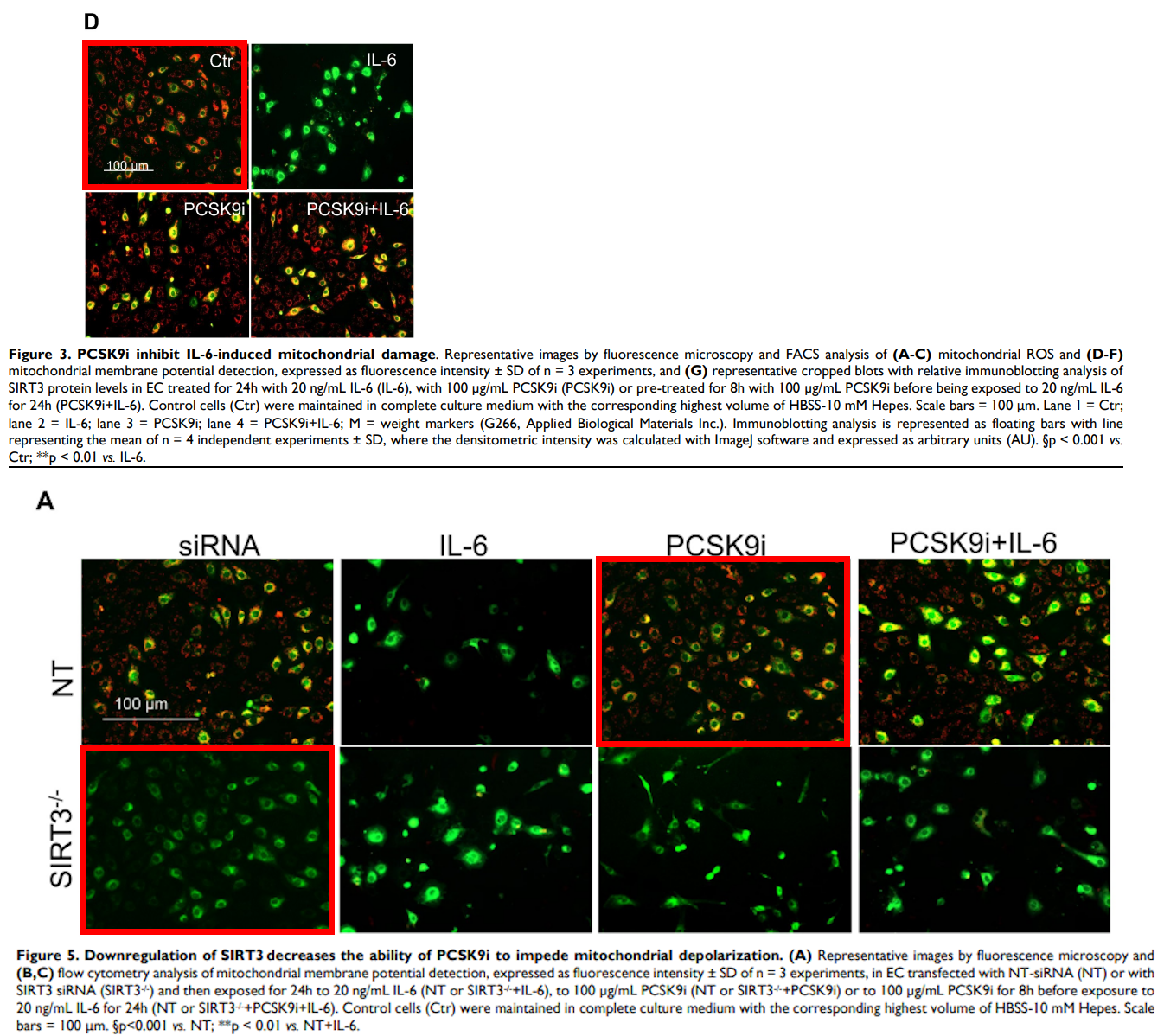
Pycreus lanceolatus: “Figure 3 and Figure 5: The three images in the red rectangles are all related to each other in some way, but have different labels.”
Here are Marfella and Paolisso with the infamous Italian cheater, Lucia Altucci:
Lucia Scisciola, Rosaria Benedetti, Ugo Chianese, Rosaria Anna Fontanella, Nunzio Del Gaudio , Raffaele Marfella, Surina , Lucia Altucci, Michelangela Barbieri, Giuseppe Paolisso The pivotal role of miRNA-21 in myocardial metabolic flexibility in response to short- and long-term high glucose treatment: Evidence in human cardiomyocyte cell line Diabetes Research and Clinical Practice (2022) doi: 10.1016/j.diabres.2022.110066

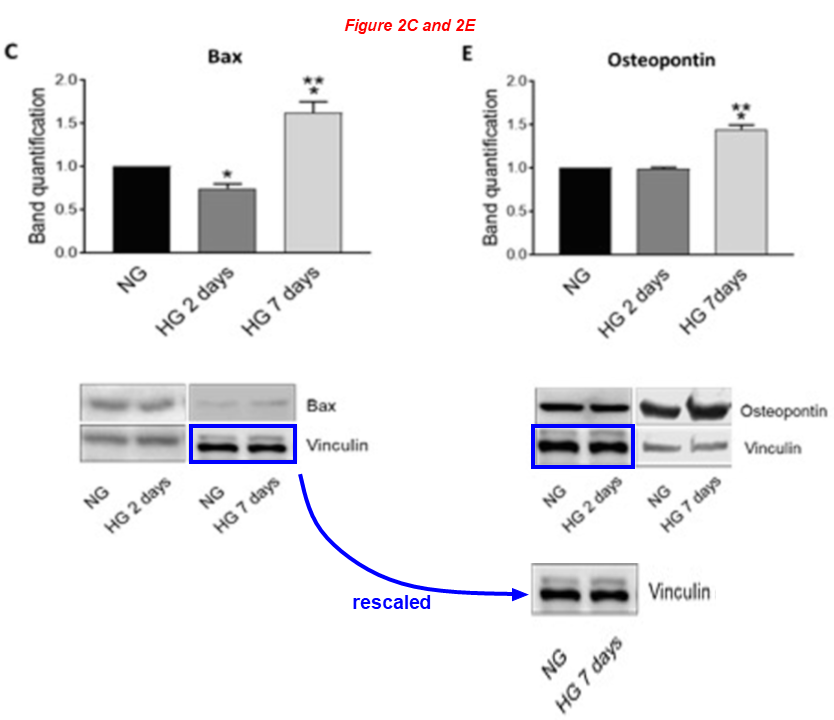
To reassure you that Marfella can’t be trusted at all, here is a fake cardiology paper of his with the legendary Salvatore Cuzzocrea:
Raffaele Marfella , Katherine Esposito , Francesco Nappo , Mario Siniscalchi , Ferdinando Carlo Sasso , Michele Portoghese , Maria Pia Di Marino , Alfonso Baldi , Salvatore Cuzzocrea, Clara Di Filippo , Guglielmo Barboso , Feliciano Baldi , Francesco Rossi , Michele D’Amico , Dario Giugliano Expression of Angiogenic Factors During Acute Coronary Syndromes in Human Type 2 Diabetes Diabetes (2004) doi: 10.2337/diabetes.53.9.2383
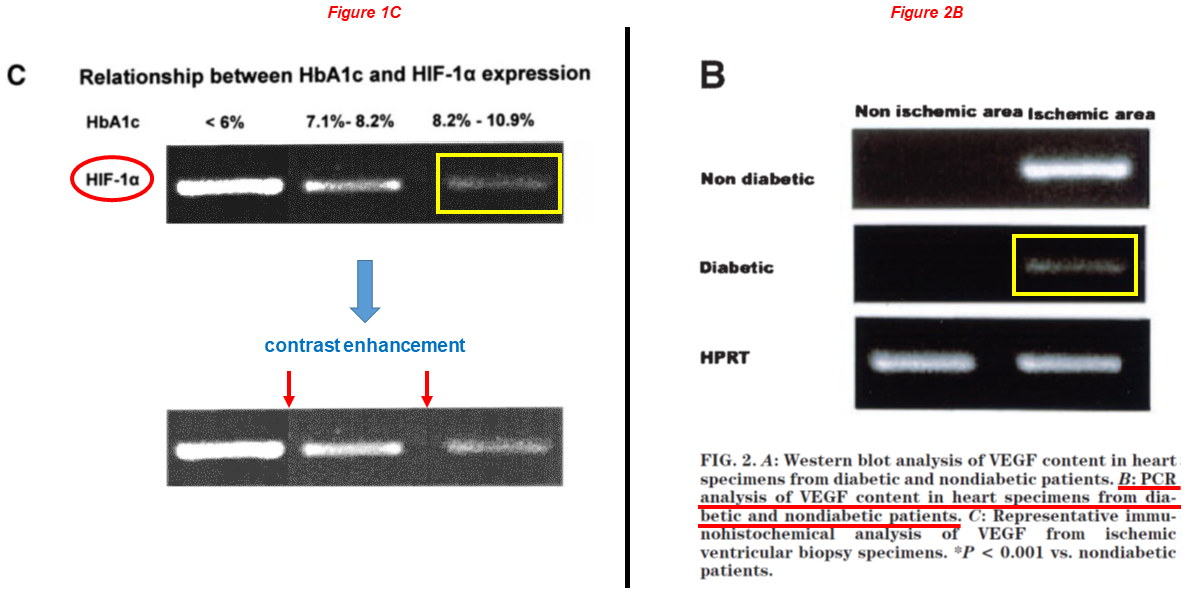
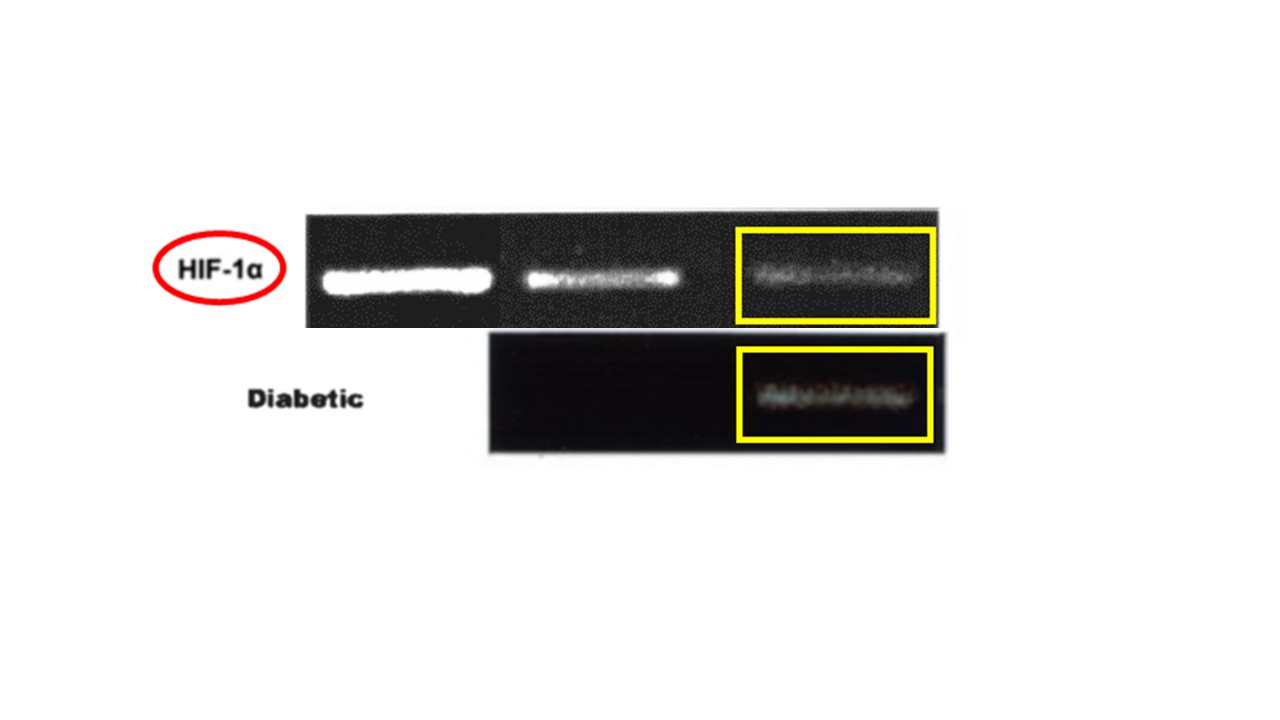
Marfella replied on PubPeer in July 2023 and posted his own comparison: “With a more careful evaluation and higher magnification, you can see that the bands are quite different“. Judge for yourself, on the right.
He then resorted to technology: “a simple online analysis for similarity of photos (attached) shows a similarity of 38%“, and anyway, “after more than 20 years it is not easy to recover the original gel, as well as the original photos“. Marfella then demanded to know the sleuth’s identity, presumably to report Aneurus to the Italian police for defamation, as apparently every single Italian cheater does.
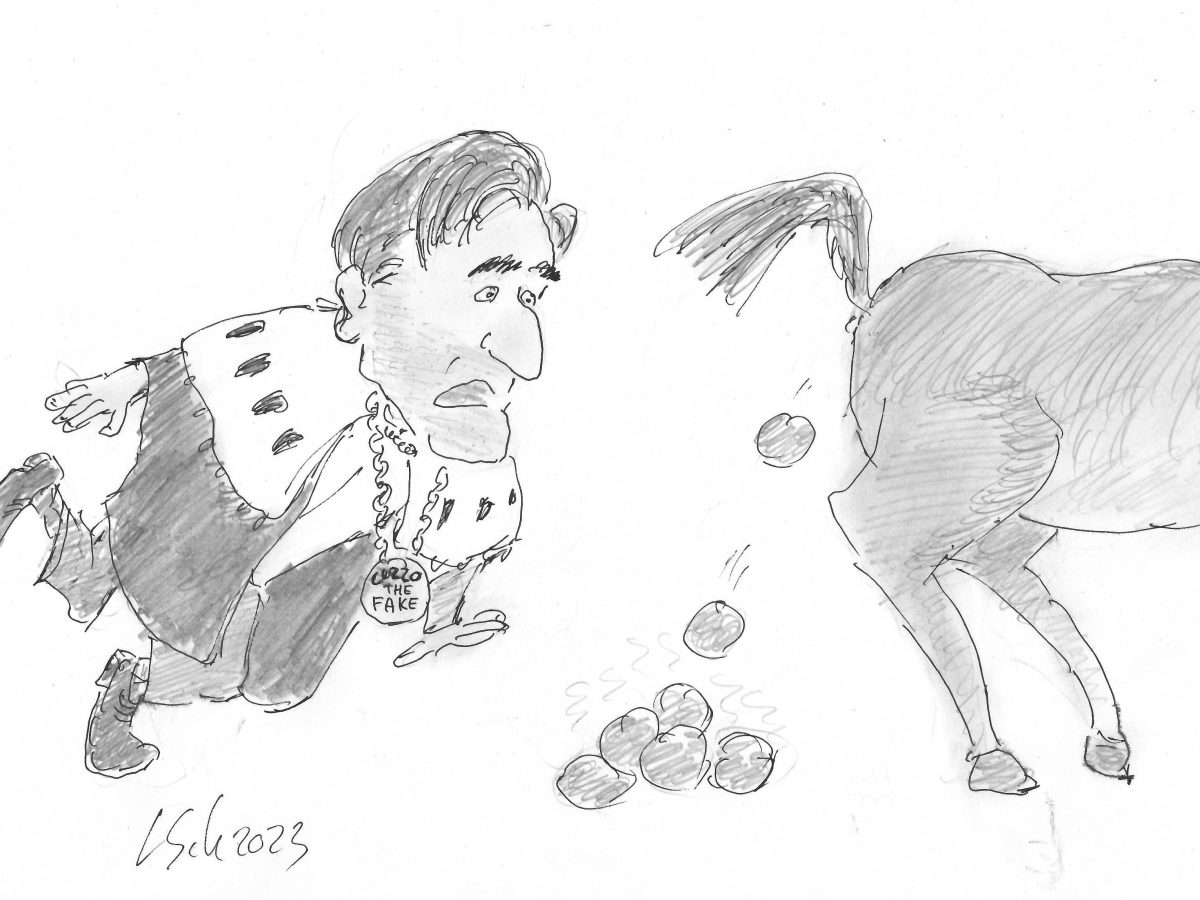
Cuzzocrea’s Magnificent Fall
“These unscrupulous charlatans in Messina should be fired on the spot tomorrow morning, forced to return twenty years of undeserved wages and sent to work the land” – Aneurus Inconstans
And another one by Marfella, Cuzzo and the same team:
Clara Di Filippo , Salvatore Cuzzocrea, Raffaele Marfella , Valentina Fabbroni , Giuseppe Scollo , Liberato Berrino , Dario Giugliano , Francesco Rossi , Michele D’Amico M40403 prevents myocardial injury induced by acute hyperglycaemia in perfused rat heart European Journal of Pharmacology (2004) doi: 10.1016/j.ejphar.2004.06.037
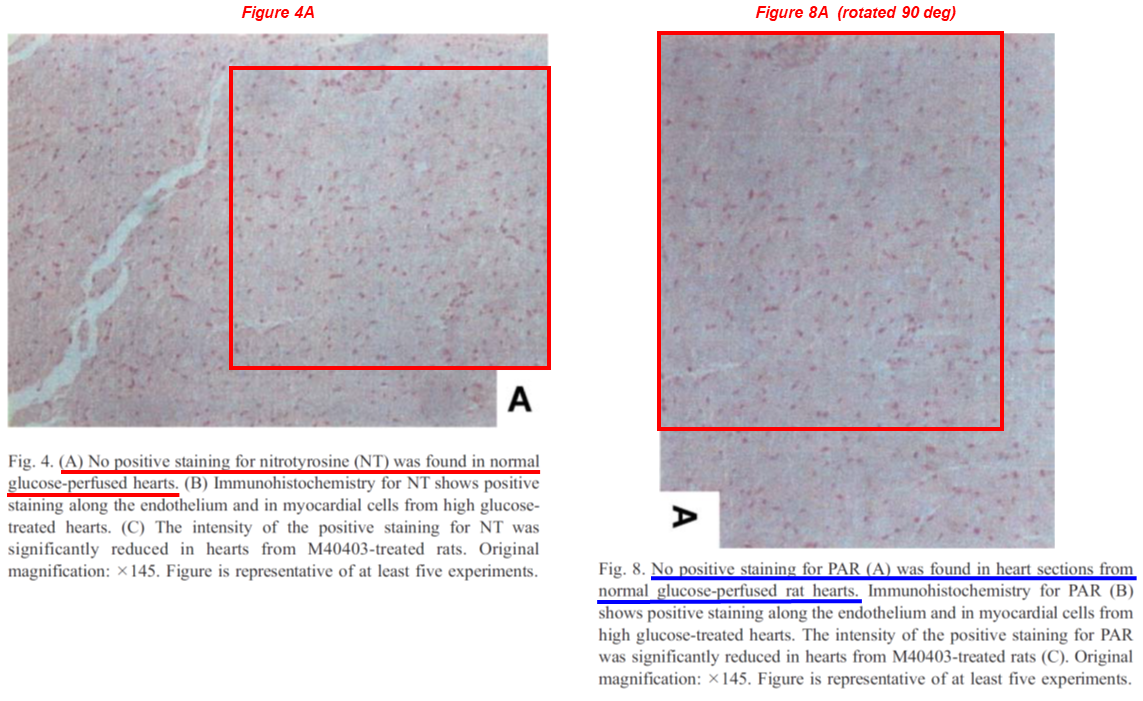
The last author Michele D’Amico (PubPeer record), professor at the same University of Campania, also deployed software to educate the amateur sleuth that “from a current online analysis of the two images it would seem that the similarity of the two is approximately 55%“, and anyway, “the recent death of the first author Di Filippo does not permit him to gain further insights.“
Also Paolisso engaged in shitposting about dead colleagues, here I show just some examples from that utterly fraudulent paper of his:
Teresa Esposito , Giulio Piluso , Dario Saracino , Rossella Uccello , Carla Schettino , Clemente Dato , Guglielmo Capaldo , Teresa Giugliano , Bruno Varriale , Giuseppe Paolisso, Giuseppe Di Iorio , Mariarosa A. B. Melone A novel diagnostic method to detect truncated neurofibromin in neurofibromatosis 1 Journal of Neurochemistry (2015) doi: 10.1111/jnc.13396
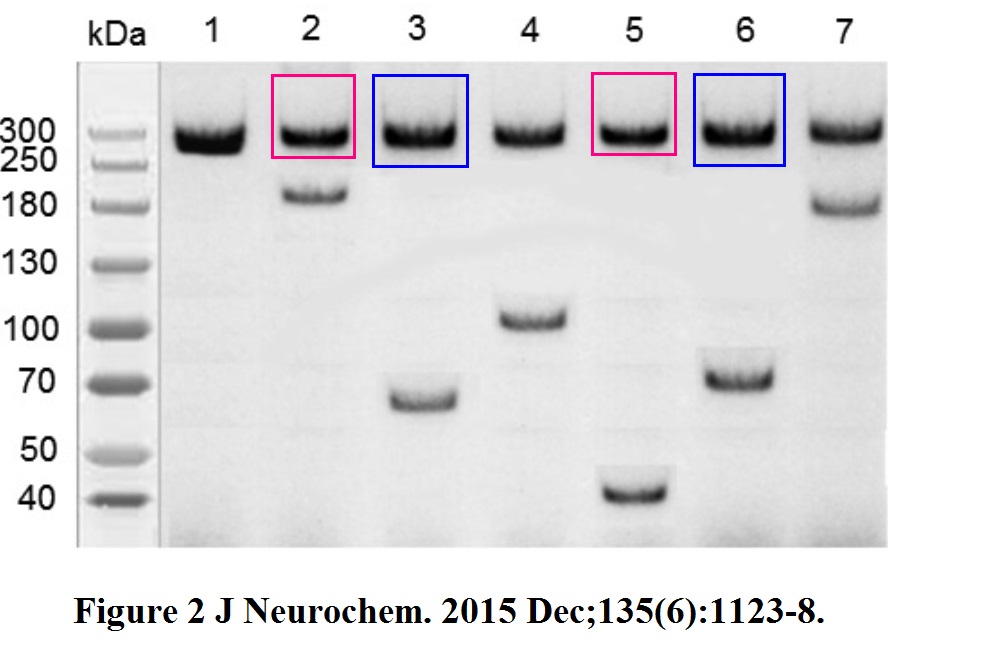
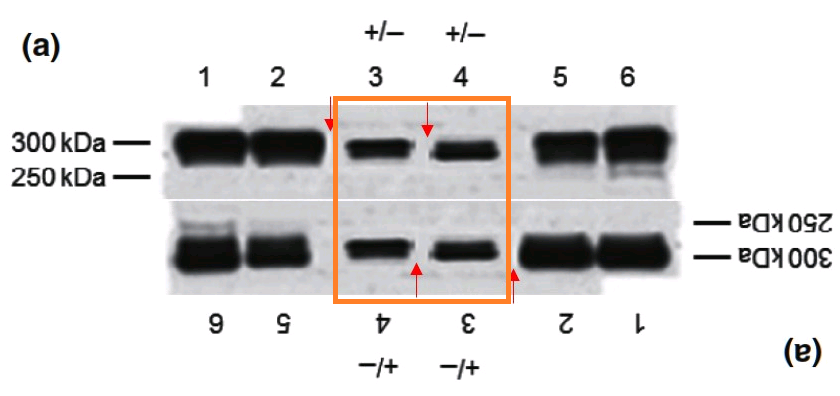
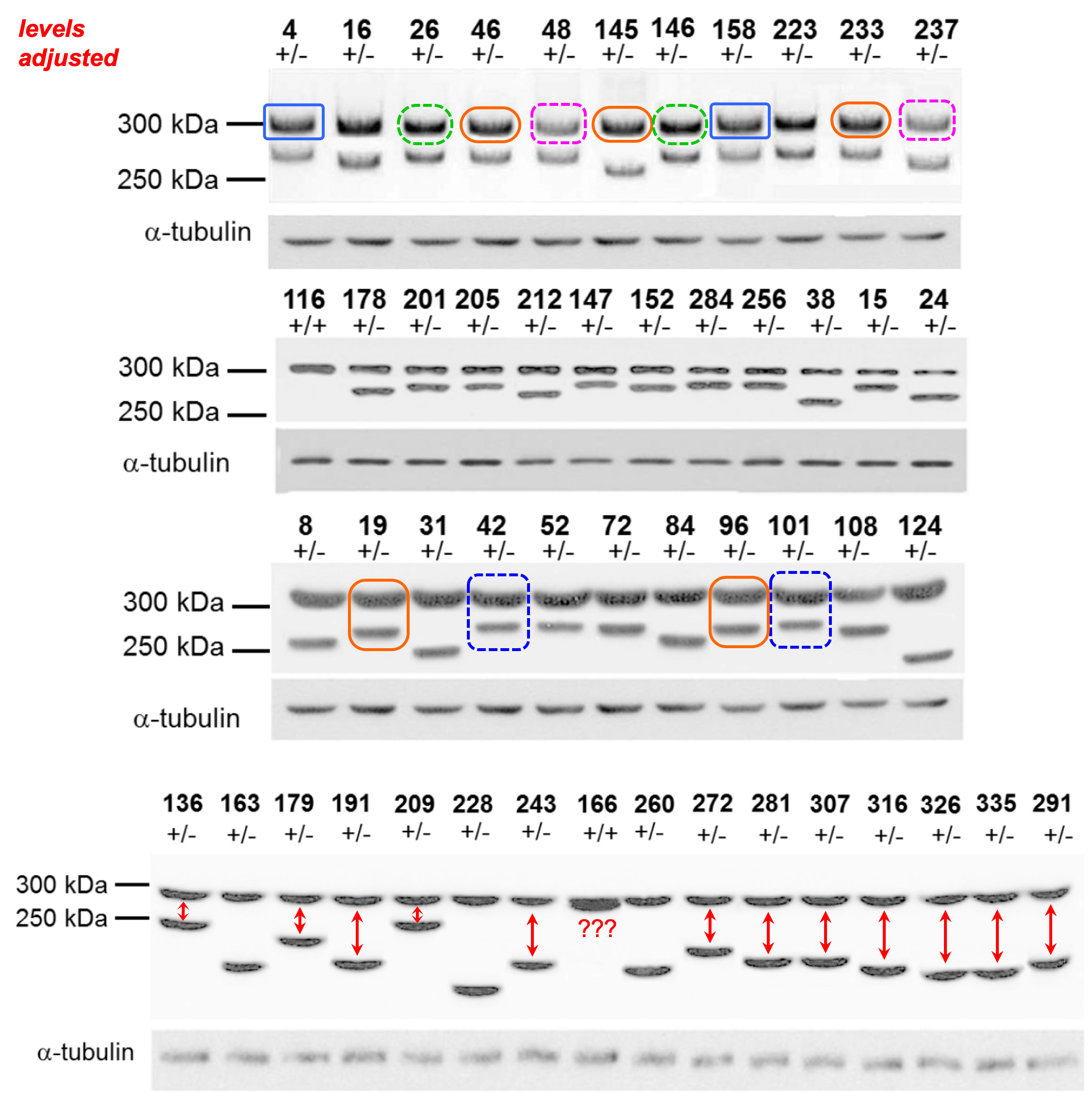
Paulisso explained in January 2020: “Prof. Bruno Varriale, the investigator involved in the experimental design and keeper of the original data, died, after a long illness, on June 2019. […] I will supply the information requested if I find something in the computer or in the documents left by the late Prof. Bruno Varriale.”
NEJM could have checked Paulisso and Marfella on PubPeer before accepting their paper…
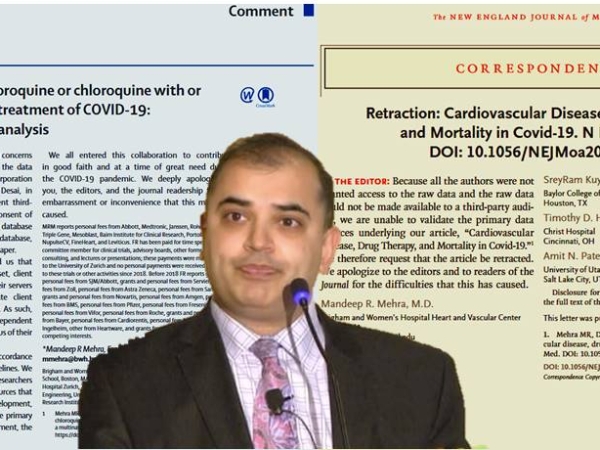
Would Lancet and NEJM retractions happen if not for COVID-19 and chloroquine?
NEJM and The Lancet retract two fake papers, one was dealing with chloroquine. Did we just get a brief glimpse into the fraudulent abyss of medical literature and the corruption of medical elites, briefly opened by the current COVID-19 situation?
Other dodgy microplastics papers named by Guardian are these two by Marja Lamoree, professor at Vrije Universiteit Amsterdam in the Netherlands, “in both cases the researchers contested the criticisms“:
- Marthinus Brits , Martin J. M. Van Velzen , Feride Öykü Sefiloglu , Lorenzo Scibetta , Quinn Groenewoud , Juan J. Garcia-Vallejo , A. Dick Vethaak , Sicco H. Brandsma , Marja H. Lamoree Quantitation of micro and nanoplastics in human blood by pyrolysis-gas chromatography–mass spectrometry Microplastics and Nanoplastics (2024) doi: 10.1186/s43591-024-00090-w
- Heather A. Leslie , Martin J. M. Van Velzen , Sicco H. Brandsma , Dick Vethaak , Juan J. Garcia-Vallejo , Marja H. Lamoree Discovery and quantification of plastic particle pollution in human blood Environment International (2022) doi: 10.1016/j.envint.2022.107199
Lamoree “rejected suggestions of contamination” which her critic Roger Kuhlman rose, and insisted: “I’m convinced we detected microplastics”, and that Kuhlman “had “incorrectly interpreted” the data“. She also said one shouldn’t “burn down other people’s results“.
Two possibly papermilled studies in the papermill-infested Journal of Hazardous Materials are also named, Sivan et al 2024 and Liu et al 2024, both about microplastics in human arteries. Then there’s a PNAS paper from the lab of Wei Min, professor at Columbia University in New York, USA:
Naixin Qian , Xin Gao , Xiaoqi Lang , Huiping Deng , Teodora Maria Bratu , Qixuan Chen , Phoebe Stapleton , Beizhan Yan , Wei Min Rapid single-particle chemical imaging of nanoplastics by SRS microscopy Proceedings of the National Academy of Sciences (2024) doi: 10.1073/pnas.2300582121
Guardian writes that “study claiming to have detected 10,000 nanoplastic particles per litre of bottled water was called “fundamentally unreliable” by critics, a charge disputed by the scientists.”
Cassandra Rauert, research fellow at University of Queensland in Australia, warned in her January 2025 study that the Py-GC-MS method “is not currently a suitable technique for identifying polyethylene or PVC due to persistent interferences”, and that it leads to “completely unrealistic” reported concetrations.
“Rauert called treatments claiming to clean microplastics from your blood “crazy” – some are advertised for £10,000. “These claims have no scientific evidence,” she said, and could put more plastic into people’s blood, depending on the equipment used.”
The Cigarette Mob of Palermo
On the gate of Constantinople was written, in a steel plate, the order of the Sultan: “All the males of the Gjomarkaj, generation after generation, from the cradle to the grave, will carry the title of Kapidan”
My two cents: just because microplastics pollution research is full of fraud, doesn’t mean the problem doesn’t exist. Also cigarette research is full of fraud, which doesn’t make tobacco safe. Ditto for other “controversial” fields, like vaccines and climate change research, they also have a fraud problem. Much of cancer research is fake also, which still doesn’t mean cancer is a hoax.
Certain type of scientists simply forges results into the direction money comes from.
Donate!
If you are interested to support my work, you can leave here a small tip of $5. Or several of small tips, just increase the amount as you like (2x=€10; 5x=€25). Your generous patronage of my journalism will be most appreciated!
€5.00

 For Better Science
Saeb+Zarrintaj – 131 papers together, first in 2017
Saeb+Hosseinzadeh – 24 papers together, first in 2021
Does anyone believe that they would do anything without the knowledge of their big boss?
Two weeks ago, after the first retraction appeared, I had and exchange with someone on Forum Akademickie. Here is its fragment (google translated from Polish). Can you guess who this might me?
by ~Fu 15.01.2026 18:18
Do you want comments on your publications on PubPeer? It’s very simple. It’s worth understanding what “paper milling” really means before you start commenting on public platforms and pretending to be the savior of science.
Stop harassing me. If you have guts, come up to me.
LikeLiked by 1 person
Saeb is so totally unafraid that he posts puerile insults anonymously as “FU”. Well, Saeb, fuck you and your papermills. Enjoy the retractions.
LikeLike
Leonid is not a “heathen”. He is a Jew, although by DHEP MRS he may probably be called an infidel.
LikeLiked by 1 person
How dare you insult dear esteemed MRS by writing “you” and “your”, instead of of “dear highly esteemed proessor you” & “dear highly estimed professor’s your”.
Eternal shame on you. Expect inevitable punishment. For such a crime you can even be stoned (remotely, via email) by IRGC.
DHEP MRS is an expert in multiple fields.
He could have cured cancer https://www.sciencedirect.com/special-issue/10TB8WT9HNV
heal wounds https://pubpeer.com/publications/128D60BD463843EC888E4C0E45537F
give us clean water https://pubpeer.com/publications/D5337A56C0A2FC48F03E8E11B1AAA8
stop fires https://pubpeer.com/publications/6A59AF400668330603DA42DEFFCE48
make our World a happy place http://dx.doi.org/10.1016/S1473-3099(24)00430-4
But no, you had to mess up, you heathen.
Yet another case of “Dr Schneider and PubSmear mob hate the humanity”
LikeLike
And talking about Saeb’s cover up. Here some crucial dates.
His first retraction in Chemical Engineering Journal – 5 November 2025 (in Argos)
His self-retracted paper in Journal of Manufacturing Processes was published 6 November 2025. Its retraction was registered in Argos on 13 January 2026. However, in PubPeer we can see a note “Retracted 2 months ago” placed there in January. So, he must have submitted his “request to retract” immediately after learning about his first retraction, not knowing yet about the retraction in STOTEN. So, it was a deliberate action of whitewashing to appear an angel of science integrity fighting his dishonest colleagues. They had no choice but to obey.
LikeLike
The problem is: come where? Dr./Prof. Fu forgot to give his address 😉
LikeLiked by 1 person
There are 2 mistakes actually: “heathen” instead of “infidel” and “Dr” instead of “not-dear not-at-all-esteemed doctor-schmoctor” (ndnaae dr-schmr in short)
LikeLike
Regarding DHEP MRS’s 3d printing retraction, maybe he bought thia paper by mistake when shopping in some kind of papermill-Amazon.
He who never bought random stuff on Amazon by miatake and had to make a return shall cast the first stone.
LikeLike
This will be a lengthy comment but I think it is important. Maybe it will be another warning, after Boczkaj, that papermilling does not always pay off.
On May 4, 2024 Dr Krzysztof Formela applied for the title of a professor, skipping habilitation. He thought that if he inflated his bibliometric parameters, it would get approved. But he was unlucky, because he got some reliable reviewers. Two out of four reviews are negative, and OPI refused to provide the fifth review because, supposedly, there are some sensitive data in it. The review by Prof. Zbigniew Florjańczyk is particularly interesting. Here is one fragment:
“In the justification of his application, the candidate writes that his great achievement is the creation of an international interdisciplinary research group, which serves as a platform for the exchange of knowledge and experience, but in my view, it primarily serves to enhance the bibliometric parameters of its participants.
Among the authors with whom the candidate publishes, Dr. Mohamed Reza Saeb dominates, being co-author of about 70 of the candidate’s works (69 according to the submitted list, 71 according to WoS), including 35 times as the corresponding author. This researcher from Iran began with studies on the influence of eggshells on the properties of rubbers and until 2010 published a few works mainly in local journals, which were cited 3-4 times per year. Currently, 548 of his publications are registered in the Scopus database, cited over 20,000 times. In the record year of 2019, he was credited with 89 publications, which gives an average of 4 days between them.
In his self-assessment, the candidate proudly emphasizes that he had a significant influence on the hiring of such an “outstanding scholar” at a national academic institution. This means that he sees nothing wrong with the model of scientific career he and his main collaborator have chosen. For people of my generation, such behavior constitutes a blatant violation of good practices in scientific activity and should not be rewarded with the title of professor.”
Guess who wrote a very positive review? Teofil Jesionowski!
LikeLiked by 1 person
As for Teofil Jesionowski he keeps appearing in connection with, hmm, quuestionable practices: https://sciencewatch.pl/489-pikus-podworkowy-na-politechnice-wroclawskiej
as for Boczkaj – what warning? He’s still employed, I bet he got annual rector’s award,
he got a grant https://pg.edu.pl/aktualnosci/2026-01/naukowcy-politechniki-gdanskiej-zdobyli-miliony-na-badania
he’s a mentor of young scientists https://pg.edu.pl/enhance/dla-doktorantow/program-mentoringowy/lista-mentorow-programu
no visible signs of consequences of paapermilling.
LikeLike
Well, but at least most people in Polish academia know he is a cheater.
My correspondence with NCN:
“Dear Sirs,
Could you please explain to me why the project “Research on the phenomenon of cavitation in microchannels for the activation of chemical oxidants – CAV-MICRO” (Opus26-LAP), headed by Prof. Grzegorz Boczkaj from Gdańsk University of Technology, is not available in the National Science Center database?
Yours sincerely
Hubert Wojtasek
Good morning,
The provided project does not have a signed contract, which is why it does not appear in the NCN project database/search engine. According to the information available on the website: ‘The project database is a tool that allows you to search for information regarding projects funded in NCN competitions. The term “funded projects” refers to projects for which a contract has already been signed between the Applicant and the National Science Centre.’
Sincerely,
Jakub Piotrowski
IT Systems Analyst”
Note that this grant was awarded on Nov. 4 2024. Usually it takes less than 3 months to sign the contract.
LikeLike
Oh, I forgot the official dates of Prof. Boczkaj’s retractions:
22 January 2025
Retraction notice to “Degradation of cefadroxil drug by newly designed solar light responsive alcoholic template-based lanthanum ferrite nanoparticles” [Environ. Res. 231P3 (2023) 116241] – ScienceDirect
6 February 2025
Retraction notice to “Bio-mitigation of organic pollutants using horseradish peroxidase as a promising biocatalytic platform for environmental sustainability” [Environ. Res. 239-P1 (2023) 117192] – ScienceDirect
Of course, each of them was available on-line about 5 weeks earlier. Maybe there is a connection?
LikeLike
You were right, Boczkaj got individual rector’s award for scientific achievements in 2025. If I remember correctly – fourth time in a row. Amazing, or rather outrageous and frustrating. Let’s see if I can do something about it. Maybe next week.
LikeLike
Jesionowski has 0 papers with MRS, but they both have overlapping co-authors: Mohammad Reza Ganjali (3 with TJ / 91 with MRS), Adam Piasecki (49 / 4), Mateusz Barczewski (1 / 8), Morteza Rezapour (1 / 8).
one of the Ganjali + Jesionowski papers also include Luque and Mehdi Rahimi-Nasrabadi
LikeLike
It’s a closed circle. Other common co-authors are e.g. Jorg Rinklebe and Eder Lima.
LikeLike
Unrelated comment, but I remember that when I was in grad school, there was a series of papers from India in Elsevier journals, where the main author/authors had nonsensical proofs of mathematical conjectures and also claimed to solve difficult concepts in simple ways. We passed them around and laughed at them and thought they were a big joke, but recently I’m not so sure.
Anyways, I forgot the name of the author or the details of the papers except one, where they claimed to see nanoparticles with the eye, and the trick was to go to a dark room and close your eyes, and then open them and look at the rays of light and you could see particles in it, or to close your eyes and shine light on them and you will see nanoparticles moving around because they are close to your eye and against the eyelid.
Eventually after Retraction Watch got going, they were retracted sometime during the early years of RW and they covered it as the whole opus got retracted. I was recently thinking about it, and wanted to read them again, but unsurprisingly, google and RW searches gave nothing because I guess I don’t remember enough details. So, please help. Just throwing it out there like in the old days where people asked the internet to identify an ancient, obscure movie or a song from a short scene or lyric. This would be the best place to ask.
LikeLike
Microplastic paper in Chemosphere got retracted – Source, occurrence, distribution, fate, and implications of microplastic pollutants in freshwater on environment: A critical review and way forward.
Someone had jumped aboard the bandwagon, but fell off the other side.
LikeLiked by 1 person
My two cents: only molecules under 600 daltons can diffuse through intact skin or intestines. A plastic particle that can be seen by conventional microscopy cannot possibly enter the body…….
LikeLike
Oh, but we have our own (although imported) expert on saving the Earth from microplastic, hired at University of Bialystok in October
Aktualności
Ulam’s fellow and frequent co-author of Shafaqat Ali, Jorg Rinklebe, Yong Sik Ok, Hailong Wang, etc.
PubPeer – Search publications and join the conversation.
LikeLiked by 1 person
The hell has frozen: https://forumakademickie.pl/ncn-uruchomi-system-weryfikacji-wnioskow-grantowych-pod-katem-retrakcji/
Polish grant agency, NCN, will now check PIs for retracted papers.
And they explicitly say it’s partially due to Hubert Wojtasek’s activity, as he “flooded” them with reports of retractions.
LikeLike
Oh wow. Hubert is now a national hero!
LikeLike
A hero? Check the comments. A Russian agent and a psycho. This article followed immediately the Kot/Slusarczyk case described in Wyborcza. So papermilers got a little frantic.
LikeLike
Welcome to club, Hubert! Or shall I call you by your real name, Леонид Шнайдер?
LikeLike
Don’t even joke like that. Last year I wrote a comment under one of the articles about Krolczyk:
“As a 15-year-old in 1979, I reported Archbishop Nossol to SB”
Then yesterday Jan Kowalski wrote on Linkedin under the article about Kot/Slusarczyk:
“Hubert Wojtasek cannot be considered a reliable expert in the discussed field, as confirmed by the analysis of his public statements. These statements contain content that undermines his credibility as a commentator on academic matters, for example, he writes about himself that “as a 15-year-old in 1979, I reported Archbishop Nossol to SB.” 😂😂😂
LikeLiked by 1 person
Today’s comment under this article:
“Wojtasek has juggling with citations and silly texts in articles written by AI, but Pubpeer does not agree to publish this. Wojtasek decides who from Poland the Russian will describe on his blog.”
LikeLike
Actually, my Polish fans are correct: when I was little, I was convinced that I was a russian. One day my Grandma’s Jewish neighbour revealed to me that I am actually Jewish.
LikeLike
Samaneh Shahsavarifar, a Nobelium fellow of Gdansk Polytechnic (like Saeb) just had a paper retracted:
https://pubpeer.com/publications/0E2FCE1C7A373F16D33D3CF9C54FF4
LikeLiked by 1 person
another Nobelium fellow: https://www.gov.pl/attachment/a66c8619-2797-400e-a2d6-855ead738e8c
LikeLike