

Schneider Shorts of 5 December 2025 – a young genius in Oxford, a Greek tobacco shill, a Spanish papermiller, retractions for important men and women, including a retracted retraction, glyphosate paper finally gone, and why papermills invent fake Ukrainians.
Table of Discontent
Science Elites
- Not representing Juul or any other company – how Farsalinos shills for Big Tobacco
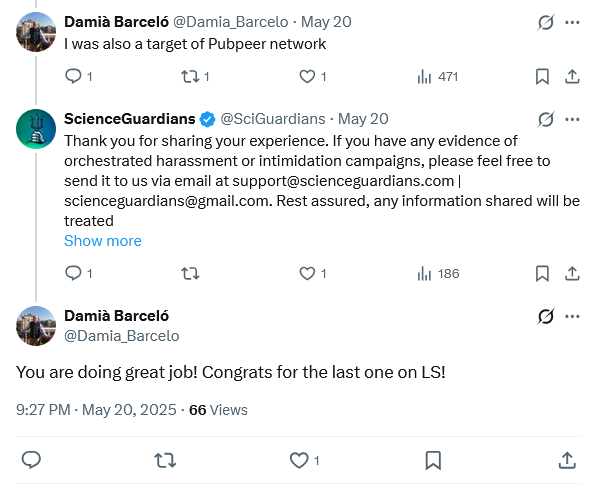
- I was also a target of Pubpeer network – Damia Barcelo in El Pais again
Scholarly Publishing
- Fake Ukrainians – papermills invent fictional authors!
- No retraction action is currently in effect – plagiarism by Fulda & Debatin unretracted
Retraction Watchdogging
- I write poetry and fiction – is Oxford’s young genius Tanveer Tabish in trouble?
- There was never an ethics case – Eliezer Masliah’s upgraded correction
- Do You Also Have Your Own Jörg Rinklebe? – publisher insults Lion of the World
- Some image irregularities – yet another retraction for Gabriella Marfe
- How we handled Williams Kroes & Munro, 2000 – Monsanto’s ghost-written paper falls
Science Elites
Not representing Juul or any other company
The Greek tobacco shill Konstantinos Farsalinos is in the news again. He previously featured as a buddy of Aristides Tsatsakis and other antivaxxers and papermillers, in this article:
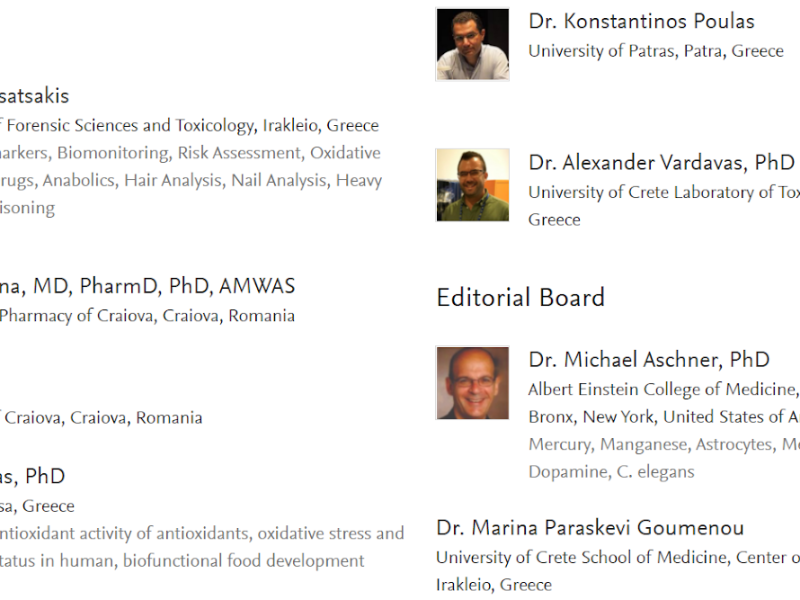
Elsevier’s Pandemic Profiteering
Aristidis Tsatsakis, Konstantinos Poulas, Ronald Kostoff, Michael Aschner, Demetrios Spandidos, Konstantinos Farsalinos: you will need a disinfecting shower once you read their papers.

An investigation published on 11 November 2025 in The Examination focussed on Farsalinos’s shilling for the vape company Juul:
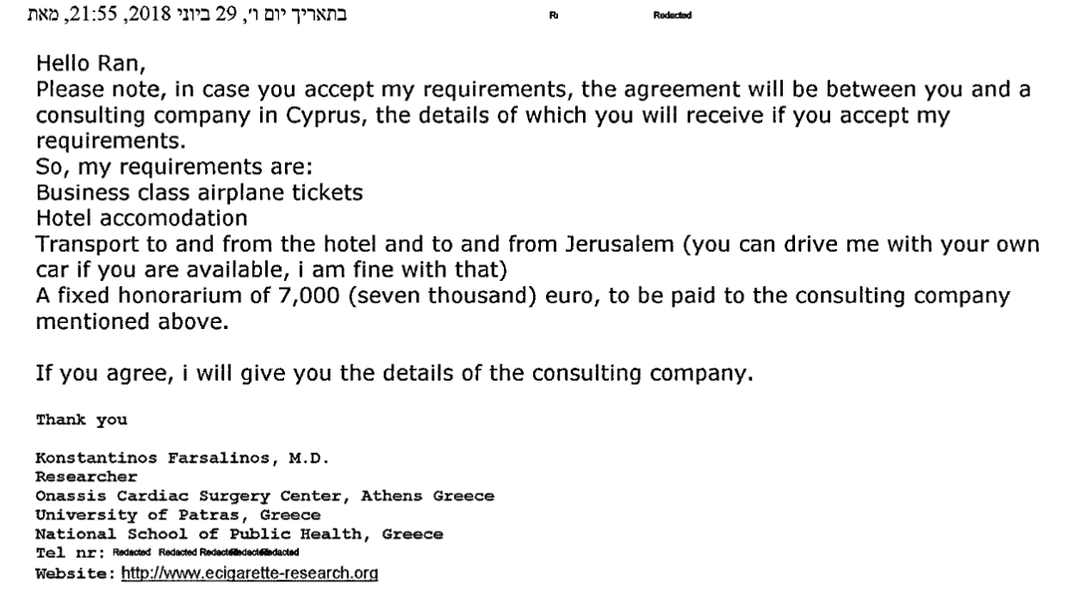
“Greek cardiologist Konstantinos Farsalinos was paid 7,000 euros (about $8,100) by Juul via a company he co-owns, according to Juul emails reviewed by The Examination, Le Monde and Reporters United.
In return, Farsalinos attended a July 2018 meeting with the Israeli health ministry to argue against a proposed ban on high-nicotine vapes. Juul had recently launched its high-strength vape cartridges in Israel after their success in the United States, despite criticisms that such products were driving a youth vaping epidemic.
Farsalinos’ business-class flights and hotel accommodations for the trip to Israel were also funded by Juul. But he represented himself to government officials as an independent researcher.
Farsalinos did not disclose the payment to scientific journals that later published his research on vaping or nicotine “
We also learn that in September 2025, Farsalinos “helped organize a letter signed by 83 health experts and harm reduction advocates urging European Commission President Ursula von der Leyen” to get vapes the lowest tax possible.

Juul paid money to the Cyprus-based company Merescon Limited, which is owned by Farsalinos and his wife/girlfriend Sophia Iliopoulou, and has “generated 837,362 euros (nearly $1 million) in revenue since it was founded in early 2017“.
In early 2020, Farsalinos provided his irrefutable scientific proof that nicotine prevents COVID-19 (Farsalinos et al 2020), which then served in court as evidence to prevent a smoking ban in South Africa. There were other Farsalinos papers of this kind, with his friend Tsatsakis in Tsatsakis’s own journal Toxicology Reports (Farsalinos et al 2020, Alexandris et al 2021).
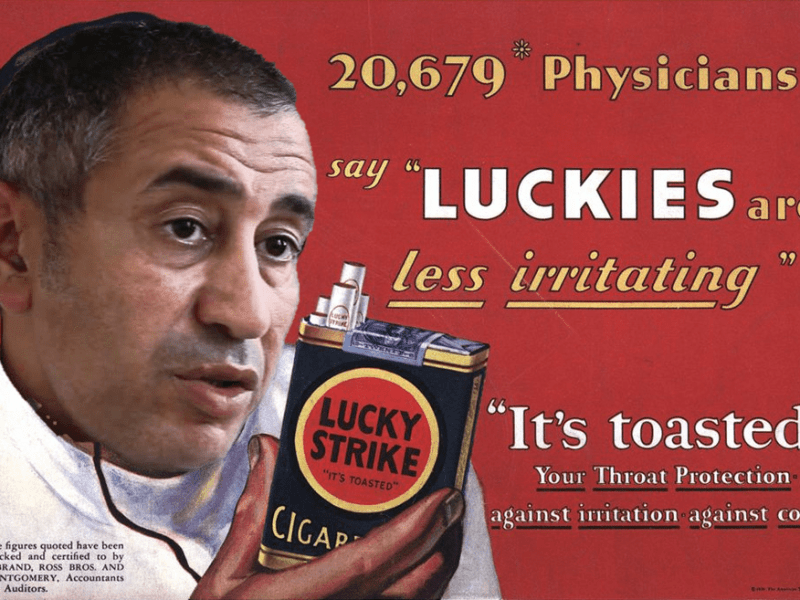
l’Amoura pour la cigarette Changeux tout COVID-19
Have you been hoarding COVID-19 survival necessities? Soap, disinfectant, toilet paper? Stockpile cigarettes, as many as you can get, if you want to survive the coronavirus. Science has Spoken.

I was also a target of Pubpeer network
El Pais writes once again Damia Barcelo, the papermilling crook who used to run the Elsevier journal Science of the Total Environment (STOTEN), which became a giant papermill factory. Barcelo had to resign as Editor-in-Chief in March 2025, and has been whining on Nazi-X (and in occasional blogposts) ever since, working with the so-called “Science Guardians” (read April 2025 Shorts). Yours truly in particular was described by Barcelo and his friends as a rapist and paedophile (among other things):
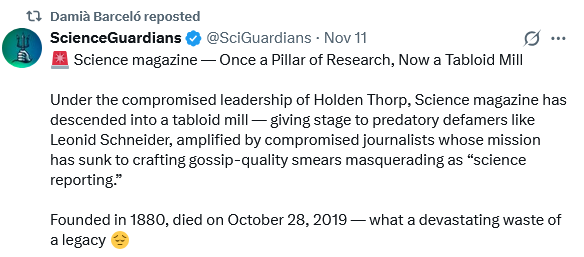
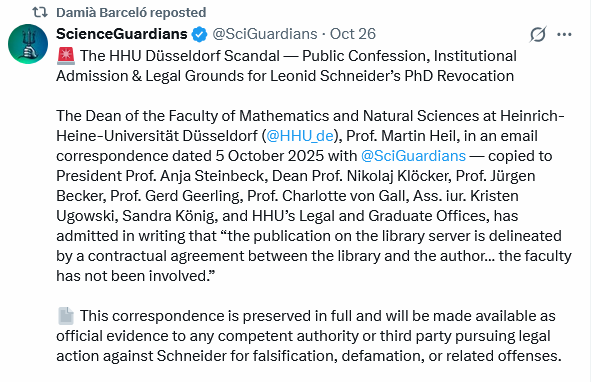
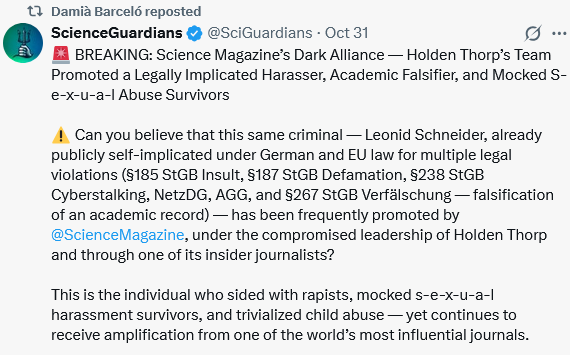
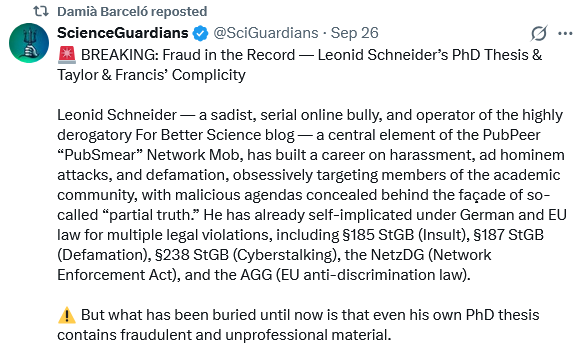
I call all this projection. Anyway, how sad is this:
El Pais past reporting from 2023 (in Spanish) was about Barcelo’s taking bribes from the Saudis, in the new article in English from 28 November 2025, the newspaper addresses his collaboration with papermills:
“Damià Barceló, 71, took over as editor of the journal in 2012. In just two years, he doubled the number of studies published. In a decade, he increased the number tenfold, with the journal reaching nearly 10,000 articles annually. […]
In Science of the Total Environment, this system was allegedly compromised. The publisher Elsevier itself has retracted some 50 studies published by the Brazilian biologist Guilherme Malafaia, after discovering that his work had been “reviewed” through fake peer reviews signed with the names of real scientists without their consent — as was the case with an article on coronavirus in fish and another on the toxicity of a herbicide in turtles. Malafaia and Barceló are co-authors on several studies on microplastic pollution, but these shared investigations have not yet been retracted.”
I wrote about Guilherme Malafaia‘s fraud, with and without Barcelo, in February 2025 Shorts, maybe this influenced the El Pais reporting.
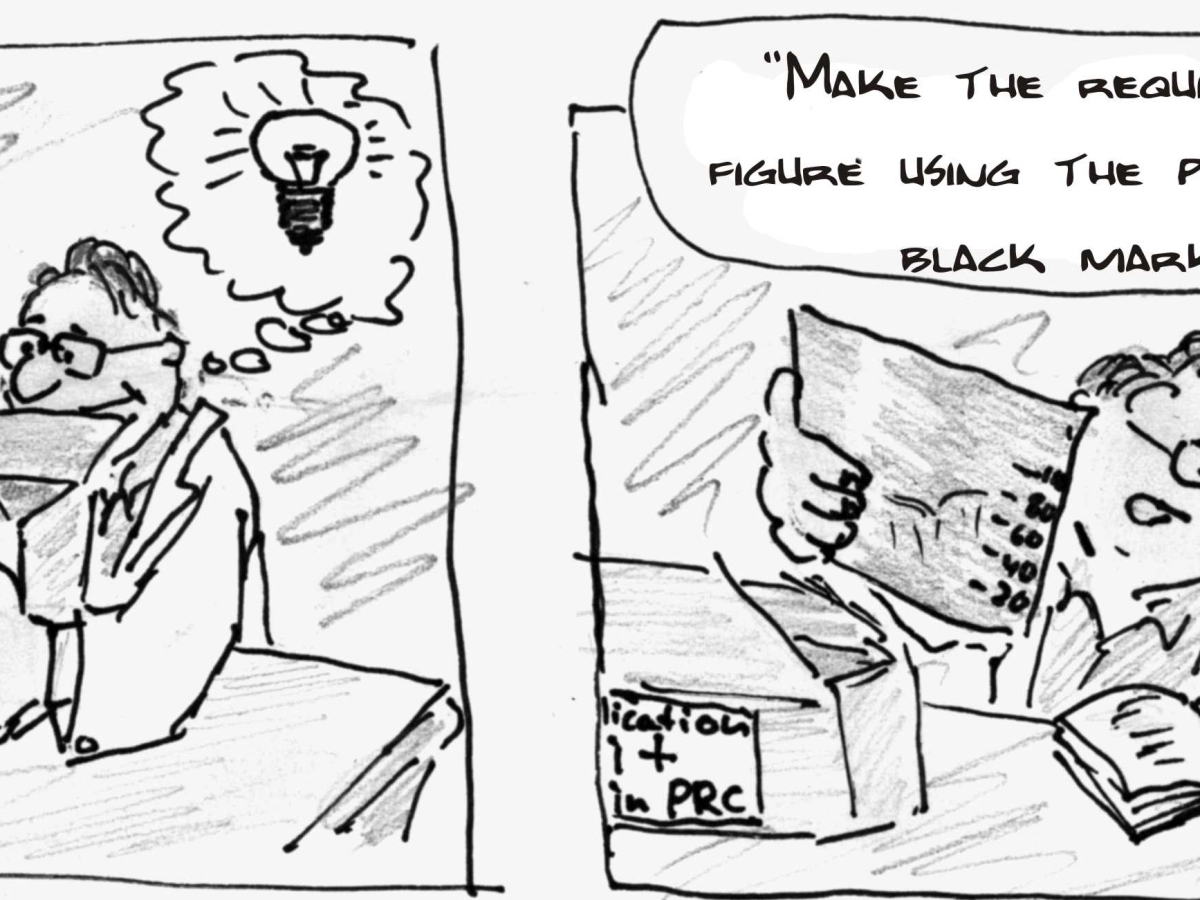
Elsevier’s research integrity
A Chinese paper gets rejected at Elsevier after reviewer spotted fraud. Same paper re-appears unchanged in another Elsevier journal, the editors refuse any action.
The article also mentions that Clarivate removed STOTEN from its database on 18 November 2025, this is why Elsevier is keen to fix this:
“The publisher conducted an initial investigation that resulted in dozens of retractions in Science of the Total Environment, officially due to the fraudulent peer review of articles. “We are now undertaking a broader investigation focused on conflicts of interest, as well as reviewing papers flagged for other potential indicators of misconduct,” the spokesperson added. The publisher intends to “fully rehabilitate” the journal.”
Dozens of retractions, wow. I’d say next to everything published under Barcelo should be retracted. All those ten thousands of papers. Over 200 of these fake STOTEN papers in need of retraction are Barcelo’s own (his total is 1800 papers).
Make this greedy creep whine on X even more.
Scholarly Publishing
Fake Ukrainians
Anna Abalkina alerted me to a strange phenomenon, that of non-existent Ukrainian authors. Here an example, a massive citation delivery vehicle by three authors allegedly from Lviv State University of Life Safety in Ukraine:
Dravodri Petrenko , Marika Zolotov , Ivanova Dremovich A Comprehensive Review on g-C3N4–TiO2 Nanocomposites for Photocatalytic Removal of Organic Pollutants: Insights into Synthesis and Degradation Mechanisms Journal of Inorganic and Organometallic Polymers and Materials (2025) doi: 10.1007/s10904-025-04064-0
Now, as Alexander Magazinov noted in the PubPeer thread, none of these names is Ukrainian. They are obviously invented by someone who thinks they know what a Ukrainian name might look like, but clearly doesn’t know. The names are even grammatically wrong. Maybe some AI generated them.
But why? Who profits when all authors are fictional? Well, this paper was originally flagged by Smut Clyde for around a hundred (or more) irrelevant references, which are obviously only there because their “authors paid to be cited. And Smut, who commented that “‘literature reviews’ of this form, serving primarily as citation-delivery vehicles, are a distinct and increasingly popular genre of papermilling,” happens to have already written about nonsense papers by fictional authors which serve no other purpose but to carry loads of citations:

There is another set of papers. This, in a Taylor & Francis journal, was authored allegedly by a Ukrainian couple from the Taras Shevchenko National University of Kyiv:
Kateryna Mykhailivna Doroshenko , Oleksander Ivanovich Shefchenko Graphene-based MXene nanocomposites for highly sensitive and selective detection of diverse analytes Fullerenes, Nanotubes and Carbon Nanostructures (2025) doi: 10.1080/1536383x.2025.2553699
These two characters are also made up, however more convincingly thna above. The names are almost correct, save for “Shefchenko” with an f instead of v. Also, no real Ukrainian would make for themselves an email account like oleksaivashev@outlook.com, which is a crazy composite of the initial letters from the first name, father’s name, and surname (note however the v in the abbreviation for Shevchenko)
That paper is again a massive citation delivery vehicle. Smut Clyde wondered:
“Is it old-fashioned of me to expect that the literature reviewed in a Literature Review should generally have something to do with the topic? Half the references are not intended to provide additional information to the reader, but rather to provide citations to a stack of familiar recipients.“
Aside of masses (hundreds?) of references to papers by certain Chinese authors on the rather unrelated topics like acupuncture, herbal medicine, forestry, ceramics, welding and antennas, Smut Clyde found “a number of random papers from a Wasit Journal for Pure Sciences“, a pay-to-publish-anything cheap open access ($100!) journal, published by Iraqi Academic Scientific Journals and recommended to you by DOAJ.

Here is this fictional Ukrainian couple again, in an Elsevier journal:
Kateryna Mykhailivna Doroshenko , Oleksander Ivanovich Shefchenko Rational design and translational advancement of phospholipid-based nanocarriers for targeted cancer therapy Bioorganic & Medicinal Chemistry Letters (2025) doi: 10.1016/j.bmcl.2025.130396

Hoya camphorifolia: “This being a Literature Review, imagine my surprise to find that the References are a citation-delivery vehicle with a familiar cast of recipients”
We have again Bing Ba of red mud fame, Guihua Tian, an expert in “acupuncture and magical herbalism”, Zhengzhi Wu who studies “saliva proteomes, tongue fur, more herbalism flimflam”, Tingsheng Qiu of mineral electrochemistry, Guo Feng the ceramics artist, the antenna engineer Huanhuan Zhang, plus scholarly treatises from the famous papers from Wasit Journal of Pure sciences. Over two hundred fake citations in total.
The sleuth Viola sheltonii noticed that Some of the figures were stolen from other sources, Figure 1 from Creative Biolabs, Fig 2 stolen from Le et al 2019, and Fig 3 was stolen from Wani et al 2023.
And another one by our two fictional Ukrainians, again in Elsevier:
Kateryna Mykhailivna Doroshenko , Oleksander Ivanovich Shefchenko From hydrothermal assembly to AI-enabled sensing: A comprehensive review of MXene merged graphene nanoplatforms for real-time detection of gases, biomarkers, and multi-analyte systems Inorganic Chemistry Communications (2026) doi: 10.1016/j.inoche.2025.115795
This “comprehensive review” was also analysed by Smut Clyde, who noted that its “citation deliveries begin with the red-mud oeuvre of Bing Bai, smuggled into the text with false descriptions.” Again, most of these masses of nonsense references go to certain Chinese authors.
Ukrainian papermills – symptom, not a cause
“Prof. Dr. Svetlana Drobyazko, The European Academy of Sciences Ltd and Scientific Publication Service are a symptom, not a cause, of the current problems in academic publishing. ” – Nick Wise

Wait, it gets crazier. Here a fictional Kenyan (sic!) was transformed into a fictional Ukrainian. Both authors on the following Elsevier paper are allegedly from “Department of Chemistry, Taras Shevchenko National University of Kyiv, Kyiv 01601, Ukraine”, except they are not:
Diop Ndiaye , Otieno Kimani From synthesis to applications: Graphitic carbon nitride in environmental remediation Desalination and Water Treatment (2025) doi: 10.1016/j.dwt.2025.101495
“A concerning number of absurdly irrelevant references have been smuggled into the text, under the aegis of stacks of profound-sounding but content-free sentences.“
Smut Clyde
There is no scientist to be found online of the name Otieno Kimani, not in Ukraine, not even in Kenya, where the same fictional figure with the same corresponding author address (otienokimani36@gmail.com) allegedly works at Jomo Kenyatta University of Agriculture and Technology:
Emmanuel Kipkorir , Otieno Kimani Electrochemical sensing of pharmaceutical pollutants using modified glassy carbon electrodes with nanostructures: A review Inorganic Chemistry Communications (2025) doi: 10.1016/j.inoche.2025.114827

Also this paper extensively cites the works by Bing Bai, Cao Meiqun, Wu Zhengzhi, Benpeng Zhu, Qifa Zhou and other paying customers from China. And here the fictional Ukrainian Kenyan became a Somalian, affiliated with University of Somalia in Mogadishu. Commented upon by Smut Clyde:
Ibrahima Bineta , Otieno Kirmani A Review of g-C3N4-Based Photocatalysts for Antibiotic Elimination: Mechanistic Insights and Operational Parameters Chinese Journal of Analytical Chemistry (2025) doi: 10.1016/j.cjac.2025.100626
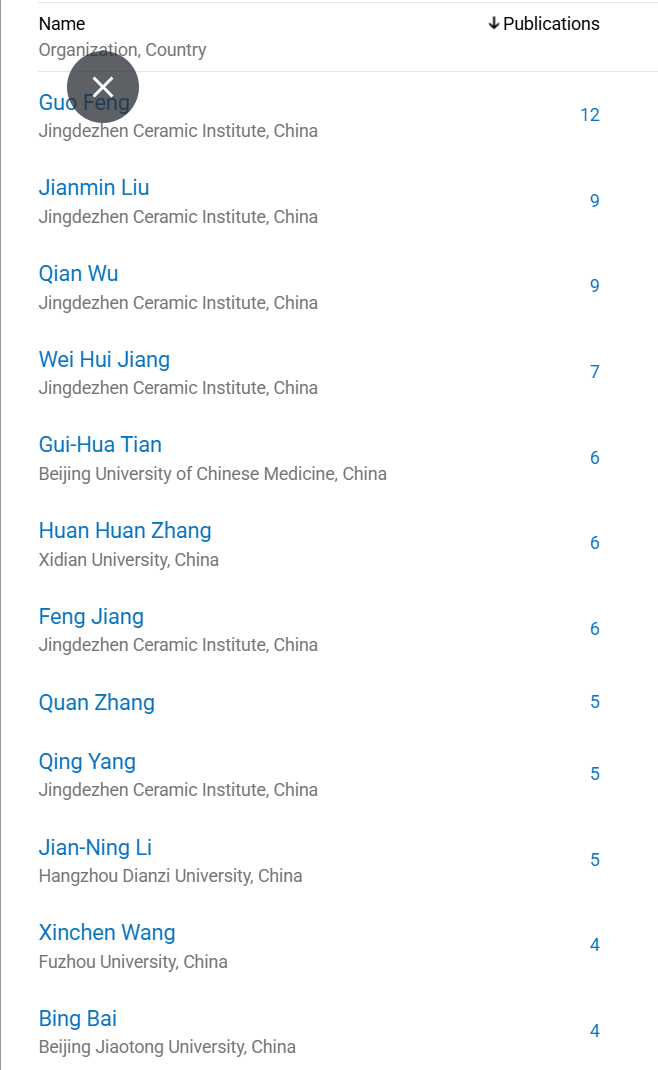
- “The most-favoured recipients are very familiar indeed: Guo Feng and colleagues from Jingdezhen Ceramic Institute, with 12 papers.
- Six citations were bestowed upon the magical-medicine oeuvre of Gui-Hua Tian.
- Six upon Huanhuan Zhang (antenna engineering). Four upon Bing Bai (red mud).
- Three upon Zhengzhi Wu (more herbalism flimflam).
- Not to forget Tingsheng Qiu (electrochemistry of minerals) and Tongqiang Yang (fluvial and forestry economics).”
Maybe sometimes it is safer for papermills to invent authors for such abysmally bad papermill vehicles rather than face angry customers once the fabrications they paid to be authors on, are predictably retracted?
Authors from poor countries like Somalia qualify for an Open Access fee waiver, this publisher policy is occasionally abused by papermill fraudsters, read here:

Eligible for a full waiver
“I reviewed papers published in special issues of Hindawi journals that had corresponding authors from low- and middle-income countries. It seems, the APC waiver policy may be being abused by papermills” – Parashorea tomentella

But why are those fictional authors made to be Ukrainian? Maybe the Chinese papermills think: those sad do-gooder editors will have a guilty conscience and won’t be able to desk-reject anything from Ukraine?
Well, here my humble suggestion to these Chinese papermill entrepreneurs: editors who let this garbage through are such immoral and unscrupulous characters that they will be much more likely motivated to accept and defend such papermill trash if it had russian authors.
Here even a name suggestion: Vladimir Vladimirovich Khuilo.
No retraction action is currently in effect
In previous news (October 2025 Shorts), I wrote about the retraction of two papers by The ex-rector of University of Kiel Simone Fulda and her former mentor at the University of Ulm, Klaus Michael Debatin,
Simone Fulda: Open4Work!
“I am taking this step with a heavy heart and a sense of responsibility for the university since a sufficient foundation of mutual trust no longer remained with some parts of the university to ensure successful cooperation”, – Simone Fulda
Both retractions were issued by the publisher Bentam, and now one of those two retractions was retracted! This one was however published by a Bentham-sub-company, Paradigm:
Simone Fulda, Klaus-Michael Debatin Modulation of apoptosis signaling for cancer therapy Archivum Immunologiae et Therapiae Experimentalis (2006) doi: 10.1007/s00005-006-0019-x


“The review “Modulation of apoptosis signaling for cancer therapy” (first published: 2006) appears to be part of a series of reviews between 2001 and 2008 by Simone Fulda and Klaus-Michael Debatin that substantially reuse previously published material without appropriate citation.“
Felimare zebra
These are the other 3 incarnations:
- Simone Fulda, Klaus-Michael Debatin Apoptosis in Drug Response Current Pharmacogenomics (2003) doi: 10.2174/1570160033378358
- Simone Fulda, Klaus-Michael Debatin Apoptosis Signaling in Tumor Therapy Annals of the New York Academy of Sciences (2004) doi: 10.1196/annals.1322.016
- Simone Fulda, Klaus-Michael Debatin Genes Involved in Apoptosis Regulation: Implications for Cancer Therapy Current Genomics (2005) doi: 10.2174/138920205775811407 September 2025 retraction
The Retraction for the 2006 paper appeared on 6 August 2025:
“A significant overlap (78%) occurs between the mentioned above article and the article entitled „Apoptosis in drug response”, Current Pharmacogenomics
1, 9–16 (2003), by the same authors, who did not respond to our request for comments. The article is therefore retracted.”
And the retraction was retracted in November 2025:
“Editorial Announcement
The Editorial Office of Archivum Immunologiae et Therapiae Experimentalis (AITE) announces the following:
in 2025, as the 23rd item, a Retraction Note was published concerning the article originally published in AITE in 2006, entitled „Modulation of apoptosis signaling for cancer therapy” by Simone Fulda and Klaus-Michael Debatin (Arch Immunol Ther Exp 54, 173-175, 2006). As a result of an oversight the Authors have not received the letter informing about the Journal’s intent to retract the article. Therefore, the AITE Editorial Office has decided to recall the Retraction Note. This means that no retraction action is currently in effect regarding the aforementioned article”
Fulda and Debatin are both very wealthy oncology professors, and they can and did afford to invest a lot of money into their lawyers, and this is what these lawyers achieved now.
Retraction Watchdogging
I write poetry and fiction
Scientists at the University of Exeter in UK felt it was frightfully clever of them to join forces with a Pakistani papermill. It now resulted in a retraction.
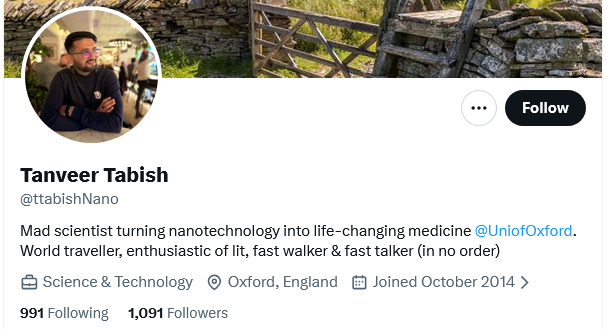
The central hero here is a certain nanofabricator called Tanveer Tabish, then in Exeter, now British Heart Foundation Advanced Fellow and Principal Investigator at the University of Oxford. We are informed that “Tanveer has made major scientific breakthroughs and significant contributions to the development of graphene-based anti-cancer nanomedicine” and “published over 55 research papers in high impact-factor peer reviewed scientific journals“. Tabish also describes himself as “mad scientist” who saves lives, presumably the idea is to make papermilling cool.
A papermill fabrication by Tabish (Rauf et al 2021), coauthored together with the known papermill fraudster Abbas Rahdar and the German professor with papermill proclivities, Magali Cucchiarini-Madry, was briefly mentioned in this article:
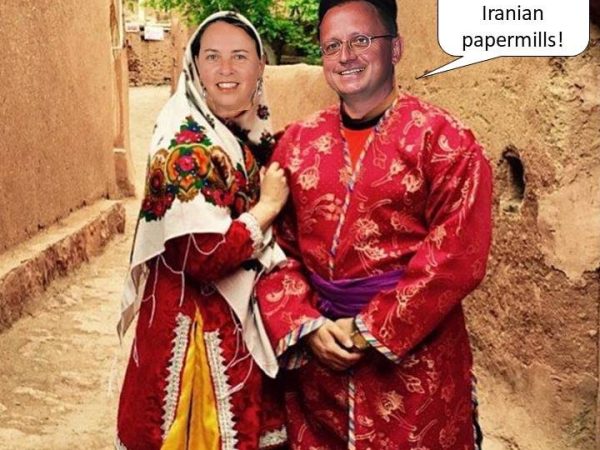
German Authorities on Papermills and Whistleblowing
“I am not familiar with Iranian papermills!” – Prof Dr med Henning Madry, Saarland University.
This paper was done when Tabish was still in Exeter:
Tanveer A. Tabish, Liangxu Lin , Muhammad Ali , Farhat Jabeen , Muhammad Ali , Rehana Iqbal , David W. Horsell, Paul G. Winyard, Shaowei Zhang Investigating the bioavailability of graphene quantum dots in lung tissues via Fourier transform infrared spectroscopy Interface Focus (2018) doi: 10.1098/rsfs.2017.0054

Archasia belfragei: “Figure 1: three panels seem to show rotated and zoomed sections of one and the same image, but seem to represent different conditions in the figure”
Shaowei Zhang, professor in Exeter, went to PubPeer to blame Tabish and his Pakistani collaborators:
“This work was carried out by the first author (a former PhD student in my group) in collaboration with his collaborators overseas. The histology experiments in question were performed by one of these collaborators, who is also a co-author and is based abroad, while the first author was only responsible for providing the graphene oxide raw materials. That said, as a corresponding author, I will ensure the requested raw data and figures are provided. The first author is currently on annual leave, so we kindly ask for your patience, and we will share all relevant raw data and figures after their return.“
An Expression of Concern was issued on 20 August 2025, “regarding the integrity of some of the figures“. On 26 November 2025, a retraction was published:
“The Editor-in-Chief in agreement with the Publisher has retracted this article. Following an investigation, we have found that figure 1 in the published article contains duplications. When the authors provided the raw data and a new version of figure 1, it was found that the images used to create the new version of figure 1 did not come from the raw data. Therefore, the data reported in figure 1 of this article are unreliable, and as a result, the Editor-in-Chief no longer has confidence in the article and so will issue a retraction according to our publishing policies of conduct.
Prof. Russell Foster FRS.”
Zhang and Tabish are also responsible for this paper:
Tanveer A. Tabish, Md Zahidul I. Pranjol , F. Jabeen , Trefa Abdullah , Asif Latif , Adeel Khalid , M. Ali , Hasan Hayat , Paul G. Winyard , Jacqueline L. Whatmore, Shaowei Zhang Investigation into the toxic effects of graphene nanopores on lung cancer cells and biological tissues Applied Materials Today (2018) doi: 10.1016/j.apmt.2018.07.005
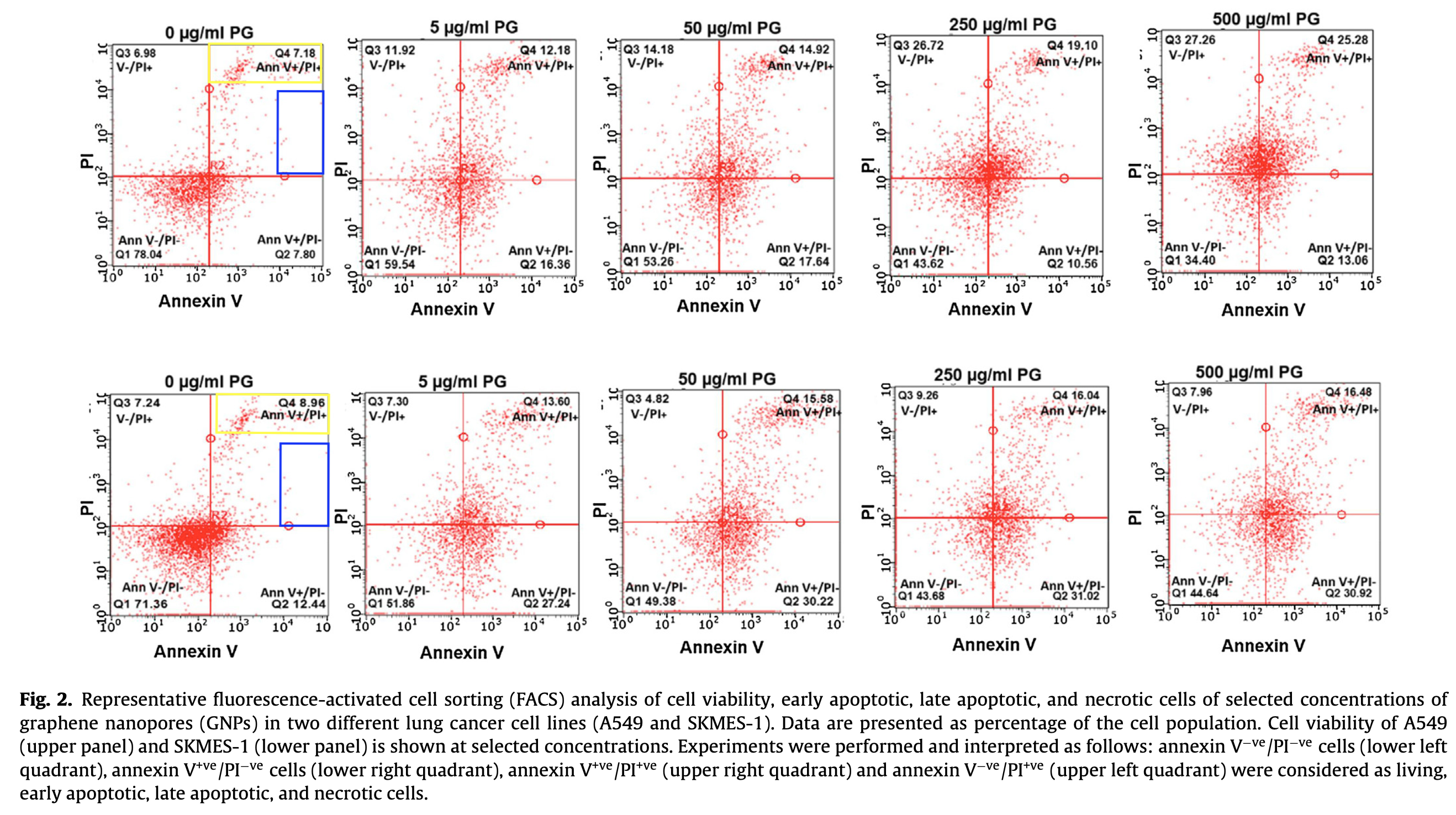
Zhang explained on PubPeer:
“since the studies mentioned were carried out over 8 years ago the FCS files generated by the flow cytometer are no longer available. However, the dot plots presented are a commonly used method of visually representing the raw data points for the cell population of interest and were included in our manuscript to provide transparency.“
All bullshit about destroyed raw data aside, this professor clearly has no clue what flow cytometry is.
Tabish currently has 10 papers on PubPeer. In early August 2025, the sleuth Fabian Wittmers notified the University of Oxford about four such fake papers, the university announced to investigate. Here is Tabish once again with his patron from Exeter, Shaowei Zhang:
Bhavya Joshi , Ahmed M E Khalil , Tanveer A Tabish , Fayyaz A Memon , Hong Chang , Shaowei Zhang Near Green Synthesis of Porous Graphene from Graphite Using an Encapsulated Ferrate(VI) Oxidant ACS Omega (2023) doi: 10.1021/acsomega.3c03812
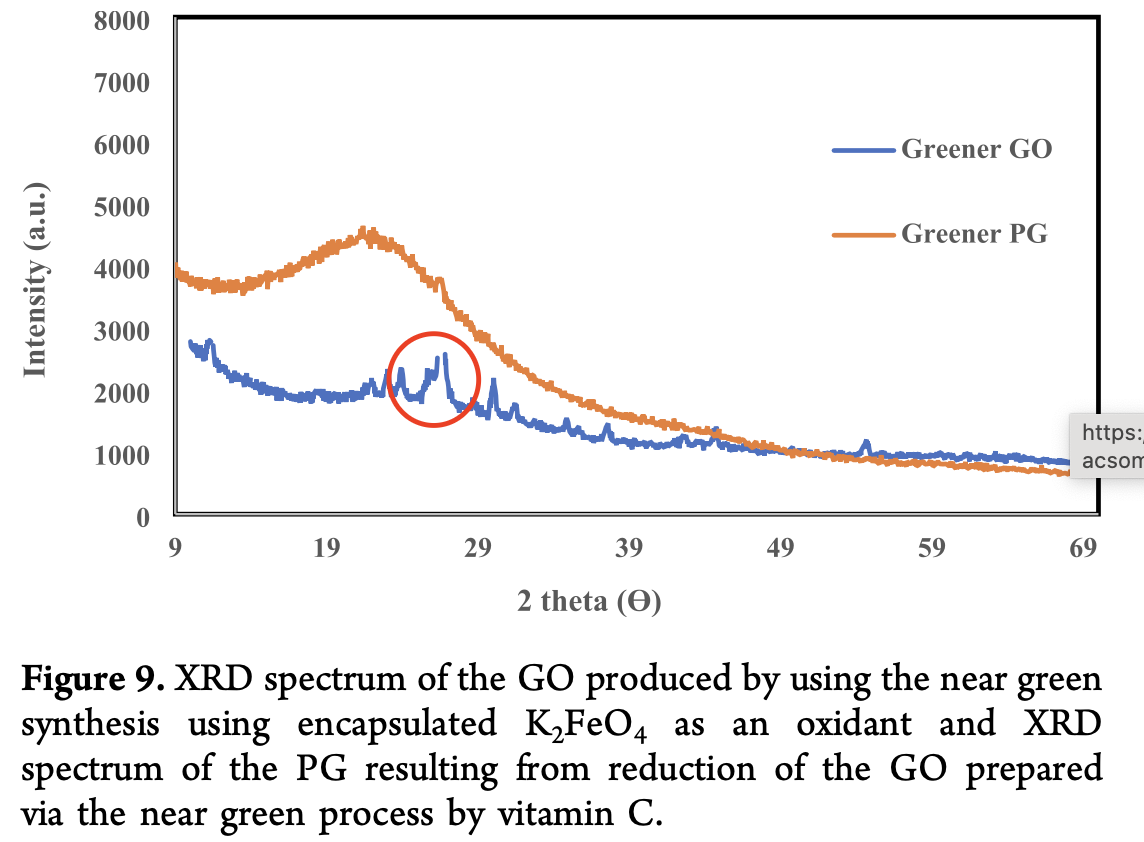
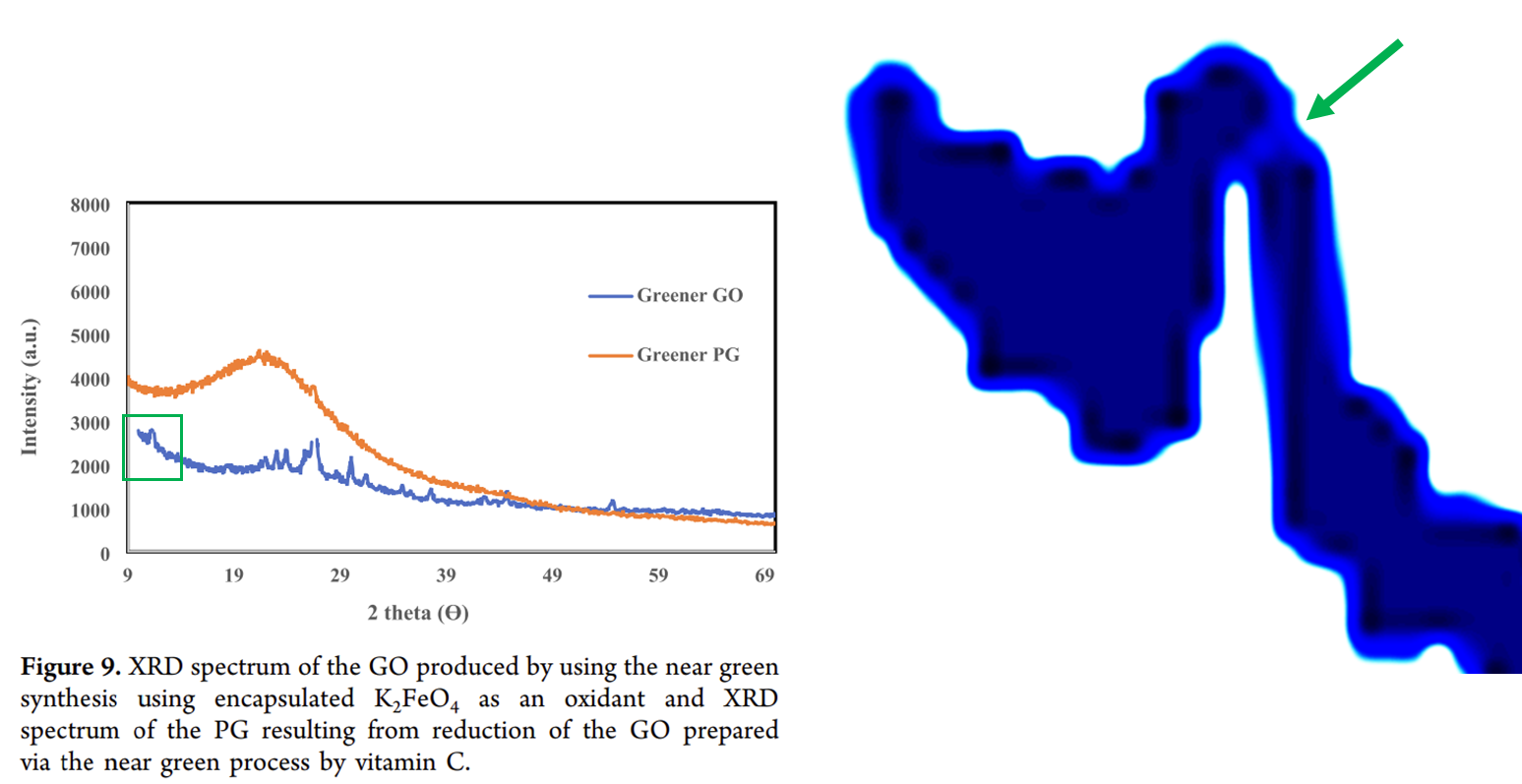
In August 2025, the paper was just 2 years old when Zhang explained on PubPeer:
“Following a reviewer’s later suggestion to merge two separate XRD plots (Figures 9 and 12) into one figure for clarity, a gap was inadvertently introduced during figure preparation.
We also noted that the experiment was carried out more than three years ago, and … all data stored on the university-issued laptop were erased when the device was reset upon return. As a result, the raw data are unfortunately no longer available.“
This is shameless piss-taking by Professor Zhang, even a variation of the “lost laptop” fraudster classic is there. But ACS is always on the side of fraud, this paper is in no danger of retraction. Another work of art by Tabish:
Azeem Asghar , Chen-Guang Liu , Imtiaz Ali , Aqib Zafar Khan , Hui Zhu , Ning Wang , Muhammad Nawaz , Tanveer A. Tabish , Muhammad Aamer Mehmood, Raqiqa Tur Rasool Bioenergy potential of Saccharum bengalense through pyrolysis, reaction kinetics, TG-FTIR-GCMS analysis of pyrolysis products, and validation of the pyrolysis data through machine learning Chemical Engineering Journal (2023) doi: 10.1016/j.cej.2023.142930
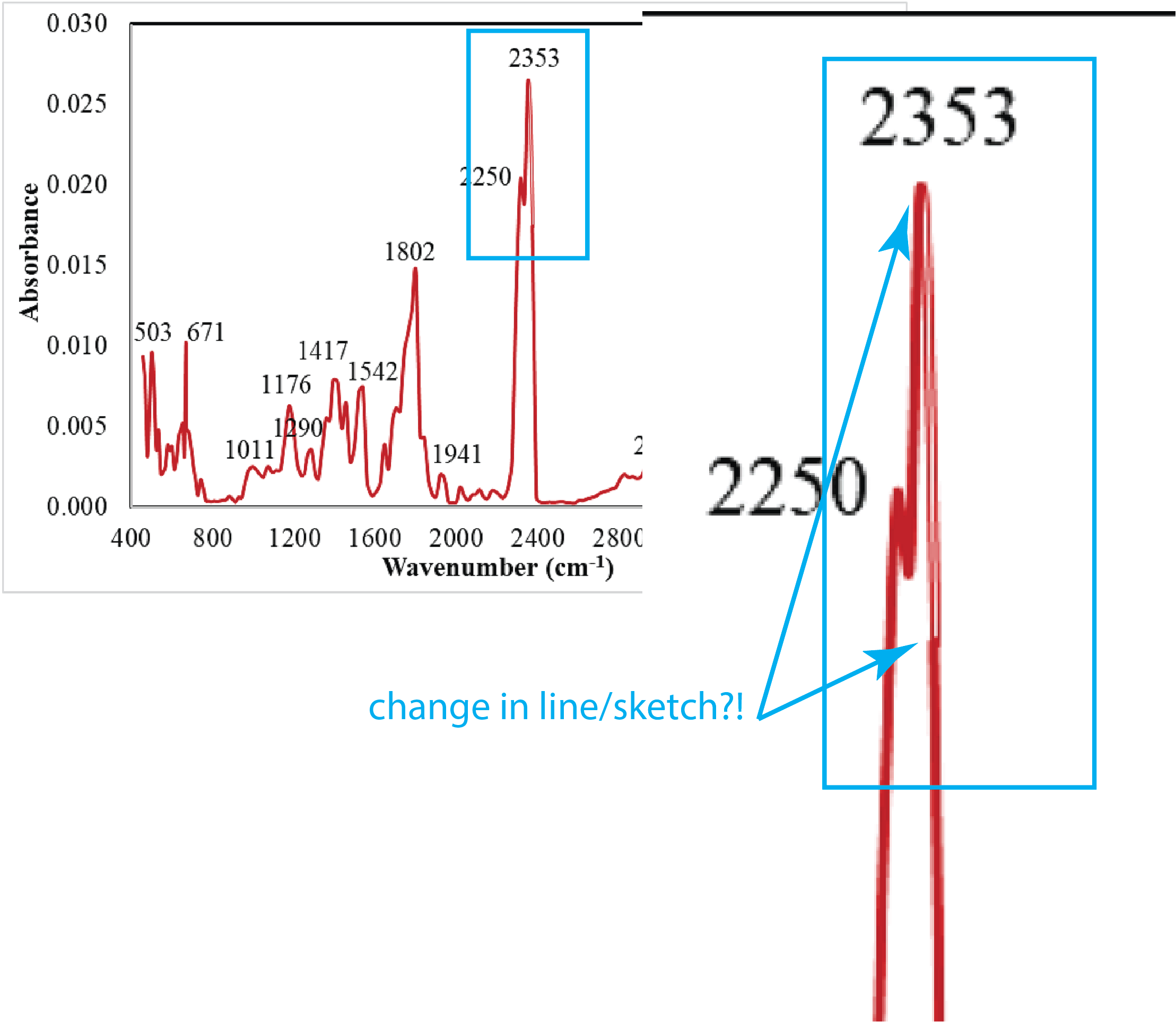
The papermilling coauthor Muhammad Aamer Mehmood explained on PubPeer in August 2025:
“The underlying data are consistent and accurate, and the functional group assignments and scientific conclusions of the paper remain unchanged. The apparent irregularity in the published figure was introduced during figure preparation (specifically during magnification and export from PowerPoint) and is not present in the raw spectrum.”
Look, here is Tabish again with the mega-fraudster Rahdar, and Rahdar’s regular collaborator Ana Díez-Pascual, professor at the University of Alcalá in Madrid, Spain:
Rabia Arshad , Muhammad Salman Arshad , Abdul Malik, Musaed Alkholief, Suhail Akhtar, Tanveer A. Tabish, Ali Abbasi Moghadam , Abbas Rahdar, Ana M. Díez-Pascual Mannosylated preactivated hyaluronic acid-based nanostructures for bacterial infection treatment International Journal of Biological Macromolecules (2023) doi: 10.1016/j.ijbiomac.2023.124741
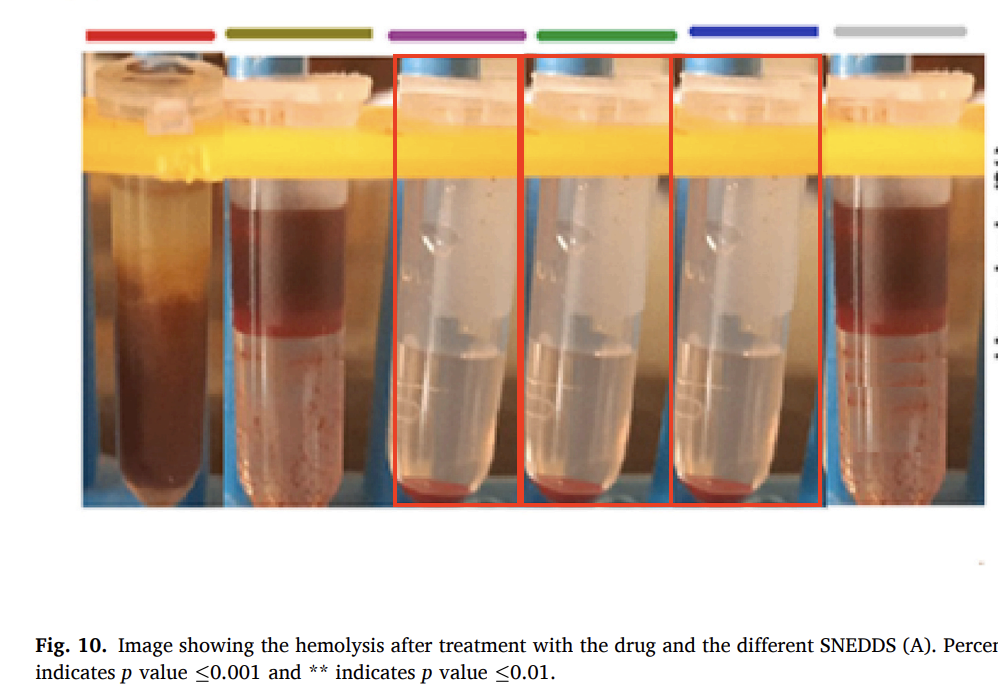
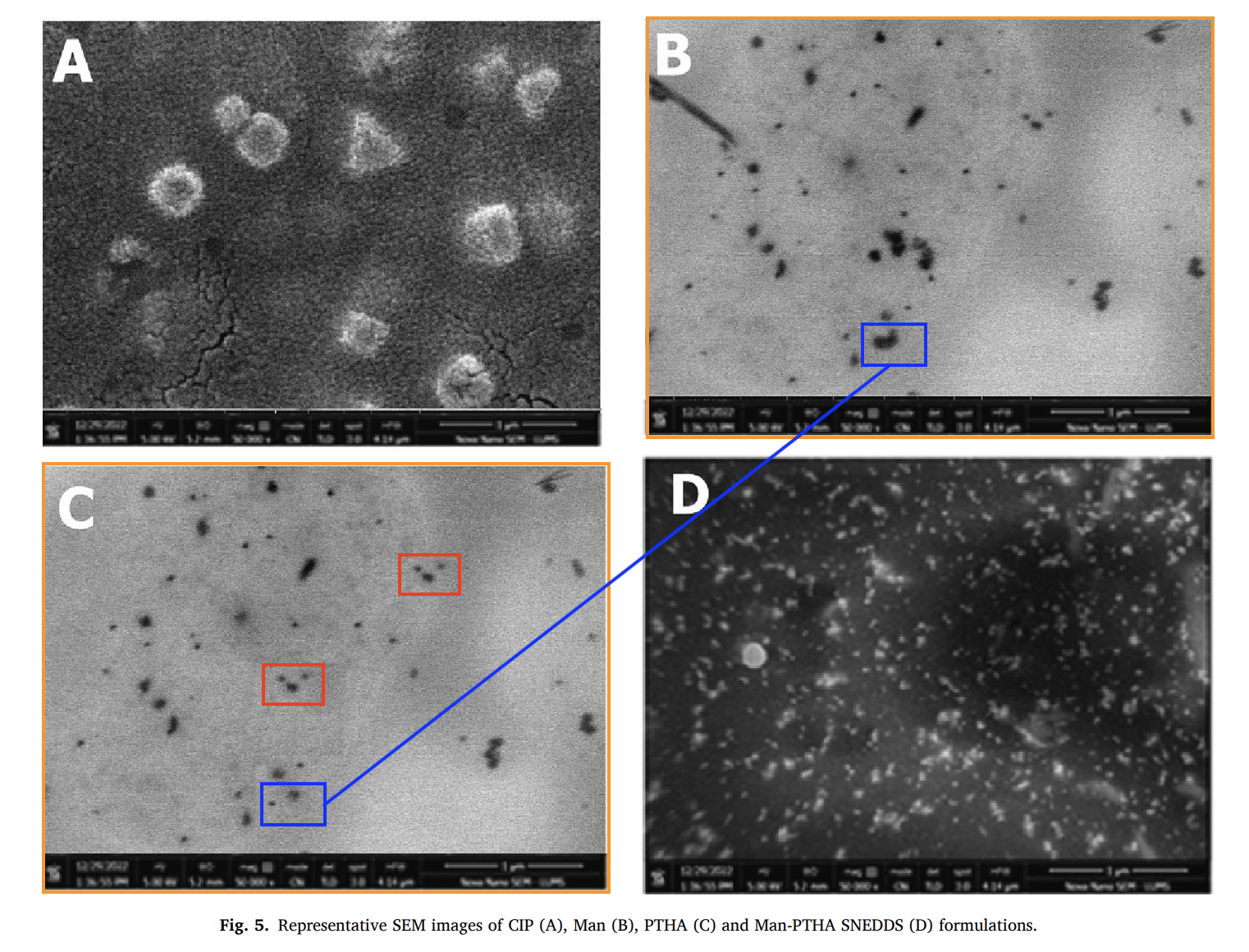
Here a clinical study by Tabish, completely made-up:
Muhammad Ali Syed, Ghiyyas Aziz, Muhammad Bilal Jehangir, Tanveer A. Tabish, Ameer Fawad Zahoor, Syed Haroon Khalid, Ikram Ullah Khan, Khaled Mohamed Hosny, Waleed Yousof Rizg, Sana Hanif, Rabia Arshad, Muhammad Abdul Qayyum, Muhammad Irfan Evaluating Novel Agarose-Based Buccal Gels Scaffold: Mucoadhesive and Pharmacokinetic Profiling in Healthy Volunteers Pharmaceutics (2022) doi: 10.3390/pharmaceutics14081592

Archasia belfragei : “Figure 7: The XRD patterns in this figure seem to contain “backtraces” (see ovals below). These are physically impossible.”
The coauthor Muhammad Ali Syed provided this insane reply on PubPeer in August 2025:
“This was simply edited by combining all the graphs of individual XRDs.“
He eventually shared some “raw data”, where one user wondered “How come the y axis unit is (heat flow), this is not the unit used in XRD“. Indeed, it proved fake:
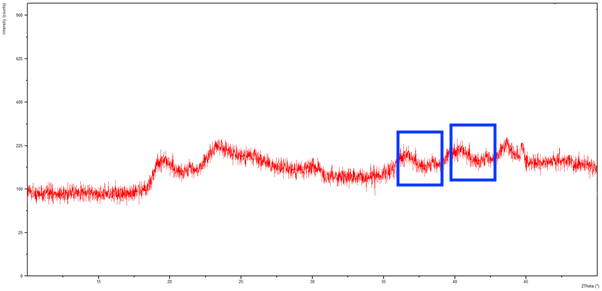
There were also other issues. It is not clear what will the University of Exeter do with all that fake stuff Tabish produced. here are several of their professors on board:
Priyanka Dey , Tanveer A Tabish , Sara Mosca , Francesca Palombo , Pavel Matousek, Nicholas Stone Plasmonic Nanoassemblies: Tentacles Beat Satellites for Boosting Broadband NIR Plasmon Coupling Providing a Novel Candidate for SERS and Photothermal Therapy Small (2020) doi: 10.1002/smll.201906780
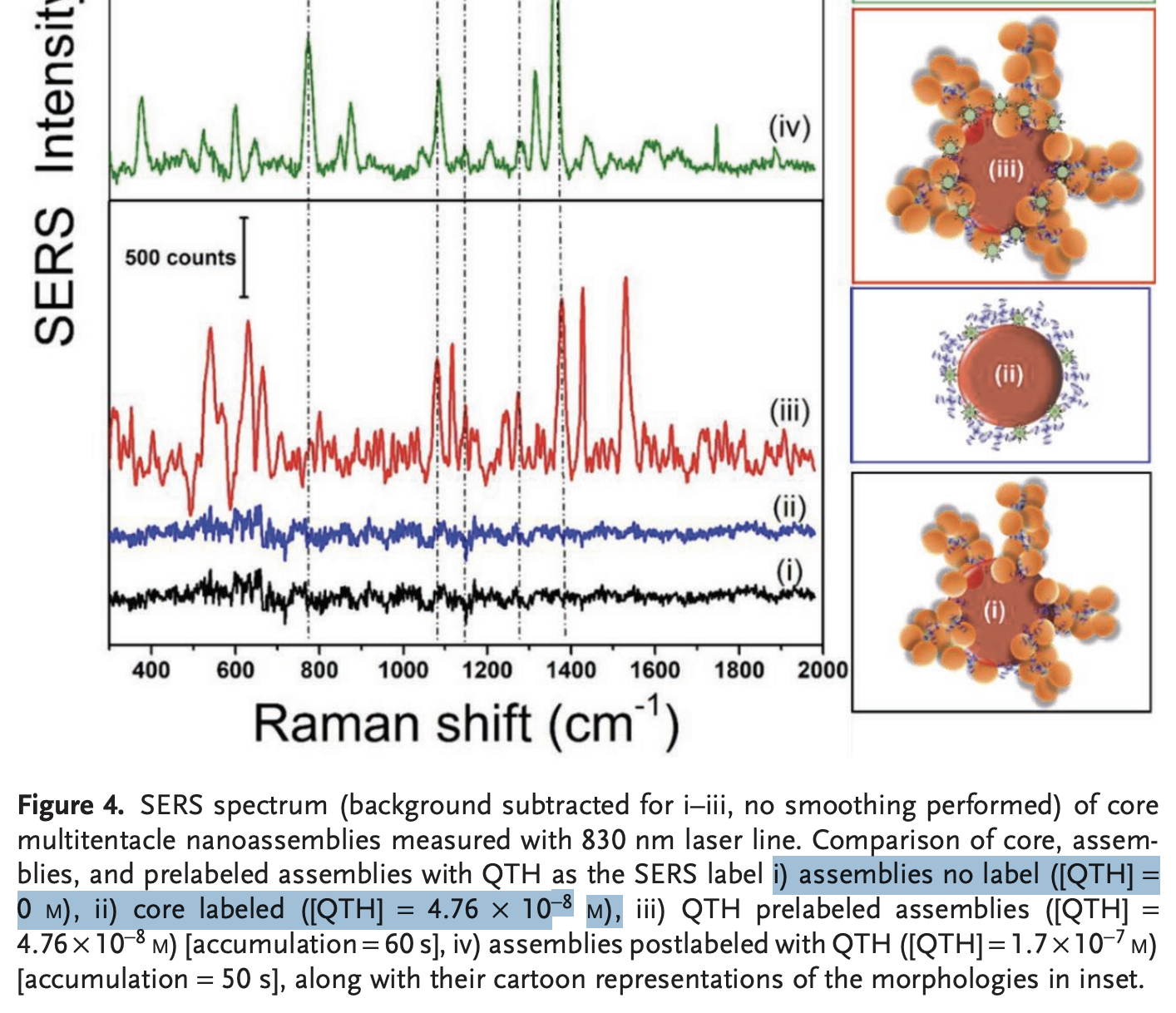
Archasia belfragei: “Figure 4 the two spectra for i) and ii) seem more similar than expected”
Here are Tabish’s other forgeries flagged by Fabian, including again Rahdar and Díez-Pascual as coauthors:
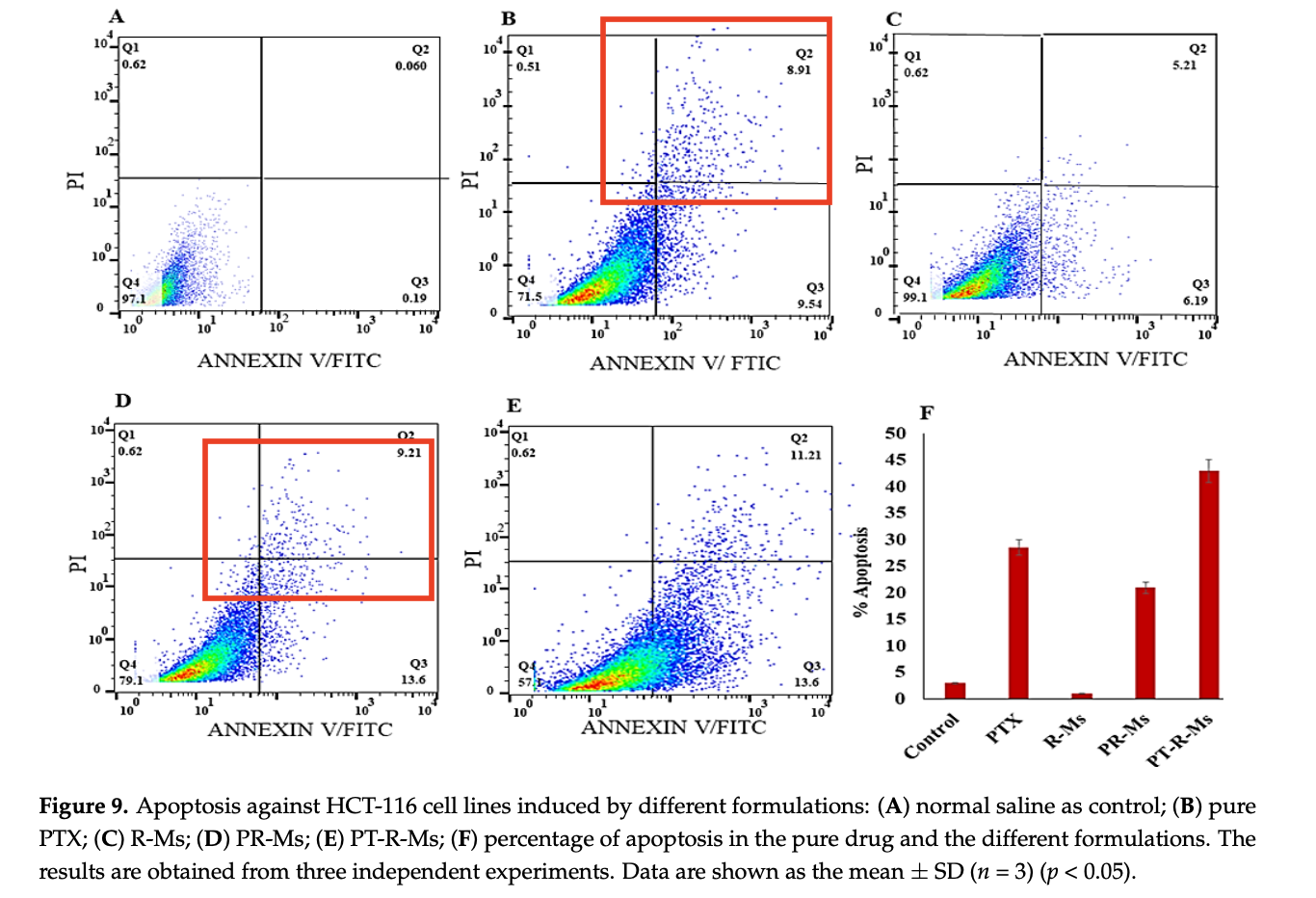
Fig 9
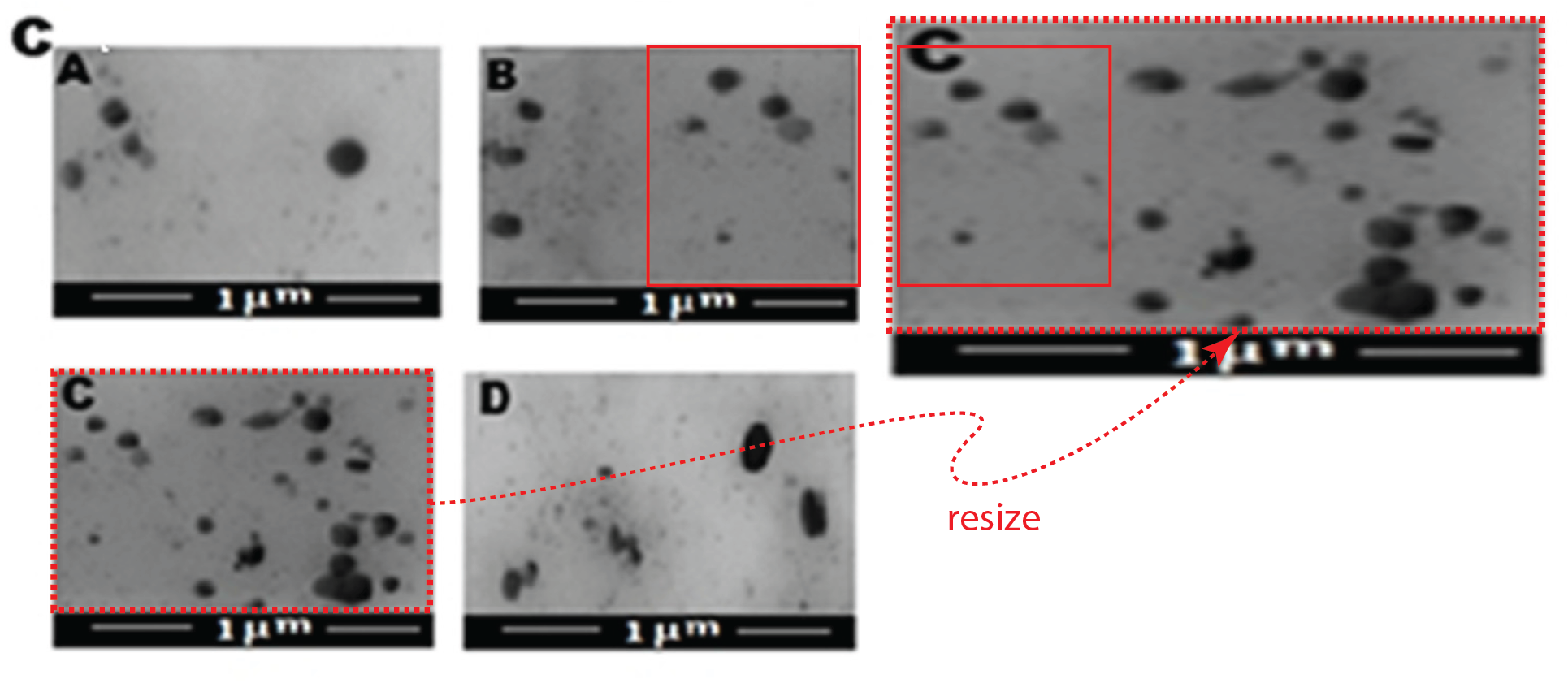
The above retraction was actually Tabish’s second, here an earlier one:
Aasma Noureen , Farhat Jabeen, Tanveer A Tabish , Muhammad Kashif Zahoor , Muhammad Ali , Rehana Iqbal , Sajid Yaqub , Abdul Shakoor Chaudhry Ameliorative effects of Moringa oleifera on copper nanoparticle induced toxicity in Cyprinus carpio assessed by histology and oxidative stress markers Nanotechnology (2018) doi: 10.1088/1361-6528/aade23
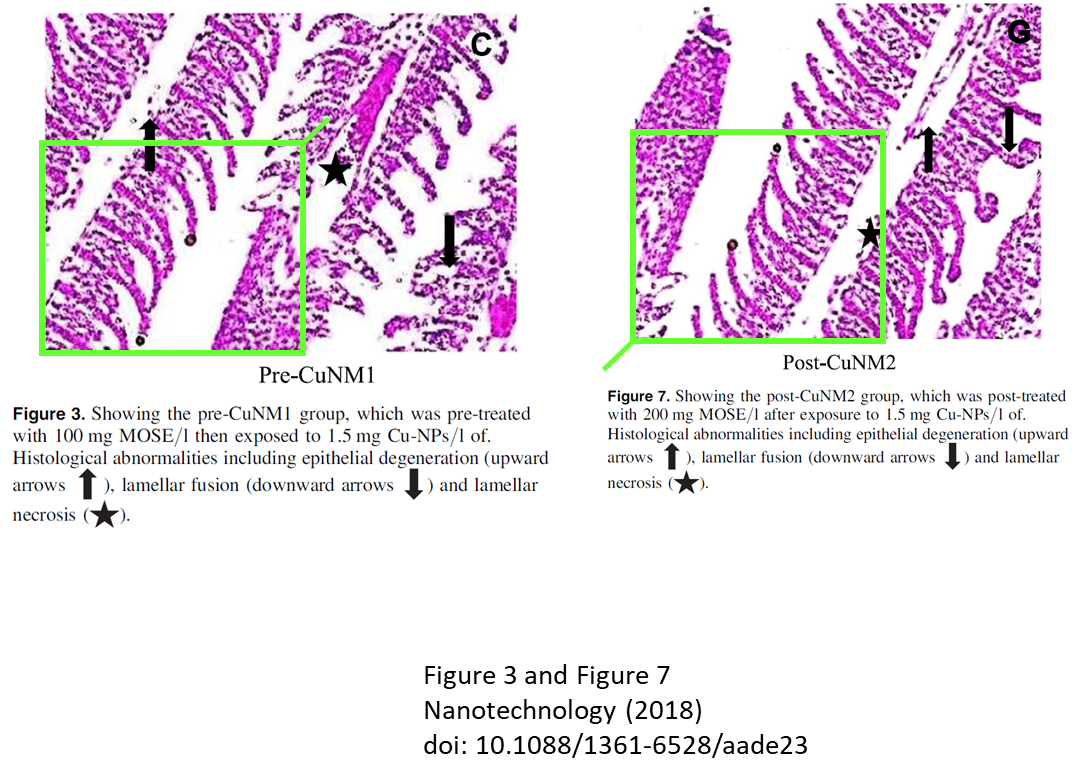
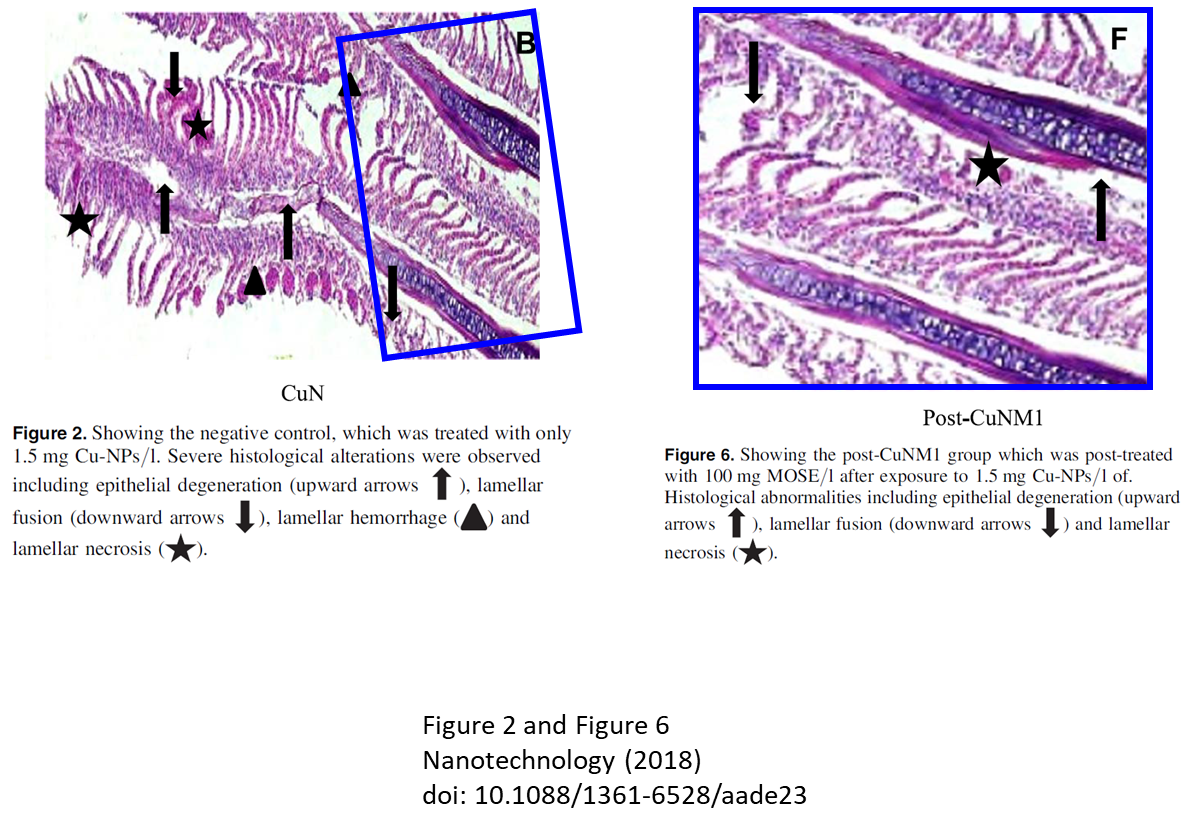
On 30 March 2023, the publisher IOP issued this retraction:
“This article has been retracted by IOP Publishing following an allegation that a number of figures in the article contain duplicated images.
IOP Publishing has investigated in line with the COPE guidelines with the help of an independent subject expert and agree there are potential duplications between figures 2 and 6 and figures 3 and 7 in the article. As such, the findings of the article may be unreliable, and IOP Publishing conclude this article should be retracted.
IOP Publishing wishes to credit PubPeer commenters [1] for bringing the issue to our attention.
The authors disagree to this retraction.
1. https://pubpeer.com/publications/722AEEE53D50BD244B365684A491CC“
In fact, the paper proved even faker:
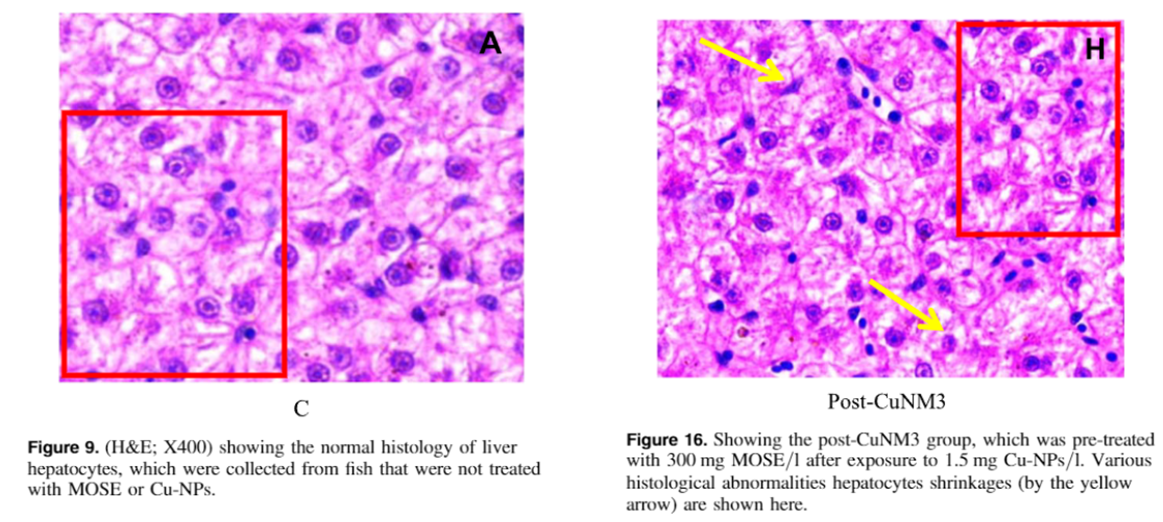
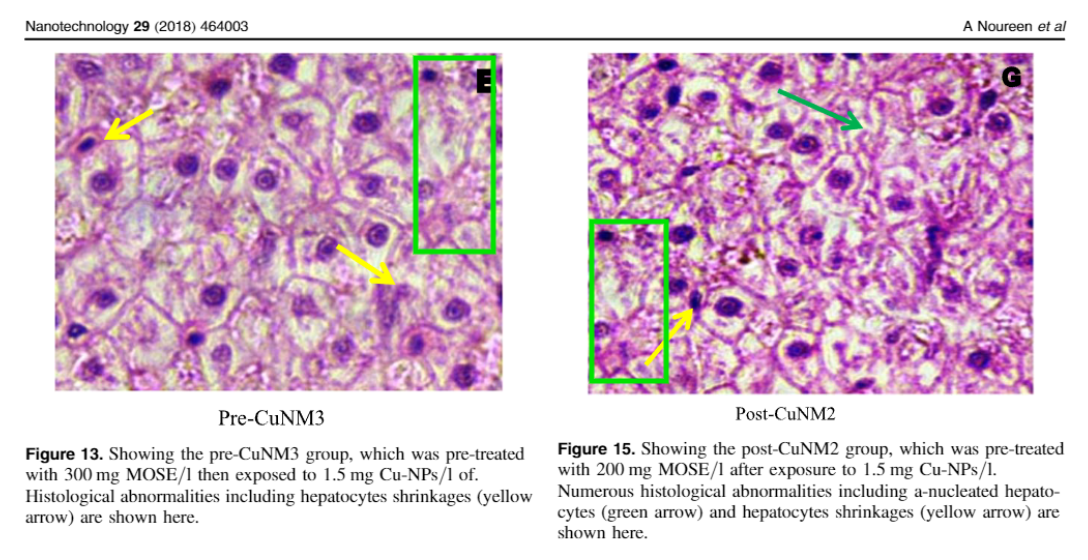
Tabish even featured in August 2022 in The Times, when he was 36 years old. There, he openly admitted: “I write poetry and fiction“. The last bit is certainly true, and look how far this fiction writing brought him:
“In November 2021 I obtained a British passport […] At the beginning of this year, I was awarded a highly competitive and prestigious British Heart Foundation fellowship that catapulted me into a career at the University of Oxford. I can’t begin to express just how grateful I am to the Royal Academy of Engineering for endorsing my visa application.
Before starting my new position, my wife — who works in John Radcliffe Hospital in Oxford — and I bought a three-bedroom house in the centre of Oxford.”
Now think of all those honest Pakistani graduates who were never allowed to enter UK because their CVs were not as great as Tabish’s.
There was never an ethics case
Yet another retraction for Eliezer Masliah was exposed as a research fraudster by Mu Yang and her colleagues, then sacked by NIH and found guilty of research misconduct.
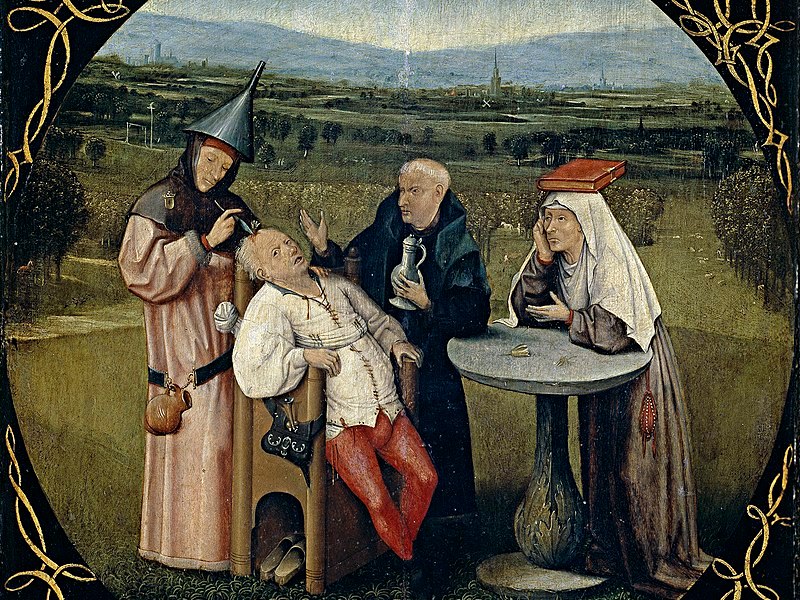
Cerebrolysin: Sharmas, Masliah, and EVER Pharma
“Poking around PubMed (Dysdera the spider is always on the hunt for new hornet’s nests) [..], I came across one image in two papers by Eliezer Masliah. […] By a conservative count, I contributed to about 160 out of 300 slides in the final dossier” – Mu Yang

The last author is Michael Sierks, professor at Arizona State University, who has further fake papers with Masliah on PubPeer. paper was in fact previously corrected:
Brian Spencer, Stephanie Williams , Edward Rockenstein, Elvira Valera , Wei Xin , Michael Mante , Jazmin Florio , Anthony Adame, Eliezer Masliah, Michael R Sierks α-synuclein conformational antibodies fused to penetratin are effective in models of Lewy body disease Annals of Clinical and Translational Neurology (2016) doi: 10.1002/acn3.321


All that was posted on PubPeer in September 2024, all journals were notified. Also in September 2024, the Masliah scandal hit international news, being the main topic of a Science article and a book by Charles Piller:
“Doctored” by Charles Piller – book review
“If this book accomplishes anything, it should be to shatter the illusion that Alzheimer’s research is on solid footing and to prompt a long-overdue reckoning in the field. ” – Csaba Szabo

Yet on 27 January 2025, this Correction was published by Wiley, only for Figure 1:
“The authors regret that an error occurred during the assembly of Fig. 1A and C where the incorrect panel was used to represent the non-tg Pen-D5 and the α-syn tg control condition. The corrected figure is provided in the attachment. We apologize for this error.”
What happened? Well, Wiley’s Research Integrity Auditor for Integrity Assurance and Case Resolution informed Mu in August 2025:
“According to our records, there was never an ethics case brought up about this article, Spencer et al., 2016 […]. Instead, the correction published early this year appears to have been requested by the authors. Had our Integrity Assurance & Case Resolution department been alerted to this matter directly, we would have begun an investigation which would have uncovered and evaluated the issues brought up in the PubPeer comments.
I want to assure you now that IACR will investigate this article, in keeping with Wiley’s best practices and COPE guidance.“
Funny how the editors so quietely pushed through this correction as the Masliah scandal raged. More forgeries were found by the sleuths:


On 30 November 2025, the erroneously corrected paper was finally retracted:
“Following publication, a third party contacted the publisher with concerns about duplications in Figures 1A, 3A, 3C, and 4A. Additionally, duplicated panels were discovered for Figure 5 with an earlier publication by some of the same authors (Fields et al., 2016 [https://doi.org/10.1186/s12974-016-0585-8]). The retraction has been agreed to because of evidence that significant portions of multiple figures were duplicated, affecting the interpretation of the data and results presented. Author Eliezer Masliah did not indicate his agreement with the retraction. The other authors did not respond to communications from the Publisher regarding the retraction.”
Masliah’s best friend Edward Rockenstein has an excuse for non-replying, by beign dead. The rest doesn’t.
By the way, here is the BioMedCentral paper which shares the images with the retracted study above. Springer Nature decided to do absolutely nothing about it, apparently:
Jerel A. Fields , Cassia Overk , Anthony Adame , Jazmin Florio , Michael Mante , Andrea Pineda , Paula Desplats , Edward Rockenstein , Cristian Achim , Eliezer Masliah Neuroprotective effects of the immunomodulatory drug FK506 in a model of HIV1-gp120 neurotoxicity Journal of Neuroinflammation (2016) doi: 10.1186/s12974-016-0585-8

Blue boxes: In the NeuN photos in A, the Non-tg Vehicle and FK506 panels appear to show an overlap.
Cyan boxes: In the Synapto panels in E, the Non-tg FK506 and the gp120 tg Vehicle panels appear to show an overlap, with a change in exposure.”

Red boxes: In the Calcineurin row, the Non-tg / Vehicle and the gp120 tg/FK506 panels appear to overlap”
Do You Also Have Your Own Jörg Rinklebe?
Congratulations to Jörg Rinklebe, professor at the University of Wuppertal in Germany and avid papermiller, to his second retraction.

Rinklebe, the soil expert, now soiled himself. Retracted just a few months after this Pakistani papermill study was published:
Muhammad Mahroz Hussain, Muhammad Junaid Nazir, Qasim Ali, Nabeel Khan Niazi , Hamna Bashir, Shengsen Wang, Jörg Rinklebe, Ghulam Abbas , Sarmad Frogh Arshad, Muhammad Anwar Carbon-based amendments for sustainable remediation of arsenic-contaminated paddy soils: An insight to greenhouse gases Ecotoxicology and Environmental Safety (2025) doi: 10.1016/j.ecoenv.2025.118382
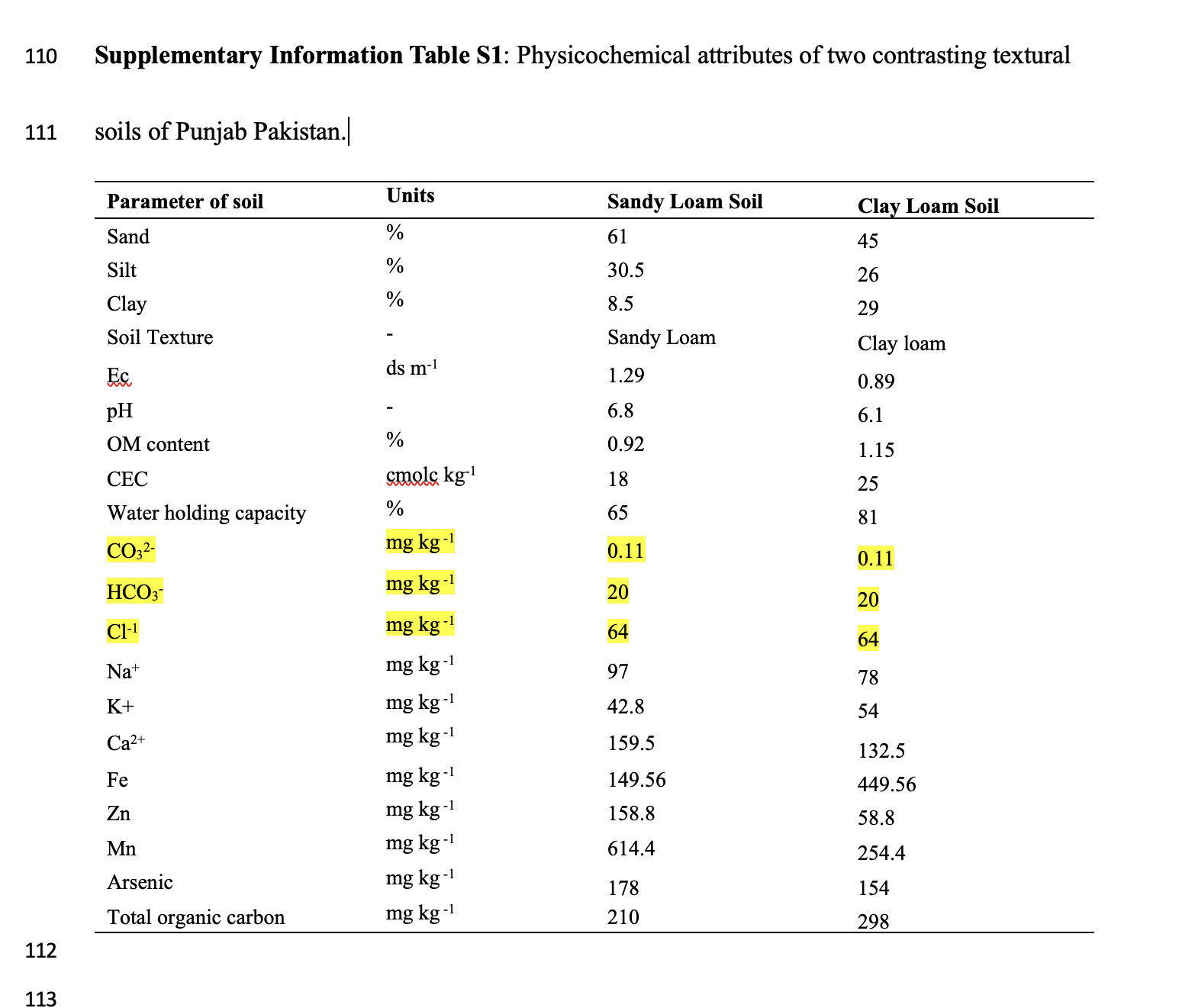
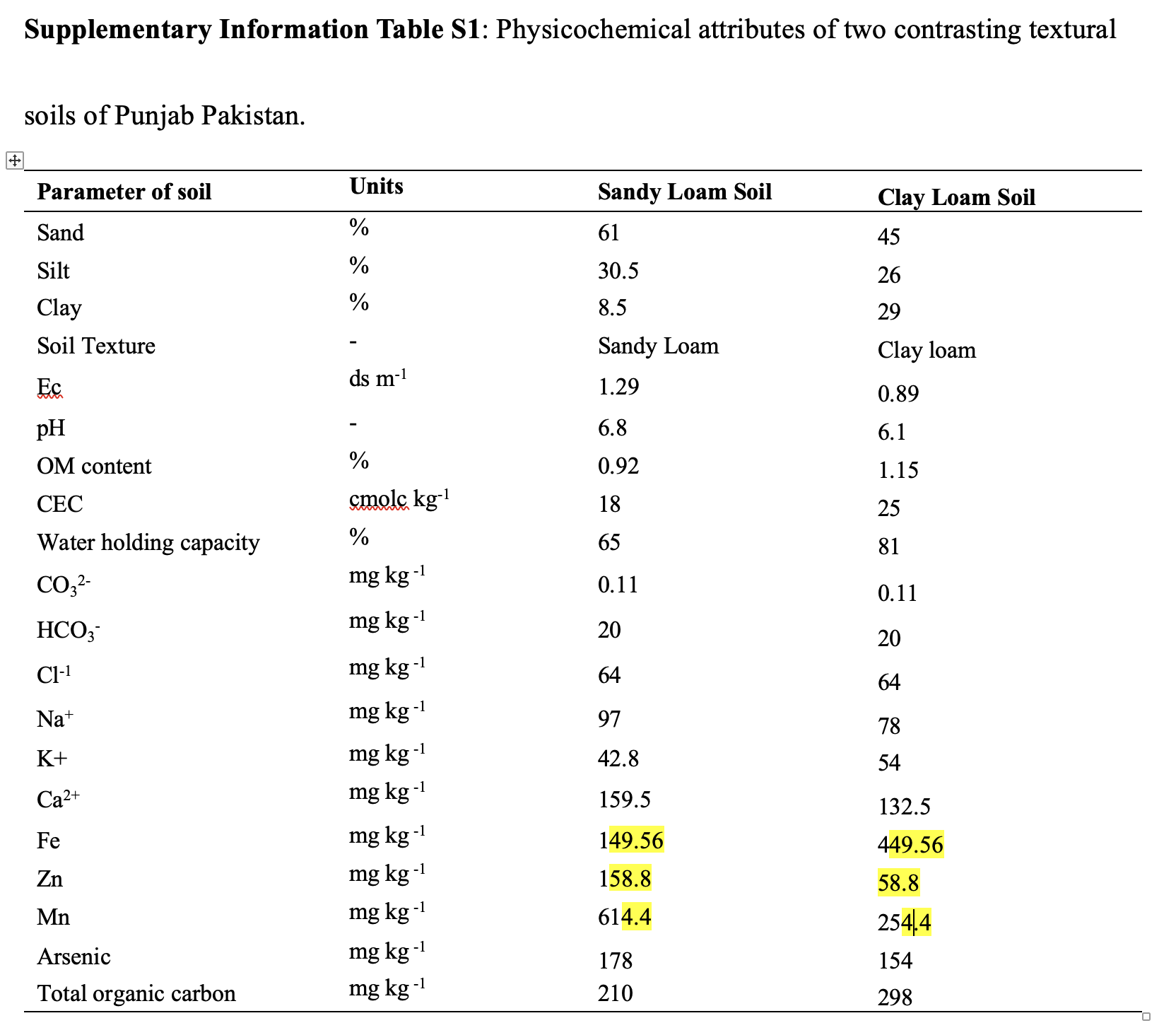

There were many other criticism of this study’s content. Now a retraction appeared, and its wording must really hurt the German professor (highlights mine):
“The article has been retracted at the request of the Editor-in-Chief because the errors that the authors identified in the published paper were too extensive to publish a correction: The errors in the manuscript include inaccurate statistical labels on several illustrations, and the duplication/errors of the speciation chemistry in the water. These errors have a material impact on the scientific content of the paper. A lack of scientific understanding is also shown, for example, the anion concentrations could not be the same. The numerous errors show a lack of proper data management and failure to check the original submission. Figure 1 has statistical labels indicating differences when the error bars overlap. The arsenic pool in the published paper has units of mg/kg. Chitinase activities in soil are usually a few hundred nmol/g/h, but the values in the paper are thousands, indicating calculation errors. Similarly, leucine peptidase activity in soils is usually only a few nmol/g/h up to a few hundred in extreme situations – values in the published paper exceed 8,000. Calculation errors are evident throughout the publication.
Overall, the editor has no scientific confidence in the author’s explanations and there is clear evidence of introducing even more errors should their suggested revision be incorporated into the publication.”
An award-winning German professor and an academic celebrity is basically called a scientificality illiterate imposter.
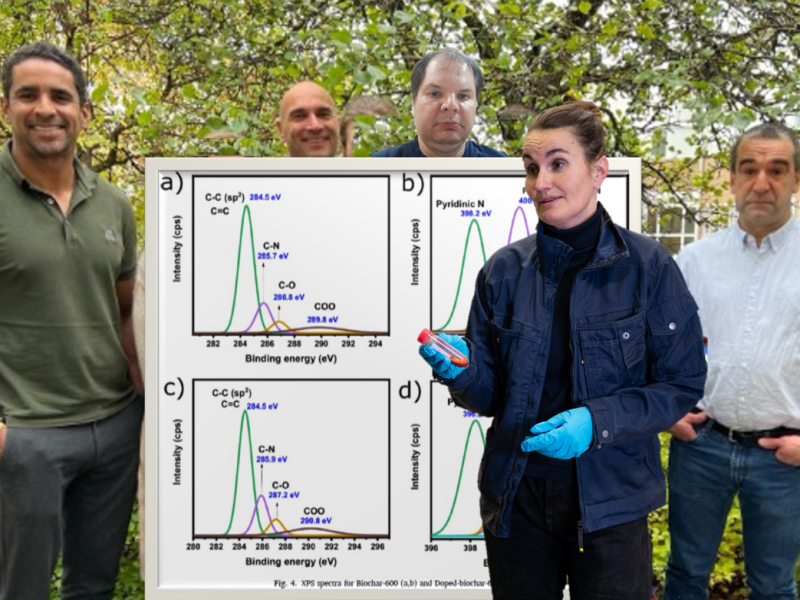
Boys from Brazil
“We can always make mistakes in our publications but never acting intensionally. Regarding Prof. Eder works, I know him well and I don’t believe he has anything wrong” – Glaydson S. Dos Reis
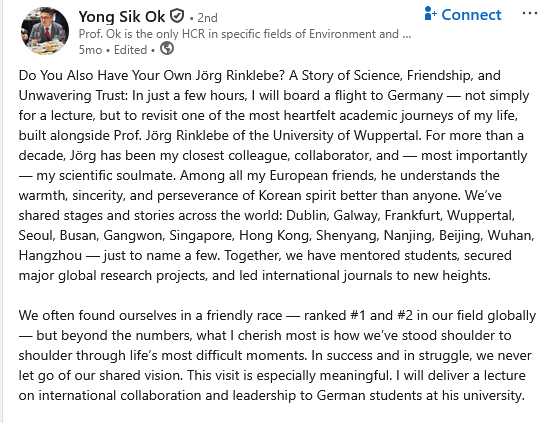
By the way, here is another papermiller, Yong Sik Ok, thanking Rinklebe in summer 2025:
“Do You Also Have Your Own Jörg Rinklebe? […] I will board a flight to Germany — not simply for a lecture, but to revisit one of the most heartfelt academic journeys of my life […] Together, we have mentored students, secured major global research projects, and led international journals to new heights.
We often found ourselves in a friendly race — ranked #1 and #2 in our field globally […] I will deliver a lecture on international collaboration and leadership to German students at his university”
Indeed, Rinklebe is in fact celebrated in Wuppertal for his papermilling, here an announcement from May 2025:
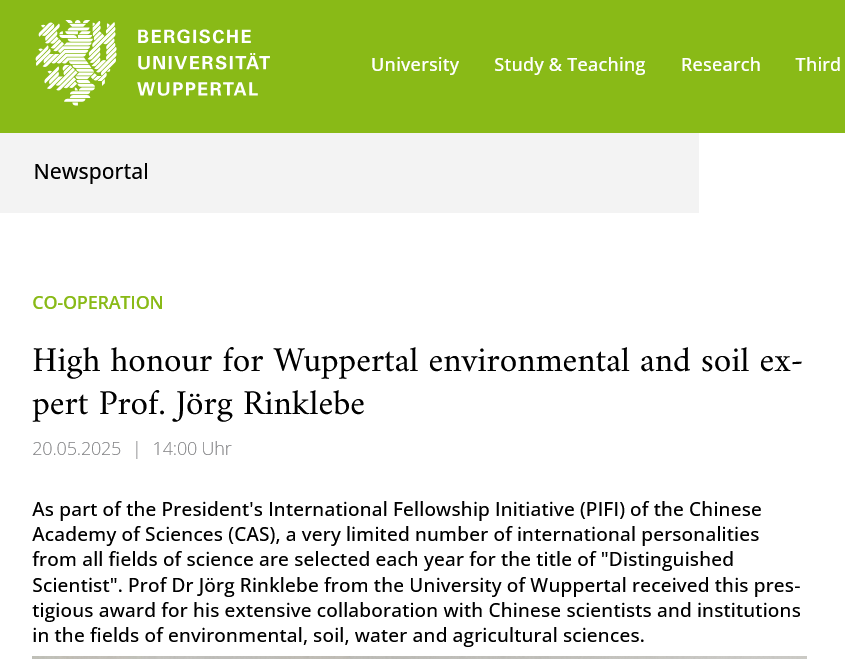
We also learn: “At the Wuppertal Chair of Soil and Groundwater Management, Prof Rinklebe himself regularly welcomes visiting scientists from China.” Maybe Rinklebe’s papermilling is actually a national security concern.
Some image irregularities
Yet another retraction for the Italian zombie scientist Gabriella Marfe of University of Campania “Luigi Vanvitelli”, read about her past retractions and her many fake papers in November 2024 Shorts, and how one academic editor defended her fraud in May 2025 Shorts. Marfe’s speciality is to steal data from other people’s papers (sometimes from other cheaters!), and repurpose it as her own.
Of course she also makes her own forgeries. This paper was originally flagged on PubPeer in 2016, but apparently nobody at Springer Nature’s BioMedCentral cared until Aneurus Inconstans took over in May 2025:
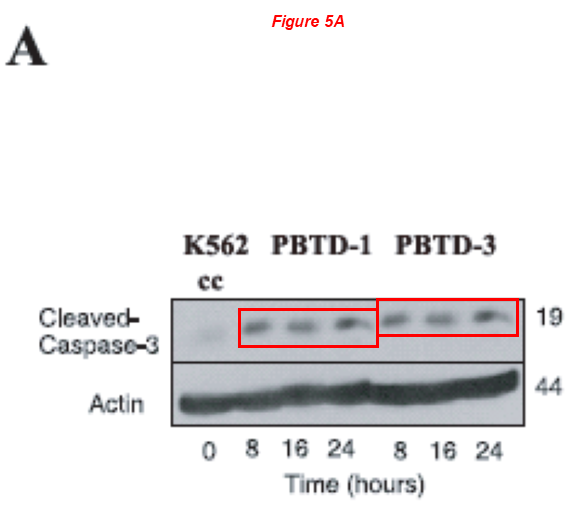
Gabriella Marfe, Carla Di Stefano, Romano Silvestri, Elisabetta Abruzzese, Gianfranco Catalano, Livia Di Renzo, Giuseppe Filomeni, Ezio Giorda , Giuseppe La Regina, Emanuela Morgante, Maria Rosa Ciriolo, Matteo Antonio Russo, Sergio Amadori, Paola Sinibaldi-Salimei PYRROLO[1,2-b][1,2,5]BENZOTHIADIAZEPINES (PBTDs) induce apoptosis in K562 cells BMC Cancer (2007) doi: 10.1186/1471-2407-7-207


The retraction appeared on 25 November 2025:
“This article has been retracted by the Editor. After publication, concerns were raised regarding high image similarities within the same article and some image irregularities. Specifically:
- In Fig. 5A, Cleaved Caspase, lanes 8-16-24 hrs (PBTD-1) and 8-16-24 hrs (PBTD-3) appear to be highly similar to one another
- In Fig. 5B, Cleaved PARP, lanes 8-16-24 hrs (PBTD-1) and 8-16-24 hrs (PBTD-3) appear to be highly similar (different treatments)
- Fig. 5B, Cleaved Caspase, lanes 8-16-24 hrs (PBTD-1) appear to present signs of digital editing
- Fig. 5B, PARP, 24hr (PBTD-3) appears to present signs of digital editing
Upon request the authors that could be contacted have stated that they do not have access to the data in question and a satisfactory response to the concerns raised could not be obtained. However, based on the above, the Editor no longer has confidence in the presented results and the conclusions of this article.”
The notice also mentioned that Sergio Amadori was not reachable. He is one of Italy’s top oncologists (likely retired now), and he has some other very bad papers with Marfe.
How we handled Williams Kroes & Munro, 2000
Monsanto‘s 25 year old ghost-written paper which served as court evidence and influenced national policies all over the world by claiming that glyphosate was perfectly safe, was now retracted.
This is the paper, the original piece of evidence for ghostwriting (as referenced on PubPeer) was removed from the internet, but there are archives and I made a copy:
Gary M. Williams, Robert Kroes , Ian C. Munro Safety Evaluation and Risk Assessment of the Herbicide Roundup and Its Active Ingredient, Glyphosate, for Humans Regulatory Toxicology and Pharmacology (2000) doi: 10.1006/rtph.1999.1371
The nominal authors are two seemingly unbiased professors: Gary Williams of New York Medical College (NYMC) in USA and Robert Kroes of University of Utrecht in The Netherlands (who died in 2007), plus the Canadian Ian Munro, who until his death in 2011 ran the industry lobby business Cantox Health Sciences International. In reality, Monsanto wrote this paper and paid the authors to put their names on it, as court documents revealed.

The Monsanto Papers: a wrong book on glyphosate
Disappointed of Carey Gillam’s book about Lawyers’ Adventures, I blog about the Monsanto and glyphosate affair.
Here is an email from Monsanto executive William Heydens, mentioning this very paper:
“A less expensive/more palatable approach might be to involve
(Case 3:16-md-02741-VC, Document 187-12)
experts only for the areas of contention, epidemiology and possibly MOA (depending on what comes out of the IARC meeting), and we ghost-write the Exposure Tox & Genetox sections. An option would be to add Greim and Kier or Kirkland to have their names on the publication, but we would be keeping the cost down by us doing the writing and they would just edit & sign their names so to speak. Recall that is how we handled Williams Kroes & Munro, 2000.”
In March 2017, when the court documents were released by US Right to Know, Science wrote about this Monsanto study, and right away they had to provide an update about Williams and his NYMC:
“After a quick investigation, officials at a medical school in New York State say they have found “no evidence” that a faculty member violated the school’s prohibition against authoring a paper ghostwritten by others.”
Unsurpringly, NYMC was full of crap. Also unsurprisingly, Williams and his two coauthors were paid by Monsanto, but omitted that also. The retraction from November 2025 went:
“This article has been retracted at the request of handling (co)Editor-in-Chief, Prof. Martin van den Berg, Ph.D.
Concerns were raised regarding the authorship of this paper, validity of the research findings in the context of misrepresentation of the contributions by the authors and the study sponsor and potential conflicts of interest of the authors. I, the handling (co)Editor-in-Chief of Regulatory Toxicology and Pharmacology, reached out to the sole surviving author Gary M. Williams and sought explanation for the various concerns which have been listed in detail below. We did not receive any response from Prof. Williams.
Hence, this article is formally retracted from the journal. This decision has been made after careful consideration of the COPE guidelines and thorough investigation into the circumstances surrounding the authorship and content of this article and in light of no response having been provided to address the findings. The retraction is based on several critical issues that are considered to undermine the academic integrity of this article and its conclusions:
- Carcinogenicity and Genotoxicity Assessments The article’s conclusions regarding the carcinogenicity of glyphosate are solely based on unpublished studies from Monsanto, which have failed to demonstrate tumorigenic potential. The handling (co) Editor-in-Chief also became aware that by the time of writing of this article in the journal, the authors did not include multiple other long-term chronic toxicity and carcinogenicity studies, that were already done at the time of writing their review in 1999. In their article the authors state that they are aware of other studies, that were unpublished and not available. However, the authors do not specify to what extent they tried to incorporate the findings of these (unpublished) studies. The reasons for this remain undisclosed but bring into question the broader objectivity of the conclusions presented. The handling (co)Editor-in-Chief identified the following additional publications […] While it is recognized that these publications were not featured in peer-reviewed journals, the review by Williams, Kroes, and Munro did extensively utilize unpublished studies, which did not seem to impede its publication. Therefore, the conclusions about the non-carcinogenicity of glyphosate or Roundup in this article are limited to the Monsanto studies alone and hamper a general conclusion as suggested by the authors.
- Lack of Authorial Independence Litigation in the United States revealed correspondence from Monsanto suggesting that the authors of the article were not solely responsible for writing its content. It appears from that correspondence that employees of Monsanto may have contributed to the writing of the article without proper acknowledgment as co-authors. This lack of transparency raises serious ethical concerns regarding the independence and accountability of the authors of this article and the academic integrity of the carcinogenicity studies presented.
- Misrepresentation of Contributions The apparent contributions of Monsanto employees as co-writers to this article were not explicitly mentioned as such in the acknowledgments section. This omission suggests that the authors may have misrepresented their unique roles and the collaborative nature of the work presented. The failure to disclose the involvement of Monsanto personnel in the writing process compromises the academic independence of the presented findings and conclusions drawn in the article regarding carcinogenicity.
- Questions of Financial Compensation Further correspondence with Monsanto disclosed during litigation indicates that the authors may have received financial compensation from Monsanto for their work on this article, which was not disclosed as such in this publication. The potential financial compensation raises significant ethical concerns and calls into question the apparent academic objectivity of the authors in this publication, which concerns and questions have not been answered.
- Ambiguity in Research Findings This article has been widely regarded as a hallmark paper in the discourse surrounding the carcinogenicity of glyphosate and Roundup. However, the lack of clarity regarding which parts of the article were authored by Monsanto employees creates uncertainty about the integrity of the conclusions drawn. Specifically, the article asserts the absence of carcinogenicity associated with glyphosate or its technical formulation, Roundup. It is unclear how much of the conclusions of the authors were influenced by external contributions of Monsanto without proper acknowledgments.
- Weight-of-Evidence Approach The authors employed a weight-of-evidence approach in their assessment of glyphosate’s carcinogenicity and genotoxicity. While this methodology is sound in principle, the potential biases introduced by undisclosed contributions from Monsanto employees and the exclusion of other existing long-term carcinogenicity studies may have skewed the interpretation of the data. The authors’ critical analysis of both unpublished and published studies must therefore be viewed with caution.
- Historical Context and Influence The paper had a significant impact on regulatory decision-making regarding glyphosate and Roundup for decades. Given its status as a cornerstone in the assessment of glyphosate’s safety, it is imperative that the integrity of this review article and its conclusions are not compromised. The concerns specified here necessitate this retraction to preserve the scientific integrity of the journal.
- Conclusion In light of the aforementioned issues, the handling (co) Editor-in-Chief lost confidence in the results and conclusions of this article, and believes that the retraction of this article is necessary to maintain the integrity of the journal. The scientific concerns regarding the lack of carcinogenicity only derived from Monsanto studies, concerns regarding (ghost-) authorship(s) and potential conflicts of interest, none of which have been responded to, are sufficient to warrant this action. We appreciate the understanding of the scientific community regarding this matter and remain committed to upholding the highest standards of integrity in published research in Regulatory Toxicology and Pharmacology.
Disclaimer: As handling (co)Editor-in-Chief, I emphasize that this retraction does not imply a stance on the ongoing debate regarding the carcinogenicity of glyphosate or Roundup, but originates from directly following the COPE guidelines.”
Donate!
If you are interested to support my work, you can leave here a small tip of $5. Or several of small tips, just increase the amount as you like (2x=€10; 5x=€25). Your generous patronage of my journalism will be most appreciated!
€5.00


With respect to University of Oxford’s Zhang. On PubPeer he writes:
Except that the gap was already there in the evidence he posted, see here. And a look at the vector data behind the XRD traces shows some more editing, with the 10 degree peak not only cut-out, but also ‘capped’. Finally Dicksonia Gigantea notices that the EDX analysis ignores the abundant K2FeO4 on the surface, making the analysis void. Likely also this raw data is lost, preventing a proper re-analysis.
LikeLiked by 2 people
Huh? What happened? Did the EsIC miss Rinklebe’s name in the list of ten or so authors?
Who writes such career-ending nonsense? Richard Handy or Bing Yan? Both?
Anyway, props, dudes. More to come?
LikeLike
https://www.tandfonline.com/doi/full/10.1080/10408440701645710, an In Memoriam about Robert Kroes.
LikeLike
And another In Memoriam about Robert Kroes https://journals.sagepub.com/doi/abs/10.1177/0960327106080109
LikeLike
An article about the retracted paper of Robert Kroes was published in the university news paper of Utrecht University https://dub.uu.nl/nl/nieuws/onderzoek-naar-glyfosaat-van-voormalig-uu-hoogleraar-teruggetrokken [only in Dutch]. With comments from the board of Utrecht University and with comments fr3om Martin van den Berg, a former colleague of Robert Kroes.
LikeLiked by 1 person
On Saturday I contacted Prof. Nataliya Kutsevol, the vice-dean for research of the Faculty of Chemistry of Taras Shevchenko National University of Kyiv about two of the fake authors – Kateryna Mykhailivna Doroshenko and Oleksander Ivanovich Shefchenko. Here are fragments of her response:
“I hereby confirm that Kateryna Mykhailivna Doroshenko and Oleksander Ivanovich Shefchenko are not affiliated in any way with the Faculty of Chemistry of Taras Shevchenko National University of Kyiv.
They have never been employed at our faculty, their names do not appear in any of our staff or student records, and the e-mail address used in the publications (ending with outlook.com) is not an institutional address.
We therefore fully support the request to retract the three articles in question, published with misrepresented affiliation and already discussed on PubPeer.
Furthermore, today we identified an additional fourth article that also falsely lists affiliation with our university and whose authors likewise have no connection to our institution – Diop Ndiaye, Otieno Kimani. We kindly ask the editorial office to initiate the retraction process for this paper as well. None of the listed authors has ever worked or studied at Taras Shevchenko National University of Kyiv, and the institutional affiliation provided in the article is entirely fabricated.”
LikeLiked by 2 people
“Authors from poor countries like Somalia qualify for an Open Access fee waiver, this publisher policy is occasionally abused by papermill fraudster”
“But why are those fictional authors made to be Ukrainian?”
Another message from Prof. Kutsevol:
“Usually, a publication in a scientific journal can cost several thousand euros. However, for Ukrainians, since the beginning of the full-scale war in 2022, publications in many journals have been made free or at great discounts.”
So, not only Somalia, Ethiopia, Chad or Burkina Faso.
LikeLike
Konstantinos Farsalinos will be defending his PhD thesis tomorrow, December 15, at 13:00 (Greece time).
His thesis supervisor is Konstantinos Poulas (yes, that Poulas of Toxicology Reports fame).
The thesis title is “Analysis of e‑cigarette refill liquids and study of their action on a cellular and molecular level”.
The defense will be streamed publicly via Zoom. Anyone interested in attending can directly contact Poulas (email available online) for the meeting link.
LikeLike