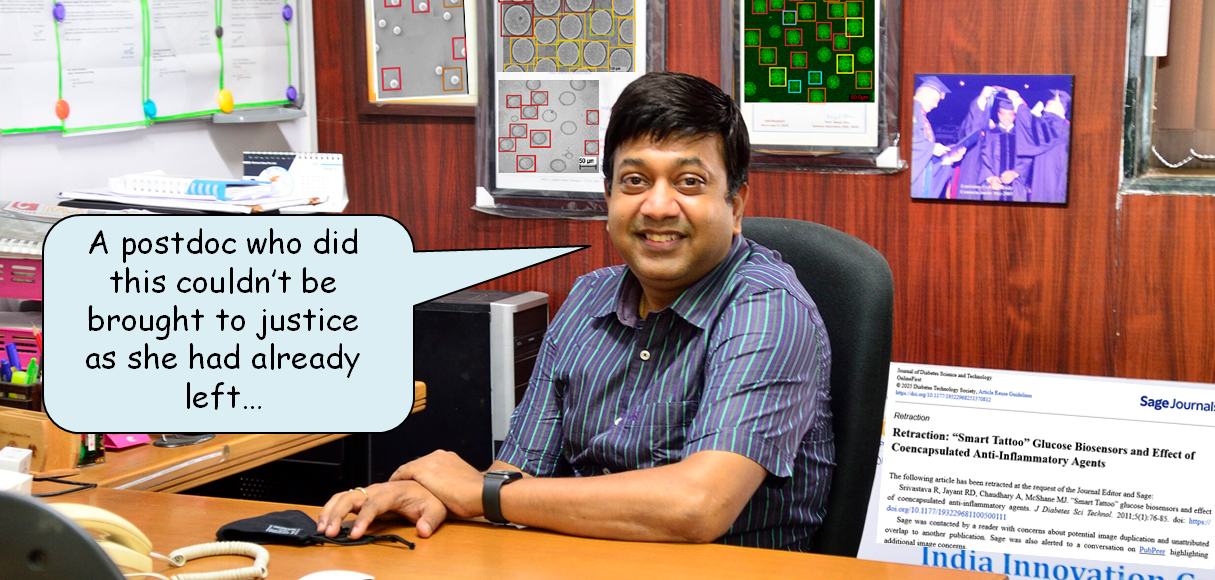

When scientists are confronted with fraud in their papers, they deploy different defence strategies. One of them is to suddenly claim that they had absolutely nothing to do with the research data in their own papers, and it was all the responsibility of their students. Naturally, the conclusions of these papers are not affected by any fraud the students committed, because their fake figures were merely illustrations for the great and true story of scientific breakthroughs written by their genius masters.
Thus, do punish and destroy the students, make them pay for their failure and betrayal, but never retract those papers.
One such student-blaming professor is Arati Ramesh at National Centre for Biological Sciences in India, I wrote three articles about this bully and cheater. At the end, her scapegoat and victim of her abuse spoke out:

“On no condition can the prediction be wrong” – NCBS Scapegoat Student in Interview
An exclusive interview with Siladitya Bandyopadhyay, about bullying and research fraud in the Arati Ramesh lab at NCBS Bangalore.

Another case of a professor who placed full responsibility with his past lab members, was Pravin Singhal from New York, read November 2025 Shorts. He blamed his “postdocs, who carried out these jobs“, and added:
“One manipulated figure by a post doc does not takes away the whole theme of the paper.”
The principal investigator is always innocent and always right.
Relaxin with Chrishan
Chrishan Samuel is professor at the Department of Pharmacology of Monash University in Melbourne, Australia. Fabian Wittmers and other sleuths flagged a number of his papers on PubPeer. Here is an older paper of his, with a fake gel:
Simon G. Royce, Xuelei Li , Stephanie Tortorella , Liana Goodings , Bryna S. M. Chow , Andrew S. Giraud , Mimi L. K. Tang, Chrishan S. Samuel Mechanistic insights into the contribution of epithelial damage to airway remodeling. Novel therapeutic targets for asthma American Journal of Respiratory Cell and Molecular Biology (2014) doi: 10.1165/rcmb.2013-0008oc

The penultimate author Mimi Tang is professor at University of Melbourne and group leader at Murdoch Children’s Research Institute. Samuel and his postdoc Simon Royce continued research asthma, in Royce et al 2017 they finally revealed a cure, which was the “intranasal administration” of “induced pluripotent stem cell-derived mesenchymal stem cells” from the company Cynata Therapeutics. Seriously.
“A pre-clinical study, led by Associate Professor Chrishan Samuel, showing promise as a potential treatment for chronic asthma has been featured on Channel 9 News nationally” (Monash University, 2017)

Before stem cells, there were other things Samuel pushed. The Monash University informs us about his research focus:
“Chrishan’s main interest has been to establish the anti-fibrotic and therapeutic potential of the naturally occurring hormone, relaxin.”
Well, here is a nice relaxin paper with other important doctors from Melbourne, on PubPeer since 2021:
Bryna S. Man Chow , Martina Kocan , Sanja Bosnyak , Mohsin Sarwar , Belinda Wigg , Emma S. Jones , Robert E. Widdop , Roger J. Summers , Ross A.D. Bathgate , Tim D. Hewitson , Chrishan S. Samuel Relaxin requires the angiotensin II type 2 receptor to abrogate renal interstitial fibrosis Kidney international (2014) doi: 10.1038/ki.2013.518


The coauthor Ross Bathgate is professor at University of Melbourne and also co-leader of the Discovery Science Theme at the affiliated The Florey institute. Samuel used to be “research fellow and laboratory head” there. Tim Hewitson is nephrologist at the Royal Melbourne Hospital and honorary professor at University of Melbourne.
And another relaxin study, featuring Australia’s academician Geoffrey Tregear, one of the founders of The Florey and name patron of the Tregear Award. Very shameful what he put his name on; Hewitson is first author:
Tim D Hewitson, Ishanee Mookerjee , Rosemary Masterson , Chongxin Zhao , Geoffrey W Tregear , Gavin J Becker , Chrishan S Samuel Endogenous relaxin is a naturally occurring modulator of experimental renal tubulointerstitial fibrosis Endocrinology (2007) doi: 10.1210/en.2006-0814
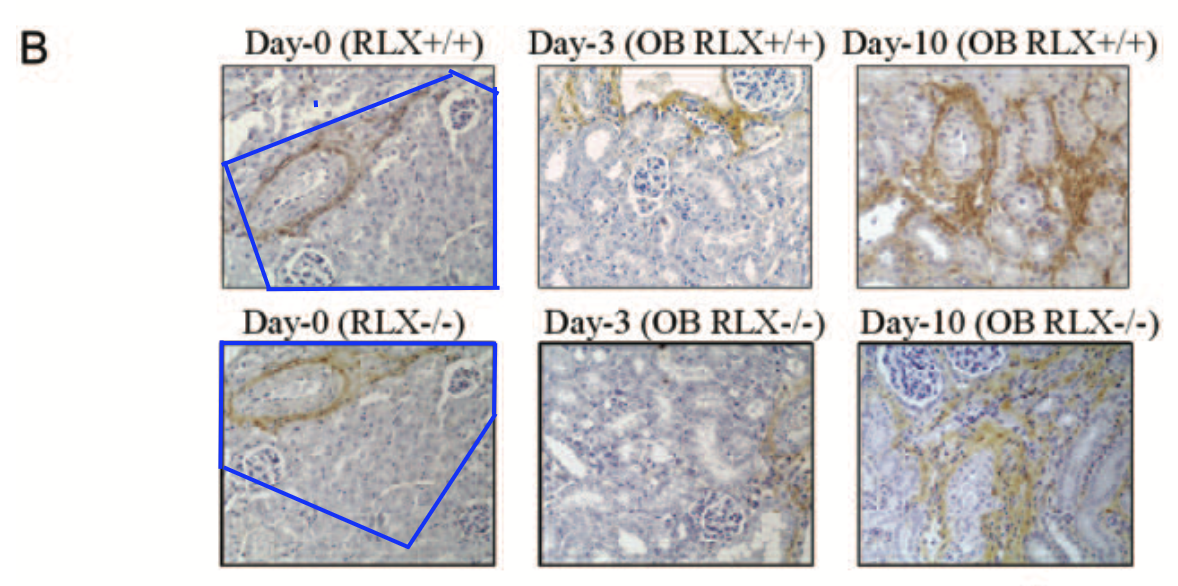
Here are more relaxin papers by Samuel, flagged by Fabian and other sleuths. On board are Tregear, Bathgate and Hewitson:

Fig 7
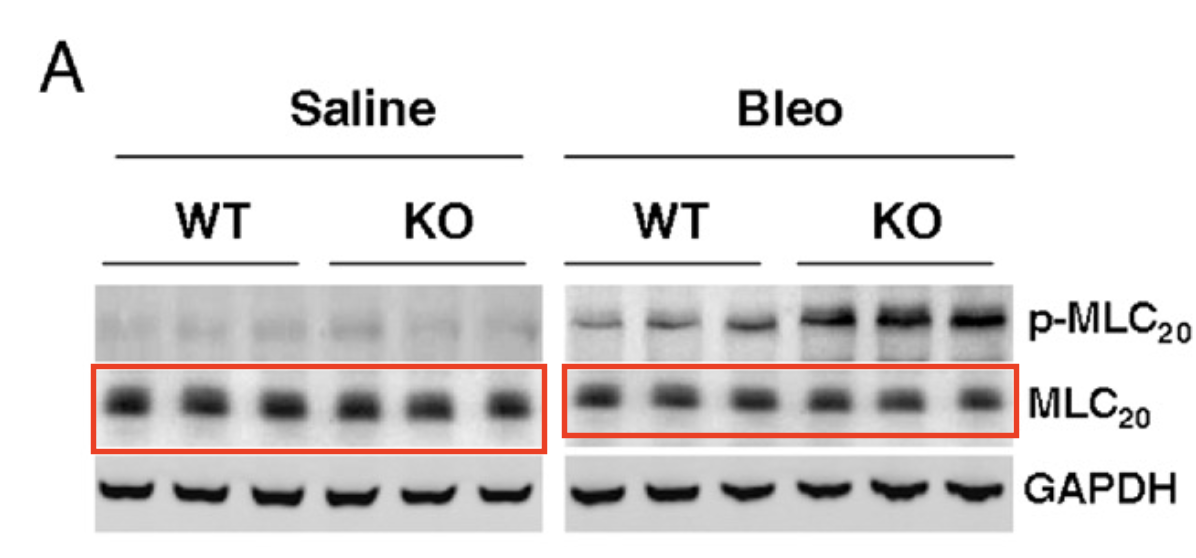
Fig 2A

In 2013, the results of phase 3 clinical trial RELAX-AHF with recombinant human relaxin-2 (Serelaxin) were published in The Lancet (Teerlink et al 2013). The study with 1161 patient discovered that “serelaxin was associated with dyspnoea relief and improvement in other clinical outcomes, but had no effect on readmission to hospital.” It was also found that “Serelaxin treatment was associated with significant reductions of […] deaths at day 180″, however a follow-up phase 3 clinical trial RELAX-AHF-2, published by the same investigators 6 years later in NEJM (Metra et al 2019), found that “an infusion of serelaxin did not result in a lower incidence of death from cardiovascular causes at 180 days or worsening heart failure at 5 days than placebo.”
This suggests relaxin therapy doesn’t work. Samuel however was motivated by the promising results of RELAX-AHF, and continued with his preclinical research. Here with his former mentor Bathgate, the last author Roger Summers is since 2021 emeritus professor at Monash:
M Sarwar , C S Samuel , R A Bathgate , D R Stewart , R J Summers Serelaxin‐mediated signal transduction in human vascular cells: bell‐shaped concentration–response curves reflect differential coupling to G proteins British Journal of Pharmacology (2015) doi: 10.1111/bph.12964
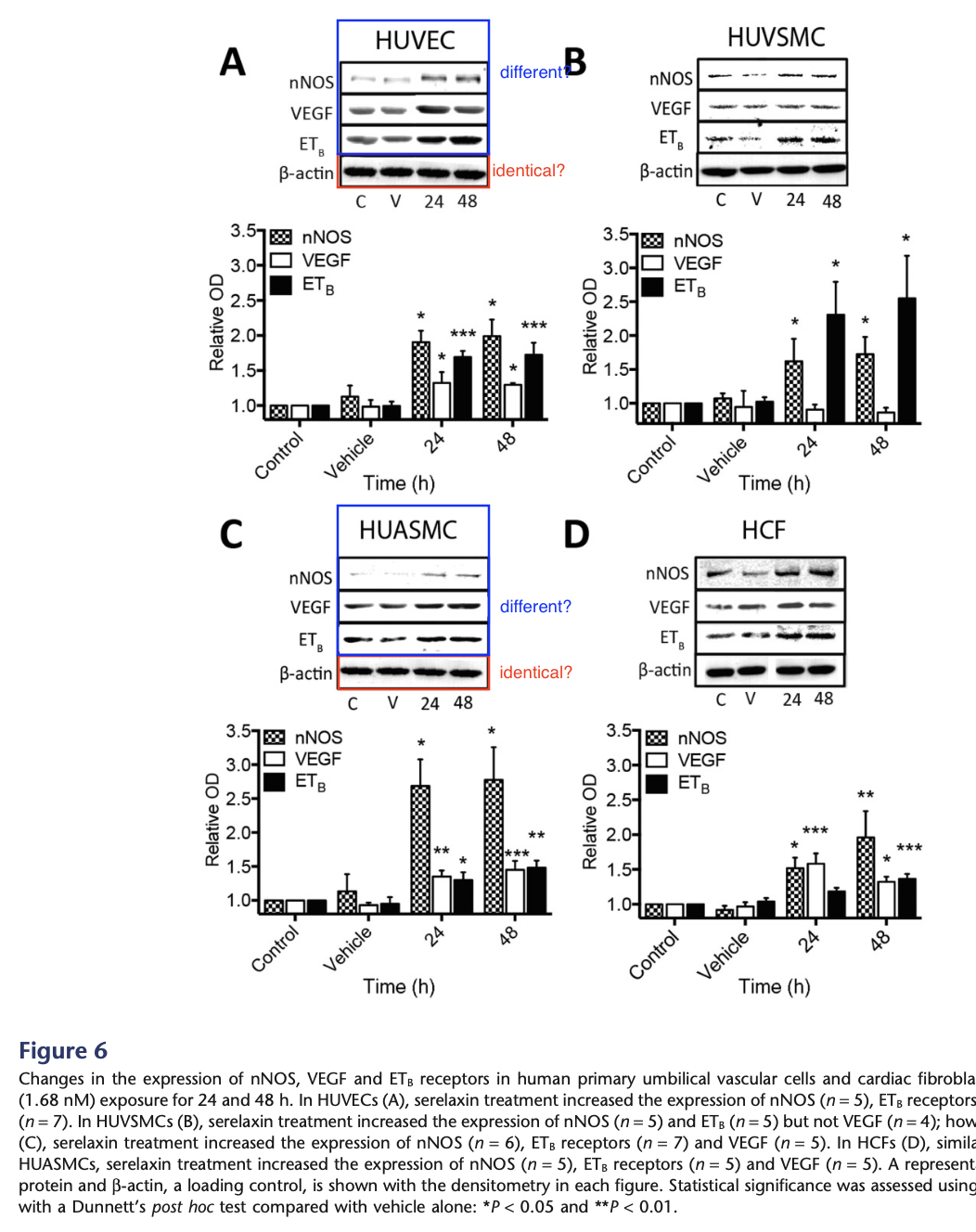
Archasia belfragei: “Figure 6: The loading controls for A and C appear identical”
Those are also different cell lines
Honest mistake? How about those blots, in another relaxin study by Samuel, where he protected himself from retraction from a whole army of important white men – Bathgate, Summers, Hewitson, Monash’ professor’s head of pharmacology Robert Widdop, and others:
Bryna S. M. Chow , Martina Kocan , Matthew Shen , Yan Wang , Lei Han , Jacqueline Y. Chew , Chao Wang , Sanja Bosnyak , Katrina M. Mirabito-Colafella , Giannie Barsha , Belinda Wigg , Elizabeth K. M. Johnstone , Mohammed A. Hossain , Kevin D. G. Pfleger , Kate M. Denton , Robert E. Widdop , Roger J. Summers , Ross A. D. Bathgate , Tim D. Hewitson , Chrishan S. Samuel AT1R-AT2R-RXFP1 Functional Crosstalk in Myofibroblasts: Impact on the Therapeutic Targeting of Renal and Cardiac Fibrosis Journal of the American Society of Nephrology (2019) doi: 10.1681/asn.2019060597

And another relaxin study, maybe people will understand now why so many therapies, which were so tremendously successful in the lab according to peer reviewed papers in fine journals, then fail spectacularly in clinical trials:
Yifang Li, Gang Zheng, Ekaterina Salimova, Brad R.S. Broughton, Sharon D. Ricardo, Michael De Veer, Chrishan S. Samuel Simultaneous late-gadolinium enhancement and T1 mapping of fibrosis and a novel cell-based combination therapy in hypertensive mice Biomedicine & Pharmacotherapy (2023) doi: 10.1016/j.biopha.2022.114069
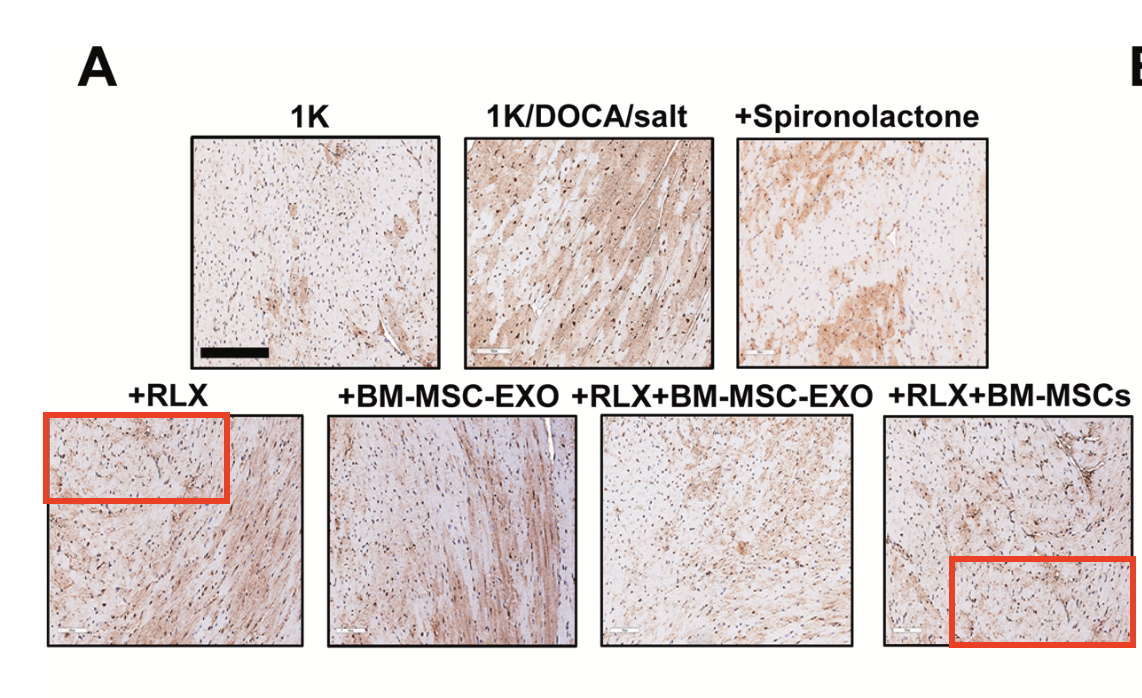
Archasia belfragei: “Figure 2: two panels appear to overlap”
The coauthor Sharon Ricardo is another Monash professor. Samuel must have thought: what if I combine relaxin with stem cells, to treat hypertension? After all, he cured asthma with them, remember? The Monash team then used human bone marrow cells and injected them into mice:
Yifang Li , Matthew Shen , Dorota Ferens , Brad R S Broughton , Padma Murthi , Sheetal Saini , Robert E Widdop , Sharon D Ricardo, Anita A Pinar, Chrishan S Samuel Combining mesenchymal stem cells with serelaxin provides enhanced renoprotection against 1K/DOCA/salt-induced hypertension British Journal of Pharmacology (2021) doi: 10.1111/bph.15361
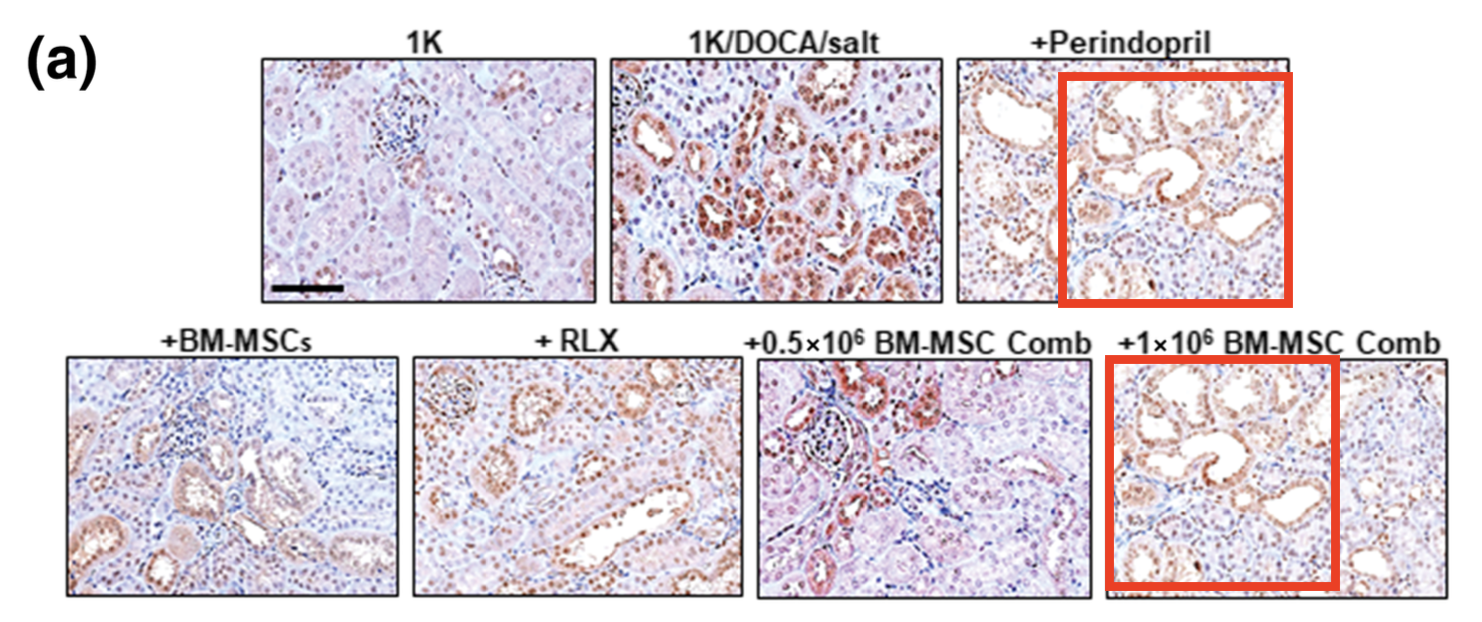
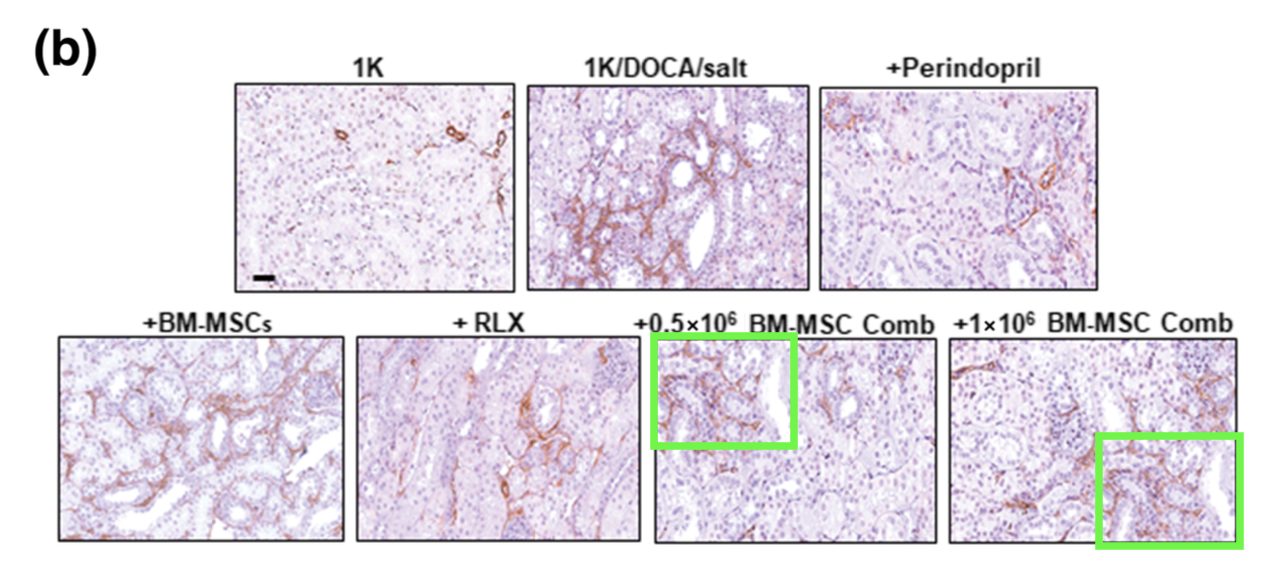
As relaxin was buried in NEJM, Samuel focussed his attention on that evergreen of biomedical quackery: stem cells, because those cure everything. With Widdon and Ricardo:
Yifang Li , Alex Hunter , Miqdad M. Wakeel , Guizhi Sun , Ricky W. K. Lau , Brad R. S. Broughton , Ivan E. Oyarce Pino , Zihao Deng , Tingfang Zhang , Padma Murthi , Mark P. Del Borgo , Robert E. Widdop , Jose M. Polo , Sharon D. Ricardo, Chrishan S. Samuel The renoprotective efficacy and safety of genetically-engineered human bone marrow-derived mesenchymal stromal cells expressing anti-fibrotic cargo Stem Cell Research & Therapy (2024) doi: 10.1186/s13287-024-03992-x
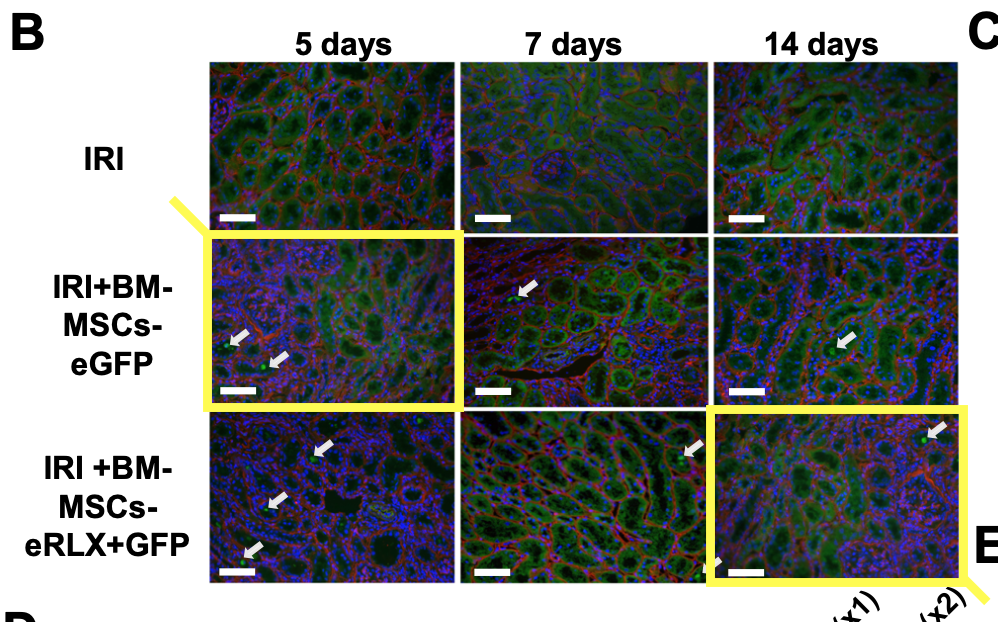
Archasia belfragei: “Figure 3B: two panels appear more similar than expected (except for a rotation)”
On 10 November 202, I contacted Samuel about his PubPeer record. He replied to me right away:
” you certainly seem to have a lot of time on your hands going through these old publications. I have supervised several students to completion (18 PhD students as Main Supervisor + >30 other PhD students, 15 Masters students, 43 Honours students), who I teach to analyse their own data in a blinded and randomised fashion. The students are responsible for choosing the representative images that were highlighted in the publications you sent me links to – perhaps in some cases, I should have checked these images more closely, but they were intended to be representative images rather than duplications or forgeries of other images.
I will certainly be more careful in checking these images in the future.“
Professor Chrishan S. Samuel, BSc (Hons), PhD, FAHA
Apparently, Samuel thinks I generate the entire PubPeer content by myself. The young lad also seems to think his papers from last year are ancient history, way too old to be analysed. Further evidence that Samuel’s childish attitude is his description of research data as “representative images“, mere cartoons which serve to other reason but to help little boys like him understand what the story in the paper is about. Maybe Samuel indeed doesn’t know that research actually requires data, not just random pictures.
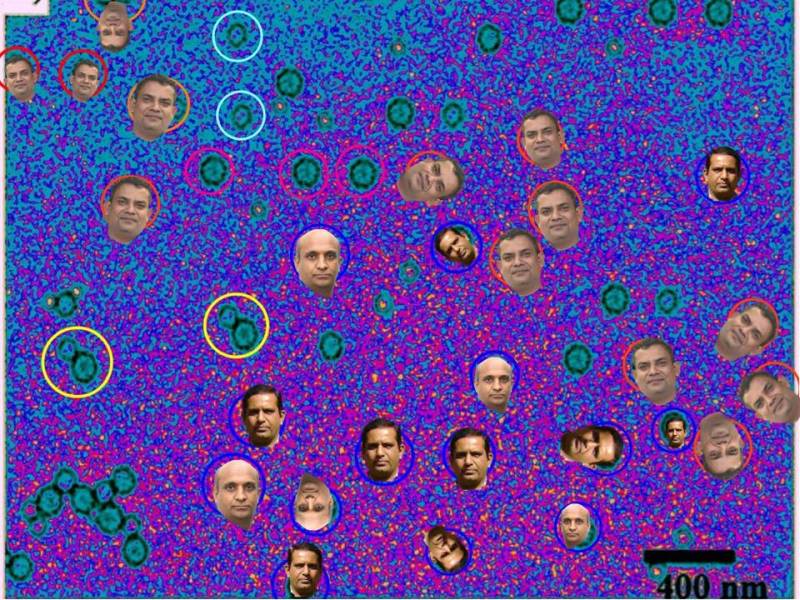
The papers which faked themselves
“These papers breached the Australian Code and RMIT Research Policy by not ensuring that conclusions are justified by the results and not responsibly disseminating research findings.” RMIT investigative report
But this bit is the most unpleasant: “The students are responsible“. Not Samuel of course, he is only responsible for his papers when those bring him money and promotions, never when fraud is found. He will scapegoat and sacrifice everyone under him with glee.
Monash University eventually replied to me. On 17 November 2025, their Office of Research, Ethics & Integrity send me this message:
“We confirm that our office will be looking further into the concerns raised upon PubPeer in conjunction with 11 articles co-authored by Monash University researcher Professor Chrishan Samuel. Concerns raised will be investigated in accordance with Monash University’s Procedures for Investigating Code Breaches.
Thank you for bringing this matter to our attention. “
It reminds me of the case elsewhere in Australia, that of Gilles Guillemin at Macquarie University. He tried blaming his foreign collaborators, and it ended in his dismissal and a major scandal.
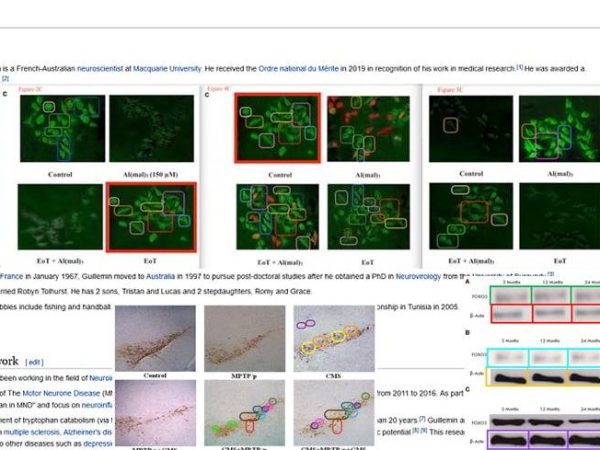
“NONE of the work HAS NOT BEEN DONE in my lab”
“you can make a mistake once, but twice hmmmm I’d like to have my name removed from the potential revised version of this manuscript”, – Prof Guillemin.
As I mentioned, i saw this student-blaming nasty attitude before, and it always went together with bullying and fraud.
She couldn’t be brought to justice
The most outrageous student-blaming story I ever encountered involved Rohit Srivastava, professor of bioengineering at IIT Bombay in India, who thinks he is so notable that he set up Wikipedia profile of himself, to quote himself about receiving some awards:
“I believe that our work in affordable medical devices and maternal and childcare will hold extreme promise for the future,””

Indeed, Srivastava’s attitude to women is a serious problem. But not just his, also that of his favourite former PhD student, Rahul Dev Jayant. The latter went to USA, became assistant professor at Texas Tech University Health Science Center, and then was sacked and found guilty of research fraud by HHS-ORI (also Retraction Watch reported at that time). Here is the report summary from August 2020:
“ORI found that Respondent engaged in research misconduct by intentionally plagiarizing, falsifying, and/or fabricating data included in the following grant applications submitted for PHS funds:
[1 R01 and 3 R21 NIH grants listed]
10):2329-40 (hereafter referred to as “ NP 2014”) without author attribution and including the plagiarized material in Figure 3iia-c of R21 DA051845-01, Figure 2iiia-c of R01 DA051894-01, Figure 3iiia-c of R21 DA052445-01, Figure 3iiia-c of R21 AA028877-01, and the graph in Figure 2iv of R01 DA051894-01.
• Plagiarizing one (1) image of brain organoids from Nature Communications 2018 Oct 9; 9(1):4167 (hereafter referred to as “ NC 2018”) without author attribution and including the plagiarized material in Figure 2iiid of R01 DA051894-01.
• Falsifying and fabricating three (3) figures representing experiments measuring caspase3 expression in human brain organoids by reusing data from one experiment to represent different experimental treatments in Figure 4Bii of R21 DA051845-01, Figure 4iv of R21 DA052445-01, and Figure 3iii of R21 DA051894-01.
• Fabricating nine (9) bar graphs representing experiments measuring gene expression in control and experimental samples of human brain organoids treated with drugs of abuse in Figures 2i and 3i-iii of R21 DA051894-01, Figures 3ii, 4Ai-ii, and 4Bii of R21 AA028877-01, Figures 3ii and 4i-iii of R21 DA052445-01, and Figures 4A, 4Bi, and 5 of R21 DA051845-01.”
So you probably see, Jayant is very officially a research fraudster. Here his paper with his mentor Srivastava:
R. D. Jayant , R. Srivastava Dexamethasone Release from Uniform Sized Nanoengineered Alginate Microspheres Journal of Biomedical Nanotechnology (2007) doi: 10.1166/jbn.2007.039
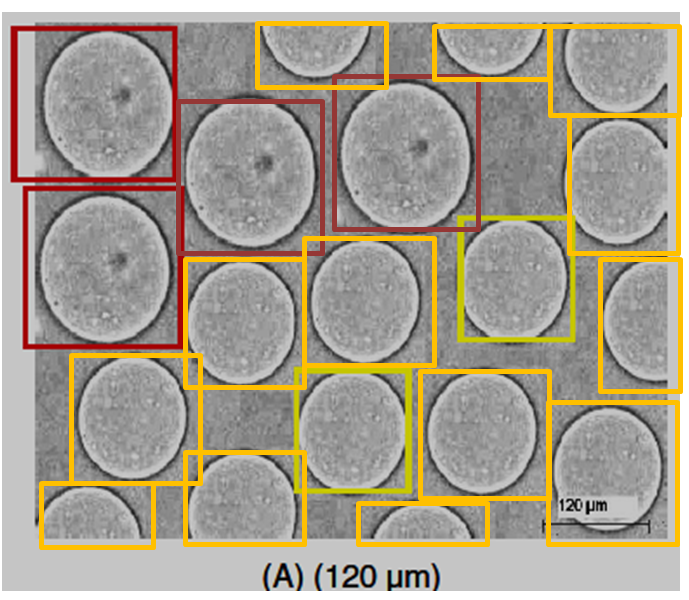
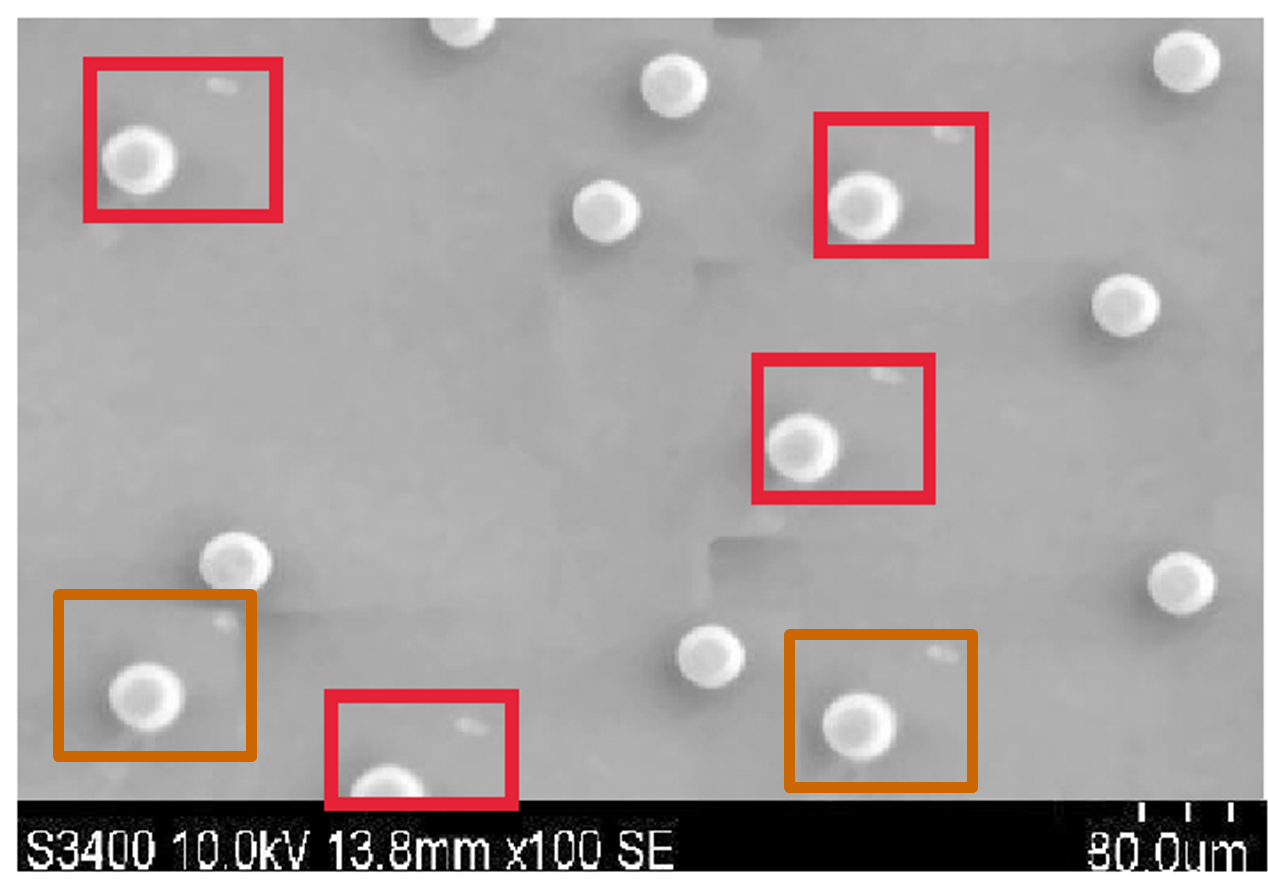
Erica glumiflora: “In Fig. 2A and C, there are microspheres that bear a very close resemblance to each other. […] In Fig. 4C there are microspheres that again bear a close resemblance to each other […] There are also strong rectangular discontinuities in the background.”
Some text and data from that paper was reused here, in a study by three academic generations: Jayant, his PhD mentor Srivastava, and Srivastava’s PhD mentor Mike McShane, head of department of Biomedical Engineering at Texas A&M University in USA:
R. D. Jayant , M. J. McShane , R Srivastava Polyelectrolyte-coated alginate microspheres as drug delivery carriers for dexamethasone release Drug Delivery (2009) doi: 10.1080/10717540903031126
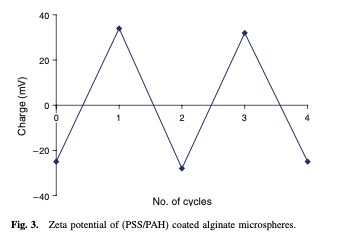
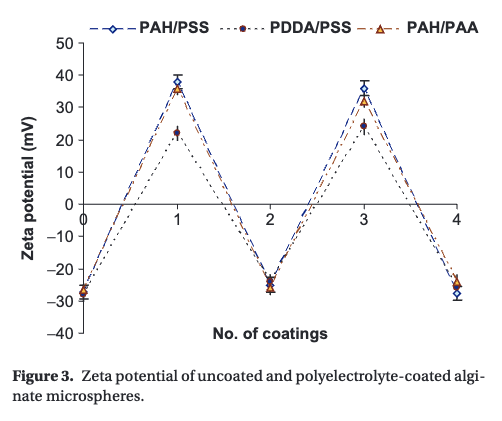
Now let me show you a paper of Jayant’s with Srivastava which was eventually retracted. The authors include again McShane (who never replied to my emails), and Srivastava’s own former lab member Ayesha Chaudhary, who left academia, and as you will see, became Srivastava’s scapegoat for everything.
Rohit Srivastava, Rahul Dev Jayant , Ayesha Chaudhary , Michael J. McShane “Smart Tattoo” Glucose Biosensors and Effect of Coencapsulated Anti-Inflammatory Agents Journal of Diabetes Science and Technology (2011) doi: 10.1177/193229681100500111


Rahul Dev Jayant , Michael J. McShane, Rohit Srivastava In vitro and in vivo evaluation of anti-inflammatory agents using nanoengineered alginate carriers: Towards localized implant inflammation suppression International Journal of Pharmaceutics (2011) doi: 10.1016/j.ijpharm.2010.10.035
Erica glumiflora: “Notably, the images in Srivastava Fig. 7A overlap with the images in Jayant Fig. 4 2A and 2B (and Fig. 5 2A and 2B) and the images in Srivastava 7C overlap with the images in Jayant Fig. 4 2C and 2D, but which image represents day 7 and which image represents day 28 has been flipped. It is also curious that arrows do not always match between matching images.”
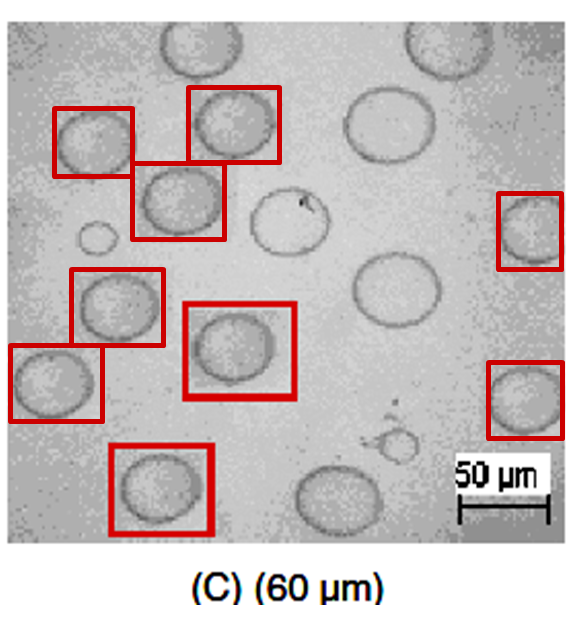
And then there is one completely fake image (I added some more boxes):

Erica glumiflora: “Both articles also share the same image for Fig. 1A (although the 50 micrometer scale bar is perhaps twice as long in Srivastava as in Jayant). Of interest in this image, many of the microspheres appear almost identical.”
The retraction followed my notification to the publisher, and appeared on 19 August 2025:
“Sage was contacted by a reader with concerns about potential image duplication and unattributed overlap to another publication. Sage was also alerted to a conversation on PubPeer highlighting additional image concerns. Concerns were raised about the following figures in the article:
- a) Figure 1A contains signs of in-image duplicate and appears highly similar to Figure 1A [1].
- b) Figure 6, images labelled Plain MS, Day 7 and Day 28, appear highly similar to Figure 4, 1A and 1B [1].
- c) Figure 6, images labelled Dexamethasone-loaded MS, Day 7 and Day 28, appear highly similar to Figure 4, 1C and 1D [1].
- d) Figure 6, images labelled Dexamethasone-loaded MS, Day 7 and Day 28, appear highly similar to Figure 4, 1C and 1D [1].
- e) Figure 6, images labelled Diclofenac-loaded MS, Day 7 and Day 28, appears highly similar to Figure 5, 1C and 1D [1].
- f) Figure 7A, image labelled Plain GOx Sensor, Day 7, appears highly similar to Figure 4, 2B [1].
- g) Figure 7A, image labelled Plain GOx Sensor, Day 28, appears highly similar to Figure 4, 2A [1].
- h) Figure 7C, image labelled GOx sensor + dexamethasone, Day 7, appears highly similar to Figure 4, 2D [1].
- i ) Figure 7C, image labelled GOx sensor + dexamethasone, Day 28, appears highly similar to Figure 4, 2C [1].
- j ) Figure 7D, images labelled GOx sensor + diclofenac, Day 7 and Day 28, appear highly similar to Figure 5, 2C and 2D [1].
The article also contains substantial unreferenced overlap:
- a) Figure 4A and 4B duplicates data from Figure 2, split across two figures [1].
- b) Data for ‘Uncoated MS’, Figure 5, contains some of the same data as Figure 3 [1].
- c) Unattributed text overlap with other articles [1], [2], [3] by the same author group.
The authors were unable to provide the uncropped raw images and raw data underlying the figures.
The authors acknowledged the reuse of images in Figure 1A, Figure 6, Figure 7A/C/D and explained that any text overlap was due to an error. The authors requested to correct the article with appropriate attribution.
The Journal Editor evaluated the response and deemed the articles to contain significant overlap and image duplication. Because of the unresolved concerns about the image integrity that call into question the validity of the findings the Journal Editor and Sage retracts the article.
R. S. disagreed with the decision to retract. The remaining authors did not respond when notified.”
Nasty Jasti Rao, or what’s wrong with US biomedicine
Brain cancer professor Jasti Rao enjoyed the American dream of gigantic salary, political support and lavish research grants, in Texas and in Illinois. Did he ever perform any research, in-between casino gambling and terrorizing his lab employees? 109 fraudulent papers on PubPeer suggest otherwise.

Prior to all that, in March 2025, I sent these PubPeer threads and the HHS report about Jayant’s fraud to Srivastava. The IIT professor replied, and immediately defended Jayant while suspecting other “people who worked on this” who “have long graduated and left“. Obviously he falsely accuses Ayesha Chaudhary.
Srivastava also explained the cloned particles with this:
“The microspheres appear nearly identical due to their controlled fabrication process, ensuring uniform morphology and fluorescence properties. […]
If any image inconsistencies occurred during manuscript formatting, they were unintentional and do not aJect the integrity of the results. […]
Important to note: any flipping or resizing was an unintentional
formatting error rather than deliberate misrepresentation”

Zombie fingers inside corroded nano-piecrusts
Smut Clyde is back with more fraudulent nanotechnology. This time, he presents the works of Dhanaraj Gopi, who designs fabricated surfaces for surgical implants. In Photoshop, or with a pencil.
And then Srivastava sent me this message, with McShane in cc (highlight mine):
“I had a discussion with Rahul and I have attached a response to the raised queries. As you can see, there was never a deliberate attempt to fabricate or misrepresent data. We have always been careful with experiments and data in manuscripts and report them as collected. The incident you attached for Rahul was again a one off event in his career which happened because of his carelessness with a postdoc who did this in the manuscript but later couldn’t be brought to justice as she had already left. We hope these things are never repeated by anyone in the academic system because we have always been taught to show data as is (whether good or bad) and let the editor decide whether they want to accept the paper or not. Many students in my lab have graduated without a paper because they couldn’t publish the data they had. We continue training students with this motive and hope that no one ever misuses the system. I hope we can now close this query.”
Jayant and Srivastava don’t just blame yet another woman for their own misdeeds, they even fantasise about having her “brought to justice“. Why this hatred? My guess it was this woman who blew the whistle on Jayant’s fraud, which led to the ORI findings against him. I shudder to think about what Srivastava’s female lab members have to suffer through. And Jayant is yet another category of nastiness.
This was attached to Srivastava’s email:
“Important to note: any flipping or resizing was an unintentional
formatting error rather than deliberate misrepresentation.”
Recall also that Srivastava basically admitted that if his students refuse to fake data according to his vision, he won’t allow them to publish anything at all. That’s why Jayant became his darling, and the honest ones become his scapegoats.
IIT Bombay never replied to my notification of suspected research misconduct against Srivastava and Jayant. A classic attitude by universities and research institutions.
Srivastava and McShane remained silent when I wrote to them again to congratulate on their retraction.

USERN-friendly Nobelists
Nobel Prize laureates and predatory conferences – why such mutual attraction?
To close, this is what Jayant co-fabricated in USA, with Temple University bigwig Kamel Khalili (PubPeer record), and Ajeet Kaushik, professor at Florida Polytechnic University and laureate of USERN scamference award (read above):
Ajeet Kaushik , Jose Rodriguez , Dan Rothen , Vinay Bhardwaj , Rahul Dev Jayant , Pradip Pattany , Beatriz Fuentes , Hitendra Chand , Nagesh Kolishetti , Nazira El-Hage , Kamel Khalili , Norma S. Kenyon , Madhavan Nair MRI-Guided, Noninvasive Delivery of Magneto-Electric Drug Nanocarriers to the Brain in a Nonhuman Primate ACS Applied Bio Materials (2019) doi: 10.1021/acsabm.9b00592

This student blaming is not a small thing. Fraudster scientists who do it are bullies, if not worse.
Note: the Srivastava -Jayant case was already reported in earlier Friday Shorts
Donate!
If you are interested to support my work, you can leave here a small tip of $5. Or several of small tips, just increase the amount as you like (2x=€10; 5x=€25). Your generous patronage of my journalism will be most appreciated!
€5.00

 For Better Science
DIRECTIVE ALPHA‑7: CONDUCT PROTOCOL
1. ADMIT NOTHING.
No disclosures. No acknowledgments. No exceptions.
2. DENY EVERYTHING.
Immediate, absolute, and unwavering. Delivery must be calm, confident, and rehearsed.
3. INITIATE COUNTER‑ACCUSATIONS.
Shift the battlespace. Seize narrative dominance. Do not wait to be challenged—counterstrike verbally and with precision.
4. MAINTAIN A CONVENIENT TARGET TO ABSORB BLAME.
Identification required. Presence optional. Utility guaranteed.
COMPLIANCE WITH DIRECTIVE ALPHA‑7 IS MANDATORY FOR ALL PERSONNEL
Works in so many fields.
LikeLiked by 1 person
I sent Crishan Samuel and his university my article, and received this autoreply:
“I am currently on conference leave and will not be regularly checking my emails during this time. I will most likely respond to your email when I return to work on Wednesday December 10th.
Professor Chrishan S. Samuel, BSc (Hons), PhD, FAHA
Deputy Head of Department (Research) & Head, Fibrosis Laboratory
Department of Pharmacology”
Hopefully this is a euphemism for being suspended during the investigation.
LikeLike
Euphemism… My mind has been warped enough that ‘being on a conference’ immediately reads as ‘all-expenses-paid hookers-and-blow tour.
LikeLike
Well yes, normally. But I would be really surprised if Monash would sponsor this for Samuel now.
LikeLike
Excellent article. You might wish to add the lawsuit (dismissed) by D. Pratico against his graduate student P. Giannopoulos, claiming defamation of character over numerous fraudulent publications. You previously covered this very well.
LikeLike
Indeed, I forgot about Pratico!
LikeLike
Serial fraudster Suman L. Jain also throws her students under the bus when interviewed by Retraction Watch about her numerous mentions on PubPeer:
“please believe me. I was completely unaware of these manipulations during the manuscript submission. I could never imagine that students whom I helped a lot during their PhD did this to me, and now, they are not even responding. I feel cheated by the dirty and manipulative students who, just for their selfish purpose, created this trouble for me. I am highly depressed and do not know how to come out of all that.
This situation is an eye-opener for me for the future. I will be extremely careful in data handling from now onwards.”
https://retractionwatch.com/2025/02/05/the-fraud-was-not-subtle-chemist-blames-students-after-ten-papers-retracted/
It takes some audacity to defend yourself by admitting that you don’t check the data that you publish under your name.
LikeLike
The major concern is for those who are unpaid visiting masters or PhD students, or postdocs, including international medical graduates who are expected to do research to enter the US system. Many of them, especially those who joined well-known institutions under established PIs involved in questionable practices, have no way of knowing what they are walking into. It’s even not uncommon for them to be mislead at the start and to make mistakes unknowingly, simply because they lack the experience to judge what is right or wrong in eg. some of the reach techniques, methodology. Until recently, there were no barriers to prevent recruiting unpaid researchers.
When a Pubpeer comment appears and an institution begins an inquiry, the first reaction of many problematic PIs (including some mentioned here) is to shift the blame onto the juniors. Imagine those who have already returned to their home countries, with no access to lab documents, trying to defend themselves to a PI who is already working in that institution and has the institution’s support.
The US system is complex, for example any researcher at any level, paid or unpaid, carries the same liability if they participated in a project funded by NIH, and often these researchers don’t even know where the funding of the experiment they are conducting comes from. For ORI, the liability is the same whether the article is submitted or already published version. Yet the misconception that they can submit first and correct the problems afterward remains for many.
Hiring a lawyer for such cases costs at least $30,000, an impossible sum for someone who was a visiting masters student at the time and now works in a low-income country. Meanwhile, institutions always have their own lawyers, and most PIs can easily afford legal representation. So imagine paying $30K to defend innocence for work that you have done for free ! This is a major issue, which is probably being faced by hundreds of researchers at the moment.
If we were to shift gears and move to Germany, Ingrid Herr case(s) show up:
“I suspect that the incidents in my lab may be partially related to differing interpretations of the rules of Good Scientific Practice in different nationalities. Specifically, I refer to China, African and Arab countries. But Italy and Spain also seem to be more frequently included among the black sheep.“
So something needs to be done to save the black sheeps while saving science.
LikeLike