

Aneurus Inconstans brings to you another large study of academic malfeasance. This time, the sleuth decided for some reason to focus on the picturesque medieval German town of Heidelberg. Maybe our sleuth lost his heart there?
What we do know, is that many very big, very rich and very influential German professors of medicine lost all shame and decency there. Let’s hope, together with Aneurus, that these doctors treat their patients better than they do science.
(I apologise for the music video at the end. It was not my choice)

I Lost My Pancreas in Heidelberg
By Aneurus Inconstans
This year marks the centenary of the famous song “I Lost My Heart in Heidelberg“, 1925, (German: Ich hab’ mein Herz in Heidelberg verloren), by composer Fred Raymond, with lyrics by Fritz Löhner-Beda and Ernst Neubach. How and when will anyone lose their heart in the picturesque town of Baden-Württemberg is just a matter of details. But Heidelberg is not only famous for its romantic atmosphere, it’s also a place of science.
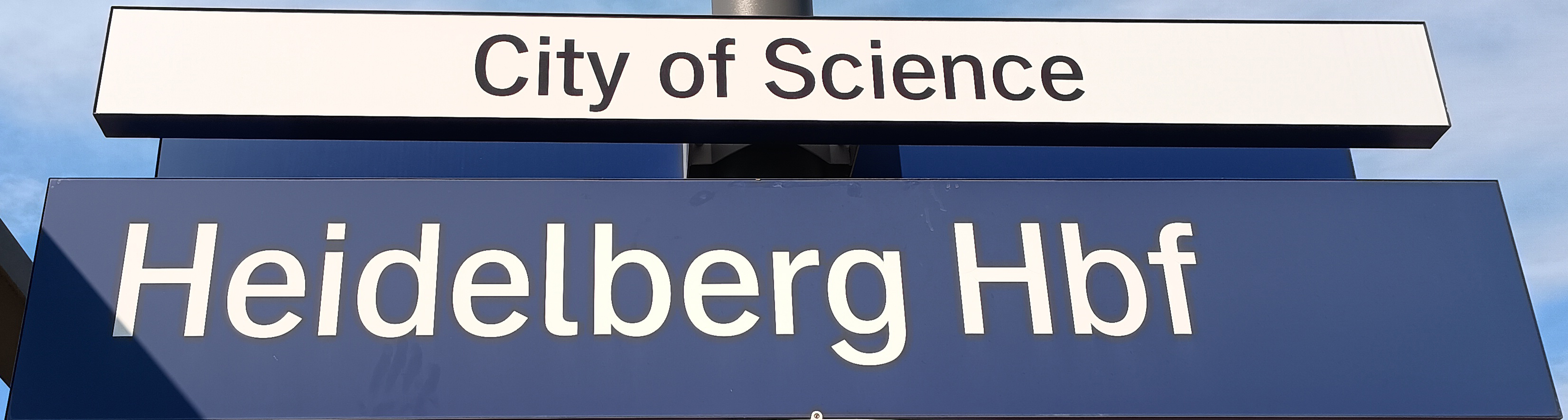
Few places in Europe have so many top-tier academic institutions as Heidelberg has. The oldest German university founded in 1386, the DKFZ (German Cancer Research Center), the EMBL (European Molecular Biology Laboratory), and four Max Planck institutes are there. That’s remarkable for a town of just 160,000 inhabitants. When arriving by train to Heidelberg, you are even welcomed by the sign: “City of Science”.
Medical research is huge in Heidelberg. The Heidelberg University Medical School is renowned worldwide and attracts lots of public funding. Even more so since 2007, when the “Excellence Initiative” has been launched in Germany to promote cutting-edge research in the country. It means that every five to six years (in 2007, 2012 and 2019 so far) extra billions of euros are injected into the German academic system by the federal government and the state governments. The money is awarded along three different lines of funding: 1) universities as whole entities; 2) clusters of excellence, where institutes from the same university or from different universities collaborate on specific topics; 3) PhD programs.
Line 1 determines which universities in Germany will be “excellent” for the period, and Heidelberg has been always among them so far. Although line 1 is the most prestigious, lots of money is delivered also along lines 2 and 3, and each university competes in this gold (or Geld) rush.
The next round of funding is ongoing. In May 2025 the decision for the Clusters of Excellence (line 2) was made, and the funding will begin on January 1, 2026. Instead the results for line 1 will be made public in March 2026, and funding will begin on January 1, 2027.
This race among German universities is won largely by the amount of papers published and overall metrics. Thus, it comes as no surprise that also in Germany research fraud is ramping up. With much regret, over the last years we found alarming examples of bad science in Heidelberg too.
You may remember the cancer researcher Ingrid Herr, 19 papers on PubPeer and 3 retractions (Račkauskas et al. 2017, Nwaeburu et al. 2017, Nwaeburu et al. 2016). Professor Herr even wrote a guest post in August 2023 at For Better Science about her “little PubPeer saga”:

My little PubPeer saga – A wake-up call, by Ingrid Herr
“Dear colleagues, scientists, check your lab members’ raw data, publications, and dissertations even more thoroughly than before to protect scientific ethics and data integrity and maintain trust in science!” – Ingrid Herr

Soon after the little saga turned into an little odyssey when sleuths expanded Herr’s booty of flagged papers. Professor Herr didn’t appreciate that, she got bitter toward Leonid for no reason. She wisely decided to retract some of the offending papers, but others got corrected, despite being equally problematic (like Zhang et al. 2015). Dr Herr put the blame on students and post-docs for those issues, without a word on her own faulty supervision over a 15-year period.
An even worse case was with the long-retired professor of DKFZ and University Clinic Heidelberg, Margot Zöller. Read here:
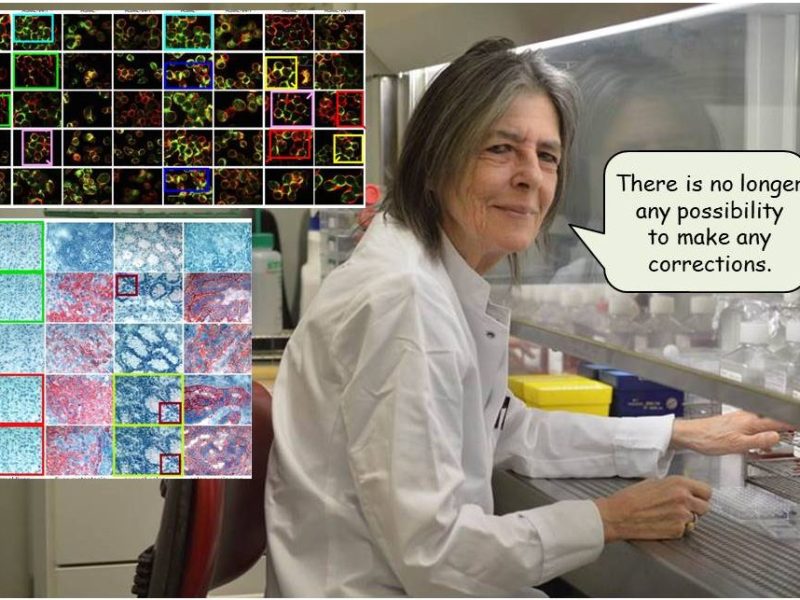
The elusive Margot Zöller
Celebrating the German cancer research maverick Margot Zöller of Heidelberg.
The Emerita Professor sports around forty papers on PubPeer with 3 retractions so far (Wang et al. 2019, Zhao et al. 2018a and Rana et al. 2012). Several more articles by the dishonest Margot deserve to be retracted ASAP, like Marhaba et al. 2003, Paret et al. 2005, Kuhn et al. 2007, Nazarenko et al. 2010, Jung et al. 2011, Schubert et al. 2011, Singh et al. 2011, Singh et al. 2013, Thuma et al. 2013, Philip et al. 2015, Yue et al. 2015, Wang et al. 2016, Wang et al. 2018b, Kyuno et al. 2019a, Kyuno et al. 2019b, all described in Leonid’s previous report.
In a comment under the Zöller’s For Better Science article, a former Zöller’s PhD student, whose identity is known to Leonid, provided a disconcerting testimony:
“I worked in this lab as a PhD around 2000 and left as I could not take it anymore 2 years later.
The technique was the usual one (seen in so many labs): refuse any results that were not fitting to the “gut feeling of her majesty”. You were asked to repeat until you got the result she expected and blaming you for everything that did not work her way. But she could change her mind and ask you why you were wasting your time on stupid experiments and refused to admit she asked you to. Most of the time you were left without any clear direction. At some point the threats were coming. She could shift you to a contract were you were less played or just cut the money. Many students left science after this experience but needed their diploma so they gave her the results she wanted… My project was based on a protein published at 94 kDa while it was actually 74kDa, it took me 6 months to have her admit this fact (you could see that the size ladder was wrongly labeled on the paper). She just mentioned it was a pity as 94 was better fitting a narrative she had for this paper, period. The student who made the experiment left (to be a banker, I think) and never replied my e-mails.
A small anecdote: Margot came to the lab at 7h and left at 23h. Indeed, she was a real nerd. She was feeding on 1 apple and 3 packs of cigarettes a day. She was smoking all the time everywhere in the lab (in the DKFZ!!!) and no one was saying a thing. She was even smoking while working at the laminar flow bench!
This time was really a bad one in my life, everything was arbitrary, unproductive and childish. She was one of the few female Lab head and was therefore a holly cow in the DKFZ. She was a product of her time, though, being a female in science was not really a job for balanced temperaments. I hated her so much and she did so much damage to science!
I had very happy I left this crappy hell and I could find many new nice and productive lab bosses though my modest career!“
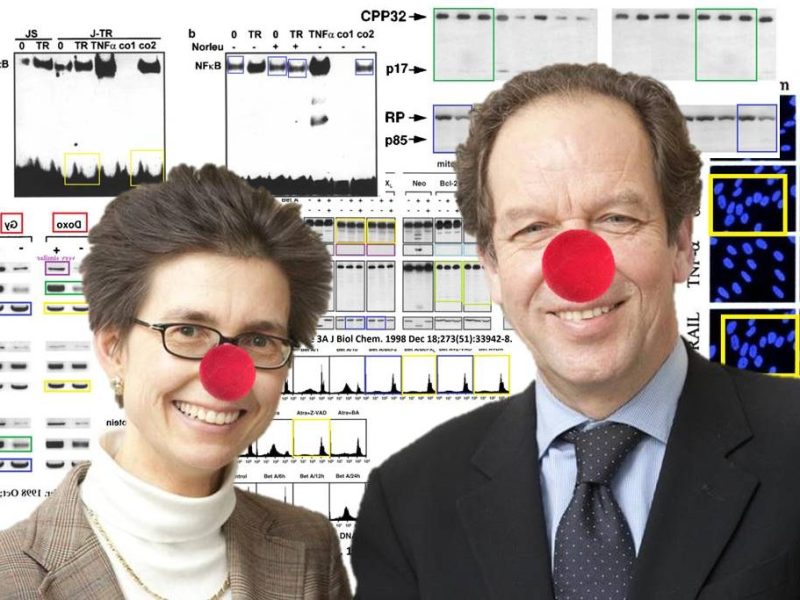
Fulda & Debatin: Reproducibility of Results in Medical and Biomedical Research
“Basic and advanced training for researchers should focus much more on self-reflection, openness and a culture of error acceptance.”
Three of Zöller’s and one Herr’s problematic papers are co-authored by the emeritus professor Markus Büchler, who for 22 years used to be Chairman of the Department of General, Visceral and Thoracic Surgery at the University Hospital Heidelberg. In that capacity, he set up in 2018 a cooperation programme between the Qatar Ministry of Health and Heidelberg University Hospital.
In March 2023, Büchler retired, celebrated by his university as member of the German Academy Leopoldina, Senator of the German Society for Surgery, “co-author of more than 2,500 surgical specialist publications” and as a “Highly Cited Researcher“. Immedately after that, on 1 April 2023, Prof Dr. Dr. h.c. Markus W. Büchler MD FACS (hon) FRCS (hon) FASA (hon) became director of the “Botton-Champalimaud Pancreatic Cancer Centre”, a private clinic in Lisbon, Portugal. Its website profbuechler.com invites patients in English, German, Portuguese, Spanish and Arabic.
Büchler sports 19 papers on PubPeer, but, to be fair, he’s never the corresponding author on those. Here is one of Zöller’s papers with Büchler on colorectal cancer, flagged on PubPeer already in 2018 by Indigofera tanganyikensis. The co-corresponding author is a certain Florian Thuma, who left academia shortly after this paper was published:
Rahel Philip, Sarah Heiler, Wei Mu, Markus W. Büchler, Margot Zöller*, Florian Thuma* Claudin-7 promotes the epithelial-mesenchymal transition in human colorectal cancer Oncotarget (2015) doi: 10.18632/oncotarget.2858

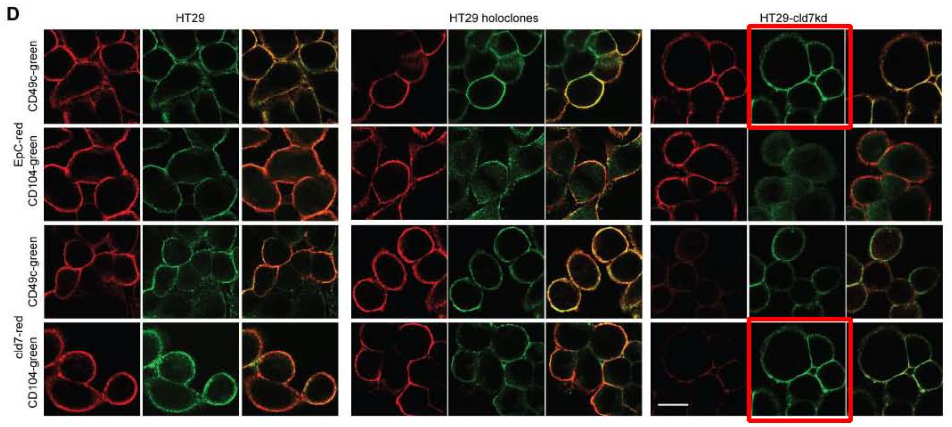
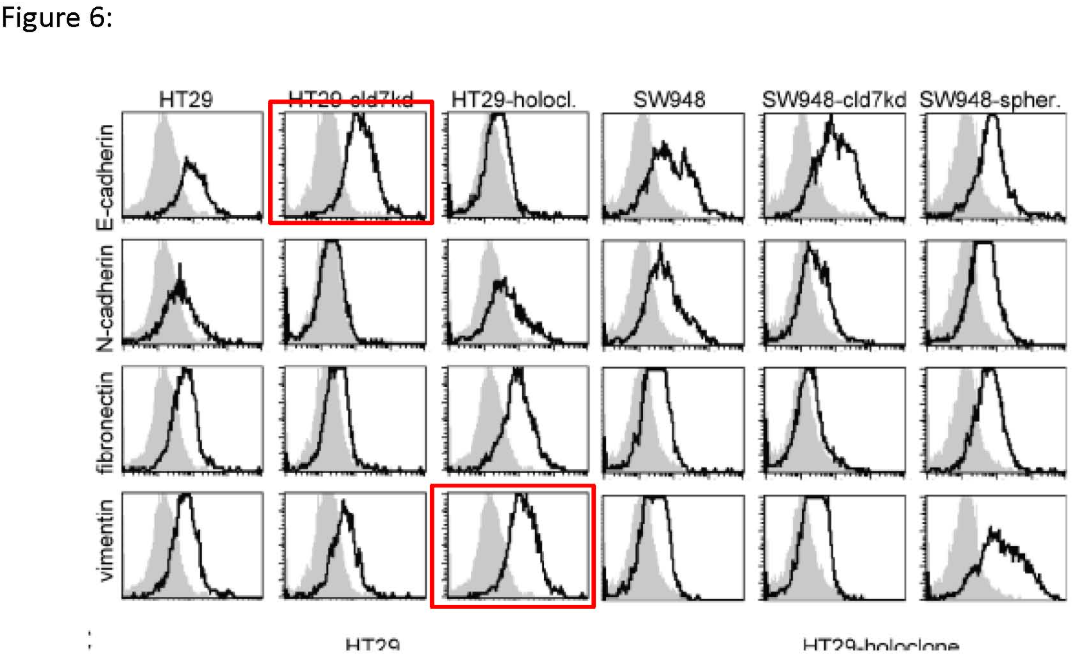
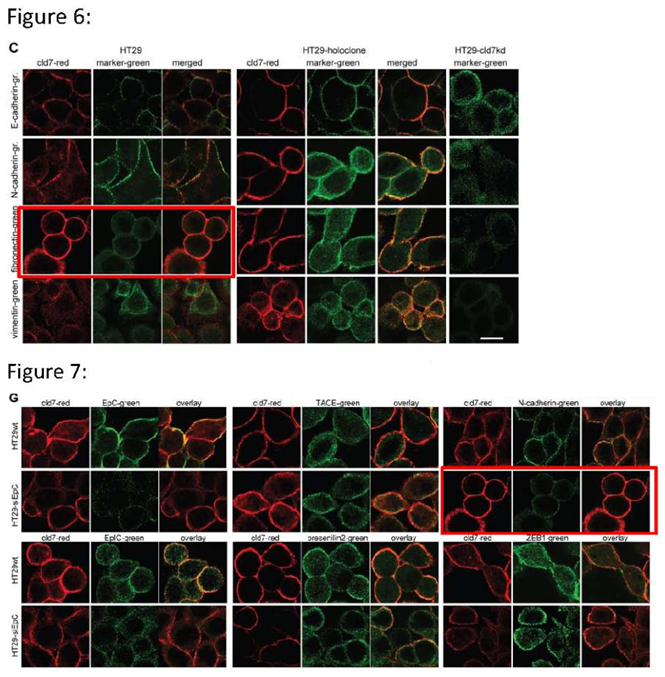
In 2024, the sleuth Sholto David found more:

Below is one Büchler’s problematic papers on pancreatic cancer, where the corresponding author is Peter Büchler. Are the two Büchlers related? Peter is in his late fifties, used to work at TU Munich and became in 2011 chairman of the Department of General, Visceral, Vascular and Thoracic Surgery at the Kempten-Oberallgäu Clinics, Germany.
Yun Su, Martin Loos, Natalia Giese, Eric Metzen, Markus W. Büchler, Helmut Friess, Arno Kornberg, Peter Büchler* Prolyl hydroxylase-2 (PHD2) exerts tumor-suppressive activity in pancreatic cancer Cancer (2012) doi: 10.1002/cncr.26344


The next article includes again the two Büchlers with the 2019 Nobel Prize winner Gregg Semenza, who boasts 62 papers on PubPeer and 15 retractions. The corresponding author is Oscar J. Hines from UCLA, California:
Peter Büchler, Howard A. Reber, Manuela Büchler, Shailesh Shrinkante, Markus W. Büchler, Helmut Friess, Gregg L. Semenza, Oscar J. Hines* Hypoxia-inducible factor 1 regulates vascular endothelial growth factor expression in human pancreatic cancer Pancreas (2003) doi: 10.1097/00006676-200301000-00010


Gregg Semenza: real Nobel Prize and unreal research data
“Even after people have been telling you for, you know, 20 years or more that it’s going to happen, no one expects it.” -Gregg Semenza, Nobel Prize winner 2019
Below is a collaborative work of Markus Büchler with Jens Werner, 8 articles on PubPeer for him. Werner used to be a physician in Heidelberg from 2002 to 2016, now he is director of the Clinic for General, Visceral and Transplant Surgery at Ludwig-Maximilian University (LMU) in Munich. Extra bonus: on the paper there’s also the legendary German in Paris, Guido Kroemer (like Markus Büchler, a Leopoldina Academy fellow). The paper is about the role of apoptosis and autophagy on pancreatitis. Look what patchwork Figure 3B is:
Franco Fortunato, Heinrich Bürgers, Frank Bergmann, Peter Rieger, Markus W. Büchler, Guido Kroemer, Jens Werner* Impaired autolysosome formation correlates with Lamp-2 depletion: role of apoptosis, autophagy, and necrosis in pancreatitis Gastroenterology (2009) doi: 10.1053/j.gastro.2009.04.003

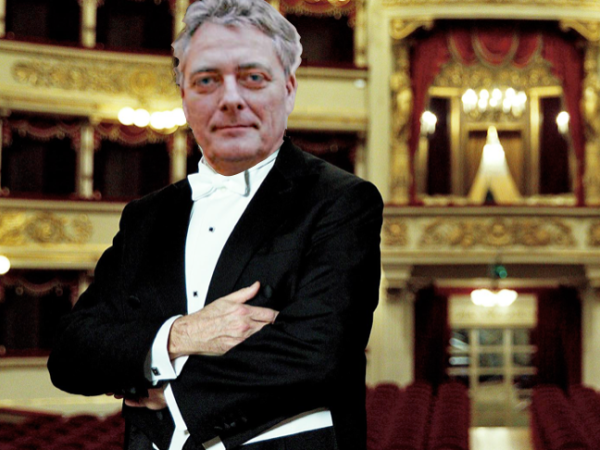
Opera Buffa di Guido Kroemer a La Scala
Guido Kroemer receives on 8 November 2019 the €1mn Lombardy Award for Healthy Ageing, at La Scala in Milan. And why not, one panel member was Carlo Croce.
Here is a collaborative work between Werner and Nathalia Giese, 7 papers on PubPeer for her, director of Translational Pancreatic Research in Heidelberg. The article is about the anticancer properties of the oncolytic parvovirus H-1PV on pancreatic ductal adenocarcinoma (PDAC) cells:
Assia L Angelova, Svitlana P Grekova, Anette Heller, Olga Kuhlmann, Esther Soyka, Thomas Giese, Marc Aprahamian, Gaétan Bour, Sven Rüffer, Celina Cziepluch, Laurent Daeffler, Jean Rommelaere, Jens Werner, Zahari Raykov, Nathalia A Giese* Complementary induction of immunogenic cell death by oncolytic parvovirus H-1PV and gemcitabine in pancreatic cancer Journal of Virology (2014) doi: 10.1128/jvi.03688-13

The next one is a collaboration between Werner and Alexandr Bazhin, 8 papers on PubPeer and one retraction for him. Bazhin is currently a physician at the Department of General, Visceral and Transplant Surgery of LMU in Munich, but was long in Heidelberg from 2005 to 2014. The native russian is also a coach for career success, his speciality is “lifelong learning for personal success“. It was this article on For Better Science which prompted Bazhin’s former collaborator Ingrid Herr to write her own guest post:
From Russia, with Photoshop
Germany recruits the very best of the best in international science to its elite institutions. Professor Alexandr Bazhin is one of them.
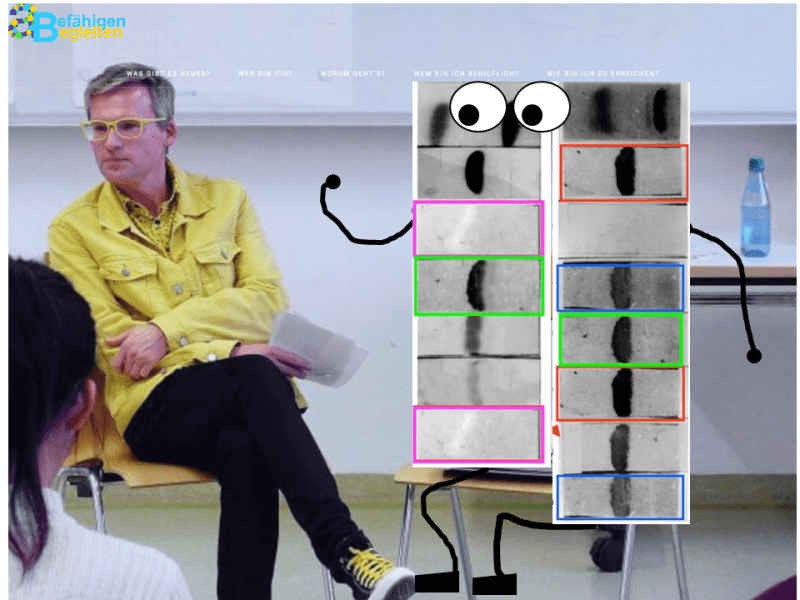
This pancreatic cancer paper is from Bazhin’s stay in Heidelberg, flagged by Elisabeth Bik:
Svetlana Karakhanova , Marina Golovastova , Pavel P. Philippov , Jens Werner , Alexandr V. Bazhin* Interlude of cGMP and cGMP/protein kinase G type 1 in pancreatic adenocarcinoma cells Pancreas (2014) doi: 10.1097/mpa.0000000000000104
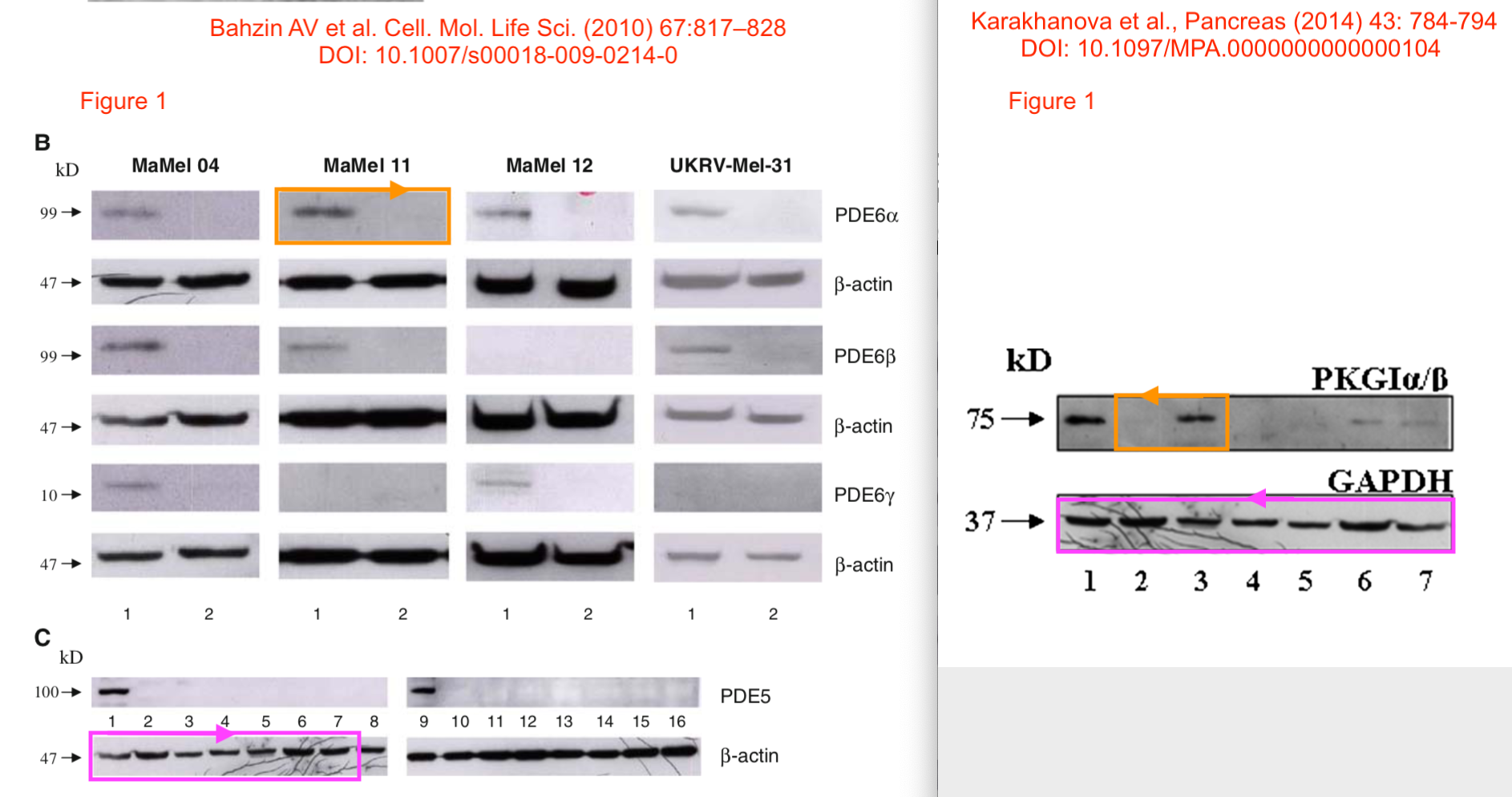
In addition, two bands in the PKGIa/b blot in Figure 1 look unexpectedly similar to one of the PDE6a blots (mirrored) in Figure 1B of Bahzin 2010. Shown in orange.
In the next one, Bazhin is first and corresponding author, a paper on skin cancer, again from Bazhin’s time at DKFZ in Heidelberg. The paper got retracted in January 2020:
Alexandr V. Bazhin*, Vojtech Tambor, Boyan Dikov, Pavel P. Philippov, Dirk Schadendorf, Stefan B. Eichmüller cGMP-phosphodiesterase 6, transducin and Wnt5a/Frizzled-2-signaling control cGMP and Ca(2+) homeostasis in melanoma cells Cellular and Molecular Life Sciences (2010) doi: 10.1007/s00018-009-0214-0
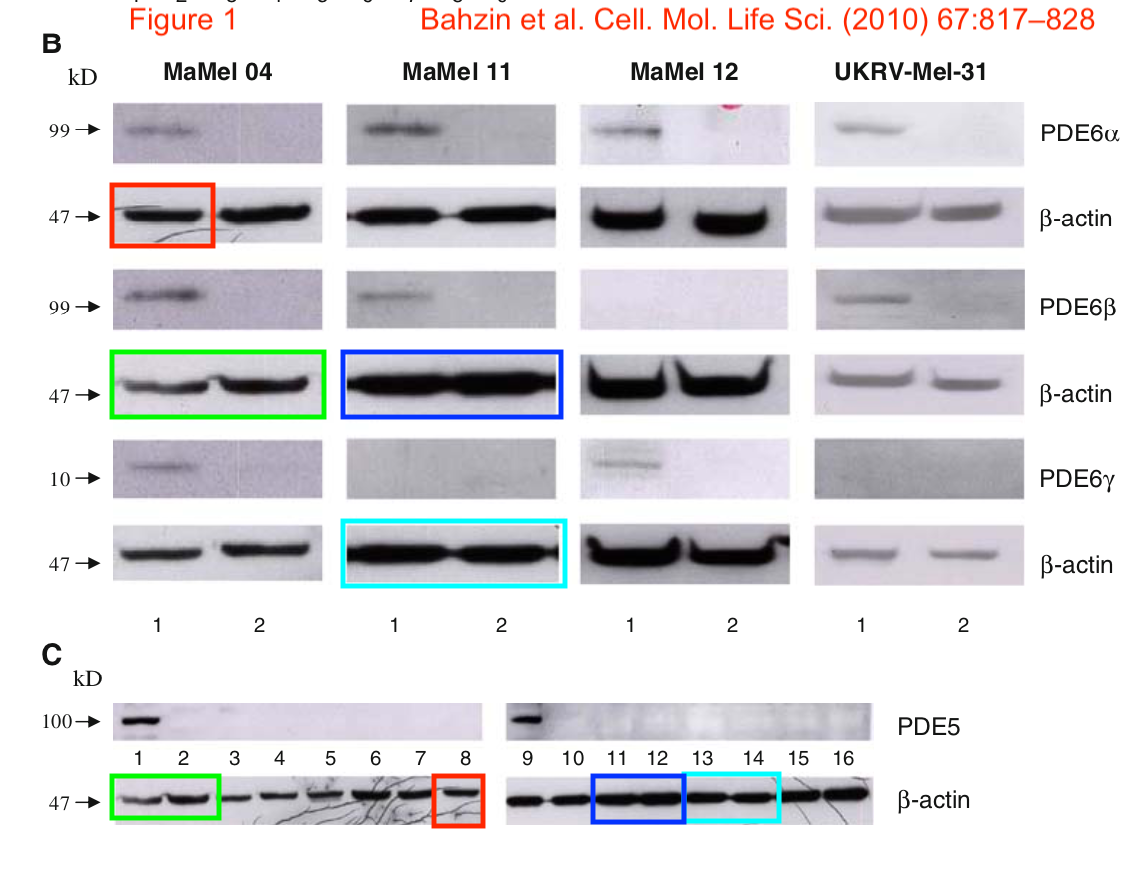
For the record, Bazhin started to fudge data when still he was at his native alma mater, the Lomonosov Moscow State University, among the authors is also the US-based russian anti-aging researcher, Vera Gorbunova:
Alexandr V. Bazhin, Olga N. Shifrina, Marina S. Savchenko, Natalya K. Tikhomirova, Maria A. Goncharskaia, Vera A. Gorbunova, Ivan I. Senin, Alexandr G. Chuchalin, Pavel P. Philippov* Low titre autoantibodies against recoverin in sera of patients with small cell lung cancer but without a loss of vision Lung Cancer (2001) doi: 10.1016/s0169-5002(01)00212-4


The next paper is a collaborative work of Markus Büchler with Katrin Hoffmann, former associate professor of surgery in Heidelberg and now Chief Medical Officer at the Hospital of Luzern, Switzerland. The paper deals with liver cancer, blots are duplicated across different cell lines and publications:
Meng Wang, Kai Wei, Baifeng Qian, Svenja Feiler, Anastasia Lemekhova, Markus W Büchler, Katrin Hoffmann* HSP70-eIF4G Interaction Promotes Protein Synthesis and Cell Proliferation in Hepatocellular Carcinoma Cancers (2020) doi: 10.3390/cancers12082262

Yellow boxes: Fig. 4 HepG2 ß-actin and Huh7 ß-actin: much more similar than expected

Yet another collaborative effort between Büchler and Hoffmann on liver cancer, this time the corresponding author is Peter Schemmer, former deputy director of the University Clinic for General, Visceral and Transplant Surgery in Heidelberg, then director of such clinic at University Hospital Graz in Austria, but since 2023 for some mysterious reason fallen from these academic heights to the level of an externally employed “Belegarzt” at Hirslanden Clinic in Bern, Switzerland. Blots are reused across three figures for different cell lines and treatments. The paper was flagged by the sleuth Clare Francis:
Shibo Lin, Katrin Hoffmann, Zhi Xiao, Nan Jin, Uwe Galli, Elvira Mohr, Markus W Büchler, Peter Schemmer* MEK inhibition induced downregulation of MRP1 and MRP3 expression in experimental hepatocellular carcinoma Cancer Cell International (2013) doi: 10.1186/1475-2867-13-3

Schemmer has 8 papers flagged on PubPeer and one retraction. The retracted paper is illustrated below, Ingrid Herr is also on. It’s a work from the time when Schemmer was at the Universitätsklinikum in Graz, and is a collaboration with the Vilnius University in Lithuania. It’s about cholangiocarcinoma, also known as bile duct cancer. I flagged the paper myself and it got corrected. Later anonymous commenter Rhodotorula glutinis chimed in and found additional issues in the original Figure 4A, which were stealthily removed with the correction. In the correction other blots got replaced for no obvious reason (read also February 2024 Shorts). The new blots partially overlapped with the old ones and some had splices:
Rokas Račkauskas, Dachen Zhou, Simonas Ūselis, Kęstutis Strupas, Ingrid Herr, Peter Schemmer* Sulforaphane sensitizes human cholangiocarcinoma to cisplatin via the downregulation of anti-apoptotic proteins Oncology Reports (2017) doi: 10.3892/or.2017.5622
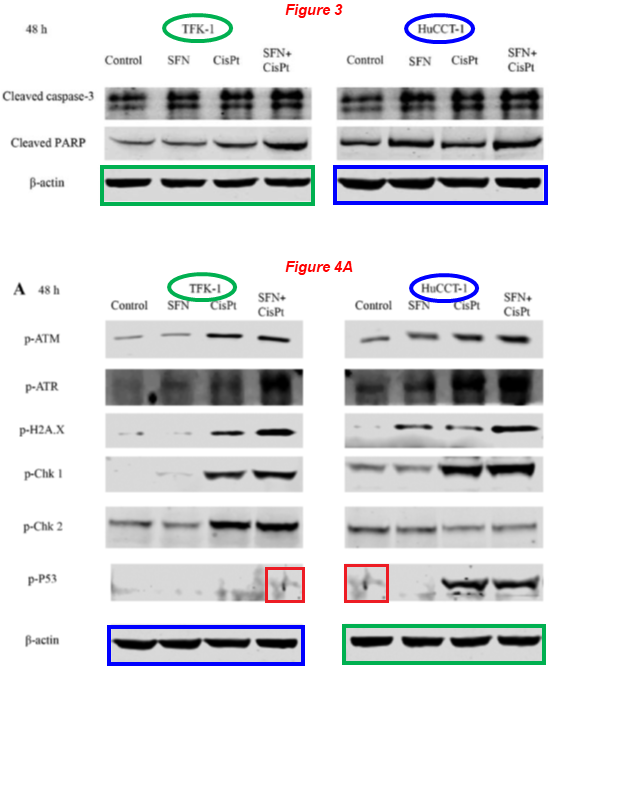
Figure 4 A of the original manuscript shows an overlap between TFK-1 and HUCCT-1 blots for p-P53 (red rectangles).
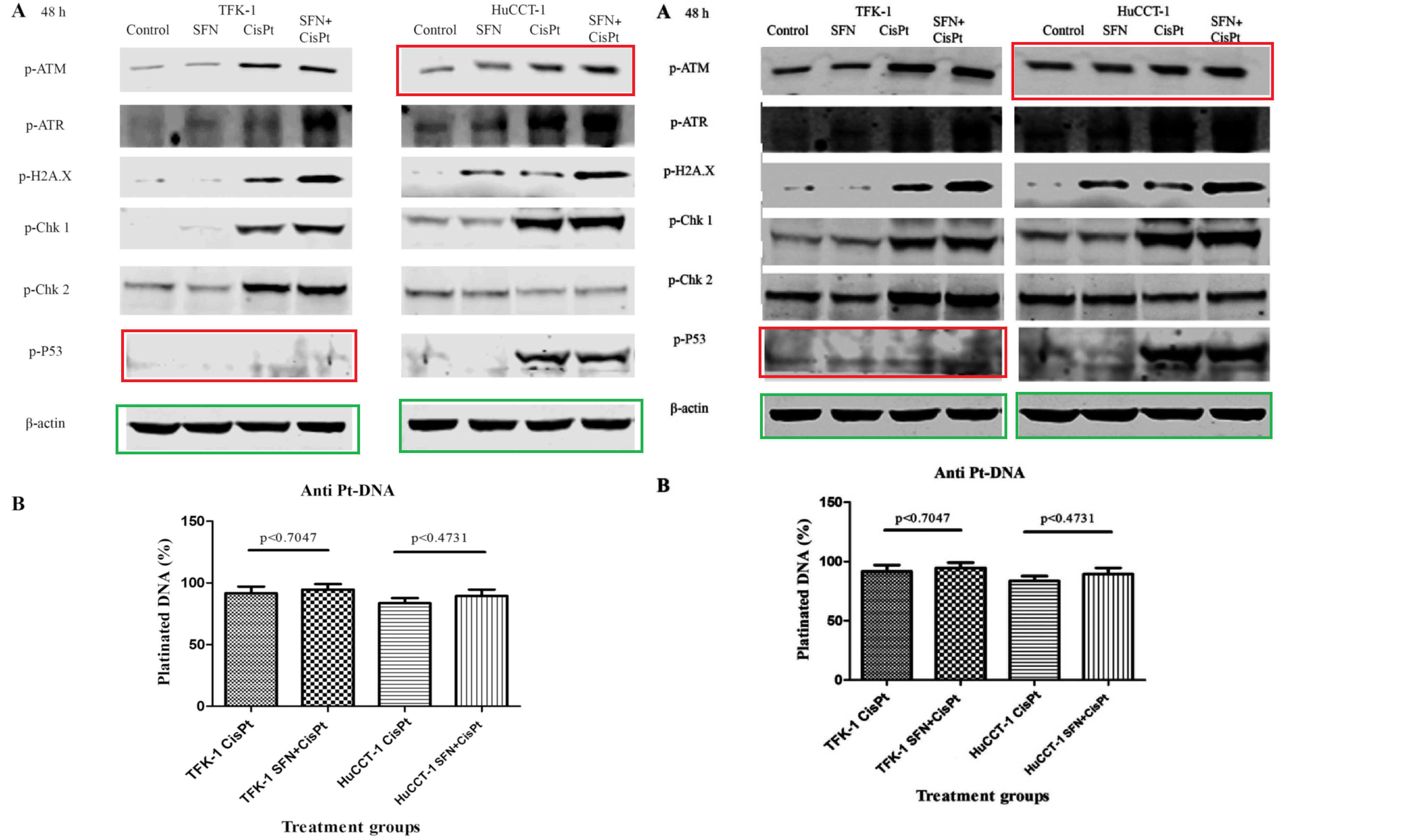


At the end Schemmer wisely decided to get the paper retracted (incidentally on 1 April 2024), because “an attentive reader drew to the authors’ attention that the first author had apparently made additional unreported corrections to the revised version of Fig. 4 presented in the corrigendum“, even though “these image discrepancies did not alter the study’s primary conclusions“.
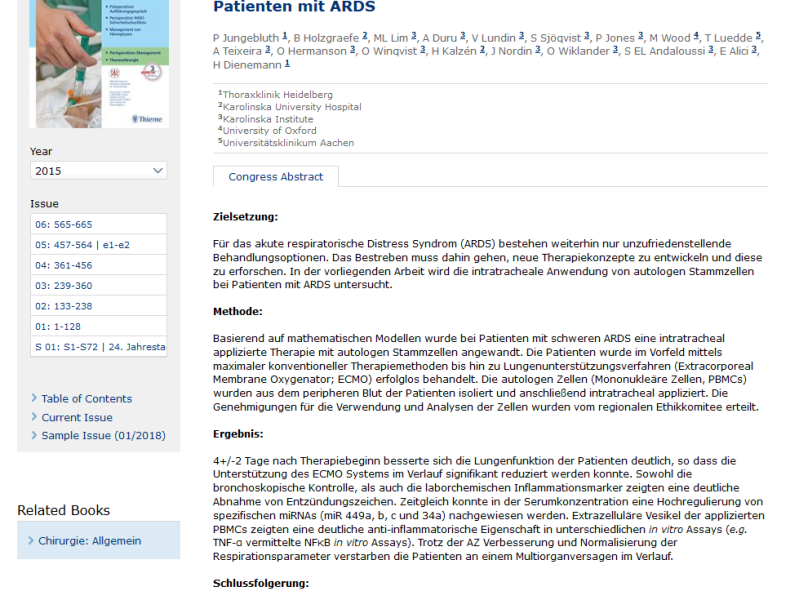
Karolinska gets taught German medical ethics
In the aftermath of the scandal around Paolo Macchiarini, which left many patients dead, his former employer Karolinska Institutet requested a retraction a paper. The Swiss-German medical publisher Karger and its journal Respiration however categorically refused and ordered KI not “to patronize the readers of the journal ‘Respiration’.” The German Editor-in-Chief had namely a huge…
When still in Heidelberg, Schemmer published a paper about cholangiocarcinoma as co-corresponding author together with Jianming Wang, 10 papers on PubPeer for him, chief physician professor and Deputy Director of the Biliary and Pancreatic Surgery and Laparoscopic Surgery Center, Tongji Medical College of Huazhong University of Science and Technology in Wuhan, China. Both papers look like papermill products, flagged by the sleuth Sholto David:
Yan Yang, Yan Liu , Jun-chuang He, Jian-ming Wang*, Peter Schemmer*, Chao-qun Ma, Ya-wei Qian, Wei Yao, Jian Zhang, Wei-peng Qi, Yang Fu, Wei Feng, Tao Yang 14-3-3ζ and aPKC-ι synergistically facilitate epithelial-mesenchymal transition of cholangiocarcinoma via GSK-3β/Snail signaling pathway Oncotarget (2016) doi: 10.18632/oncotarget.10483

Figure 5C (to the right above) includes five micrographs which appear also in Figure 5 of He et al. 2016, where they describe different conditions. The latter paper was published by the same group the same year, and Schemmer is on again. He et al. 2016 has one additional serious problem in Figure 5D:
Jun-chuang He, Wei Yao, Jian-ming Wang*, Peter Schemmer, Yan Yang, Yan Liu, Ya-wei Qian, Wei-peng Qi, Jian Zhang, Qi Shen, Tao Yang TACC3 overexpression in cholangiocarcinoma correlates with poor prognosis and is a potential anti-cancer molecular drug target for HDAC inhibitors Oncotarget (2016) doi: 10.18632/oncotarget.12254

For the record, Dr Jianming Wang is indeed a papermill customer. One of his problematic articles, Ma et al. 2020, shares an image with another paper from a different group. Schemmer’s collaboration with Chinese papermillers represents a new low for Heidelberg Medical School.
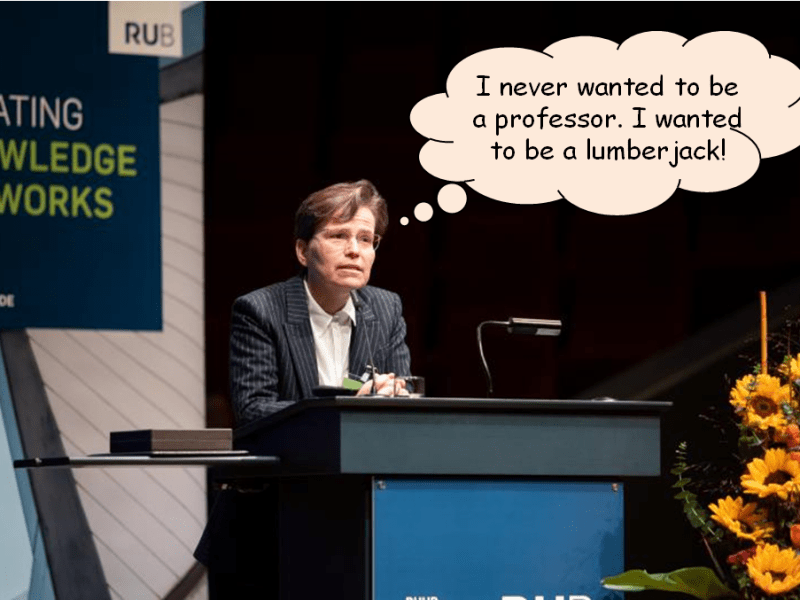
Tannapfel, a German success story
The papers are old, raw data unavailable, one can see small differences, some students probably did it, and anyway, conclusions are unaffected.
But Schemmer started already a quarter of a century ago with publishing made-up stuff. Below is a vintage paper from 1999, with Schemmer as middle author. The paper deals with liver microcirculation, flagged by the sleuth Cheshire. Three micrographs supposedly representing different conditions overlap:
Z Zhong , G E Arteel, H D Connor, P Schemmer, S C Chou, J A Raleigh, R P Mason, J J Lemasters, R G Thurman* Binge drinking disturbs hepatic microcirculation after transplantation: prevention with free radical scavengers Journal of Pharmacology and Experimental Therapeutics (1999) pubmed: 10411569

Actinopolyspora biskrensis : Some of the images in Figure 4 seem to overlap (some after rotation), but appear to be described differently.
Let’s go back to Markus Büchler, who had a long-standing collaboration with the now retired University of Nebraska professor Parviz M. Pour, who sports 8 papers on PubPeer. Below is an article from the Pour lab with Büchler and with Jens Standop as first author. Standop, once a DFG-funded trainee in Pour’s lab, has 7 papers on PubPeer and is now medical director and senior surgeon at the Marienhaus Clinic in Neuwied, Germany. Another coauthor is Pour’s colleague at University of Nebraska Medical Center, Surinder K. Batra.
Jens Standop, Mahefatiana Andrianifahanana, Nicolas Moniaux, Matthias Schneider, Alexis Ulrich, Randall E. Brand, James L. Wisecarver, Julia A. Bridge, Markus W. Büchler, Thomas E. Adrian, Surinder K. Batra, Parviz M. Pour* ErbB2 growth factor receptor, a marker for neuroendocrine cells? Pancreatology (2005) doi: 10.1159/000084490


Figure 2b : expression of the ErbB2 growth factor receptor in chronic pancreatitis.

The paper illustrates the abundance of ErbB2 in pancreatic cancer samples via immuno-histochemistry. The microscopy is crucial for the take-home message of the paper. Yet another key result is the immunoblot of Figure 7d, which shows that ErbB2 is highly expressed in pancreatic cancer (PC) samples. Yet the ErbB2 band was digitally added.
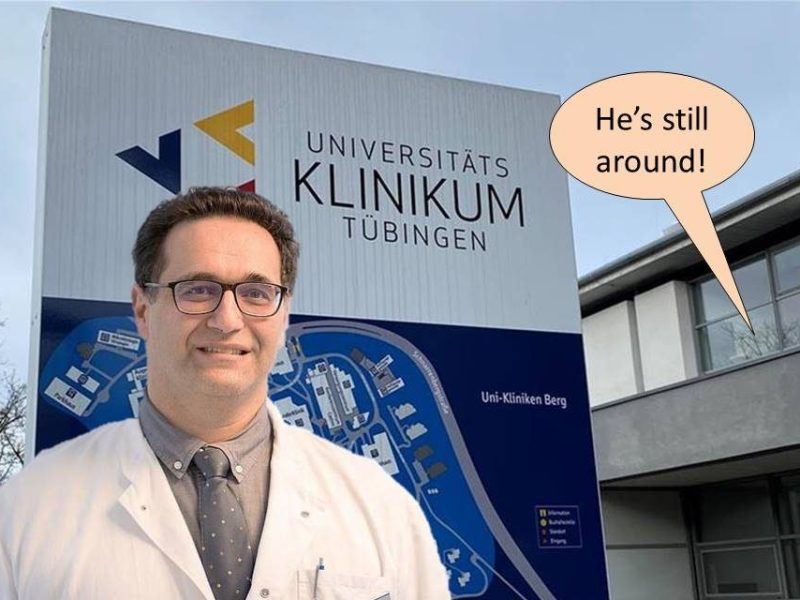
Gardening goats and external papermills in Tübingen
One shooting and one falling star of University Clinic Tübingen. Meet the research ethics champion Julia Skokowa and the eternally affiliated Renaissance Man Reza Akhavan-Sigari,
Below is another production from the Pour lab (without Büchler this time) with yet another German man as first author, Alexis Ulrich, another former DFG-funded trainee in Pour’s lab with 5 papers on PubPeer, until 2018 deputy medical director of the Clinic for General, Visceral and Transplant Surgery of the University of Heidelberg, now head of surgery clinic at Lukas Hospital in Neuss. The paper is about the effect of the carcinogenic compound N-nitroso-bis(2-oxopropyl)amine (BOP) on the expression of pancreatic enzymes. Expression was measured via immuno-histochemistry. Again, the microscopy is key for the take-home message of the paper.
Alexis B. Ulrich, Jens Standop, Bruno M. Schmied, Matthias B. Schneider, Terence A. Lawson, Parviz M. Pour* Expression of drug-metabolizing enzymes in the pancreas of hamster, mouse, and rat, responding differently to the pancreatic carcinogenicity of BOP Pancreatology (2002) doi: 10.1159/000066094


of all islet cells, a weaker staining of acinar cells, and a stronger luminal staining of ductal cells (middle right)

of all islet cells, a weaker staining of acinar cells, and a stronger luminal staining of ductal cells (middle right)

Here another gem by Standop & Pour and also with Ulrich and Büchler, the paper deals with expression measurements of enzymes and their localization in the pancreas via immuno-histochemistry:
Jens Standop, Matthias B. Schneider, Alexis Ulrich, Subhash Chauhan, Nicolas Moniaux, Markus W. Büchler, Surinder K. Batra, Parviz M. Pour* The Pattern of Xenobiotic-Metabolizing Enzymes in the Human Pancreas Journal of Toxicology and Environmental Health, Part A (2002) doi: 10.1080/00984100290071603


Strong staining of islet and ductal cells, compared to a very weak immunoreactivity of acinar
cells.
Ulrich, Standop & Pour again, the first author is a certain Matthias B. Schneider, whom I wasn’t able to locate.
[Update 12.08.2025: a reader informed us that Schneider is now professor of cardiology at University of Giessen. ]
The paper is about metformin preventing pancreatic cancer:
Matthias B. Schneider, Hosei Matsuzaki, James Haorah, Alexis Ulrich, Jens Standop, Xian–Zhong Ding, Thomas E. Adrian, Parviz M. Pour* Prevention of pancreatic cancer induction in hamsters by metformin Gastroenterology (2001) doi: 10.1053/gast.2001.23258

The invaluable ImageTwin software, among other things, had a pivotal role in finding cloned portions in those micrographs shown above. However, some were spotted just with the naked eye. This means there is likely more, also in the many other micrographs in those papers.
Büchler again, this time with Thilo Hackert, a guy with 13 PubPeer entries and 2 retractions with Margot Zöller. Hackert worked at the Heidelberg Medical School for 20+ years. Since February 2023 he is the director of the Clinic for General, Visceral and Thoracic Surgery at UKE (Universitätsklinikum Hamburg-Eppendorf). Hackert is the first and corresponding author of the next two papers about pancreatitis and pancreas transplantation, respectively. The same two micrographs describe different conditions and treatments, spotted by my naked eyes and semi-eidetic memory:
- Thilo Hackert*, Dagmar Pfeil, Werner Hartwig, Stefan Fritz, Martha-Maria Gebhard, Ernst Klar, Jens Werner Ciclosporin aggravates tissue damage in ischemia reperfusion-induced acute pancreatitis Pancreas (2006) doi: 10.1097/01.mpa.0000194610.62723.18
- Thilo Hackert*, Jens Werner, Waldemar Uhl, Martha-Maria Gebhard, Markus W. Büchler, Jan Schmidt Reduction of ischemia/reperfusion injury by antithrombin III after experimental pancreas transplantation Am J Surgery (2005) doi: 10.1016/j.amjsurg.2004.03.017

The same micrograph, rotated by 90 degrees and slightly rescaled, appears also in Figure 2 of Hackert et al. 2005 Am J Surg, a paper from the same group published a year earlier, where the same image describes instead the pancreas from rats who underwent pancreas transplantation and then were treated with Antithrombin III (AT III).
Another sighting in Figure 2 of this paper and Figure 2 of Hackert et al. 2005 Am J Surg (green boxes).
The same micrgraph describes I/R + ciclosporin and transplantation alone, respectively.

The last paper signed by Büchler which I wish to mention shows “corner clones”, a trick probably adopted to obscure prior panel labels, possibly indicating some form of image reformatting or reuse. The corresponding author is Helmut Friess, 12 papers on PubPeer, former chief physician in Heidelberg and now professor at TU Munich School of Medicine. Second-last name is Murray Korc, 12 papers on PubPeer and 4 retractions, professor of pancreatic carcinogenesis at UC Irvine, California. Korc’s retracted papers are all with the legendary Fazlul Sarkar, who died in March 2024 aged 72. Sarkar in turn has 41 retractions (not a typo, forty-one indeed), as reported by Retraction Watch.
Quan Liao, Junchao Guo, Jörg Kleeff, Arthur Zimmermann, Markus W Büchler, Murray Korc, Helmut Friess* Down-regulation of the dual-specificity phosphatase MKP-1 suppresses tumorigenicity of pancreatic cancer cells Gastroenterology (2003) doi: 10.1016/s0016-5085(03)00398-6

Dr Korc commented something funny at PubPeer on the matters illustrated above. Here you go, highlights mine:
“I have no idea why someone would consider histological images of rapidly proliferating cancer cells taken towards the end of the previous century and printed using old technology by a small shop (Fromex) that closed long ago, as harboring small areas of “duplication.” There was not technology at that time to cut and paste images electronically and I do not see any evidence for pasting tiny areas into the highlighted images. When I recently enlarged the images and used transparency mode analysis, I also saw subtle differences between the alleged cloned images in the highlighted regions. Additionally, cloning these small regions is not a rational act that would enhance the importance of the observations.” [Murray Korc]
No technology to cut and paste images electronically in 2003?

Cancer at Duke? Better call Sal!
“I have NEVER faked data. If you wish to carry on what appears to be a vendetta please supply me the name of your lawyer and I will have my lawyer contact him.” – Sal Pizzo, Duke University

We continue with Friess and encounter another character, Jörg Kleeff, 5 papers on PubPeer, now director of the University Clinic and Polyclinic for Visceral, Vascular and Endocrine Surgery at Halle University Hospital, but also former mentee of Büchler in Heidelberg from 2001 to 2007. Kleeff is the corresponding author of the paper below. The work claims that syndecan-2 is a protein potentially involved in perineural invasion of pancreatic adenocarcinoma (PDAC) cells :
Tiago De Oliveira, Ivane Abiatari, Susanne Raulefs, Danguole Sauliunaite, Mert Erkan, Bo Kong, Helmut Friess, Christoph W Michalski, Jörg Kleeff* Syndecan-2 promotes perineural invasion and cooperates with K-ras to induce an invasive pancreatic cancer cell phenotype Molecular Cancer (2012) doi: 10.1186/1476-4598-11-19


We continue with Kleeff and encounter a Nature Medicine article about pancreatic ductal adenocarcinoma whose corresponding author is Jens Siveke, director of the Institute for Experimental Tumor Therapy (BIT) of Essen University Hospital and also head of department at the DKFZ in Heidelberg. The paper was flagged by Sholto David, who spotted six overlapping images supposed to represent different conditions. Moreover, in the bottom row there are two additional re-used images. The paper got corrected in May 2024:
Mazur PK, Herner A, Mello SS, Wirth M, Hausmann S, Sánchez-Rivera FJ, Lofgren SM, Kuschma T, Hahn SA, Vangala D, Trajkovic-Arsic M, Gupta A, Heid I, Noël PB, Braren R, Erkan M, Kleeff J, Sipos B, Sayles LC, Heikenwalder M, Heßmann E, Ellenrieder V, Esposito I, Jacks T, Bradner JE, Khatri P, Sweet-Cordero EA, Attardi LD, Schmid RM, Schneider G, Sage J, Siveke JT* Combined inhibition of BET family proteins and histone deacetylases as a potential epigenetics-based therapy for pancreatic ductal adenocarcinoma Nature Medicine (2015) doi: 10.1038/nm.3952

Extra bonus: the article is also co-signed by MIT’s superstar Tyler Jacks, because science is a village.

What Elsa Flores and Tyler Jacks taught each other
“PCR reactions run on agarose gels commonly look similar due to artifacts introduced by the agarose gel and comb.” Dr Elsa R Flores, Associate Director, Moffitt Cancer Center
We move from pancreatic cancer to other types of cancer, but stay in Heidelberg and surrounding areas. Please meet Mathias Heikenwalder, coauthor on Siveke’s study above. He has 18 papers on PubPeer, the majority of them are with his former mentor, the legendary Adriano Aguzzi at University Hospital Zurich (also read July 2025 Shorts). Heikenwalder has worked for ten years at University Hospital Zurich, then moved at DKFZ in Heidelberg from 2015 to 2022, and now is director of the M3 Research Center of the University of Tübingen, Germany.
Here is a Cancer Cell paper with Heikenwalder as corresponding author, the work is from his time in Heidelberg, flagged by Elisabeth Bik. An image was recycled from a previous paper in PLoS One.
O’Connor T, Zhou X, Kosla J, Adili A, Garcia Beccaria M, Kotsiliti E, Pfister D, Johlke AL, Sinha A, Sankowski R, Schick M, Lewis R, Dokalis N, Seubert B, Höchst B, Inverso D, Heide D, Zhang W, Weihrich P, Manske K, Wohlleber D, Anton M, Hoellein A, Seleznik G, Bremer J, Bleul S, Augustin HG, Scherer F, Koedel U, Weber A, Protzer U, Förster R, Wirth T, Aguzzi A, Meissner F, Prinz M, Baumann B, Höpken UE, Knolle PA, von Baumgarten L, Keller U, Heikenwalder M* Age-Related Gliosis Promotes Central Nervous System Lymphoma through CCL19-Mediated Tumor Cell Retention Cancer Cell (2019) doi: 10.1016/j.ccell.2019.08.001

Marco Prinz is an author on both papers.
There is only one common author on both papers: Marco Prinz, another former mentee of Aguzzi with 17 papers on PubPeer, now professor at the Institute for Neuropathology of the University of Freiburg, Germany. The Cancer Cell article got corrected very recently, on July 14, 2025, because the authors “became aware of several errors in the supplemental figures“, luckily “these changes do not affect the interpretation or conclusions of the study“.
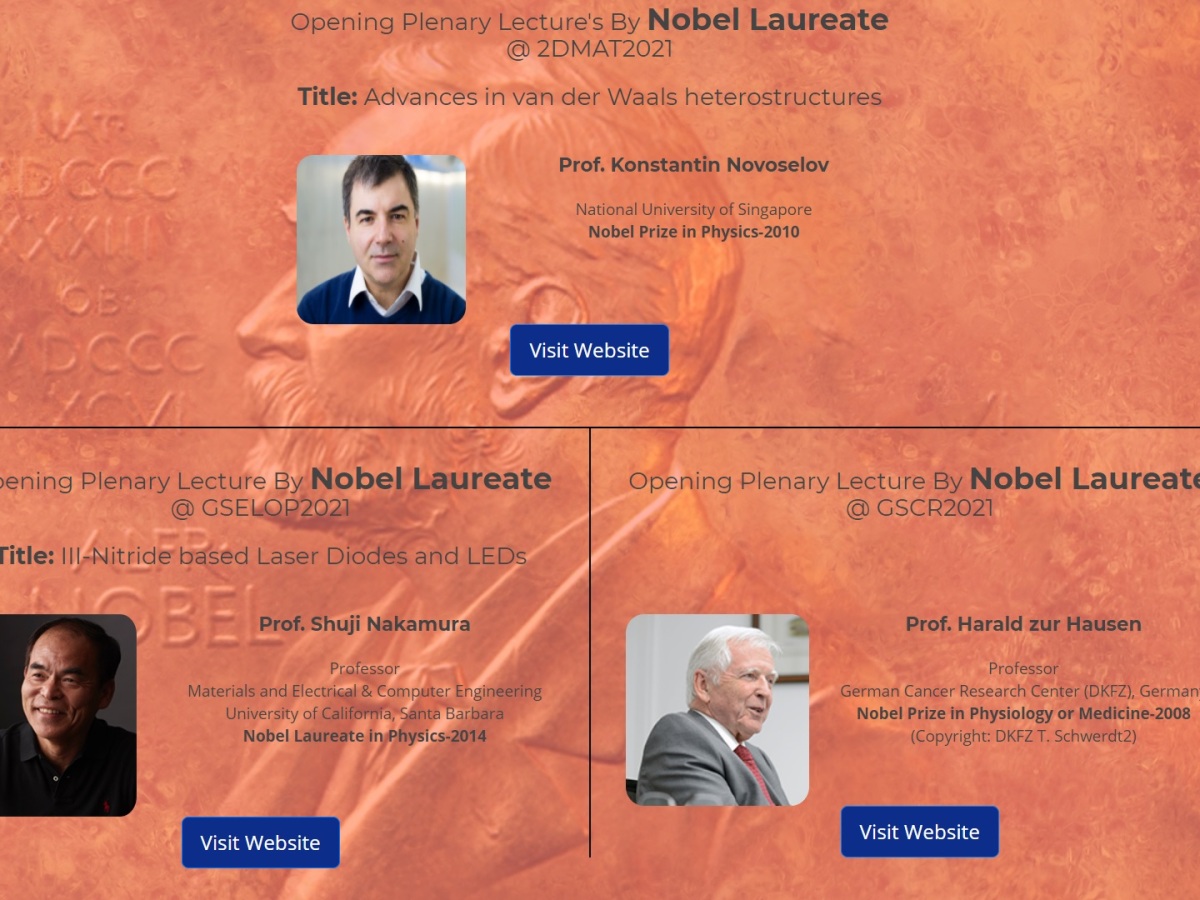
Nobelist Harald zur Hausen and the Scamferences
Smut Clyde tells you about some abysmally bad scamferences and the kind of scholars frequenting them, and I explain why Nobel Prize winner Harald zur Hausen is one of them.

Another Cancer Cell paper by Heikenwalder when he was in Zurich, with Prinz and their teacher Aguzzi again on board. The paper is about colon carcinoma and was flagged by the Vanderbilt researcher Matthew Schrag. Three images appear twice, but supposedly representing different experiments and conditions. There are also differences in color balance and dimensions:
Monika Julia Wolf, Alexandra Hoos, Judith Bauer, Steffen Boettcher, Markus Knust, Achim Weber, Nicole Simonavicius, Christoph Schneider, Matthias Lang, Michael Stürzl, Roland S. Croner, Andreas Konrad, Markus G. Manz, Holger Moch, Adriano Aguzzi, Geert Van Loo, Manolis Pasparakis, Marco Prinz, Lubor Borsig, Mathias Heikenwalder* Endothelial CCR2 Signaling Induced by Colon Carcinoma Cells Enables Extravasation via the JAK2-Stat5 and p38MAPK Pathway Cancer Cell (2012) doi: 10.1016/j.ccr.2012.05.023
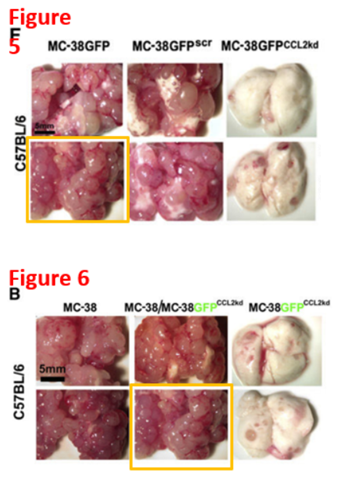
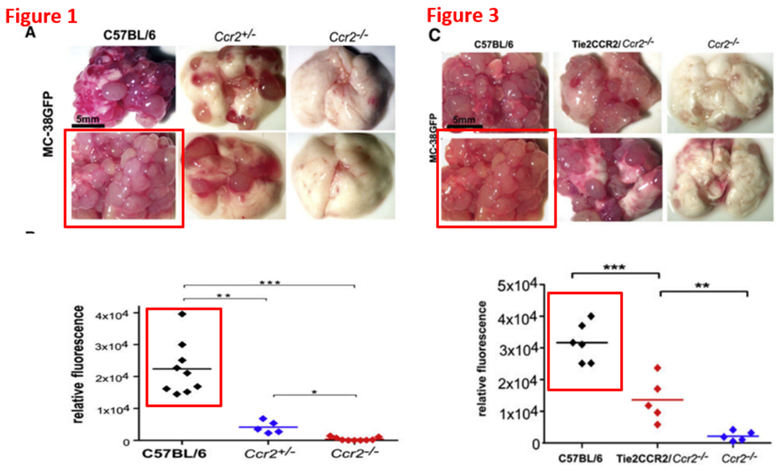
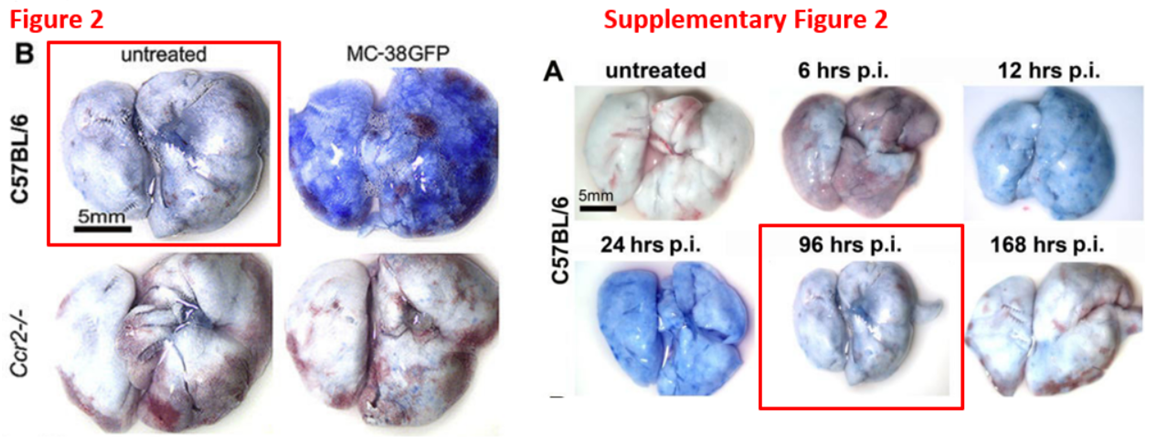
Do you remember the Excellence Initiative mentioned at the beginning of this blogpost? Remember Line 2 of funding, “clusters of excellence”? Well, Marco Prinz is among the recipients of cluster EXC 2189, awarded in May 2025 to the Centre for Integrative Biological Signalling Studies (CIBSS) in Freiburg.

The decadence of German medical doctorate
Germany is a country where a doctorate still invites respect and even deference, in certain circles at least. Here, the prefix “Dr.” even becomes official part of your name, while your professorial thesis advisor is reverentially called “Doktorvater”- doctoral father (there is no appropriate term for female supervisors, which makes the concept even more embarrassing these days).…
Yet another Heikenwalder’s Cancer Cell paper, obviously a journal where Heikenwalder has many friends. The paper includes SIXTEEN overlapping images, each supposedly describing a different condition. Often the color balance differ:
Johannes Haybaeck, Nicolas Zeller, Monika Julia Wolf, Achim Weber, Ulrich Wagner, Michael Odo Kurrer, Juliane Bremer, Giandomenica Iezzi, Rolf Graf, Pierre-Alain Clavien, Robert Thimme, Hubert Blum, Sergei A. Nedospasov, Kurt Zatloukal, Muhammad Ramzan, Sandra Ciesek, Thomas Pietschmann, Patrice N. Marche, Michael Karin, Manfred Kopf, Jeffrey L. Browning, Adriano Aguzzi, Mathias Heikenwalder* A lymphotoxin-driven pathway to hepatocellular carcinoma Cancer Cell (2009) doi: 10.1016/j.ccr.2009.08.021
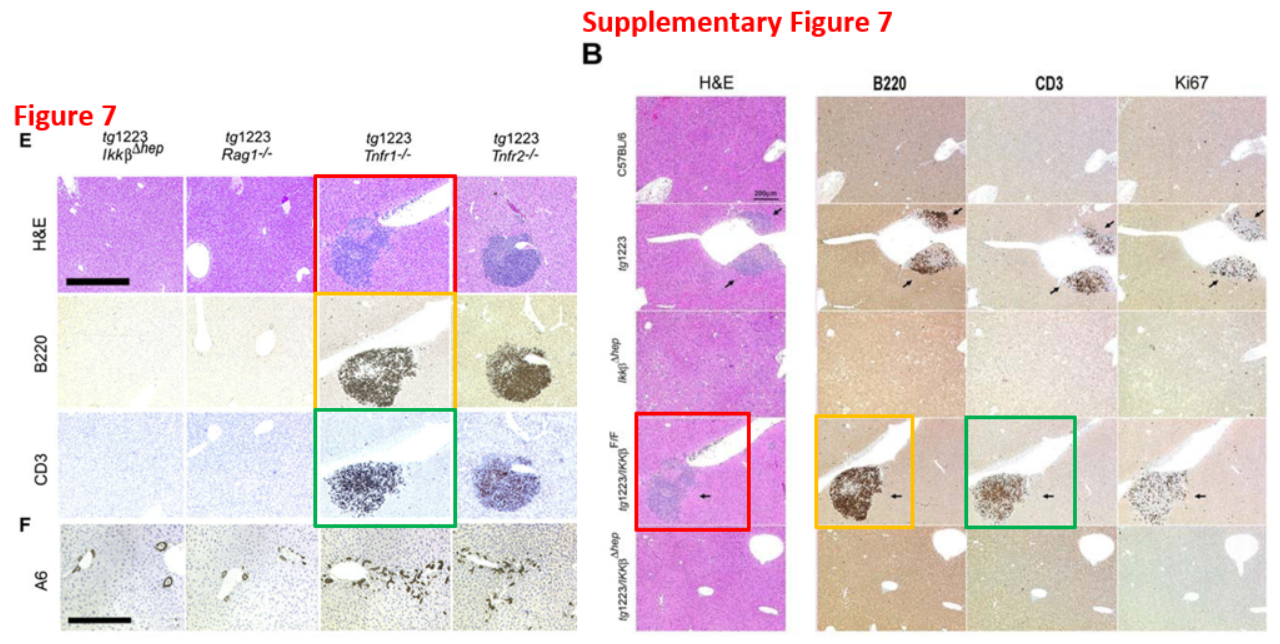
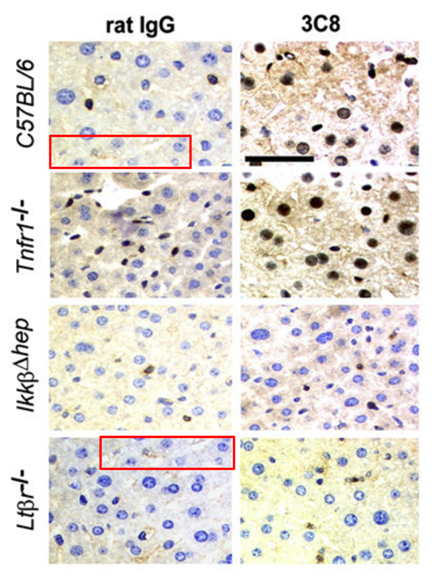
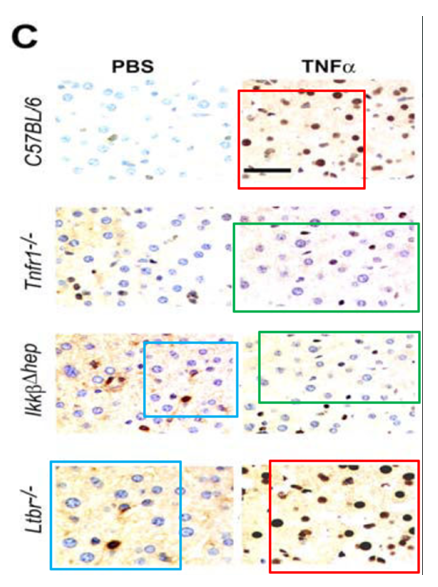
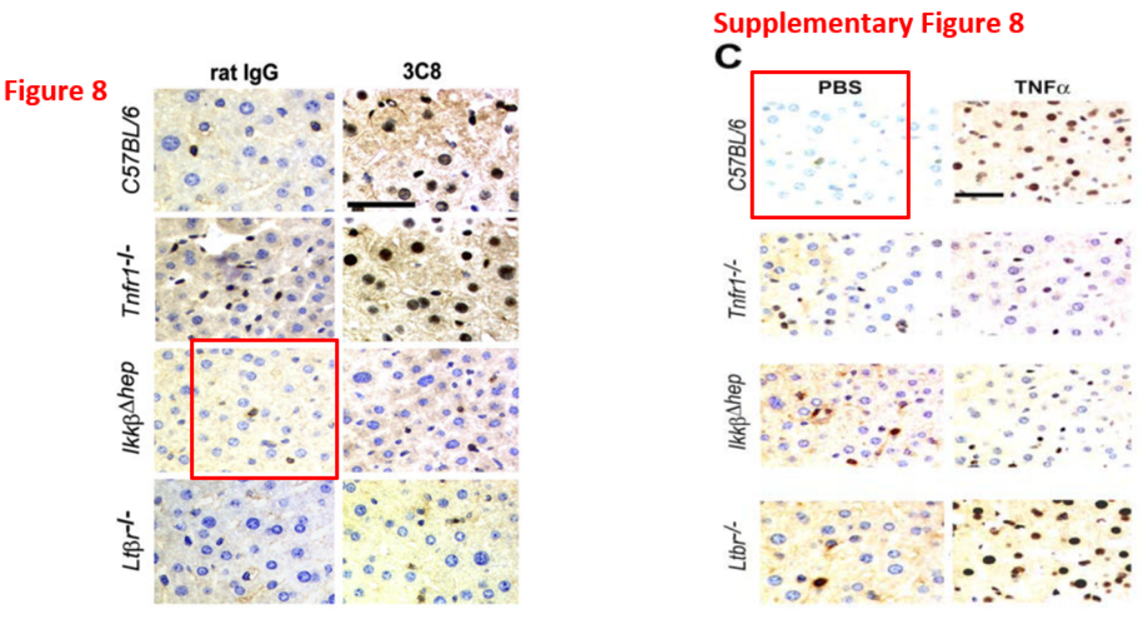
This masterpiece has Aguzzi’s other successful mentee Johannes Haybaeck as first author, who was sacked in Magdeburg for causing death and injury to patients, only to be welcomed in Austria (read February 2024 Shorts). The paper is also co-signed by Michael Karin too, what a small world! A few days ago, Karin finally left UC San Diego, to work for some obscure entity in La Jolla called Prebys Medical Discovery Institute, they call this “mini brain drain“.

Aguzzi and the Lowlifes
The prion researcher Adriano Aguzzi used to describe his Pubpeer critics as “lowlifes”, and himself as a victim of a lynch mob. But after Elisabeth Bik helped him find even more mistakes in his papers, Aguzzi changed his stance.
______
Final remarks
Several names called out in this blogpost are also medical practitioners. I hope they treat patients better than they do science. I doubt, though, that the questionable data they produced is of any help to cure cancer. It looks to me as if those articles were instrumental for nothing but promoting their authors’ careers. Some researchers discussed here have published several hundreds papers, I believe the vast majority of them wasn’t scrutinized yet, and a significat number of those articles include graphs and tables only, which prevents scrutiny.
Surveys on data reproducibility in biomedical research are disconcerting. In 2011, researchers at German pharmaceutical giant Bayer made headlines when announced they could only replicate 20-25% of the sixty-seven preclinical academic projects that they took on. In 2012 the American multinational biopharmaceutical company Amgen tried to reproduce results from fifty-three seminal cancer research papers, but were able to replicate just 11% of them. In 2013 the Center for Open Science launched the “Reproducibility Project: Cancer Biology”. They picked fifty-three papers from Nature, Science and other high-profile journals, and hired independent laboratories to try to replicate the findings. The aim was to reproduce 193 experiments from those 53 papers. However, the various barriers and challenges encountered while designing and conducting the experiments meant that they were able to repeat just 50 experiments from 23 papers. In 2021 the final outcome was released: replication effect sizes were 85% smaller on average than the original findings, only 46% of effects replicated successfully on more criteria than they failed, original positive results were half as likely to replicate successfully (40%) than original null results (80%).

Decline and Fall
“Gather round the campfire, everyone, while Uncle Smut regales you with another blood-chilling, spine-curdling tale… this time, about psychologists not sciencing properly.” – Smut Clyde
Those surveys did not analyse papermill articles, rather publications from renowned names and institutions. While papermills certainly pollute the literature the most in terms of numbers, I believe the spotlight should equally be on questionable research groups at top institutions, whose articles might have an even larger negative impact on society. Finally, I wish to point out that we often hear and read that the amount of dishonest scientists might be a vast minority. Well, that’s not what the numbers above suggest, and it’s not what myself and others experience by randomly checking people here and there.
Maybe one day the sign at Heidelberg central station will change to “City of Romance”, perhaps it would be more appropriate.
Notes by LS:
- In July 2025, the German Research Council (DFG) rejected my notification of suspected research misconduct regarding Heikenwalder’s papers. The reason: my past article and PubPeer links were deemed to be merely “unspecific reference to a list of publications“. Heikenwalder himself didn’t reply.
- In April 2025, I wrote twice to Markus Büchler (via his Lisbon clinic and his Heidelberg email address) I also contacted Jens Werner, Jens Standop, Parviz Pour, Surinder Batra, Alexis Ulrich and Helmut Friess; Thilo Hackert was contacted many times. None of them ever answered.
- I apologise again for the music video above.
Donate!
If you are interested to support my work, you can leave here a small tip of $5. Or several of small tips, just increase the amount as you like (2x=€10; 5x=€25). Your generous patronage of my journalism will be most appreciated!
€5.00

 For Better Science
I like the concluding passage—indeed, not only numerous papermill-like papers pollute the literature, but also few and far between papers by bigwigs can do the same.
LikeLiked by 3 people
For those who are now affiliated with Ludwig-Maximilian University (LMU) in Munich, contacting MMRS could be of help…Maybe they can reach out to their own faculty supervisors when these issues are brought to their attention. At the end of the day, they want to ‘ensure that doctorates at the Faculty of Medicine meet consistently high standards’.
https://www.med.lmu.de/en/doctorate/the-mmrs/
https://www.med.lmu.de/en/faculty/who-we-are/persons/contact-page/antje-hentrich-b58726f5.html
LikeLiked by 1 person
A dialogue from the Ludwig-Maximilian University chapter, when a collaborator works with another ‘influential’ team of doctors from Heidelberg on a similar project around the same time.
–We can’t publish a paper with that data
Collaborator: Why ? We did get it published with the Heidelberg group
–But that paper was published in a trash journal
Collaborator: Ok, so we can also publish this in a trash journal
A moment of reckoning.
LikeLiked by 1 person
I have now read again Ingrid Herr’s legendary guest post from 2023. I rediscovered this gem she wrote:
“I suspect that the incidents in my lab may be partially related to differing interpretations of the rules of Good Scientific Practice in different nationalities. Specifically, I refer to China, African and Arab countries. But Italy and Spain also seem to be more frequently included among the black sheep.“
I wonder what she thinks now on those many papers with German and Anglosaxon first authors, like Standop, Ulrich, Schneider, Büchler P., Hackert, Haybeack, Wolf, O‘Connor.
It seems the flock is larger. What a laugh!
LikeLiked by 3 people
or what does she think of herself now as the German supervisor/senior author of so many papers with problems ? Urgent need for double introspection and another moment of reckoning !
Unfortunately, she didn’t even hesitate to openly profile people as such and put it in writing. In that setting, saying things like that must be pretty common—and considered perfectly normal.
LikeLiked by 2 people
I enjoyed reading this very much, you should write more often. Some familiar names here, and some I don’t remember seeing before. There is much left to discover in the literature, and I tend to share your scepticism about the utility of focusing so much effort on the threat of paper mills to scientific literature. David Sanders mentioned before that most scientists already know to ignore those papers, and I mostly agree. That said, I do post a lot of paper mill products to PubPeer, they turn up while I screen things, and I like to post more frequently.
LikeLiked by 2 people
Now I know where idea of “Initiative of Excellence-Research Universities (IDUB)” came from. Extra billions of zlotys to 10 selected Polish universities. At least in two of them (Gdansk Polytechnic and Silesian Polytechnic) significant part of it was spent on recruiting Asian papermillers (e.g. the Nobelium program in PG).
LikeLiked by 2 people
Btw, DKFZ is Germany’s one of if not the top research institution in biomedicine.
They keep refusing all communication with me, reject all my notifications of research misconduct,.and never open any investigations.
Not even in the Fulda and Debatin case.
A clever way to position themselves as clean of all fraud!
Their former (and late) director, the Nobelist Harald zur Hausen, travelled through predatory conferences, pushing his bovine theory of bovine DNA fragment as cancer origin.
LikeLike