

Schneider Shorts of 20 June 2025 – Greatest Italian of All Times honoured in Rome, a Turkish kleptomaniac busted, Nobel scammer and his Ajan get Emirates money, Elsevier corrects some past mistakes, and other limits to publication ethics.
Table of Discontent
Science Elites
- His legacy in fight against cancer is immense – Carlo Croce honoured by President of Italy
- Developed in-house by Professor Sir Martin Evans – Celixir scam gets a boost with Emirates money
Scholarly Publishing
- As scientist and editor-in-chief, I am very concerned – Springer journal can’t care less about medical ethics
Retraction Watchdogging
- Outsourced histopathology examination – one retraction maximum for Allahabad fraudsters
- Life goes on, as science globalizes – Elsevier journal upgrades a bizarre correction
- New evidence has since emerged – another Elsevier journal upgrades another bizarre correction
- Provided by first author Burcu Uner – when is it OK to cheat, lie and steal?
Science Elites
His legacy in fight against cancer is immense
My Italian readers are aware that my website For Better Science is completely blocked and inaccessible in Italy. That was an order by an Italian court (read September 2024 Shorts).
Now we know the real reason. Italy wants to live undisturbed in its fantasy world of Italian scientists being the best in the world, superhuman geniuses untainted by doubts. No wonder Salvatore Cuzzocrea is now the Consigliere to the minster for research, while Antonio Giordano is tasked with evaluating all Italian scientists (see August 2024 Shorts and June 2025 Shorts).
And now, the Italians once again awarded their biggest national science hero, the US cancer researcher and the legendary mega-cheater Carlo Croce. It is not a coincidence: Croce is in every respect the Silvio Berlusconi of Italian science, unfortunately not sharing the latter’s status of finally being dead.
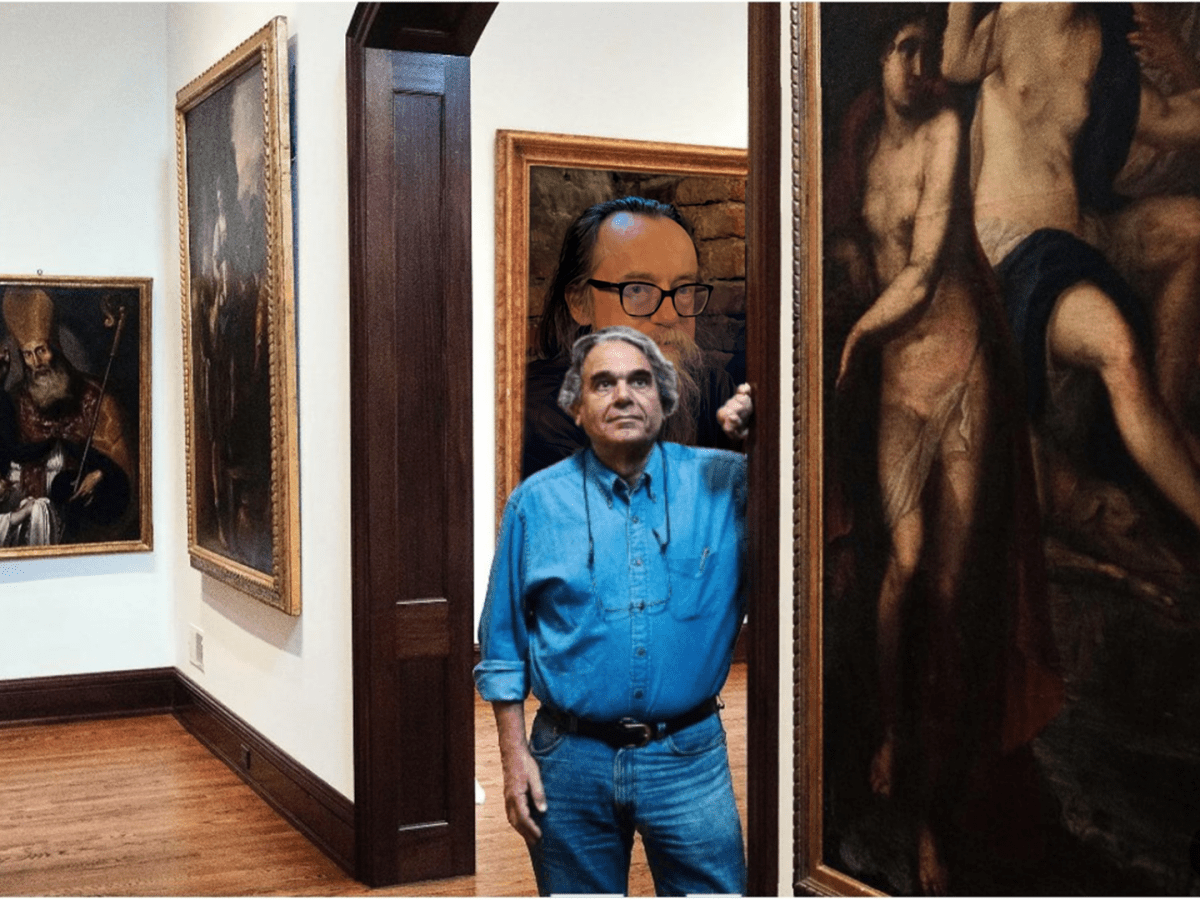
Carlo Croce: from fake science to fake art
“The sockpuppets went on to argue that Croce’s fake results had been vindicated by subsequent replications, making him guilty of nothing more than excessive zeal in the cause of righteousness. ” – Smut Clyde

On 13 June 2025, Croce received the Antonio Feltrinelli Award (Premio Feltrinelli) from the National Academy of Lincei, and from the hands of the President of Italy, Sergio Mattarella. Also some government ministers were present. The award comes with €100k in cash, and it’s not some foundation’s money, but courtesy of the Italian taxpayer.
Here is Lincei announcement from 13 June 2025 (DeepL-translated):
“He was a pioneer in identifying the role of microRNA deregulation in human cancer development, revolutionising ourunderstanding of the molecular mechanisms underlying tumorigenesis. His discovery of the involvement of miR-15 and miR-16 in the regulation of BCL-2 and in the pathogenesis of chronic lymphatic leukaemia paved the way for a new era of oncology research, stimulating studies on numerous other microRNAs implicated in different tumour types. The impact of his work was not limited to basic research: his insights led to the development of innovative therapies, including BCL-2 inhibitors, which are now approved and used in clinical practice for the treatment of certain haematological cancers. This achievement is an emblematic example of how translational research can transform scientific knowledge into life-saving treatments. In addition to his outstanding scientific achievements, Croce has inspired generations of researchers, promoting a multidisciplinary approach to the study of cancer and helping to redefine the role of microRNAs as potential biomarkers and therapeutic targets. His legacy in the fight against cancer is immense and his work continues to profoundly influence research and clinical practice, with the potential to save many more lives in the future.”
I fully agree, Croce’s legacy in the fight against cancer is indeed immense. But in a way which should be rewarded with prison, not with money and prizes. I previously wrote about Croce’s fraudulent miRNA research, with his mentee George Calin:
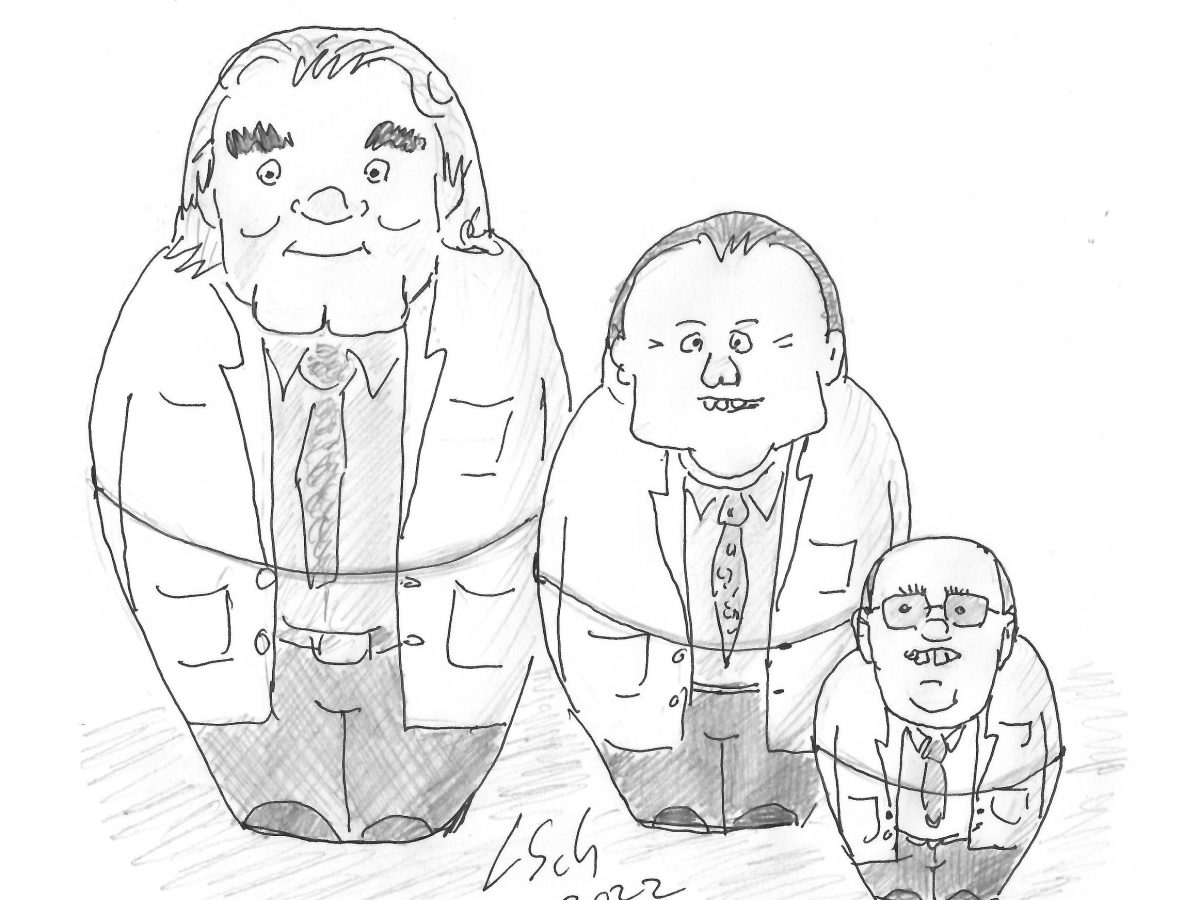
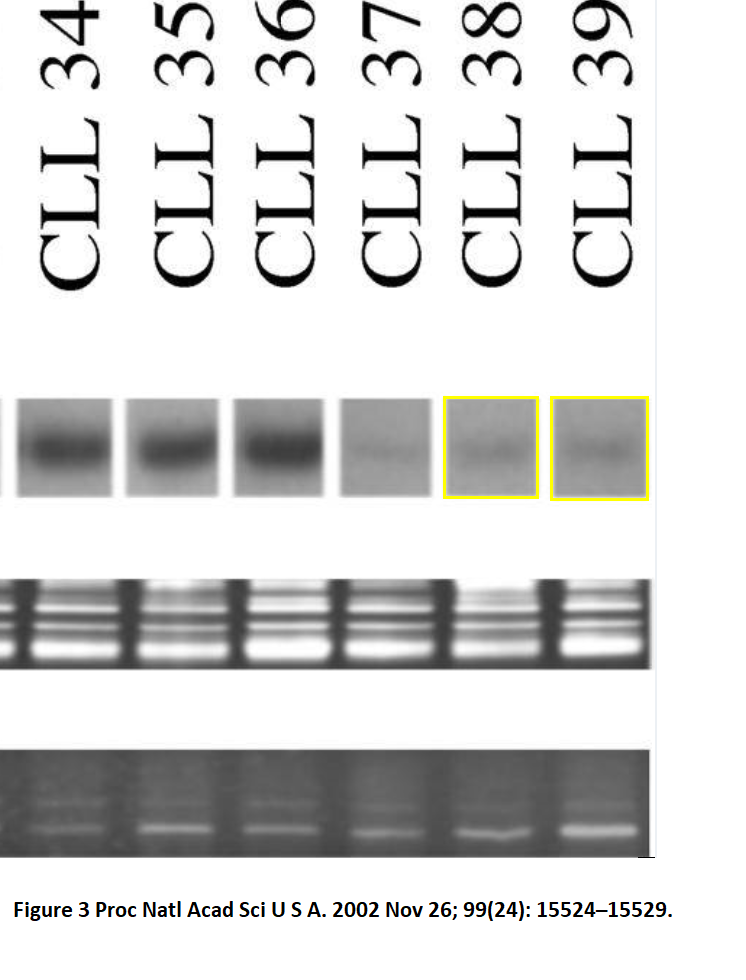
There are way over 100 fake papers by Croce on PubPeer, but here is a perfectly relevant one, in fact the basis for the Feltrinelli award:
Amelia Cimmino , George Adrian Calin, Muller Fabbri , Marilena V. Iorio , Manuela Ferracin , Masayoshi Shimizu , Sylwia E. Wojcik , Rami I. Aqeilan , Simona Zupo , Mariella Dono , Laura Rassenti , Hansjuerg Alder , Stefano Volinia , Chang-Gong Liu , Thomas J. Kipps , Massimo Negrini , Carlo M. Croce miR-15 and miR-16 induce apoptosis by targeting BCL2 Proceedings of the National Academy of Sciences of the United States of America (2005) doi: 10.1073/pnas.0506654102

More from this fraudulent discovery of miR-15 and miR-16 in cancer, by Croce and Calin :
George Adrian Calin, Calin Dan Dumitru , Masayoshi Shimizu , Roberta Bichi , Simona Zupo , Evan Noch , Hansjuerg Aldler , Sashi Rattan , Michael Keating , Kanti Rai , Laura Rassenti , Thomas Kipps , Massimo Negrini , Florencia Bullrich , Carlo M. Croce Frequent deletions and down-regulation of micro- RNA genes miR15 and miR16 at 13q14 in chronic lymphocytic leukemia Proceedings of the National Academy of Sciences of the United States of America (2002) doi: 10.1073/pnas.242606799

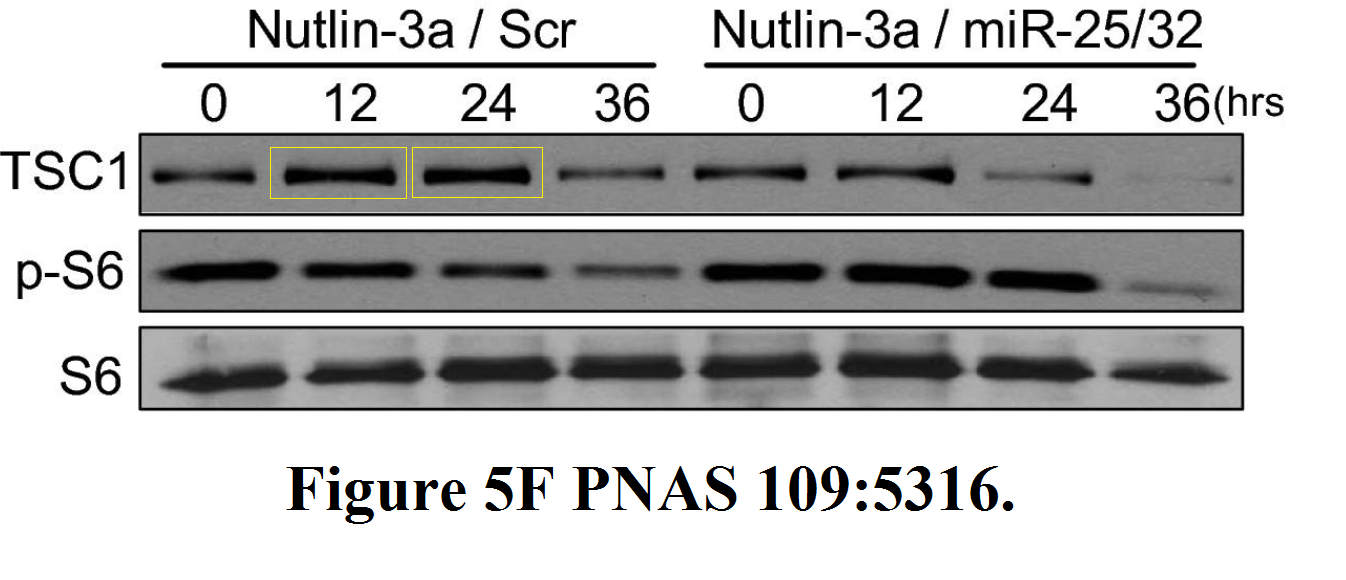
Another one on the relevant topic of miRNA:
Sung-Suk Suh , Ji Young Yoo , Gerard J. Nuovo , Young-Jun Jeon , Seokho Kim , Tae Jin Lee , Taewan Kim , Arianna Bakacs , Hansjuerg Alder , Balveen Kaur , Rami I. Aqeilan , Flavia Pichiorri , Carlo M. Croce MicroRNAs/TP53 feedback circuitry in glioblastoma multiforme Proceedings of the National Academy of Sciences of the United States of America (2012) doi: 10.1073/pnas.1202465109

Now, such awards are not issued out of thin air. Quite some influential Italian members of the Lincei Academy must have nominated their buddy Croce, to support him in his difficult times when he must sell his collection of fake Renaissance paintings to pay lawyers to defend himself from lawyers who sued him for not paying them for his failed lawsuits against New York Times and David Sanders. problem is: Lincei keeps the composition of the award panel secret.
Maybe the Lincei member and the most infamous Neapolitan fraudster Alfredo Fusco nominated his friend and fellow conman?
Vincenza Leone , Daniela D’Angelo , Angelo Ferraro , Pierlorenzo Pallante , Ileana Rubio , Massimo Santoro , Carlo Maria Croce, Alfredo Fusco A TSH-CREB1-microRNA loop is required for thyroid cell growth Molecular endocrinology (2011) doi: 10.1210/me.2011-0014


Here is Lincei member Gerry Melino, professor at University Tor Vergata in Rome, author of tons of bad science, editor of fraud-infested journals (together with Guido Kroemer!), and self-professed champion of research integrity.
Melino denied to me to have nominated Croce. Despite being a Lincei fellow, he found himself unable to tell me who was involved in awarding Croce. He shared this on X:
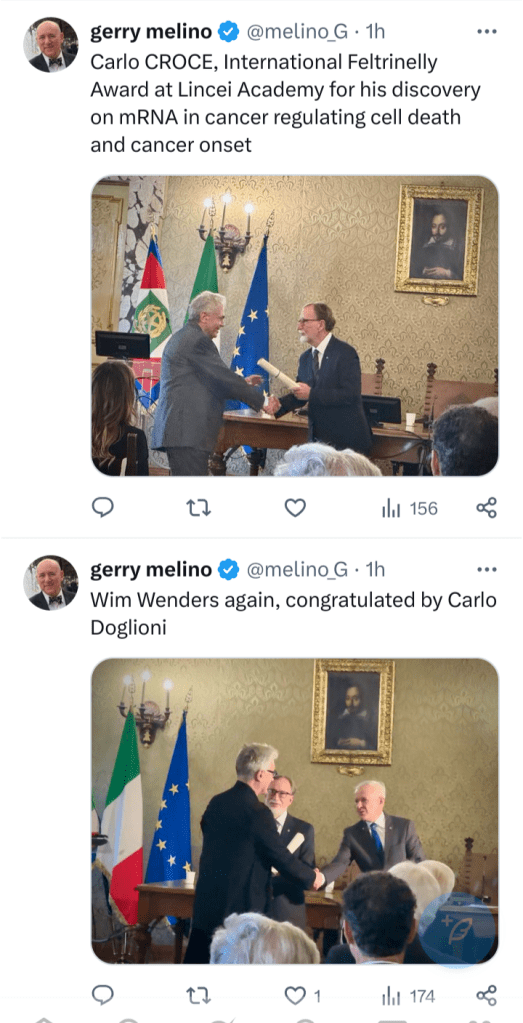
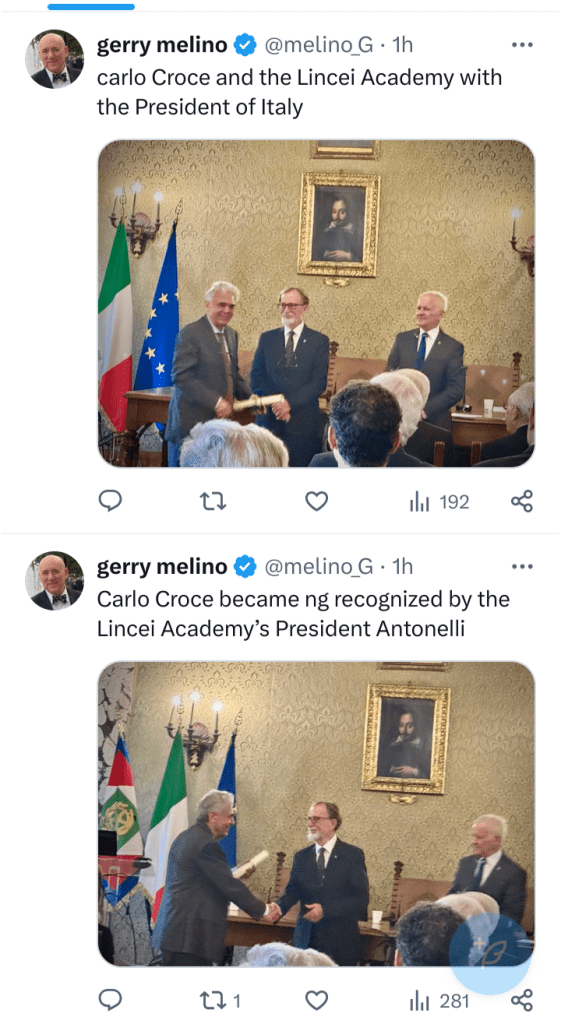
I think Wim Wenders now must make a film about Croce. Read about Melino and his journal here:
Cell Death and Depravity
Is the journal Cell Death and Disease a disease itself, parasitised by Chinese paper mills? Can it be cured? Not with this team of doctors on editorial board.

There are science fraudsters everywhere, and everywhere they rarely suffer consequences for their fraud. But Italy is the only country which proudly and publicly celebrates science fraudsters, gives them fat money awards even.
By the way, Croce was in 2019 member of the committee of Premio Lombardia, which awarded €1 million to Kroemer:

Opera Buffa di Guido Kroemer a La Scala
Guido Kroemer receives on 8 November 2019 the €1mn Lombardy Award for Healthy Ageing, at La Scala in Milan. And why not, one panel member was Carlo Croce.
Developed in-house by Professor Sir Martin Evans
In UK, another old man of rotten character is doing well, financially at least. The Nobel Prize laureate Sir Martin Evans and his beloved criminal associate, the pathological fraudster and liar Ajan Reginald, expand their stem cell scams with the help of Arab oil money.

Requiem for Celixir
How the Nobel Prize winner Sir Martin Evans and the lying crook Ajan Reginald almost succeeded, were it not for Patricia Murray.
The London Stock Exchange announced on 5 June 2025:
“Cardiogeni (AQSE: CGNI), the UK clinical stage biotechnology company founded by 2007 Nobel Laureate Sir Martin Evans to develop innovative heart failure medicines, is pleased to announce the incorporation of the joint venture (JV) company in the UAE, Cardiogeni Limited.
As stated in the Company’s announcements in February and April 2025, the JV will undertake the development and commercialisation of Cardiogeni’s medicines in the UAE and Gulf Cooperation Council region (“GCC”) with an aggregate of £20m of non-dilutive licence funding of which £5m will be invested in 2025.”

Sir Martin and Ajan, the stem cell gold-diggers
Sir Martin Evans, winner of Nobel prize 2007, founded in 2009 the stem cell start-up Celixir, together with a struck-off dentist Ajan Reginald. With the help of the British heart surgeon Stephen Westaby, they ran a very profitable clinical trial in Greece, which now moved into UK.
Cardiogeni is run by Evan, Ajan and a certain Darrin Disley, a very questionable biotech entrepreneur who owns the regenerative medicine scam business Mogrify, and claims to have “developed a proprietary direct cellular conversion technology, which makes it possible to transform (transmogrify) any mature human cell type into any other without going through a pluripotent stem cell- or progenitor cell-state“. The three men previously founded the similarly named company Oncogeni which they sold to Roquefort while remaining in charge (see July 2022 Shorts).

The London Stock Exchange announcement is a pile of shameless lies:
“The Group’s lead product, CLXR-001, is a patented engineered cellular medicine to treat heart failure patients which is administered during coronary artery bypass grafting surgery. The Group’s novel epigenetic cellular reprogramming technology was developed in-house by Professor Sir Martin Evans […]
CLXR-001 has successfully completed an EU Phase II investigator sponsored clinical trial in which patients showed a statistically significant (P<0.05) improvement in all end-point targets including heart function, reduction in heart scarring and an improvement in quality of life.
CLXR-001 has received regulatory approval to begin a randomized controlled trial from the national regulatory authority of a European Union member country and this trial has begun dosing patients with interim data expected to read-out within 18 months.”
Cardiogeni is basically Celixir rebooted. It sells the same product: some blood cells once labelled as magic iMP cells (now as CLXR-001) which cure cardiac diseases when injected into the hearts of patients. The above reference to “a randomized controlled trial from […] a European Union member country” refers to almost a decade old, unethical and fraudulent tests in Greece. Read here:

Questionable activities of UK company Celixir, by Patricia Murray
Patricia Murray uncovers the business secrets of the Nobelist Martin Evans and his partner Ajan Reginald. It seems the magic iMP cells used to treat patients in Greece were drawn from the blood of patients in Swansea, for the purpose of a secret PhD thesis. There is no serious science behind it, only serious investor…
And the “successfully completed […] EU Phase II investigator sponsored clinical trial” is either made up or refers to the failed clinical trial in London (not EU!) which was terminated after one patient was treated, also because its initial approval was based on Ajan’s and Sir Martin’s lies, fraud and patient abuse from Greece. Read here and here.
I fully expect that Ajan will now submit yet another fraudulent DMCA Take Down notice against this article (see June 2024 Shorts for his past attempts), this time probably pretending to be the London Stock Exchange.
Scholarly Publishing
As scientist and editor-in-chief, I am very concerned
A shameful correction in a Springer journal. The authors Mohammad Taheri (still employed by University of Jena in Germany) and Soudeh Ghafouri-Fard (married to Iran’s top official) featured prominently in this article:

Look What the Cat Dragged In
Meet Mohammad Taheri, PhD, a humble PhD student in Jena, Germany, and his equally unremarkable Iranian associate Dr Soudeh Ghafouri-Fard.

Their coauthor, Reyhaneh Eghtedarian, is currently doing PhD at the University of Helsinki in Finland, where she pretended to have quit those naughty Taheri and Ghafouri-Fard, and was therefore declared completely innocent (read June 2024 Shorts). Scientifically, already the title of the paper is insane bollocks: the authors claimed to have detected elevated levels of five non-coding RNAs in the blood of migraine sufferers:
Mohammad Taheri , Reyhaneh Eghtedarian , Solat Eslami , Bashdar Mahmud Hussen , Soudeh Ghafouri-Fard, Seyed Abdulmajid Ayatollahi Alteration in the expression of long non-coding RNAs in the circulation of migraineurs Acta neurologica Belgica (2024) doi: 10.1007/s13760-024-02513-0
PubPeer commented Elaphoglossum callifolium noted some issues:
- “Cases and controls are formatted very differently. A lot of decimal digits in CT columns for cases, only 3 digits for controls.
- Table 1 reports 50 + 46 + 58 subjects (with aura + without aura + control). Supplementary information has 50 + 50 + 58 entries.
- Supplementary information reports only 16 expression levels for SPRY4, Fig. 1 shows much more data points.”
And as it is common with papers by Taheri and Ghafouri-Fard, the ethics approval didn’t fit:
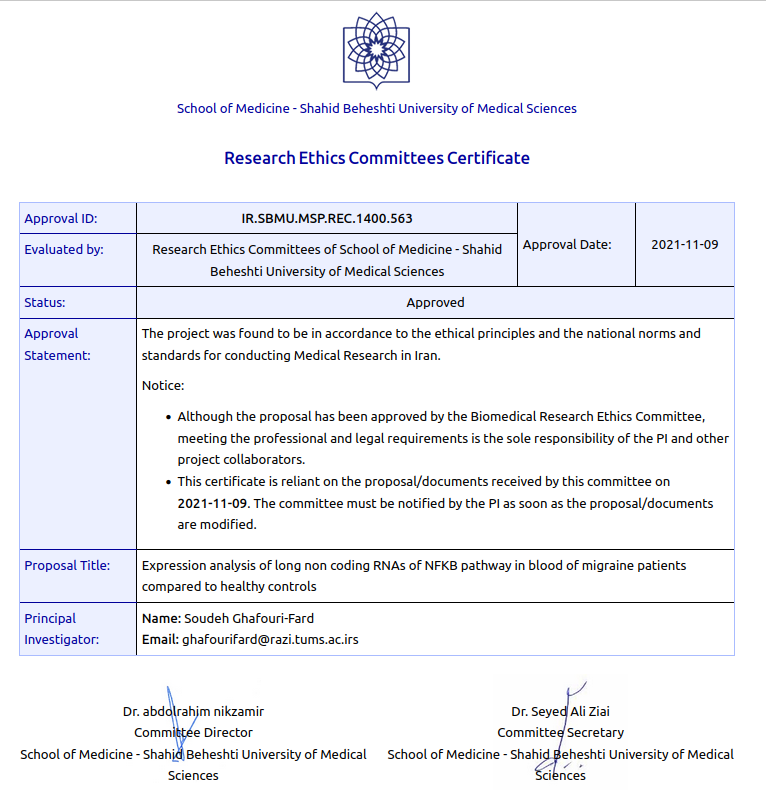
Elaphoglossum callifolium: “The ethics statement of this paper is as follows: “The study protocol was approved by the ethical committee of Shahid Beheshti University of Medical Sciences (IR.SBMU.MSP.REC.1400.563).” […] Coincidentally, the title is a better match to a different study with a different (but overlapping) set of authors, than to this one. That study has its own PubPeer thread.”
That other paper Akbari et al 2023, published in the same journal Acta neurologica Belgica has 8 authors, and the only common one is Ghafouri-Fard, for whom the ethics approval was issued. That paper was not corrected.
On 4 June 2025, the Taheri et al 2024 paper received this bizarre Correction:
“Following publication, we wish to correct and clarify the following aspects of our article:
Patient Recruitment Dates: The correct timeframe for patient recruitment was from January 2020 to end of 2022, not as originally stated in the article.
PCR Ct Calculation Methodology: Real-time PCR reactions were performed over 45 amplification cycles. Reaction-specific primer efficiencies were determined using LinRegPCR, which calculates amplification efficiency by analyzing the exponential phase of each amplification curve. Final Ct values were then computed by incorporating these primer efficiencies, thereby adjusting for variability in amplification performance across targets.
For transcripts not detected within the 45-cycle threshold (Ct > 45), a conservative Ct value of 46 (i.e., 45 + 1) was assigned to allow for statistical inclusion while accounting transparently for potential late amplification events.
Relative gene expression levels were calculated using the − ΔCt method, defined as the difference between the efficiency-adjusted Ct values of the internal control gene (B2M) and the target gene. These − ΔCt values were then used for statistical analyses. In this framework, higher − ΔCt values correspond to greater relative expression of the target gene, consistent with the inverse relationship between Ct and transcript abundance.
The authors apologize for the oversight and any confusion this may have caused.”
Now, fact remains the paper still has no valid ethics approval. But then again, who in Europe cares about Muslim patients somewhere in Iran, important is that experiments on them delivered some interesting results, right?

Well, 45 RT-PCR cycles and beyond deliver nothing but random numbers, in fact anything “detected” after 35 cycles is artefacts and nonsense, and if you don’t believe me, ask the manufacturers.
But since when did biological facts or medical ethics were of any interests for white male professors. The Editor-in-Chief is Patrick Cras, head of Department of Neurology of the University Hospital of Antwerp in Belgium.
Cras was informed by Alexander Magazinov about the absent ethics approval already in May 2024. Who let the publisher Springer Nature handle it because “they have an independent integrity group“. The publisher exec with a confusing name, Patricia Wiley announced an investigation “in line with Committee on Publication Ethics (COPE ) guidelines.” Nothing happened for a year, in April Magazinov and I sent reminders to Cras, who eventually stated:
“I have been talking to Springer Nature several times about paper mills, and as a scientist and the editor-in-chief, I am very concerned about this phenomenon.”
Well, you saw how Cras and Springer Nature solved it at the end.
Of relevance: Cras is Belgium’s top authority on medical ethics, being the Chairman of the Ethics committee of Antwerp University Hospital and University of Antwerp, plus “a member of several committees of the High Council for Medicine, the National Bioethics Committee, […] President of the Belgian Society of Neuropathology as well as chairman of the European Board of Neurology“.
If anyone is entitled to wipe his arse with basic medical ethics, it is obviously Patrick Cras.
Retraction Watchdogging
Outsourced histopathology examination
An unexpected retraction for the cheaters from the Sam Higginbottom University of Agriculture, Technology and Sciences (SHUATS) in Allahabad, India, Vikas Kumar and Amita Verma. Read about them here:
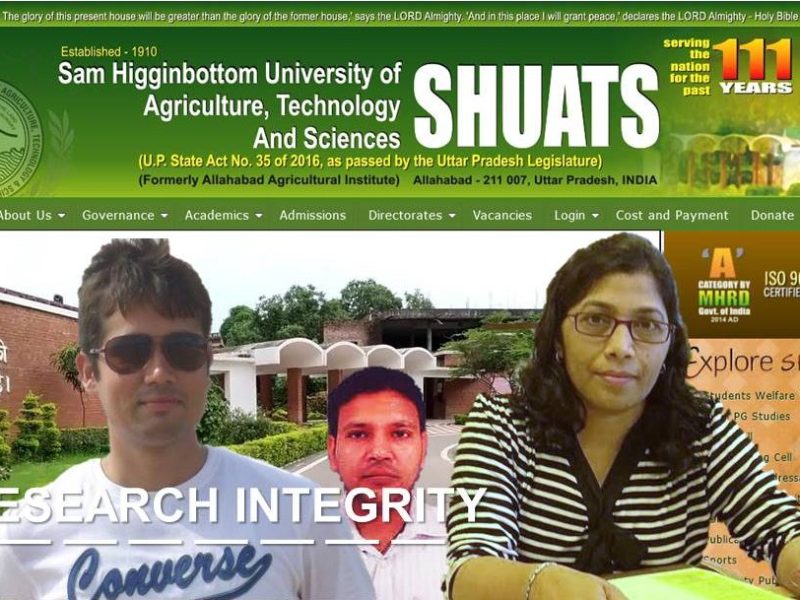
The curative plant extracts from Allahabad
Meet Danish Ahmed and other members of the Sam Higginbottom gang. I am not making those names up.

Noteworthy, only one of these two papers published in the same journal was retracted. The second paper was published on 14 September 2016, and the first one was submitted on 21 December 2016:
- Amita Verma, Bahar Ahmed , Firoz Anwar, Mahfoozur Rahman , Dinesh Kumar Patel , Gaurav Kaithwas , Ravi Rani , Prakash C Bhatt , Vikas Kumar Novel glycoside from Wedelia calendulacea inhibits diethyl nitrosamine-induced renal cancer via downregulating the COX-2 and PEG through nuclear factor-κB pathway Inflammopharmacology (2017) doi: 10.1007/s10787-017-0310-y
- Amita Verma, Prakash Chandra Bhatt , Gaurav Kaithwas , Nikunj Sethi , Mohd Rashid , Yashwant Singh , Mahfoozur Rahman , Fahad Al-Abbasi , Firoz Anwar, Vikas Kumar Chemomodulatory effect Melastoma Malabathricum Linn against chemically induced renal carcinogenesis rats via attenuation of inflammation, oxidative stress, and early markers of tumor expansion Inflammopharmacology (2016) doi: 10.1007/s10787-016-0276-1
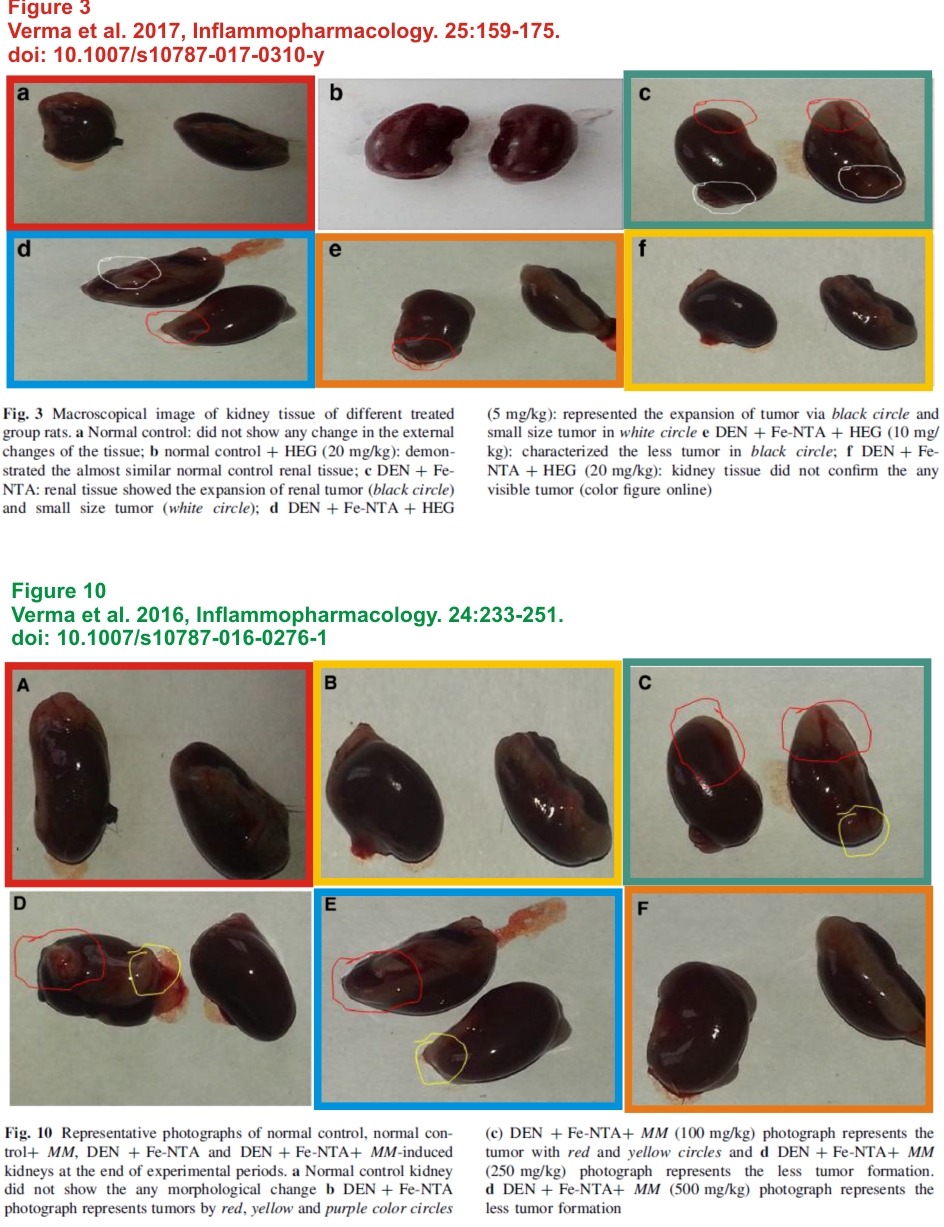

The 2017 paper was retracted on 12 June 2025, the authors openly admitted to buying from papermills:
“The Editor-in-Chief has retracted this article. Following the publication of this article, concerns were raised that Fig. 3 and Fig. 9 appear to be similar to Figs. 10 and 17 of Verma et al. (2016) authored by some of the same authors. The corresponding author has stated that they outsourced histopathology examination. The authors were unable to provide individual raw files for the concerned figures for further evaluation.
The Editor-in-Chief therefore has lost confidence in this data.”
We are told that Verma and Kumar disagreed with this retraction. The good thing is that the Editor-in-Chief remains sufficient confident in the 2016 paper, even if also there the authors admitted to having “outsourced histopathology studies“. As evidenced by the Expression of Concern from 24 February 2025:
“The Editor-in-chief would like to inform the readers that after the publication of this article, concerns were raised regarding the similarity of images presented in Figures 10 and 19 with another publication. The authors stated that they outsourced histopathology studies. The authors provided corrected figures but were unable to provide raw images for further evaluation. The readers are therefore urged to interpret the data of these concerned figures with caution.”
The Editor-in-Chief Kim Rainsford of Sheffield Hallam University indeed is not really concerned about research fraud or papermills, but he really doesn’t like sleuths, especially anonymous ones, and especially Aneurus inconstans, whom he once accused of hiding “potential conflicts of interest” and lacking “any credibility“. Read here:
Editors vs the Anonymous
A tale of brave academic editors fighting those bad, naughty, annoying anonymous whistleblower trolls
Life goes on, as science globalizes
A shameful correction was generously upgraded by Elsevier to a retraction. It is a papermill fabrication, coauthored by Hafiz Muhammad Tahir Farid and other fraudsters. The paper was reported by the sleuth Mu Yang in the following article, which also cites her letter to the Editor-in-Chief of Journal of Materials Research and Technology (JMRT), the 78 year old Distinguished Professor at the University of California San Diego, Marc Andre Meyers.
The Incorrigible Elsevier
“I woke up seeing Elsevier’s giant middle finger in front of my face.” – Mu Yang

In fact, one must see the now retracted paper in JMRT (published on 19 January 2021) as a part of a set. The second paper was submitted to Springer Nature in parallel, on 3 October 2020 and published on 1 January 2021, and it wasn’t even corrected:
- Abdul Hakeem , Thamraa Alshahrani , Ghulam Muhammad , M.H. Alhossainy , A. Laref , Abdul Rauf Khan , Irshad Ali , Hafiz Muhammad Tahir Farid , T. Ghrib , Syeda Rabia Ejaz , Rabia Yasmin Khosa Magnetic, dielectric and structural properties of spinel ferrites synthesized by sol-gel method Journal of Materials Research and Technology (2021) doi: 10.1016/j.jmrt.2020.12.064
- Abdul Hakeem , Thamraa Alshahrani , Hafiz Muhammad Tahir Farid , Abdul Rauf Khan , M. H. Alhossainy , A. Laref , Irshad Ali Manganese-based spinel ferrites for microwave absorption Journal of Materials Science: Materials in Electronics (2021) doi: 10.1007/s10854-020-05022-x


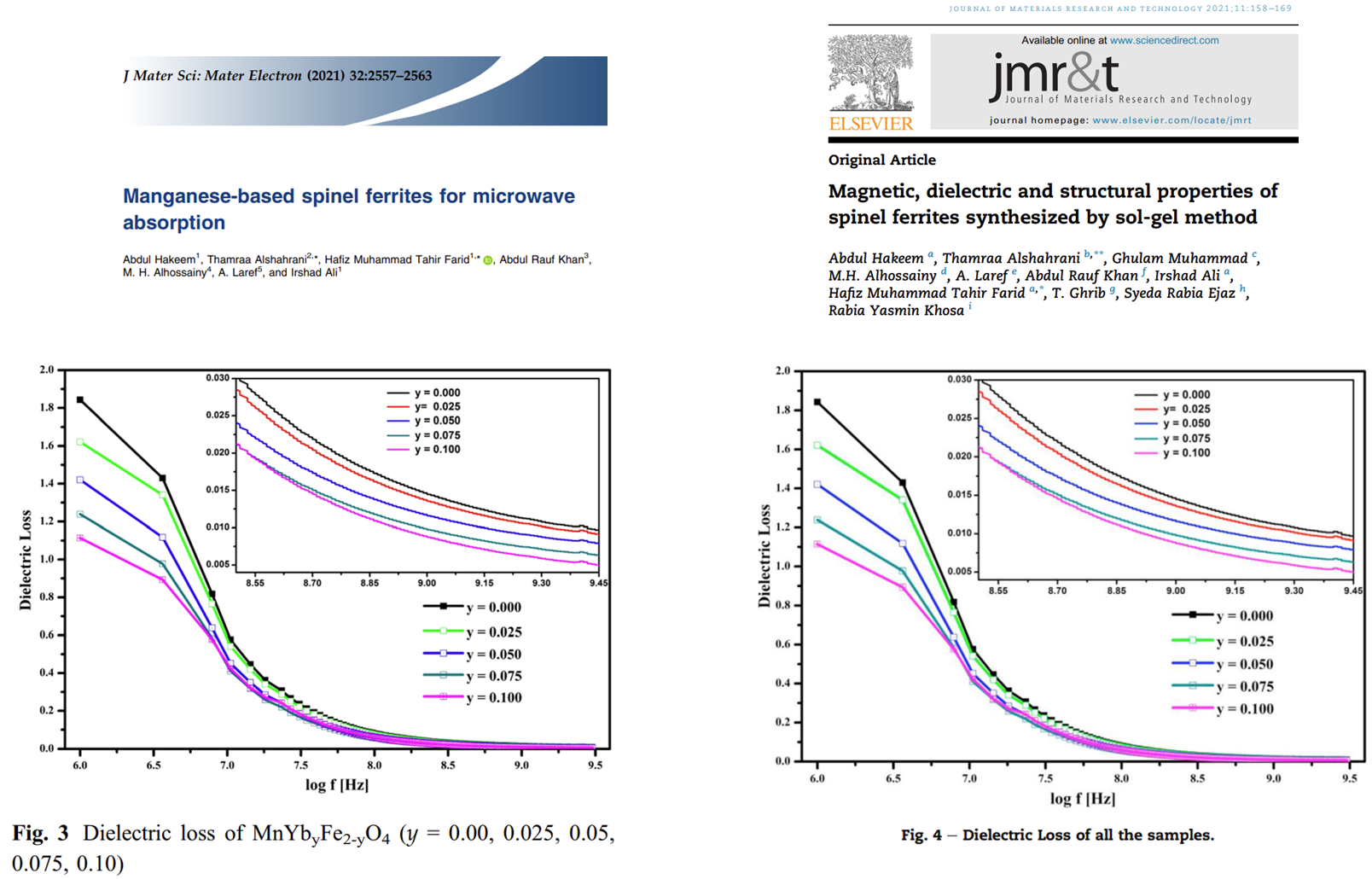


As Mu decried in her article on For Better Science, JMRT fixed that insane travesty with a Corrigendum on 2 August 2024, which replaced 11 figures and one table:
“The authors regret this unintended mix-up of the files led us to this error in the current paper. We sincerely apologize for this oversight and any confusion it may have caused. We really apologize for this mistake.”
Worth noting that Meyers replied to Thomas Kesteman’s inquiry regarding this exact correction with:
“Indeed, this is a gross lack of attention by the authors. But life goes on, as science globalizes, Marc‘”.
Meyers never replied to me, but he eventually did reply to Mu, on 31 December 2024:
“I wish I had the supernatural ability to verify all the papers submitted to JMRT. We are receiving over 10,000 papers per year.AI will do this job in the future. Elesevier does not allow us to ‘blacklist ‘authors even after improprieties are found, for legal reasons. […]
You are correct about plagiarism and self plagiarism not being new or a product of globalization. I give the example of the Piltdown skull discovered in England many years ago. “
The sleuth Mu Yang also shared her experience on LinkedIn. On 16 June 2025, the JMTR paper was finally retracted:
“This article has been retracted at the request of the Editor-in-Chief.
Post-publication, the editor discovered suspicious changes in authorship between the original submission and the revised version of this paper.
In summary, the paper was submitted by four authors with Tahir Farid as the original First Author.
During revision two authors were removed. The authors Abdul Hakeem (New First Author), Ghulam Muhammad, M H Alhossainy, Abdul Rauf Khan, Irshad ali, T. Ghrib, Syeda Rabia Ejaz and Rabia Yasmin Khosa were all added to the revised paper without explanation and without the exceptional approval by the journal editor, which is contrary to the journal policy on changes to authorship.
The editor reached out to the authors for an explanation, but they failed to provide a satisfactory explanation to these changes.
The editor has determined that the authorship and the findings of the article cannot be relied upon, and has decided to retract the article.”
As you read, all credit for discovering this papermill fraud goes to Marc Meyers. Applause, please.
New evidence has since emerged
Another upgraded correction. The lead author is Xing Lin, professor at Guangxi Medical University who supervises pharmacology PhD graduates without having a PhD degree himself. He also teaches these students “How to quickly write and submit manuscripts to SCI-indexed Journals“, the trick in his case is Photoshop fraud. Read here:

How to quickly write and submit manuscripts to SCI-indexed Journals
“For TCM : Chairman Xi :: Lysenkoism : Stalin, and no Chinese academics are losing their positions because they pretended to vindicate the curative claims of TCM. Thus pratersein, genistein, didymin, helenalin, Tormentic acid and of course Trolline.”
This paper was flagged on PubPeer already 5 years ago, the evidence was posted between October and November 2020:
Shujuan Wen , Yuanyuan Wei , Xiaolin Zhang , Facheng Bai , Shimei Tan , Jinlan Nie , Jinbin Wei, Xing Lin Methyl helicterilate ameliorates alcohol-induced hepatic fibrosis by modulating TGF-β1/Smads pathway and mitochondria-dependent pathway International Immunopharmacology (2019) doi: 10.1016/j.intimp.2019.105759
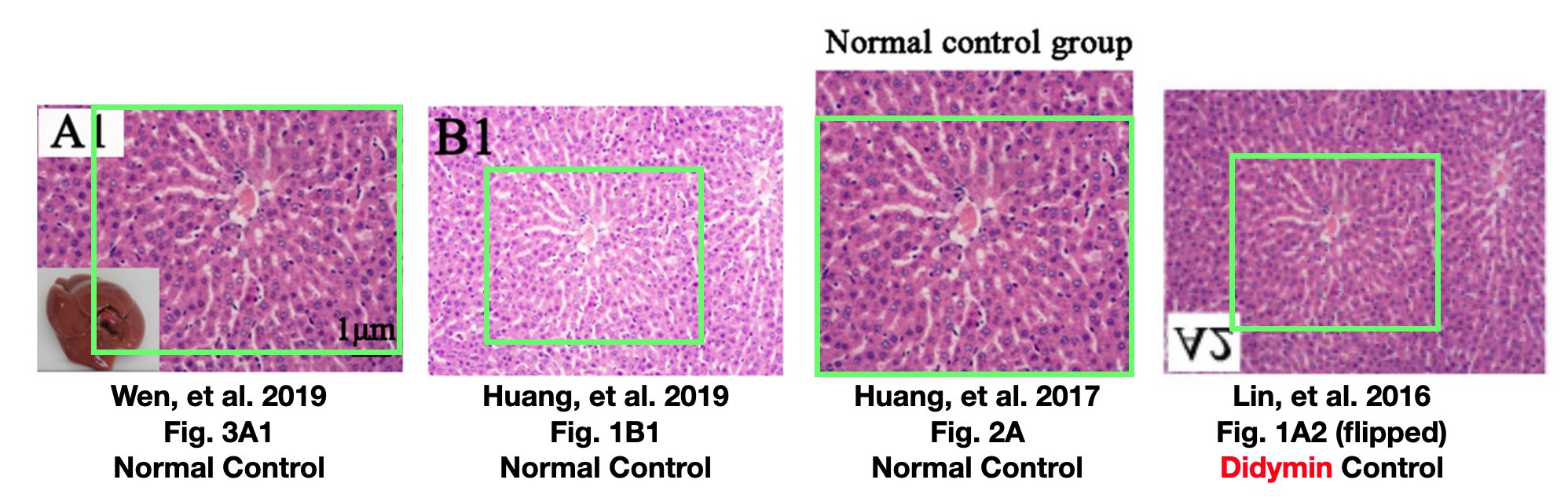
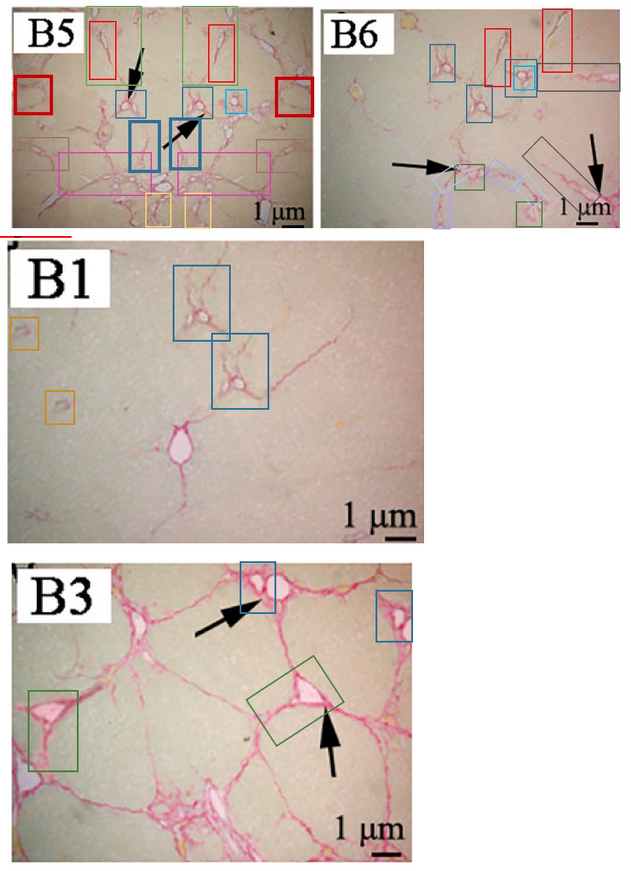

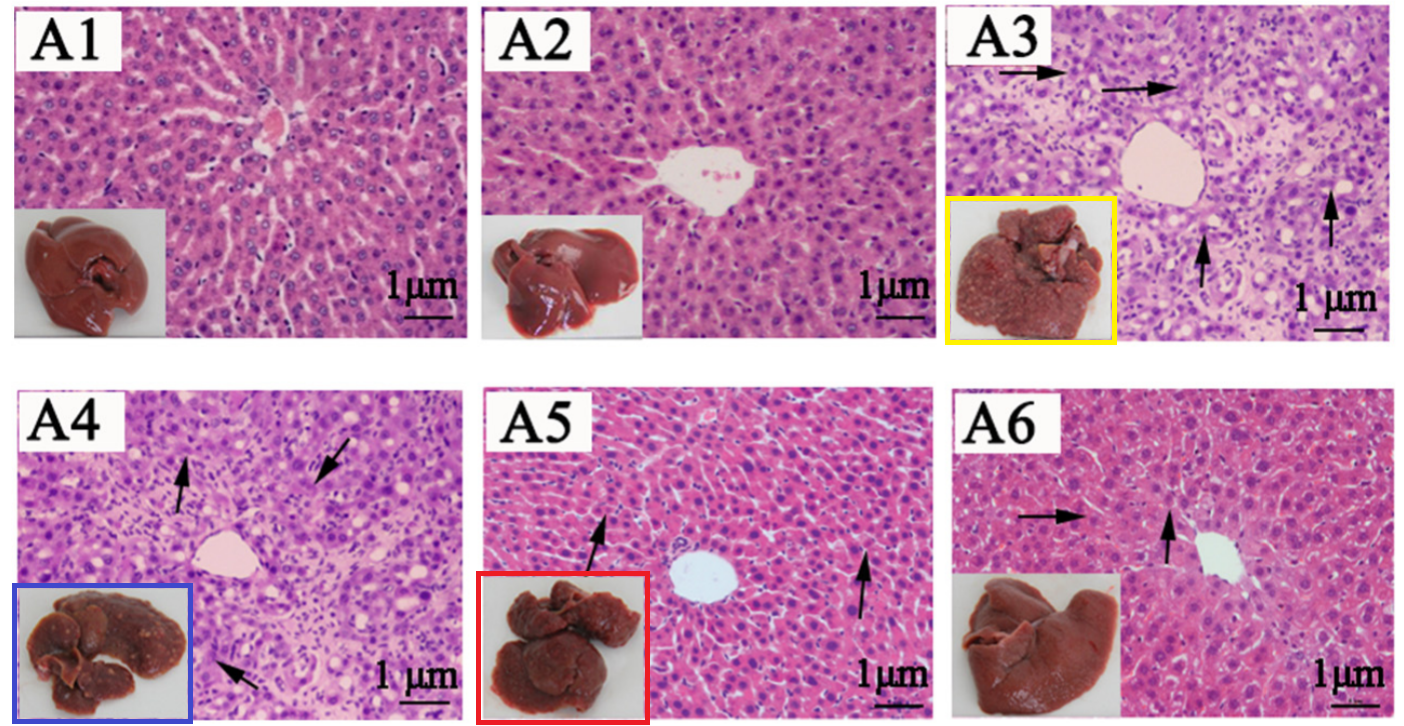


Fig 7F from Huang et al (2019).


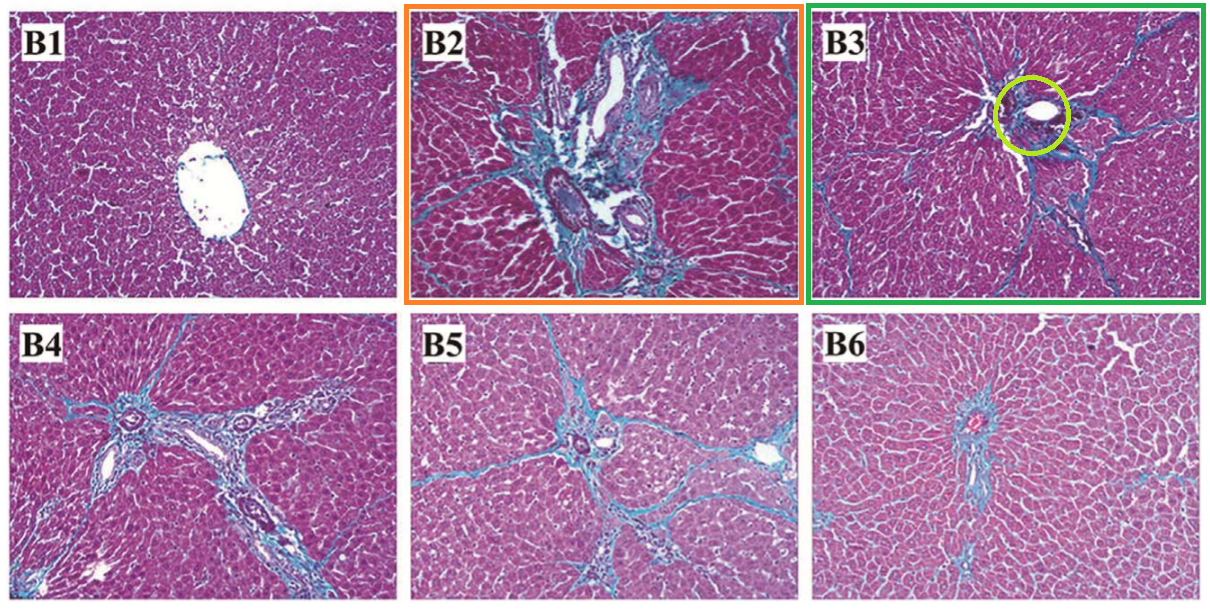

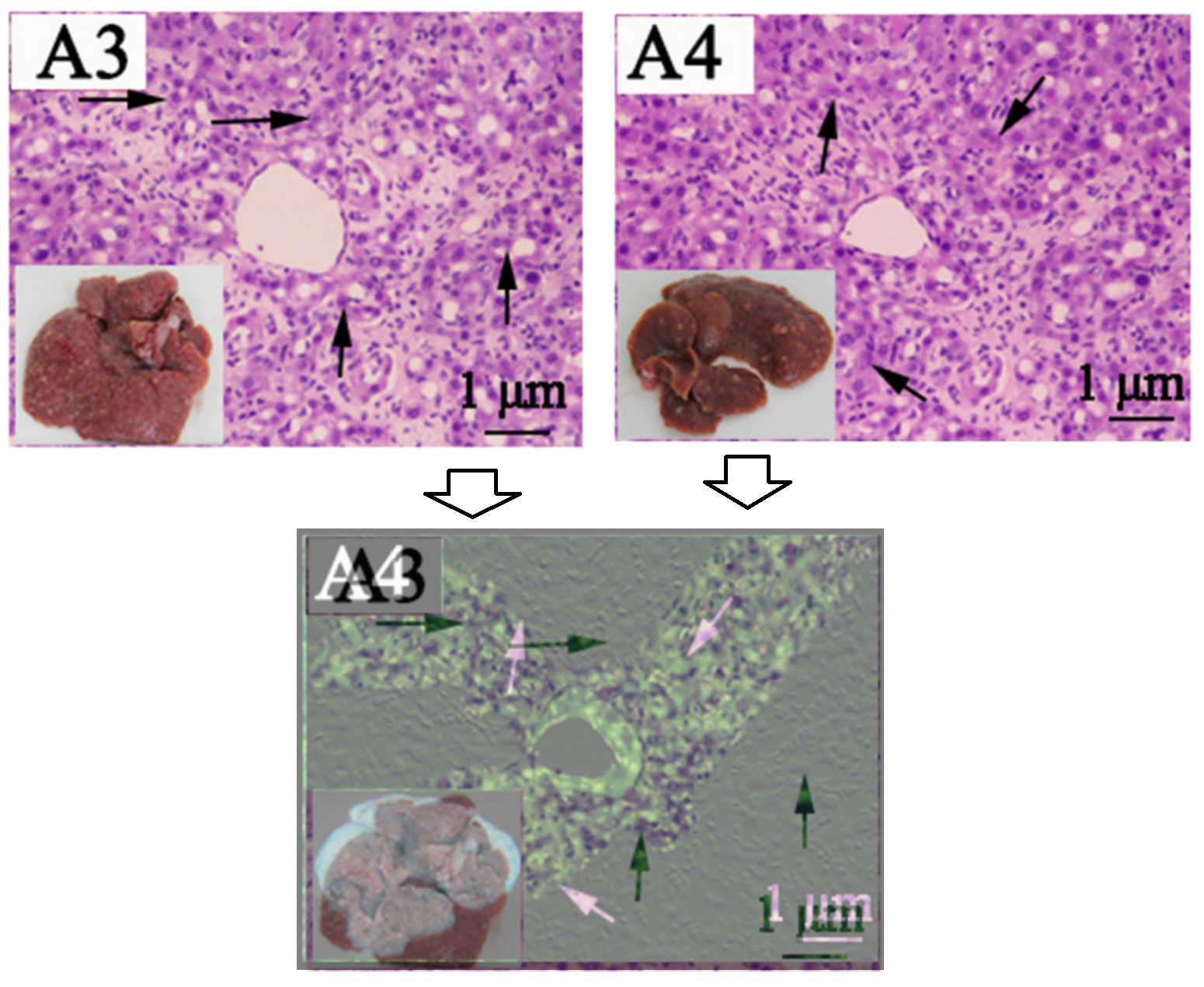

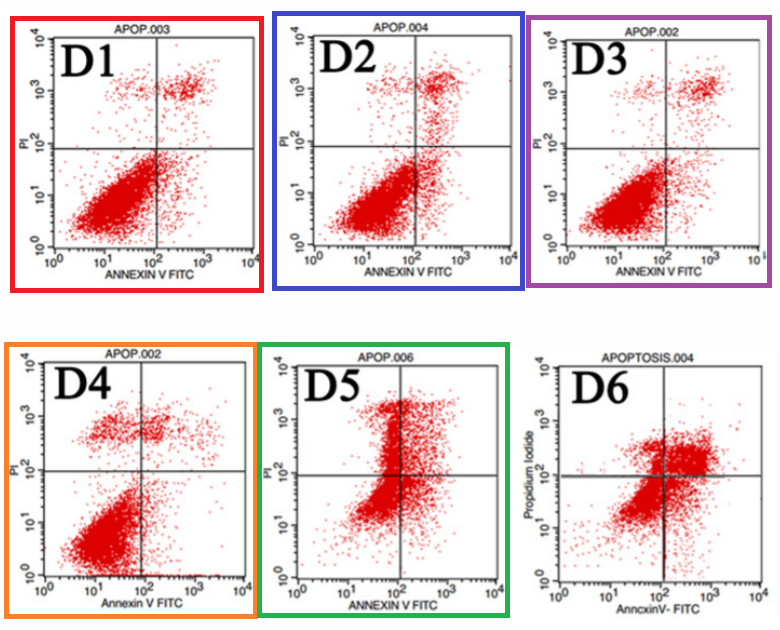
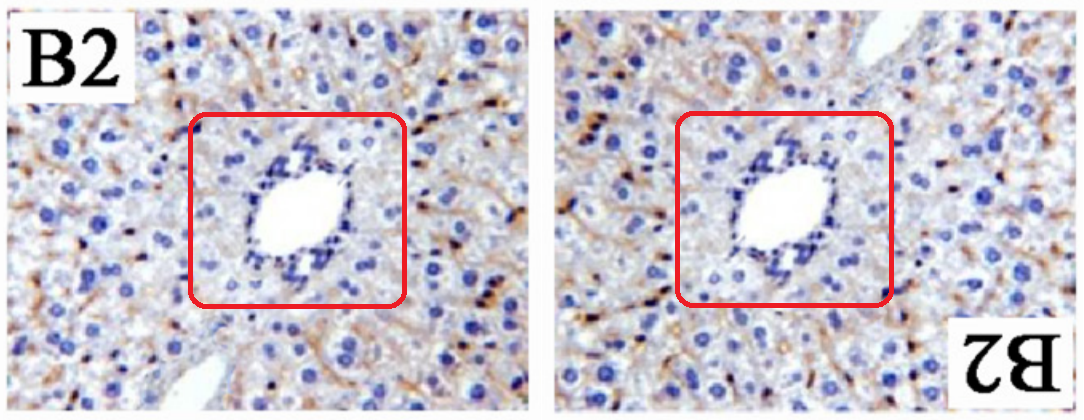
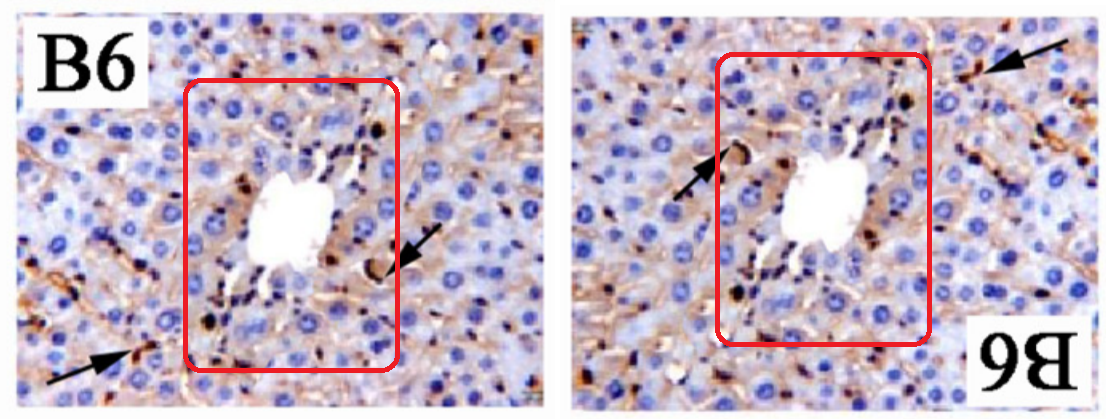
The Editor-in-Chief at that time (and until his retirement in December 2023) was James Talmadge, now emeritus professor at University of Nebraska Medical Center. Talmage looked at all this bizarrely excessive fraud, and then decided…. to issue a correction!
Which duly took place, with a Corrigendum from March 2021:
“The authors regret the incorrect publication of Figs. 3A, 4, 7, 8B and 11 in the original article. […]
The authors would like to apologise for any inconvenience caused.”
Figures 3, 4, 7, 8 and 11 were replaced. In fact, it wasn’t Xing Lin’s only correction. Smut Clyde made a list, with one more in the same journal and 4 more in 4 other Elsevier journals:
- “The authors regret for the incorrect publication of Fig. 2, Fig. 5A in the original article.” Protective effect of tormentic acid from Potentilla chinensis against lipopolysaccharide/D-galactosamine induced fulminant hepatic failure in mice. Xing Lin , Shijun Zhang , Renbin Huang , Shimei Tan , Shuang Liang , Xiaoyan Wu , Lang Zhuo , Quanfang Huang, International Immunopharmacology (2014). Corrigendum January 2021
- “The authors regret that the wrong Figures 7 and 8 were published“. Hepatoprotective effects of total saponins isolated from Taraphochlamys affinis against carbon tetrachloride induced liver injury in rats. QuanFang Huang, ShiJun Zhang, Li Zheng, Min He, RenBin Huang, Xing Lin, Food and chemical toxicology (2012). Corrigendum March 2021
- “The authors regret < the incorrect publication of Figs. 3B, 3D, 4, 5B and 5C in the original article>.” Antiviral activity of methyl helicterate isolated from Helicteres angustifolia (Sterculiaceae) against hepatitis B virus. Quanfang Huang , Renbin Huang , Ling Wei , Yongxing Chen , Shujuan Lv , Chunhong Liang , Xuerong Zhang , Fujiang Yin , Hongtao Li , Lang Zhuo , Xing Lin, Antiviral Research (2013). Corrigendum February 2021
- “The authors regret that the wrong Fig. 4, Fig. 6, Fig. 7 were published.” Protective effect of madecassoside against cognitive impairment induced by D-galactose in mice. Xing Lin , Shijun Zhang , Renbin Huang , Ling Wei , Shimei Tan , Chunhong Liang , Shujuan Lv , Yongxin Chen , Shuang Liang , Yuanchun Tian , Zhongpeng Lu , Quanfang Huang, Pharmacology Biochemistry and Behavior (2014). Corrigendum January 2021
- “The authors regret that the wrong Figs. 3, 6B, 8 and 9 were published.” Didymin induces apoptosis through mitochondrial dysfunction and up-regulation of RKIP in human hepatoma cells. Jinbin Wei , Quanfang Huang , Facheng Bai , Jun Lin , Jinlan Nie , Shengjuan Lu , Chunyuang Lu , Renbin Huang , Zhongpeng Lu , Xing Lin, Chemico-Biological Interactions (2017). Corrigendum January 2021
In November 2023, Smut Clyde found even more fraud in that wretched Wen et al 2019 paper:

[left] Fig 6 from […] Yang et al 2018.
[right] Fig 11C.

The journal International Immunopharmacology has new editors now, maybe this is why the travesty was ended now with a retraction, on 17 June 2025:
“This article has been retracted at the request of the Editor.
The corresponding authors were contacted for clarification and to address the allegations of image duplication and manipulation posted on Pubpeer. However, no responses were received. The journal had previously issued a corrigendum regarding certain aspects of the article; however, new evidence has since emerged that further calls into question the validity of the findings presented.
In light of the lack of communication from the authors and the significant concerns regarding the integrity of the research, the Editors have lost confidence in the reliability of the article. Therefore, the decision to retract the paper has been made to uphold the standards of scientific integrity and to protect the interests of the research community.”
Right, new evidence has since emerged…. But not for the other 5 corrigendered fabrications, so those are 100% reliable and trustworthy now.
Provided by first author Burcu Uner
A paper discussed in January 2025 Shorts is now retracted, just months after it was published. Not because of some higher ethics concerns, but because the authors insolently stole a figure from a rather senior French group at the Pasteur Institute.
The senior coauthor is Deepak Kalaskar, professor of bioengineering at UCL in London, UK, featured in this article:
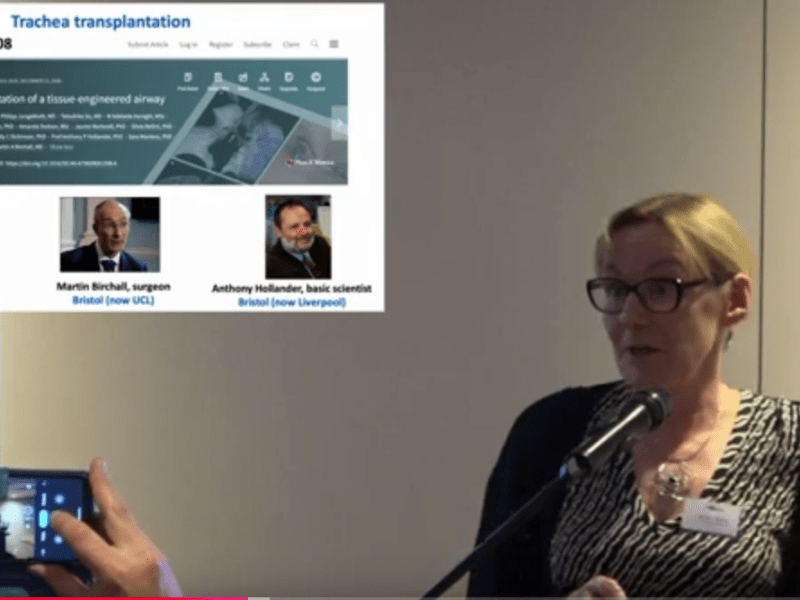
Martin Birchall, Paolo De Coppi, and other clowns of UCL’s degenerative medicine
Several years ago, UCL investigated the Macchiarini affair and found their surgeon Martin Birchall was not only innocent, but also entitled to more money and more patients to experiment upon. Now, Patricia Murray was awarded for exposing this UCL malfeasance, and Sholto David scrutinised UCL papers for data manipulation.
The now retracted study was done with Turkish collaborators, the last author is Muhammet Emin Cam, once a postdoc at UCL and now vice-dean and head of department at Istanbul Kent University, the first author his former student Burcu Uner:
Burcu Uner, Ece Guler , Mustafa Emrah Vicir, Hulya Kayhan , Necmettin Atsu , Deepak Kalaskar, Muhammet Emin Cam Antiviral properties of essential oil mixture: Modulation of E7 and E2 protein pathways in human papillomavirus (HPV) infection Journal of Ethnopharmacology (2024) doi: 10.1016/j.jep.2024.119289
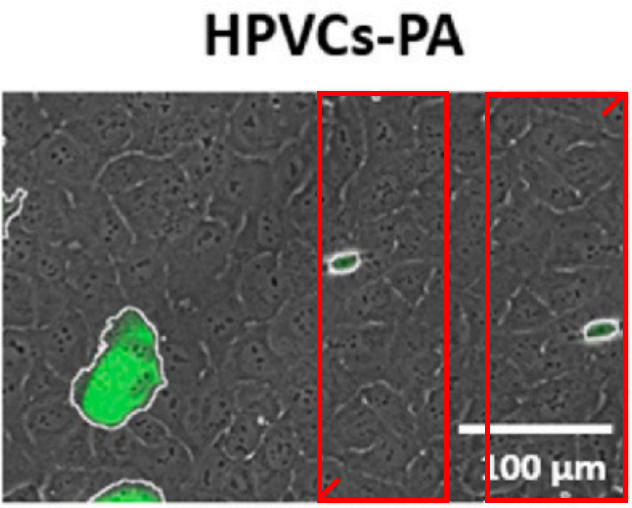
Sholto David: “Figure 7: One of the images contains an unexpected duplicate area, […] There is a 180° rotation.”

The EMBO J paper Buchrieser et al 2020 belongs to the group of Olivier Schwartz, former scientific director of the Institut Pasteur in Paris, now head of the Virus and Immunity Unit there. As Sholto found out, there is a reason why the images are not exactly identical to the published figures: the stolen images for Figure 7 were cropped as stills from a supplementary video Schwartz’s team provided together with their article.
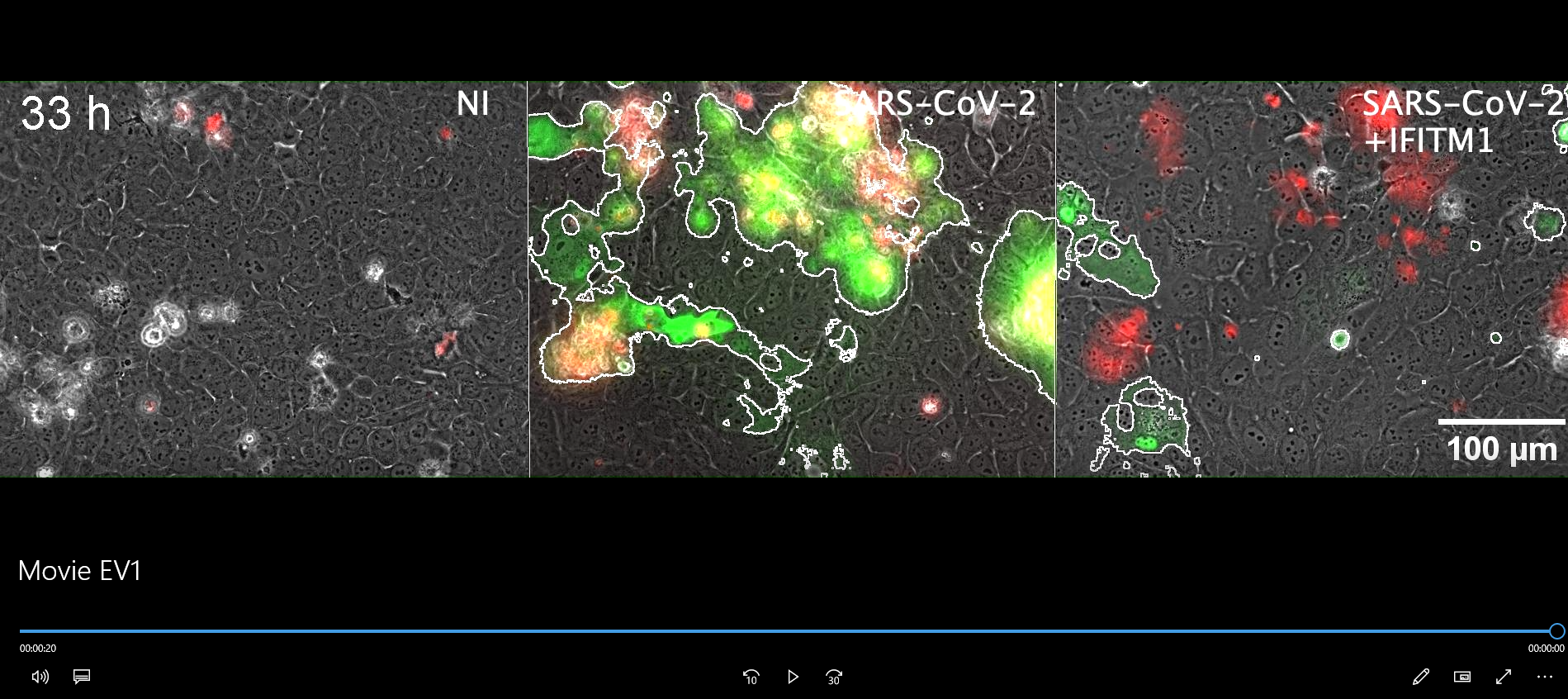
As I reported in January 2025 Shorts, the first author Uner (until recently postdoc in the lab of Giovanni Pauletti at University of Health Sciences and Pharmacy in St. Louis, USA), has several other fake papers on PubPeer. Back then, she protested in her email to me that the images were acquired at her US university, and that “These claims are both baseless and scientifically unethical” and that “It is disappointing to witness such unfounded allegations, as they undermine the integrity of scientific collaboration“.
The journal swiftly issued a retraction on 15 February 2025 (highlight mine):
“This article has been retracted at the request of the Authors.
Concerns have been raised regarding images in Figure 7 and Table 6.
The corresponding author of this article contacted the journal in early January about potential image errors and later with concerns about image manipulation. A retraction was requested on these grounds. The journal was also contacted by representatives of “The EMBO Journal” alerting the editors to the unauthorized image reuse of Figure 7 which was duplicated from Figure 1B in EMBO J. (2020) 39: e106267, https://doi.org/10.15252/embj.2020106267 and appears to be manipulated.
The journal was also alerted to an associated PubPeer post reporting a number of additional, suspected image duplications. These consist of Table 6 images E1, E2, L1 which appear to have been duplicated from Supplementary Material Figures 27, 28, 31 and 32 İstanbul J Pharmacy, 55(1), 110-122 https://doi.org/10.26650/IstanbulJPharm.2025.1494255 and show signs of manipulation. This is detailed here: https://pubpeer.com/publications/424B8B8EBCBD847140F08672DD2683The authors would like to clarify that all the figures and images in this article have been provided by the first author of the article, Burcu Uner.“
Sure, but what did all the authors contribute then? Nothing?
Since then, more plagiarism by Uner was found. Here she stole from a Chinese study, Li et al 2020:
Burcu Uner , Ahmet Doğan Ergin , Aybuke Celik , Renuka Khatik , Pankaj Dwivedi Assessing the performance of Coenzyme Q10 loaded DQAsomes to treat Leigh syndrome caused by NDUFS4 knockout Journal of Drug Delivery Science and Technology (2024) doi: 10.1016/j.jddst.2024.105809
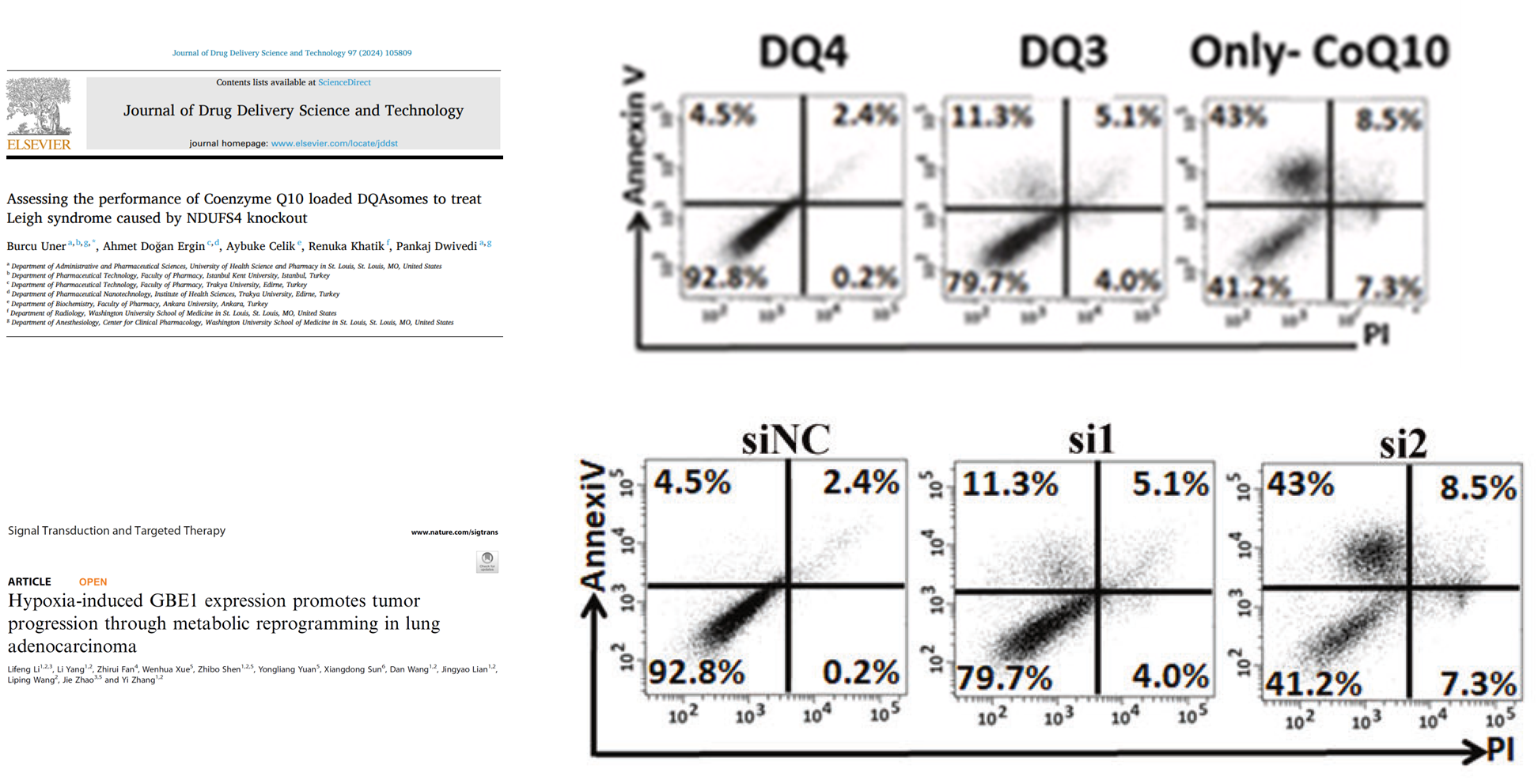
Uner explained on PubPeer in June 2025 that she and her coauthors “repeated the full experimental procedure“, not because anything was wrong with the stolen figure, but “solely to ensure transparency and accuracy in data presentation.” She shared the “newly acquired data” on OSF, which of course “confirm the findings originally reported” and fully support “the interpretation or conclusions of the study“.
We might consider the possibility that Uner is a pathological liar on top of being a kleptomaniac. Here another case, data was stolen from two different papers with unrelated authors, Xiao et al 2020 and Khungwanmaythawee et al 2016:
Burcu Uner, Ahmet Dogan Ergin Enhanced mitochondrial co-localization of β-escin micelle and pancreatic tumor accumulation relation Journal of Drug Delivery Science and Technology (2023) doi: 10.1016/j.jddst.2023.104994


Burcu defended herself with:
“We unequivocally state that all images and data presented in our manuscript are original and were generated by our research team. These allegations are not supported by any factual evidence and appear to be based solely on perceived visual similarities”
She again posted her “raw data” on OSF, but it turned out it showed something unrelated to published figures. Burcu replied with more insane bullshit.
Here, data stolen from two unrelated papers Zhang et al 2020 and Qin et al 2021, and it seems Uner started her own papermill, catering not just to friends from Turkey, but also to random customers from Saudi Arabia:
Burcu Uner, Ahmet Dogan Ergin, Irfan Aamer Ansari , Melahat Sedanur Macit-Celebi, Siddique Akber Ansari, Hamad M. Al Kahtani Assessing the In Vitro and In Vivo Performance of L-Carnitine-Loaded Nanoparticles in Combating Obesity Molecules (2023) doi: 10.3390/molecules28207115

I other cases, one must be thankful to Uner for images being recycled inside the same paper, see Uner et al 2024 or Baranauskaite et al 2021. Uner also likes to draw silly doodles which she passes off as spectra, see the next paper with the same Lithuanian first author Juste Baranauskaite (now assistant professor in Turkey):
Juste Baranauskaite , Mehmet Ali Ockun , Burcu Uner , Burcin Gungor , Gulengul Duman , Cetin Tas , Erdem Yesilada Development and In vitro characterization of pullulan fast dissolving films loaded with Panax ginseng extract, antioxidant properties and cytotoxic efficiency on lung and breast cancer cell lines Journal of Drug Delivery Science and Technology (2022) doi: 10.1016/j.jddst.2022.103701


Uner has 16 ridiculously fraudulent papers on PubPeer. And she was kicked out from University of Health Sciences and Pharmacy in St. Louis, whose affiliation she however continues to use even today and without any authorisation (as the university’s Research Compliance Manager Jacob Fling confirmed to me). Moreover, people started to jump ship – the paper Uner et al 2025 (with St Louis affiliation!), published in March 2025, had to be corrected on 11 April 2025:
“The original article has been updated to remove authors Semir Beyaz and Onur Eskiocak from the authorlist. Their names were inadvertently added as authors in the published article.”
Yet only that Journal of Ethnopharmacology paper by Uner was retracted, only because there she stole from someone important. Her other robberies and forgeries apparently get addressed with Burcu’s unhinged shitposting on PubPeer, and all journals and publishers are happy.
Donate!
If you are interested to support my work, you can leave here a small tip of $5. Or several of small tips, just increase the amount as you like (2x=€10; 5x=€25). Your generous patronage of my journalism will be most appreciated!
€5.00

 For Better Science
It is customary to add an arbitrary Ct value to account for undetected qPCR results. Of course there are debates as to the best way to deal with missing values, but if the arbitrary Ct value method is employed transparently and consistently with knowledge of its limitations, there’s nothing wrong with it. In some circumstances it is the best method, for example estimating the concentration of contaminating DNA in a product.
https://pmc.ncbi.nlm.nih.gov/articles/PMC4133581/
LikeLike
“For transcripts not detected within the 45-cycle threshold (Ct > 45), a conservative Ct value of 46 (i.e., 45 + 1) was assigned “
So they did take everything before 45 cycles as “detected”! While in reality everything after 30th cycle is “undetectable”.
But anyway, that fake crap is behind a paywall.
LikeLike
I feel somewhat sorry for Burcu. Seems like she really thought she was doing the right thing somehow. Isn’t this sad 😢 https://www.bioanalysis-zone.com/advice-to-my-younger-self-with-fern-adams-dam-and-burcu-uner/
LikeLike
“Burcu: There isn’t one correct way to achieve something; it’s important to be open to change. This is the trickiest thing. It is even more challenging than achieving success.”
LikeLiked by 1 person
If you look at the latest exchange regarding the mouse tracking paper, I think this situation goes beyond sad into malicious madness. These are the sort of people we have to stop.
LikeLike
Scientific efforts are best directed toward constructive inquiry and progress, rather than being sidetracked by speculation that risks distracting from meaningful research.
https://pubpeer.com/publications/05F56B5F856063ABCCD79DB8B3C8E8#4
LikeLike
We get thanks from U Health Sciences in St Louis! Jacob Fling, Manager for Research & Compliance, writes:
” I wanted to thank you again for bringing light to Dr. Uner’s continued use of her affiliation to my institution and I am working with our General Counsel to address the issue. In addition, I wanted to let you know that I have submitted retraction requests to the editors of several journals that published her fraudulent research. You and Dr. David made my process of documenting everything so much easier. Thank you.”
LikeLike
Lol, Burcu’s boss and Dean of Graduate Studies and Research, Giovanni Pauletti, who pleads ignorance of all her fraudulent activities, and now wants me to remove his name and the University’s name from my blog, published with Burcu in November 2024:
https://onlinelibrary.wiley.com/doi/full/10.1002/mame.202400335
Did he check that paper?
LikeLike
I am in Italy now and I can access For Better Science with my roaming data, but without a VPN. Last year I needed a VPN to access the site.
LikeLike
Must be due to the new Pope.
LikeLiked by 1 person
And just to repeat what Leonid mentioned some time ago, anyone with access to a university network in Italy (i.e. most people who would care) can see the website.
LikeLike
“a proprietary direct cellular conversion technology, which makes it possible to transform (transmogrify) any mature human cell” – essentially, their method is based on magic. Would be interesting to see the patent, especially which kind of wand is used.
LikeLike
I’m from Italy and i can read the site perfectly“But Italy is the only country which proudly and publicly celebrates science fraudsters, gives them fat money awards even”I apologize for thisLikeLike
€100k in cash — wow! When they say ‘crime pays,’ it really seems true.
LikeLike