

Schneider Shorts of 20 September 2024 – A Californian man and his trusty clock, Oded’s Dad and other Israeli Scientists, first retractions for a French couple, an Indiana man and an Iranian papermiller, an Elsevier book facing removal, with funny corrections, ex-editor bemoaning a conspiracy and finally, with a concussion device getting pummelled.
Table of Discontent
Science Elites
- Entirely unacceptable and must stop immediately – Steve “Death Is My Enemy” Horvath has “no known competing financial interests”
- Get in the ring – Mu Yang unafraid of concussion
- Man giraffe hybrid – Meet Oded’s dad Gidi
Scholarly Publishing
- Decision to remove the content – Elsevier book by Hari and Aruna Sharma in danger
- This unintentional mistake – Simone Fulda avoids retractions
- Atmospheric downfall – MDPI corrects two Kitty Sack fabrications
Retraction Watchdogging
- Some of the data may not be complete and accurate – two retractions for Gianfranco Alpini
- Able to reproduce in a general sense – first retraction for Szunerits and Boukherroub, thanks to Spadavecchia
- A satisfactory answer was not provided – Cuzzocrea and Thiemermann lose another paper
- Concerns were cleared – Science reluctantly retracts Deb Kelly’s fake protein chromatography
- Effects of roughness – Emerald acts on Masoud Afrand and Arash Karimipour
- Not physically possible – Scientific Reports studied hand-drawn trash for two years
- The worst thing that’s happened – Ashok Pandey’s legacy in tatters
Science Elites
Entirely unacceptable and must stop immediately
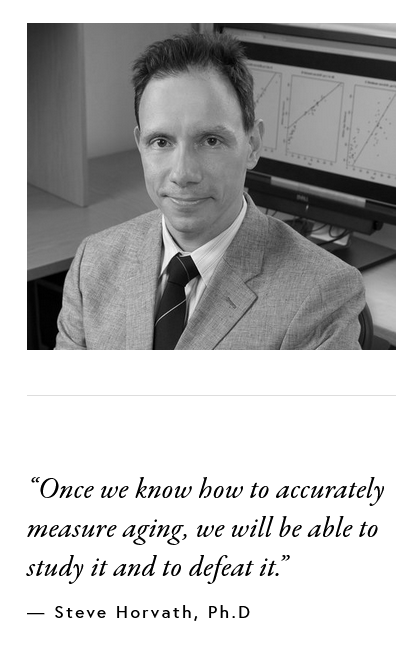
In earlier September 2024 Shorts, I once again wrote about the omitted Conflicts of Interest (COI) of the German-born anti-aging researcher Steve Horvath, professor of human Genetics and biostatistics at the University of California Los Angeles (UCLA) in USA. Horvath (who says “The death is my enemy“) is 57 years old, but according to his clock he is slightly older.
It was about the paper Surachman et al 2024 which Horvath coauthored with Elissa Epel, psychiatry professor at University of California San Francisco (UCSF), where they both determined that being wealthy extends life of your grandchildren, not by money as you would expect, but by epigenetics. The COI statement went:
“Declaration of competing interest
The authors declare that they have no known competing financial interests or personal relationships that could have appeared to influence the work reported in this paper.”
Actually, Horvath owns patents (filed 2012, see here and here) for the very technology used by this study to determine epigenetic ageing in biological samples. In fact, it’s even called the Horvath Aging Clock. Horvath is also the founder and paid consultant of UCLA’s non-profit spin-out Clock Foundation, which is about “speeding the availability of treatments that prolong health and life expectancy“. Soon after the Shorts article was published, Epel commented on PubPeer:
“Dear Dr. Schneider, Thank you so much for noting our unfortunate oversight on including a COI statement from Dr. Horvath. We are very grateful you alerted us and for the chance to add it. We have submitted a corrigendum to the Journal to publish ASAP.“
At the same time, Horvath himself wrote to me:
“Dear Leonid Schneider,
thank you for catching the oversight regarding our recent conflict of interest statement. It was an honest mistake.
We have already submitted a Corrigendum to the journal that outlines the COI. It reports the same COI text as in all of my other publications.”
It is not exactly true that all of his other publications contain correct COI statements. In May 2023 Shorts I discussed another epigenetics paper by Horvath with Harvard professor Vadim Gladyshev, where they used the Horvath Clock to prove that blood transfer from young donors rejuvenates its aged recipients (Poganik et al 2023). There, both Horvath and Gladyshev forgot to declare their COIs. In a related story, Horvath et al 2023, the Clock master and the Californian company Yuvan Research Inc proved that blood from piglets rejuvenates the organs from old rats. Also there, Horvath didn’t mention his Clock COI, but he revealed to be a paid consultant of Yuvan Research “which plans to commercialize the E5 treatment“. Horvath never mentioned Yuvan ever again – maybe the company failed, their website suggests this.
Bleed’em while they’re young
“There’s still a long way to go – blood is complicated. But there are many excellent labs focused on this, so I am optimistic about progress.” – Aubrey de Grey.

For example, in another recent study with colleagues from Wageningen University in the Netherlands, Grootwagers et al 2024, Horvath deployed his Clock to establish the rejuvenating properties of vegetables, legumes and peanuts (specifically “coumestrol, beta-carotene and arachidic acid“). The authors assured “that they have no known competing financial interests or personal relationships that could have appeared to influence the work reported in this paper.” With same Dutch colleagues, Horvath’s Clock determined in Biemans et al 2024 that “intake of peaches/nectarines/plums, poultry, nuts, discretionary oil and solid fat was associated with decelerated ageing.” The Declaration of Conflicts of Interest was very short: “None.” Also in Diez Benavente et al 2024, Horvath used his Clock in a collaboration with Utrecht University in the Netherlands to determine that old age is “a strong and independent marker of poor outcome in patients with severe atherosclerosis“. The authors stated under Disclosures: “None.”
In yet another recent study, Jones et al 2024, Horvath deployed his Clock to help colleagues from University of Alabama at Birmingham to predict the onset of chronic kidney disease. The readers were instructed that “The authors declare no competing interests.” In Beydoun et al 2024, Horvath and peers from NIH decided that being depressed and taking antidepressants makes people age faster. Also here: “The authors declare no conflicts of interest related to this study.”
In Macit et al 2024, Horvath joined Brown University colleagues to prove that suffering from psoriasis makes people old. Some authors declared their COI, but not Horvath, who insisted to have “no conflict of interest“. Also in Barratclough et al 2024, where Horvath used his Clock to help marine biologists measure the age of dolphins, his coauthors declared their COIs, but not Horvath, who insisted to “have no known competing financial interests or personal relationships that could have appeared to influence the work reported in this paper.“
In Torma et al 2024, Horvath deployed his Clock to help some Hungarian colleagues prove that eating yoghurt keeps you young: “slower epigenetic aging and higher fitness level can be linked to altered abundance of some bacterial species“. COI: “None declared.” In Bareja et al 2024, the Horvath Clock supported the Duke University study that fasting rejuvenates muscles. Also there: “The authors declare no competing interests.”

George Church, Colossal W*nker
From mammoths to eugenics to anti-aging scams: god-impersonator George Church knows how to make money with bullshit.
In Kawamura et al 2024, Horvath brought his Clock to Japan to prove that Japanese food keeps you young. The COI only mentioned in his case: “SH was employed by Altos Labs.”
In fact, Altos Labs is commercial entity, a basic-research-focussed biotech company which seeks to develop and market life-extension therapies. It was founded in 2022 by Richard Klausner and Hans Bishop, with the money from the russian billionaire Yuri Milner who according to media “built a $3.9 billion fortune, thanks to early funding from Kremlin-connected sources“. Horvath is principal investigator at Altos Lab, but he very rarely mentions this in the COI section. In this regard, Horvath explained it to me in an email:
“Strictly speaking, working for a for profit company like Altos Labs does NOT constitute a conflict of interest for several reasons:
1) COI statements are concerned with commercial interests, such as patents or consulting fees that directly result from a publication.
2) I always declare my Altos affiliation appropriately in the authorship affiliation section, ensuring that all past papers have been fully compliant with COI requirements.
3) None of the past papers relate to Altos research or commercial interests. Otherwise, I would have duly declared such a COI.Having said this, I have recently begun including my Altos affiliation in the COI statements as well. This is a deliberate choice to err on the side of excessive caution. It cannot hurt to declare more rather than less.”
I guess I don’t have to continue screening Horvath’s papers, you already see the patterns. For one, he very regularly forgets to declare his COI, and when he bothers to declare them, they may be considered incomplete. And another thing: the Horvath Clock is deployed for whatever silly claim someone wishes to claim in connection to anti-aging.
By the way: Guardian reported in 2022 that “Elysium’s $499 saliva test is based on a biological clock developed by Horvath’s former postdoc, Dr Morgan Levine“. Read about Leonard Guarente‘s and David Sinclair‘s anti-aging company Elysium here:

The original sins of Leonard Guarente
“Without specific and credible allegations of research misconduct, MIT is unable to take any action.”
Even a broken clock tells correct time twice a day. But how can we know how reliable Horvath’s Clock works if Horvath never gives it out of his hands? Are there any independent studies which have successfully used Horvath’s Clock but which don’t have him as coauthor or editor? I asked Horvath to share any of such published studies with me. His reply:
“I am writing to formally request that you cease all forms of contact with me immediately. This includes email, phone, in-person interactions, and any other form of communication. Do not approach me, speak to me, or reach out in any manner.
Your behavior towards me is entirely unacceptable and must stop immediately. I do not wish to have any further contact with you under any circumstances.”
I did as Horvath asked, after informing him that I will cite his emails. Horvath’s final message was:
“This is illegal. I do NOT give you permission to use any of the emails or any of these communications.”
Instead, I found more omitted COIs!
There is a company called myDNAge (or Epimorphy LLC), a subsidiary of the company Zymo Research Corp, which sells “the most accurate and reliable DNA Age test using Horvath’s Clock” via an “exclusive licence” from Horvath and UCLA. You can buy a Blood Kit, a Urine Kit ($299 each), or a Dog Kit ($250). To be fair, when Horvath occasionally declares his COI (e.g. Horvath et al 2024, claiming that pluripotency gene therapy rejuvenates brains), he does admit that his Clock Foundation “licenses several patents“. He just never mentions Zymo.
In September 2022, Horvath testified at the US Congress hearing on “The Fountain of Youth? The Quest for Aging Therapies”, where he presented his Clock and said:
“In 2019, we published results from a Phase 1 human clinical trial that
demonstrated a notable first – that a treatment consisting of already
approved drugs and supplements could reverse all established epigenetic
clocks in healthy older men age 50 to 65. This work was sponsored by a start-up biotechnology company named Intervene Immune.”

The paper was Fahy et al 2019, and it established the diabetes drug metformin as an anti-aging miracle solution (according to Wikipedia, Horvath then started to take metformin himself). Horvath also spoke about this company’s Phase 2 trial for rejuvenation of “older men & women age 40 to 80“, and then asked the Congress committee and the US government to “recognize the recent biomedical breakthroughs including biomarkers of aging and modernize the approval process for new longevity treatments“. Well, yes, Horvath does work for and holds stock in Intervene Immune, listed as team member even, group photo and all.
Horvath hid all those COI and probably some more.
Get in the ring
Mu Yang the Fraud Warrior is in the news again! Chronicle of Higher Education reported on 16 September 2024:
“For athletes who collide on the field, a neck accessory called the Q-Collar has a reassuring pitch: It’s the only medical device “proven to help protect the brain,” a claim authorized by the Food and Drug Administration.
But some of the studies offering evidence for its efficacy are now coming under scrutiny. Outside researchers have identified apparent discrepancies and errors in at least a half-dozen studies about the Q-Collar, which has endorsements from more than two dozen professional and college football, soccer, and lacrosse players.
In response, scientists who worked on the studies told The Chronicle that they are planning to fix some of their data. “While these identified errors do not change the overall interpretation of findings,” Gregory D. Myer, a researcher who oversaw many of the papers, said in an email, “we are committed to the highest standards of accuracy in reporting our research findings.”
Still, the data sleuths — Mu Yang, director of a mouse neurobehavioral facility at Columbia University Medical Center, and James Smoliga, a professor of rehabilitation science at Tufts University — are not satisfied.”
The Q-Collar device is sold by the company Q30 Innovations starting at $200, it previously raised $30 million in investments, including from US Army, who also buys the device. Yet already 2 years ago first doubts arose:
“outside scientists have warned against drawing conclusions from that imaging technology. In October 2022, the FDA posted a summary of its decision with a cautionary note: “The use of imaging studies as a future indicator of brain injury has not been validated.””
James Smoliga worked on the Q-Collar case for years already. In April 2024, he got in touch with Sholto David, who reached international media celebrity status over his Dana Farber investigations. Sholto then referred Smoliga to Mu Yang.
Dana-Farberications at Harvard University
“Imagine what mistakes might be found in the raw data if anyone was allowed to look!” – Sholto David

Yang then helped Smoliga scrutinise the clinical trial data in several papers by David Smith, inventor of Q-Collar and assistant professor of otolaryngology at Cincinnati Children’s Hospital Medical Center, and Gregory Meyer, professor of orthopaedics at Emory University. Like these two studies, the evidence isn’t yet posted on PubPeer:
- Weihong Yuan , James Leach , Thomas Maloney , Mekibib Altaye , David Smith , Paul J. Gubanich , Kim D. Barber Foss , Staci Thomas , Christopher A. DiCesare , Adam W. Kiefer , Gregory D. Myer Neck Collar with Mild Jugular Vein Compression Ameliorates Brain Activation Changes during a Working Memory Task after a Season of High School Football Journal of Neurotrauma (2017) doi: 10.1089/neu.2016.4834
- Gregory D Myer , Weihong Yuan , Kim D Barber Foss , Staci Thomas , David Smith , James Leach , Adam W Kiefer , Chris Dicesare , Janet Adams , Paul J Gubanich , Katie Kitchen , Daniel K Schneider , Daniel Braswell , Darcy Krueger , Mekibib Altaye Analysis of head impact exposure and brain microstructure response in a season-long application of a jugular vein compression collar: a prospective, neuroimaging investigation in American football British Journal of Sports Medicine (2016) doi: 10.1136/bjsports-2016-096134
The sleuths found:
“The articles appeared to report results from the same group of people: 62 high-school football players with identically numbered subsets of collar-wearers. Yet the average number of hits and amount of gravitational forces reportedly experienced by the athletes differed across the two papers.”
These and the other studies were sponsored by Q30 Innovations:
- Weihong Yuan, Kim D Barber Foss , Jonathan Dudley, Staci Thomas , Ryan Galloway , Christopher DiCesare , James Leach , Pete Scheifele , Megan Farina , Gloria Valencia , David Smith , Mekibib Altaye , Christopher K Rhea , Thomas Talavage , Gregory D Myer Impact of Low-Level Blast Exposure on Brain Function after a One-Day Tactile Training and the Ameliorating Effect of a Jugular Vein Compression Neck Collar Device Journal of Neurotrauma (2019) doi: 10.1089/neu.2018.5737
- Scott Bonnette , Jed A. Diekfuss , Adam W. Kiefer , Michael A. Riley , Kim D. Barber Foss , Staci Thomas , Christopher A. DiCesare , Weihong Yuan , Jonathan Dudley , Amit Reches , Gregory D. Myer A jugular vein compression collar prevents alterations of endogenous electrocortical dynamics following blast exposure during special weapons and tactical (SWAT) breacher training Experimental Brain Research (2018) doi: 10.1007/s00221-018-5328-x
- Weihong Yuan , Jonathan Dudley , Kim D. Barber Foss , Jonathan D. Ellis , Staci Thomas , Ryan T. Galloway , Christopher A. DiCesare , James L. Leach , Janet Adams , Thomas Maloney , Brooke Gadd , David Smith , Jeff N. Epstein , Dustin R. Grooms , Kelsey Logan , David R. Howell , Mekibib Altaye , Gregory D. Myer Mild Jugular Compression Collar Ameliorated Changes in Brain Activation of Working Memory after One Soccer Season in Female High School Athletes Journal of Neurotrauma (2018) doi: 10.1089/neu.2017.5262

About Yuan et al 2019 and Bonnette et al 2018:
“…both reported involving 23 male SWAT team members between the ages of 31 and 68. But the sleuths calculated that the number of blasts experienced by one collar-wearing group was not mathematically compatible with those experienced by the equivalent group in the other paper.”
About Yuan et al 2019 and Yuan et al 2018, this was found:
“Despite being about two different populations, a table with the same eight rows and 10 columns of data appeared in both. Myer said that his team had provided the wrong table in the SWAT study.”

Myer also announced to correct this paper:
Weihong Yuan , Jed A Diekfuss , Kim D Barber Foss , Jonathan A Dudley , James L Leach , Megan E Narad , Christopher A DiCesare , Scott Bonnette , Jeffery N Epstein , Kelsey Logan , Mekibib Altaye , Gregory D Myer High School Sports-Related Concussion and the Effect of a Jugular Vein Compression Collar: A Prospective Longitudinal Investigation of Neuroimaging and Neurofunctional Outcomes Journal of Neurotrauma (2021) doi: 10.1089/neu.2021.0141


Myer explained that the “questioned anomalies are derived from a misunderstanding of our analyses and data reporting.”, but Yang and Smoliga say they found even more issues.
We are informed that Journal of Neurotrauma so far “resisted the data sleuths’ calls for an independent investigation“. Its editorial board member Julian Bailes (once played by Alec Baldwin in the 2015 movie Concussion) is also chief medical advisor and stock owner with Q30 Innovations. The Editor-in-Chief David L. Brody informed Yang and Smoliga that Myer had “responded with detailed descriptions of their rationales, provided original data files, and performed re-analyses of their data,” and invited them to submit letters to editor if they still disagree. And:
“After being accused of letting the alleged self-investigate and self-correct, Brody now is asking us to investigate the alleged,” Yang wrote. “It is like a police chief telling the bank staff and bank robber to get in the ring, while sitting back.”
Man giraffe hybrid
Finally, I can tell you an old story about a giraffe.
Gideon Rechavi is professor at the Tel Aviv University and one of Israel’s most influential cancer researchers. His prodigy son Oded Rechavi, inventor of transgenerational epigenetic inheritance of memories and of Woodstock of Biology, Science Twitter comedian (if cringy professor versions of dad jokes are your thing…), became professor at the same university at a very young age. Because of genetic inheritance of intelligence of course.
I previously mentioned Rechavi Jr’s problematic papers in March 2024 Shorts, and Oded’s reaction to my question of whether he ever plans to issue his promised corrections was this:
“…the next email will be from a lawyer, you are trying (very hard) to hurt me, this is harassment. “
Rechavi Sr’s papers are even more problematic, as you can see on PubPeer. Here is one:
Guy Landau , Avichai Ran , Zippi Bercovich , Ester Feldmesser , Shirley Horn-Saban , Eduard Korkotian , Jasmine Jacob-Hirsh , Gideon Rechavi , David Ron , Chaim Kahana Expression profiling and biochemical analysis suggest stress response as a potential mechanism inhibiting proliferation of polyamine-depleted cells Journal of Biological Chemistry (2012) doi: 10.1074/jbc.m112.381335
Condylocarpon amazonicum: “it does look as though some of the elements in the newer 2012 JBC paper have common ancestry with elements in the older 2010 JBC paper.”

To be fair, it was the Weizmann Institute professor Chaim Kahana who recycled the gel bands from his even faker paper Lanadau et al 2010. More by Kahana on PubPeer.
But you are what your friends are. Here is Rechavi Sr with another Weizmann colleague:
Asaf Spiegel , Orit Kollet , Amnon Peled, Loya Abel , Arnon Nagler, Bella Bielorai , Gideon Rechavi, Josef Vormoor, Tsvee Lapidot Unique SDF-1-induced activation of human precursor-B ALL cells as a result of altered CXCR4 expression and signaling Blood (2004) doi: 10.1182/blood-2003-06-1891
Fig 3

You can read about Tsvee Lapidot here:
The PubPeer Stars of Weizmann Institute
Rony Seger, Jacob Hanna, Ilana Kolodkin-Gal, Atan Gross, Sima Lev, Tsvee Lapidot, Moshe Oren, Varda Rotter and others. Let’s celebrate the Weizmann Science!
More Israeli ScientistsTM artwork featuring Rechavi Sr – flagged on PubPeer 9 years ago, and ignored ever since:
Ronit Pasvolsky , Sara W. Feigelson , Sara Sebnem Kilic , Amos J. Simon , Guy Tal-Lapidot , Valentin Grabovsky , Jill R. Crittenden , Ninette Amariglio , Michal Safran , Ann M. Graybiel , Gideon Rechavi , Shifra Ben-Dor , Amos Etzioni , Ronen Alon A LAD-III syndrome is associated with defective expression of the Rap-1 activator CalDAG-GEFI in lymphocytes, neutrophils, and platelets The Journal of Experimental Medicine (2007) doi: 10.1084/jem.20070058

Ronen Alon is also a Weizmann Institute professor and he has more dodgy stuff on PubPeer. Now meet yet another Weizmann collaborator of Rechavi Sr, Yosef Yarden:
Gal Gur , Chanan Rubin , Menachem Katz , Ido Amit, Ami Citri , Jonas Nilsson , Ninette Amariglio , Roger Henriksson , Gideon Rechavi , Håkan Hedman , Ron Wides , Yosef Yarden LRIG1 restricts growth factor signaling by enhancing receptor ubiquitylation and degradation The EMBO Journal (2004) doi: 10.1038/sj.emboj.7600342


Also Yarden has more fake trash on PubPeer. Here another paper by Rechavi Sr with him, flagged by Sholto David in January 2024:
C-R Pradeep , A Zeisel , W J Köstler , M Lauriola , J Jacob-Hirsch , B Haibe-Kains , N Amariglio , N Ben-Chetrit , A Emde , I Solomonov , G Neufeld , M Piccart , I Sagi , C Sotiriou , G Rechavi , E Domany , C Desmedt, Y Yarden Modeling invasive breast cancer: growth factors propel progression of HER2-positive premalignant lesions Oncogene (2012) doi: 10.1038/onc.2011.547

Yarden replied with:
“Dear Officer. The Art Department of my institute is taking care of your comment.“
He also quoted the first author with “I am not sure the marked areas are similar or there is an overlap.” However, Yarden soon announced to publish a Correction, which appeared on 28 February 2024, “corrected this unintentional error ” of “inadvertently” cloned, resized and rotated image, and reassured that all this “did not change the quantification associated with the image“.
Another Rechavi Sr paper, flagged by Clare Francis:
Roy Blum , Jasmine Jacob-Hirsch, Gideon Rechavi , Yoel Kloog Suppression of survivin expression in glioblastoma cells by the Ras inhibitor farnesylthiosalicylic acid promotes caspase-dependent apoptosis Molecular Cancer Therapeutics (2006) doi: 10.1158/1535-7163.mct-06-0193


The last author Yoel Kloog, former Dean of Life Sciences at Tel Aviv University, died in October 2019 aged 71, celebrated in an obituary for “an almost superhuman work ethic” where “he worked 7 days a week about 12 h per day” while being “an excellent teacher and mentor“. Work ethic and mentoring like it is recorded in a dozen of PubPeer threads? Most are without Rechavi Sr, but here is another one with, where a blot was used 3 times:
Roy Blum , Itay Nakdimon , Liat Goldberg , Ran Elkon, Ron Shamir , Gideon Rechavi , Yoel Kloog E2F1 identified by promoter and biochemical analysis as a central target of glioblastoma cell‐cycle arrest in response to ras inhibition International Journal of Cancer (2006) doi: 10.1002/ijc.21735

Here is Rechavi Sr with some international cheaters: Xin Lu (head of a cancer research institute in London), Pier Paolo Pandolfi (sacked in Harvard for sexual harassment), and another Italian from Rome named Giovanni Blandino who has almost 30 very problematic papers on PubPeer:
Eleonora Lapi , Silvia Di Agostino , Sara Donzelli , Hilah Gal , Eytan Domany , Gideon Rechavi , Pier Paolo Pandolfi , David Givol , Sabrina Strano , Xin Lu, Giovanni Blandino PML, YAP, and p73 are components of a proapoptotic autoregulatory feedback loop Molecular Cell (2008) doi: 10.1016/j.molcel.2008.11.019


Later, Blandino also collaborated with Yarden, see the result in Donzoli et al 2015. More Blandino garbage featuring Rechavi Sr:
Rosa Puca , Lavinia Nardinocchi , Hilah Gal , Gideon Rechavi , Ninette Amariglio , Eytan Domany , Daniel A. Notterman , Marco Scarsella , Carlo Leonetti , Ada Sacchi , Giovanni Blandino , David Givol , Gabriella D’Orazi Reversible dysfunction of wild-type p53 following homeodomain-interacting protein kinase-2 knockdown Cancer Research (2008) doi: 10.1158/0008-5472.can-07-6776
Fig 5B

Another international collaboration of Rechavi Sr:
LAURA BREDA , SARA GARDENGHI , ELLA GUY , ELIEZER A. RACHMILEWITZ , ORLY WEIZER-STERN , KONSTANTIN ADAMSKY , NINETTE AMARIGLIO, GIDEON RECHAVI , PATRICIA J. GIARDINA , ROBERT W. GRADY , STEFANO RIVELLA Exploring the Role of Hepcidin, an Antimicrobial and Iron Regulatory Peptide, in Increased Iron Absorption in β‐Thalassemia Annals of the New York Academy of Sciences (2005) doi: 10.1196/annals.1345.069 Fig 2B

As it happens, Rechavi Sr also previously featured on For Better Science. Being a bigwig and member of the Israeli Academy of Science, he reportedly helped install his Tel Aviv University friend Yehuda Shoenfeld as a fellow academician. The main problem is that Shoenfeld is a quack and a vaccine denialist.
Vaccine critic Yehuda Shoenfeld elected member of Israel Academy
Yehuda Shoenfield is either a genius or a quack of autoimmunity research, depending on which side you stand in the antivax debate. He is also apparently a plagiarist, even Wikipedia is not safe. And this is why he is now a Member of Israel Academy of Sciences.
Which finally brings us to the giraffe I promised.
The giraffe appeared in this Hebrew-language research study about transgenic mice, published in an Israeli journal which was then and still is run by Shoenfeld:
O Rechavi, G Rechavi [Brave new world: trans-genic mice] Harefuah (1989) Apr 16;116(8):442-4.
As you see, there are two authors. Shoenfeld’s friend Gidi Rechavi and his young son Oded, then merely 9 years old. Why did Gidi decide to supply his prodigy with a peer-reviewed paper back then? To impress his 3rd grade teachers? I contacted Rechavi Jr in 2023 about his unusual authorship. Before he threatened to sue me, Oded explained:
“I drew a figure. Funny enough, given my interest many years later in Lamarckian evolution it was a figure of a transgenic giraffe (man giraffe hybrid, I think).“
Rechavi Jr also told me that his father was “a great scientist with numerous important contributions“, and “ a child oncologist who dedicated his life to curing kids from cancer.”
With research papers like those you saw.
Scholarly Publishing
Decision to remove the content
You may recall Hari and Aruna Sharma, two tenured neuroscientists at the Uppsala University in Sweden. This married couple are famous for two things: their ridiculously fraudulent research and their YouTube influencer videos in beds and in bathtubs. Read here:
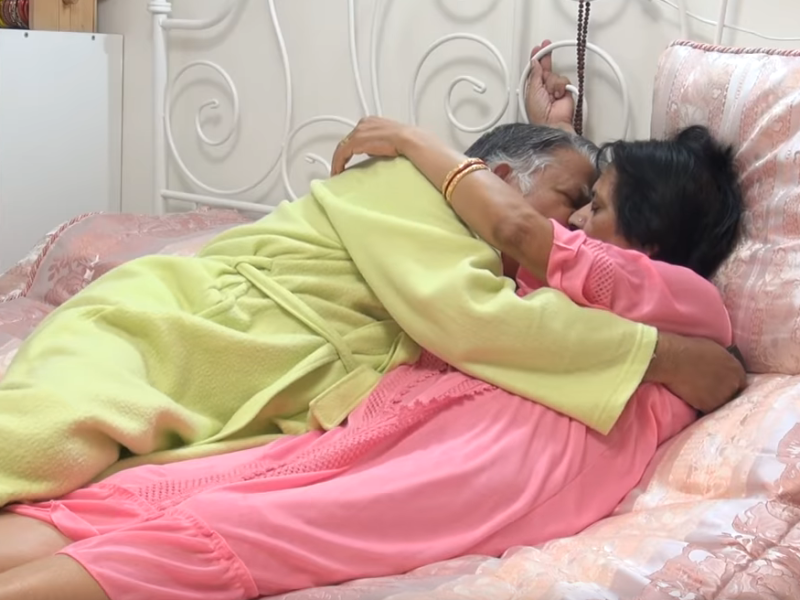
In bed with Hari and Aruna
Hari Shanker & Aruna, a YouTube influencer couple in Sweden. With or without Rudolph the Red-Faced Liar. And with Anca and Dafin, two totally innocent and upright Romanians. Pushing pig brain juice an SS Nazi invented. You won’t find a better story for Christmas!
Sharma’s fraud was exposed by Mu Yang, the legendary warrior from Columbia University. As I reported in May 2024 Shorts, Springer retracted an entire book written by the Sharmas, titled “Progress in Nanomedicine in Neurologic Diseases“ and published in 2023. No big loss: It contained idiotic research reports on how to cure various neurological disorders, mostly with titanium nanoparticles soaked with Nazi pig brain juice (i.e., cerebrolysin).
Now, Elsevier announced to retract a Sharma book also, as Mu tweeted an email from an Elsevier employee from 9 September 2024:
“Dear Mu
I write with regard to the allegations raised by you concerning articles written by the Sharma’s et al.
After a thorough investigation and review of the facts of the case we have taken the decision to remove the content from ScienceDirect and the articles will no longer be available to read online. They will also be taken out of any further print copies of the volumes.
We are not aware of the action being taken by other Publishers so unfortunately I cannot give you an update on those articles.
Thank you again for bringing your concerns to our attention; we are grateful for your contribution and dedication to ensuring the integrity of the scientific record.”
Springer merely retracted their Sharma book, Elsevier announced to erase theirs completely, which is actually against COPE guidelines and the DOI principle of permanent record.
The affected Elsevier book is this one, edited by both Sharmas and published in 2019, and it is still online and unretracted:
“Progress in Brain Research: Nanoneuroprotection and Nanoneurotoxicology“
Here for example its Chapter 1, can you think of a more stupid title for a biomedical paper?
Aruna Sharma , Dafin F. Muresanu , Asya Ozkizilcik , Z. Ryan Tian , José Vicente Lafuente , Igor Manzhulo , Herbert Mössler , Hari Shanker Sharma Sleep deprivation exacerbates concussive head injury induced brain pathology: Neuroprotective effects of nanowired delivery of cerebrolysin with α-melanocyte-stimulating hormone Progress in brain research (2019) doi: 10.1016/bs.pbr.2019.03.002


iodoni/SD 48 1.23
Evans /MSH 1.23″

The rest is similar.
This unintentional mistake
My theory that German authorities are working to whitewash Simone Fulda, the fallen ex-rector of the University of Kiel, is growing in substance. She just successfully corrected one paper and saved a totally rotten one with a permanent Expression of Concern.
Simone Fulda: Open4Work!
“I am taking this step with a heavy heart and a sense of responsibility for the university since a sufficient foundation of mutual trust no longer remained with some parts of the university to ensure successful cooperation”, – Simone Fulda
The corrected paper has just two authors:
S Cristofanon , S Fulda ABT-737 promotes tBid mitochondrial accumulation to enhance TRAIL-induced apoptosis in glioblastoma cells Cell Death and Disease (2012) doi: 10.1038/cddis.2012.163


A Correction from 17 September 2024 replaced Figures 4c and 6d:
“Since online publication of this article, the authors noticed that Fig. 4c does not show the correct blots for U118MG cells. […]This unintentional mistake does not alter the conclusions of the study.
Figure 6d does not show the correct colony assays for U87MG and U118MG cells transduced with a vector containing shRNA sequence against caspase-3 (ShC3_2). […]This unintentional mistake does not alter the conclusions of the study. The authors apologise for any inconvenience caused.
As you see, the editors decided not to address the issues in Figure 4e. Which only makes sense when you read what kind of crooks run this Nature Portfolio journal:
Cell Death and Depravity
Is the journal Cell Death and Disease a disease itself, parasitised by Chinese paper mills? Can it be cured? Not with this team of doctors on editorial board.
This one, also in a Nature Portfolio journal with a rotten chief editor (Justin Stebbing), was saved with Expression of Concern:
Simone Fulda , Martin U Küfer , Eric Meyer , Frans Van Valen , Barbara Dockhorn-Dworniczak , Klaus-Michael Debatin Sensitization for death receptor- or drug-induced apoptosis by re-expression of caspase-8 through demethylation or gene transfer Oncogene (2001) doi: 10.1038/sj.onc.1204750


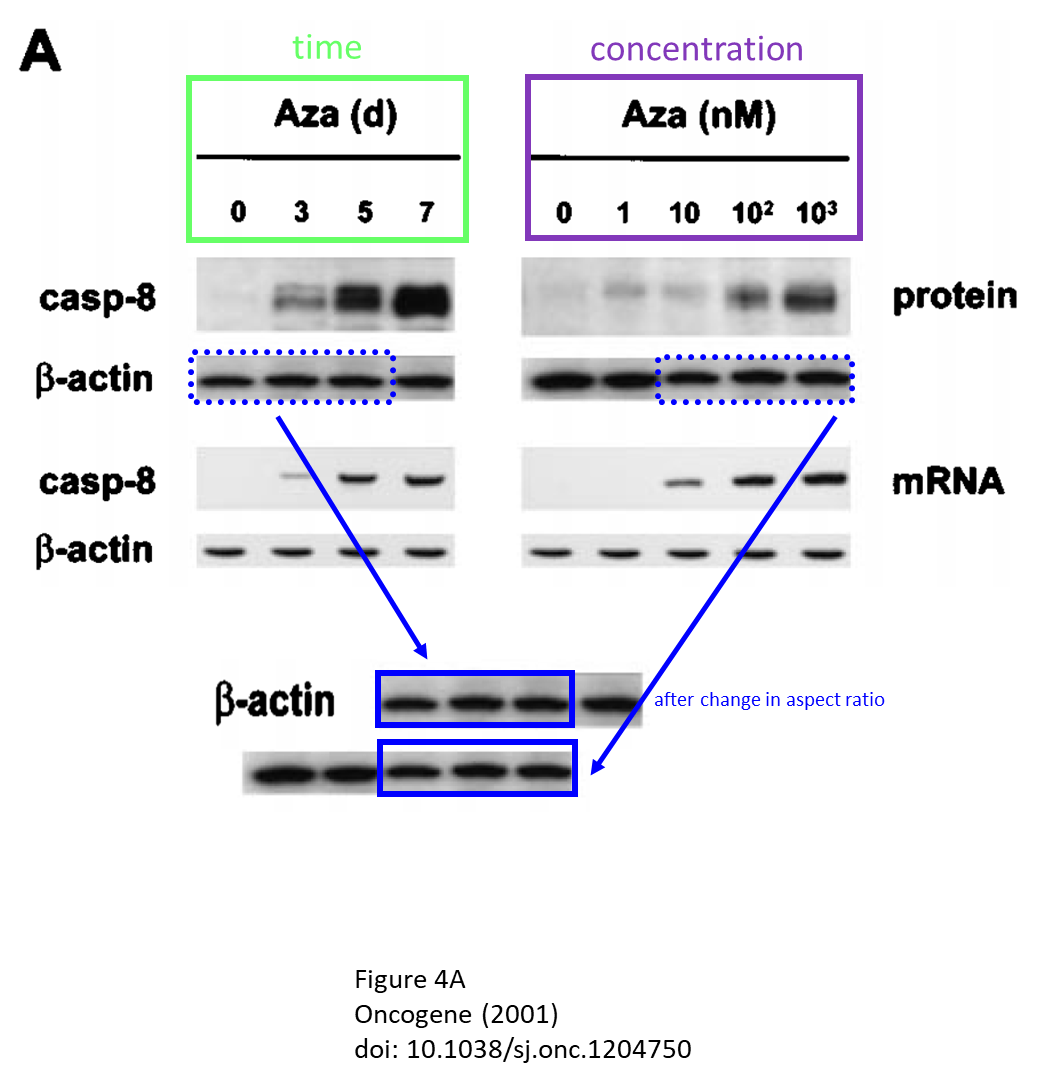
The last author is Fulda’s mentor and former Vice-Rector of University of Ulm, Klaus-Michael Debatin, now emeritus. His total whitewashing is even more predictable than Fulda’s.
On 6 September 2024, a permanent Expression of Concern was issued instead of a retraction:
“The Editors-in-Chief would like to alert the readers that concerns have been raised regarding
- a. Image overlap in Fig. 2b and 2c (ß-actin)
- b. Image overlap In Fig. 2c (caspase-8) and 3a (caspase-8)
Due to the age of the article, raw images are not available for further analysis. Readers are urged to take caution when interpreting the content of this article.
Authors, Simone Fulda and Klaus-Michael Debatin disagree with this EEoC. Authors, Martin U Küfer, Eric Meyer, Frans van Valen and Barbara Dockhorn-Dworniczak have not responded to any correspondence from the editor/publisher about this EEoC.”
Mark my words: the German Research Council DFG and the University of Ulm will find both Fulda and Debatin innocent victims of someone else’s malfeasanse, but no retractions will be necessary because conclusions were unaffected anyway.
Atmospheric downfall
MDPI corrects two ridiculously fraudulent papers. By the papermill owner and journal hijacker Kittisak Jermsittiparsert, about whose ridiculously excessive fraud you can read here:
We don’t need no education, We don’t need no thought control
“Of course the sentient rubber-stamps guest-editing Special Issues on behalf of papermills would have accepted anything – they don’t give two tugs on a dead dingo’s dick about content ” – Smut Clyde

Both papers contained silly phrases and blocks of nonsense citations.
Hafezali Iqbal Hussain, Muhammad Haseeb , Manuela Tvaronavičienė , Leonardus W. W. Mihardjo , Kittisak Jermsittiparsert The Causal Connection of Natural Resources and Globalization with Energy Consumption in Top Asian Countries: Evidence from a Nonparametric Causality-in-Quantile Approach Energies (2020) doi: 10.3390/en13092273
“To allow the original publication to be better understood [1], the authors would like to make the following updates.
In the text, the following updates have been made:
- “Carbon emanations” has been replaced with “carbon emissions”;
- “Trade barricades” has been replaced with “trade barriers”;
- “Atmospheric downfall” has been replaced with “climate disaster”;
- “Antecedents of energy usage” has been replaced with “determinants of energy consumption”;
- “Carbon discharge” has been replaced with “carbon emissions”;
- “Prospering countries” has been replaced with “developing countries”.
In the References section, the following updates have been made:
[9 references replaced] […]
The authors state that the scientific conclusions are unaffected. This correction was approved by the Academic Editor. The original publication has also been updated.”
Correction 14 June 2024
Haseeb , Kot , Hussain , Jermsittiparsert Impact of Economic Growth, Environmental Pollution, and Energy Consumption on Health Expenditure and R&D Expenditure of ASEAN Countries Energies (2019) doi: 10.3390/en12193598
“To allow the original publication to be better understood [1], the authors would like to make the following updates.
In the text, the following updates have been made:
- “Carbon dioxide emanations” has been replaced with “carbon dioxide emissions”;
- “Greenhouse emanations” has been replaced with “greenhouse gas emissions”;
- “CO2 emanations” has been replaced with “CO2 emissions”;
- “carbon emanation” has been replaced with “carbon emission”.
In the References section, the following update has been made:
Reference [27] was wrongly cited.[…] Reference for Figure 1 was incomplete. Reference [29] has been added. With this correction, the order of some of the references has been adjusted accordingly. […]
The authors state that the scientific conclusions are unaffected. This correction was approved by the Academic Editor. The original publication has also been updated.”
Correction 12 June 2024
Only at MDPI, eh? The notices don’t say who the academic editor was, but one section editor is a certain Danish professor who will definitely sympathise with Kitty Sack – Frede Blaabjerg, read about him here:
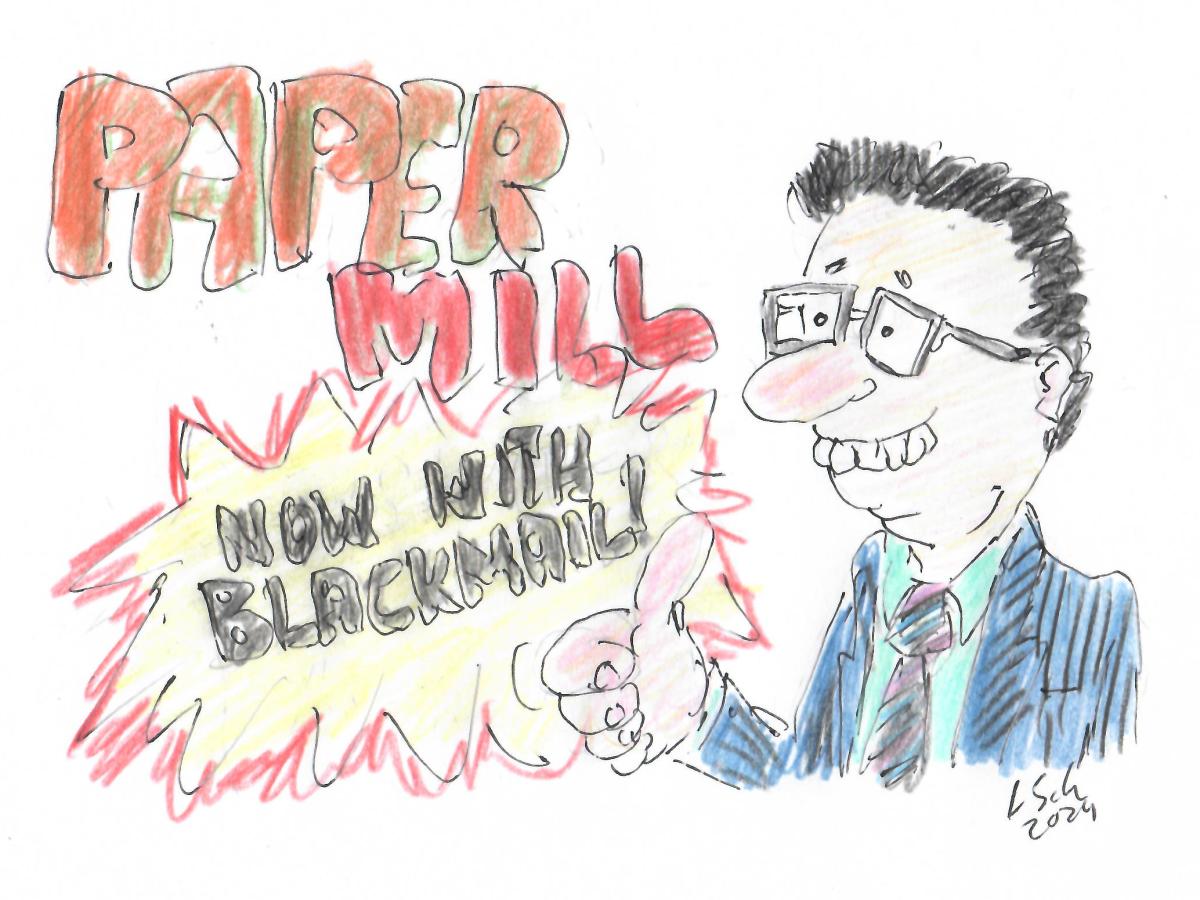
Retraction blackmail – new service by Iranian papermills
“I was asked to pay in bitcoin to avoid retraction”. – Zbigniew Leonowicz
Retraction Watchdogging
Some of the data may not be complete and accurate
Retractions began for Gianfranco Alpini and his lady friend Heather Francis, who reportedly had to leave the University of Indiana because of his questionable science. Read here:
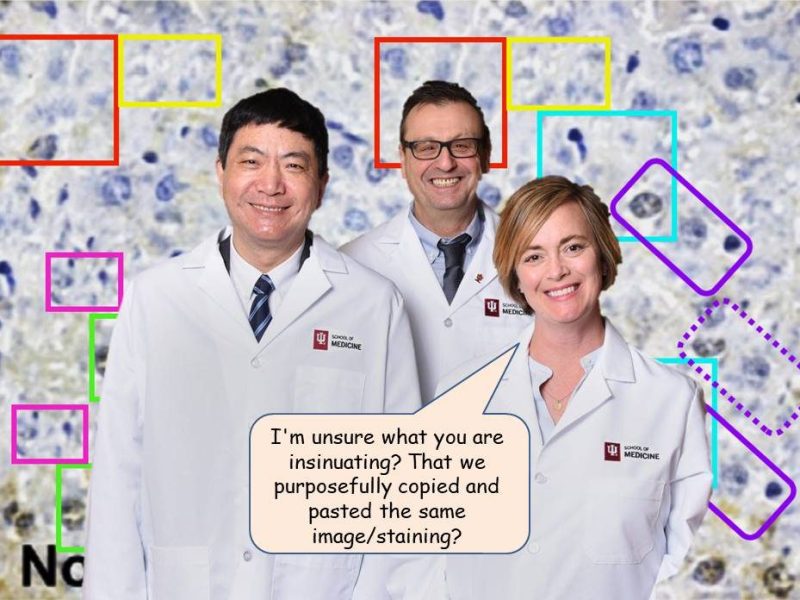
Gianfranco Alpini, in and out of Indiana?
Rumour goes that liver researchers Gianfranco Alpini and his lady friend Heather Francis left Indiana University. While they remain silent, their PubPeer record speaks volumes.
Retraction one of two:
Shannon Glaser , Domenico Alvaro, Heather Francis , Yoshiyuki Ueno , Luca Marucci , Antonio Benedetti, Sharon De Morrow , Marco Marzioni , Maria Grazia Mancino , Jo Lynne Phinizy , Ramona Reichenbach , Giammarco Fava , Ryun Summers , Julie Venter , Gianfranco Alpini Adrenergic receptor agonists prevent bile duct injury induced by adrenergic denervation by increased cAMP levels and activation of Akt AJP Gastrointestinal and Liver Physiology (2006) doi: 10.1152/ajpgi.00306.2005

Creatophora cinerea: “Figure 1. Same images for normal and Bile duct ligated (BDL).”
In October 2022, Alpini announced on PubPeer “We are aware of this and we are fixing the mistake with proper images“, and then added in early 2023:
“we provide a new correct Figure 1 and have submitted an erratum for this 2004 paper to the journal.”
Instead of an Erratum, the result was a retraction, on 28 August 2024:
“The American Physiological Society is issuing a retraction of this article at the request of Indiana University and Texas A&M University after a research misconduct investigation revealed that some of the data may not be complete and accurate.”
The second retracted Alpini paper in the same journal, retracted with the same notice and on the same day, wasn’t even flagged on PubPeer before:
Shannon Glaser, Sharon DeMorrow , Heather Francis , Yoshiyuki Ueno , Eugenio Gaudio , Shelley Vaculin , Julie Venter , Antonio Franchitto , Paolo Onori , Bradley Vaculin , Marco Marzioni , Candace Wise , Metaneeya Pilanthananond , Jennifer Savage , Lisa Pierce , Romina Mancinelli , Gianfranco Alpini Progesterone stimulates the proliferation of female and male cholangiocytes via autocrine/paracrine mechanisms AJP Gastrointestinal and Liver Physiology (2008) doi: 10.1152/ajpgi.00536.2007
It is not clear where Alpini works now. Francis’ LinkedIn shows her employment in Indiana ended in May 2024.
Able to reproduce in a general sense
Finally, a retraction for the French nano-cheater and Knight of the Honour Legion Sabine Szunerits and her husband and fellow professor at the University of Lille, Rabah Boukherroub. Read about them here:
Lille Papermille
French nanotechnologists Sabine Szunerits and Rabah Boukherroub put EU Commission’s money to good use. The EU cannot afford a papermill gap to Iran and China!
It is the first retraction for Szunerits and Boukherroub. Previously, their coauthor and Lille colleague Oleg Melnyk demanded the retraction of their joint study Marcon et al 2019, but Elsevier and the journal Langmuir apparently told him to get lost, the paper remains untouched (read February 2024 Shorts).
The now retracted paper has a celebrity coauthor: the nanofabricator Jolanda Spadavecchia, whom the CNRS and the University of Paris not only whitewashed in full, but they also a) put the whistleblower Raphael Levy on trial for harassment of the innocent Spadavecchia, and b) bullied Oxford University’s emeritus professor Dorothy Bishop for daring to criticise their decision (read April 2023 Shorts). Nevertheless, outside of France Spadavecchia is not protected: she already had 3 retractions, and this is her fourth:
Oleksandr Zagorodko , Jolanda Spadavecchia, Aritz Yanguas Serrano , Iban Larroulet , Amaia Pesquera , Amaia Zurutuza , Rabah Boukherroub, Sabine Szunerits Highly Sensitive Detection of DNA Hybridization on Commercialized Graphene-Coated Surface Plasmon Resonance Interfaces Analytical Chemistry (2014) doi: 10.1021/ac502705n
The paper was flagged since 19 December 2023 with an Expression of Concern, which mentioned that “authors are in the process of redoing the experiments to verify their original findings“.
Thhe retraction from 17 September 2024 had a similar wording, but apparently the newly generated replacement data was not really convincing:
“The authors retract this article (DOI: 10.1021/ac502705n) due to concerns raised regarding the calibrations shown in Figure 4 that could not be explained or validated, and the original data is not available to confirm the conclusions of the paper. While the authors were able to reproduce the SPR data in a general sense, the missing original data prevented a full validation of the work. As such, the article is being retracted.”
A satisfactory answer was not provided
Another high profile retraction. It is the seventh for the Italian mega-cheater Salvatore Cuzzocrea, the ex-rector of the University of Messina who was kicked out for multimillion Euro embezzlement and then appointed as the Consigliere of the Italian minister for research, Anna Maria Bernini (read August 2024 Shorts).
Cuzzocrea’s Magnificent Fall
“These unscrupulous charlatans in Messina should be fired on the spot tomorrow morning, forced to return twenty years of undeserved wages and sent to work the land” – Aneurus Inconstans

The last author is Cuzzocrea’s former mentor, the Queen Mary University of London professor Christoph Thiemermann, for whom it is the fourth retraction. Read about him here:
Queen Mary and John Vane’s Cowboys
Welcome to the the William Harvey Research Institute in London. Meet two proteges of its founder, the late Nobelist Sir John Vane: Chris Thiemermann and Mauro Perretti. Then meet their own rotten mentees, especially Salvatore Cuzzocrea and Jesmond Dalli.
Here is their retracted paper:
Salvatore Cuzzocrea, Barbara Pisano , Laura Dugo, Angela Ianaro , Pasquale Maffia , Nimesh S.A. Patel , Rosanna Di Paola, Armando Ialenti , Tiziana Genovese, Prabal K. Chatterjee, Massimo Di Rosa , Achille P. Caputi, Christoph Thiemermann Rosiglitazone, a ligand of the peroxisome proliferator-activated receptor-gamma, reduces acute inflammation European Journal of Pharmacology (2004) doi: 10.1016/j.ejphar.2003.10.056


“…in Figure 5A of Dugo et al. 2002 Intensive Care Med, where it describes PAR immunoreactivity after eighteen hours following zymosan injection.
in Figure 2A of Cuzzocrea et al. 2002 Mol Pharmacol, where it describes positive staining for nitrotyrosine after four hours carrageenan injection.”
The retraction was published on 18 September 2024:
“Concerns were raised regarding the potential duplication of Figure 8F in Figure 5B of a Critical Care Medicine paper (Critical Care Medicine, Volume 32, Issue 1, January 2004, Pages 157-167, https://doi.org/10.1097/01.ccm.0000098859.67006.45), Figure 5A of an Intensive Care Medicine paper (Intensive Care Medicine, Volume 28, 2002, Pages 775-788, https://doi.org/10.1007/s00134-002-1308-4), and Figure 2A of a Molecular Pharmacology paper (Molecular Pharmacology, Volume 61, Issue 5, May 2002, Pages 997-1007, https://doi.org/10.1124/mol.61.5.997). The concerned papers were authored by several authors of this paper. Upon further investigation by the journal, additional potential image manipulation issues were identified. In more detail, Figure 5B of this paper was found allegedly overlapping with Figure 3C of the Critical Care Medicine paper, and similarly Figure 8C of this paper with Figure 7A of the Intensive Care Medicine paper, and Figure 8D of this paper with Figure 3B of the Critical Care Medicine paper. The corresponding author of this article was asked to provide an explanation, but a satisfactory answer was not provided. The Editor-in-Chief no longer has confidence in this article and decided to retract it.”
Concerns were cleared
A reader alerted me to a retraction of a high profile paper with fake protein crystallography. Apparently, the peer review and post-publication investigations at Science journals mostly consist of checking the authors’ eminence. Being a US biochemistry bigwig like Deborah F. Kelly suffices, no need to study the manuscript or the evidence properly.
The fraud was exposed on PubPeer by Thomas McCorvie, senior research associate at Newcastle University in UK, who noticed it because that paper was “one of the few attempts at studying the structure of the BRCA1-BARD1 complex, a highly disordered heterodimer that is principally involved in DNA repair“:
Yanping Liang , William J. Dearnaley, A. Cameron Varano, Carly E. Winton, Brian L. Gilmore, Nick A. Alden, Zhi Sheng, Deborah F. Kelly Structural analysis of BRCA1 reveals modification hotspot Science Advances (2017) doi: 10.1126/sciadv.1701386


McCorvie posted these and other PubPeer comments evidencing data manipulation in March 2023. In June 2023, he added more:


McCorvie never received a reply from the authors, so he kept adding evidence of fraud. For example, posted in February 2024:

And more:


On 13 March 2024, the journal finally issued an Expression of Concern (highlights mine):
“On 20 September 2017, Science Advances published the Research Article “Structural analysis of BRCA1 reveals modification hotspot” by Liang et al. (1). In May 2023, concerns were raised related to EMD-8834 Wild type BRCA1-BARD1 and EMD-8833 Mutated BRCA1-BARD1 and were promptly reviewed by the journal. The concerns were cleared after internal review. The editors have now been made aware of additional concerns related to the paper on PubPeer. We are alerting readers to these concerns while the journal reviews these issues.”
On 11 September 2024, the paper was finally retracted, where the editors somehow forgot about their past verdict of “concerns were cleared“:
“On 20 September 2017, Sci. Adv. published the Research Article “Structural analysis of BRCA1 reveals modification hotspot” by Liang et al. (1). After publication, concerns were raised by readers that the EM maps had been altered. As a particular example, the map for EMDB-8834 appeared to be altered using a volume eraser tool to create a spherical hole in the map. These concerns were presented to the authors and an Editorial Expression of Concern (2) was issued on the paper on 13 March 2024. The author’s response was reviewed by multiple experts in EM and this review concluded unresolved concerns in the integrity of the data presented in this paper remained. As a consequence, the editors of Science Advances have decided to retract this paper. Some but not all of the authors agree with this retraction, and others have not responded. Dr. Kelly does not agree with the retraction.”
Basically, Science already told McCorvie to bugger off, but he kept finding more fraud. Of course, the fact that Deborah F. Kelly, formerly at Virginia Tech Carilion Research Institute, now Director of the Center for Structural Oncology at Penn State, has a serious PubPeer record with 23 threads was of absolutely zero interest to the editors. Because almost all of that record was created by McCorvie.
According to Retraction Watch, it is Kelly’s second retraction with a third to come, and she uses lawyers to prevent them.
Effects of roughness
The Iranian papermiller Masoud Afrand finally earns his first retraction. So far, only papers he edited as guest editors were retracted, like in Elsevier’s Journal of Energy Storage:
Maybe stop accepting submissions, Herr Prof Dr Sauer?
Who needs science if you can have a 75 paper strong special edition by Afrand and Karimi? A guest post by Alexander Magazinov.

Irony Nr 1: Afrand’s first retraction was issued by the dodgy publisher Emerald, while the “serious” publishers still sit it out.
Huawei Wu , Peyman Torkian , Amir Zarei , Iman Moradi , Arash Karimipour , Masoud Afrand Hydrodynamic and thermal flow in nanochannel to study effects of roughness by estimation the atoms positions via MD method International Journal of Numerical Methods for Heat & Fluid Flow (2020) doi: 10.1108/hff-09-2019-0711
The retraction notice from 16 September 2024 was short:
“It has come to our attention that there are concerns regarding the authorship of the article and that the peer review process was compromised; as a result, the article’s findings cannot be relied upon. The authors of this article would like to note that they do not agree with the content of this notice. The publisher of the journal sincerely apologizes to the readers.”
Irony Nr 2: the paper wasn’t even flagged on PubPeer before. Emerald must have investigated it on their own accord after Maarten van Kampen notified the publisher of papermilled fraud by Afrand’s coauthor, close associate and fellow Iranian fraudster, Arash Karimipour. Read here:

Karimipour Saga I: Setting Boundaries
“The business of selling authorships and citations needs a steady supply of paper-shaped vehicles. It is most efficient to produce these in assembly lines that focus on a narrow topic.” – Maarten van Kampen

Two Karimipour papers He et al 2020 and Li et al 2022 were retracted a year ago, in September 2023. Coauthors on the latter were Opole Polytechnic professor Zhixiong Li (a close associate of Grzegorz Krolczyk) and another papermilling fraudster, Iskander Tlili.
Now, according to Retraction Watch database, Arash Karimipour has 21 retractions. However, there is an identity mix-up, since there are TWO papermilling Arash Karimipours around! Masoud’s friend is affiliated with Islamic Azad University in Iran, the other 19 retractions listed by RW database belong to a US-based Arash Karimipour of University of Texas El Paso, who only publishes on concrete. His regular coauthors are Mansour Ghalehnovi and a Portuguese zombie called Jorge De Brito. Retraction Watch reported about their mass-retractions in March 2023.
Thus, Islamic Azad’s Karimipour has only the two retractions in Emerald which I mentioned above. To make things even more complicated, there’s also a RW database recorded retraction for Karimipour et al 2021 which features an Aliakbar Karimipour – who doesn’t exist and is the fictional sockpuppet of Islamic Azad’s Arash Karimipour, created so he can edit and peer-review his own papers. Not that any publishers except Emerald minded so far.
Not physically possible
It took Scientific Reports merely 2 years to retract a papermill fabrication which contained obviously hand-drawn spectra and was struck by the Vickers Curse.
Rezvan Ahangarani-Farahani , Mohammad Ali Bodaghifard, Sajad Asadbegi Magnetic triazine-based dendrimer as a versatile nanocarrier for efficient antiviral drugs delivery Scientific reports (2022) doi: 10.1038/s41598-022

Most obviously, it was never peer reviewed except by the papermill:

Fig. 3, XRD patterns of … and Fe3O4@SiO2@TAD-G3 (c).
Fig. 8, XRD patterns of Fe3O4@SiO2@TAD-G3 (a)…“

No author is affiliated to Razi Metallurgical Research Center, which is the origin of the micrographs according to the same info panels.”
And the Vickers Curse:
“In recent years, the use of metallic, bimetallic, and superparamagnetic iron oxide nanoparticles (Fe3O4) has gained significant importance for biomedical applications, including magnetic resonance imaging contrast agent (MRI), hyperthermia, bio-sensing, tissue engineering and cell separation, and targeted drug and gene delivery [1-8].”
[3] Vickers, N. J. Animal communication: When i’m calling you, will you answer too?. Curr. Biol. 27, R713–R715 (2017).
The Vickers Curse: secret revealed!
How did an editorial about insect pheromone communication get to receive 1200 irrelevant citations, almost all from papermills? Alexander Magazinov reveals The Secret of The Vickers Curse!
Alexander Magazinov notified the journal on 25 November 2022, and almost 2 years later, on 16 September 2024, the Chief Editor of Scientific Reports Rafal Marszalek informed the sleuth about the retraction, issued on the same day:
“The Editors have retracted this Article. After publication of this Article, concerns were raised about the Fourier-transform infrared spectroscopy (FT-IR) data presented in Figure 2 and the X-ray diffraction (XRD) data presented in Figures 3c and 8a. Specifically,
- In Figure 2, the FT-IR spectra show several data points where two different values of transmittance correspond to a single wavenumber. This is not physically possible for this type of experiment;
- In Figures 3c and 8a, two XRD spectra are presented for Fe3O4@SiO2@TAD-G3. These spectra do not appear to correspond to the same material.
The Authors provided raw data on request from the editors. However, this was insufficient to satisfy the concerns raised. The Editors therefore no longer have confidence in the results and conclusions presented.
Mohammad Ali Bodaghifard disagrees with this retraction. Rezvan Ahangarani-Farahani and Sajad Asadbegi did not respond to our correspondence about this retraction.”
The worst thing that’s happened
Two retractions in Elsevier’s Bioresource Technology for a certain Mukesh Kumar Awasthi, an associate of Ashok Pandey, the journal’s former Editor-in-Chief (read about his sacking and mass-retractions in July 2024 Shorts), and of the Iranian papermiller Mohammad Taherzadeh, read about this one here:

Do papermillers dream of eclectic journals?
“I focus on the sprawling parody literature devoted to the three Es of Energy, Economy and the Environment. Together they […] freeload on the authentic literature on energy efficiency and pollution reduction (while diluting, distracting and discrediting them).” – Smut Clyde
Neither of the two retracted papers was flagged on PubPeer before. This one was part of a Special Issue by Yuwalee Unpaprom, Grzegorz Piechota, Gopalakrishnan Kumar and CD Dong:
P Sai Preethi , N M Hariharan , Sundaram Vickram , M Rameshpathy , S Manikandan , R Subbaiya , N Karmegam , Vivek Yadav , Balasubramani Ravindran , S W Chang , Mukesh Kumar Awasthi Advances in bioremediation of emerging contaminants from industrial wastewater by oxidoreductase enzymes Bioresource Technology (2022) – doi: 10.1016/j.biortech.2022.127444
The undated retraction notice:
“This article has been retracted at the request of Elsevier’s Research Integrity & Publishing Ethics team and an independent ethics advisor.
A journal-wide investigation identified violations of the journal’s policies on conflict of interest related to the submission and review of this paper.
Review of this submission was handled by the then Editor-in-Chief (Ashok Pandey) despite an extensive record of collaboration, including co-publication, with one of the paper co-authors (Mukesh Kumar Awasthi). Acceptance of the article was solely based upon the positive advice of reviewers who were closely linked to one of the authors (Awasthi) and to the Editor-in-Chief. This compromised the editorial process and breached the journal’s policies.
This investigation was carried out by Elsevier’s Research Integrity & Publishing Ethics team, independent of the journal editorial board. The findings and recommendations have been confirmed by an independent ethics advisor.
The authors disagree with the retraction and dispute the grounds for it.”
The Indian newspaper The Print brought on 11 September 2024 an article about Pandey, “a celebrated, award-winning scientist from the Indian Institute of Toxicology Research“, and his currently 43 retractions:
“As Pandey proudly displays his achievements, his eyes briefly well up with anger and frustration, but he quickly regains his composure. The recent retractions and what calls a “witch-hunt” have been “the worst thing that’s happened” to him. […]
Pandey was associated with Bioresource Technology, an Elsevier journal, for 21 years, including 13 as its editor-in-chief since 2011. He claims nearly all of his retractions stem from an “author-editor conflict”. […]
Scientists who were part of Elsevier’s review committee during Pandey’s tenure, however, allege that the “racket” ran deeper. A review board member told ThePrint that Pandey often added his name as a co-author after being assigned to review papers. […] Further, he would allegedly pressure young researchers into adding him as a co-author in exchange for getting their work published.[…]
“In most of the papers that have now been retracted, Pandey’s name was added as a co-author post-facto,” a member of Elsevier’s review board said on the condition of anonymity, adding that this cost many young scientists their credibility.”
Pandey claimed to have been a victim of an Elsevier conspiracy against him based on “jealousy” over his “global name and fame”. Apparently, also his employer IITR Lucknow kicked him out.
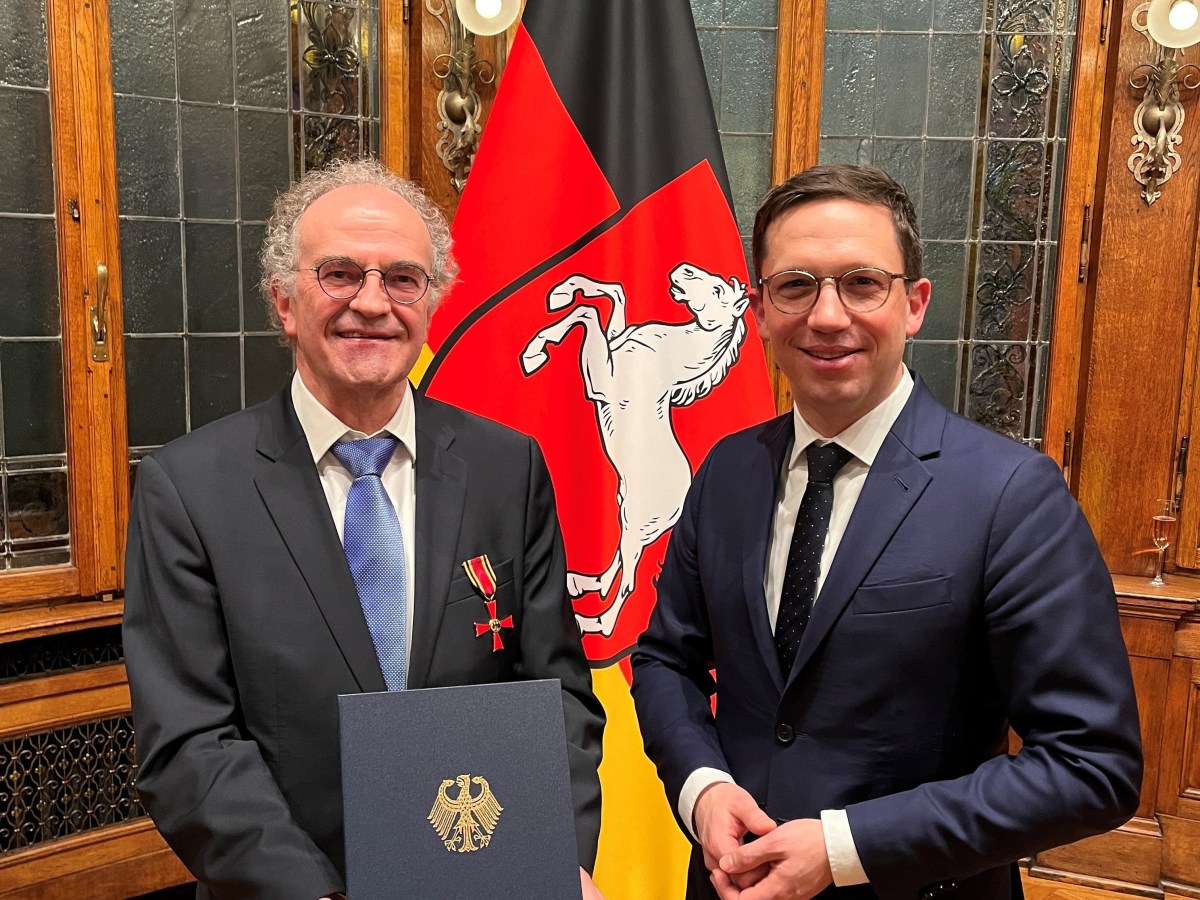
Bundesverdienst-Kümmerer am Bande
“Benign-by-design, circular economy in the plastics industry, biodegradable antibiotics – the sustainable design of chemistry is the central theme of Prof. Klaus Kümmerer’s work. “
Here is the other retraction:
Wen Liang , Minna Jiao , Endian Hu , Tao Liu , Xiuna Ren , Ping Wang , Mukesh Kumar Awasthi , Ronghua Li , Zengqiang Zhang Magnesite driven the complementary effects of core fungi by optimizing the physicochemical parameters in pig manure composting Bioresource Technology (2022) doi: 10.1016/j.biortech.2022.127541
“Review of this submission was handled by Mohammad J. Taherzadeh, despite an extensive record of collaboration, including co-publication, with two of the paper co-authors (Mukesh Kumar Awasthi, Zengqiang Zhang). This compromised the editorial process and breached the journal’s policies. […]
The authors disagree with the retraction and dispute the grounds for it.”
Donate!
If you are interested to support my work, you can leave here a small tip of $5. Or several of small tips, just increase the amount as you like (2x=€10; 5x=€25). Your generous patronage of my journalism will be most appreciated!
€5.00
Donate!
If you are interested to support my work, you can leave here a small tip of $5. Or several of small tips, just increase the amount as you like (2x=€10; 5x=€25). Your generous patronage of my journalism will be most appreciated!
€5.00


Why is Elsevier so apathetic about papermillers? Only in Elsevier, Afrand and Karimipour have hundreds of the copied papers they authored and edited are now in Pubpeer. I haven’t even counted Springer, Wiley, etc. I am sure the real number is more than a thousand. Moreover, with this scam, Afrand and Karimipour (and many others) are providing “article and citation services” to Iranians around the world. And of course they are backed by the swamp called Islamic Azad University. With all this so clear, why hasn’t Elsevier retracted the hundreds of reported studies in its portfolio? Why haven’t Afrand, Karimipour and dozens of others like them been flagged as red flag researchers?
Elsevier owns hundreds of journals and runs Scopus. I guess this must give them the feeling that they have a monopoly, so they don’t care about these scams. It is a disgrace that scammers like Afrand and Karimipour have very few retracted papers at the moment. These guys should have hundreds of papers retracted. And then the papers of the so-called researchers to whom they provide citation and article services should be retracted.
I guess tracking down and exposing the researchers who are doing it to stop papermilling is not going to work. Someone has to stop Elsevier first!
LikeLike
Have fun
https://www.elsevier.com/connect/five-ways-in-which-elsevier-is-safeguarding-the-research-landscape
LikeLike
I think Emerald’s has a much faster and smoother approach than Elsevier, even though it doesn’t have a fancy 5-step plan. The same journal retracted articles not only by Karimipour and Afrand but also by fraudsters like Sheremet, Toghraie, Safaei, Akbari, and Goodarzi. I list the 10 retracted articles;
1) Tian, Z., Bagherzadeh, S.A., Ghani, K., Karimipour, A., Abdollahi, A., Bahrami, M. and Safaei, M.R. (2020), “Nonlinear function estimation fuzzy system (NFEFS) as a novel statistical approach to estimate nanofluids’ thermal conductivity according to empirical data”, International Journal of Numerical Methods for Heat and Fluid Flow, Vol. 30 No. 6, pp. 3267–3281, https://doi.org/10.1108/HFF-12-2018-0768.
2) Wu, H., Torkian, P., Zarei, A., Moradi, I., Karimipour, A. and Afrand, M. (2020), “Hydrodynamic and thermal flow in nanochannel to study effects of roughness by estimation the atoms positions via MD method”, International Journal of Numerical Methods for Heat and Fluid Flow, Vol. 30 No. 1, pp. 452–467, https://doi.org/10.1108/HFF-09-2019-0711.
3) Sreedevi, P., Reddy, P.S. and Sheremet, M. (2020), “A comparative study of Al2O3 and TiO2 nanofluid flow over a wedge with non-linear thermal radiation”, International Journal of Numerical Methods for Heat and Fluid Flow, Vol. 30 No. 3, pp. 1291-1317. https://doi.org/10.1108/HFF-05-2019-0434
4) Mozaffari, M., D’Orazio, A., Karimipour, A., Abdollahi, A. and Safaei, M.R. (2020), “Lattice Boltzmann method to simulate convection heat transfer in a microchannel under heat flux: Gravity and inclination angle on slip-velocity”, International Journal of Numerical Methods for Heat & Fluid Flow, Vol. 30 No. 6, pp. 3371–3398. https://doi.org/10.1108/HFF-12-2018-0821
5) He, J.-H. (2020), “Lagrange crisis and generalized variational principle for 3D unsteady flow”, International Journal of Numerical Methods for Heat and Fluid Flow, Vol. 30 No. 3, pp. 1189–1196. https://doi.org/10.1108/HFF-07-2019-0577
6) Azadbakhti, R., Pourfattah, F., Ahmadi, A., Akbari, O.A. and Toghraie, D. (2020), “Eulerian–Eulerian multi-phase RPI modeling of turbulent forced convective of boiling flow inside the tube with porous medium”, International Journal of Numerical Methods for Heat and Fluid Flow, Vol. 30 No. 5, pp. 2739–2757. https://doi.org/10.1108/HFF-03-2019-0194
7) Khan, N.B., Ibrahim, Z.B., Ali, M.A., Jameel, M., Khan, M.I., Javanmardi, A. and Oyejobi, D.O. (2020), “Numerical simulation of flow with large eddy simulation at Re = 3900: A study on the accuracy of statistical quantities”, International Journal of Numerical Methods for Heat and Fluid Flow, Vol. 30 No. 5, pp. 2397–2409. https://doi.org/10.1108/HFF-11-2018-0619.
8) Jaferian, V., Toghraie, D., Pourfattah, F., Akbari, O.A. and Talebizadehsardari, P. (2020), “Numerical investigation of the effect of water/Al2O3 nanofluid on heat transfer in trapezoidal, sinusoidal and stepped microchannels”, International Journal of Numerical Methods for Heat and Fluid Flow, Vol. 30 No. 5, pp. 2439–2465. https://doi.org/10.1108/HFF-05-2019-0377.
9) Pourfattah, F., Yousefi, S., Akbari, O.A., Adhampour, M., Toghraie, D. and Hekmatifar, M. (2020), “Numerical simulation of the effect of using nanofluid in phase change process of cooling fluid”, International Journal of Numerical Methods for Heat and Fluid Flow, Vol. 30 No. 6, pp. 2913–2934. https://doi.org/10.1108/HFF-12-2018-0806
10) Salimpour, M.R., Karimi Darvanjooghi, M.H., Abdollahi, A., Karimipour, A. and Goodarzi, M. (2020), “Providing a model for Csf according to pool boiling convection heat transfer of water/ferrous oxide nanofluid using sensitivity analysis”, International Journal of Numerical Methods for Heat & Fluid Flow, Vol. 30 No. 6, pp. 2867-2881, https://doi.org/10.1108/HFF-01-2019-0009
Another classic Iranian papermill garbage dump. I hope Elsevier will stop these scammers as soon as possible…
LikeLike
A new retraction from the same journal. I highlighted in bold the papermillers I know from this blog.
11) Khan, M.I., Rashid, M., Hayat, T., Khan, N.B. and Alsaedi, A. (2019), “Physical aspects of Darcy-Forchheimer bidirectional flow in carbon nanotubes (SWCNTs and MWCNTs)”, International Journal of Numerical Methods for Heat and Fluid Flow, Vol. 29 No. 6, pp. 2032–2056. https://doi.org/10.1108/HFF-12-2018-0770
LikeLiked by 1 person
Science Breakthrough
First academic study on slap fighting highlights risks to participants’ neurological health!
Video Analysis of Concussion Among Slap Fighting Athletes
https://jamanetwork.com/journals/jamasurgery/article-abstract/2823891
I, for one, wouldn’t be too concerned about the neurological health of those participating in slap fights.
On the other hand, I sincerely despise cutting the limbs off axolotls to do ‘statistics’.
Axolotl epigenetic clocks offer insights into the nature of negligible senescence
https://www.biorxiv.org/content/10.1101/2024.09.09.611397v1
Horvath et al.
LikeLiked by 1 person
“The Regents of the University of California are the sole owner of patents and patent applications directed at epigenetic biomarkers and the mammalian methylation array platform for which SH is a named inventor; SH is a founder and paid consultant of the non-profit Epigenetic Clock Development Foundation that licenses these patents. SH is a Principal Investigator at the Altos Labs, Cambridge Institute of Science, a biomedical company that works on rejuvenation.”
Still no mention of Intervene Immune.
LikeLiked by 1 person
The work from Deborah F. Kelly is not of protein crystallography, it uses electron microscopy. It is not a big deal, though, since her works are essentially fake. Nevertheless, she was the president of the American Microscopy Society for two years and chair of one NIH panel, a highly “respected” researcher.
LikeLiked by 1 person