

Schneider Shorts of 5 July 2024 – a biotech fraudster indicted, a Swedish rector can’t stop papermilling, Oncotarget’s chief editor maliciously targeted, PLOS afraid of Italians but not of French, polluted journal cleaned up, a Texan paper falls, and finally, Chinese robots with minibrains ready to attack!
Table of Discontent
Science Elites
- Recent progress on the use of Iranian papermills – Uppsala rector Anders Hagfeldt can’t stop papermilling
- The paper has been quoted 50 times – Alberto Mantovani on things which matter
Industry Giants
- A maximum prison sentence of 55 years – Cassava fraudster Hoau-Yan Wang indicted by federal grand jury
Scholarly Publishing
- Some people are maliciously targeted – Oncotarget gets Wafik El-Deiry as EiC
- Errors in the published article – Plos One afraid of Kristian Helin’s Italy connections?
- Unresolvable concerns – Plos One afraid of Sicilian Don Vita
Retraction Watchdogging
- Authors provided their own image analysis – Dijon cheaters lose PLOS One paper
- A copy paste error at the time of editorial revisions – Texas cowboy Putluri & Baron von Rundstedt defended paper for 5 years
- Misused pictures – René Aquarius causes one retraction and one correction for exactly same issue
- The Dark and Unexpected Side of Scientific Publishing – mass retractions at Environmental Science and Pollution Research
- Bending, buckling and vibration – four retractions for papermiller Davood Toghraie
Science Breakthroughs
- Hybrid human-robot stupidity – China builds robots with minibrains!
Science Elites
Recent progress on the use of Iranian papermills
Anders Hagfeldt, the Rector Magnificus of University of Uppsala in Sweden, is fully innocent of all suspicions of papermilling. The reason is: the bad papers with dodgy content which he authored together with known papermill fraudsters, were published before Hagfeldt came to Uppsala, under his old affiliation of EPFL in Lausanne, Switzerland. So it’s OK because also EPFL doesn’t want to investigate.

Swedish rector Anders Hagfeldt pronounced innocent of papermilling
“The board’s conclusion is therefore that the deviations regarding figure 2b and 2c in article 1 constitute serious deviations from good research practice”

Like these two studies, coauthored by Hagfeldt with papermillers Seyyed Alireza Hashemi , Seyyed Mojtaba Mousavi, Mohammad Arjmand, Wei-Hung Chiang and Seeram Ramakrishna:
- Seyyed Alireza Hashemi , Seyyed Mojtaba Mousavi , Sonia Bahrani , Navid Omidifar , Mohammad Arjmand, Seeram Ramakrishna, Anders Hagfeldt, Kamran Bagheri Lankarani , Wei-Hung Chiang Decorated graphene oxide flakes with integrated complex of 8-hydroxyquinoline/NiO toward accurate detection of glucose at physiological conditions Journal of Electroanalytical Chemistry (2021) doi: 10.1016/j.jelechem.2021.115303
- Seyyed Alireza Hashemi , Seyyed Mojtaba Mousavi , Hamid Reza Naderi , Sonia Bahrani , Mohammad Arjmand, Anders Hagfeldt , Wei-Hung Chiang , Seeram Ramakrishna Reinforced polypyrrole with 2D graphene flakes decorated with interconnected nickel-tungsten metal oxide complex toward superiorly stable supercapacitor Chemical Engineering Journal (2021) doi: 10.1016/j.cej.2021.129396
The latter was corrected in August 2023 to explain that “the FTIR spectrum in Fig. 1(a) (I) does not accurately represent the graphene oxide (GO) used in this research […]because of an error in archiving the obtained data“.
After the monumental whitewashing by NPOF and his Swedish university, Hagfeldt learned his lesson and went back to playing with the bad guys. Look at this, published in an RSC journal where the Editor-in-Chief is a certain Anders Hagfeldt:
Zohreh Niazi , Anders Hagfeldt , Elaheh K. Goharshadi Recent progress on the use of graphene-based nanomaterials in perovskite solar cells Journal of Materials Chemistry A (2023) doi: 10.1039/d2ta09985c


Now, who is this Elaheh K. Goharshadi? A professor somewhere in Iran, she coauthored papers with the major papermiller Omid Mahian, see for example Ghafourian et al 2020 or Mehrkhah et al 2022 (with Eric Lichtfouse and Somchai Wongwises!) Another collaboration of Goharshadi’s, Jamsaz et al 2021 , was with the French couple Sabine Szunerits and Rabah Boukherroub! Read about them here:
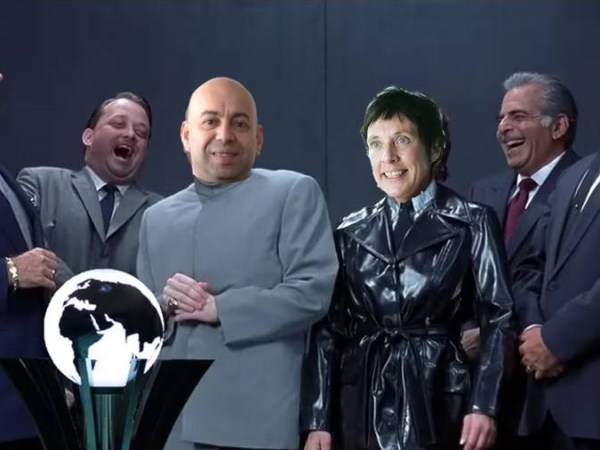
Lille Papermille
French nanotechnologists Sabine Szunerits and Rabah Boukherroub put EU Commission’s money to good use. The EU cannot afford a papermill gap to Iran and China!
And I think I know how the former EPFL professor Hagfeldt came to collaborate with Goharshadi. The latter has a fellow Persian collaborator at EPFL – Ardemis Boghossian, since 2015 assistant professor there. Boghossian did postdoc with Michael S. Strano at MIT in USA, and there she and Strano published together with a certain Turkish nanotechnologist named Fatih Sen. An honour for all parties, I’m sure, read about Sen here:

Don’t mess with Fatih Sen
Fake nanotechnology is always fun, but it does get extreme here. Word of advice: if you are in Turkey, better don’t point fingers at Professor Fatih Sen’s research. Things get broken easily.
For example, Boghossian/Strano/Sen paper Giraldo et al 2014 , or this:
Zachary W. Ulissi , Fatih Sen , Xun Gong , Selda Sen , Nicole Iverson , Ardemis A. Boghossian, Luiz C. Godoy , Gerald N. Wogan , Debabrata Mukhopadhyay , Michael S. Strano Spatiotemporal intracellular nitric oxide signaling captured using internalized, near-infrared fluorescent carbon nanotube nanosensors Nano letters (2014) doi: 10.1021/nl502338y

Boghossian must have introduced Goharshadi to her EPFL colleague Hagfeldt, who in turn seems to be always on a lookout for Iranian or Chinese papers to co-author.
The paper has been quoted 50 times
We remain on the topic of Grand Old White Men Above The Rules.
Some may recall Alberto Mantovani, the mighty Milanese professor of medicine. Most recently, he briefly featured in this article:

Top Italian Scientists
“You may think this is just a silly prank with zero impact on whatsoever, but no. […] this initiative is useful for something. It provides solid numbers for quantifying the extent of scientific misconduct in Italy and beyond” – Aneurus Inconstans

The paper was originally flagged on PubPeer in 2022:
Alessandra Valerio , Marina Ferrario , Fernando O. Martinez , Massimo Locati, Valentina Ghisi , Laura Grazia Bresciani , Alberto Mantovani, PierFranco Spano Gene expression profile activated by the chemokine CCL5/RANTES in human neuronal cells Journal of neuroscience research (2004) doi: 10.1002/jnr.20250

In June 2024, Mantovani shared his insights (highlights mine):
“In the comment posted in Pubpeer, Neolycaena Olga raises the issue of duplication of the beta actin bands. This paper was published 20 years ago, with experiments done years earlier, as a collaboration started when I was serving the University of Brescia as Professor of Pathology with Valerio (first and corresponding author) and Spano (senior full professor; he passed years ago), Pharmacology. Understandably, I have no access to the original data. A few general comments as to the actual significance of the point raised by Neolycaena Olga:
- The comment refers to an internal technical control (actin) and does not question the key information of the figure, the expression of chemokine receptors in neurons, assessed with the tool of the time (no mAb were available at that time). It does not question that neuronal cells express and respond to selected chemokines and that these induce a specific transcriptional program in neuronal cells. All of this is now established, it was not at the time.
- The paper has been quoted 50 times according to the journal. I checked a few of the quoting papers, none of them questioned the message of this report.
- The beta actin control and the positive control questioned by Olga for the time do to put into question the actual message of the paper, which is now part of common knowledge (expression of chemokine receptors and response).
Alfonsina Desiderio and her pathological Bully Boys
Smut Clyde and Clare Francis studied the works of Milanese cancer researchers around Maria Alfonsina Desiderio. There are even ideas for T-shirts!

Let me explain what Mantovani meant to say: I am a superhuman genius who sees things pedestrian scientists cannot not see. My sage predictions come true regardless of scientific evidence. But because feeble ignorant minds still demand so-called “experiments” and so-called “controls”, we had to fabricate some in Photoshop.
I hear the journal editors and Wiley applaud.
Industry Giants
A maximum prison sentence of 55 years
Cassava Sciences travesty continues. For background about this multimillion dollar heavy US biotech which runs fraudulent clinical trials with a fraudulent Alzheimer’s drug, based on fraudulent preclinical data from a certain CUNY professor named Hoau-Yan Wang, read here:

Facts and Fiction of Cassava Sciences
Attack is the best form of defence. Especially when your commercial clinical research is tainted by preclinical Photoshop fraud.
New York Times reported on 28 June 2024:
“A federal grand jury on Thursday indicted Hoau-Yan Wang, a professor at the City College of New York, on charges of falsifying data to obtain grants totaling roughly $16 million from the National Institutes of Health. […]
After the indictment was announced on Friday, Cassava’s stock plummeted to its lowest price since October 2020. […]
An investigation by the City University of New York, of which the college is a part, struggled for months to obtain access to Dr. Wang’s files. Eventually, members of the investigating committee concluded that Dr. Wang had been “reckless” in his failure to keep or provide original data, an offense that “amounts to significant research misconduct.”[…]
Dr. Wang is now accused of falsifying data in grant applications over nearly eight years ending in April 2023, according to the Justice Department. Some of the grants funded Dr. Wang’s salary and laboratory research at the university.
Federal prosecutors charged Dr. Wang with multiple counts of fraud and false statements. If convicted, he faces a maximum prison sentence of 55 years.”
The is also a public announcement by the US Department of Justice, dated 28 June 2024.

Reuters reported on 1 July 2024:
“Cassava Sciences (SAVA.O) […] said on Monday it was engaged with the U.S. Department of Justice (DoJ) and the Securities and Exchange Commission (SEC) on the investigations into the two employees.
The committee, consisting of independent directors, is evaluating information contained in the DOJ indictment of Wang and will oversee disclosures in filings with the SEC regarding matters at issue, said Cassava.
Cassava said it had terminated its consulting relationship with Wang prior to his indictment, adding he did not have any involvement in its ongoing late-stage trials.”
Right, scapegoat some lowly employees and investor trust is restored. Cassava and its founders are so cartoonishly fraudulent that no book or film production company would accept a script about them, as too outlandishly stupid. But look, this biotech is still being treated seriously by media and, most importantly, by investors.
Scholarly Publishing
Some people are maliciously targeted
Congratulations to Wafik El-Deiry, director of the Cancer Center at Brown University in USA on his new appointment as Editor-in-Chief of the open access journal Oncotarget, which specialises on publishing fraud and papermill garbage, and occasionally threatens its critics with lawsuits:

Blagosklonny’s lawyer threatens me to love Oncotarget or else
Oncotarget, the somewhat controversial OA journal, switched from pretend-soliciting my services to threatening to sue me for defamation. Their lawyer writes my disrespect caused them financial damage.
The appointment was announced on 1 July 2024 in a magazine called OncoDaily:
“Wafik S. El-Deiry shared on LinkedIn:
“I am pleased to join Oncotarget as an Editor-in-Chief this June, 2024.
This is a great journal that was started in 2010. The journal has published impactful research over the years by leaders in the field.
The journal is indexed in PubMed, PMC, and MEDLINE and has its own digital archive. Oncotarget follows the guidelines based on the recommendations of the Committee on Publication Ethics (COPE).
The journal conducts author interviews and promotes published research through press releases.”
It is a perfect appointment, El-Deiry builds an editorial triumvirate with two russians, Andrei Gudkov and Misha Blagosklonny, both work at Roswell Park Cancer Center in New York, USA. Oncotarget‘s editorial board is a who-is-who of US biomedical cheaters, the vast majority are male and there don’t seem to be any editorial board members with dark skin. The diversity is ensured by some occasional zombies like Carlo Croce, Guido Kroemer, Pier Paolo Pandolfi and Michael Karin. Strike it, the board consists mostly of zombies. Like Antonio Giordano:
Antonio Giordano and the Sbarro Pizza Temple
“The relentless defence of duplicated, fabricated or falsified data is, per se, a form of serious misconduct…” Antonio Giordano, President of Sbarro Pizza Institute at Temple University
The rare women are not kosher either: Dafna Bar-Sagi (Sabatini and Schlessinger associate, read here) Cory Abate-Shen (see PubPeer), and Carol Prives for example. Out of two highlighted Nobel Prize laureates one is Gregg Semenza (11 retractions). Pharma industry is represented by John C. Reed.
There is even some entity called Donald Trump. Not the fascist insurrectionist about to be crowned as dictator, but a CEO of some Inova Schar Cancer Institute. Why yes, also this Trumpkin published fraud, here a paper with his fellow Oncotarget editor, Candace Johnson (from Roswell Park):
Ivy Chung , Adam R. Karpf , Josephia R. Muindi , Jeffrey M. Conroy , Norma J. Nowak , Candace S. Johnson , Donald L. Trump Epigenetic Silencing of CYP24 in Tumor-derived Endothelial Cells Contributes to Selective Growth Inhibition by Calcitriol The Journal of biological chemistry (2007) doi: 10.1074/jbc.m608894200

Elisabeth Bik: “Figure 3B. The ‘m’ lane in the ‘u control’ panel appears to contain a pitch black background. A sharp vertical transition is visible between the m and the u lane. Red boxes: The ‘m’ band in the ‘m control’ panel appears to be very similar to the ‘u’ band in the ‘u control’ panel.
The paper Lee et al 2014 by Trump, Johnson and the disastrous Soo Ok Lee is bad also. This is even worse:
Nagalakshmi Nadiminty , Wei Lou , Soo Ok Lee, Xin Lin , Donald L. Trump , Allen C. Gao Stat3 activation of NF-{kappa}B p100 processing involves CBP/p300-mediated acetylation Proceedings of the National Academy of Sciences of the United States of America (2006) doi: 10.1073/pnas.0509808103
Figures 2A and 4B
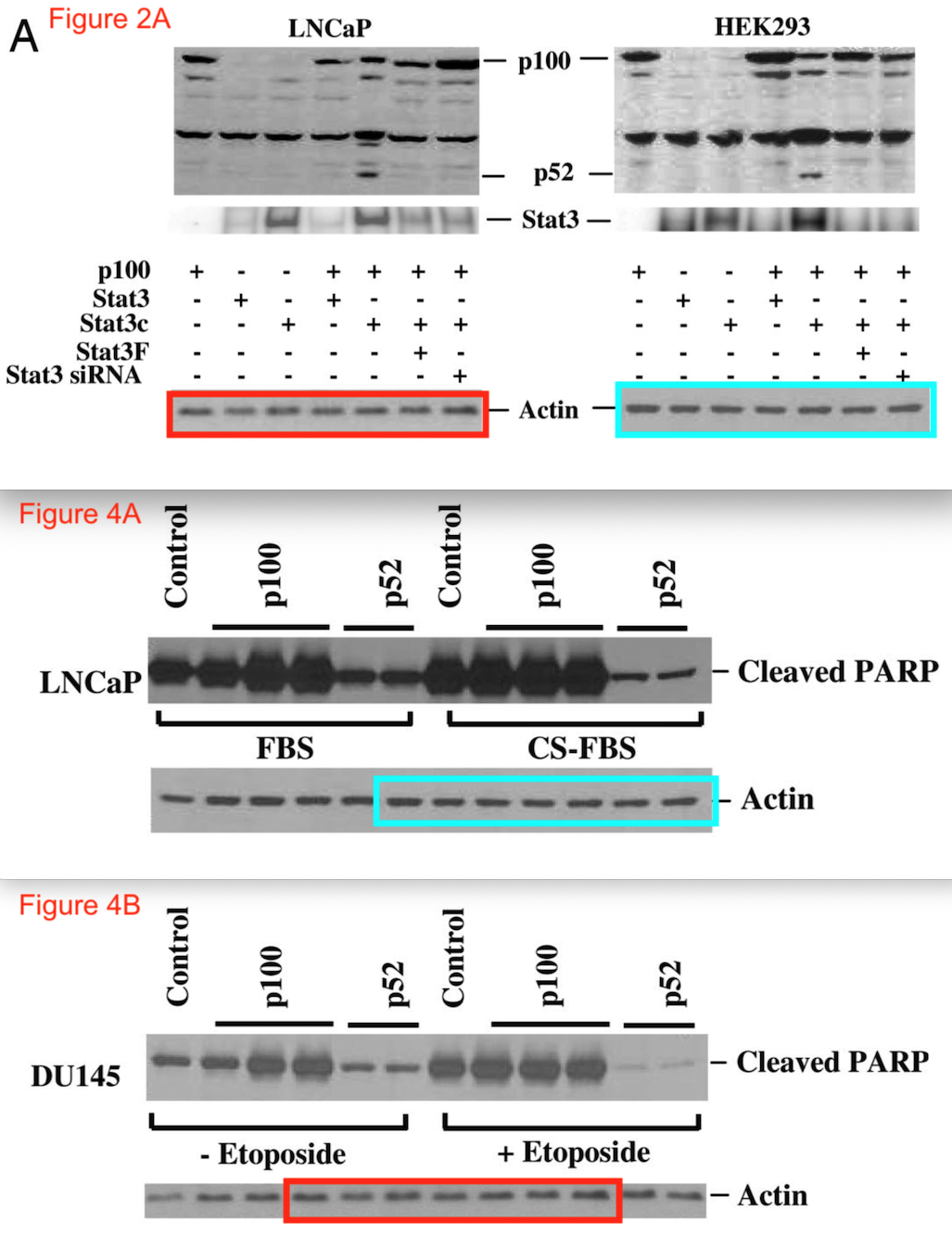
I strongly suspect Soo OK Lee couldn’t join Oncotarget board because maybe their quota for women and Asians was full.
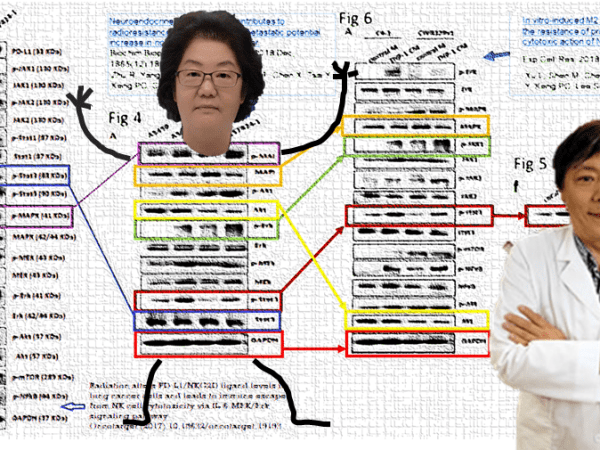
Chainsaw Chang and Soo Not Ok Lee
Smut Clyde celebrates here a highly successful US cancer research lab at University of Rochester. Its head is Chawnshang “Chainsaw” Chang, and his most productive scientist is Soo “Not” Ok Lee.
In any case, I suspect you need to prove an established record of fake science or at least of some other form of academic misconduct to apply for Oncotarget’s editorial board membership.
And the new Editor-in-Chief El-Deiry? I wrote about his own falsified science and his problematic attitude to addressing the evidence in May 2024 Shorts. There are around 40 bad papers of his on PubPeer, and more and more is being flagged. For example this, rather representative:
Niklas Finnberg, Andres J P Klein-Szanto, Wafik S El-Deiry TRAIL-R deficiency in mice promotes susceptibility to chronic inflammation and tumorigenesis The Journal of clinical investigation (2008) doi: 10.1172/jci29900
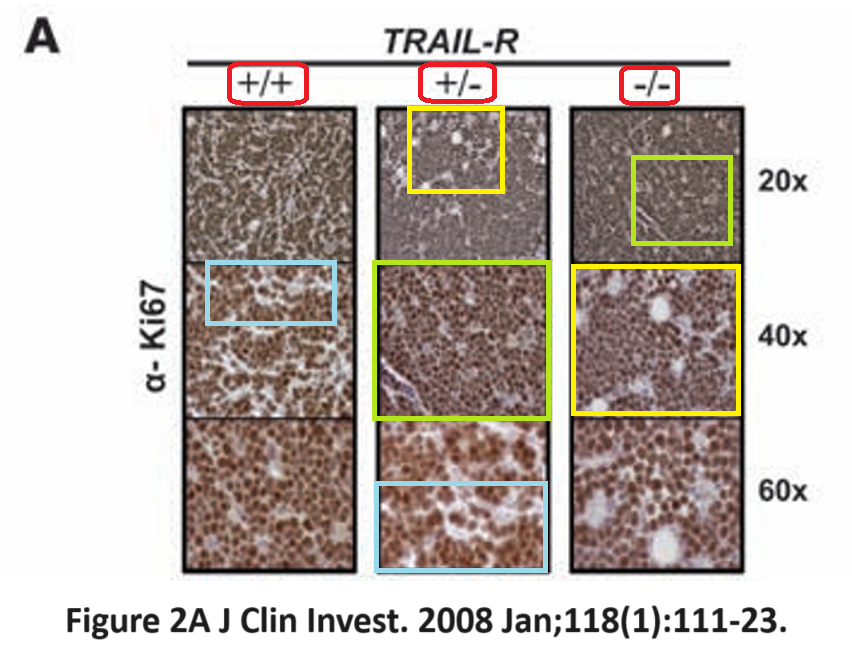

In the following case, El-Deiry insisted on PubPeer the paper was too old to correct (his usual excuse):
Joanna K. Sax , Peiwen Fei , Maureen E. Murphy , Eric Bernhard, Stanley J. Korsmeyer , Wafik S. El-Deiry BID regulation by p53 contributes to chemosensitivity Nature cell biology (2002) doi: 10.1038/ncb866


Here is El-Deiry’s contribution to his own journal:
Jessica Wagner , Christina Leah Kline , Richard S. Pottorf , Bhaskara Rao Nallaganchu , Gary L. Olson , David T. Dicker , Joshua E. Allen , Wafik S. El-Deiry The angular structure of ONC201, a TRAIL pathway-inducing compound, determines its potent anti-cancer activity Oncotarget (2014) doi: 10.18632/oncotarget.2890
Fig 5D

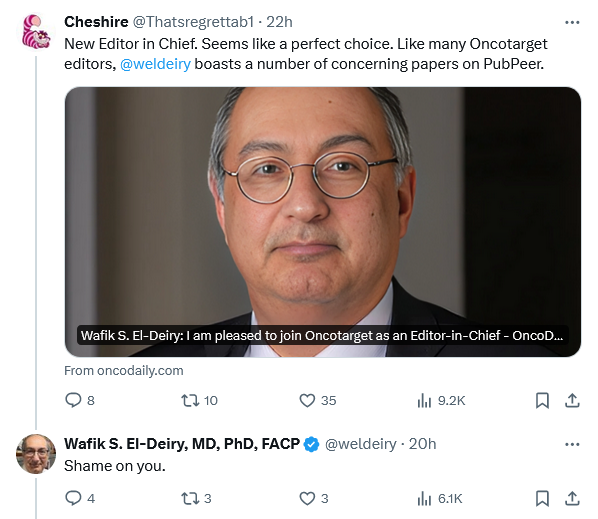
On X, El-Deiry was challenged by Cheshire about his PubPeer record of bad science. He reacted with: “Shame on you.” After Elisabeth BIk reminded him of COPE guidelines, El-Deiry gave a lenghty reply about “circumstances” which make it “not always easy or feasible” for him to correct his “errors“. He then educated Bik that “Historically science was more forward looking” and expressed his concern that little “progress on improving rigor and reproducibility” was made because “not everyone has the same capabilities to address concerns“. El-Deiry then pointed to the real criminals:
“I’m also concerned about a number of issues from time and effort needed to address things after many years where people have moved on, the fact that some people (or journals) are maliciously targeted, I don’t like the anonymous nature of something like PubPeer that isn’t regulated and can do reputational damage and I’m also concerned about public trust in science. People come to misguided conclusions about the integrity of science, the prevalence of misconduct, and generally lose trust in the system.”
I actually understand El-Deiry. When your entire career is built on dishonesty and your entire social circle consists of a science mafia, you do sincerely believe that it is the honest people who are the problem.
And here is El-Deiry, celebrating publishing his own recent paper in his own journal:
From the Acknowledgments of Zhang et al 2024:
“A manuscript entitled “TAS102 synergizes with regorafenib against colorectal and gastric cancer cells” was originally submitted to the AACR journal Clinical Cancer Research in May, 2020 and to Nature’s Scientific Reports in June, 2020. After additional modifications, the manuscript was resubmitted in October, 2023 but due to an unusually prolonged and cumbersome process with numerous delays, the manuscript was sent to Oncotarget along with the latest modifications.”
The dude openly admits his papers are nowadays rejected even by Scientific Reports, so he has to publish them in his own Oncotarget. Sad.
Errors in the published article
Even PLOS is afraid to retract papers by the Great Dane Kristian Helin, the current President of ICR London, whose record of fake science starts at his previous lab in Milan Italy, and continued in his home country, at Copenhagen University. Like the PLOS One paper which was flagged by Elisabeth Bik in 2015, and was now corrected, merely nine years later.

Kristian Helin gets the perfect job
ICR London has a new director. The Great Dane Kristian Helin is the perfect successor to continue the ideological line of fictional cancer research.
Cristina Morales Torres , Anne Laugesen , Kristian Helin Utx is required for proper induction of ectoderm and mesoderm during differentiation of embryonic stem cells PloS one (2013) doi: 10.1371/journal.pone.0060020
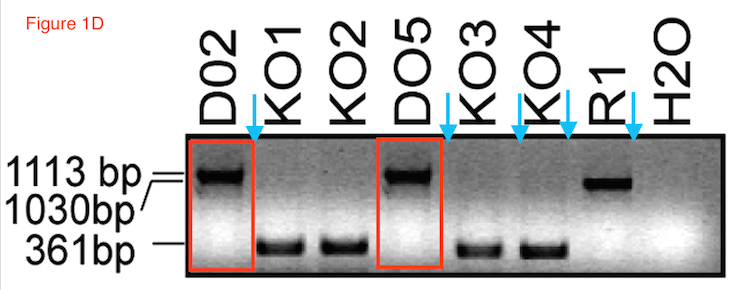
Elisabeth Bik: “Figure 1. Blue arrows: Some unexpected vertical sharp transitions appear to be visible between lanes Red boxes: Lanes “D02” and “D05″ look remarkably similar.”

On 27 June 2024, this bizarre Correction was published:
“Following publication of this article, concerns were raised about images in Figs 1, 5, 7, and S2. Here the authors provide additional information, corrected figures, and underlying data for these experiments.
During the preparation of Fig 1D, the DO2 and DO5 lanes were erroneously duplicated. The DO2 lane is incorrect. An updated version of Fig 1 with the correct DO2 lane is provided here with splice lines clearly marked and including the correct DO2 lane. The full-length uncropped gel underlying Fig 1D is provided in S1 File.
In Fig 5E, the 3d, 6d, and 9d KO2 sample lanes appear similar. An updated version of Fig 5E is provided here where the 3d, 6d, and 9d KO2 sample lanes have been replaced with the corresponding lanes from the underlying blot (S1 File). The updated Fig 5E and underlying data (S1 File) show no signal in the 3d, 6d, and 9d KO2 sample lanes, supporting the results in the original figure.
In Fig 7C, the KO1 and KO2 lanes in the H3 and beta-tubulin panels are erroneous duplicates of the left-hand panel R1 and DO5 lanes in the H3 and beta-tubulin panels in Figure S2I. In Fig 7D the KO1 and KO2 lanes in the H3 panel are erroneous duplicates of the R1 and DO5 lanes in the H3 panel in the right-hand panel in Figure S2I. An updated Fig 7 is provided here in which the H3 and beta-tubulin panels in Fig 7C and 7D have been replaced with the correct western blot data from the original experiment. The full-length underlying blots supporting Fig 3 are in S2 and S3 Files. The underlying blots for panels contained in S2I are available in S4, S5 and S6 Files.
The underlying data for Figs 2B, 4H, S1A, S1B, S1C, S2D, S2J, and S4B are no longer available. All other data remain available upon request from the corresponding author as per the data availability policy in place at the time of this article’s publication.
The authors apologize for the errors in the published article.”

Just recall: Bik notified the editors when the papers was merely 2 years old. The original raw data was unavailable already then.
Maybe Helin just knows people. In Italy. You know what I mean. Accidents can happen if you try to retract his papers.
Unresolvable concerns
PLOS One is indeed afraid of Italians. Especially of Sicilians!
Giuseppe Vita and his son Gian Luca Vita, the authors of the unretractable paper from University of Messina, previously featured in this article:
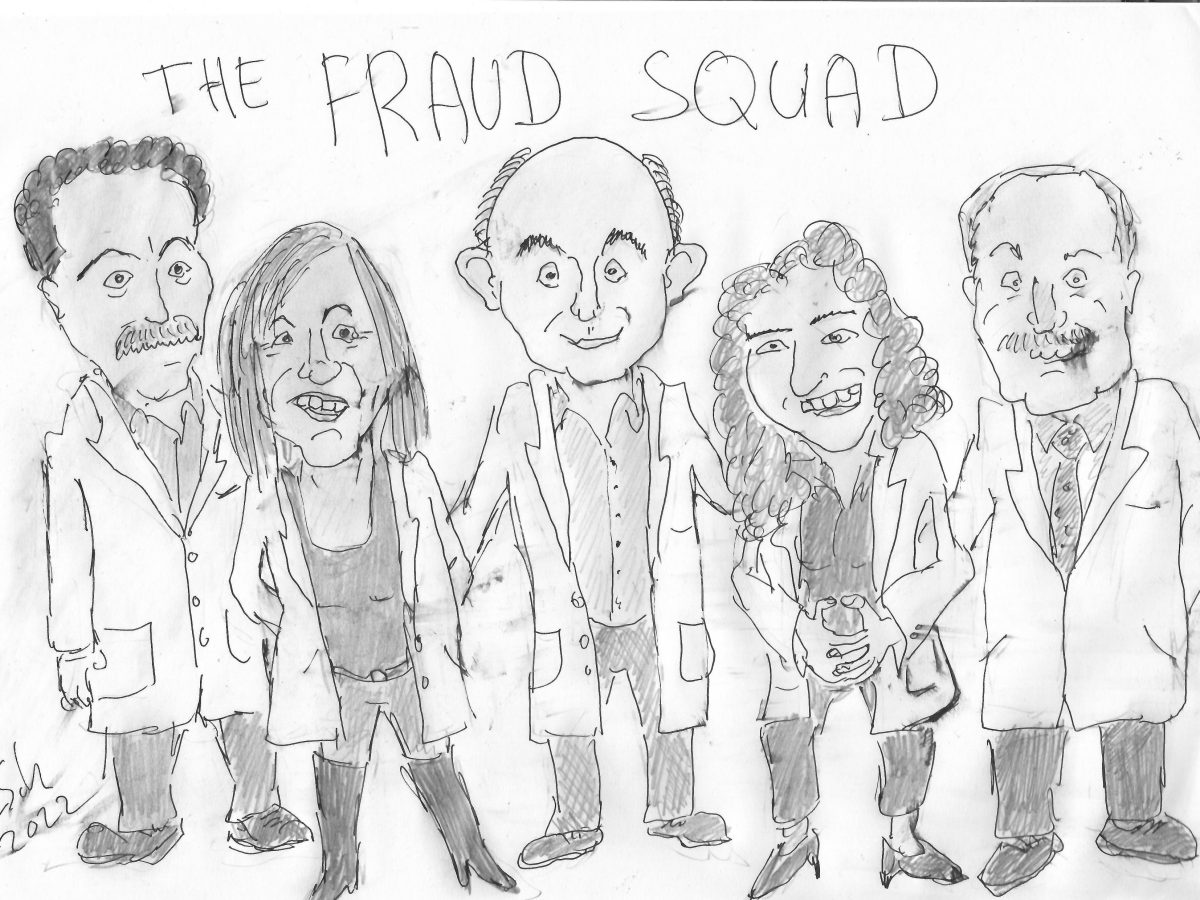
The Fraud Squad
Either a Muslim colleague or a retired technician did it. Or so these Sicilian professors insist.
Gian Luca Vita , Francesca Polito , Rosaria Oteri , Roberto Arrigo , Anna Maria Ciranni , Olimpia Musumeci , Sonia Messina , Carmelo Rodolico , Rosa Maria Di Giorgio, Giuseppe Vita, M’Hammed Aguennouz Hippo signaling pathway is altered in Duchenne muscular dystrophy PloS one (2018) doi: 10.1371/journal.pone.0205514

On 27 June 2024, PLOS One issued this Expression of Concern:
“After this article [1] was published, concerns were raised about Fig 1.
Specifically:
- Lanes 4–5 of the β-actin panel of Fig 1A appear similar to lanes 4–5 of the β-actin panel of Fig 1B when rotated 180 degrees.
Upon editorial follow-up, the original underlying western blot data for the article were not provided.
In light of the above concern, which cannot be resolved in the absence of the original underlying data, the PLOS ONE Editors issue this Expression of Concern.”
Well, the paper is merely 6 years old, those concerns can actually be resolved, especially in the absence of the original underlying data, with a retraction. But I guess Don Vita (Sr.) must have sent a horse head over.
Retraction Watchdogging
Authors provided their own image analysis
A retraction in PLOS One for a paper once flagged by Claire Francis. The authors are affiliated with the Federative Institute of Research IFR “Santé-STIC” of the University of Burgundy in Dijon, France.
Frédérique Végran , Romain Boidot , Eric Solary , Sarab Lizard-Nacol A short caspase-3 isoform inhibits chemotherapy-induced apoptosis by blocking apoptosome assembly PloS one (2011) doi: 10.1371/journal.pone.0029058

PLOS found even more fraud. The detailed retraction was issued on 27 June 2024 (highlight mine):
“Following the publication of this article [1], concerns were raised regarding results presented in Figs 1, 2, 5 and S1. Specifically,
- In the Pro-Caspase-3 panel of Figs 1 and S1, when levels are adjusted to view the backgrounds, the 72 hours lane appears more similar to the 96 hours lane than would be expected from independent results.
- In Fig 2A, the following bands appear similar:
- ○ ProC3-GFP panel, lanes 1, 2, 4, and 8
- ○ ProC3-GFP panel, lanes 3 and 6
- ○ β-actin panel, lanes 2 and 3
- ○ β-actin panel, lanes 6 and 7
- Fig 2C, α-Fodrin panel, lane 1 appears similar to lane 4 when flipped horizontally.
- Fig 2D, α-Fodrin panel, lane 1 appears similar to lane 4 when flipped horizontally.
- In Fig 5C, the following bands appear similar:
- ○ Active caspase-9 panel, lanes 6 and 8
- ○ Procaspase-3, lanes 1 and 4, when levels are adjusted to view the backgrounds
- ○ C3s-YFP panel, lanes 1 and 4
- ○ C3s-YFP panel, lanes 2 and 8
- In Fig 5D, the following bands appear similar:
- ○ Procaspase-3 panel, lanes 2 and 8
- ○ Procaspase-3 panel, lanes 4 and 6 when flipped horizontally
- When levels are adjusted, irregularities were detected in the background of the following panels:
- ○ Fig 2A, (Pro)C3-GFP panel
- ○ Fig 2B, 2C, and 2D (Cleaved) α-Fodrin panels, between lanes 3 and 4
- ○ Fig 5A (Pro)Caspase-3 and C3s-YFP panels
- ○ Fig 5B (C3s-)YFP and Procaspase-3 panels
- ○ Fig 5C Procaspase 3 and C3s-YFP panels
- ○ Fig 5D (Pro)caspase 3 and Active Caspase 9 panels
- ○ Fig 5E (C3s-)YFP, Active caspase 9, and Procaspase-3 panels
- ○ Fig 5F Procaspase 3 panel
Author RB, with the agreement of FV and ES, responded to the concerns raised, stating that they did not agree with the concerns raised with Figs 1B, 2A, 2B, 2C, 2D, 5C, 5D, 5F and S2, and provided their own image analysis as well as some replicate experiment data. Regarding the concerns with Fig 5A, 5B and 5E, the author stated that unspecific bands were removed from the published panels. The author stated that the original data used to prepare the published figures are no longer available due to these images being taken more than 15 years ago, and provided updated panels for Fig 5A, 5B and 5E using image data representing replicates of the experiments. In the absence of the underlying data, the concerns raised with Figs 1, 2, 5 and S1 cannot be resolved, and PLOS does not consider replicate or repeat experiment data alone sufficient to resolve the concerns raised with the published figures.
In light of the above concerns that question the reliability and integrity of the Figs 1, 2, 5 and S1 results, the PLOS ONE Editors retract this article.
RB and FV did not agree with the retraction. ES and SLN either did not respond directly or could not be reached.”
Of course Sarab Lizard-Nacol, Frédérique Végran and Romain Boidot have even more fake papers on PubPeer. For example:


Boidot describes his current employment as “In charge of all Molecular biology activities of the Centre Georges-françois Leclerc” in Dijon. Their science is in good hands, I shall say.
A copy paste error at the time of editorial revisions
A retraction for scholars of Baylor College of Medicine in Houston, Texas, USA, accompanied by some Germans, all located in the neighbourhood of Bochum and Wuppertal. Flagged by Elisabeth Bik in August 2019 already.
Feng Jin , Jose Thaiparambil , Sri Ramya Donepudi , Venkatrao Vantaku , Danthasinghe Waduge Badrajee Piyarathna , Suman Maity , Rashmi Krishnapuram , Vasanta Putluri , Franklin Gu , Preeti Purwaha , Salil Kumar Bhowmik , Chandrashekar R. Ambati , Friedrich-Carl Von Rundstedt , Florian Roghmann , Sebastian Berg , Joachim Noldus , Kimal Rajapakshe , Daniel Gödde , Stephan Roth , Stephan Störkel , Stephan Degener, George Michailidis, Benny Abraham Kaipparettu, Balasubramanyam Karanam, Martha K. Terris, Shyam M. Kavuri, Seth P. Lerner, Farrah Kheradmand, Cristian Coarfa, Arun Sreekumar, Yair Lotan, Randa El-Zein, Nagireddy Putluri Tobacco-Specific Carcinogens Induce Hypermethylation, DNA Adducts, and DNA Damage in Bladder Cancer Cancer Prevention Research (2017) doi: 10.1158/1940-6207.capr-17-0198


Right away, the last and corresponding author Nagireddy Putluri, Academic Director of Metabolomics Core at Baylor College of Medicine, explained:
“This was an error (copy past) and we are trying to fix this with publishers. […] chk2 and beta actine are correct“
Smut Clyde chimed in, sharing Bik’s findings on another paper of Putluri’s. It features only one German, the best named-one: Friedrich-Carl von Rundstedt, who used to train as surgeon at Baylor College of Medicine and is now head of urology at the Helios University Clinic in Wuppertal.
Venkatrao Vantaku , Vasanta Putluri , David A. Bader , Suman Maity , Jing Ma , James M. Arnold , Kimal Rajapakshe , Sri Ramya Donepudi , Friedrich-Carl Von Rundstedt , Vaishnavi Devarakonda , Julien Dubrulle , Balasubramanyam Karanam , Sean E. McGuire , Fabio Stossi , Abhinav K. Jain , Cristian Coarfa, Qi Cao , Andrew G. Sikora , Hugo Villanueva, Shyam M. Kavuri, Yair Lotan, Arun Sreekumar, Nagireddy Putluri Epigenetic loss of AOX1 expression via EZH2 leads to metabolic deregulations and promotes bladder cancer progression Oncogene (2020) doi: 10.1038/s41388-019-0902-7

B. The left Beta-Actin panel looks remarkably similar to a blot used in Feng Jin et al, Cancer Prevention Research, 2017″


It also turned out that the photographs of tumours have been misrepresented in relative size. Putluri explained on PubPeer in August 2019:
“This is a copy paste error caused at the time of editorial revisions. We have brought this to the attention of the Oncogene editor and have requested them to replace the existing figure with the correct one.”
The Oncogene paper received a Correction on 17 August 2020:
“After publication of this article, the authors noticed errors in some of the figures. In Figs. 2e, 2f–g, 4a, 4j, 5a and 6b, unmatched β-actin was inadvertently used as loading control for the immunoblots. These have been corrected using repeat data from a similar set of samples and the revised Figures containing matched β-actin and their respective quantification data are included below. In Fig. 7a, the same image was inadvertently used to represent tumors 3 and 5 in the control group. This error has been corrected using original images of tumors 3 and 5 in the control group.
Additional corrections have been made in the Article and Figure legends to enhance the clarity of the description. NAD was replaced by NADP. NAD/NADP was replaced by NADP/NADPH. The description of the antibody source and dilution for the antigens PFKFB4 (Abcam, 1:1000), G6PD, and HK1 (Cell Signaling, 1:1,000) have been included in the Methods section for Western Blot. The legend for Fig. 4e and 4j has been updated. The authors have updated Supplementary Figure 6a with higher quality images of the immunoblots from replicate experiments. In addition, new Supplementary Figure 6d, containing data from replicate mouse experiments described in Figure 7, has been included to strengthen the original findings. The legend for Supplementary Figure 6 has been updated to reflect this inclusion.”
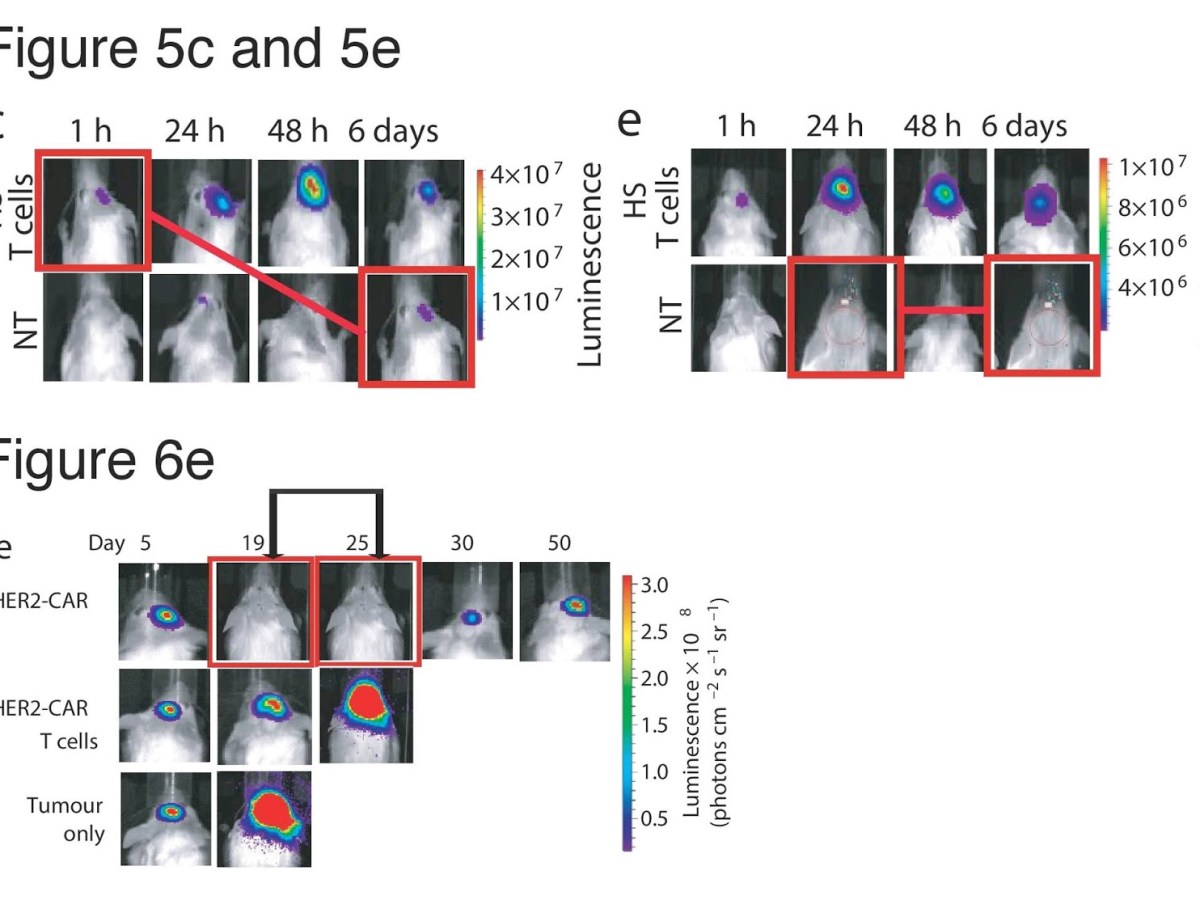
Texas Photoshop Massacre (in Nature)
The team around the paediatric oncologist Nabil Ahmed at Baylor College of Medicine in Houston, Texas, discovered a way to engineer T-leukocytes to bypass the blood-brain barrier at attack otherwise untreatable brain cancers. Their amazing technology to get this published in Nature was brazenly insolent data fakery.
Conclusions obviously not affected. Unlike for the Cancer Prevention Research paper, where the publisher AACR issued an Expression of Concern in October 2019, and now, on 4 June 2024, a Retraction arrived:
“This article (1) has been retracted at the request of the editors. Readers alerted the journal to potential image issues in Figs. 2C (bottom, CHK2) and 3E. Journal editors referred the figure issues to the Baylor College of Medicine’s Committee on Scientific Integrity. After an institutional investigation, it was determined that fabrication and/or falsification had occurred in the published Figs. 2C (bottom, CHK2) and 3E. The authors provided data from replicate experiments for Figs. 2C and 3E to support their conclusions, but the journal could not verify these data.
A copy of this Retraction Notice was sent to the last known email addresses for the 33 authors. Twenty-four authors ([…], Nagireddy Putluri) did not agree to the retraction, and several of these authors subsequently attested that the provided replicate data is valid. Nine authors (Rashmi Krishnapuram, Friedrich-Carl von Rundstedt, Florian Roghmann, Sebastian Berg, Joachim Noldus, Stephan Roth, Stephan Störkel, Stephan Degener, Randa El-Zein) did not respond.”
The Germans did not respond. Meh. Not even Baron von Rundstedt…
Misused pictures
A fraud case reported by René Aquarius in March 2024, and how two different publishers resolved it. The authors are from Shandong, China.
- Ming-Feng Yang , Sheng-Yao Sun , Hai-Guang Lv , Wei-Qi Wang , Han-Xia Li , Jing-Yi Sun , Zong-Yong Zhang Ravoxertinib Improves Long-Term Neurologic Deficits after Experimental Subarachnoid Hemorrhage through Early Inhibition of Erk1/2 ACS omega (2023) doi: 10.1021/acsomega.3c01296
- Xiao-yan Zhou , Jing-yi Sun , Wei-qi Wang , Shu-xian Li , Han-xia Li , Hui-juan Yang , Ming-feng Yang , Hui Yuan , Zong-yong Zhang , Bao-liang Sun , Jin-Xiang Han TAT-HSP27 Peptide Improves Neurologic Deficits via Reducing Apoptosis After Experimental Subarachnoid Hemorrhage Frontiers in cellular neuroscience (2022) doi: 10.3389/fncel.2022.878673

The author Zong-Yong Zhang replied in April 2024:
“Dear Rene Aquarius Thank you very much for pointing our mistake. I am the corresponding author of these two articles. After examining the raw data, we misused the whole-brain pictures in Fig.2A of (PMID:37305289). We misused the phase contrast image of Figure 7D and the whole-brain pictures in Figure 8A of (PMID:35573833). I have contacted the editors of two papers to make corrections.”
The ACS Omega paper was retracted on 4 June 2024:
“The authors retract this article (DOI: 10.1021/acsomega.3c01296) due to the image duplication of the whole brain in Figure 2A (6h, 24h; Rat SAH). These images are identical to those in Figure 2A of the authors’ previously published article (DOI: 10.3389/fncel.2022.878673). The authors have agreed that such actions potentially provide misleading conclusions and analysis of experiments, raising significant doubts on the main findings of the work. As such, the article is being retracted.”

Frontiers: vanquishers of Beall, publishers of bunk
It is now quasi official: do not mess with Frontiers. My earlier reporting made it a credible possibility that this Swiss publisher was behind the January 2017 shut-down and removal of Jeffrey Beall’s list of “potential, possible, or probable predatory scholarly open-access publishers”, and it was now indeed verified by an article in Chronicle of Higher…
The Frontiers paper however received only a Correction on 5 June 2024:
“In the published article, there was an error in the images of Figure 7D and Figure 8A as published, where in Figure 7D the incorrect phase contrast image of 31-60 group was used and in Figure 8A the brain picture of vehicle group was incorrect.
The corrected Figure 7D and Figure 8A appear in Figure 7 and Figure 8 below.
The authors apologize for these errors and state that they do not change the scientific conclusions of the article in any way. The original article has been updated.”
Whom to believe now? Are the scientific conclusions misleading and raising significant doubts on the main findings, or not affected in any way? Was the Frontiers paper maybe meant to be fraudulent?
The Dark and Unexpected Side of Scientific Publishing
A string of retractions hit the papermill-polluted Springer Nature journal Environmental science and pollution research international, currently 66 retractions between January 2024 and now. A crackdown on fraud which according to the publisher is definitely totally not connected to earlier investigations of Alexander Magazinov and Nick Wise, reported here:

Environmental Pseudoscience and Polluted Research
“We are living in a faked world and there is a lot of un-verified avatars. “, Philippe Garrigues, EiC

Here is one representative and most recent retraction, for the King of Papermillers Rafael Luque:
Shumila Shaheen , Rana Rashad Mahmood Khan , Awais Ahmad , Rafael Luque , Muhammad Pervaiz , Zohaib Saeed , Ahmad Adnan Investigation on the role of graphene-based composites for in photocatalytic degradation of phenol-based compounds in wastewater: a review Environmental science and pollution research international (2022) doi: 10.1007/s11356-022-21975-4
The paper had nonsense references, one PubPeer user commented: “There are many weird words and phrases, such as “enhacing dimensionality”, “collectve struggle”, “supportable chemistry”, “geometrical and electronic behavior”, “valance band”, etc.“
This was the retraction note from 2 July 2024:
“The Publisher has retracted this article in agreement with the Editor-in-Chief. An investigation by the publisher found a number of articles, including this one, with a number of concerns, including but not limited to compromised peer review process, inappropriate or irrelevant references, containing nonstandard phrases or not being in scope of the journal. Based on the investigation’s findings the publisher, in consultation with the Editor-in-Chief therefore no longer has confidence in the results and conclusions of this article.
Author Awais Ahmad disagrees with this retraction. Authors Rana Rashad Mahmood Khan, Rafael Luque, Muhammad Pervaiz, Zohaib Saeed and Shumila Shaheen have not responded to correspondence regarding this retraction. The Publisher has not been able to obtain a current email address for author Ahmad Adnan.”
The other notices are similar.
Unfortunately, here are some Ukrainian scientists caught papermilling, from the National Aviation University in Kyiv. They were guided by a fellow Ukrainian at North Minzu University in China, Andrii Bieliatynskyi:
Andrii Bieliatynskyi , Yulin He , Valerii Pershakov , Oleksandra Akmaldinova , Kateryna Krayushkina Pollution of the roadside environment by dust particles from road surface repairs Environmental science and pollution research international (2022) doi: 10.1007/s11356-022-24828-2
It was retracted already on 27 February 2024 with the similar note:
“The Editor-in-Chief has retracted this article. An investigation by the Publisher has found a number of articles, including this one, which share similar concerns, involving but not limited to, irregularities with respect to submission and peer review.”
Bieliatynskyi had another retraction at the same time, for “manipulation of the peer review process“:
Andrii Bieliatynskyi , Shilin Yang , Valerii Pershakov , Meiyu Shao , Mingyang Ta Comparative analysis of the influence of various materials on the state of the roadside environment during the road repair Environmental science and pollution research international (2022) doi: 10.1007/s11356-022-23212-4
As a PubPeer user commented, “This article (now retracted) is connected to the tanu.pro paper mill through its corresponding author’s email address domain name @national-univesity.info“. Tanu.pro is a Ukrainian papermill run by the Pilipenko brothers, read here:
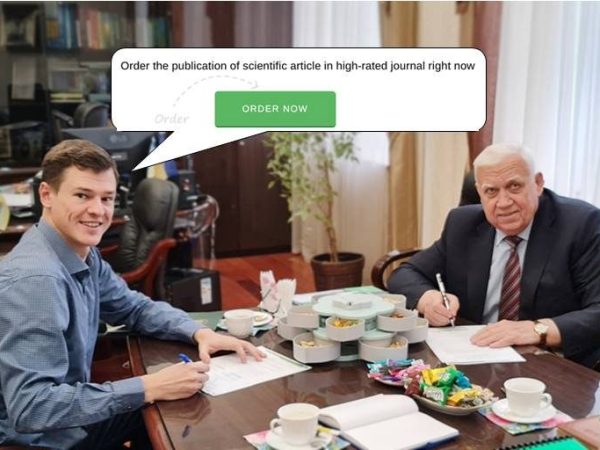
Ukrainian papermills – symptom, not a cause
“Prof. Dr. Svetlana Drobyazko, The European Academy of Sciences Ltd and Scientific Publication Service are a symptom, not a cause, of the current problems in academic publishing. ” – Nick Wise

I doubt that it was indeed the French Editor-in-Chief and emeritus CNRS research director Philippe Garrigues who initiated the investigations. But in any case, I am happy he understood that papermills are bad.
Garrigues now gives seminars on “the Dark and Unexpected Side of Scientific Publishing“, quote from the abstract (highlight mine):
“Thee world of scientific production is evolving everyday with many new stakeholders in the landscape: sites posting unpublished articles but submitted to journals (preprint websites like BioRxiv), sites for the assessment of referrees (“Publons”) and new players in the field, sites for assessing accepted and published publications (“PostPublicationReview” such as PubPeer, ForBetterScience, etc.).”
In November 2024, Garrigues will be giving a training course: “How to be successful in scientific publishing“.
Bending, buckling and vibration
Four retractions for Iranian papermill fraudster Davood Toghraie, in a Wiley journal run by a German learned society. And the papers were not even flagged on PubPeer,
- A. Shahsavar, S. Noori, D. Toghraie, P. Barnoon, “Free convection of non-Newtonian nanofluid flow inside an eccentric annulus from the point of view of first-law and second-law of thermodynamics,” Zeitschrift für Angewandte Mathematik und Mechanik: https://doi.org/10.1002/zamm.202000266
- Y. A. Al-Turki, A. Yarmohammadi, A. Alizadeh, D. Toghraie, “Numerical investigation of nanofluid flow and heat transfer in a pillow plate heat exchanger using a two-phase model: Effects of the shape of the welding points used in the pillow plate,” Zeitschrift für Angewandte Mathematik und Mechanik doi: 10.1002/zamm.202000300.
- M. R. Faridzadeh, D. Toghraie, M. Khalili, O. A. Akbari, N. Ghajari, A. Alizadeh, “Laminar single-phase and two-phase modeling of water/MgO nanofluid flow inside a rectangular microchannel with rhombic vortex generators,” Zeitschrift für Angewandte Mathematik und Mechanik doi: 10.1002/zamm.202000332
- S. Enayat, M. Hashemian, D. Toghraie, E. Jaberzadeh, “Bending, buckling and vibration analyses of FG porous nanobeams resting on Pasternak foundation incorporating surface effects,” Zeitschrift für Angewandte Mathematik und Mechanik doi: 10.1002/zamm.202000231.
The retraction notices, issued on 3 July 2024, were the same:
“The above article, published online on [date] in Wiley Online Library (wileyonlinelibrary.com), has been retracted by agreement between the journal Editor-in-Chief, Holm Altenbach, and Wiley-VCH GmbH. The retraction has been agreed as there is unambiguous evidence that this article was accepted on the basis of a compromised peer review process. Therefore, the review of this article is deemed to be insufficient. The authors disagree with the retraction.”

Wiley: Committed to integrity? Get out!
“We have initiated post-acceptance peer review with independent reviewers… ” – Wiley.
The journal ZAMM (“one of the oldest journals in the field of applied mathematics and mechanics“) has not one, not two, but FIVE German professors as Editor-in-Chief. Its editorial board consists mostly of European professors. Did any of them actually read Toghraie’s papermill submissions? And how come they allowed the papermill to run their peer review?
Science Breakthroughs
Hybrid human-robot stupidity
China started to produce robots with lab grown human brains! The news worldwide exploded. They beat us in science and now are all doomed, to be exterminated by Chinese-speaking Terminators demanding our clothes, our boots and our motorcycles! The Independent wrote on 1 July 2024:
“Scientists in China have built a robot capable of performing critical tasks using an artificial brain grown from human stem cells.
The brain-on-chip was able to learn basic tasks, such as moving its limbs, avoiding obstacles and grasping objects, according to the researchers, while exhibiting some intelligence functions of a biological brain.
A team from Tianjin University and the Southern University of Science and Technology fitted the lab-grown brain with a brain-computer interface that allowed it to communicate with the outside world.
“The brain-computer interface on a chip is a technology that uses an in vitro cultured ‘brain’ – such as brain organoids – coupled with an electrode chip to achieve information interaction with the outside world through encoding and decoding and stimulation-feedback,” said Ming Dong, an executive director at the Haihe Laboratory for Brain-Computer Interaction and Human-Computer Integration at Tianjin University.”
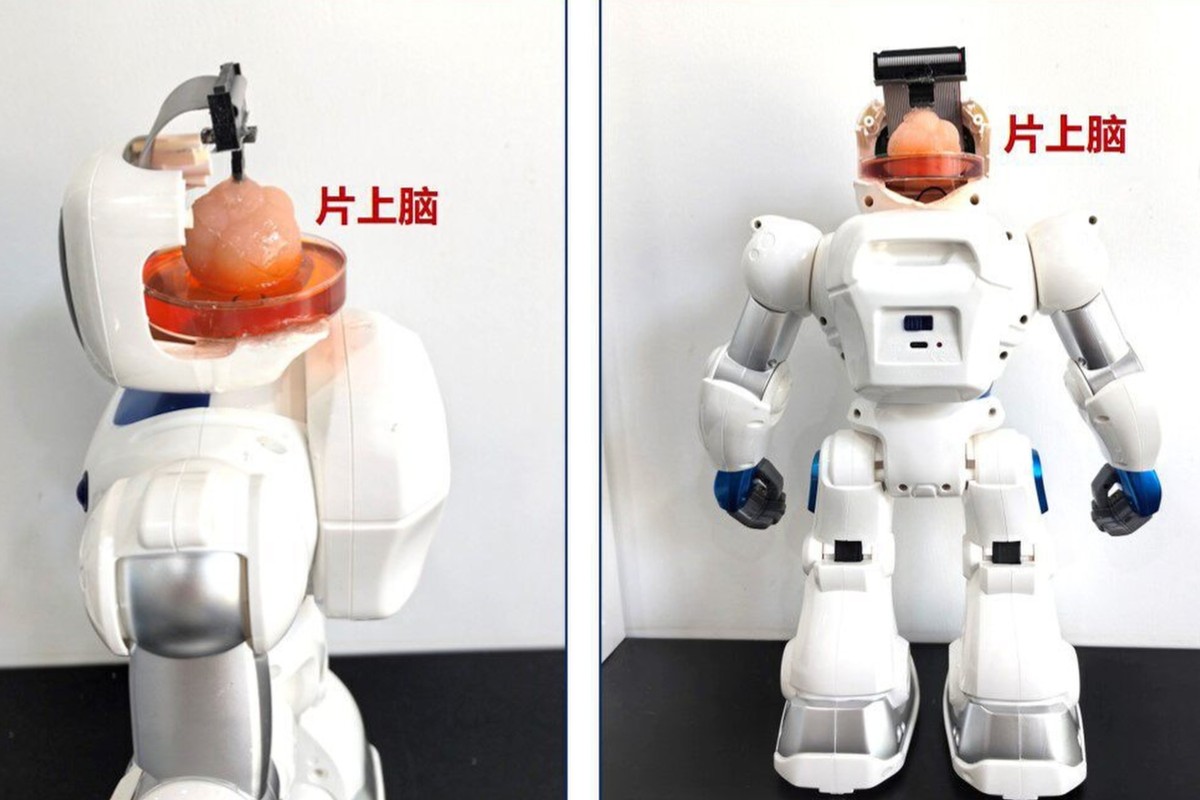
This is the paper:
Xiao-Hong Li , Di Guo , Li-Qun Chen , Zhe-Han Chang , Jian-Xin Shi , Nan Hu , Chong Chen , Xiao-Wang Zhang , Shuang-Qing Bao , Meng-Meng Chen , Dong Ming Low-intensity ultrasound ameliorates brain organoid integration and rescues microcephaly deficits Brain (2024) doi: 10.1093/brain/awae150
This is what the paper is actually about:
“Following organoid grafts transplantation into the injured somatosensory cortices of adult mice, longitudinal electrophysiological recordings and histological assays reveal that ultrasound-treated organoid grafts undergo advanced maturation.”
Putting aside how reproducible those mouse findings are, it is important to assert that the study contains NO ROBOTS. The robots arrived at the promo campaign. The Chinese propaganda medium South China Morning Post announced:
“Tianjin University now says its research could lead to the development of hybrid human-robot intelligence.”
I thought the peak of silliness was reached when a California lunatic named Alysson Muotri decreed that his lab-grown “minibrains” from stem cells can think like newborn babies and announced to stuff those minibrains into crab-like robots and let them fight robots with Neanderthal mini-brains… I am not making that up:
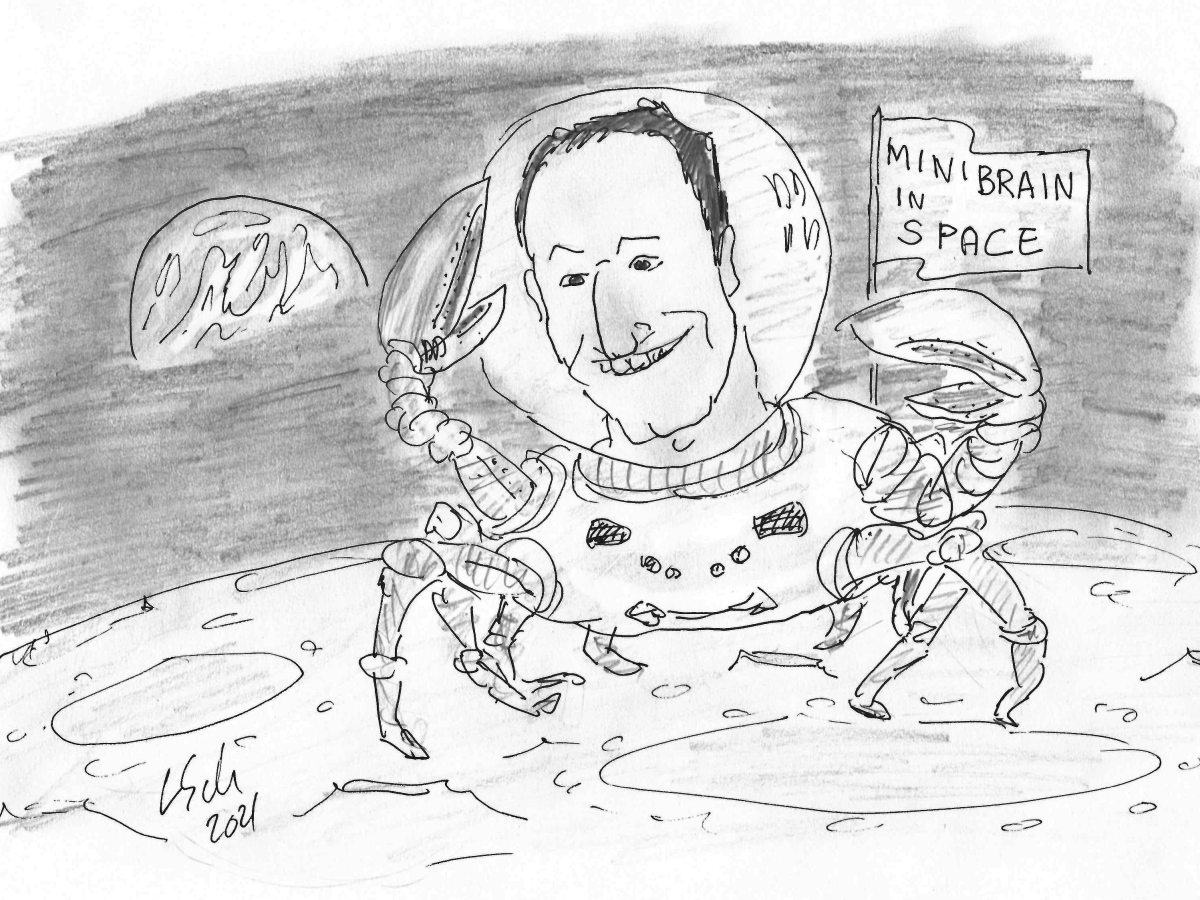
Alysson Muotri, a minibrain
Autistic Neanderthal minibrains operating crab robots via brain waves of newborn babies are to be launched into outer space for the purpose of interstellar colonization. No, I am not insane. Science Has Spoken.
Anyway. We cannot afford a robots-with-lab-grown-artificial-brain gap!!!
Donate!
If you are interested to support my work, you can leave here a small tip of $5. Or several of small tips, just increase the amount as you like (2x=€10; 5x=€25). Your generous patronage of my journalism will be most appreciated!
€5.00

 For Better Science
That’s the correct way forward: become an editor of a journal and then turn it into papermill (if it was not). In this way you have to investigate yourself for copy-past “errors”. There’s a slight chance for a screw up but if that happens, rinse and repeat.
On another note, seems Cassava don’t have PhDs and postdocs for under the bus.
LikeLike
I think Cassava’s cleaning lady from Mexico is to blame for everything.
LikeLike
End of Cassava, probably because Barbier and Burns face an indictment also?
https://www.cassavasciences.com/news-releases/news-release-details/cassava-sciences-announces-changes-executive-leadership-enhanced
“AUSTIN, Texas, July 17, 2024 (GLOBE NEWSWIRE) — Cassava Sciences, Inc. (Nasdaq: SAVA) today announced that the Board of Directors has appointed Richard (Rick) Barry as Executive Chairman of the Board and as the Company’s principal executive officer, effective immediately. The Company is undertaking a search for a new permanent CEO.
Mr. Barry succeeds Remi Barbier, the Company’s Chairman, President and CEO, who resigned from the Company and the Board. Mr. Barbier will remain employed by the Company until September 13, 2024 in a non-executive capacity, without duties or responsibilities.
Lindsay Burns, Ph.D., SVP, Neuroscience, at Cassava is also leaving the employ of the Company. Cassava and Dr. Burns have agreed that she step down from her role with the Company, effective immediately. “
LikeLike
Doubt that:
“Transparency in Communications and Reporting: Cassava remains committed to fostering open communication and engagement with its stakeholders. The Company and its management will communicate regularly and clearly to our constituencies, beginning with a renewal of quarterly analyst calls and will be reasonably available to journalists. Cassava is reviewing its disclosure practices to ensure it is providing stakeholders with clear and comprehensive information. Regular dialogues with shareholders, employees, customers, regulators, and the broader community will continue to inform and shape the company’s governance practices.”
Typical business statement, in 4 sentences there are 2 occurrences of stakeholders and 1 of shareholders. Note the terms “reasonably available” to journalists and “dialogues with …” that may/will reasonably include no transparency whatsoever.
The real reason behind all this is the plunge of the price of the shares at the end of the last month that was a result of a mass sale.
https://www.nasdaq.com/market-activity/stocks/sava
LikeLike
Environmental science and pollution research international is a springer-nature journal, not Elsevier. Contrary to springer-nature Elsevier has not retracted a single paper in their environmental crap journals like environmental research (EIC: Aijie Wang or Ai-Jie Wang), environmnetal pollution (EIC: Jörg Rinklebe, Christian Sonne) and so on.
LikeLike
Thanks, corrected!
LikeLike
“I actually understand El-Deiry. When your entire career is built on dishonesty and your entire social circle consists of a science mafia, you do sincerely believe that it is the honest people who are the problem.”
They really are the problem, subverting science by wanting results to be true had accurate.
What a dreadful agenda!
LikeLike
Wafik El-Deiry
“You don’t have the right to publicly damage the reputations of scientists in the way you have been doing. It is clear that my lab and publications have been willfully singled out and targeted in the past week for motivations having nothing to do with the integrity of science or the search for truth. Such barbaric unregulated assault on hard-working people is shameful because of the way it is being done. You don’t have the right to damage people’s reputations that are built over decades in this public way anonymously. There are elements of terrorism, bullying, defamation and acts that should be illegal in a civilized society and certainly within academia. You and the rest of the evil PubPeer mob have been harassing me and bombarding me with email around the clock including on holiday with my family where you have ruined my little time I could spend with them. “
https://pubpeer.com/publications/78E528C6D73C855301673613B19B81#6
LikeLike
Thr reason why El-Deiry was appointed EiC of Oncotarget is Misha Blagoskolonny’s late stage cancer.
https://www.eurekalert.org/news-releases/1032025
LikeLike
Wafik El-Deiry was asked by Oncogene to explain the fake data in his paper. He exploded:
https://x.com/weldeiry/status/1812851400247742511
“Here is a good example of being actively targeted in the last two weeks by @PubPeer
for a paper my lab published in 1998. The concern was just raised in 2024 but then PubPeer took down the link [PubPeer had brief access issues, -LS].
This is not appropriate and also the journal @oncogenejournal is giving a deadline of 2 weeks to respond.
There is no “Peer” in “PubPeer” and the selective targeting of scientists for what maybe a political agenda some of which is public raises concerns. […]
What PubPeer is doing, in my opinion, defines academic terrorism, blackmail, defamation, and lack of due process and this is done by an anonymous mob that is unregulated.”
LikeLike
Wafik again:
https://x.com/weldeiry/status/1815124549261799532
“The scientific community will find a way to stop your attacks on innocent people. Targeting individuals in the way you have been doing to my lab is in my view defamatory and a form of academic terrorism. In my opinion it is criminal in the way it is being done. I’m not sure of your motive for targeting my lab but it doesn’t appear to be focused on uncovering fraud, scientific misconduct or even sloppy science. Even if the blot was vertically flipped, it is still a valid loading control for the cell line and treatment indicated on first examination. The first author is an extremely talented physician-scientist who moved back to Italy. I have forwarded the PubPeer email to him and I assure you we will respond. I also assure you that your “concern” has zero impact on the paper, its results or conclusions. I would urge to stop piling on frivolous and targeted attacks on my academic lab. You are actively hurting the careers of innocent people who deserve better than this. Your attacks directed against my lab have been intense for several weeks and I do not for one minute believe you seek truth or to clean up the literature. This is motivated by something else that is malicious, sinister, unregulated and needs to stop. You do not have legal, moral, or any other form of authority to damage reputations through direct anonymous targeted public attacks.”
LikeLike
Perhaps everyone in this world can still believe that this kentleman (Wafik El-Deiry) is NOT a real super-idiot just bull-shitting around! He’s a Brown Professer of Brown Universcity… (What the hellish hell!!!)… Good luck Wafik bro…
LikeLike
Re: Cassava … meanwhile, plenty of silence in the corner of Sylvain Lesne. Waiting for the “other shoe to drop,” so to speak.
LikeLike
“A string of retractions hit the papermill-polluted Springer Nature journal Environmental science and pollution research international, currently 66 retractions between January 2024 and now.”
Now up to 94!
“A crackdown on fraud which according to the publisher is definitely totally not connected to earlier investigations of Alexander Magazinov and Nick Wise, reported here:”
Hey, I claim some of the responsibility. https://forbetterscience.com/2024/05/14/do-papermillers-dream-of-eclectic-journals/
LikeLike
Stop stealing credit from Prof Garriges.
LikeLike
The integrity that NPOF (the Swedish Council headed by a Supreme Court judge) claims to protect is just a chimera, such is the model of the rule of law in Sweden.
In one case dishonest rector is declared honest only because the act recognized as dishonest was committed by him in another European institution. In another case the evident liar and thief committed fraud at the Swedish University is declared honest just because the NPOF, contrary to its charter, simply did not investigate the fraudulent actions.
LikeLike
I just saw a new study by Wongwises and Mahian that has just been published. The study is interesting. There are 8 different authors and 8 different countries. According to Elsevier’s “CRediT authorship contribution statement”, the sole project coordinator of this study is Ahmet Sahin from the Turkey-Japanese University. However, there is no mention of any project in the funding or acknowledgement section of the study. Sahin is also one of the study’s two supervisors. Who is the other? Omid Mahian, of course. But what is interesting is that Omid Mahian reported 3 different affiliations in this study. The first location is his university in China. The second and third locations are Russia (Tomsk State University) and the UK (Imperial College London). It seems that Mahian is able to be a visiting researcher in Russia and the UK at the same time independently of all political and humanitarian crises. In fact, I doubt that such a project even exists, because there are too many unrelated researchers from too many countries involved in this work. Resources come from Australia, Thailand, and Denmark. Software support comes from Russia and Denmark. The study has a supervisor, Omid Mahian, representing 3 different institutions. These are not realistic.
Interestingly, the first and second authors of the study, who are based in Iran, received software support from Russia (Tomsk State University) and Denmark (Technical University of Denmark). Under the current war conditions, I don’t think that a software from Denmark can be shared with a Russian university and shared with Iran without any licensing problems, but this is exactly what the authors claim.
LikeLike
For a bit of additional context, Tomsk State University is a dominion of one Mikhail Sheremet. Who of course is one from the clique of Ali Chamkha, Omid Mahian, Mohammad Ghalambaz, Mohsen Sheikholeslami, Hakan Oztop and similarly shaped dickwads.
LikeLike
How well organized they are! There are universities where papermilling academics can meet, that’s great! What I don’t understand is how Mahian could be a visiting researcher in Russia and then immediately or simultaneously become a visiting researcher at Imperial College. Does Imperial know about this? Or who could have admitted him to Imperial? It is really surprising how easily a papermill researcher can change institutions, even in wartime.
LikeLike
All you said are true. However, you should think about the journals policies too. You are attacking some other authors that are respectful. Personally, I experienced many things for instance in one of my paper, on one the reviewer gave me 10 papers to be cited, and he said it cannot be accepting unless using these in literature review. What could I do? I had to cite them you know why. I got the comments after 6 Month from three reviews, and also one of the requirements was to publish one journal paper. So, I had no time and not time. I was just a prisoner between two big guys.
Now, if I addressed my paper to you, you would start commenting and communicating the editor to retract that. So, it was not my fault, actually it is the editor fault and the scientific world.However, you are destroying the academic career of some students and discrediting them for something out of their hands.
As a result, you must solve the issue with big men in journals. They do not care about authors, when you start commenting they retract that paper to get rid of a problem. The problem is that who select the reviewer and guest editors or others . How they allow a reviewer to address their papers to be cited? Nobody checks the comments and pushing language. Someone checks the comments, right? The editor who is trusted by editor in chief.
However, you are just retracting the papers or putting a concern on them. Just you are discrediting the authors, and the mian person editor in chief or editorial boards survives. Please try to solve the bigger problem with selecting the right editors and reviewers instead of pushing the journals to retracted. They will simply retract because the pass the buck to the authors.
What I am saying you are killing the civilians not the soldiers.
I hope I address my meant correctly.
LikeLike
I presume you refer to retractions of papers which contain blocks of citations to guest editors’ own papermill fabrications.
What you forget is that those retracted papers are papermilled also.
LikeLike
I do not know what you are talking about. I have recently read your blogs. It might be related to before. However, what I am saying the journals must select the appropriate reviewers to check all things and understand it was fabricated or not and behave like a gentleman, not give the authors a bunch of paper to be cited. Good luck,
LikeLike
Do you actually know what you are talking about? You arrived here with complaints and accusations, when asked to specify what cases you took issue with, you reply with crap above. Good luck.
LikeLike
Ok. I faced with your blog accidently by searching a paper. Excuse me, I am not expertise in these things, so I just commented my personal idea.
LikeLike