Schneider Shorts 19.1.2024 – Erroneous and should be ignored
Schneider Shorts 19.01.2024 - a guest Short by Robert Cockburn, Belgian research ethics, Joe gives Joe a million, a million and a quarter to find the leak, papermillers big and small, and finally, with COPE retractions guidelines biting back.
Schneider Shorts of 19 January 2024 – a guest Short by Robert Cockburn, Belgian research ethics, Joe gives Joe a million, a million and a quarter to find the leak, papermillers big and small, and finally, with COPE retractions guidelines biting back.
“I don’t ask TGA staff to risk their lives at work, only that they don’t risk mine and others’ lives by withholding public health information.” – Robert Cockburn
Confidential Leaked Australian Government Report to Exonerate Human Research Abusers
By Robert Cockburn, Sydney 28/12/23
A leaked confidential Australian government draft report is set to exonerate leading medical figures who violated clinical trial safety and ethics regulations in a scam that caused serious injury.
It will give a green light to human research abuse. One architect of Australia’s clinical trial regulations now says,
For over two years, the National Health Medical Research Council’s Australian Research Integrity Committee [NHMRC-ARIC] has had the job of reviewing, and a deeply flawed 2019 clinical trial investigation by Sydney Local Health District [SLHD]. SLHD covered up proven abuses by senior Sydney doctors and scientists who conned unwitting severe asthma patients into testing undisclosed experimental lung devices for Italy’s Restech Respiratory company and Politecnico di Milano. The scam – run by staff at Sydney University, its Woolcock Institute, and SLHD – used a falsified clinical trial approval letter and invalid fake participant consent forms to con severe asthma patients recruited from Sydney public hospitals into testing Restech’s new Resmon FOT device and another unregistered device, the US Spiro PD spirometer [First reported in FBS].
The 2019 SLHD investigation was led by SLHD head Dr Teresa Anderson who proved multiple violations of the National Statement on the Ethical Conduct in Human Research but then let off all those responsible and buried the case. How? Laughably, Anderson claimed they had all simultaneously and unintentionally forgotten to tell trial volunteers, some their own patients, they were on an experimental clinical trial. Defending them, Anderson told me:
‘I think sometimes people think that they have communicated well’.
Those given immunity [see ARIC draft report Pt 1.1] include some of Australia’s most eminent doctors and scientists, including Woolcock Institute research manager Prof Helen Reddel.
Like the fairy tale of the Emperor’s New Clothes – by another Anderson, Hans Christian – Teresa Anderson’s administrative see-through ‘mass amnesia’ lie was widely grasped at, including the then Sydney University vice-chancellor Prof Stephen Garton, to avoid public scandal.
As the injured Woolcock trial participant who secured the two failed investigations, I am now leaking my copy of the confidential draft ARIC report to publicise the dire state of Australian human research. If the appalling ARIC draft report is finalised, clinical trial participants will, officially, be left to the mercy of unscrupulous companies and universities who will assume they are immune from accountability when violating research regulations.
Evidence of that growing sense of immunity has come from Sydney’s Macquarie University which acquired the troubled Woolcock Institute from Sydney University. Asked if it will retain Woolcock staff proven to have violated human research regulations and caused injury, Macquarie University Director and Chief of Staff, Heather Mackinnon, clung to the flawed SLHD investigation report. Mackinnon wrote to me:
‘In light of this, the University does not propose to take any further action. I understand that you may be disappointed by this, however this decision has been taken after consideration of the available information.’
[13/9/23 Mackinnon email]
This is untrue. Ms Mackinnon ignored a lot of available information provided to her, and the ARIC review.
Macquarie University’s Ethics Professor Wendy Rogers – who led the 2018 revision of the National Statement on the Ethical Conduct in Human Research, and has read the leaked ARIC draft report- says of Australian human research:
Now the Federal Government’s ARIC is set to accept ARIC rubber-stamping of Anderson’s 2019 investigation protection of complicit institutions and their staff.
ARIC’s Review chair Patricia Kelly, using the Australian Code for the Responsible Conduct of Research, confirms the violations of ethics and patients’ rights, yet somehow writes in her draft Conclusion:
‘Having considered all of the documents provided, it is ARIC’s view that SLHD appropriately managed the review of the applicant’s complaint which included a thorough investigation.’
But Kelly ignored vital evidence, including the role of Anderson’s SLHD Human Research Ethics Committee chair, Sydney University’s head of pharmacy Prof Andrew MacLachlan, who signed off on the trial’s falsified approval letter and approved its invalid fake participant consent forms to benefit his Sydney University medical mates [Freedom of Information documents, available]
The draft ARIC report is now with NHMRC head Prof Steve Wesselingh who I have asked to explain its contents and delays. [emails available].
Science Elites
Aware of the allegations
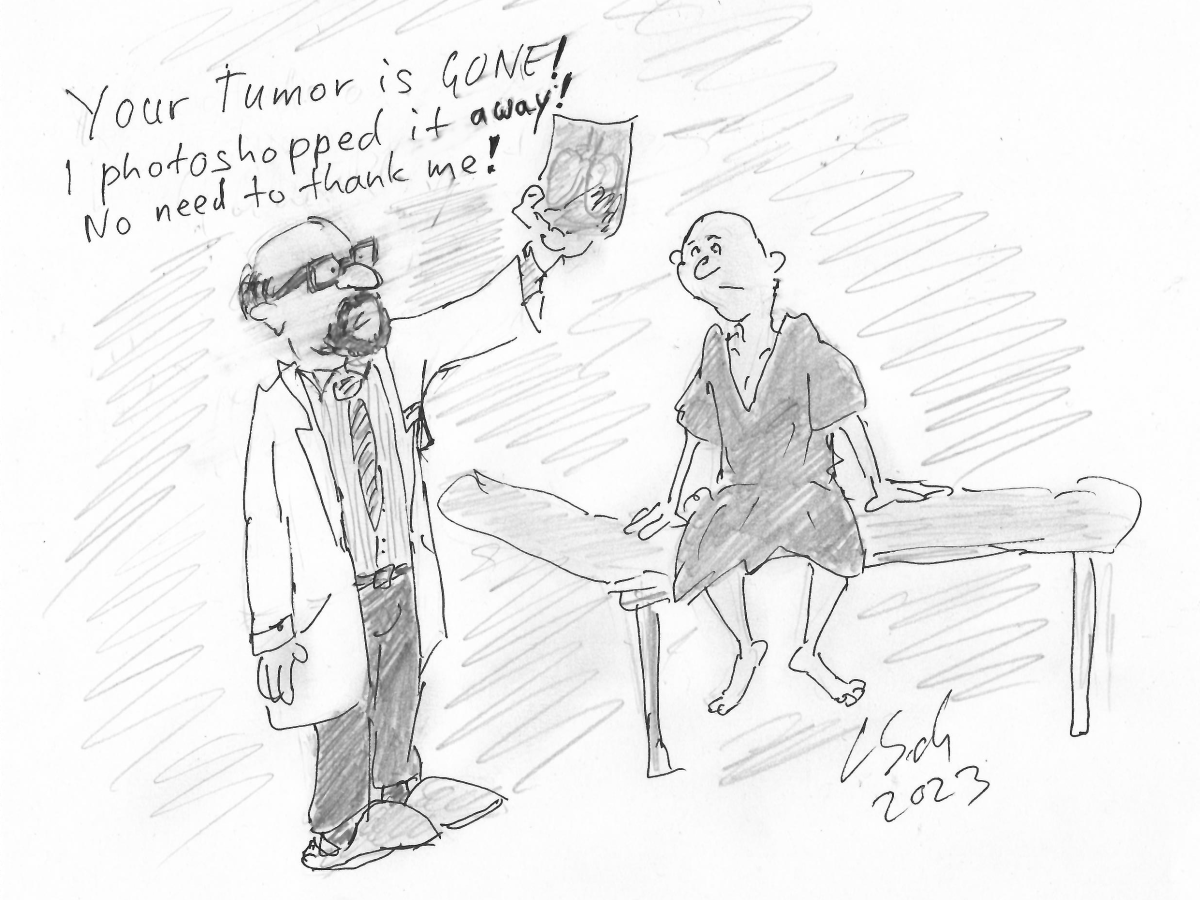
The student newspaper The Harvard Crimson has covered Sholto David‘s investigation of cheaters at the Dana Farber Cancer Institute, in an article from 12 January 2024.
Harvard Crimson writers succeeded where Sholto failed: getting a reply from some of these mighty professors (he tried many times, and got only silence back). Quote:
“In a post on research integrity blog For Better Science, data sleuth Sholto David alleged DFCI President and CEO Laurie H. Glimcher ’72, Executive Vice President and COO William C. Hahn ’87, Senior Vice President for Experimental Medicine Irene M. Ghobrial, and Harvard Medical School professor Kenneth C. Anderson committed research misconduct across dozens of papers. […]
In an emailed statement to The Crimson Wednesday, Ghobrial wrote that she was “aware” of the allegations and had submitted corrections to the journals Clinical Cancer Research and Blood — in which most of her disputed papers were published — but chose not to respond to David. She wrote that editors of the journals to which she had submitted corrections had not yet responded as of Wednesday.
A spokesperson for the Journal of Clinical Oncology wrote that Hahn had already submitted a corrected version of an image from a 2011 paper and that the journal was in the process of publishing an erratum.
Glimcher, Hahn, and Anderson did not respond to requests for comment.”
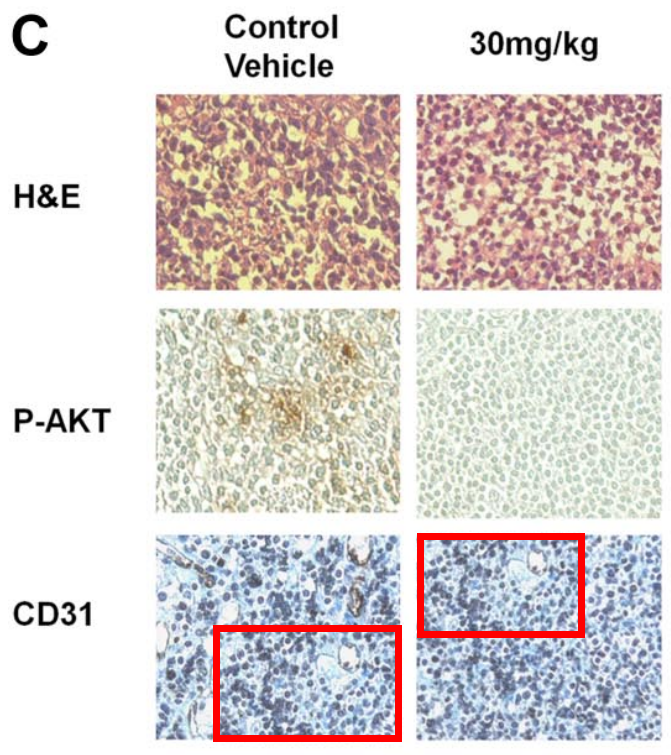
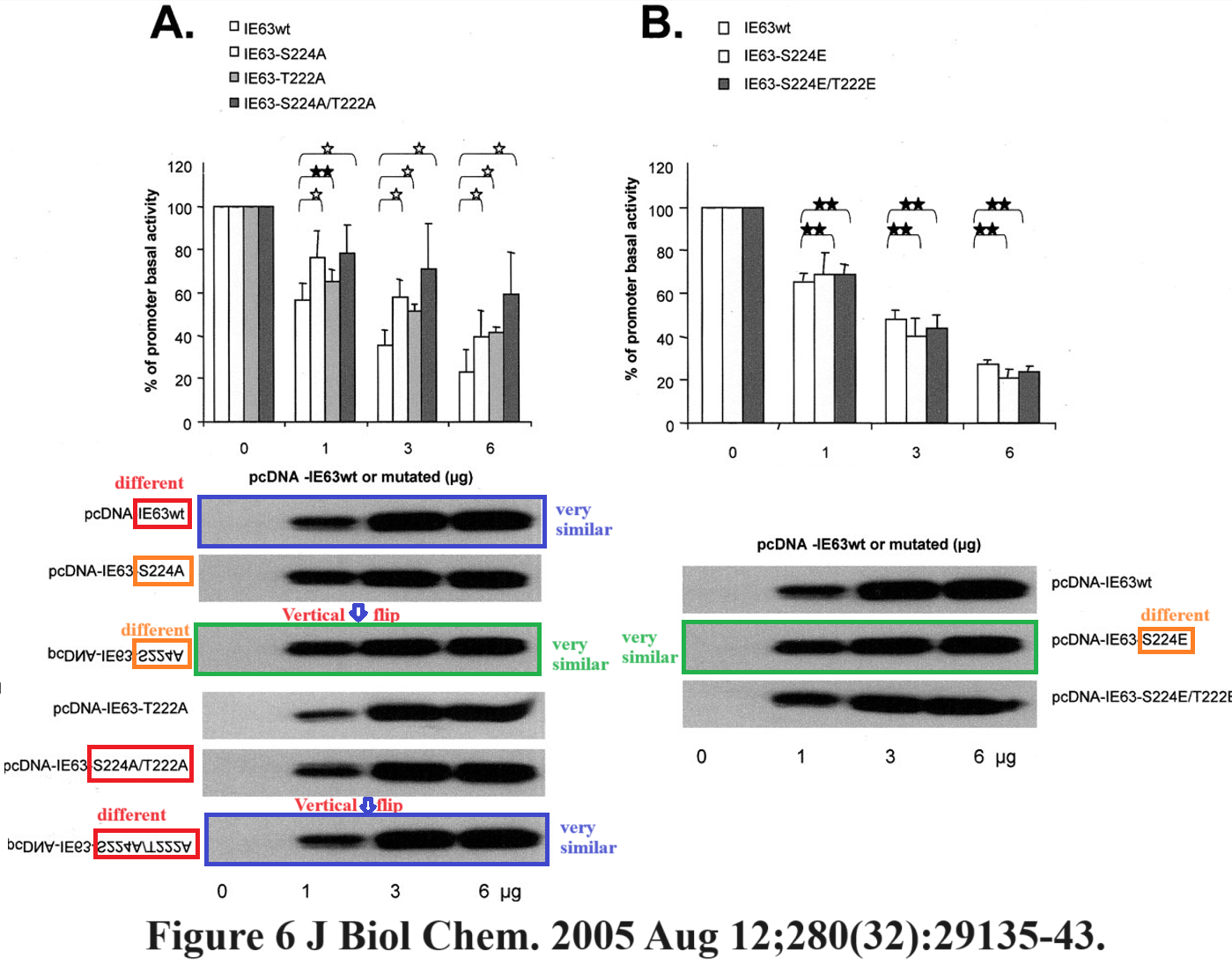
A representative fabrication by Anderson and a bunch of fellow Dana Farber professors, flagged on PubPeer by Sholto:
Hiroshi Ikeda , Teru Hideshima , Mariateresa Fulciniti , Giulia Perrone , Naoya Miura , Hiroshi Yasui , Yutaka Okawa , Tanyel Kiziltepe , Loredana Santo , Sonia Vallet , Diana Cristea , Elisabetta Calabrese , Gullu Gorgun , Noopur S. Raje , Paul Richardson , Nikhil C. Munshi , Brian J. Lannutti , Kamal D. Puri , Neill A. Giese , Kenneth C. Anderson PI3K/p110δ is a novel therapeutic target in multiple myelomaBlood (2010) doi: 10.1182/blood-2009-06-222943
At some point it matters less who faked the data than who covers it up. And these people certainly are keen to fix things as fast as possible with silence, or when absolutely unavoidable, with some corrections about unaffected conclusions. Duplications like these are not honest mistakes though:
Exceptional scientists with established track records of success
Money success for the Harvard cardiology professor Joseph Loscalzo! After having made millions with fictional heart stem cells which he jointly fabricated with Piero Anversa, Loscalzo now makes millions with superfood bullshit.
“Dr. Loscalzo […] has a more cool-headed awareness and philosophy of research ethics than anyone else. We are here to stop the reckless defamation of Dr. Loscalzo and baseless attacks on his papers. Please ignore any malicious concerns and conspiracies. “
The American Heart Association (AHA, for those uninformed: a cardio-mafia which embezzles public money while bribed by pharma and food industry) issued on 9 January 2024 this announcement to celebrate its “2024 Merit Award winners”:
“The American Heart Association’s Merit Award is one of the highest honors given by the Association. The Merit Award supports highly promising, novel research that has the potential to move cardiovascular science forward quickly, with high impact. The recipient of the 2024 award are:
Joseph Loscalzo, M.D., Ph.D., FAHA, the Distinguished Hersey Professor of the Theory and Practice of Medicine and the Samuel A. Levine Professor of Medicine at Harvard Medical School, former chair of the department of medicine and physician-in-chief emeritus at Brigham and Women’s Hospital in Boston; […]
“This award supports exceptional scientists with established track records of success. These are true innovators who propose novel approaches to major research challenges in the areas of heart disease, stroke and brain health. Specifically, their research has the potential to produce unusually high impact toward the American Heart Association’s mission to be a relentless force for a world of longer, healthier lives,” said, Joseph C. Wu, M.D. Ph.D., FAHA, American Heart Association volunteer president […]
Loscalzo’s research will focus on the link between heart disease and certain foods, or chemicals naturally contained in foods. Using high-speed computers and model systems, he plans to explore many of the 135,000 ‘natural’ chemicals that have been identified in the world’s food supply. His research will focus on how these food chemicals interact with proteins in cells to affect how the cell works and, ultimately, which chemicals may protect the heart. Using this information, his team will then investigate ways to use these compounds to create diets that specifically protect against heart disease and lay the groundwork for developing new drugs that can be used for heart disease treatment.
“One might ask what makes this project exciting and worth funding? Many scientists and doctors have worked hard to create diets that are good for your heart in the past. Their work has been based on only a small amount of information about the composition of food, less than 1%. Our approach is much larger in scope,” Loscalzo said. “We will use modern technologies to explore the great number of chemicals in the food supply. We will then be able to identify among them new ‘natural’ therapies for heart disease for the health of all people.”
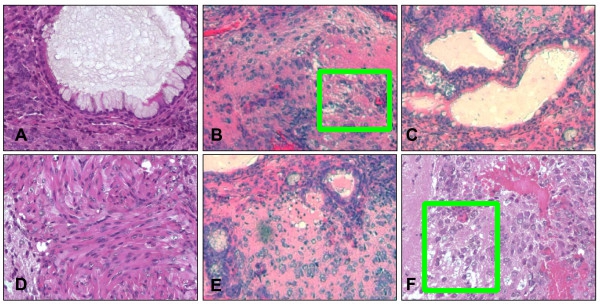
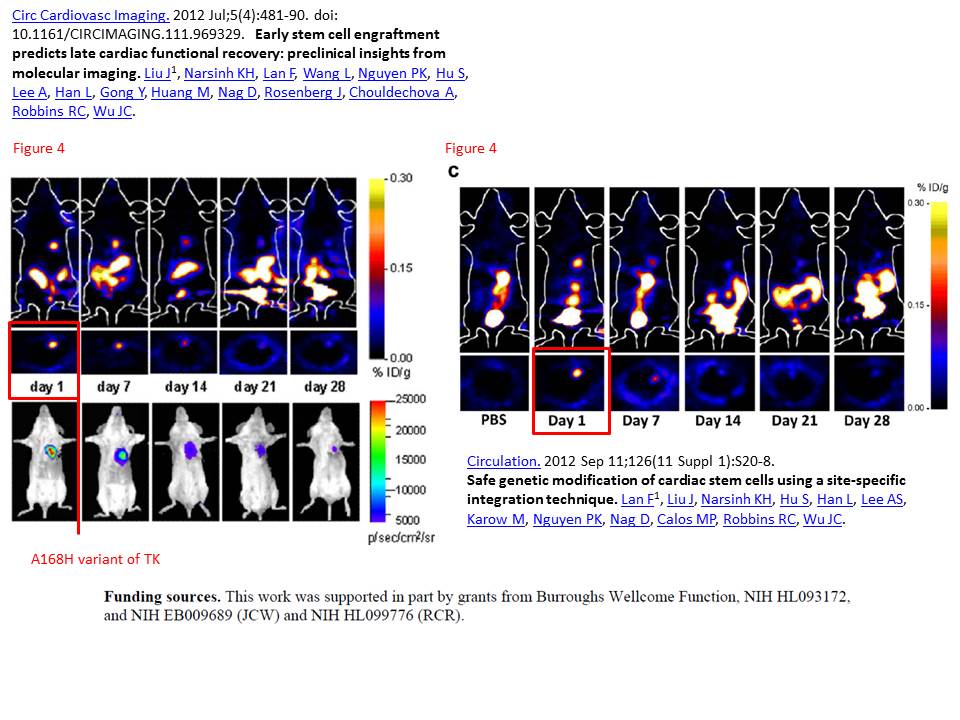
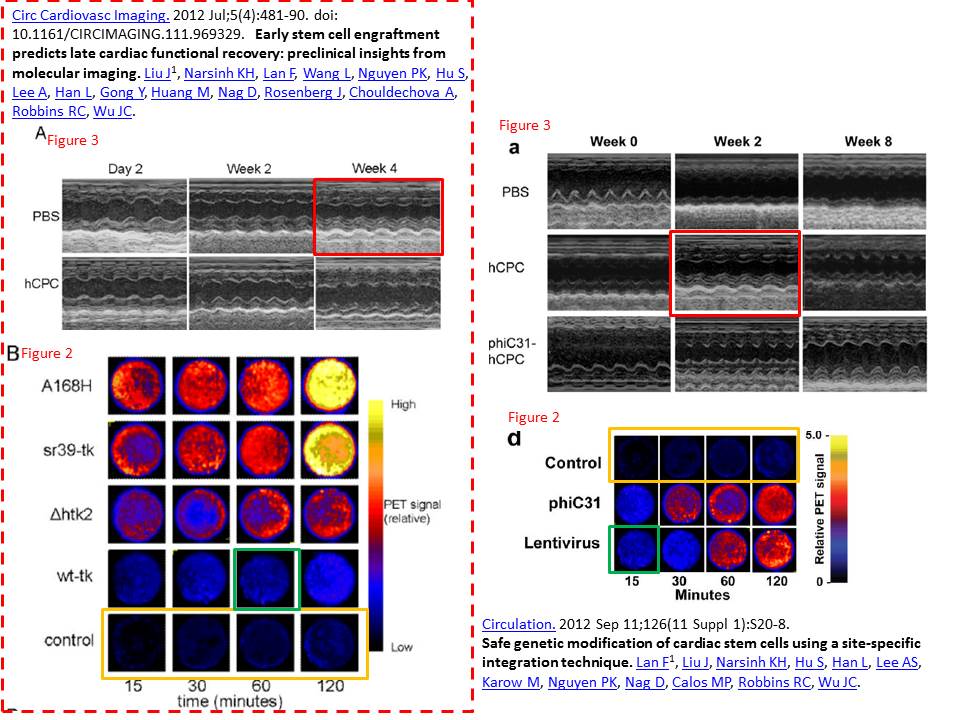
Indeed, the real money is in superfoods and supplements, not in fictional stem cells. By the way, here is a stem cell paper from Joe Wu‘s lab in Stanford:
The Correction from November 2022 replaced 11 panels in 3 figures. As Bik noted: “That is one-third of the 33 microscopy images shown in the paper + supplemental materials.” This looks almost innocent in comparison:
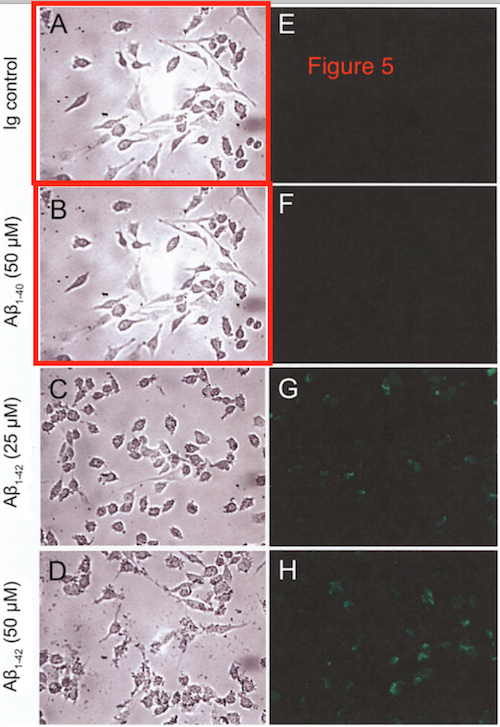
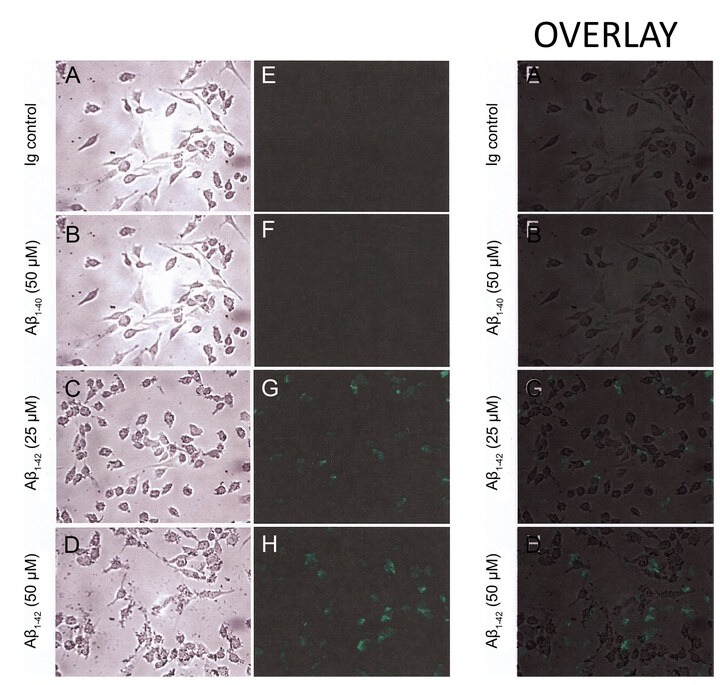
Jayakumar Rajadas, Wenchao Sun , Hai Li , Mohammed Inayathullah , Damiano Cereghetti , Aaron Tan , Valeria De Mello Coelho , Francis J. Chrest , John W. Kusiak , Wanli Wei Smith , Dennis Taub , Joseph C. Wu , Joseph M. Rifkind Enhanced Aβ(1-40) production in endothelial cells stimulated with fibrillar Aβ(1-42)PLoS ONE (2013) doi: 10.1371/journal.pone.0058194
Elisabeth M Bik: “Figure 5. Red boxes: Panels A and B appear to look very similar.”
Also, the legend states: “Aβ1–40 expression monitored by immunofluorescence microscopy. […] Phase contrast (left panels) and fluorescence images (right panel) were taken showing the same field.” But the fluorescence signal in G and H is outside the cells! See overlay here.
And now, the best bit. Joe Wu and AHA agree with Joe Loscalzo and Piero Anversa that heart stem calls can be willed into existence, because it is the money which talks and not some stupid biological reality. Remains 100% valid and trustworthy science in an AHA journal:
It is almost as if AHA conspired to steal your money, make you sick and then sell you dodgy cures based on fake science.
A privileged internal investigation
You can trust that everything relating to the affair of Cassava Sciences, that utterly fraudulent US biotech, and their phony Alzheimer’s cure simufilam, will be stupid and ridiculous.
In October 2023, Sciencereported about a leaked draft investigative report by the City University of New York (CUNY) which found their neuroscience professor and Cassava associate Hoau-Yan Wang guilty of “scientific misconduct involving 20 research papers” (read earlier Friday Shorts).
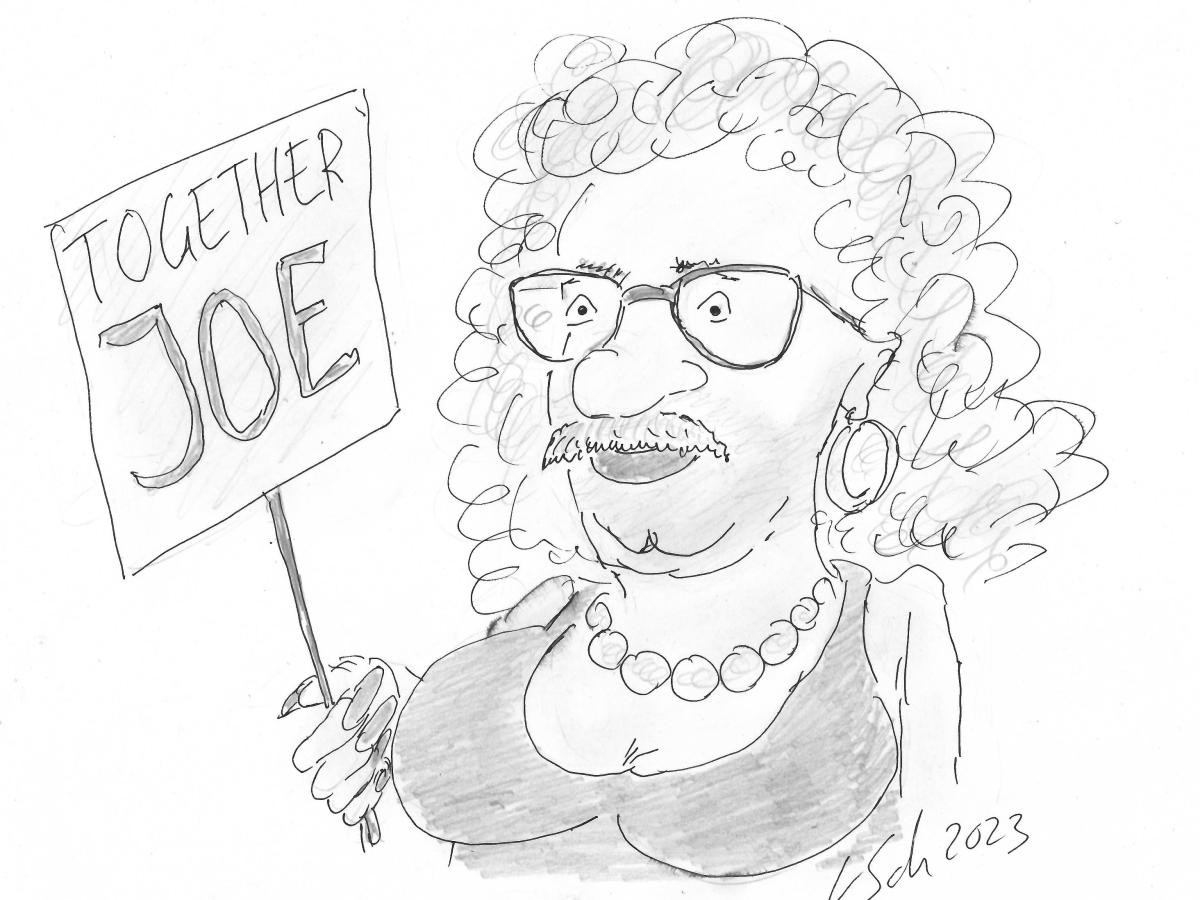
Well, now a protocol of the meeting of CUNY Board of Trustees from 18 December 2023 was discussed on social media. There, the big men allocate $1.25 million to find the whistleblowers who leaked the draft report to Science:
“As the result of certain allegations of research misconduct made against a University faculty member [HY Wang, -LS], as described in a certain letter addressed to the University from the United State Department of Health & Human Services, Director of the Division of Investigation Oversight at the Office of Research Integrity (“ORI”), the University convened a committee to investigate and review such allegations in accordance with CUNY’s Policy Regarding the Disposition of Allegations of Research Misconduct; and
The University Research Misconduct Investigation Committee conducted an investigation and review of the aforementioned allegations and produced a confidential report regarding the same in Spring 2023; and
Prior to the resolution of the matter by the University, it came to the attention of the University that a breach may have occurred in connection with the confidentiality of the confidential report prepared by the Research Misconduct Investigation Committee; and […]
The implications of a breach of confidentiality of a report prepared by the University’s Research Misconduct Investigation Committee could undermine the integrity of the investigation, as well as the findings and conclusions contained in such report; and
It is the obligation of the University to protect the integrity of such academic research investigations in accordance with law and policy; and
In order to protect the integrity of the University’s academic research investigations and to determine if any breach of CUNY’s Policy Regarding the Disposition of Allegations of Research Misconduct occurred, the University requires the services of a law firm […] to conduct a privileged internal investigation into the allegations of a potential breach of confidentiality of the University’s Research Misconduct Investigation Committee’s report; and […]
…the University’s Board of Trustees authorizes the Senior Vice Chancellor for Legal Affairs and General Counsel to enter into a contract, for an amount not to exceed $1,250,000, which shall have a term no longer than one year from the date of the contract, with Foley Hoag, LLP….”
$1,250,000 to find the leak. But Hoang is still professor at CUNY, paid over $150k per year.
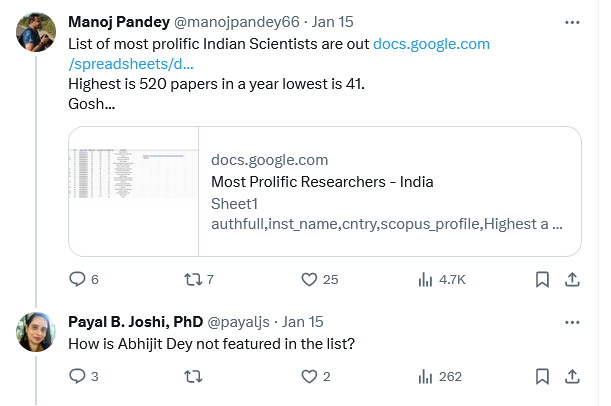
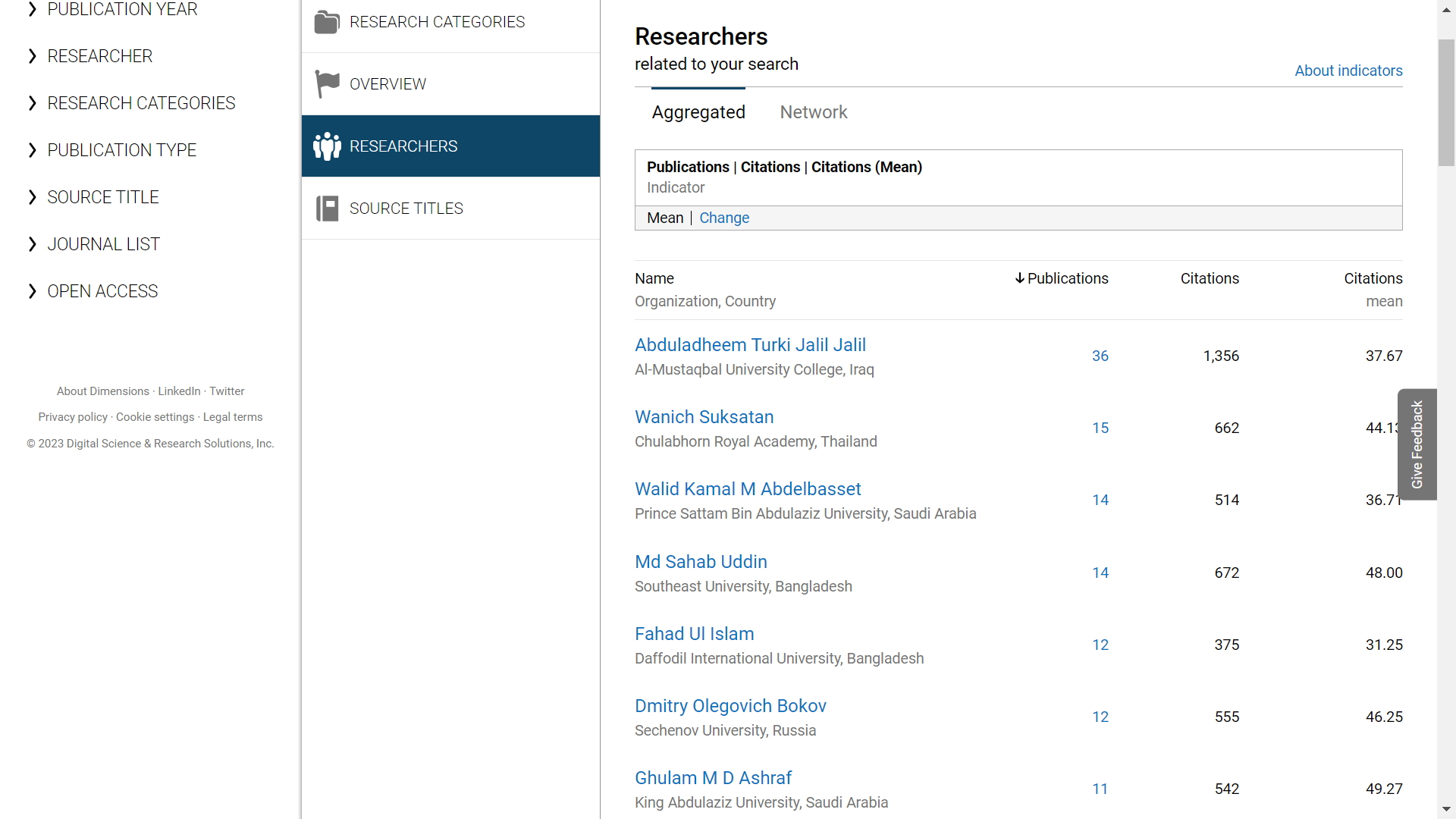
The papermilling fraudster Abhijit Dey (read earlier Friday Shorts) is indeed not on the list. But Tapan Behl is ranked 5th, with 141 papers per year. His emplyoer, the University of Petroleum and Energy Studies in Uttarakhand, informs us:
“Dr. Behl has been listed in the top 2% of scientists worldwide for three consecutive years, as per the list released by Stanford University and Elsevier BV.”
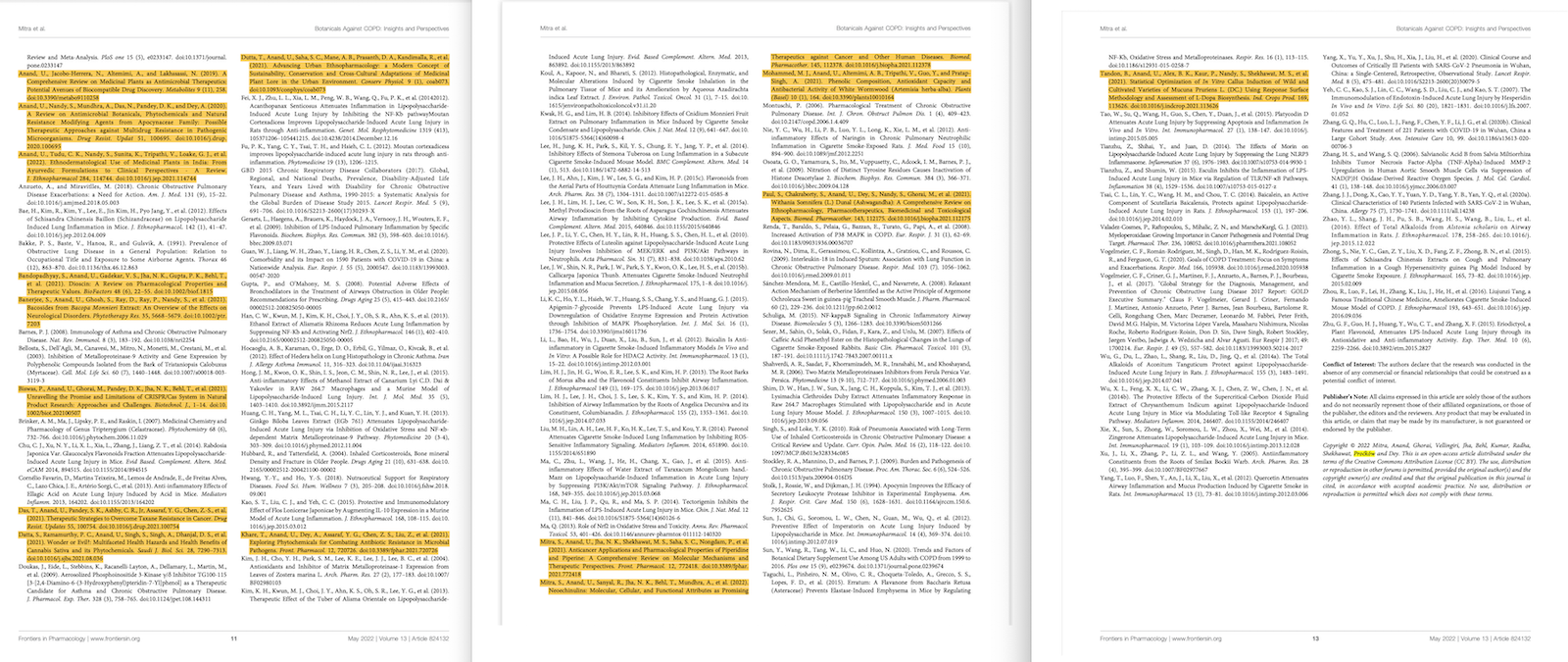
This pharmacology professor is an even worse papermiller than Dey. In fact, they work together, or buy from the same papermill. Here is a nonsense citation vehicle by Behl and Dey:
Elisabeth Bik: “Almost every author is from a different institution, which is an unlikely collaboration to write a review. In addition, at least 15 of the cited papers are from these authors themselves.”
The rest of references often make no sense either. Here a plagiarised, i.e. stolen review on nanoparticles, in a journal overtaken by papermills:
Nick Wise noticed that the title and the “Sentences in the abstract of this paper are rewritten versions of sentences in the 2022 paper“, namely the previously published Yuan et al 2022, with no common authors.
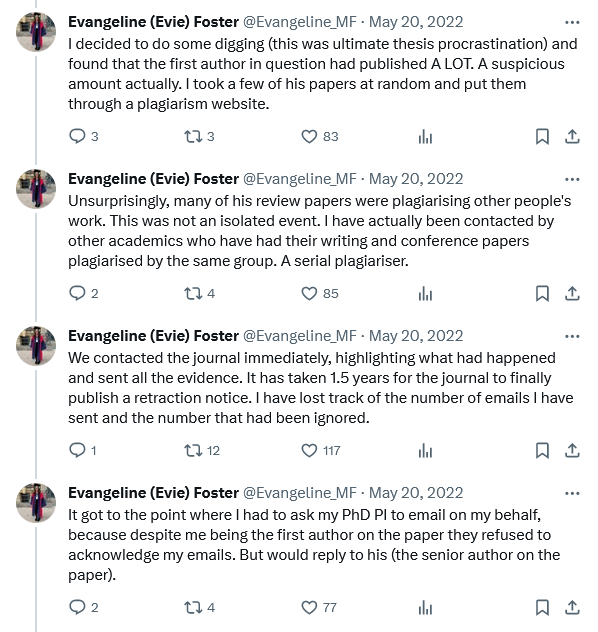
One Behl paper, co-authored with another nasty papermiller, Md. Sahab Uddin, was retracted in May 2022 “because a significant part of the content was paraphrased from another article by different authors (Foster et al. 2019)”:
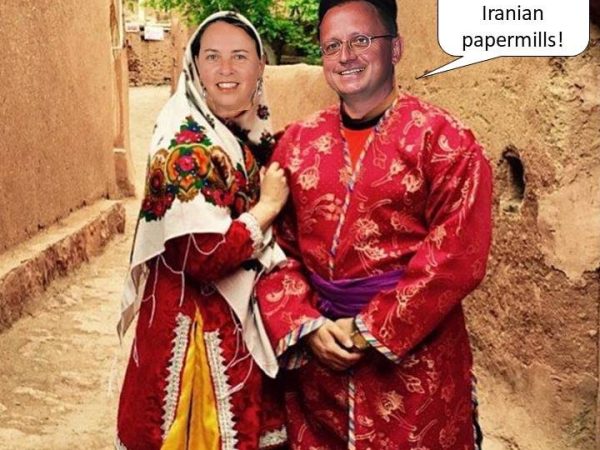
Behl usually buys his papers and citations in team with another fellow pharmacologist and papermiller Simona Bungau. She is professor at the University of Oradea in Romania, where her husband Constantin Bungau is rector.
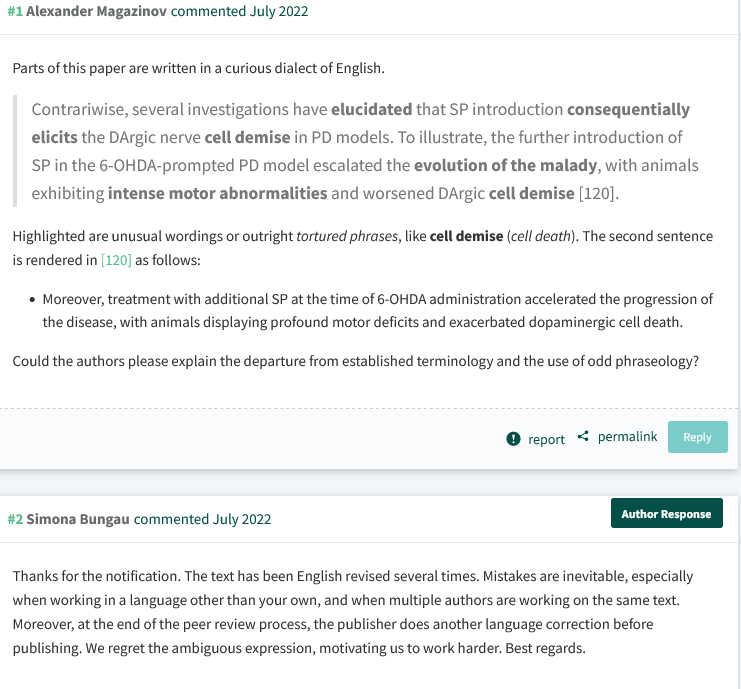
Behl and Bungau are professional plagiarists. They (or they papermills) run stolen texts through translations back and forth, which obscures the original wording from plagiarism detection software yet creates give-away “tortured phrases”. Like here:
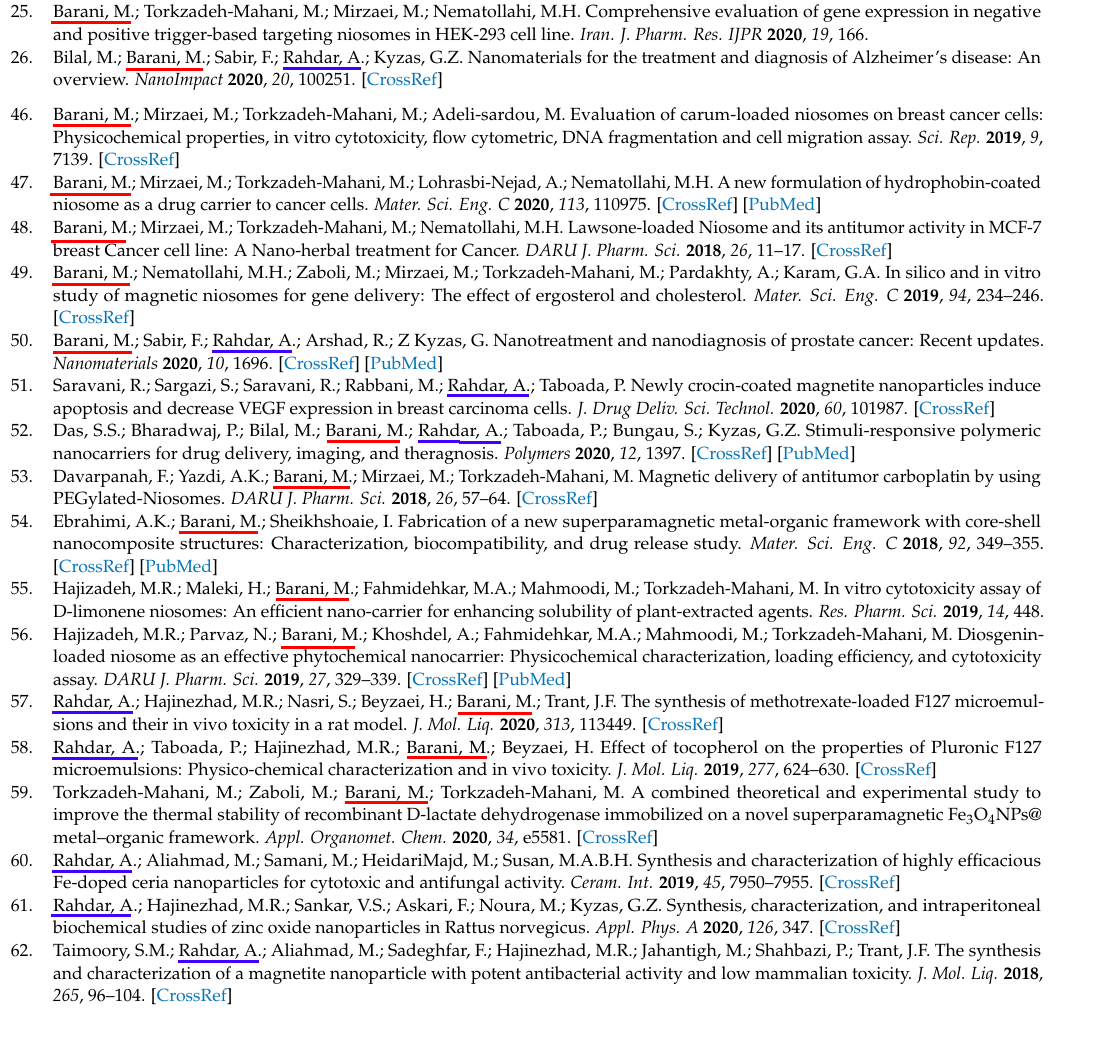
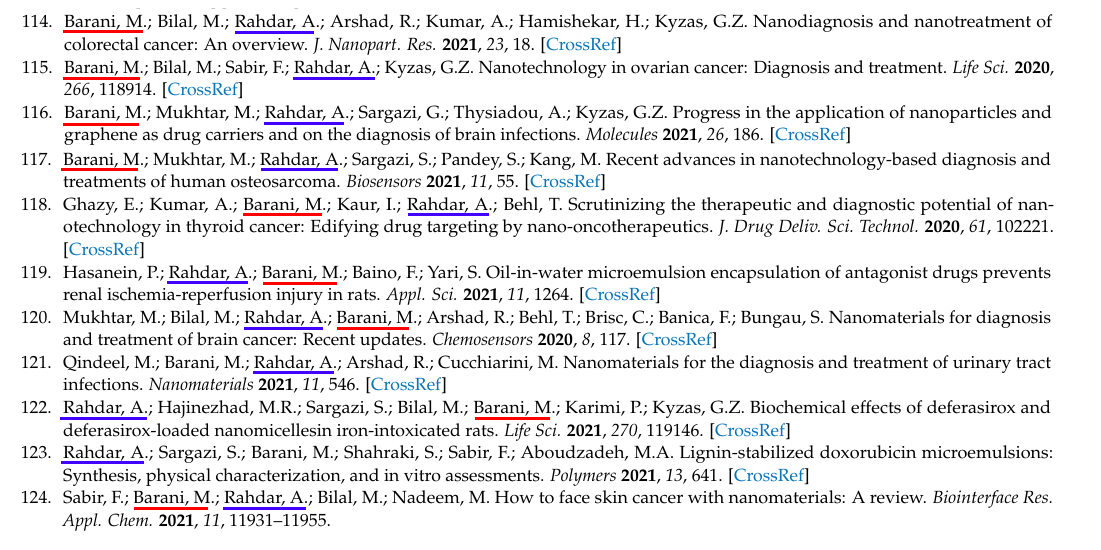
Here is a nice one by Behl, Bungau, and the German professor Magali Cucchiarini–Madry (see article above), a massive citation plantation for “a certain M Barani and a certain A Rahdar”, as Alexander Magazinov noted:
Indeed, p53 leads to both antioxidant and oxidant gene expression, thereby its role in regulating ROS is controversial. Moderately increased levels of ROS block p53, while elevated levels induce its expression. The p53 targets are sestrins that promote the peroxiredoxins activity, upregulating the cellular levels of antioxidants [98,99].
[99] Vickers, N.J. Animal communication: When i’m calling you, will you answer too? Curr. Biol. 2017, 27, R713–R715.
How did an editorial about insect pheromone communication get to receive 1200 irrelevant citations, almost all from papermills? Alexander Magazinov reveals The Secret of The Vickers Curse!
More papermilled trash by Behl, Bungau, Dey and friends is on PubPeer.
The Tributes of Ghanem
A small-time cheater in Belgium, and it turned out that his research institution was perfectly aware for years. Meet Ghanem E Ghanem, researcher at the Institut Jules Bordet in Brussels, which is part of Hôpital Universitaire de Bruxelles (H.U.B), the academic hospital of the Université Libre de Bruxelles (ULB), and self-describes as
“A pioneering centre in Belgium’s fight against cancer”
Ghanem is the former director of the Laboratory of Oncology and Experimental Surgery (LOCE), and he presently leads it together with the current director Ahmad Awada and associate director Fabrice Journe. Here is a nice common paper, flagged by Clare Francis (like the rest on PubPeer):
The first author Mohamad Krayem did his PhD at Institut Bordet under Ghanem and then worked as postdoc of another questionable cancer researcher: François Fuks (read about him in earlier Friday Shorts). Krayem is since 2018 Head of Radiotherapy Research Unit at Ghanem’s LOCE lab at Institut Bordet, which he runs (according to his LinkedIn profile) “in collaboration with Prof. Dirk Van Gestel and Prof. Ahmad Awada”.
This is very recent, meaning someone felt very secure in their cheating:
“The authors would like to change the title from “Kinome Profiling to Predict Sensitivity to MAPK Inhibition in Melanoma and to Provide New Insights into Intrinsic and Acquired Mechanism of Resistance Short Title: Sensitivity Prediction to MAPK Inhibitors in Melanoma” to “Kinome Profiling to Predict Sensitivity to MAPK Inhibition in Melanoma and to Provide New Insights into Intrinsic and Acquired Mechanism of Resistance” We stress that this correction does not change the written portion of the figure legend, interpretation of results, or final conclusion of this manuscript.”.
They might need another Erratum now. And this is where it gets interesting. Clare Francis notified the academic authorities in Brussels, in French even. On 8 January 2024, the sleuth got this reply from Patrick Miqueu, Member of the Ethics Committee and Coordinator for Research Promotion at Institut Bordet, and Member of the Belgian Advisory Committee on Bioethics. Basically, one of the nation’s top research ethics professionals. This was Miqueu’s reply to a notification of suspected research misconduct, translated:
“Miss or Mister,
As you send me a copy of your emails, allow me to ask you 3 questions:
Could you clarify your identity?
What methods/software lead you to believe that the published results would be problematic?
Have you informed the authors of your doubts?”
Yes, he did instruct Clare Francis that data forgery does not necessarily affect the results, and it is the authors who are reponsible for investigating themselves, and for suing their accusers.
Clare Francis then asked if Institut Bordet intends to investigate Ghanem’s papers. On 10 January 2024, the sleuth received a reply from Christos Sotiriou, Director of Bordet Research Laboratories (translated):
“Could you please identify yourself? Could we have a meeting to better understand? THANKS !“
I wrote to Sotiriou, wondering why he and Miqueu are so keen on knowing the sleuth’s real identity. Sotirou replied:
“We had some suspicions regarding scientific misconduct of this lab in the past. I will initiate an investigation at the university as a director of the Jules Bordet Research laboratories.“
Indeed, they knew of Ghanem’s bad science. But instead of opening an investigation, they issued some corrections. Like for this paper:
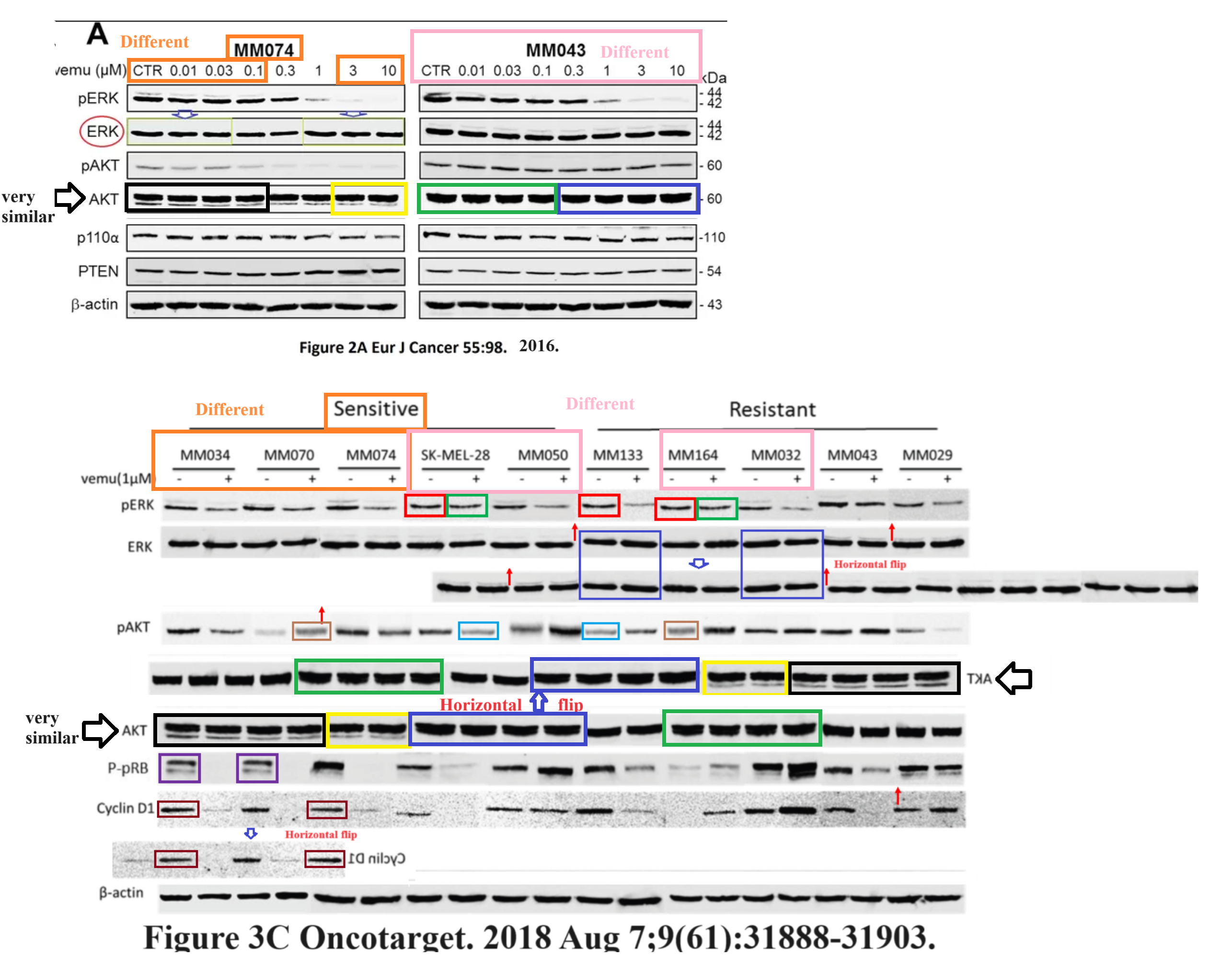
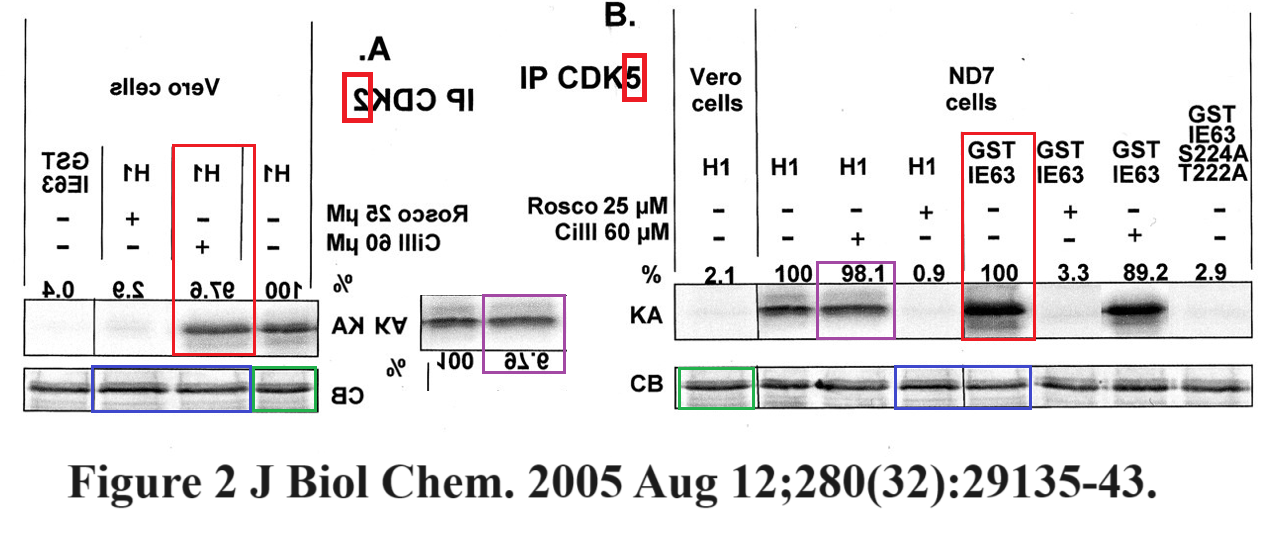
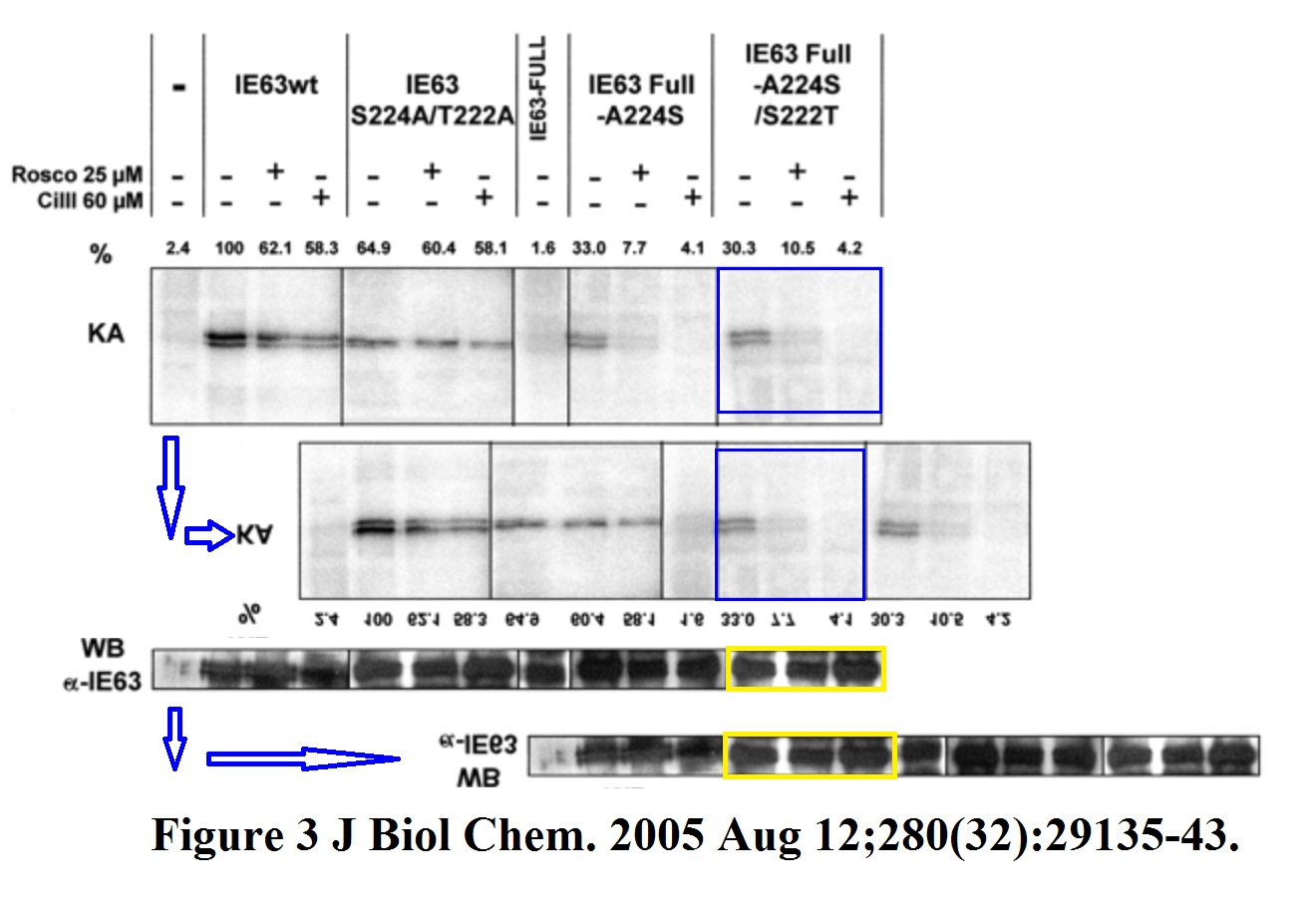
In April 2019, the authors replied on Pubpeer with: “this mistakes does not change or alter the content and conclusions of our paper.” In March 2022, more duplicated gels was posted on PubPeer, the authors were notified:
The Corrigendum was published in November 2017 and ignored the more recent findings:
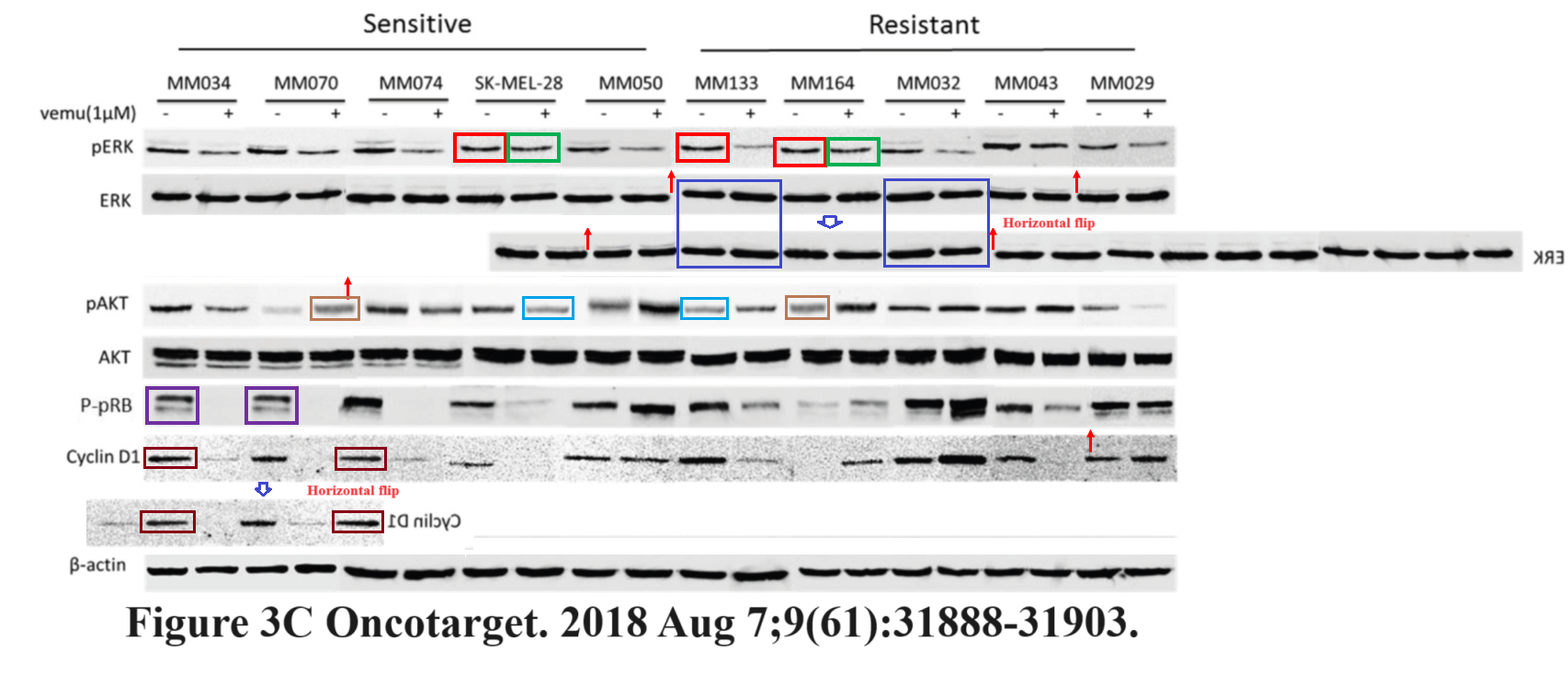
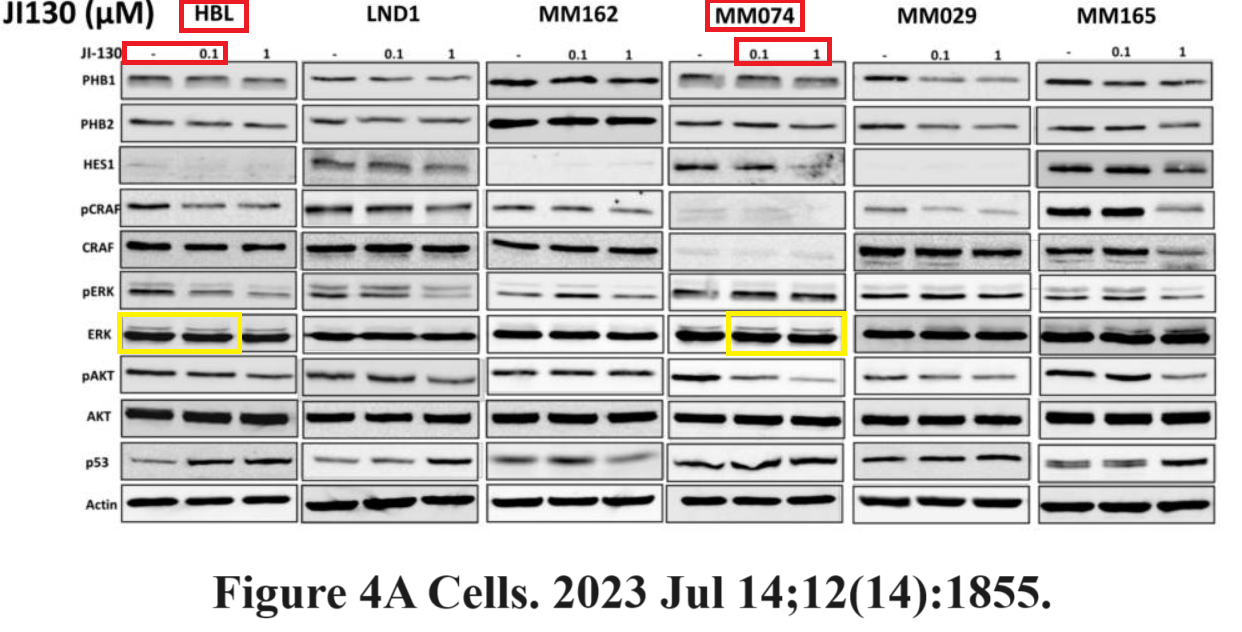
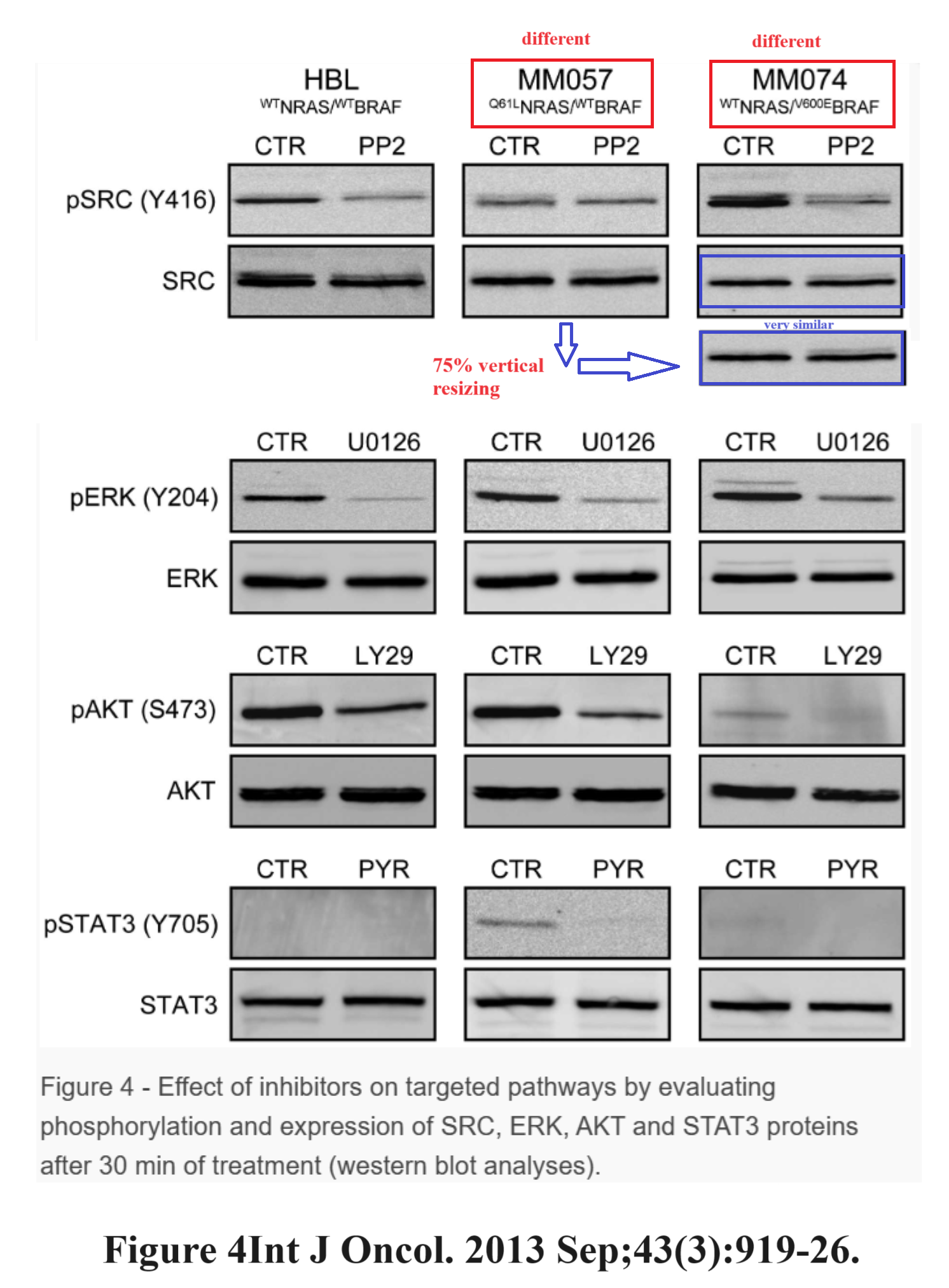
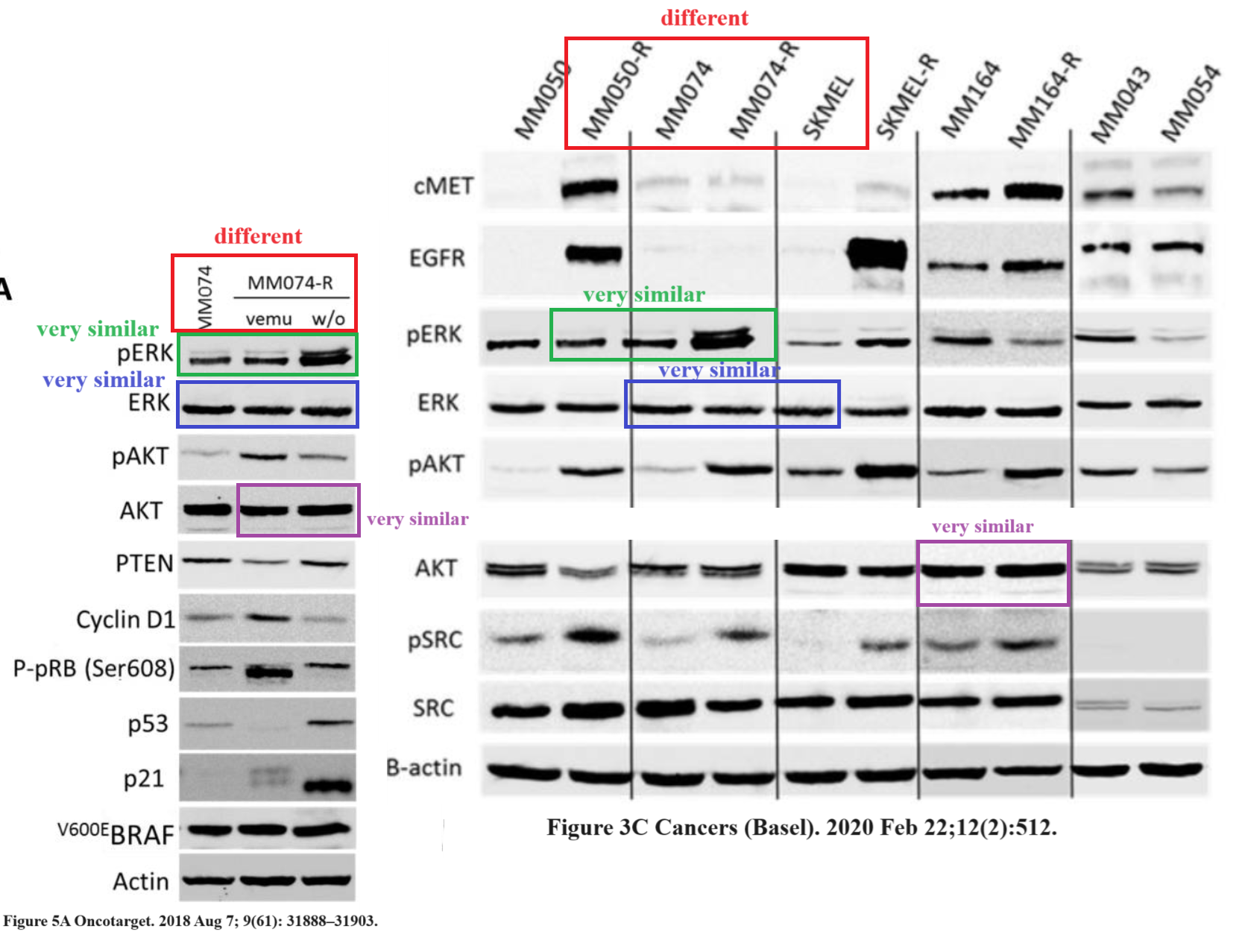
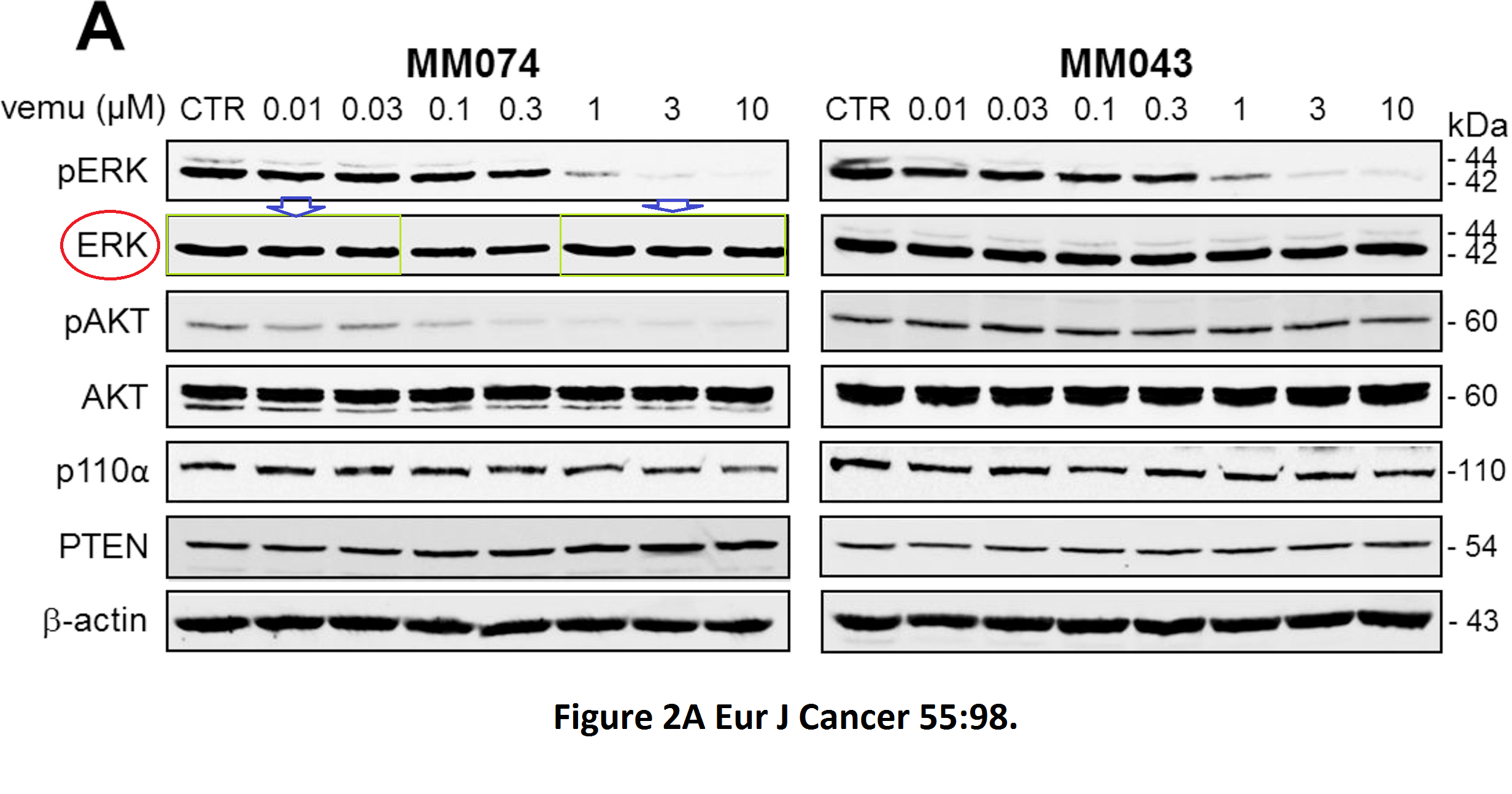
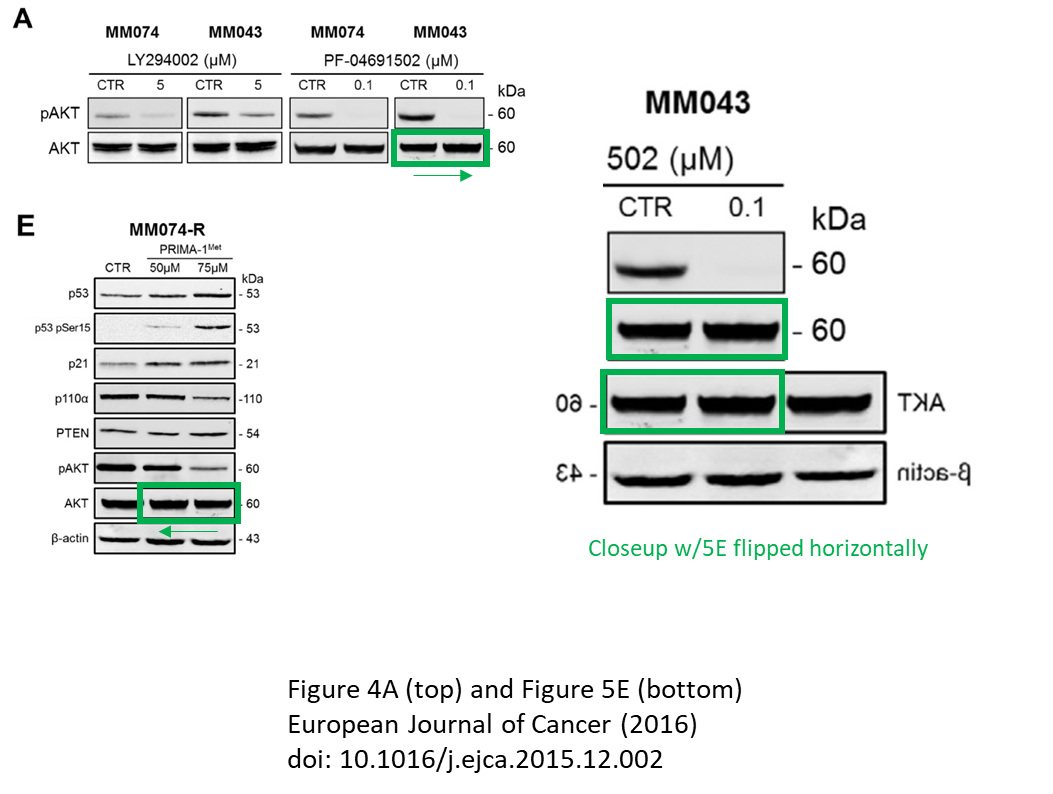
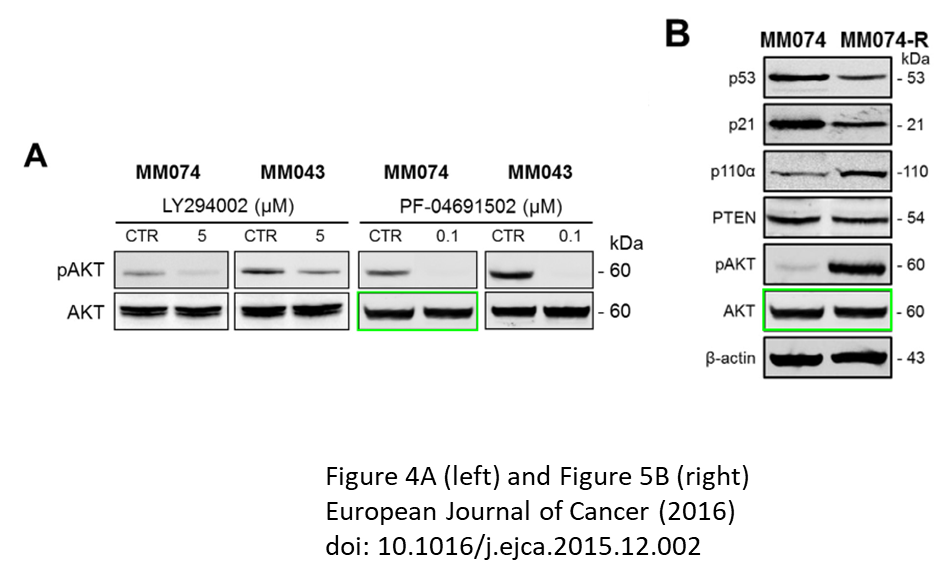
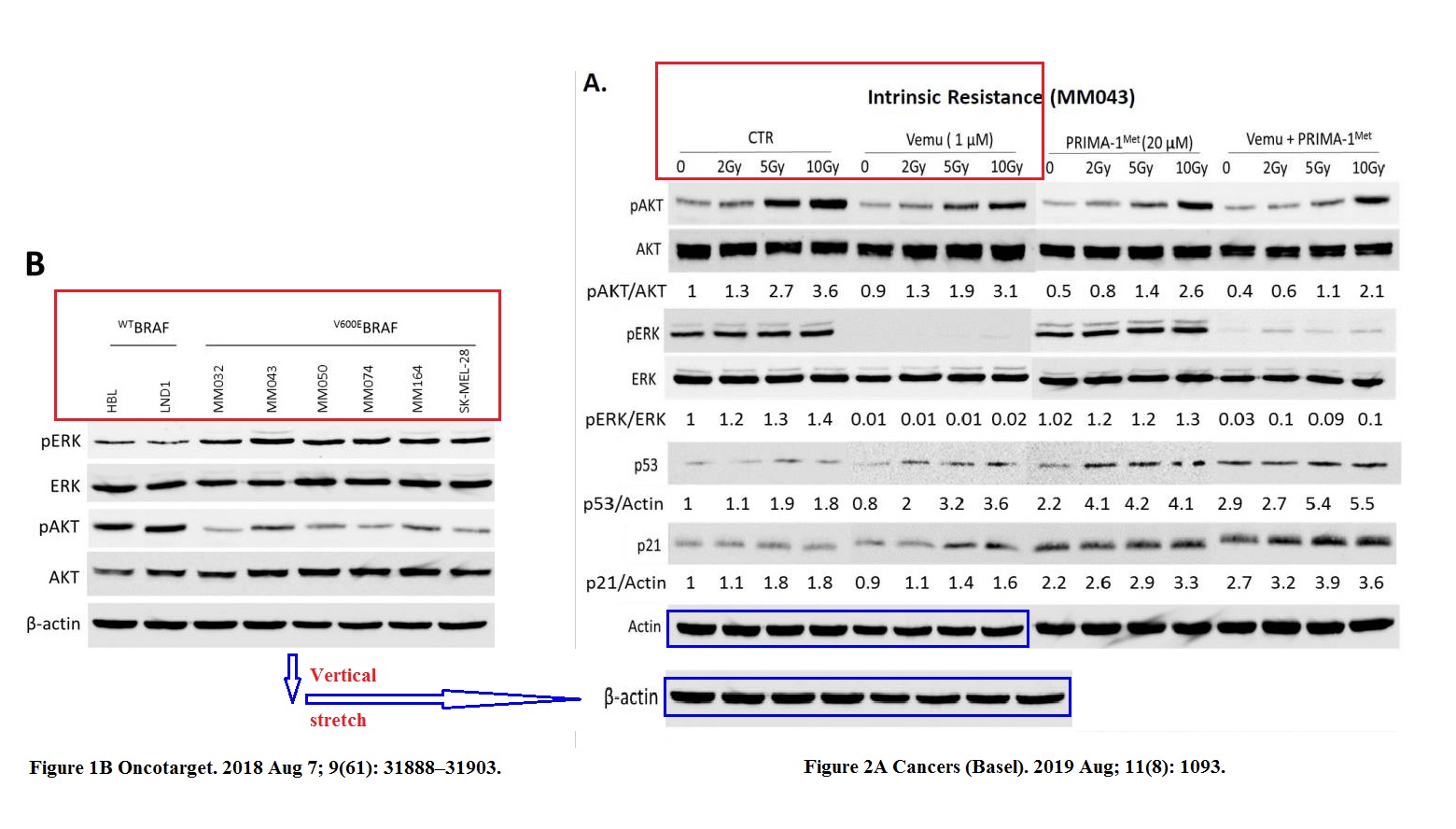
“The authors regret that an unintentional mistake occurred when mounting the final figures, It concerns control experiments (Fig. 5B-MM074-ERK, Fig. 5B-AKT, and Fig. 5E-AKT), this mistake does not change or alter the content and conclusions of the paper.”
Ghanem’s Belgian collaborator above, KU Leuven professor Jean-Christophe Marine, also coauthored problematic papers with other cheaters, like Kristian Helin and Pier Giuseppe Pelicci. Bad scientists are attracted to each other!
Meet two grand cancer researchers from Milan: Pier Paolo Di Fiore and Pier Giuseppe Pelicci. Then decide if you want to give them your tax and charity money.
The Correction was published by MDPI on 15 December 2023:
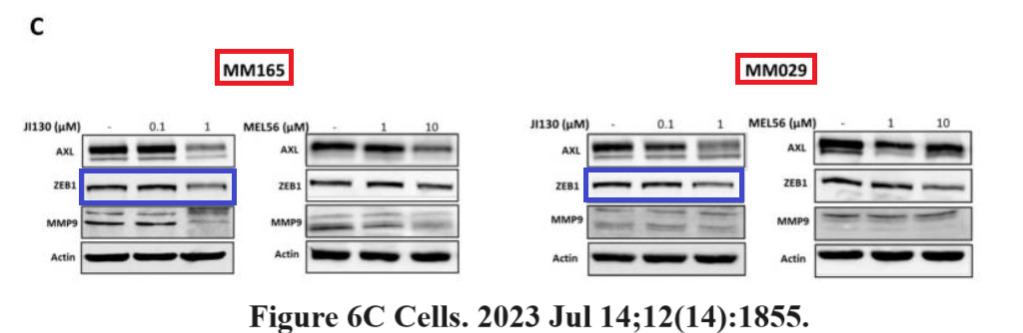
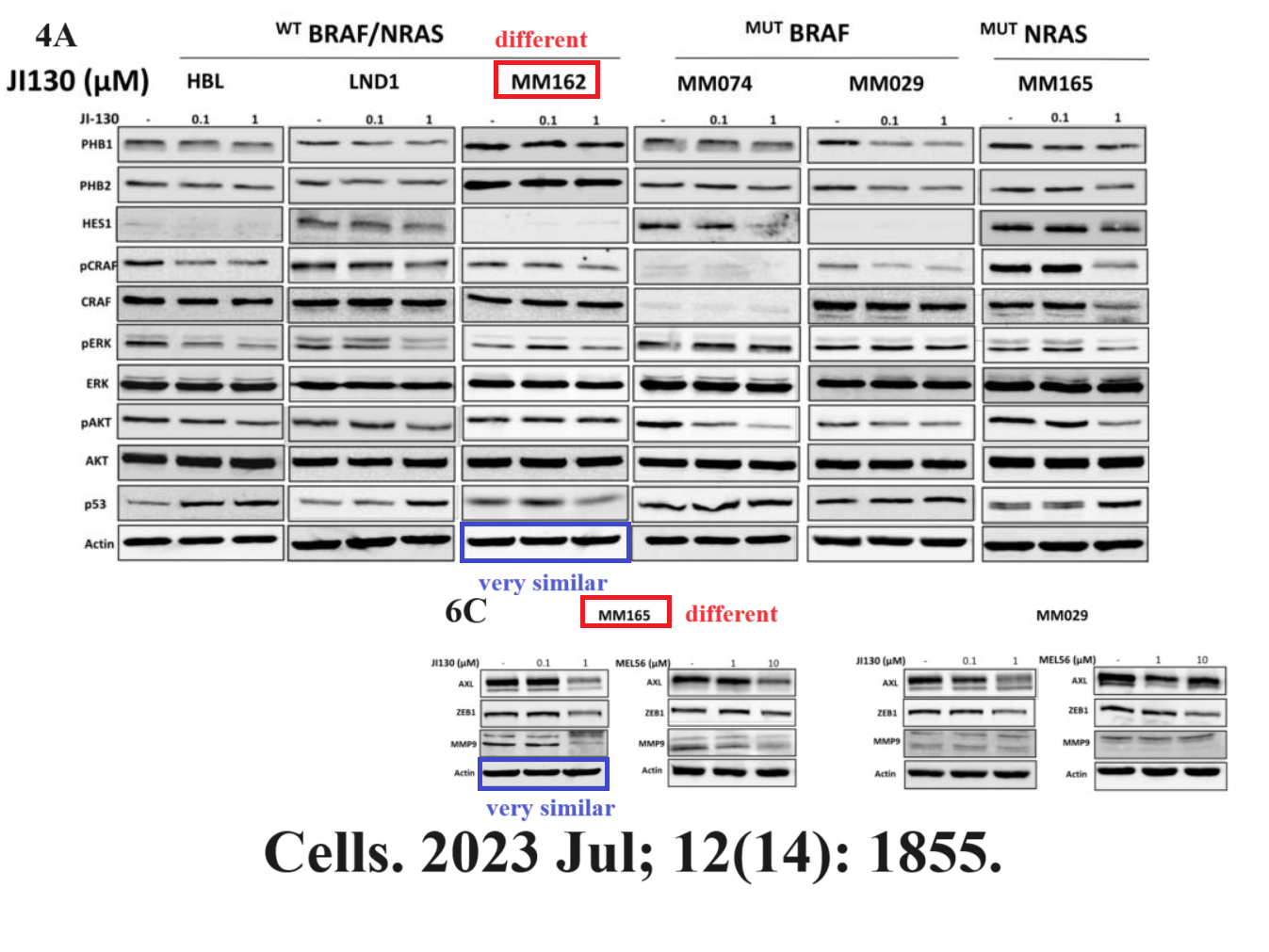
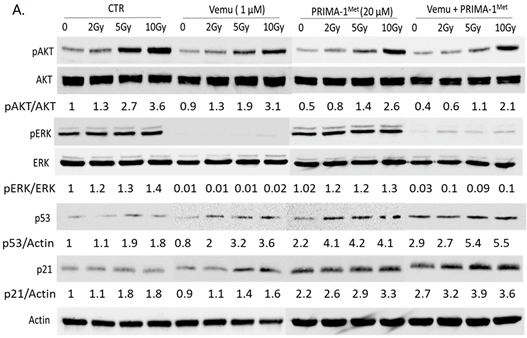
“In the original article [1], there was a mistake in Figure 2A as published. The actin blot in our publication in Cancers (Figure 2A) had already been used in our published paper in Oncotarget in 2018. This is probably due to an error in our image saving. Note that this mistake does not change or alter the content and conclusions of our paper. The mistake indeed concerns control experiments, which were very easily reproduced. The corrected Figure 2A appears below.
In Figure 2B’s P53 panel, there are vertical splices between lanes 4/5 and 12/13. There are no apparent splices between these lanes in the other panels. This is because samples for every group (i.e., four conditions) were conducted on different membranes.
The authors state that the scientific conclusions are unaffected. This correction was approved by the Academic Editor. The original publication has also been updated.”
Sotiriou did not answer my question if they sacked any whistleblowers while covering up the Ghanem affair. But he asked for this:
“How did you find this fraud? Are you using specific tools? I need to know in order to prepare the file. Thanks for your help.”
I think they want tools to avoid getting caught again.
Some of you may have heard of a publisher discussion forum called Committee on Publication Ethics (COPE). They issue guidelines and advice, and people often mistake COPE for some kind of police, and complain to them about bad papers and naughty editors.
Four private scientists without any agenda whatsoever published a research result preprint on the portal BioRxiv. The “new results” reported in the article are actually new ideas which are just as good as any research results, because they are supposed to bring the field of scholarly communication forward. The question is, where to, and why…
COPE is financed entirely by the publishers it is meant to supervise, as the result COPE guidelines are full of loopholes and anything goes, including ignoring outright fraud and instituional requests for retractions because the final decision is with the editor anyway. What COPE execs really can’t stand is trouble-making. Peter Wilmshurst, one of original COPE founding memners, was kicked out for pestering COPE with demands of retraction for a Lancet paper by Paolo Machiarini (it was eventually retracted, no thanks to COPE). People also got threatened with COPE sanctions for associating with me.
The 2008 Lancet paper of Paolo Macchiarini and Martin Birchall about the world first trachea transplant might end up retracted. Until recently, the journal’s editor Richard Horton used to ignore and suppress “non peer-reviewed” evidence, but due to combined pressure of activism, media and politics, things started to move.
COPE is a strange club. Among its most senior officials used to be a Frontiers exec responsible for the annihilation of Beall’s List of Predatory Publishers (and sacking of Jeffrey Beall himself). So much for publication ethics.
The Swiss publishing business Frontiers was placed by the US librarian Jeffrey Beall on his well-known and hotly disputed list as “potential, possible or probable predatory publisher”. Frontiers however was not prepared to take this lying down. The publisher’s Executive Editor Frederick Fenter first tried it nicely. Shortly before Christmas 2015, he flew to visit Beall at…
COPE board members and officers came and went, but one expert is with COPE since 2012: Iratxe Puebla, Facilitation and Integrity Officer. Your complaints are usually processed be her.
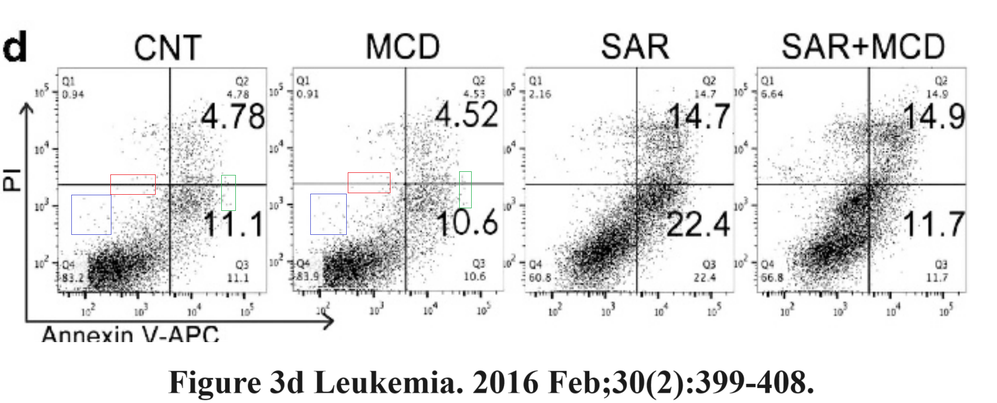
So I decided to contact the COPE Facilitation and Integrity Officer with this newly posted PubPeer thread concerning a 20 year old paper in an Elsevier journal:
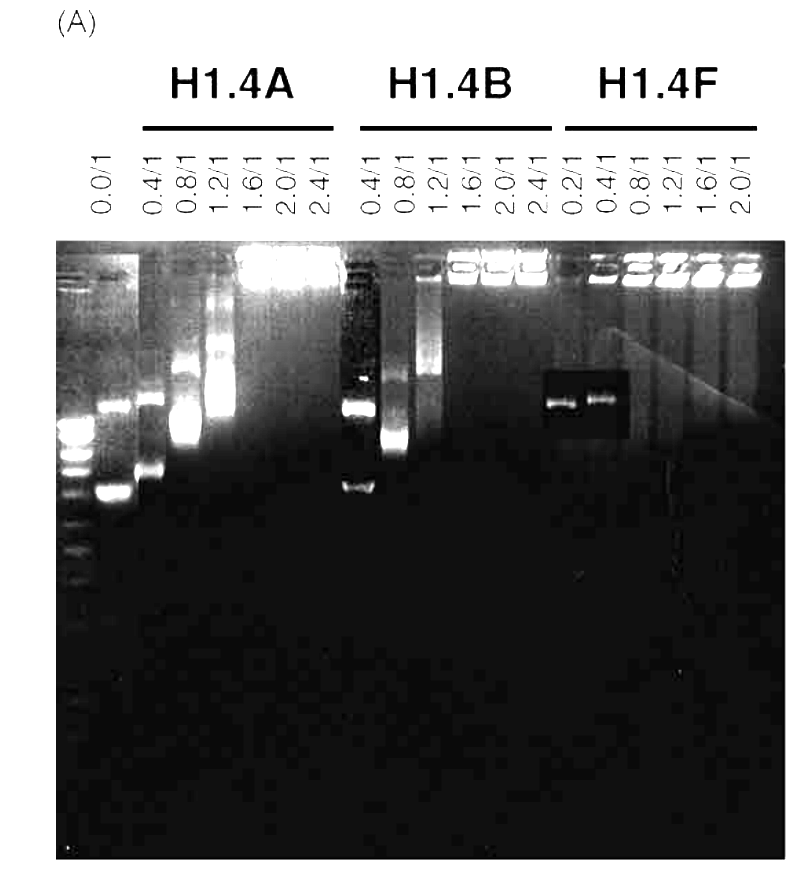
Mycosphaerella arachidis“Figure 2:Dark rectangle in the 0.2/1 and 0.4/1 lanes under H1.4F looks like it may have been superimposed onto the image. Similarly, the two leftmost lanes do not appear to be a part of the original scan.“
As I understand, this is Ms Puebla’s only research paper, she completed her BSc studies in 1999 and went into publishing in 2003. The COPE Retraction Guidelines she co-wrote state:
“Editors should consider retracting a publication if: – They have clear evidence that the findings are unreliable, either as a result of major error (eg, miscalculation or experimental error), or as a result of fabrication (eg, of data) or falsification (eg, image manipulation)”
And the gel you saw above is fake. Unfortunately, the COPE Facilitation and Integrity Officer did not reply to my email, maybe she has too many cases of fake science on her desk. But I got a reply from Mihail Grecea, Expert in Publishing Ethics at Elsevier:
“Thank you for copying me into this. The complaints will be assessed by the Editor-in-Chief of the journal with the support from the ethics team of Elsevier. You will be informed of the outcome of this case.”
The Editor-in-Chief is Christoph Sensen, who achieved a retraction for Heike Walles (Schanz et al 2010) because of one fake image and some plagiarism, and against a massive opposition from her current employer, the University of Magdeburg.
Former star of German regenerative medicine Heike Walles gets slapped with research misconduct and a retraction by her former employer, the University of Würzburg. She and her husband, the Macchiarini-trained surgeon Thorsten Walles, left Würzburg years ago for Magdeburg where nobody minds.
Elsevier issued an amazing correction for a ridiculously papermilled fabrication.
The “authors” hail from Iran, Bangladesh, Egypt, Saudi Arabia, India and Spain. The editor Hassan Karimi-Maleh is a collaborator (or rather, fellow papermill customer) of the last author Mehdi Baghayeri.
Hoya camphorifolia: “The list of 305 references is increased by a familiar payload of bogus citations, from a familiar circle of authors.”
You see the usual papermilling fraudsters: Bokov, Turki Jalil, Sahab Uddin (you met him above), etc. In October 2023, a Corrigendum was published where a list of FORTY-FIVE such references was removed, with this short notice:
“The authors regret that the following references included in the published article are erroneous and should be ignored.”
The clowns who approved this trolling are Chemosphere‘s Editors-in-Chief Jacob de Boer of VU Amsterdam in Netherlands, Tamara Galloway of University of Exeter in UK, and Yeomin Yoon, of University of South Carolina in USA.
An involuntary error occurred
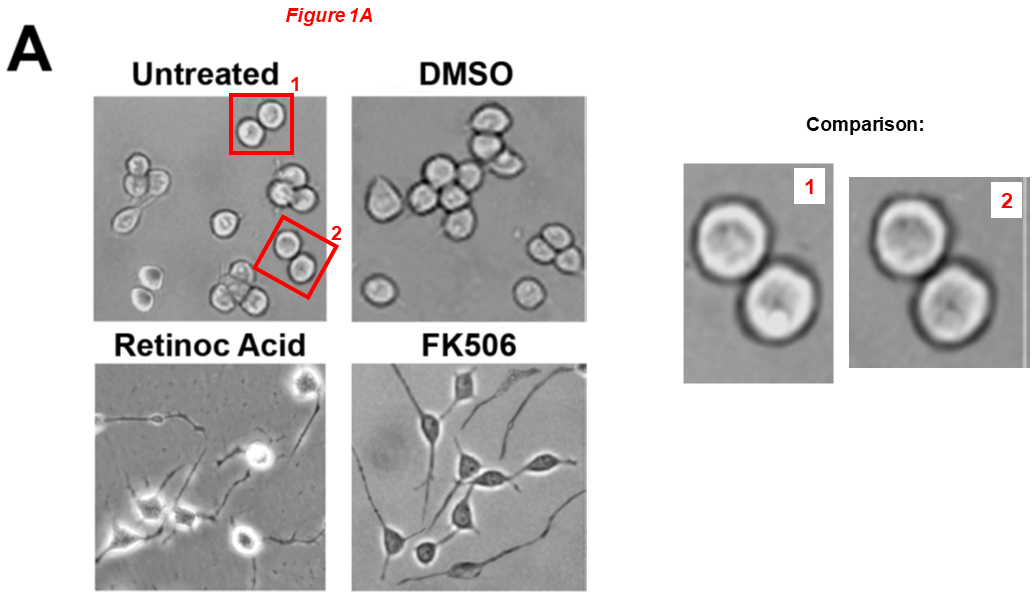
Elsevier corrects another paper! This time a forgery by Mario Galigniana, the Argentinian mega-cheater. Read about Super Mario here:
“Is Beato aware of the countless tons of single-use plastic waste that his institute (and all the others) produce every year for churning out yet more garbage in the form of fake research papers?” – Aneurus Inconstans
Aneurus inconstans: “Figure 1A: the micrograph “untreated” contains two cells that have been copy-pasted (red boxes) and then further digitally modified (see comparison).”
“The authors regret to inform that an involuntary error occurred when choosing the photography for the upper left panel of Fig. 1-A (Untreated). The proper image for untreated control N2a cells is attached below. We apologize for any confusion this might have created.”
The “involuntary error” aside, the newly provided untreated control cells look nothing like the DMSO treated ones (i.e., another control). Which at best proves that all conclusions of the paper are trash because it is the solvent which causes the effect.
The clown who accepted this correction is the Editor-in-Chief Jacques Piette of University of Liege in Belgium.
Update: Piette’s own PubPeer record is very worrisome. In his own journal:
The good reputation of the French research institute
A man once thought to be a victim of stolen identity re-appears with rascists in MDPI!
The French oceanographer Bertrand Chapron was previously mentioned in this article by Smut Clyde, allegedly his identity was stolen by the fraudster brothers Tim Chen and J. C.-Y. Chen:
Back in 2022, Chapron and his institution Ifremer protested, according to Retraction Watch:
“Chapron had nothing to do with the articles – a fact his institution has been pointing out to the journals involved, without satisfaction, while noting that two of his putative co-authors have highly suspect affiliations.”
An ethics & research integrity officer at Ifremer was quoted by Retraction Watch, assuring that Chapron never “took part in these works“, never get consent to be included as author, and even “did not even know the two authors“:
“In January 2021, Ifremer set up an inquiry into this matter, not only to defend the reputation of our senior scientist, whose identity has been usurped, but also to preserve the good reputation of the French research institute in marine science which had also been misrepresented.”
Well, Chapron’s identity was not certainly stolen this time, it is about oceanographics even. He coauthored a paper with colleagues from the russia-occupied Ukrainian peninsula Crimea:
The Euromaidan revolution of winter 2013/2014 in Ukrainian capital Kiev toppled the Moscow-friendly president and quickly led to an establishment of a democratically elected EU-oriented government in Ukraine. Shortly after the collapse of the corrupt pro-Russian regime became evident, Russia, led by its dictatorial president Vladimir Putin, has moved to illegally occupy the Ukrainian peninsula…
Now, MDPI also declares Chapron’s colleagues’ affiliation “Sevastopol, Russia” (and Chapron obviously agrees). These days, MDPI insists that Crimea is russian. It was different between 2014 and 2022, most publishers eagerly switched to accepting the occupation, because russia was an important business partner. After the full-scale war began in February 2022 and business soured, publishers often write just “Crimea”, without naming the country. Some, like this Heliyon paper Volvach et al 2022 boldly state that Crimea is Ukrainian. But not MDPI, there Crimea is consequently russian, some other examples: Shirokova et al 2023, Lytkin et al 2022, Kapranov et al 2023.
Which is maybe because MDPI’s owner Shu-Kun Lin, who is a Trump fan, is also possibly a putin fan? In any case, maybe European research institutions like Ifremer should not endorse russian aggression in this way?
Alexander Magazinov presents you two russian professors whom Elsevier and MDPI consider respectable: a Lt Colonel of putin’s mass-murdering army, and a machine-gun totting rascist. Both buy from papermills.
“The first author Mohamad Krayem did his PhD at Institut Bordet under Ghanem and then worked as postdoc of another questionable cancer researcher: François Fuks”
I have a question, why Imre Miklós Szilágyi the editor in chief of the Journal of Thermal Analysis and Calorimetry receives major of his career citations from his own journal, and he also regularly publishes in his journal, but you never talk about it. This journal was the Alexander Magazinov first journal to criticise but never discussed the elephant in the room. Please kindly elaborate.
That’s because we both are big fans of Victor Orban and get paid by his mafia and by russian secret service, obviously. So all Hungarian fraudsters are off-limits for us.
Or you can think of an alternative explanation? And collate the evidence against Szilagiy and send it to us?
You know, For Better Science is meant as a grass root project for you all to contribute.
I apologise if I have difficulties understanding sarcasm language. My question is why Imre Miklós Szilágyi the editor in chief of the Journal of Thermal Analysis and Calorimetry receives his major citations from his own journal, and he and his friends also regularly publish in his journal, but you never talk about it. Instead you only criticise the authors. You leave the big fishes of organised crime out and target little fishes. Evidence: from 200 citations 134 are from his own journal.
I leave the big fishes out? Really?
Maybe you planned to comment on Retraction Watch and landed here by mistake?
I suggest you either take that back or get lost.
Ok. You did great job with that Italian surgeon. Everyone already criticised him. U are one in thousands who criticised him. You pick fight with those who are too weak to defend themselves or those who already everyone kicked. You kick dead fishes or bully weak.
He has written his biography in 3-rd person, (re)habilitated in 3 disciplines, “probably the only person in the world to do this”. The latter is not correct, in Bulgaria we also have such a holy savior of science but unfortunately it was found out that he had committed a sin or two (or maybe many more).
Lesson two, anyabaszó. Whatever deranged shit you try to belch out here, goes straight into the spambox. Go take your Mehdi Dadkhah, make him summon his friends Amir Mosavi and Shahaboddin Shamshirband and dive all together into the nearest dumpster.
For the record, Hassan Karimi-Maleh is under investigation by Elsevier. They are aware of his fraudulent behavior. Furthermore, he can be linked with a large paper/peer review ring.
Just had to delete another fake Hungarian Raffi Luque deployed. With some fantasy about oral sex. What can you expect from this sad tosser. Endre Csoka Endre.Csoka@gmail.com
57.128.164.237
Dr. Loscalzo is a preeminent cardiologist and vascular biologist. He has a strong scientific track record (h-index 170). He deserves such prominent research funding.
One should not speak bad of the dead, but someone used to troll me when Campisi’s friend and Unity Bio co-founder Jan v D sued me. She never denied it was her.
Before becoming the director of the Buck Institute, Eric Verdin was at the Gladstone Institute, where this happened, that is if we are to believe the scientific record.
About Ghanem, an email from Integrity Council – ULB:
“Dear Dr. Schneider,
The Integrity Council, which I chair, has been informed of the case referred to in a blog you have just published. The Council is currently investigating the case in order to make the assessment of the facts you have raised.
Thank you for your attention.
Best regards
Damien Scalia”
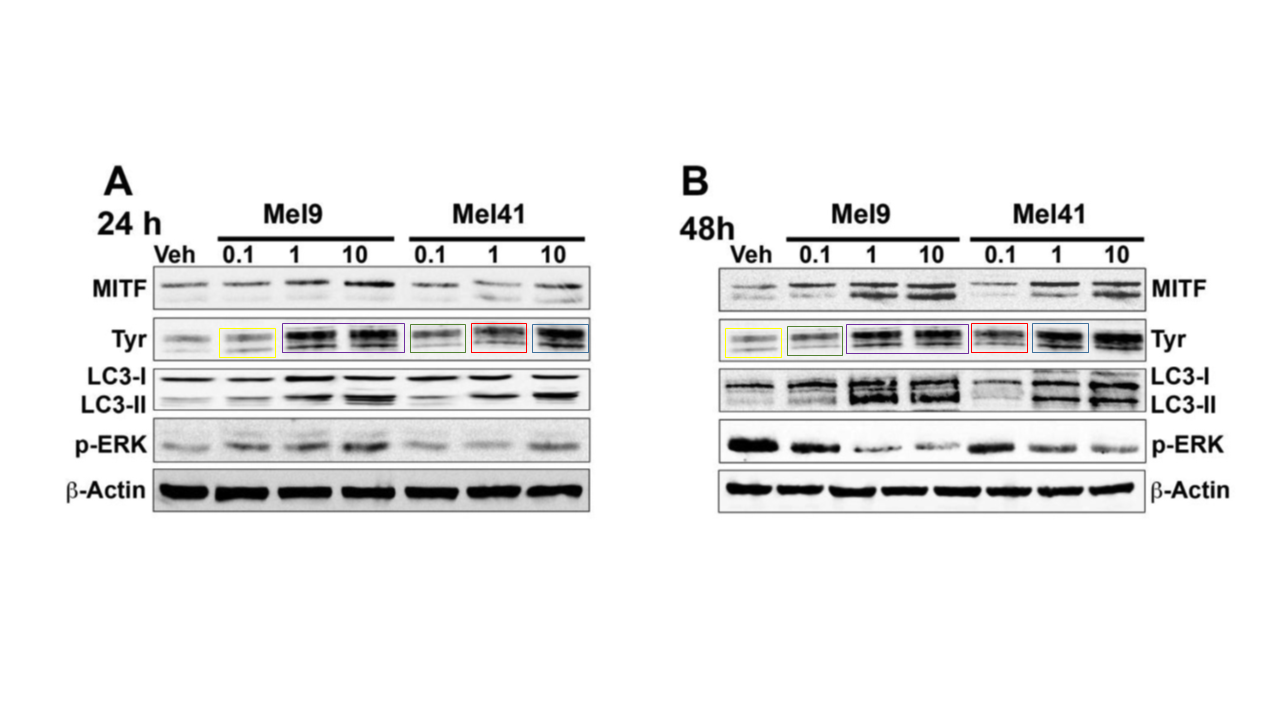
“the paper was self- retracted on 09/01/2324 despite that we maintain a firm belief in our idea’s reliability and validity; most errors are not related to the main message, and this study holds significant merit (cited by 19 publication).”
“Mohammad Krayem
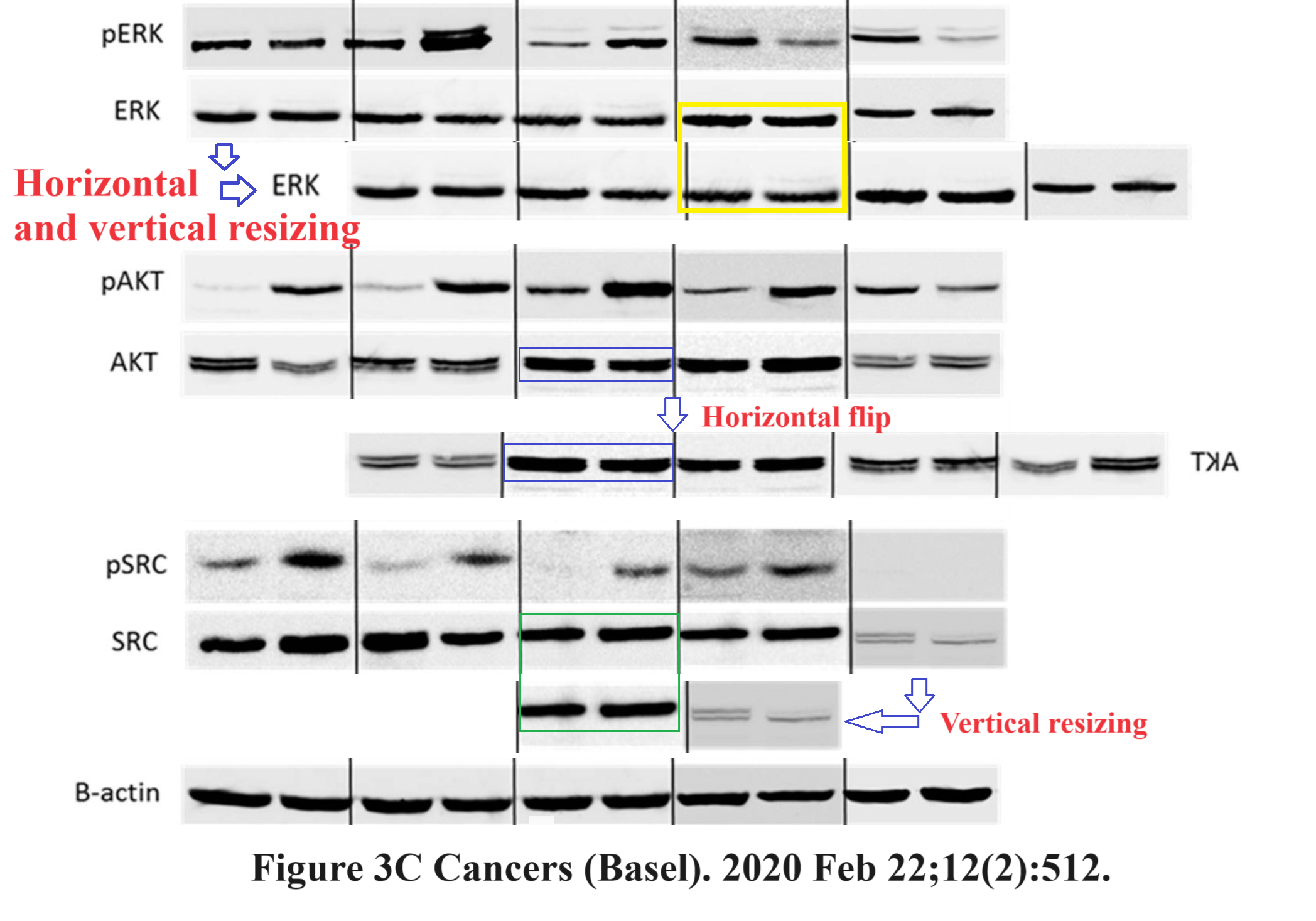
Indeed, in the original article, there was a mistake in Figure 3C as published. The ERK, AKT and SRC blots in our publication in cancers (Fig. 3C) were flipped when resizing the images. Note that this mistake does not change or alter the content and conclusions of our paper. The mistake indeed concerns control experiments, which were reproduced very easily. The pERK that appears on the third line for the conditions MM074 and MM074-R is correct and the error came from the other paper published in Oncotarget that was retracted.
The authors apologize for any inconvenience caused and state that the scientific conclusions are unaffected.
“After assessing the issues that have come to light with regard to the duplications of western blots in this paper, in view of the apparently misassembled data that has been identified in each of Figs. 2, 4 and 6, the Editor of International Journal of Oncology has determined that this paper should be retracted from the publication on the grounds of a lack of confidence in the presented data. Upon contacting the authors, they accepted the decision to retract this paper.”
09 January 2025 Editorial Expression of Concern for Fabrice Journé and Ghanem Ghanem.
Editorial Expression of Concern: The Src inhibitor dasatinib accelerates the differentiation of human bone marrow-derived mesenchymal stromal cells into osteoblasts | BMC Cancer | Full Text
Editorial Expression of Concern: The Src inhibitor dasatinib accelerates the differentiation of human bone marrow-derived mesenchymal stromal cells into osteoblasts
Hichame Id Boufker,
Laurence Lagneaux,
Mehdi Najar,
Martine Piccart,
Ghanem Ghanem,
Jean-Jacques Body &
Fabrice Journé
BMC Cancer volume 25, Article number: 49 (2025)
Editorial Expression of Concern: BMC Cancer 10, 298 (2010)
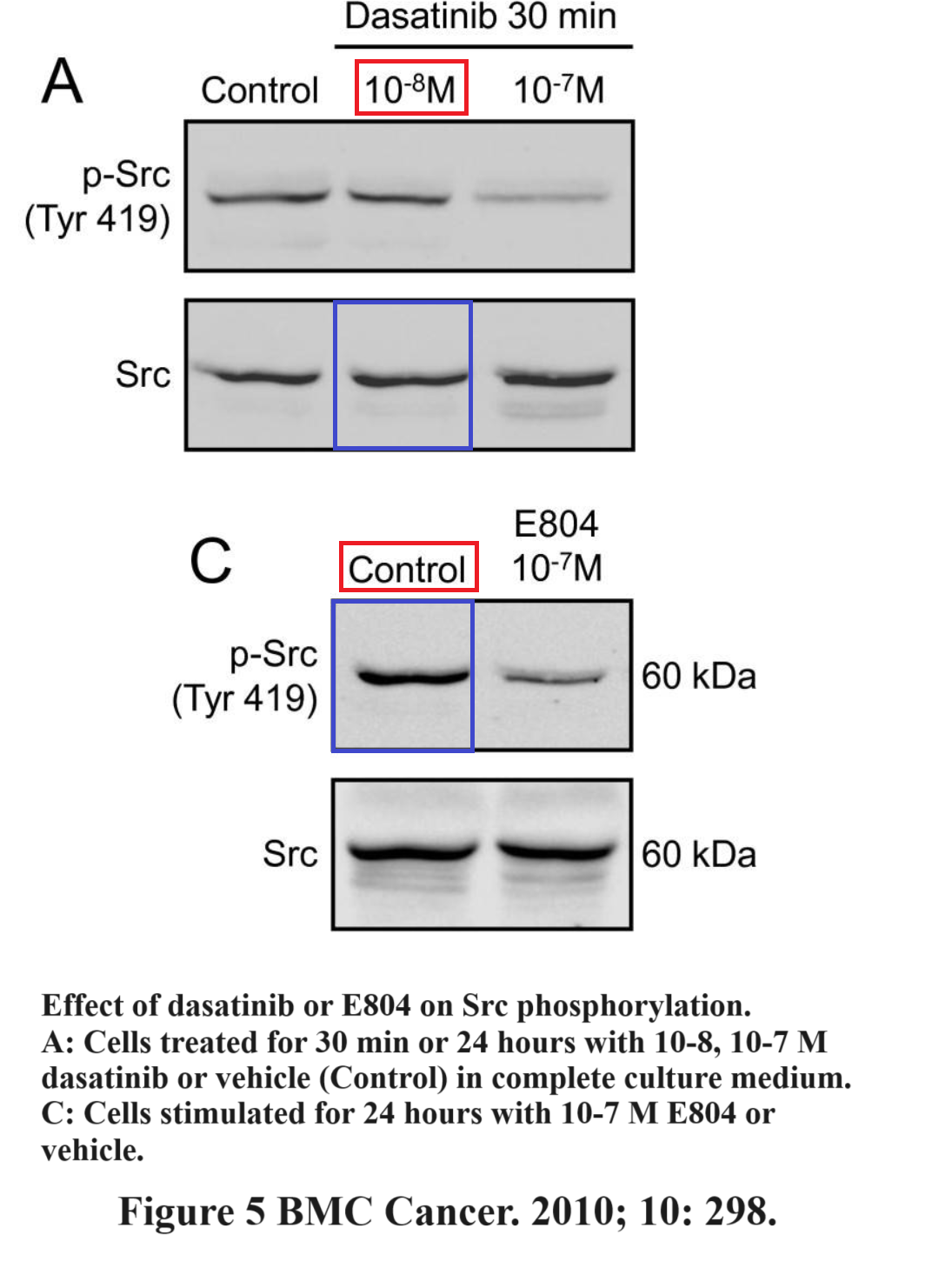
The Editors are issuing this Editorial Expression of Concern to inform the readers that following the publication of this article, concerns regarding similarities in (a) Fig. 5A between left panel, p-Src (Control, Desatinib, 10 − 8 30 min) and right panel, Src (Control, Desatinib, 10 − 8 24 h), and (b) between Fig. 5a (Dasatinib, 10 − 8 ) and Fig. 5c (Control, p-Src) have been raised.
Due to the age of the article, raw data is not available for further analysis. However, the authors have been able to replicate the presented results in Fig. 5A.
The readers are therefore urged to take into consideration the above points when interpreting these results.
Authors, Laurence Lagneaux, Ghanem Ghanem, and Fabrice Journe did not respond to correspondence from the Publisher about this Editorial Express of Concern. The Publisher was unable to find the current email addresses for authors, Hichame Id Boufker, Mehdi Najar, Martine Piccart, and Jean-Jacques Body.
“The first author Mohamad Krayem did his PhD at Institut Bordet under Ghanem and then worked as postdoc of another questionable cancer researcher: François Fuks (read about him in earlier Friday Shorts). Krayem is since 2018 Head of Radiotherapy Research Unit at Ghanem’s LOCE lab at Institut Bordet, which he runs (according to his LinkedIn profile) “in collaboration with Prof. Dirk Van Gestel and Prof. Ahmad Awada”.“
The Editors would like to alert readers that a concern has been raised regarding the similarity of Fig. 2d Cisplat+ pr-cas3 blots representing MDA231 and BT549 cells. These blots appear to share some highly similar features; however, due to the age of the article and the low resolution of available images, we were unable to conclusively determine the extent of this similarity. Readers are therefore advised to interpret these data with caution.
Yang Li, Lihua Zou, Zoltan Szallasi, J. Dirk Iglehart, Andrea L. Richardson and Zhigang Charles Wang do not agree to this Editorial Expression of Concern. Qiyuan Li, Benjamin Haibe-Kains, Ruiyang Tian, Yan Li, Christine Desmedt and Christos Sotiriou could either not be contacted or did not respond to correspondence regarding this Editorial Expression of Concern.



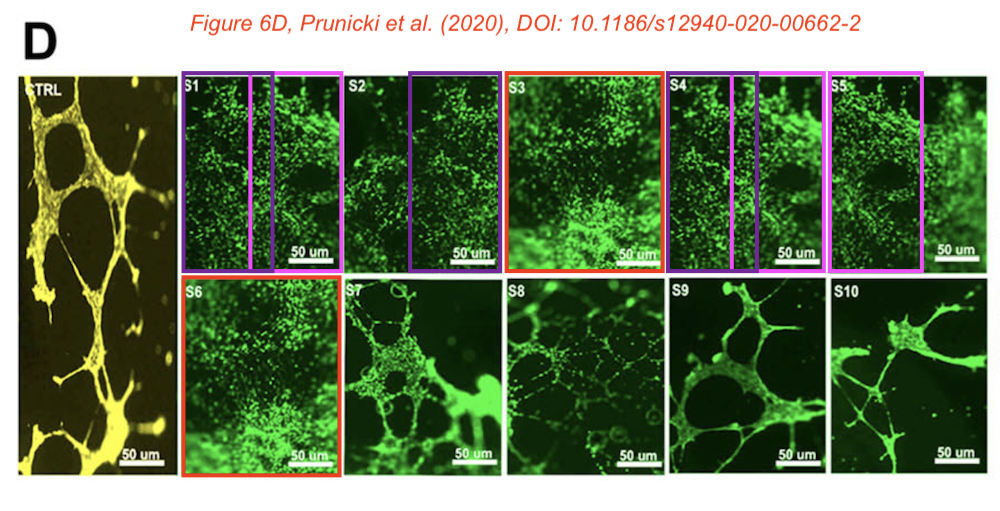
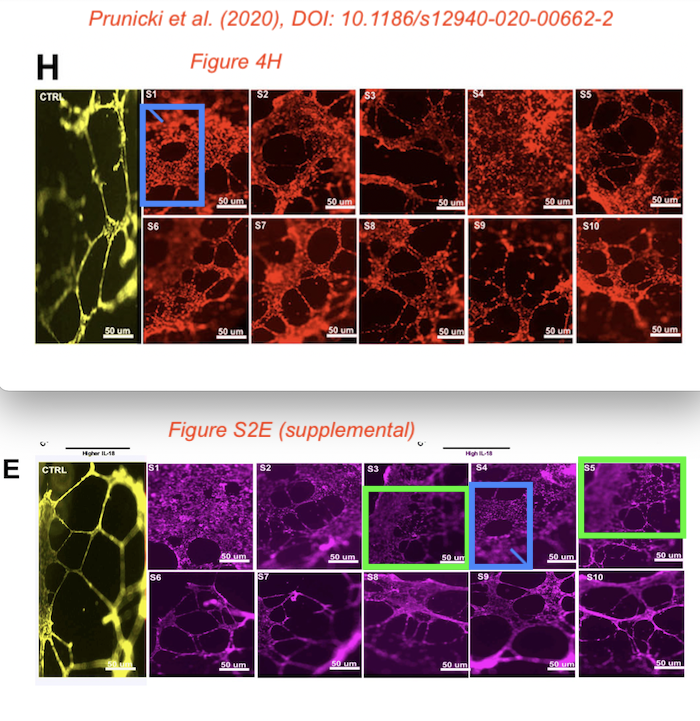














 For Better Science
The clown who accepted this correction [from Mario Galigniana] and is the Editor-in-Chief Jacques Piette of University of Liege in Belgium.”
Jacques Piette’s Pubpeer record:
https://pubpeer.com/search?q=Jacques+Piette+
LikeLike
oh my god.
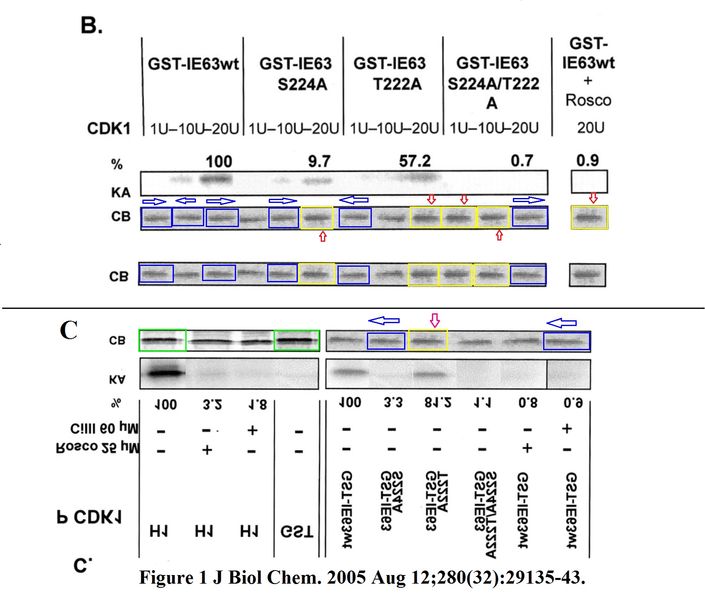
LikeLike
“The first author Mohamad Krayem did his PhD at Institut Bordet under Ghanem and then worked as postdoc of another questionable cancer researcher: François Fuks”
Turns up on 2 other publications:-
https://pubpeer.com/publications/C90CFFF86B165D2A8863317F6D0850
and
https://pubpeer.com/publications/02F9CA46113E050E2AE0572A58739C
The senior author of the latter paper is a baroness.
https://www.brusselstimes.com/259278/king-philippe-of-belgium-awards-ten-titles-of-nobility-and-honorary-decorations
“scientists Cédric Blanpain, Dominique Bron and Brigitte Velkeniers-Hoebanckx are also awarded the title of baron or baroness.”
LikeLike
Baroni di merda
LikeLike
I have a question, why Imre Miklós Szilágyi the editor in chief of the Journal of Thermal Analysis and Calorimetry receives major of his career citations from his own journal, and he also regularly publishes in his journal, but you never talk about it. This journal was the Alexander Magazinov first journal to criticise but never discussed the elephant in the room. Please kindly elaborate.
LikeLike
That’s because we both are big fans of Victor Orban and get paid by his mafia and by russian secret service, obviously. So all Hungarian fraudsters are off-limits for us.
Or you can think of an alternative explanation? And collate the evidence against Szilagiy and send it to us?
You know, For Better Science is meant as a grass root project for you all to contribute.
LikeLike
I apologise if I have difficulties understanding sarcasm language. My question is why Imre Miklós Szilágyi the editor in chief of the Journal of Thermal Analysis and Calorimetry receives his major citations from his own journal, and he and his friends also regularly publish in his journal, but you never talk about it. Instead you only criticise the authors. You leave the big fishes of organised crime out and target little fishes. Evidence: from 200 citations 134 are from his own journal.
LikeLike
I leave the big fishes out? Really?
Maybe you planned to comment on Retraction Watch and landed here by mistake?
I suggest you either take that back or get lost.
LikeLike
Ok. You did great job with that Italian surgeon. Everyone already criticised him. U are one in thousands who criticised him. You pick fight with those who are too weak to defend themselves or those who already everyone kicked. You kick dead fishes or bully weak.
LikeLike
You are banned from commenting on my site, you moron. Your stupidity, lies and nastiness kind of explain why so many Hungarians vote for Orban.
LikeLike
Have you seen https://orcid.org/0000-0001-7880-9860?
He has written his biography in 3-rd person, (re)habilitated in 3 disciplines, “probably the only person in the world to do this”. The latter is not correct, in Bulgaria we also have such a holy savior of science but unfortunately it was found out that he had committed a sin or two (or maybe many more).
LikeLike
Maybe it is his publication activities we should be looking at….
LikeLiked by 1 person
Kapd be, anyabaszó.
LikeLike
Lesson two, anyabaszó. Whatever deranged shit you try to belch out here, goes straight into the spambox. Go take your Mehdi Dadkhah, make him summon his friends Amir Mosavi and Shahaboddin Shamshirband and dive all together into the nearest dumpster.
LikeLike
For the record, Hassan Karimi-Maleh is under investigation by Elsevier. They are aware of his fraudulent behavior. Furthermore, he can be linked with a large paper/peer review ring.
LikeLike
Someone comments and ask a question and inform you about a big fraud and you go after him? He asked an honest question. and you tolled him anyabaszó.
LikeLike
Another Hungarian anyabaszó I need to ban from my site.
LikeLike
A scientific prophet of his own https://users.renyi.hu/~barany/, his theorems need no proofs.
LikeLike
Alex Magazinov says it’s a case of stolen identity.
LikeLike
For what it is worth, the real Imre Barany is an absolute brilliant mathematician. The Wiki entry is quite accurate.
https://en.m.wikipedia.org/wiki/Imre_Bárány
LikeLiked by 1 person
Withdraw my comment then.
LikeLike
Just had to delete another fake Hungarian Raffi Luque deployed. With some fantasy about oral sex. What can you expect from this sad tosser.
Endre Csoka
Endre.Csoka@gmail.com
57.128.164.237
LikeLike
For readers of this site: the above poster is most certainly someone else, impersonating Imre. I smell the scents of Spain.
LikeLike
Raffi Luque?
LikeLike
Chances are high. Same service provider between the fake IP and Rafa’s phishing site googi.info
LikeLike
Dr. Loscalzo is a preeminent cardiologist and vascular biologist. He has a strong scientific track record (h-index 170). He deserves such prominent research funding.
LikeLike
Get a life, Joe.
LikeLike
Judith Campisi died. https://twitter.com/EricVerdin/status/1748732774373286181 No doubt Claudio Hetz will pick up where she left off. And not in a good way.
LikeLike
One should not speak bad of the dead, but someone used to troll me when Campisi’s friend and Unity Bio co-founder Jan v D sued me. She never denied it was her.
LikeLike
Eric Verdin tweeted the news of Judith Campisi’s passing as Americans like to say.
https://en.m.wikipedia.org/wiki/Eric_Verdin
Before becoming the director of the Buck Institute, Eric Verdin was at the Gladstone Institute, where this happened, that is if we are to believe the scientific record.
https://pubpeer.com/publications/0E0AFF7BCCE92A3B3A33EE3DDA41AE
Would Eric Verdin like to opine about the truth and accuracy of his results?
LikeLike
https://pubpeer.com/publications/6C2CFF29EC2A673CF1F194A1F08B7E

LikeLike
About Ghanem, an email from Integrity Council – ULB:
“Dear Dr. Schneider,
The Integrity Council, which I chair, has been informed of the case referred to in a blog you have just published. The Council is currently investigating the case in order to make the assessment of the facts you have raised.
Thank you for your attention.
Best regards
Damien Scalia”
LikeLike
Talha Bin Emran just received his first 2 retractions. He is linked with the Hassan Karimi-Maleh and Mehdi Baghayeri paper mill.
Retractions: https://www.hindawi.com/journals/bmri/2022/2467574/ and https://www.hindawi.com/journals/jnm/2022/4217529/
LikeLike
https://pubpeer.com/publications/81F319A1B0924676BFBC9616547DEC#6
“the paper was self- retracted on 09/01/2324 despite that we maintain a firm belief in our idea’s reliability and validity; most errors are not related to the main message, and this study holds significant merit (cited by 19 publication).”
LikeLike
https://pubpeer.com/publications/CD226CEED8301F1FE317B6CCA13825#5
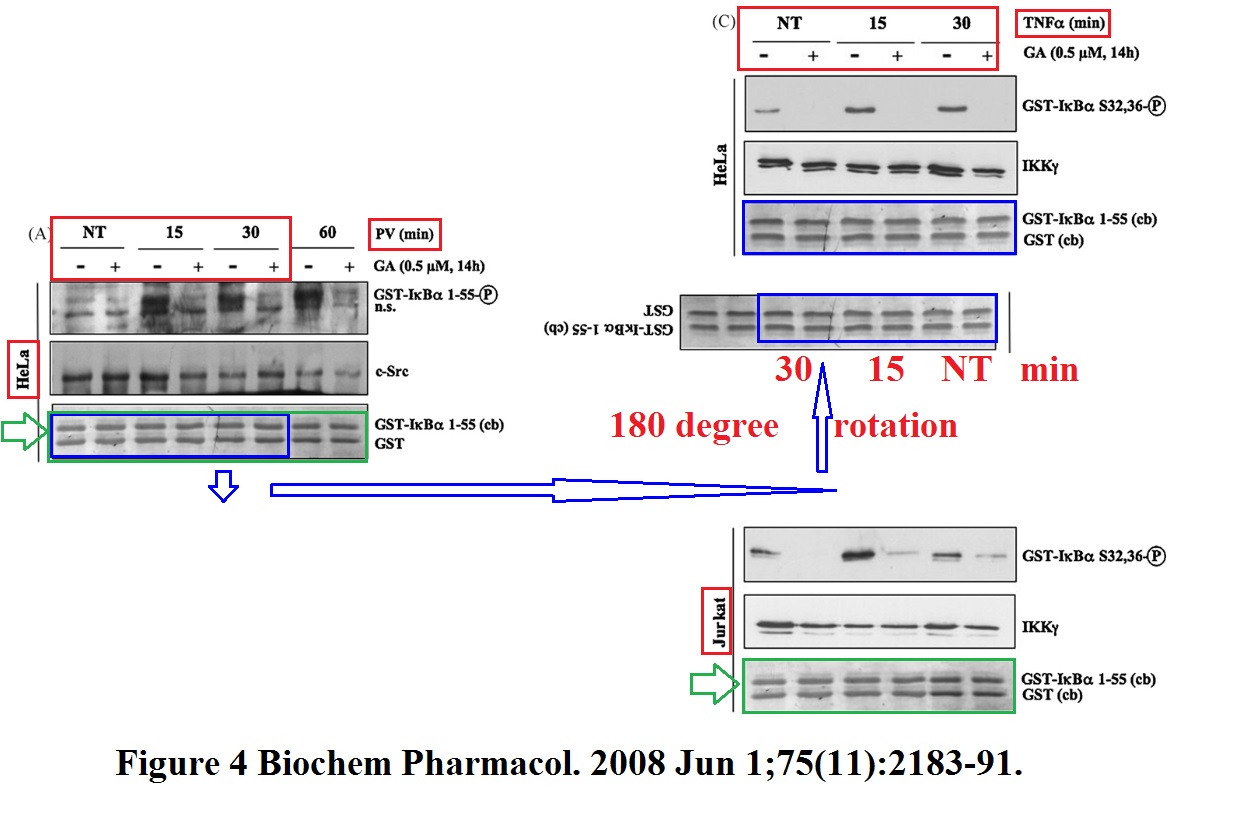
“Mohammad Krayem
Indeed, in the original article, there was a mistake in Figure 3C as published. The ERK, AKT and SRC blots in our publication in cancers (Fig. 3C) were flipped when resizing the images. Note that this mistake does not change or alter the content and conclusions of our paper. The mistake indeed concerns control experiments, which were reproduced very easily. The pERK that appears on the third line for the conditions MM074 and MM074-R is correct and the error came from the other paper published in Oncotarget that was retracted.
The authors apologize for any inconvenience caused and state that the scientific conclusions are unaffected.
Erratum submitted to the journal.”
LikeLike
The Oncotarget website only shows an Expression of Concern for the paper. The statement on Pubpeer appears to be incorrect.
https://www.oncotarget.com/article/25879/text/
LikeLike
“The Tributes of Ghanem – Bad science covered up in Belgium”
Retraction in Oncotarget for Ghanem E Ghanem, Institut Jules Border, Bruxelles, Belgium.
https://www.oncotarget.com/article/28580/
LikeLike
Another retraction for Ghanem E Ghanem amongst others.
https://www.spandidos-publications.com/10.3892/ijo.2024.5707
LikeLike
“After assessing the issues that have come to light with regard to the duplications of western blots in this paper, in view of the apparently misassembled data that has been identified in each of Figs. 2, 4 and 6, the Editor of International Journal of Oncology has determined that this paper should be retracted from the publication on the grounds of a lack of confidence in the presented data. Upon contacting the authors, they accepted the decision to retract this paper.”
LikeLike
09 January 2025 Editorial Expression of Concern for Fabrice Journé and Ghanem Ghanem.
Editorial Expression of Concern: The Src inhibitor dasatinib accelerates the differentiation of human bone marrow-derived mesenchymal stromal cells into osteoblasts | BMC Cancer | Full Text
Editorial Expression of Concern: The Src inhibitor dasatinib accelerates the differentiation of human bone marrow-derived mesenchymal stromal cells into osteoblasts
Hichame Id Boufker,
Laurence Lagneaux,
Mehdi Najar,
Martine Piccart,
Ghanem Ghanem,
Jean-Jacques Body &
Fabrice Journé
BMC Cancer volume 25, Article number: 49 (2025)
Editorial Expression of Concern: BMC Cancer 10, 298 (2010)
https://doi.org/10.1186/1471-2407-10-298
The Editors are issuing this Editorial Expression of Concern to inform the readers that following the publication of this article, concerns regarding similarities in (a) Fig. 5A between left panel, p-Src (Control, Desatinib, 10 − 8 30 min) and right panel, Src (Control, Desatinib, 10 − 8 24 h), and (b) between Fig. 5a (Dasatinib, 10 − 8 ) and Fig. 5c (Control, p-Src) have been raised.
Due to the age of the article, raw data is not available for further analysis. However, the authors have been able to replicate the presented results in Fig. 5A.
The readers are therefore urged to take into consideration the above points when interpreting these results.
Authors, Laurence Lagneaux, Ghanem Ghanem, and Fabrice Journe did not respond to correspondence from the Publisher about this Editorial Express of Concern. The Publisher was unable to find the current email addresses for authors, Hichame Id Boufker, Mehdi Najar, Martine Piccart, and Jean-Jacques Body.
LikeLike
“Bad science covered up in Belgium”.
Another player with a recent and older Pubpeer record is Jacques De Grève.
Jacques De Grève – Vrije Universiteit Brussel
PubPeer – Search publications and join the conversation.
LikeLike
Another one for Jacques De Grève. Perhaps people don’t look at things in Brussels.
PubPeer – Type II RAF inhibitor causes superior ERK pathway suppressio…
The BRAF mutations make me think of another Brussels paper, in the same crappy journal even, now up the spout!
PubPeer – Acquired resistance to BRAFi reverses senescence-like phenot…
LikeLike
“Bad science covered up in Belgium”
“Ghanem’s Belgian collaborator above, KU Leuven professor Jean-Christophe Marine“pops up again like a bad penny, this time as senior author:
PubPeer – Cop1 constitutively regulates c-Jun protein stability and fu…
LikeLike
“The first author Mohamad Krayem did his PhD at Institut Bordet under Ghanem and then worked as postdoc of another questionable cancer researcher: François Fuks (read about him in earlier Friday Shorts). Krayem is since 2018 Head of Radiotherapy Research Unit at Ghanem’s LOCE lab at Institut Bordet, which he runs (according to his LinkedIn profile) “in collaboration with Prof. Dirk Van Gestel and Prof. Ahmad Awada”.“
05 December 2025 retraction for Mohammad Krayem,
Retraction Note: Acute myeloid leukemia-derived exosomes deliver miR-24-3p to hinder the T-cell immune response through DENN/MADD targeting in the NF-κB signaling pathways | Cell Communication and Signaling
LikeLike
05 December 2025 Editorial Expression of Concern includes Brussels authors.
https://www.nature.com/articles/s41591-025-04149-w
The Editors would like to alert readers that a concern has been raised regarding the similarity of Fig. 2d Cisplat+ pr-cas3 blots representing MDA231 and BT549 cells. These blots appear to share some highly similar features; however, due to the age of the article and the low resolution of available images, we were unable to conclusively determine the extent of this similarity. Readers are therefore advised to interpret these data with caution.
Yang Li, Lihua Zou, Zoltan Szallasi, J. Dirk Iglehart, Andrea L. Richardson and Zhigang Charles Wang do not agree to this Editorial Expression of Concern. Qiyuan Li, Benjamin Haibe-Kains, Ruiyang Tian, Yan Li, Christine Desmedt and Christos Sotiriou could either not be contacted or did not respond to correspondence regarding this Editorial Expression of Concern.
LikeLike