
Linköping haunted by fake spectra
Linköping University has another potential research misconduct case, again in material sciences. Four papers by LiU professors Ömer Nur and Magnus Willander are questioned on PubPeer
By Leonid Schneider, on research integrity, biomedical ethics and academic publishing
Linköping University has another potential research misconduct case, again in material sciences. Four papers by LiU professors Ömer Nur and Magnus Willander are questioned on PubPeer
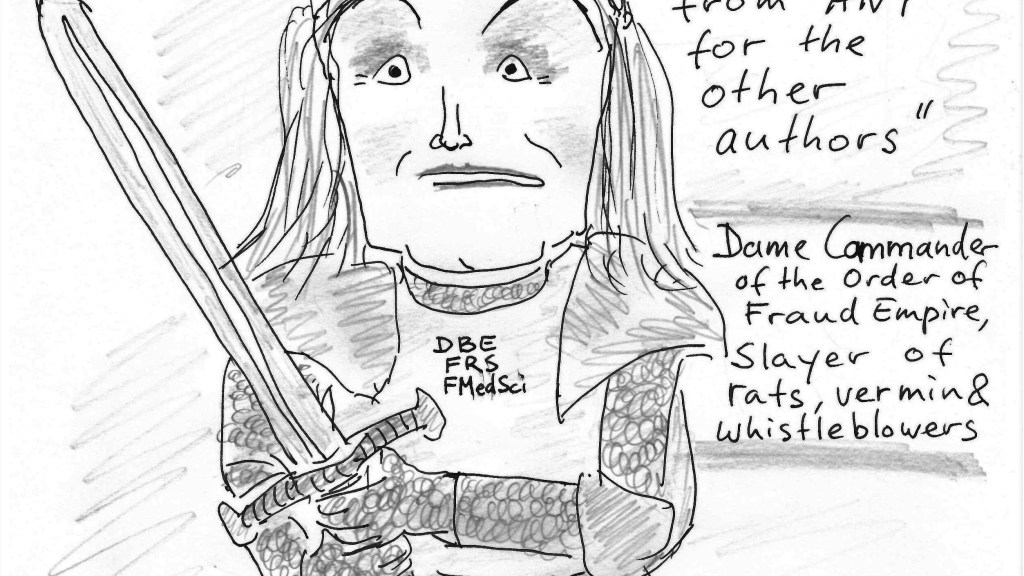
This is the second part of the Bologna whistleblower account. As the university was burying their own misconduct findings, Oxford University Press and their ignoble editor were busy punishing and gaslighting the whistleblower.
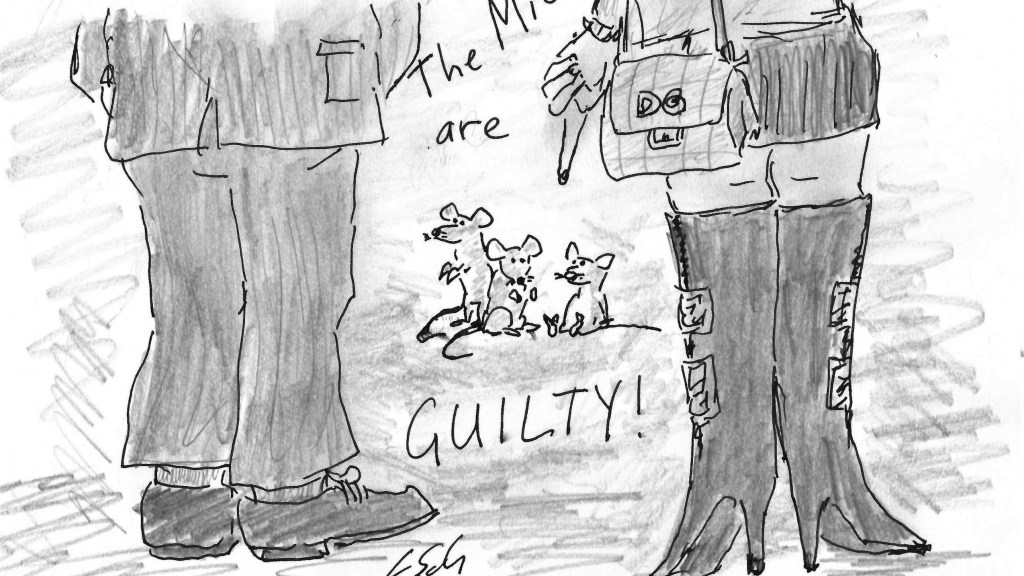
Elisabetta Ciani uses mouse models to help children with neurological genetic disorders. Problem is: her own lab members reported Ciani for data manipulation. Records reveal that University of Bologna gaslighted the whistleblower, blamed the transgenic mice alone and fibbed the funding charities.

Smut Clyde investigates two more Chinese paper mills. One teamed up with an obscure Italian publisher, the other offers access to respectable society journals. How much of published and allegedly peer reviewed science is real?

“Aaronson may have finally realized the need to modify his behavior when his young children confronted him one day and complained, “Daddy, we’re afraid of you”. After he told us this story he added that perhaps he was being too harsh at work as well.”
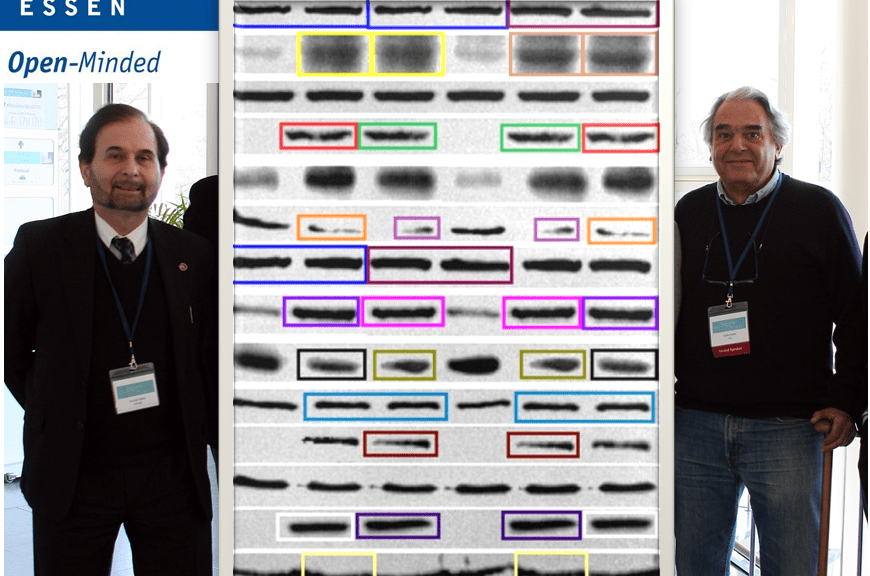
With the German professor George Iliakis, I would like to celebrate all the grand old patriarchs of cancer research who built this gigantic field and saved the lives of many patients, with good, solid and hard work. In Photoshop.

Former CNRS president Anne Peyroche has been symbolically sanctioned for research misconduct. Despite previous fraud findings, conclusions are not affected, and so is her employment by the Atomic Energy Commission. I present two more falsified figures.

Gabrio Bassotti’s gang uses patients as a source of research material: no consent or ethics approval needed. The patients are real, but the research results are fake.
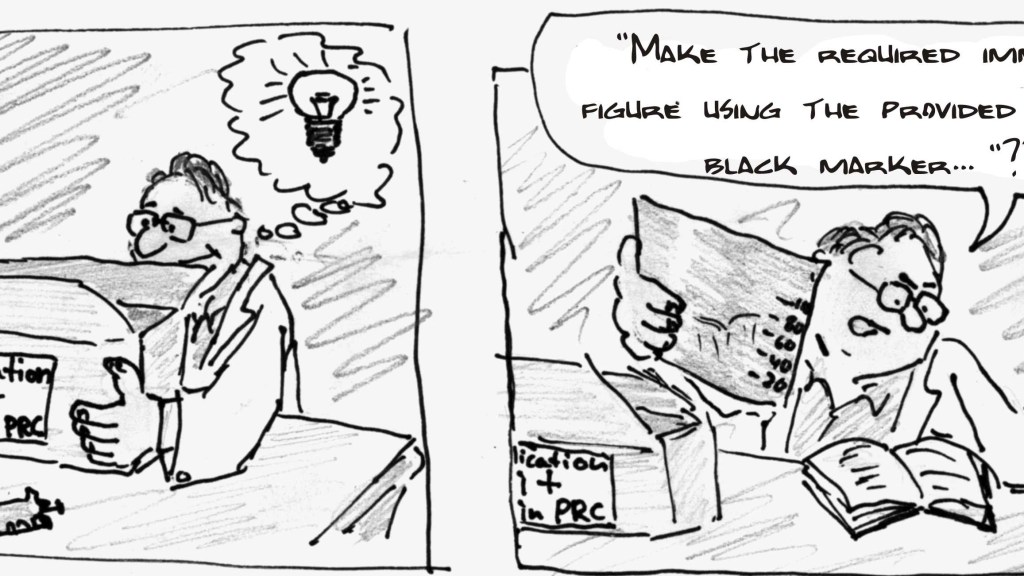
A Chinese paper gets rejected at Elsevier after reviewer spotted fraud. Same paper re-appears unchanged in another Elsevier journal, the editors refuse any action.
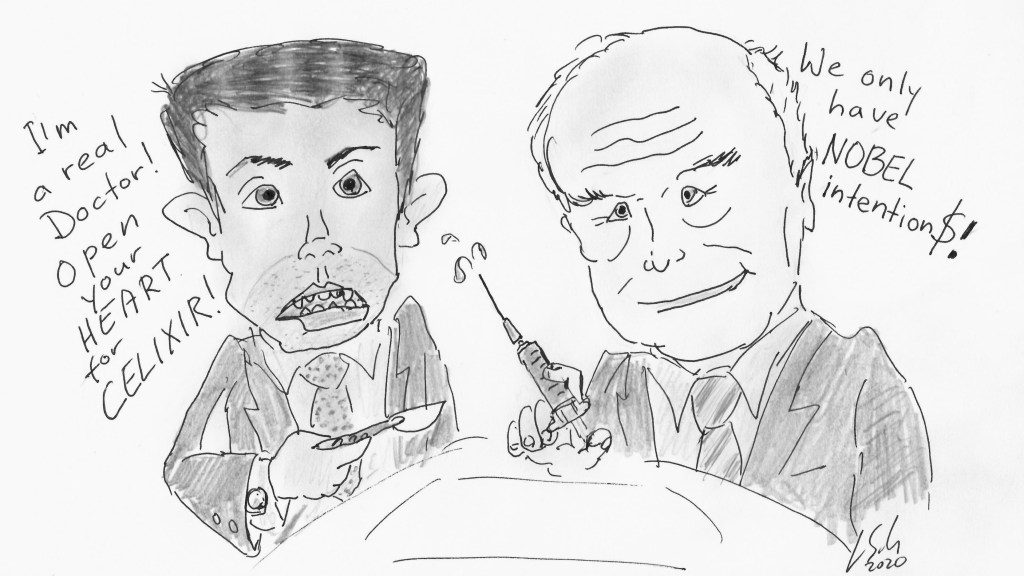
In this 3rd instalment of her Celixir investigation, Patricia Murray learns whose side the British authority MHRA is on. Not the patients’, and certainly not on the side of facts.

 For Better Science