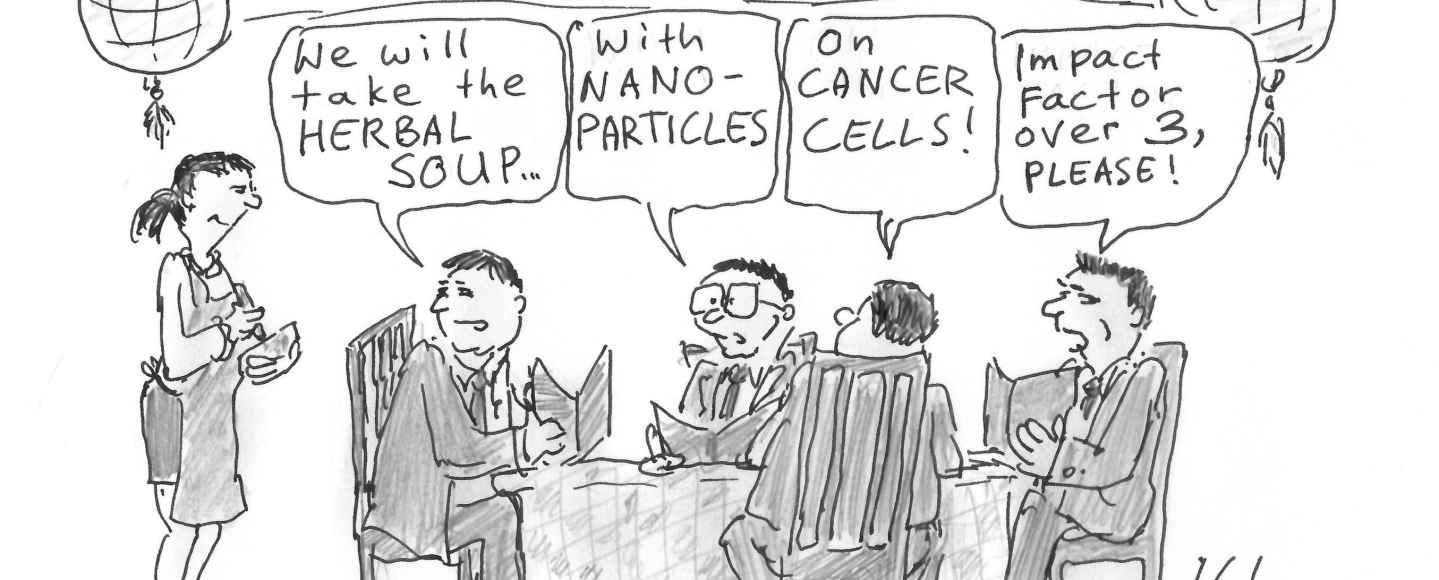

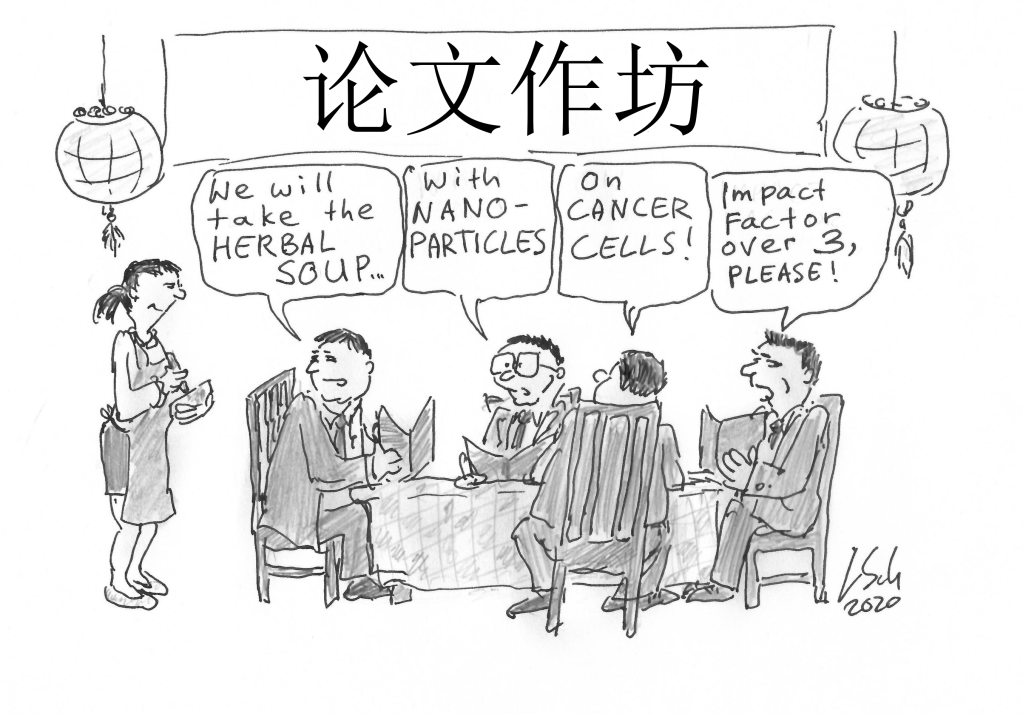
In China, clinicians are expected to publish a certain number of research papers in international journals if they want to be promoted. The easiest way is to pay a paper mill, which seem to provide a full service: an English-speaking research paper containing Photoshop-generated fake research data, in a respectable peer-reviewed journal, with your name on it. Entire journals published by Wiley or Elsevier succumb to such scams, presumably because certain corrupt editorial board members are part of it. This was uncovered in an investigation by Elisabeth Bik, as well as the pseudonymous Smut Clyde, Morty and Tiger BB8, and narrated below by Smut Clyde.
The presently almost 500 papers were traced to one specific paper mill not because of direct image reuse, but because the data showed same patterns of falsifications: same blot backgrounds, same shapes of bands, and similarly falsified flow cytometry plots.
The growing list of papers and affected journals is available here.
Apparently, the Chinese paper mills even handle submissions, peer review (if there is a peer review, that is) and sign the copyright consent forms while pretending to be the listed authors. This is evidenced by the fact that in some cases only bizarre Gmail addresses are provided for alleged corresponding authors in China. Gmail access, as all Google services, were blocked by the Great Chinese Firewall in 2014, on Party’s orders. It is theoretically possible to use Google via VPN, but the Party has criminalised this, so hardly anyone dares. Whoever answers the Gmail accounts like CaseyPeiffer8311@gmail.com is definitely not some doctor in China listed as paper’s author, but the paper mill operator.
The papers mills churning out masses of 100% fabricated, never performed science which only exists in Photoshop, are the secret of Chinese science output supremacy which we in the West so admire and strive to keep up with. Reality is: nobody cares if the published research is real, slightly falsified or entirely made-up. Fraudsters face little consequences if they are well-connected, and one can always denounce a western conspiracy. The good scientific practice lessons preached by Chinese science elites do not even apply to themselves, as the case of Xuetao Cao demonstrated.
The extra joke on top is that many of these fake paper mill emissions tout the alleged powers of Traditional Chinese Medicine (TCM) to cure cancer and other maladies, all because the nation’s President Xi Jinping himself is such a big fan of TCM. The Communist Party of China is merely getting what it ordered, again and again.
Maybe we in the West also should impose such idiotic laws? In fact, also in the “western” university hospitals, promotions depend on the publication record. So far, US, German and other doctors got ahead by gift authorships, self-plagiarism, and where needed, with outright plagiarism and falsified data. But actually, can we really be so sure that paper mills are an Asian phenomenon only?
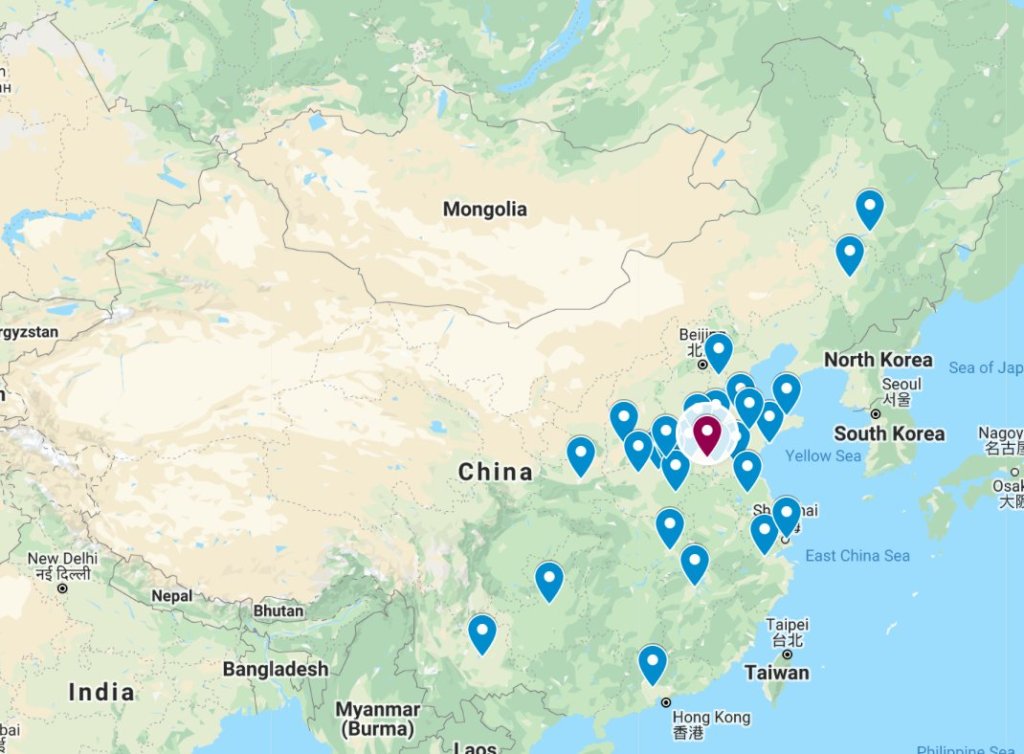
When the count was at 320 (now almost 500), more than half of the mill papers came from the Shandong province, almost a fifth from Jilin and one tenth from Henan. This message was sent to Tiger BB8 by such a Chinese paper mill customer:
“Hello teacher, yesterday you disclosed that there were some doctors having fraudulent pictures in their papers. This has raised attention. As one of these doctors, I kindly ask you to please leave us alone as soon as possible.
Being as low as grains of dust of the world, countless junior doctors, including those younger me, look down upon the act of faking papers. But the system in China is just like that, you can’t really fight against it. Without papers, you don’t get promotion; without a promotion, you can hardly feed your family. I also want to have some time to do scientific research, but it’s impossible. During the day, I have outpatient surgeries; after work, I have to take care of my kids. I have only a little bit time to myself after 10 pm, but this is far from being enough because scientific research demands big trunks of time. The current environment in China is like that.
You expose us but there are thousands of other people doing the same. As long as the system remains the same and the rules of the game remain the same, similar acts of faking data are for sure to go on. This time you exposed us, probably costing us our job. For the sake of Chinese doctors as a whole, especially for us young doctors, please be considerate. We really have no choice, please!”
Tiger BB8 found out even more. There are actually even open online advertisement for authorships on artificially generated scientific papers:

Red box right, 1st bullet point: “multiple SCI manuscripts for sale. All written up. We will submit with your name on it.”
4th bullet point: “My lab has more SCI manuscripts for sale. Some have been reviewed and now under revision.”
But then again, not everyone buys fake papers from paper mills. What about these honest doctors who don’t, do their careers not count? And if doctors cheat in research, where else will they cheat to improve their performance statistics? Will fictional TCM papers lead to real patient therapies, a predictable public health disaster?
One journal particularly hit by an organised paper mill scam is the Journal of Cellular Biochemistry, published by Wiley. Its editorial board features many prominent US scientists, including the infamous Carlo Croce. For many years and up until mid-January 2020, the journal was run by an academic editor, the now 77-year-old Gary Stein. He stepped down, and the new temporary Editor-in-Chief is a Wiley employee Lucie Kalvodova. But when first concerns about falsified papers emerged, Stein wrote on 14 January 2020 to a whistleblower:
“Thank you for bringing these concerns to our attention. We will look further into the content of the article.“
In September 2019, Wiley opened a search for a new Editor-in-Chief, as referenced by this Chinese website. It makes sense: in recent journal editions, around 90% of papers have Chinese authors, as if there was some kind of pattern. Now Wiley announced to me to be investigating the goings-on at Journal of Cellular Biochemistry, and asked to share the list compiled by Bik and Smut Clyde. Also a Taylor & Francis publishing ethics manager was thankful and added:
“We’re looking into the affected articles as a matter of urgency.“
Update 28.01 and 6.02.2020. It is possible the paper mill is creating dud ORCID profiles for their customers, since some journals, like Journal of Cellular Biochemistry apparently expect ORCID identification. Smut Clyde collected a number of suspect cases, here some examples: Zhang et al 2018 and Zhang & Liu 2019 contain next to utterly phony Gmail addresses also empty ORCID profiles, created after the manuscripts were submitted (here and here).
Further evidence to ORCID fraud is provided by the fact that certain actors and recurrent paper mill customers sport multiple ORCID entries. A certain Yang Wang of Jilin University purchased 3 papers from the mill (Nr 17, 18 and 31 in the list), for which 2 ORCID ID were created (here and here). The duo Dexin Yin and Dajun Sun, also of Jilin, purchased 6 papers (Nr 40, 41, 70, 265, 273, 279), for which two throwaway ORCID profiles were created for each gentlemen (Yin vs Yin, Sun vs Sun). There are even different throwaway email addresses for the alleged corresponding authors, different in each Journal of Cellular Biochemistry paper:
- Yin: yindexin221@sina.com, mudanren8646ktd@163.com
- Sun: dajunsun0060@sina.com, sundajun0056@sina.com, sundajun221@sina.com
Here is the list again. There is also a pdf hosted by Elisabeth Bik, which is being regularly updated. The list presently contains
- 59 papers in Journal of Cellular Biochemistry, 16 in BioFactors, 25 in Journal of Cellular Physiology, 8 in Phytotherapy Research (Wiley);
- 52 in Biomedicine & Pharmacotherapy, 26 in Experimental and Molecular Pathology, 14 in Life Sciences, 9 in International Immunopharmacology, 4 in International Journal of Biological Macromolecules (Elsevier);
- 27 in Cellular Physiology and Biochemistry (Karger, now self–published);
- 5 in Molecular and Cellular Biochemistry, 4 in Journal of Physiology and Biochemistry, 8 in BMC Cancer (Springer Nature);
- 31 in Brazilian Journal of Medical and Biological Research (SciELO);
- 37 in Oncology Research (Ingenta);
- 12 in International Journal of Immunopathology and Pharmacology (SAGE);
- 5 in Cancer Biomarkers (IOS Press);
- 7 in Neoplasma (AEPress);
- 7 in European Review for Medical and Pharmacological Sciences (Verduci Editore)
- whooping 78 papers in Artificial Cells Nanomedicine and Biotechnology (Taylor & Francis),
- plus other journals and publishers. Judging by signature made-up gel and flow cytometry data, all stemming from the same paper mill.
Thou shall not cavort like Zany Portuguese Sardines
By Smut Clyde
Here are some frames from a computer-animated version of Star Wars IV, plotted with an old line-printer (that’s what we did for entertainment in the late 1970s). The Death Star down in each frame’s quadrant Q3 is shooting out bolts of planet-smashing energy to the right through Quadrant Q4, while disciplined flotillas of Rebel Alliance X-Wing starfighters are swooping down through Q1 and Q2.
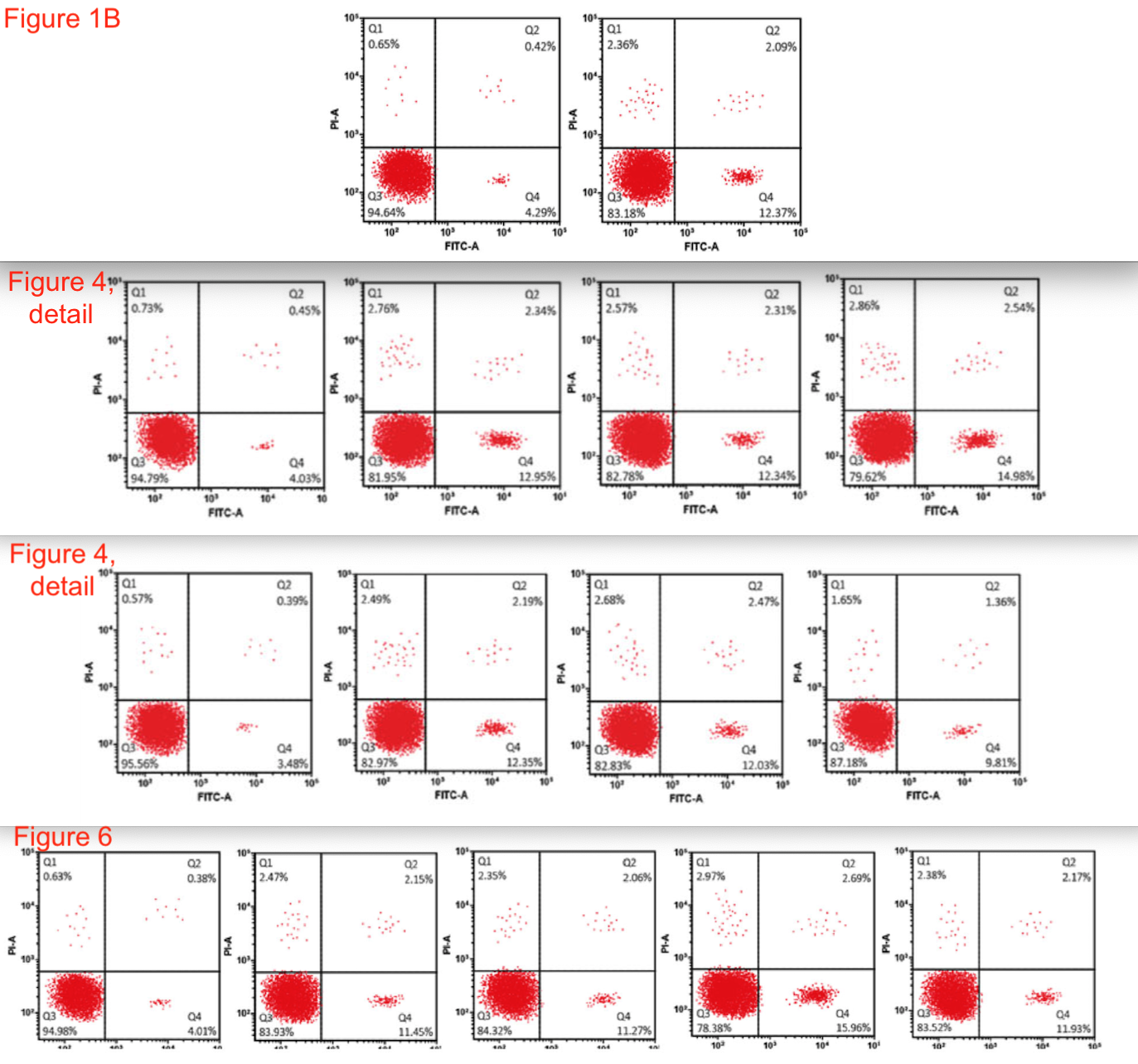
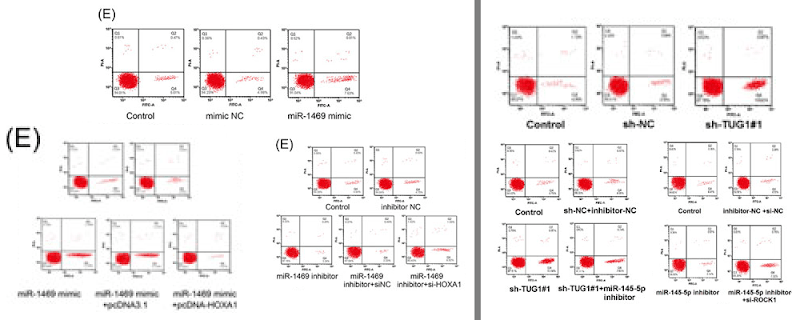
No, I made that up. These hairballs are purportedly FACS scatterplots where each dot is a cell, located by its surface-protein measurements: Figures from Tang et al. (2020) [11]. Surprisingly many cells yielded identical values in these independent experiments!
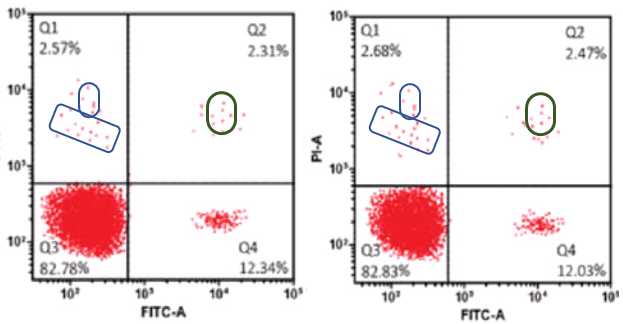
Other papers have reported further frames from the animation, overlapping in the same way. Fig 2 from Ren, Xu & Xu (2019) [6]:

Figures 2E and 2F from Xiao and Tian (2019) [8]:

What to make of this phenomenon? Perhaps these Western Blots from the same papers will assist in the search for an explanation.


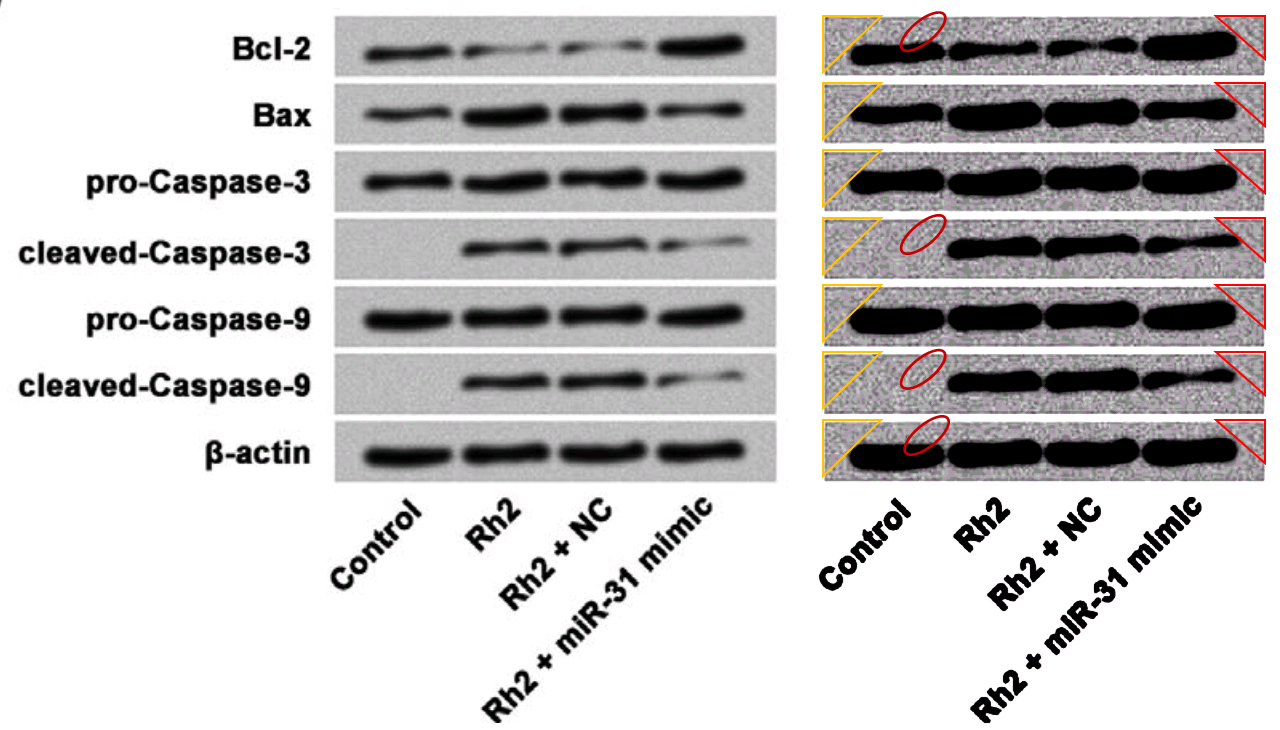
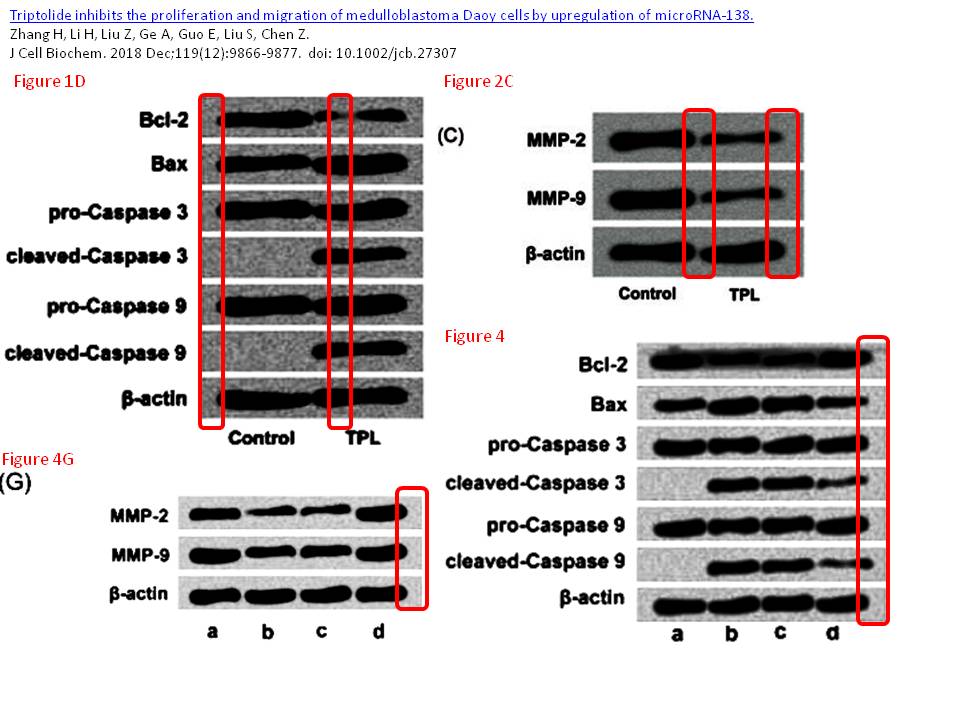
When blobs of protein are formed on an electrophoresis gel, blotted onto a membrane and then picked out with antibodies, they can take many forms and shapes, depending on the distortions as they were force-marched across the gel… depending also on their shape when they were streaked out onto the starting-line. They can bunch up as they travel, or spread out sideways into neighbouring lanes, also the spaces between blobs vary. But they should not cavort like Zany Portuguese Sardines.

Thus skepticism is understandable when one encounters Figures where the lane spacing is constant and bands of all molecular weights are random but interchangeable morphological mixtures. Especially when the background texture is identical when emphasised by increasing the contrast; not only between bands but between Figures, and even between papers… manuscripts from non-overlapping teams of researchers, at unconnected hospitals and research centres from far-flung provinces in China.
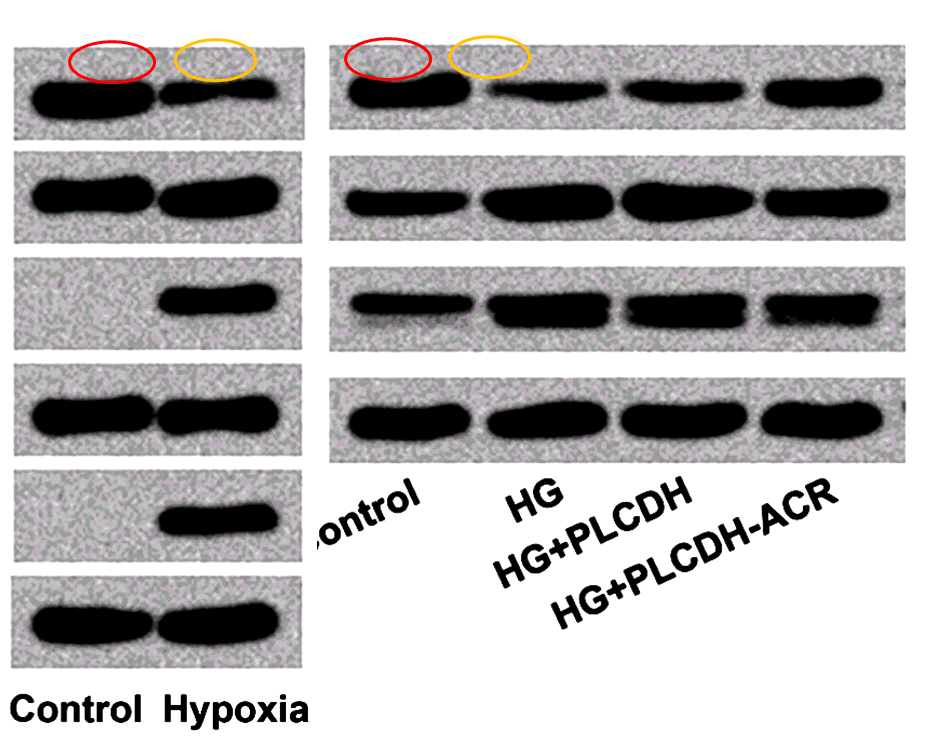
Indigofera Tanganyikensis reported the first two instances of this phenomenon (Liu et al, 2019 [13]; Liu et al., 2020 [14]). Then Clone Ranger Elisabeth Bik (a.k.a. Obik-wan Kenobik) joined the chase. Currently they have flagged over 30 of these sardine scrapbooks in PubPeer threads, too many to list here so TigerBB8 and I scraped off the details and arranged them into a spreadsheet. Most author-names are unique although a few research teams have been back for a second bite of the cherry.
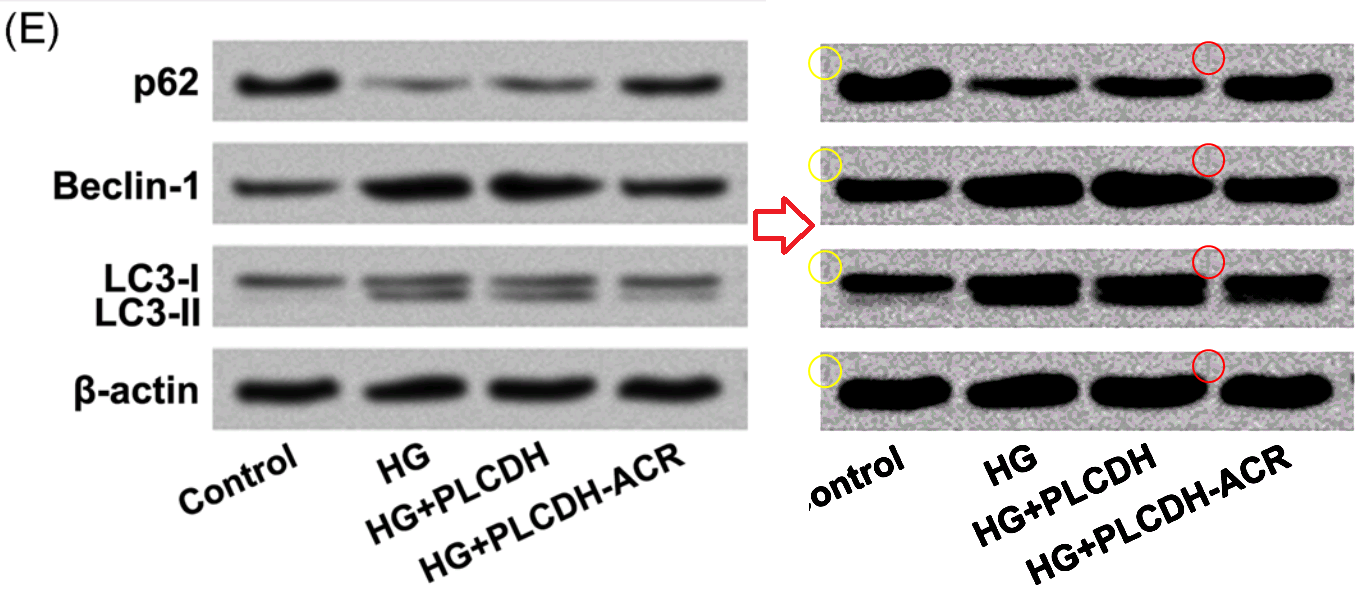
In theory the corresponding authors of each paper have been notified and invited to join the discussion of their work (an automagic feature of the PubPeer software), though no-one has shown up yet. In some cases the invitation may not have reached the authors, due to their choice of Gmail e-addresses, which are no longer accessible in mainland China.
- BrendaWillingham12192@gmail.com (Huang & Jin, 2018 [1])
- nancycook4925@gmail.com (Ma et al., 2018 [2])
- marildivisio25318@gmail.com (Chen et al., 2018 [4])
- RosettajKirkland3814@gmail.com (Zhang et al. 2018 [5])
- CaseyPeiffer8311@gmail.com (Zhang & Liu, 2019 [10])
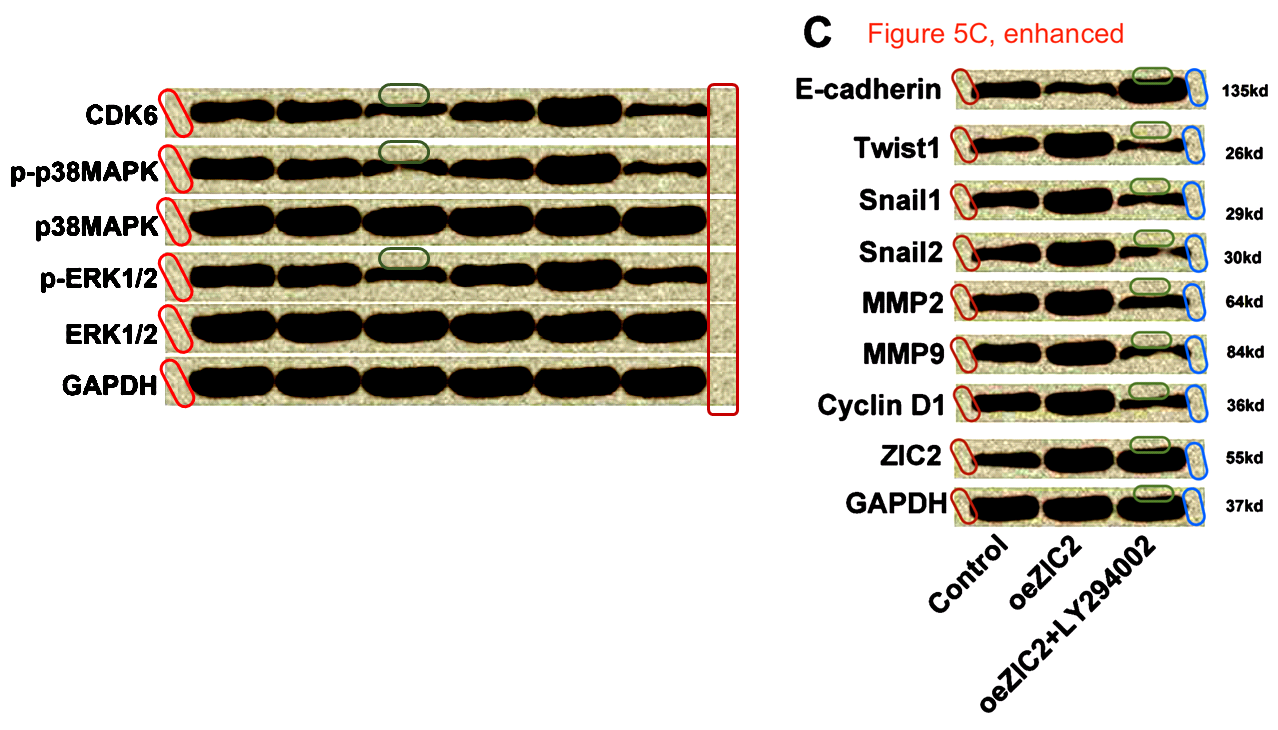
Now I am in no position to criticise anyone for adopting a playful pseudonym for correspondence, but these are not as academic as I would expect. The sources of the nyms are not obvious, apart from Casey Peiffer, who is a 9/11 Truther of some renown. At any rate the journal has evidently managed to stay in contact with whoever submitted them. This is an improvement on another early example in this tradition, Liu et al. (2017) [3], which was retracted when the editors could not contact the authors for the final authorisation. Not because of this:
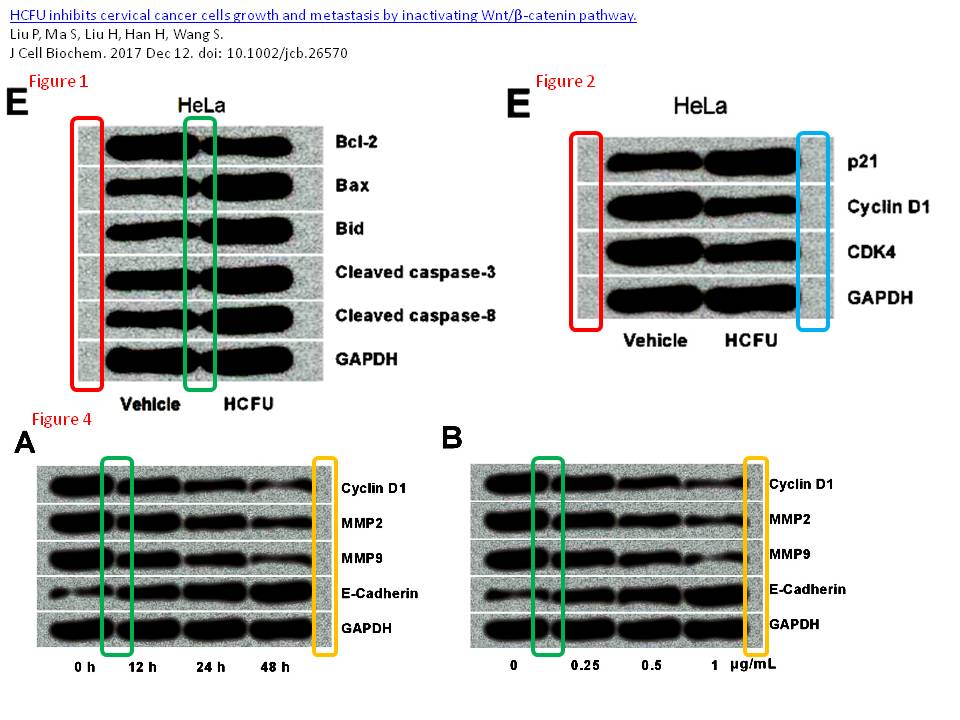
The topics of these studies tend to conform to a template, helpfully summarised by Dr Bik in Mad-Libs format.

Phytochemicals from the materia medica of Traditional Chinese Medicine are common — Astrogaloside, Baicalein, Salidroside. I begin to wonder if there are any TCM-approved phytochemicals which don’t inhibit the proliferation and migration of medulloblastoma Daoy cells, in the hands of staff from Jining #1 People’s Hospital.
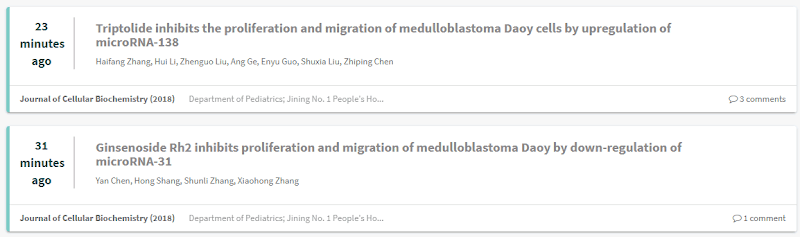
The majority of papers appeared in the Journal of Cellular Biochemistry from the Wiley stable, though not exclusively so (Biomedicine & Pharmacotherapy features as well, and Artificial Cells Nanomedicine and Biotechnology, and a few others). This may change. I would not be surprised if the PubPeer commentariat simply focussed on recent issues of J.Cell.Biochem. first, so we should not succumb to Selection Bias.
J.Cell.Biochem. has become popular among China-based molecular-biology researchers as an outlet for their work, and has a respectable Citations Index of 3.448 (though how much of that citational credit flows in from other journals remains to be seen). Despite this, my initial hope that the editors would consult experts to review submissions has been dispelled by their blithe acceptance of the egregious images above. Perhaps the peer-reviewers and contributors are collectively engaged in a Post-Modern project of redefining what Western Blots and FACS plots should look like, forging new expectations and conventions.
Two papers featured what purport to be Transwell Invasion Assays, while more closely resembling exercises in fumage and collage; the reviewers also thought these were fine (Zhang et al, 2019 [7]; Zhuang, Liu & Wu, 2019 [9]). Despite non-overlapping author lists, the images of both papers were built from a single small repertoire of fumage motifs.
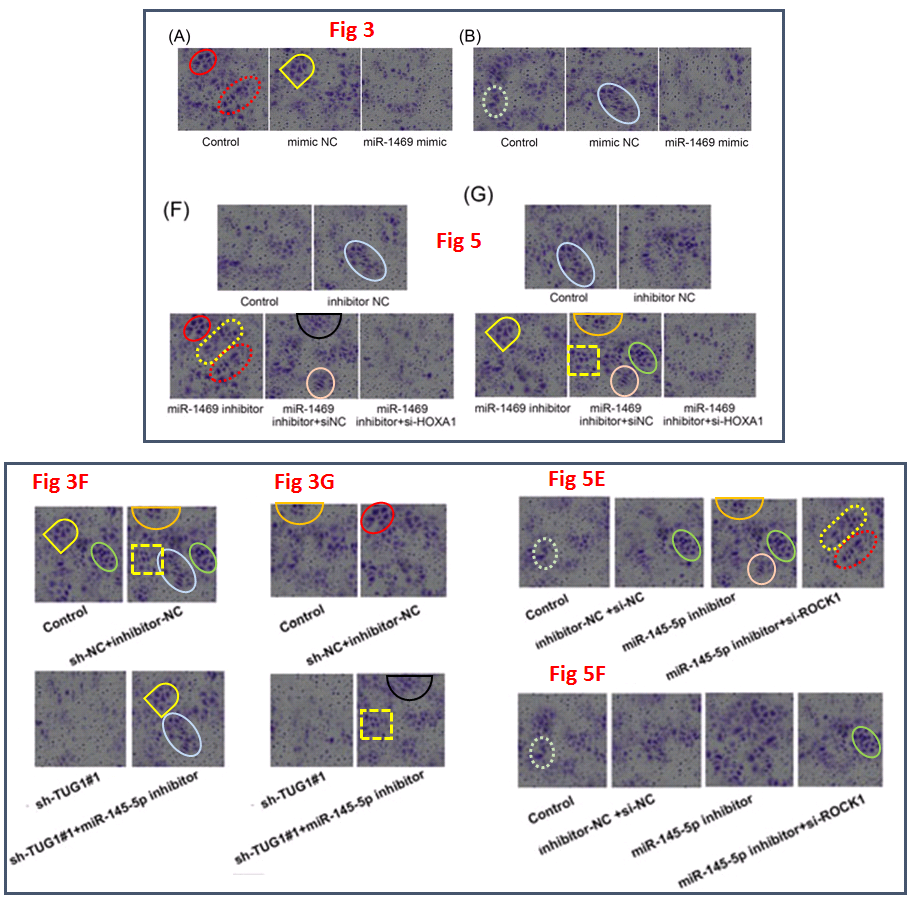
Notably, both papers included more frames from the Death Star animation, which is why they are included here despite the absence of zany-sardine Western Blots.
Elsewhere the reviewers signed off on this Declaration of Data Availability, puzzling in its uncertainty: “The data set(s) supporting the conclusions of this article is(are) included within the article” (Liu et al., 2020 [12]).
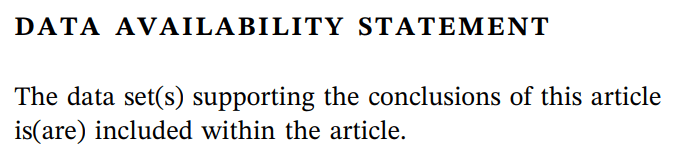
The article contained no raw data, lacking even the number of repetitions behind the graphs, though the statement could still be true if in fact the data sets don’t exist. Or if they exist but contradict the conclusions.
Setting the journal aside, the sources of these papers are not geographically diverse. The current list shows a concentration in Shandong Province, in Jining and Qingdao and a few other cities. Changchun, in Jilin Province, is a smaller hotspot. Those two groups trying TCM on medulloblastoma at the Department of Paediatrics, Jining No. 1 People’s Hospital seem to be working independently; they should get in touch and coordinate their efforts. [4], a.k.a. marildivisio25318, I’d like you to meet [5], a.k.a. RosettajKirkland3814… but maybe you have already met.
All this has a parsimonious explanation in a policy in China’s medical sector, whereby promotion for everyone — clinicians and researchers alike — depends on publishing academic papers. Of course the average overworked doctor has neither the time, the training nor the resources to apply transfection technology to the interaction between triptolide, microRNA-1462 and JNK pathways in osteosarcoma, then write it up for publication, so they pay someone else to make it all up. And if you were familiar with the conventions of the academic genre, and had the software for plotting made-up statistics, wouldn’t you take advantage of this market opportunity by setting up a papermill?
Presumably the persons behind this service are relying on word-of-mouth to advertise their service, hence the geographical concentration. They have friends or members outside the mainland, allowing them to access the bogus Gmail accounts and keep in touch with the journal. One can speculate that there is someone within the editorial structure of J.Cell.Biochem. who is in on the deal and has suborned the peer-review process to ensure that manuscripts are only sent to friendly or fictitious reviewers (the same deduction might also follow for other journals; we await further developments).
Are there any victims in this curious market-driven ecology, where the nominal authors get the CV-stuffers they need and the actual authors get paid? Opinions are divided. There is the danger that genuine biomedical researchers in China might be disadvantaged if they foolishly published in J.Cell.Biochem., only to have their work dismissed and ignored. It would be helpful if the journal introduced some sort of flag to let readers know which of their articles are based on real experiments and which ones are information-free fabrications, forged to meet contractual / promotional obligation.
Sources:
- “ZIC2 promotes viability and invasion of human osteosarcoma cells by suppressing SHIP2 expression and activating PI3K/AKT pathways”, Shuaihao Huang, Anmin Jin. Journal of Cellular Biochemistry (2018), doi: 10.1002/jcb.26387 [PubPeer].
- “MicroRNA-29a inhibits proliferation and motility of schwannoma cells by targeting CDK6”, Ji Ma, Tengfei Li, Huifeng Yuan, Xinwei Han, Shaofeng Shui, Dong Guo, Lei Yan. Journal of Cellular Biochemistry (2018) doi: 10.1002/jcb.26426 [PubPeer].
- “Retraction : HCFU inhibits cervical cancer cells growth and metastasis by inactivating Wnt/β‐catenin pathway”, Ping Liu, Shuying Ma, Hua Liu, Huazhen Han, Shanshan Wang, Journal of Cellular Biochemistry (2017) doi: 10.1002/jcb.26570 [PubPeer].
- “Ginsenoside Rh2 inhibits proliferation and migration of medulloblastoma Daoy by down-regulation of microRNA-31”, Yan Chen, Hong Shang, Shunli Zhang, Xiaohong Zhang. Journal of Cellular Biochemistry (2018) doi: 10.1002/jcb.26716 [PubPeer].
- “Triptolide inhibits the proliferation and migration of medulloblastoma Daoy cells by upregulation of microRNA-138”, Haifang Zhang, Hui Li, Zhenguo Liu, Ang Ge, Enyu Guo, Shuxia Liu, Zhiping Chen. Journal of Cellular Biochemistry (2018) doi: 10.1002/jcb.27307 [PubPeer].
- “Salidroside represses proliferation, migration and invasion of human lung cancer cells through AKT and MEK/ERK signal pathway”, Mei Ren, Wenjing Xu, Tao Xu Artificial Cells Nanomedicine & Biotechnology (2019) doi: 10.1080/21691401.2019.1584566 [PubPeer].
- “Downregulation of microRNA-1469 promotes the development of breast cancer via targeting HOXA1 and activating PTEN/PI3K/AKT and Wnt/β-catenin pathways”, Yonghui Zhang, Jing Fang, Hongmeng Zhao, Yue Yu, Xuchen Cao, Bin Zhang. Journal of Cellular Biochemistry (2019) doi: 10.1002/jcb.27786 [PubPeer].
- “Knockdown of long noncoding RNA HOTAIR inhibits cell growth of human lymphoma cells by upregulation of miR‐148b”, Xianxian Zhao, Xiaoyan Tian Journal of Cellular Biochemistry (2019) doi: 10.1002/jcb.28500 [PubPeer].
- “Upregulation of long noncoding RNA TUG1 contributes to the development of laryngocarcinoma by targeting miR‐145‐5p/ROCK1 axis”, Shenfa Zhuang, Fengxian Liu, Pingping Wu. Journal of Cellular Biochemistry (2019) doi: 10.1002/jcb.28614 [PubPeer].
- “Sapylin inhibits lung cancer cell proliferation and promotes apoptosis by attenuating PI3K/AKT signaling”, Lin Zhang, Benhong Liu Journal of Cellular Biochemistry (2019) doi: 10.1002/jcb.28729 [PubPeer].
- “Long noncoding RNA MEG3 deteriorates inflammatory damage by downregulating microRNA‐101a”, Shouyi Tang, Junxia Han, Hui Jiao, Jingna Si, Yingying Liu, Jinlong Wang Journal of Cellular Biochemistry (2020) doi: 10.1002/jcb.29415 [PubPeer].
- “Silence of cZNF292 suppresses the growth, migration, and invasion of human esophageal cancer Eca‐109 cells via upregulating miR‐206”, Zengjia Liu, Guiju Hu, Yan Zhao, Zuorun Xiao, Mingzhe Yan, Mei Ren. Journal of Cellular Biochemistry (2020) doi: 10.1002/jcb.29458 [PubPeer].
- “Circular RNA ACR relieves high glucose‐aroused RSC96 cell apoptosis and autophagy via declining microRNA‐145‐3p”, Ying Liu, Xiaoqing Chen, Jingjing Yao, Jing Kang Journal of Cellular Biochemistry (2019) doi: 10.1002/jcb.29568 [PubPeer].
- “Intermedin attenuates cardiomyocytes hypoxia‐injury through upregulating long noncoding RNA MALAT1”, Long Liu, Haiming Xu, Jingze Zhang, Liquan Yin, Qini Zhao Journal of Cellular Biochemistry (2020) doi: 10.1002/jcb.29642 [PubPeer].
Donate to Smut Clyde!
If you liked Smut Clyde’s work, you can leave here a small tip of 10 NZD (USD 7). Or several of small tips, just increase the amount as you like (2x=NZD 20; 5x=NZD 50). Your donation will go straight to Smut Clyde’s beer fund.
NZ$10.00

 For Better Science
Following are detail info for some of the customers Smut has lined up:
Purchased 12 papers. Yang Wang, of Department of Orthopaedics, China‐Japan Union Hospital of Jilin University. Sometimes working with colleagues from The Second Hospital of Jilin University.
王杨, MD, 吉林大学中日联谊医院骨科副主任兼新民院区骨科主任, Associate Chief Doctor and department vice chair, research funding over 2 million RMB
7 papers. Dexin Yin, of Department of Vascular Surgery China, Japan Union Hospital of Jilin University.
尹德馨, MD, 吉林大学中日联谊医院血管外科副主任医师,讲师, Associate Chief Doctor
Chao Zhang, Department of General Surgery Zhengzhou University People’s Hospital (Henan Provincial People’s Hospital)
张超,MD, Chief Doctor, Professor,主任医师,教授,硕士研究生导师,河南省人民医院胃肠外科三病区主任,河南省腹腔镜治疗研究中心主任
5 papers. Dajun Sun Department of Vascular Surgery China-Japan Union Hospital of Jilin University.
孙大军,MD, 吉林大学中日联谊医院血管外科主任医师,教授,Professor, Chief Doctor and department chair, research funding 486,500 RMB
5 papers. Rui Jiang Department of Orthopedics China-Japan Union Hospital of Jilin University
姜睿,Associate Chief Doctor, 吉林大学中日联谊医院创伤骨科副主任医师
4 papers. Zaiwei Zhang, Department of Cardiology Jining No. 1 People’s Hospital
张再伟,MD/PhD, Chief Doctor, 主任医师,济宁市第一人民医院心内科副主任、心内科三病区主任
LikeLike
The list of four-time customers grows quite lengthy, but is still dominated by China‐Japan Union Hospital of Jilin University (and Prof Yang Wang’s co-authors in particular), and by the Jining #1 People’s Hospital.
Tiger has already mentioned Zaiwei Zhang (Department of Cardiology Jining No. 1 People’s Hospital). The others:
Licheng Gong (Department of Cardiovascular Internal Medicine, China-Japan Union Hospital of Jilin University)
Ning Han (Department of Vascular Surgery, China-Japan Union Hospital of Jilin University)
Taitao Sun (Department of Orthopedics, China-Japan Union Hospital of Jilin University)
Wanguo Liu (Department of Orthopedics, China-Japan Union Hospital of Jilin University)
Wenjun Wang (Department of Orthopedics, China-Japan Union Hospital of Jilin University)
Yongkun Wang (Department of Orthopaedics, China-Japan Union Hospital of Jilin University)
Hui Jin (Department of Orthopedic, The Second Hospital of Jilin University)
Shasha Chen (Department of Cardiology, Jining No. 1 People’s Hospital)
Hu Li (Department of Cardiovascular Medicine, Jining No.1 People’s Hospital)
Jie Ma (Department of Cardiovascular Medicine, Jining No.1 People’s Hospital)
Jing Zhang (Department of Nephrology, Jining No. 1 People’s Hospital)
Kun Wang (Department of Endocrinology, Jining No.1 People’s Hospital)
Xiaoyan Li (Department of Ultrasound, Jining No.1 People’s Hospital)
Xiuxia Liu (Department of Pediatrics, Jining No. 1 People’s Hospital)
Hui Li (Department of Intensive Care Unit, The Affiliated Hospital of Qingdao University)
Lei Zhang (Department of Rheumatology & Immunology, Shengli Oilfield Central Hospital)
Xirui Yang (Department of Rheumatology & Immunology, Shengli Oilfield Central Hospital)
I would not be surprised if the papermill had an office in one or other of these institutions. I have been wondering what will happen if any of the affected publishers purges these papers in a mass retraction. It’s not like the hospitals can simply un-promote half their staff.
LikeLike
Pingback: Elsevier's research integrity – For Better Science
Pingback: Fake pictures and paper mills | Science Surf
Pingback: Купленный успех Китая » ANTIRAID
Academic corruption is everywhere. It is true the Chinese researchers are worse. But, let me show you something from Harvard…
Anversa Opened a Wrong Door, Thomas Closed a Right Door
When I read The Emperor’s New Clothes as a kid, I did not take it seriously. Funny though, I did not think it would ever happen for that was just the adults’ wild imagination to fool the kids around. After growing up, I realized this can truly happen in the adults’ world. Jaw droppingly, smart and decent people are usually involved.
Dr Anversa was director of the Center for Regenerative Medicine, Harvard. He practically invented the field of cardiac stem cell therapy when he first reported that cardiac cells were capable of regeneration. Throughout his career, Anversa has received several commendations, including a research achievement award from the American Heart Association, which in 2004 also named him a “distinguished scientist.” When various research teams tried to reproduce the results, however, they failed. Sarcastically, they were laughed at for not being skillful enough. What a vivid replay of the Emperor’s New Clothes! By the way, the Chinese researchers had contributed roughly 1000 cardiac stem cell papers during that decade, making the parade phenomenal. We are familiar with what happened next. The house of cards collapsed, Anversa left Harvard Medical School and the Brigham and Women’s Hospital in 2015 after several papers were flagged and retracted. 2017, the hospital agreed to a $10 million settlement with the U.S. government over allegations Anversa’s work had been used to fraudulently obtain federal funding. More than a dozen of these papers have since been yanked by various journals, including the Lancet, New England Journal of Medicine, Circulation, and Circulation Research…
Dr Thomas was also a distinguished Harvard professor and a previous president of the American Society of Echocardiography. In 1992, he invented a formula based on four bold assumptions to calculate Tau in an Echo lab and “validated” it both experimentally and clinically. The fact is his theory has logic flaws and it is common sense that a flawed theory cannot be verified without manipulation of data. Anyway, the parade of the Emperor’s New Clothes had started ever since. It’s just discouraging when you see papers based on Thomas’ formula keep popping up. Thank God, people seemed a little bit reasonable this time. Playing with Google Scholar, we found in the whole year just passed, nobody had used this formula to measure Tau all over the world, even Tau is the best index to describe diastolic function and the latter is such a hot topic. We sincerely wish Dr Thomas’ Tau formula can rest in peace, but we failed.
We know Tau formulas exist in nature waiting to be discovered, no need to be invented by bold assumptions. To my knowledge, several research groups are working on those discoveries and relevant staffs, however, publication of this promising endeavor was constantly challenged by Dr Thomas’ Tau which is from distinguished professors, validated in famous institutions and published in influential journals.
Dr Anversa opened a wrong door, fortunately, his cardiac stem cell parade had come to an end. Dr Thomas closed a right door by showing people the wrong way. His Tau parade is not as popular as before, unfortunately, is still on and influential. To upholding the highest ethical standards and to rigorously maintaining the integrity of research, we are calling the retraction of Dr Thomas’ Tau papers. This will set Tau free.
LikeLiked by 1 person
Following leads left at PubPeer by ‘Xylocampa Areola’, I spent too much time looking at 12 different papers from the same papermill, with the general theme of treating different cancers with different plant sourced chemicals – Amentoflavone, Euxanthone, Hispidulin but mainly Physcion 8-O-β-Glucopyranoside.
I am beginning to wonder if Chinese researchers of cancer-curing TCM chemicals are obliged under law to use the same images each time.
LikeLike
I’m really disturbed by all the fraud in these peer reviewed journals, thanks for digging into this.
On the other hand, I’m equally disturbed by the racism in some comments….the goal of the article is “for better science”, not to discriminate against a particular group of people or scientists based on their nationality.
On bug here I want to point out: I don’t know if the Party actually “criminalised” the usage of VPN or not, but this is not a really issue because everyone who really needs a VPN can get one without being punished….I know a lot of friends who do this including myself right now….
LikeLike
Here are some cases published by law enforcement. All were detained, questioned, and punished for “illegal” use of VPN to access websites out of China, including YouTube, etc. One would question why the heck people in China need to use VPN to visit YouTube. I hope now you know that they DO criminalize the use of VPN in mainland China. If someone has to lie to survive in places having strict censorship like the LiHai country, I can understand. But when someone is still lying when they can have access to outside resources like here, I would seriously put a question mark for the motive.
LikeLike
Pingback: The Tadpole Paper Mill – Science Integrity Digest
This is not a Chinese only phenomenon by any stretch of the imagination.
In my late 20s/early 30s (when the student loans came due and my entry level position paid crap) I wrote several hundred “respectable” journal articles for respectable peer reviewed journals on subjects I knew practically thing about. It is not something I am proud of, but I was largely sympathetic to the bulk of my customers who mainly consisted of college/university professors who spent most of their time teaching but worked for organizations which had publications requirements for employment, advancement, and/or tenure.
I had a disturbingly high success rate for publication on first submission with no/fer peer review comments that required addressing. All it took was an uncanny ability to conform to the particular journal’s style guidelines and an ability to quickly review, absorb, and regurgitate the field specific technical jargon (bonus points for regurgitating something in the field everyone already “knows” in a slightly different manner with additional “evidence”). I was pulling in around $50/page (with extra for generated data sets and accompanying graphics). On a good weekend I could produce several thousands dollars worth of product from the comfort of my couch.
I got out of the game when the competition to my services became too copious and the amount I could charge began to rapidly drop. By the time I was completely out, I was competing with a large number willing to write English language journal articles for next to nothing from across the globe (with the biggest share coming from Kenya, Nigeria, and India respectively).
It seems from the digging done here you are mainly just catching paper mills which don’t seem to really even bother trying to hide their malfeasance.
LikeLiked by 1 person
Different from other misconducts, e.g., results can’t be reproduced, the ‘paper mill’ seems to be relatively easier to be tracked and uncovered. More strict laws should be enforced to eliminate the business of selling and buying papers.
LikeLike
Pingback: Dark Satanic Papermills – For Better Science
Pingback: Sleuths Uncover Web of Research Fraud in 400+ Papers From China - The Wire Science
Please see the following DOIs, that seem suspect:
10.1007/s10637-018-0624-7
10.1007/s12282-019-00980-5
10.1016/j.taap.2019.04.005
10.1038/cddis.2017.499
10.1038/s41419-018-0746-z
10.1111/1759-7714.12903
10.1186/s13046-018-0936-7
10.1590/1414-431×20187665
10.22038/ijbms.2018.25980.6392
10.3389/fendo.2018.00405
10.3390/ijms19051310
10.3892/ijmm.2018.3988
10.3892/ijmm.2019.4257
Why? Because they are cited at least once from the papers on your list, AND they cite at least one of them.
I didn’t check every single one of them; but those that I checked seemed to fit this pattern.
LikeLike
Thank you me. I agree that many of them look suspect, but some of them are review articles and most of them are not typical for the confirmed paper mills. One of them are new (10.22038/ijbms.2018.25980.6392) and we will add it to the Paper mill #1 list.
LikeLike
More candidates for detailed inspection from citation analysis.
This will again include review papers (you may be able to tell from the title); higher on the list means more unusual reference overlap with the known bad papers.
All in all, the citation analysis does not seem to be as good as hoped for to find good candidates. Most of the papers I looked at (but I have no clue about western blots) do not seem to fit the “death star” pattern, but do seem suspicious to me. In particular, the figures all appear to come from the same factory; maybe a different “artist”, but then assembled by the same ghost writer? I can imagine there is one guy specializing on creating the figures, and another that does the ghostwriting.
10.1007/s10792-019-01129-1 Higher expression of cation transport regulator-like protein 1 (CHAC1) predicts of poor outcomes in uveal melanoma (UM) patients
10.1155/2019/5198278 Taohong Siwu Decoction Exerts a Beneficial Effect on Cardiac Function by Possibly Improving the Microenvironment and Decreasing Mitochondrial Fission after Myocardial Infarction
10.1155/2019/4598167 New Insights for Cellular and Molecular Mechanisms of Aging and Aging-Related Diseases: Herbal Medicine as Potential Therapeutic Approach
10.1007/s10620-019-05856-4 In Vitro Anti-hepatoma Activities of Notoginsenoside R1 Through Downregulation of Tumor Promoter miR-21
10.1111/1759-7714.13245 Long noncoding RNA SNHG7 contributes to cell proliferation
10.1155/2019/3467121 The Emerging Role of lncRNAs in Spinal Cord Injury
10.3390/biom9070275 Ailanthone Induces Cell Cycle Arrest and Apoptosis in Melanoma B16 and A375 Cells
10.1186/s12943-020-1132-x Long non-coding RNA UCA1 promotes malignant phenotypes of renal cancer cells by modulating the miR-182-5p/DLL4 axis as a ceRNA
10.1007/s43032-020-00140-7 Circular RNA Circ-ITCH Inhibits the Malignant Behaviors of Cervical Cancer by microRNA-93-5p/FOXK2 Axis
10.1186/s12967-019-1776-8 Circulating miR-3659 may be a potential biomarker of dyslipidemia in patients with obesity
10.1155/2020/2761850 Chinese Herbal Formulas Miao-Yi-Ai-Tang Inhibits the Proliferation and Migration of Lung Cancer Cells through Targeting β-Catenin/AXIN and Presents Synergistic Effect with Cisplatin Suppressing Lung Cancer
10.1007/s11033-019-04618-9 Baicalin induced colon cancer cells apoptosis through miR-217/DKK1-mediated inhibition of Wnt signaling pathway
10.1016/j.redox.2019.101411 Salusin-β mediates tubular cell apoptosis in acute kidney injury: Involvement of the PKC/ROS signaling pathway
10.1016/j.jpba.2018.08.007 Simultaneous determination of alkaloids dicentrine and sinomenine in Stephania epigeae by 1H NMR spectroscopy
10.1159/000500923 MicroRNA-145 Involves in the Pathogenesis of Renal Vascular Lesions and May Become a Potential Therapeutic Target in Patients with Juvenile Lupus Nephritis
10.1016/j.biopha.2018.09.147 Angelica polysaccharide protects PC-12 cells from lipopolysaccharide-induced injury via down-regulating microRNA-223.
10.3389/fphar.2019.00515 Bioactive Ingredients in Chinese Herbal Medicines That Target Non-coding RNAs: Promising New Choices for Disease Treatment
10.1016/j.ejphar.2019.03.040 Ginsenoside Rg3 inhibits growth and epithelial‐mesenchymal transition of human oral squamous carcinoma cells by down‐regulating miR‐221
10.14336/ad.2019.0512 Angelica Sinensis Polysaccharide Suppresses Epithelial-Mesenchymal Transition and Pulmonary Fibrosis via a DANCR/AUF-1/FOXO3 Regulatory Axis
10.3892/ijmm.2020.4471 Long non-coding RNA GAS5 regulates myocardial ischemia-reperfusion injury through the PI3K/AKT apoptosis pathway by sponging miR-532-5p
10.3892/ol.2018.9101 Ailanthone induces autophagic and apoptotic cell death in human promyelocytic leukemia HL-60 cells
10.1042/bsr20190101 NT5E is associated with unfavorable prognosis and regulates cell proliferation and motility in gastric cancer
10.2147/cmar.s218214 Mechanisms Underlying Therapeutic Effects Of Traditional Chinese Medicine On Gastric Cancer
10.1007/s10565-018-9424-2 miR-146a down-regulation alleviates H2O2-induced cytotoxicity of PC12 cells by regulating MCL1/JAK/STAT pathway
10.2147/ott.s235798 Upregulated lncRNA THRIL/TNF-α Signals Promote Cell Growth and Predict Poor Clinical Outcomes of Osteosarcoma
10.1186/s13287-019-1458-8 lncRNAs: function and mechanism in cartilage development
10.1016/j.neulet.2019.134649 Knockdown of long noncoding RNA XIST mitigates the apoptosis and inflammatory injury of microglia cells after spinal cord injury through miR-27a/Smurf1 axis
10.1007/s11010-020-03684-z MALAT1 affects hypoxia-induced vascular endothelial cell injury and autophagy by regulating miR-19b-3p/HIF-1α axis
10.1186/s13045-019-0805-7 The interplay between m6A RNA methylation and noncoding RNA in cancer
10.1155/2019/8023460 The Crucial Role of CXCL8 and Its Receptors in Colorectal Liver Metastasis
10.7150/jca.32627 Predictors of the Survival of Primary and Secondary Older Osteosarcoma Patients
10.1002/2211-5463.12651 Overexpression of lncRNA TCTN2 protects neurons from apoptosis by enhancing cell autophagy in spinal cord injury
10.1177/1559325819883479 Metabolomic Analysis of Radiation-Induced Lung Injury in Rats: The Potential Radioprotective Role of Taurine
10.3892/ijmm.2019.4194 miRNA-302e attenuates inflammation in infantile pneumonia though the RelA/BRD4/NF-κB signaling pathway
10.3389/fendo.2018.00405 ANRIL: A lncRNA at the CDKN2A/B Locus With Roles in Cancer and Metabolic Disease
10.1186/s12943-019-0954-x Targeting PI3K in cancer: mechanisms and advances in clinical trials
10.1038/s41392-019-0095-0 Targeting epigenetic regulators for cancer therapy: mechanisms and advances in clinical trials
10.3390/ijms20061463 A Systematic Review of Phytochemistry
10.1007/s12192-019-01031-w Protodioscin protects PC12 cells against oxygen and glucose deprivation-induced injury through miR-124/AKT/Nrf2 pathway
10.1371/journal.pone.0219800 Jmjd6a regulates GSK3β RNA splicing in Xenopus laevis eye development
LikeLike
Thanks for the list, Me, I started working through it and found a few new additions for the table. There are also a few examples of the other WB styles that Morty has been taxonomising.
On the whole, though, this particular papermill doesn’t do a lot of self-citation. Have you tried your citation tracing on the two smaller mills described in the follow-up post?
https://forbetterscience.com/2020/02/27/dark-satanic-papermills/
#3 in particular like to cite their previous productions.In fact you can tell who’s running the papermill: some of their early productions are cited so often in later productions.
LikeLike
Some more candidates, using mill 2 and mill 3 data only, separately… as you can see, some articles pop up again; this suggests some author overlap with mill 1.
10.1007/s10620-019-05856-4 In Vitro Anti-hepatoma Activities of Notoginsenoside R1 Through Downregulation of Tumor Promoter miR-21
10.3390/biom9070275 Ailanthone Induces Cell Cycle Arrest and Apoptosis in Melanoma B16 and A375 Cells
10.1007/s12031-018-1175-2 Euxanthone Attenuates Aβ1–42-Induced Oxidative Stress and Apoptosis by Triggering Autophagy
10.2147/ott.s180021 MiR–206 inhibits proliferation, migration, and invasion of gastric cancer cells by targeting the MUC1 gene
10.3892/etm.2018.6537 MicroRNA‑124 inhibits cell proliferation, invasion and migration by targeting CAV1 in bladder cancer
10.3892/etm.2017.4998 miR‑124 inhibits proliferation, migration and invasion of malignant melanoma cells via targeting versican
10.1038/aps.2016.98 Physcion, a naturally occurring anthraquinone derivative, induces apoptosis and autophagy in human nasopharyngeal carcinoma
10.2147/cmar.s184381 Downregulation of PIM1 regulates glycolysis and suppresses tumor progression in gallbladder cancer
10.2147/ott.s225360 Propofol Suppresses Proliferation, Migration, Invasion And Promotes Apoptosis By Upregulating microRNA-140-5p In Gastric Cancer Cells
10.1007/s10565-018-9424-2 miR-146a down-regulation alleviates H2O2-induced cytotoxicity of PC12 cells by regulating MCL1/JAK/STAT pathway –also detected by first paper mill tool
10.1038/s41401-019-0324-7 Ganoderic acid hinders renal fibrosis via suppressing the TGF-β/Smad and MAPK signaling pathways
10.1016/j.biopha.2018.09.147 Angelica polysaccharide protects PC-12 cells from lipopolysaccharide-induced injury via down-regulating microRNA-223 — also detected by 1st paper mill tool
10.3892/ijmm.2020.4471 Long non‑coding RNA GAS5 regulates myocardial ischemia‑reperfusion injury through the PI3K/AKT apoptosis pathway by sponging miR‑532‑5p — also detected by 1st paper mill tool
10.1159/000489652 FG-4592 Accelerates Cutaneous Wound Healing by Epidermal Stem Cell Activation via HIF-1α Stabilization
10.3892/ijmm.2018.4033 MicroRNA‑93 inhibits chondrocyte apoptosis and inflammation in osteoarthritis by targeting the TLR4/NF‑κB signaling pathway
10.3892/ol.2018.9101 Ailanthone induces autophagic and apoptotic cell death in human promyelocytic leukemia HL-60 cells — already above, detected by 1st paper mill tool
10.1016/j.neulet.2019.134649 Knockdown of long noncoding RNA XIST mitigates the apoptosis and inflammatory injury of microglia cells after spinal cord injury through miR-27a/Smurf1 axis — already above, detected by 1st paper mill tool
Maybe also (but these are Koreans, not Chinese):
10.3390/molecules24112131 Hispidulin Inhibits Mast Cell-Mediated Allergic Inflammation through Down-Regulation of Histamine Release and Inflammatory Cytokines
10.3390/molecules24081484 Use of Physcion to Improve Atopic Dermatitis-Like Skin Lesions through Blocking of Thymic Stromal Lymphopoietin
10.3390/ijms17081246 Upregulation of Human ST8Sia VI (α2,8-Sialyltransferase) Gene Expression by Physcion in SK-N-BE(2)-C Human Neuroblastoma Cells
Not sure:
10.3892/ijmm.2019.4194 miRNA-302e attenuates inflammation in infantile pneumonia though the RelA/BRD4/NF-κB signaling pathway
“eurrev” are not in crossref, so my analysis does not work as good for the second papermill set, because so much is missing. Note that I’m looking for frequent citations, not just citing their own articles; but rather what their favorite literature is.
LikeLike
“as you can see, some articles pop up again”
Ignore this. I still had some of the mill1 data in place, too.
LikeLike
The list of productions from this particular mill has topped 430. Must credit PubPeer contributor Utricularia Tricolor, who found a whole tranche from the Brazilian Journal of Medical and Biological Research.
https://pubpeer.com/search?q=users%3A+%22Utricularia+Tricolor%22
This is also an opportunity for mentioning another distinctive feature of this mill: A habit of taking their stylised imitations of WBs, black/white reversing them, and presenting them as PCR results.
LikeLike
Message from Florian Lang, EiC of Cellular Physiology and Biochemistry, formerly published by Karger, which he kindly agreed to be published:
I personally wonder if Karger will agree to retract anything, after that experience:
https://fit.uni-tuebingen.de/InternPerson/Details?id=1993
LikeLike
Message from Sabina Alam, Director of Publishing Ethics and Integrity, Taylor & Francis Group:
LikeLike
Pingback: Amato Giaccia: too big to fall – For Better Science