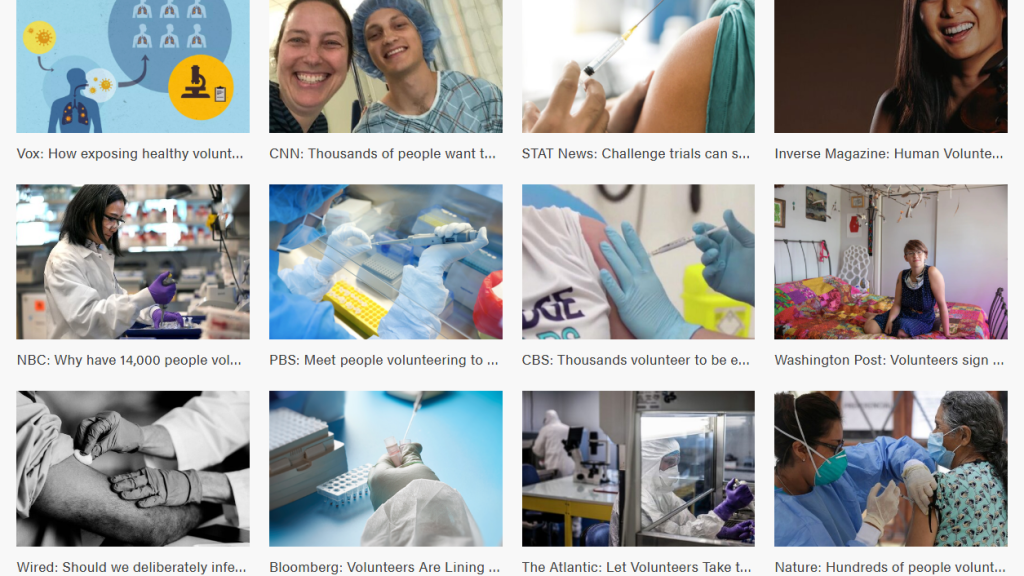
Whom to sacrifice for Human Challenge Trials?
Science elites are demanding human challenge trials NOW. Science journalists cheer them on. Should healthy volunteers be infected with the Coronavirus? And if yes, who exactly will it be?
By Leonid Schneider, on research integrity, biomedical ethics and academic publishing
Science elites are demanding human challenge trials NOW. Science journalists cheer them on. Should healthy volunteers be infected with the Coronavirus? And if yes, who exactly will it be?

“The presence of such articles online have severely affected Dr. Louis J. Ignarro’s public reputation, and his personal life.
Dr. Ignarro disputes any accusations of wrongdoing. There was no fabrication of data, although there was a mistaken duplication of data which occurred due to error. None of the data was false.” -J.L. Perez, Esq.
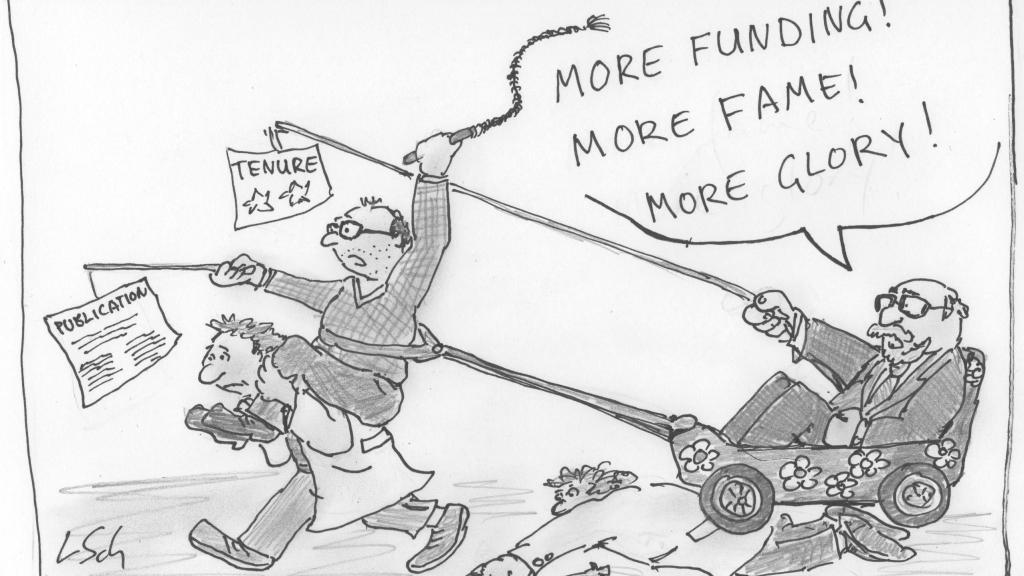
Scholarly publishing is broken, and no repair is possible. At least let’s point fingers at the elites and laugh. Can science trust Science?
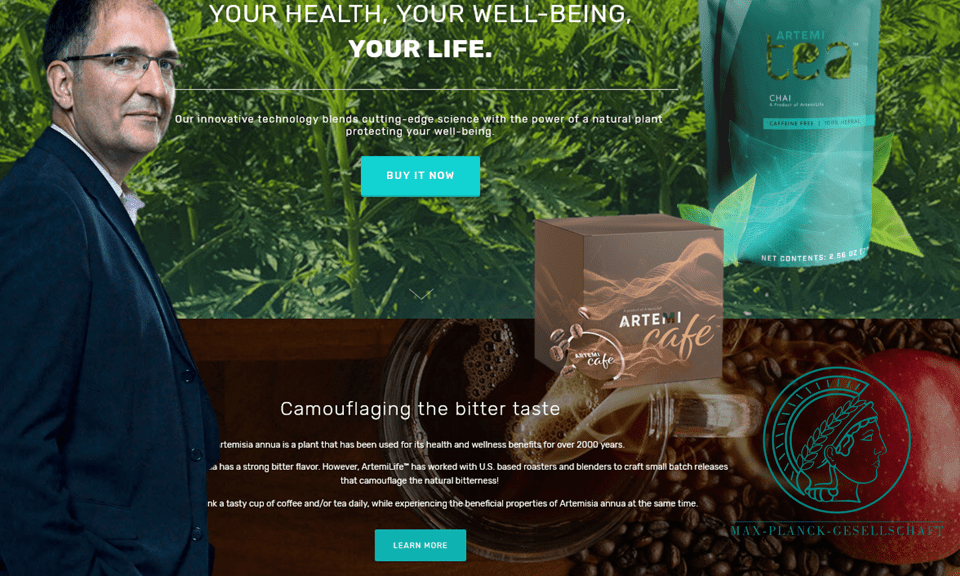
Science communication by press release. No paper is published, no data available, but a Max Planck Institute director is eager to announce a possible cure for COVID-19: artemisia extracts, by his own company.
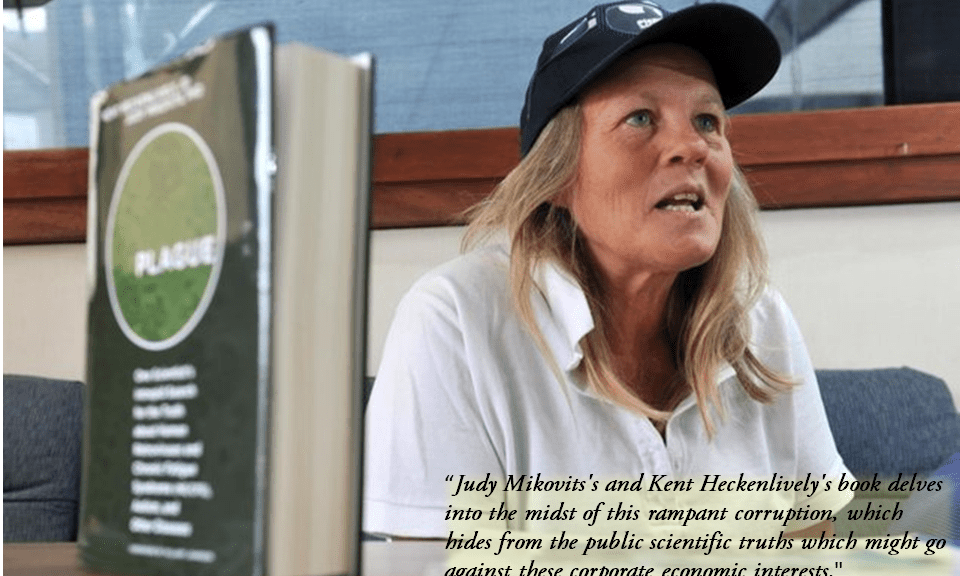
Smut Clyde takes on Dr Judy Mikovits and guides you through her career, from fake Science to antivax and cancer quackery, and over to COVID-19 conspiracies, in 5 acts plus Coda.
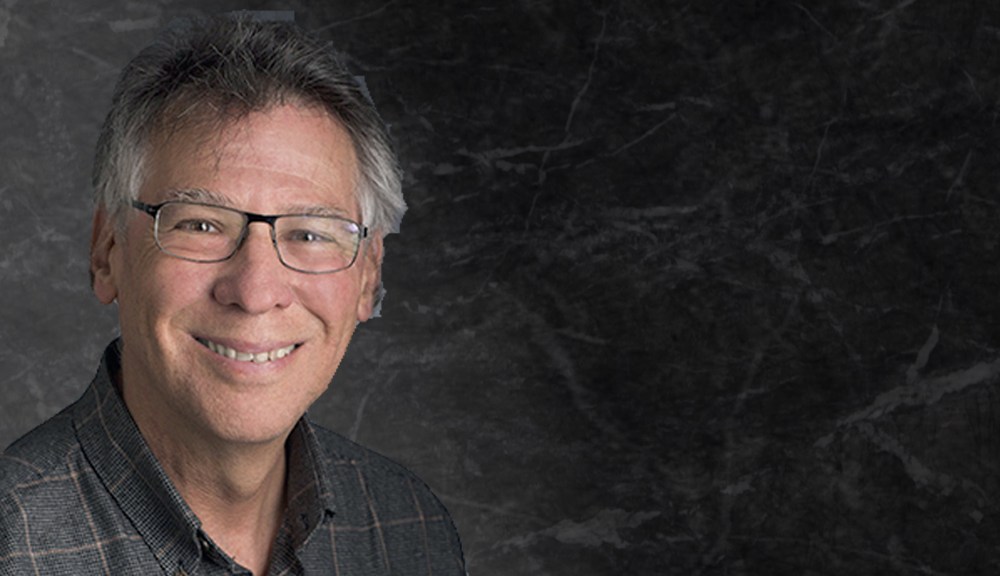
Veteran journalist Michael Balter is being sued for libel. He appeals to fellow reporters for help.

What better distraction than the COVID-19 pandemic to revive one of the spookiest parasites in cancer research? AACR uses the COVID-19 cover to award Michael Karin, for his over 50-paper-strong record of data fakery.

NEJM and The Lancet retract two fake papers, one was dealing with chloroquine. Did we just get a brief glimpse into the fraudulent abyss of medical literature and the corruption of medical elites, briefly opened by the current COVID-19 situation?
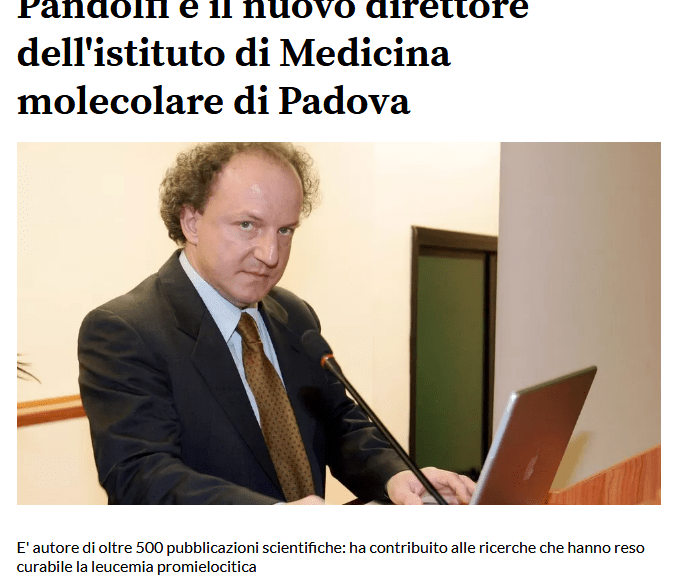
Star cancer researcher Pier Paolo Pandolfi left Harvard. The allegations are very serious, but do his new employers in Nevada and Italy mind?
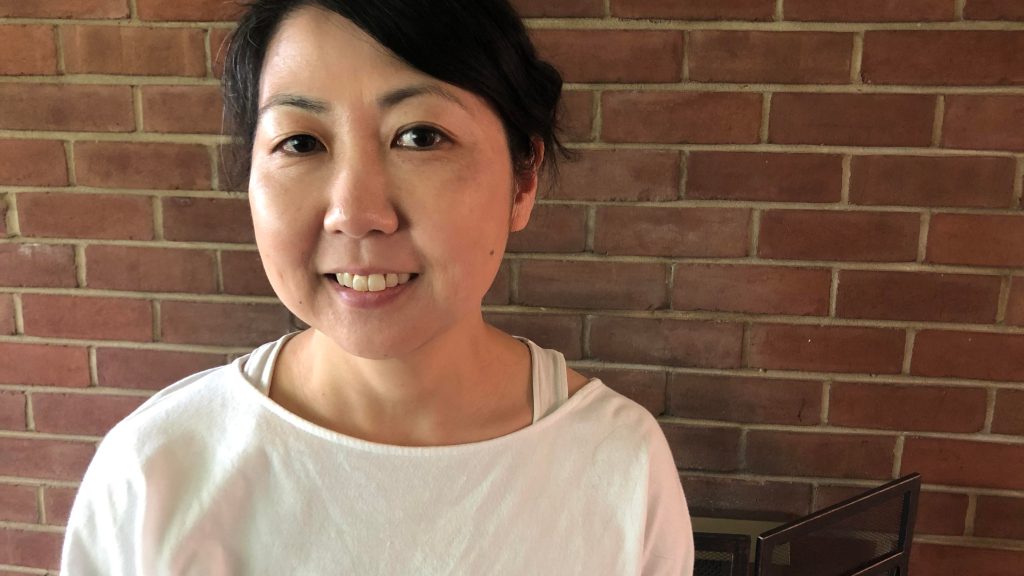
This is my interview with Kaoru Sakabe, research integrity manager at the Journal of Biological Chemistry. Will the tough stance on science fraud be abandoned, now that the publisher partnered with Elsevier?

 For Better Science