The impossible Toni Camins
They are professors of molecular biology and they don’t know how microscopy or western blots are supposed to work. But it passed peer review!
By Leonid Schneider, on research integrity, biomedical ethics and academic publishing
They are professors of molecular biology and they don’t know how microscopy or western blots are supposed to work. But it passed peer review!

Mario “Fakenews” Saad is entering a run-off election to become rector of his Brazilian university. The man responsible for massive research fraud and 18 retractions plays the victim of a “Cancel Culture”. Saad also announces to create an “Office for Research Integrity”, to legalise misconduct and to punish the whistleblowers.

David Sabatini, remember that story? Well, it seems the conclusions were not affected. I take an ill-informed look at the mTOR signalling research field, to understand how photoshopped data gets to be independently verified by other labs.
Smut Clyde and Tiger BB8 uncover a Chinese network which spreads over two cities and uses same stash of fake data to keep inventing nanoparticle or TCM-based cures for diabetic brain damage and other diseases.
On 7 April 2010 the Spanish diabetes researcher Margarita Lorenzo died of metastatic melanoma, aged only 51. Two months after her death, Lorenzo’s colleagues submitted a paper to the journal Diabetes. The paper, which studies the mechanisms of obesity and insulin resistance, seems to be full of manipulated western blot data. While Lorenzo was dying of cancer, her colleagues advanced their careers using her reputation, using their own disreputable Photoshop skills.
German diabetologist Kathrin Maedler is a central figure of a questionable academic dynasty. Using Photoshop simulations, she discovered a cure for diabetes, which was then allegedly validated in clinical trials led by her Swiss PhD advisor Marc Donath. 15 years later, the Maedler-Donath diabetes cure was proven as utterly ineffective by same Donath, in another clinical trial. Maedler’s own PhD student, Amin Ardestani is group leader in Bremen, despite data irregularities and unacknowledged textual reuse in his thesis.
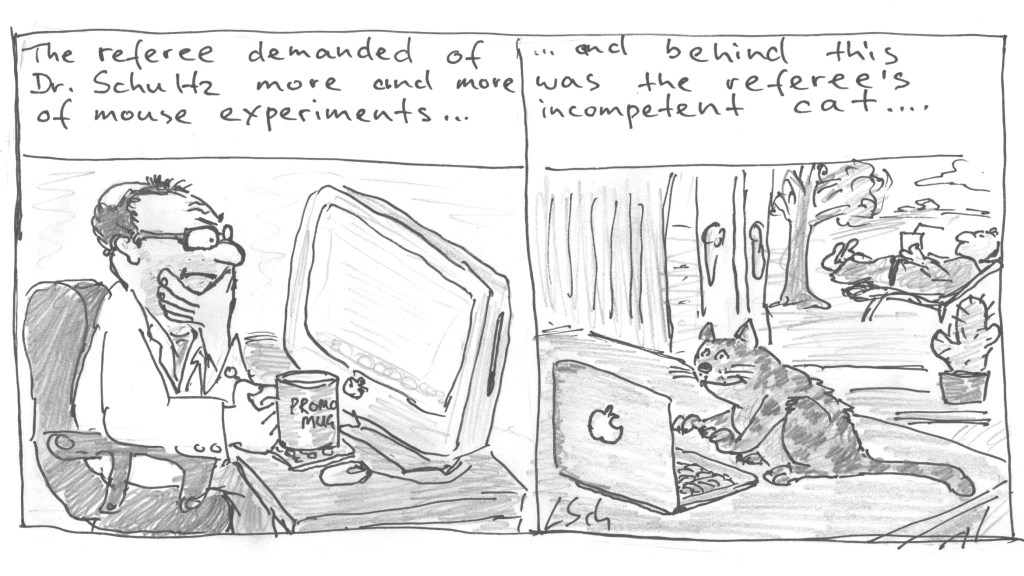
The following email exchange took place between the academic Editor-in-Chief of an Elsevier subscription journal and a professor of physics and astronomy, who was invited to peer review a clinical trial study on gestational diabetes, his expertise assumed from some obscure “keywords”.
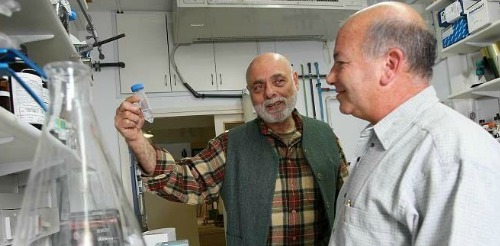
This is a new episode of the data manipulation affair around Weizmann Institute of Science in Rehovot, Israel (and another guestContinue Reading
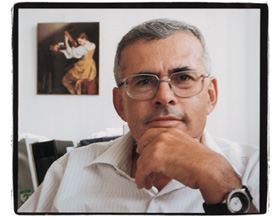
The Weizmann Institute of Science in Rehovot, Israel, is not just a renowned biomedical research centre of world calibre. ItContinue Reading
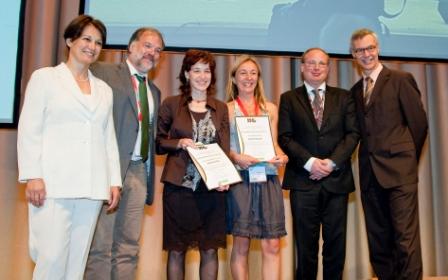
“As a suitable and appropriate measure in accordance with the DFG procedural regulations, the Examination Board proposed to the main committee the withdrawal of the Heisenberg Professorship for Mädler, which was approved in 2014.”

 For Better Science