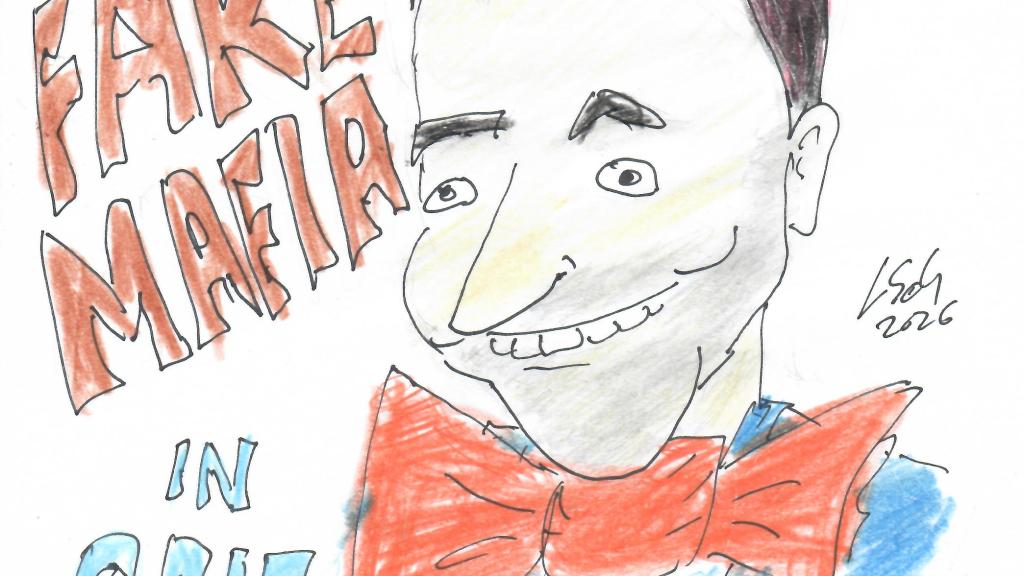
How Bernhard Sabel cured the blind and saved science
“What do science and “true love” have in common? Both are infatuated by passion, but if trust is lost, it is almost impossible to go back.” – Bernhard Sabel
By Leonid Schneider, on research integrity, biomedical ethics and academic publishing
“What do science and “true love” have in common? Both are infatuated by passion, but if trust is lost, it is almost impossible to go back.” – Bernhard Sabel
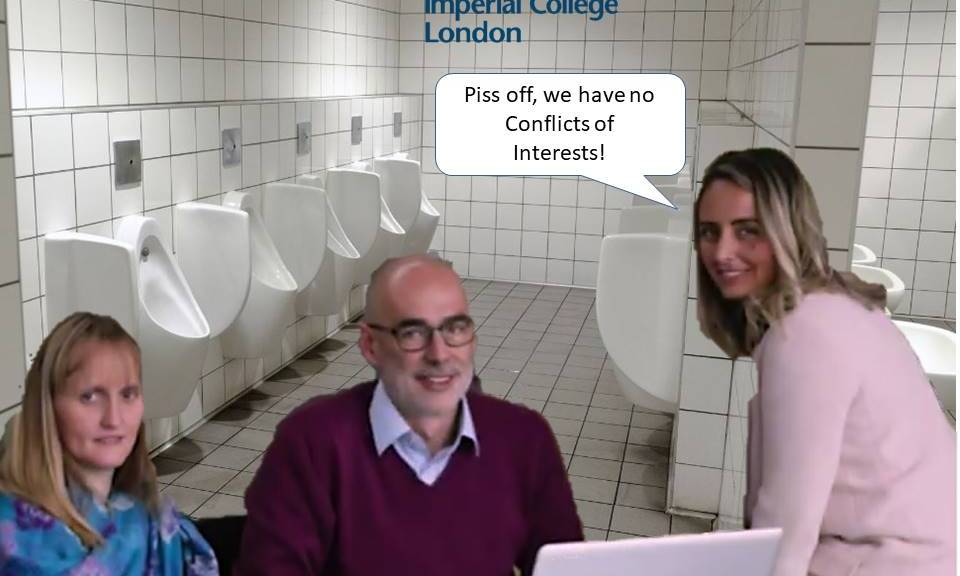
“Having reviewed the Conflict of Interest disclosures made by Professor Frost, Professor Holmes and Dr Garcia-Perez, and having also reviewed additional information concerning their company, Melico, […] the College is satisfied that they have no undisclosed or unmanageable conflicts of interests” – Arts Bachelor (Honours)
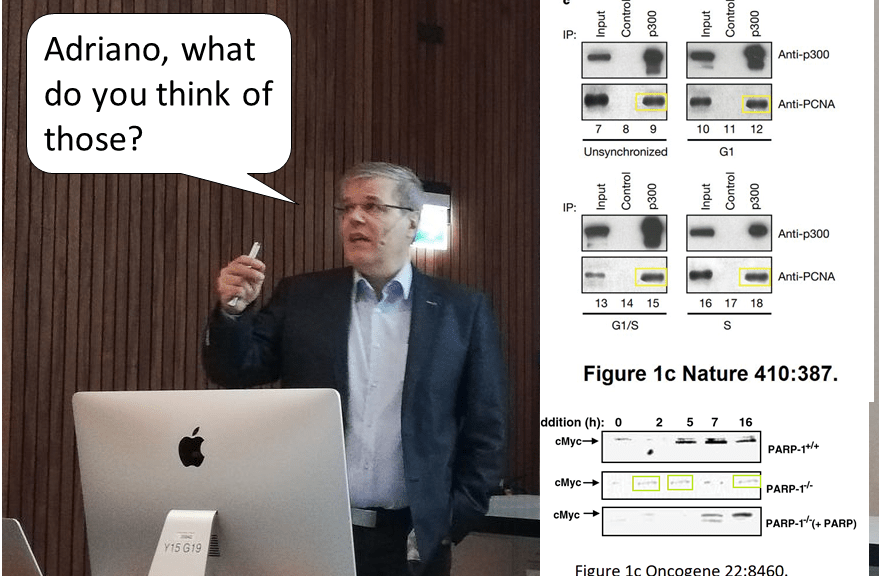
University of Zurich and its Unispital has so much trouble with their medical professors right now. I wish to help.
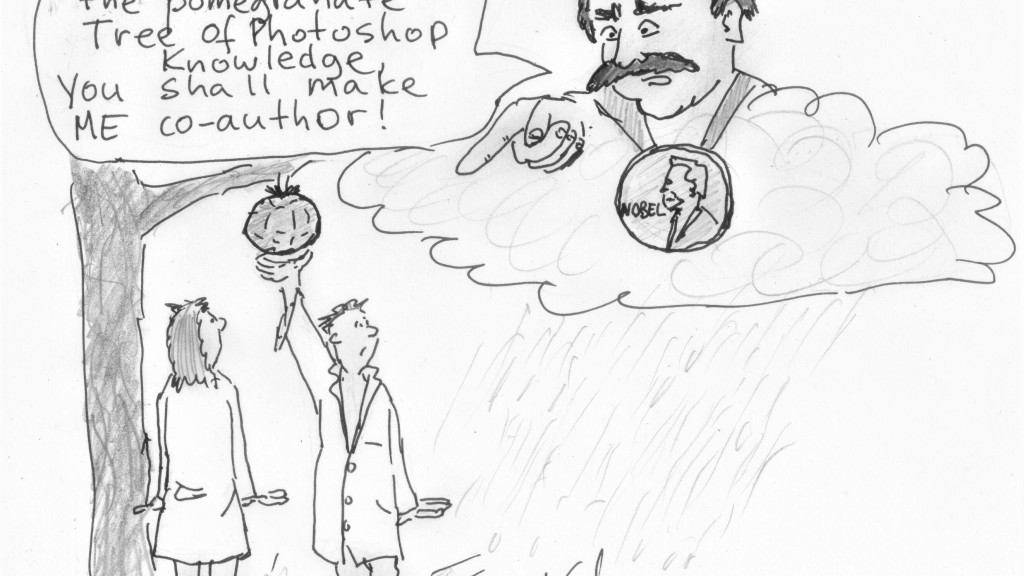
Louis J. Ignarro knew how to monetize his 1998 Nobel Prize for discovery of nitric oxide as molecular cell signalling agent. He made many millions selling dietary supplement for Herbalife and pomegranate juice for POM Wonderful Company. Some of that found its way (without proper conflict of interest declaration) into Ignarro’s peer reviewed papers. Those, done in collaboration with certain Photoshop artists like Claudio Napoli, contain clearly fabricated data.
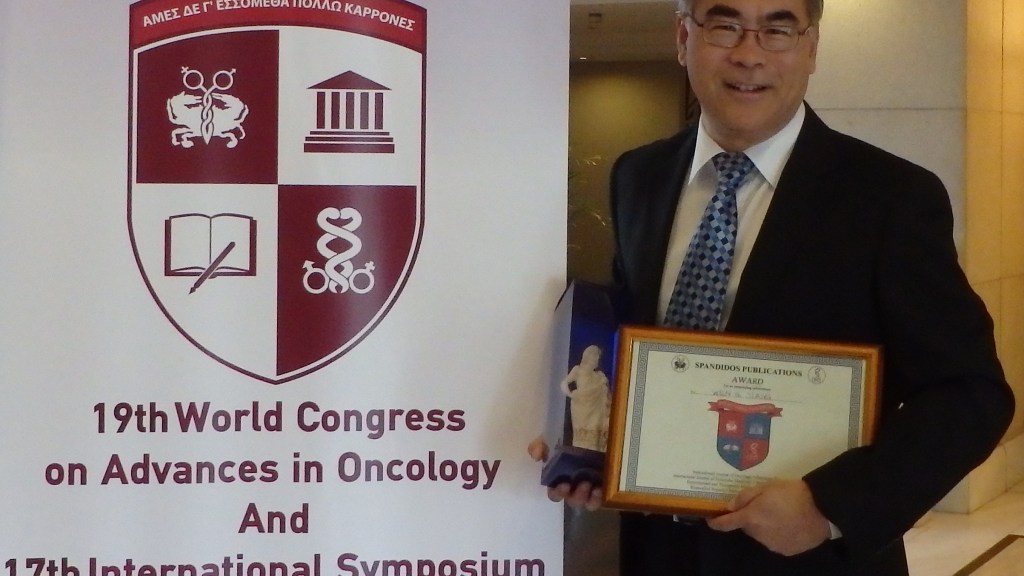
This is a follow-up to the previous article, about a misconduct investigation at the Cardiff University in UK into theContinue Reading
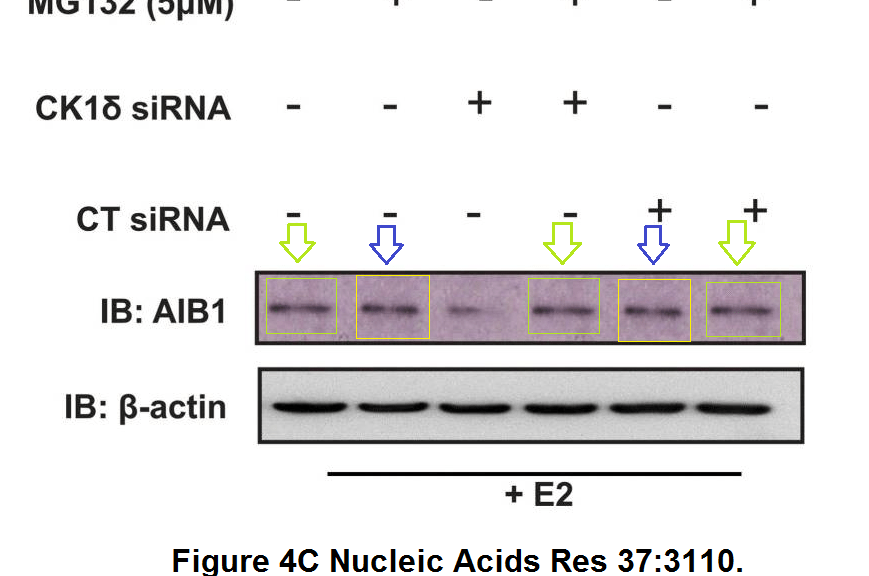
‘The results have been replicated by ourselves or others, so the image manipulation is irrelevant.’ – Justin Stebbing, double bluffing
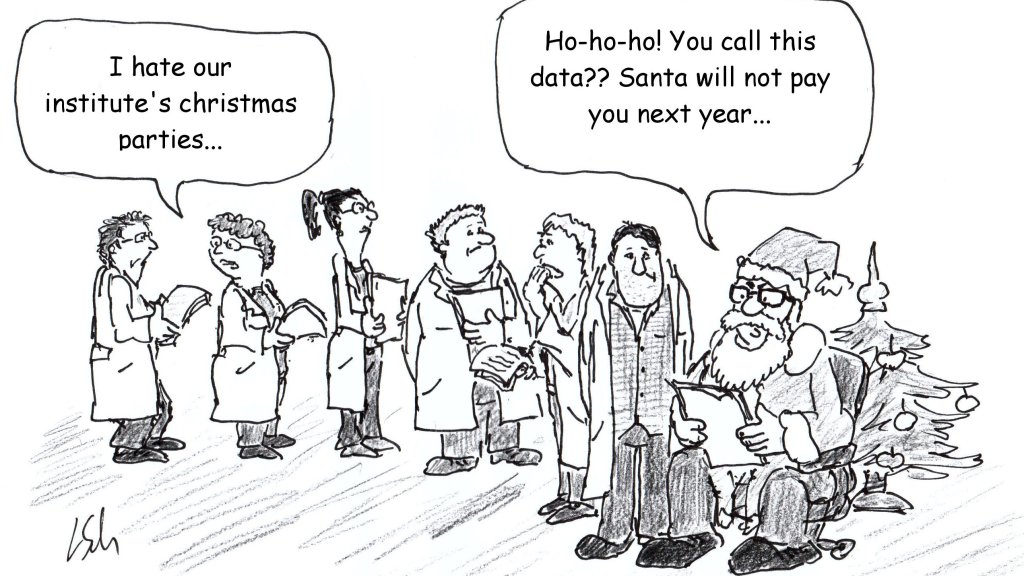
Christmas season is the time to eat lots of chocolate. And as science teaches us, your confectionery is actually theContinue Reading
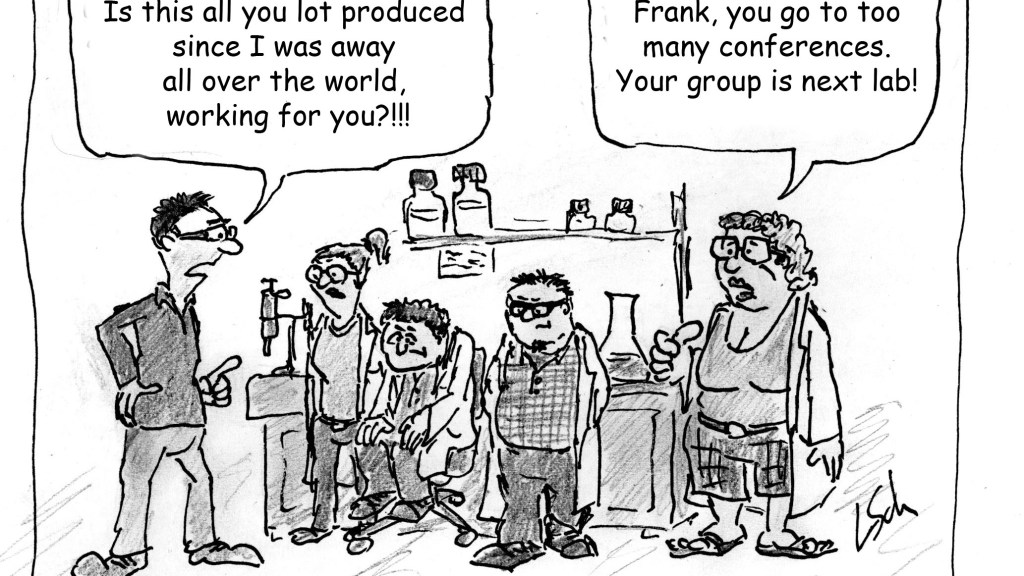
Great scientists never have any conflicts of interests, and in the case of the investigation of the research misconduct byContinue Reading
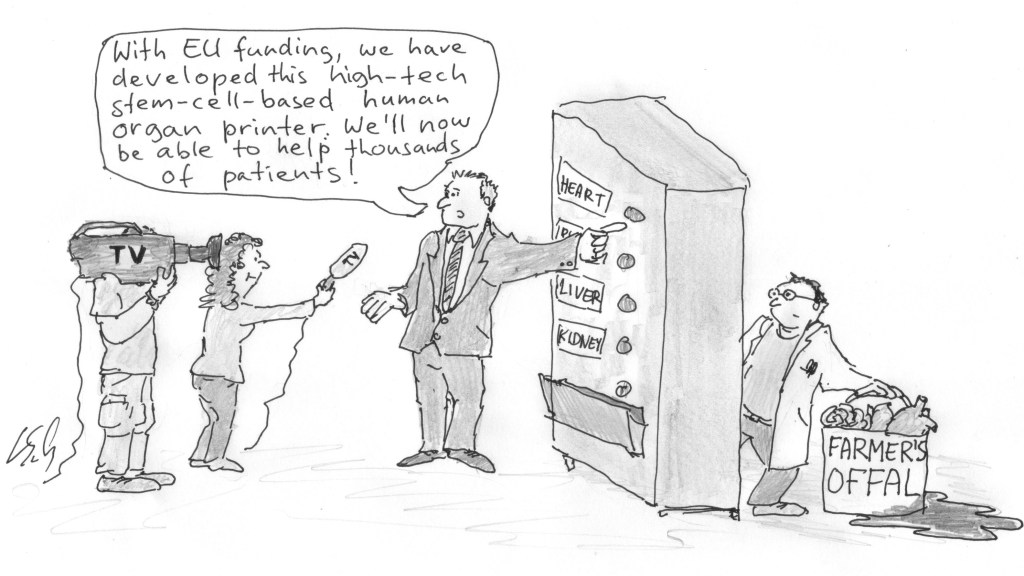
The science of the fallen star of regenerative medicine Paulo Macchiarini was simple: take a dead organ, strip it ofContinue Reading

A scientist finds serious measurement errors in three publications of his former collaborators. He alerts the journals and makes hisContinue Reading
Have a WordPress.com account? Log in now.

