How Andrea Cerutti molested and defiled Journal of Immunology
Spain is where dishonest research gets rewarded, with awards, grants and media fame. No wonder the New York-based immunologist Andrea Cerutti opened a second lab in Barcelona.
By Leonid Schneider, on research integrity, biomedical ethics and academic publishing
Spain is where dishonest research gets rewarded, with awards, grants and media fame. No wonder the New York-based immunologist Andrea Cerutti opened a second lab in Barcelona.

I obtained the full report on the case of Karin Dahlman-Wright, Vice-Rector of the Karolinska Institutet. The investigation by Danish researcher Nils Billestrup for CEPN found 6 out of 8 papers contained data manipulations, but only in 2 cases serious enough to affect the conclusions.
I obtained a partial script of a stage play which recently premiered in Paris: “La Passion de Don Carlos”. Any similarities with Spanish or French cancer researchers are entirely coincidental.
Carlos Lopez-Otin was forced to retract EIGHT papers in the Journal of Biological Chemistry, right after he retracted a very important paper in Nature Cell Biology. Spanish elites cry foul, a letter signed by 50 Spanish researchers was sent to JBC to prevent retractions. The ringleader is Juan Valcarcel of CRG in Barcelona, and I release 3 incompetent investigative reports Valcarcel commissioned in 2015 to whitewash his CRG colleague Maria Pia Cosma.
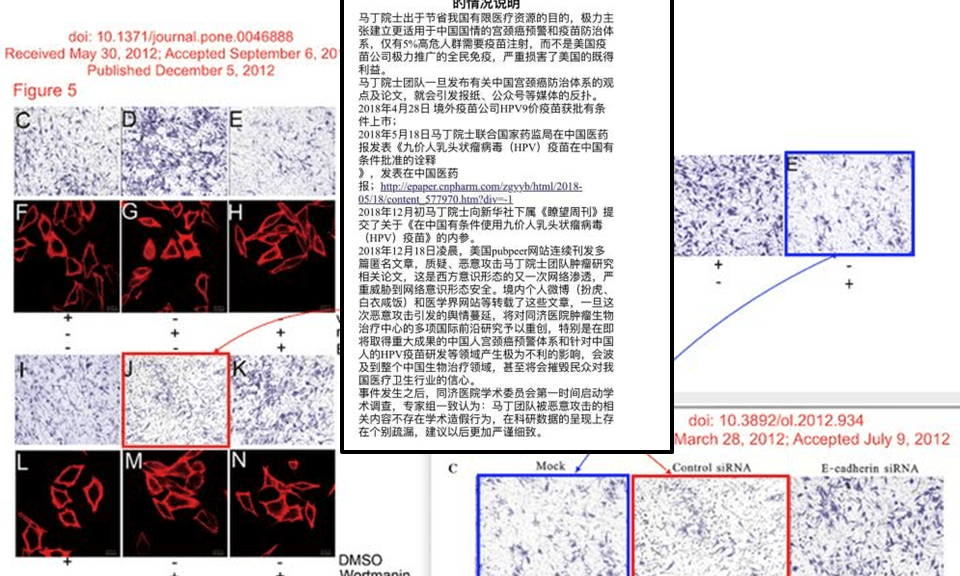
Manipulated data in 17 papers from one cancer research lab in China gets flagged on PubPeer. It ends with the university hospital in Wuhan issuing a secret statement accusing the US pharma giant a Merck of a conspiracy to slander a Chinese Academy member, Dr Ding Ma.
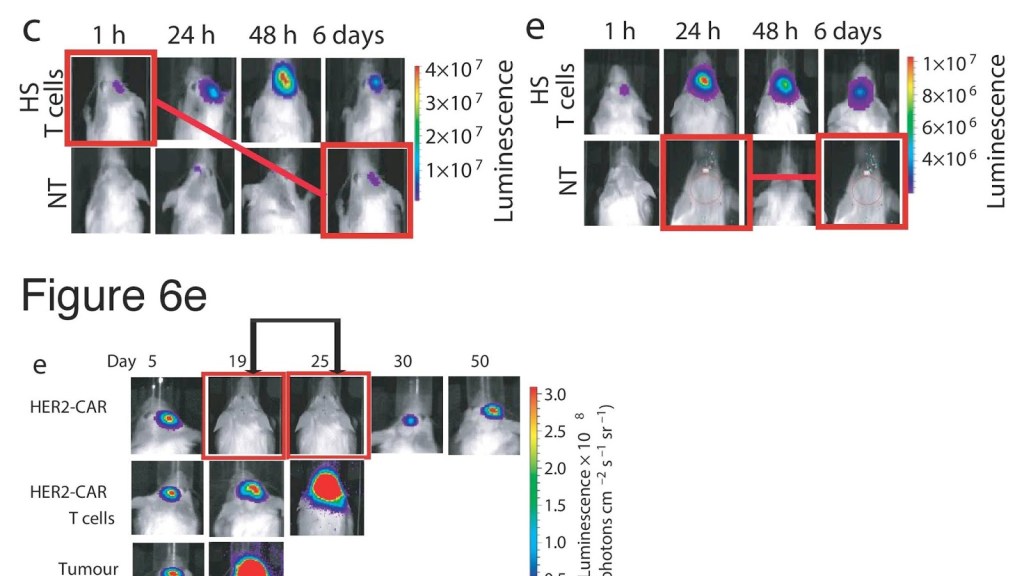
The team around the paediatric oncologist Nabil Ahmed at Baylor College of Medicine in Houston, Texas, discovered a way to engineer T-leukocytes to bypass the blood-brain barrier at attack otherwise untreatable brain cancers. Their amazing technology to get this published in Nature was brazenly insolent data fakery.

Professor Ruben Plentz chose to focus his career on clinical medicine in Bremen, despite his tremendous academic achievements in cancer research. Was it because malicious critics harassed him with frivolous investigations and corrections, envious at all those peer-reviewed cancer cures the great doctor invented?
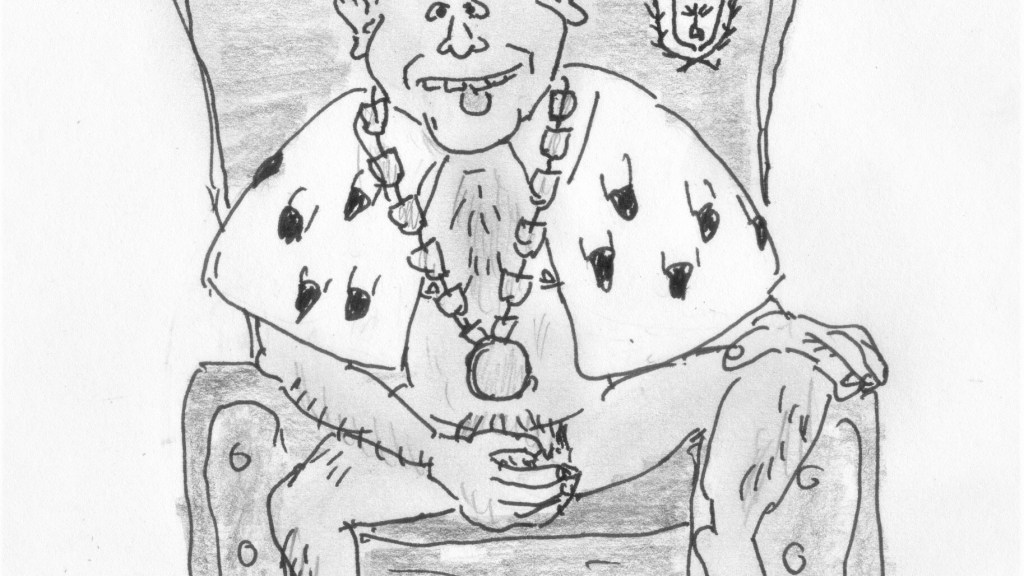
On 27 December 2018, I received an email from the Italian Office for Protection of Personal Data. A certain Professor Giorgio Zauli has reported me for publishing an official letter his University of Ferrara sent to me on his behalf.
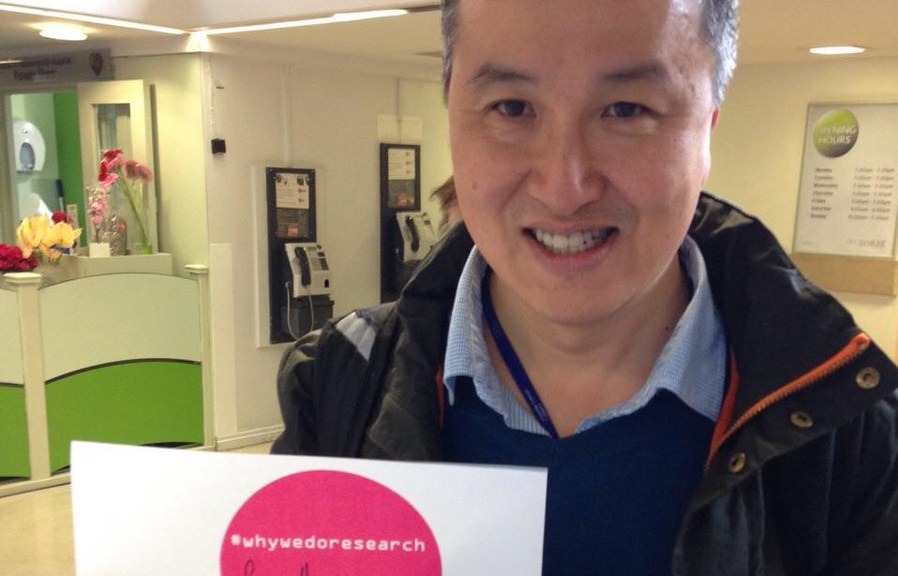
Eric Lam is yet another of the many “Curing Cancer with Photoshop” researchers which PubPeer is full of. This professor of molecular Oncology at Imperial College in London is responsible for several papers with duplicated gel bands, but does it matter? He has 250 more.

Two and a half years after Maria Fousteri was found guilty of scientific misconduct by her former employer, the Leiden University Medical Center (LUMC), exactly nothing at all happened. ERC and Molecular Cell ignored LUMC letters from June 2016, while Fouster’s British co-authors interfered to save own papers. Of 4 scheduled retractions, none took place.

 For Better Science