Professor Zhao’s paper mill of fraud
A cancer research professor in China runs a paper mill, sources claim he sells first authorships for a bribe. Problem for his customers: the peer-reviewed papers they pay for, contain fake data.
By Leonid Schneider, on research integrity, biomedical ethics and academic publishing
A cancer research professor in China runs a paper mill, sources claim he sells first authorships for a bribe. Problem for his customers: the peer-reviewed papers they pay for, contain fake data.
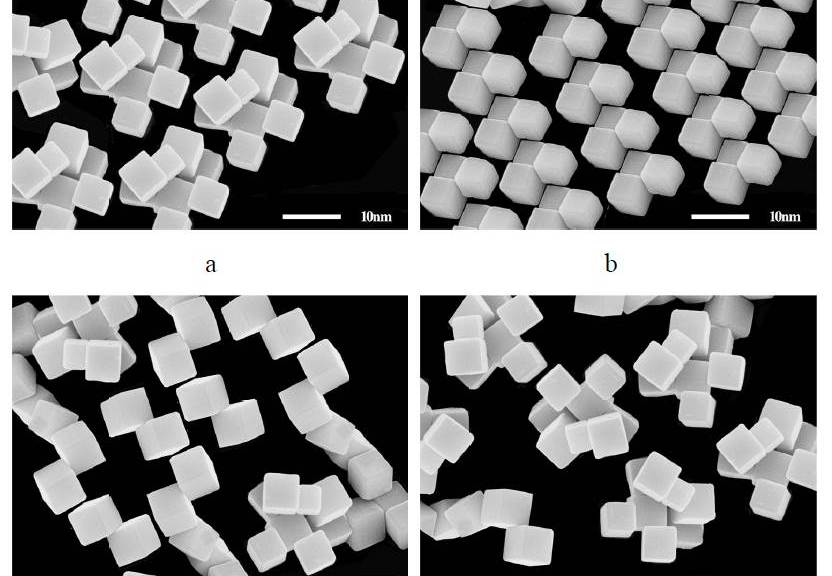
Smut Clyde and TigerBB8 investigate another case of nanotechnology research in China. Connected teams of authors pretended to work on cleaning up the environment of radioactive pollution, and instead released a toxic sludge of fraudulent data and citations.
Smut Clyde and Tiger BB8 uncover a Chinese network which spreads over two cities and uses same stash of fake data to keep inventing nanoparticle or TCM-based cures for diabetic brain damage and other diseases.
The story of two data fabricators and Elsevier regulars, Sudheer Khan and Ali Fakhri. Smut Clyde brings them together in this new guest post about nanotechnology
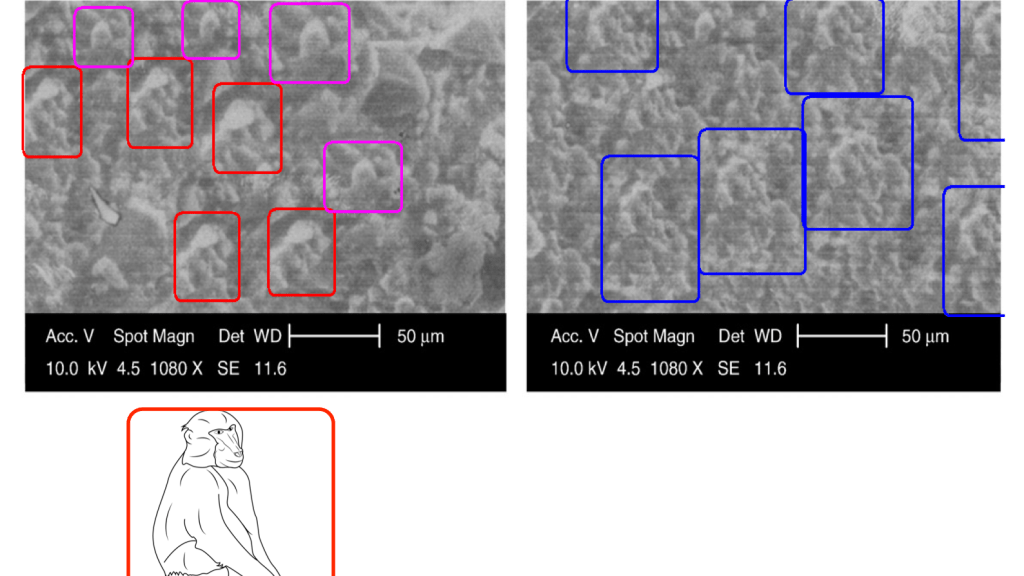
The hero of this new nano-malfeasance story by Smut Clyde is another Chinese Photoshop-enthusiast, Rijun Gui, a “specially recruited professor” at Qingdao University in China. There is also a female lead, Gui’s wife and colleague Hui Jin. Almost 30 of their papers, mostly published in Elsevier journals, are being discussed on and by PubPeer, one was already retracted by the Royal Society of Chemistry.
My regular contributor Smut Clyde will now lead you back on a trip to the magic world of “Nanotechnology”, where tiny particles are created, sometimes in real chemical laboratories, sometimes in the fake world of the Photoshop. Dong Ge Tong, of Chengdu University of Technology in China, is not just a photoshopper, but also a true philosopher.
Giovanni Tarantino andC armine Finelli are two medical plagiarists from Naples in Italy, who became infamous after one of them was caught having stolen the work of a US colleague he was peer reviewing. In other cases, the two Napolitans were even too lazy to plagiarise. They simply republished their already plagiarised “works” several times, even as book chapters. The journals were informed, but most couldn’t care less.
Smut Clyde is a natural force I insidiously chose to harvest and unleash upon the worst cheaters of the researchContinue Reading
“What about you? Do you find it risible when I say the name…” Michael Persinger? Either you are laughing already,Continue Reading
Nanotechnology is the way to cure cancer and to save humanity of all its problems in general. The photoshopping team around the physicist Prashant Sharma and Rashmi Madhuri rode this train, till PubPeer sleuth interfered.