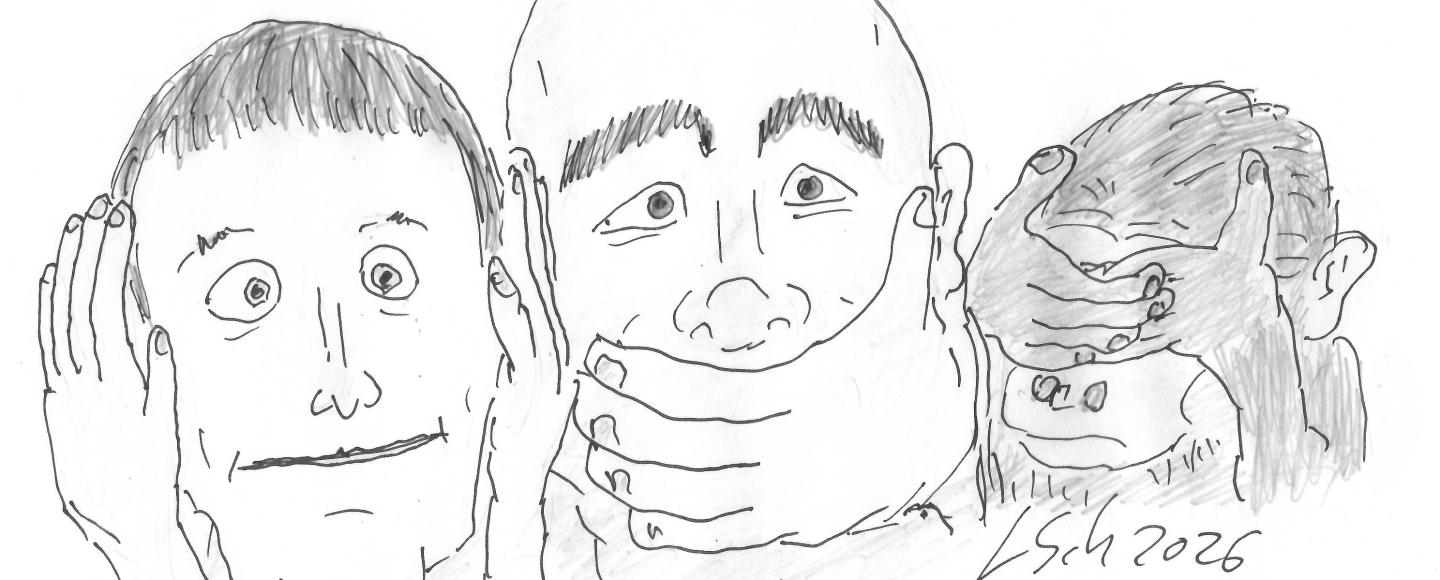

Félix Sauvage is associate professor of pharmaceutical science at Ghent University in Belgium. He requested the retraction of two of his own papers after he found out that his collaborators in France engaged in data manipulation. These collaborators were Sabine Szunerits, Knight of the French National Order of the Legion of Honour and Silver Medalist of CNRS, and her husband Rabah Boukherroub, both are full professors of nanotechnology at the University of Lille.
Félix studied other papers by Szunerits and Boukherroub, found much more fraud, and blew the whistle on them. He shares his story and his advice in the following guest post.
I first wrote about Szunerits and Boukherroub in December 2023, the story was soon picked up by Le Monde.
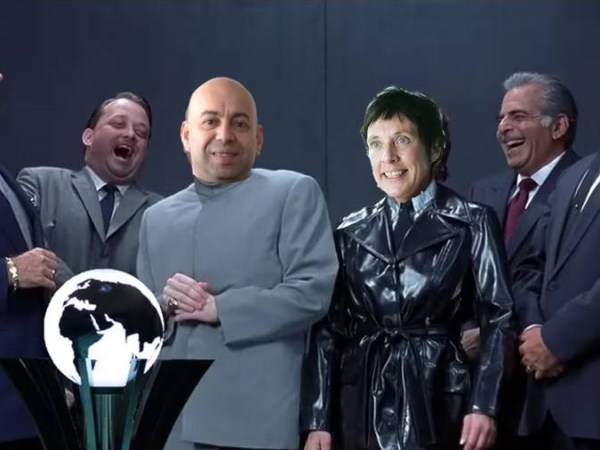
Lille Papermille
French nanotechnologists Sabine Szunerits and Rabah Boukherroub put EU Commission’s money to good use. The EU cannot afford a papermill gap to Iran and China!

Neither of these two papers was retracted despite Félix’s requests, the publishers await the outcome of the investigation by CNRS and University of Lille. In July 2024, Szunerits very quietly left her CNRS-funded position in Lille, even though the university pretends otherwise. Only her lab’s website lists her only among “former members”, as “furloughed” (compare to archived version from June 2024):
Szunerits now uses as her only affiliation the Danube Private University (DPU) in Vienna, in her native Austria. But even that isn’t exactly correct.
True, she used to be since 2022 in charge of the Life Sciences Technology lab at DPU, but in 2024, just after she won a grant from EU Commission, the DPU leadership saw my article and Szunertis’ PubPeer record (currently ~150 threads!), and then, her lab just ceased to be. All mention of Szunerits was erased at DPU, see this archived record from October 2023 and compare it to February 2024 or now. Quite likely DPU kept Szunerits’s EU grant in and herself out, this nanofabricator is at DPU only on paper, until the end of the funding period.
Boukherroub however remains employed in Lille, but he isn’t a team leader anymore. Maybe he was allowed to stay because the university values his contacts to the worst of papermillers, like Mika Sillanpää, Suman L. Jain, or Mu. Naushad.
Szunerits and her husband retracted several other papers already, as I discussed in November 2025 Shorts, here a brief list:
- Oleksandr Zagorodko , Jolanda Spadavecchia, Aritz Yanguas Serrano , Iban Larroulet , Amaia Pesquera , Amaia Zurutuza , Rabah Boukherroub, Sabine Szunerits Highly Sensitive Detection of DNA Hybridization on Commercialized Graphene-Coated Surface Plasmon Resonance Interfaces Analytical Chemistry (2014) doi: 10.1021/ac502705n September 2024 Retraction
- Izabela Kaminska , Wang Qi , Alexandre Barras , Janusz Sobczak , Joanna Niedziolka‐Jonsson , Patrice Woisel , Joel Lyskawa , William Laure , Marcin Opallo , Musen Li , Rabah Boukherroub, Sabine Szunerits Thiol–Yne Click Reactions on Alkynyl–Dopamine‐Modified Reduced Graphene Oxide Chemistry – A European Journal (2013) doi: 10.1002/chem.201300225 September 2024 Retraction
- Lionel Marcon, Corentin Spriet , Yannick Coffinier, Elisabeth Galopin, Claire Rosnoblet , Sabine Szunerits, Laurent Héliot, Pierre-Olivier Angrand , Rabah Boukherroub Cell Adhesion Properties on Chemically Micropatterned Boron-Doped Diamond Surfaces Langmuir (2010) doi: 10.1021/la101757f April 2025 Retraction
- Lionel Marcon , Mei Wang , Yannick Coffinier , Francois Le Normand , Oleg Melnyk , Rabah Boukherroub, Sabine Szunerits Photochemical immobilization of proteins and peptides on benzophenone-terminated boron-doped diamond surfaces Langmuir (2010) doi: 10.1021/la903012v May 2025 Retraction
- Manakamana Khanal , Volodymyr Turcheniuk , Alexandre Barras, Elodie Rosay , Omprakash Bande , Aloysius Siriwardena , Vladimir Zaitsev , Guo-Hui Pan , Rabah Boukherroub, Sabine Szunerits Toward Multifunctional “Clickable” Diamond Nanoparticles Langmuir (2015) doi: 10.1021/acs.langmuir.5b00643 July 2025 Retraction
- Rostyslav Bilyy, Quentin Pagneux , Nathan François, Galyna Bila, Roman Grytsko, Yuri Lebedin, Alexandre Barras, Jean Dubuisson, Sandrine Belouzard, Karin Séron, Rabah Boukherroub, Sabine Szunerits Rapid Generation of Coronaviral Immunity Using Recombinant Peptide Modified Nanodiamonds Pathogens (2021) doi: 10.3390/pathogens10070861 November 2025 Retraction
But now, to the guest post by their whistleblower, Félix Sauvage:
See no evil, speak no evil, hear no evil
by Félix Sauvage
Most of you are familiar with the three wise monkeys, which were first depicted on a door of the Tōshō-gū shrine in Nikkō, Japan, and whose origins are thought to date back centuries. Their meaning is actually double. In Buddhist tradition, they represent the rejection of evil thoughts and evil acts « see no evil, hear no evil, speak no evil ». In the western world, however, they symbolize the ignorance of an undesirable information: “I saw nothing, heard nothing, and said nothing”. A silent agreement to look away.
These rather opposite meanings apply to scientific integrity and raise a simple question about how co-authors should act when confronted with scientific misconduct. At a time when scientific integrity itself is fragile, driven by fear and under the threat of AI, the western interpretation of this symbolism must not prevail in science.
With this article, and by sharing my story, I simply hope to raise (a bit of) awareness among young scientists, restore the confidence of researchers who have experienced difficult situations, and make a small contribution to the culture of scientific integrity.
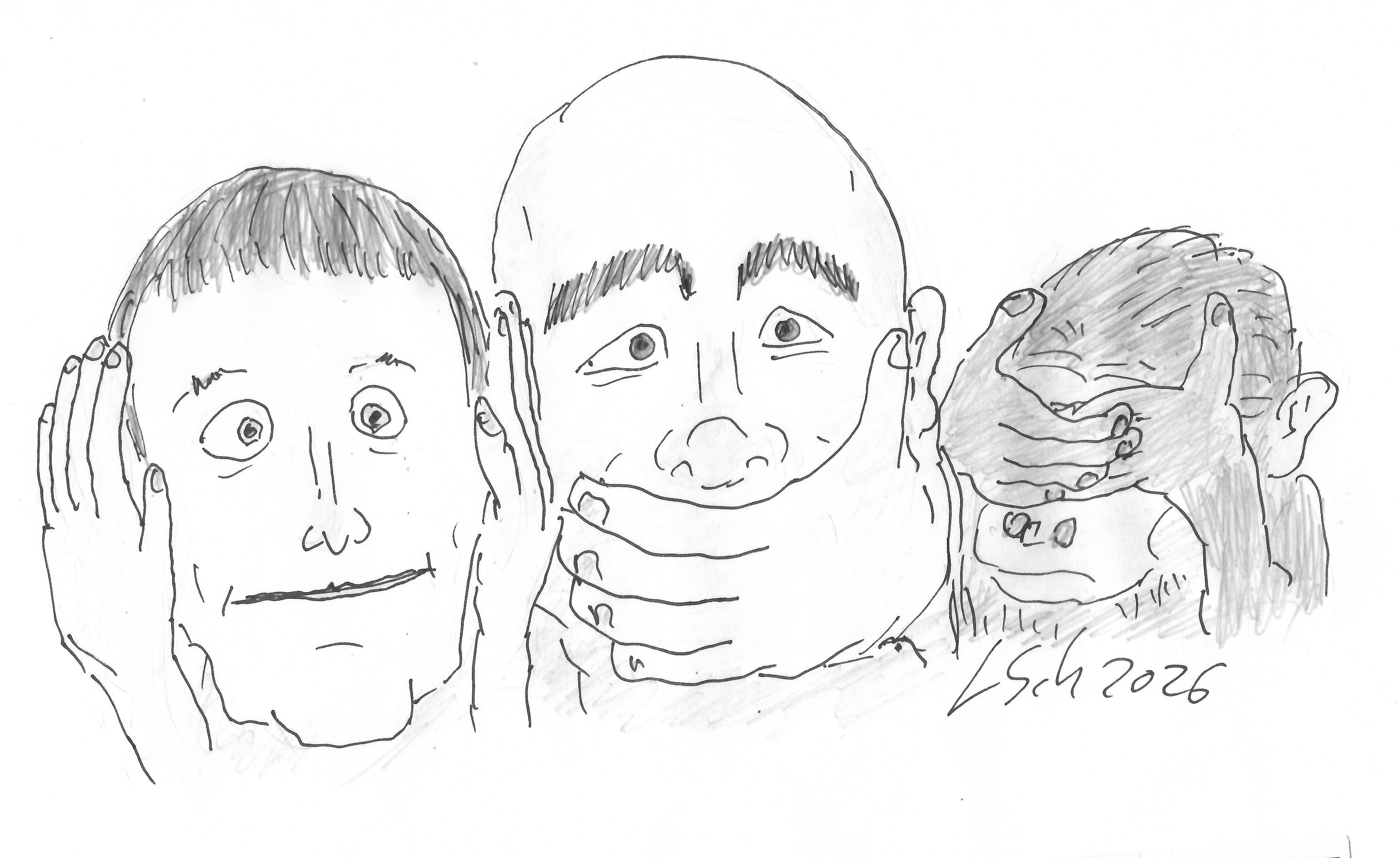
See no evil (見猿)
Following the western interpretation, the Mizaru monkey does not want to see. This is the first, very human, reaction when people realize that something is wrong in their own work. This is what I first felt when I realized that there were not one, but two, then three and then four figures… with issues in my work. But I decided to look more, down to background noise and pixels.
In 2019, I obtained a grant to co-supervise a PhD student with the lab of Prof. Szunerits at Lille University who is a high-profile researcher in chemistry with impressive “metrics”. As a junior postdoc, this collaboration looked promising but instead led me to a rather intense and probably one of the most instructive experience of my scientific life.
Overall, the collaboration went well, despite some usual ups and downs, until December 2022 when a first serious concern emerged in one of our papers:
Inès De Hoon , Alexandre Barras , Tomasz Swebocki , Bernd Vanmeerhaeghe , Bram Bogaert , Cristina Muntean , Amar Abderrahmani , Rabah Boukherroub , Stefaan De Smedt , Félix Sauvage, Sabine Szunerits Influence of the Size and Charge of Carbon Quantum Dots on Their Corneal Penetration and Permeation Enhancing Properties ACS Applied Materials & Interfaces (2023) doi: 10.1021/acsami.2c18598
After peer review, a revised version of this paper was submitted to the journal without informing me even though I was listed as the second corresponding author. I still remember very well where I was when I realized it: eating in a restaurant in beautiful Ghent with friends. I think they still remember the scene as well.
The main issue was not the stealth submission: a new stability figure to show stability of carbon dots (CQDs) had been inserted in the response-to-reviewers letter and in the supplementary information. Together with the PhD student, we could not trace these data back. The situation was blurry. I asked for clarifications, but did not receive an answer. We noticed that the added figure was visually identical (reflections, meniscus, tube positioning) to another one published in 2019 by the same group:
Aleksandra Łoczechin , Karin Séron, Alexandre Barras, Emerson Giovanelli, Sandrine Belouzard, Yen-Ting Chen, Nils Metzler-Nolte, Rabah Boukherroub, Jean Dubuisson, Sabine Szunerits Functional Carbon Quantum Dots as Medical Countermeasures to Human Coronavirus ACS Applied Materials & Interfaces (2019) doi: 10.1021/acsami.9b15032
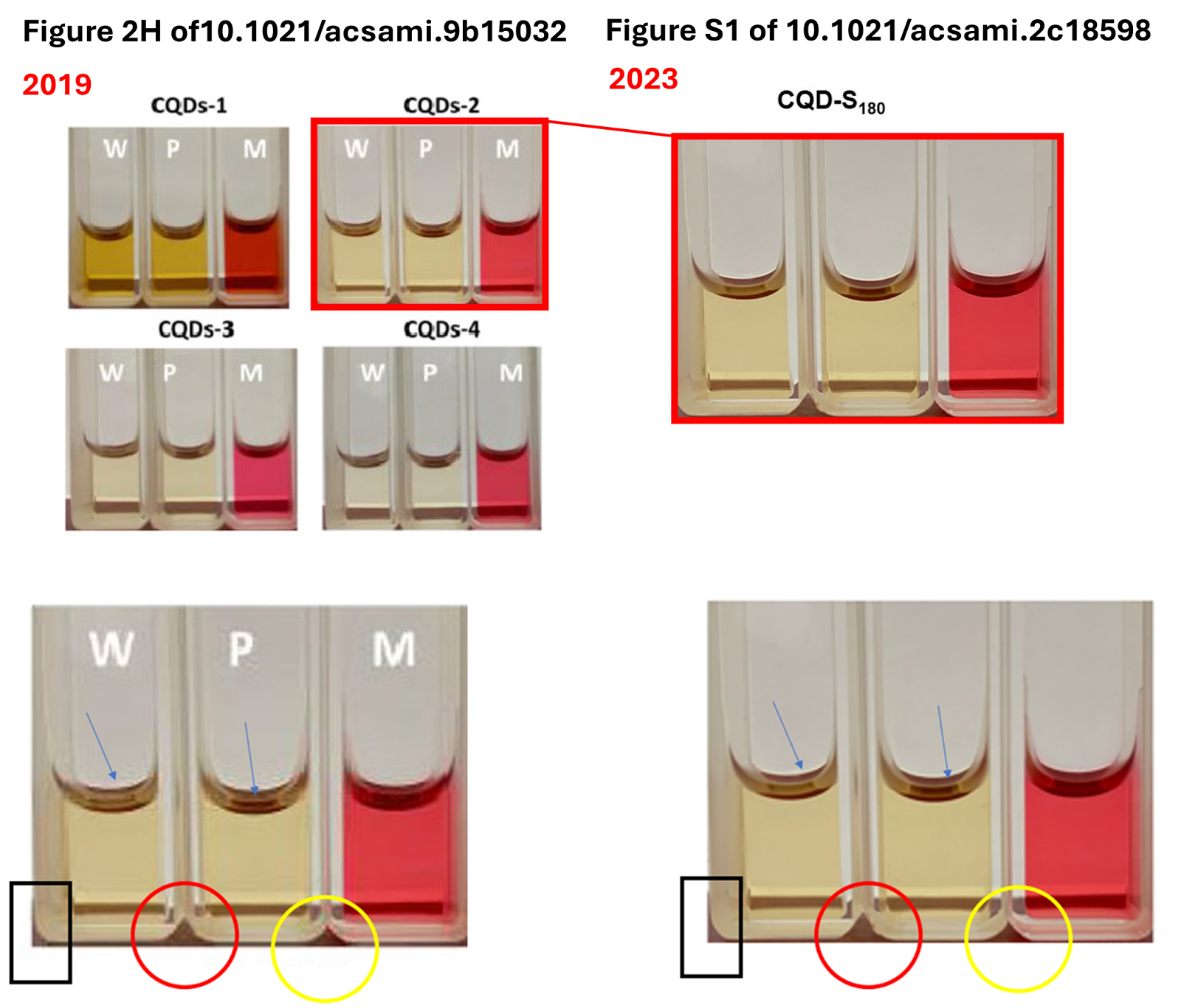
This suggested a possible image reuse without explicit citation. Nevertheless, the materials had different physico-chemical properties.
In the 2019 paper, the hydrodynamic size of the CQDs-2 was around 12 nm and their zeta potential (ZP) around – 8mV (Table 1 of this publication). The measurements were performed at pH=7.2. In my publication, the size of CQD-S180 was around 22 nm (calculated from a weighted average of two reported populations; table 2 of this publication) and their ZP around +27 mV. The measurements were performed at pH= 7.4. As stated in the experimental section of both papers, the two materials were different because derived from different precursors and synthesized using different methodologies.
Together with the PhD student, we eventually redid the experiment in Ghent to remove any ambiguity. The figure was replaced with our own experimental results and the paper was accepted.

Human Brain Project: bureaucratic success despite scientific failure
The EU €1-Billion-Flagship Human Brain Project (HBP) has passed its midterm evaluation with flying colours. Noone knows exactly what the objectives of this bombastic project is, as members of the evaluation panel indicated to me, while others refused to answer this question. The HBP leadership sure keeps the exact definition of these objectives secret, or…
Some people later asked: “Why didn’t you stop the collaboration at that time?”
This question makes sense, indeed. However, it comes from a safe distance. It also assumes that doubts appear early and clearly and that there is always a way to walk away immediately. Also, as a junior scientist, I naively thought this could be just an isolated issue, a mistake. Not enough to just walk away.
So, indeed, at that moment, as if by destiny, I did not stop the collaboration.
Later in 2023, I became more doubtful and wanted to understand better what happened. I decided to check PubPeer to see whether similar issues had been reported before. I found that several papers from the same research group were already under discussion. I thus started reviewing carefully all the figures in the papers we had co-authored. Since the first issue involved an image without proper citation, I felt it was necessary to read through the publications of our collaborators to understand the context and to see if there were more issues in my work. As a young principal investigator (PI), I believed it was my responsibility to have the full picture, to fully understand the nature of the issues to then take the most appropriate action.
While examining the figures of our first paper (below), I realized that the TEM images in Figure S1, supposedly corresponding to different carbon dots, were in fact identical. Even worse, one of the images had been rotated and cropped.
Alexandre Barras , Félix Sauvage , Inès De Hoon , Kevin Braeckmans , Dawei Hua , Gaëtan Buvat , Juan C. Fraire , Christophe Lethien , J. Sebag , Michael Harrington , Amar Abderrahmani , Rabah Boukherroub , Stefaan De Smedt , Sabine Szunerits Carbon quantum dots as a dual platform for the inhibition and light-based destruction of collagen fibers: implications for the treatment of eye floaters Nanoscale Horizons (2021) doi: 10.1039/d1nh00157d
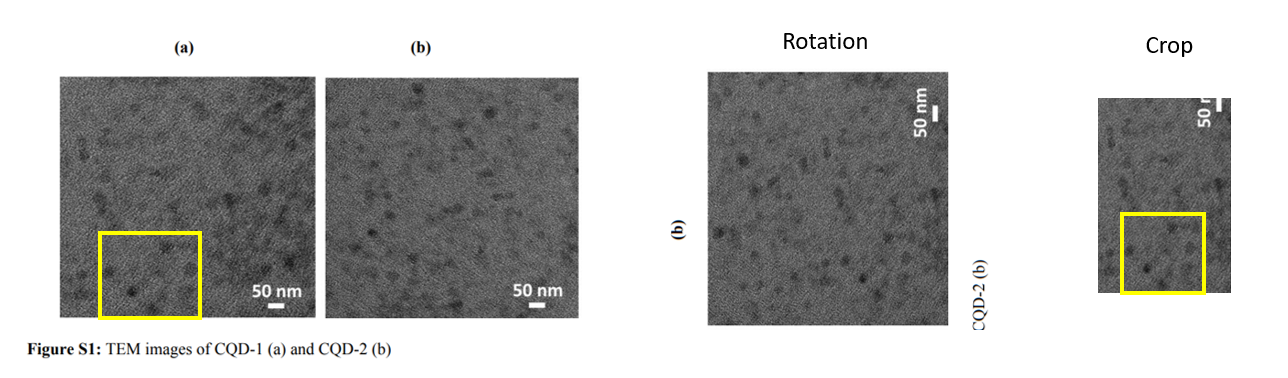
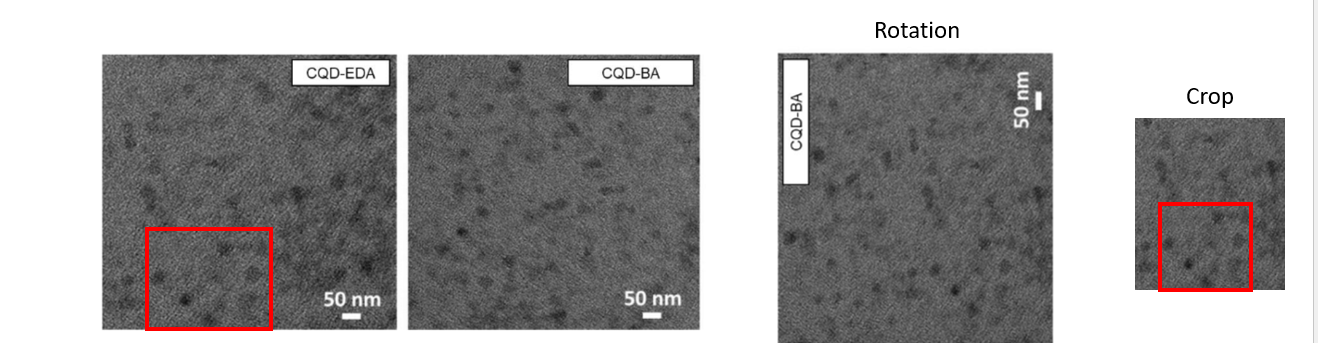
The very same image also appeared in our second paper, the above mentioned De Hoon et al 2023, also in Figure S1. Not only the images were reused within the same publication but also between them.
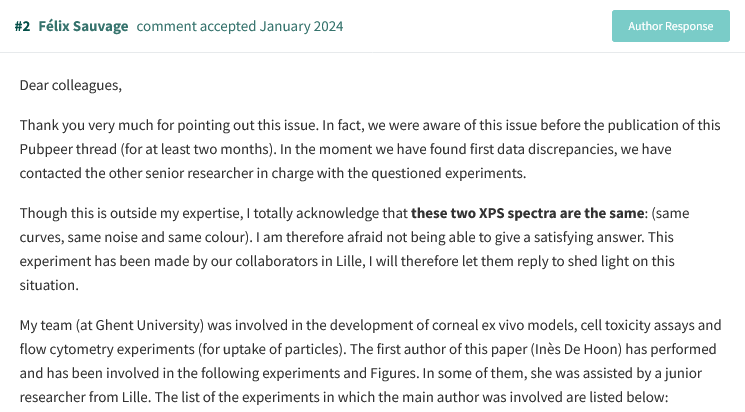
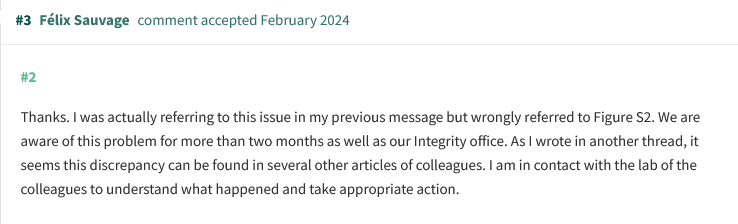
Because issues were accumulating, I kept on examining every single figure of these two papers and realized that two XPS spectra were duplicated in Figure 3 of De Hoon et al 2023:
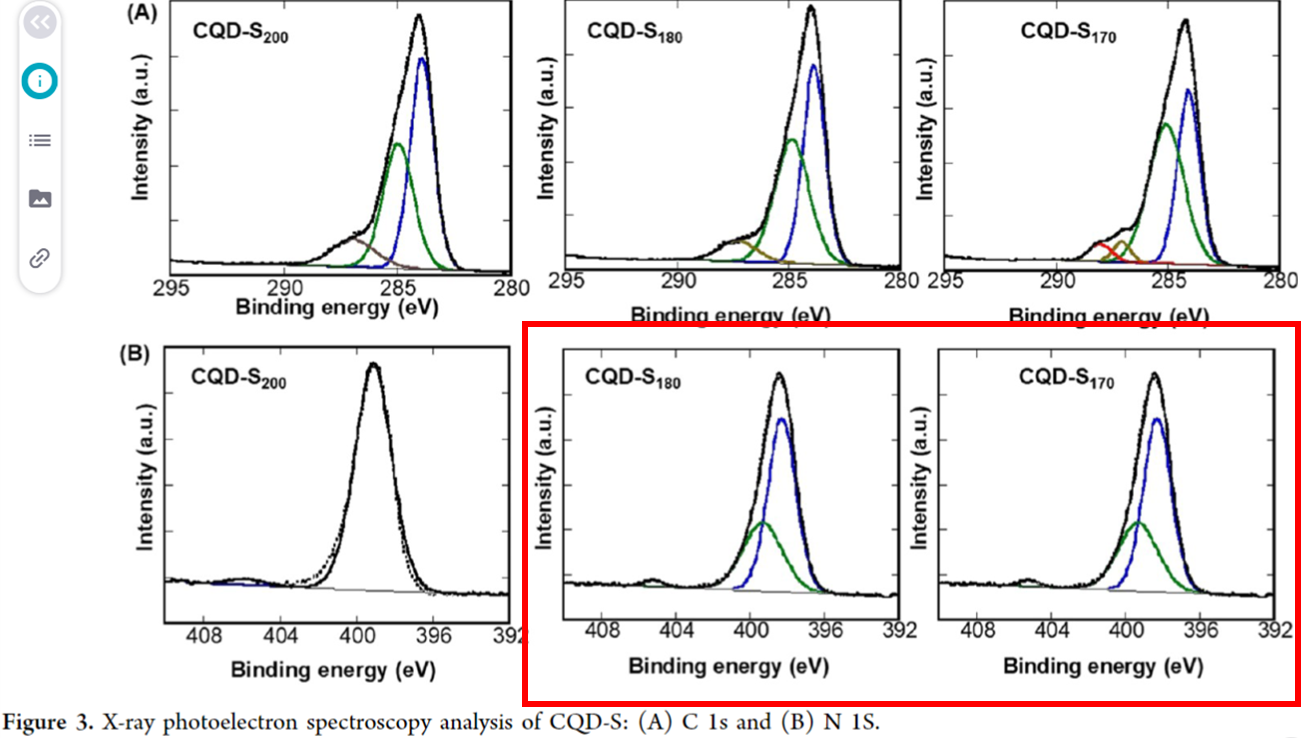
Sometimes, this type of issue can be considered as a honest mistake. It can happen, for instance, during figure preparation when handling multiple microscopy images which are visually very close to each other. In this case, a correction is enough to address the issue, unless duplications occurred multiple times…
In this context, and with all the issues mentioned above, I had to hear the opinion of my collaborators on this duplication and remove the hands from the ears of the deaf monkey.
Hear no evil (聞か猿)
As a pharmacist, I studied a bit of chemistry, not as deep as chemistry students but sufficiently to understand that experimental noise is stochastic by nature. To address the issue of the duplicated spectra, I requested the raw data from my collaborators, which they sent to me. I decided to plot them again and check the noise of the curves. It became clear that the numerical values I received were identical, with only a constant scaling factor applied, which, again, goes against the stochastic nature of experimental noise.
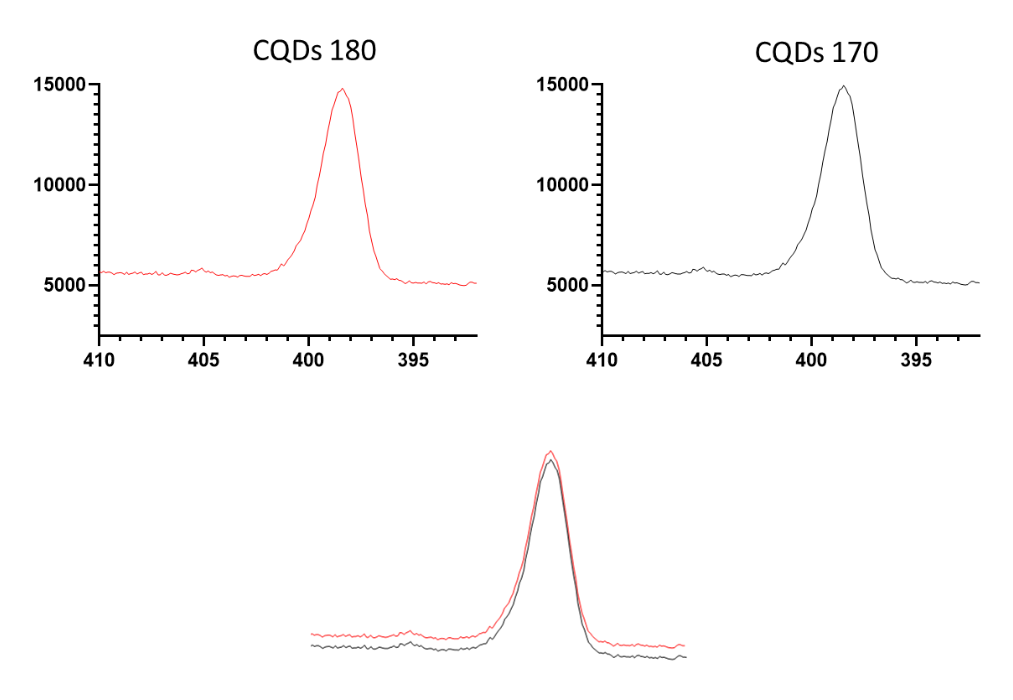
I must admit that after realizing that, I felt helpless. When the problem reaches the level of the raw data, scientific discussion becomes impossible, because the foundation on which trust is built has been removed. I sometimes wonder whether requesting the raw data from the collaborators’ laboratory before the publication of these articles would have changed the situation. With blind trust in high-profile collaborators and in a context of power asymmetry, I would not have plotted the curves received from them nor read their entire body of literature before publishing. Lessons learned.
Following issues related to the tubes containing carbon dots, rotated and reused microscopy images, and proportional numerical values for different experiments, and in the absence of any response or proposed corrective action, we decided, together with several colleagues, to compile a documented case. This dossier was submitted to the scientific integrity committee of our university, which subsequently forwarded it to the CNRS and the University of Lille. An investigation is ongoing since the end of 2023.
Speak no evil (聞か猿)
After having seen and heard, it was time to remove the hands from the mouth of Iwazaru, the middle monkey.
The accumulation of issues in my two papers and the questions left unanswered obliged me to go further and speak out. I decided to contact Prof. Raphaël Lévy, who is well known for his work in scientific integrity, to obtain an independent evaluation of my papers. Can part of my mind act like Sholto David or Elisabeth Bik, while another part remains a co-author of the same paper? That felt unrealistic and too complicated (and a bit schizophrenic). Seeking an external opinion therefore became necessary to remain objective and unbiased, and above all, to avoid submitting a correction (which I was still considering at that time) and to discover other problems later.
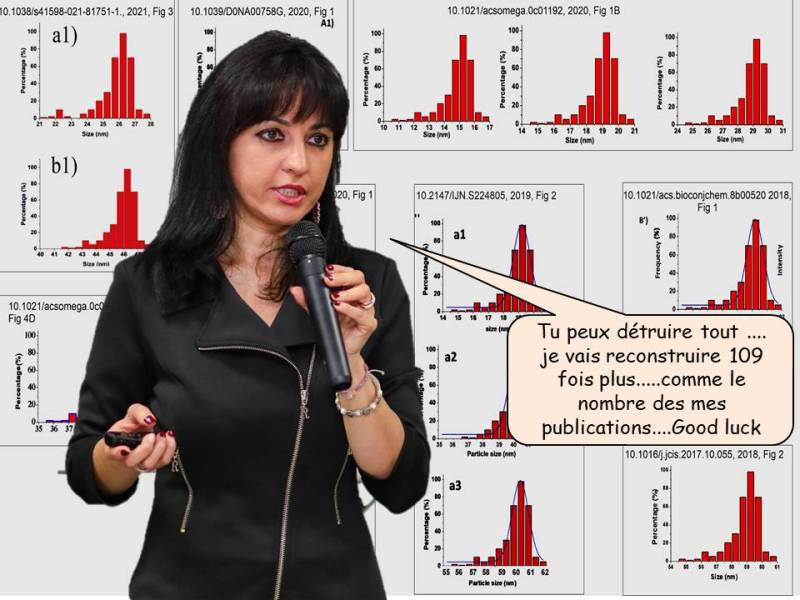
Good luck, Jolanda Spadavecchia!
CNRS research director Jolanda Spadavecchia was sanctioned with two years suspension for “serious and repeated breaches of her duty of scientific integrity”, 19 retractions were requested.
At that moment, I became convinced that the case was bigger than just two papers.
In this context and for more than a year, I had to devote my personal time at night, during evenings and weekends to review a large number of publications (around 300 papers). Progressively, starting from the issues identified in our own papers, one question led to another. Each figure I checked opened the door to a new comparison, and slowly this chain of observations brought me to post and contribute to more than one hundred PubPeer threads. Of course, to remain fair and transparent, I also chose to post comments and contribute to PubPeer threads on the two papers I had co-authored, in my own name (even though Coracina lineata started the thread on my second paper De Hoon et al 2023). It would have made no sense to question others without applying the same scrutiny to my own work.
Amongst others, I discovered that the rotated/reused TEM images of carbon dots actually appeared in a family of papers (the “Where’s Wally” family) that were later carefully and professionally classified by Dr. Maarten Van Kampen.
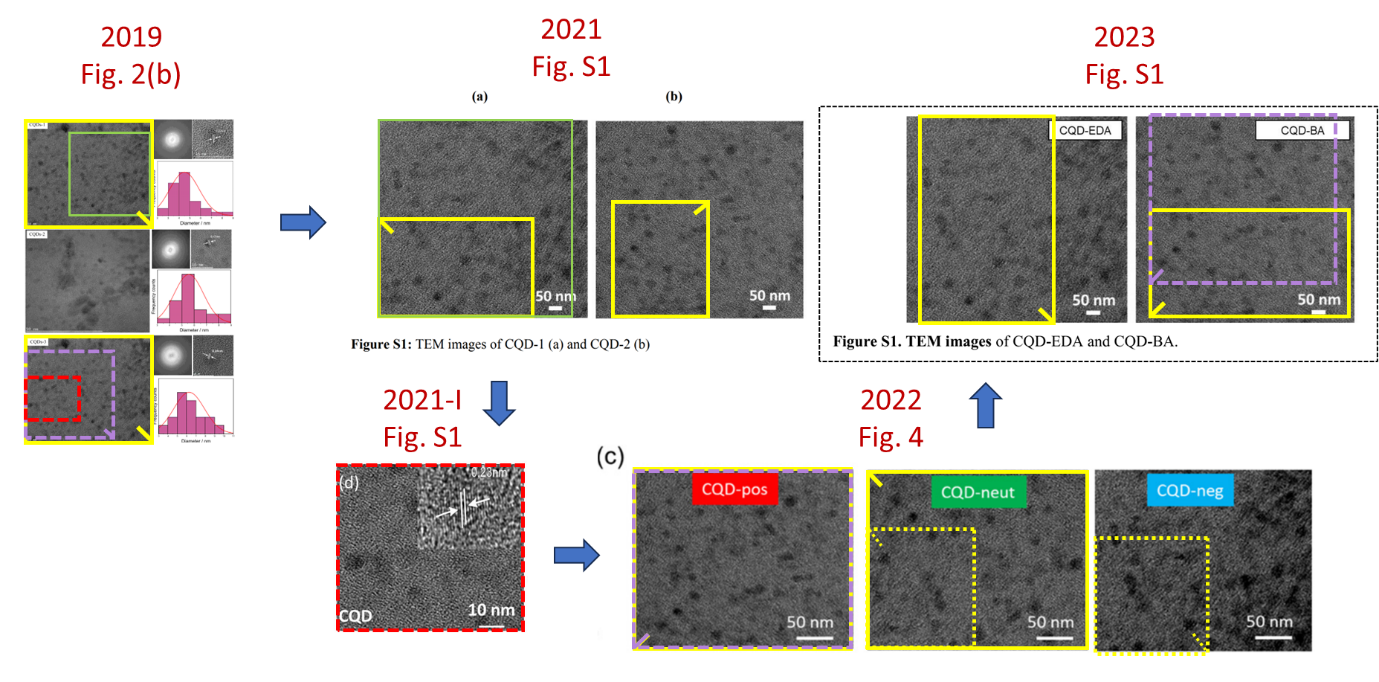
The debate about correcting or retracting the papers was open at that time. In my view, the issues were more than enough to retract all papers. In agreement with my colleagues, and after some hesitations, I finally decided to retract both papers but this was more difficult than expected. First, I am listed co-first author and do not have the sole authority to decide on Barras et al 2021 and am not the only corresponding author on De Hoon et al 2023. Second, any retraction request must be evaluated and accepted by the editors and the journal. Finally, an investigation is currently ongoing, and final decisions regarding corrections or retractions will depend on its outcome.
There was no editorial action so far on De Hoon et al 2023, but Barras et al 2021 received at least an Expression of Concern in November 2024:
“The Royal Society of Chemistry is publishing this expression of concern in order to alert readers that concerns have been raised regarding the reliability of the data. The Royal Society of Chemistry has asked the University of Lille to investigate this matter. An expression of concern will continue to be associated with the article until we receive conclusive evidence regarding the reliability of the reported data.”
Michael Persinger’s crank magnetism
“What about you? Do you find it risible when I say the name…” Michael Persinger? Either you are laughing already, or you wonder what this is all about. Both audiences will sure be entertained by the following guest post of my regular contributor, Smut Clyde. For this is about Professor Michael Persinger, born 1945, psychologist…

Act no evil
There can be a fourth monkey missing in this story, the petrified one, frozen by fear. Perhaps it remains hidden somewhere in the background.
Most scientists are petrified when it comes to scientific integrity. The main reason is the fear of being retrospectively scrutinized for past mistakes in their papers, even when no misconduct was intended, and to be punished for something they did not see or do. Another reason is the perception of other scientists: What will they think? This fear contributes to a culture of silence and inaction. The current scientific landscape is largely driven by metrics (citation counts, h-index) and by awards that determine promotion or access to permanent positions. This has led to an excessive culture of ego, unnecessary self-promotion, and, sometimes, to situations that are awkward where scientific publications appear as a product instead of a message. In this context, there is always a reluctance to correct or retract publications as they can sometimes serve as a showcase for one’s career.
It is also important to shed light on the confusion and stress what young scientists can feel when they face such situations, because they are in a fragile position and often do not have a permanent job. PhD students and postdocs can be easily accused of something they did not do. Sometimes, accusations are based on the country they originate from. Such stereotypes and accusations actually make the situation worse and are certainly not an excuse. As a principal investigator, our duty is to educate these students and we are thus 100% responsible of the work atmosphere we create, independent from the places they come from. In extreme cases, when misconduct originates from the PI, the responsibility lies entirely with the PI, not with students or early-career researchers. Questioning the validity of a PhD or a career on the basis of misconduct they neither initiated nor controlled is unjustifiable and incompatible with the principles of scientific integrity. Power asymmetries in academia make it particularly difficult for junior scientists to question, detect, or oppose such practices. In these situations, protecting students and postdocs is not optional – it is an ethical duty.
To the students and early-career researchers, I want to say this clearly: retracting a paper, when needed, is not a failure. It is integrity. And integrity will never harm your future, it is part of science itself. Therefore, my advice is to speak out, denouncing not persons but data, and to stand and show that you refuse misconduct, even if doing this calmly can sometimes be difficult (see my initial PubPeer posts). Tools now exist to help address these issues, including PubPeer. As Prof. Lévy told me once, a paper being discussed there is not a bad thing, it is the way we respond which is important. A strong community of scientific detectives exists and contacting them can also be helpful. I had the opportunity to discuss with some of them and received some advices which I truly appreciated.
Another important action that must be undertaken is to change the way a retraction notice is written. Mostly, it is rather short and reads as if either the editor and/or the authors decided to retract the paper and that everyone is sorry for the inconvenience caused. In my view, a retraction notice must better acknowledge who found the issues (e.g. PubPeer contributors, scientific sleuths…) and give a bit more context. It must be written by the editors together with all the authors who accepted the retraction. This is important for authors who find themselves in an impossible situation and will be blamed for something they did not see nor do. This is also important at the institutional level and at the level of funding agencies and could allow, for instance, a reviewer of a grant or a potential collaborator to understand the context before taking a decision. If this situation continues, it is clear that no one will speak up, the scientific record will remain uncorrected, papermills that are multiplying will persist.
Through this experience and by discussing with colleagues, I realised that not everyone has the skills to recognise visual or noise patterns in images or curves, that raw data are not always checked due to time pressure, there is also blind trust and the bad habit to publish a lot and quickly. Some AI-based tools can help detect certain issues in images prior to manuscript submission and may be useful when used to complement the verification of the raw data (and not as a way to avoid being caught). However, these tools are currently unable to detect repeated noise patterns in curves, unusual standard deviation bars, or even hand-drawn curves. But AI is a modern Janus, and it may also offer a bright future for sophisticated forms of manipulation. For some people, pattern recognition may come naturally, almost as a gift. Still, I remain convinced that, like a sport, it is a skill that can be learned and improved through training. Young researchers should therefore be educated not only by being told what should not be done, but also by being trained to actively detect problems. Clearly, scientific detectives have a role to play within institutions.
Editors face a similar challenge. They deal with a very large number of manuscripts every day, especially in high-impact journals. Automatic screening tools exist at the editorial level, including the AI-based approaches, but they are most of the time used a posteriori and not a priori. Besides, time is limited and the volume of submissions is enormous, making it difficult to check all figures with the naked eye at the journal level. Finding a solution here would help implement measures such as systematic desk rejection in cases of obvious image manipulation. The most realistic action would be to systematically upload raw data together with the article. Some journals request this, but, surprisingly, even then misconduct remains. Finally, concerns related to a journal’s reputation, ranking, or indexing could make retraction decisions particularly difficult.
Can this be changed? Today, this question is still open. Solutions will not be found quickly, but the question deserves attention if we want to bring more serenity to the publication process and better protect science from papermills. Scientists, institutions and publishers could involve more scientific detectives and ask for their expertise and opinion on submitted and accepted papers. More than ever, it is time to leave disagreements behind, and move forward by working together.
The Fribourg Declaration
“The papermill crisis is not an external attack on science but a mirror held up to its dysfunctional ecosystem. The for-profit publishing industry, posing as a newly found saviour of research integrity, is in fact its chief beneficiary and enabler.” – Csaba Szabo

Most scientific fraud does not succeed by clever cheating, it succeeds because no one dares to question it. Because a student fears a supervisor. Because a postdoc fears losing a position. Because a PI fears reputational damage. Because metrics rule.
But research is not only about doing new science, it is also about undoing existing science when it is proven wrong.
The main characters of this story are monkeys. Imagine, just for a second, if they were humans. Unlike monkeys, which may deceive without moral awareness, humans cheat with full knowledge of the rules they violate, and it is this conscious choice, not our biology, that defines responsibility.
Donate!
If you are interested to support my work, you can leave here a small tip of $5. Or several of small tips, just increase the amount as you like (2x=€10; 5x=€25). Your generous patronage of my journalism will be most appreciated!
€5.00

 For Better Science
Tomasz Swebocki – it seems that all roads lead not to Rome but to Gdańsk. 😁
Breaking through Microbial Defenses─Organic Acid-Based Deep Eutectic Solvents as a Neoteric Strategy in Bacterial Biofilms, Persister, and Fungal Control | ACS Applied Bio Materials
Zirconium shaping in vitro dissolution of Na-K-Ca-Si-O bioactive glass-ceramics – ScienceDirect
LikeLiked by 1 person
As the story described in the paper shows, one can get her/his name on a paper with a fraudster unwillingly or even unknowingly. I’d be cautious with judgements.
LikeLike
Ten people on a dozen of papers unwillingly and unknowingly? Unlikely. Sabine and Rabah got their first retractions in September 2024. Didn’t that give you a pause? The papers are still flowing. Last submitted on June 17, 2025, published on October 10, 2025.
Breaking through Microbial Defenses─Organic Acid-Based Deep Eutectic Solvents as a Neoteric Strategy in Bacterial Biofilms, Persister, and Fungal Control | ACS Applied Bio Materials
See what a good journal ACS Applied Bio Materials is.
PubPeer – Folic Acid-Adorned Curcumin-Loaded Iron Oxide Nanoparticles…
PubPeer – Turning Toxic Nanomaterials into a Safe and Bioactive Nanoca…
Compared to these guys Sabine and Rabah are just pawns. But I do not pass judgments easily. My investigations take months. This is just an indication.
LikeLike
I miss the point of the two links you provided in the first comment. There are no PubPeer comments to neither of them.
I have no competences to assess the first one, but I went through all the figures in the second one (https://www.sciencedirect.com/science/article/pii/S0925838825058463?via%3Dihub#bibliog0005) and found no signs of data duplication, manipulation etc. The only “problem” is that out of all cited references 1 was flagged by Sholto David for image overlap.
I also personally know most of the authors of the second paper you referred to and I have no doubts over their personal commitment to the research integrity.
Correct me if I’m wrong, but it appears that your only concern is the fact that one of the co-authors (Tomasz Swebocki) had some papers with Boukherroub and/or Szunerits (with 1 flagged on PubPeer) and that one of the journals (ACS Applied Whatever – unfortunatelly all the “ACS Applied” journals seem to became a junkyard) publishes a lot of questionable or simply fradulent papers. If so, it’s, at best, a weak point.
I appreciate your efforts to promote better publication standards and highlight the ethical issues in Polish institutions, but in this case you seem to have gone too far, indirectly accusing people of being involved in publication fraud with no reasonable evidence.
Regarding the reply to “Greetings from Gdansk”, please note that unless you are actively tracking Szunerits papers and/or read FBS, you may had not noticed the rectraction for months after it was posted by the publisher – even in openAlex the retraction notices appear with months-long lag.
LikeLike
Because FBS only allows 2 levels of replies I have to reply to MJW here.
I am not accusing anyone of anything. It is your overinterpretation. The only point of the 2 links in my first comment was to show connections between the Szunerits/Boukherroub group and Gdańsk – both Gdańsk University of Technology and University of Gdańsk. Unfortunately, Szunerits/Boukherroub are not the only frauds that some of the authors from Gdańsk collaborate with. Others include Mohammad Reza Saeb, Mohsen Kodadadi Yazdi, Masoud Mozafari, Michael Hamblin, etc. Unfortunately, Gdańsk Medical University is also involved. Examples
Hydrogel membranes in organ-on-a-chip devices: A review – ScienceDirect
Enhancing diaphragmatic defect repair and regeneration: How biomaterials leading the way to progress? – Farahani – 2024 – BMEMat – Wiley Online Library
It will be investigated and disclosed in due time. Thank you for the analysis of one of these papers, but it is by far insufficient. To demonstrate that no image duplication occurred, dozens, or sometimes hundreds, of publications have to be checked, preferably by ImageTwin. And I don’t rely on OpenAlex or Retraction Watch Database as the source of information on retractions. For almost half a year I have been using Argos. Usually retractions appear there within a couple of days. I also use the help of other PubPeer users, like this one
PubPeer – Encapsulation of Jujube Extract in Electrospun Nanofiber: Re…
LikeLike
Do you know Yves Briers? Deep eutectic solvents are Boczkaj’s domain. So, maybe soon we will see Swebocki+Boczkaj+Boukheroub?
Deep eutectic solvent enhances antibacterial activity of a modular lytic enzyme against Acinetobacter baumannii | Scientific Reports
LikeLike
It’s not only the past scrutinization, the fear of future publication should be even a larger one. Not being able to publish is the quickest end of the scientific career, no grants acknowledged hence no grants won. While the retractions may be problematic but at least the grants were acknowledged without caring after.
I would not use any excuses for the editors since have quite an unpleasant experience with them. They at least could perform a final check on any manuscript to be published and signal for any evident fraud and eventually overturn the acceptance. But this is against the business editorial policies obeying only the scientific metrics as noted.
LikeLike
Dear Hubert,
I noticed that my name was mentioned in your comment (not sure why). I would be happy to clarify any doubts you may have, so please feel free to contact me by email if you have any questions.
I am concerned that some implicit assumptions were left open to interpretation, which could lead to misunderstandings if they are not addressed directly – as already mentioned by MJW and Greetings from Gdansk.
LikeLike
Dear Tomasz,
Your comment was lost in spam, so it appeared only today. Such things happen, also to me. In such a case you can always contact Leonid. But back to your comment. Your name did not only appear in my comment but also in the article’s main text – as a co-author of this article
Influence of the Size and Charge of Carbon Quantum Dots on Their Corneal Penetration and Permeation Enhancing Properties | ACS Applied Materials & Interfaces
So, I just checked your affiliation. It did not surprise me, since I had already known about the collaboration between Szunerits/Boukherroub and Jacek Ryl and Magdalena Plotka. As for your suggestion of “misunderstanding” of my comment, I think that I have already explained my position in my responses to comments posted by MJW and Greetings from Gdansk.
LikeLike
Dear Hubert,
I totally agree with you that it makes no sense to continue publishing with people having serious integrity issues in their research. This is a pure non sense unless people don’t care at all about integrity or run a parallel business like e.g. paid authorship, manipulation of reviewing process etc…
What I can tell about Tomasz (and Ines, the first author of this paper) is that they took this very seriously and looked at the figures with me when the issues were discovered. They never ignored the facts. They even help find some of the issues (e.g. the images of the tube). We had several meetings together to look at the raw data. Of course we never found the rotated and plagiarized images of the Cdots as you can imagine… I want to mention this here because, in my view, they must not pay the price for others.
Speaking of price, I always wondered whether in such cases the money who was used from tax payers to pay the drafting of patents or funding research should be reimbursed? If yes, who pays the price?
Thanks!
LikeLike
Dear Felix,
“If yes, who pays the price?” I don’t know how it works in France but in Poland it is the institution, which hires the project leader, not directly the project leader, which receives the money from the granting agency. This institution is then responsible for its spending according to law. If the money has to be returned, as it was with Bilal and Gdansk University of Technology, it is done by the institution. It may then claim it from the fraudulent researcher (at least the salary part, it would be difficult for costs of equipment or reagents). Since such cases are extremely rare (I have not heard about such a thing before Bilal), it is usually not done, especially if the researcher has already left Poland, because it is virtually impossible.
LikeLike
But if the institution pays, the society pays twice. First, the society pays the funding of fraudulent research via taxes. Then, if the institution pays back the funding agency, and, assuming the institution is financed via taxes, the society pays again the same price. Tax-payers paid (i) the financing of the fraud and (ii) the reimbursement of the fraud.
Therefore, I see one solution to make it fair in major and massive fraud cases: stopping the contracts of the perpetrators which are paid by the society since they are publicly funded.
Assuming a senior researcher’s salary costs 100k a year (gross, with charges etc…), it is around 1 million for ten years!
LikeLike
Felix,
Do you think anybody cares? The universitites, the granting agencies, the ministry of science? It’s not their money after all. That’s why we are going to make this information known to the general public – to the tax payers. To make them realize how their money is spent. At least in Poland.
LikeLiked by 1 person