

Schneider Shorts of 26 December 2025 – most read in 2025, an obituary to the man who made the blind see, fake neuroscience, fake biochemistry and fake dermatology, plus how to profit for abusing Black babies, and finally, why you must eat cheese to survive.
Table of Discontent
Most-read in 2025
Obituary
- UK lifesaver – Pete Coffey made the blind see
Scholarly Publishing
- Without full awareness that such arrangement was not appropriate – Maryam Moosavi lucky again
Retraction Watchdogging
- Dream Boldly, Act Bravely, Transform Lives – does Ardeshir Bayat’s scar removal cream work?
- The authors intend to repeat the key experiments to verify the findings – Dario Alessi’s retracted yet unaffected conclusions
Science Breakthroughs
- A single-blind clinical trial – CDC sends Danish antivaxxers to Africa
- Survival benefits of Malmö cheese – how Emily Sonestedt milks a Swedish dataset
Most-read in 2025
First of all, I thank my readers for the successful past year 2025. Special thanks go to everyone who supported For Better Science financially, every donation counts, no matter how small. If you also would like to have this exclusive feeling of annoying the most powerfuls and contributing to some really big changes, all for a tiny investment: the support options are listed here.
The main achievement of 2025: For Better Science celebrated its 10 year anniversary on 28 October 2025, despite all odds. Read the best wishes of its contributors:
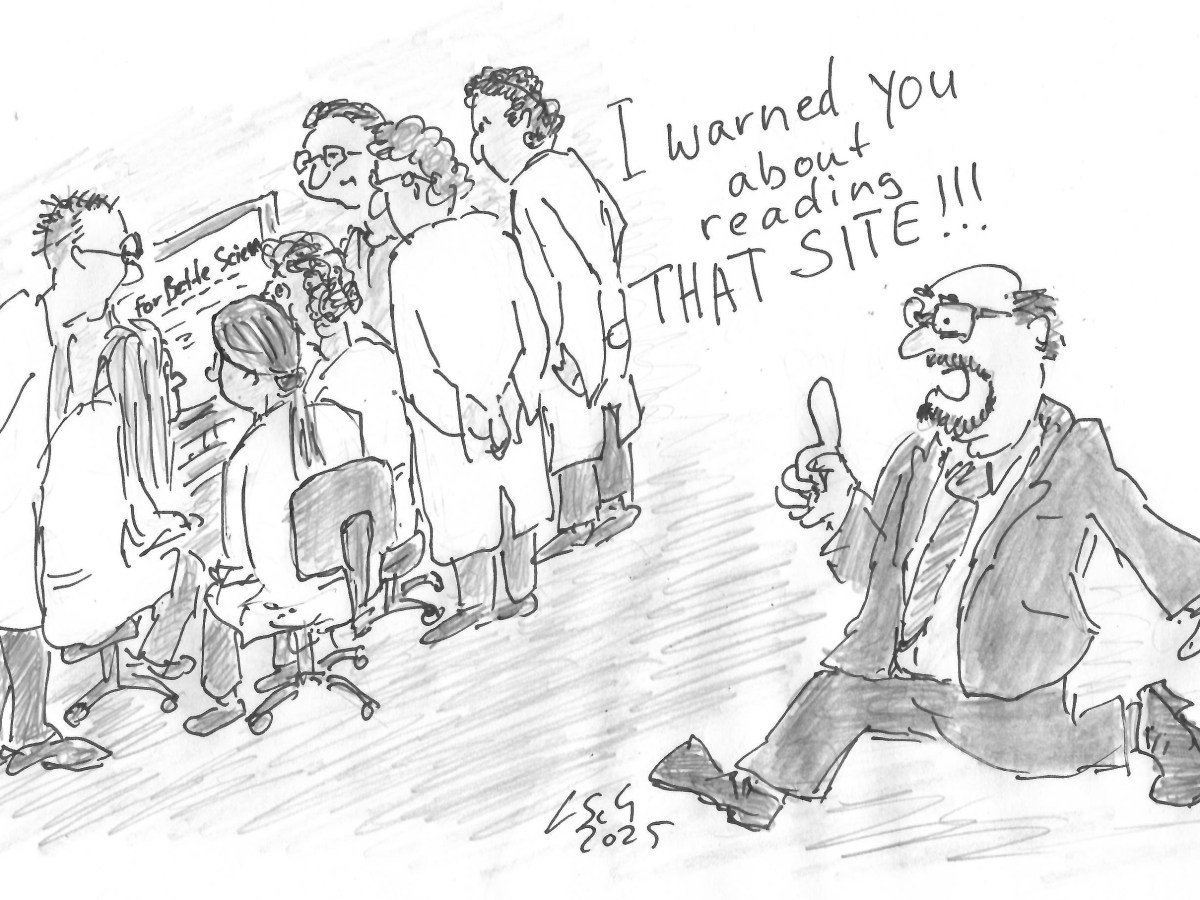
And here are the charts for the most-read articles of this ending year 2025:
- A Polish fairy tale from December 2024 about the Pakistani genius Muhammad Bilal who made it big in Poland, and then was swiftly disposed of to save the careers of all this Polish bigwigs who profited from his papermilling. The former “Nobelium” professor Bilal was last seen as a humble little postdoc in Belgium, he also suffered some retractions.
Nobelium Bilalski, a Gdansk papermiller
“To date, he has authored over 700 peer-reviewed articles, 150 book chapters, 25 edited books, and 10 editorial-type scientific articles in various areas of Science and Engineering. Dr. Bilal has a h-index of 94 with 34 000 citations (Google Scholar).”

- For some reason, For Better Science was recently accessed thousandfold each day first from USA and now from China. Possibly by AI, but I am perfectly happy to train it. This article from July 2023 was very popular with Chinese “readers”, it is about the questionable legacy of the British Nobelist Sir John Vane who bequeathed his institute at Queen Mary University to some very dishonest mentees of his. In fact, Christoph Thiemermann suffered so many retractions by now, that anyone anywhere else would have been sacked long ago.
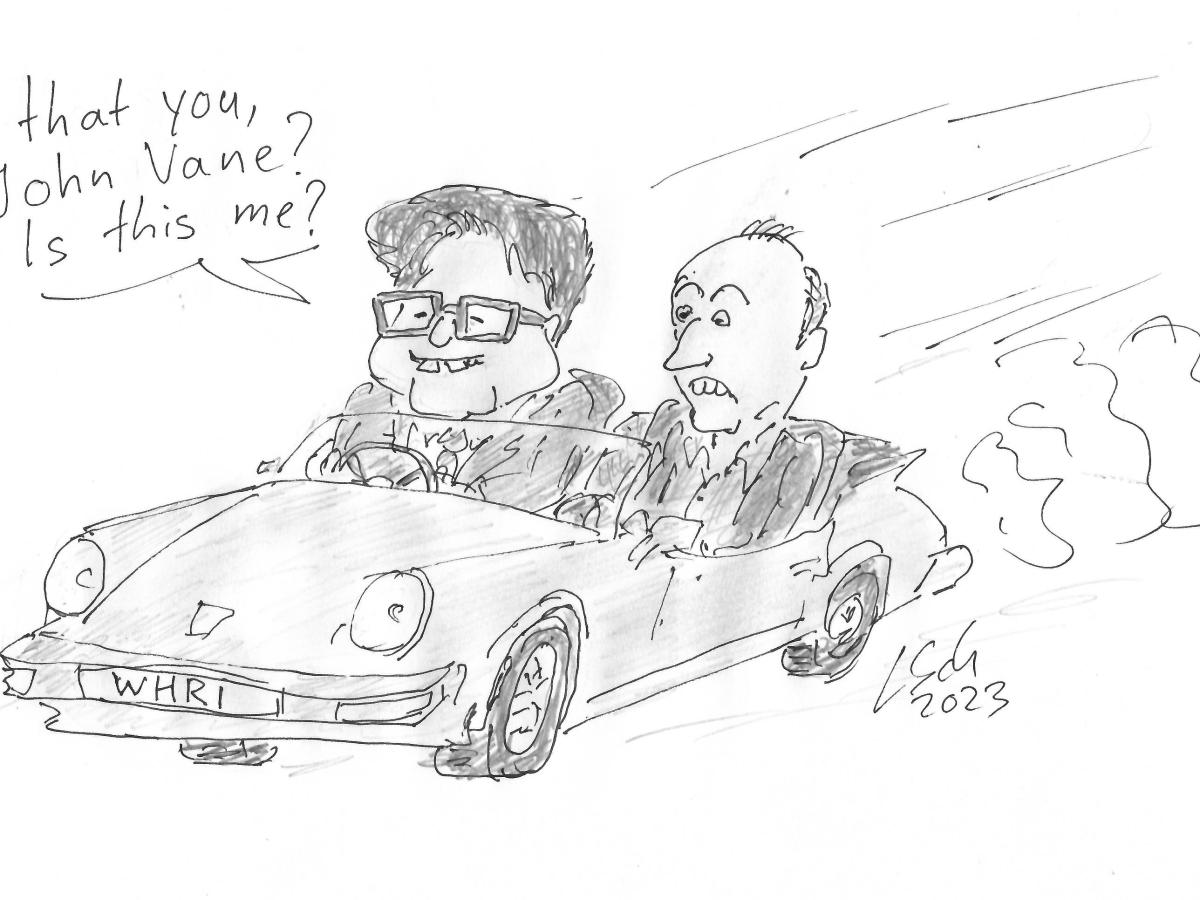
Queen Mary and John Vane’s Cowboys
Welcome to the the William Harvey Research Institute in London. Meet two proteges of its founder, the late Nobelist Sir John Vane: Chris Thiemermann and Mauro Perretti. Then meet their own rotten mentees, especially Salvatore Cuzzocrea and Jesmond Dalli.
- Another old article made popular, possibly due to this year’s news reporting in Switzerland. And yet the narcissistic diva Adriano Aguzzi remains safe and protected at his University Hospital of Zurich. That despite a made-up PhD degree, masses of falsified papers, and even retractions.

Aguzzi and the Lowlifes
The prion researcher Adriano Aguzzi used to describe his Pubpeer critics as “lowlifes”, and himself as a victim of a lynch mob. But after Elisabeth Bik helped him find even more mistakes in his papers, Aguzzi changed his stance.
- Sholto David was finally and very handsomely paid for his sleuthing, with a whistleblower reward of $2.6 Million! He and his lawyer sued Dana Farber Cancer Institute in USA for embezzling public funds to produce fraudulent research, in particular papers by Kenneth Anderson. The basis was this blog post by Sholto from January 2024 which was already one of the most-read articles on For Better Science already in 20024, and also this year:
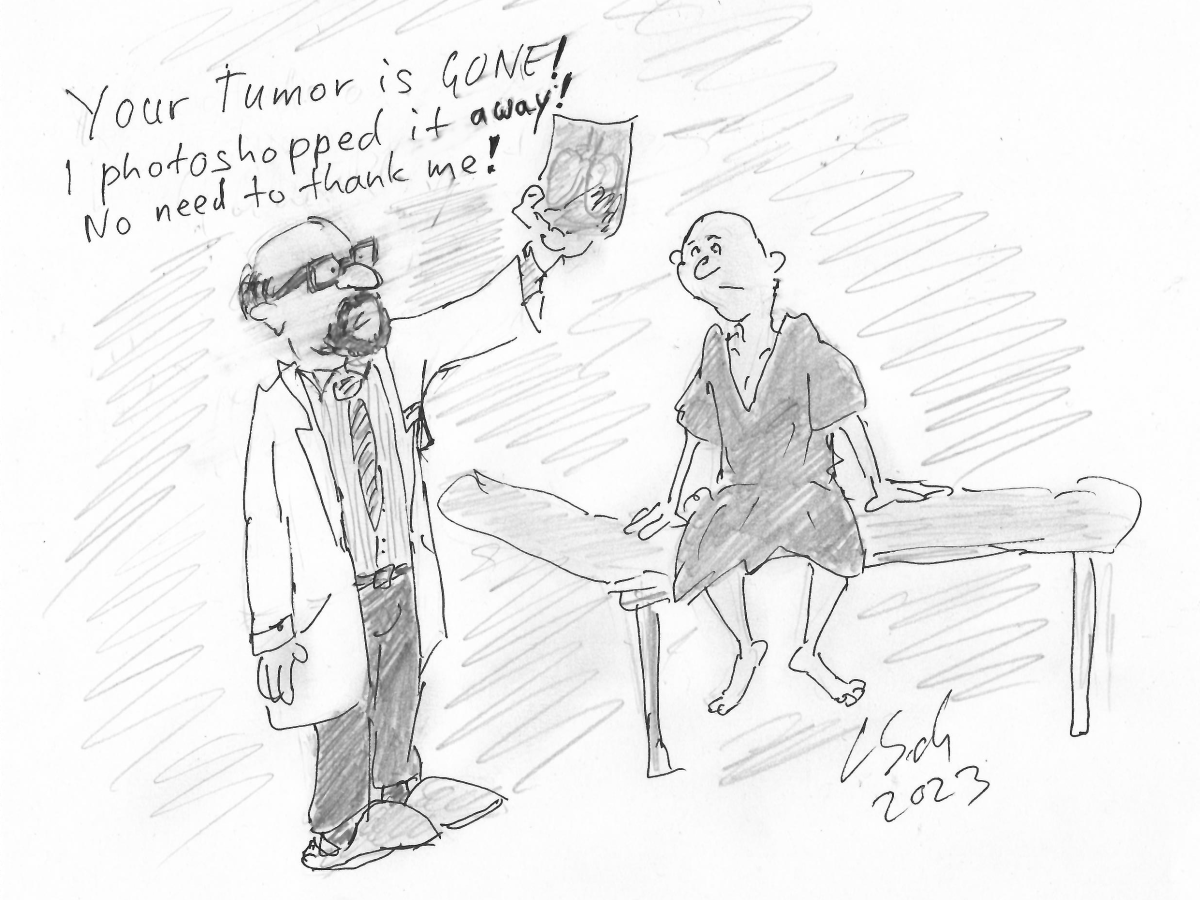
Dana-Farberications at Harvard University
“Imagine what mistakes might be found in the raw data if anyone was allowed to look!” – Sholto David

- Another classic regained popularity – Alexander Magazinov‘s article from November 2022, about various fraudster nobodies who become international science elites aka Highly Cited Researchers by vigorous papermilling.

The Highly Cited Researchers of Clarivate
“here is my advice to Clarivate: better get lost. ” – Alexander Magazinov

- In the case of this article from November 2023 about Italian cardiologists in UK, Paolo Madeddu and his ex-wife Costanze Emanueli I really don’t know what made it so popular again. Maybe AI?

Bristol Madness
“People should believe in themselves; to search the treasures that they have inside and use them to reinterpret the role.” – Paolo Madeddu,, Professor and Chair at University of Bristol.
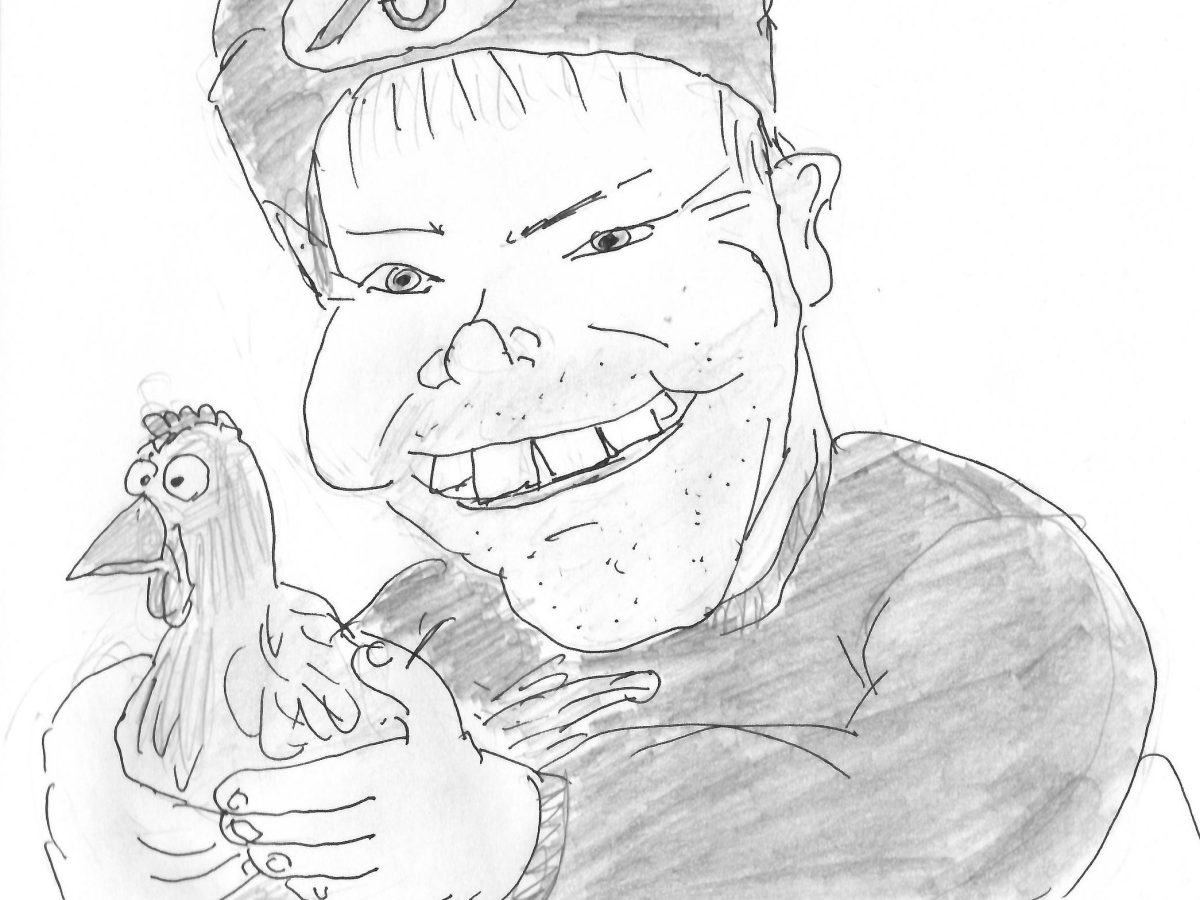
- This article from February 2024 featured some three major European papermillers: Christian Sonne and Mika Sillanpää in Denmark, and Jörg Rinklebe in Germany. Sillanpää (a bully, thief and sexual harasser who was sacked in Finland before) seems to have run off to South Africa (to harass women there?), Rinklebe’s intellectual capacities are being questioned by publishers in retraction notices, while Sonne enjoys full support from his Aarhus University, which issued lawsuit threats to get this exact article removed. They only achieved to make me to draw a cartoon:
- As it happens, another article related to the papermillers Christian Sonne and Jörg Rinklebe. This one is from June 2025 and its main character is their Brazilian papermill buddy Eder Lima. Who managed to install his mentee in Sweden and destroyed at least one academic career with his papermilling.
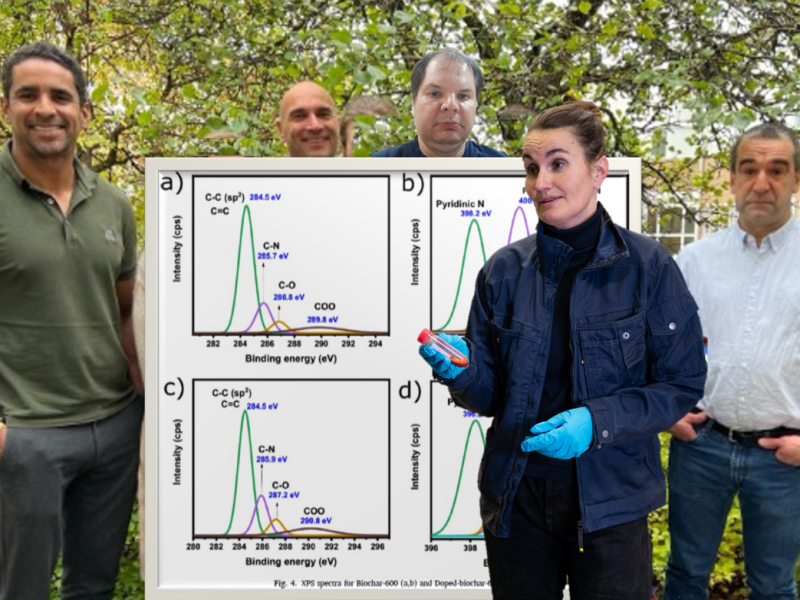
Boys from Brazil
“We can always make mistakes in our publications but never acting intensionally. Regarding Prof. Eder works, I know him well and I don’t believe he has anything wrong” – Glaydson S. Dos Reis
- Another article from 2025, about a massive fraudster in France, the nanofabricator Jolanda Spadavecchia. Many of her papers were retracted or about to be, while Spadavecchia herself was found guilty of research misconduct and sanctioned, the news featured in Le Monde. She still keeps whining and accusing her whistleblower, Raphael Levy.
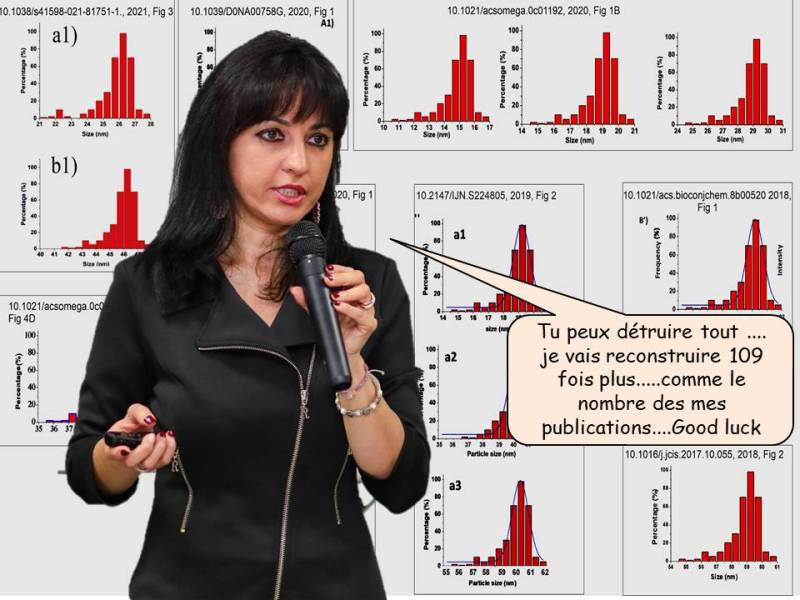
Good luck, Jolanda Spadavecchia!
CNRS research director Jolanda Spadavecchia was sanctioned with two years suspension for “serious and repeated breaches of her duty of scientific integrity”, 19 retractions were requested.
- Again, no idea why this article from February 2023 became popular again. Blame AI as usual. It is about Hugh Brady, the President of Imperial College London in UK, who used to be President of University College Dublin in Ireland, and those bad papers by Catherine Godson he put his name on.
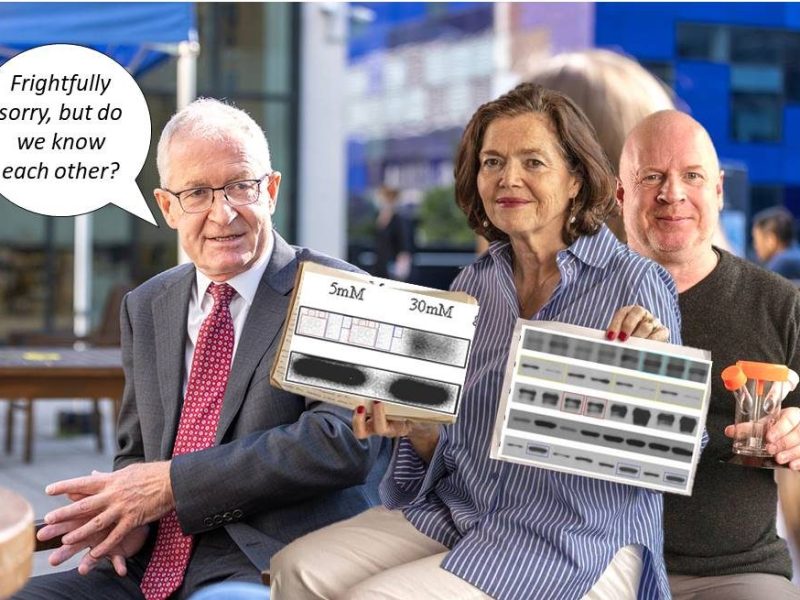
Imperial Irishman Hugh Brady (and his Dublin leprechauns)
When your Irish past catches up with your English future.
Obituary
UK lifesaver
Earlier this year, the British ophthalmologist and regenerative medicine researcher Pete Coffey has died. He is remembered as the genius who made the blind see.
Here is the obituary by his university:
“Professor Pete Coffey, who sadly passed away in June 2025 after a long illness, was Professor of Visual Psychophysics at the UCL Institute of Ophthalmology and theme lead for Regenerative Therapy, Lasers, and Medical Devices at the NIHR Moorfields Biomedical Research Centre.
He is known for leading research into a breakthrough treatment that restored sight in people with age-related macular degeneration (AMD), and an extensive list of accomplishments that will continue to influence future eye research and stem cell therapy.
In 2018, he made headlines with a groundbreaking clinical study of a novel treatment that he pioneered for AMD, the most common form of blindness in the UK. The treatment effectively treated the disease in two patients who had lost their sight, allowing them to see faces once more. They went from not being able to read at all, to reading 60-80 words per minute with normal reading glasses.
The ground-breaking procedure involves implanting a “patch” of stem cells over the back of the eye. To develop the therapy, Professor Coffey and his team created the cells, perfected a new surgical technique and new surgical tools to implant them, and pioneered imaging techniques to monitor their progress once in the eye.”
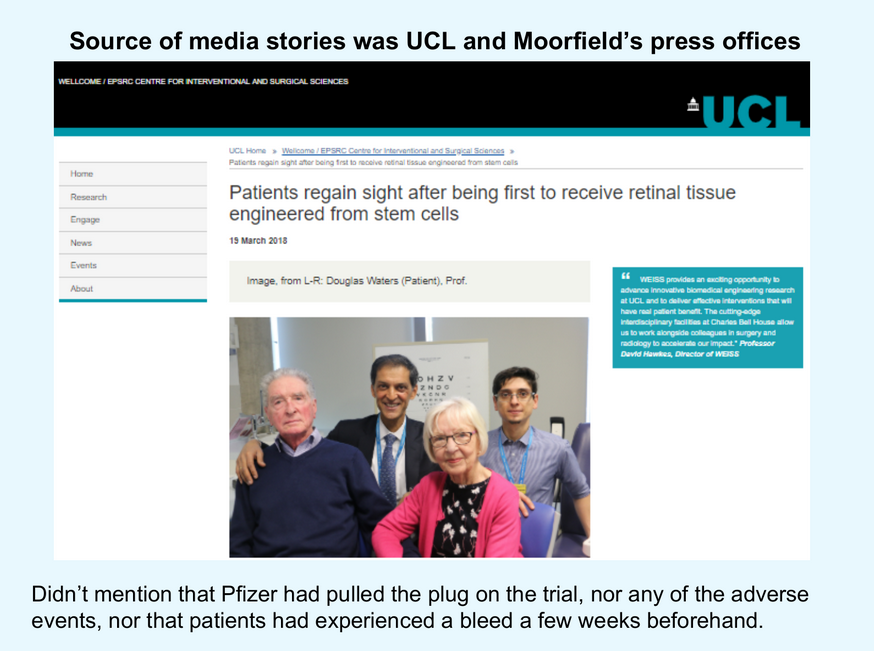
That 2018 breakthrough was in all the media, following the UCL press release headed “Two people regain sight after pioneering eye therapy“. In May 2019, UCL reported that Coffey was named “a UK lifesaver“. Truth is however: his clinical trial was terminated and the alleged “breakthrough” never happened as such, the AMD sufferers worldwide were given false hope. The University of Liverpool professor Patricia Murray tried to set facts right already back in 2018. She questioned why patients with wet AMD were subjected to this treatment in the first place, since it is dry AMD patients for whom no working treatments exist. Wet AMD is caused by abnormal angiogenesis at the back of the eye which can lead to blood leaks, which damage the retinal epithelial (RPE) and the photoreceptor cells. These patients respond quite well to anti-angiogenic drugs, and quite often their sight improves by itself when the leaked blood gets resorbed. Is this why Coffey decided to treat wet AMD sufferers?
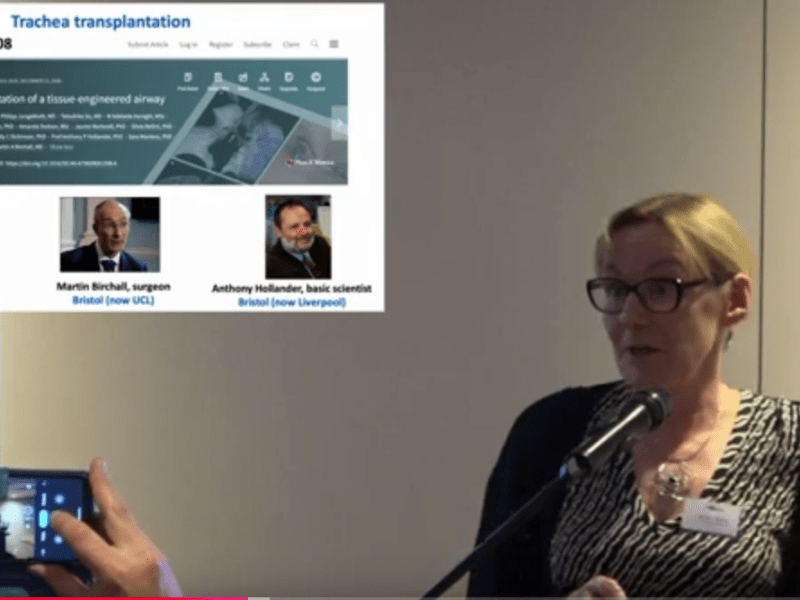
Martin Birchall, Paolo De Coppi, and other clowns of UCL’s degenerative medicine
Several years ago, UCL investigated the Macchiarini affair and found their surgeon Martin Birchall was not only innocent, but also entitled to more money and more patients to experiment upon. Now, Patricia Murray was awarded for exposing this UCL malfeasance, and Sholto David scrutinised UCL papers for data manipulation.
The stem cells Coffey used were human embryonic stem cells (hESC) which were differentiated into RPE cells. The eye implant was marketed by Coffey and UCL, first via Coffey’s now defunct company Synretina in collaboration with the pharma giant Pfizer. In August 2017, Fierce Biotech reported:
“PF-05206388—originally developed by scientists led by Professor Pete Coffey at University College London (UCL) in the U.K.—consisted of an polymer scaffold carrying stem cell-derived retinal pigment epithelial (RPE) cells that was designed to be implanted into the eye.
The cells were intended to be used to replace those at the back of the eye that are damaged in age-related macular degeneration (AMD), with Pfizer and its collaborators focusing initially on the wet (exudative) form of the disease. […]
The first patient was treated at Moorfields in 2015, and the intention was to enroll 10 patients into the phase 1 study with a data read-out due in March 2017. A notice on clinicaltrials.gov indicates patient enrolment was suspended in January.”
The results of these two patients were published in this paper, which then was hailed as a breakthrough which allegedly let blind people see:
Lyndon Da Cruz , Kate Fynes , Odysseas Georgiadis , Julie Kerby , Yvonne H Luo , Ahmad Ahmado , Amanda Vernon , Julie T Daniels , Britta Nommiste , Shazeen M Hasan , Sakina B Gooljar , Amanda-Jayne F Carr , Anthony Vugler , Conor M Ramsden , Magda Bictash , Mike Fenster , Juliette Steer , Tricia Harbinson , Anna Wilbrey , Adnan Tufail , Gang Feng, Mark Whitlock, Anthony G Robson, Graham E Holder, Mandeep S Sagoo, Peter T Loudon, Paul Whiting, Peter J Coffey Phase 1 clinical study of an embryonic stem cell–derived retinal pigment epithelium patch in age-related macular degeneration Nature Biotechnology (2018) doi: 10.1038/nbt.4114
From the paper:
“We reported three serious adverse events to the regulator. These were exposure of the suture of the fluocinolone implant used for immunosuppression, a retinal detachment, and worsening of diabetes following oral prednisolone. All three incidents required readmission to the hospital, with the first two incidents requiring further surgery and the third being treated medically”
As the study admitted, the adverse effects were already observed in the preclinical stage, in two out of ten pigs: “Retinal detachment and rupture of the lens capsule were observed in on male and one female implanted with the patch.” And as for the other pigs: “At 6 months after implantation, no hESC-RPE cells were detected at the implantation site or elsewhere in H&E sections of the ten eyes receiving the RPE patch.” And:
“Microscopic findings of chronic inflammation were seen restricted to the subretinal implantation site, at 6 months in the implanted (left) eye of all animals, and were consistent with the intraocular surgical implantation procedure. The microscopic findings included fibrosis, osseous metaplasia, and small numbers of macrophages and multinucleate giant cells (data not shown). Atrophy of the photoreceptor layer in overlying retina was also present (data not shown).”
And this is again the patient data from Coffey’s study (highlights mine):
“On full-field electro-retinography (ERG) recording, there was evidence of a mild but consistent reduction in photoreceptor function at 6 months in both patients with additional consequent electro-oculography (EOG) reduction (in the eyes operated on). The reduction in photoreceptor function persisted in patient 1 but recovered in patient 2 by 12 months.”
Maybe the implant had an adverse effect on the photoreceptors, as observed in pigs? Coffey’s own data clearly showed why his implant could never have worked, here a slide by professor Murray:

RPE cells must be in physical contact with the photoreceptors if the retina is to function long-term. Coffey’s pig data shows a huge gap between his hESC-RPE scaffold and the photoreceptor layer.
In 2021, Coffey and the first author and another UCL professor Lyndon Da Cruz started another regmed company with UCL’s support: Tenpoint Therapeutics, which in 2023 raised £57 million, “to potentially restore sight to millions affected“.
In 2024, Coffey and Da Cruz published their 5 year-follow-up study of these two patients. In MDPI:
Lyndon Da Cruz , Taha Soomro , Odysseas Georgiadis , Britta Nommiste , Mandeep S Sagoo , Peter Coffey The Fate of RPE Cells Following hESC-RPE Patch Transplantation in Haemorrhagic Wet AMD: Pigmentation, Extension of Pigmentation, Thickness of Transplant, Assessment for Proliferation and Visual Function-A 5 Year-Follow Up Diagnostics (2024) doi: 10.3390/diagnostics14101005
In that follow-up study, they forgot to mention their company Tenpoint Tx, but insisted that “Sustained improvement of visual acuity is also demonstrated for 2 years for the first patient and for 5 years for the second patient.” Again, there is no actual evidence their graft had any positive input for these two wet AMD sufferers.
By the way, here an older paper by Coffey and Da Cruz:
Mariya Moosajee, Dhani Tracey-White , Matthew Smart , Marla Weetall , Simona Torriano , Vasiliki Kalatzis , Lyndon Da Cruz , Peter Coffey , Andrew R. Webster , Ellen Welch Functional rescue of REP1 following treatment with PTC124 and novel derivative PTC-414 in human choroideremia fibroblasts and the nonsense-mediated zebrafish model Human Molecular Genetics (2016) doi: 10.1093/hmg/ddw184
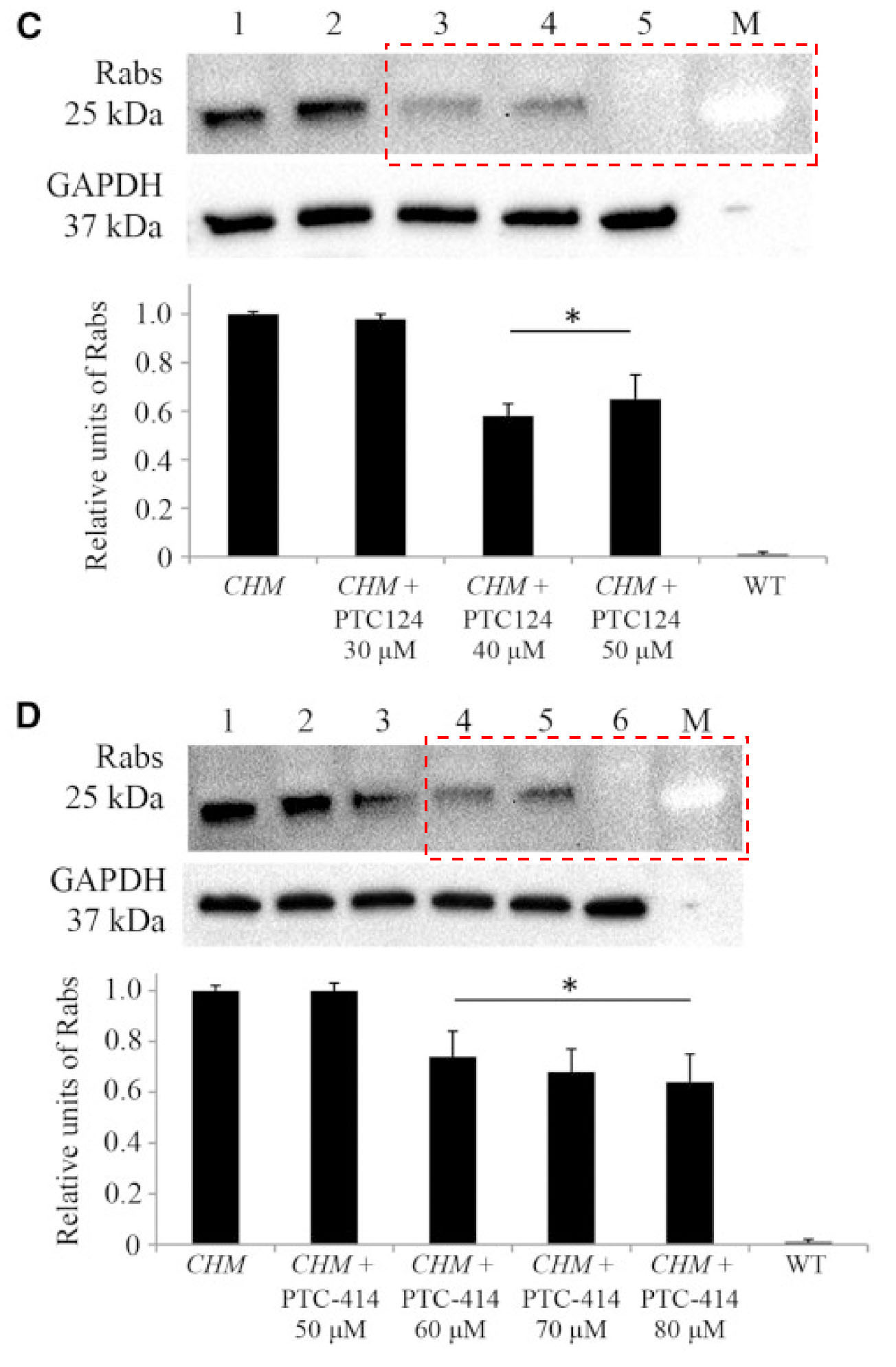
Fei Liu: “Figure 6. The bands of unprenylated Rabs (red box) from different experiments are quite similar.”
Wait, I have an extra dollop. Back in 2018, as Coffey’s wet AMD study with RPE cells was criticised, this phase 1 trial with 12 patients, by other researchers at UCL and Moorfields Eye Hospital in London, served as an example of a promising stem cell approach to curing dry AMD:
Manjit S. Mehat , Venki Sundaram , Caterina Ripamonti , Anthony G. Robson , Alexander J. Smith , Shyamanga Borooah , Martha Robinson , Adam N. Rosenthal , William Innes , Richard G. Weleber , Richard W.J. Lee , Michael Crossland , Gary S. Rubin , Baljean Dhillon , David H.W. Steel , Eddy Anglade , Robert P. Lanza , Robin R. Ali , Michel Michaelides , James W.B. Bainbridge Transplantation of Human Embryonic Stem Cell-Derived Retinal Pigment Epithelial Cells in Macular Degeneration Ophthalmology (2018) doi: 10.1016/j.ophtha.2018.04.037
As you see, it is by UCL researchers Robin Ali, James Bainbridge and Michel Michaelides. Who can’t be really trusted with honest science, read here:
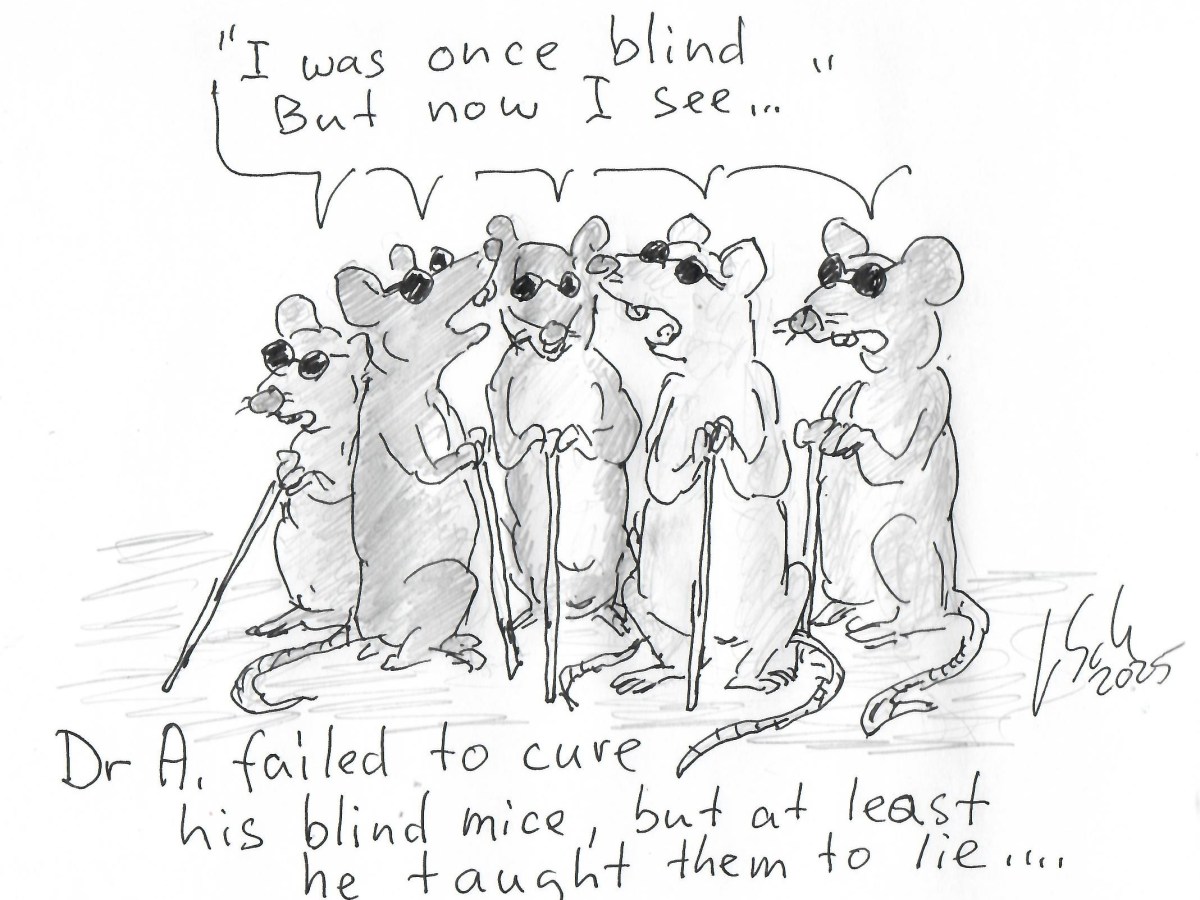
The London Eye
How Robin Ali and other London ophthalmologists make blind mice and blind children see.
Yet even these otherwise dishonest characters admitted in their study: “Borderline improvements in best-corrected VA in 4 participants either were unsustained or were matched by a similar improvement in the untreated contralateral eye“, and that the participants reported “no significant change” in their vision.
But Coffey wanted to be a UK lifesaver.
Scholarly Publishing
Without full awareness that such arrangement was not appropriate
A society journal, issued by the International brain Research Organization (IBRO), corrected a paper. It is from Iran, the land where all great science comes from, and it announced a cure for Alzheimer’s, which is erythropoietin (EPO):
Etrat Hooshmandi , Fereshteh Motamedi , Maryam Moosavi, Hermann Katinger , Zahra Zakeri , Jalal Zaringhalam , Amirhossein Maghsoudi , Rasoul Ghasemi , Nader Maghsoudi CEPO-Fc (An EPO Derivative) Protects Hippocampus Against Aβ-induced Memory Deterioration: A Behavioral and Molecular Study in a Rat Model of Aβ Toxicity Neuroscience (2018) doi: 10.1016/j.neuroscience.2018.08.001
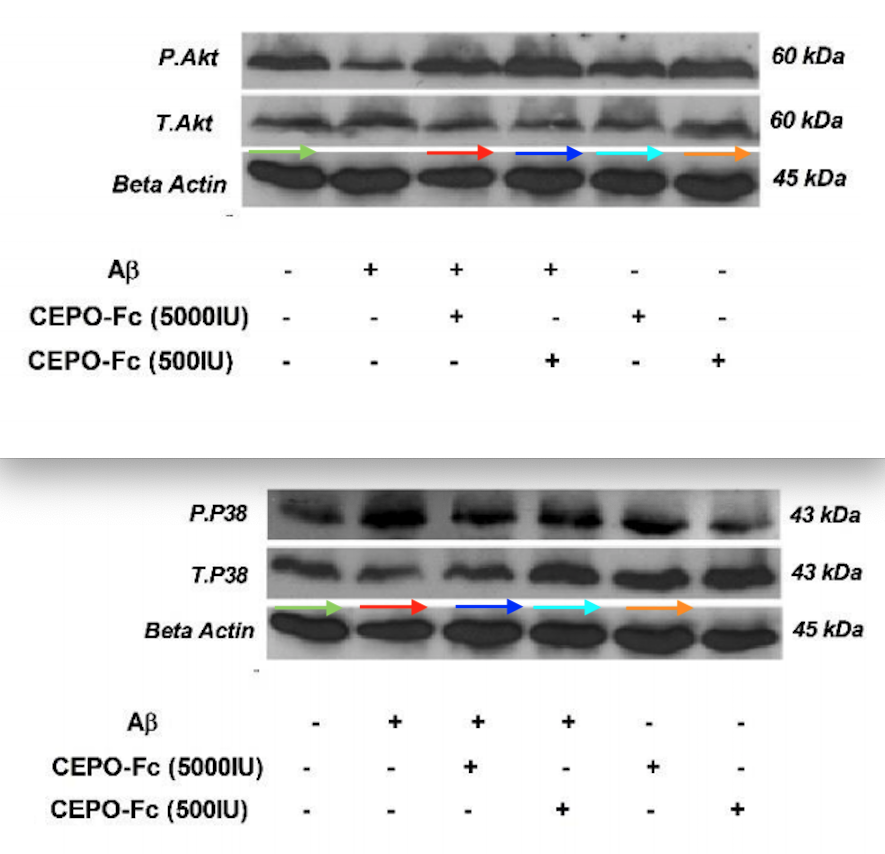
Elisabeth Bik: “Concern about Figure 5 and 7. The figures show the same experimental conditions, in the same order, so the beta actin blot is expected to be either completely different or identical. However, although some of the bands from Figure 5 reappear in Figure 7, they are not in the same order. One band disappeared and another one appeared.”
Elisabeth Bik flagged this paper in November 2019. 6 years later, in December 2025, the coauthor Maryam Moosavi, associate professor at Shiraz University of Medical Sciences in Iran, replied on PubPeer with western blot raw data, explained that “this was done without full awareness that such a change in lane arrangement was not appropriate , and only for presentation purposes“, and announced that “a corrigendum has now been published“. Moosavi also kindly posted its text, because the society journal decided to erase their own correction, despite its allegedly permanent doi (it now only exists on PubMed):
” The authors regret in Figure 5 of the published article, the β-actin lanes were inadvertently misassembled, resulting in an incorrect lane order. The original membrane contained two replicate Aβ lanes (lane 2 and lane 7), and lane 7 was selected for presentation because it showed a cleaner exposure. However, during assembly of the β-actin panel for Akt, lane 7 was mistakenly placed in the third position instead of the second, producing the displayed order “1–2–7–3–4–5” instead of the intended “1–7–3–4–5–6.” All other panels derived from the same membrane (phospho-Akt, total Akt, phospho-p38, total p38, and the β-actin accompanying p38) already reflect the correct 1–7–3–4–5–6 order. All quantitative analyses had been completed before figure assembly and were based exclusively on phospho/total ratios from the same membrane, as also reflected in the graphs. β-actin was included only as a visual loading reference and was not used for normalization; therefore, this presentation-level error does not affect the study’s results or conclusions.”
So mucb for letting learned societies run the journals. To the surprise of noone, Moosavi has more bad stuff on PubPeer, and she already successfully corrected some of it. In fact, here another EPO claim for Alzheimer’s, featuring an octogenarian Austrian professor, Hermann Katinger:
Etrat Hooshmandi , Maryam Moosavi , Hermann Katinger , Shima Sardab , Rasoul Ghasemi, Nader Maghsoudi CEPO (carbamylated erythropoietin)-Fc protects hippocampal cells in culture against beta amyloid-induced apoptosis: considering Akt/GSK-3β and ERK signaling pathways Molecular Biology Reports (2020) doi: 10.1007/s11033-020-05309-6
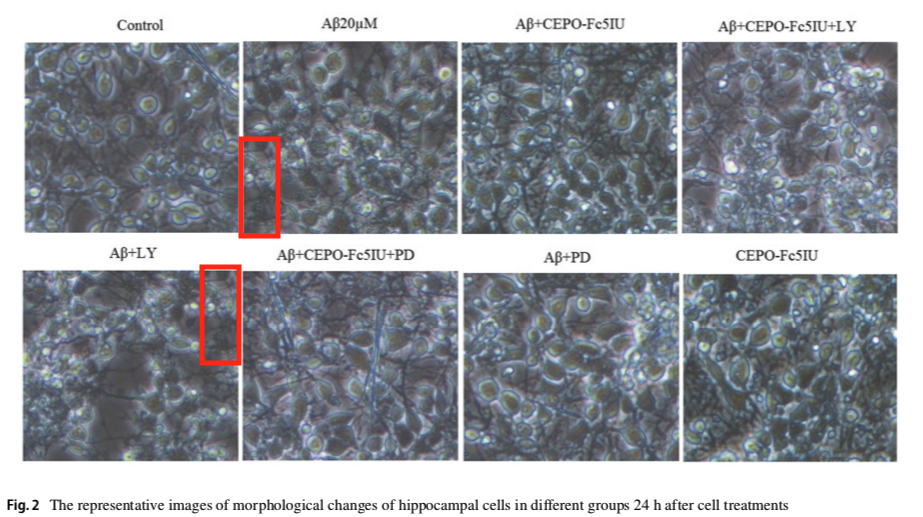
The Correction from May 2020 briefly stated that “the original version of this article contained a mistake in the arrangement of representative cell images in Fig. 2“, which it then replaced. This, about cinnamon as a cure for Alzheimer’s. was also fixed soon after Bik’s post from November 2019:
Roksana SoukhakLari , Afshin Borhani-Haghighi , Ava Farsadrooh , Leila Moezi , Fatema Pirsalami , Armaghan Kazerouni , Anahid Safari , Maryam Moosavi The effect of cinnamaldehyde on passive avoidance memory and hippocampal Akt, ERK and GSK-3β in mice European Journal of Pharmacology (2019) doi: 10.1016/j.ejphar.2019.172530
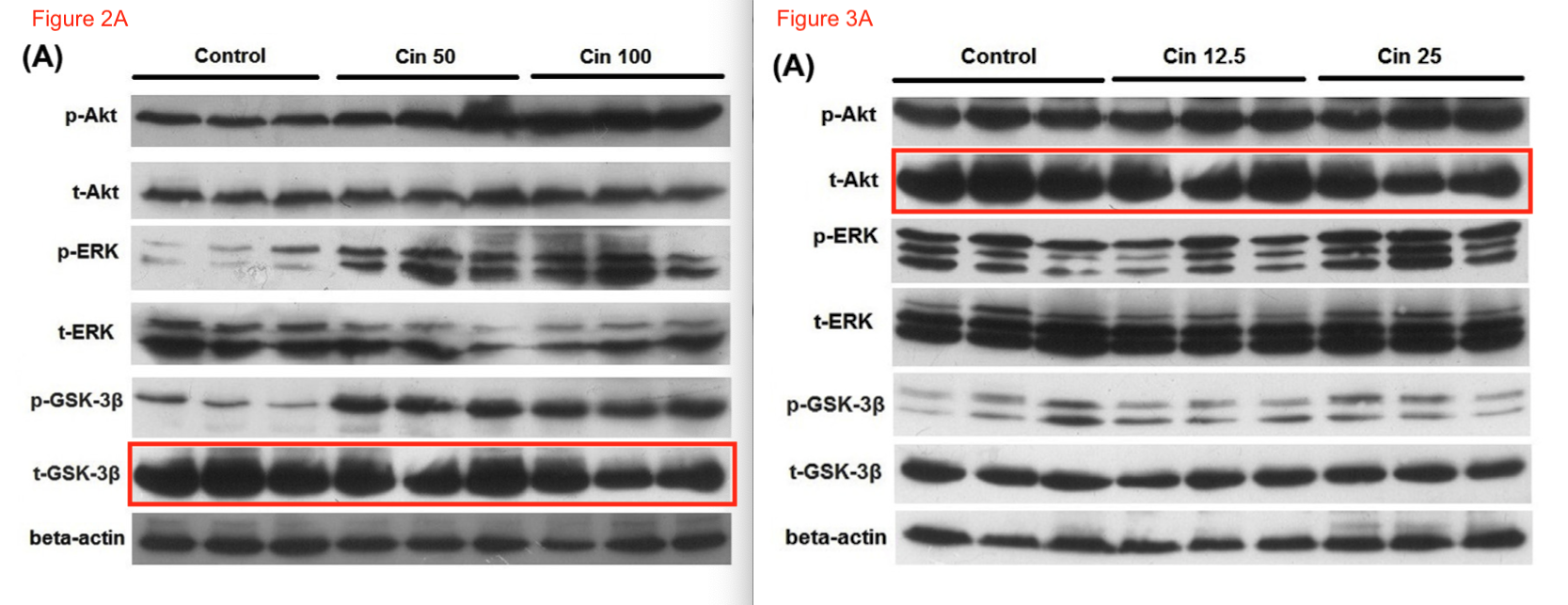
Moosavi replied in December 2019, mentioning that “presently pubpeer is not accessible in our country“, and announced a Corrigendum, which appeared in April 2020, and briefly stated that “The authors regret that there is a mistake in the western blot bands of Fig. 2A in which an error was made in showing the bands of t-GSK-3β.“
Here, data was shared across two papers, by Moosavi corrected only one of them. It was about curing Parkinson’s with curcumin:
Roksana Sookhaklari , Bita Geramizadeh , Morteza Abkar , Maryam Moosavi The neuroprotective effect of BSA-based nanocurcumin against 6-OHDA-induced cell death in SH-SY5Y cells Avicenna journal of phytomedicine (2019) pubmed: 30984574
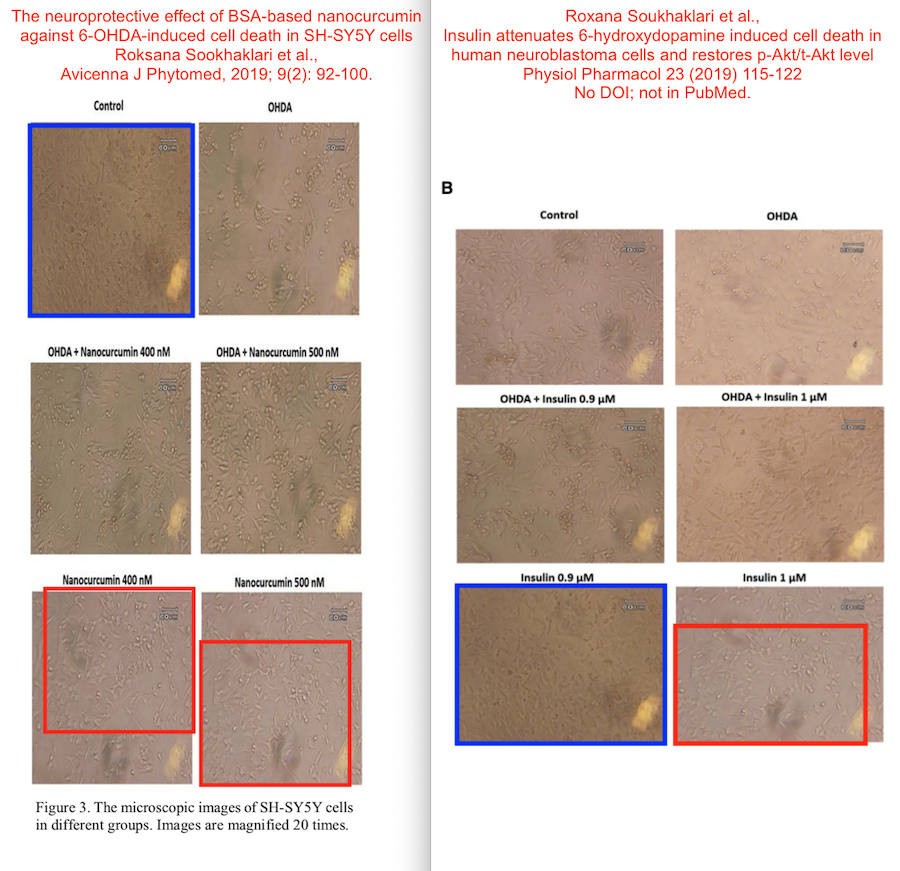
Roxana Soukhaklari et al., – Insulin attenuates 6-hydroxydopamine induced cell death in human neuroblastoma cells and restores p-Akt/t-Akt level – Physiol Pharmacol 23 (2019) 115-122.
The other paper does not seem to have a DOI or PubMed ID, so I cannot post it separately on PubPeer. However, here is the link to the paper: http://ppj.phypha.ir/article-1-1423-en.pdf
Shown in red: The “Nanocurcumin 400 nM” and “Nanocurcumin 500 nM” panels appear to be sharing striking similarities with the “Insulin 1 uM” panel in the Physiol Pharmacol paper
Shown in blue: The “Control” panel appear to be sharing striking similarities with the “Insulin 0.9 uM” panel in the Physiol Pharmacol paper.
In both cases the panels are stretched very differently.”
In January 2020, Moosavi proudly announced to have corrected the other paper, in the Iranian journal. The Correction was brief: “The authors regret there were two errors in Fig 2B in which the images of insulin 0.9 and 1 μM were inserted erroneously. The correct figure is given below“.
This Springer Nature journal was already corrected for other issues, a second correction would be not appropriate, thus nothing was done:
Esmat Amiri , Rasoul Ghasemi , Maryam Moosavi Agmatine Protects Against 6-OHDA-Induced Apoptosis, and ERK and Akt/GSK Disruption in SH-SY5Y Cells Cellular and Molecular Neurobiology (2016) doi: 10.1007/s10571-015-0266-7
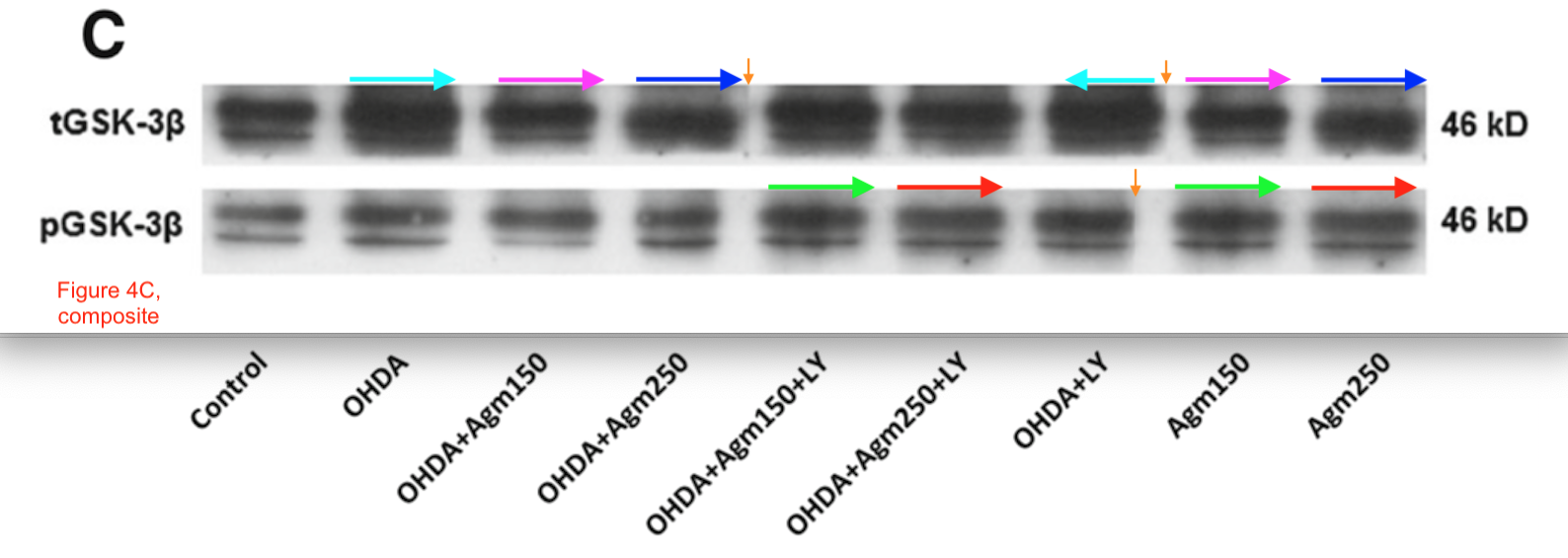
Sharp vertical transitions appear to be visible. Shown with small orange arrows.
Several bands appear to be visible multiple times within the same blot, in both blots”
Here, Moosavi informed Bik on PubPeer in December 2019 that the Elsevier journal “mentioned that there is no need to proceed with a corrigendum“:
Maryam Moosavi, Leila Abbasi , Asadollah Zarifkar , Karim Rastegar The role of nitric oxide in spatial memory stages, hippocampal ERK and CaMKII phosphorylation Pharmacology, biochemistry, and behavior (2014) doi: 10.1016/j.pbb.2014.03.021
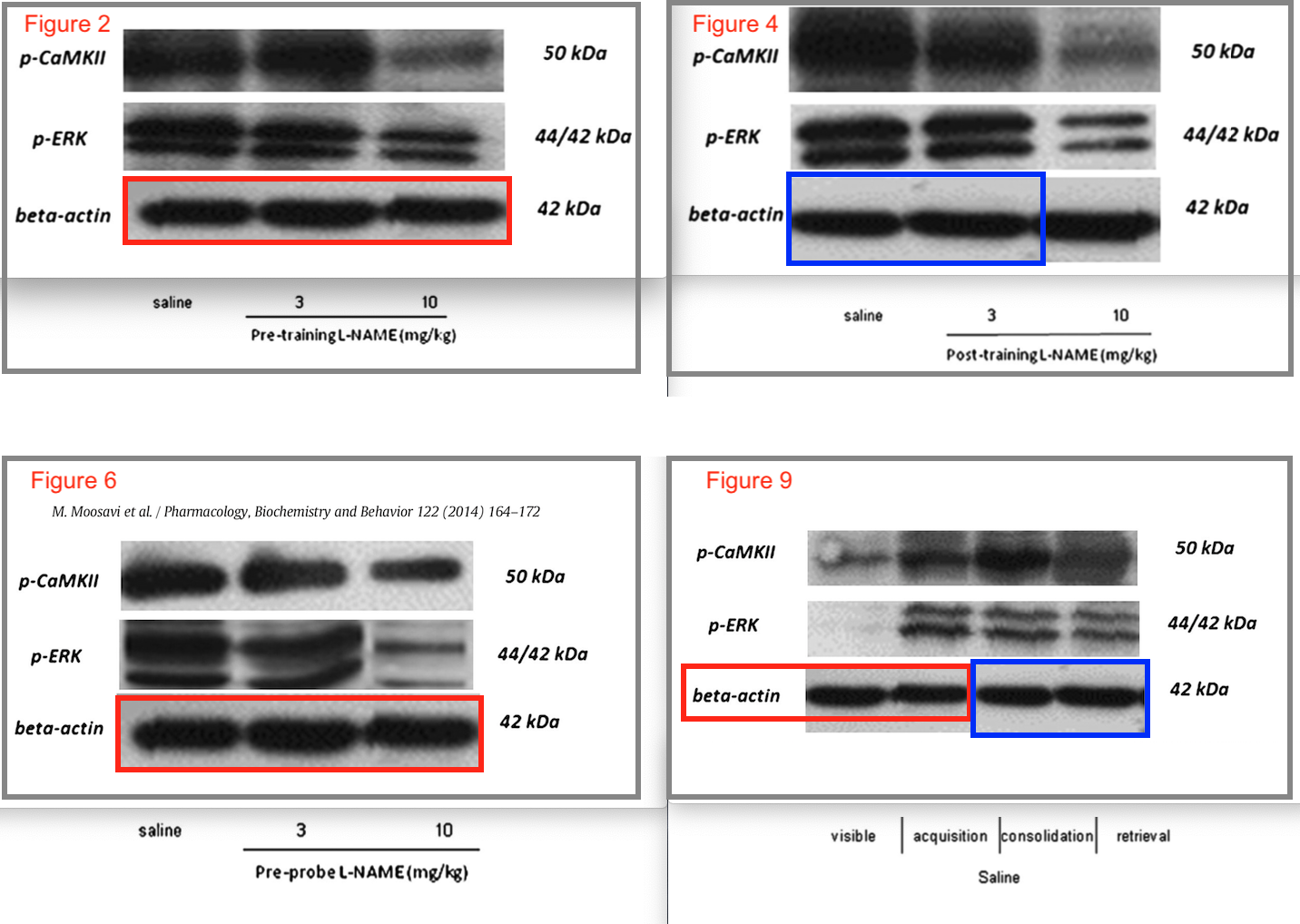
Figures 2 and 6 appear to show lanes 1/2/3, Figure 9 lanes 2/3/4/5, and Figure 4 lanes 4/5/6. Shown with red and blue boxes.”
I agree with this Elsevier editor, the Sanofi executive Guy Griebel. One cannot correct this fraud, thus best just to quietly forget about it.
Finally, I fully concur with Elsevier and Moosavi that one cannot possibly ever try to correct this:
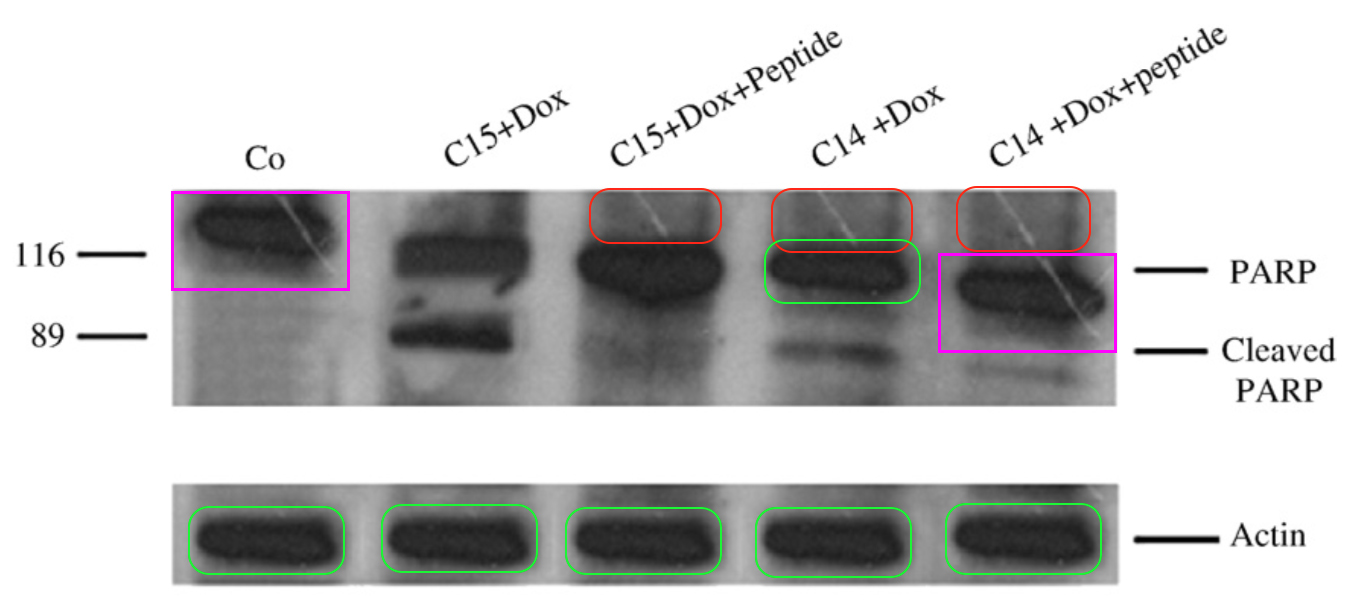
Nader Maghsoudi, Narges Kh. Tafreshi , Fariba Khodagholi , Zahra Zakeri, Mitra Esfandiarei , Hamid Hadi-Alijanvand , Marjan Sabbaghian , Amir Hossein Maghsoudi , Mahnaz Sajadi , Mastaneh Zohri , Maryam Moosavi , Mehdi Zeinoddini Targeting enteroviral 2A protease by a 16-mer synthetic peptide: inhibition of 2Apro-induced apoptosis in a stable Tet-on HeLa cell line Virology (2010) doi: 10.1016/j.virol.2009.12.017
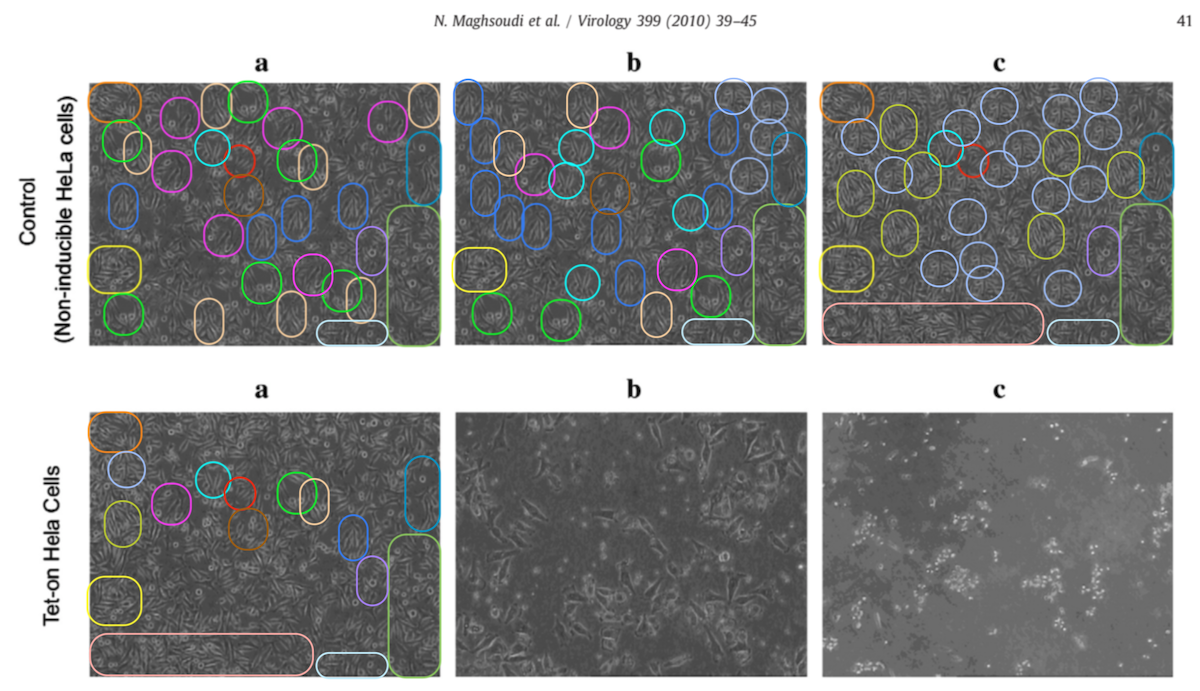
Panels a, b, and c are representing different times of incubations, but they unexpectedly show the same groups of cells multiple times within the same photo. The bottom left (Tet-on Hela Cells panel a) image appeared to have generously donated its cells to the top three images, albeit in different orders and multiples.”
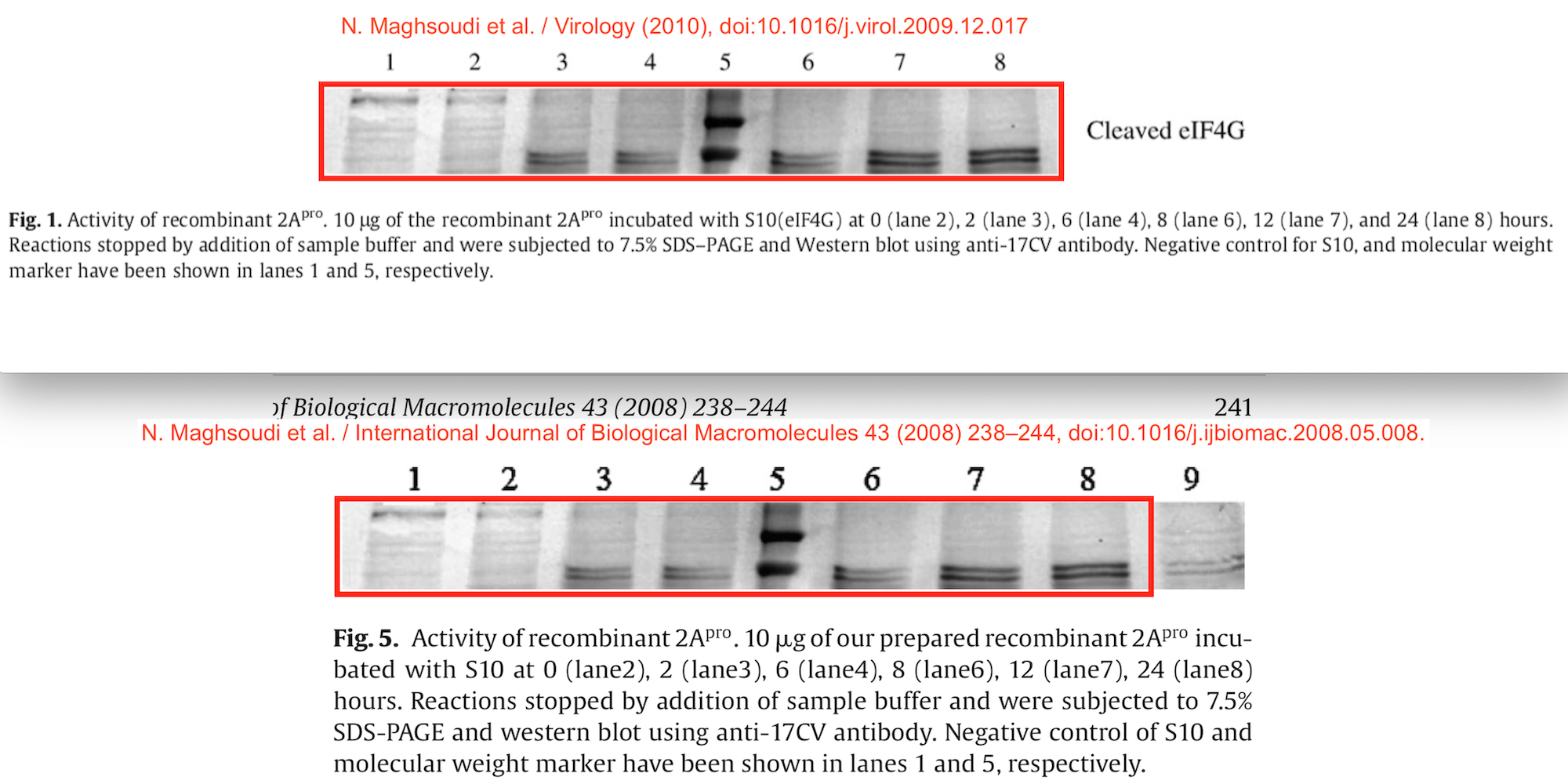
Nader Maghsoudi , Fariba Khodagholi , Mahnaz Sadjadi , Mehdi Zeinodini , Marjan Sabbaghian Purification and partial characterization of coxsackievirus B3 2A protease expressed in Escherichia coli International Journal of Biological Macromolecules (2008) doi: 10.1016/j.ijbiomac.2008.05.008
Retraction Watchdogging
Dream Boldly, Act Bravely, Transform Lives
The British dermatologist and serial entrepreneur Ardeshir Bayat made his motto “Dream Boldly, Act Bravely, Transform Lives“. Next to founding or consulting several companies simultaneously, he is also professor at the University of Cape Town in South Africa. His professorship at University of Manchester ended in 2022, and it wasn’t a big loss for the British university, because look what was just retracted:
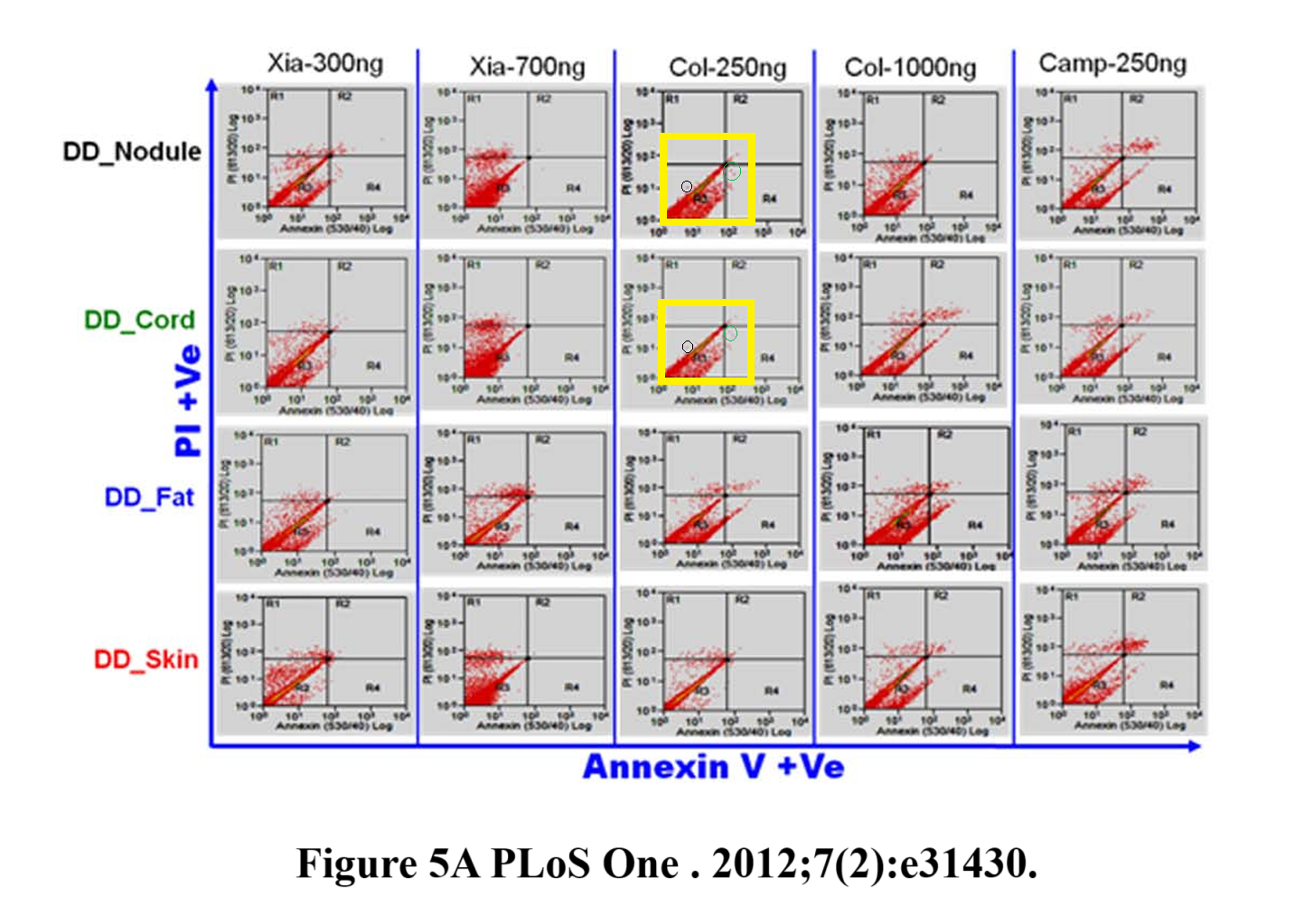
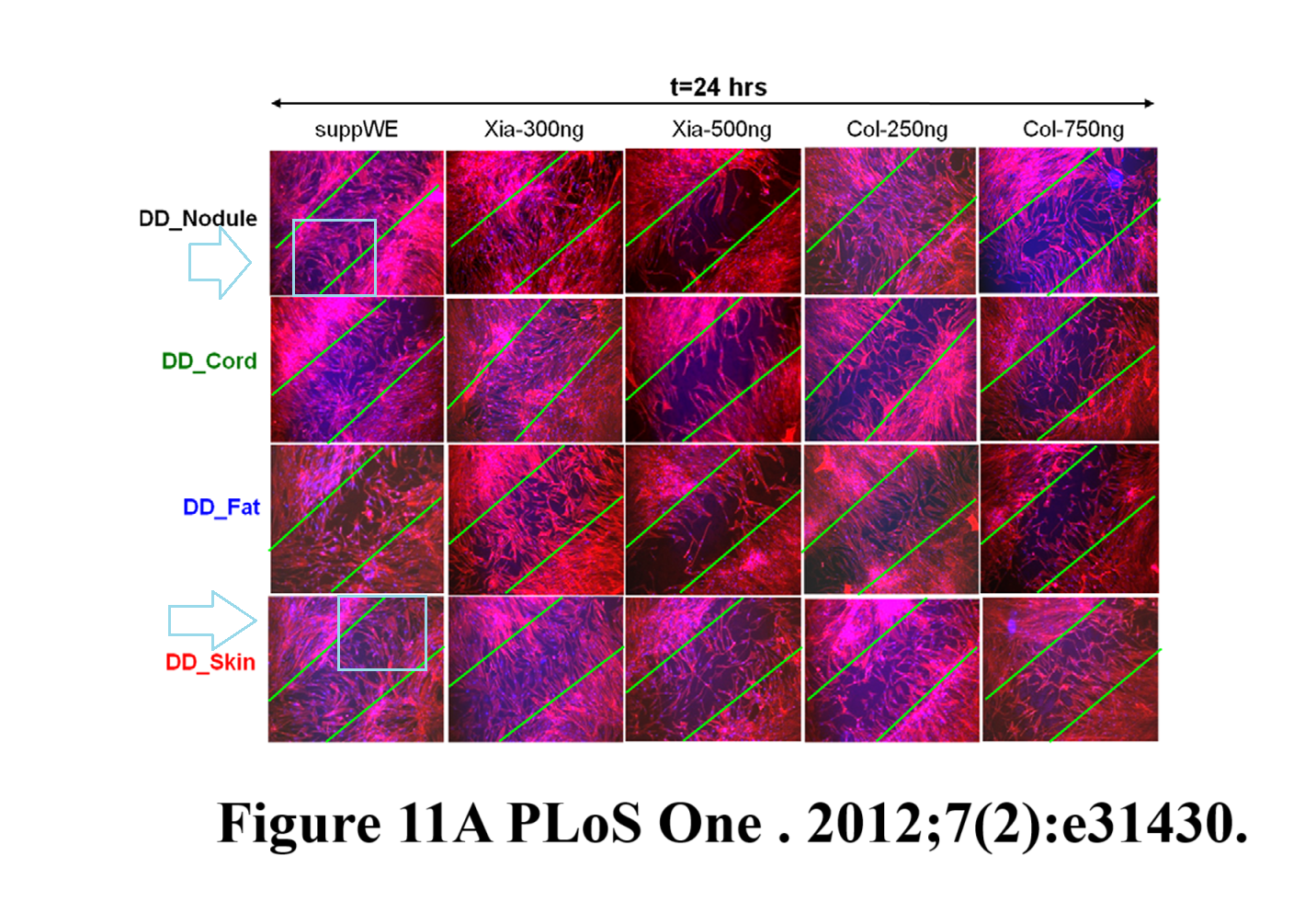
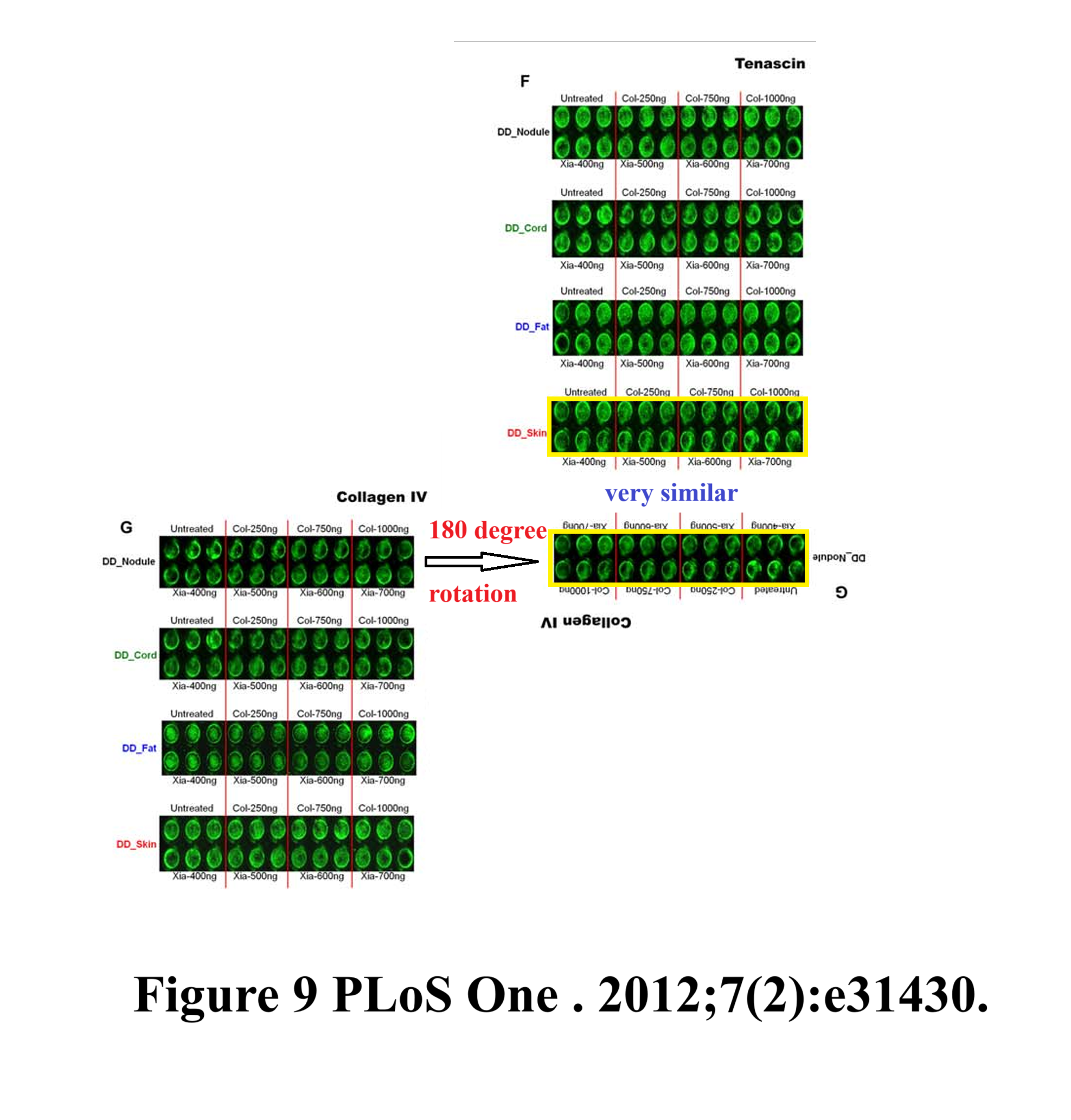
Farhatullah Syed , Alexis N. Thomas , Subir Singh , Venkatesh Kolluru , Susan G. Emeigh Hart , Ardeshir Bayat In vitro study of novel collagenase (XIAFLEX®) on Dupuytren’s disease fibroblasts displays unique drug related properties PLOS One (2012) doi: 10.1371/journal.pone.0031430
After notification by Claire Francis, PLOS investigators found much more fraud. The retraction was issued on 19 December 2025:
“After this article [1] was published, concerns were raised regarding results presented in Figs 5, 9, 11, and S8.
Specifically,
- In Fig 5A the DD_Nodule Col-250ng and DD_Cord Col-250ng panels appear more similar than would be expected from independent results.
- In Fig 9, there appear to be similarities between the following panels despite representing different experimental samples:
- Fig 9B DD_Nodule, Fig 9F DD_Skin, and Fig 9G DD_Nodule rotated 180°.
- Fig 9F DD_Nodule bottom row, Fig 9F DD_Fat bottom row rotated 180°, and Fig 9G DD_Skin bottom row.
- Fig 9F DD_Nodule top row and Fig 9G DD_Skin top row.
- The DD_Cord panels in Figs 9B, 9F and 9G appear similar, although they represent the same sample and experimental conditions.
- In Fig 9B when levels are adjusted to visualize the background, there appear to be areas where the background is discontinuous with the surrounding areas in the following panels:
- DD_Nodule between the Untreated and Xia-400ng wells.
- DD_Cord between the Untreated and Xia-400ng wells.
- In Fig 11A, part of the DD_Nodule suppWE panel appears similar to part of the DD_Skin suppWE panel.
- In Fig S8, there appear to be similarities between the following panels:
- CT_Skin Xia-400ng and CT_Fascia Camp-250ng.
- CT_Skin Col-250ng and CT_Fascia Xia-400ng.
- CT_Skin Col-1000ng and CT_Fat Camp-250ng.
- CT_Skin Camp-250ng and CT_Fascia Xia-700ng.
- CT_Fat Xia-400ng and CT_Fat Xia-700ng.
Co-first author FS stated that in Fig 5A, comparable dot-plot distributions reflect biological reproducibility and shared gating templates. Regarding the panel similarities in Fig 9, they stated that in in-cell western blotting, well images appear alike when cell type, confluence, and treatment are similar. Regarding the background of Fig 9B DD_Nodule and DD_Cord panels, co-first author FS stated the differences in background may reflect contrast adjustments made for montage clarity. They stated the data underlying the results in [1] are no longer available. As such, PLOS does not consider the above concerns can be resolved.
In light of the above unresolved concerns that question the reliability of the reported results, the PLOS One Editors retract this article.”
The authors didn’t agree with the retraction, but Bayat got lucky with another paper, it was saved with Expression of Concern:
Syed Amir Iqbal , Michael John Hayton , James Stewart Watson , Piotr Szczypa , Ardeshir Bayat First Identification of Resident and Circulating Fibrocytes in Dupuytren’s Disease Shown to Be Inhibited by Serum Amyloid P and Xiapex PLOS One (2014) doi: 10.1371/journal.pone.0099967
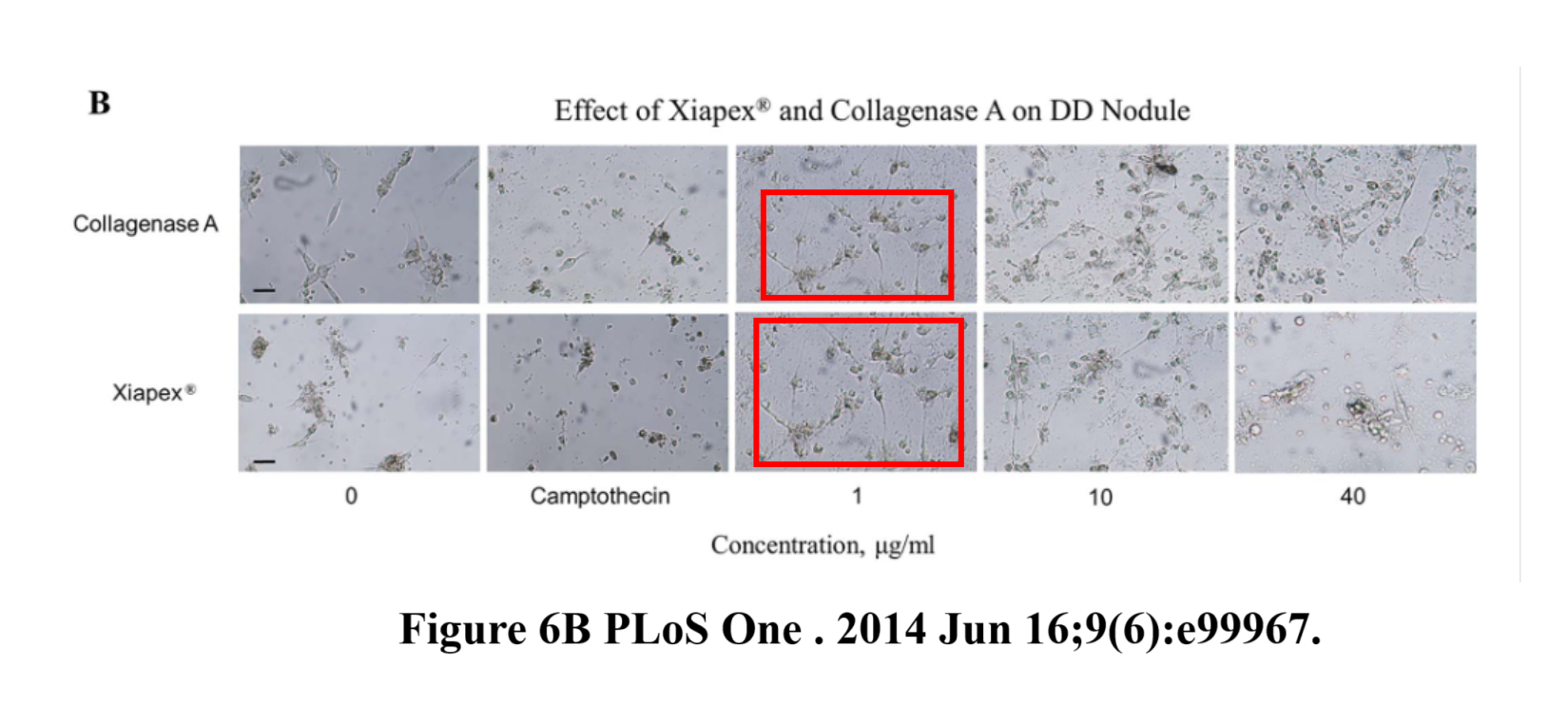
The Expression of Concern was issued on 17 December 2025:
“After this article [1] was published, concerns were raised regarding results presented in Fig 6 and the statistical analyses reported in this study.
Specifically:
- In Fig 6B, part of the Collagenase A 1 µg/ml panel appears similar to part of the Xiapex® 1 µg/ml panel
- The Statistical Analysis subsection of the Materials and Methods reports that data were analyzed using unpaired two-tailed t-tests, and paired t-test for differences between CT and DD cell counts at each concentration of SAP. However, multiple experiments in this article [1] appear to present more than two variables, suggesting that statistical tests designed for the comparison of multiple variables should have been used instead.
The corresponding author, AB, stated that the data underlying the results in [1] are no longer available, and the underlying data were not provided with the published article [1], contrary to the Data Availability statement. This article [1] therefore does not comply with the PLOS Data Availability policy.”
There is of course more bad stuff by Bayat on PubPeer. Here is another recent retraction, in Frontiers:
Sara Ud-Din, Traci A Wilgus, Ardeshir Bayat Mast Cells in Skin Scarring: A Review of Animal and Human Research Frontiers in Immunology (2020) doi: 10.3389/fimmu.2020.552205
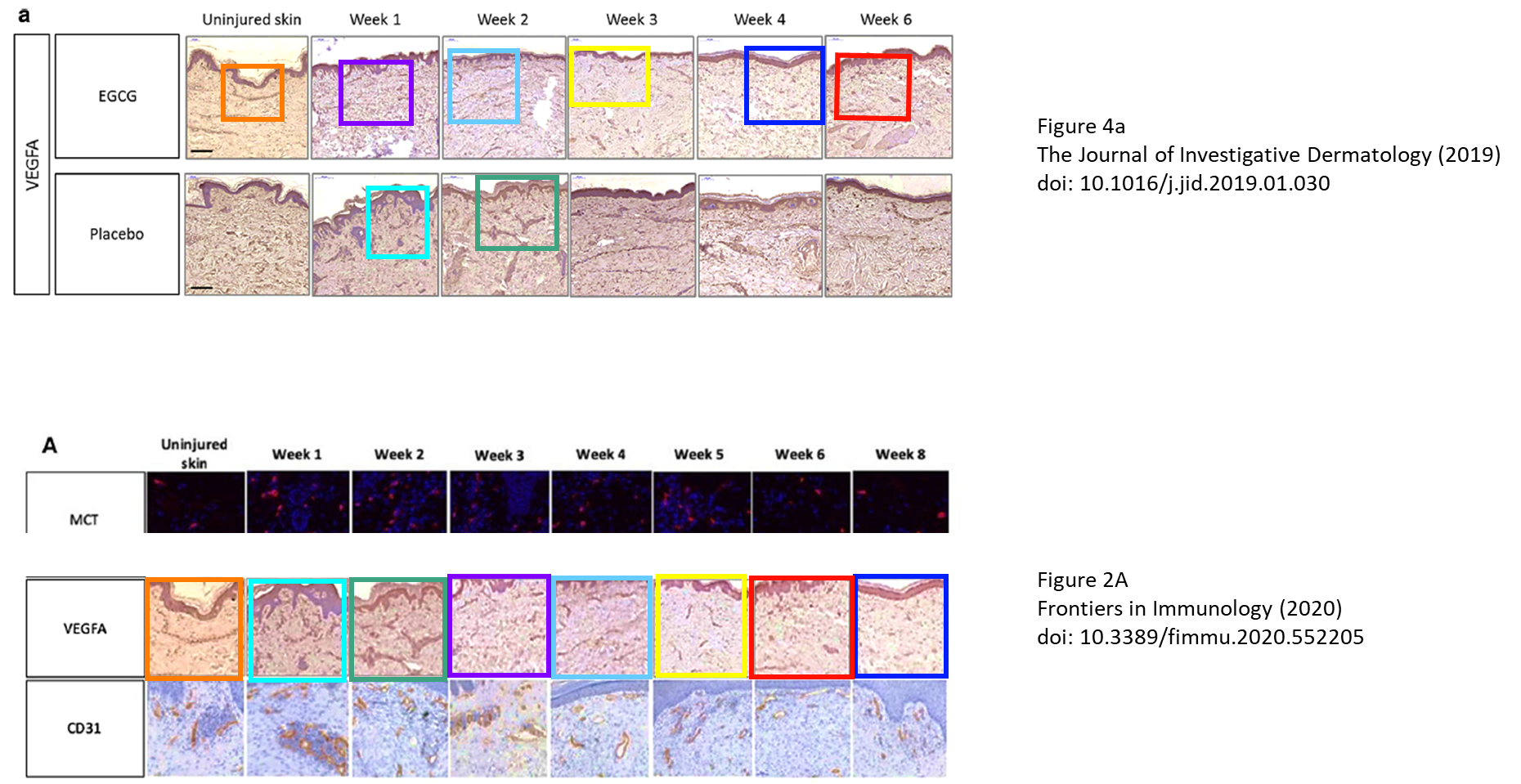
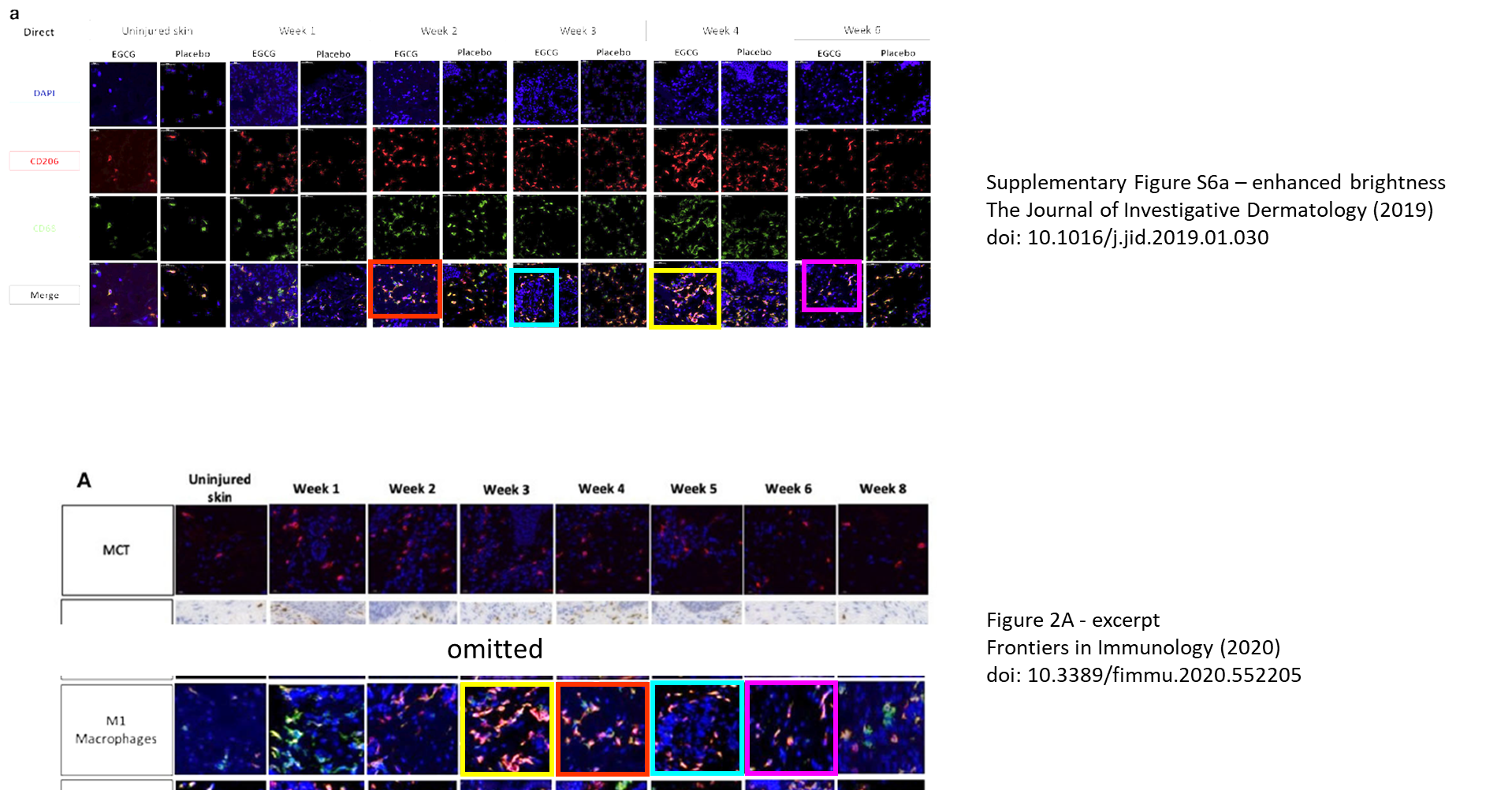
We will get to that other paper in a moment. First, the Retraction from 16 October 2025:
“Following publication, concerns were raised regarding the integrity of the images in the published figures. There were concerns about the images in Figure 2, which also appeared in another publication from a different publisher, but with different magnification and labelling. The authors failed to provide a satisfactory explanation during the investigation, which was conducted in accordance with Frontiers’ policies. As a result, the data and conclusions of the article have been deemed unreliable, and the article has been retracted.”

Manchester: “research misconduct concerned only one member of the research group”
The University of Manchester found out that someone has secretly manipulated data in the papers of their star cancer researcher, Richard Marais. Who might that be?
Now, about that other paper. Back in Manchester, Bayat founded together with the cosmetic surgeon, Douglas McGeorge. a cosmetics company called “Science of Skin“: “The product is formulated to help reduce scarring caused by everything from chicken pox and acne to injury, surgery and even burns.” The skin cream is called Solution for Scars™ and is sold for £18.99, and it is made from green tea:
“Solution for Scars™ is the world’s first scientifically proven formula using a NATURAL active ingredient to reduce the appearance of symptomatic scars.[…]
The ground breaking research led by scientist Dr Ardeshir Bayat, in collaboration with Mr Douglas McGeorge, a former President of the British Association of Aesthetic Plastic Surgeons (BAAPS), has demonstrated that this particular active form of green tea extract allows a completely different approach to scar management.”
Science of Skin website
So here is that paper I promised, a clinical study by Bayat and McGeorge to prove that their magic scar-removal cream from grean tea works, and let’s see if you recognise a certain Manchester-based coauthor:
Sara Ud-Din , Philip Foden , Mohsin Mazhari , Samer Al-Habba , Mohamed Baguneid , Silvia Bulfone-Paus , Douglas McGeorge, Ardeshir Bayat A Double-Blind, Randomized Trial Shows the Role of Zonal Priming and Direct Topical Application of Epigallocatechin-3-Gallate in the Modulation of Cutaneous Scarring in Human Skin Journal of Investigative Dermatology (2019) doi: 10.1016/j.jid.2019.01.030
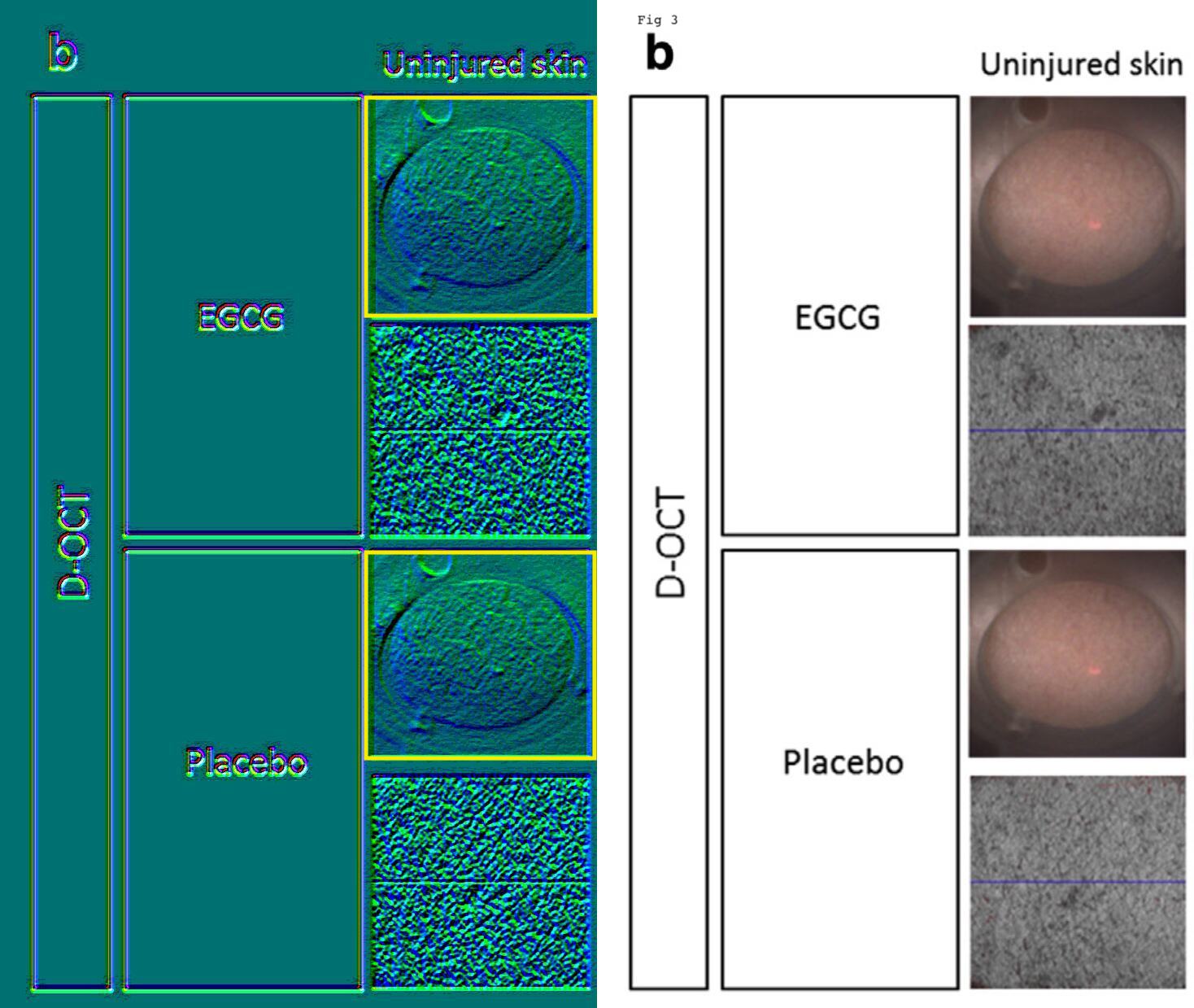

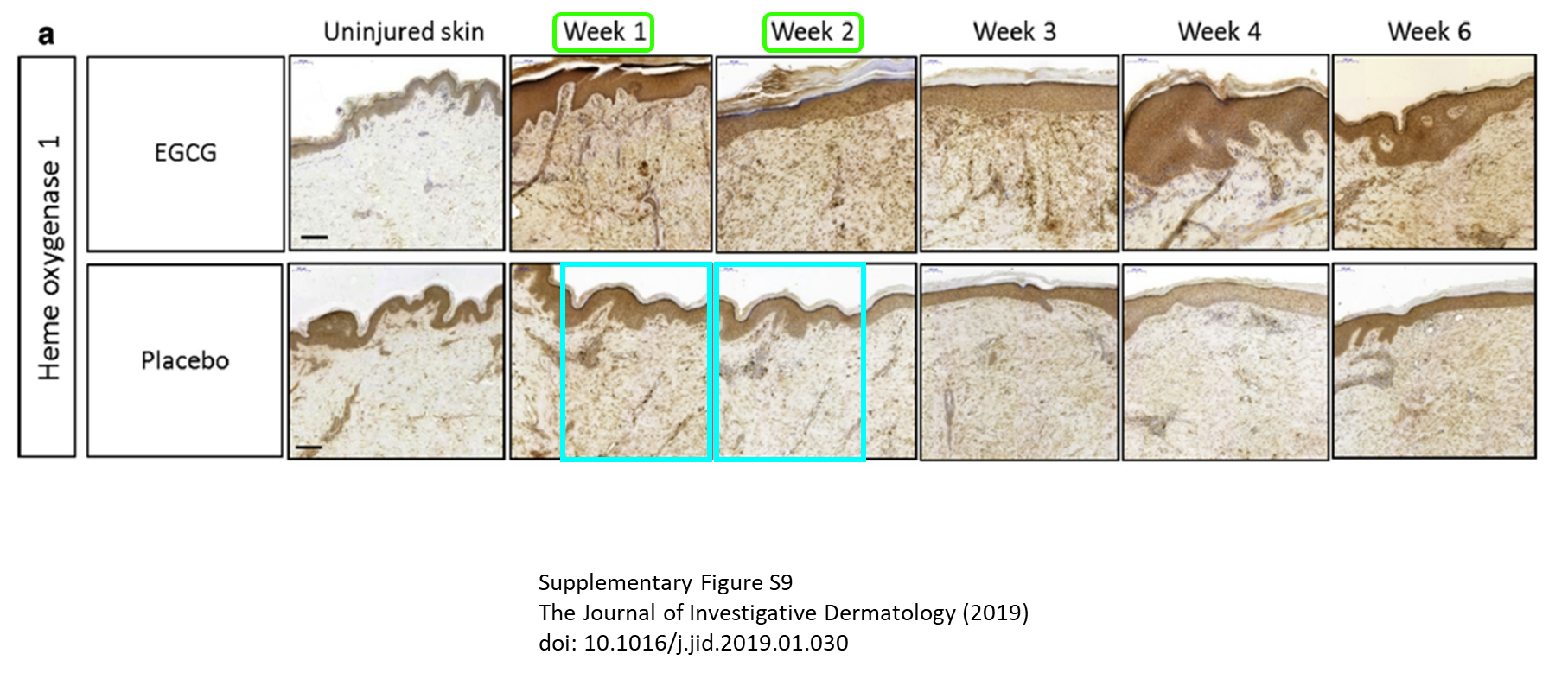
Why yes, it is the legendary mega-fraudster from Germany, Silvia Bulfone-Paus, who was kicked out from Forschungszentrum Borstel and escaped to Manchster where she remains their zombie professor, read below:
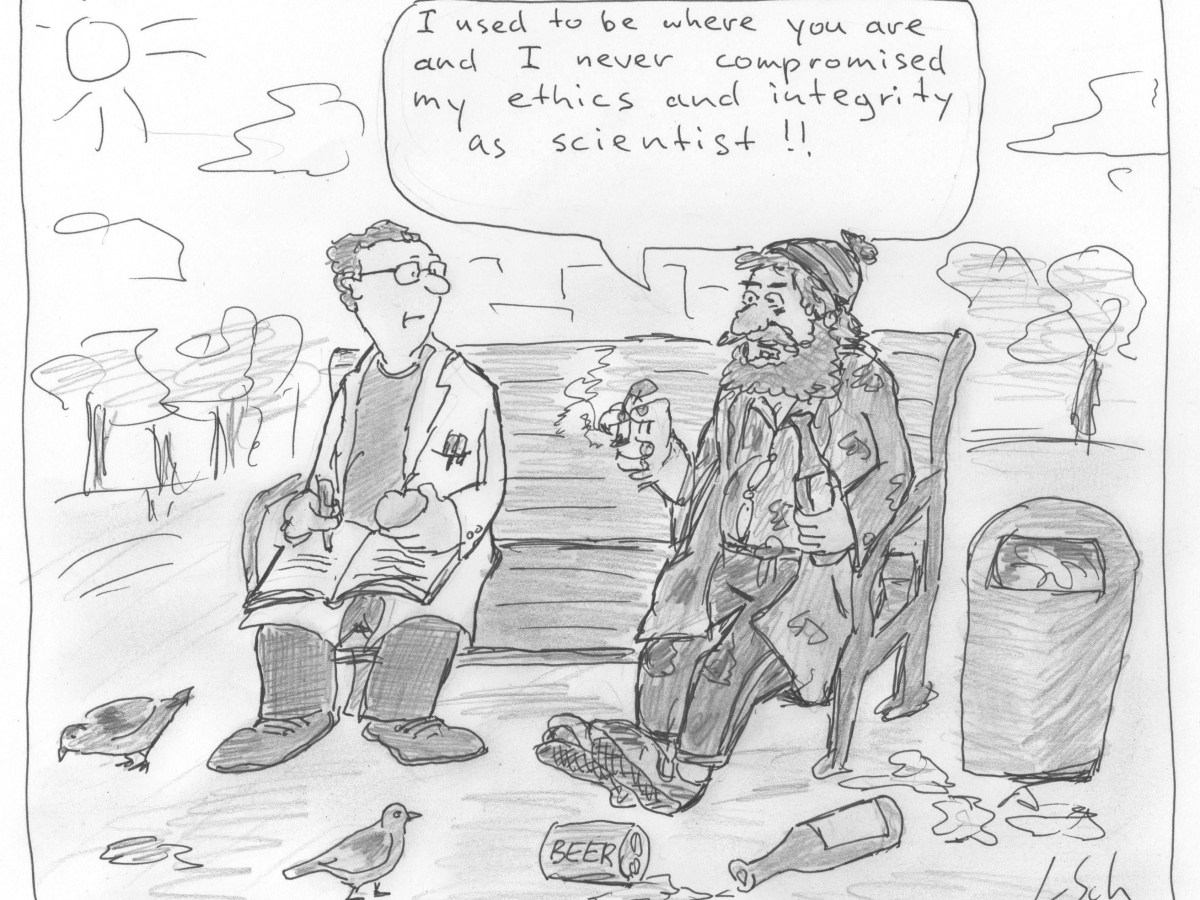
Zombie Scientists
There are zombie papers, those are the long-discredited or even misconduct-riddled publications, which somehow avoid retractions and continue contaminating scientific literature. The “Arsenic Life” paper in Science is such a parade example, but also cancer and stem research hide an impressive collection of zombie papers. Zombie scientists are those once renowned researchers, who were caught…
But it is not Bulfone-Paus who is the fraudster here. The above clincial study shares images with another one by Bayat and McGeorge, again about their magic cream:
Sara Ud-Din , Traci A. Wilgus , Douglas D. McGeorge, Ardeshir Bayat Pre-Emptive Priming of Human Skin Improves Cutaneous Scarring and Is Superior to Immediate and Delayed Topical Anti-Scarring Treatment Post-Wounding: A Double-Blind Randomised Placebo-Controlled Clinical Trial Pharmaceutics (2021) doi: 10.3390/pharmaceutics13040510
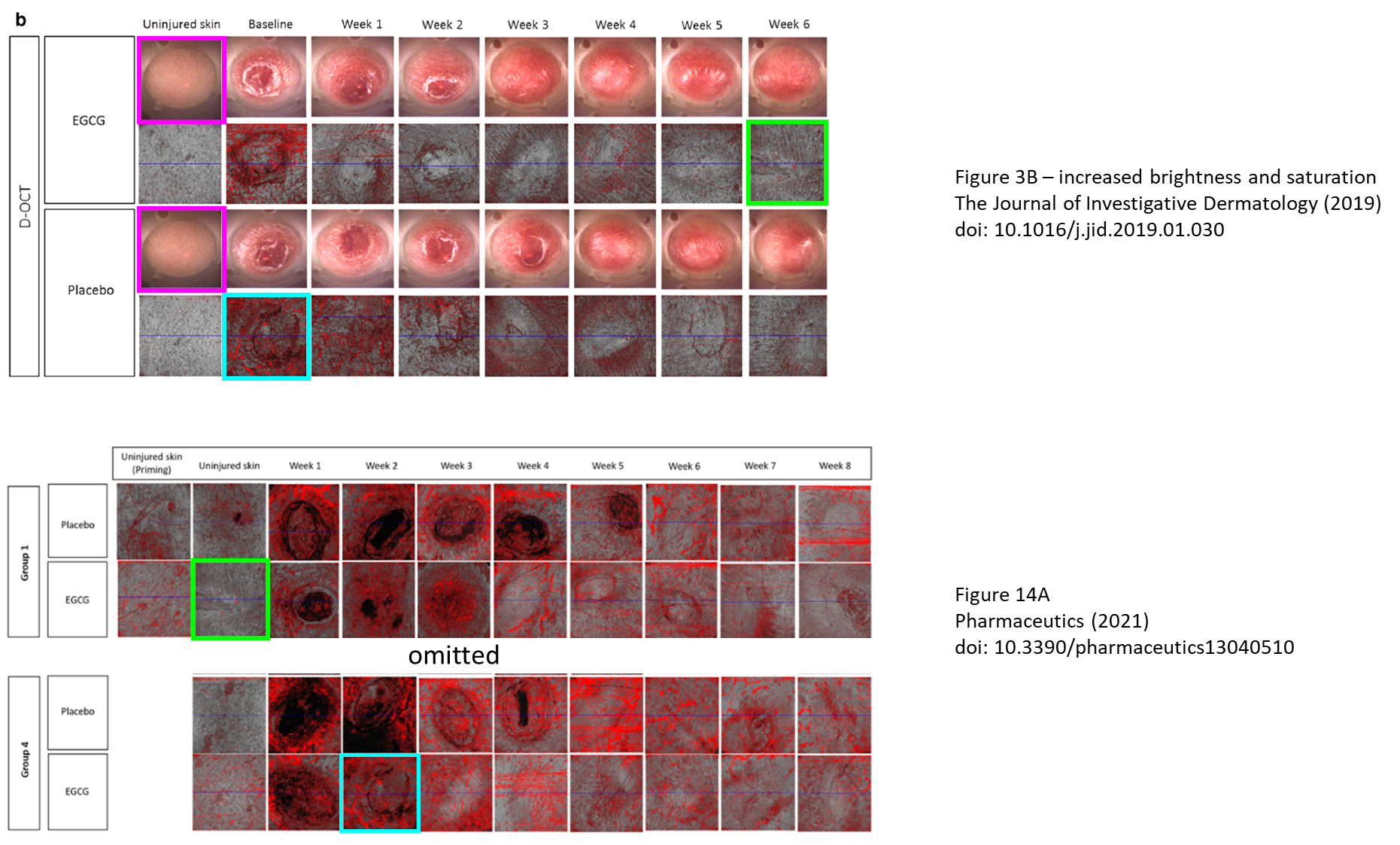
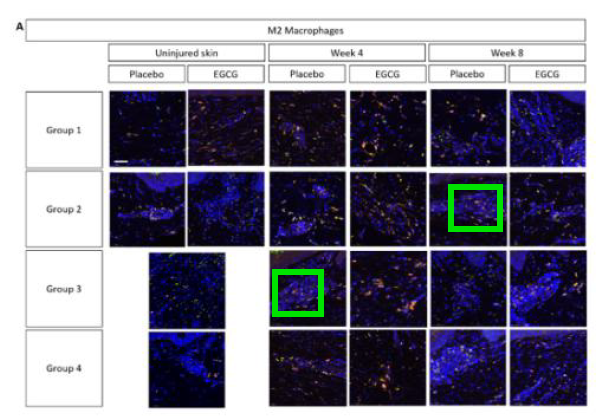
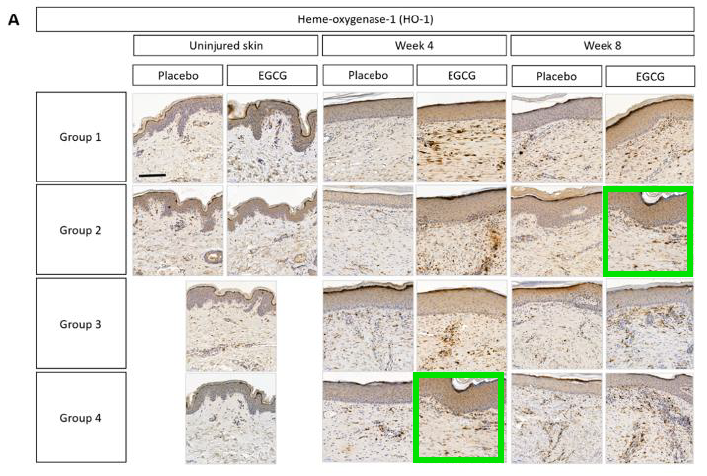
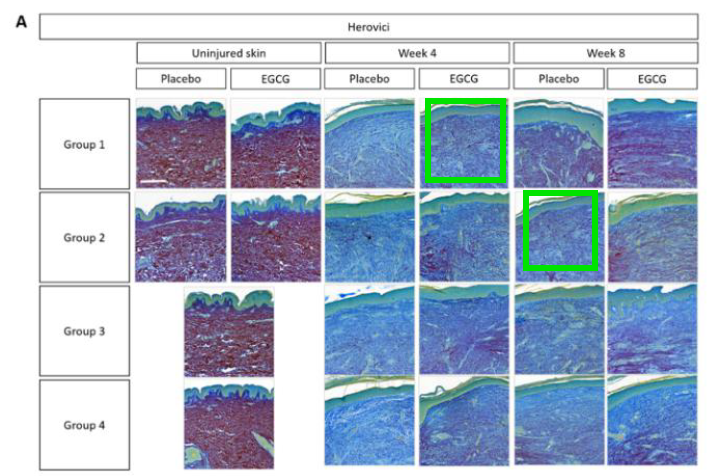
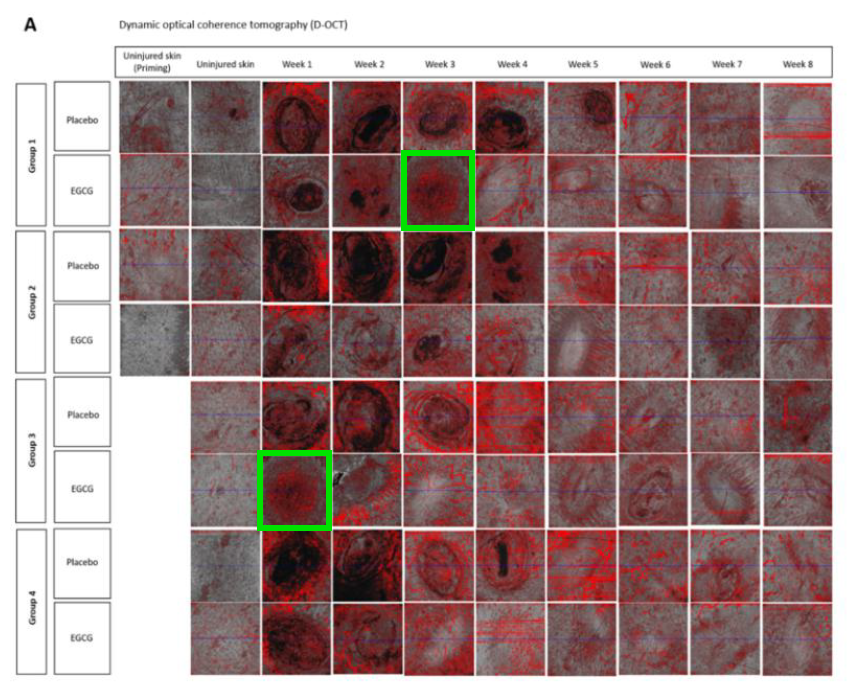
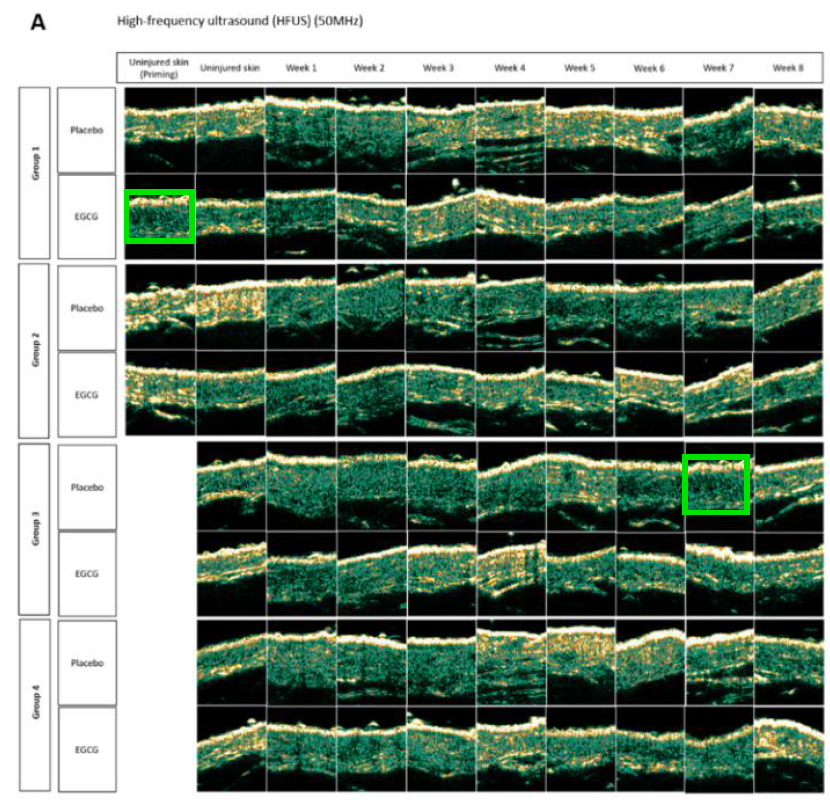
And here are papers by Bayat with two massive cheaters: Silvia Bulfone-Paus’s husband and skin care entrepreneur, Ralf Paus (read about him in July 2022 Shorts), and ta-da, Pier Paolo Pandolfi, who was sacked twice, first in Harvard, USA, and then in Italy:
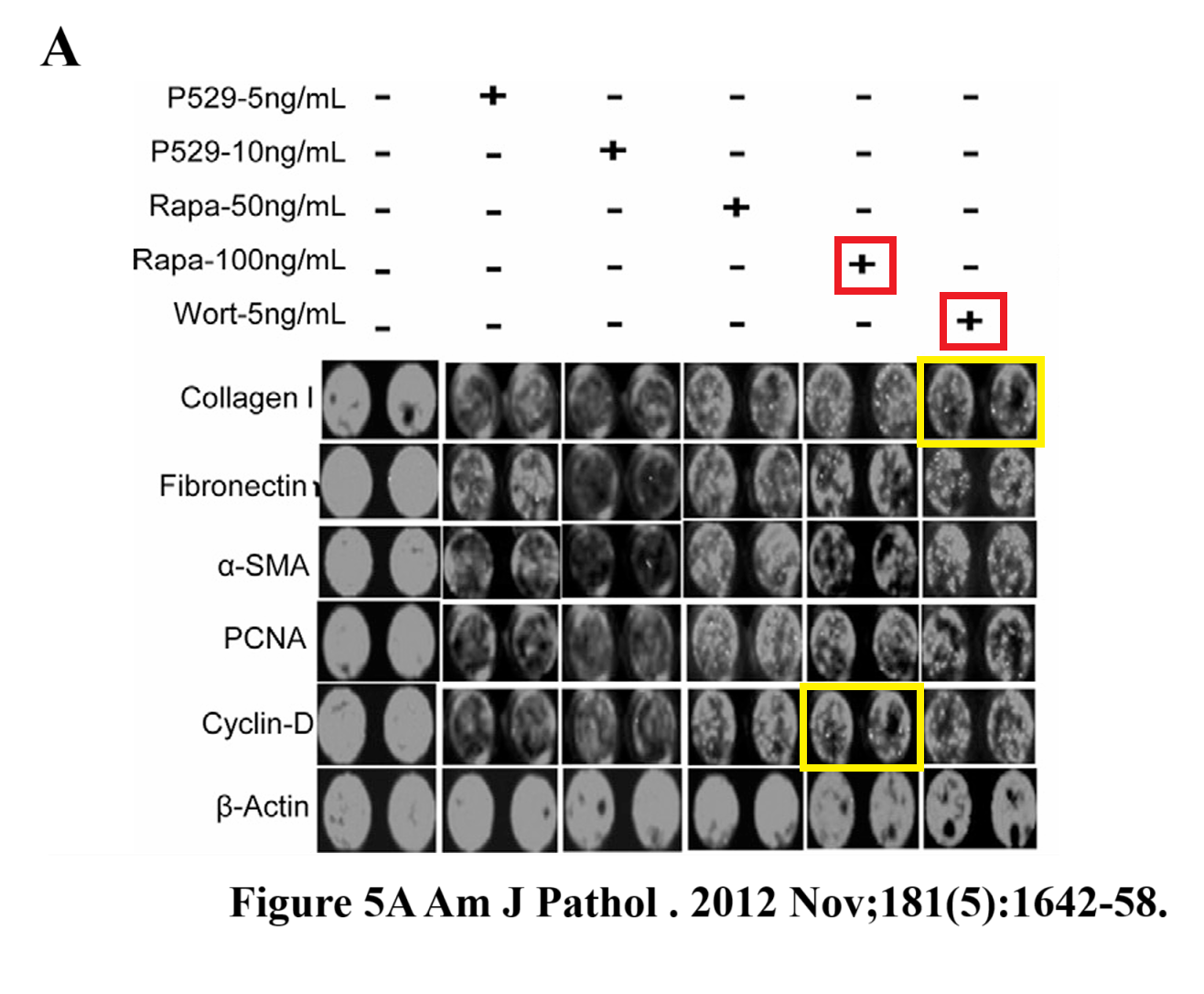
Fig 5A
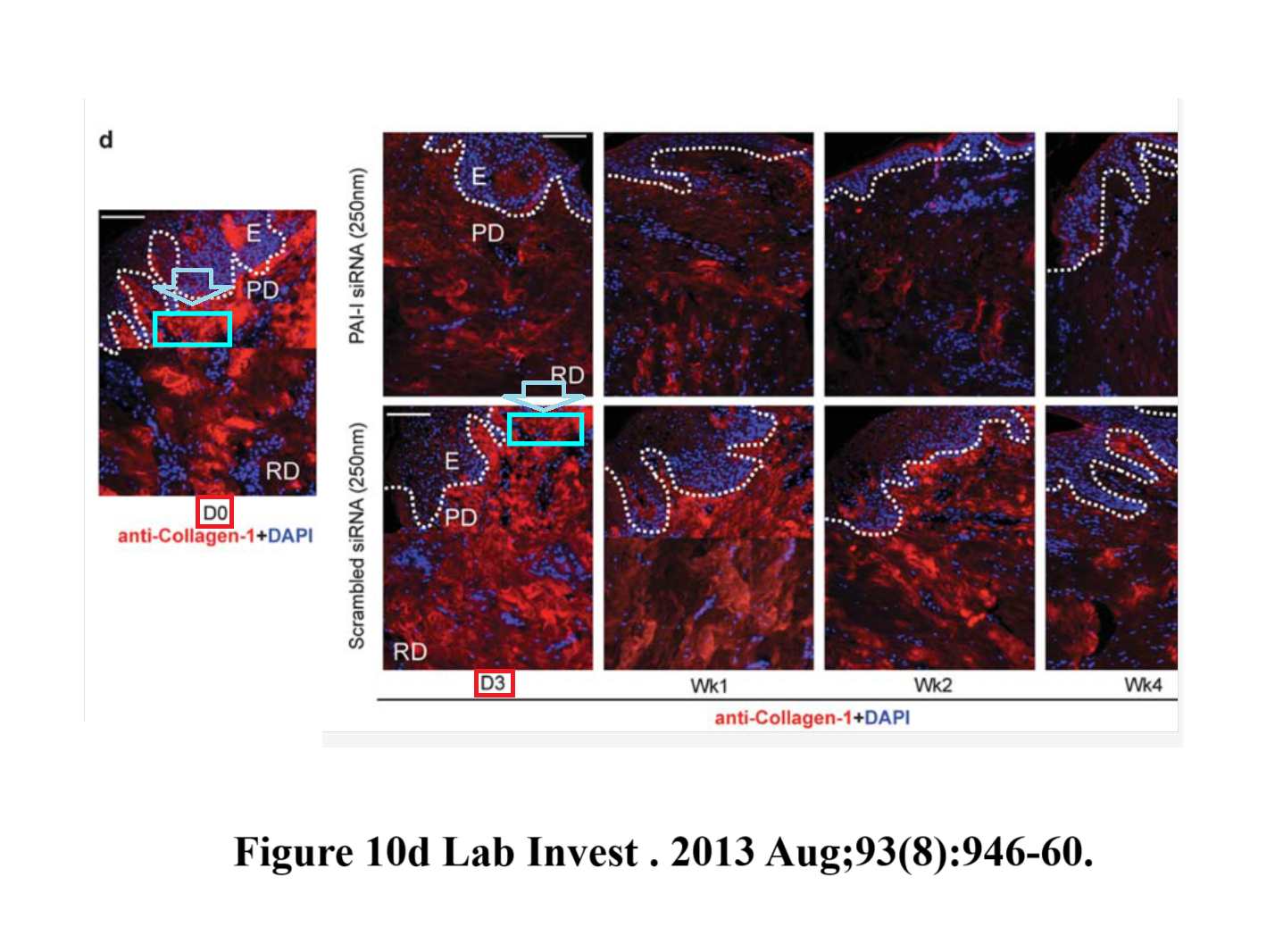
Fig 10D
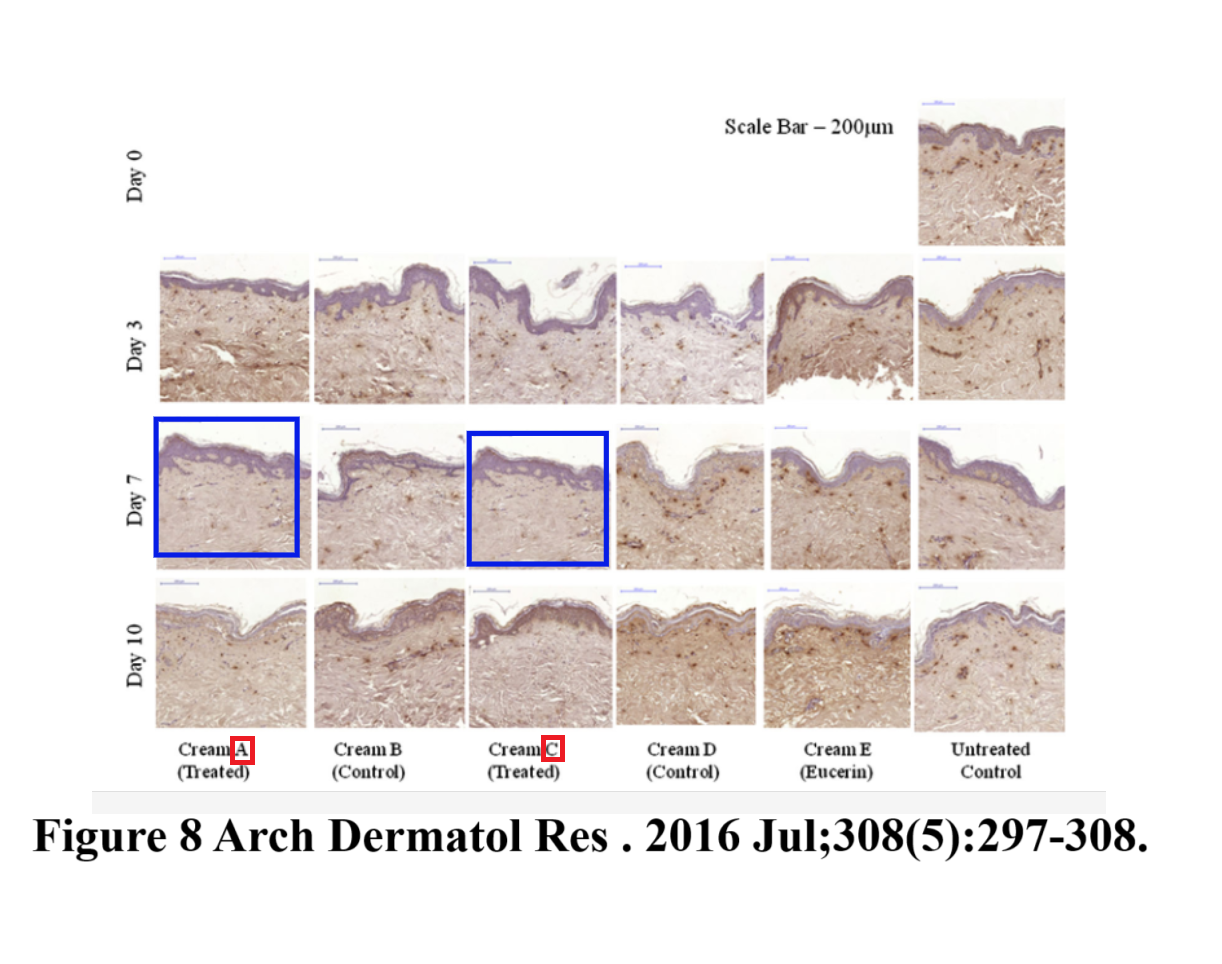
Naturally, the data forgery for that green tea cream started already at the preclinical stage:
G. P. Sidgwick , D. McGeorge , A. Bayat Functional testing of topical skin formulations using an optimised ex vivo skin organ culture model Archives of Dermatological Research (2016) doi: 10.1007/s00403-016-1645-8
The Science of Skin website quotes the company’s founder:
“Our research has broken the mould when it comes to effective products to make a significant difference in the successful management of scarring. Solution for Scars™ works differently and far more effectively than some of the existing products on the market. Solid scientific research and harnessing the very best that nature can offer underpins all of our product development – and we now have the scientific evidence to back it up.”
Ardeshir Bayat, Science of Skin
Decide for yourself if that cream works.
The authors intend to repeat the key experiments to verify the findings
Another retraction for Dario Alessi, head of MRC Protein Phosphorylation Unit (MRC-PPU) at University of Dundee in UK, a job he inherited from his mentor Sir Philip Cohen:
Portrait of Sir Philip Cohen’s Family
Sir Philip and Lady Tricia Cohen, and their heir Dario Alessi, plus other first and second generation offspring. A Scottish soap opera!
The paper was flagged by pseudonymous Claire Francis in October 2024, with extra evidence added in January 2025. All coauthors are Alessi’s colleagues at MRC-PPU save for Harvard’s bigwig Kristopher Kahle:
Paola De Los Heros, Dario R. Alessi, Robert Gourlay , David G. Campbell, Maria Deak , Thomas J. Macartney, Kristopher T. Kahle, Jinwei Zhang The WNK-regulated SPAK/OSR1 kinases directly phosphorylate and inhibit the K+–Cl− co-transporters Biochemical Journal (2014) doi: 10.1042/bj20131478


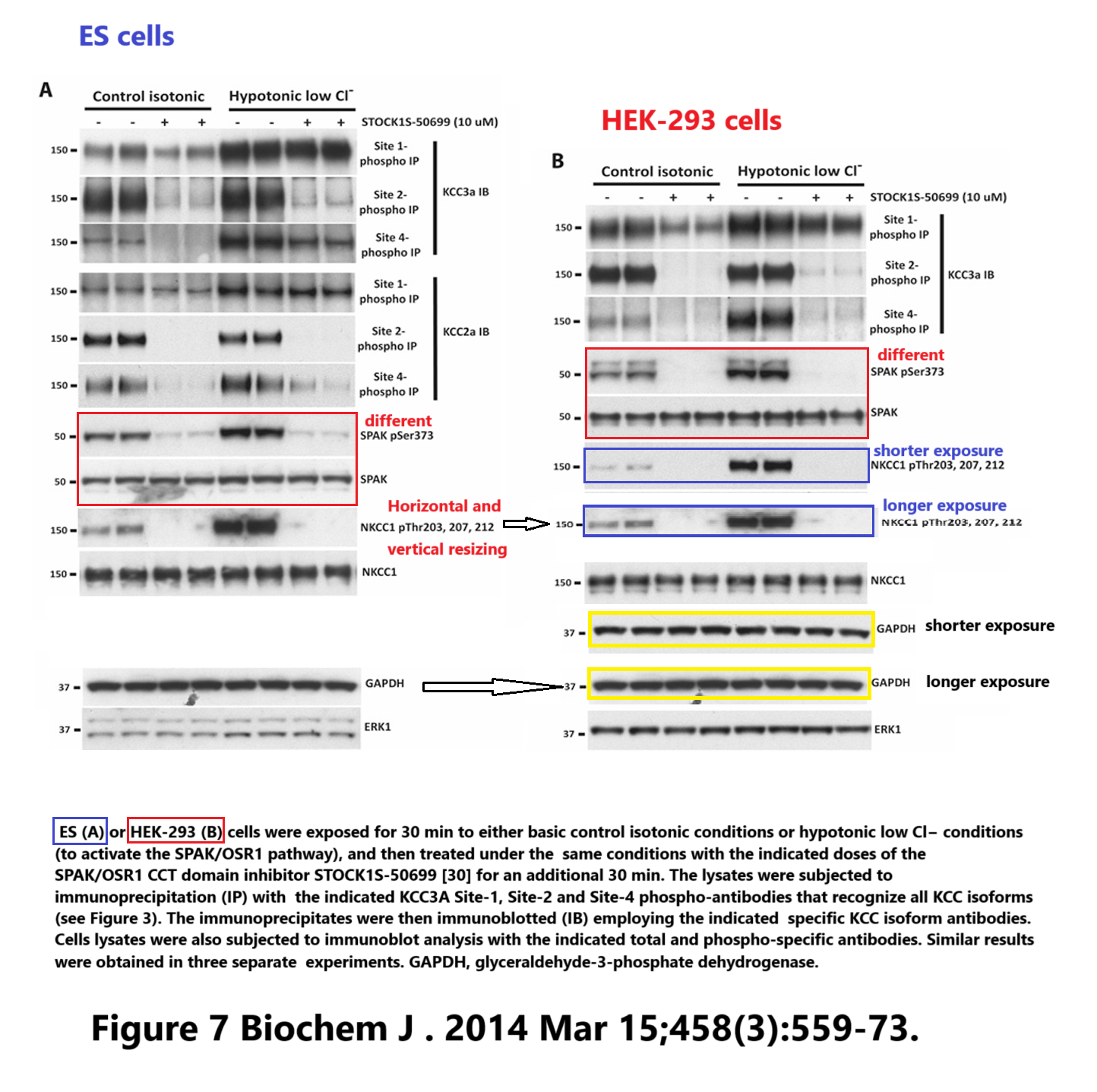
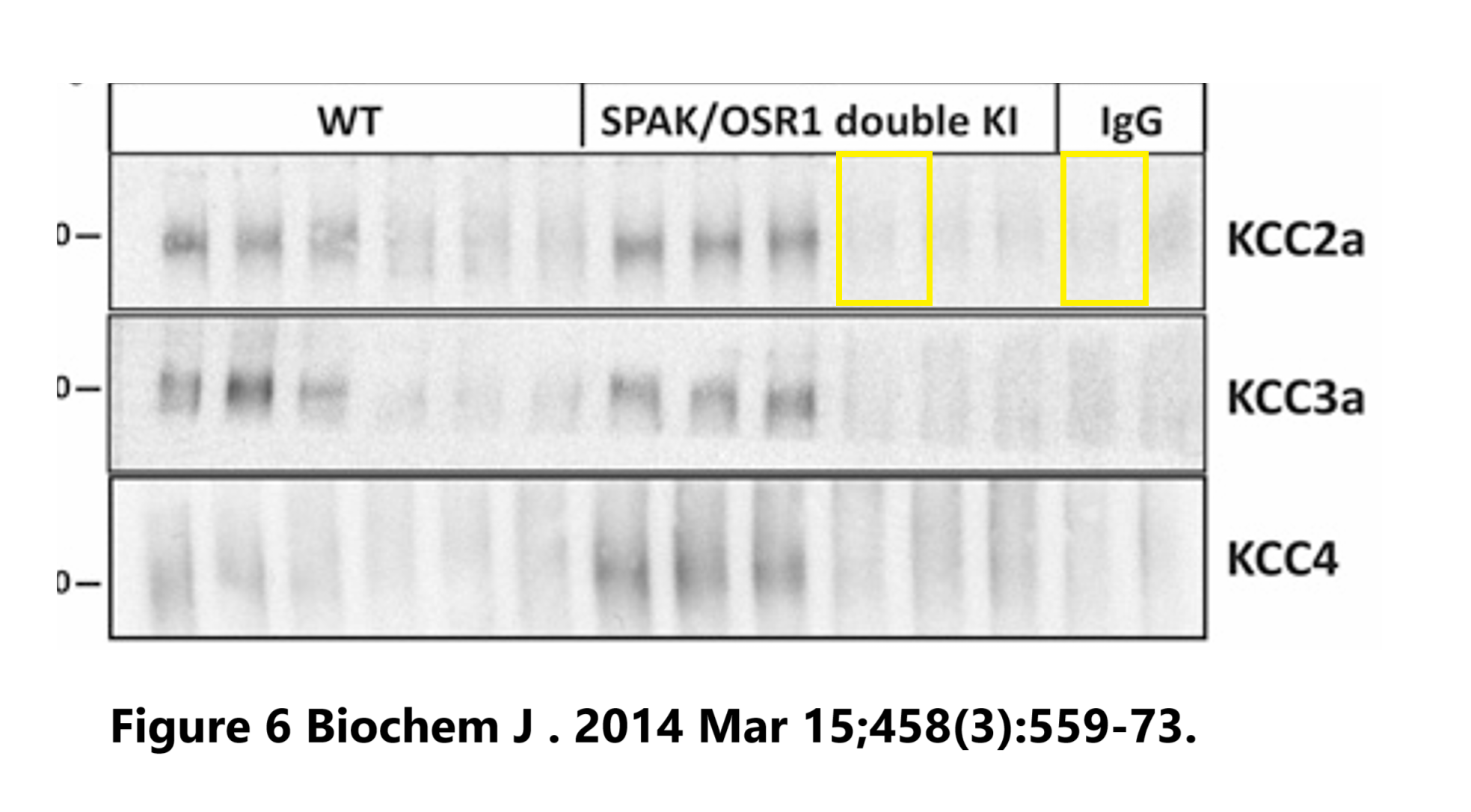
There was also image reuse across papers:
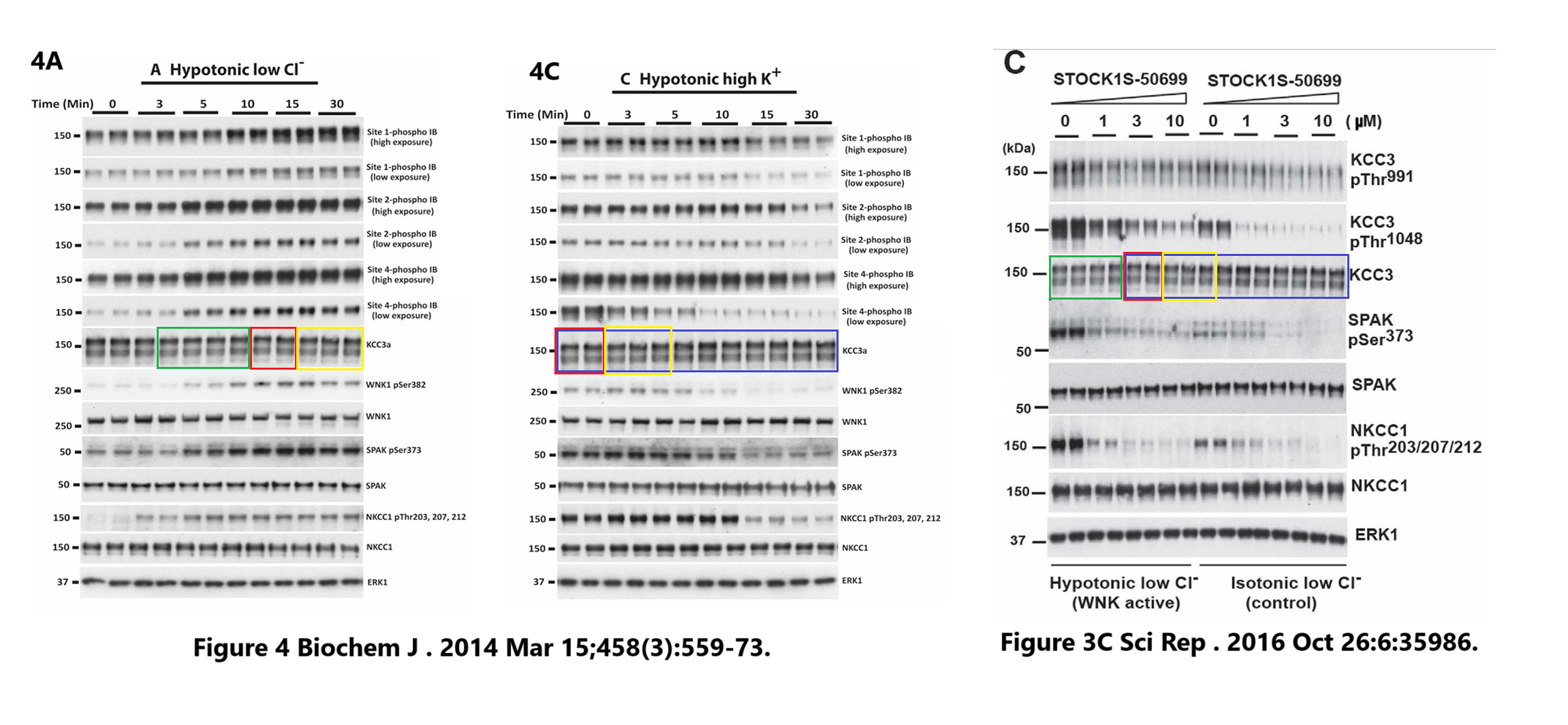
doi: 10.1038/srep35986

Alessi’s and Kahle’s paper Zhang et al 2016 had even more data duplications, btw.
In November 2024, the University of Dundee announced on PubPeer to be “examining the points raised“, for both papers. In spring 2025, the University announced that they “were unable to locate data records that could help explain the issues raised“, but never mind, all conclusions are supported because “other publications confirm or present data consistent with the findings of this study“. The statement ended with:
“We shared our analysis and all related details with the journal to facilitate any actions they deem appropriate. The potential duplication with a second publication is being dealt with separately.”
Nothing was done to the Scientific Reports paper, just as the Scottish university asked (“no action is required for this Figures“). But Biochemical Journal‘s publisher Portland Press, which already retracted some papers by Alessi and Cohen, were not convinced and issued this retraction on 17 December 2025:
“The authors of the article “The WNK-regulated SPAK/OSR1 kinases directly phosphorylate and inhibit the K+-Cl- co-transporters” (DOI: 10.1042/BJ20131478) wish to retract the article from the Biochemical Journal after being alerted by a reader to multiple errors across Figures 3–7 of the published work.
These errors included misalignment of digitised Western blot data, incorrect figure labelling and instances of blot duplication due to miscommunication between laboratory members involved in preparing the figures following peer review. Unfortunately, these errors were not detected during the final pre-publication review.
The authors have located and verified the original raw data and laboratory notebooks for all experiments. These data reaffirm the study’s central conclusion, that WNK-regulated SPAK/OSR1 kinases directly phosphorylate and inhibit K+-Cl- co-transporters. These findings have been independently replicated and supported by numerous peer-reviewed publications over the past decade, and the phospho-specific antibodies generated in this study have also been widely used to investigate KCC regulation (e.g. DOI: 10.1074/jbc.m117.817841; DOI: 10.1074/jbc.m705095200; DOI: 10.1073/pnas.1810134115; and DOI: 10.1038 /s41467-019-13851-6). The authors therefore stand by the conclusions of the paper.
However, given the number of errors identified, and in the interest of maintaining scientific transparency and integrity of the published record, the authors collectively agree that retraction of this article is the most appropriate course of action.
The Publisher reviewed original data provided by the authors and agrees with retraction of the paper.
The authors sincerely apologise to the editors, reviewers and readers of the Biochemical Journal for the inconvenience caused by these unintentional errors. The authors intend to repeat the key experiments to verify the findings, and the confirmed results will be submitted for consideration of publication in due course.”
We all tremble with anticipation at the promised new and totally unfake version of this 11 year old study.
Alessi’s former postdoc Jinwei Zhang is now group leader at the University of Exeter, also in UK. Here another paper of Zhang’s, now from Exeter and again with Kahle:
Jinwei Zhang, Mohammad Iqbal H. Bhuiyan , Ting Zhang , Jason K. Karimy , Zhijuan Wu , Victoria M. Fiesler , Jingfang Zhang , Huachen Huang , Md Nabiul Hasan , Anna E. Skrzypiec , Mariusz Mucha , Daniel Duran , Wei Huang , Robert Pawlak , Lesley M. Foley , T. Kevin Hitchens , Margaret B. Minnigh , Samuel M. Poloyac , Seth L. Alper , Bradley J. Molyneaux , Andrew J. Trevelyan, Kristopher T. Kahle ,Dandan Sun, Xianming Deng Modulation of brain cation-Cl cotransport via the SPAK kinase inhibitor ZT-1a Nature Communications (2020) doi: 10.1038/s41467-019-13851-6
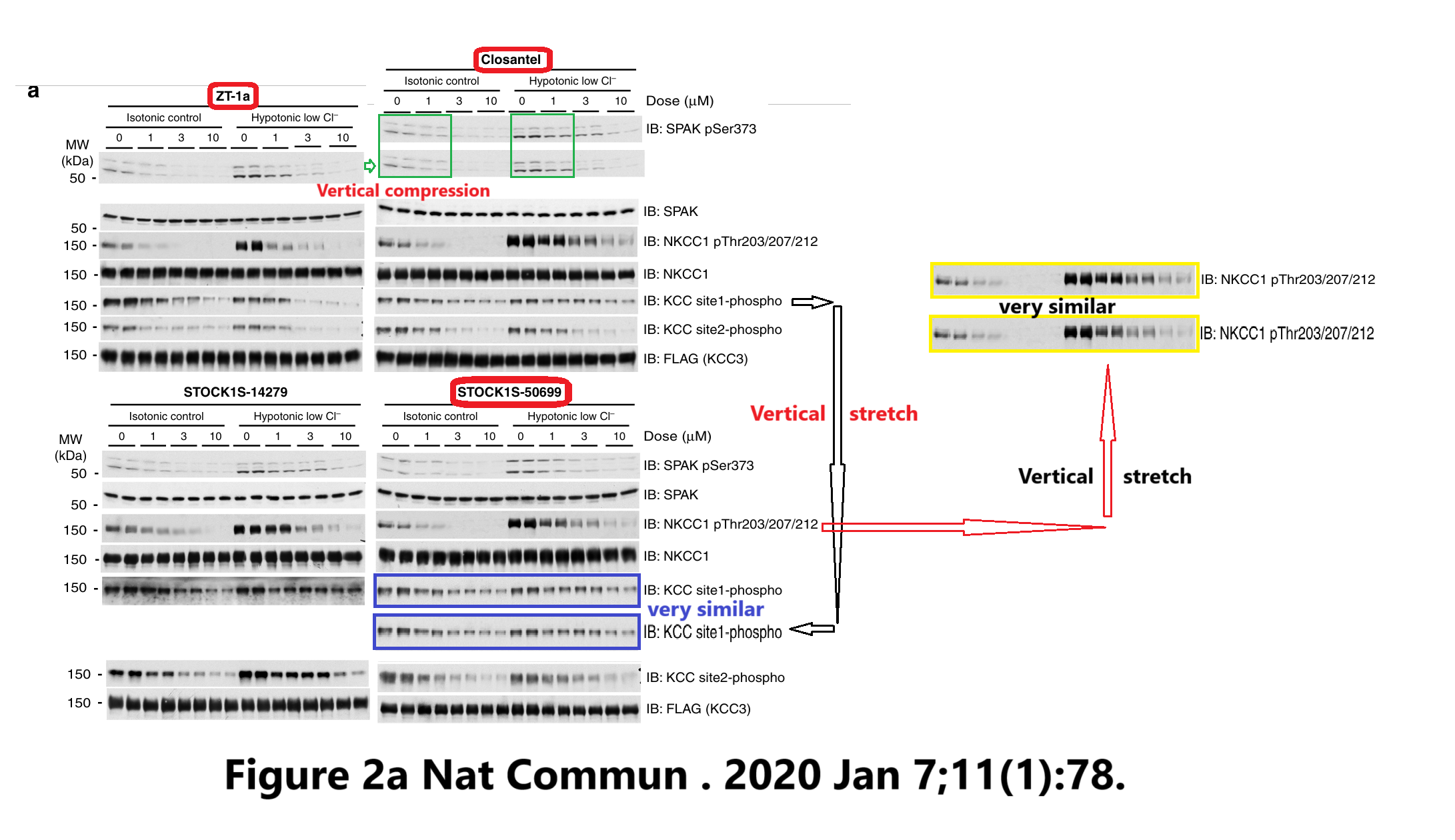
Almost a year ago, in January 2025, Zhang admitted that some gels images “may have been mistakenly placed” and announced to “address this matter with the Journal editor“. You see that they decided that no action was needed.
Zhang has more on PubPeer, mostly with his mentor Alessi, sometimes also Stanford’s bigwig Nathanael Gray is last author. The University of Dundee has decided that those were “the result of a genuine error” (Deng et al 2013), nothing but “a mistake that occurred during image preparation” (Zhang et al 2012), that the available raw data “supports the overall conclusion” (Zhang et al 2015), or just gave up investigating (Hatcher et al 2015).
Science Breakthroughs
A single-blind clinical trial
Trump’s fascist regime is doing its best to kill millions of people, including Americans, directly or by preventable diseases. In USA, one approach is to strip citizens of health insurance, the other is to get them while young, by denying them vaccinations.
For that, Trump’s Secretary of Disease and unhinged psychopath Robert F Kennedy Jr keeps appointing the worst of antivaxxers to conduct “studies” which will predictable prove that vaccines are evil.

Mergers & Acquisitions by Mark and David Geier
Kathleen Seidel analysed two papers by Mark and David Geier, which claimed that mercury in vaccines caused autism

So here is the new announcement of a future scientific discovery. Soon a clinical trial in Africa, performed on Black babies, will prove that Hepatitis B vaccines are evil.
Liz Szabo reports in CIDRAP on 18 December 2025:
“The US Centers for Disease Control and Prevention (CDC) has awarded an unsolicited $1.6 million grant for vaccine research to Danish researchers whose studies have been challenged by mainstream scientists but championed by anti-vaccine activists, including Health and Human Services (HHS) Secretary Robert F. Kennedy Jr.
According to a notice in the Federal Register posted yesterday, the CDC is paying the University of Southern Denmark to conduct a single-blind clinical trial of the hepatitis B vaccine in newborns in Guinea-Bissau, a small country in West Africa with exceptionally high rates of maternal and infant mortality, where nearly one in five people are infected with the hepatitis B virus.“
Single-blind trial means that the African mothers will be lied to that their babies receive a vaccine, while in reality at least half of them won’t. We are informed that the grant was awarded without any call or competition, basically HHS contacted these Danish antivaxxers of the so-called Bandim Health Project, and asked them if they would like to abuse some Black babies for a huge pile of money.
The “scientists” here are the anthropologist Peter Aaby, professor at the University of Southern Denmark (SDU), and his wife and fellow professor at SDU, Christine Stabell Benn. Aaby was praised by RFK’s own antivax lobby organisation Children’s Health Defense as “a martyr who lost his funding when he suggested vaccines cause more harm than good“. Stabell Benn is a collaborator of FDA’s senior leader Tracy Beth Hoeg, who has just convinced Trump to reduce the vaccination schedules in USA, also the hepatitis B vaccine was cancelled.

A bit of Frye and Rossignol
“Trapped inside every autist, a normal child with normal cognition is struggling to get out – only needing the right drug or therapy to be released”, – Smut Clyde

These people are known to deliver the right kind of results:
“In June, Kennedy used a single study by the Bandim group to justify canceling more than $1 billion in funding for childhood vaccinations in developing countries.”
Yes, these people are racists, and yes they run a death cult.
Survival benefits of Malmö cheese
To end the year, some trash science which is at least funny. Did you know that cheese prevents dementia?
A press release by the most authoritative scholarly source, the American Academy of Neurology, hit news headlines worldwide right in time before Christmas:
“People who eat higher amounts of full-fat cheese and cream may be less likely to develop dementia later in life, according to a new study published on December 17, 2025, in Neurology, the medical journal of the American Academy of Neurology. […]
“For decades, the debate over high-fat versus low-fat diets has shaped health advice, sometimes even categorizing cheese as an unhealthy food to limit,” said Emily Sonestedt, PhD, of Lund University, Sweden “Our study found that some high-fat dairy products may actually lower the risk of dementia, challenging some long-held assumptions about fat and brain health. […]
“These findings suggest that when it comes to brain health not all dairy is equal,” said Sonestedt. “While eating more high-fat cheese and cream was linked to a reduced risk of dementia, other dairy products and low-fat alternatives did not show the same effect.”
This is the paper:
Yufeng Du , Yan Borné , Jessica Samuelsson , Isabelle Glans , Xiaobin Hu , Katarina Nägga , Sebastian Palmqvist , Oskar Hansson , Emily Sonestedt High- and Low-Fat Dairy Consumption and Long-Term Risk of Dementia: Evidence From a 25-Year Prospective Cohort Study Neurology (2026) doi: 10.1212/wnl.0000000000214343
The data comes from the Malmö Diet and Cancer Study (MDC) population health dataset from Malmö, Sweden, with 27,670 adults followed since the early 1990ies. It was determined that “higher cheese consumption was associated with a 13% lower risk of dementia“, and even prevented Alzheimer’s in some case. Also, “daily consumption of high-fat cream was linked to a 16% lower risk of dementia“. Low-fat dairy products had zero effect.

Cheese against COVID-19
Dutch scientists, including two Vitamin K fraudsters, claim this blood clotting factor is the cure for COVID-19. The lead author and The Guardian advise everyone to eat cheese.
Another recent study by Sonestedt, from October 2025 (Du et al 2025), studied the same MDC dataset and found something even more important: cheese prevents death! And here, even the fat content doesn’t matter: “high-fat cheese, low-fat cheese, and low-fat fermented milk was linked to survival benefits“.
In February 2024, Sonestedt proved via the MDC dataset that “Intakes of cheese (only in women) and butter were inversely associated with the risk of major adverse coronary events” (Dukuzimana et al 2024). But then again, in May 2025 Sonnestedt analysed the same MDC dataset for the incidence of Type 2 diabetes (T2D) to warn that “high intakes of nonfermented milk and cheese are positively associated with risk of T2D“, although luckily “high intakes of fermented milk, cream, and butter are inversely associated” (Zhang et al 2025). When previously working with Chinese colleagues on a different dataset, Sonestedt determined that “Higher intakes of total dairy, milk, and yogurt were all associated with a lower risk of T2D among Chinese adults” (Zhang et al 2023).
It gets madder. in November 2025, Sonestedt published yet another analysis of the MDC dataset (Zhang et al 2025), announcing that the cheese substance responsible for dementia protection was taurine (found in also in meat and fish). Never mind that low-fat cheese has the same taurine content as full fat cheese, sending her own parallel-published findings from Du et al 2026 out of the window. Anyway, humans aren’t cats and can synthesise their own taurine, that’s why vegans like yours truly are still alive.
Sonestedt’s papers don’t declare any obvious links to dairy, meat or other food industry. Maybe this associate professor just hates vegans so much that she just had to find a scientific rationale for her antipathy?
Wait, no. In September 2025, Sonestedt used that same MDC dataset again, to determine that…. meat and dairy are bad: “Diets with higher climate impact were associated with adverse health outcomes, especially diabetes incidence” but also with cancer mortality and cardiovascular incidents Stubbendorff et al 2025.
Donate!
If you are interested to support my work, you can leave here a small tip of $5. Or several of small tips, just increase the amount as you like (2x=€10; 5x=€25). Your generous patronage of my journalism will be most appreciated!
€5.00

 For Better Science
“The British dermatologist and serial entrepreneur Ardeshir Bayat made his motto “Dream Boldly, Act Bravely, Transform Lives“. Next to founding or consulting several companies simultaneously, he is also professor at the University of Cape Town in South Africa.”
Without doubt Sharon Prince should investigate Ardeshir Bayat’s publications.
Professor Sharon Prince | Faculty of Health Sciences
“Professor Sharon Prince
Interim Deputy Dean: Research
Sharon Prince is a Professor in Cell Biology and currently the Head of the Department of Human Biology at the University of Cape Town (UCT).”
At the same time Ardeshir Bayat should investigate Sharon Prince’s publications. It’s only fair.
PubPeer – The T-box transcription factor, TBX3, is a key substrate of…
PubPeer – TBX3 Promotes Cervical Cancer Proliferation and Migration vi…
PubPeer – TBX3 Promotes Melanoma Migration by Transcriptional Activati…
PubPeer – The palladacycle, BTC2, exhibits anti-breast cancer and brea…
A snowflake’s chance in hell that there will be any resolution.
LikeLike
Wow, happy to see Nobelium Bilalski on top! It shows how popular FBS has become in Poland in the past 18 months. The sad part is that during this year most people already forgot about it and almost nothing changed. The recommendations of the ministerial Team on Unethical Publishing Practices formed in response to Bilal’s story, which were announced last week, are a big disappointment.
Zespół ds. nieuczciwych praktyk publikacyjnych wydał rekomendacje
LikeLike
https://pubpeer.com/search?q=Aaby Lots of papers by Peter Aaby & Christine Stabell Benn, a couple, with all kinds of comments.
LikeLike
Dear Leonid Schneider,
Anyone who has actually done experimental research knows that errors can happen. Several of the papers highlighted here are older publications in which I was neither the corresponding author nor in a supervisory role. I was one of several contributing authors. Presenting these papers as if they primarily reflect my responsibility is not accurate under standard authorship conventions.
Regarding the CEPO/beta-amyloid paper specifically: I was not the corresponding author, and the complete raw western blot was provided. It clearly shows that lane 7 was placed in the position of lane 2 within the same blot, with both lanes representing the same experimental group. No new condition was introduced, and this is evident from the raw data itself.
If you believe there is a technical or scientific problem with this explanation, the appropriate way to address it is within the same PubPeer thread, by making a scientific argument there.
LikeLike
Hi Maryam! How nice to have you as my reader.
Anyone who has actually done research knows how utterly, uhm, unreliable your papers are.
Have you ever done any actual research yourself?
The authorship responsibilities were defined already by ICMJE already, look it up, no need to add your alternative opinion.
LikeLike
Leonid,
Your reply contains personal remarks but no engagement with the specific scientific explanations I raised. Labeling my work as “utterly unreliable” without addressing those explanations in technical terms is not a scientific critique.
Questioning whether I have “ever done any actual research” is a personal attack, not an argument.
If you believe that any of my explanations are technically incorrect, please identify the precise scientific issue and raise it on the relevant pubPeer thread, where it can be examined transparently and on record.
Personal remarks do not replace scientific discussion.
LikeLike
Maryam, the fake stuff you published is a personal insult to every scientist.
You do not deserve our time to be wasted on leading scientific debates with you. You are not a scientist, you are either a cheater or a very ignorant imposter. That’s a personal description, yes.
LikeLike
ICMJE recommendations explicitly distinguish authorship roles and responsibilities. They state that authors should be able to identify which co-authors are responsible for specific parts of the work, and to have confidence in the integrity of their contributions.
Accordingly, clarifying whether one was not the corresponding or supervisory author is not an “alternative opinion,” but a factual, role-based clarification fully consistent with ICMJE guidance.
If you believe ICMJE assigns identical responsibility to all authors regardless of role, please indicate where the guidelines state this.
LikeLike
Maryam, if it’s on your CV, it’s your paper.
It doesn’t stop being your paper when fraud is found.
LikeLike
A merry Christmas to all, and especially to those who resisted the temptation to fabricate results, massage p-values, or ghostwrite conclusions. May their integrity keep them warm through the winter.
LikeLiked by 2 people
Leonid,
You yourself have damaged science with these rude criticisms—criticisms that you don’t even have the expertise to post on PubPeer.
Your approach damages scientific discourse—framing cases to attract attention and make your articles more appealing. This is not a productive use of anyone’s time.
What you are doing resembles a business built on provocation rather than scientific engagement, where even honest errors by researchers are leveraged for visibility.
Scientific misconduct is not confined to Iran. It exists across research systems, including Germany. Persistently singling out Iran raises serious questions about fairness and intent.
Using honest errors as a source of notoriety does not constitute scientific integrity work
LikeLike
So why are you here, if this godless Zionist website is a waste of everyone’s time?
LikeLike
I am here to address scientific issues and to object to racism, slurs, and the misuse of honest error as fraud. I have acknowledged that some of your critiques can be sharp and well written. What I reject is the substitution of evidence with nationality-based attacks and inflammatory language.
Scientific criticism stands on data and precision—not on insults.
LikeLike
Leonid, Being listed on a CV does not mean one author bears total responsibility for all aspects of a multi-author paper. You singled me out despite my not being the corresponding or supervisory author, because personalizing blame creates a cleaner, more clickable narrative. When a platform openly solicits donations, amplifying selective blame may drive attention and financial support—but it is not how scientific responsibility is defined, assessed, or fairly attributed.
LikeLike
Yeah, sorry for the misunderstanding, you all are a bunch of frauds.
You however came to defend your figures in PubPeer, thus assuming responsibility for both the figures and the whole paper.
LikeLike
Engaging on PubPeer to clarify specific figures is a professional act of transparency. It does not—and cannot—retroactively assign guarantor-level responsibility for an entire multi-author paper.
You have repeatedly asserted otherwise without citing any policy or guideline.
For transparency: your last reply is not visible to me. Claims that withstand scrutiny do not require limiting visibility.
LikeLike
Maybe Iran doesn’t show you my reply because I used the word “Z1ON1ST”?
🙂
LikeLike
Leonid, this explanation does not hold.If the issue were country-level filtering, the comments would not selectively appear only when I post a reply, nor would they suddenly be visible from the same network via another device.
For transparency again, this reply is being posted from a different IP because posting from the previous IP is blocked by you!!!
Selective visibility tied to IP or account settings is not a scientific argument …..
LikeLike
Lol, if I was blocking your replies, this one I’m answering to wouldn’t be here.
How can someone so cunning in data forgery be so inept otherwise ?
LikeLike
You present yourself as an advocate against research misconduct, yet in practice you lack the knowledge and scientific judgment required to distinguish between data fabrication and honest error.
This failure, combined with a pattern of targeting researchers by nationality, turns research evaluation into a sensational narrative aimed at attracting attention and donations rather than clarifying facts.
When you are unable to distinguish honest error from fabrication, claiming to defend scientific integrity is misplaced—because this approach ultimately contaminates, rather than protects, the scientific record.
LikeLike
Why don’t you set up your own research integrity website, together with Abdolhahi?
LikeLike
“The authors intend to repeat the key experiments to verify the findings
Another retraction for Dario Alessi, head of MRC Protein Phosphorylation Unit (MRC-PPU) at University of Dundee in UK, a job he inherited from his mentor Sir Philip Cohen“
Is another set of experiments at a different time. Very convenient use of a time machine.
“The University of Dundee has decided that those were “the result of a genuine error” (Deng et al 2013), nothing but “a mistake that occurred during image preparation” (Zhang et al 2012), that the available raw data “supports the overall conclusion” (Zhang et al 2015), or just gave up investigating (Hatcher et al 2015). “
Reminds me of Not The Nine O’Clock News….bank shoe box 😂
When authors admit, years after publication, that the data they published were not the correct data, but that they had kept the real data in another shoe box, and just didn’t tell anybody, is part of deliberately misleading the readers, misleading people who may have been trying to repeat the experiments. Without knowing what to look for how could others have repeated the experiments? The data are part of the guide, methods, protocol, on how to repeat the experiments. If others cannot repeat the experiments is it not science.
LikeLike
Moreover, even from this conversation and these comments alone, it is clear who the real fraud is. Is it me—or you, who manipulated your website so that I could not see your last comments from the same IP address I used to comment? You, who even blocked my IP so that I could not post a reply, and then lied easily about both actions by claiming you had done neither?
These tactics no longer work, because you have exposed yourself through your vulgar language, and people recognize you for what you are. In addition, it is obvious that you yourself lack even the basic ability to act as a sleuth, and you do not have the scientific literacy required to post substantive scientific comments on PubPeer. Do you really think you are qualified to judge scientific validity and to build a platform that thrives on crude language, insults, and abuse to generate attention?
It is entirely clear that you are not a scientist at all, but rather someone who appears to be compensating for deeply suppressed personal issues through harassment, insults, and racism.
LikeLike
Racism! Yes!
Now go away and invent your zionist conspiracies elsewhere.
LikeLike
That was a very interesting dialogue. Looks like there’s no problem when the work is published and cited. Everything is okay. But when there’s a problem with the work, the responsibility disappears. On top of that, in the end, you, Leonid Schneider, are the one responsible for this. Your name isn’t on the study, but you’re the one to blame for all this… Plus, you got an ethics lesson.
Anyway, just as I expected. They’re very good at playing the victim card and innocent card when it suits them.
LikeLiked by 1 person
I banned Maryam from commenting here because she crossed a line with her racism accusations. Also because it’s just repetitive and boring. She tried replying to you with same trash as above.
LikeLike
Thank you, Leonid. I can more or less guess what she wrote. But she is wasting her time in the wrong direction. My advice to Maryam is to print out this page, send it to the universities in Canada or European countries, and explain her story of being both oppressed and victimized, requesting a relocation along with her entire team in Iran. I am sure that they would love to compensate Maryam for this suffering with a large sum of funding in the near future.
LikeLiked by 1 person
Science Breakthrough
Alzheimer’s cured! Last time this year?
Pharmacologic reversal of advanced Alzheimer’s disease in mice and identification of potential therapeutic nodes in human brain
https://www.cell.com/cell-reports-medicine/fulltext/S2666-3791(25)00608-1
Happy New Year all.
LikeLike
Thanks you! In fact not just cured, but reversed!
LikeLike
Your AI readers learning from your website reminded me of my October 31st comment (below) written for your 10th Anniversary !
”I totally agree with what Alexander Magazinov wrote above; ”Sometimes our writing has immediate effect, and sometimes it stays only for future generations to learn about our strange times.”
Just as historians dig through stone tablets, perhaps one day future historians (and their AI assistants) will sift through not only sites like Leonid’s but even email archives of academic institutions and alike, seeing what was asked of them, and how they responded. Almost anything that goes on record is never time wasted, because some of it will become part of history, serving as a lesson for generations to come, even if we don’t see the impact of it all today.”
If nobody reads it, AI will read it. Welcome AI ! We can’t wait to hear the insights you’ve extracted from all this and learn from the wisdom you’ve developed through them.
LikeLike
Looking at the discussion above – Since individuals are not given the option to chose the country into which they are born, and some may have legitimate reasons to remain in a country whose politicians (and science policies/academic incentives) they do not support (but get dragged into), such as being the sole caregiver for elderly parents, some judgements seemed premature to me but that’s just my opinion.
LikeLike
understand. I think the same reasons pushed these wonderful researchers to manipulate figures. The politicians they don’t support, and especially their elderly parents whom they are responsible for caring for, can sometimes physically force these wonderful researchers to manipulate figures in the article preparation process. And these wonderful researchers have nothing to do. How can they please their parents who constantly nag them, Come on, play with this figure ?
LikeLike
Maryam now replied to you, this time under her name and not as Alex.
She decided that you are me.
“Anonymous
Or Leonid !!!
If you’re really such a “wonderful researcher,” as you claim, then grow a spine and comment directly under the actual article threads instead of hiding your name!
And on top of that, you have absolutely no right to mention my parents’ names.
You never can question or undermine the value of thousands of years of Iranian civilization.
I know you you lack both the guts and any sense of fairness to publish this, but at the very least, read it yourself.
Also, I don’t need a lawyer to defend me—I’m perfectly capable of defending myself—so don’t try to create posts on my behalf.
Your blog isn’t even worth a second glance. You are openly anti-science and anti-ethics.”
LikeLike
It’s not surprising. I didn’t respond to Maryam, I responded to rnprnp, and while responding, I didn’t mention anyone’s parents’ names. rnprnp was the first to bring it up, and I gave them the response they deserved because I thought it was emotional blackmail. Anyway, after reading the new comments, I realized that Maryam and Alex think of everyone as being like themselves. After bringing the topic of discussion from the article’s content to racism and hostility, they proceeded to talk about how wonderful their civilization is, and I think they finally tried to diagnose paranoia with nursing degrees. After reviewing all the messages, I think it’s pretty clear who would be diagnosed with a disorder here.
I’ve said this before, but I’ll say it again because Maryam-Alex duo insists on emphasizing that she worked in Australia and had the opportunity to do a PhD in the United States. Since this is a miserable blog according to her, she shouldn’t waste any time. With the printout from this blog, she can go to the nearest Australian, Canadian, or European embassy, claim she’s under pressure, and then can get amazing opportunities. Western universities are already suffering from thousands following a similar path from her wonderful civilization.
Not just for this conversation, but my general conclusion from this conversation is that this case actually proves what kind of narcissists we are dealing with. Until they are caught, everything is fair game for them. After they are caught, they don’t hesitate to try to make the other side feel guilty, using everything, including their own families, as an excuse. When that doesn’t work, they make accusations of insults and racism. And when none of these work, they can transform into other personalities with their insatiable egos and ambitions. This case is just one example. Many who are caught have similar attitudes.
LikeLike
Anonymous! So seriously, what have you even done that makes you think you’ve ‘caught’ us and now we’re the bad guys and you’re some kind of angel? You don’t even have the guts or the brains to go comment on our papers on pubpeer, but suddenly you’re acting like you exposed us?
And you’re upset that we like our own culture? Fine, stay upset—that’s your problem. Write prescriptions for yourself; we don’t need your prescriptions. We’re doing just fine where we are and enjoying it.
We don’t need to go anywhere that’s full of people like you—loud, full of themselves, and openly hostile toward Iranians. Are you upset that Iranians have gone there? Still your problem. So why are you dumping your frustration on us, when we have zero intention of going?
We don’t need to change who we are. We are exactly what we show, and we’re proud of being straight-up. We don’t hide behind “Anonymous” usernames like you do. And honestly, your so-called ‘politeness’ was already on full display in your comments. Also, you don’t own this blog, so stop acting like you get to tell people what to do.”
LikeLike
I do own this blog, Maryam, and I am close to banning you again.
You can’t accuse others of anonymity after I caught you astroturfing here as “Alex”.
LikeLike
There are points where I agree with Maryam for the first time. I will mention these last, because there are issues I consider more important first.
Yes, I prefer to comment anonymously on FBS, and I am grateful that this is allowed. I also use an anonymous profile when communicating via email because I have seen that when I communicate using my name, people and institutions feel obligated to respond, but when I communicate anonymously, they ignore important reports. This gives me important clues about how carelessly institutions are managed. However, I do make my daily reports in person, and especially after discovering FBS, I have started to get more progress from face to face reporting.
The reason I’m explaining this is not so much to convince you, but because I know that you and other problematic profiles like you follow this blog more closely than the people who should actually be following it. That’s why what you wrote is a great opportunity for me, because you and all the problematic people following this dialogue are reading what I write and realizing that what you do will be brought up. You’ve become so accustomed to your actions being tolerated that when you can’t convince people who say enough is enough, you use different strategies to portray yourselves as victims while simultaneously attacking others. That’s one of the two reasons I read this blog constantly. The other is that this blog is by far the best platform for publishing research integrity. If you ever regret what you’ve done and set up something better, I’ll gladly be there too.
University administrators and publishers should actually be following this blog and taking swift action. However, because they haven’t done so, we are now experiencing this problem. By immediately taking a stand on this blog the moment your name appears here, you are proving that this blog is most closely followed by profiles like yours. The fact that you can closely monitor the areas where you take precautions and are exposed shows that you take this blog seriously.
As for your exposure. First of all, thank you for admitting that you were exposed. Yes, I did not expose you, and I never said that I exposed you. However, after your exposure, I certainly have the right to comment on the attitude you adopted and your victim card.
As for your culture, I assure you I couldn’t care less. Not even for a minute. As for prescriptions, you’re the one declaring people paranoid with your nursing diploma, not me. Please reread your comments. As long as you don’t violate academic integrity and ethics, you can enjoy your culture and prescriptions however you like. I couldn’t care less.
Another point I agree that you don’t need to go anywhere. Yes, you don’t need to go anywhere. Please stay there. You don’t need to change who you are. You are exactly what you show, and you’re proud of what you are. No doubt. As you can see, I’m not telling you what to do. I never have. Because you and other problematic names like you know very well what to do, why, and when.
And yes, there is something that bothers me, and that is the manipulation of my resources. You are right about that. This is not frustration, it breeds a spirit that you can never understand. That is why I will speak and write against you and others like you to the very end.
LikeLiked by 1 person
What stood out to me is that one of the people mentioned actually came to the blog and engaged directly, which seems more consistent with someone trying to address concerns openly than with avoiding scrutiny. She had explained the correction on PubPeer despite not being the corresponding author, yet was banned here, which does not seem fair. If the goal of post-publication review is to improve the scientific record, this kind of response risks discouraging transparency and corrections altogether.
LikeLike
A discourse should consist of more than ad hominem accusations and open insults.
LikeLike
It seems that she entered the discussion without insults and with the intention of a scientific exchange. I think the tone escalated after her work was described as an insult to science. I’ve looked at this case from a research integrity perspective, and for instance the latest correction does not appear to involve fraud—whether lane 7 was shown in its location or as lane 2 makes no meaningful difference since both came from the same membrane under same exposure. If the goal is for the better science, allowing people to engage respectfully is important, because respect usually leads to more constructive exchanges.
LikeLike
Hello Alex with email researchintegrity792@gmail.com or researchintegrity729@gmail.com
and the IP address in Iran.
Unusual name for someone in Iran, Alex.
Are you sure you are not some Maryam instead, Alex?
I suggest you stop this.
LikeLike
Thank you, Leonid, for publishing my response to Anonymous.Please make it clear on your website that parents are off-limits and that their dignity should never be dragged into debates like this.
As for my papers, I ask that you deal with it more fairly. Anywhere I stepped in on PubPeer and explained something, you can be sure it was an honest mistake. All the raw data are available.
Regarding the most recent paper (the CEPO and Alzheimer’s model), I was only a consultant, not a supervisor, on a thesis. No experimental work was done in my lab at all. If you look closely, you’ll see I’m the only author affiliated with Shiraz. Since the problem was clearly just an acceptable error and no one else was addressing it, I posted the explanation on PubPeer myself to close the case.
Also, regarding the very last paper—the Journal of Virology —I honestly had no idea I was even listed as a co-author.My only involvement was briefly teaching a technique to someone. That person later had asked the PI to include my name, without informing me, and I had no involvement in the project itself. I wasn’t aware of the study, the experiments, or the paper.So putting all the responsibility for that paper on me is simply not fair.
As for your sarcastic remarks about cinnamon in relation to Alzheimer and the cinnamaldehyde paper, you should know that at the time PubPeer was genuinely blocked in Iran (possibly due to IP issues). When automated emails came in while the site was inaccessible, I didn’t take them seriously. It wasn’t until the journal editor emailed me directly that I tracked down the raw files—within about an hour and a half—and sent them to him.
The day we tested cinnamaldehyde, we ourselves didn’t expect to see such positive effects. So maybe take a step back and reconsider this extremely negative and cynical view of Iran.
I also had a research fellowship in Melbourne, Australia. While I was there, I even helped revive their western blot technique, which had failed to detect phosphorylated proteins. And interestingly, that experience made me realize just how rich Iranian culture actually is.
I’m personally against papermills, and I fully agree that there are people in every society—including Iran—who unfortunately engage in that kind of behavior. But lumping everyone together and judging an entire community based on that is simply not fair.
LikeLike
Maryam, I am allowing you back in. Any further insults or Alex-trolling and you are out again.
LikeLike
Thanks, Leonid.
Please don’t insult me either.
Honestly, I used to like your blog and the way you write, so I was genuinely surprised to see you go after me personally, especially when all my explanations on PubPeer were given honestly and in good faith.
LikeLike
To avoid misunderstandings: I think your papers are all fake, and either you use a papermill, or maybe you yourself run one, on behalf of important people in Iran. Maybe they required your papermill services to build academic CVs for agents to be placed into western universities, and now they ordered you to fix the reputational damage.
Nobody here believes a word of yours, your energy is wasted here.
Nanocurcumin, wow.
https://alz-journals.onlinelibrary.wiley.com/doi/10.1002/alz70855_097132
LikeLiked by 1 person
Dear Maryam (and all authors who participate in similar practices),
I tried to take an objective view on this without knowing you personally. Taking my previous comment into account, I hope you understand that I intend to be fair here. The Journal of Virology paper was published in 2010 (please correct me if I’m wrong) and it is listed on Pubmed. I assume that within the last ca.15 years, you must have searched your name on Pubmed at least once and see it appearing on an article for which your contribution was insufficient to justify authorship. When that happens, there are two options: one is to contact the journal’s editor and request that your name be withdrawn; the other is to list the paper on your resume and grant applications to demonstrate scholarly contribution. Unfortunately many do the latter, but if you have done the prior, may your appropriate course of action illuminate the scientific community.
rnprnp – the emotional blackmailer
PS: If you can kindly share your past correspondence with the journal editor, it may help initiate a new conversation about how editors reject such reasonable requests.
LikeLike
By the way ! When the latter holds true, could you also share the whole journey with us ? Was your correspondence ‘frequent’ ? Did the editor asked you to stop emailing ? Many here had unfortunate experiences with empowered/entitled researchers, I can assure you that there will be a lot of sympathy.
LikeLike
Dear r-n-p-r-n-p,
Thanks a lot for paying attention and for reading the comments without bias—I genuinely appreciate how fair you’re being.
That paper was published in 2010, and during the revision stage I was told that I had been added as an author because I had taught a specific technique. I wasn’t entirely comfortable with that, as I wasn’t familiar with the work itself and was never involved in the discussions or meetings related to that paper. At the time, however, I was reassured that my technique teaching was considered sufficient to justify authorship.
About six years ago, the paper was flagged by Elisabeth Bik, around the same time that some of our other papers were flagged as well. While reviewing papers that included my name, I contacted the person I had originally taught the technique to and asked about Bik’s comment. She became upset, denied the concerns, and did not accept the criticism. Since I didn’t have access to any raw data, I was honestly left confused about what the situation really was.
It genuinely never crossed my mind that requesting removal of my name from the paper was even an option. This paper has not been helpful for my grant applications—since it’s not related to neuroscience—and given that I’m just one author among many, it didn’t carry anything for me. If it is actually possible to have my name removed from the paper, I would absolutely do so. Do you have any advice on how to proceed?
LikeLike
‘’I honestly had no idea I was even listed as a co-author.My only involvement was briefly teaching a technique to someone. That person later had asked the PI to include my name, without informing me, and I had no involvement in the project itself. I wasn’t aware of the study, the experiments, or the paper.’’ (January 2nd, 2026)
‘’That paper was published in 2010, and during the revision stage I was told that I had been added as an author because I had taught a specific technique. I wasn’t entirely comfortable with that, as I wasn’t familiar with the work itself and was never involved in the discussions or meetings related to that paper. At the time, however, I was reassured that my technique teaching was considered sufficient to justify authorship.’’ (January 3rd, 2026)
I copied two of your responses above and now looking at the latter, it seems that at the revision stage (long before publication), you already knew that you were added as an author. You also had a chance to review the paper at the revision stage (January 2nd: ‘I wasn’t aware of the paper’ – was ‘aware’ the right word ?). During revision, it is always possible to explain to the editor why an author needs to be removed or added. But what I understand is, the main reason you stayed as an author was not because you were not informed about being added but rather because at the end you were convinced that you did qualify to be an author. That’s why you did not ask for the withdrawal of your name during the revision stage. I’m sure as an Associate Professor at some point you must have also realized that your contribution was not sufficient to qualify as an author. All this is confusing for an in vitro study, which somehow needed involvement of 12 authors from Tampa Florida, Vancouver Canada, Shiraz Iran, New York Flushing to Tehran Iran. Alternatively, this may have involved a paper mill that you briefly considered joining, later regretted, and then hesitated to contact the journal. Because it’s not something easy to do when there is so much stigma and shaming associated to admitting even minor mistakes ? I don’t know and I will never know.
But now let’s move to present. Yes, it is a lot more complex to have one’s name removed after the publication but it’s not always impossible. And giving it a try should not be a choice but should be an obligation. I personally don’t agree with ICMJE recommendations (thus with Leonid, although I agree with him in many other things in general). It is sometimes difficult to have confidence in the integrity of the co-authors contributions, especially when it is an interdisciplinary study where multiple institutions are involved. Think about a multicentral study that involves detection of a specific tumor type via machine learning. How can the pathologist who took part in the evaluation of the histology slides at a single center can have confidence in the integrity of the computer scientist developing the model in a different continent. Therefore, I don’t believe that all authors are ‘always’ accountable for the paper as a whole and I don’t think they should be shamed for someone else’s lack of responsibility. That being said, are there papers where all the co-authors had a good understanding of the paper as a whole and closed their eyes to the existing errors, although they had the opportunity to correct them ? Yes. They do deserve to be criticized, if possible in Leonid’s blog with a nice satire. Yet we don’t always have enough information to differentiate the between two.
When it comes to being an author without sufficient contribution or no contribution: There may be different reasons to request withdrawal, an author may have been added to a papermill article without his/her knowledge and later request to be removed, an author (especially when junior) may not have sufficient knowledge about the authorship requirements at the time or be added without being aware and hesitated to ask for immediate removal, especially if the person who added him/her was someone higher in the hierarchy to whom s/he depends on, or a senior author may have enjoyed the benefits of guest authorship until errors were detected and did not want to associate him/herself with the paper anymore. See an example of being an author on a paper with no contribution and the underlying hesitation to withdraw. https://www.pubpeer.com/publications/C86E576602BB28EAE06786CAC278B3
https://www.fertstert.org/article/S0015-0282(23)01920-9/fulltext
These are not rare situations. They are very common and thus, let’s try to openly talk about them with more acceptance and find ways to change the culture. In all these cases, the journals should support the authorship removal request. At the same time, in some of these cases, saying ‘I was a guest author’ should not be sufficient to get away with it. On the contrary, participating in such practices should have consequences and at the moment there is none.
The questions I have in mind are: What holds authors back from contacting journals – could it be lack of awareness about how to address such errors (which seems to be your case based on what you have written) ? could it be the stigma attached to a corrected article? And how can we remove this stigma ? or how can we find alternatives to smoothly correcting errors not related to the scientific content of the article, such as addition or removal of authors. I believe these are the conversations we should focus on, and let’s leave the middle east conflicts to Bibi, the Iranian leadership and other politicians (as much as we can) so they can deserve the salaries they get.
Why don’t you try contacting the journal with your explanation and share with everyone your experience throughout the process ?
And in response to anonymous Anonymous: When it comes to emotional blackmailing – I believe it was the academicians’ loss emotions of in the name of professionalism that took us to where we are now. They forgot that when international researchers are on short term contracts, them turning labs to Grant Central station, continuously hiring and firing sometimes to erase institutional (lab) memory, sometimes because of the way the system is designed, sometimes just for the fun of enjoying the privileges of their power, severely damaged the accuracy of the research being done. These people had partners that looked up to them, children going to schools, forming bonds with their friends in a culture they got accustomed to. How much attention to detail can one expect when s/he is in constant fear of detaching his/her children from the home they got used to and leave the country in a month, only to find themselves back in a country with which their political views no longer align ? In which they no longer feel safe or will be prematurely labeled by association again ? (I’m not talking about those who come to take advantage of systems). But they saw the two as two isolated events. Likewise, they forgot that the research they are doing is harming humans, hurting people, damaging families by leaving a loved one chronically ill or disabled. They turned everyone into replaceable objects. Their ‘goals’ went ahead of their emotions. This blog also has a goal, a noble one, but that goal should also not go ahead of emotions. We need to be cautious with our words and while categorizing others, unless they say something very concrete that is disrespecting one’s beliefs. We should also be able to criticize each other when necessary instead of alienating immediately. It was the fake collegial smiles and hesitation to correct/criticize one another that led to chaos in academia. Let’s not repeat it.
LikeLike
Dear rnp-rnp,
When I said that I didn’t know my name was on the paper, I meant that my name had already been included from the very beginning, at the time of submission, without my knowledge. I only became aware of this much later, during the revision stage—and that was solely because one of the reviewers had asked for background subtraction on some images and I was contacted to help with that. That was when I realized my name had already been listed as an author.
The actual work on this project dates back to the late period of my graduate studies at Shahid Beheshti University, Tehran. By the time the paper was under revision and eventually published, people were already in different places—for example, I was in Shiraz, while the person I had taught the technique to had moved to the US. That explains some of the multinational nature of the author list. As for the other international co-authors, there was genuine collaboration involved. Although I personally did not attend any meetings, I could observe active departmental discussions around the project. For this reason, the idea of this being a paper mill is completely out of the question.
By the time the paper was revised, I had already graduated. Still, objecting at that stage—especially to ask “on what basis was my name added in the first place?”—was not easy for me. I did raise concerns about my inclusion, but I was reassured that having taught the technique was considered a sufficient contribution to justify authorship. The PI was my former supervisor, the person I had taught the technique to was a friend, and I was still junior. In addition, I did not have a clear understanding of authorship criteria at the time, and authorship was generally treated much more casually back then. Journals often did not require confirmation emails from all authors as they do now, and it was not unusual for someone to realize they were listed as a co-author only after publication.
What made me reconsider my silence is the realization that this long-standing hesitation has allowed Leonid to publicly frame me as being responsible for the paper as a whole, despite my very limited role and lack of access to the underlying data or experimental process.
Based on your advice, I now intend to take action regarding this matter. But honestly, if I were an editor and received such an email after all these years, I would find it very strange. Still, I plan to contact the journal and will let you know how it goes.
LikeLike
First of all, I take back my accusation of emotional blackmail. I apologize. After this message, I understood that you genuinely think this way. I agree with what you said in general terms. The things you mentioned are what brought academia to its current state. However, these points we are discussing can make us overly emotional and, at the same time, open to manipulation. Indeed, they do. Every line I thought you mentioned with good intentions is also a point open to manipulation. So how do we overcome this? In the simplest terms, by implementing the existing regulations.
Today, every university in the Western academic world has open regulations. If we applied these regulations without adding anything new, tomorrow everything would run a little more smoothly. I have read Leonid remind universities of their own regulations dozens of times on this blog. Academic ethics, principles of writing articles, hiring processes, stages of reporting experiments in projects… In your opinion, what percentage of these are fully implemented? If they were implemented, the number of posts on this blog would not exceed 10% of the current number.
Let’s look at the individual cases you mentioned. Up until now, in every comment I’ve made on this blog or every problematic papermiller I’ve discovered, I’ve focused on those who are already on tenure. After focusing on them, I focused on the problematic young researchers on their teams. The reason I focused on these young researchers was so that they could follow the problematic professors’ advice, gain a position at Western universities, and then continue their toxic approaches in professorships. However, as I said, my primary focus has always been on professors who already have tenure. The ambitious individuals you mention, who turn laboratories into flea markets, turn journals into pieces of waste paper, and display laboratory notebooks like museum exhibits, are usually people who came to Western countries later in life. Up to this point, I have seen so many Iranian names gain so-called prestige in so many different countries using such similar methods that I realized this is no longer an individual ambition but rather an organized evil. The fact that an Iranian professor in Canada and an Iranian professor in Australia prefer only Iranian names even in student exchanges, and that employers give priority to Iranians, shows that they themselves manipulate the humanistic approaches you mentioned above.
Please do not forget that being overly compassionate does not make you more virtuous, but it may cause you to be taken for a fool. Individuals who secure positions through academic diversity, after obtaining those positions, only keep the door open for people of their own ethnic background, taking pleasure in eliminating names they perceive as a threat to themselves and those they have trained.
The things you mentioned above as examples of humanitarian situations are not limited to these individuals; they are things that can happen to anyone in the world. I know conscientious people who tried to stay in academia by playing by the rules fairly, but who, despite deserving it, were unable to continue their academic careers due to ethnic favoritism and similar issues, were forced to return to their country, and experienced the disappointment of not being able to provide the life they wanted for their children. The people you suggest empathizing with, especially the Iranian papermill organizations, are also people who can skillfully manipulate these points. In addition, I know dozens of talented individuals who were sent away from laboratories despite their success, who did not even tell their closest colleagues about the challenges they experienced. These individuals faced difficulties not because they were incompetent, but because of their actions and their commitment to academic values. With such examples in mind, tolerating those who engage in wrongdoing and then play the victim card is fundamentally unfair to honest people.
When it comes to social welfare, I always give examples from European countries on FBS, anticipating that I might encounter comments like this. I have given very few examples from Canada or the States. The reason is simple. University systems in Europe offer social benefits. They offer researchers not only more reliable contracts, but also residence permits for their families and educational benefits. However, we see that the biggest names in Iranian papermilling are now coming out of Europe. So, the social rights you mentioned do not hinder the papermilling trade. On the contrary, with these conditions, they find more opportunities to bring in similar profiles. That’s why I’ve mentioned certain names many times in this blog, especially using Horizon and Marie Curie examples.
In conclusion, while I generally agree with what you said, I believe that the Iranian papermill trade is being conducted not out of individual and social concerns, but rather as organized opportunism and possibly with more sinister agendas.
LikeLike
Calling this “organized evil” is just rhetoric.
Image errors, or even proven research misconduct within a group or lab, do not automatically mean a papermill. To my knowledge, a papermill is a specific, organized commercial activity that sells papers or authorship, and as someone who spent many years in the Iranian academic system, I have never seen anything like this.
Blurring these distinctions and turning them into attributions of intent to groups or nationalities is not work in support of research integrity; it is simply labeling. Once the discussion turns to “competition with Iranians abroad,” it stops being about evidence and starts becoming about generalization. Personal experiences in academic competition—good or bad—don’t justify assigning intent or misconduct to an entire group or nationality.
LikeLike
Maryam I will respectfully disagree with ‘some’ of your statements here by citing the supporting literature. I will try to do it in the following days to give you sometime to revisit what Leonid has written so far about the Iranian papermills, and to also give myself enough time to try to word it correctly as ‘words matter’. If you have time constraints, you don’t need to scroll up and down for too long, just take a look at Sholto David’s last blog from January 6th and you will notice a list of co-authors there, together with a Western hero, Michael Hamblin (a compelling example of how certain Western academicians take advantage of Iranian papermills and even facilitate their expansion by lending their names to these papers). Try to trace some of these co-authors’ other posts (it’s hard to call them academic articles when they ‘find it and post it’). Let’s both do our homework and then reconnect.
LikeLike
Thank you for your response, and I apologize for the delay in replying. For nearly four weeks, internet access in Iran was disrupted due to security-related restrictions, and even now my email access has not fully resumed.
I also think that part of the problem may simply be about terminology. My definition of a paper mill has been an organized, commercial business that, for payment, sells manuscripts, data, images, authorship, or a complete submission package—and this is something I have not personally encountered in the universities where I have studied or worked.
If your definition instead refers to an organized ecosystem of low-quality or manipulated paper production that can include co-authorship networks, credibility lending through Western names, mass production, repeated image/data patterns, obsessive pressure to publish, forming teams to add each other’s names (gift/guest authorship), nominal or symbolic international collaboration for increasing the credit of a paper, and an unrealistic number of publications per year—even in the absence of direct, visible evidence of financial transactions—then I agree with you, and I am also a critic of these practices myself.
I agree that such individuals do exist, but generalization is not fair. The presence of problematic actors in a country does not justify treating honest errors made by groups working in good faith as misconduct or fraud, nor does it justify allowing the actions of a subset to shape how an entire national scientific community is perceived. I also agree that even honest errors should ideally not occur, and since comments were made on my own papers, I have significantly increased the level of care and supervision in my work. In this respect, I sincerely thank Dr. Elisabeth Bik for her comments, efforts, and the educational value she brought to our group.
LikeLike
Small correction to my previous comment: I wrote “four weeks,” but I meant “two weeks.”
LikeLike
No, seriously—looks like I was wrong.
It really wasn’t worth having an honest conversation with you, and unfortunately, you seem seriously pessimistic. I stand by every single one of my papers, and that’s exactly why I engaged with you.
Do you honestly think I even have enough papers to be running a paper-mill network?
I’m basically a nobody when it comes to running something at that scale.
And who exactly are these “important people” you claim are on my papers?
If I hadn’t wanted to stay in Iran, I had a postdoctoral offer from Rhode Island in the U.S. right after my PhD.
Do you really think I couldn’t have left if I wanted to?
So stop saying nonsense and try being rational.
And what exactly is wrong with this paper that made you feel the need to post its link?
If you need any raw data, just say so and I’ll provide it.
Do you seriously think your website is so important that I’d be worried about my reputation because of it? LOL.
You’re really that naive.
Unfortunately, you’ve heavily politicized science in Iran, and coming from someone who claims to be defending science, that mindset is frankly laughable.
My bachelor’s degree was in nursing, and honestly, Leonid, you seem genuinely paranoid.
I’m not saying this as an insult—I’m saying it fairly.
At the end of the day, both you and I show who we are—and our state of mind—through the words we choose.
Let your readers judge for themselves. I honestly don’t care who believes me and who doesn’t. What matters to me is my own conscience.
You and your fans can say whatever you want.
As the saying goes, “Take what you say seriously, but don’t take your audience too seriously.”
Very often, our judgments are just a mirror of our own personality—we project onto others what already exists within ourselves.
LikeLike
Now I understand how you avoid retractions. I guess editors give up, just to stop receiving your stream of messages.
LikeLiked by 1 person
” let’s see if you recognise a certain Manchester-based coauthor:” I must admit the appearance of ‘Philip Foden’ was the name that drew the eye. Had the Mancherster City and England soccer star of that name developed a post-retirement line of work for himself I wondered.
LikeLiked by 1 person