

Schneider Shorts of 19 December 2025 – sleuth wins reward in a lawsuit, an Italian cheater can’t stop lying, with retractions for failed and failing science elites, a Nature expert investigation, and US scholars escaping with corrections.
Table of Discontent
Science Elites
- Sleuth rewarded – Sholto David sues $2.53 million from Dana Farber
- A copy-and-paste clerical error – Chiara Riganti lies and cheats
- You cannot do quality control – Ali Khademhosseini gets checked by proper expert
Scholarly Publishing
- Trying to reduce unnecessary animal use – We need to talk about Kevin Wang
- A silent, unmarked “stealth” correction – Teodor Brumeanu tricks Taylor & Francis
Retraction Watchdogging
- Interpolation technique to enhance image resolution – Miguel Beato and his mentees lose a paper
- One kg of soil contained about seven kg of potassium – Jörg Rinklebe soils himself again
- An investigation conducted by Elsevier – Shaker Mousa is also a papermiller
Science Elites
Sleuth rewarded
Sholto David was finally rewarded for his sleuthing, and how! His investigation of fake papers by Harvard’s Dana Farber Cancer Institute in Boston, USA, originally published on For Better Science, not only made him world-famous, but earned him a whistleblower reward of $2.63 million!
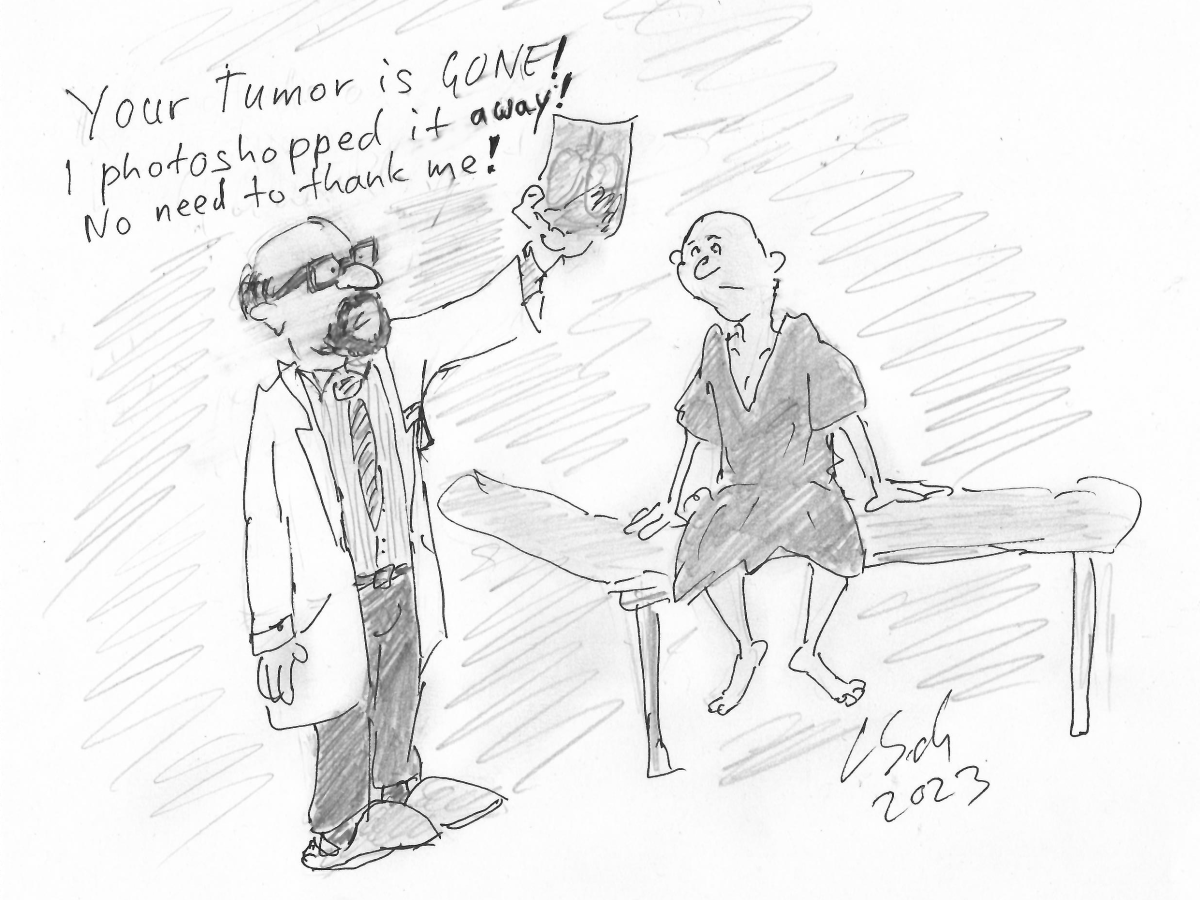
Dana-Farberications at Harvard University
“Imagine what mistakes might be found in the raw data if anyone was allowed to look!” – Sholto David

The lawsuit was based on the US False Claims Act, where whistleblowers can sue businesses on behalf of the state to recover taxpayer funds acquired under false pretenses. The bulk of the awarded money goes back to the state, while whistleblowers are entitled to a cut. Sholto will share the reward with his lawyer, Eugenie Reich, who specialises on research integrity cases and who herself was once active as sleuth in the case of Catherine Verfaillie.
Reuters was the first to report about Sholto’s lawsuit, on 16 December 2025:
“Dana-Farber Cancer Institute has agreed to pay $15 million to resolve claims that the Harvard Medical School affiliate wrongly used National Institutes of Health grant funding to support the publication of studies in medical journals that contained manipulated or duplicated images.
The Boston-based cancer treatment and research center entered into a settlement with the U.S. Department of Justice that was made public on Tuesday to resolve claims first raised in a whistleblower lawsuit by a British biologist who last year in a blog post raised concerns about several of its studies.
After that blog post, Dana-Farber announced it was seeking to retract six studies and correct 31 other papers. The settlement concerns 15 cancer studies published from 2014 to 2020 that the government says contained images or data that were misrepresented or duplicated.
Dana-Farber as part of the settlement accepted responsibility for its conduct.”
The official announcement by US Department of Justice is here. Congratulations, Sholto!
And here is some of the new Dana Farber stuff Sholto submitted with his lawsuit and only just now posted on PubPeer. A paper by Dana Farber’s Senior Vice President Irene Ghobrial (and Stanford’s Nathanael Gray):
Salomon Manier , Daisy Huynh , Yu J. Shen , Jia Zhou , Timur Yusufzai , Karma Z. Salem , Richard Y. Ebright , Jiantao Shi , Jihye Park , Siobhan V. Glavey , William G. Devine , Chia-Jen Liu , Xavier Leleu , Bruno Quesnel , Catherine Roche-Lestienne , John K. Snyder , Lauren E. Brown , Nathanael Gray, James Bradner , Luke Whitesell , John A. Porco, Irene M. Ghobrial Inhibiting the oncogenic translation program is an effective therapeutic strategy in multiple myeloma Science Translational Medicine (2017) doi: 10.1126/scitranslmed.aal2668

From the lab of their bigwig hematologist, Kenneth Anderson, with his colleagues Nikhil Munshi and Yu-Tzu Tai:
Yu-Tzu Tai , Patrick A Mayes , Chirag Acharya , Mike Y Zhong , Michele Cea , Antonia Cagnetta , Jenny Craigen , John Yates , Louise Gliddon , William Fieles , Bao Hoang , James Tunstead , Amanda L Christie , Andrew L Kung , Paul Richardson , Nikhil C Munshi , Kenneth C Anderson Novel anti-B-cell maturation antigen antibody-drug conjugate (GSK2857916) selectively induces killing of multiple myeloma Blood (2014) doi: 10.1182/blood-2013-10-535088

Sholto David: “Figure S3C and Figure 2F: The images appear to show the same wells of a plate but are labelled as showing different cell types, concentrations are also different.”
Not bad also, by Anderson and Munshi:
Michele Cea , Antonia Cagnetta , Chirag Acharya , Prakrati Acharya , Yu-Tzu Tai , Cao Yang , Davide Lovera , Debora Soncini , Maurizio Miglino , Giulio Fraternali-Orcioni , Luca Mastracci , Alessio Nencioni , Fabrizio Montecucco , Fiammetta Monacelli , Alberto Ballestrero , Teru Hideshima , Dharminder Chauhan , Marco Gobbi , Roberto M. Lemoli , Nikhil Munshi , Steven P. Treon, Kenneth C. Anderson Dual NAMPT and BTK Targeting Leads to Synergistic Killing of Waldenström Macroglobulinemia Cells Regardless of MYD88 and CXCR4 Somatic Mutation Status Clinical Cancer Research (2016) doi: 10.1158/1078-0432.ccr-16-0630

Sholto David: “Figure 1b: Samples 1 and 4 show the same slides at different rotation/magnification.”
Here Anderson and Munshi collaborated with other Italian experts:
Nicola Amodio , Maria Angelica Stamato , Anna Maria Gullà , Eugenio Morelli , Enrica Romeo , Lavinia Raimondi , Maria Rita Pitari , Ida Ferrandino , Gabriella Misso , Michele Caraglia , Ida Perrotta , Antonino Neri , Mariateresa Fulciniti , Christian Rolfo , Kenneth C Anderson , Nikhil C Munshi , Pierosandro Tagliaferri , Pierfrancesco Tassone Therapeutic Targeting of miR-29b/HDAC4 Epigenetic Loop in Multiple Myeloma Molecular Cancer Therapeutics (2016) doi: 10.1158/1535-7163.mct-15-0985

Sholto David: “Figure 6G: Images that should show samples from different experimental conditions are very similar after matching the rotation.”
These two papers were previously flagged by Sholto on PubPeer for falsified figures, but now he found some fraud cross-posting between them:
- Dharminder Chauhan , Ajita Singh , Mohan Brahmandam , Klaus Podar , Teru Hideshima, Paul Richardson, Nikhil Munshi, Michael A Palladino, Kenneth C Anderson Combination of proteasome inhibitors bortezomib and NPI-0052 trigger in vivo synergistic cytotoxicity in multiple myeloma Blood (2008) doi: 10.1182/blood-2007-08-105601
- Dharminder Chauhan, Ajita V. Singh , Mohan Brahmandam , Ruben Carrasco , Madhavi Bandi , Teru Hideshima , Giada Bianchi, Klaus Podar , Yu-Tzu Tai , Constantine Mitsiades, Noopur Raje , David L. Jaye , Shaji K. Kumar , Paul Richardson , Nikhil Munshi, Kenneth C. Anderson Functional interaction of plasmacytoid dendritic cells with multiple myeloma cells: a therapeutic target Cancer Cell (2009) doi: 10.1016/j.ccr.2009.08.019

In this regard, STAT News, when reporting about the lawsuit, referred to the settlement and mentioned that
“Dana-Farber admitted that […] a scientist identified in the settlement as “Researcher 1” did not adequately supervise lab members.
Dana-Farber also acknowledged in the settlement that a second principal investigator (“Researcher 2”) received four grants from the National Institutes of Health based on applications that cited work from that researcher but did not disclose that some of these studies contained duplicated or otherwise misrepresented images.”
Researcher 1 is Anderson, and Researcher 2 is Ruben Carrasco, coauthor on on of the fake papers above.
A copy-and-paste clerical error
Meet a genius of cancer research from the University of Turin in Italy, Chiara Riganti, full professor at the Department of Oncology, winner of awards such as “Outstanding Achievements in Oncology Award”. Indeed, that stuff is outstanding.
Also worth a mention is Riganti’s mentee, Iris Chiara Salaroglio, who just won a prestigious FEBS Booster Fund grant to start her own lab (Riganti is of course FEBS Member).
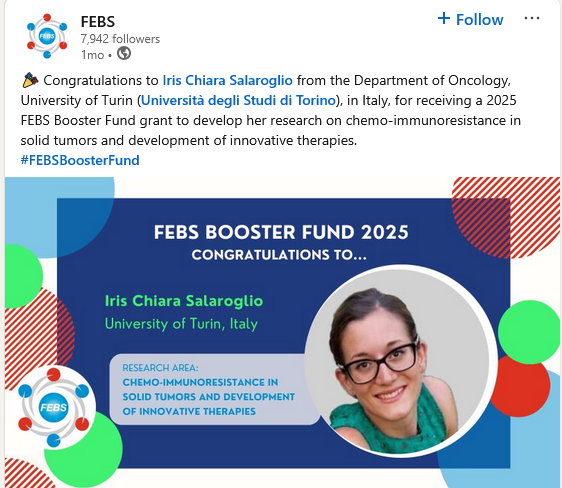
Here at For Better Science we strive to provide young scientists with the best possible advise on how to achieve such success in science. Please learn now.
This was flagged by the sleuth Fabian Wittmers aka Archasia belfragei just days ago, with Aneurus inconstans chiming in:
Iris C. Salaroglio , Elisa Panada , Enrico Moiso , Ilaria Buondonno , Paolo Provero , Menachem Rubinstein , Joanna Kopecka, Chiara Riganti PERK induces resistance to cell death elicited by endoplasmic reticulum stress and chemotherapy Molecular Cancer (2017) doi: 10.1186/s12943-017-0657-0


The paper is eight years old. But it took Riganti literally hours to find the “correct” figures and reply to Fabian on PubPeer on the same day:
“Here is the correct images. My apologies on behalf of the senior co-last authors for having missing the mistakes in assempling the manuscript.”
Not unsurprisingly, Riganti’s hurriedly produced replacement for Figure 1e was problematic also:

Maarten Van Kampen: “overlaps on the corrected image provided in #4. And ImageTwin spotted a third.”
Here another common paper by Riganti and Salaroglio, where the former once again proved her borderless honesty:
Chiara Riganti , Marcello Francesco Lingua , Iris Chiara Salaroglio , Chiara Falcomatà , Luisella Righi , Deborah Morena , Francesca Picca , Daniele Oddo , Joanna Kopecka , Monica Pradotto , Roberta Libener , Sara Orecchia , Paolo Bironzo , Valentina Comunanza , Federico Bussolino , Silvia Novello , Giorgio Vittorio Scagliotti , Federica Di Nicolantonio , Riccardo Taulli Bromodomain inhibition exerts its therapeutic potential in malignant pleural mesothelioma by promoting immunogenic cell death and changing the tumor immune-environment OncoImmunology (2018) doi: 10.1080/2162402x.2017.1398874

Archasia belfragei: “Figure 3 & Figure 4 show some surprising similarity between different flow cytometry dot plots”
Right away, Rignati protested on PubPeer: “honestly the image are similar (flow cytometry settings are the same, but there are no duplications by Image Twin check).”
Yet Riganti lied. Most likely she has no access to the ImageTwin, but even if she did, the software does flag these same duplications:

Undeterred, Riganti continued to shamelessly lie about ImageTwin:
Iris C. Salaroglio , Prashant Mujumdar , Laura Annovazzi , Joanna Kopecka , Marta Mellai , Davide Schiffer , Sally-Ann Poulsen, Chiara Riganti Carbonic Anhydrase XII Inhibitors Overcome P-Glycoprotein-Mediated Resistance to Temozolomide in Glioblastoma Molecular cancer therapeutics (2018) doi: 10.1158/1535-7163.mct-18-0533

Archasia belfragei: “Figure 5D: Two panels appear more similar than expected”
Chiara Riganti: “Dear Archasia belfragei. ImageTwin reported a similarity score of 41%, setting the high risk confidence level.”
Here, our image integrity expert from Turin deployed a different analysis software:
Iris C. Salaroglio , Dimas Carolina Belisario , Muhlis Akman , Sofia La Vecchia , Martina Godel , Dario Pasquale Anobile , Giacomo Ortone , Sabrina Digiovanni , Simona Fontana , Costanzo Costamagna , Menachem Rubinstein , Joanna Kopecka , Chiara Riganti Mitochondrial ROS drive resistance to chemotherapy and immune-killing in hypoxic non-small cell lung cancer Journal of Experimental & Clinical Cancer Research (2022) doi: 10.1186/s13046-022-02447-6

Archasia belfragei and Aneurus inconstans , Figure 7C
Riganti informed, right after the concerns were posted: “we will work with JECCR team since no duplications were detected by iTher (the program used by Springer Nature for this purpose during the submission)“. I can’t find any evidence that a software of this name “iTher” exists. There is however iThenticate, which is used to detect textual plagiarism.
On a very similar case (Barbanente et al 2024), Rigante instead went straight to blaming technicians: “we will check with the operators of the immunohistochemical facility and made the corrections if needed“.
Riganti’s PubPeer record is impressive and outrageous even for an Italian scientist, and this is a very high bar, dear reader. Thus, it is unsurprising is to find Riganti in the company of a fellow Italian mega-cheater, Antonio Giordano, a pizza-sponsored professor at Temple University in USA.
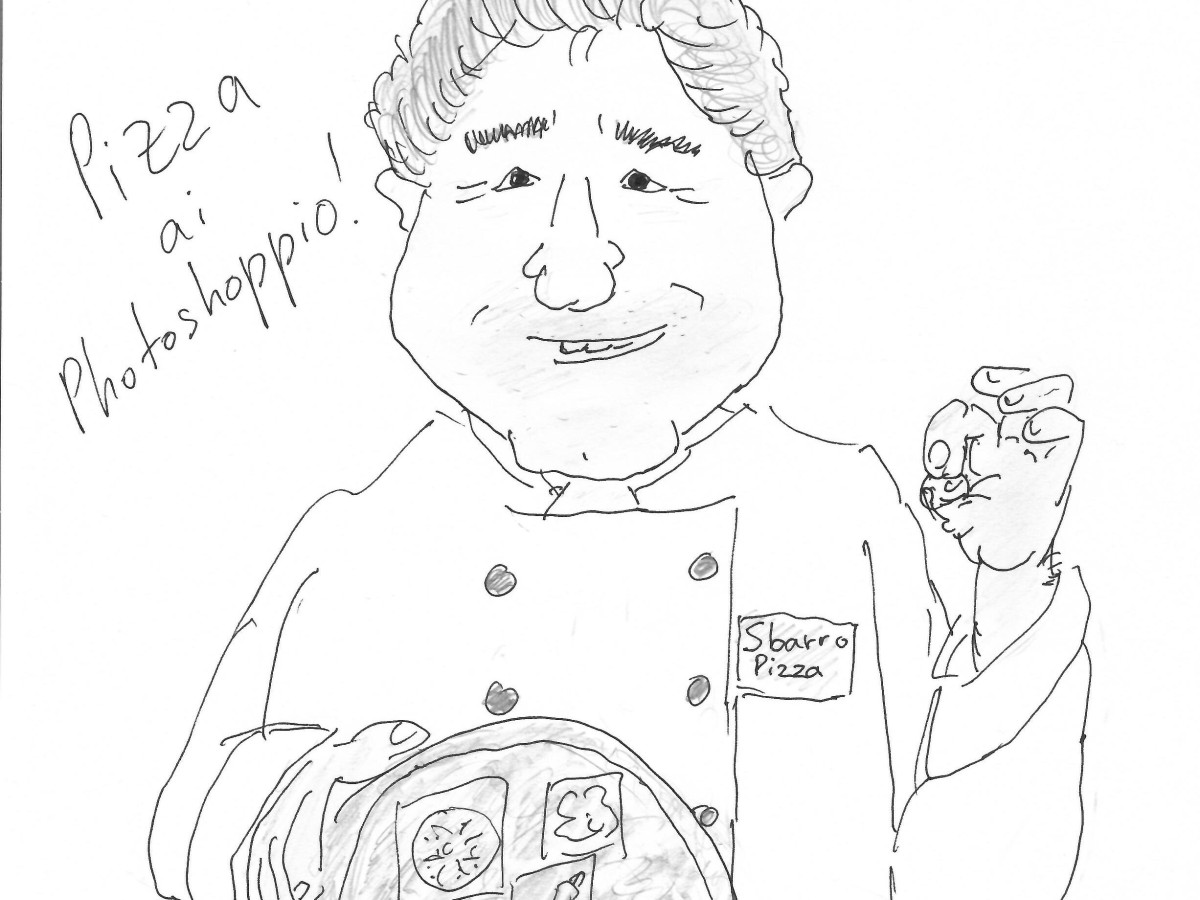
Antonio Giordano and the Sbarro Pizza Temple
“The relentless defence of duplicated, fabricated or falsified data is, per se, a form of serious misconduct…” Antonio Giordano, President of Sbarro Pizza Institute at Temple University

Flagged in July 2025:
Joanna Kopecka, Stefania Porto , Sara Lusa , Elena Gazzano , Giuseppina Salzano , Martha Leonor Pinzòn-Daza , Antonio Giordano, Vincenzo Desiderio , Dario Ghigo , Giuseppe De Rosa , Michele Caraglia, Chiara Riganti Zoledronic acid-encapsulating self-assembling nanoparticles and doxorubicin: a combinatorial approach to overcome simultaneously chemoresistance and immunoresistance in breast tumors Oncotarget (2016) doi: 10.18632/oncotarget.8012

Fig 2A “Signals inside yellow rectangles appear very similar.”
The paper was almost a decade old when Riganti replied on PubPeer (“We apologize for the clerical copy-and-paste error“) and provided a replacement figure. It was of course still problematic and contained another duplicated mouse:

Actinopolyspora biskrensis: “There appears to be another duplicated animal (outlined in red).”
Riganti then immediately provided “the double checked Figure 2A“. Then it turned out that a figure from that paper appeared in another study from Riganti’s lab, which also shares data with the Salaroglio et al 2017 study above, on top of other duplications:
Joanna Kopecka, Iris C. Salaroglio, Luisella Righi, Roberta Libener, Sara Orecchia, Federica Grosso, Vladan Milosevic, Preeta Ananthanarayanan, Luisa Ricci, Enrica Capelletto, Monica Pradotto, Francesca Napoli, Massimo Di Maio, Silvia Novello, Menachem Rubinstein, Giorgio V. Scagliotti, Chiara Riganti Loss of C/EBP-β LIP drives cisplatin resistance in malignant pleural mesothelioma Lung Cancer (2018) doi: 10.1016/j.lungcan.2018.03.022

Figure 6E: four micrographs also appear in Figure 4c of Kopecka et al. 2018 Lung Cancer (boxes of same color), where they describe completely different experiments and conditions.”

And it shares data with yet another paper from Riganti’s lab (does she even have one? Or just a computer with Photoshop?):
Iris C. Salaroglio, Elena Gazzano , Ahmad Abdullrahman , Eleonora Mungo , Barbara Castella , Gamal Eldein Fathy Abd-ellatef Abd-elrahman , Massimo Massaia , Massimo Donadelli , Menachem Rubinstein, Chiara Riganti, Joanna Kopecka Increasing intratumor C/EBP-β LIP and nitric oxide levels overcome resistance to doxorubicin in triple negative breast cancer Journal of Experimental & Clinical Cancer Research (2018) doi: 10.1186/s13046-018-0967-0

Moreover one band of the tubulin control is identical to two tubulin bands again in Figure 5a of Kopecka et al. 2018 Lung Cancer.”
And that paper reused data from yet another study from Riganti lab:
Mauro Niso , Joanna Kopecka, Francesca Serena Abatematteo , Francesco Berardi , Chiara Riganti, Carmen Abate Multifunctional thiosemicarbazones targeting sigma receptors: in vitro and in vivo antitumor activities in pancreatic cancer models Cellular Oncology (2021) doi: 10.1007/s13402-021-00638-5

If you are impressed that the last author Riganti needed just hours to find the raw data from her 8 year old paper – as first author she disastrously failed in a similar situation when a paper was just 7 years old. It was subject to Elisabeth Bik‘s 2015 investigation of PLOS One, flagged on PubPeer in 2020, and retracted later that year:
Chiara Riganti, Barbara Castella , Joanna Kopecka , Ivana Campia , Marta Coscia , Gianpiero Pescarmona , Amalia Bosia , Dario Ghigo , Massimo Massaia Zoledronic acid restores doxorubicin chemosensitivity and immunogenic cell death in multidrug-resistant human cancer cells PLOS One (2013) doi: 10.1371/journal.pone.0060975

Red arrows: In the Input panel, lanes 1-3 look similar to lanes 4-6.
Yellow and orange boxes: Some similarities are noted in the background of the pro-mdr1 panel”


In September 2020, Riganti replied on PubPeer that she was “activating to retrieve the original materials and high-resolution images.” On 15 December 2025, the PLOS One paper was retracted:
“Following the publication of this article [1], concerns were raised regarding results reported in Figs 2, 3, 4, 5, and 6. […]
The authors have provided higher resolution images of the published panels but indicated that the original data underlying the published results are no longer available. The data provided were not sufficient to resolve the concerns summarised above and raised further concerns pertaining the integrity of the blots presented in this article.”
Riganti “did not agree with the retraction” and protested on PubPeer that “the management of PloS ONE” had no right “asking original data after 7 years from publications” because she couldn’t possibly be expected to find it due to “lab movements, work changes, instruments changes, co-authors deaths occurred between 2013 and 2020“, and anyway, she is “not obliged to mantain original data indefinitively“. Compare all this crap to the crap she is now posting on PubPeer for even older raw data.
Nowadays, Riganti now proactively corrects papers right away. Here is one such corrected paper, Maybe MDPI will want to correct it again:
Dimas Carolina Belisario , Muhlis Akman , Martina Godel , Virginia Campani , Maria Pia Patrizio , Lorena Scotti , Claudia Maria Hattinger , Giuseppe De Rosa , Massimo Donadelli , Massimo Serra , Joanna Kopecka, Chiara Riganti ABCA1/ABCB1 Ratio Determines Chemo- and Immune-Sensitivity in Human Osteosarcoma Cells (2020) doi: 10.3390/cells9030647

Joanna Kopecka, Martina Godel , Silvia Dei , Roberta Giampietro , Dimas Carolina Belisario , Muhlis Akman , Marialessandra Contino , Elisabetta Teodori , Chiara Riganti Insights into P-Glycoprotein Inhibitors: New Inducers of Immunogenic Cell Death Cells (2020) doi: 10.3390/cells9041033
The paper was flagged in September 2024, MDPI received and accepted the correction in December 2024, but waited till April 2025 to publish it:
“In the original publication [1], there was a mistake in Figure 1B as published. During figure assembly, we left in two panels that belonged to the preparatory version of the publication because of a copy-and-paste clerical error. […]
In the original publication, there was a mistake in Figure 4A as published. […]
In the original publication, there was a mistake in Figure 5C as published. During figure assembly, we left two panels that belonged to the preparatory version of the publication because of a copy-and-paste clerical error. […]
The authors state that the scientific conclusions are unaffected.”
The correction was however fraudulent:

Figure 5C includes two sets of overlapping micrographs (yellow and blue boxes), whose overlapping areas are mirrored respect one another.”

This corrected masterpiece was flagged by Mu Yang in January 2023, and I will let you, my papermill-trained readers, guess if this Italo-Egyptian collaboration is based on any actual laboratory research:
Gamal Eldein Fathy Abd-Ellatef , Elena Gazzano , Ahmed H El-Desoky , Ahmed R Hamed , Joanna Kopecka , Dimas Carolina Belisario , Costanzo Costamagna , Mohamed Assem S Marie , Sohair R Fahmy , Abdel-Hamid Z Abdel-Hamid , Chiara Riganti Glabratephrin reverses doxorubicin resistance in triple negative breast cancer by inhibiting P-glycoprotein Pharmacological Research (2022) doi: 10.1016/j.phrs.2021.105975

The Corrigendum followed PubPeer criticism on the heels, dated 2 March 2023:
“The Editor has been informed by a reader […] The authors were requested to send to the Editorial office all the original images of the experiments from which the representative images of Fig. 5 were obtained, which they immediately did; these were checked by the Editorial office who concluded that the results are sound and that the mistakes in the images were most likely originating from clerical errors. The Ethics Committee of the Department of Oncology of the University of Turin was asked by the Editor to check the integrity of the results sustaining the above reference article. The Committee has checked the raw data and informed in writing the journal that this was a case of clerical error not modifying the interpretation of the results, asking the journal to issue an Erratum.”
See, Riganti was investigated by her university and was found to be an innocent. As it always is in Italian universities. No matter how fraudulent, it is always a “clerical error”.
The Honest Errors of Giorgio Zauli
“The Ethics Commission of the University of Ferrara, in response to the request for opinion presented by Prof. Giorgio Zauli (registered on 1 June 2018, Repertory no. 60/2018 – Prot. n. 66968) does not detect any violations of the University Code of Ethics.”
I wrote to Riganti, to gently inquire about her mental health, but she didn#t reply.
You cannot do quality control
Another Nature investigation which consisted of reading For Better Science, and then finding respectable people to attribute this all to. It is about Ali Khademhosseini, a mega-cheater in California whose fake science Elisabeth Bik exposed, read here:
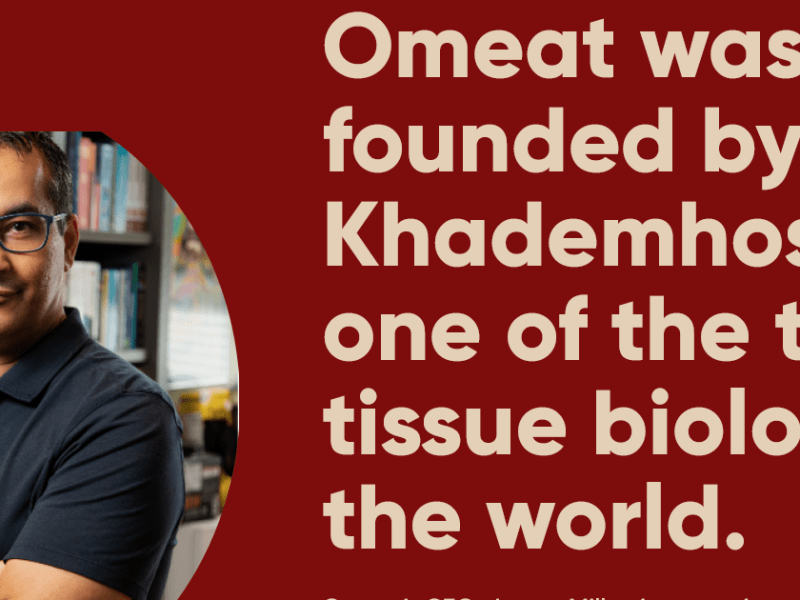
Fake-O-Meat by Ali Khademhosseini
Ali Khademhosseini is the greatest American researcher in regenerative medicine. His mentees are all professors themselves now. In his own Californian institute, he grows not only all possible organs, but even hamburgers!
On 12 December 2025, Nature published their own version, written by Dan Garisto (For Better Science was mentioned in passing, but not linked to):
“In December 2024, Elisabeth Bik noticed irregularities in a few papers by a highly-cited bioengineer, Ali Khademhosseini. She started looking at more publications on which he was a co-author, and the issues soon piled up […]
He and his co-authors sprang into action. Responding to the concerns, some of which were reported in the blog For Better Science, became like a full-time job, says Khademhosseini, who until October was director and chief executive of the Terasaki Institute for Biomedical Innovation in Los Angeles, California. “I alerted journals, I alerted collaborators. We tried to do our best to make the literature correct.” […]
The Terasaki Institute says that an “internal review has not found that Dr. Khademhosseini engaged in research misconduct”. […]
In October, Khademhosseini left the Terasaki Institute. He says that he did so to work on a start-up “to accelerate scientific discovery using AI”, and that his departure was not related to the PubPeer comments. The institute also says that his departure “was unrelated to any research integrity inquiries”.”
The Terasaki Institute is a tax-exempt “non-profit” family business of the Terasaki fmaily, where also Khademhosseini’s “lab-grown meat” company Omeat was based. Yet even they had enough of this crook.
The rest of the article is about Garisto’s analysis of the PubPeer material, “in consultation with four image-integrity specialists, including Bik and Richardson, and three bioengineers. Sholto David, who flagged some of the Khademhosseini papers on PubPeer (and who just won a whistleblower lawsuit against Dana Farber, read above), was not invited by Nature, due to his utter lack of competence and understanding vis-a-vis that of Reese Richardson who just published a paper in PNAS based largely on datasets downloaded from For Better Science (read August 2025 Shorts).
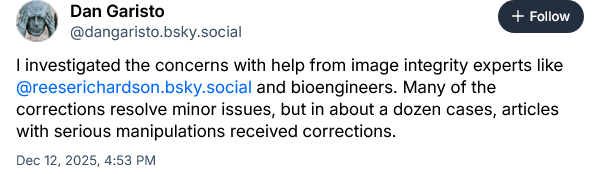
I am old enough to remember how Elisabeth used to be asked to vet the analyses of novice sleuths, and look, now she is being vetted herself… The vetting expert summed up Khademhosseini’s problems as such:
“If you are writing this many papers, you cannot be responsible for any of them,” Richardson says. “You cannot do quality control.”
And then the corrections are discussed (there are no retractions, as Khademhosseini triumphantly states). In those corrections, he either provides the “correct” replacement picture or announces the papers to be way to old to find raw data, but fresh enough to recover the old reagents and biological material to repeat the experiments. Like here:
Kahp Y. Suh , Hyunsik Yoon , Hong H. Lee , Ali Khademhosseini, Robert Langer Solventless ordering of colloidal particles through application of patterned elastomeric stamps under pressure Applied Physics Letters (2004) doi: 10.1063/1.1795362

Several panels appear to contain repetitive patterns, as shown with boxes of the same color”

The Corrigendum was issued on 13 March 2025:
“Figures 2(a)–2(d) contain optical microscope images of PS beads ordered along the PDMS stamps. Some areas in these images appeared repetitive. The original data from this experiment are no longer available. However, we have data from an independent experiment with 20 μm stamps that show the reproducibility of our results [Figs. 2(a) and 2(c)]. These changes do not affect the interpretation of data or the conclusion of the study.”
Nature spoke to the editor of Applied Physics Letters, Maria Antonietta Loi, who said: “These data were reproduced in completely different laboratories and confirm the core findings of the original article”.
Khademhosseini has presently 90 papers on PubPeer. This was flagged by Bik after my reporting, and then fixed with a stealth correction:
Akhilesh K. Gaharwar, Shilpaa Mukundan , Elif Karaca , Alireza Dolatshahi-Pirouz , Alpesh Patel , Kaushik Rangarajan , Silvia M. Mihaila, Giorgio Iviglia , Hongbin Zhang , Ali Khademhosseini Nanoclay-enriched poly(ɛ-caprolactone) electrospun scaffolds for osteogenic differentiation of human mesenchymal stem cells Tissue Engineering Part A (2014) doi: 10.1089/ten.tea.2013.0281


Bik wrote in October 2025: “I can also not find any official correction for this paper, and the HTML version seems unchanged. Yet, if you download the paper now, three of the figures have been altered, with new panels replacing the old ones.“
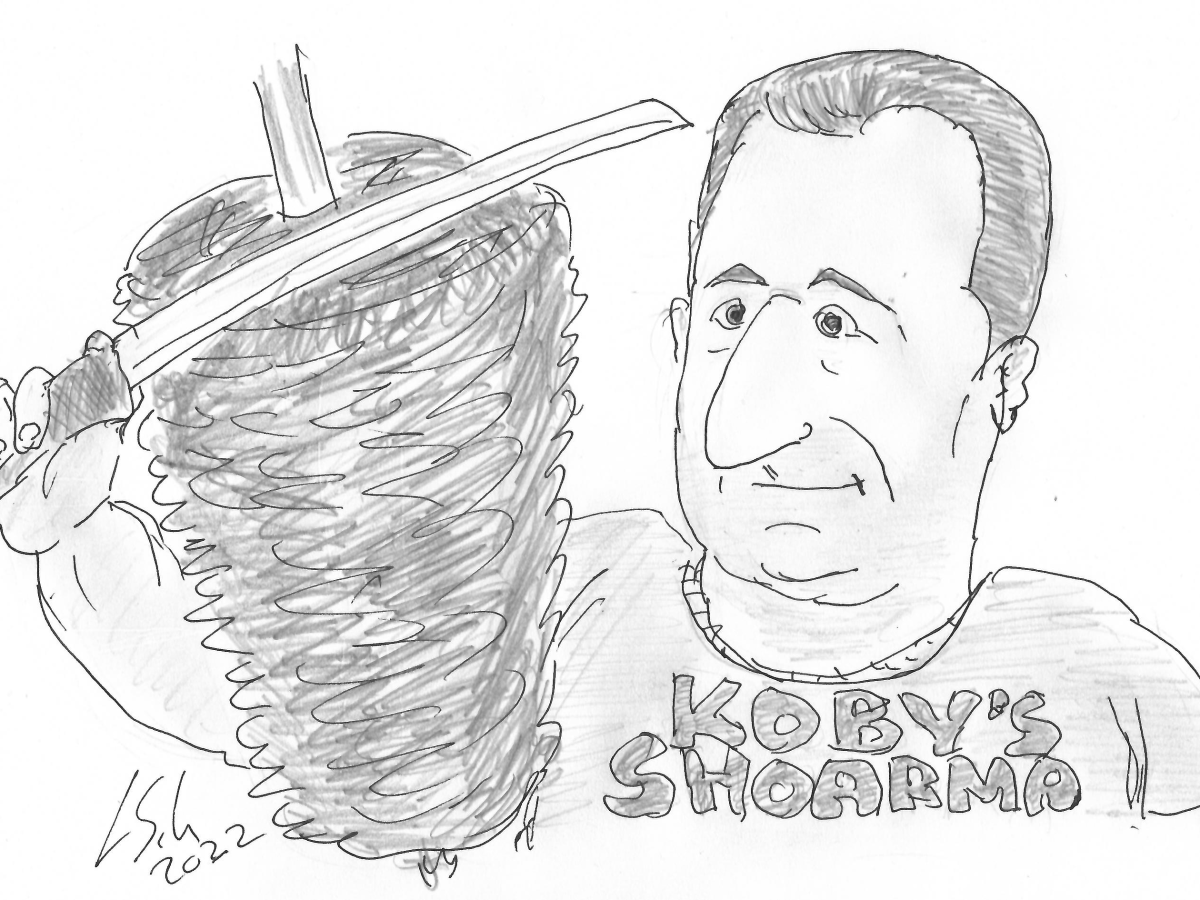
From COVID-19 to Lab-Grown Meat
Enterprising Israeli Scientists show how these things are connected.
Khademhosseini remains working at his bizarre lab-grown meat company, Omeat. Nature never mentions it. But it is relevant, I now found this old article from April 2024, about oMeat’s employees quitting en masse and Khademhosseini being removed as CEO:
“It was around October that things began to heat up, with Omeat preparing to open its pilot plant but Khademhosseini still feeling progress was slow. He articulated that in a verbal attack on a business trip, which was filmed by employees.
“You guys have demonstrated nothing but incompetence,” he was reported as saying. “Do you want me to be saying: ‘Oh great job for failing for two years?’” The startup’s founder labelled assembled employees as “idiots”, saying he was “sick and tired of all you guys”.
“He just started unloading, he had a complete meltdown,” said one witness. Another added: “He would belittle the team and the PhD scientists. He put them under so much pressure that they would just tell him what he wanted to hear.””
Bullying and science fraud always go hand-in-hand, and even if this crook didn’t forge all that data himself, he drove his subordinates to do that for him.
Scholarly Publishing
Trying to reduce unnecessary animal use
Look what Elsevier corrected. The main character here is a certain Kevin Wang, Vice-Chair for Research, Director of Center for Neurotrauma and of Neuroscience Institute at the Morehouse School of Medicine in Atlanta, Georgia, USA. He is also founder of the bird-named biotechs Gryphon Bio and Owls Therapeutics.
The corrected study was flagged by Elisabeth Bik in June 2024:
Eric Bernath , Nancy Kupina , Ming Cheng Liu , Ronald L. Hayes , Colleen Meegan , Kevin K.W. Wang Elevation of cytoskeletal protein breakdown in aged Wistar rat brain Neurobiology of Aging (2006) doi: 10.1016/j.neurobiolaging.2005.02.013

Blue boxes: Panels A (cortex) and C (cerebellum) appear to overlap, with a 180 degree rotation
Yellow, purple, cyan boxes highlight potential repetitive areas within panels A, B, and C.”

Green and blue boxes highlight identical Actin panels, even though Figure 2 represents cerebellum, and Figure 3 cortex samples.”

Ming Cheng Liu , Veronica Akle , Wenrong Zheng , Jitendra R. Dave , Frank C. Tortella , Ronald L. Hayes , Kevin K. W. Wang Comparing calpain- and caspase-3-mediated degradation patterns in traumatic brain injury by differential proteome analysis Biochemical Journal (2006) doi: 10.1042/bj20050905

Melissa J McGinn , Brian J Kelley , Linnet Akinyi , Monika W Oli , Ming Cheng Liu , Ronald L Hayes , Kevin K W Wang , John T Povlishock Biochemical, structural, and biomarker evidence for calpain-mediated cytoskeletal change after diffuse brain injury uncomplicated by contusion Journal of Neuropathology & Experimental Neurology (2009) doi: 10.1097/nen.0b013e3181996bfe
Instead of retracting this fabrication, Elsevier issued this Corrigendum in October 2025, where only one instance was addressed:
“The authors regret that Panel D in Fig. 1 of the article was reproduced from a separately published article, without appropriate attribution.
The authors regret that the Figure Legend to Fig. 1, describing Panel D, describes the data in Panel D incorrectly. The section of the Figure Legend describing Panel D should be amended to the following: “(D) For comparison, αII-spectrin was degraded in rat hippocampal lysate digested with calpain and caspase-3, producing SBDP150/SBDP145 and SBDP150i/SBDP120, respectively.”
The authors regret that the same set of actin blots were used in Figs. 1–4, without correct attribution, and were labelled incorrectly. Readers should disregard these actin blots in interpreting the results.
The authors would like to apologise for any inconvenience caused.”
Naturally, Kevin Wang has much more fake trash on PubPeer. Like this:
Zhiqun Zhang , Andrew K Ottens, Shankar Sadasivan , Firas H. Kobeissy , Tie Fang , Ronald L. Hayes , Kevin K.W. Wang Calpain-Mediated Collapsin Response Mediator Protein-1, -2, And -4 Proteolysis after Neurotoxic And Traumatic Brain Injury Journal of Neurotrauma (2007) doi: 10.1089/neu.2006.0078


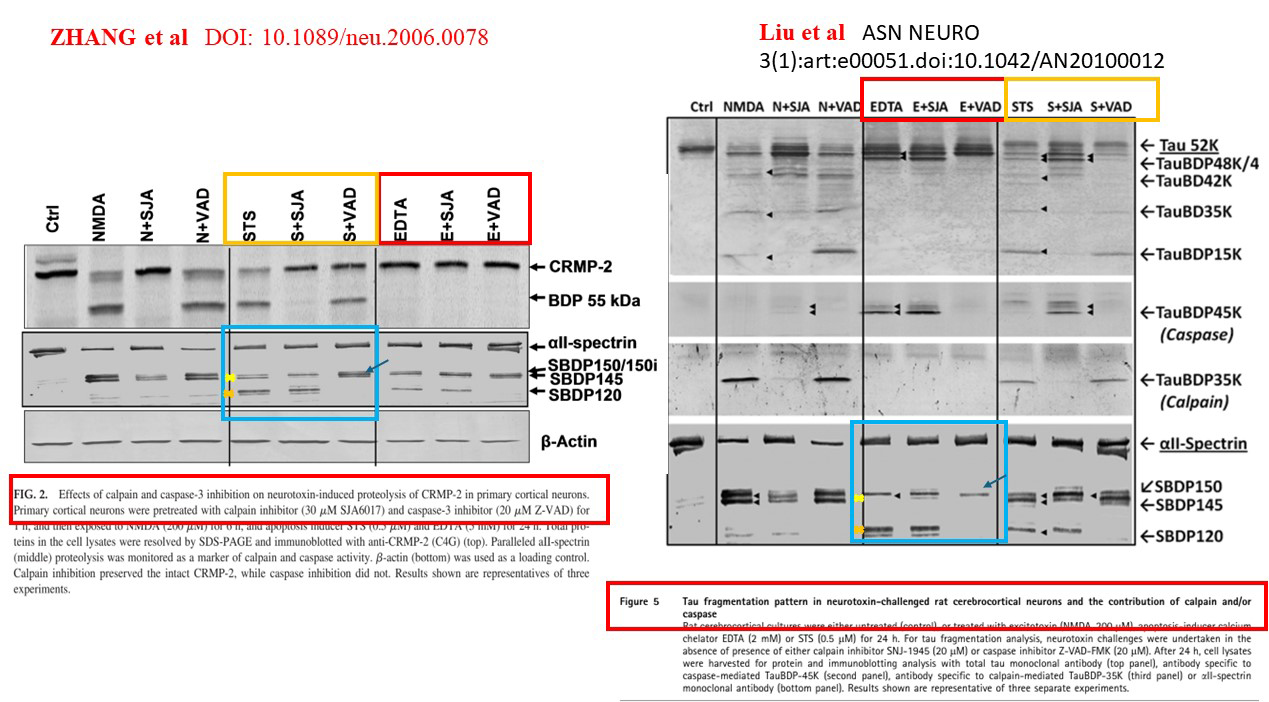
That Liu et al 2011 paper contains many more fake gels, duplicated bands and all:
Ming Cheng Liu , Firas Kobeissy, Wenrong Zheng , Zhiqun Zhang , Ronald L Hayes , Kevin K.W Wang Dual vulnerability of tau to calpains and caspase-3 proteolysis under neurotoxic and neurodegenerative conditions ASN NEURO (2011) doi: 10.1042/an20100012


Here, a gel band was digitally pasted over:
Z. Zhang, V. Majava , A. Greffier , R. L. Hayes , P. Kursula , K. K. W. Wang Collapsin response mediator protein-2 is a calmodulin-binding protein Cellular and Molecular Life Sciences (2009) doi: 10.1007/s00018-008-8362-1

Look at this absurdity:
Ming Cheng Liu , Veronica Akle , Wenrong Zheng , Jason Kitlen , Barbara O’Steen , Stephen F. Larner , Jitendra R. Dave , Frank C. Tortella , Ronald L. Hayes , Kevin K. W. Wang Extensive degradation of myelin basic protein isoforms by calpain following traumatic brain injury Journal of Neurochemistry (2006) doi: 10.1111/j.1471-4159.2006.03882.x

Blue and cyan boxes highlight lanes that look remarkably similar”

Orange and maroon boxes highlight lanes in the b-actin blot that appear to be visible more than once”


At least that was retracted, on 20 September 2024:
“A third party reported that they had detected evidence of image manipulation and duplication throughout the published article. An investigation by the publisher and the editors concluded that there was evidence of splicing in Figures 2a, 2b, 3a, 5a, 6a, and 8a. The investigation also found duplications of lanes in Figures 3a, 3d, and 4a. Lastly, the investigation found that the same actin blots in Figure 3 have been used in two other articles by many of the same authors, despite representing different experimental conditions. The authors did not respond to an inquiry by the publisher. The retraction has been agreed to because the results presented in the article can no longer be considered reliable. The authors did not respond to the notice of retraction.”
This however was corrected by Springer Nature already in 2017, after the figure 3 was flagged on PubPeer:
Firas H. Kobeissy, Ming Cheng Liu , Zhihui Yang , Zhiqun Zhang , Wenrong Zheng , Olena Glushakova , Stefania Mondello , John Anagli , Ronald L. Hayes , Kevin K. W. Wang Degradation of βII-Spectrin Protein by Calpain-2 and Caspase-3 Under Neurotoxic and Traumatic Brain Injury Conditions Molecular Neurobiology (2015) doi: 10.1007/s12035-014-8898-z

Fig 3 by Schinia honesta
The Erratum from September 2017 replaced several other figures:
“The original version of this article unfortunately contained mistakes on figs.
1) On reviewing our published paper recently, we identified that some figure images in Figs. 3, 4, 5, 6 inadvertently contain duplicate lanes due to cut and paste editing errors. We have now replaced them with corrected images from the same study. […]
(2) We also noticed that line graph in Fig. 5b was accidentally used again in Fig. 6b. The correct line graph is now used in the revised Fig. 6b.
We want to state that these corrections do not by any means alter our overall findings, our interpretation of the data, or the conclusion we made from this study.”
Elisabeth Bik then illustrated what the authors have hidden, and found more:


You may have noticed a common name on all these papers, next to Wang’s: Ronald L Hayes. He is likely the reason why Wang almost succeeded in avoiding retractions, and that despite Hayes’s being dead since November 2023. Hayes was a neuroscience center director at University of Florida and a massive bigwig in the field of traumatic brain injury (TBI). A lot of important people in this field owe their careers to him, including Wang.
Wang even wrote an obituary for Hayes, where he described how the latter recruited him from pharma industry and installed him at the McKnight Brain Institute of University of Florida:
“As they say, the rest is history, together we co-founded a spinoff company Banyan Biomarkers with the vision to develop the first-ever blood test for TBI and concussion. […] Ron has been a great mentor to me and others.”
Indeed, FDA approved Banyan Biomarkers blood test for TBI in 2018. Whether it ever actually worked or not, may be related to the quality of Wang’s research on this topic. Like this:
Zhihui Yang , Rawad Daniel Arja , Tian Zhu , George Anis Sarkis , Robert Logan Patterson , Pammela Romo , Disa S. Rathore , Ahmed Moghieb , Susan Abbatiello , Claudia S. Robertson , William E. Haskins , Firas Kobeissy , Kevin K. W. Wang Characterization of Calpain and Caspase-6-Generated Glial Fibrillary Acidic Protein Breakdown Products Following Traumatic Brain Injury and Astroglial Cell Injury International Journal of Molecular Sciences (2022) doi: 10.3390/ijms23168960

Actinopolyspora biskrensis: “A blot displayed in Figure 6A of this paper seems to have previously been published in another paper.”
Ping K. Lam , Kevin K. W. Wang , Anthony W. I. Lo , Cindy S. W. Tong , Don W. C. Ching , Kenneth Wong , Zhihui Yang , Themis Kong , Kin K. Y. Lo , Richard K. W. Choy , Paul B. S. Lai , George K. C. Wong , Wai S. Poon Interactome and reciprocal activation of pathways in topical mesenchymal stem cells and the recipient cerebral cortex following traumatic brain injury Scientific Reports (2017) doi: 10.1038/s41598-017-01772-7
In August 2022, Wang explained on PubPeer why he has been recycling western blots
“We were trying to reduce unnecessary animal use, thus took advantage of available samples/ data.”
See, Wang is actually a hero of research ethics. Study and learn from him.
A silent, unmarked “stealth” correction
A Taylor & Francis journal, issued by two learned societies, decided not to embarrass themsleves with a correction. So the editors just let the authors to stealthily replace all the fake figures, without any notice. The authors are all from the Uniformed Services University of the Health Sciences in Bethesda, USA, led by their professor and Romanian native, Teodor-Doru Brumeanu, who has more bad stuff on PubPeer. The stealthily corrected paper was flagged on PubPeer by Elisabeth Bik in April 2022.
Mirian Mendoza , Devi Gunasekera , Kathleen P. Pratt , Qi Qiu , Sofia Casares, Teodor-D. Brumeanu The humanized DRAGA mouse (HLA-A2. HLA-DR4. RAG1 KO. IL-2R g c KO. NOD) establishes inducible and transmissible models for influenza type A infections Human Vaccines & Immunotherapeutics (2020) doi: 10.1080/21645515.2020.1713605

Boxes of the same color highlight panels that look more similar than expected.”


In December 2025, Bik noticed:
“This paper has a silent, unmarked “stealth” correction. If we compare the original paper (left, still available on e.g PubMedCentral) with the current version (right), several differences become apparent.”


As she showed on PubPeer, Figure 1C and 5A have been secretely removed, without any replacement, the figure legends were edited accordingly. However, it seems the editors will need to do yet another stealthy fix, to hide even more fraud:


The journal is affiliated with the International Society for Vaccines and the Association for Cancer Immunotherapy, which makes this stealth correction even more shameful. It even has a “Data Integrity Editor”, a statistician called Janet Wittes, the Editor-in-Chief is the biotech entrepreneur Ronald Ellis, who runs this journal for the last 22 years.
Taylor & Francis announced to me to “look into this immediately“.
Anyway, here a bit more by Brumeanu and his team, click on the PubPeer links to see even more forgeries:
- Beverly Duncan , Cristina Nazarov–Stoica , Jacqueline Surls , Margaret Kehl , Constantin Bona , Sofia Casares, Teodor-D. Brumeanu Double negative (CD3+ 4- 😎 TCR alphabeta splenic cells from young NOD mice provide long-lasting protection against type 1 diabetes PLOS One (2010) doi: 10.1371/journal.pone.0011427
- Teodor-D. Brumeanu, Robert Goldstein, Sofia Casares Down-regulation of autoreactive T-cells by HMG CoA reductase inhibitors Clinical Immunology (2006) doi: 10.1016/j.clim.2005.11.007
- Anca Preda-Pais , Alexandru C. Stan , Sofia Casares, Constantin Bona , Teodor-D. Brumeanu Efficacy of clonal deletion vs. anergy of self-reactive CD4 T-cells for the prevention and reversal of autoimmune diabetes Journal of autoimmunity (2005) doi: 10.1016/j.jaut.2005.04.003

Cyan boxes: The left panel representing “Euglycemic, non-injected NOD/Scid mouse ” looks very similar to a panel from a 2006 paper representing an “RIP-HA Tg mouse”.
Orange boxes: The right panel representing “Euglycemic, non-injected NOD/Scid mouse ” looks very similar to a panel from a 2005 paper representing an “RIP-HA Tg mouse”.”
More image reuse by Brumeanu and his gang:
Marvin Lin , Cristina Stoica-Nazarov , Jacqueline Surls , Margaret Kehl , Constantin Bona , Cara Olsen , Teodor D. Brumeanu, Sofia Casares Reversal of type 1 diabetes by a new MHC II-peptide chimera: “Single-epitope-mediated suppression” to stabilize a polyclonal autoimmune T-cell process European Journal of Immunology (2010) doi: 10.1002/eji.200940094

Red boxes: One of the 4-dose treated prediabetic mouse panels appears to show the same specimen as one of the 1-dose treated diabetic mouse panels. Note that the aspect ratio has been changed.
Amber boxes: The 100x 4-dose treated prediabetic mouse panel appears to overlap with the 100x 1-dose treated diabetic mouse panel.”

One image from the above paper was inappropiately reused in Mendoza et al 2016, also from Brumeanu’s lab. This is quite bizarre:
Jacqueline Surls , Cristina Nazarov-Stoica , Margaret Kehl , Cara Olsen , Sofia Casares , Teodor-D. Brumeanu Increased membrane cholesterol in lymphocytes diverts T-cells toward an inflammatory response PLOS One (2012) doi: 10.1371/journal.pone.0038733

Retraction Watchdogging
Interpolation technique to enhance image resolution
A retraction, admittedly from last year, for the Spanish star scientist (and hobby eugenicist) Miguel Beato, former director of the Centre for Genomic Regulation (CRG) in Barcelona, and his Argentinian mentees. They featured in this article:

A Plague on the Earth, from Barcelona to Buenos Aires
“Is Beato aware of the countless tons of single-use plastic waste that his institute (and all the others) produce every year for churning out yet more garbage in the form of fake research papers?” – Aneurus Inconstans

The coauthor Guillermo Vicent is Beato’s former postdoc and now group leader at IBMB Barcelona. He is also former PhD student of the Argentinian cheater duo, Mario Galigniana and his wife Graciela Piwien-Pilipuk. The last author is Adalí Pecci, principal investigator at IFIBYNE in Buenos Aires, they all featured in the above article:
Luciana Rocha-Viegas, Guillermo P. Vicent, José L. Barañao, Miguel Beato, Adalí Pecci Glucocorticoids Repress bcl-X Expression in Lymphoid Cells by Recruiting STAT5B to the P4 Promoter Journal of Biological Chemistry (2006) doi: 10.1074/jbc.m602408200


In January 2024, Pecci replied on PubPeer “to apologize for the duplication of lanes“, which she said “was due to an unintentional mistake performed during the preparation of Fig. 4.” The original gel scans she provided were of extremely low resolution, much lower than the published figures. The retraction, or rather the withdrawal, was published in August 2024, and it mentions thta more forgeries were found:
“This article has been withdrawn by the authors. Following the authors’ report sent to the Journal expressing their concern about lane duplication in Fig 4, B and C, the Data Integrity Analysis of the Journal concluded that this was the case. Furthermore, apparent duplications were also identified between the “GAPDH” rows in Fig. 1, C and F, individual lanes in the “bcl-XP4” and “bcl-XP1” rows of the “input” section in Fig. 2C, between the “bcl-XP1” rows of Figs. 5B and 8A, among the 20, 25, 30-min lanes of the “bcl-XP4” row of the “α-STAT5B” section in Fig. 6A, and between the “input” sections of Figs. 2C and 6A, although the latter arises from conducting ChIPs assays with different antibodies using the same starting chromatin material. Unfortunately, the reuse of these images was not clarified in the text as recommended by the JBC journal’s policy. Additionally, signs of background manipulation were identified in Figures 4C and 8C. The authors believe that these issues may have arisen from the interpolation technique used to enhance the image resolution from the original 70 dpi of the camera (or the gel-doc system) to the 600 dpi requested for publication in 2006. Despite this, the raw data that could be gathered by the authors were insufficient to fully resolve these concerns. Therefore, in light of these image issues, the authors have decided to withdraw the article, while upholding the general conclusions of the research. They apologize for any inconvenience this may have caused.”
One kg of soil contained about seven kg of potassium
Third retraction for Jörg Rinklebe, professor at the University of Wuppertal in Germany and avid papermiller, and again the retraction notices basically calls the authors a bunch of phonies and morons. Rinklebe’s previous retractions featured in December 2025 Shorts and in August 2025 Shorts.
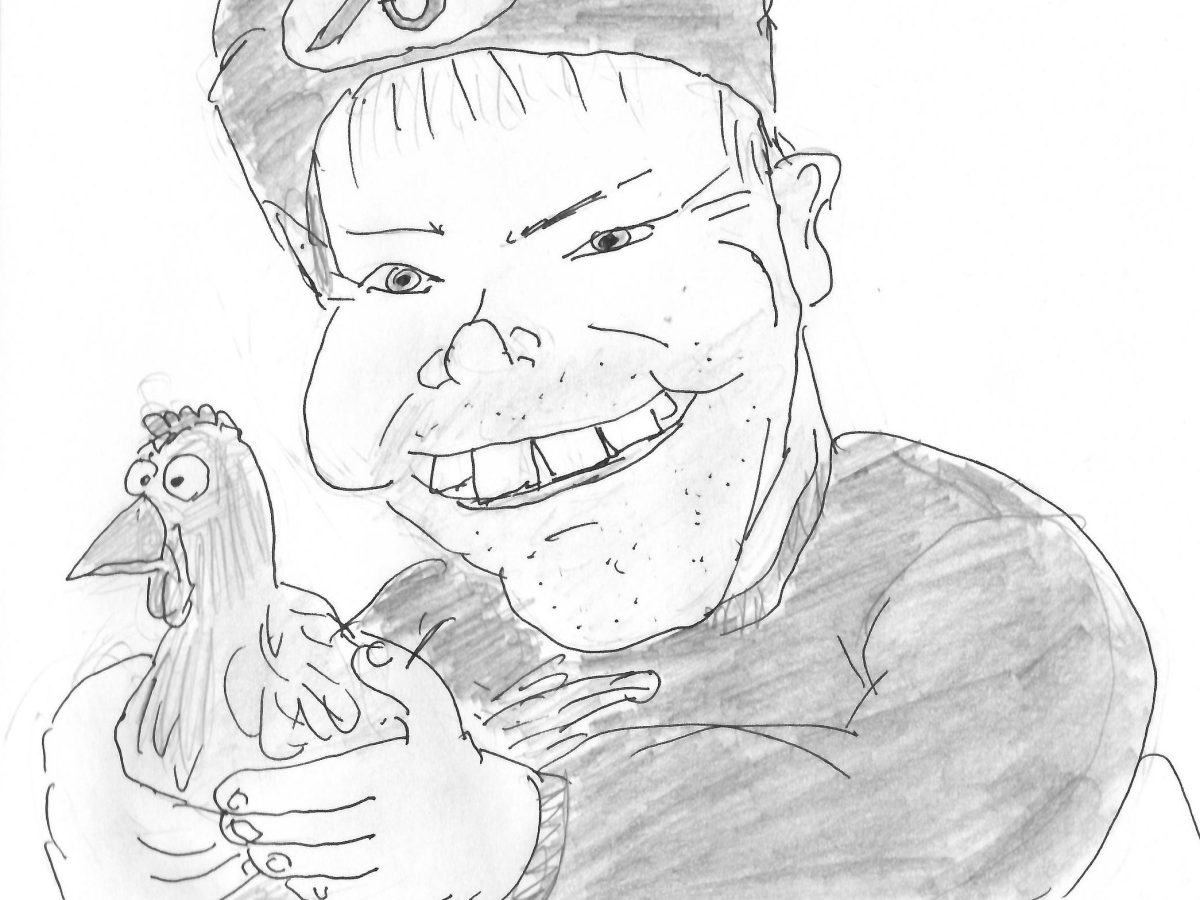

As I was told, the University of Wuppertal is still investigating Rinklebe. Here is the third retraction, in that awful Elsevier journal previously run by Rinklebe’s papermilling friend Damia Barcelo:
Muhammad Imran Ghani , Mohammad Abass Ahanger , Tanveer Ali Sial , Sajjad Haider , Junaid Ali Siddique , Ruidong Fan , Yanjiang Liu , Esmat F. Ali , Manish Kumar , Xing Yang , Jörg Rinklebe, Xiaoyulong Chen, Sang Soo Lee, Sabry M. Shaheen Almond shell-derived biochar decreased toxic metals bioavailability and uptake by tomato and enhanced the antioxidant system and microbial community The Science of the total environment (2024) doi: 10.1016/j.scitotenv.2024.172632

Auletobius maderensis: “Figure 3C and D are indicated as images from different treatments (ASB4 versus ASB6), however Figure 3D is an enlarged image of a section of Figure 3C”
The paper was utter nonsense, most of the numbers in it made no sense. One has to be an award-winning German professor to understand that one can extract much more heavy metals from soil that were even there, and that total carbon content in almond shells biochar can add up to 117%. With Barcelo removed, and his journal delisted by Clarivate, the fraudsters lost the protection. The recently posted retraction went (highlight mine):
“This article has been retracted at the request of the Editor.
The authors responded to concerns raised on PubPeer at https://pubpeer.com/publications/475D6897C3C9546AA0294801B0B508, including the submission of a draft Corrigendum, which were passed onto the Editor for assessment. The Editor agreed that there are numerous concerns related to poor data quality. For example, in Table S1 the total potassium content (TK) = 6410 g ± 13.2 g kg-1, meaning that one kg of soil contained about seven kg of potassium. Also of note is Figure 3D which is an enlarged and differently labelled part of Figure 3C, but which is supposed to show a different treatment. For these reasons, the Editor has lost confidence in the reliability of the findings presented in this article, and is retracting it.”
This fabrication by Rinklebe, again with his Egyptian friend Sabry Shaheen (PubPeer record), whom Rinklebe installed as “researcher” in Wuppertal since 2018, will be hopefully retracted next.
Sajid Mehmood, Waqas Ahmed , Juha M. Alatalo , Mohsin Mahmood , Muhammad Imtiaz , Allah Ditta , Esmat F. Ali , Hamada Abdelrahman , Michal Slaný , Vasileios Antoniadis , Jörg Rinklebe, Sabry M. Shaheen , Weidong Li Herbal plants- and rice straw-derived biochars reduced metal mobilization in fishpond sediments and improved their potential as fertilizers The Science of the total environment (2022) doi: 10.1016/j.scitotenv.2022.154043

An investigation conducted by Elsevier
We remain on the topic of cheating Egyptians. Yet another retraction arrived for Shaker Mousa, who was fired as professor and head of institute at University of Albany in USA, and was found guilty of research misconduct by HHS-ORI (read May 2024 Shorts).
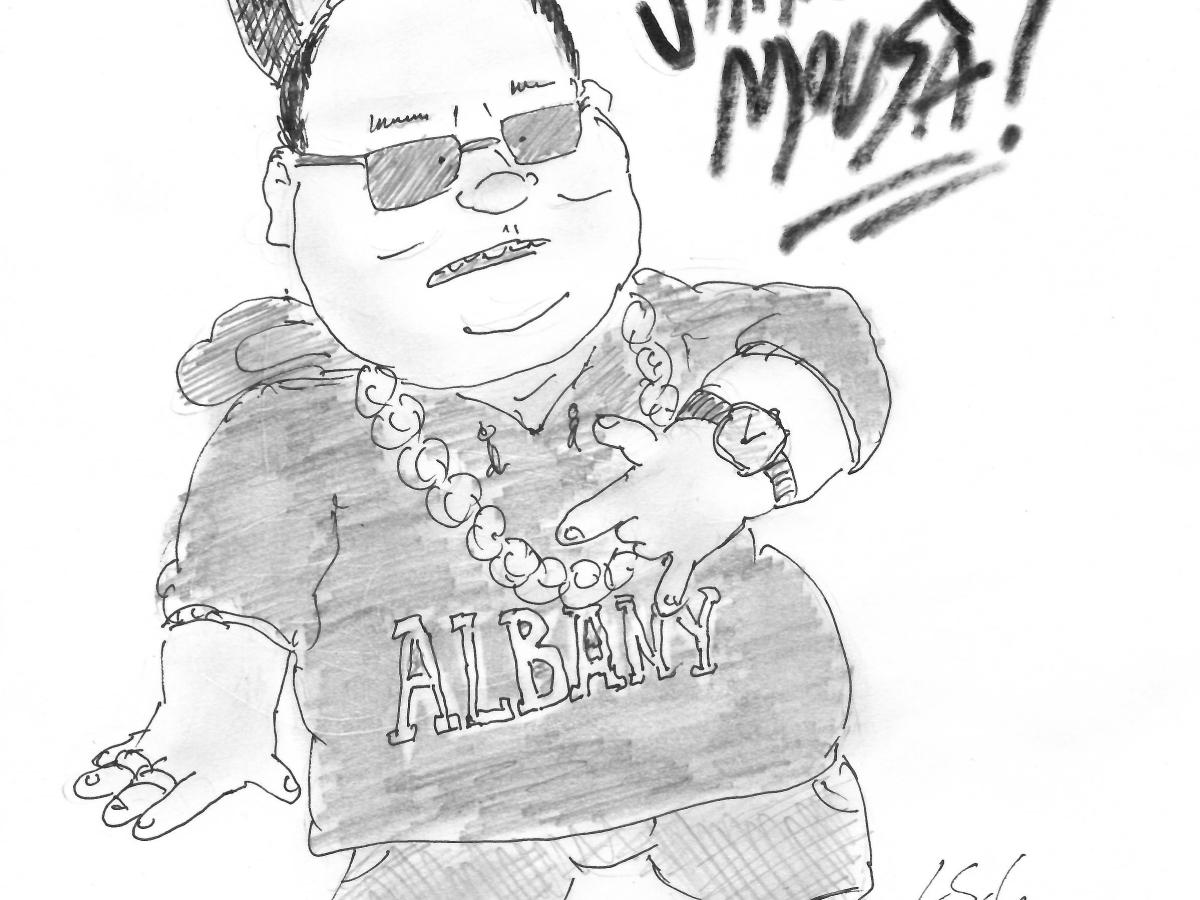
The new retraction however is a bit unusual. Like most of Mousa’s fraudulent papers, also this one was exposed by Kevin Patrick aka Cheshire aka Actinopolyspora biskrensis and reported to the editors, here in December 2023.
Steve Harakeh, Isaac Oluwatobi Akefe, Saber H. Saber , Turki Alamri , Rajaa Al-Raddadi , Soad Al-Jaouni , Hanaa Tashkandi , Mohammed Qari , Mohammed Moulay , Alia Aldahlawi , Zakariya Y. Abd Elmageed , Shaker Mousa Nanoformulated 3′-diindolylmethane modulates apoptosis, migration, and angiogenesis in breast cancer cells Heliyon (2024) doi: 10.1016/j.heliyon.2023.e23553

Actinopolyspora biskrensis: “Figure 4A seems to have a duplicated image.”
In December 2023, Mousa’s close associate Steve Harakeh posted on PubPeer his rely to the editor, offering a set of completely different pictures “to substitute the
image“, and explaining that “a single image at the 0 time point suffices“.
The retraction from 10 December 2025 credits Elsevier experts alone, doesn’t even mention the image duplication, the HHS-ORI investigation, or the sleuth contacting the journal (highlights mine):
“This article has been retracted at the request of the Editor.
Post-publication, an investigation conducted by Elsevier’s Research Integrity & Publishing Ethics team on behalf of the journal identified references that are irrelevant to the article. The authors were asked to comment upon the presence of these references in their work but were unable to satisfactorily address the reason for the references. Consequently, the editor has lost confidence in the integrity of the article and has determined it should be retracted. The scientific community takes a very strong view on this matter and apologies are offered to readers of the journal that this was not detected during the submission process . The authors disagree with retraction and dispute the grounds for it.”
Indeed, it seems that Mousa used hsi contacts to Egypt to engage in papermilling, those irrelevant references are a telltale sign.
Donate!
If you are interested to support my work, you can leave here a small tip of $5. Or several of small tips, just increase the amount as you like (2x=€10; 5x=€25). Your generous patronage of my journalism will be most appreciated!
€5.00

 For Better Science
When good things happen to others and the brain still lights up, it suggests this cynic hasn’t fully opted out. Under the armor, there’s still a preference function running – quietly ranking outcomes, quietly cheering when the better one occurs.
Well done, Sholto!
LikeLiked by 1 person
Kevin Wang papers are interesting indeed… Brain injury research troubled as ever. Wonder why? Perhaps there isn’t much progress to be made?
LikeLiked by 1 person
I think it would be fair and appropriate if Sholto shares the money also with Leonid who brought publicity to this case.
Just my 2 cent!
LikeLike
I’d rather prefer Sholto continues writing for For Better Science!
Instead: If every one of my readers sent me €5 each month, I would be quite secure financially (lawyers need to be paid from time to time also)
LikeLike
Sholto can now spend the cash on buying papermill articles and become a Highly Cited Researcher, established expert, on any topic and maybe even a Nobel laureate!
(Just kidding, ofc)
Kudos for Sholto!
LikeLiked by 1 person
Merry Christmas and a prosperous New Year!
That’s for Ardeshir Bayat. Previous Manchester, now Cape Town. Wound & tissue expert, Prof Ardeshir Bayat joins NuroKor Board as Chief Clinical & Scientific Advisor, Investor | NuroKor BioElectronics
PLoS One doesn’t buy that.
17 December 2025 Expression of Concern Expression of Concern: First identification of resident and circulating fibrocytes in Dupuytren’s disease shown to be inhibited by serum amyloid P and Xiapex | PLOS One
19 December 2025 Retraction Retraction: In Vitro Study of Novel Collagenase (XIAFLEX®) on Dupuytren’s Disease Fibroblasts Displays Unique Drug Related Properties | PLOS One
LikeLike
Science Breakthrough
From the team that brought you ‘swearing dulls pain’ (Spoiler: Only ‘fuck’ had any effect on pain outcomes):
https://www.frontiersin.org/journals/psychology/articles/10.3389/fpsyg.2020.00723/full
“Don’t Hold Back”: Swearing Improves Strength Through State Disinhibition
https://psycnet.apa.org/fulltext/2027-01514-001.html
‘Here we propose swearing as a cheap, readily available intervention that appears to encourage us to “not hold back” and instead to “go for it” a little more, with positive benefits on physical performance. This study shows that swearing can improve physical performance, and it works by helping people feel focused, confident, and less distracted.’
Motherfucking cocksucker shitballs! Fuckity-fuck! Holy shitfuck! I feel so much stronger already!
LikeLiked by 2 people
Hi Leonid,
Two questions:
Is Sholto the first person to win such a thing? Why don’t you and others in the research integrity community never try to sue to win such money?
My second question is why the institute of cheaters simply didn’t reject allegations? For example, like in Germany, saying allegations are false or minor and “our professors hold the highest standard of integrity.” In other words, does in the US the court examine research misconduct or institutions?
Thanks!
LikeLike
Hi,
I am not a sleuth, I report findings of sleuths.
Such laws only exist in USA.
Sholto’s story was huge news worldwide last year, remember? Nothing works without publicity.
Harvard is academic hate target Nr 1 for Trump regime. I don’t think a red state university is in any danger here.
My suggestion every reader of mine considers donating at least €5 each month.
It’s worth it for all involved.
LikeLiked by 1 person