

Schneider Shorts of 28 November 2025 – a Good Russian in eastern Germany, a pensioner victimised in New York, with several MDPI retractions for papermillers and Italian bigwigs, interesting corrections, failed proper channels, and finally, even more cancers ended with nanoparticles.
Table of Discontent
Science Elites
- The Good Russian – Aleksei Obrosov carries entire German institute
- One manipulated figure by a post doc – Pravin Singhal, a victimised pensioner
Scholarly Publishing
- Corrections have been implemented – Science saves Karim Labib
- Not willing to waste time – Society journal teaches sleuth manners
- There was a misrepresentation – Elsevier corrects without correcting
Retraction Watchdogging
- A significant number of irrelevant citations – MDPI retracts Sillanpää and Bokov
- Virtue-signalling retraction lottery – MDPI retracts Ayman Atta
- The authors fully cooperated – MDPI retracts Sal Cuzzocrea
- The authors did not agree – MDPI retracts Claudiu Supuran
- One or two authors in common – a bystander retraction for Li-Min Zhu’s friend
Science Breakthroughs
- We can stop tumors in their track – Chad Mirkin ended more cancers than Trump wars!
Science Elites
The Good Russian
Every Ukrainian knows the expression “Good Russian”, and now a German professor, Sabine Weiss of Brandenburg Technical University of Cottbus, will learn the true meaning of this term.
It is about a member of Weiss’s lab called Aleksei Obrosov, who studied at Peter the Great Polytechnic at St.Petersburg and who came to Cottbus in 2011 to get a MSc degree. Obrosov never obtained a PhD but he claims to act as group leader since 2017. In any case, he publishes more than most German professors. Thanks to papermills, and some of it is already on PubPeer, and Weiss is on some of that.

Russkiy Mir at Elsevier and MDPI
Alexander Magazinov presents you two russian professors whom Elsevier and MDPI consider respectable: a Lt Colonel of putin’s mass-murdering army, and a machine-gun totting rascist. Both buy from papermills.

Let’s start with the most ridiculous paper, with coauthors from Algeria, Mexico and Saudi Arabia, and with hand-drawn spectra:
Mamoun Fellah , Naouel Hezil , Dikra Bouras , Nabila Bouchareb , Alejandro Perez Larios , Aleksei Obrosov , Gamal A. El-Hiti , Sabine Weiß Investigating the effect of Zr content on electrochemical and tribological properties of newly developed near β-type Ti-alloys (Ti–25Nb-xZr) for biomedical applications Journal of Science: Advanced Materials and Devices (2024) doi: 10.1016/j.jsamd.2024.100695

Thallarcha lechrioleuca: “Fig.6 includes repeated XRD patterens for different samples. Fig.6a shows patterns with different colors but unexpectedly similar noise”
Mamoun Fellah of Khenchela University is an Algerian papermiller, his PubPeer record is steadily growing. Another collaboration of the Cottbus lab with this Algerian Fellah and some French colleagues:
Mamoun Fellah , Naouel Hezil , Mohammed Abdul Samad , Ridha Djellabi , Alex Montagne , Alberto Mejias , Stephania Kossman , Alain Iost , Agung Purnama , Aleksei Obrosov , Sabine Weiss Effect of Molybdenum Content on Structural, Mechanical, and Tribological Properties of Hot Isostatically Pressed β-Type Titanium Alloys for Orthopedic Applications Journal of Materials Engineering and Performance (2019) doi: 10.1007/s11665-019-04348-w

Thallarcha lechrioleuca: “Fragment of Figure 3. Unexpected repetitions (not all marked)”
More hand-drawn artwork by Obrosov, Weiss and that Algerian Fellah:
Bouras Dikra , Mamoun Fellah, Regis Barille , Sabine Weiß , Mohammed Abdul Samad , Alhanouf Alburaikan , Hamiden Abd El-Wahed Khalifa , Aleksei Obrosov Improvement of photocatalytic performance and sensitive ultraviolet photodetectors using AC-ZnO/ZC-Ag2O/AZ-CuO multilayers nanocomposite prepared by spin coating method Journal of Science: Advanced Materials and Devices (2024) doi: 10.1016/j.jsamd.2023.100642


And even more hand-made trash, and here enters a papermiller you may recognise, Sayed M Tag El Din, mentioned for example here:

Hear her laughing in earthquake land
“For that marketplace is a labyrinth as large as the academic world, and the Ariadnean thread that traces the path back out of its interior seems to sprout subsidiary threads that lead into plant-based green nanoparticle synthesis or some other side-alley of parascience.” – Smut Clyde

El Din writes his name in all possible ways, presumably so that he can edit and peer review his own papers:
Mamoun Fellah , Naouel Hezil , Dikra Bouras , Aleksei Obrosov, Abdul Samad Mohammed , Alex Montagne, Assmaa Abd-Elmonem , Sayed M El Din , Sabine Weiß Structural, mechanical and tribological performance of a nano structured biomaterial Co–Cr–Mo alloy synthesized via mechanical alloying Journal of Materials Research and Technology (2023) doi: 10.1016/j.jmrt.2023.06.031


Here is Obrosov with El Din, Fellah and another known papermiller, Wasim Jamshed. Once again, Alex Montagne, junior professor at Université Polytechnique Hauts-de-France, is on board. Look at this ridiculous spectrum:
Mamoun Fellah , Naouel Hezil , Dikra Bouras , Alex Montagne , Aleksei Obrosov , Wasim Jamshed , Rabha W. Ibrahim , Amjad Iqbal , Sayed M El Din , Hamiden Abd El-Wahed Khalifa Investigating the effect of milling time on structural, mechanical and tribological properties of a nanostructured hiped alpha alumina for biomaterial applications Arabian Journal of Chemistry (2023) doi: 10.1016/j.arabjc.2023.105112

Olearia ramulosa : “Fig. 3 […] endparts sticking outside the plot axes, unphysical back-tracking […]and unusual peak shapes”
Sometimes it is easier to seek for differences in the otherwise identical spectra:
Fouzia Hamadi, Mamoun Fellah , Naouel Hezil , Dikra Bouras , Salah Eddine Laouini , Alex Montagne , Hamiden Abd El-Wahed Khalifa , Aleksei Obrosov , Gamal A. El-Hiti , Krishna Kumar Yadav Effect of milling time on structural, physical and tribological behavior of a newly developed Ti-Nb-Zr alloy for biomedical applications Advanced Powder Technology (2024) doi: 10.1016/j.apt.2023.104306

Thallarcha lechrioleuca: “Figure 6 I marked small areas which are different in these “patterns”. There are some shifts in peak positions, vertical scaling applied but the noise is unexpectedly similar in all four patterns.”
Another regular member of this papermilling is the Egyptian Gamal El-Hiti, who is professor at King Saud University of Saudi Arabia.

This fresh new fabrication by Obrosov and Fellah was spotted by Mu Yang, Regis Barille is professor at University of Angers in France:
Dikra Bouras , Mamoun Fellah , Dunya Zeki Mohammed , Regis Barille , Aleksei Obrosov , Gamal A. El-Hiti , Ahlem Guesmi , Lotfi Khezami Enhanced CO2 sensing properties of Fe/Al-doped SnO2 thin films: A comprehensive study of structural, optical, and electrical characteristics Journal of Alloys and Compounds (2025) doi: 10.1016/j.jallcom.2025.181387

Dysdera arabisenen: “Fig 2b: Pink arrows point to some of the many spots that suggest the involvement of manual intervention (as opposed to instrument-generated).”
More by Obrosov and Fellah with Barille, hand-drawn bar diagrams:
Dikra Bouras , Mamoun Fellah , Régis Barillé , Aleksei Obrosov, Gamal A. El-Hiti Production of novel Zr–Mg nanoceramics based on kaolinite clay with strong antibacterial activity Ceramics International (2024) doi: 10.1016/j.ceramint.2024.05.091 issn: 0272-8842

Archasia belfragei: “Figure 12: errorbars appear off-center. I have added green rectangles of identical size below and above the bar-top.”
And because Obrosov is russian, it is not really surprising that he and one of russia’s biggest papermillers, Dmitry Bokov, found each other. Read about Bokov for example here:

The incredible collaborations of Renaissance men and women
Nick Wise and Alexander Magazinov on the authorships-for-sale market on social media. Merely $700 for the 7th position on some paper way outside your expertise!
So here they are, Obrosov, Fellah, Montagne (again with his mentor, the emeritus professor Alain Iost), and Bokov:
Mamoun Fellah , Naouel Hezil , Mohammed Zine Touhami , Mohammed AbdulSamad , Aleksei Obrosov , Dmitry O. Bokov , Ekaterina Marchenko , Alex Montagne , IOST Alain , Akram Alhussein Structural, tribological and antibacterial properties of (α + β) based ti-alloys for biomedical applications Journal of Materials Research and Technology (2020) doi: 10.1016/j.jmrt.2020.09.118


And so on. By the way, totally not unexpected, Obrosov continued publishing with his friends in russia even after his country began its full-scale genocidal war against Ukraine, and after German researchers were ordered to cease all collaborations with russian institutions.
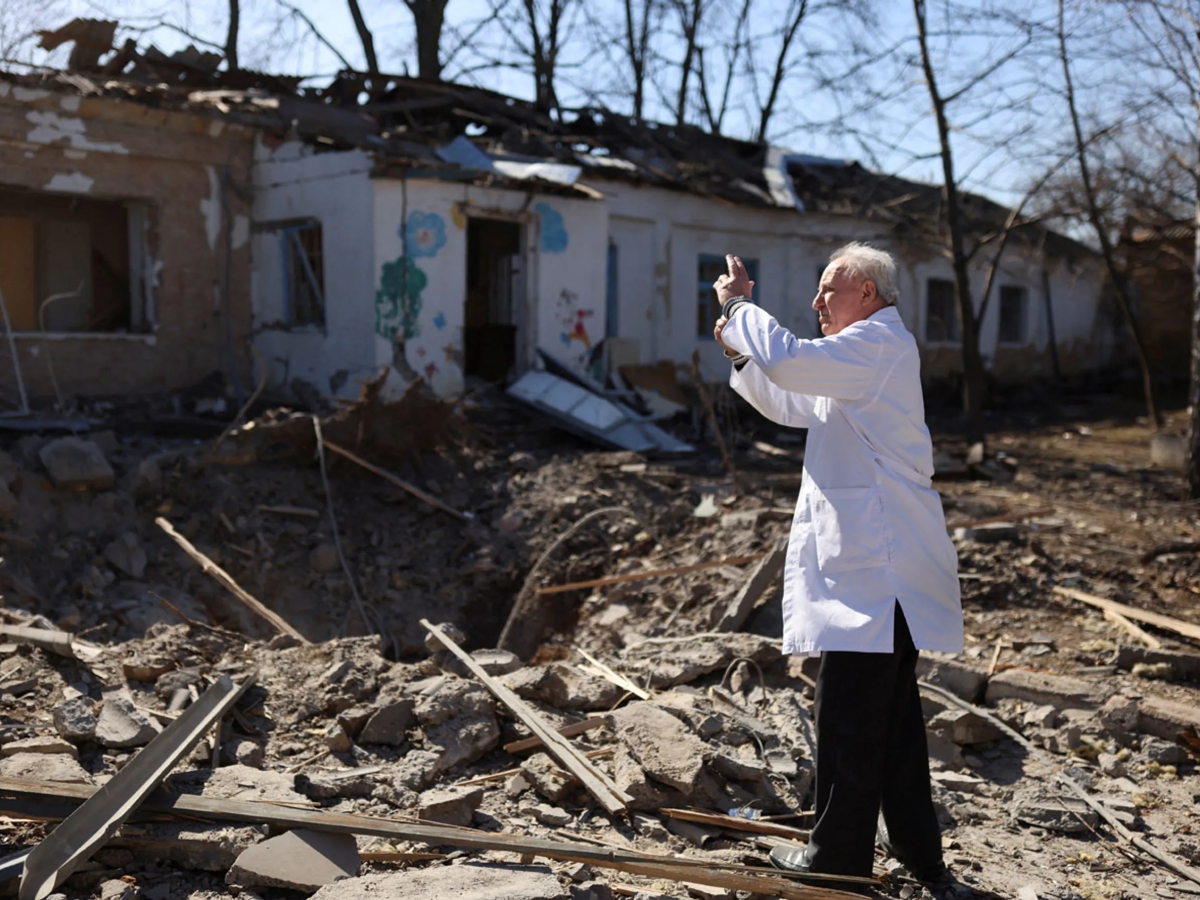
Boycott Russian Science (and Everything Else) – Thoughts on War in Ukraine
The state it’s in, we don’t need Russian science anyway.

Published in August 2022 and “supported by the Mega grant from the Government of the Russian Federation“:
Naouel Hezil , Linda Aissani , Mamoun Fellah, Mohamed Abdul Samad , Aleksei Obrosov , Chekalkin Timofei , Ekaterina Marchenko Structural, and tribological properties of nanostructured α + β type titanium alloys for total hip Journal of Materials Research and Technology (2022) doi: 10.1016/j.jmrt.2022.06.042

Archasia belfragei: “Some sections of XRD noise signature appear more similar than expected between patterns”
Weiss should have been warned, if only she bothered to look at least at those figures she put her name on. Also, Obrosov already had one retraction, with his russian mates:
Yuri Yasenchuk , Ekaterina Marchenko , Gulsharat Baigonakova , Sergey Gunther , Oleg Kokorev , Victor Gunther , Timofey Chekalkin , Evgeniy Topolnitskiy , Aleksei Obrosov , Ji-hoon Kang Study on tensile, bending, fatigue, and in vivo behavior of porous SHS-TiNi alloy used as a bone substitute Biomedical Materials (2021) doi: 10.1088/1748-605x/aba327
“This article has been retracted by IOP Publishing following an allegation that images in this article were manipulated.
IOP Publishing has investigated in line with the COPE guidelines and agree that images have been altered.
The evidence gathered by IOP Publishing to date, combined with the authors response, considerably reduces confidence in the work to the extent that IOP Publishing has made the decision to retract the work.
IOP Publishing wishes to credit to internal staff for bringing the issue to our attention.
The authors agree to this retraction.”
Retraction June 2023
I wrote to Weiss, Obrosov and the leadership of their Cottbus university, repeatedly. Nobody replied.
Obrosov uses his artistic skills also in other fields, he occasionally works as extra in German TV productions. Maybe he should do this full time?
One manipulated figure by a post doc
Meet Pravin C. Singhal, Director for Academic Affairs at the Feinstein Institutes for Medical Research and professor at Zucker School of Medicine at Hofstra University, both with Northwell Health in New York, USA. He is also former president of the New York Society of Nephrology and a recipient of the Lifetime Achievement Award from the Society of Neuroimmune Pharmacology.
In 2016 Retraction Watch reported about two corrections by Sanjeev Gupta of Albert Einstein College of Medicine in New York, who has almost 30 bad papers on PubPeer, and whose research integrity officer assured Retraction Watch that “Our committee, after extensive review of primary data concluded that Dr. Gupta was not at fault but one of his lab staff had been sloppy in the preparation of gels“, Gupta’s former mentee Kang Cheng alone was responsible, and anyway, no conclusions were ever affected in the successfully corrected Cheng et al 2010 and Cheng et al 2009.
So here is a paper by Gupta and that troublemaker Cheng, with Singhal:
Kang Cheng , Partab Rai , Andrei Plagov , Xiqian Lan , Dileep Kumar , Divya Salhan , Shabina Rehman , Ashwani Malhotra , Kuldeep Bhargava , Christopher J. Palestro , Sanjeev Gupta, Pravin C. Singhal Transplantation of bone marrow-derived MSCs improves cisplatinum-induced renal injury through paracrine mechanisms Experimental and molecular pathology (2013) doi: 10.1016/j.yexmp.2013.03.002


Back in 2016, Gupta assured Retraction Watch that “Kang Cheng left my lab in 2009 after completing his contract and is no longer in science“. He also added: “I believe Kang Cheng performed his work with honesty“. Thus in 2020, Gupta and his friend Singhal continued publishing trash with Cheng:
Rukhsana Aslam , Ali Hussain , Kang Cheng , Vinod Kumar , Ashwani Malhotra , Sanjeev Gupta , Pravin C Singhal Transplantation of mesenchymal stem cells preserves podocyte homeostasis through modulation of parietal epithelial cell activation in adriamycin-induced mouse kidney injury model Histology and histopathology (2020) doi: 10.14670/hh-18-276

But why do I drag poor Dr Singhal into this Gupta-Cheng fraud affair? Isn’t he merely yet another victim?
Well, this paper is without Gupta or Cheng, but again with Ashwani Malhotra, who at that time was a member of Singhal’s lab at Feinstein Institute:
Kamesh R. Ayasolla , Partab Rai , Shai Rahimipour , Mohammad Hussain , Ashwani Malhotra , Pravin C. Singhal Tubular cell phenotype in HIV-associated nephropathy: role of phospholipid lysophosphatidic acid Experimental and molecular pathology (2015) doi: 10.1016/j.yexmp.2015.06.004


Another one by Singhal and Malhotra, who as of today is listed as member of Sighal’s active lab (correction: my previous claim that Malhotra “disappeared from academia, his whereabouts unclear”, was wrong):
Nirupama Chandel , Bipin Sharma , Mohammad Husain , Divya Salhan , Tejinder Singh , Partab Rai , Peter W. Mathieson , Moin A. Saleem , Ashwani Malhotra , Pravin C. Singhal HIV compromises integrity of the podocyte actin cytoskeleton through downregulation of the vitamin D receptor AJP Renal Physiology (2013) doi: 10.1152/ajprenal.00717.2012


Yeah, blame Malhotra alone. 15 of Singhal’s 27 papers on PubPeer have Malhotra as coauthor:
Shabina Rehman , Nirupama Chandel , Divya Salhan , Partab Rai , Bipin Sharma , Tejinder Singh , Mohammad Husain , Ashwani Malhotra , Pravin C. Singhal Ethanol and vitamin D receptor in T cell apoptosis Journal of neuroimmune pharmacology (2013) doi: 10.1007/s11481-012-9393-9

Also here, never blame Singhal, or his collaborator Shilpa Buch of University of Nebraska, despite her PubPeer record and corrections:
Nirupama Chandel , Bipin Sharma , Divya Salhan , Mohammad Husain , Ashwani Malhotra , Shilpa Buch , Pravin C. Singhal Vitamin D receptor activation and downregulation of renin-angiotensin system attenuate morphine-induced T cell apoptosis AJP Cell Physiology (2012) doi: 10.1152/ajpcell.00076.2012


Yes, the cells were cloned many times. Bad, naughty Malhotra! A snake at Singhal’s honest bosom!
Abheepsa Mishra , Kamesh Ayasolla , Vinod Kumar , Xiqian Lan , Himanshu Vashistha , Rukhsana Aslam , Ali Hussain , Sheetal Chowdhary , Shadafarin Marashi Shoshtari , Nitpriya Paliwal , Waldemar Popik , Moin A. Saleem , Ashwani Malhotra , Leonard G. Meggs , Karl Skorecki , Pravin C. Singhal Modulation of apolipoprotein L1-microRNA-193a axis prevents podocyte dedifferentiation in high-glucose milieu AJP Renal Physiology (2018) doi: 10.1152/ajprenal.00541.2017


There are other problematic papers by Singhal with Karl Skorecki, professor at Technion in Israel, see Kahtua et al 2015, Jha et al 2020, or Kumar et al 2019, the latter with Singhal’s former postdoc Joanna Mikulak. Can she be blamed here maybe, because Malhotra isn’t available?
- Joanna Mikulak , Saul Teichberg , Thomas Faust , Helena Schmidtmayerova , Pravin C. Singhal HIV-1 harboring renal tubular epithelial cell interaction with T cells results in T cell trans-infection Virology (2009) doi: 10.1016/j.virol.2008.11.029
- J. Mikulak , S. Teichberg , S. Arora , D. Kumar , A. Yadav , D. Salhan , S. Pullagura , P. W. Mathieson , M. A. Saleem , P. C. Singhal DC-specific ICAM-3-grabbing nonintegrin mediates internalization of HIV-1 into human podocytes AJP Renal Physiology (2010) doi: 10.1152/ajprenal.00629.2009

Maybe Singhal’s mentee Saul Teichberg can be blamed? He also disappeared from academia:
Anju Yadav , Sridevi Vallabu , Shitij Arora , Pranay Tandon , Divya Slahan , Saul Teichberg , Pravin C. Singhal ANG II promotes autophagy in podocytes AJP Cell Physiology (2010) doi: 10.1152/ajpcell.00424.2009

Maybe Singhal can also blame his former mentee Dileep Kumar (who is also on Cheng/Gupta papers)? Kumar also disappeared from academia.
Dileep Kumar , Sridevi Konkimalla , Anju Yadav , Kavithalakshmi Sataranatarajan , Balakuntalam S. Kasinath , Praveen N. Chander , Pravin C. Singhal HIV-Associated Nephropathy American Journal Of Pathology (2010) doi: 10.2353/ajpath.2010.100131


Indeed, let’s blame Kumar also. Not Singhal, despite his almost 30 papers on PubPeer.
Dileep Kumar , Liming Luan , Shresh Pathak , Divya Salhan , Sandeep Magoon , Pravin C. Singhal Ang II enhances tubular cell Ets-1 expression and associated down stream signaling is mediated through AT1 receptors Renal Failure (2010) doi: 10.3109/0886022x.2010.501936


In March 2008, Singhal had a mysterious retraction at Journal of Leukocyte Biology, published by Oxford University Press. It merely stated:
“The article titled, “Morphine modulates monocyte-macrophage conversion phase: implications in obstructive nephropathy,” by Ikuske Hatsukari, Naoko Hitosugi, Amit Dinda, Ramkoti R. Maddula, Raymond Tan, and Pravin C. Singhal has been retracted”
That paper in Journal of Leukocyte Biology was erased from the internet. What does exist though, is a paper by same authors with almost the same title, Hatsukari et al 2006, published in the January 2006 issue of Elsevier journal Cellular Immunology where it was however accepted only in March 2006. Try to make sense of all that.
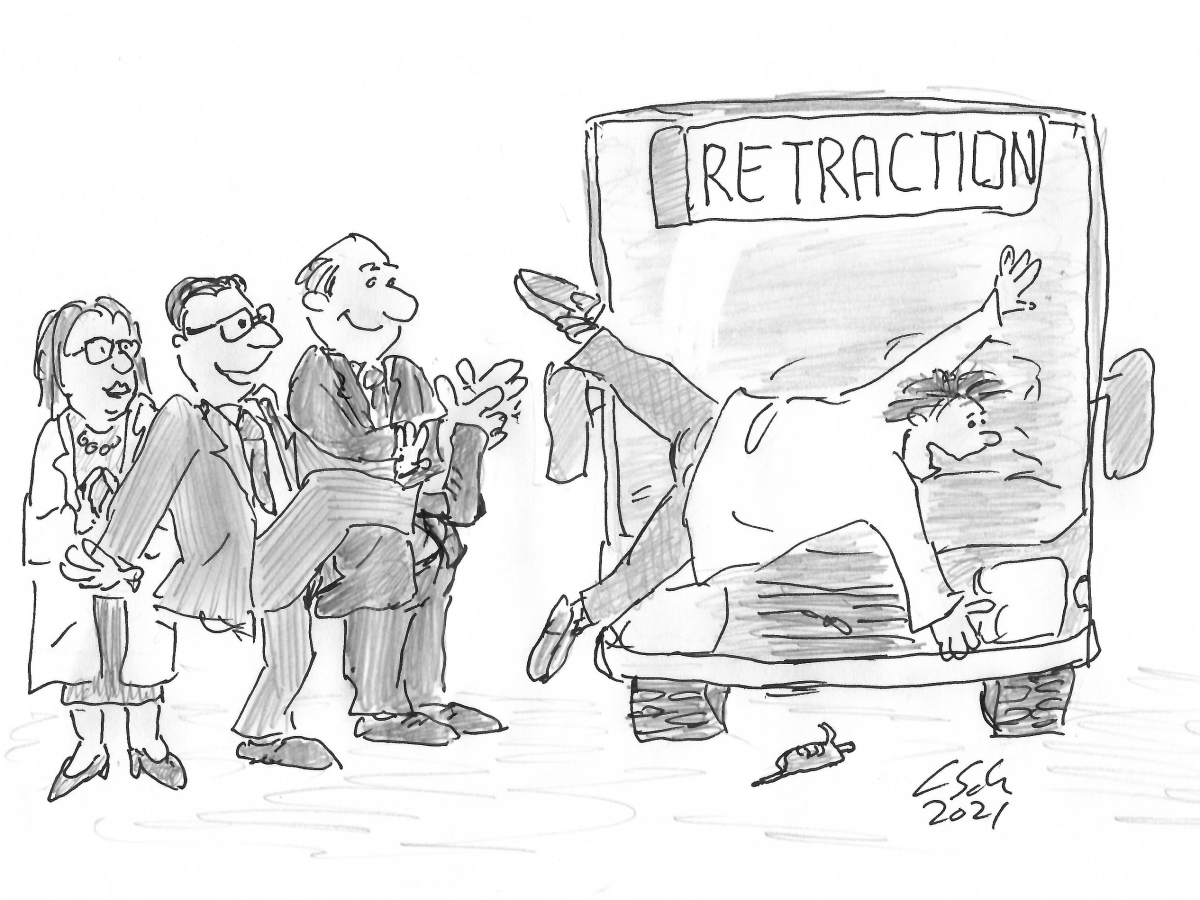
Student, Meet Bus
What led to retraction of the Sensei RNA paper by Arati Ramesh in Bangalore: the “factually inaccurate, anonymous, and unverified” version, which “quite frankly, can be termed slander”. And a guest post by “Paul Jones” at the end!
Let’s blame every, Cheng, Kumar, Malhotra, all those other junior nobodies. The only innocent figures here are senior professors, especially Pravin Singhal. I wrote to him, and Singhal swiftly replied, informing me that he retired from lab work, has no access to lab data anymore, and also does “not have any postdocs, who carried out these job“.

I asked Singhal if he cared about all that fake data he built his career and financial success on, and he explained:
“I care and I am very perturbed. But I do not know, how to solve this issue. If I have been in lab, I should have a send a letter of errata and attempted to replace these figures. In several articles, I am only a co-author and never paid enough attention, which I should have and now repenting for my mistakes. In articles, where I am the senior author, it is a grave mistake. You cant say it a fake science. One manipulated figure by a post doc does not takes away the whole theme of the paper.”
Very similar to how Singhal’s friend Gupta defended himself and his fake papers with Cheng.
Scholarly Publishing
Corrections have been implemented
In October 2025 Shorts, I wrote about the problematic science of Karim Labib, former PhD student of the Nobelist Sir Paul Nurse, now group leader at MRC-PPU centre at the University of Dundee in UK. MRC-PPU was founded by Sir Philip Cohen, who then passed on the reins to his menteee Dario Alessi.
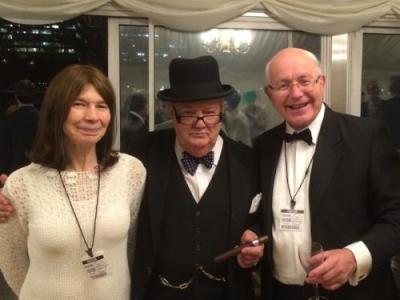
Portrait of Sir Philip Cohen’s Family
Sir Philip and Lady Tricia Cohen, and their heir Dario Alessi, plus other first and second generation offspring. A Scottish soap opera!
Labib is also ‘Head of Sustainability and Climate Action’ for the School of Life Sciences at University of Dundee, and chair of EMBO Lab Sustainability Award Advisory Board. Indeed, he loves recycling!
Marija Maric, Timurs Maculins, Giacomo De Piccoli, Karim Labib Cdc48 and a ubiquitin ligase drive disassembly of the CMG helicase at the end of DNA replication Science (2014) doi: 10.1126/science.1253596


In late October 2025, the University of Dundee posted its findings (highlights mine):
“Update: The Research Integrity Group in the School of Life Sciences at the University of Dundee has examined the issues raised. Analysing original data from experiments used to generate the figures presented in the publication supports the published findings and we found that the reported concerns are the result of errors that occurred during figure construction. The findings and conclusions of the publication are not affected. The authors have shared the details of our findings with the journal, together with the original data and corrected versions of the affected figures.”
On 20 November 2025, Science issued this giant Erratum:
“In the Research Article “Cdc48 and a ubiquitin ligase drive disassembly of the CMG helicase at the end of DNA replication” (24 October 2014, 1253596), errors occurred during the assembly of three main-text figures and two supplementary figures.
The following corrections have been implemented, and full source data for the relevant figures have been published via Mendeley Data (1):
- In Fig. 2B, the image for Psf3 (pH 9 extracts of S-phase cells) was inadvertently duplicated from the data for Psf1 [immunoprecipitates (IPs) of TAP-Sld5]. The image for Psf3 (pH 9 extracts of S-phase cells) has been corrected.
- In Fig. 6B, the image for Psf1 (pH 7.9 cell extracts) corresponded to the correct data for Sld5 (pH 7.9 cell extracts). The image for Psf1 (pH 7.9 cell extracts) has been corrected.
- In Fig. 6B, the image for Psf3 (pH 7.9 cell extracts) corresponded to the correct data for Psf1 (pH 7.9 cell extracts). The image for Psf3 (pH 7.9 cell extracts) has been corrected.
- In Fig. 6B, the image for Sld5 (pH 7.9 cell extracts) corresponded to the correct data for Psf3 (pH 7.9 cell extracts). The image for Sld5 (pH 7.9 cell extracts) has been corrected.
- In Fig. 6B, the image for Psf1 (IPs of TAP-Sld5) corresponded to the correct data for Sld5 (IPs of TAP-Sld5). The image for Psf1 (IPs of TAP-Sld5) has been corrected.
- In Fig. 6B, the image for Sld5 (IPs of TAP-Sld5) was inadvertently duplicated from the data for Psf3 (IPs of TAP-Sld5). The image for Sld5 (IPs of TAP-Sld5) has been corrected.
- In Fig. 8B, lower panel (cdc48-aid) of (b), the image for Mcm3 (pH 9 cell extracts) was inadvertently duplicated from the data for Cdc45 (pH 9 cell extracts). The image for Mcm3 (pH 9 cell extracts) has been corrected.
- In fig. S4B, the image for TAP-Sld5 (IPs of TAP-Sld5) was inadvertently duplicated from the data for Psf3 (IPs of TAP-Sld5). The image for TAP-Sld5 (IPs of TAP-Sld5) has been corrected.
- In fig. S11, the image for Mcm6 (pH 9 extracts for cdc48-aid ADH-TIR1 MCM4-5FLAG TAP-SLD5) was inadvertently duplicated from the data for Mcm6 (pH 9 extracts for cdc48-aid ADH-TIR1 MCM4-5FLAG). The image for Mcm6 (pH 9 extracts for cdc48-aid ADH-TIR1 MCM4-5FLAG TAP-SLD5) has been corrected.
- In fig. S11, the image for Psf2 (IPs of TAP-Sld5 for cdc48-aid ADH-TIR1 MCM4-5FLAG TAP-SLD5) was inadvertently duplicated from the data for Psf3 (IPs of TAP-Sld5 for cdc48-aid ADH-TIR1 MCM4-5FLAG TAP-SLD5). The image for Psf2 (IPs of TAP-Sld5 for cdc48-aid ADH-TIR1 MCM4-5FLAG TAP-SLD5) has been corrected.
These corrections do not change the interpretation of the data or the conclusions of the paper.”
Let me sum up: several instances of duplicated gels, plus the entire figure 6B was false, with almost all of its blots being completely wrong ones, and that on top of the duplications in that figure. The new figure 6B is hidden behind paywall. And these are the other issues:


My guess is that the additional issues were found not by Science, but by the internal investigation at Dundee, who then requested the correction. Science Editor-in-Chief Holden Thorp, being by his own account world’s biggest hero of research integrity, was more than happy to accommodate this request.
By the way: the authors posted the original and replacement raw data from that 2014 paper on Mendeley. However, for his equally old Nature paper Simon et al 2014, Labib declared in the September 2025 correction that its raw data was unavailable “Due to the age of the article“.
There was a misrepresentation
Here another successful correction, in Elsevier.
It is a papermill product, “authored” by one of the worst papermill frudsters, Kit Wayne Chew, and his associates. Chew is a member of Pau Loke Shaw/Christian Sonne/Jörg Rinklebe papermill vortex, read here:
So this is the corrected paper:
Tonni Agustiono Kurniawan , Fatima Batool , Ayesha Mohyuddin , Hui Hwang Goh , Mohd Hafiz Dzarfan Othman, Faissal Aziz, Abdelkader Anouzla , Hussein E. Al-Hazmi, Kit Wayne Chew Chitosan-coated coconut shell composite: A solution for treatment of Cr(III)-contaminated tannery wastewater Journal of the Taiwan Institute of Chemical Engineers (2025) doi: 10.1016/j.jtice.2024.105478


In December 2024, the first author and papermiller Tonni Agustiono Kurniawan explained on PubPeer:
“I would like to clarify that the images included in my article are original and were created as part of this study using data collected specifically for this research. To further substantiate this, I can provide documentation that demonstrate the authenticity of these materials. If there are any similarities with previously published works, it is possible that this stems from shared methodologies, datasets, or tools commonly used in this area of research.“
Almost a year later, in November 2025, Kurniawan and Chew issued this amazing Corrigendum:
“The authors regret that in the original version of the article, there was a misrepresentation. The correction does not affect the overall conclusions of this study. The authors would like to apologise for any inconvenience caused.”
You probably think they replaced all the stolen data, but aren’t saying what exactly that “misrepresentation” was. Well, nope. They didn’t replace anything, the paper remains as it was.
Well done Elsevier.
Not willing to waste time
From the department of Proper Channels. The pseudonymous sleuth Claire Francis contacted the Editor-in-Chief of a society-owned journal to report “Problematic data”, got shouted at.
The coauthor Angel Nebreda of IRB Barcelona in Spain, is already known as a massive cheater, with over 20 very bad papers on PubPeer. He featured in these articles:

Bad Choices in Dresden II
“I cannot help but wonder to what extent you will systematically scrutinize all publications from my group.” – Prof Dr Marino Zerial
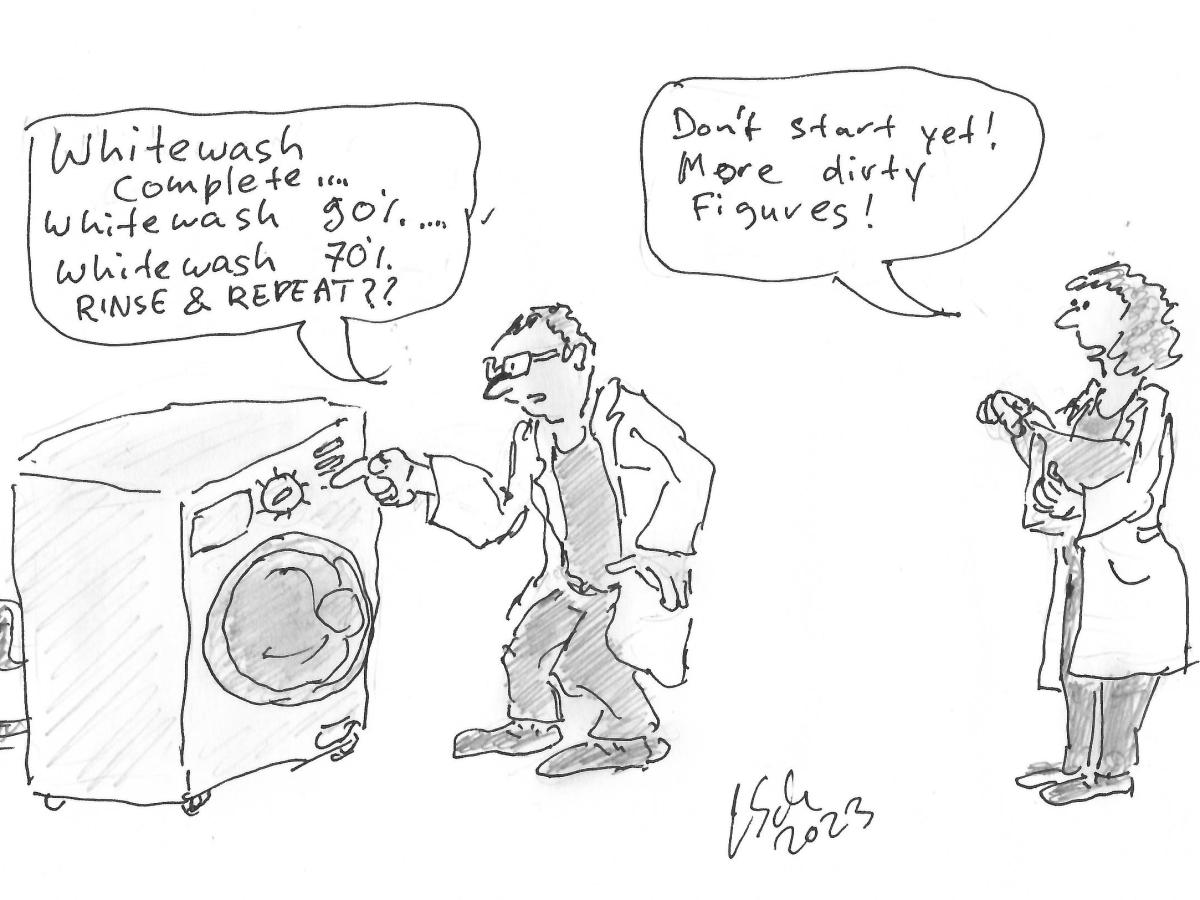
Hannover Scheibenkleister
“Dr. Scheibe presented to me the original blots […]. I think that’s pretty convincing.”
Another coauthor, the University of Dundee professor J. Simon C. Arthur, is collaborator of Nebreda, and a former mentee of Sir Philip Cohen. Arthur’s and Nebreda’s bad science featured in this article.
Thus, the pseudonymous sleuth wrote to the editors of Journal of hepatology to report a clearly duplicated gel band:
Alessandro Furlan , Fabienne Lamballe , Venturina Stagni , Azeemudeen Hussain , Sylvie Richelme , Andrea Prodosmo , Anice Moumen , Christine Brun , Ivan Del Barco Barrantes , J. Simon C. Arthur , Anthony J. Koleske , Angel R. Nebreda , Daniela Barilà , Flavio Maina Met acts through Abl to regulate p53 transcriptional outcomes and cell survival in the developing liver Journal of hepatology (2012) doi: 10.1016/j.jhep.2012.07.044

Journal of hepatology is owned by the European Association for the Study of the Liver (EASL), its Editor-in-Chief is Vlad Ratziu, professor at the Sorbonne Université in Paris, France. Who immediately replied to the pseudonymous sleuth with this:
“Sorry, who is this writing ?
I see you forgot to introduce yourself and explain why you send this e mail.
We are not willing to waste time on anonymous messages and will not consider it further, unless it complies with minimum rules of civility.“
After Claire Francis tried to convince Ratziu to comply with the COPE guidelines, Ratziu replied with “don’t patronize people you don’t even know.” So I had to patronize Ratziu, even sent him a Le Monde article about me, after which Ratziu announced: “Will investigate. Now that you politely -sort of – identified yourself.”. Well, while at it, he can also investigate his own research in his own journal:
Amine Majdi , Lynda Aoudjehane , Vlad Ratziu, Tawhidul Islam , Marta B. Afonso , Filomena Conti , Taïeb Mestiri , Marie Lagouge , Fabienne Foufelle , Florine Ballenghien , Tatiana Ledent , Marthe Moldes , Axelle Cadoret , Laura Fouassier , Jean-Louis Delaunay , Tounsia Aït-Slimane , Gilles Courtois , Bruno Fève , Olivier Scatton , Carina Prip-Buus , Cecília M.P. Rodrigues, Chantal Housset, Jérémie Gautheron Inhibition of receptor-interacting protein kinase 1 improves experimental non-alcoholic fatty liver disease Journal of hepatology (2020) doi: 10.1016/j.jhep.2019.11.008

In October 2025, the last author Jérémie Gautheron explained on PubPeer that “the DMSO control images are the same, as they correspond to the same experimental batch“. Indeed, the somewhat confusing figure legend suggests the same origin fo the liver cells, but what kind of science is it to acquire one single image for each experiment? Because if they took more than one image, they wouldn’t have reused it. And that is the most benevolent explanation.
Returning to the paper Claire Francis complained about – sleuths previously flagged other works by the last author Flavio Maina, CNRS group leader at Aix-Marseille University, also in France:
Fabienne Lamballe , Sara Toscano , Filippo Conti , Maria Arechederra , Nathalie Baeza, Dominique Figarella-Branger, Françoise Helmbacher, Flavio Maina Coordination of signalling networks and tumorigenic properties by ABL in glioblastoma cells Oncotarget (2016) doi: 10.18632/oncotarget.12546


And another one by Maina and his Marseille colleagues, where mice were tortured to produce falsified science:
Annalisa Fico, Antoine De Chevigny, Joaquim Egea, Michael R. Bösl , Harold Cremer, Flavio Maina, Rosanna Dono Modulating Glypican4 suppresses tumorigenicity of embryonic stem cells while preserving self-renewal and pluripotency Stem cells (2012) doi: 10.1002/stem.1165

Red boxes: In the ‘Brachyury’ row, the panels representing 2 and 5 days, respectively, look unexpectedly similar
Cyan boxes: In the a-Mhc row, the panels representing ES and 2 days, respectively, look unexpectedly similar”


Could the authors please comment on the ‘teratoma’ sizes shown here? These masses appear to look very big. Looking at the weights shown in Figure 5B, some of these masses weight 5-7 grams, which would amount to 20-30% of the weight of a normal mouse (25 g). What are the guidelines of the Aix-Marseille Université?”
We now know from the Didier Raoult affair that Aix Marseille University has absolutely no guidelines, not for animal, not for human research.
Retraction Watchdogging
A significant number of irrelevant citations
Strangest things happen, MDPI started to retract papers…
This contains the worst of the worst papermill fraudsters: the Finnish sexual harasser and thief Mika Sillanpää, the russian ork Dmitry Bokov, plus the duo Abduladheem Turki Jalil and Wanich Suksatan. These two retracted MDPI papers were mentioned in this article:
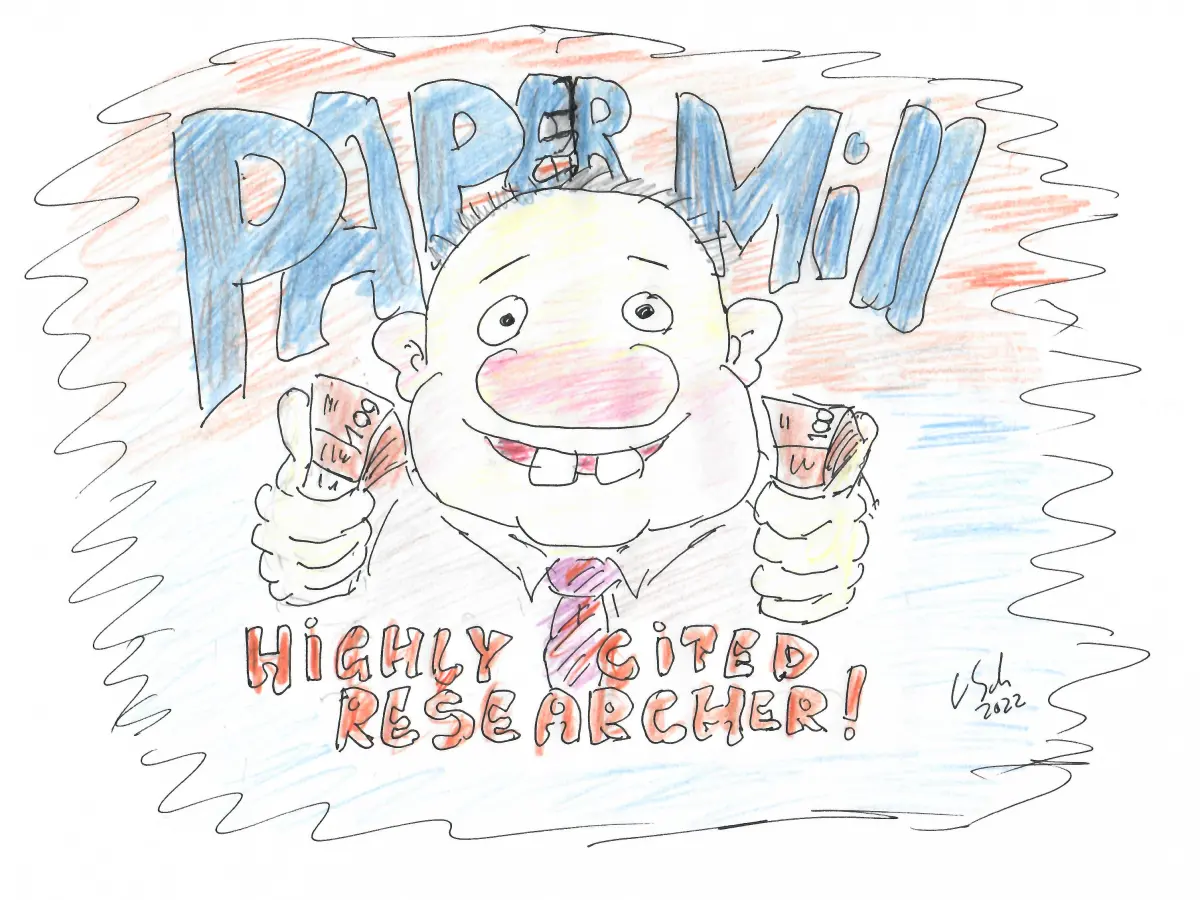
You will be paid US $500-800 for each paper
“Or The author can also put your name to the article to increase your academic popularity, such as adding your name to the second or third author.”
As Smut Clyde put it, Hell is empty and the devils are all here:
- Abduladheem Turki Jalil , Shameen Ashfaq , Dmitry Olegovich Bokov , Amer M. Alanazi , Kadda Hachem , Wanich Suksatan , Mika Sillanpää High-Sensitivity Biosensor Based on Glass Resonance PhC Cavities for Detection of Blood Component and Glucose Concentration in Human Urine Coatings (2021) doi: 10.3390/coatings11121555
- Supat Chupradit, Shameen Ashfaq , Dmitry Bokov, Wanich Suksatan, Abduladheem Turki Jalil , Amer M. Alanazi, Mika Sillanpaa Ultra-Sensitive Biosensor with Simultaneous Detection (of Cancer and Diabetes) and Analysis of Deformation Effects on Dielectric Rods in Optical Microstructure Coatings (2021) doi: 10.3390/coatings11121564

Habronattus peckhami: “Figure 1 B 1-2 uM looks very similar to Figure 2B,
Next to those recycled hand-drawn spectra, there were also masses of seemingly irrelevant citations (i.e., relevant only to those who paid to get cited).
This is the MDPI retraction for Turki Jalil et al 2021 from 24 November 2025:
“Following publication, a number of concerns were brought to the attention of the Editorial Office relating to image duplication, relevancy of references, and authorship in this publication [1].
Adhering to our procedure, an investigation was conducted by the Editorial Office and the Editorial Board that identified significant concerns relating to the integrity of peer-review process. Further concerns identified included an image overlap between this article [1] and an earlier publication [2] produced by a different authorship group, presenting different experimental conditions, and a significant number of irrelevant citations. Finally, despite multiple follow-up with the authors, the Editorial Board were unable to verify the accuracy of the originally listed authorship list. As a result, the Editorial Board has lost confidence in the integrity of the findings and decided to retract this publication [1], as per MDPI’s retraction policy (https://www.mdpi.com/ethics#_bookmark30, accessed on 21 August 2025).
This retraction was approved by the Editor-in-Chief of Coatings.
The authors did not agree to this retraction.”
Sillanpää used on both papers his affiliation at Aarhus University in Denmark (read article above), and the current one in South Africa. The paper Chupradit et al 2021 was retracted by MDPI last month, on 18 October 2024:
“Following publication, concerns were brought to the attention of the publisher regarding an overlap between this article [1] and an earlier publication [2] produced by a different authorship group.
Adhering to our complaints procedure, an investigation was conducted by the Editorial Office and Editorial Board Members, which confirmed a significant overlap between these two publications [1,2] without the appropriate acknowledgement or citation. […]
Author Mika Sillanpaa stated that he was not aware of the issues at the time of the paper’s submission. “
Oh Mika, what a lying [insert expletive] you are.
Virtue-signalling retraction lottery
Another retraction, in the same MDPI journal.
The author is the Egyptian mega-fraudster Ayman Atta, read about him here:

Journal of Molecular Liquids vs One-Man Papermills
Mu Yang catches two crooks, Ayman Atta and S Muthu, who flooded one Elsevier journal (and several others) with ridiculous hand-drawn fraud. Whom to believe, the peer review, or your own eyes?
Another author is Atta’s associate Abdelrahman Ezzat, also read June 2025 Shorts about their massive fraud. The now retracted MDPI paper shares data with many other fabrications by Atta and Ezzat, it was initially flagged by Mu Yang, but then the sleuth Thomas Kesteman took over, and found somethign rather incredible:
Mohamed H. Wahby, Ayman M. Atta, Yasser M. Moustafa, Abdelrahman O. Ezzat , Ahmed I. Hashem Curing of Functionalized Superhydrophobic Inorganic/Epoxy Nanocomposite and Application as Coatings for Steel Coatings (2021) doi: 10.3390/coatings11010083


Figure 2b in Int J Electrochem Sci (2014): http://dx.doi.org/10.1016/s1452-3981(23)11042-x
Figure 1 in Spectrochim Acta A Mol Biomol Spectrosc (2015): https://doi.org/10.1016/j.saa.2014.06.124
Figure 4a in Int J Electrochem Sci (2016): http://dx.doi.org/10.20964/2016.09.32
Figure 7a in ACS Omega (2020): https://dx.doi.org/10.1021/acsomega.9b03610
Figure 6b in Coatings (2021): https://doi.org/10.3390/coatings11010083
Figures 9c and 9d in Molecules (2014): http://dx.doi.org/10.3390/molecules19056737
Figure 4c in Nanomaterials (2021): https://doi.org/10.3390/nano11020272“


Figure 12 in Nanomaterials (2021) : https://doi.org/10.3390/nano11020272
Figure 7 in Int J Electrochem Sci (2021): http://dx.doi.org/10.20964/2017.01.33
Figure 11 in Coatings (2020):1139: http://dx.doi.org/10.3390/coatings10111139
Figure 4 in Reactive and Functional Polymers (2007): https://doi.org/10.1016/j.reactfunctpolym.2007.04.001
Figure 14 in Coatings (2020):1201: http://dx.doi.org/10.3390/coatings10121201
Figures 16-17 in Coatings (2021), i.e. this paper
[…] these panels illustrate different samples or different experimental conditions.”


There were also issues with numbers, as Thomas Kesteman noted for Table 2, “Out of 44 experimental conditions, 3 occur 13 times (30%), 6 occur 12 times (27%), 4 and 5 occur each 6 times (14%), and no 0, 1, or 9 occur.” That’s because the numbers were made up.
The evidence was on Pubpeer since second half of 2024. MDPI executives were staring at it for over a year, and now, on 24 November 2025, the issued this retraction:
“Following publication, concerns were brought to the attention of the Editorial Office regarding the scientific accuracy of the data presented in the published paper [1].
In addition, following publication, concerns were brought to the attention of the Editorial Office regarding the potential duplication of images across several publications.
Adhering to our complaints procedure, an investigation was conducted by the Editorial Office and the Editorial Board, which confirmed a high level of similarity between multiple figures presented in this publication [1] and previously published papers [1,2,3,4,5,6,7,8,9,10,11,12], presenting different experimental conditions. This included the following:
- A duplication of the TEM micrographs presented in Figure 6b in [1] as Figure 4c in [2], Figure 1 in [3], Figure 7a in [4], Figure 4a in [5], Figure 2b in [6] and Figure 9c in [7].
- A high level of similarity between the TEM micrograph presented Figure 7a in [1] and Figure 5a in [8].
- A duplication of the SEM micrograph in Figure 9d in [1] as Figure 6 in [9].
- A duplication of the SEM micrograph in Figure 10 in [1] as Figure 8c in [2].
- A high level of similarity between the Salt spray images in Figure 16a and Figure 16c in [1] and Figure 10a and Figure 10b in [10]
- A high level of similarity between the SEM micrographs in Figure 11 in [1], Figure 7d in [11] and Figure 7c in [12].
Although the authors provided supporting material, the Editorial Board could not verify the validity or integrity of the presented data. As a result, the Editorial Board has lost confidence in the integrity of the findings and decided to retract this publication [1], as per MDPI’s retraction policy (https://www.mdpi.com/ethics#_bookmark30, accessed on 13 March 2025).
This retraction was approved by the Editor-in-Chief of the Coatings journal.
The authors did not provide a comment on this decision.”
Let me reassure you that other, equally fraudulent MDPI papers by Atta, those listed above for sharing images with this retracted publication, remain standing, pristine and unsullied even by a measly corrigendum. Those are Atta et al Nanomaterials 2021a, Atta et al Nanomaterials 2021b, Atta et al Molecules 2014, and in the same journal, Atta et al Coatings 2020a and Atta et al Coatings 2020b.
Which supports my pet theory that publishers have a set quota for retractions, which is based on commercial (making money with papermills) versus reputational (avoid shame and blacklisting) considerations. That’s why MDPI and other greedy publishers are not interested in retracting every ridiculously fake paper by criminals like Atta, but in occasionally virtue-signalling to you that they do care about fighting papermill fraud. For all I know, the publishers might even draw retraction candidates in a lottery, from a pool of all PubPeer-flagged publications.
And this virtue-signalling lottery works!

The authors fully cooperated
Elsewhere in MDPI, the fallen ex-rector of University of Messina in Italy, Salvatore Cuzzocrea, suffered his TWENTY-SECOND retraction.
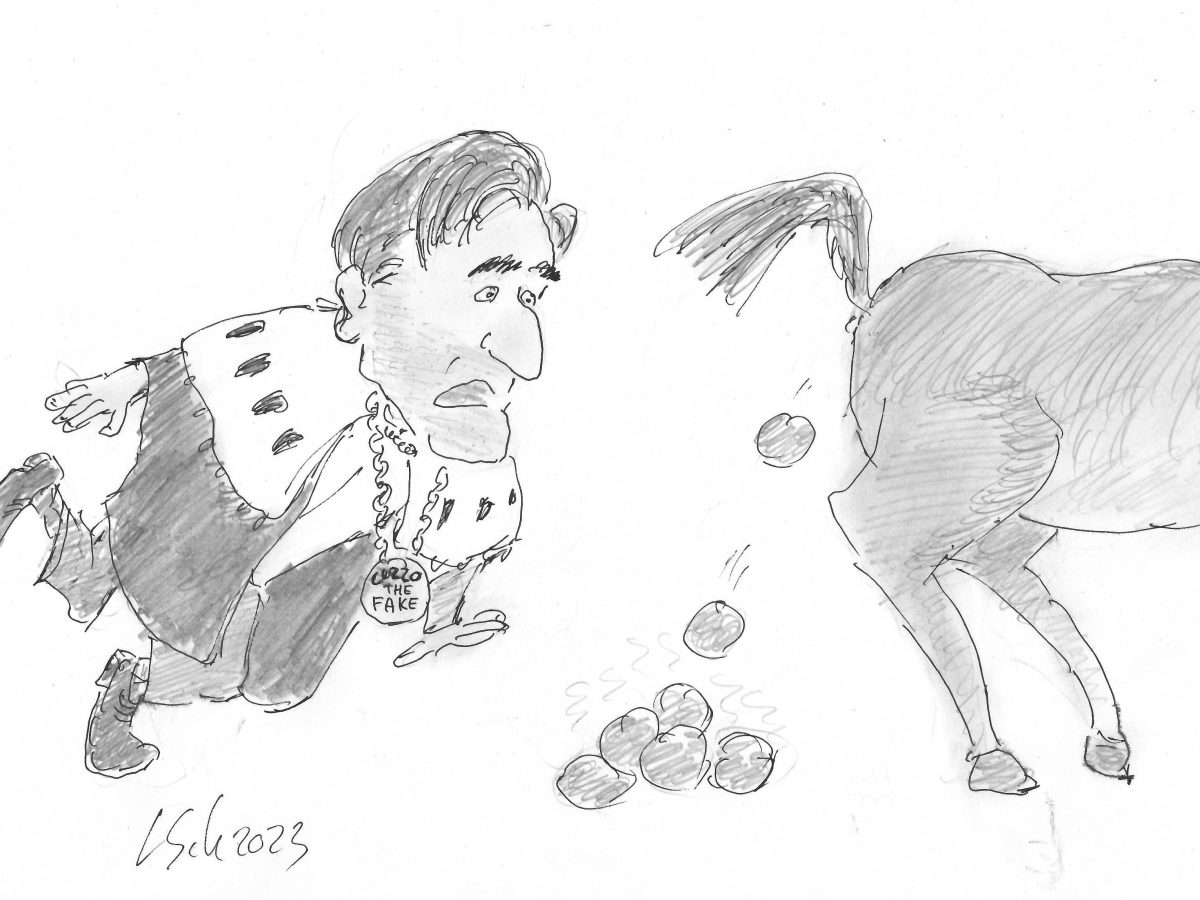
Cuzzocrea’s Magnificent Fall
“These unscrupulous charlatans in Messina should be fired on the spot tomorrow morning, forced to return twenty years of undeserved wages and sent to work the land” – Aneurus Inconstans

Cuzzo’s coauthors include his mentees Alessio Peritore, Daniela Impellizzeri and Rosanna Di Paola, whom he installed as professors in Messina.
Roberta Fusco , Enrico Gugliandolo, Rosalba Siracusa, Maria Scuto, Marika Cordaro, Ramona D’Amico, Maurizio Evangelista, Angelo Peli, Alessio Filippo Peritore, Daniela Impellizzeri, Rosalia Crupi , Salvatore Cuzzocrea, Rosanna Di Paola Formyl Peptide Receptor 1 Signaling in Acute Inflammation and Neural Differentiation Induced by Traumatic Brain Injury Biology (2020)
doi: 10.3390/biology9090238


Also this was retracted on 24 November 2025:
“Following publication, concerns were brought to the attention of the Editorial Office regarding the integrity of the images presented in this publication [1].
Adhering to our complaints procedure, an investigation was conducted by the Editorial Office and Editorial Board that confirmed an overlap between Figures 2B and 2C, and between Figures 6A and 6B, representing different experimental groups published in [1]. Additional concerns related to inconsistencies between the reported sample size and the sample size included in the original data were identified by the Editorial Board. While the authors fully cooperated during the investigation, the concerns raised could not be adequately resolved. Consequently, the Editorial Board has lost confidence in the rigor of the manuscript and decided to retract this publication […]
The authors did not agree to this retraction.”
Good to know Cuzzo is fighting with all he has to save each of his papers, and yet keeps falling on his face.
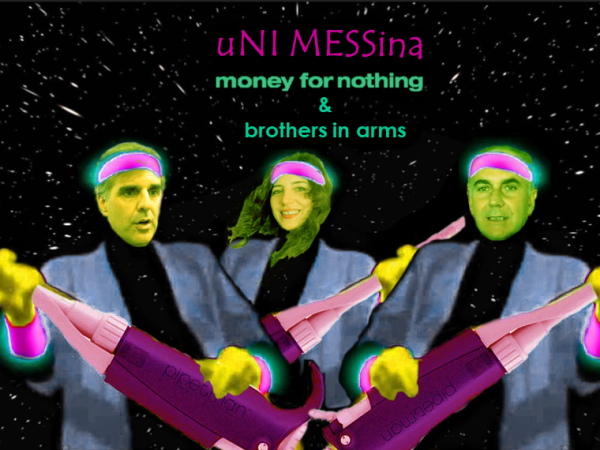
Uni Messina, money for nothing & brothers in arms
“The University of Messina was, in short, a good business that appealed to many, including organized crime on both sides of the Strait of Messina.” – Aneurus Inconstans
In this regard, hot news from Italian media explaining why Cuzzo is out of friends. DagoSpia reported on 25 November 2025 (Google translated):
“Assets worth around 2.5 million euros were seized from the former rector of Messina, Salvatore Cuzzocrea, under investigation for “multiple crimes of embezzlement”. […]
Investigations by the PEF unit of the Fiamme Gialle revealed “a sophisticated mechanism” through which the former rector, “in his capacity as public official and scientific manager of numerous research projects entrusted to the ChiBioFaram department of the university”, would have “appropriated large sums of money, using, for the purposes of reimbursement of expenses, accounting documentation that was artificial, inflated or not inherent to the same scientific research projects, formally conducted in the four-year period 2019-2023”. […]
Cuzzocrea, together with the former general director of the university, Francesco Bonanno, and four entrepreneurs is on trial in Messina for irregularities in the management of contracts, supplies and services for the Peloritano university. The six were sent to trial on March 24 for auction rigging and forgery committed by a public official. Two entrepreneurs have agreed to a 10-month sentence. The University of Messina is a civil party in the proceedings.”
Cuzzocrea was basically divering public research money to his own agricultural company and his horses. The investigations involves “judicial authorities of Switzerland, the United States and Great Britain.”
The authors did not agree
Another italian retraction in MDPI. The celebrity author here is Claudiu Supuran, Romanian-born chemistry professor at the University of Florence, who featured in this article because he occasionally works with Egyptian papermillers:

Top Italian Scientists
“You may think this is just a silly prank with zero impact on whatsoever, but no. […] this initiative is useful for something. It provides solid numbers for quantifying the extent of scientific misconduct in Italy and beyond” – Aneurus Inconstans
No Egyptians here, quality artwork Made in Italy, and it is clear that the responsibility lies with Supuran’s collaborators in Naples:
Annachiara Sarnella , Giuliana D’Avino , Billy Samuel Hill , Vincenzo Alterio , Jean-Yves Winum, Claudiu T. Supuran, Giuseppina De Simone , Antonella Zannetti A Novel Inhibitor of Carbonic Anhydrases Prevents Hypoxia-Induced TNBC Cell Plasticity International Journal of Molecular Sciences (2020) doi: 10.3390/ijms21218405

Billy Hill , Annachiara Sarnella , Domenica Capasso , Daniela Comegna , Annarita Del Gatto , Matteo Gramanzini , Sandra Albanese , Michele Saviano , Laura Zaccaro , Antonella Zannetti Therapeutic Potential of a Novel αvβ3 Antagonist to Hamper the Aggressiveness of Mesenchymal Triple Negative Breast Cancer Sub-Type Cancers (2019) doi: 10.3390/cancers11020139
The 2019 paper is also in MDPI and has largely same last and first author: Antonella Zannetti , group leader at CNR Istituto di Biostrutture e Bioimmagini in naples, and her former PhD student Billy Hill.
The retraction from 25 November 2025 went:
“Following publication, concerns were brought to the attention of the Editorial Office regarding the integrity of a number of images presented in this publication [1].
Adhering to our standard procedure, an investigation was conducted by the Editorial Office and Editorial Board that confirmed partial duplication in Figure 7 as well as partial duplication between Figure 6 presented in this article [1] and an earlier publication [2], representing different experimental conditions. Consequently, the Editorial Board has lost confidence in the reliability of the findings and has decided to retract this publication […]
The authors did not agree to this retraction.”
But here is Supuran with Zanetti and her PhD student Annachiara Sarnella again, in fact also in MDPI:
Annachiara Sarnella , Ylenia Ferrara , Sandra Albanese , Daniela Omodei , Laura Cerchia , Giuseppina De Simone , Claudiu T. Supuran, Antonella Zannetti Inhibition of Bone Marrow-Mesenchymal Stem Cell-Induced Carbonic Anhydrase IX Potentiates Chemotherapy Efficacy in Triple-Negative Breast Cancer Cells Cells (2023) doi: 10.3390/cells12020298

But not retracted, because you know, retraction quota and lottery. This, by Supuran, Zannetti and Sarnella, is Springer Nature’s BioMedCentral:
Annachiara Sarnella , Ylenia Ferrara , Luigi Auletta , Sandra Albanese , Laura Cerchia , Vincenzo Alterio , Giuseppina De Simone , Claudiu T Supuran, Antonella Zannetti Inhibition of carbonic anhydrases IX/XII by SLC-0111 boosts cisplatin effects in hampering head and neck squamous carcinoma cell growth and invasion Journal of Experimental & Clinical Cancer Research (2022) doi: 10.1186/s13046-022-02345-x

Indigofera tanganyikensis: “In Figure 7, two images has been duplicated, modified and presented with different experimental conditions.”
By the way, here is another Supuran retraction from earlier this year, again about inhibition of carbonic anhydrases, this time with collaborators from University of Florida in USA, led by professor Susan Frost:
Mam Y. Mboge , Zhijuan Chen , Alyssa Wolff , John V. Mathias , Chingkuang Tu , Kevin D. Brown, Murat Bozdag , Fabrizio Carta, Claudiu T. Supuran, Robert McKenna, Susan C. Frost Selective inhibition of carbonic anhydrase IX over carbonic anhydrase XII in breast cancer cells using benzene sulfonamides: Disconnect between activity and growth inhibition PLOS One (2018) doi: 10.1371/journal.pone.0207417


Chen et al PLOS One 2018;
Zhijuan Chen , Lingbao Ai , Mam Y. Mboge , Robert McKenna , Christopher J. Frost , Coy D. Heldermon , Susan C. Frost UFH-001 cells: A novel triple negative, CAIX-positive, human breast cancer model system Cancer Biology & Therapy (2018) doi: 10.1080/15384047.2018.1449612


Zhijuan Chen , Lingbao Ai , Mam Y. Mboge , Chingkuang Tu , Robert McKenna, Kevin D. Brown, Coy D. Heldermon, Susan C. Frost Differential expression and function of CAIX and CAXII in breast cancer: A comparison between tumorgraft models and cells PLOS One (2018) doi: 10.1371/journal.pone.0199476
The Chen et al CBT paper was left untouched by Taylor & Francis, while Chen et al PLOS One 2018 paper received an enormous Expression of Concern on 3 July 2025, where the raw data was declared as unavailable. The Mboge et al PLOS One 2018 paper was retracted on 18 June 2025:
“After this article [1] was published, concerns were raised regarding results presented in Figs 2, 9, S4 and S7. Specifically:
- When levels are adjusted to visualize background, there appear to be regions around the bands in lanes 2–3 in the CA IX panel in Fig 2A that do not appear to match the overall background of the panel.
- The CA IX and CA II panels in Fig 2B appear similar to each other but the CA IX panel appears to have a region around the band in lane 2 that does not appear to match the overall background of the panel.
- Lanes 3 and 4 in the CA XII panel in Fig 2B appear similar to lanes 1 and 2 in the T47D CAXII panel in Fig 4A in [2].
- The following panels appear similar:
- Fig 9A Migration NC in [1], Fig 9A Migration 10 μM U-CH3 in [1], Fig 6A Migration EV in [3] and Fig 6B UFH-001 in [4].
- Fig 9A Invasion 100 μM U-CH3 in [1] and Fig 6A Invasion EV in [3].
- Fig 9A Invasion 10 μM U-F in [1] and Fig 6A Invasion CA IX KD in [3].
- Fig 9A Migration 100 μM U-NO2 in [1] and Fig 6A Migration CA IX KD in [3].
- Fig 9A Invasion NC in [1] and Fig 6C UFH-001 in [4].
- S4 Figs A and B in [1] appear similar to the western blot inserts in Figs 4A and C in [3].
- The S7 Fig A CA XII, S7 Fig B CA IX and S7 Fig B CA II panels appear similar.
- There appears to be a vertical discontinuity between lanes 4 and 5 in the GAPDH panel in S7 Fig B.
Regarding the western blot concerns in S4 Fig, the corresponding author stated that the western blots in Figs 4A and C in [2] were intentionally reused in S4 Figs A and B in [1]. For the plate image concerns in Fig 9A, the corresponding author stated that the images in Fig 9A in [1] are correct, with the exception of the 10 μM U-CH3 panel which is incorrect and was duplicated from the control in Fig 9A in [1], and for which a replacement panel from the original experiments was provided. The corresponding author stated that the images in Fig 6A in [2] are incorrect. The author comments on the remainder of the concerns did not resolve the concerns. The corresponding author stated that with the exception of Figs 9B and C and the microarray data, the underlying data for this article [1] are no longer available.
In light of the nature and extent of the above concerns that question the integrity and reliability of the published results, and that cannot be resolved in the absence of the relevant underlying data, the PLOS One Editors retract this article.
FC and CTS did not agree with the retraction. […]
In June 2025, Frost went to lament about this unfair retraction on PubPeer, arguing that she retured 5 years ago, submitted “an apology for the errors“, accused the journal of forging her figures, and anyway, nobody really needs raw data if instead “quantitation data is likely available“.
One or two authors in common
Not in MDPI – a bystander retraction, it seems at first glance. Chinese authors lose a paper because it shared data with another fabrication featuring Gareth Williams, a professor at UCL in London, UK.
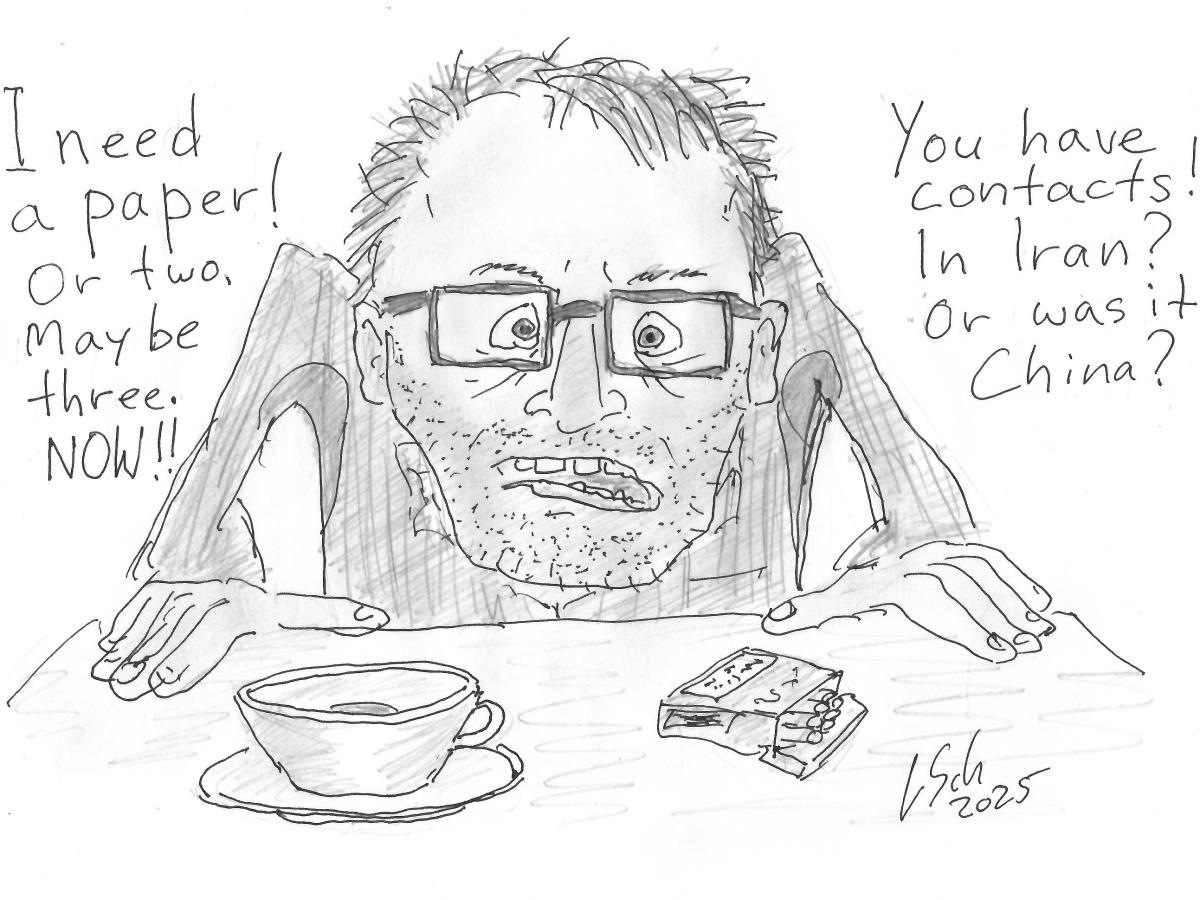
Shocked, angered and appalled
“I have been following the comments on PubPeer, and have been shocked, angered and appalled by the issues […] there can be no explanation for this other than systemic fraud “- Prof Gareth Williams, UCL

Data from this 2017 paper by Williams and his Chinese associate, Li-Min Zhu, was reused in the now retracted 2020 study:
Jun-Zi Wu , Gareth R Williams, He-Yu Li , Dongxiu Wang , Huanling Wu , Shu-De Li, Li-Min Zhu Glucose- and temperature-sensitive nanoparticles for insulin delivery International Journal of Nanomedicine (2017) doi: 10.2147/ijn.s132984


This Dove Press paper is unaffected by any editorial action, but here is an IOP paper which got retracted:
Yunhua Zhong , Bo Song , Dan He , Zemei Xia , Peng Wang , Junzi Wu , Yan Li Galactose-based Polymer-containing Phenylboronic Acid as Carriers for Insulin Delivery Nanotechnology (2020) doi: 10.1088/1361-6528/ab9e26

These were the other two papers sharing the pictures:
- Jun-Zi Wu , Yuqing Yang , Shude Li , Anhua Shi , Bo Song , Shiwei Niu , WenHui Chen, Zheng Yao Glucose-Sensitive Nanoparticles Based On Poly(3-Acrylamidophenylboronic Acid-Block-N-Vinylcaprolactam) For Insulin Delivery International Journal of Nanomedicine (2019) doi: 10.2147/ijn.s220936
- Jun-zi Wu , David H. Bremner , He-yu Li , Shi-Wei Niu , Shu-De Li , Li-Min Zhu Phenylboronic acid-diol crosslinked 6-O-vinylazeloyl-d-galactose nanocarriers for insulin delivery Materials science & engineering. C (2017) doi: 10.1016/j.msec.2017.03.139

Archasia belfragei: “Figure 10 contains two overlapping panels” (wu et al 2017)
David Bremner is a retired professor at Abertay University Dundee in Scotland, and a regular coauthor of Williams. He just had another retraction, see below.
For Zhong et al 2020, the publisher IOP even posted on PubPeer the retraction notice from 10 November 2025:
“This article has been retracted by IOP Publishing following an allegation that two sub figures in the work overlap with several previous publications authored by different individuals but share either one [1] or two [2] authors in common. Further, that alterations were made to a figure that were not disclosed.
IOP Publishing has investigated in line with the COPE guidelines, and agree that the image in figure 6 labeled as ‘group E Lungs’ is a duplicate with figure 7 of an earlier work by the author group [2] labelled as ‘group D3’. One image within in figure 6 also labelled as group ‘B Lungs’ is a duplicate with figure 5 of another earlier work by the author group [1] labeled as ‘group 40 mg−1 kg d−1 Lung’.
Further, the journal has detected duplication within both A and B of figure 3. The nanoparticles have been duplicated and transposed to other sections of the same subfigure. This affects the claims made about dispersion quality and therefore impacts the accuracy of the morphological analysis.
The evidence gathered by IOP Publishing to date considerably reduces confidence in the work, to the extent that IOP Publishing has made the decision to retract the work.
IOP Publishing wishes to credit the anonymous whistleblower for bringing the issue to our attention.
The authors agree to this retraction.
The referenced papers are (2) Wu et al Int J Nanomed 2017, and this was reference (1), again with Williams:
Jun-Zi Wu , Gareth R. Williams, He-Yu Li , Dong-Xiu Wang , Shu-De Li, Li-Min Zhu Insulin-loaded PLGA microspheres for glucose-responsive release Drug Delivery (2017) doi: 10.1080/10717544.2017.1381200


A closer look reveals a common author on all five studies: some Jun-zi Wu, or Junzi Wu, professor at Yunnan University of Chinese Medicine. He is a regular coauthor of Williams’s and LM Zhu’s, and has more fake papers on PubPeer, including fabricated clinical trials.
And here is the promised retraction for Bremner, with LM Zhu. Their paper even shared data with an earlier study from a totally unrelated Chinese group of authors:
Jianrong Wu , Shiwei Niu , David H. Bremner , Wei Nie , Zi Fu , Dejian Li, Li‐Min Zhu A Tumor Microenvironment‐Responsive Biodegradable Mesoporous Nanosystem for Anti‐Inflammation and Cancer Theranostics Advanced Healthcare Materials (2020) doi: 10.1002/adhm.201901307


Fig 4 vs Fig 5 of
Dewang Zeng , Lei Wang , Lu Tian , Shili Zhao , Xianfeng Zhang , Hongyan Li Synergistic photothermal/photodynamic suppression of prostatic carcinoma by targeted biodegradable MnO nanosheets Drug Delivery (2019) doi: 10.1080/10717544.2019.1631409
In July 2025, the first author Jianrong Wu announced on PubPeer to have “discovered that an oversight during data compilation” and promised to “submit a corrigendum to the journal as soon as possible.” Instead, a retraction appeared on 23 November 2025:
“A third party reported that Figure 3G contained overlapping images between the Control and HMONs samples and that the HBIP (L+) flow cytometry plot in Figure 4F had been duplicated from a previous article by different authors [Zeng et al. 2019 (https://doi.org/10.1080/10717544.2019.1631409)]. These concerns were confirmed by the publisher. Additionally, further investigation by the publisher found an image overlap between the PTT and HBIP (L+) images in Supplemental Figure S17.
The authors responded to an inquiry by the publisher and provided original data. A review of the data provided by the authors found additional instances of image overlap between different samples, similar to those identified in Figure 3G. These errors confound the reliability of the original data provided by the authors.
The retraction has been agreed to because the evidence of image manipulation fundamentally compromises the editors’ confidence in the conclusions presented in the article. The authors did not respond to our notice regarding the retraction.”
Science Breakthroughs
We can stop tumors in their tracks
Trump keeps “ending wars” and still he gets no Nobel Prize, and another American genius, Chad Mirkin, keeps curing cancer with nanoparticles, and still no Nobel Prize either. Like Trump, Mirkin is instead beset by envious haters, in Mirkin’s case it’s his French colleague Raphael Levy, whom the Northwestern University professor described as “scientific terrorist”, and announced to sue (but never did, despite the RW “Exclusive“). Read about Mikrin’s past successes in curing cancer here:
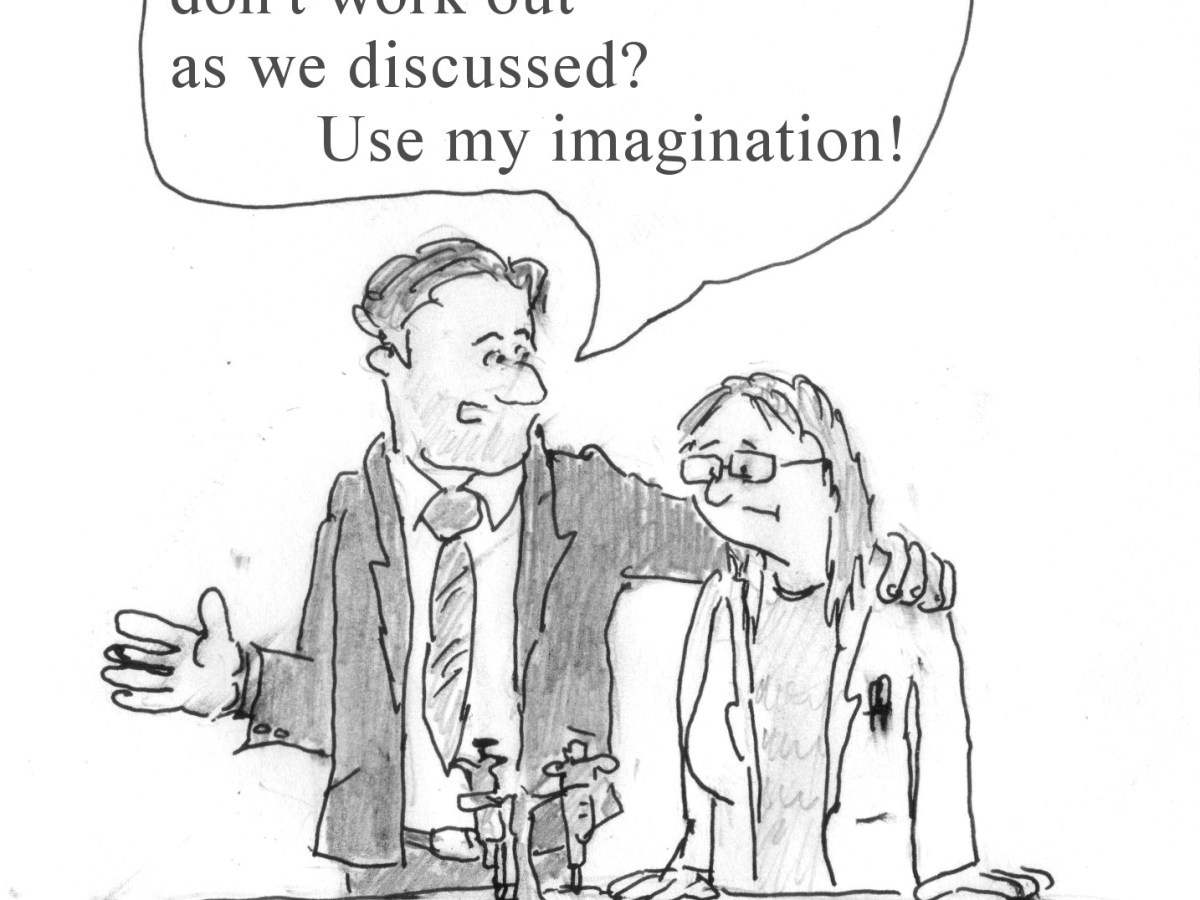
Do nanoparticles deliver? Merck’s Smart Flares and other controversies
Two somewhat controversial approaches to nanoparticle delivery: the striped nanoparticles by Francesco Stellacci, and the spherical nucleic acids by Chad Mirkin.
Just now, Mirkin cured first leukaemia, and then glioblastoma. Here a press release by his university from 29 October 2025:
“The scientists built a new form of the drug using spherical nucleic acids (SNAs), a type of nanostructure that embeds the drug directly into DNA strands coating tiny spheres. This re-engineering turned a weak, poorly dissolving chemotherapy drug into a highly targeted cancer-fighting agent that spares healthy tissue. […]
The new therapy was tested in animals with acute myeloid leukemia (AML), a fast-growing and hard-to-treat blood cancer. Compared with the standard chemotherapy version, the SNA-based drug entered leukemia cells 12.5 times more efficiently, destroyed them up to 20,000 times more effectively, and slowed cancer progression 59-fold — all without detectable side effects. […]
“In animal models, we demonstrated that we can stop tumors in their tracks,” said Northwestern’s Chad A. Mirkin, who led the research. “If this translates to human patients, it’s a really exciting advance. It would mean more effective chemotherapy, better response rates, and fewer side effects.”
The paper was published in a highly reputable medical journal specialising in clinical oncology, ACS Nano. Presumably to prevent any actual experts in oncology or biomedicine from laughing it out, thus rest assured the peer review was done by fellow polymer chemists loyal to Mirkin.
Taokun Luo , Young Jun Kim , Zhenyu Han , Jeongmin Hwang , Sneha Kumari , Vinzenz Mayer , Alex Cushing, Roger A. Romero , Chad A. Mirkin Chemotherapeutic Spherical Nucleic Acids ACS Nano (2025) doi: 10.1021/acsnano.5c16609

Looking at the TGI data reported in Supplemental Table S4, it seems to show TGI values of 0.975 for SNA and 0.165 for 5-Fu. If I understand correctly, this would be a ratio of 5.9, not 59.”
The biotech Flashpoint Therapeutics, of which our hero is co-founder and whose “proprietary discovery platform is founded on nanotechnology research developed over the past decade at the laboratory of Dr. Chad Mirkin“, immediately issued press releases. Thus, leukaemia is now basically history.
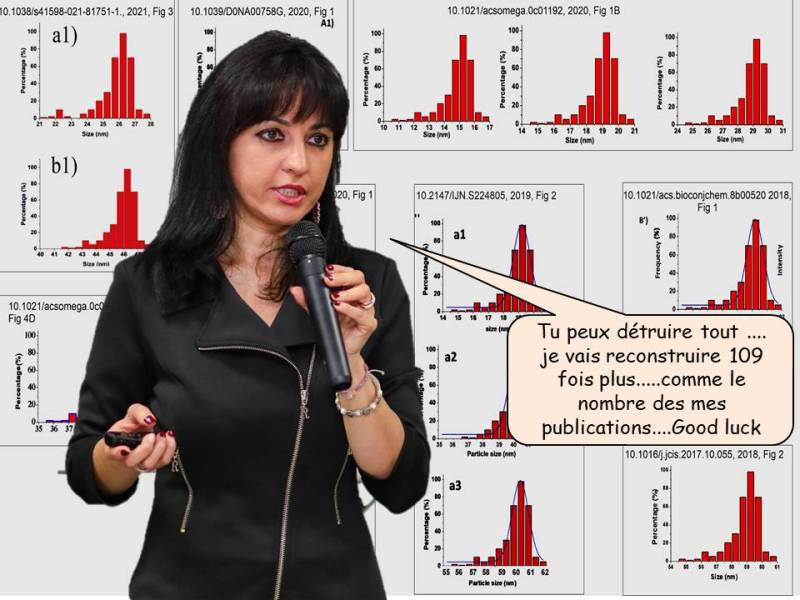
Good luck, Jolanda Spadavecchia!
CNRS research director Jolanda Spadavecchia was sanctioned with two years suspension for “serious and repeated breaches of her duty of scientific integrity”, 19 retractions were requested.
Next, Mirkin cured glioblastoma. Here the university press release from 22 November 2025:
“Researchers at Washington University School of Medicine in St. Louis, working with scientists at Northwestern University, have created a noninvasive strategy to treat one of the most aggressive and deadly forms of brain cancer. […]
Together, the teams designed a specialized version of spherical nucleic acids featuring gold nanoparticle cores and short DNA fragments that activate the STING pathway in targeted immune cells. To move these compounds into the brain, the researchers used the nasal passages as the entry point. […]
When the nanotherapy was paired with medicines that help activate T lymphocytes, another key type of immune cell, the two-dose treatment eliminated tumors in mice and produced long-lasting immunity that prevented the cancer from returning.”
This is the other paper, published in PNAS:
Akanksha S. Mahajan , Corey Dussold , Seunghyun Kim , Rachel Jarvis , Lisa A. Hurley , Serena Tommasini-Ghelfi , Jungsoo Park , Connor M. Forsyth , Bin Zhang , Jason Miska , Amy B. Heimberger , Chad A. Mirkin , Alexander H. Stegh cGAS-agonistic spherical nucleic acids reprogram the glioblastoma immune microenvironment and promote antitumor immunity Proceedings of the National Academy of Sciences (2025) doi: 10.1073/pnas.2409557122
“Alexander Stegh is a shareholder of Exicure Inc., which develops SNA therapeutic platforms. Mirkin is a shareholder in Flashpoint, which develops SNA-based therapeutics. Stegh and Mirkin are co-inventors on patent US20150031745A1, which describes SNA nanoconjugates to cross the blood-brain barrier.”
Actually, Mirkin is not a mere shareholder, he is co-founder not only of Flashpoint, but also of Exicure. Anyway, glioblastoma is now history, too.
Where’s that Nobel Prize for Mirkin???
Donate!
If you are interested to support my work, you can leave here a small tip of $5. Or several of small tips, just increase the amount as you like (2x=€10; 5x=€25). Your generous patronage of my journalism will be most appreciated!
€5.00

 For Better Science
‘German researchers were ordered to cease all collaborations with russian institutions’
As with all sanctions on Russia related to the war in Ukraine, there is no strict or absolute cut-off.
If you are funded by German agencies (DFG, DAAD, or through German universities), bilateral collaborations with Russian state institutions or universities are effectively suspended.
Private collaborations (e.g. individual research contacts, informal publication cooperation) may still be possible depending on institutional and funding conditions.
Large international / multilateral projects with participants from many countries may in some cases continue, depending on the facility and international agreements.
New joint projects with Russian institutions are generally not allowed under the suspens.
LikeLike
A week without Gliwice (10.1016/j.apt.2023.104306) or Gdansk Polytechnic (invisible correction) flagged on FBS is a week lost 😦
LikeLike
Grzegorz Boczkaj and Teofil Jesionowski just got grants awarded (OPUS Call 29, panel ST8):
https://www.ncn.gov.pl/konkursy/wyniki/2025-11-28-opus-preludium
Ethics-schmetics
LikeLike
Gliwice Polytechnic scores a retraction:
https://pubmed.ncbi.nlm.nih.gov/39550505/
LikeLiked by 1 person
Speaking of which, I found this paper in Sci. Rep. with an author affiliated in Gliwice:
https://www.nature.com/articles/s41598-024-69969-1
Figs. 7 through 10 contain images of vials which look strange. I would say they’re AI-generated: the lighting and shadows seems inconsistent, in some vials the meniscus is tilted, vials have different aspect ratios. Could someone have a look and tell me if that’s real or I just started seeing GenAI everywhere? 😀
(for some reason my brain & eyes hurt when I look on Fig. 7b :D)
LikeLike
‘Which supports my pet theory that publishers have a set quota for retractions, which is based on commercial (making money with papermills) versus reputational (avoid shame and blacklisting) considerations. ‘
In any commercial enterprise, the fundamental task is to locate the sweet spot where profits are maximized and losses or risks remain at an acceptable level. This balancing act involves continuously weighing potential revenue against various “expenses”. Not only direct financial costs, but also reputational damage, legal exposure, operational strain, and customer trust. Companies rarely aim for zero risk or zero loss; instead, they try to identify the equilibrium point where the marginal gain from additional revenue still outweighs the marginal cost of increased risk.
For industries built on credibility, such as academic publishing, this dynamic can be especially delicate. On one hand, publishing more content (even of questionable quality) can drive revenue through volume, subscriptions, or APCs. On the other hand, an excess of low-quality or fraudulent material threatens the brand’s trustworthiness, which ultimately jeopardizes long-term profitability. Thus, these enterprises tend to operate within a zone of “acceptable damage”: they tolerate a certain level of problematic content, but intervene when the reputational or regulatory costs exceed what their model can absorb.
LikeLiked by 1 person
So we agree the publishers have a quota of how many papers to retract.
But how do they pick the candidates? The Atta case suggests a random approach, a lottery?
LikeLike
There’s certainly an urgent need for a COPE guideline on the methodology of random selection of scapegoats.
LikeLiked by 1 person
From a finacial point of view it roughly works like this:
High visibility (Social media scrutiny, Coverage in news outlets or blogs), Criticism from other researchers. accelerates journal action because reputational damage is no longer theoretical. It affects the perception of current and potential authors, readers, and institutional subscribers.
Institutions (managing their own reputational risk) can escalate the urgency, making inaction a larger liability for the journal.
Journals usually monitor metrics like impact factor and indexing in databases.
Publications later revealed as fraudulent can reduce citations, harm the journal’s standing in indexing services, or even risk removal from key databases.
Keeping ‘metrics in range’ is one financial/reputational incentive to act before metrics are significantly affected.
Action is usually taken once the expected reputational damage exceeds the perceived cost of retraction or correction. Journals prefer to maintain the illusion of rigorous peer review while minimizing costly interventions, which is why some low-profile misconduct can linger unaddressed until it becomes high-risk.
‘The Atta case suggests a random approach, a lottery?’
Perhaps. Still, it may be prudent to ‘punish’ customers from whom little additional revenue is expected, or whose associated risks outweigh the potential gains.”
LikeLike
I edited this text a bit and added some extra:
”Publications later revealed as fraudulent can reduce (people’s quality of life) citations, harm (human health) the journal’s standing in indexing services, or even risk removal (people) from (this earth) key databases (by damaging their health).Keeping ‘metrics (accuracy of papers that have translational relevance)’ in range’ is one financial/reputational (humanistic) incentive to act before (health and well being of humans) metrics are significantly affected.”
Do any of the people working for these publishers ever realize (and remind his/her colleagues) that one of those papers that loses the ‘lottery’ may be setting the stage for the FDA approval of a useless (or harmful) drug that they may be prescribed to take one day ? Or a clinical trial that they may be advised to participate ? Do they ever realize why they are working there ? What the purpose for their job and existence in this world is ? Nudges may help here but from a financial perspective, spending another €2.5 million to come up with such brilliant solutions may be costly for commercial enterprises, so I’m thinking maybe BEYOND, a new piece of art and literature from EU Commission can be freely adapted.
LikeLike
I guess you refer to this:
LikeLike
@ar-nipFirst off, I agree. The real cost of ‘inaction’ is not paid by the journals that do not retract fraudulent papers.
Your ‘extras’ are, of course, already priced in.So far, I haven’t seen a journal taken to court for failing to retract fraudulent papers that led to harm.They are way too far removed from the ‘end results’. So there’s no business-relevant incentive to change ‘the formula’.
See, for example the pharma industry’s price finding process. They price in known risks primarily through portfolio-level risk-adjusted financial models, liability reserves, reduced market assumptions, and value-based pricing strategies. They don’t set a price because a specific side effect costs $X—they adjust overall pricing expectations because risk reduces probability of success and increases expected liabilities.
Simplified, entertaining and excellent for illustration:https://www.youtube.com/watch?v=SiB8GVMNJkE
Narrator: A new car built by my company leaves somewhere traveling at 60 mph. The rear differential locks up. The car crashes and burns with everyone trapped inside. Now, should we initiate a recall? Take the number of vehicles in the field, A, multiply by the probable rate of failure, B, multiply by the average out-of-court settlement, C. A times B times C equals X. If X is less than the cost of a recall, we don’t do one.
Woman on Plane: Are there a lot of these kinds of accidents?
Narrator: You wouldn’t believe.
Woman on Plane: Which car company do you work for?
Narrator: A major one.
Of course this is from a ‘fiction’ movie/book. Such things do not happen in reality!:
Ford’s decision not to fix the Pinto before its release led to 27 deaths (this is Ford’s confirmed count — critics estimate the number is much higher). People who survived fires caused by the Pinto’s faulty design suffered serious burn injuries. In 1977, a California jury awarded 13-year-old Richard Grimshaw $125 million in damages after he suffered disfiguring burns while riding as a passenger in a Ford Pinto (the judge reduced this to $3.5 million). The 1972 Ford Pinto Grimshaw was riding in burst into flames during a minor collision.
Testimony given by Ford engineers admitted that 95 percent of the deaths could have been avoided if the Pinto’s design had been fixed before being released.
It would be naïve to think that any industry has improved for its customers since the seventies.
LikeLike
@Leonid, yes that was exactly what I was referring to. The budget allocated to design that meaningful logo, which speaks volumes was probably more than my entire education cost. That was the art part. When it comes to literature, after you shared the good news with us on Bluesky, I got very excited and read the entire body of literature word by word to find the million dollar idea that no-one could ever think of before. Aaaand there it was, ‘the nudge’ ! Of course, it’s difficult to teach some 50-60 year olds the values that they were supposed to learn in kindergarden and elementary school. So they are trying to compensate with creating gente nudges for adults. Another paragraph asking for our patience and understanding during this process, would be helpful.
@Jones, I do agree with what you wrote and it’s a well-put-together summary. This is exactly how a commercial enterprise works and some of them also do a lot of good service thanks to these strategies (in addition to the harm). It would still be reasonable to expect that human civilizations have gained greater wisdom (some industries have improved for its customers) since the seventies. Looking at how publishers operate, I’m afraid it is going to the other direction. But who knows maybe BEYOND prevents and addresses the issues and FBS turns into a travel blog.
LikeLike
It was certainly not the first EU funded program to end research fraud.
I remember Printeger, and they spent €2 million on reading a book by Ian McEwan.
Seriously.
https://cordis.europa.eu/project/id/665926/reporting
Click to access Zwart-EP.pdf
LikeLike
Aaargh, I am too late for this discussion, you all have already nailed it down.
In summary, academic publishing has become a business enterprise and therefore the profit is its prophet Rejections, retractions, acceptions, all these depend on the profit and obviously its main driving index is the IF. Papermillers publish a lot, get lots of citations, so they get the lion’s share in the publishing. And this is the way IF goes up, if you cannot contribute to the IF growth, you’re out. If you can, you’re in and we will be fighting for your papermill rights. 😀
LikeLiked by 1 person
Some context on why academic publishing is such a remarkable business:
The global academic-publishing industry generates roughly between 20 and 35 billion USD per year, depending on whether one counts only scholarly journals or includes books, databases, and broader STM (scientific-technical-medical) publishing. A widely cited estimate places the core scholarly-journals market at about 19 billion USD annually, while market-research reports for the broader STM sector put the figure closer to 32 billion USD in 2024. The industry is dominated by a handful of large commercial publishers, whose financial performance illustrates the sector’s exceptionally high profitability. Elsevier, the largest single player, brings in around 3.5–3.9 billion USD in yearly STM revenues and earns roughly 1.3–1.4 billion USD in operating profit, corresponding to margins that often exceed 35 percent. Springer Nature’s total revenue is estimated at 1.9 billion EUR, and other major publishers such as Wiley, Taylor & Francis, and SAGE contribute to a combined top-five revenue exceeding 7 billion USD annually. Industry-wide, analysts frequently estimate total profit at roughly 6 billion USD per year, which is remarkable for a sector whose content is mostly produced, peer-reviewed, and edited by researchers who are not paid by the publishers.
Those margins aren’t the result of pristine integrity or unwavering moral principles.
LikeLike
Very good to know that. And a significant portion of these revenues comes from the public funding by paying for institutional access and article processing charges via grants.
LikeLike
”So far, I haven’t seen a journal taken to court for failing to retract fraudulent papers that led to harm.”
There is a recent one indeed, Elsevier was taken to court for”knowing publication, distribution, and continued sale of a false and deceptive medical article that has misled physicians, consumers…” CASE No. 2025-CAB-005368
https://www.statnews.com/pharmalot/2025/08/25/antidepressant-paxil-gsk-medical-journal-children-adolescents-depression-ghostwriting-retraction/
https://www.bmj.com/content/bmj/391/bmj.r2279.full.pdf
”A retraction 10 or 20 years ago, he said, “could have saved lives.” Paroxetine has been a heavily prescribed selective serotonin reuptake inhibitor (SSRI) for children and adolescents despite no major regulator ever approving its use in that population.”
There are several other ‘not retracted’ basic science papers that set the stage for clinical trials that was not supposed to happen in the first place, and some even magically worked and entered the market. One of the reasons we don’t see these types of cases very often is because, patients, lawyers and even majority of the clinicians and researchers, and the sleuths often don’t trace the drug to the basic science paper (the paper that noone reads anyways – as many perceive it).
LikeLike
@jones It is so mean of you to single out Ford. What about https://en.wikipedia.org/wiki/General_Motors_ignition_switch_recalls? And your “Woman on Plane: Are there a lot of these kinds of accidents?“: what about https://en.wikipedia.org/wiki/Boeing_737_MAX_groundings?
LikeLike
You’re right, Marten. That was negligent on my part.
Other cases where known defects were ignored or minimized. Economic decisions placed above safety. Inadequate testing or failure to redesign. Public deception or delayed response.
Severe injuries and sometimes fatalities.
The cases listed are presented in no particular order and were selected based on personal judgment and bias. This list is not exhaustive, and no claim is made that it represents a complete or definitive compilation of all relevant cases.
General Motors, Standard Oil, and DuPont: Internal research that showed that Tetraethyl lead exposure caused serious health effects. In the 1920s and 1930s, company doctors documented neurological symptoms, including seizures, hallucinations, and chronic lead poisoning. Companies deliberately downplayed risks to the public and created safety programs that were often superficial or aimed at protecting corporate image, not workers.
Memo evidence shows executives were aware TEL was dangerous but prioritized profit and market control over safety.
Companies funded selective research and lobbied the U.S. Public Health Service to minimize warnings about lead in gasoline.
Public reassurances were issued that TEL in low concentrations was “safe,” despite evidence to the contrary.
DuPont’s multi-decade cover-up of the severe harms to health associated with a chemical known as PFOA, or C8, and associated compounds such as PFOS and GenX
Undue influence of agrochemical companies on the U.S. Environmental Protection Agency with grave consequences for public health. EPA unable or unwilling to carry out its most basic mandate by relying on industry studies and data to approve pesticides despite evidence they were unsafe
Firestone Tire Failures (1990s–2000s): Major national recall and lawsuits. Defective tires on Ford Explorers experienced tread separation. Caused rollovers and many fatalities.
Toyota Sudden Acceleration (2009–2011): Some Toyota vehicles accelerated uncontrollably due to pedal/ECU issues. Led to large recalls and product liability suits.
Takata Airbag Defect: Airbags deployed explosively, sending metal shrapnel into occupants. Largest automotive recall in history.
The Chevrolet Corvair (“Unsafe at Any Speed,” 1960s): Rear-engine design caused handling instability. Ralph Nader exposed the safety issues; lawsuits followed.
Dalkon Shield IUD (1970s): Poorly tested contraceptive device led to infections, infertility, and deaths. One of the biggest mass-tort settlements in U.S. history.
Ford (Again!) Explorer/Firestone Rollover Cases (2000s): Overlap with Firestone tires but often treated as separate litigation. Ford’s design choices linked to higher rollover risk.
Therac-25 Radiation Machine (1980s): Software + hardware flaws overdosed patients with radiation. Several deaths and severe injuries. Serious example of ignoring known safety risks.
McDonald’s Hot Coffee Case (Liebeck v. McDonald’s, 1994): Not a defect per se, but corporate negligence. McDonald’s served coffee ~190°F causing third-degree burns. Jury awarded punitive damages after evidence McDonald’s ignored prior injuries.
… Tobacco litigation (largest settlement ever)… Asbestos cases (decades of litigation) … Purdue Pharma Opioid lawsuits (huge recent settlements) … Vioxx (Merck) pharmaceuticals case … Boeing 737 MAX crashes …
LikeLike
Only work of the highest quality is brought to public attention at For Better Science. In keeping with this tradition I would like to bring this brilliant, absolutely brilliant, EMBO J paper to public attention:
PubPeer – 5-Lipoxygenase regulates senescence-like growth arrest by pr…
The quality only improves with time.
The extraordinary findings of this paper could be used to ensure that Putin lives to 150, and President Xi for that matter. I cannot praise it enough. Real gems and pearls are just lying there.
LikeLike
BTW, it appears that Arabian Journal of Chemistry was moved from Elsevier to some “Scientific Scholar LLC.” based in a single family house in suburbs of Rochester, NY – https://arabjchem.org
Condolences to Elsevier for the loss of papermilling income… [*]
LikeLiked by 1 person
Cuzzocrea suffered his 22nd retraction, which it came at MDPI’s journal Biology. However, MDPI has recently accepted corrections to three Cuzzocrea’s very bad papers published in Antioxidants:
https://pubpeer.com/publications/678C8B57937933CDB1723055FF4937
https://pubpeer.com/publications/6F158C00F96687899E1DDF820ABE3F
https://pubpeer.com/publications/2CAD3F1A1AC1E6ED3BEB9EA4B7A036
So, the theory that publishers have a set quota for retractions is not only reasonable, but likely highly probable.
LikeLike
“Sanjeev Gupta of Albert Einstein College of Medicine in New York, who has almost 30 bad papers on PubPeer, and whose research integrity officer assured Retraction Watch that “Our committee, after extensive review of primary data concluded that Dr. Gupta was not at fault but one of his lab staff had been sloppy in the preparation of gels“, Gupta’s former mentee Kang Cheng alone was responsible…”
This paper has Sanjeev Gupta as senior author, but Kang Cheng is nowhere in sight:
PubPeer – Isolated small intestinal segments support auxiliary livers…
First commented on in 2015, with illustrations of the problematic western blots, but in November 2025 more problematic data came to light. The Nature Family (Nature Medicine) seems perfectly happy with the data. The Albert Einstein College of Medicine should be very proud of itself!
The idea of small intestinal segments supporting auxiliary livers seems really cool, but may be in the realms of fiction.
LikeLike
Not only The idea of small intestinal segments supporting auxiliary livers may be in the realms of fiction, but also the idea of correction of Diabetes Mellitus by Transplanting Minimal Mass of Syngeneic Islets Into Vascularized Small Intestinal Segment may be in the realms of fiction. Nice idea, but shame about the data.
PubPeer – Correction of Diabetes Mellitus by Transplanting Minimal Mas…
LikeLike
Want to get your paper into Science before those guys you saw at a meeting/seminar or sent you their paper to review, but your own data are crap? Simply replace it with nice-looking fake stuff that will get you past the reviewers and into those hallowed pages. Has your ploy been found out by nasty post-publication snoops on PubPeer or FBS? Don’t worry, just whip up some vaguely convincing alternative data – or if you’re very lucky actual subsequent results that support your story – and slather it into a mega-correction alongside a tepid mea culpa and/or crucifixion of an expendable (preferably foreign) trainee. Just remember the SNEER principle – Science never ever retracts.
LikeLike
In this regard, today’s announcements by Pravin Singhal, after I notified his superiors:
“I will try insert errata in those papers at earliest possible date.”
After I pointed out that those Photoshop forgeries can’t be corrected:
” Let us see what experiments we can repeat to generate data for erratum.”
After I reminded him that in his own words he closed his lab and has no postdocs:
“I do not have lab but I will try to get some help from my co-authors.”
LikeLiked by 1 person
I am sure we all wish Prof. Singhal well. And we all know that what eventually crawls back into print will have little resemblance to what was sent out for review and accepted by a compliant editor. Reviewers are obliged to take the papers sent to them at face value as honest efforts by conscientious researchers. Editors are supposed to triage the crap, and screen it out at every subsequent step, including post-publication. According to the principles of peer review, mega-corrections are fraudulent revisions. It’s a good thing that reviewers can choose to remain anonymous.
LikeLiked by 1 person
Well well well, here is Fellah peer reviewing a paper by… Krolczyk, Krolczyk’s wife, MK Gupta etc:

https://pubpeer.com/publications/B23B7D3A9182DC56825D4EE77FDD57
We learn that Fellah uses the same stupid text on all of his peer review reports.
LikeLiked by 2 people
Science Breakthrough
Unexpected events and prosocial behavior: the Batman effect
https://www.nature.com/articles/s44184-025-00171-5
‘The study provides evidence that unexpected events, such as the presence of a person dressed as Batman, can significantly increase prosocial behavior in real-world settings. Specifically, we found that when Batman was present, passengers were more likely to offer their seat to a seemingly pregnant woman compared to the control condition.’
I, for one, would have given up my seat and slowly moved to the exit if some weirdo dressed as Batman stood next to me outside of Halloween. No prosocial behavior at all, just plain old self-preservation.
LikeLiked by 1 person
…”sleuth wrote to the editors of Journal of hepatology to report a clearly duplicated gel band”
Nice to see that the Journal of hepatology maintains and fosters such high editorial standards.
Journal of Hepatology
Frank Tacke
Co-Editor
Lovely Pubpeer record: PubPeer – Search publications and join the conversation.
LikeLike
Apparently someone doesn’t like Leo saying bad things about COPE.
https://blog.cabells.com/2025/11/19/could-we-cope-without-cope/
LikeLike
Yes, they call me a “Stakeholder”.
Not nice!
LikeLike
“Sanjeev Gupta of Albert Einstein College of Medicine in New York”
Data in the American Journal of Pathology (2011) look very like data in Gastroenterology (2009), yet the proteins/enzymes are different.
PubPeer – Perturbations in Ataxia Telangiectasia Mutant Signaling Path…
LikeLike
Nature Medicine is “aware” of the problematic data. I wonder if Nature Medicine will do anything. Nature Medicine papers come in very handy. They end credibility.
PubPeer – Isolated small intestinal segments support auxiliary livers…
LikeLike
Liver research at the Albert Einstein College of Medicine is somewhat lovely. A very pretty example here:
PubPeer – Amelioration of Hyperbilirubinemia in Gunn Rats after Transp…
LikeLike
Intestinal stem cells are certainly important. The Albert Einstein College of Medicine throws an interesting light on this topic in these two related papers. The full appreciate of these papers did take time to come to light.
The earlier paper, PLoS ONe. PubPeer – Protective role of R-spondin1, an intestinal stem cell growt…
The later paper, Oncoscience. PubPeer – Low intensity focused ultrasound (LOFU) modulates unfolded p…
Time travel, and the transmutation of proteins. What more could anybody ask for? Quite brilliant!
My bet is that PLoS One will slap the Albert Einstein College of Medicine, but that Oncoscience will think it is run-of-the-mill.
LikeLike
Never say that the Albert Einstein College of Medicine does not engender hand eye co-ordination.
PubPeer – CDK4/6 Inhibition Induces Senescence and Enhances Radiation…
LikeLike
“One manipulated figure by a post doc – Pravin Singhal, a victimised pensioner”
17 March 2026 retraction. https://www.tandfonline.com/doi/full/10.1080/0886022X.2026.2641849
We, the Editors and Publisher of Renal Failure, have retracted the following article:
Kumar, D., Luan, L., Pathak, S., Salhan, D., Magoon, S., & Singhal, P. C. (2010). Ang II enhances tubular cell Ets-1 expression and associated down stream signaling is mediated through AT1 receptors. Renal Failure, 32(8), 986–991. https://doi.org/10.3109/0886022X.2010.501936
Since publication, concerns were identified by a third-party regarding the integrity of Figure 2. Further investigation by the publisher and journal has confirmed the integrity concerns. When approached for an explanation, due to the time elapsed since the study was conducted and institutional data retention policies, the authors stated they were unable to provide the raw data.
As verifying the validity of published work is core to the integrity of the scholarly record, we are therefore retracting the article. The corresponding author has been informed.
We have been informed in our decision-making by our editorial policies and the COPE guidelines.
The retracted article will remain online to maintain the scholarly record, but it will be digitally watermarked on each page as ‘Retracted’.
LikeLike
“In 2016 Retraction Watch reported about two corrections by Sanjeev Gupta of Albert Einstein College of Medicine in New York, who has almost 30 bad papers on PubPeer, and whose research integrity officer assured Retraction Watch that “Our committee, after extensive review of primary data concluded that Dr. Gupta was not at fault but one of his lab staff had been sloppy in the preparation of gels“”
14 April 2026 Editorial Expression of Concern: Isolated small intestinal segments support auxiliary livers with maintenance of hepatic functions
Brigid Joseph,
Ekaterine Berishvili,
Daniel Benten,
Vinay Kumaran,
Ekaterine Liponava,
Kuldeep Bhargava,
Christopher Palestro,
Zurab Kakabadze &
Sanjeev Gupta
Nature Medicine (2026)
Addendum to: Nature Medicine https://doi.org/10.1038/nm1057, published 30 May 2004.
The Editors would like to alert the readers that concerns have been raised regarding some of the data presented in the figures, specifically:
Fig. 1d appears to have repetitive patterns in the image;
Fig. 3f FGF-1 lane 3 appears highly similar to HGFR lane 2;
Fig. 3f TGF-β1 lanes 4 and 5 appear highly similar;
VEGFR-1 lanes 2 and 5 appear highly similar.
The Editors therefore no longer have confidence in the presented data.
LikeLike