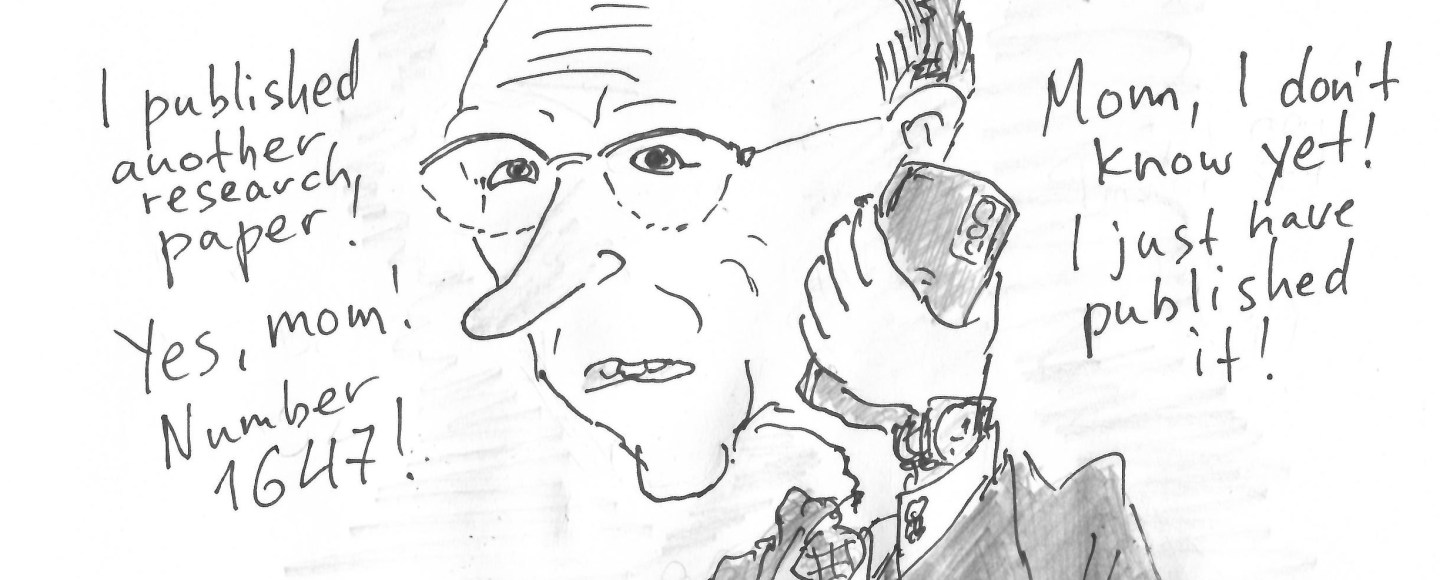

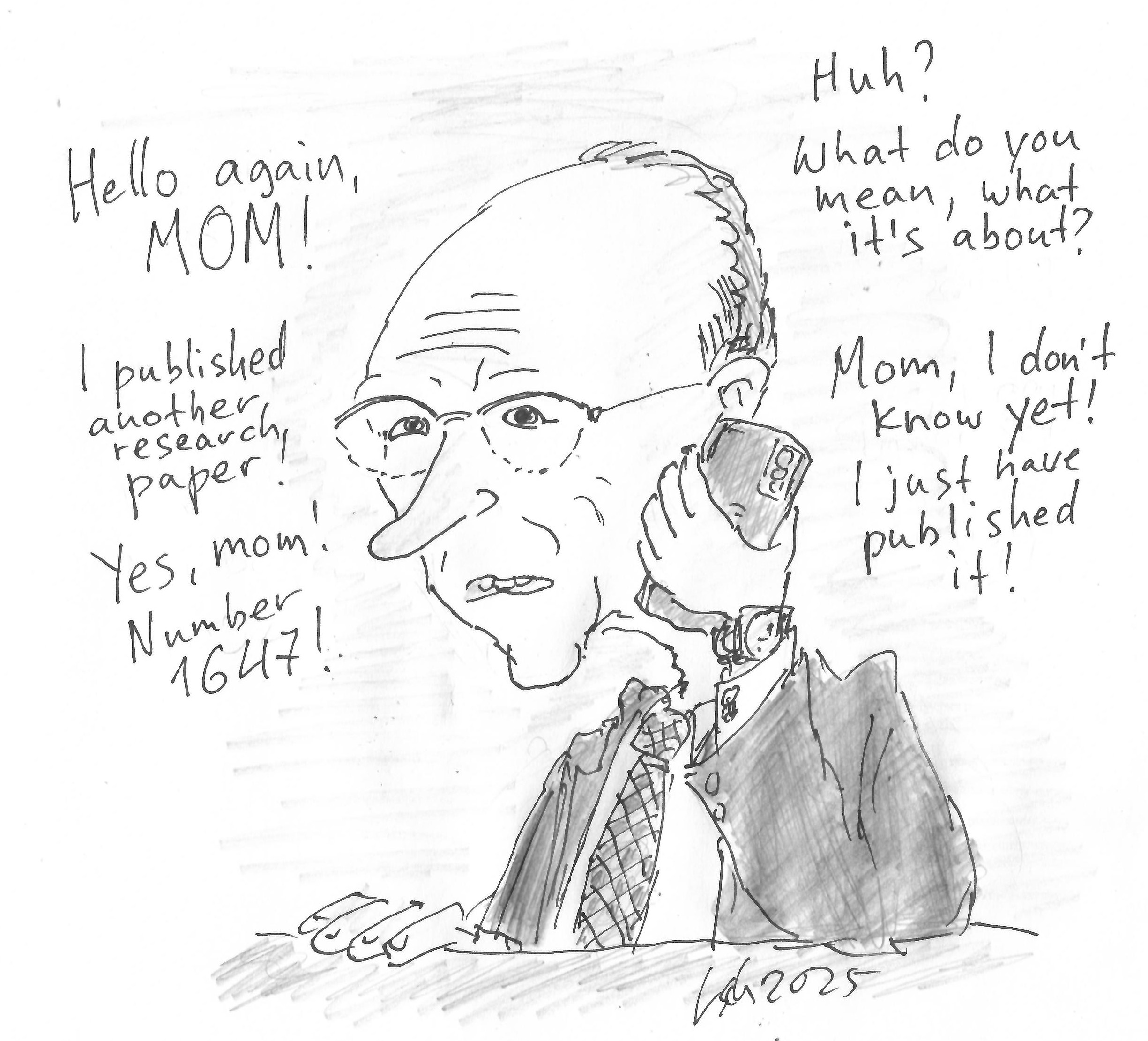
How could the Mannheim clinic of the University of Heidelberg sack a director who is probably the greatest medical scholar in German history?
Aneurus Inconstans investigates the incredible scientific output of a Heidelberg ophthalmologist, Jost Jonas. Even after his dismissal (officially for blowing the whistle on management’s malpractice!), Professor Jonas has published many hundreds of medical studies, making it now to over 1600 peer reviewed publications. All thanks to his globe-spanning collaborations with papermillers leading experts in China and India.
Most scientists never manage to read research papers with the speed Jonas keeps authoring them, just last month he published more than 10 studies, often together with his India-born wife. Maybe once Jonas makes it to 2000 papers, he will get his old job in Mannheim back?
The Heidelberg whistleblower
By Aneurus Inconstans
On August 18, Clare Francis informed me about an ophthalmology paper which this pseudonymous sleuth flagged on PubPeer just minutes before. It was a serious case where the same and resized blot describes proteins AEG-1 and Caspase-3 in different cell lines across figures. There are also issues with the GAPDH controls. The corresponding author is professor Bin Li, who works at the Beijing Tong-Ren Hospital, China:
Haixia Bai, Ying Chang, Bin Li*, Ying Mao, Jost B. Jonas Effects of lentivirus-mediated astrocyte elevated gene-1 overexpression on proliferation and apoptosis of human retinoblastoma cells Acta Ophthalmologica (2019) doi: 10.1111/aos.14034

Clare Francis thought the case would be of interest to me because days earlier I wrote a For Better Science piece about questionable medical researchers in Heidelberg, Germany. In fact, the paper above includes one western name, who incidentally works in Heidelberg.

I Lost My Pancreas in Heidelberg
“While papermills certainly pollute the literature the most in terms of numbers, I believe the spotlight should equally be on questionable research groups at top institutions, whose articles might have an even larger negative impact on society” – Aneurus Incostans

The person is Jost Jonas, professor at the Department of Ophthalmology, Medical Faculty Mannheim of Heidelberg University, member of the prestigious German academy of science Leopoldina, honorary member of the French Ophthalmological Society and Asia-Pacific Vitreoretinal Society, recipient of dozens of awards, and one of the most cited ophthalmologists worldwide.
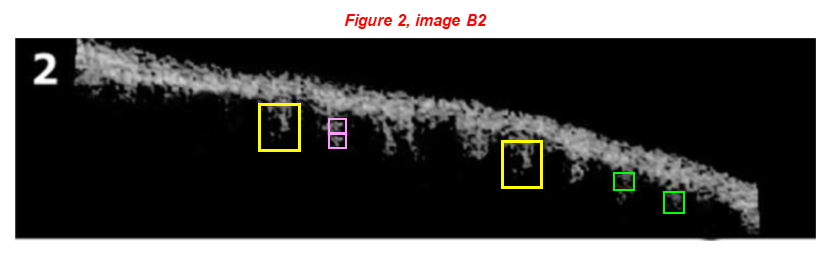
I took a peek whether Jonas had other articles on PubPeer, and indeed he had one. A very bad one, where he is joint corresponding author with two Chinese researchers, Jun Jiang and Hong Sheng Bi, from Shandong University of Traditional Chinese Medicine, Jinan, China. The paper was flagged four months before by the sleuth Sholto David. Two sets of optical coherence tomography (OCT) images are duplicates and two more images overlap:
Rui Xue Zhang, Ying Wen, Da Dong Guo, Fu Ru Xu, Gui Min Wang, Xing Rong Wang, Yong Wei Shi, Jie Ding, Qian Jiang, Wen Jun Jiang*, Jost B. Jonas*, Hong Sheng Bi* Intravitreal injection of fibrillin 2 (Fbn2) recombinant protein for therapy of retinopathy in a retina-specific Fbn2 knock-down mouse model Scientific Reports (2023) doi: 10.1038/s41598-023-33886-6
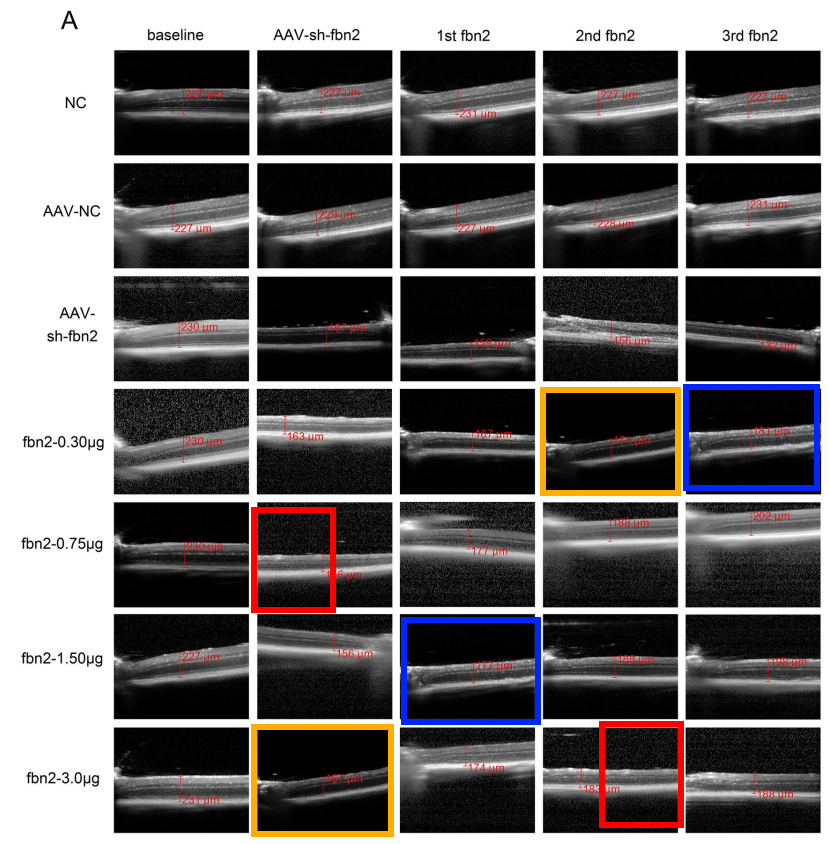
Sholto David : Figure 4: There are several overlapping or duplicated images. I’ve added the coloured rectangles to show where I mean. I think the whole paper should be checked carefully.
I checked in PubMed Jonas’s productivity. He has over 1600 publications, which probably makes him one of the greatest German medical scholars of all times. Roughly half of them are with Chinese groups, and on the vast majority of them Jonas is the only western name.
I picked a paper from 2012, where Bin Li is again the corresponding author, published in Graefe’s Archive for Clinical and Experimental Ophthalmology, the official journal of the German Ophthalmology Society. It can be useful to have a German man on board in these cases, one may think:
Bowen Zhao, Bin Li*, Shuwei Bai, Ling Shen, Ruojin Ren, Jost B. Jonas, Xiaolin Xu, Qingjun Lu, Qian Liu Effects of matrine on proliferation and apoptosis of cultured retinoblastoma cells Graefe’s Archive for Clinical and Experimental Ophthalmology (2012) doi: 10.1007/s00417-011-1751-4
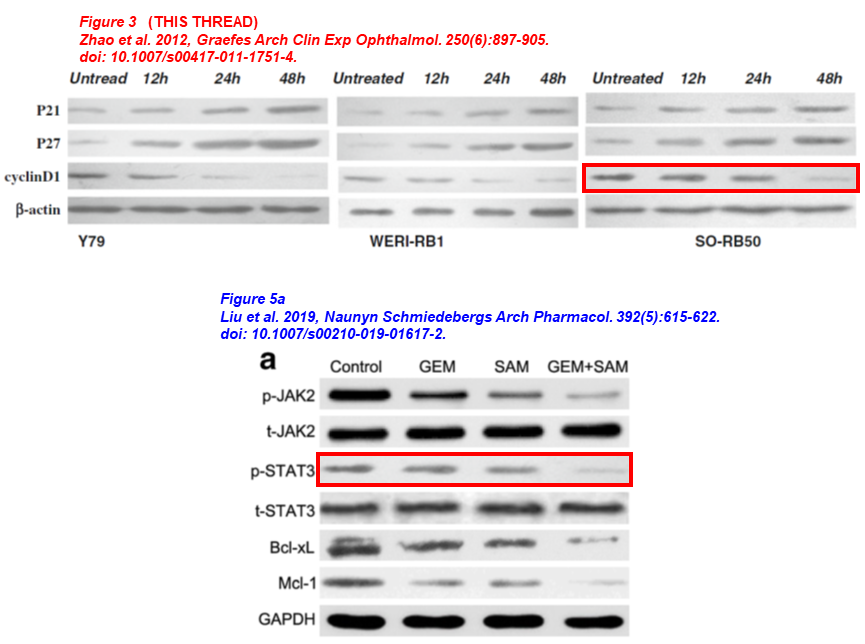
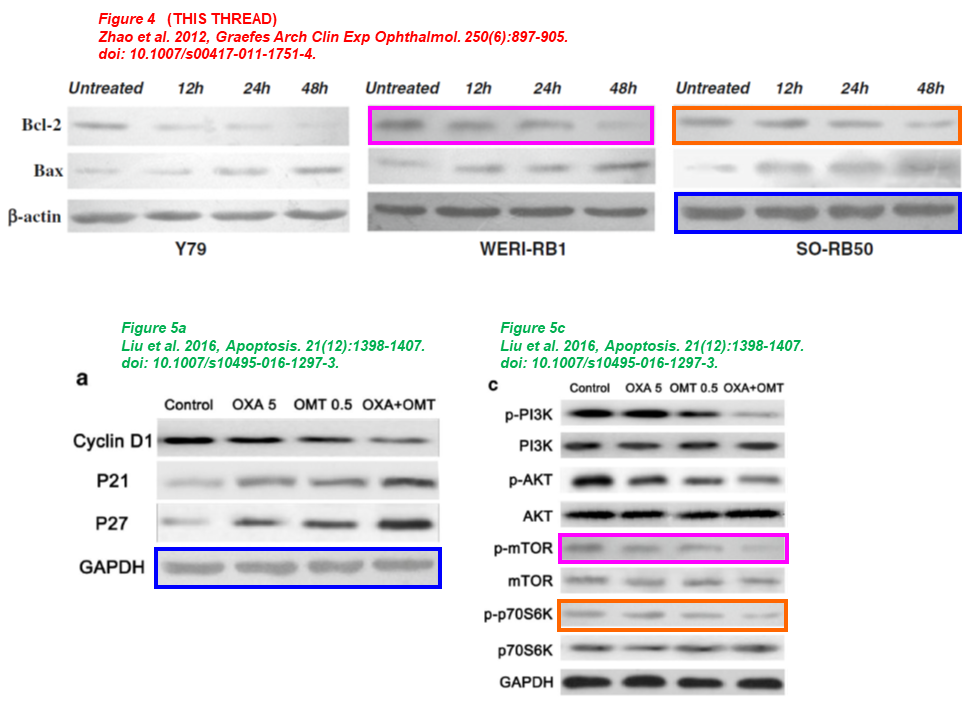
Four western blots appear in two other papers from unrelated Chinese groups on topics other than ophthalmology, describing different things. One of those papers Liu et al. 2019, about pancreatic cancer, was even retracted in 2021 for image duplication and absence of ethical approval. The second paper, Liu et al. 2016, is about colon cancer. Both papers are signed by Yan Liu, Quangen Gao, and Genhai Shen, from the Wujiang Hospital of Nantong University, Suzhou, China. These people currently sport 9 retractions, as recorded on the Retraction Watch Database.
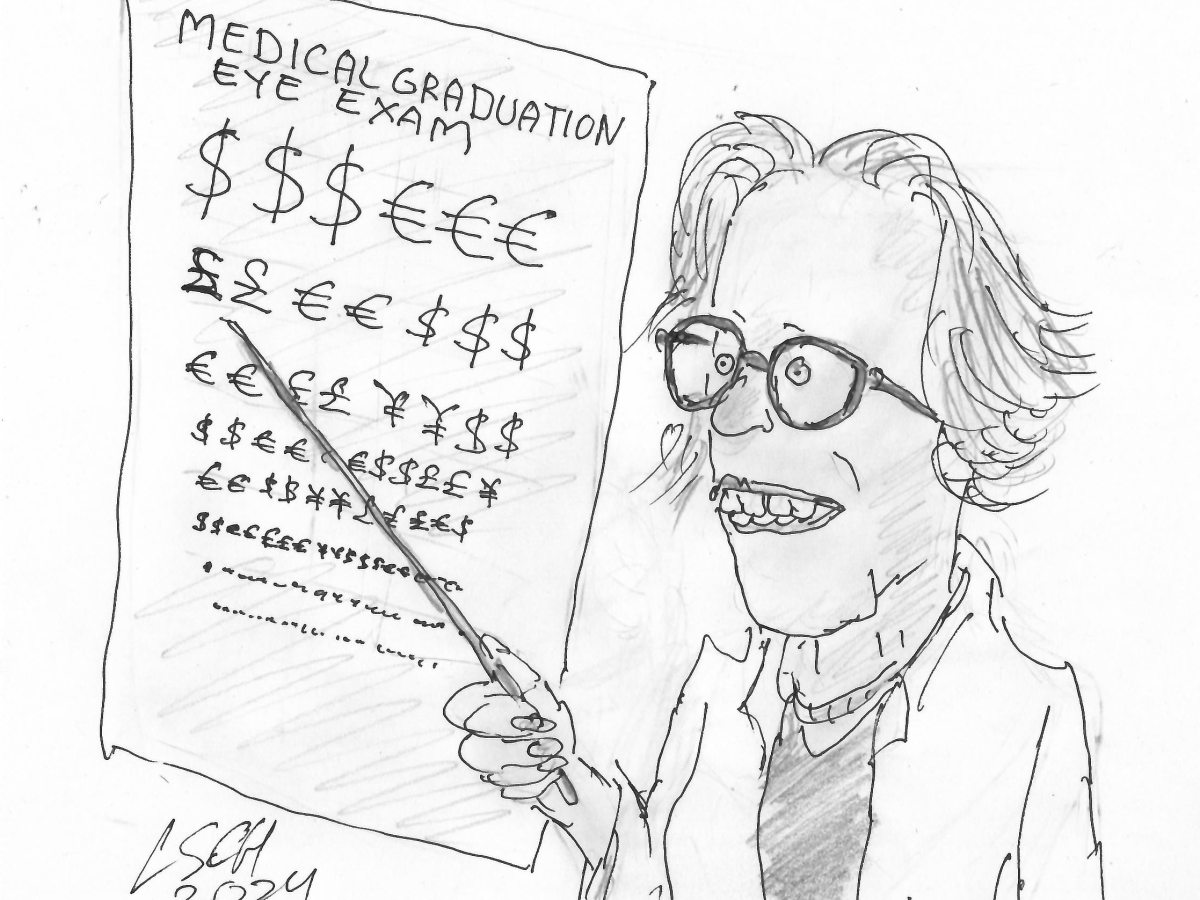
My Big Fat Greek Ophthalmology
From fake cancer research to fake ophthalmology – just follow Mitsi and Vassiliki and you’ll meet Dementios and other bad eye doctors, including a horrible German we hoped to never see again.

Incidentally, in 2012, the time when the paper above got published, the Mannheim University Hospital dismissed Jonas as director of its eye clinic for “a profoundly damaged relationship of trust between the management of the university hospital and Professor Jonas“. However, “there was no connection between the quality of medical care and this personnel decision”.
Box 1 by LS
As a local newspaper reported in December 2013, Jost Jonas first won in court against his dismissal, but then lost again. The irony is that Jonas presented himself as a whistleblower who was punished for exposing embezzlement:
“The conflict was sparked by an email in which the chief physician described the clinic’s managing director Alfred Dähner as “lying” and “in my opinion corrupt” […]
Mannheimer Morgen (2013)
Professor Jonas […] accuses the clinic of cross-subsidizing. According to criticism, employees paid from scientific funds are deployed in health care.”
Jonas then opened a private practice in Heidelberg.
The official grounds for Jonas’ dismissal aren’t really convincing for someone of his rank and status. As you will see in Box 2, if German university clinic directors are ever fired, then it occurs for very different and very grave offences.
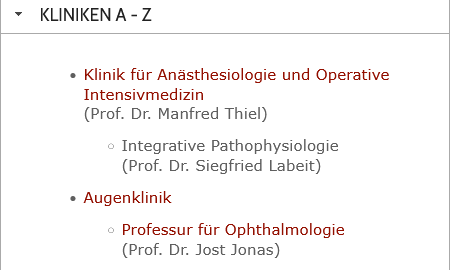
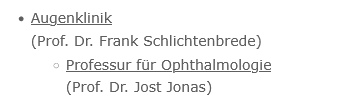
At the end, the self-proclaimed whistleblower Jonas lost his clinical position but he retained his professorship chair at the Medical Faculty Mannheim of the University of Heidelberg. Jonas’ mentee Frank Schlichtenbrede became the new director of this ophthalmology clinic, while Jonas remained listed as a salaried full professor (without a defined function!) until early 2023 – just when Schlichtenbrede himself left Mannheim to open his own private practice in Heidelberg.
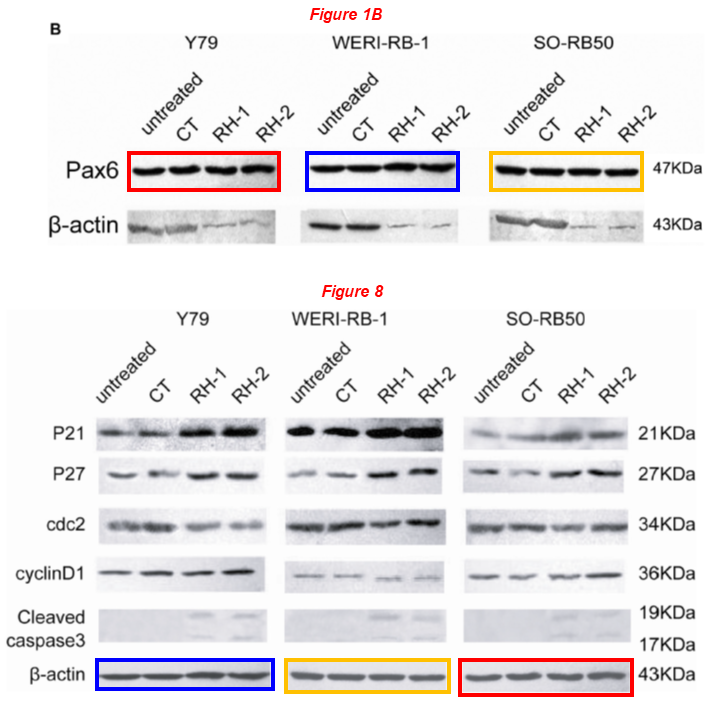
The next paper is again a collaboration between the Bin Li group and Jonas, from 2011. Pax6 and actin blots are the same across figures. Perhaps the labelling got swapped in Figure 1 between actin and Pax6, as the Pax6 blots show uniform signals, but anyway there is inconsistency across cell lines. Moreover, the sleuth Viola sheltonii found two identical flow cytometry plots in Figure 6:
Shu-wei Bai, Bin Li*, Hao Zhang, Jost B. Jonas, Bo-wen Zhao, Ling Shen, Yi-chen Wang Pax6 regulates proliferation and apoptosis of human retinoblastoma cells Investigative Ophthalmology & Visual Science (2011) doi: 10.1167/iovs.10-5487
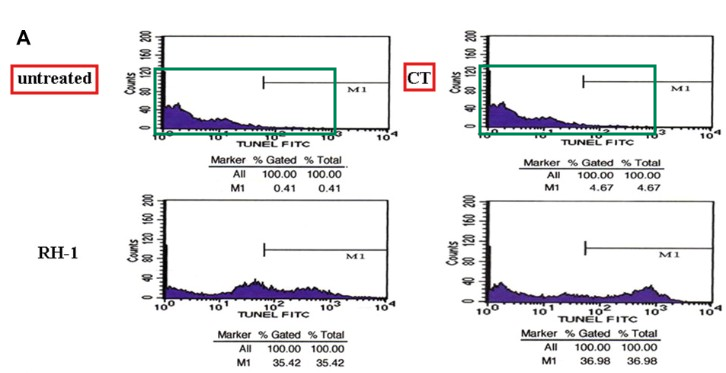
The Editor-in-Chief Joseph Carroll promised to issue an Expression of Concern to the paper above, which is already something for Carroll’s standards, read here:
The London Eye
How Robin Ali and other London ophthalmologists make blind mice and blind children see.
The authors apparently provided raw data for the Western blots and managed to convince Carroll that the blots were wrongly assembled, but the raw data for the flow cytometry could not be retrieved, hence the planned Expression of Concern. However, surprises weren’t over yet. Two flow cytometry histograms of that paper were reused by Bin Li & Co in another publication (without Jonas) nine years later to describe completely different experiments:
Bowen Zhao, Bin Li*, Qian Liu, Fei Gao, Zhibao Zhang, Haixia Bai, Yichen Wang Effects of matrine on the proliferation and apoptosis of vincristine‑resistant retinoblastoma cells Experimental and Therapeutic Medicine (2020) doi: 10.3892/etm.2020.8992
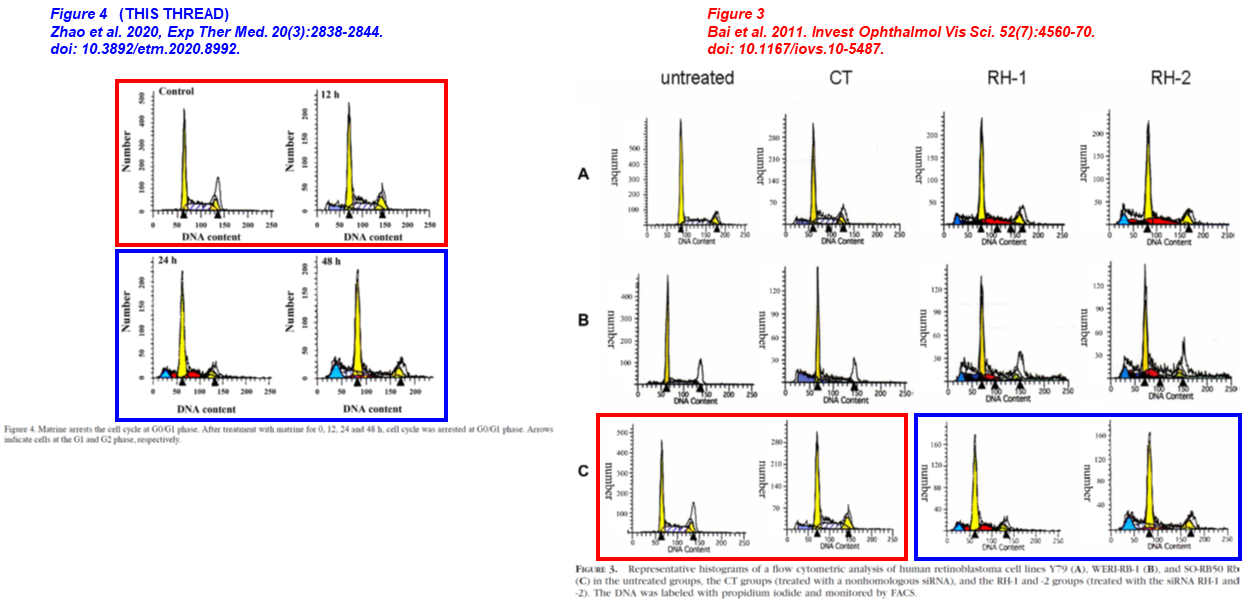
I notified Carroll about this update, and asked him to change his decision towards a full retraction. Here is Carroll’s reply:
“Following up on this. I agree that the image in the 2020 paper looks to be copied from the 2011 IOVS paper and misrepresented as data from an entirely different experiment. However, I am not affiliated with that journal, though I am cc’ing the editorial office of that journal here. While I believe the 2020 article has grounds for immediate retraction, I cannot use that to conclude wrongdoing in the original 2011 paper. Thank you for sharing your observations. “
Meanwhile, Bin Li reiterated on PubPeer that the western blots were just mixed-up and the flow cytometry raw data is no longer available, but also commented on the identical histograms the following (highlights mine):
“We sincerely appreciate you bringing to our attention the presence of two highly similar or potentially identical images in two different publications. We are currently conducting a thorough investigation into this matter. Dr. Zhao Bowen’s article was published in 2020, though the cell cycle experiments in question were actually conducted between 2010 and 2012. This timeline overlaps with another study from our laboratory, “Pax6 Regulates Proliferation and Apoptosis in Human Retinoblastoma Cells” (Bai SW et al., Journal of Ophthalmology and Visual Science, 2011; 52:4560-4570). Given the overlapping timelines and shared laboratory context, we would like to note that the original cell cycle images from Dr. Bai Shuwen’s study can be referenced in her doctoral dissertation. Meanwhile, Dr. Zhao Bowen will make every effort to retrieve the relevant original data and images for comparison and clarification. Should this situation prove to be the result of an operational oversight, we will take appropriate corrective measures, including issuing necessary corrections and potentially repeating experiments for verification if required. We hereby solemnly affirm that the experimental processes for these two studies were conducted independently without duplication. We fully stand by the authenticity of all experiments and the reliability of the data presented.“
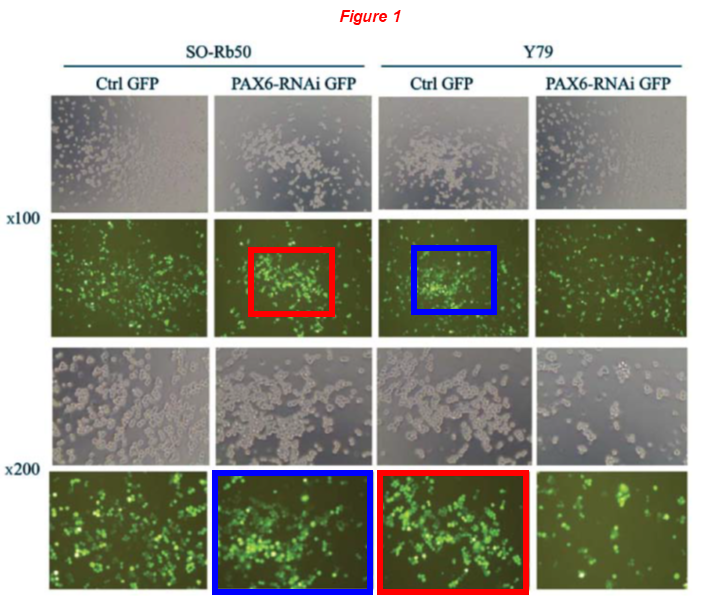
Ah well, if Dr Li solemnly states that the whole thing can be explained by innocent oversights and unforeseen circumstances, then we all feel more at peace, don’t we? Here below another gem by Dr Li, again about the transcription factor Pax6, whose suppression allegedly pushes retinoblastoma cells to proliferate:
Bo Meng, Yisong Wang, Bin Li* Suppression of PAX6 promotes cell proliferation and inhibits apoptosis in human retinoblastoma cells International Journal of Molecular Medicine (2014) doi: 10.3892/ijmm.2014.1812
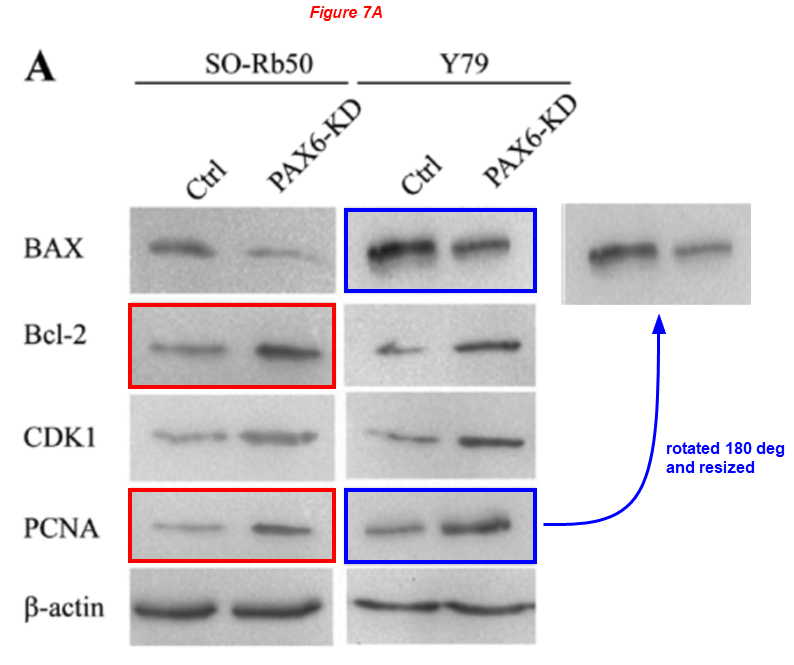
The BAX and PCNA blots for cell line Y79 also appear to be identical (blue boxes), they are rotated by 180 deg respect to one another, and have different color balance and vertical dimension.
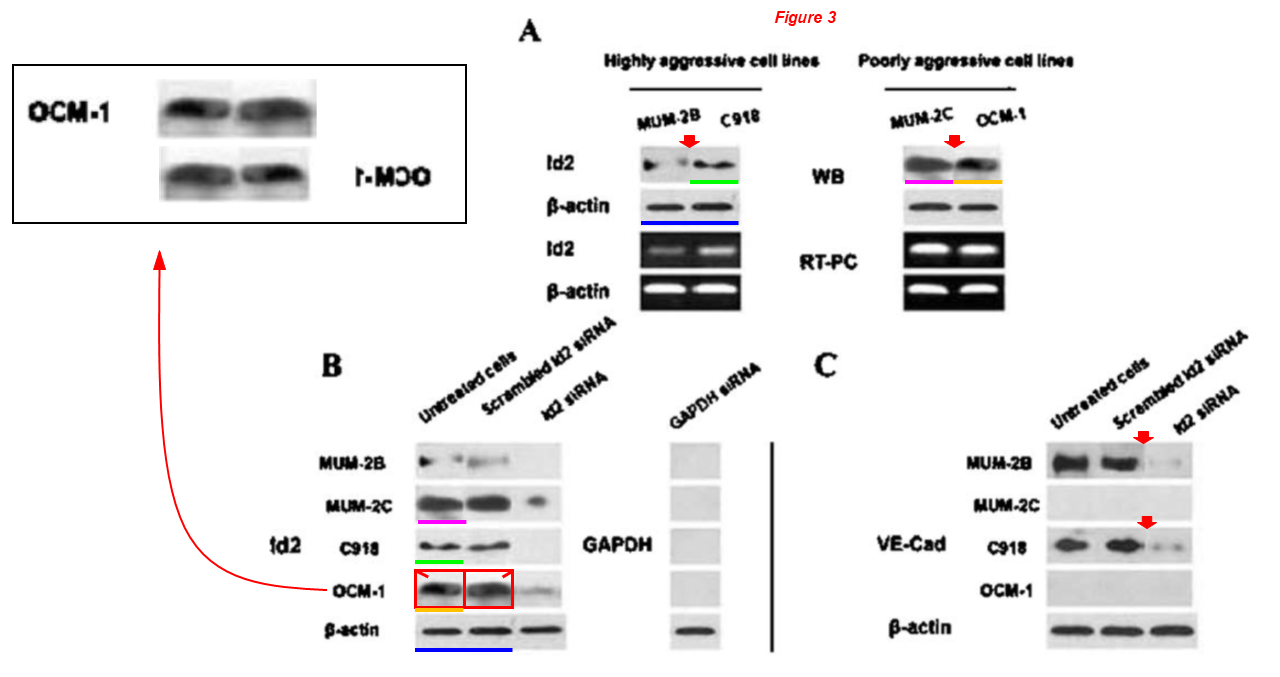
Here another worrisome work by Dr Li, again in the German journal Graefe’s Archive for Clinical and Experimental Ophthalmology, obviously an outlet where Dr Li can count on many friends:
Fan Su, Bin Li*, Jian Wang, Xiaolin Xu, Ruojin Ren, Liaoqing Li, Fei Gao, Xiaochao Liu Molecular regulation of vasculogenic mimicry in human uveal melanoma cells: role of helix–loop–helix Id2 (inhibitor of DNA binding 2) Graefe’s archive for clinical and experimental ophthalmology (2009) doi: 10.1007/s00417-008-1008-z
Dr Bin Li is used to collaborate with other western authors, for example Christophe Baudouin and Antoine Labbé from the Pierre and Marie Curie University in Paris, this time the corresponding author is Zhiqiang Pan from the Bin Li’s hospital in China:
Qingfeng Liang, Zhiqiang Pan*, Min Zhou, Yang Zhang, Ningli Wang, Bin Li, Christophe Baudouin, Antoine Labbé Evaluation of Optical Coherence Tomography Meibography in Patients With Obstructive Meibomian Gland Dysfunction Cornea (2015) doi: 10.1097/ico.0000000000000563

Dr Bin Li has published about 40 articles with Jost Jonas, the vast majority include tables and graphs only, which make them difficult to assess for data integrity.
Jonas’ dismissal at the eye clinic in Mannheim may mean he’s not well-liked in his homeland, but, to counterbalance that, he is held in high esteem abroad. In fact, he sports affiliations all over the globe. In the next paper he displays affiliations in Heidelberg, Paris, Beijing, Hyderabad and Singapore, while all other authors are from the Beijing Tongren Hospital again. The lead author is Wen-Bin Wei, and Bin Li is not on board this time:
Li Dong, Wen‐Da Zhou, Yu‐Hang Yang, Ru‐Heng Zhang, Han‐Qing Zhao, Chu‐Yao Yu, He‐Yan Li, Shan‐Shan Wang, Hao‐Tian Wu, Jiao‐Yue Dong, Xu‐Han Shi, Ze‐Tong Zheng, Jost. B. Jonas, Wen‐Bin Wei* Epidermal growth factor receptor antibody and axial elongation in experimental myopia Acta Ophthalmologica (2025) doi: 10.1111/aos.17516
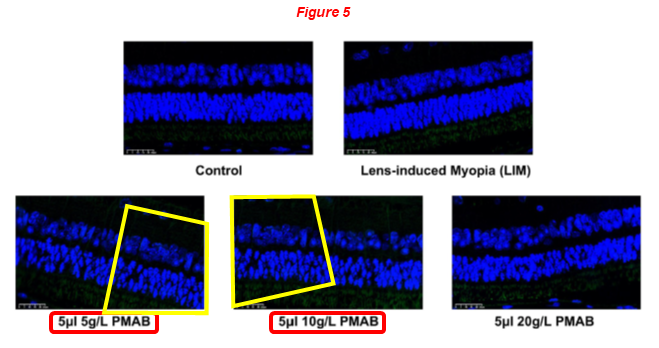

Given Jost Jonas’ high productivity and his German origin, could it be that he somehow profits from helping Asian institutions with boosting their publication metrics?
Here is another paper from 2025 with Jonas and Wen-Bin Wei:
He-Yan Li, Li Dong, Rui-Heng Zhang, Wen-Da Zhou, Hao-Tian Wu, Xu-Han Shi, Chu-Yao Yu, Yi-Tong Li, Jost B. Jonas, Wen-Bin Wei* Nrf2-HO1 signaling pathway-mediated axial elongation in lens-induced myopia in Guinea pigs through regulation of tight junctions in retinal pigment epithelial cells Experimental Eye Research (2025) doi: 10.1016/j.exer.2025.110477

Interestingly, on more recent papers Jonas’s multiple affiliations no longer include the University of Heidelberg, rather his private practice at the Seegarten Klinik. A phone call to the University Clinic in Mannheim revealed that Jonas had retired, apparently in 2023. Indeed, he is 67 years old now, the German retirement age is 65.
Jonas’ wife Songhomitra Panda-Jonas also works at the Seegarten Klinic in Heidelberg, as acupuncturist. The India-born Dr Panda-Jonas, however, is also an internationally esteemed ophthalmologist, just like Jost. She published 250 scientific articles in her career as of today, all of them with her husband.
Some months ago, the Rothschild Foundation Hospital in Paris, one of Jost Jonas’ affiliations, celebrated the Panda-Jonas couple as follows (translated, highlights mine):
“Congratulations to Prof. Jost Jonas and Dr. Songhomitra Panda-Jonas, who have just been ranked among the top 5 most cited scientists in France and the top 5 most cited women scientists in France, respectively. Professor Jonas has also received the title of Honorary Professor from the Chinese University of Hong Kong and the ARVO 2026 Kupfer Award. What a pleasure and honor to collaborate with them at the Adolphe de Rothschild Foundation Hospital!“
Honorary professor in Hong Kong, also? This is Jonas’ sixth affiliation encountered so far! Wait, there’s a seventh, with Icahn School of Medicine in Mount Sinai in USA no less!
As you see, from time to time, Songhomitra joins her husband on Chinese articles. Below are two papers with Wen-Bin Wei again, but the corresponding authors are yet other people never encountered before, namely Jie Xu and Ya Xing Wang. The same image describes different myopic macular degeneration stages:
- Jost B. Jonas, Songhomitra Panda‐Jonas, Wen‐Bin Wei, Jie Xu*, Ya Xing Wang* Prevalence and associations of dome‐shaped maculas. The Beijing Eye Study Acta Ophthalmologica (2025) doi: 10.1111/aos.16764
- Jost B. Jonas, Songhomitra Panda‐Jonas, Jie Xu, Wen Bin Wei, Ya Xing Wang* Associations of fundus tessellation, myopic diffuse chorioretinal atrophy and choroidal thickness with visual acuity in myopia Acta Ophthalmologica (2025) doi: 10.1111/aos.17480
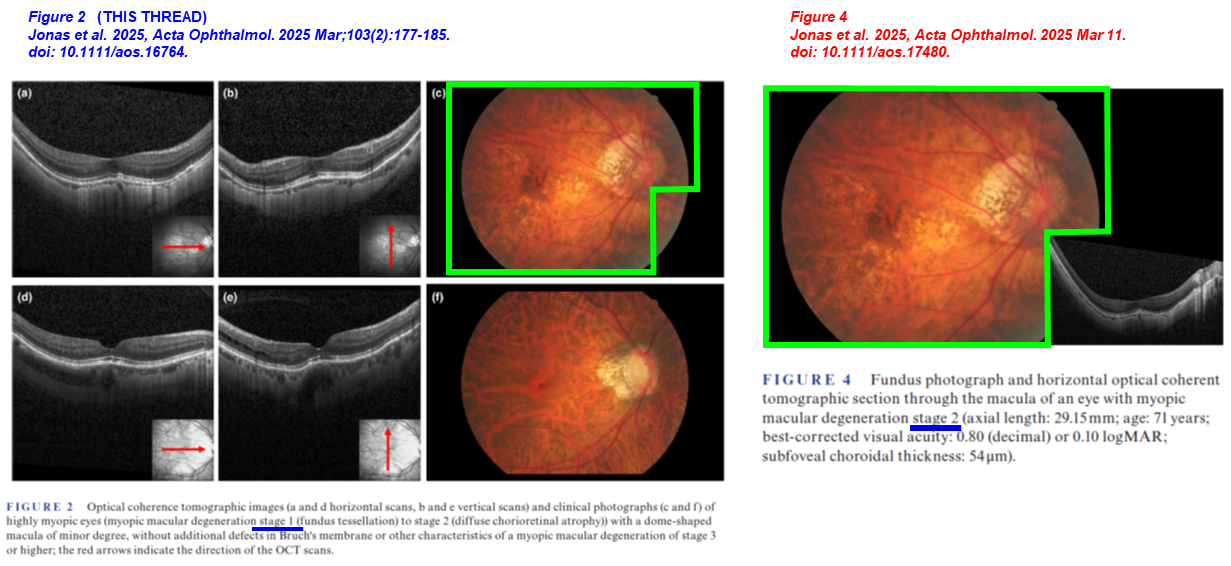
The paper above is one of the hundreds of Jonas’s publications originating from “The Beijing Eye Study”, one out of many Asian population-based studies Jonas collaborated with.
Another example of population-based study is the “Global burden of 288 causes of death“, published in The Lancet no the less, which lists a thousand authors, including Jonas. Apparently anyone can be taken on board of a Lancet population-based disease study, even the notorious papermiller Mohammad Reza Saeb from Gdansk, Poland, who works in the field of polymer materials science, tire recycling, water treatment, metal–organic frameworks, batteries, and biopolymers:
GBD 2021 Causes of Death Collaborators Global burden of 288 causes of death and life expectancy decomposition in 204 countries and territories and 811 subnational locations, 1990–2021: a systematic analysis for the Global Burden of Disease Study 2021 The Lancet (2024) doi: 10.1016/s0140-6736(24)00367-2
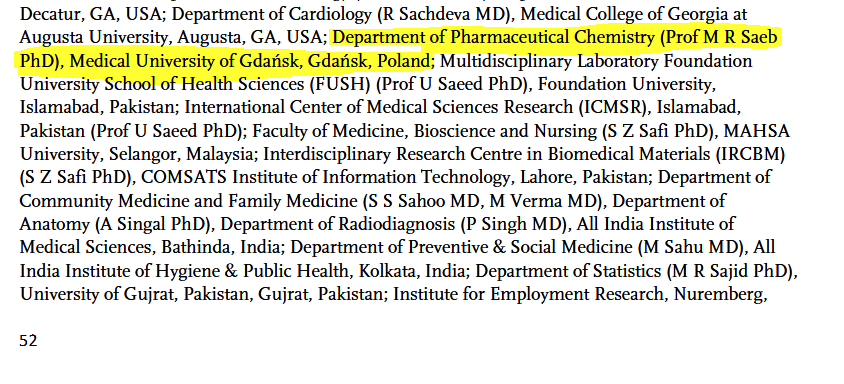
Other papermillers listed on the paper above are Maciej Banach (here), Amin Mousavi Khaneghah (here), Ali Golchin (here), Farhad Jadidi-Niaragh (here), , and Aristidis Tsatsakis (here), spotted by the sleuth Alexander Magazinov. But this is a highly incomplete list, there are many more. Is there anyone at The Lancet in charge to ensure a glimmer of competence among authors? Are Lancet co-authorships also for sale?
Let’s leave population studies aside and go back to regular articles. Here below is a 2023 work with Jost and Songhomitra without Chinese friends. A twenty years old image taken from Jonas et al. 2003 was reused. The caption describes the image as “moderately myopic eye”, while twenty years before was an “eye with melanoma”:
Jost B. Jonas*, Richard F. Spaide, Lisa A. Ostrin, Nicola S. Logan, Ian Flitcroft, Songhomitra Panda-Jonas IMI—Nonpathological Human Ocular Tissue Changes With Axial Myopia Investigative Opthalmology & Visual Science (2023) doi: 10.1167/iovs.64.6.5
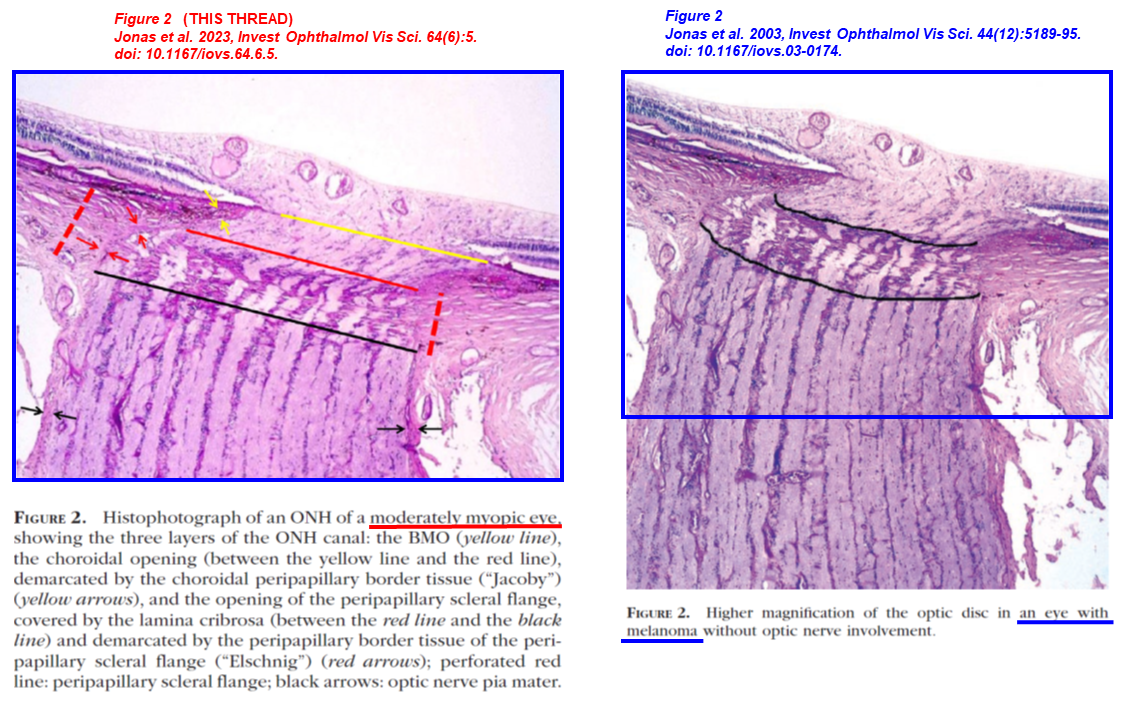
IOVS Editor-in-Chief Carroll informed me the paper above will get corrected in its caption, as this is an eye with both melanoma and moderate myopia, otherwise it wouldn’t have been enucleated. To Carroll it’s okay to re-use an image to illustrate the method. Jonas himself explained, in a rare comment on PubPeer:
“The authors thank Aneurus inconstans for alerting us to this problem, which has been found also in other articles by me (Jost B. Jonas) and which has led to an erratum published recently in Investigative Ophthalmology and Visual Science at “https://iovs.arvojournals.org/article.aspx?articleid=2810940“.
In the name of the authors involved, I apologize for the mishandling of images and double use of images in several articles without mentioning and citing the previous articles. These images were used to illustrate and describe methods.“
The October 2025 Erratum announced:
“The Figure 2 legend has now been changed in the article online. The first line of the figure legend has been changed from “Histophotograph of an ONH of a moderately myopic eye” to “Histophotograph of an ONH of a moderately myopic eye, which was enucleated due to a malignant uveal melanoma,” and a reference to the image in the 2003 article has been added.”
Case closed. Why the authors had to reuse a 20-year-old image when they supposedly performed histology on many eyes over twenty years is a mystery we won’t resolve, and it’s something neither Jonas nor Carroll could explain either.

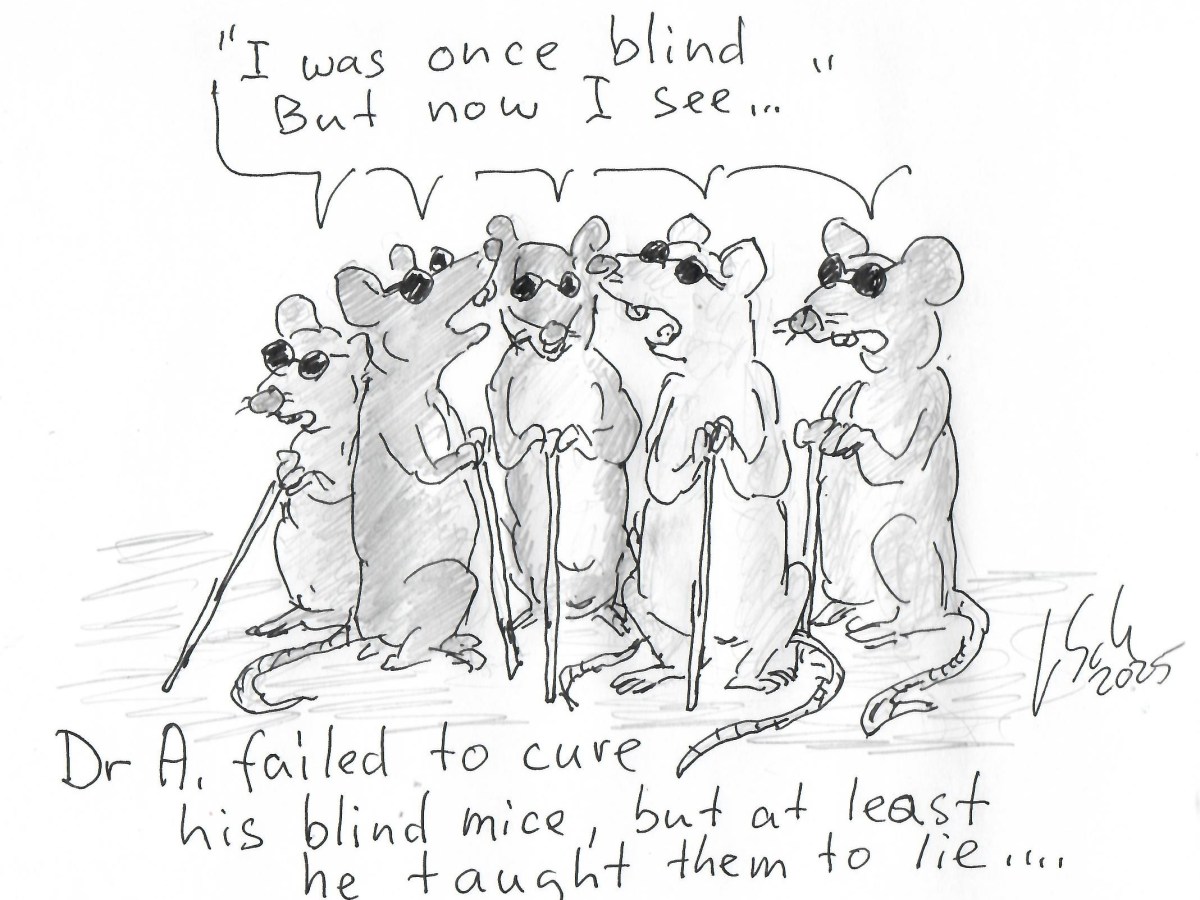
Jan and Ricky, two blind mouse ophthalmologists
“I am the authorised spokesperson on this matter” – Prof Jan Provis, emerita dean
In the corrected paper above, Jost Jonas displays two affiliations: Heidelberg University and the Institute of Molecular and Clinical Ophthalmology Basel (IOB), Switzerland. Yet another affiliation for him. No-one else on the paper works at IOB. The others are Richard Spaide, a private eye doctor in New York City, Lisa Ostrin at University of Houston in Texas, Nicola Logan at Aston University in Birmingham UK, and Ian Flitcroft at Technological University Dublin in Ireland. What a constellation.
The IOB institute was born in 2018. Its website provides a link to the list of all papers ever published there. Out of 604 publications, 99 are co-signed by Jost Jonas. In 96 out of those 99, the only name with the IOB affiliation is either Jost alone (94) or Jost and his wife (2). In those 3 out of 99 papers with someone else from IOB, Jost doesn’t display the IOB affiliation himself. That’s curious. Ninety-six papers published from January 2021 to May 2024, a paper every thirteen days. What a boost for IOB’s metrics. Did Jost, and eventually Songhomitra too, go to Basel to experiment in IOB labs all by themselves, both aged 60+?
The above also applies to the research centers in Paris, Hyderabad, and Singapore with which Jost is affiliated, because he publishes articles in industrial quantities as the only author with those affiliations.
Box 2 by LS
Worth noting that German university hospitals are not known to ever fire professors over bad science. Usually it’s “more serious” charges. For example, Johannes Haybaeck was fired in Magdeburg for causing death and injury to patients (read February 2024 Shorts). Others were sacked for massive bullying, some recent cases I found:
- Jens Gempt, head of neurosurgery at University Hospital Hamburg-Eppendorf, was fired in August 2024 over accusations of bullying and medical malpractice. Gempt only got named because the rightwing tabloid Bild defended him as “innocent”, maybe because he was also accused of racism. Gempt now works at the hospital of TU Munich.
- Unnamed director of Klinik III at University Hospital Aachen was fired in early 2024, and then charged with sexual harassment. Archives show Christian Trautwein was director of this clinic then, he now works in Stuttgart.
- Bernhard Schick, head of otolaryngology at University of Saarland, was first fired and sentenced for sexual harassment in court, but then both the criminal charges and the dismissal were overruled (the criminal proceedings are however not over yet). Schick remains clinic director of his university.
Professors of medicine are very wealthy men, and they can afford the most expensive lawyers. Usually, the universities solve their problems by transferring their problematic professors into new professorial jobs far, far away.
Let’s leave the topic of “multiple affiliation trading”, and go back to data.
Inappropriate image reuse across publications is a classic for Jost. Below the same micrograph appears in four morphometric studies on completely different groups of individuals, and in the three most recent papers the offending image is the only histology image shown. Again, why did the authors choose to re-use the same micrograph despite dozens or even hundreds samples were supposedly analyzed in each study?
- Ling Shen, Qi Sheng You, Xiaolin Xu, Fei Gao, Zhibao Zhang, Bin Li*, Jost B. Jonas Scleral Thickness in Chinese Eyes Investigative Opthalmology & Visual Science (2015) doi: 10.1167/iovs.14-15631
- Jost B. Jonas*, Leonard Holbach, Songhomitra Panda-Jonas Scleral cross section area and volume and axial length PLOS One (2014) doi: 10.1371/journal.pone.0093551
- Sujiv Vurgese, Songhomitra Panda-Jonas, Jost B. Jonas* Scleral Thickness in Human Eyes PLOS One (2012) doi: 10.1371/journal.pone.0029692
- Jost B. Jonas*, Shefali B. Jonas, Rahul A. Jonas, Leonard Holbach, Songhomitra Panda-Jonas Histology of the Parapapillary Region in High Myopia American Journal of Ophthalmology (2011) doi: 10.1016/j.ajo.2011.05.006
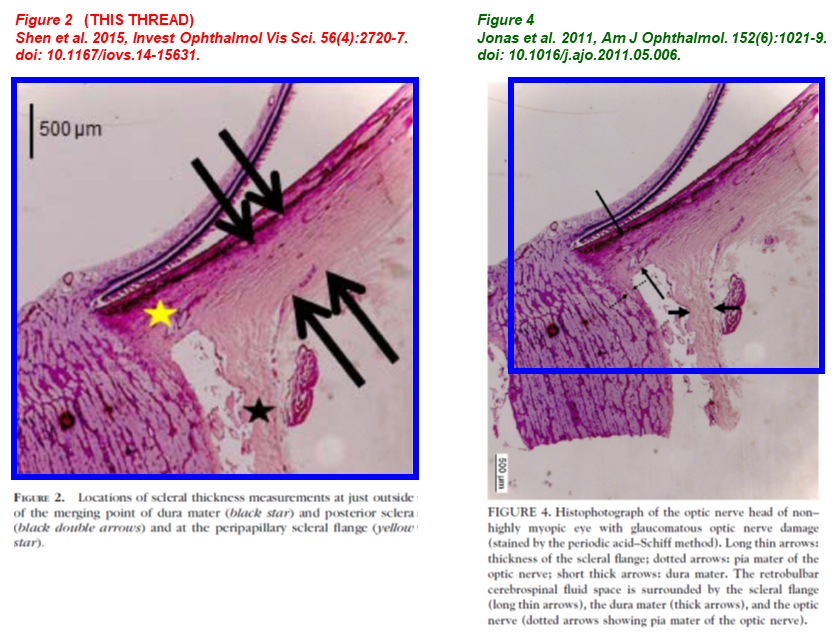

The patient eyes allegedly have geographically different origins. The two PLOS One papers refer to Heidelberg and Mannheim: “The Medical Ethics Committee II of the Medical Faculty Mannheim of the Ruprecht-Karls University Heidelberg approved the study protocol. In agreement with the approval by the ethics committee, informed consent was not obtained since the globes had been enucleated up to 30 years before the study was initiated.” Also the Am J Oph mentions “The study included globes of white patients who had been enucleated because of painful absolute glaucoma or a malignant choroidal melanoma.”
Yet the IOVS paper, the most recent one, claims those same eyes were from China: “The Medical Ethics Committee of the Beijing Tongren Hospital approved the study protocol, according to the Declaration of Helsinki. In agreement with the approval by the ethics committee, informed consent was not obtained, since the globes had been enucleated up to 50 years before the study was initiated.”
Again the Editor-in-Chief Joe Carroll clarified the following:
“The paper will add an erratum to clarify this is from a white individual but is being used to illustrate the method as well as the fact that it was previously included in their 2011 study“
When I pointed out to Carroll that the corresponding author is the same Bin Li of the papermill product Zhao et al. 2012 and many more fraudulent papers, the editor commented:
“The accusations of Bin Li and her group being a “papermiller” is not for me to adjudicate, especially when it involves other journals I am not affiliated with“.
Among the four articles sharing the same image above, the 2011 paper is authored by the whole Jonas family. Please meet Jost and Songhomitra’s daughter Shefali Jonas, currently affiliated to the Hannover Medical School, and their son Rahul Jonas, currently affiliated to the University Hospital of Cologne, the latter is already an ophthalmologist doing clinical trials. All 14 papers Shefali ever published are with her parents, while for Rahul it merely happens in 45 out of 51 cases.
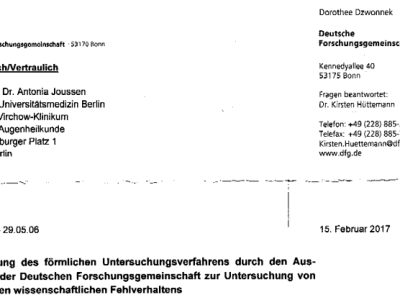
DFG decision: Antonia Joussen innocent victim of co-authors’ data manipulations
“The committee […] requests of you for future publications to assess well ahead and to question critically your responsibility for the contributions of the co-authors, also for your own protection.”
The paper below is authored by the whole Jonas family again. The article analyzed 50 human eyes enucleated from 50 patients due to diagnosis of malignant melanoma, end-stage glaucoma or other reasons (“The Medical Ethics Committee II of the Medical Faculty Mannheim of the Heidelberg University approved the study and waived the necessity of an informed consent by the patients, since the eyes had been enucleated up to 50 years before the study started“).
The study describes the histology of peripheral retinal degeneration in the form of ‘cobblestones’. Cobblestones were found in 7 eyes. The paper provides statistics of histological parameters from those 7 eyes compared to the other 43. We are informed: “Some of the globes have been included in previous investigations addressing different questions (Jonas and Holbach, 2020a; Jonas et al. 2020a,b; Panda-Jonas et al. 2021)“, but unfortunately I can’t provide links to all previous works mentioned, as there are no Jonas et al. 2020a and 2020b in the reference list, I assume Jost got lost himself into the ocean of papers he ever published.
Shefali B. Jonas, Rahul A. Jonas, Songhomitra Panda‐Jonas, Jost B. Jonas Histopathology of myopic cobblestones Acta Ophthalmologica (2022) doi: 10.1111/aos.14894

Figure 1, 3 and 4 overlap, which means three out of four figures of the paper come from the same eye. I wonder why they chose to show three times the histology of the same sample when 7 eyes were available. Figure 1 (likewise Figure 3) supposedly shows the equatorial region of the eye, while Figure 4 supposedly shows the pre-equatorial region, but the areas are largely the same. Despite in Table 1 the parameters of the 7 eyes group are compared to those of the 43 eyes group, not one image of the second group is shown for comparison.
I have encountered several other cases where Jonas reused images across papers published far apart, but I didn’t bother to flag them on PubPeer, as descriptions are somehow plausible. I wonder why, though, experimentalists analysing hundreds of eyes don’t feel the necessity to prove the thoroughness of the histology work, beside just filling numbers in tables.
Ophthalmology has gained momentum at For Better Science over the last months. So let’s keep an eye on the unforeseen developments of this visionary research field. Looking forward to it.
Donate!
If you are interested to support my work, you can leave here a small tip of $5. Or several of small tips, just increase the amount as you like (2x=€10; 5x=€25). Your generous patronage of my journalism will be most appreciated!
€5.00

 For Better Science
So, what’s his motivation? Does he get paid by paper mills for donating his name, or is it just a case of common deviant personality traits—or both?
LikeLike
Another way of looking at it is this. If he didn’t do we would never know his name. Natural Selection methinks.
LikeLiked by 1 person
I suspect his motivation lies in several forms of financial rewards, maybe in addition to personal vanity:
LikeLike
CORRECTION to Li et al. 2025 Exp Eye Res, 21 Oct 2025:
Corrigendum to “Nrf2-HO1 signaling pathway-mediated axial elongation in lens-induced myopia in Guinea pigs through regulation of tight junctions in retinal pigment epithelial cells” [Experimental Eye Research (2025) 4 258 110477./doi: 10.1016/j.exer.2025.110477] – ScienceDirect
LikeLike
” The authors regret that due to some system errors, we failed to update Fig. 4 during the proofing stage. We found that the Hintone H3 and β-actin Western blot plot was misused in Fig. 4(C, D and I), so that we want to make a correction to Fig. 4 to show the results more clearly. Fortunately, since we have repeated Western blot analysis for several times in each experiment, the mistakes do not influence the conclusion drawn. However, it is better to address the matter.”
God they are fast in repeating all experiments!
And what is a Hintone? Or does one have to be a Professor of Uni Heidelberg to know this?
LikeLiked by 2 people
Nice to see that the large scale screening I’ve been doing proved useful. I expect I will post something about German opthalmologists myself soon too! Very funny cartoon Leonid 😂
LikeLiked by 3 people
There are several problems behind this whole papermill thing. Chinese (and other) leadership should be more realistic about medicine and research. If you are a full-time physician in a busy hospital you will not have enough time to do proper experimental research. MD-PhD with the same-time combination of the medical practice and lab experiments are only for the bests of the bests and even they make great sacrifices in their lives. Majority of the people even in these fields are not the bests of the bests. This performance is exceptional but it was maded an expectation from everybody on these fields. If your position and salary depends from the publication you will be interested in some form of cheating. Why it is wrong to be a good cardiologist and don’t be interested in molecular methods? But you still be nobody in some countries without publications even if you are a good doctor. Academy and health-care should be connected but also separated in same time somehow. Your hospital work should be considered if there is a question about your salary or promotion at a hospital, and your research work if you are at the Academy. The other thing is the clear racism in the scientific publication system. If you are not from Northern-America (U.S, Canada) or from Western Europe, you have significantly lower chance to publish a good work in a good journal. So others need an Western name on their paper unrelated to the quality of this paper. If the name and the affiliation are good enough, they also had a chance for a lesser strict peer-review and they use it. The third thing is the review system itself. You are not payed and not responsible. Are you really interested in doing a good and precise review? Are you motivated to do a high amount of work for free, and doing it well without any responsibility? Only for feel yourself honored? Many aren’t anymore and let every sh*tty work to be published.
LikeLiked by 2 people
Spandidos had the guts to correct this one:
https://pubpeer.com/publications/DA6D93543DA1286AC9A9188F7D7B87
LikeLiked by 1 person
Spandidos Publishing again.
CORRECTION to Zhao et al. 2020 Experimental and Therapeutic Medicine, 04 December 2025:
https://pubpeer.com/publications/51CC11E8367297DE2A3A1F2D8F5060#2
https://www.spandidos-publications.com/10.3892/etm.2025.13040
LikeLiked by 1 person