

Schneider Shorts of 18 July 2025 – an unusual Nobel lecture held in Lindau, an exclusive conference announced in Prague, with Aarhus papermiller”s first retraction, Bologna scholars defended from false allegations, corrections for some lucky people, and finally, with an imperfect Editor-in Chief.
Table of Discontent
Science Elites
- Invisible to the naked eye – Thomas Südhof’s unusual lecture at Nobel meeting in Germany
- Prague Alcoholism Signaling Symposium – David Sabatini invites friends to visit
Scholarly Publishing
- Facilities were not available – Tharamani Nagaiah admits fraud, corrects paper
- No evidence of duplication or data manipulation – Omer Nur safe from retractions
- Consider the matter resolved – Bologna team is victim of false allegations!
Retraction Watchdogging
- Explanations did not satisfactorily address the issues – Christian Sonne celebrates first retraction
- Working in good faith under constrained conditions – Elsevier Editor-in-Chief is far from perfect
Science Elites
Invisible to the naked eye
Thomas Südhof, Nobel Prize laureate of 2013 and professor of neuroscience at Stanford University in USA, was honoured at the 74th Lindau Nobel Laureate Meeting at the end of June 2025. This is a German annual event at the pictoresque Lake of Constance, where selected young scientists are allowed to meet numerous Nobel Prize laureates.
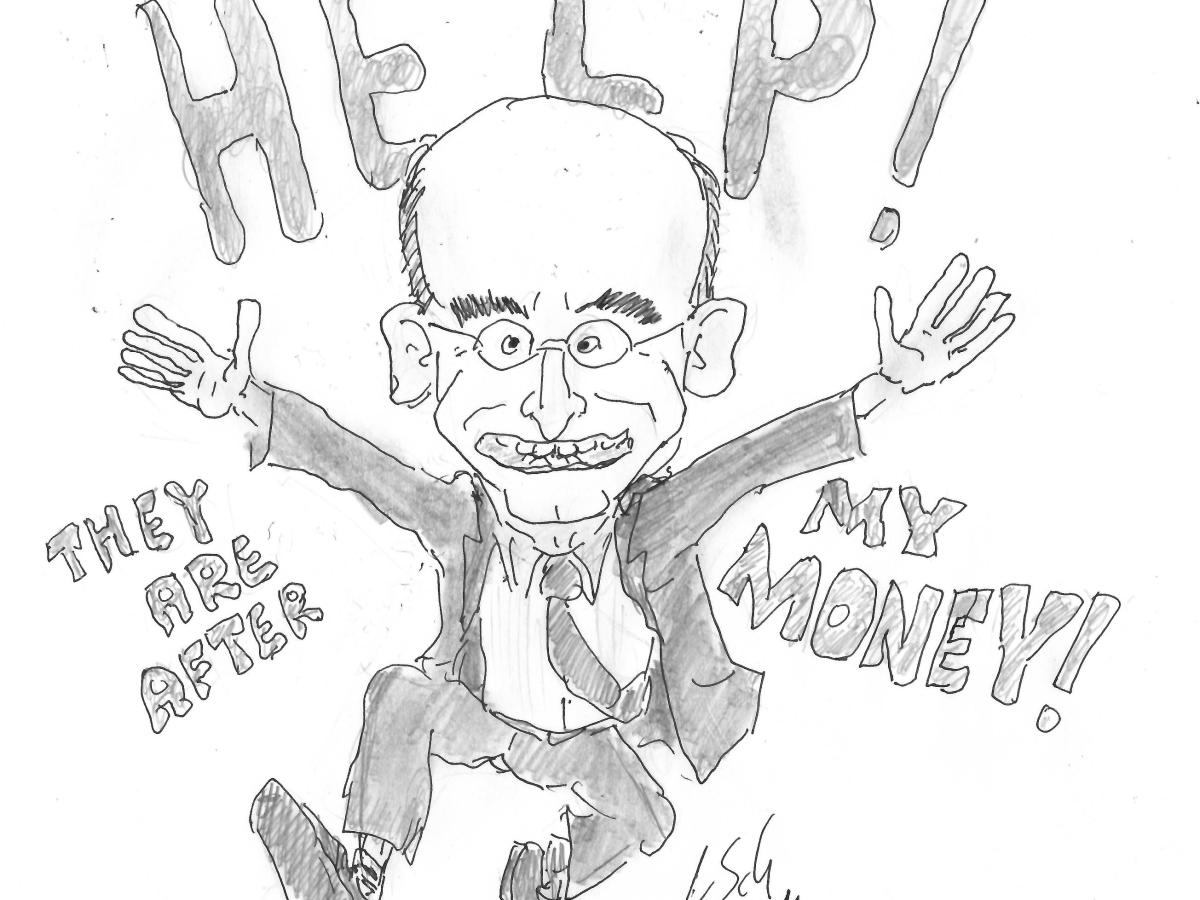
Thomas Südhof and AI-powered weapons of micro-duplication
Thomas Südhof, victim of racist and sexist persecution, announced to retract a second paper, “even though the quantitative analyses and conclusions are correct”.

And in that Lindau meeting, Südhof, who is a native German, gave a lecture which these young folks probably didn’t expect. Because our Nobel Weiner recently had to retract two papers and had many more flagged on PubPeer for data falsification, he decided to use the opportunity to, well, to whine.
Look at this:

Südhof also showed his admiring audience a fake western blot which Elisabeth Bik flagged for Shin et al 2010. The Nobel Weiner quite openly admits in his talk that the gel fragments are duplicated, but doesn’t explain how it happened. Only that none of that has any meaning, scientific or otherwise:
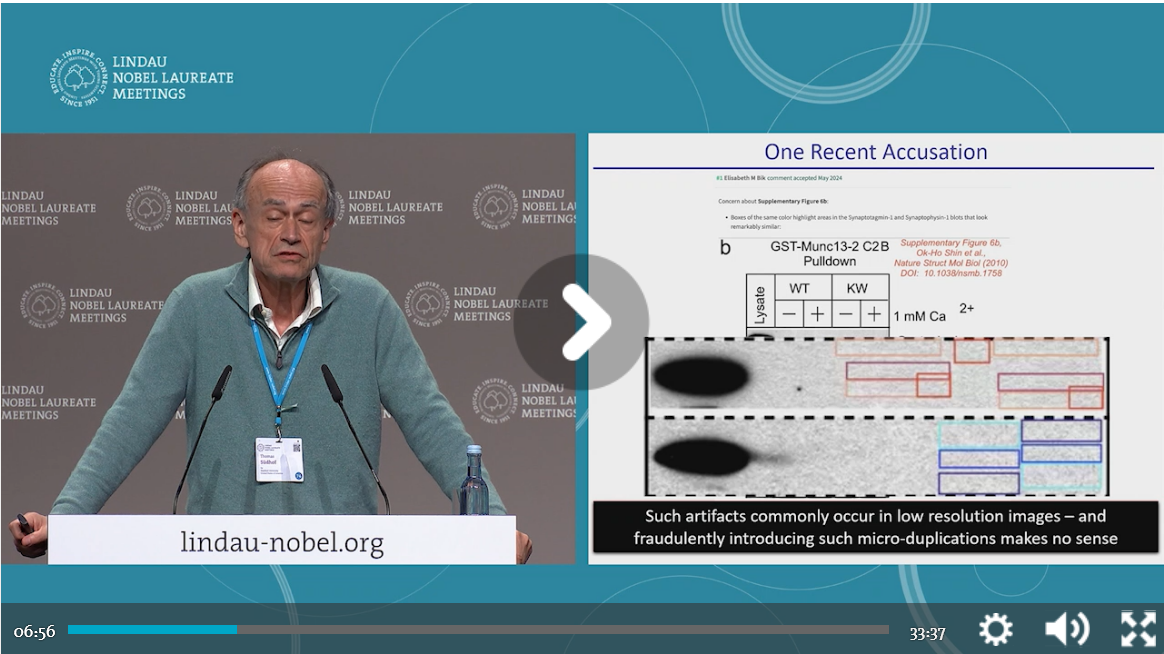
In his talk, Südhof specifically addressed his retraction of Chen et al Neuron 2017 (read February 2025 Shorts). Now, the retraction notice from 10 February 2025 stated that ‘We, the authors of this publication, have decided to retract the paper” and thanked “M. Schrag for bringing these image aberrations to our attention.” But in his Lindau Nobel talk, Südhof said something very different:
“But the journals, in particular Neuron, is very, very sensitive to this kind of accusations, and they forced us to retract this paper”

In parallel, Südhof gave an interview to the German magazine Der Spiegel, on the same topic. There, the Nobelist defends his fake papers, while openly supporting Trump’s war on DEI policies and social justice, and Trump’s defunding of undesired research fields.
Tom Südhof’s Verfolgte Unschuld
“The professional bloggers are now trying to turn this into a question of research integrity which is deeply misleading, and claim that they are doing this not for financial gain. Judge for yourself!” – Thomas Südhof, Nobel Prize laureate
But to be fair, Südhof is no fan of Trump. There are Trump policies this German-American multi-millionaire opposes. For example, both in his Lindau lecture and the Spiegel interview, Südhof refers to Trump’s executive order of “Restoring gold standard science” which mentioned that “The falsification of data by leading researchers has led to high-profile retractions of federally funded research.” Spiegel asked the celebrity German if his own retractions influenced the political decision, and Südhof replied (translated):
“I don’t know. But it’s true: We retracted two papers, not because our results were incorrect, but because there were discrepancies between the raw data and the graphics that we couldn’t immediately resolve. The core findings of the papers were correct.”
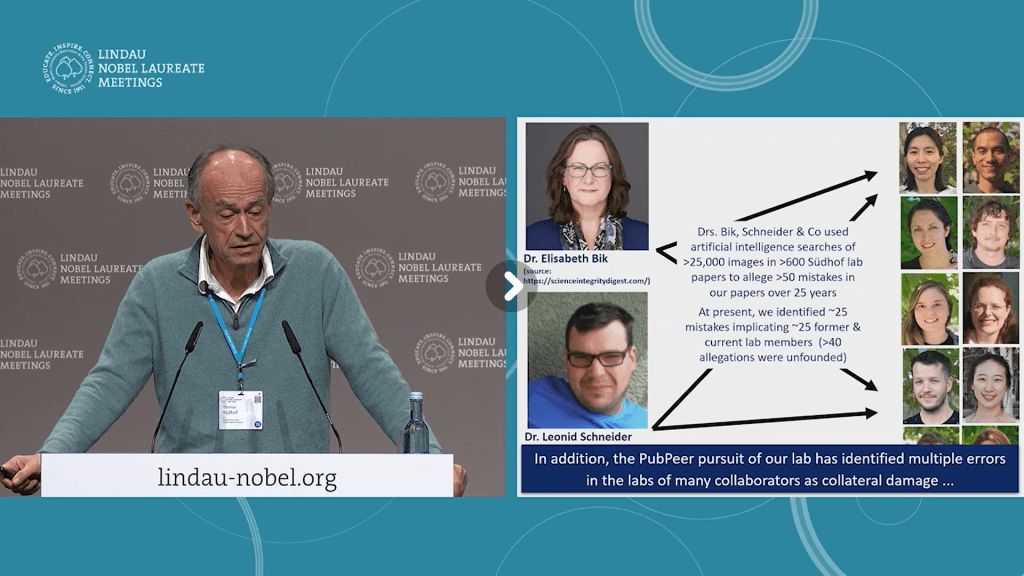
I kid you not: Südhof sincerely educated all these young scientists at the Lindau Nobel Meeting that, as long as nobody is able to find data forgeries at the time of publication and using contemporary tools and methods, then these forgeries do not exist. In his Lindau lecture and the Spiegel interview, the Nobelist basically accused the sleuths like Bik and Maarten van Kampen of having brought into exitence the “errors” in his papers by using advanced digital AI technologies, (i.e. Elisabeth Bik’s brain and eyes). And anyway, only the digital tools which Südhof’s lab started using in 2005 are to blame for these utterly meaningless duplications, as he told Spiegel:
“Almost all of the errors we’ve made—and we’ve definitely made them—can be traced back to a technological innovation: We began processing images digitally about 15 or 20 years ago. This resulted in copy-paste errors that were invisible to the naked eye. But today, thanks to artificial intelligence, this is possible. This means that, with a delay of 15 to 20 years, errors that were previously undetectable are now suddenly revealed.”
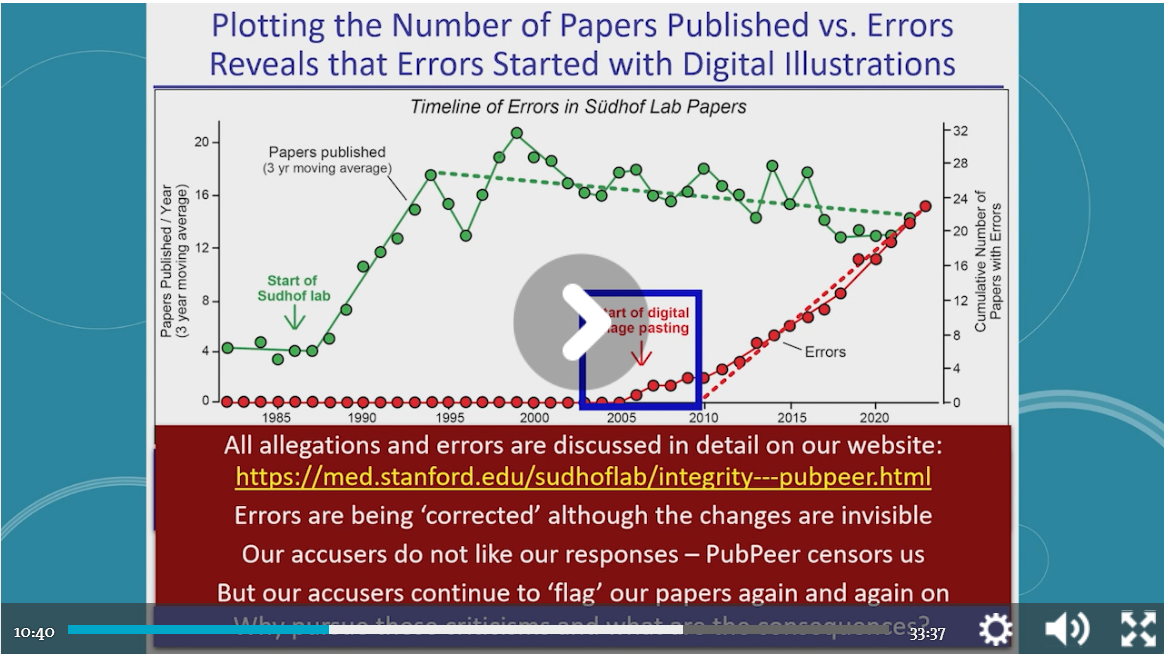
I must admit, the Spiegel journalist asked Südhof a very good question, about whether his own research results can’t be trusted because of such unnoticed errors, and whether this contributes to the reproducibilty crisis. The Nobelist replied:
“I think that’s wrong. There is no such crisis. The fact that the errors we made are invisible to the naked eye also means that they had no impact on our scientific results. These were correct, even if the presentation contained invisible errors.”
Let this sink in. This guy is celebrated as America’s greatest hero of research integrity in a recent book about other people’s fake neuroscience:

“Doctored” by Charles Piller – book review
“If this book accomplishes anything, it should be to shatter the illusion that Alzheimer’s research is on solid footing and to prompt a long-overdue reckoning in the field. ” – Csaba Szabo

At some point the Nobel Weiner (who is married to a Chinese researcher and is a huge fan of Chinese science) even defended Asian papermills, by claiming that those thousands of retractions were due to “trivial errors” and not fraud:
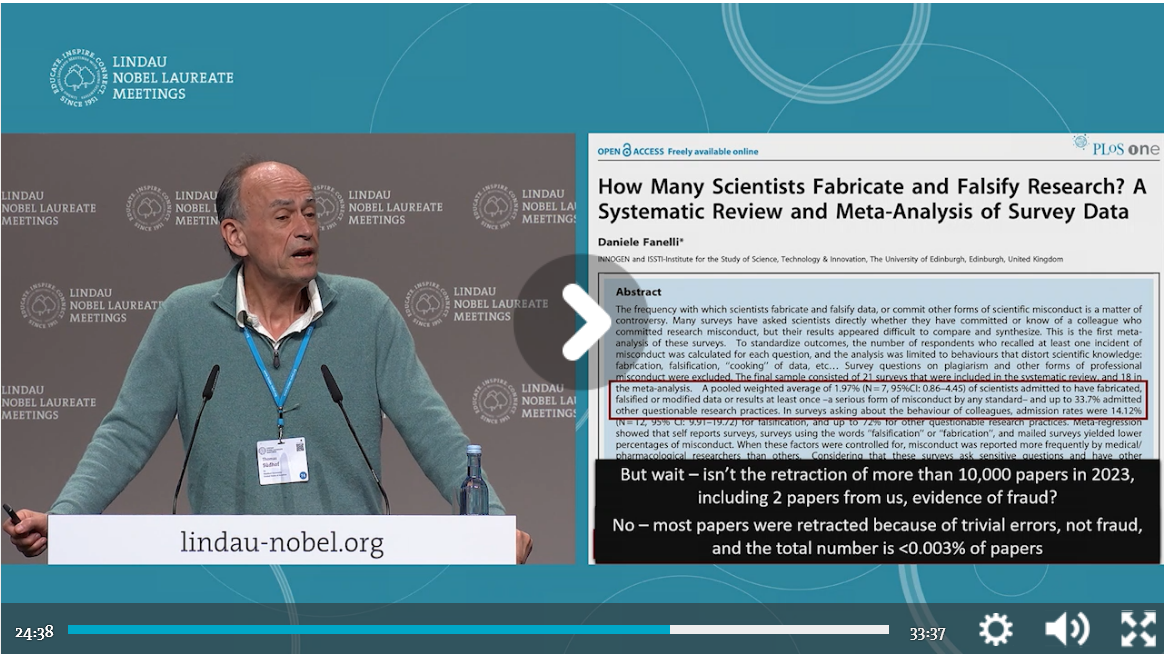
In his Lindau Nobel lecture, Südhof specifically singled out Elisabeth Bik as his enemy. He even falsely claimed that she used her recent $200k award from the Einstein Foundation in Berlin to bribe herself into a faculty position at his Stanford University. Südhof’s audience in Lindau can be heard laughing at Bik’s alleged transgression.
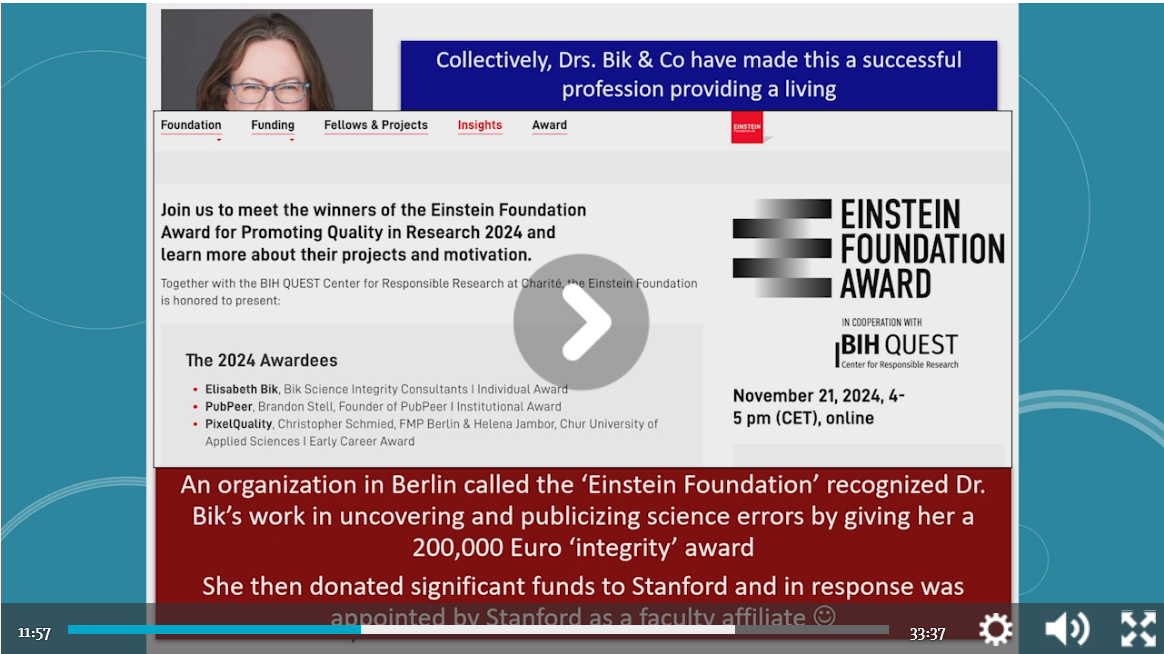
But of course that claim was false and frankly slanderous. Bik provided to me this statement:
“Dr. Südhof’s claim is incorrect. I do not have a faculty position, and I did not use the Einstein Foundation Award money to buy such a position. My position at Stanford is simply an affiliate-ship, sponsored by the Stanford University METRICS institute. Dr. Südhof should easily be able to confirm that through the Stanford Who system, since he is at the same university.
The affiliate position allows me to access the Stanford library resources and wifi-access at other universities, but does not come with any salary or other financial benefits. It is something very different than a faculty position, and a Stanford professor should know the difference. Stanford positions fall into four different categories: student, faculty, staff, affiliate. For more information, this link might be helpful.
My Stanford affiliate position started on 5 September 2024, while I received news about the Einstein Foundation award late October 2024. I also never received the Einstein Foundation money myself, but instead donated it to a new Elisabeth Bik Fund, which is now under the Center for Science Integrity (CSI) which also funds Retraction Watch. This fund is going to help other research integrity workers who need financial assistance to travel to conferences, buy software etc.“

Thomas Südhof and the standards of scientific rigor
Maarten van Kampen’s second attempt at hounding of Nobel papers.

Lindau Nobel Meetings organisers did not reply to my request for a comment. Südhof’s Lindau lecture was also analysed in the blog post by Matthias Wjst, who wrote:
“Ad hominem arguments – showing images of offending scientists like Elisabeth Bik and Leonid Schneider, was certainly not helpful.”
Prague Alcoholism Signaling Symposium
We remain on the topic of scientific conferences. The sexual harasser and science cheater David Sabatini , who was sacked by MIT in USA, found a job and some friends in Czechia, and now they prepared a whole symposium for him: “2026 Prague Metabolism and Signaling Symposium“, to take place on 24-27 June 2026.
The Sex Privileges of mTORman David Sabatini
“The Plaintiff is Professor Sabatini […] the self-described powerful senior scientist, who had demanded sex of her when she was a graduate student ending her studies and about to start a fellowship at the Whitehead, in a program Sabatini would direct. […] And it is the man who had made it clear – throughout her…
The organisers are Sabatini himself and Katerina Rohlenova of Czech Academy of Sciences. Invited speakers are various fellow science cheaters, students are offered “a heavily discounted registration fee” of 255 Euros for the rare opportunity to be sexually harassed by the great mTORman himself. As Sabatini stated previously, he is interested in European-looking young women.
So who is coming to that Prague piss-up to commiserate this narcissistic man-baby and perpetually horny alcoholic, who despite massive financial support from the billionaire and Trump-friend Bill Ackman remains a toxic pariah?

The keynore speakers are: a fellow mTOR researcher Michael Hall of University of Basel in Switzerland and Karen Vousden of The Crick in UK. Read about their bad science here:
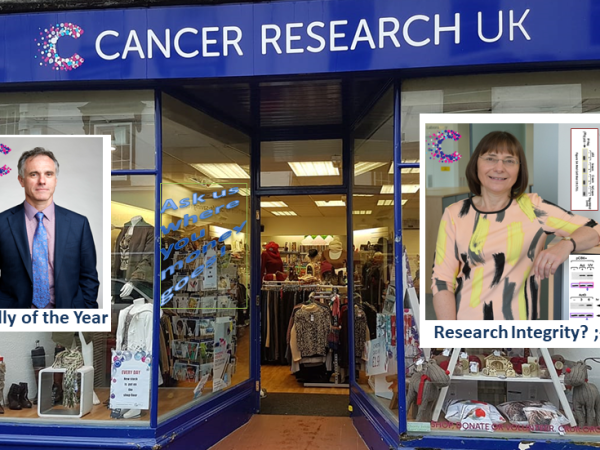
The Crooks of CRUK
Cancer Research UK is a charity which relies on donations, volunteer work and fundraising. What if these citizens knew their money goes to fund bad science?

mTOR: conclusions not affected?
David Sabatini, remember that story? Well, it seems the conclusions were not affected. I take an ill-informed look at the mTOR signalling research field, to understand how photoshopped data gets to be independently verified by other labs.
These are the other invited speakers, several of them previously donated to Sabatini when he was (unsuccessfully) suing MIT and his victim of sexual harassment:
- Sabatini mentee Naama Kanarek, now at Harvard Medical School, USA (PubPeer record)
- Sabatini mentee Kivanc Birsoy, now at Rockefeller University, USA (PubPeer record)
- Sabatini mentee Liron Bar-Peled, now at Harvard Medical School (PubPeer record)
- Sabatini mentee Michael Pacold, now at NYU Langone Health, USA (PubPeer record)
- Sabatini mentee Jessica Spinelli, now at University of Massachusetts, USA (PubPeer record)
- Sabatini mentee Alejo Efeyan, before that mentee of Manuel Serano, now at CNIO, Spain (PubPeer record)
- Sabatini mentee Issam Ben Sahra, now at Northwestern University, USA (PubPeer record)
- Sabatini mentee Kuang Shen, now at University of Massachusetts, USA (PubPeer record)
- Mark Febbraio of Monash University, Australia (PubPeer record)
- Sabatini collaborator Richard Possemato of NYU Langone Health, USA (PubPeer record)
- Sabatini collaborator Jared Rutter of University of Utah, USA (PubPeer record)
- Sabatini collaborator Navdeep Chandel of Northwestern University, USA (PubPeer record)
- Sabatini collaborator Thales Papagiannakopoulos, now at NYU School of Medicine, USA (PubPeer record)
- Sabatini collaborator Mario Pende of Université Paris Cité, France (PubPeer record)
- Sabatini collaborator Omer Yilmaz of MIT, USA (PubPeer record)
- Luca Scorrano of University of Padova, Italy (PubPeer record)
- M Celeste Simon of University of Pennsylvania, USA (PubPeer record)
- Ralph DeBerardinis of University of Texas Southwestern, USA (PubPeer record)
- Andrew Dillin of UC Berkely, USA (PubPeer record)
- Eileen White of Rutgers University, USA (PubPeer record)
- Brendan Manning of Harvard University, USA (PubPeer record)
- Pekka Katajisto of University of Helsinki, Finland (PubPeer record)
- Lydia Finley of Memorial Sloan Kettering Cancer Center, USA (PubPeer record)
- Anne Brunet of Stanford University, USA (PubPeer record)
- Janelle Ayres of Salk Institute, USA (PubPeer record)
- Gerta Hoxhaj of UT Southwestern, USA (PubPeer record)
- Heather Christofk of UCLA, USA
- Nada Kaalany of Harvard Medical School, USA
- Erika Pearce 0f Johns Hopkins University, USA
- Reuben Shaw of Salk Institute, USA
A handy list of questionable characters for decent scientists to avoid.
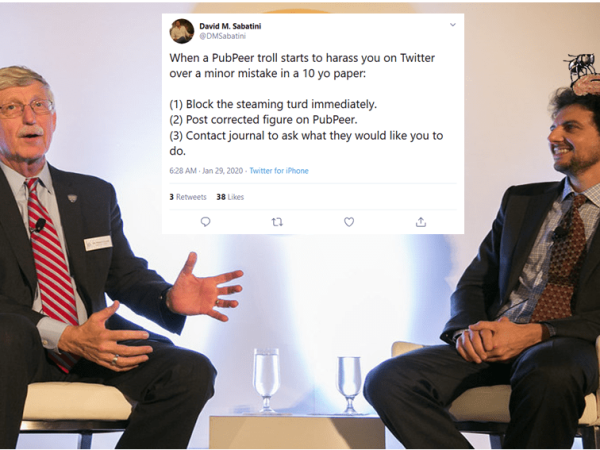
David Sabatini TORmented by steaming turds
David Sabatini is an absolute star scientist, and now he is being harassed. On PubPeer and Twitter. It is all very unfair.
Scholarly Publishing
Facilities were not available
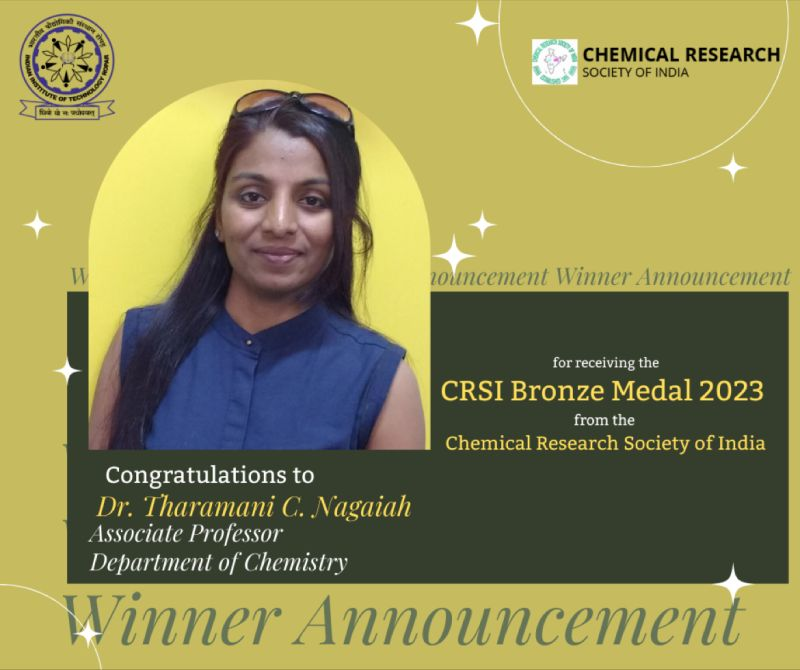
Some people just have all the luck. Tharamani Nagaiah used to be postdoc at at the University of Bochum where she published falsified data. After a brief invetsigation, the German university decided that “there is no evidence in the concerned publication for intentional falsification or deception” with retractions explicitely ruled out because the “findings are not called into question” (read February 2024 Shorts).
Thus, Nagaiah, who is now associate professor at IIT Ropar in India, only has to issue occasional corrections. Most recently for this:
Mukesh Kumar , Tharamani C. Nagaiah A NiCu–MoS2 electrocatalyst for pH-universal hydrogen evolution reaction and Zn–air batteries driven self-power water splitting Journal of Materials Chemistry A (2023) doi: 10.1039/d3ta02668j


Nagaiah explained on PubPeer that there are also some tiny peak differences between the spectra, and otherwise the results were supposed to be identical.
In 2023, on the occasion of this paper, Nagaiah was honoured in the Journal of Materials Chemistry 10th Anniversary Community Spotlight as a Dedicated Author.
The Editor-in-Chief of this RSC journal happens to be Anders Hagfeldt, rector of the University of Uppsala in Sweden, who was caught papermilling and declared innocent also:

Swedish rector Anders Hagfeldt pronounced innocent of papermilling
“The board’s conclusion is therefore that the deviations regarding figure 2b and 2c in article 1 constitute serious deviations from good research practice”
And now, Nagaiah proudly shared her Correction of 4 July 2025 on PubPeer (highlights mine):
“The authors regret that parts of Fig. 1 and 7 in the original article showed overlap. At the time of the measurements, the XRD, FE-SEM and XPS facilities were not available at the authors’ institute, so the measurements were recorded at a different institute. The authors have synthesised the materials again and repeated the experiments at their own institute to provide a replacement of the data shown in Fig. 1f, Fig. 7b and c. The authors apologise for this error and confirm that this correction does not alter any scientific conclusions in this Journal of Materials Chemistry A paper.”
Basically, Nagaiah admitted that she and her coauthor simply fabricated the experiments. But this is OK, because now they fabricated a replacement!
It seems, like the German professors in Bochum, Hagfeldt was also charmed by Nagaiah. All these big powerful Germanic men seem to find her irresistable.
No evidence of duplication or data manipulation
The Swedish scientist Omer Nur is certainly not as attractive as Tharamani Nagaiah, but he is also in luck. Nur was found guilty of research fraud by Sweden’s national authority NPOF, but his own Linkoping University protects him (read May 2025 Shorts).
Omer Nour and Magnus Willander guilty of research misconduct
“The Board assesses that there are no scientifically acceptable explanations for why the notified researchers have fabricated research results in the manner that has occurred in the notified articles. Raw data also does not support the reported results. [..] In summary, the Board finds therefore that the notified researchers have been guilty of misconduct in…
This was recently corrected:
Hessa A. Alsalmah , Adel Bandar Alruqi , Omer Nur , A. Rajeh Developing polymer nanocomposite films of ZnO/NiFe2O4 nanohybrids, polyvinyl pyrrolidone, and chitosan for flexible electromagnetic applications and energy storage devices Ceramics International (2024) doi: 10.1016/j.ceramint.2024.05.190


A Correction from 7 June 2025 addressed only one of these issues:
“The authors regret that due to an unintentional mistake two spectra in Fig. 1b have been plotted using the same data in this published paper.”
The coauthor Hessa Alsalmah has other fake papers on PubPeer, including for blocks of purchased citations (Shakeel et al 2024), and the coauthor A. Rajeh has even more on PubPeer. Wiley now investigated this study by Nur, Alsalmah and Rajeh:
Hessa A. Alsalmah , A. Rajeh , M. O. Farea , Omer Nur Synthesis and characterization of PEG/CS‐AgNO3 polymer nanocomposites for flexible optoelectronic and energy storage applications Polymer Composites (2024) doi: 10.1002/pc.28118

Archasia belfragei : “Figure 1 contains two XRD patterns with identical noise signal”
The sleuth Fabian Wittmers contacted the journal and the publisher in April 2025. On 10 July, he was informed of the resolution:
“Wiley´s Integrity Assurance and Case Resolution division performed an investigation into your original concerns […]
The authors responded to an inquiry by the publisher and provided original data as well as an explanation for the concerns of similarities in the XRD patterns in Figure 1. While the S3 and S4 patterns show many similarities, the authors stated that the resolution and width of the XRD patterns do not allow for small differences to be seen. The individual patterns shared by the authors corresponded to the data and the published figures, but showed some differences. As such, Wiley considers that there is no evidence of duplication or data manipulation, and so we will not proceed with further action against the article. […]
We are aware that the authors have received a number of similar concerns listed for their other publications on PubPeer. However, we are only able to make a decision based on the evidence presented for articles published in Wiley journals. “

Linköping haunted by fake spectra
Linköping University has another potential research misconduct case, again in material sciences. Four papers by LiU professors Ömer Nur and Magnus Willander are questioned on PubPeer
The sleuth was also instructed to contact the authors to see that confidential raw data. Fabian tried that and received no reply at all. He then pleaded with Wiley to reconsider their decision, also Mu Yang reminded Wiley that “Noises are random and do not replicate in different traces.” Eventually, Wiley’s Integrity Assurance & Case Resolution team agreed:
“After further consideration from senior members of our team, we have agreed to re-open this case. Unfortunately, we are not able to share the original data that were shared by the authors with external parties without the authors’ consent, as all our investigations are considered confidential. The data will receive further examination by subject experts affiliated with Wiley and the journal.“
Consider the matter resolved
In May 2025, the pseudonyous sleuth Claire Francis reported this paper from University of Bologna in Italy to the editors of a Wiley journal:
Manuela Mancini, Nevena Veljkovic , Valentina Corradi , Elisa Zuffa , Patrizia Corrado , Eleonora Pagnotta , Giovanni Martinelli , Enza Barbieri , Maria Alessandra Santucci 14‐3‐3 Ligand Prevents Nuclear Import of c‐ABL Protein in Chronic Myeloid Leukemia Traffic (2009) doi: 10.1111/j.1600-0854.2009.00897.x

On 12 July 2025, an unnamed member of Wiley’s Integrity Assurance & Case Resolution team send the sleuth this reply (highlight mine):
“I wanted to let you know that the concerns you have shared with the journal team regarding the article have been investigated by independent members of Wiley’s IACR-team.
We take seriously all concerns raised regarding research integrity and publishing ethics and investigate them in accordance with the guidelines of the Committee of Publication Ethics (COPE).
Therefore, we asked the authors to provide a detailed explanation and data to rebut the allegations. The authors were able to do so to our satisfaction, hence we consider the matter resolved.”
I presume the authors explained to Wiley that in Italy, research results are traditionally hand-faked in Photoshop and if you don’t respect this tradition, then you are clearly an anti-science troll and a racist.
The main joke that Wiley exactly knows who they are dealing with. The Bologna scholar Manuela Mancini and the two professors Enza Barbieri and Maria Alessandra Santucci previously had to retract two papers, in another Wiley-published journal. However, maybe here the decision was made by the journal’s owner, the British Society for Haematology:
- Gianluca Brusa, Elisa Zuffa , Manuela Mancini , Michela Benvenuti , Natalia Calonghi , Enza Barbieri , Maria Alessandra Santucci P210 Bcr-abl tyrosine kinase interaction with histone deacetylase 1 modifies histone H4 acetylation and chromatin structure of chronic myeloid leukaemia haematopoietic progenitors British Journal of Haematology (2006) doi: 10.1111/j.1365-2141.2005.05873.x
- Manuela Mancini , Elisa Zuffa, Nevena Veljkovic , Gianluca Brusa , Patrizia Corrado , Valentina Corradi , Giovanni Martinelli , Enza Barbieri , Maria Alessandra Santucci IPO-trimethylation of histone H3-lysine9 associated with P210 BCR-ABL tyrosine kinase of chronic myeloid leukaemia British Journal of Haematology (2008) doi: 10.1111/j.1365-2141.2008.07134.x

Manuela Mancini , Gianluca Brusa , Elisa Zuffa , Patrizia Corrado , Giovanni Martinelli , Tiziana Grafone , Enza Barbieri , Maria Alessandra Santucci Persistent Cdk2 inactivation drives growth arrest of BCR-ABL-expressing cells in response to dual inhibitor of SRC and ABL kinases SKI606 Leukemia Research (2007) doi: 10.1016/j.leukres.2006.09.022


Left: data reused in:
Both retractions are rather recent. Here the retraction for Brusa et al 2006, from 26 May 2025:
“A third party notified the journal that they had found evidence of image manipulation and duplication within Figures 4, and 5. The third party also reported that bands in Figure 4 of this article had been reused in 2 other articles by some of the same authors (Mancini et al. 2007 [https://doi.org/10.1016/j.leukres.2006.09.022] and Mancini et al. 2008 [https://doi.org/10.1111/j.1365-2141.2008.07134.x]). An investigation by the publisher confirmed that two Histone H1 bands in Figure 4 had been duplicated, 2 Histone H4 bands in Figure 5B had been duplicated, and that the bcr-abl bands in Figure 5B had been spliced and potentially duplicated. The investigation also confirmed that bands had been reused in other articles by the same authors, each of which describes different experimental conditions. Authors M. Mancini and N. Calonghi responded to an inquiry by the publisher, but due to the length of time since publication they were not able to provide an explanation for the evidence of image manipulation or the original data. The authors did not respond to our notice regarding the retraction.”
The retraction for Mancini et al 2008, from 23 May 2025 had very similar wording. It is strange that Wiley were not told that Barbieri died in 2012. I couldn’t find out whether Santucci is still alive.
In any case, there is more for Mancini and her two mentors Santucci and Barbieri on PubPeer, like this here:
Gianluca Brusa , Elisa Zuffa , Claudia Maria Hattinger , Massimo Serra , Daniel Remondini , Gastone Castellani , Simona Righi , Cristina Campidelli , Stefano Pileri , Pier Luigi Zinzani , Annalisa Gabriele , Manuela Mancini , Patrizia Corrado , Enza Barbieri , Maria Alessandra Santucci Genomic imbalances associated with secondary acute leukemias in Hodgkin lymphoma Oncology Reports (2007) doi: 10.3892/or.18.6.1427

This rots on PubPeer since 2017, and Elsevier can’t care less:
Manuela Mancini, Elisa Leo , Michela Aluigi , Chiara Marcozzi , Enrica Borsi , Enza Barbieri , Maria Alessandra Santucci Gadd45a transcriptional induction elicited by the Aurora kinase inhibitor MK-0457 in Bcr-Abl-expressing cells is driven by Oct-1 transcription factor Leukemia Research (2012) doi: 10.1016/j.leukres.2012.03.025

Retraction Watchdogging
Explanations did not satisfactorily address the issues
Christian Sonne, professor at the University of Aarhus in Denmark, finally earns his first retraction. Hopefully dozens more retractions will follow, because Sonne is a shameless papermiller working in team with the worst crooks of the international papermill industry. Not that anyone in Aarhus minds, that university even recruited Mika Sillanpää, after all. Read here:
So this was retracted, it features as coauthor the known papermiller Su Shiung Lam, many Chinese, a Danish colleague named Bjarne Styrishave (now at University of Copenhagen) and a Pole beyond the Artic Circle, Tomasz Maciej Ciesielski of the University Centre in Svalbard:
Xiaochen Yue , Nyuk Ling Ma , Jiateng Zhong , Han Yang , Huiling Chen , Yafeng Yang , Su Shiung Lam , Lijun Yan , Bjarne Styrishave , Tomasz Maciej Ciesielski , Wan-Xi Peng , Christian Sonne Ancient forest plants possess cytotoxic properties causing liver cancer HepG2 cell apoptosis Environmental Research (2024) doi: 10.1016/j.envres.2023.117474
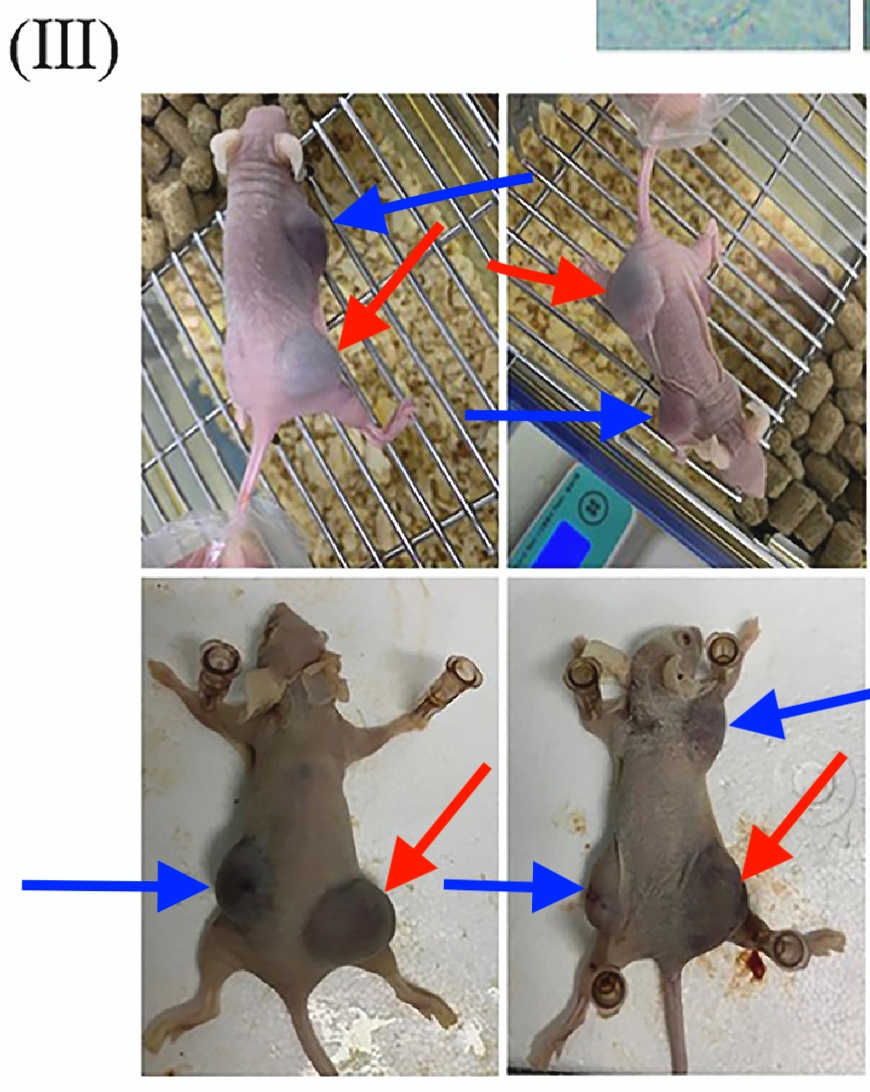
Shinkai fontefridae: “How can there be such large tumor development in the left hind leg and even upper legs of the mice of the injection was in the right hind leg? (…) Fig. 4 close up, red arrows point towards right and leg, blue arrows point to left hind leg or upper parts of the mice“
There were numerous other inconsistencies. And this papermill-infested Elsevier journal became subject to an investigation by the publisher, because of this:

Issues of global relevance
“I like ImageTwin, but seeing things with just eyes is like hand-to-hand combat….” – Mu Yang
In January 2024, Sonne replied to the detailed criticisms on PubPeer:
“Feel free to send the corresponding author(s) an email. My best, Christian“
Maybe Sonne forgot that he was the corresponding author? When you order so much from papermills as he does, you might forget what exactly you exactly you ordered. In July 2025, a retraction arrived:
“This article has been retracted at the request of the Authors with the approval of the Editor-in-Chief.
Concerns were raised about the representation in Figure 1C of the data from the indicated source, the inconsistency between statements from the text of the ‘Materials and methods’ section and Figures 4(III) and 4(IV), the ratio between tumor size and weight as presented by Figures 4(III) and 4(IV), the inconsistency between ‘Materials and methods’ and ‘Results and discussion’ sections regarding the LO2 cell line and the supplementary data, as described in an anonymized email sent to the journal which was forwarded to the authors.
The Authors provided a Corrigendum of the published paper to address some expressions in the article that may be unclear and may consequently affect the understanding of the article. However, the corrections and explanations did not satisfactorily address the issues raised regarding the paper. Therefore, the Editors approved the Authors’ request for retraction of this article. The Authors apologized for any inconvenience this may cause”.
Working in good faith under constrained conditions
A retraction in Elsevier, which is partcularly interesting because the last author is a certain Mark Howells, professor at Loughborough University in UK and director of the Loughborough Centre for Sustainable Transitions. He is also Editor-in-Chief of this papermill-infested journal Energy Strategy Reviews, you can read about some of the utter trash Howells personally handled and approved as editor here:
Salesmen of Green Economy Bullshit
“This bullshit is a form of greenwashing, as policymakers might believe that with growing amount of “research” we are making progress. Except we are heading nowhere.” – Alexander Magazinov

Alexander Magazinov notified Howells of the goings-on at his journal on 15 June 2025, but the EiC replied only more than two weeks later and by sheer coincidence immediatedly after the above article was published:
“First off this is shocking – worrying that the process is broken; and that it is being exploited. “
In later emails, Howells announced to “plough through” all concerns submitted by the sleuth, and added: “If those result in patterns that can be eliminated, I’d be keen to explore how to systematically do so“. In other emails, he said:
“…what you have picked up in (a small minority of papers in) ESR is down to scams that have taken advantage of naivety, tradition and (in no small part my) human error. […]
Yes, the system is far from perfect. Some are working in good faith under constrained conditions to reach – often unsuccessfully – to make it better. “
This retraction shows how badly the process is broken and how good Howell’s faith really is:
Mariana Rodríguez-Arce , Jam Angulo-Paniagua , Luis Victor-Gallardo , Jessica Roccard , Jairo Quirós-Tortós , Kane Alexander , Mark Howells Integrated climate, land, energy, and water framework to support the Nationally Determined Contribution updating process Energy Strategy Reviews (2024) doi: 10.1016/j.esr.2024.101316
The paper was cited 3 times, most recently by Howells himself in December 2024. Here the undated abd likely recent retraction, highlights mine:
“This article has been retracted at the request of the Editor-in-Chief due to an inadvertent handling error by the Editor-in-Chief, who was also an author of the paper. This oversight compromised the impartiality of the peer review process and necessitated the retraction of the paper.
The paper will be resubmitted, and measurements will be put in place to ensure that the Editor-in-Chief plays no part in handling the resubmitted paper.
Once the resubmitted paper undergoes review–and if accepted for publication–a link to the new article will be provided here for your reference.
Apologies are offered to the readers for any inconvenience caused by the retraction of the original paper.”
I asked Howells about his retraction. He replied with:
“Thanks Leonid: will add that to the list that we are going through. Appreciated. Mark “
Donate!
If you are interested to support my work, you can leave here a small tip of $5. Or several of small tips, just increase the amount as you like (2x=€10; 5x=€25). Your generous patronage of my journalism will be most appreciated!
€5.00

 For Better Science
Thomas Südhof is behaviour is insane. It’s a clear sign he is a very narcissist person. Delusional as well. Does he really believe his own bullshit?
LikeLike
Not just him. The Lindau Nobel committee seems to believe his aggression against Elisabeth Bik is fully appropriate, justified and serves a high educational purpose.
I sent them this article, let’s see if they will react now.
LikeLiked by 1 person
And Forum Akademickie recently proudly announced participation of 6 bright, young Polish researchers, recipients of the START fellowships from the Foundation for Polish Science, in the Lindau meeting. 😟
Stypendyści START na spotkaniu z noblistami w Lindau
LikeLike
that they allowed this is indeed rather hard to digest. Unworthy in general. Perhaps send it to the nobel committee itself as well.
LikeLike
In 2021, Lindau Nobel organisers were so upset about the slanderous lies I spread about Gregg Semenza the year before, that they invited him to give a lecture.
https://mediatheque.lindau-nobel.org/recordings/39137
Unfortunately Gregg talked some boring stuff about HIF and not about invisible trees falling down without a noise.
Now Gregg has a big pile of retractions
LikeLiked by 1 person
No way, Environmental Research retracted a paper of its own former editor? He must have fallen out of favor, because he is no longer the editor, although he was no later than May 25th.
Remember the Green Technology for Sustainable Environment 2024 conference organized by Teofil Jesionowski last year, where Sonne was a member of the scientific committee, together with Robert Letcher (still an editor of Environmental Research), Pau-Loke Show, Mohammad Taherzadeh, and a bunch of famous plenary speakers (Damia Barcelo, Long D. Nghiem, Huu Hao Ngo, Ashok Pandey, Jörg Rinklebe, Grzegorz Lisak)?
May 23, 2025
The web page disappeared within a week after I reported this authors-editors circle to Elsevier. They take good care of each other. So, this retraction is quite surprising…
LikeLiked by 1 person
If you need it, the web page has been archived by the Wayback Machine: https://web.archive.org/web/20250126053843/https://gtse24.com/about/
LikeLiked by 1 person
Great! Thanks a lot. Elsevier may be surprised and disappointed.
LikeLike
The role of Letcher is something I have always been wondering about. He recently edited a paper for Sonne and Dietz (not sure about Dietz either). They have coauthored more than 100 papers together: https://pubpeer.com/publications/AEF30B45EA5C088C8D93EAC49DD218 . Sonne is still EIC for the paper mill journal Environmental Pollution. They did kick out Co-EIC J. Rinklebe (well they just didn’t renew his contract; I suspect the same will happen with Sonne). About the conference: that was really a amazing feature they did; they got all the major frauds together!
LikeLike
Well, I just gave the most prominent examples. I can give more:
Ewa Korzeniewska – Associate Editor of Science of the Total Environment,
Jacob de Boer – Co-Editor-in-Chief of Chemosphere,
Patryk Oleszczuk – Associate Editor of Chemosphere,
Li Gao – Section Editor of Journal of Water Process Engineering,
Janusz Pawliszyn – Editor-in-Chief of Trends in Analytical Chemistry and Green Analytical Chemistry,
Anne Meyer – Editor of Biotechnology Advances,
Marta Ziegler-Borowska – Executive Editor of International Journal of Biological Molecules.
And these are just the ones I have identified. I am not so familiar with environmental science journals.
They also boasted that the conference began with the “Meet the Editors” workshops. 🤗🤗🤗
LikeLike
Strange thing. Tomasz Ciesielski is also on this paper and almost all others with Christian cited in this post. I thought the Arctic did not tolerate dishonesty…
LikeLike
You mentioned Grzegorz Lisak, you think he is part of the network too?
LikeLike
I’m not sure. Haven’t looked at him closely yet. He has recently been promoted from the Editorial Board member in Environmental Research to Co-EiC. But check his profile in Scopus.
LikeLiked by 1 person
Didn’t expect this name to pop up!
I recently came across this paper in Chemosphere that Grzegorz Lisak edited: https://pubpeer.com/publications/94A1EE7436F329C8E16248AD030F61. Never looked at the guy systematically, but this came up on accident when I was digging through some Chemosphere articles.
LikeLike
I recently found an article on a Chinese website about editors jumping the sinking ships of STOTEN and Chemosphere and swimming to the new NPG journal Materials Sustainability (a nice title, btw).
Unethical Editors from STOTEN Are Moving to a Nature Portfolio Title
Grzegorz Lisak was on that list…
LikeLike
Oh, and I forgot. Grzegorz Lisak graduated from Poznan University of Technology (2007) and obtained his Ph.D. from Abo Akademi (2012). He also stayed there for a couple of years (2012-2016) as a postdoc. He was also a visiting research fellow at University of Wollongong (Weihua Li, Zhenjun Ma, Lei Deng etc. – frequent co-authors of Zhixiong Li and Grzegorz Królczyk). Does it ring a bell?
LikeLike
He might be smarter, hiding it better. As far as I can tell there is nothing on pubpeer where he is editing papers for his frequent coauthors.
LikeLike
Sonne has a second fake cancer study paper in another paper mill journal where he is still listed as an editor!! Environment international! Interesting thing is that the editor of that paper was EIC Adrian Covaci. Everywhere he becomes EIC, the journal becomes a paper mill place. He was also at STOTEN! Sonne his fake paper there: https://www.sciencedirect.com/science/article/pii/S0160412023005524?via%3Dihub
LikeLike
Nada is also a former postdoc at Sabatini’s lab
https://www.nature.com/articles/nature07782
LikeLiked by 1 person
Jacob de Boer was born in 1955. https://research.vu.nl/en/persons/jacob-de-boer
LikeLike
I think Jacob de Boer is just an old naive person. I doubt he is involved in the fraud. He was just unaware
LikeLike
It is rather curious that Sudhof did not use on his slides, as an illustration, the duplicated sequence of numbers in his excel sheet that he or his postdoc posted in response to issues raised in Pubpeer. Some of the things he said are actually true: (a) many of these duplications, indeed, would not be noticable without programs and AI and (b) sleuths, indeed, caused some disruptions (not sure about ‘ending’) of careers. What he forgot to mention that ALL OF THIS IS A GOOD THING!!!!
LikeLiked by 1 person
It’s strange. Retraction Watch Database contains 0 (zero) retractions for Semenza, while Scopus gives 8 (eight), some of them from 2022. Is Ivan so much behind? PubPeer – 67… Ouch!
LikeLike
It’s 15 retractions for Semenza.
LikeLike
There is another database tracking retractions and it is usually better (faster) updated: https://www.scitility.com/
LikeLike
Yes, I discovered it recently, but all records I checked gave Retraction Watch Database as a source. So, I thought its data would be even more delayed than RWD.
LikeLike
No, that was just at the start, now they also update it based on their ‘own’ data.
LikeLike
There are two simple explanations for what Südhof did. As a reader of the long and famous Pubpeer threads, I can tell you that Südhof, who seemed to be very aware and focused on solving the problem on Pubpeer, was apparently having a nervous breakdown at the computer. If he is so out of tune that he can openly target Bik, Schneider and Kampen, we are probably seeing how his narcissistic personality is in overdrive. Secondly, the Lindau platform, which is supposed to be a prestigious platform, has lost a lot of prestige by allowing this talk.
In no conversation on Pubpeer has Bik ever written in an arrogant or cynical tone. So is Kampen. Whatever they said, they backed it up with figures or text. And what did Südhof do? This profile, which is incapable of debating on Pubpeer, is targeting these people baselessly on the platform of the Nobel Prize. The fact that he can target them in such a simplistic and baseless way gives an idea of how easily he can trivialize “invisible” mistakes in his research lab.
I salute Bik, Schneider and Kampen from the depths of my heart. You have caused such a narcissistic personality to disgrace himself on the Lindau platform. Because when I look at those images, I see a pathetic man. And the main reason for that is himself. Wonderful.
LikeLiked by 1 person
https://www.science.org/doi/full/10.1126/sciadv.aec3110?af=R
Sudhof earns another expression of concern…
LikeLiked by 1 person
Yours and some other comments ended up in spam, wordpress being paranoid. Please people, do contact me when your comment doesn’t appear after a reasonable time (a few hours).
LikeLike