
Parashorea tomentella studied an Elsevier-published society journal called Journal of Ethnopharmacology, which is very receptive for Traditional Chinese Medicine (TCM), Ayurveda and other forms of quackery.
Obviously there is no way to do TCM or Ayuerveda research without faking data, and what the sleuth noticed is that the studies were sometimes embarrassingly lazy and obvious rubbish, and still the editors didn’t care. In fact, the editors didn’t even care about animal abuse: bear bile studies are perfectly ethical in their eyes.
Of course, the official focus of the journal is not magic, but serious pharmacological studies on natural products, usually plants, originally recorded in medicinal folklore worldwide. Here is a very typical paper in the Journal of ethnopharmacology, from scholars in Malaysia and accepted 3 weeks after submission:
Wan Fatein Nabeila Wan Omar , Nelli Giribabu , Kamarulzaman Karim , Naguib Salleh Marantodes pumilum (Blume) Kuntze (Kacip Fatimah) stimulates uterine contraction in rats in post-partum period Journal of ethnopharmacology (2019) doi: 10.1016/j.jep.2019.112175


Or this, from Paraguay, on a local South American plant:
D.A. Ibarrola , W. Arrua , J.E. Gonzalez , M.S. Soverina Escobar , J. Centurión , A.M. Campuzano Benitez , F.M. Ovando Soria , E.I. Rodas González , K.G. Arrúa , M.B. Acevedo Barrios , O.Y. Heinichen , Y. Montalbetti , M.A. Campuzano-Bublitz , M.L. Kennedy , S.J. Figueredo Thiel , N.L. Alvarenga , M.C. Hellión-Ibarrola The antihypertensive and diuretic effect of crude root extract and saponins from Solanum sisymbriifolium Lam., in L-NAME-induced hypertension in rats Journal of ethnopharmacology (2022) doi: 10.1016/j.jep.2022.115605

And of course, there are many studies from India, here on a local fruit:
Mohan Kumar Ramar , Linda Jeeva Kumari Henry , Shiyamsundar Ramachandran , Kumarappan Chidambaram , Ruckmani Kandasamy Ziziphus mauritiana Lam attenuates inflammation via downregulating NFκB pathway in LPS-stimulated RAW 264.7 macrophages & OVA-induced airway inflammation in mice models Journal of ethnopharmacology (2022) doi: 10.1016/j.jep.2022.115445


But I as mentioned, Parashorea tomentella would like to discuss much more obvious irregularities in Journal of ethnopharmacology, with a special focus on TCM. You will see glaring problems with image duplications, but also outright animal cruelty, nonsense statements on data sharing, and editors wilfully ignoring their own guidelines on quality control.
Slipshod Self-service Ethnopharmacology
By Parashorea tomentella
Journal of Ethnopharmacology is published by Elsevier and is the official journal of the International Society for Ethnopharmacology, which was originally founded by a French scientist in 1990, the journal was set up seven years later. It is a subscription-based journal with open access (OA) optional for authors, the OA price tag is currently $3740. In 2023, the Journal of Ethnopharmacology was the most cited journal in the discipline of Integrative & Complementary Medicine and ranked fifth in journal impact factor (currently 4.8). It published an average of about 1,300 articles and reviews per year during 2021-2024, overtaking Hindawi’s Evidence-Based Complementary and Alternative Medicine (which ceased publication in 2024) as the journal with the most published papers in this discipline. that can be best attributed to its popularity with Chinese authors.
I have no sympathy for Traditional Chinese Medicine (TCM) researchers who provide “evidence” for ineffective or even harmful TCM and proprietary Chinese medicine (pCM), like filling out prescriptions for many kinds of drugs so that they continue being sold in pharmacies and reimbursed by public health insurance in China. But I can understand that many of these TCM researchers are stuck in an unpromising research field, conducting experiments that never deliver their desired results. Therefore, they seek journals that are friendly and unquestioning.
Deliferate misteaks by Tradional Chinese Medicine
Smut Clyde studies two Chinese research groups to understand how TCM can be used to create modern Photoshop art.

Some authors and papermill agents praised the Journal of Ethnopharmacology as a “dream journal”. For TCM researchers, this journal has a good impact factor and offers non-OA options free of publication charge that are rare in the discipline. More importantly, it is one of the few TCM-friendly journals which publish research on the so-called “network pharmacology”. Since the advent of this new buzzword, the vast majority of studies in the field have come from Chinese authors, and in particular, it has been widely used to “explain” the pharmacology of TCM and pCM products considered effective by TCM practitioners ( see Zhang et al, “Network pharmacology: towards the artificial intelligence-based precision traditional Chinese medicine” 2024). This type of research has not been sufficiently tested and is often based on priori knowledge from ancient TCM texts. Many journals keep rejecting such manuscripts, but not the Journal of Ethnopharmacology. In fact, since 2020, it increased the number of publications on network pharmacology to at least 50 per year.
In short, this society journal is very TCM-friendly. But also to Ayurveda!

Tooth-Fairy-Meets-Easter-Bunny Science of TCM
Smut Clyde follows the dark path of Traditional Chinese Medicine again. What will he find there? As usual, all the big publishers peddling TCM fraud, that’s what.
Slipshod papers
Several sleuths have set foot in this swamp. Last year, Actinopolyspora biskrensis found a figure of wild western blot in a study from India about the fruits of the gaub tree, an established Ayurveda ingredient.
Sannidhi Bhootra , Nandana Jill , Rohit Rajak , Geetha Shanmugam , Sudeshna Rakshit , Samiyah Kannanthodi , Vidhi Thakkar , Melvin George , Koustav Sarkar Diospyros malabarica fruit preparation mediates immunotherapeutic modulation and epigenetic regulation to evoke protection against non–small cell lung cancer (NSCLC) Journal of Ethnopharmacology (2023) doi: 10.1016/j.jep.2023.116525

Unexpectedly, the author Koustav Sarkar provided a humorous reply:
“Our work is on Diospyros malabarica not on Actinopolyspora biskrensis. We represented the data whatever we have got. I will be more careful in future.”
To add further confusion, Hoya camphorifolia found out that gel bands in Figure 10 appeared in 3 other papers by Sarkar, two of them on other Ayurvedic plants:

[left] Fig 6 from “Association of Wiskott-Aldrich syndrome protein (WASp) in epigenetic regulation of B cell differentiation in non-small-cell lung cancer (NSCLC)” (Chandnani et al 2023).
[right] Fig 10 again.

“[left] Fig 7 from “Immunomodulatory effects of Diospyros peregrina fruit preparation (DFP) in non-small cell lung cancer (NSCLC) by utilizing dendritic cell-mediated antigen presentation and T helper (TH) cell differentiation” (Sriraman et al 2024).
[right] Fig 7 from “Exploring the immunomodulatory potential of Brahmi (Bacopa monnieri) in the treatment of invasive ductal carcinoma” (Roy et al 2024).”
Elisabeth Bik found a figure in which the loading control GAPDH had one extra lane:
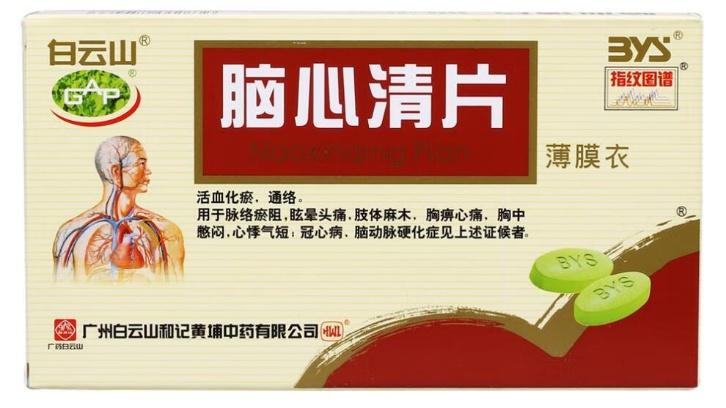
Xiao Sun , Yunfeng Pan , Yun Luo , Haibiao Guo , Zhixiu Zhang , Deqin Wang , Chuyuan Li, Xiaobo Sun Naoxinqing tablet protects against cerebral ischemic/reperfusion injury by regulating ampkα/NAMPT/SIRT1/PGC-1α pathway Journal of Ethnopharmacology (2024) doi: 10.1016/j.jep.2023.117672

The GAPDH blot has 6 lanes while only 5 are expected.”

The drug used in this Chinese article was Naoxinqing (meaning it cleans the cardiovascular and cerebral vessels) tablet, a patented pCM from Hutchison Whampoa Guangzhou Baiyunshan Chinese Medicine Co., Ltd.
In another article, a PubPeer user noticed that one line of bands seemed to hide behind another set of bands that did not align with it:
Xiaojiang Zhou , Jin Wang , Yupan Lu , Chao Chen , Yuan Hu , Ping Liu, Xianzhe Dong Anti-depressive effects of Kai-Xin-San on lipid metabolism in depressed patients and CUMS rats using metabolomic analysis Journal of Ethnopharmacology (2020) doi: 10.1016/j.jep.2020.112615

This article reported a clinical trial in which depressive patients were given Kaixinsan (meaning “happy-go-lucky powder”) which was invented in the 7th century.
Another paper explained the working mechanism of the drug Erigeron breviscapus (Dengzhanxixin), a patented injection by Yunnan Biovalley Pharmaceutical Co., Ltd, allegedly made from the phenolic acid component extracted from this Chinese herb.

Jingwen Zhang , Mengtian Han , Shu Wang , Ruixia Wu , Qipeng Zhao , Meihua Chen , Yongmao Yang , Jing Zhang , Xianli Meng, Yi Zhang, Zhang Wang Study on the anti-mitochondrial apoptosis mechanism of Erigeron breviscapus injection based on UPLC-Q-TOF-MS metabolomics and molecular docking in rats with cerebral ischemia-reperfusion injury Journal of Ethnopharmacology (2024) doi: 10.1016/j.jep.2023.117310
Two months after the publication, the authors published a Corrigendum:
“The images of Fig. 2A […] are incorrect. The errors are due to the misuse of the incorrect original images. The data analysis and statistics are re-conducted according to the correct original images. The replacement of images will not affect the final conclusions and results of the whole paper, but will make the whole paper more rigorous”
But a PubPeer user found duplicate images in the corrigendum:

The study also referred to the “seahorse area” of the brain instead of the hippocampus.

Smut Clyde found that some papers in Journal of Ethnopharmacology have reference lists that obsessively cite papers by specific authors:
Chongyan Zhao, Qingsong Qu, Fang Yang, Zhixun Li, Pengshuo Yang, Lu Han, Xinyuan Shi Monascus ruber fermented Panax ginseng ameliorates lipid metabolism disorders and modulate gut microbiota in rats fed a high-fat diet Journal of Ethnopharmacology (2021) doi: 10.1016/j.jep.2021.114300
This one belongs to a set of 22 papers, which in turn are
“a subset of a larger group of 30-odd papers, all from the Traditional Chinese Medicine genre, and all citing the work of C. Zhao and colleagues, under the misapprehension that this work is about extracting active phytochemical ingredients from herbs. What singles out these 22 entries is the presence of identical passages, to contain these irrelevant citations.”
This is the Chao Zhao bloc of citations all these papers share. They are not exactly related to TCM, or biomedicine.
- A. Hassan, M., Umar, M., Ding, W., Mehryar, E., & Zhao, C. (2017). Methane enhancement through co-digestion of chicken manure and oxidative cleaved wheat straw: Stability performance and kinetic modeling perspectives. Energy, 141, 2314–2320.
- B. Qiao, X. L., Zhao, C., Shao, Q. J., Hassan, M., Energy Fuel 2018, 32, 6022-6030. “Structural characterization of corn stover lignin after hydrogen peroxide presoaking prior to ammonia fiber expansion pretreatment”
- C. Zhang, M. Q., Zhao, C., Shao, Q. J., Yang, Z. D., Int. J. Agr. Biol. Eng. 2019, 12, 143-148. “Determination of water content in corn stover silage using near-infrared spectroscopy”
- D. Zhao, C., Shao, Q. J., Ma, Z. Q., Li, B., Zhao, X. J., Ind. Crop. Prod. 2016, 83, 86-93. “Physical and chemical characterizations of corn stalk resulting from hydrogen peroxide presoaking prior to ammonia fiber expansion pretreatment”
- E. Zhao, C., Cao, Y., Ma, Z. Q., Shao, Q. J., Biomass Bioenergy 2017, 98, 61-69. “Optimization of liquid ammonia pretreatment conditions for maximizing sugar release from giant reed (Arundo donax L.).”
- F. C. Zhao, X.L. Qiao, Y. Cao, Q.J. Shao, Methane enhancement through co-digestion of chicken manure and oxidative cleaved wheat straw: stability performance and kinetic modeling perspectives, Energy 141 (2017) 2314–2320.
- G. Zhao, C., Qiao, X. L., Cao, Y., Shao, Q. L., Fuel 2017, 205, 184-191. “Application of hydrogen peroxide presoaking prior to ammonia fiber expansion pretreatment of energy crops”
- H. Zhao, C., Qiao, X., Shao, Q., Hassan, M., Ma, Z., 2020a, Evolution of the lignin chemical structure during the bioethanol production process and its inhibition to enzymatic hydrolysis, Energ. Fuel., 2020, 34, 5938-5947.
- I. Zhao, C., Qiao, X. L., Shao, Q. J., Hassan, M., Ma, Z. Q., Yao, L. J., Ind. Crop. Prod. 2020, 146, 112177. “Synergistic effect of hydrogen peroxide and ammonia on lignin”
![[Citation not needed]](https://forbetterscience.com/wp-content/uploads/2022/03/mv5bowfkmmy2njytyjdkms00njjklthkyjctmmrintm0n2y1mgvjxkeyxkfqcgdeqxvymtiwodk1ntq40._v1_1.jpg?w=1200&h=900&crop=1)
[Citation not needed]
“Even university management eventually realised that self-citations of your work, in your own papers, shouldn’t really count (“see ‘Toenail Clipping Microphotographs, Part 1’, S, Clyde 2018″). So people progressed to citation cabals among cronies, referring to each other’s work” – Smut Clyde
Mu Yang aka Dysdera arabisenen reported an overlapping image in a Chinese study about the TCM product Tian-Si-Yin (TSY):
Ling Zhou, Chunqing Yang , Zhiqiang Liu , Linlin Chen , Ping Wang , Yuan Zhou , Mei Yuan , Lan-Ting Zhou , Xueren Wang , Ling-Qiang Zhu Neuroprotective effect of the traditional decoction Tian-Si-Yin against Alzheimer’s disease via suppression of neuroinflammation Journal of Ethnopharmacology (2024) doi: 10.1016/j.jep.2023.117569

The first author Ling Zhou announced in January 2025 on PubPeer to “have contacted the editor for a corrigendum to correct the misplacement of that particular panel”.
Another author also promised an erratum for this Ayurveda study, but months have passed and still no corrigendum has been published.
Paul Nayim, Armelle T. Mbaveng, Mukherjee Sanjukta, Jain Rikesh, Victor Kuete, Krishna Sudhir CD24 gene inhibition and TIMP-4 gene upregulation by Imperata cylindrica’s root extract prevents metastasis of CaSki cells via inhibiting PI3K/Akt/snail signaling pathway and blocking EMT Journal of Ethnopharmacology (2021) doi: 10.1016/j.jep.2021.114111


The author Mukherjee Sanjukta assured on PubPeer: “The overall conclusions of this paper are correct” and that the authors will “issue the necessary clarifications“. Krishna Sudhir repeatedly pleaded in April 2024:
“Paul Nayim is working with the corresponding authors to address the issues on all our behalf. They have already begun reaching out to the editors of the journal and will do so in a comprehensive manner. Please give them the time to address the issues in as satisfactory manner as possible.“
Another author assured that there was nothing wrong with the images in this Turkish-Pakistani-Chilean-Spanish collaboration around a sorb tree:
Esra Küpeli Akkol, Fatma Tuğçe Gürağaç Dereli , Hakkı Taştan, Eduardo Sobarzo-Sánchez , Haroon Khan Effect of Sorbus domestica and its active constituents in an experimental model of colitis rats induced by acetic acid Journal of Ethnopharmacology (2020) doi: 10.1016/j.jep.2019.112521

Mycosphaerella arachidis: “Figure 4: […] these images should show different experimental groups. I think the fact that A and D are overlapping magnified areas of C is unexpected. The legend mentions scale bars, but I can’t see any in the images”
The author Hakkı Taştan insisted on PubPeer that “since all the pictures are intestinal tissues of rats made with different experimental applications, they are similar to each other in pictures” and that the “similarity is due to the tissue structure being the same“.
The PubPeer user Archasia belfragei found another image overlap in an Egyptian Ayurveda study:
Heba M.A. Khalil , Hesham A. Eliwa, Riham A. El-Shiekh , Asmaa K. Al-Mokaddem, Marwa Hassan, Azza M. Tawfek, Walaa H. El-Maadawy Ashwagandha (Withania somnifera) root extract attenuates hepatic and cognitive deficits in thioacetamide-induced rat model of hepatic encephalopathy via induction of Nrf2/HO-1 and mitigation of NF-κB/MAPK signaling pathways Journal of Ethnopharmacology (2021) doi: 10.1016/j.jep.2021.114141
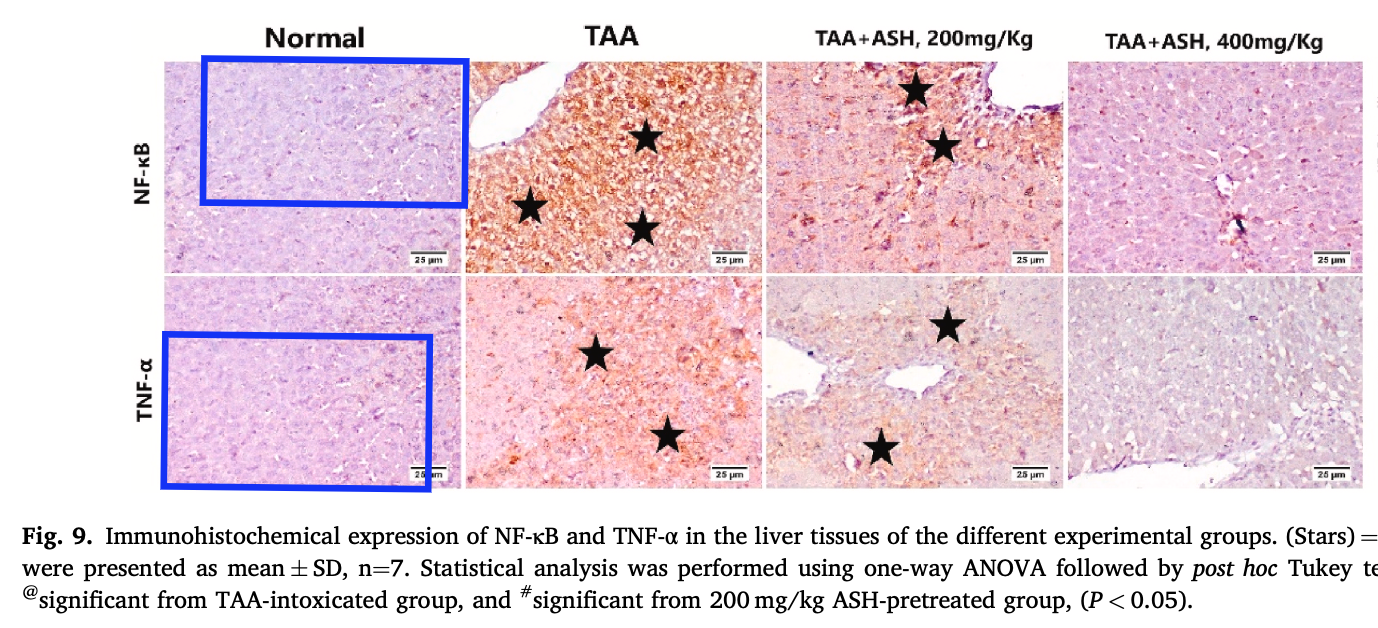
In this study from Nigeria, PubPeer user Pycreus lanceolatus found a figure with seven rows and three columns, which was apparently made up by rotating and stretching a few images:
Oluwakemi Adeleke, Ganiyu Oboh , Stephen Adefegha , Adebayo Osesusi Effect of aqueous extract from root and leaf of Sphenocentrum jollyanum pierre on wounds of diabetic rats: Influence on wound tissue cytokines, vascular endothelial growth factor and microbes Journal of Ethnopharmacology (2022) doi: 10.1016/j.jep.2022.115266


Sholto David spent a lot of time checking papers published by this journal in 2020 and 2021, leaving over 100 comments on PubPeer, with many more image duplicates and overlaps. Even in articles published in 2025, he still finds problems, such as this one that improved defecation in mice and zebrafish with the microbial fermentation solution of cassia seed.
Haohui Xie, Shaoxiong He, Zhijie Yu, Haixin Xu, Zelong Wang, He Li Investigation on bowel regulation and constipation relief based on the microbial fermentation solution of cassia seed Journal of Ethnopharmacology (2025) doi: 10.1016/j.jep.2025.119412

The decision to publish this article was not taken hastily -a screenshot of the submission system shared by a RedNote (Xiaohongshu) user shows that this paper went through two resubmissions at this journal:

The manuscript was rejected twice by the journal on 13 September 13 and 18 November 2024, but the authors immediately refined the paper and resubmitted it on 15 September 15 and 19 November, and it was eventually accepted on 24 January 2025.
In my own sleuthing, I saw for the first time that a completed published paper contained (next to duplicated images) a section called “Unlisted references”:
Peng Sun, Jiarui Yue , Chuanli Lu , Kailong Ji , Raoqiong Yang , Jianmei Lu , Xingzhen Song , Huabin Hu , Jianwei Zhao , Yongping Yang, Youkai Xu Targeting urinary calcium oxalate crystallization with inulin-type AOFOS from Aspidopterys obcordata Hemsl. for the management of rat urolithiasis Journal of Ethnopharmacology (2024) doi: 10.1016/j.jep.2024.118149

I also saw for the first time images which appeared to overlap after being distorted (and rotated):
Yingnan Hu , Jingyi Tang , Yongfeng Xie , Wenjun Xu , Weihan Zhu , Linying Xia , Jintao Fang , Dian Yu , Jingjing Liu , Zhipeng Zheng , Qiujing Zhou , Qiyang Shou , Wei Zhang Gegen Qinlian decoction ameliorates TNBS-induced ulcerative colitis by regulating Th2/Th1 and Tregs/Th17 cells balance, inhibiting NLRP3 inflammasome activation and reshaping gut microbiota Journal of Ethnopharmacology (2024) doi: 10.1016/j.jep.2024.117956
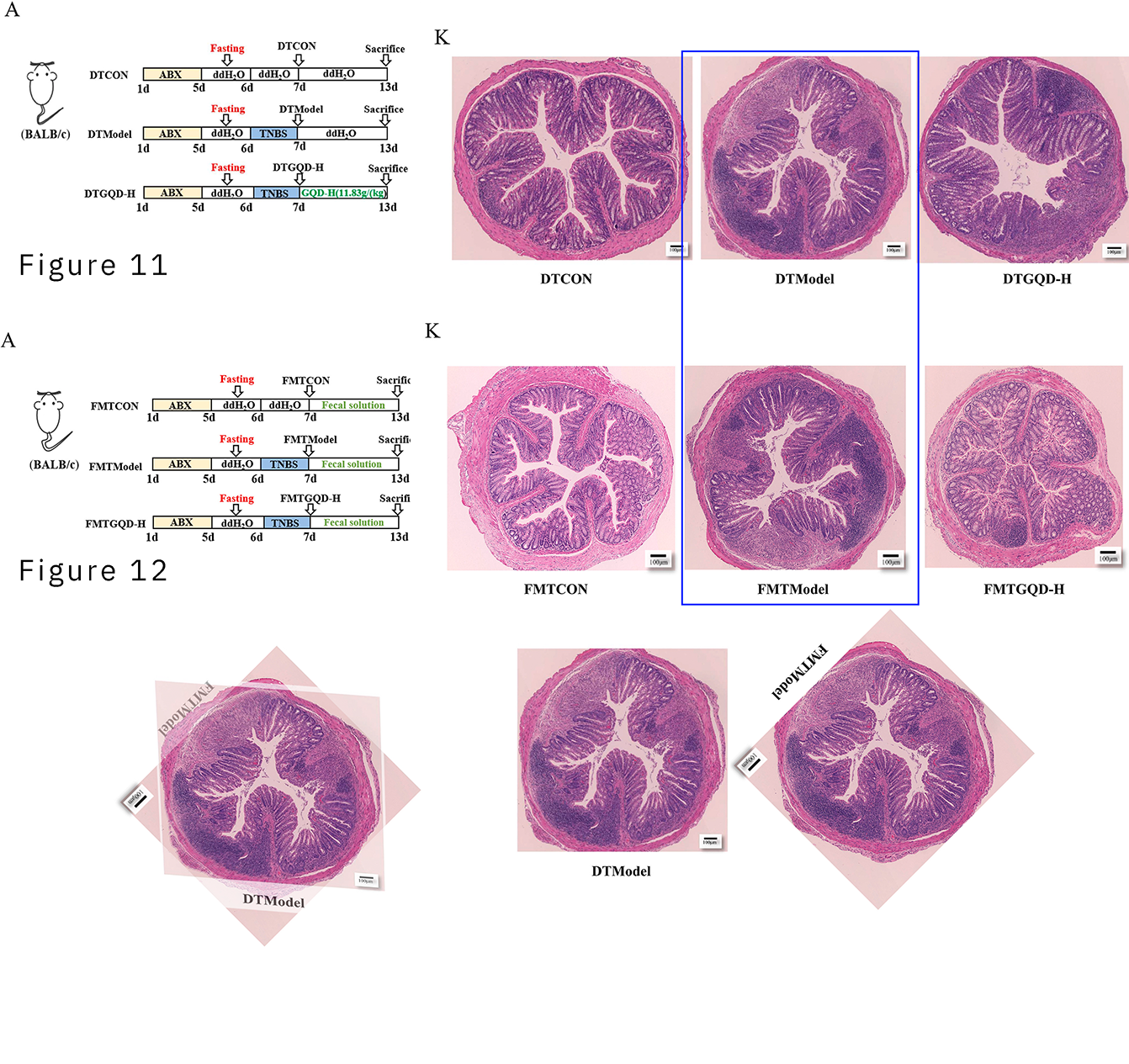
Maybe if the authors tried out more advanced features of Adobe Photoshop, such as puppet warp, this manipulation would be much harder to detect.
There is a recent article about a traditional Chinese herbal formula, Jiawei guomin decoction, which was originally invented by Long et al 2019 from Guizhou University of Traditional Chinese Medicine:
Jian-li Huang , Yi-hua Xu , Xin-wei Yang , Jie Wang , Yu Zhu , Xian-bo Wu Jiawei guomin decoction regulates the degranulation of mast cells in atopic dermatitis mice via the HIS/PAR-2 pathway Journal of Ethnopharmacology (2024)
doi: 10.1016/j.jep.2023.117485
For some reason, authors, reviewers, editors, and typesetters didn’t notice these mysterious lines on top of the error bars:


Such figures make one suspect that the authors were telling the truth in their data availability statement:
“No data was used for the research described in the article.”
Glaring problems
I will define what I’ve found here to be a “glaring problem”. In volumes 332-341, I included only four cases of:
- image duplication in the same figure (without any rotation or stretching),
- mismatch of images before and after the merging of fluorescence microscopy results,
- incorrect claims that the data were not used in the study, and
- a novel statement of data availability.
I have discovered image duplications in several network pharmacology studies. Specifically, the same image appears repeatedly within the figure, such as, a study on velvet antler:
Mingyue Wang , Zhenwei Zhou , Yuchi Wei , Rong He , Jie Yang , Xudong Zhang , Xiangyan Li , Daqing Zhao , Zhenhua Li, Xiangyang Leng, Haisi Dong Dissecting the mechanisms of velvet antler extract against diabetic osteoporosis via network pharmacology and proteomics Journal of Ethnopharmacology (2025) doi: 10.1016/j.jep.2025.119334

Parashorea tomentella: “In Figure 1B, different groups of cells show similar images.”
Or a study on Sijunzi Tang, where once again “No data was used for the research described in the article“:
Hui Ke , Xingjiang Zhang , Shuang Liang , Chengyue Zhou , Yunwei Hu , Qing Huang , Jianxin Wu Study on the anti-skin aging effect and mechanism of Sijunzi Tang based on network pharmacology and experimental validation Journal of Ethnopharmacology (2024) doi: 10.1016/j.jep.2024.118421


And an arthritis study with Zhubi (meaning to expel the “Bi”) decoction, which ingredients include scorpions and centipedes:
Jing Liu, Bocun Li, Xiaohong Zhou, Guangya Liu, Chao Li, Zhaoduan Hu, Rui Peng Uncovering the mechanisms of Zhubi decoction against rheumatoid arthritis through an integrated study of network pharmacology, metabolomics, and intestinal flora Journal of Ethnopharmacology (2024) doi: 10.1016/j.jep.2024.118736

Certainly, these image duplications also appear in papers that don’t have a section on network pharmacology. Mere duplication of images in the same figure can be unintentional and is usually not considered dishonest. However, some papers with image duplications raise concerns about editorial malpractice. In at least two cases, I don’t believe the editors ever read the to-be-published version. The first was a figure of which one half consisted of two duplicate images:
Maibam Beebina Chanu , Wahengbam Kabita Chanu , Brajakishor Singh Chingakham “GC-MS profiling, sub-acute toxicity study and total phenolic and flavonoid content analysis of methanolic leaf extract of Schima wallichii (D.C.) Korth-a traditional antidiabetic medicinal plant” Journal of Ethnopharmacology (2024) doi: 10.1016/j.jep.2024.118111

Parashorea tomentella: “A and D are duplicates in Figure 3.”
“Fig. 3. Title: Histopathology of brain (20X). Caption: A: normal control group. B: 200 mg/kg body weight extract treated group. C: 400 mg/kg body weight extract treated group. D: 800 mg/kg body weight extract treated group.”
The second case is the duplication of two whole columns of images:
Ya-Li Zhang, Hui-Ming Peng, Jing-Jing Li, Jing Chen, Meng-Ru Zhang, Xu Wang, Si-Yu Wang, Si-Ying Zhu, Jian-Kang Lu, Jin-Bo Fang The volatile oil of Hyssopus cuspidatus Boriss. (HVO) ameliorates OVA-induced allergic asthma via inhibiting PI3K/Akt/JNK/P38 signaling pathway and maintaining airway barrier integrity Journal of Ethnopharmacology (2024) doi: 10.1016/j.jep.2024.118568

Mismatched merged images are the next glaring problem found in fluorescence microscopy results. In those ten volumes, I found only one case, and there, the features in the images were perpendicular to each other.
Lizhi Gong , Jiayao Xu , Miaomiao Guo , Jian Zhao , Xiujuan Xin , Chaofeng Zhang , Xiaoming Ni, Yang Hu, Faliang An Octahydroindolizine alkaloid Homocrepidine A from Dendrobium crepidatum attenuate P. acnes-induced inflammatory in vitro and in vivo Journal of Ethnopharmacology (2024) doi: 10.1016/j.jep.2024.118455

Then there are data availability statement issues. I found 63 papers that presented alleged research data but declared at the end that no data was used. Some authors unwilling or unable to share data may incorrectly make such statements, but editors should intermediately see that this is inappropriate.
A certain unconventional data availability statement appears in seven papers with varying degrees of completeness. I haven’t found it in any other journal. The least complete version is here:
Yu Duan , Zhao-Jie Wang , Li-Na Mei , Jia-Shan Shen , Xing-Chao He , Xiao-Dong Luo Anti-Candida albicans effect and mechanism of Pachysandra axillaris Franch Journal of Ethnopharmacology (2025) doi: 10.1016/j.jep.2024.119284
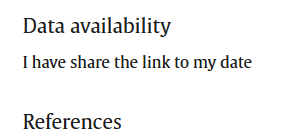
“I have share the link to my date””
Two other statements also refer to the authors’ “date”:
- Bo-Feng Qin , Jin-Jin Zhang , Qi-Yuan Feng , Xin Guo, Hai-Ming Sun, Jian Song Specnuezhenide ameliorates hepatic fibrosis via regulating SIRT6-Mediated inflammatory signaling cascades Journal of Ethnopharmacology (2024) doi: 10.1016/j.jep.2024.118646
- Jin-Jin Zhang , Jia-Xin Zhang , Qi-Yuan Feng , Li-Qiang Shi , Xin Guo, Hai-Ming Sun, Jian Song Eriocitrin ameliorates hepatic fibrosis and inflammation: The involvement of PPARα-mediated NLRP1/NLRC4 inflammasome signaling cascades Journal of Ethnopharmacology (2025) doi: 10.1016/j.jep.2024.119119
“I have shared the link to my date.”
The more complete version allows us to understand what this statement may really mean:
Xianlei Han , Yue Zhang , Fan Zhang , Xiumei Li , Yanli Meng , Jinhai Huo , Mian Chen , Fei Liu , Weiming Wang , Nan Wang Network pharmacology and phytochemical composition combined with validation in vivo and in vitro reveal the mechanism of platycodonis radix ameliorating PM2.5-induced acute lung injury Journal of Ethnopharmacology (2024) doi: 10.1016/j.jep.2024.118829
“I have shared the link to my data at the Attach File step”
There’s also a version with an extra apostrophe (but still no period):
Yuting Li , Haimei Zou , Lin Ma , Dingwen Hu , Haishan Long , Jingnan Lin , Ziqing Luo , Ye Zhou , Feng Liao , Xianyang Wang , Yu Meng , Wenbiao Wang, Geng Li , Zhongde Zhang Fuzheng Jiedu decoction alleviates H1N1 virus-induced acute lung injury in mice by suppressing the NLRP3 inflammasome activation Journal of Ethnopharmacology (2025) doi: 10.1016/j.jep.2024.119314
“I’have shared the link to my data at the Attach File steps”
I’m not sure how this relates to data availability. I let the readers guess the meaning of this statement themselves.
A Self-service journal
In the previous section, I mentioned volumes 332-341, the ten consecutive volumes published between the fourth quarter of 2024 and the Lunar New Year of 2025. These volumes contain 867 articles and reviews. I have made a list of the papers that have been found to be with glaring problems.
Thanks go to Sholto David for providing his online tool for finding image duplication within a single paper, with its help I was able to check many papers.
These 95 papers represent 11% of 867 papers published in these volumes (they are all research articles, representing 12% of 795). This means that the editorial quality of one in ten papers this journal published in the last few months provide reasons for concern. I made a table to show the distribution of image duplications in the same figure, inappropriate “No data was used for the research described in the article” statements, and glaring problems across the volumes.

As we can see, the problems are not concentrated in a particular volume but are scattered throughout the volumes. Note that the numbers in the table and the 11% of problematic articles do not include image overlap, image manipulation, and other issues which explicitly count as data manipulation. 10% papers with obvious and easy to detect problems in Journal of Ethnopharmacology is unusually much and could be considered a journal-level issue.
I don’t think it was an editorial oversight. The editors never seem to look at the text and make acceptance decisions as soon as certain conditions are met, such as getting enough positive review reports.
What is peculiar, is that the Journal of Ethnopharmacology does have a stringent editorial policy. It is described as a “Rules of 5”. Number 1 is “Out of scope“, and the second rule reads: “Too preliminary“:
“Immediate rejection criteria: […]
II. Single dose studies with very few animals, no dose-response studies.”
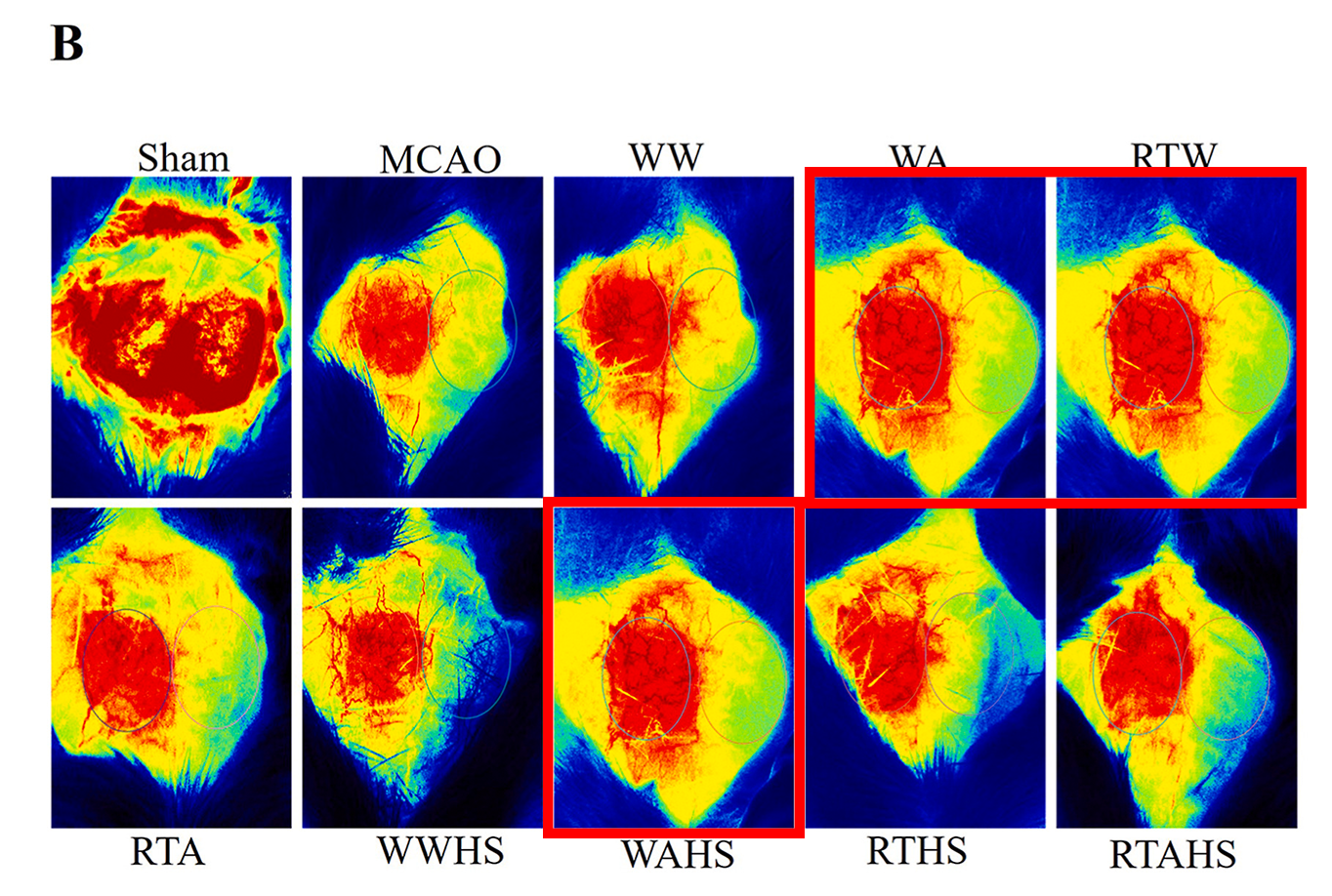
However, it wasn’t that hard for me to find two studies with only one dose group. There is this TCM paper in which the 10% SDS-PAGE gel, RIPA buffer, and BCA protein concentration determination kit were purchased from “Beyoncé Biological Technology Co., Ltd”, which was probably be “Beyotime Biotechnology”.
Hu Qi, Yuanlin Gao , Zeyang Zhang , Xiongwei Zhang , Dan Tian , Yanning Jiang , Lihong Zhang, Nan Zeng, Ruocong Yang HouShiHeiSan attenuates sarcopenia in middle cerebral artery occlusion (MCAO) rats Journal of Ethnopharmacology (2024) doi: 10.1016/j.jep.2024.118917
Or this, again a single dose group:
Pan Li, Ruoyu Zhang , Pingping Hu , Tingting Wang , Jianwei Wang Cepharanthine relieves nonalcoholic steatohepatitis through inhibiting STAT1/CXCL10 axis-mediated lipogenesis and inflammatory responses Journal of Ethnopharmacology (2025) doi: 10.1016/j.jep.2025.119358

Parashorea tomentella: “The bands of SCD and mSREBP1c in Figure 7B are very similar after stretching.”
The reason such a precise rule was violated was apparently the editor’s belief in Universalism.
Now, let us move on to the fifth rule, “Lack of novelty“:
“Immediate rejection criteria: […]
III. Use of pharmacological assays or clinical trials which are not internationally recognized as valid and relevant”
One PubPeer user claims that the forced swim test in four papers in this journal is invalid, they are:
- A.S.M. Ali Reza , Riaj Raihan , Saidul Azam , Mohammed Shahanewz , Mst Samima Nasrin , Md Abu Bakar Siddique , Md Nazim Uddin , Anik Kumar Dey , Md Golam Sadik, AHM Khurshid Alam Experimental and pharmacoinformatic approaches unveil the neuropharmacological and analgesic potential of chloroform fraction of Roktoshirinchi (Achyranthes ferruginea Roxb.) Journal of Ethnopharmacology (2024) doi: 10.1016/j.jep.2024.117769
- Ayokunmi Adebukola Akinduko, Sule Ola Salawu, Afolabi Clement Akinmoladun, Afolabi Akintunde Akindahunsi, Osarenkhoe Omorefosa Osemwegie Assessment of the anxiolytic, antidepressant, and antioxidant potential of Parquetina nigrescens (Afzel.) Bullock in Wistar rats Journal of Ethnopharmacology (2024) doi: 10.1016/j.jep.2023.117597
- J.K. Díaz-Cantón , M.A. Torres-Ramos , O. Limón-Morales , M. León-Santiago , N.A. Rivero-Segura , E. Tapia-Mendoza , S.L. Guzmán-Gutiérrez, R. Reyes-Chilpa Inhaled Litsea glaucescens K. (Lauraceae) leaves’ essential oil has anxiolytic and antidepressant-like activity in mice by BDNF pathway activation Journal of Ethnopharmacology (2024) doi: 10.1016/j.jep.2023.117489
- Yue Tong , Ge Zhao , Ruonan Shuang , Hanqing Wang , Nan Zeng Saikosaponin a activates tet1/dll3/notch1 signalling and promotes hippocampal neurogenesis to improve depression-like behavior in mice Journal of Ethnopharmacology (2024) doi: 10.1016/j.jep.2023.117289
Taraxacum subalternilobum commented on Reza et al 2024:
“In this paper, the authors describe using the forced swim test as a measure of depression activity in rats. However, this test is not useful for this purpose. It does not measure an animal’s mood and is subject to many experimental confounds. Many around the world have stopped using it… We have requested that the journal stop publishing papers which describe the forced swim test, but have received no response.”
I’m not an expert in this field, but their claim seems plausible. To be fair, the “Rules of 5” are good, the problem is that the editors don’t seem to follow them.
One could speculate that one reason for these editorial shortcomings may be that most papers published in this journal require a subscription for access, which indeed deterred or at least inhibited sleuths from studiyng this treasure trove. Another point is that, should the Journal of Ethnopharmacology be delisted from Web of Science, Scopus or Medline, it may be a blow to the International Society for Ethnopharmacology, but not to Elsevier. Elsevier could easily repopulate the niche vacated by one withered journal with another journal.
Bear bile research
Finally let’s look at an issue that is not necessarily contrary to this journal’s own policies because the Rules of 5 never mention any animal ethics. Smut Clyde noticed that the Journal of Ethnopharmacology published bear bile research.
Historically, the acquisition of bear bile powder has been accompanied by the killing of wild Asian black bears or the cruel breeding of bears on farms, where bears are kept in tiny cages and “milked” for their bile for the purpose of creating the TCM product “bear bile powder”. According to the International Association for Bear Research and Management,
“The Asiatic black bear is listed as Vulnerable (A2cd) under the International Union for the Conservation of Nature (IUCN) Red List. The Vulnerable listing is due to the decline in population numbers in most of Southeast Asia and China because of habitat loss, illegal killing, and wildlife trade (e.g., for bear bile).”
Here is one paper on bear bile powder “provided by Heilongjiang Heibao Pharmaceutical Co. Ltd. (China)“:
Han Zhu, Gaorui Wang, Yuyan Bai, Yanlin Tao, Lupeng Wang, Liu Yang, Hui Wu, Fei Huang, Hailian Shi, Xiaojun Wu Natural bear bile powder suppresses neuroinflammation in lipopolysaccharide-treated mice via regulating TGR5/AKT/NF-κB signaling pathway Journal of Ethnopharmacology (2022) doi: 10.1016/j.jep.2022.115063

The authors of the paper Smut Clyde found disclosed in a Corrigendum (actually a statement):
“The authors wish to clarify that the material used in the study was a purchased commercial product from Heilongjiang Heibao Pharmaceutical Co., Ltd.
Bear bile is a legal product produced in China under regulated conditions and forms part of Traditional Chinese Medicine practices.
The study adhered to all ethical protocols, both nationally and institutionally.”
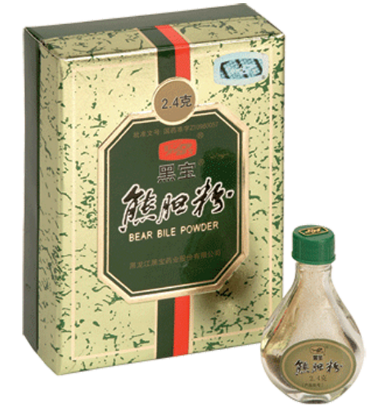
According to Peter J. Li (2007), Heilongjiang Heibao at one time owned the largest black bear farm in the world, keeping over 1,000 bears for their bile.
In 2020 and 2022, this Elsevier journal published two other such studies. Although they focussed on “cultured bear bile powder”, the experiments also involved “natural bear bile powder” (NBBP) from captive bears, “obtained from Kai Bao Pharmaceutical (Shanghai, China).”:
- Xiaoshu Sun , Haoyu Xue , Bin Zan , Yining Zhao , Yuanyuan Li , Tianming Wang , Jiasheng Wu , Shaoyong Liu , Zhengtao Wang , Rong Shi , Li Yang , Yueming Ma Anti-convulsant effects of cultures bear bile powder in febrile seizure via regulation of neurotransmission and inhibition of neuroinflammation Journal of Ethnopharmacology (2020) doi: 10.1016/j.jep.2020.112998
- Jingyi Cai , Jiasheng Wu , Su Fang , Shaoyong Liu , Tianming Wang , Yuanyuan Li , Juan Zou , Rong Shi , Zhengtao Wang , Li Yang , Yueming Ma Cultured bear bile powder ameliorates acute liver injury in cholestatic mice via inhibition of hepatic inflammation and apoptosis Journal of Ethnopharmacology (2022) doi: 10.1016/j.jep.2021.114829
In recent years, only a few journals outside of China still publish research on “natural” bear bile powder, and the few that do include Bentham’s Current Pharmaceutical Design (Liu et al 2024) and Frontiers in Pharmacology (Chen et al 2022).
Since Journal of Ethnopharmacology sees no reason to reject bear bile powder research like other scientific journals, that means you can expect to see anything there.
Note from author: The 2025 Lunar Year is the Year of the Snake in China, and the logo of the International Society for Ethnopharmacology (ISE) is also a snake. This inspired me to describe its official journal, the Journal of Ethnopharmacology, with words that start with an S for snake, and my first thought was “shabby”, but that seemed to mislead that the journal was a commercial failure. I then thought of Slipshod and Self-service, which makes four Ss in them. Slipshod describes some papers, and self-service refers to the quality of the publications that seems to have become dependent on the authors’ self- mastery, because in the most recent ten consecutive volumes, one in ten of its papers contained at least one glaring problem.
Donate!
If you are interested to support my work, you can leave here a small tip of $5. Or several of small tips, just increase the amount as you like (2x=€10; 5x=€25). Your generous patronage of my journalism will be most appreciated!
€5.00

 For Better Science
A great article that masterfully shows how much Elsevier is part of the global problem of fake science. While several publishers are starting to do at least something against the most outrageous fraudulent papers, Elsevier is among those publishers that never retracts anything AT ALL. If by chanche a retraction appears in an Elsevier’s outlet, this is because the authors asked for it. As bad as Elsevier are Wolters Kluwer, Impact Journals LLC and maybe even EMBO Press. But Elsevier is by far the worst, it’s a giant company that owns more than 3000 titles. Elsevier is a joke and deserves to be taken down ASAP.
LikeLiked by 2 people
Absolutely. Elsevier is like the Imperium in the Dune Universe.
They have hundreds of journals. Most of their journals are indexed in Web of Science and their impact factors are high compared to most other publishers.
Elsevier also owns the Scopus database, an alternative to Web of Science. It defines the CiteScore metric against the WoS Impact Factor. This makes it a database and metric provider that evaluates both publisher and publication performance.
It offers its database as a service to companies that announce global university rankings. Both THE Rankings and QS Rankings use Elsevier database.
By partnering with countries on open access for significant sums of money, it provides researchers with the opportunity to publish “free open access”.
Elsevier is everywhere about researchers’ outputs after they posted them online for sharing! It’s there as a publisher, it’s there as a metrics provider, it’s there as a performance determinant. It has literally created a monopoly.
Of course, these systems require useful idiots. I guess that’s why it doesn’t mess with papermillers in any way. Even if we report it dozens of times! I guess for the same reason, it keeps them on the editorial boards so that new papermillers gain strength.
When people think of dubious publishing, the first thing that comes to mind is the MDPI. As Magazinov mentioned. However, MDPI is more innocent than Elsevier. Maybe I can liken the MDPI to House Harkonnen.
Elsevier has taken over every single aspect of publishing and is constantly introducing corrupt names into the system.
LikeLiked by 3 people
The Dutch Government is in a quandary. To maintain the semblance of usual Dutch behaviour, which is honesty and saying what you think, or taking the tax revenues? Elsevier could always threaten to leave the Netherlands and set up shop somewhere else. What is a government to do? Extended European war on the way, or extortion, deal, or no deal? Does any of it matter?
LikeLike
Agree with Aneurus. Elsevier abuse their position and ignore any efforts to correct the record. This journal and several related ones like International Journal of Biological Macromolecules and Carbohydrate Polymers are doing huge damage.
LikeLiked by 2 people
MDPI is a testing ground for dirty publishing tricks, Elsevier is where they are exploited at industrial scale. Not that other legacy publishers are clean, but they are not as shameless.
LikeLiked by 1 person
Great work, congratulated with this nice blog. Please note that also a publisher like BMJ can refuse to fulfill for already 8 months a request of all 4 authors to retract Mostert et al. (2024). This publisher also refuses for already 2 months to admit that they are since 20 December 2024 in the possession of the findings of an institutional investigation by the Princess Máxima Center (sent by me to BMJ on 20 December 2024 and acknowledged by BMJ with an auto-reply with the case number 01012654). https://pubpeer.com/publications/BD524B3E696274C2F24DFFC8CCA546
LikeLiked by 1 person
The journals in this field are involuntarily rather tragicomical, but they are creating a lot of damage, by giving “scientific” credit to pseudoscience. Unfortunately, there are many of them like Elsevier’s Phytomedicine, Phytomedicine plus, Clinical Phytoscience by Springer and many others. I actually really hope that most of the experiments described in these papers have never taken place. It’s a waste of rats.
The German editor in chief of Phytomedicine (impact factor 6.7) apparently cares very highly about his journal, having published more than 20 papers there in 2024 alone… This journal has also published >1250 studies with “network pharmacol*” in the title so far. It has few open access papers, and uses the “cram the highest possible number of panels into the smallest possible space” layout so I haven’t given it as much attention as its sister journal (same editor in chief) Phytoscience plus, which publishes lots of complete nonsense that seemingly no one reads, including the editor and authors.
LikeLiked by 1 person
Dear Leonid,
I truly appreciate your contributions and critique, I couldn’t agree more. Many years ago, I even addressed this issue in a critical commentary in the very same JEP:
https://www.sciencedirect.com/science/article/pii/S0378874109000270?via%3Dihub
Unfortunately, nothing has changed—if anything, the situation has worsened. Ethnopharmacology, which begins with anecdotes rather than a rational hypothesis, should aim to refute, not confirm. Yet, the pharmacology in this journal remains deeply flawed.
LikeLiked by 1 person
Thank you Dr Gertsch.
I noticed you cited Bharat Aggarwal, the biggest curcumin fraudster in history:
” For example, despite intensive research on curcumin, which is derived from the spice and medicinal plant Curcuma longa L. (Aggarwal and Harikumar, 2008), it is still somewhat obscure… “
Which kind of visualises the problem. Much if not most of ethnopharmacology research is nothing but outright fraud.
On Aggarwal:
LikeLiked by 1 person
Just two unrelated things that might be of interest and that maybe someone can explain why these might – or might not – be problematic:
First, you all should also check out The Anatomical Record, an old title published by Wiley and owned by the American Association for Anatomy (formerly American Association of Anatomists). For some reason the editors of the journal have been so enthralled by TCM that at least twice I know of, thick special issues have been printed on the topic. This editorial as reference: https://anatomypubs.onlinelibrary.wiley.com/doi/10.1002/ar.25337.
Second and unrelated to the above, I want to point out that one of the “executive editors” of Journal of Ethnopharmacology is also the EiC of another Elsevier journal in this space: Phytomedicine. (Abrostola urentis also made this connection above). Is it troublesome, upon searching their name at both of those journals, how many papers he is credited as author just in the “research article” classification? (Never mind editorials, comments, etc.) It seems that editor is approaching 150 “research article” credits in those two journals alone. I personally find this a bit troublesome, and I can only imagine the effect on inflated citation numbers. However, I could be too alarmist here and am open to correction. I once brought this to the attention of the folks running a website similar to this one, and they did not want to engage on it. From their response I got the impression that even they were chilled by some prior interaction with this PI.
LikeLiked by 1 person
Another journal in Elsevier, the all-encompassing Heliyon, has also been found to receive papers studying TCMs that contain unethical ingredients.
LikeLiked by 1 person
Journal of Ethnopharmacology has at least published three studies using pangolin, and several using horns of the Himalayan goral which has a similar protection status:. I reported a bunch today:
Pangolin:
https://pubpeer.com/publications/33F3A74AC53D7831B977CA2CF1CD71#1
https://pubpeer.com/publications/62938BD52B2C9D038324DD5FE040ED#1
https://pubpeer.com/publications/A34666F2F250CFD2016811CB25036C#1
Goral (some examples):
https://pubpeer.com/publications/13F1982399589F42F53B0E775E2B56#1
https://pubpeer.com/publications/8C08FF0E981EB8B3DB334C6BD887C2#1
There are also studies using goral horns in Heliyon and Scientific Reports
LikeLiked by 1 person