

Schneider Shorts of 10 January 2024 – the most influential person in Polish medicine, breaking bad news to Germany’s star oncologist, with Egyptian cheaters, artistic achievements, a COPE investigation, coffee and mayonnaise, and finally, The Guardian view on dog anti-aging.
Table of Discontent
Science Elites
- The Art of Breaking Bad News Well – German celebrity oncologist Jalid Sehouli gifted by his Chinese mentee
- Unusual peaks – an Egyptian cheater drills for oil in Norway
Retraction Watchdogging
- Scientific and artistic achievements – Bilal’s colleague Grzegorz Boczkaj loses another paper
- Science needs to be pure, free of politics and transnational – the dirty secret of Maciej Banach’s incredible output
- Seychelles ambassador – first retraction for cartoonishly bad fraudster JR Xavier
- Stages of cell cycle, cell division and sterilization – Egyptian artist suffers retraction even at MDPI
Scholarly Publishing
- Handled according to our policies – COPE in favour of permanently expressed concerns
Science Breakthroughs
- The more human the animal gets – The Guardian view on dog anti-aging
- Second cup may flip the odds – coffee and tea either prevent or cause cancer
- Cheese and Mayonnaise – what to eat when in Iran
Science Elites
The Art of Breaking Bad News Well
Jalid Sehouli is Medical Director of the Department of Gynaecology at Charité Berlin. On his personal website, he is described as “one of the leading cancer specialists in the world“.

He published hundreds of research papers and book chapters, some fiction books about Morocco, and medical guideline book “The Art of Breaking Bad News Well”, issued in English and in German. His totally unbiased Wikipedia page informs us:
“On the 20 of December 2019, Jalid Sehouli received in Paris the cultures of peace award by the international network City for the Cultures of Peace (https://www.peace-culture.org/contacts). He received this award based on his intensive scientific and social-cultural international activities.”

Cancer at Charité
New season of the popular German TV series, ” Charité”, this time set in the early 21st century! Will Jürgen ever become professor? Will Bernd ever allow science to self-correct? Will Christoph ever catch his mechanical pursuer?

As behoves for a Charite professor, Sehouli was celebrated on public TV. In autumn 2024, a quarter an hour long program dedicated to him alone was titled: “Prof. Jalid Sehouli | Cancer specialist | Authentic, human, honest“.
I now have to break some bad news about Sehouli’s intensive scientific international activities. A couple of his papers with Chinese colleagues were found to contain manipulated data.
Coauthor on both is Sehouli’s department colleague and fellow Charité professor of gynaecology, Elena Loana Braicu. Note that in one case, her name was written wrong:
Pengming Sun, Lifang Xue , Yiyi Song , Xiaodan Mao , Lili Chen , Binhua Dong , Elena Loana Braicu , Jalid Sehouli Regulation of matriptase and HAI-1 system, a novel therapeutic target in human endometrial cancer cells Oncotarget (2018) doi: 10.18632/oncotarget.23913

And a more recent Chinese collaboration by Sehouli and Braicu:
Pingping Su , Xiaodan Mao , Jincheng Ma , Lixiang Huang , Lirui Yu , Shuting Tang , Mingzhi Zhuang , Zhonglei Lu , Kelvin Stefan Osafo , Yuan Ren , Xinrui Wang , Xite Lin , Leyi Huang , Xiaoli Huang , Elena Ioana Braicu , Jalid Sehouli , Pengming Sun ERRα promotes glycolytic metabolism and targets the NLRP3/caspase-1/GSDMD pathway to regulate pyroptosis in endometrial cancer Journal of experimental & clinical cancer research : CR (2023) doi: 10.1186/s13046-023-02834-7

Of course it could be entirely possible that the German medicine superstar Sehouli never agreed to be author on these Chinese papers. Yet Charite’s publication database lists not just these two, but four more of his papers with Pengming Sun, now vice-president of Fujian Maternity and Child Health Hospital in China. The oldest paper Sun et al 2006 is from the time when Sun was training for a doctorate degree at Charite, under Sehouli’s supervision (2003-2006).


Well, now Sun paid his teacher back, and also Braicu profited. Sehouli and Braicu didn’t reply to my email, and neither did Charite’s committee for good scientific practice. To be fair, after that am not very popular there, certainly not after this:
A scientist of integrity and beyond reproach
“The Investigative Committee notes that the infractions to normal scientific conduct surveyed in this report were blatant and repeated. Dr. [XY] should be dealt with in a manner consistent to the flagrant nature of the misconduct and data manipulation.” 2004 Berkeley report, illegal in Germany
Anyway, there is also this old PubPeer thread for a Sehouli-coauthored paper:
Irina Nazarenko, Marcel Jenny , Jana Keil , Cornelia Gieseler , Karen Weisshaupt , Jalid Sehouli , Stefan Legewie , Lena Herbst , Wilko Weichert , Silvia Darb-Esfahani , Manfred Dietel , Reinhold Schäfer , Florian Ueberall , Christine Sers Atypical protein kinase C zeta exhibits a proapoptotic function in ovarian cancer Molecular Cancer Research (2010) doi: 10.1158/1541-7786.mcr-09-0358

Maybe we should stop evaluating doctors based on how many papers they managed to place their name on. Because look what happens when bad things are found. Suddenly it was never their papers at all!
Unusual peaks
Bad science from Norway which even spread to an elite institute in Germany. It stems form the lab of Svein Sunde of Norwegian University of Science and Technology (NTNU) in Trondheim, a place where incidentally also the papermill fraud career of Filippo Berto started and is currently being investigated (read April 2024 Shorts).
But the guilty party here is certainly not Berto, but likely someone who answers to the name of Alaa Faid, who since June 2022 works with the fossil fuel company Equinor.
Alaa Y. Faid, Alejandro Oyarce Barnett, Frode Seland, Svein Sunde Optimized Nickel-Cobalt and Nickel-Iron Oxide Catalysts for the Hydrogen Evolution Reaction in Alkaline Water Electrolysis Journal of The Electrochemical Society (2019) doi: 10.1149/2.0821908jes


Here one wodners if the study is based on any experiments, or bought off a papermill. It was published in the most toxic papermill journal Elseveir has on offer:
Alaa Y. Faid, Lin Xie , Alejandro Oyarce Barnett , Frode Seland , Donald Kirk , Svein Sunde Effect of anion exchange ionomer content on electrode performance in AEM water electrolysis International Journal of Hydrogen Energy (2020) doi: 10.1016/j.ijhydene.2020.07.202

Reese Richardson: “Under Structural and electrochemical characterization, the authors state: “The morphology of produced catalysts was studied using Hitachi S-5500 FESEM (Krefeld, Germany).” Under Post-mortem analysis, the authors state: “The SEM analysis was conducted with a Hitachi® SU-5000 SEM […]” However, Figures 9 and 10 show images from a Hitachi SU3500. Figure 9″
Here another paper by Faid and Sunde, this time with the collaborators of Research Center Jülich (FZ Jülich) in Germany. There are even hand-drawn spectra, which is rather impressive for an allegedly elite journal with impact factor of 18.5:
Wulyu Jiang , Alaa Y. Faid , Bruna Ferreira Gomes , Irina Galkina , Lu Xia , Carlos Manuel Silva Lobo , Morgane Desmau , Patrick Borowski , Heinrich Hartmann , Artjom Maljusch , Astrid Besmehn , Christina Roth , Svein Sunde, Werner Lehnert , Meital Shviro Composition‐Dependent Morphology, Structure, and Catalytical Performance of Nickel–Iron Layered Double Hydroxide as Highly‐Efficient and Stable Anode Catalyst in Anion Exchange Membrane Water Electrolysis Advanced Functional Materials (2022) doi: 10.1002/adfm.202203520


Nobody replied, not in Norway, not in Germany. But actually I didn’t expect a reply from FZ Jülich anyway, their scientific director and head of the 1 Billion Euro grave called Human Brain Project, Katrin Amunts once even set elite lawyers upon me.
Brain Drain, Moscow to Düsseldorf
Katrin Amunts is director of Human Brain Project. Back when the Berlin Wall fell, this Moscow-trained young neuroscientist from GDR found a new mentor in Western Germany: Professor Karl Zilles. It is a remarkable story of a literal brain drain.
Anyway, an even earlier paper by Faid, from when he still was in Egypt, training with Nageh Allam in Cairo:
Alaa Y. Faid, Nageh K. Allam Stable solar-driven water splitting by anodic ZnO nanotubular semiconducting photoanodes RSC Advances (2016) doi: 10.1039/c6ra18747a

Allam just happens to have other fake papers on PubPeer, including a very similar Ahmed et al 2017. Elsewhere, we learn that yet another mentee of Allam was, ta-da, the mega-fraudster Ahmed Shalan!

Here it is:
Ahmed E. Shalan, Ayat N. El-Shazly, Mohamed M. Rashad, Nageh K. Allam Tin–zinc-oxide nanocomposites (SZO) as promising electron transport layers for efficient and stable perovskite solar cells Nanoscale Advances (2019) doi: 10.1039/c9na00182d


The society journal issued in November 2023 an Expression of Concern, announcing that “An investigation is underway“. Over a year passed.
Retraction Watchdogging
Scientfiic and artistic achievements
Another retraction for the Polish professor of Gdansk University of Technology, Grzegorz Boczkaj, who kept reassuring me he is never a papermiller, read here:
Nobelium Bilalski, a Gdansk papermiller
“To date, he has authored over 700 peer-reviewed articles, 150 book chapters, 25 edited books, and 10 editorial-type scientific articles in various areas of Science and Engineering. Dr. Bilal has a h-index of 94 with 34 000 citations (Google Scholar).”
You will see that the authors’ list notably lacks Boczkaj’s faculty colleague, the papermill fraudster Muhammad Bilal, but it does feature Bilal’s long-term associate, Hafiz Iqbal. You will soon see that it’s because Bilal, who was the original corresponding author, then removed his name to act as guest editor on this paper:
Ammara Nazir , Muhammad Imran, Farah Kanwal , Shoomaila Latif , Ayesha Javaid , Tak H. Kim , Grzegorz Boczkaj , Ashwag Shami , Hafiz Iqbal Degradation of cefadroxil drug by newly designed solar light responsive alcoholic template-based lanthanum ferrite nanoparticles Environmental Research (2023) doi: 10.1016/j.envres.2023.116241


Here is the fresh yet undated retraction notice (highlights mine):
“The corresponding author was contacted for comment about concerns regarding the EDX and FTIR data but was unable to provide a suitable explanation. The authors provided some original data which included an SEM image that has an EDS spot cropped from another SEM image. The EDX spectra showed inconsistencies and signs of manipulation. The authors did not provide raw FTIR data. The Editors have therefore lost confidence in the contributions of the authors and the reliability of the findings presented in this article as a whole, and are retracting it.
Furthermore, unauthorised authorship changes were made when the revised version of this paper was submitted, following suggestions for relatively minor revisions from the reviewers and Guest Editor, with authors Tak H. Kim, Grzegorz Boczkaj and Ashwag Shami being added to the paper. The original corresponding author also decided to remove himself at this stage. No satisfactory explanation was given for this change, nor was it approved by the editor. This authorship change breaches the policies of the journal and as a result, the editors no longer have confidence in this paper and are retracting it. “
The retraction happened because Mu Yang aka Dysdera arabisenen exposed this journal as a papermill fraud factory, so Elsevier had to do at least something. Read here:
Issues of global relevance
“I like ImageTwin, but seeing things with just eyes is like hand-to-hand combat….” – Mu Yang
I invited Boczkaj to comment on his fresh retraction. He wrote this to me:
“I was invited to make revisions of this paper by dr. Bilal, who was a primary corresponding author for this work. I was assured about the reliability of the co-authors and quality of their research. Unfortunately, I’ve didn’t inspect the raw data. Dr. Bilal finally removed he’s name from this paper.
I regret, my open and naive cooperation. Now, I’m starting to understand the processes that were ongoing under such invitations for collaboration and with help of your articles and pubpeer.com I’m much more careful in case of any new collaborations.”
But worry not: papermilling will happily continue at Gdansk Polytechnic even without Bilal. Here is what their assistant professor Hussein E. Al-Hazmi (an associate of papermill fraudsters Navid Rabiee and Eder Lima) supplied his faculty colleagues with. The last author Jacek Makinia used to be Vice-Rector for Cooperation and Innovation at the Gdańsk University of Technology:
Aisha Khan Khanzada, Muhammad Rizwan, Hussein E. Al-Hazmi, Joanna Majtacz, Tonni Agustiono Kurniawan, Jacek Mąkinia Removal of Arsenic from Wastewater Using Hydrochar Prepared from Red Macroalgae: Investigating Its Adsorption Efficiency and Mechanism Water (2023) doi: 10.3390/w15213866

Olearia ramulosa: “Parts of Fig. 1(b) […] The two SEM images include a label, ‘CPAG-UoS,’ in the lower right corner. This suggests that the images were likely captured using an SEM microscope at the Centre for Pure and Applied Geology, University of Sindh. However, none of the authors listed in the paper are affiliated with the University of Sindh, and there is no acknowledgment of this institution”.

You probably will be not exactly shocked to learn that all this ended on 5 December 2024 with “First-Degree Awards” by the Rector of Gdansk University of Technology for “scientfiic and artistic [sic!] achievements” to Hussein Al-Hazmi, Grzegorz Boczkaj, Jacek Mąkinia, another local questionable character Roberto Castro-Munoz, and Dariusz Fydrych, another papermiller who published with Dmitry Bokov and other fraudsters.
And then there is “PLATINUM Establishing Top-Class Research Team” of a certain Mohammad Reza Saeb at Gdansk Polytechnic. That dude is a very different category of papermiller, his PubPeer record establishes him as an associate of such mega-fraudsters like Ali Zarrabi, Navid Rabiee, Milad Ashrafizadeh , Gautam Sethi, Pooyan Makvandi, Rajender Varma, Farooq Sher and Eder Lima. Anyone seen in that company is an outright fraud, no need to look closer. But here one example, by Saed and his fellow Gdansk Polytechnic professor Krzysztof Formela, in an Elsevier journal delisted by Clarivate over excessive editor fraud and papermilling:
Vahid Vatanpour, Maryam Jouyandeh , Seyed Soroush Mousavi Khadem , Shadi Paziresh , Ahmad Dehqan , Mohammad Reza Ganjali , Hiresh Moradi , Somayeh Mirsadeghi , Alireza Badiei , Muhammad Tajammal Munir , Ahmad Mohaddespour , Navid Rabiee, Sajjad Habibzadeh , Amin Hamed Mashhadzadeh, Sasan Nouranian, Krzysztof Formela, Mohammad Reza Saeb Highly antifouling polymer-nanoparticle-nanoparticle/polymer hybrid membranes The Science of the total environment (2022) doi: 10.1016/j.scitotenv.2021.152228

boxes of the same color highlight areas within panels that look unexpectedly similar”


Saeb deserves his own article, and he will eventually get.
Science needs to be pure, free of politics and transnational
Now that we speak of Poland, allow me to mention an older retraction because it affects a much, much bigger Polish fish, in fact the one of the biggest fish in the Polish academic pond. Who also befriended a papermiller.
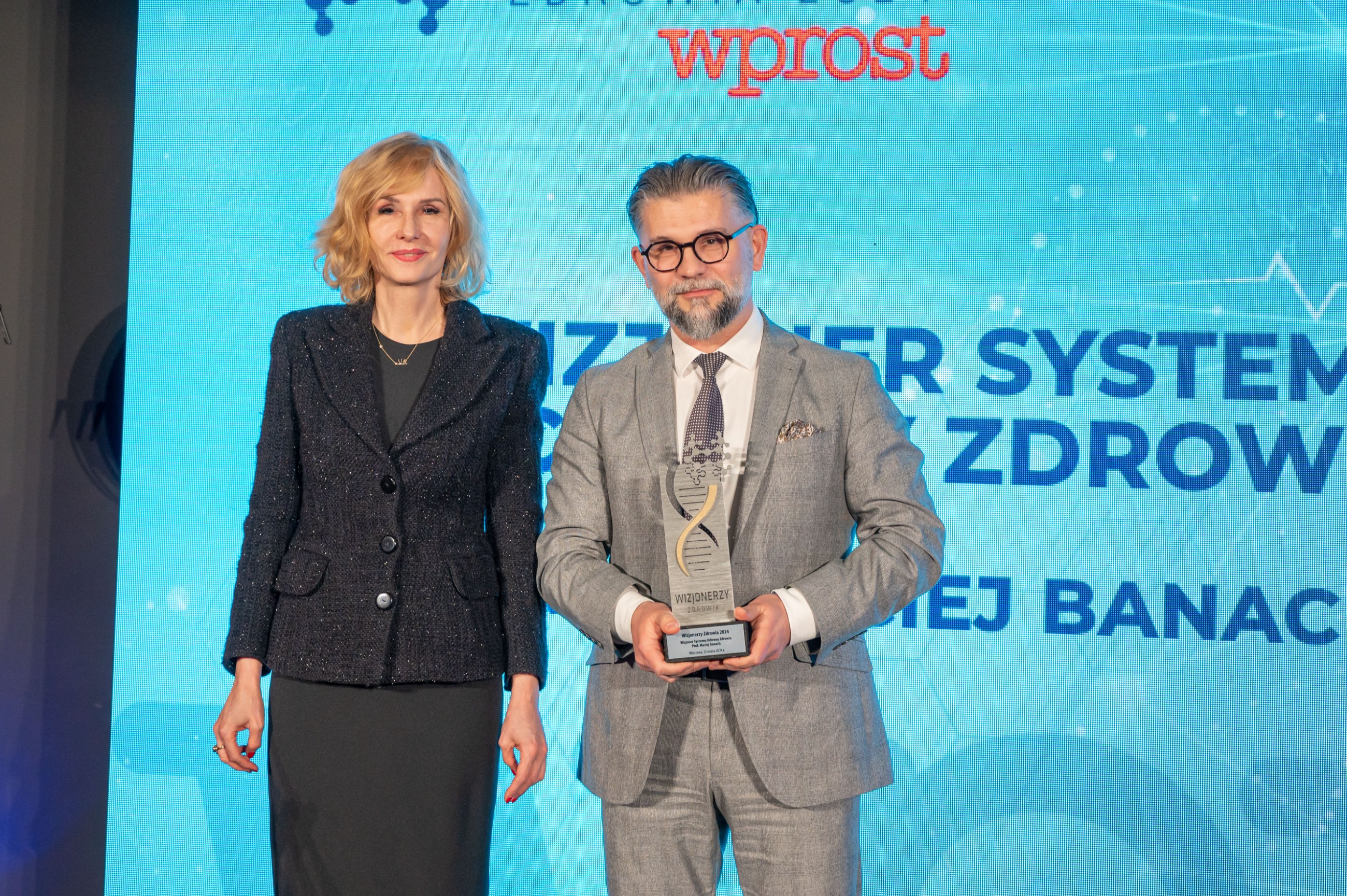
Meet Maciej Banach, former Undersecretary of State at the Ministry of Science and Higher Education of Poland (2010-2012), and then until 2021 President of the Polish Mother’s Memorial Hospital – Research Institute (PMMHRI) in Lodz, which is the second-biggest medical institution in the country. Banach is presently head of department at the Medical University of Lodz and adjunct professor at Johns Hopkins University in USA. Since 2024, he is also Vice-rector of the Collegium Medicum of the John Paul II Catholic University of Lublin. In 2023, he was elected by a jury as “the most influential person in Polish medicine“, and recognised as “Medman Hero of the Year 2023 for supporting women“.
Somehow the Highly Cited Researcher befriended a Iranian papermill crook called Amirhossein Sahebkar, an eightfold victim of the Vickers Curse, also associated with Soudeh Ghafouri-Fard.
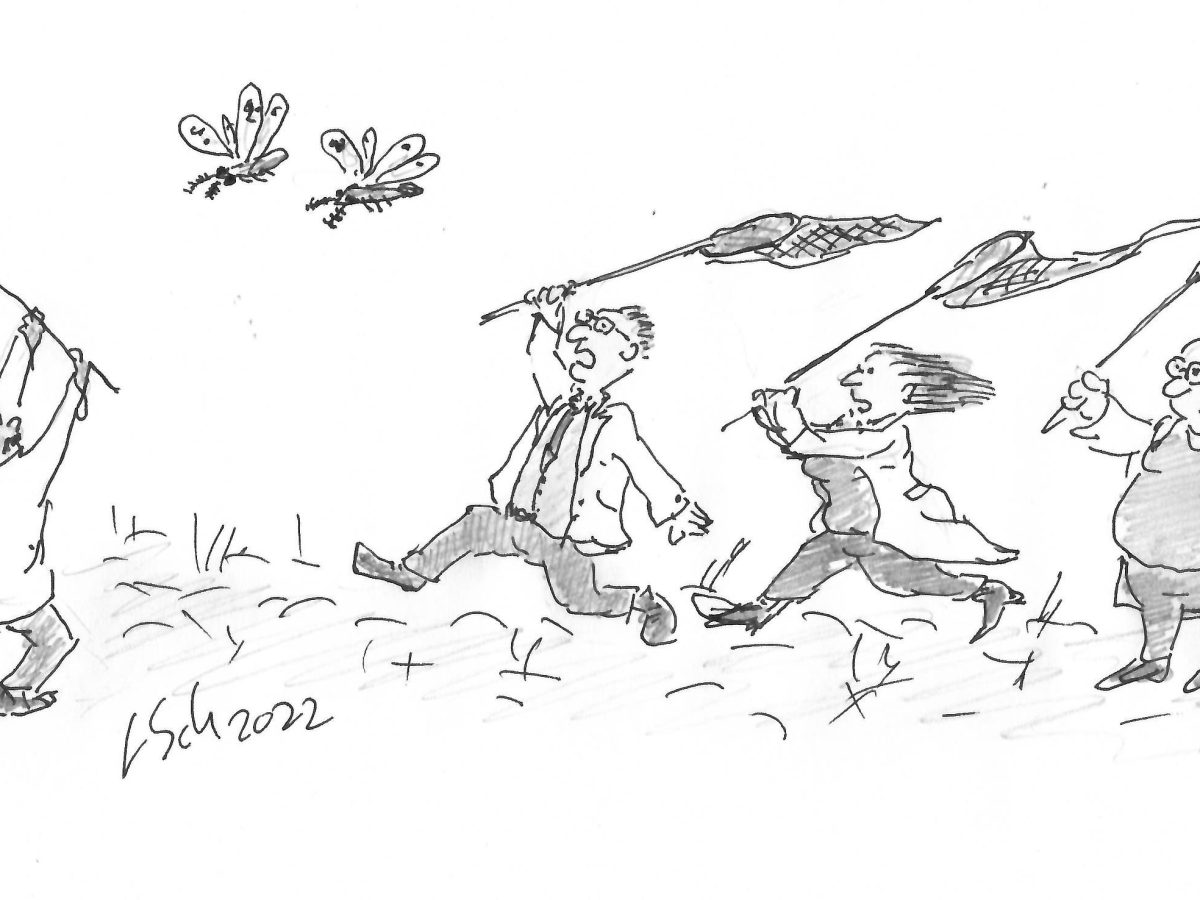
The Vickers Curse: secret revealed!
How did an editorial about insect pheromone communication get to receive 1200 irrelevant citations, almost all from papermills? Alexander Magazinov reveals The Secret of The Vickers Curse!

Banach and Sahebkar (who for some time was even affiliated with PMMHRI in Lodz) have around 300 joint papers from 2016 till today, which constitute an integral part of Banach’s superhuman output of over 1500 publications. Here is the one which got retracted:
Amir Abbas Momtazi-Borojeni , Mahmoud Reza Jaafari, Ali Badiee , Maciej Banach , Amirhossein Sahebkar Therapeutic effect of nanoliposomal PCSK9 vaccine in a mouse model of atherosclerosis BMC Medicine (2019) doi: 10.1186/s12916-019-1457-8

The retraction from 4 May 2023 went:
“The Editor has retracted this article. After publication, concerns were raised regarding the images presented in Fig. 7. Specifically:
- The left PHA image in Fig. 7a appears highly similar to the middle PHA image in Fig. 7b (rotated);
- All the Medium images in Fig. 7a and b appear highly similar; the left and right images in Fig. 7b appear to be missing some features compared with the other images.
The authors have been able to provide the quantified data, but stated that the original images are no longer available. The Editor therefore no longer has confidence in the presented data.
None of the authors agrees to this retraction.”
A later study by Banach and Sahebkar reused a western blot from that retracted paper, but it escaped all editorial action:
Amir Abbas Momtazi-Borojeni , Mahmoud Reza Jaafari, Mohammad Afshar , Maciej Banach, Amirhossein Sahebkar PCSK9 immunization using nanoliposomes: preventive efficacy against hypercholesterolemia and atherosclerosis Archives of Medical Science (2021) doi: 10.5114/aoms/133885

Figure 4A “

There are more retractions for Sahebkar: one (Mirzaei et al 2018) from February 2024 in Cancer Letters for data stolen from two papers by other authors, and three retractions (Ganjali et al 2022, Jamialahmadi et al 2022 and Stamerra et al 2022) from January 2024 in Hindawi journal Oxidative Medicine and Cellular Longevity, for “systematic manipulation of the publication and peer-review process“.
This turmeric garbage was also retracted in October 2024, presumably after Sahebkar’s curcumin fraud was ridiculed in August 2024 Shorts:
Milad Hashemzehi , Reihane Behnam-Rassouli , Seyed Mahdi Hassanian , Maryam Moradi-Binabaj , Reyhaneh Moradi-Marjaneh , Farzad Rahmani , Hamid Fiuji , Mahdi Jamili, Mahdi Mirahmadi , Nadia Boromand , Mehran Piran , Mohieddin Jafari , Amirhossein Sahebkar , Amir Avan , Majid Khazaei Phytosomal‐curcumin antagonizes cell growth and migration, induced by thrombin through AMP‐Kinase in breast cancer Journal of Cellular Biochemistry (2018) doi: 10.1002/jcb.26796

Another curcumin paper by Sahebkar, so stupid that it’s funny:
Faezeh Ghasemi , Mojtaba Shafiee , Zarrin Banikazemi , Mohammad Hossein Pourhanifeh , Hashem Khanbabaei , Amir Shamshirian , Shirin Amiri Moghadam , Reza ArefNezhad , Amirhossein Sahebkar, Amir Avan, Hamed Mirzaei Curcumin inhibits NF-kB and Wnt/β-catenin pathways in cervical cancer cells Pathology – Research and Practice (2019) doi: 10.1016/j.prp.2019.152556


Miscoscopy images reused in 4 papers for utterly different experiments:
Maliheh Moradzadeh , Alijan Tabarraei , Hamid Reza Sadeghnia, Ahmad Ghorbani , Ashraf Mohamadkhani , Saiedeh Erfanian , Amirhossein Sahebkar Kaempferol increases apoptosis in human acute promyelocytic leukemia cells and inhibits multidrug resistance genes Journal of Cellular Biochemistry (2018) doi: 10.1002/jcb.26391


This one by Sahebkar is also funny, authors quite openly and proudly admit to faking the data:
Niloufar Rahiman , Maryam Akaberi , Amirhossein Sahebkar , Seyed Ahmad Emami , Zahra Tayarani-Najaran Protective effects of saffron and its active components against oxidative stress and apoptosis in endothelial cells Microvascular Research (2018) doi: 10.1016/j.mvr.2018.03.003

Zahra Tayarani-Najaran: “We have done western several times. The order of bands was different in pages. To show the best bands we select the sharp ones.“
More for that Iranian fraudster on PubPeer.
Banach is merely 47 years young and continues publishing with Sahebkar even as you read this. God willing, if his collaboration with Asian papermillers progresses in the same speed, Banach will eventually have more papers to his name that all other Polish scientists combined.

Look What the Cat Dragged In
Meet Mohammad Taheri, PhD, a humble PhD student in Jena, Germany, and his equally unremarkable Iranian associate Dr Soudeh Ghafouri-Fard.
I contacted Banach about his 300 paper- strong collaboration with the Iranian papermill fraudster Sahebkar, and whether he sees it as unethical or even as a danger to the national security. That was the statement I received from “Prof. Maciej Banach, MD, PhD, dr. h.c. multi, FAHA, FESC, FNLA, FASA, FRSPH”:
“For me there is no politics in science, science needs to be pure, free of politics and transnational, therefore I collaborate with people from all over the world from US, Canada, Australia and Western Europe, to mainly those from Europe, with such countries like Ukraine (I have a DHC in the Institute of Cardiology in Kiev), Kosovo, Moldova, and many Asian countries, including Iraq, Iran, China, Kazakhstan, Uzbekistan and Russia (before the war). Being Deputy Minister at the Ministry of Science and Higher Education in Poland I fought against underrepresentation of CEE scientists In grants, scientific projects and papers, and I have been continuing this with successes.
I have one of the most active research group in the world in the field of preventive cardiology, with over 200 people working many hours every day on research projects, so kindly please avoid any unauthorized and harmful suggestions. […]
The same issue (as mentioned above) was for Dr. Sahebkar, and previously few other scientists from the region I wanted to support to help them develop outside their regime countries (remembering that before 1989 Poland was also one of such countries). My collaboration with him, due to different reasons, is very much limited now.
Keep doing your work for better science, as I am doing for last >25 years, strengthening CEE scientits.
And I hope you are now safe and in good health. “
I guess “strengthening scientits” is a code for papermilling?
Seychelles ambassador
A young genius loses two papers, but never mind, he will fabricate many more. The Seychelles native Joseph Raj Xavier claims to have in 2023 completed a doctorate at that fake diploma mill called “Saveetha Institute of Medical and Technical Sciences” in Chennai, India (read Reese Richardson’s blog about Saveetha). In 2022, Xavier was 30 years old and known to have won a prize for his “solar-powered bicycle”. He is also Seychelles ambassador on the Next Einstein Forum of Africa. That dude is a ridiculous little fraudster, and now he lost at least a couple of his fake papers. First, this one:
Joseph Raj Xavier Multilayered nanocomposite coatings for enhanced anticorrosive, flame retardant, and mechanical properties in automobile and aerospace industries Journal of Applied Polymer Science (2023) doi: 10.1002/app.53943


The retraction from 27 December 2024 went:
“The retraction has been agreed following an investigation into concerns raised by a third party, which revealed that the images presented in Figures 1a, 1b and 1c had been previously published in another article by different authors in a different scientific context. Additionally, the SEM images in Figures 12a, 12c, 12e, 12 g, and 12i were found to contain duplications and evidence of resizing. The author was unable to provide a satisfactory explanation and could not supply the original data. Due to the nature and extent of the identified issues, the editors have lost confidence in the data presented and consider the conclusions reported unreliable. The author was informed of the retraction.”
Xavier has currently 117 papers on PubPeer, many of them as single author. Here is the one where the retracted data was reused from:
Joseph Raj Xavier, S. P. Vinodhini , R. Ganesan Innovative nanocomposite coating for aluminum alloy: superior corrosion resistance, flame retardancy, and mechanical strength for aerospace applications Journal of Materials Science (2024) doi: 10.1007/s10853-024-09919-4


Figure 10a in International Journal of Polymer Analysis and Characterization (2021) : https://doi.org/10.1080/1023666X.2022.2155770
Figure 11c in Journal of Materials Science (2022) : https://doi.org/10.1007/s10853-022-07483-3
Figure 9c in Anti-Corrosion Methods and Materials (2022) : http://dx.doi.org/10.1108/acmm-03-2022-2617
Figure 11 in Journal of Industrial and Engineering Chemistry (2022) : http://dx.doi.org/10.1016/j.jiec.2022.07.046
figure 11g in Journal of Materials Science (2024) : http://dx.doi.org/10.1007/s10853-024-09919-4“


Figure 11e in Journal of Materials Science (2024) – http://dx.doi.org/10.1007/s10853-024-09919-4 All are referring to different materials.
Figure 11G in Journal of Bio- and Tribo-Corrosion (2021) – http://dx.doi.org/10.1007/s40735-021-00479-7
figure 13e in J Adhesion Science and Technology (2024) – https://doi.org/10.1080/01694243.2024.2313375
figure 17a in Journal of Macromolecular Science, Part A (2020) – http://dx.doi.org/10.1080/10601325.2020.1761831“

Figure 12c in The Journal of Adhesion (2024)
Figure 13c in J of Industrial and Engineering Chemistry (2024)
Figure 11a in Polymer-Plastics Technology and Materials (2022)
Figure 11c in Journal of Materials Science (2024)“
Here the second retracted paper, where Xavier simply stole and relabelled the figures. I show only some examples:
S.P. Vinodhini , Joseph Raj Xavier Novel synthesis of layeredMoS2/TiO2/CNTnanocomposite as a potential electrode for high performance supercapacitor applications International Journal of Energy Research (2022) doi: 10.1002/er.8125


Left: Fig. 3A in this article Right: Fig. 1 in Thomas, 2018 (https://doi.org/10.1016/j.repl.2017.06.089)”
Here the fresh retraction from 7 January 2025:
“The retraction has been agreed following an investigation into concerns raised by a third party, which revealed that the image shown in Figure 3A was previously published elsewhere by a different author. Furthermore, identical curves to those presented in Figure 8 have been found published elsewhere by the same authors. Although the shape of all four curves are identical in both articles, the curves represent different materials. Finally, duplicate images representing the lattice fringes of different materials have been used in Figures 3B and 3C of this article. The authors were not able to provide any supporting data or an acceptable explanation for these issues. As a result, the Editorial Board has lost confidence in the results and conclusions presented in this study. The author, J. R. Xavier was informed of the reaction; S. P. Vinodhini could not be contacted.
If you think this little fraudster Xavier will now never publish another paper and earn 117 retractions: you were probably born yesterday and still believe in Santa Clause. Journal editors will continue to admire him as a young genius who manages to produce one experimental study per day, all by himself and in his mum’s kitchen.
Stages of cell cycle, cell division and sterilization
MDPI retracted a fake paper after thoroughly checking that no white people (or at least those employed by western universities) were among its authors. Its Figure 6 was initially flagged by an anonymous PubPeer in October 2021, the finding was extended by Elisabeth Bik in August 2022.
Noha Ibrahim Elsherif , Abdulaziz Mohsen Al-Mahallawi , Abdelfattah Ahmed Abdelkhalek, Rehab Nabil Shamma Investigation of the Potential of Nebivolol Hydrochloride-Loaded Chitosomal Systems for Tissue Regeneration: In Vitro Characterization and In Vivo Assessment Pharmaceutics (2021) doi: 10.3390/pharmaceutics13050700

Also in August 2022, the Egyptian dentist Abdelfattah Ahmed Abdelkhalek of Future University in Cairo, explained on PubPeer:
“I would like to clarify that the duplicate and change in the shape of cell which seem rotate may affected by many factors under my study now (new publication) these factors such as stages of cell cycle, cell division and sterilization of used materials by Gamma radiation. Also, I would like inform you that I sent the original photos directly from microscope and best resolution (software) to Clàudia Aunós, Ph.D. the editor of MDPI. thank you”
The promised Future University study on cell cluster teleportation never materialised, and the MDPI editor never received any raw data from Abdelkhalek either. Here is the retraction notice from 30 December 2024:
“Following publication, concerns were brought to the attention of the publisher regarding the presence of image irregularities with a figure presented within this publication [1].
Adhering to our complaints procedure, an investigation was conducted by the Editorial Office and Editorial Board, which confirmed a range of inappropriate image modifications to panels presented in Figure 6. While the authors fully cooperated with the Editorial Office during the investigation, they were unable to satisfactorily explain the above-mentioned concerns, nor provide appropriate raw material for Editorial Board evaluation. […] The authors agree to this retraction.”
This wasn’t Abdelkhalek’s first retraction. This was pulled in 2023, again the original anonymous PubPeer post was updated by Elisabeth Bik:
Nadia M. Morsi , Rehab Nabil Shamma, Nouran Osama Eladawy , Abdelfattah A. Abdelkhalek Bioactive injectable triple acting thermosensitive hydrogel enriched with nano-hydroxyapatite for bone regeneration: in-vitro characterization, Saos-2 cell line cell viability and osteogenic markers evaluation Drug Development and Industrial Pharmacy (2019) doi: 10.1080/03639045.2019.1572184

In 2022, Abdelkhalek lost this artwork:
Nadia M. Morsi , Rehab Nabil Shamma, Nouran Osama Eladawy , Abdelfattah A. Abdelkhalek Risedronate-Loaded Macroporous Gel Foam Enriched with Nanohydroxyapatite: Preparation, Characterization, and Osteogenic Activity Evaluation Using Saos-2 Cells AAPS PharmSciTech (2019) doi: 10.1208/s12249-019-1292-4

Now, this seemingly unrelated Egyptian paper was retracted by Dove Press and Taylor & Francis already in 2021:
Rabab Kamel , Nahla A El-Wakil, Nermeen A Elkasabgy Calcium-Enriched Nanofibrillated Cellulose/Poloxamer in-situ Forming Hydrogel Scaffolds as a Controlled Delivery System of Raloxifene HCl for Bone Engineering International Journal of Nanomedicine (2021) doi: 10.2147/ijn.s323974

The coauthor Rabab Kamel was quick to finger the culprit:
“…we are not expert in the cell biology discipline, this experiment was done under the responsibility of Dr. AbdelFattah A. Abdelkhalek […] as mentioned under Acknowledgement. We used the data as received from the contracted expert.”
Later, the other two authors Nermeen Elkasabgy and Nahla El-Wakil also directly accused Abdelkhalek. On 22 November 2021 the article was retracted:
“Concerns were raised regarding alleged image manipulation relating to Figure 8. The authors immediately responded to our queries and confirmed that the image had indeed been manipulated and informed us the work shown in Figure 8 came from a contracted researcher and the authors used the provided images as received.
The authors were able to provide the original images for Figure 8 but they could not be used as a replacement and both the Editor and authors agreed to retract the article.”
As it happens, in Octover 2021 another paper by Abdelkhalek with these same trio was flagged on PubPeer, where no action whatsoever was taken by his oh-so-concerned collaborators:
Rabab Kamel , Nahla A. El-Wakil , AbdelFattah A. Abdelkhalek , Nermeen A. Elkasabgy Nanofibrillated cellulose/cyclodextrin based 3D scaffolds loaded with raloxifene hydrochloride for bone regeneration International Journal of Biological Macromolecules (2020) doi: 10.1016/j.ijbiomac.2020.04.019

Scholarly Publishing
Handled according to our policies
The Committee on Publication Ethics (COPE) investigated how Elsevier handled the evidence that an entire special issue of the Journal of Energy Storage was run by papermill fraudsters and therefore consisted entirely of papermilled fraud. The COPE complaint was made in September 2022 by Alexander Magazinov, who felt Elsevier was not in a hurry to retract those fake papers.
It was a Special Issue titled “Recent Advances in Battery Thermal Management” and edited by Masoud Afrand, Nader Karimi and Mohammad Arjmand. Read about the affair here:
Maybe stop accepting submissions, Herr Prof Dr Sauer?
Who needs science if you can have a 75 paper strong special edition by Afrand and Karimi? A guest post by Alexander Magazinov.
Among the concerns Magazinov reported to COPE in 2022 were:
“- Out of the first 75 items published, “guest editor” Nader Karimi gained at least 461 citations, “guest editor” Masoud Afrand gained at least 356 citations. Many other well-recognizable persons of the same ring gained significant batches of citations.
– One of the papers by Karimi got more citations from the SI than from elsewhere, all in a vague context, unspecific to the content of that paper”
The issue was put on hold by the then-Editor-in-Chief Dirk-Uwe Sauer, but then it continued publishing new papers, one of these received in August 2024 an Expression of Concern for peer review manipulation.
Elsevier provided this reply to COPE:
“We opened an investigation in late October into the special issue, ‘Recent Advances in Battery Thermal Management’, which had been opened in the Journal of Energy Storage. At that time, the Guest Editors of the VSI had accepted 80 papers for publication and they were in various stages of production. A further 60+ papers had been submitted and were either in peer-review, being revised by the authors, or with the Guest Editors for a decision. In addition to opening the investigation, we put the special issue on hold. […]
We have two primary concerns as a result of our investigation. The first is that the Guest Editors have used a small number of reviewers to evaluate the manuscripts submitted to the VSI. The second is that these reviewers have consistently requested that the authors add citations to their work and to the work of the Guest Editors to their manuscripts.”
Elsevier then promised to close the special issue, terminate the Guest Editor agreements, and initiate a re-review of the published articles. In January 2023, a new Editor-in-Chief was installed, Luisa Cabeza (who has her own problematic papers on PubPeer, mostly self-plagiarism, see July 2024 Shorts).
Here is the full COPE document:
Currently, Cabeza and “a small editorial committee” are still slowly progressing through the Special Issue, the actions being “corrigenda, retractions or no action“. Most often, a permanent Expression of Concern was issued for numerous papers in that Special Issue, because, as Elsevier explained “Some papers fell into a “grey area,” where (minor) unethical activities were identified, yet the overall
scientific validity of the paper and the authors’ integrity were not in question.”
This is the current status for the “88 scrutinized papers:
● 32 papers have been Retracted (36% of the Special Issue)
● 36 papers have (or will soon have) a Permanent Expression of Concern (41% of the Special Issue)
● 19 papers were handled according to our policies – Editor’s Note published (22%)
● 1 paper was not published in the end (~1%).“
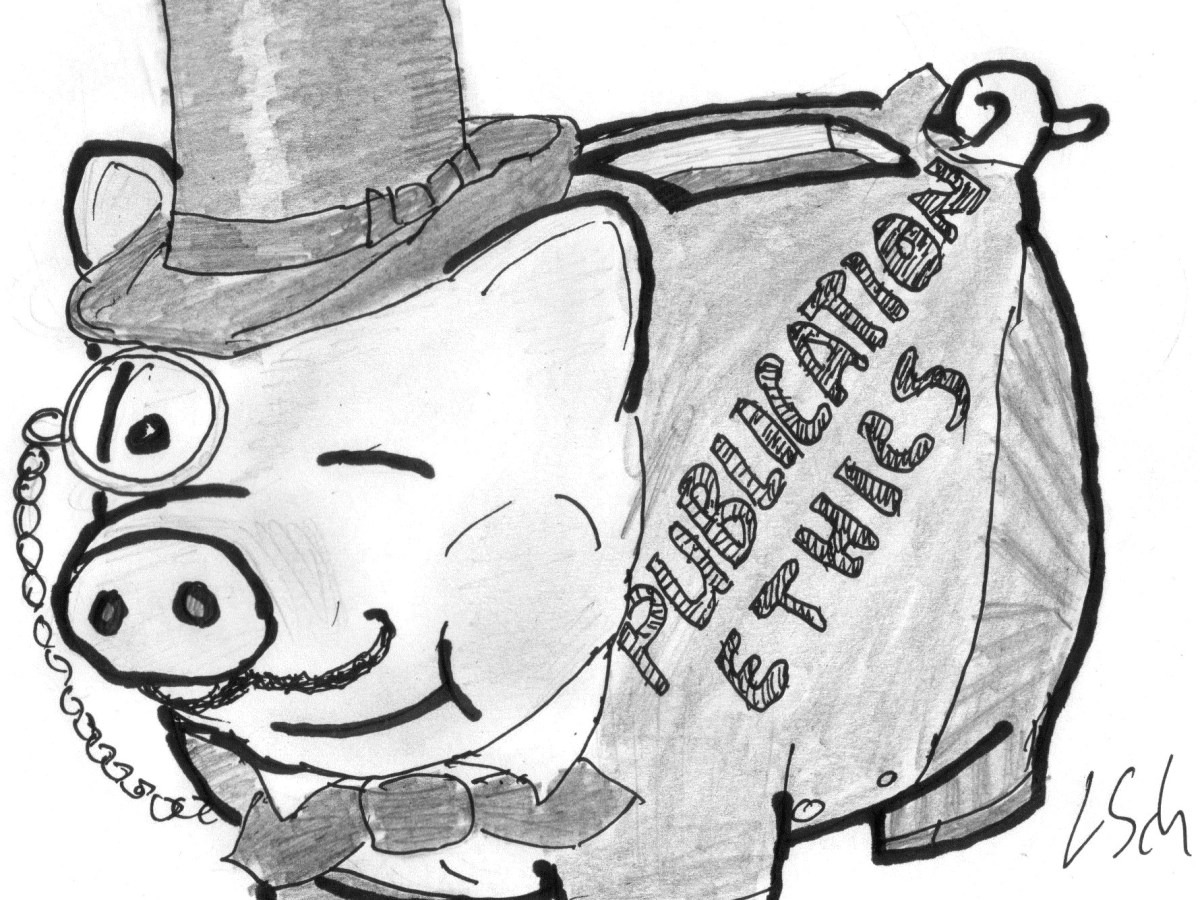
COPE, the publishers’ Trojan horse, calls to abolish retractions
Four private scientists without any agenda whatsoever published a research result preprint on the portal BioRxiv. The “new results” reported in the article are actually new ideas which are just as good as any research results, because they are supposed to bring the field of scholarly communication forward. The question is, where to, and why…
COPE’ Facilitation & Integrity subcommittee found “that the journal followed an adequate process aligned to COPE guidance to pursue follow up on the concerns about the special issue.” The only criticism was:
“Given the severity of the concerns involved, it would have been pertinent for the journal to expedite its follow up on the concerns, and also to alert readers much earlier to the fact that active follow up was ongoing for the publications.”
I also find its unusual that permanent Expressions of Concerns are something COPE endorses these days. In any case, there are no clear COPE guidelines for those now.
Science Breakthroughs
The more human the animal gets
The Guardian wishes to inform you that science has discovered ways for your dog to live forever, so there si hope for you, too. So here is the Christmas fairy tale by Grauniad editors:
“Early next year, Loyal, a US biotech start-up, is confident that it will bring LOY-002, a daily, beef-flavoured pill, to market that could give dogs a minimum of one extra year of healthy life.
The San Francisco-based firm has raised $125m (£100m) in funding from companies who have held back from investing in human longevity projects because of the decades those trials would take.
But Celine Halioua, founder and chief executive of Loyal – which is part of Cellular Longevity, a biotech firm researching the science of longevity – believes their work will benefit humans.”
The company’s related drug LOY-001 (another inhibitor of IGF-1 growth hormone) received in 2023 the Reasonable Expectation of Effectiveness assessment from FDA.
It is all of course incredibly clever. Dogs have an average lifespan of 10-15 years, so any random variation of a few months from the minimum can be marketed as a huge success. Plus, there are much less medicinal product authorities and ethics watchdogs barking at your dog anti-aging business. That’s why enterprising researchers like David Sinclair (read March 2024 Shorts, Matt Kaeberlein or George Church (read January 2023 Shorts) set up their own companies to sell anti-aging supplements to dog owners.
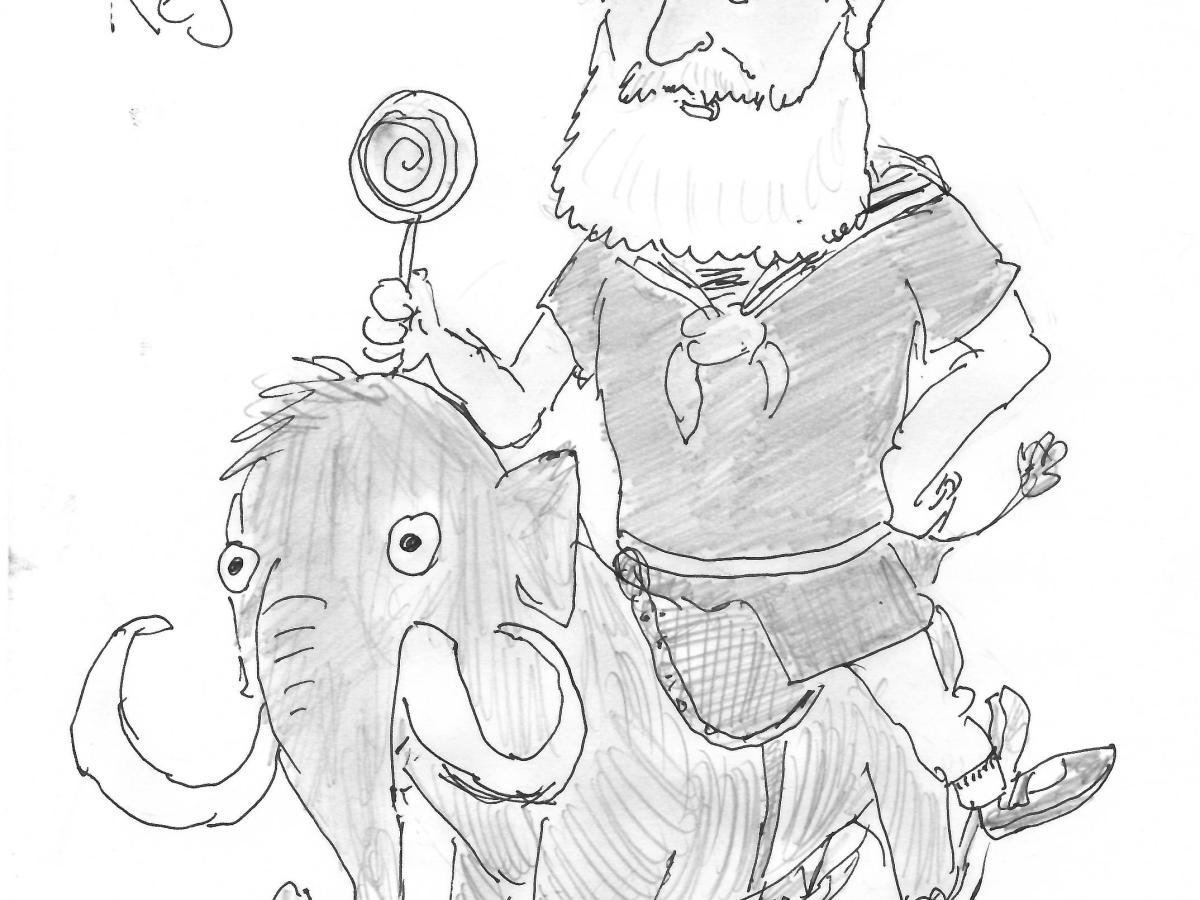
George Church, Colossal W*nker
From mammoths to eugenics to anti-aging scams: god-impersonator George Church knows how to make money with bullshit.
Guardian continues with another business advertisement, in fact for that co-directed by Kaeberlein:
“The same goal is being sought in another laboratory almost 900 miles across America, where a team of academic researchers are feverishly testing the impact of rapamycin as part of the Dog Aging Project. […]
“Our study is light years ahead of anything that’s been done on humans or can be done on humans,” said Daniel Promislow, a biogerontologist at the University of Washington and a co-director of the project. […] Promislow insists that it is realistic to hope that his research could cross over to humans. “If we’re successful with dogs, it could be a turning point in informing us how to give human populations extra healthy lifespan too,” he said.”
Now, rapamycin is indeed an effective immune system suppressive drug which is great for organ transplants, but it is quite likely that the failed anti-aging enthusiast Mikhail Blagosklonny killed himself with rapamycin by exacerbating his lung cancer (read October 2024 Shorts).

Never-ageing Anti-aging to cure COVID-19
Scientists David Sinclair and Michael Lisanti have an ingenious solution to COVID-19: anti-aging drugs. If a disease kills old people, stop being old!
And in early 2021 Kaeberlein suggested to treat COVID-19 with rapamycin and called in Bischof et al 2021 “for immediate large-scale clinical trials to assess whether rapamycin and other mTOR inhibitors can enhance resilience towards communicable and noncommunicable diseases, prevent COVID-19 infection in those most at risk, and improve outcomes in patients with COVID-19,” all because rapamycin reverses the “Hallmarks of Aging”.
At the end, Guardian enlists another scientific authority:
“Prof Tom Rando, director of the University of California’s Broad Stem Cell Research Centre and one of the most respected names in the geroscience community, said the research is “fascinating”.
“The work is one more piece in the puzzle that we hope will eventually give us the full picture about human longevity,” he said.
“The more human the animal gets that we can test our longevity drugs on, the more confidence we can have that these drugs will work on humans too,” he said. “And having evidence of efficacy and safety in dogs gives us more confidence for doing human studies with these same drugs.””
Read about Thomas Rando and his most respected yet very dodgy science here:
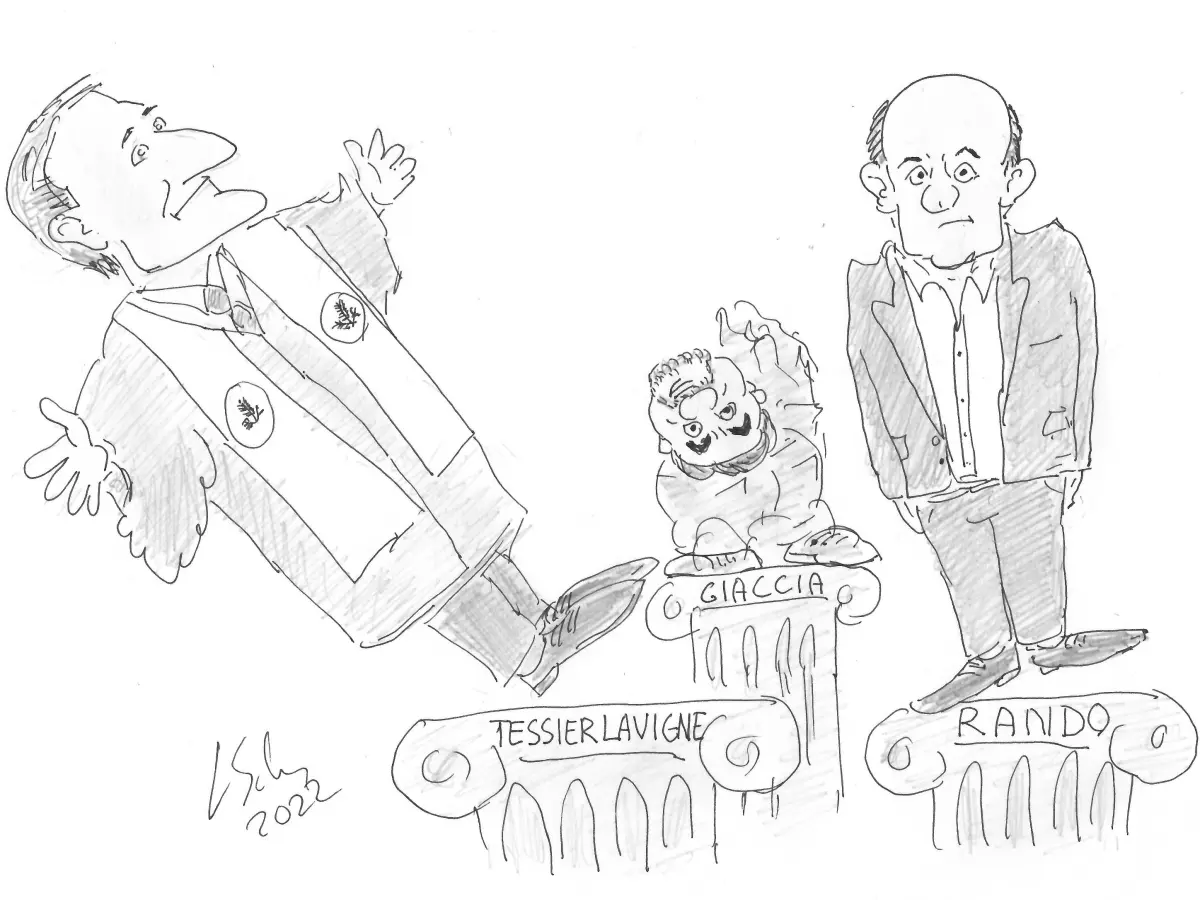
Toppling Giants in Stanford
Everyone is talking about Stanford’s President Marc Tessier-Lavigne now. OK, let’s talk about him, and how Stanford deals with research fraud. And then let’s talk about Thomas Rando.
Second cup may flip the odds
Once again, science established that NOT drinking coffee gives you cancer.
Science Alert reporting from 23 December 2024:
“Researchers in the US gathered more than 25,000 records collated in 14 previous studies, evaluating them collectively to determine what stands out in the diets of individuals with various tumors of the head and neck. […] popular beverages such as tea and coffee contain powerful anticancer and anti-inflammatory substances that may potentially shield drinkers from some of the effects of carcinogens. […]
“…those who drank four cups or more of caffeinated coffee had a 30 percent lower risk of developing cancer inside their mouth, and 22 percent lower risk of cancer inside their throat. Having around 3 to 4 cups a day reduced chances of cancer in the lower reaches of the throat by around 40 percent. Coffee doesn’t even need to be caffeinated to get some kind of benefit. Drinking decaf was associated with a 25 percent drop in cancer of the oral cavity. “
It also works with black tea, but if you drink more than 1 cup, tea will give you cancer instead of preventing it:
“Tea was linked with a nearly 30 percent decline in cancer of the lower throat, though going in for a second or third cup of tea may flip the odds to a 38 percent greater chance of laryngeal cancer.”
This is the paper, published in a society journal:
Timothy Nguyen , Alzina Koric , Chun‐Pin Esther Chang , Christine Barul , Loredana Radoi , Diego Serraino , Mark P. Purdue , Karl T. Kelsey , Michael D. McClean , Eva Negri , Valeria Edefonti , Kirsten Moysich , Zuo‐Feng Zhang , Hal Morgenstern , Fabio Levi , Thomas L. Vaughan , Carlo La Vecchia , Werner Garavello , Richard B. Hayes , Simone Benhamou , Stimson P. Schantz, Guo‐Pei Yu, Hermann Brenner, Shu‐Chun Chuang, Paolo Boffetta, Mia Hashibe, Yuan‐Chin Amy Lee Coffee and tea consumption and the risk of head and neck cancer: An updated pooled analysis in the International Head and Neck Cancer Epidemiology Consortium Cancer (2024) doi: 10.1002/cncr.35620
It shoudl be mentioned that the Italian coauthor Carlo La Vecchia previously claimed that the highly neurotoxic pesticide Paraquat was totally safe and everyone who claimed otherwise was hysterical (Berry et al 2010). Also there, La Vecchia claimed to have no conflicts of interests whatsoever while being on the payroll of paraquat manufacturer Syngenta.
Cheese and Mayonnaise
The psychology news site Psy Post has two kinds of nutritional advice to get smart while staving off dementia.
First, you must eat mayonnaise! And olive oil of course.
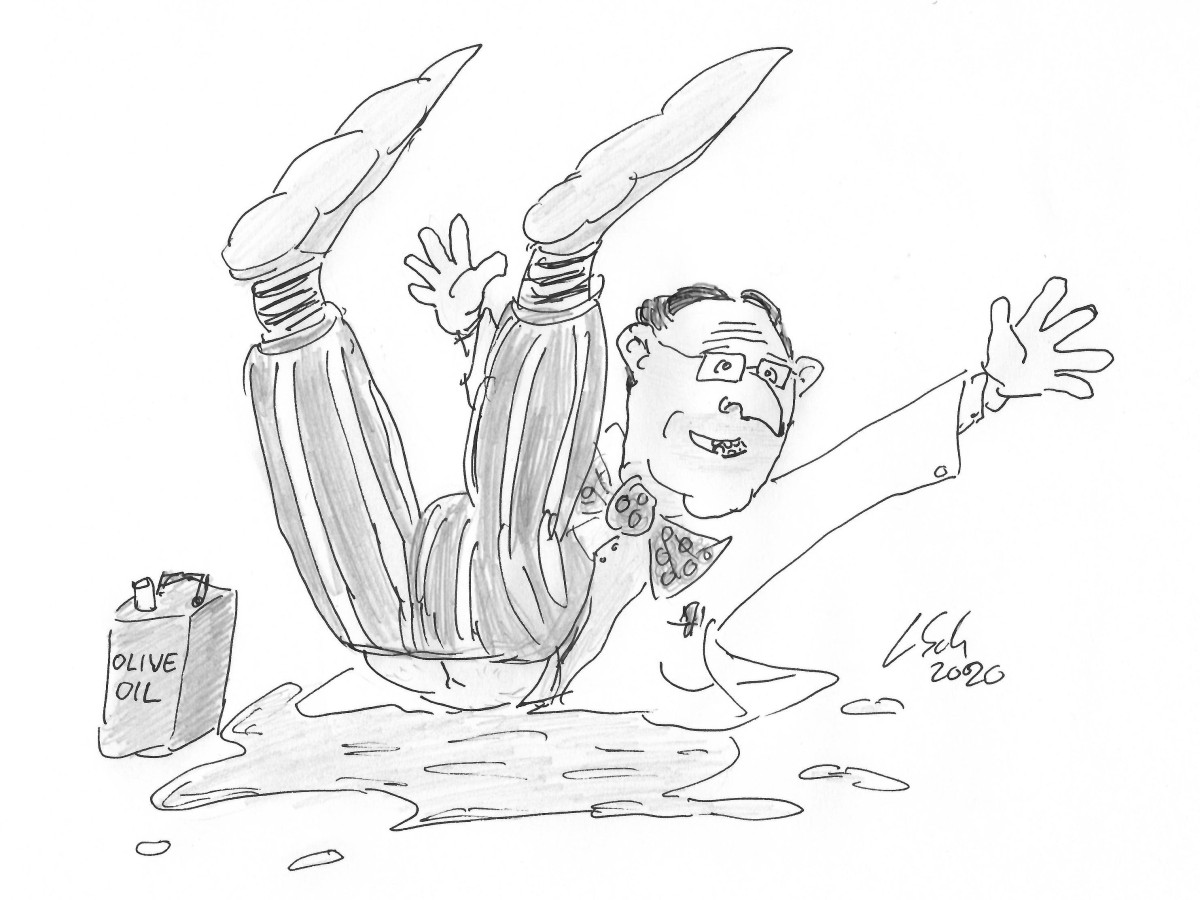
The Pratfalls of Domenico Pratico
Next time you wonder why mouse research does not translate to humans, think of Domenico Pratico work on Alzheimer’s and other brain diseases.
A Psy Post article from 24 December 2024 warned:
“A study in Iran comparing patients with Parkinson’s disease to healthy individuals found that patients with Parkinson’s disease consume less hydrogenated plant-based and animal oils but use more non-hydrogenated plant-based oil, olive oil, and mayonnaise compared to healthy individuals. […]
The study involved 120 patients with Parkinson’s disease and 50 healthy individuals from Isfahan City, Iran, aged between 40 and 80 years. Approximately 66% of the participants were men.
Participants completed a 147-item food frequency questionnaire, which allowed researchers to evaluate their dietary intake of various types of oils. The questionnaire asked participants to report the frequency and quantity of edible cooking oils and mayonnaise they had consumed over the past year, categorized as daily, weekly, or monthly. [….]
The results showed that patients with Parkinson’s disease had lower consumption of hydrogenated plant oils but higher intake of non-hydrogenated plant-based oils, olive oil, and mayonnaise. Those with more severe Parkinson’s disease symptoms were found to consume higher amounts of animal oils and butter…”
The study seems to have been produced by a cheap Iranian papermill:
Sorayya Kheirouri , Mohammad Alizadeh , Majid Keramati High use of non-hydrogenated plant source oils and mayonnaise sauce increase the risk of Parkinson disease Nutritional Neuroscience (2023) doi: 10.1080/1028415x.2023.2277974

Cheese against COVID-19
Dutch scientists, including two Vitamin K fraudsters, claim this blood clotting factor is the cure for COVID-19. The lead author and The Guardian advise everyone to eat cheese.
The other advice from Psy Post, from 26 December 2024, is to eat cheese. It was tested in mice, after all:
“The research reveals that fatty acid amides—compounds generated during the cheese’s fermentation process—enhanced memory and learning in mice fed a high-fat diet. These findings suggest that Camembert cheese may offer unique dietary advantages for cognitive health. […]
To explore the cognitive benefits of Camembert cheese and its fatty acid amides, the researchers conducted experiments on male mice. These mice were divided into groups and fed either a high-fat diet alone or supplemented with Camembert cheese or specific fatty acid amides extracted from the cheese. The study’s high-fat diet was designed to impair cognitive function, mimicking conditions linked to dietary risks for neurodegeneration in humans. […]
The results showed that both Camembert cheese and myristamide improved cognitive function in the mice.”
This is the paper from the Kyoto University in Japan:
Kohei Kawano , Maiko Shobako , Taichi Furukawa , Tatsuhiro Toyooka , Kousaku Ohinata Fatty acid amides present in Camembert cheese improved cognitive decline after oral administration in mice Neuroscience Research (2024) doi: 10.1016/j.neures.2024.03.002
It mentions that the “study was supported in part by the Food Science Institute Foundation (Ryoushoku Kenkyukai, Tokyo, Japan).” which an internet search suggests to be a dairy industry lobby organisation.
Donate!
If you are interested to support my work, you can leave here a small tip of $5. Or several of small tips, just increase the amount as you like (2x=€10; 5x=€25). Your generous patronage of my journalism will be most appreciated!
€5.00
Donate!
If you are interested to support my work, you can leave here a small tip of $5. Or several of small tips, just increase the amount as you like (2x=€10; 5x=€25). Your generous patronage of my journalism will be most appreciated!
€5.00

 For Better Science
“A young genius loses two papers, but never mind, he will fabricate many more.”JRX is currently at (at least) 8 retractions, all within the span of about 6 weeks: 10.1002/er.8125, 10.1002/app.48323, 10.1002/slct.202200345, 10.1002/app.53943, 10.1002/app.55211, 10.1016/j.jallcom.2023.169483, 10.1002/app.52446, 10.1021/acs.iecr.2c00786
Who knows how long that trend will last, but I’m optimistic that he’ll get at least get to double digits.
LikeLiked by 2 people
Oh nice, thanks for the correction!
Retraction Watch Database shows exactly zero retractions for JRX. Someone contact Ivan so he can dictate those retractions to his secretary
LikeLiked by 1 person
According to https://www.scitility.com/argos he already has 18 retractions and with the one of today (https://link.springer.com/article/10.1007/s11661-021-06351-0), he has 19 retractions!! The retraction watch database only lists 1 retraction so far.
LikeLike
I trust the RW database here!
LikeLike
“Currently, Cabeza and “a small editorial committee” are still slowly progressing through the Special Issue, the actions being “corrigenda, retractions or no action“.“
It would be optimistic to think that Cabeza would in any way interfere with the papermillers. She continues to review problematic special issues left over from the previous editor just because they are being followed. Nothing has changed in the journal since she took over as the editor-in-chief. Papermillers and other problematic names continue to publish flawed articles in regular issues instead of special issues.
Cabeza herself has a problematic publishing history. Similarly, she trains researchers with less publishing ethics concerns and continues to collaborate with people of a similar mindset.
Does Elsevier have a secret criterion of “having a problematic publication history” when appointing an editor-in-chief? Why do we always have to see problematic names as EiCs?
This comment is of course not only for the Journal of Energy Storage. Some of the other problematic journals in a similar field are Sustainable Energy Technologies and Assessments, Renewable Energy, Thermal Science and Engineering Progress, International Journal of Thermofluids, etc… Unfortunately, the number of problematic journals at Elsevier is too many to recall all of them at once.
LikeLiked by 2 people
If my calculation is correct, 15g/kg of camembert cheese for a mouse is the equivalent of a grown up man, let’s say of 80Kg, eating almost 5 camembert chesse wheels (250g) per day. Surely, a good thing for cognition.
LikeLiked by 1 person
So, almost a year later Grzegorz Boczkaj got a 2M+ PLN OPUS grant from the national grant agency: https://www.ncn.gov.pl/konkursy/wyniki/2025-11-28-opus-preludium (both in panel ST8)
Teofil Jesionowski got 3M PLN, and even the corresponding author of this retracted monstrosity: https://pubpeer.com/publications/98CF3CE3B76339857710A3315617B8 got almost 2 million PLN (panel ST7).
I feel like it’s a lost cause and Polish science is doomed (and it is at least partially well deserved) 😦
LikeLike
Is there a way to find out who sits on these panels? Maybe they are just awarding each other?
LikeLike
There’s only this list for 2024 https://www.ncn.gov.pl/sites/default/files/pliki/2024-eksperci-ncn-lista.pdf but without any info who’s sitting in which panel
BTW, Luque is there, listed as a chairman
LikeLiked by 1 person
NCN does not publicly disclose which expert reviewed which specific grant, or which experts comprised the panel that awarded a given grant.
Also, the identities of external reviewers (if used) remain confidential.
You cannot (at least from public data) trace if two or more grantees on a panel are “awarding each other” in a given round.
What was the total funding in 2025? OPUS + PRELUDIUM 700 million PLN? No one will miss a couple dozen embezzled millions. It’s Poland, after all or as some friends in finance like to call it: Little Ukraine.
LikeLike