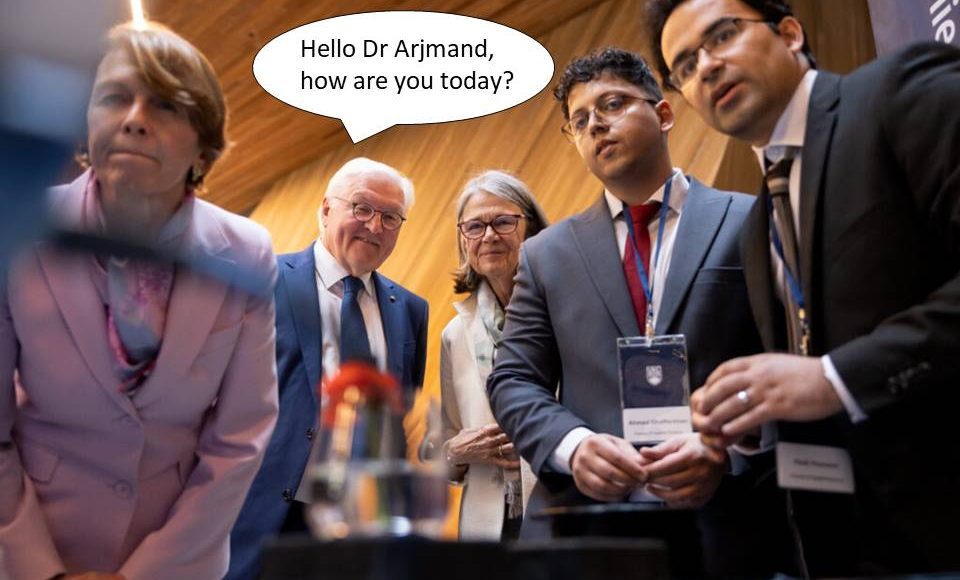

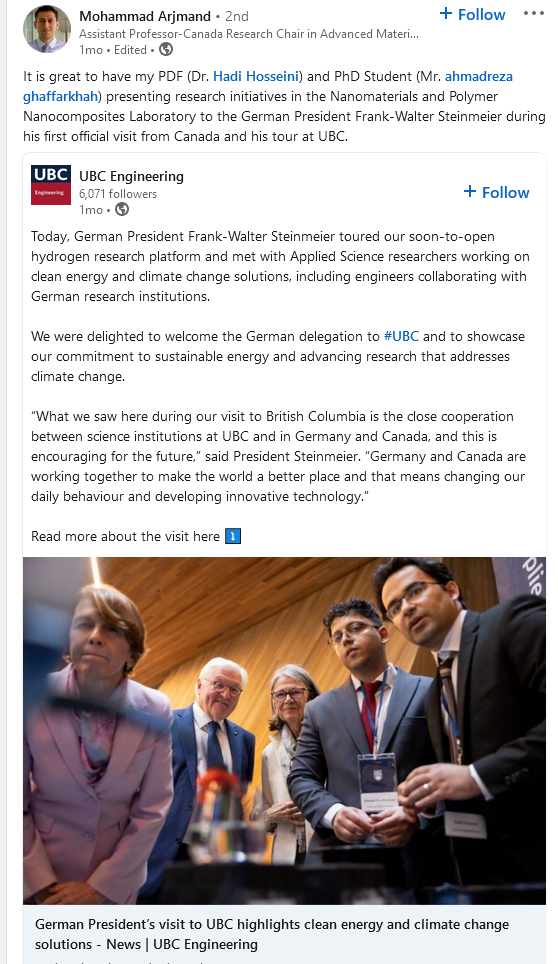
In April 2023, the German Head of State Frank-Walter Steinmeier officially visited Canada. The 25 April was the momentous date when the President of Germany visited the University of British Columbia (UBC) and had the exclusive honour to meet their greatest scholar, Mohammad Arjmand, Canada Research Chair in Advanced Materials and Polymer Engineering.
Germany recognises Iranian papermill industry, one could say.
A press release by UBC from 25 April proudly declared:
President Steinmeier toured UBC Faculty of Applied Science’s soon-to-open hydrogen research platform and met researchers working on clean energy and climate change solutions, including engineering experts collaborating with German research institutions.
“We were delighted to welcome President Steinmeier to UBC and to showcase our commitment to sustainable energy and advancing research that addresses climate change,” said UBC President and Vice-Chancellor Dr. Deborah Buszard. “President Steinmeier’s visit underscores the importance of international collaboration in the field of clean energy and we look forward to continued partnership with German institutions.”
“What we saw here during our visit to British Columbia is the close cooperation between science institutions at UBC and in Germany and Canada, and this is encouraging for the future,” said President Steinmeier. “Germany and Canada are working together to make the world a better place and that means changing our daily behaviour and developing innovative technology.”
The 70-member German delegation included the Minister of Education and Research, Bettina Stark-Watzinger, First Lady Elke Büdenbender, German Ambassador to Canada Ms. Sabine Sparwasser, and representatives from parliament, business, science and culture. […]
The German President and delegation members also spoke with researchers working on challenges relating to clean energy, digital manufacturing, quantum materials and smart energy storage. Some of the highlighted projects include:
- – Dr. Mohammad Arjmand, Canada Research Chair in advanced materials and polymer engineering, leads a team that is embedding enhanced properties into next-generation nanomaterials for applications that include improving defence capabilities “
Now let me briefly introduce you to the two great men. Steinmeier is a member of the German Social Democrat Party (SPD) and used to hold various high party and government offices in Germany, including as foreign minister 2013-2017 in the cabinet of Angela Merkel. There, he made it his task to bind Germany and russia together, which resulted in Germany’s bizarre dependence on russian gas. Steinmeier also invented the infamous “Steinmeier formula” for the Minsk agreements which basically meant that Ukraine had to do everything russia tells it to do, explicitly including drop all EU- and NATO ambitions, surrender and self-dissolve, otherwise there will be war. As we know, Ukraine failed Steinmeier and there is now the biggest and bloodiest war in Europe since 1945.
Germany’s Hitler Cult- Thoughts on russia’s war on Ukraine
Sorry, German intellectuals, but you can’t have your Hitler all for yourself anymore.

In 2017, Steinmeier was elected as the President of Germany, a representative office without any political power. He was lucky to be re-elected as nation’s Head of State on 13 February 2022, just days before russia attacked Ukraine in a full-scale genocidal war (sponsored in large part with German fossil fuel money). After the 24 February, people started talking about Steinmeier’s disastrous political and economical legacy, for which he eventually apologised (not sure if sincerely, or afraid to lose his job). He was forgiven, but Steinmeier remains in Ukraine certainly not the most popular German politician.

Basically, Steinmeier has the tendency to hang out with all the wrong people. And when on his official Canada visit he arrived on 25 April 2023 to UBC for a “Tour of a pilot for smart energy systems and presentation of research projects by students from various faculties“, he was introduced to Mohammad Arjmand, an assistant professor at UBC, financed via a Canada Research Chair grant. A trash scientist who publishes papermilled trash decorated with fake data.
To be fair, it was the job of Steinmeier’s presidential office to vet the people he shakes hands with. But they must have relied on UBC, whose leadership pushed Steinmeier towards Arjmand and his team, telling the German president what an eco-friendly science prodigy their Arjmand is.
The real problem here is UBC. Ethics for them is something to wipe their bottoms with while they count the money they make with bad science.
Like in the case of another Canada Research Chair at UBC, Josef Penninger. Read here:
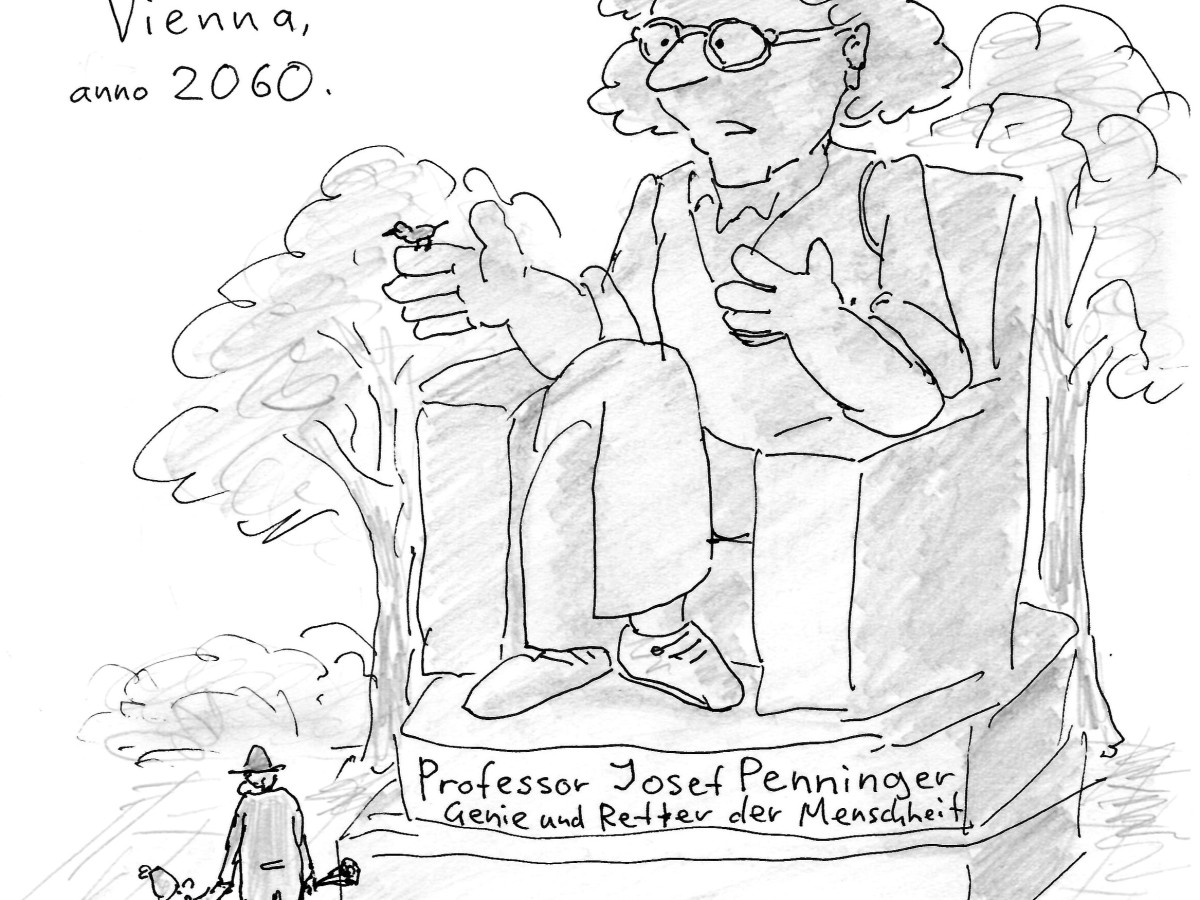
Mr ACE2 Josef Penninger, Greatest Scientist of Our Time
As a young Wunderkind, Josef Penninger discovered the ACE2 receptor. Now he invented the cure for the coronavirus which will work in his hands where Big Pharma failed. He was never found guilty of research misconduct and never retracted a paper. Dr Penninger is a Genius making a COVID-19 vaccine.
Arjmand’s PubPeer record is currently steadily growing, because Alexander Magazinov agreed to have a look. Other sleuths joined in.
Let us start then with a tour of Arjmand’s science.
Just so you know which circles Arjmand works in, here he is with toxic papermillers Nader Karimi and Masoud Afrand. That’s the “smart energy” technology which Steinmeier came to talk about:
Saeed Aghakhani , Ahmadreza Ghaffarkhah, Mohammad Arjmand , Nader Karimi, Masoud Afrand Phase change materials: Agents towards energy performance improvement in inclined, vertical, and horizontal walls of residential buildings Journal of Building Engineering (2022) doi: 10.1016/j.jobe.2022.104656
The paper contains many inappropriate references, including to an editorial on moth pheromones, which my colleagues determined to be generally a tell-tale sign of a papermill origin:
“The range of solid-phase transfer to PCM liquid is 1 ◦ C, according to Refs. [41–44].”
[41] N.J. Vickers, Animal communication: when I’m calling you, will you answer too? Curr. Biol. 27 (14) (2017) R713–R715, 2017/07/24/.
Yes, the Vickers Curse strikes again!
When I’m citing you, will you answer too?
What do moth pheromones on one side have to do with cancer research, petrochemistry, materials science, e-commerce, psychology, forestry and gynaecology on the other? They are separated by just one citation!
Arjmand used to be a guest editor of a papermil-infested special issue in the Journal of Energy Storage, together with the papermillers Afrand, Karimi and Cong Qi. The special issue, “Recent Advances in Battery Thermal Management“, was terminated due to incessant complaints to Elsevier by Magazinov; also the German Editor-in-Chief, Dirk-Uwe Sauer had to resign. Among other things, the special issue served as citation delivery vehicle to Afrand and Karimi. Read here:
Maybe stop accepting submissions, Herr Prof Dr Sauer?
Who needs science if you can have a 75 paper strong special edition by Afrand and Karimi? A guest post by Alexander Magazinov.

Citation scams are a classic feature of papermills: adding purchased references to paying customers provides an additional income avenue for the papermill crooks. After all, nobody is actually reading those “peer-reviewed” papers, so you can cite anything you want, moth pheromones or Afrand, nobody will notice or mind. The editors and reviewers merely check that all the buzzwords are in place. Like here:
Seyed Rasoul Mousavi , Sara Estaji , Hediyeh Kiaei , Mohammad Mansourian-Tabaei , Sasan Nouranian , Seyed Hassan Jafari , Holger Ruckdäschel , Mohammad Arjmand , Hossein Ali Khonakdar A review of electrical and thermal conductivities of epoxy resin systems reinforced with carbon nanotubes and graphene-based nanoparticles Polymer Testing (2022) doi: 10.1016/j.polymertesting.2022.107645
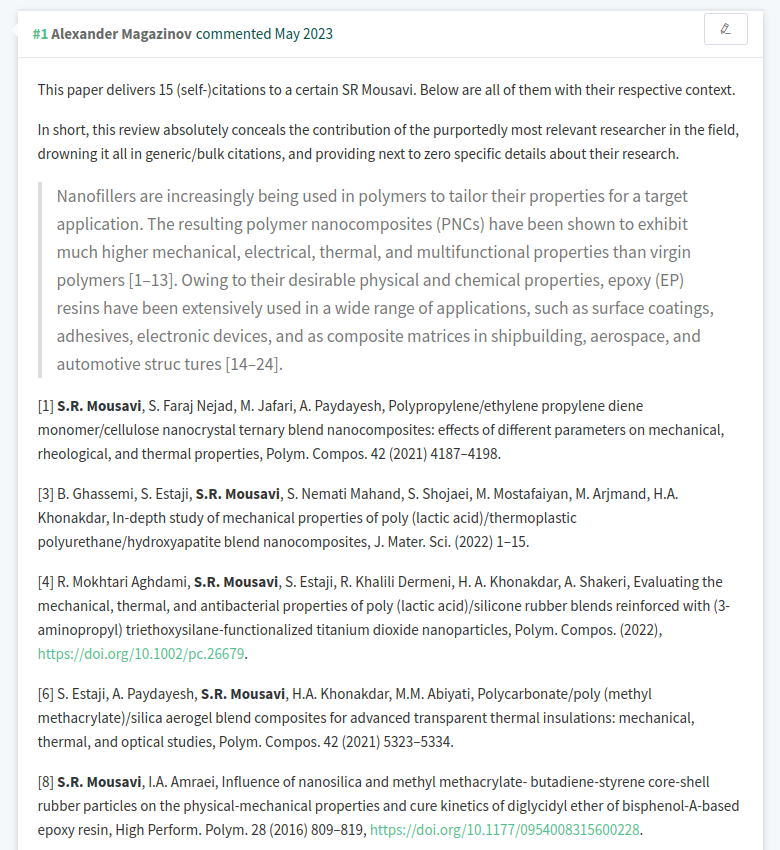
Needless to say, this Seyed Rasoul Mousavi fellow is scientifically a nobody, but then again, buying citations is something even a cheap nobody can afford. I don’t know how Prof. Dr.-Ing. Holger Ruckdäschel of the University Bayreuth and the Bavarian Polymer Institute in Germany (and former senior exec at BASF) ended up as co-author of this, uhm, thing, but I won’t speculate as not to get sued. It should be safe to mention that Ruckdäschel has more papers with Arjmand and Mousavi, e.g. Soleimanpour et al 2023, Mousavi et al 2022, Azadi et al 2022; plus other Iranian collaborations.
Some German scientists just like Persian delights, who can blame them.
German Authorities on Papermills and Whistleblowing
“I am not familiar with Iranian papermills!” – Prof Dr med Henning Madry, Saarland University.
Anyway, here is a paper with FORTY self-references to a DIFFERENT Mousavi, this time a Seyyed Mojtaba Mousavi (likely a brother of SR Mousavi). Pity that Prof Dr Ruckdäschel missed this:
Seyyed Mojtaba Mousavi , Seyyed Alireza Hashemi , Masoomeh Yari Kalashgrani , Ahmad Gholami , Yousef Mazaheri , Mohsen Riazi , Darwin Kurniawan , Mohammad Arjmand , O. Madkhali , Mahmood D. Aljabri , Mohammed M. Rahman , Wei‐Hung Chiang Bioresource Polymer Composite for Energy Generation and Storage: Developments and Trends The Chemical Record (2023) doi: 10.1002/tcr.202200266
“This is essentially a citation plantation with 40 (self-)citations delivered to a certain SM Mousavi. Most, if not all, are in a generic context.“
A. Magazinov
Here is one of many papers Arjman published with the toxic papermiller Seeram Ramakrishna, some fraudulent trash with buzzwords “graphene” and “nano”:
Seyyed Alireza Hashemi, Hamid Reza Naderi , Seyyed Mojtaba Mousavi , Sonia Bahrani , Mohammad Arjmand , Ayrat M. Dimiev , Seeram Ramakrishna Synergic effect of laser-assisted graphene with silver nanowire reinforced polyindole/polypyrrole toward superior energy density Carbon (2022) doi: 10.1016/j.carbon.2021.12.028
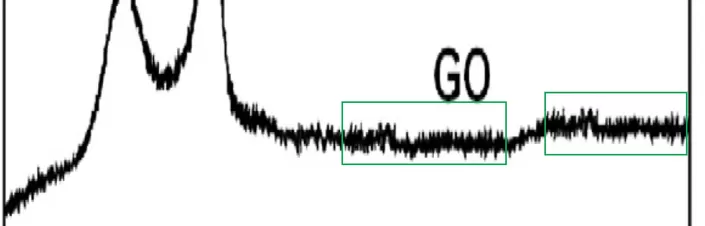
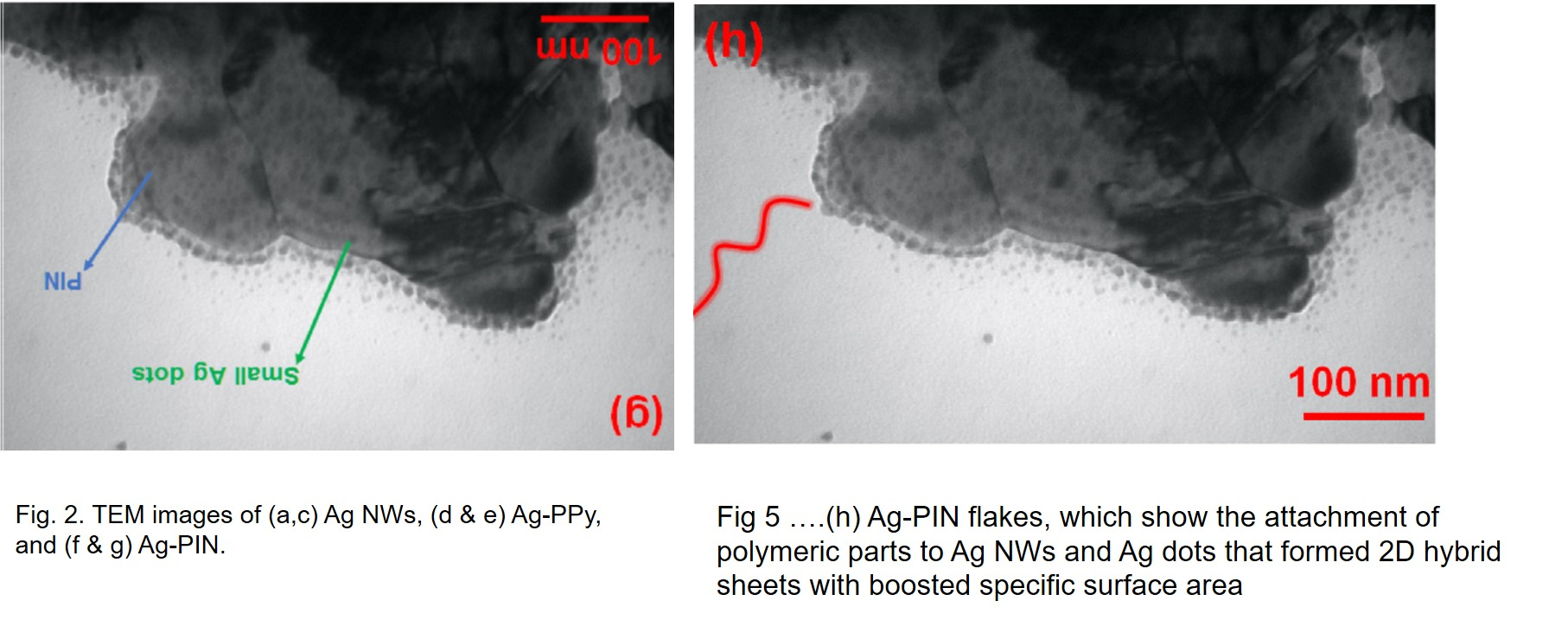
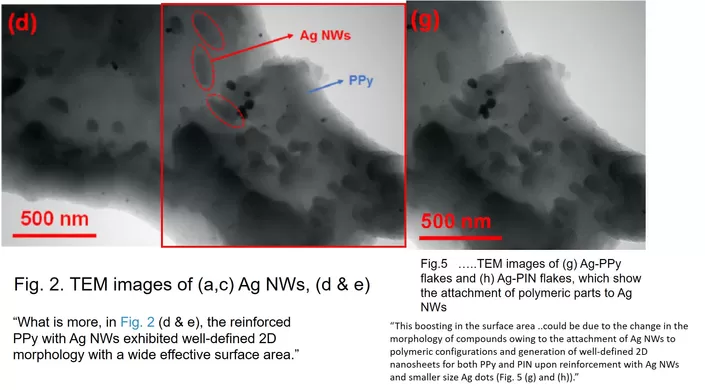
Arjmand and Ramakrishna again, now designing fantasy materials for radiation shielding:
Seyyed Alireza Hashemi , Seyyed Mojtaba Mousavi , Reza Faghihi, Mohammad Arjmand , Mansour Rahsepar , Sonia Bahrani , Seeram Ramakrishna , Chin Wei Lai Superior X-ray Radiation Shielding Effectiveness of Biocompatible Polyaniline Reinforced with Hybrid Graphene Oxide-Iron Tungsten Nitride Flakes Polymers (2020) doi: 10.3390/polym12061407
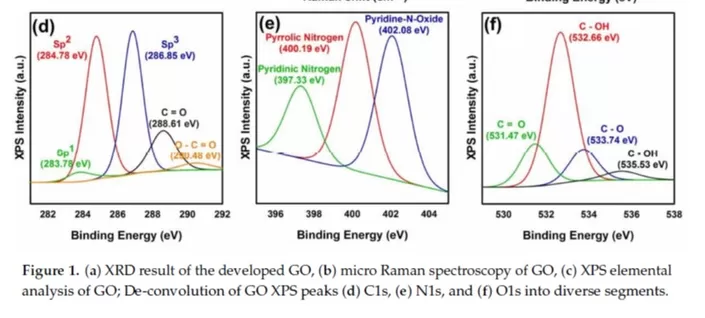
You can read about Ramakrishna here:

The Highly Cited Researchers of Clarivate
“here is my advice to Clarivate: better get lost. ” – Alexander Magazinov
The next collaboration of Afrand and Ramakrishna involved Anders Hagfeldt, who happens to be in his day-job the Vice Chancellor of the University of Uppsala in Sweden. I wrote about him in Friday Shorts: Hagfeldt is currently under investigation for research misconduct, suspected of co-authoring papermilled studies. Here, Arjmand, Ramakrishna and Hagfeldt invented a new superior superconductor:
Seyyed Alireza Hashemi , Seyyed Mojtaba Mousavi , Hamid Reza Naderi , Sonia Bahrani , Mohammad Arjmand, Anders Hagfeldt, Wei-Hung Chiang , Seeram Ramakrishna Reinforced polypyrrole with 2D graphene flakes decorated with interconnected nickel-tungsten metal oxide complex toward superiorly stable supercapacitor Chemical Engineering Journal (2021) doi: 10.1016/j.cej.2021.129396
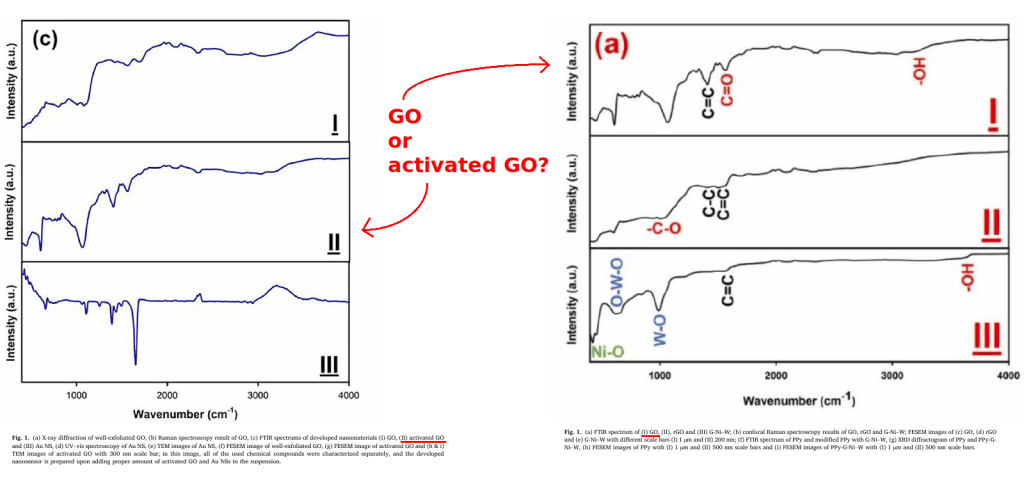
The other paper recycling the FTIR spectra above was with same first author Seyyed Alireza Hashemi (but without Hagfeldt), and presented a gold nanoparticle thingy for rapid COVID-19 diagnostic tests for IgG antibodies of SARS-CoV-2 in blood:
Seyyed Alireza Hashemi , Sonia Bahrani , Seyyed Mojtaba Mousavi , Navid Omidifar , Nader Ghaleh Golab Behbahan , Mohammad Arjmand , Seeram Ramakrishna , Kamran Bagheri Lankarani , Mohsen Moghadami , Mansoureh Shokripour , Mohammad Firoozsani , Wei-Hung Chiang Ultra-precise label-free nanosensor based on integrated graphene with Au nanostars toward direct detection of IgG antibodies of SARS-CoV-2 in blood Journal of Electroanalytical Chemistry (2021) doi: 10.1016/j.jelechem.2021.115341
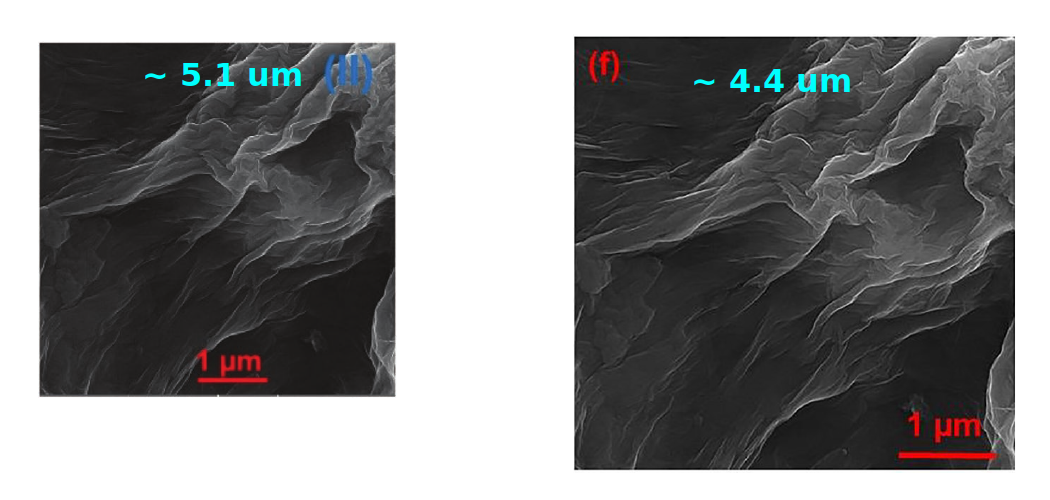
The other paper by Arjmand and Ramakrishna, which recycled the image, was about a different nano-sensor designed to detect not only the coronavirus, but also the flu.
Seyyed Alireza Hashemi , Sonia Bahrani , Seyyed Mojtaba Mousavi , Navid Omidifar , Mohammad Arjmand, Nader Ghaleh Golab Behbahan , Seeram Ramakrishna , Kamran Bagheri Lankarani , Mohsen Moghadami , Mohammad Firoozsani Ultrasensitive Biomolecule‐Less Nanosensor Based on β‐Cyclodextrin/Quinoline Decorated Graphene Oxide toward Prompt and Differentiable Detection of Corona and Influenza Viruses Advanced Materials Technologies (2021) doi: 10.1002/admt.202100341
I think in expert circles such publishing practice is called piss-taking. More great science by Arjmand, Ramakrishna and Hagfeldt, this time the team invented a graphene-based thingy for blood sugar measurements for diabetics:
Seyyed Alireza Hashemi , Seyyed Mojtaba Mousavi , Sonia Bahrani , Navid Omidifar , Mohammad Arjmand, Seeram Ramakrishna , Anders Hagfeldt , Kamran Bagheri Lankarani , Wei-Hung Chiang Decorated graphene oxide flakes with integrated complex of 8-hydroxyquinoline/NiO toward accurate detection of glucose at physiological conditions Journal of Electroanalytical Chemistry (2021) doi: 10.1016/j.jelechem.2021.115303
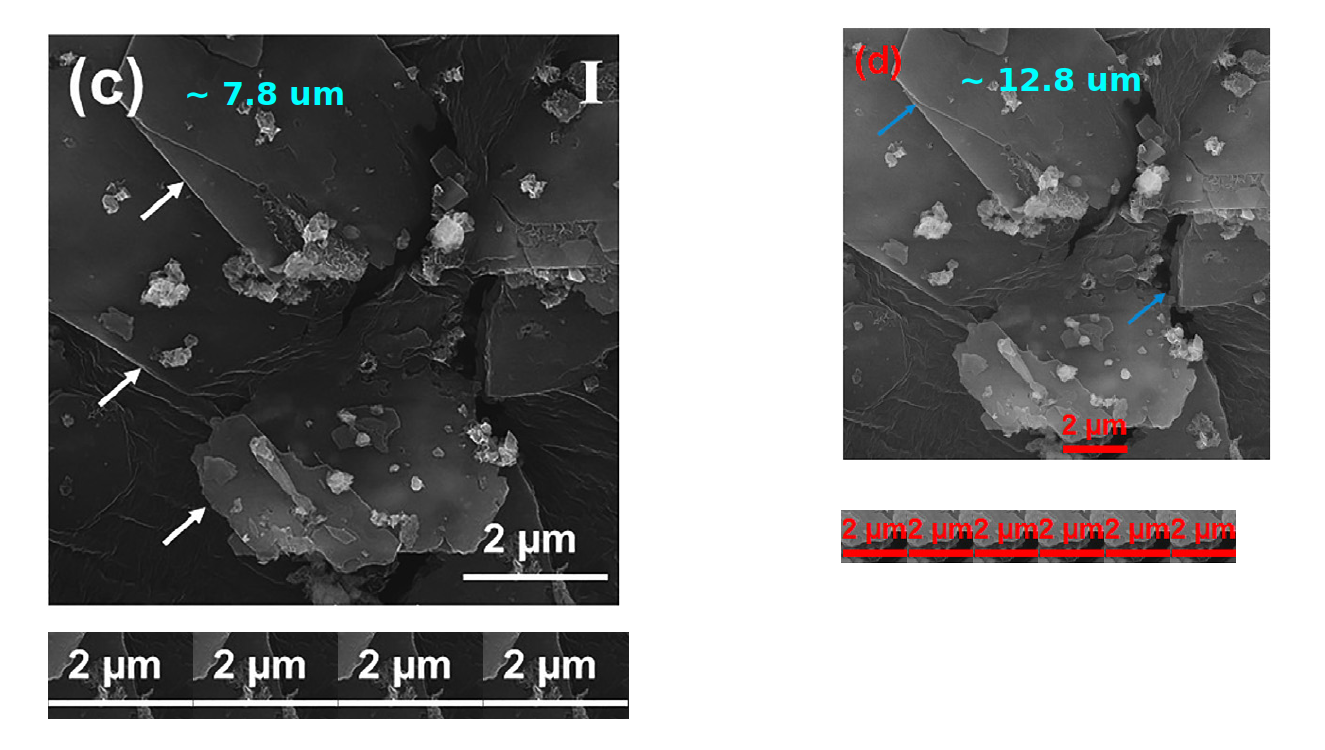
The other paper recycling the above data did not have Hagfeldt as co-author because it was about detecting alcohol in blood. No comment.
Seyyed Alireza Hashemi , Sonia Bahrani , Seyyed Mojtaba Mousavi , Navid Omidifar, Mohammad Arjmand , Kamran Bagheri Lankarani , Mansoureh Shokripour , Seeram Ramakrishna Differentiable detection of ethanol/methanol in biological fluids using prompt graphene-based electrochemical nanosensor coupled with catalytic complex of nickel oxide/8-hydroxyquinoline Analytica Chimica Acta (2022) doi: 10.1016/j.aca.2021.339407
Note that the cheaters didn’t even bother to adjust the size bar when recycling the images. Also here, where Arjmand decided to create eco-friendly epoxy coatings with the Iranian herb Asafoetida, because it’s popular in the traditional Iranian cuisine and folk medicine:
Seyyed Arash Haddadi , Saeed Ghaderi , Mohsen Sadeghi , Behzad Gorji , Farhad Ahmadijokani , Ahmad Ramazani S.A., Mohammad Mahdavian , Mohammad Arjmand Enhanced active/barrier corrosion protective properties of epoxy coatings containing eco-friendly green inorganic/organic hybrid pigments based on zinc cations/Ferula Asafoetida leaves Journal of Molecular Liquids (2021) doi: 10.1016/j.molliq.2020.114584

Epoxy coatings is a hot field, especially with nanotechnology buzzwords, so let’s flood it with trash:
Parisa Najmi , Navid Keshmiri , Mohammad Ramezanzadeh , Bahram Ramezanzadeh, Mohammad Arjmand Epoxy nanocomposites holding molybdenum disulfide decorated with covalent organic framework: All-in-one coatings featuring thermal, UV-shielding, and mechanical properties Composites Part B: Engineering (2023) doi: 10.1016/j.compositesb.2023.110785

I don’t know, the black line looks hand-drawn. Maybe Arjmand wanted to draw ruins of an ancient castle buried under sand dunes? Here is the other paper recycling that “data”, this time the nano-coatings became “smart”, which is why nobody at this allegedly elite ACS journal bothered to read beyond the title:
Parisa Najmi , Navid Keshmiri , Mohammad Ramezanzadeh , Bahram Ramezanzadeh , Mohammad Arjmand Design of Nacre-Inspired 2D-MoS Nanosheets Assembled with Mesoporous Covalent Organic Frameworks (COFs) for Smart Coatings ACS Applied Materials & Interfaces (2022) doi: 10.1021/acsami.2c14542
To be fair, the Editor-in-Chief of ACS Applied Materials & Interfaces, Kirk Schanze, is not exactly the kind of person you should trust your science with. Unless you want it to find itself in company with fraudsters shouting “conclusions not affected!” Like here:

Zombie fingers inside corroded nano-piecrusts
Smut Clyde is back with more fraudulent nanotechnology. This time, he presents the works of Dhanaraj Gopi, who designs fabricated surfaces for surgical implants. In Photoshop, or with a pencil.

Another citation scam authored by Arjmand, with fake spectra. Twenty citations are delivered to its co-author Hossein Molavi, because why not, the man paid good money for it. As Magazinov notes: “All are in some generic context, all but one are within bulk citations“. Anyhow, have some “smart” MOFs for water purification:
Farhad Ahmadijokani , Hossein Molavi, Mashallah Rezakazemi , Tejraj M. Aminabhavi , Mohammad Arjmand Simultaneous detection and removal of fluoride from water using smart metal-organic framework-based adsorbents Coordination Chemistry Reviews (2021) doi: 10.1016/j.ccr.2021.214037

Now look at this reference 39:
“To date, various adsorbent materials such as activated materials (e.g., alumina, carbon, sawdust, alumina-coated silica gel, coconut shell, soil sorbent, etc.), calcite, polymer materials, coffee husk, different nanoparticles, carbon-based nanomaterials, metal oxides have been applied for the effective elimination of fluoride ions from aqueous solutions [30,38–41].”

Male mice with motor disorders? Or male Iranian papermillers?

Polymer Papermillers Taking the Piss
Papermill Industry enters its Logical Growth Phage. Smut Clyde explains what coordination polymer chemistry has to do with chickenshit.
Here is something in Elsevier’s papermill outlet called Ceramics International:
Mohsen Ahmadipour , Mohammad Arjmand , Anh Thi Le , Sin Ling Chiam , Zainal Arifin Ahmad , Swee-Yong Pung Effects of multiwall carbon nanotubes on dielectric and mechanical properties of CaCu3Ti4O12 composite Ceramics International (2020) doi: 10.1016/j.ceramint.2020.05.119
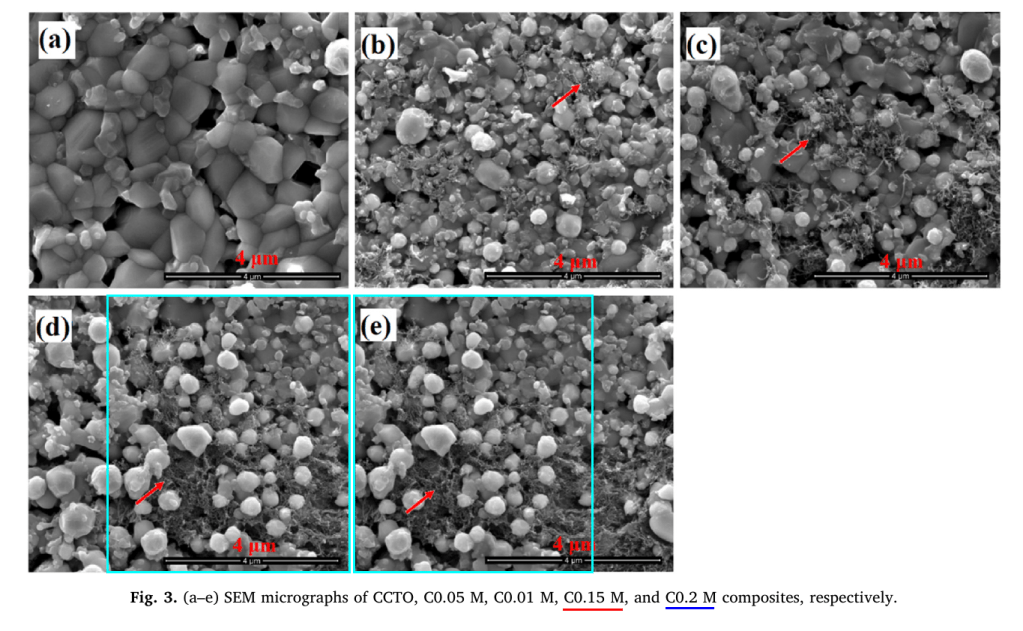
Papermills must reuse the limited number of images they have. Where no research is done to supply data, one must be creative with recycling! Like here, helping fossil fuel industry to become environment-friendly, this “drilling fluids” topic seem to be popular with papermills, Magazinov tells me:
Mostafa Keshavarz Moraveji , Ahmadreza Ghaffarkhah , Farough Agin , Mohsen Talebkeikhah , Amirhosein Jahanshahi , Alireza Kalantar , Saman Fazel Amirhosseini , Mohsen Karimifard , Seyed Iman Mortazavipour , Ali Akbari Sehat , Mohammad Arjmand Application of amorphous silica nanoparticles in improving the rheological properties, filtration and shale stability of glycol-based drilling fluids International Communications in Heat and Mass Transfer (2020) doi: 10.1016/j.icheatmasstransfer.2020.104625
“Fig. 1, “The FESEM images of nanoparticles (A) 12 nm (B) 22 nm (C) 54 nm.” Panels (A) and (C) show an overlap, despite described as different samples and in contradiction to the scale bars”
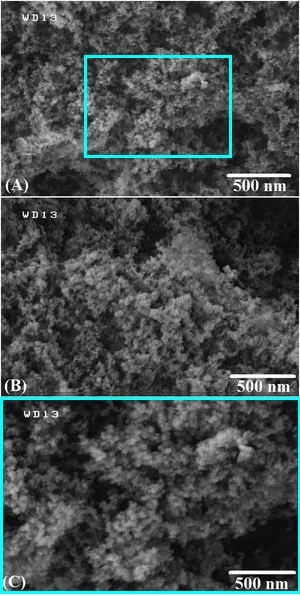
A similar situation, with Figure 2 of another Arjmand paper, showing allegedly different samples:
Farhad Ahmadijokani , Hossein Molavi , Majed Amini , Addie Bahi , Stefan Wuttke , Tejraj M. Aminabhavi , Milad Kamkar , Orlando J. Rojas, Frank Ko, Mohammad Arjmand Waste organic dye removal using MOF-based electrospun nanofibers of high amine density Chemical Engineering Journal (2023) doi: 10.1016/j.cej.2023.143119
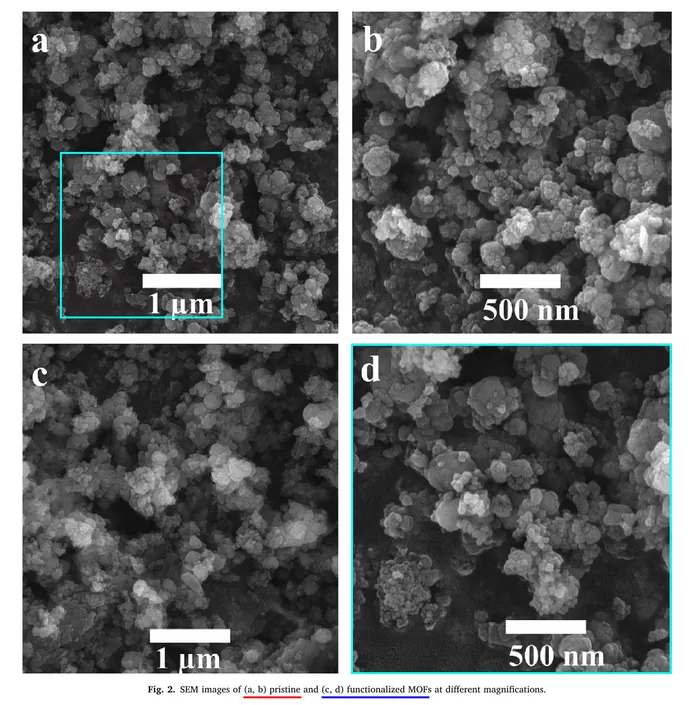
There are interesting co-authors listed here, all pretending to have a solution for waste organic dye removal. First, Orlando J. Rojas, UBC professor, Canada Excellence Research Chair in Bioproducts, and the Scientific Director of the Bioproducts Institute. Frank Ko is another Canada Research Chair Professor at UBC. Two important men who probably never bothered to even read the paper Arjmand put their names on. Everything for the h-index!
Neither of these two, nor the UBC President Deborah Buszard, nor the Applied Science Associate Dean Walter Mérida (the ones who introduced Steinmeier to Arjmand) replied to my emails.

Milad Kamkar is another Iran-born assistant professor in Canada, this time at the University of Waterloo. I personally appreciate another co-author, the German Stefan Wuttke. Wuttke works in Spain, as Ikerbasque Research Professor at BCMaterials. Remember that institute? Where Ahmed Shalan published massive fraud, with the BCMaterials scientific director Senentxu Lanceros-Mendez being Shalan’s eager co-author and book editor even long after the the director opened an investigation against the fraudster?

No point of reporting Wuttke’s collaborations to Lanceros-Mendez then. Here is Arjmand again, with Rojas, Ko, Kamkar, and Wuttke, cleaning up wastewater with nanodiamonds:
Farhad Ahmadijokani , Hossein Molavi , Addie Bahi , Stefan Wuttke, Milad Kamkar , Orlando J. Rojas, Frank Ko , Mohammad Arjmand Electrospun nanofibers of chitosan/polyvinyl alcohol/UiO-66/nanodiamond: Versatile adsorbents for wastewater remediation and organic dye removal Chemical Engineering Journal (2023) doi: 10.1016/j.cej.2022.141176

Fake spectra can be funny sometimes. Look at this, in an Elsevier journal with Impact factor of 5.9, where the editors and reveiwers were so impressed by the fancy word “montmorillonite” that they read no further:
Arian Amirkiai , Mahyar Panahi-Sarmad , Gity Mir Mohamad Sadeghi, Mohammad Arjmand , Mahbod Abrisham , Parham Dehghan , Hossein Nazockdast Microstructural design for enhanced mechanical and shape memory performance of polyurethane nanocomposites: Role of hybrid nanofillers of montmorillonite and halloysite nanotube Applied Clay Science (2020)
doi: 10.1016/j.clay.2020.105816
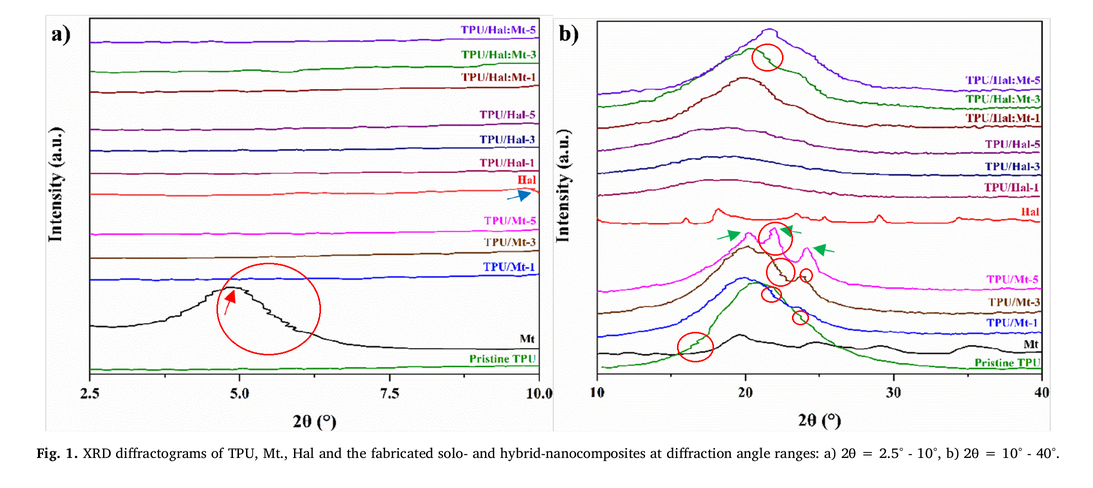
Not if you are drunk though, then such spectra are very much expected, as a barrier to prevent pink elephants from attacking you.
To calm down, some more inappropriately recylced images with made-up size bars.
João Paulo Ferreira Santos , Mohammad Arjmand, Guilherme Henrique França Melo , Kambiz Chizari , Rosario Elida Suman Bretas, Uttandaraman Sundararaj Electrical conductivity of electrospun nanofiber mats of polyamide 6/polyaniline coated with nitrogen-doped carbon nanotubes Materials & Design (2018) doi: 10.1016/j.matdes.2017.12.052

Unexpected is a mismatch between the scale bars (the horizontal edge of the overlap in one case is visibly greater than 10 μ
mμm, in another case it is visibly smaller than 10 μ
mμm). The aspect ratio might have also been distorted.”

[…] incompatible scale bars are concerning.”
The other paper recycling this data with made-up size bars was this, with only 3 common authors, Arjmand, Santos and Sundararaj (the latter is full professor at the University of Calgary, Canada):
Marines Steinmetz , Dhésmon Lima , Raíssa Ribeiro Lima Machado , Uttandaraman Sundararaj , Mohammad Arjmand , Aline Bruna Da Silva , João Paulo Santos , Christiana Andrade Pessôa , Karen Wohnrath Nitrogen-doped carbon nanotubes towards electrochemical sensing: Effect of synthesis temperature Diamond and Related Materials (2020) doi: 10.1016/j.diamond.2020.108093
Now you see why UBC decided to celebrate Arjmand so much they made him a Research Chair and invited the German Head of State Steinmeier sit on meet him.
Obviously there is no point writing to UBC. As I said, I tried, nobody answers. Predictably.
But Arjmand had a previous career station in Dresden, Germany, at the Institute for Polymere Research (IPF) of the Leibniz Society, where my reporting ended up with Brigitte Voit resigning as institute’s director and society’s ombudsperson, retracting papers, and being found guilty of research misconduct. Read here:
Bad Choices in Dresden
“There is no reason for an investigation into scientific misconduct and therefore it will not take place.”
It seems, Arjmand’s host at IPF was Petra Pötschke, Head of the IPF department “Functional Nanocomposites and Blends”. She published several papers with Arjmand, including Arjmand et al 2017 or Patangrao Pawar et al 2018; in both cases the last author is Uttandaraman Sundararaj whom you just met above, with recycled images.
Now, Magazinov found this IPF study featuring Pötschke and Voit (but without Arjmand):
Yian Chen , Petra Pötschke, Jürgen Pionteck , Brigitte Voit , Haisong Qi Multifunctional Cellulose/rGO/Fe3O4 Composite Aerogels for Electromagnetic Interference Shielding ACS Applied Materials & Interfaces (2020) doi: 10.1021/acsami.9b23052

These fake spectra appeared in an elite ACS journal and were cited already 100 times, and nobody noticed the forgeries. Even though the red-circled blue spectrum in Figure 2c is obviously hand-drawn. And here is another one by same team:
Yian Chen , Petra Pötschke, Jürgen Pionteck , Brigitte Voit , Haisong Qi Fe3O4 Nanoparticles Grown on Cellulose/GO Hydrogels as Advanced Catalytic Materials for the Heterogeneous Fenton-like Reaction ACS Omega (2019) doi: 10.1021/acsomega.9b00170
“Figure 2f exhibits irregularities, as if both XRD patterns are derived from the same parent pattern. The peaks in the cellulose/GO/Fe3O4 pattern may have a digital nature.”

Pötschke did not reply to my email either. Now she and Voit can thank their former guest scientist Arjmand for leading Magazinov to these fake publications.
And now, the pièce de résistance. Arjmand’s greatest achievement. Everyone stand back and prepare to applaud. You will turn green with envy, I promise.
Ready?
Ta-da:
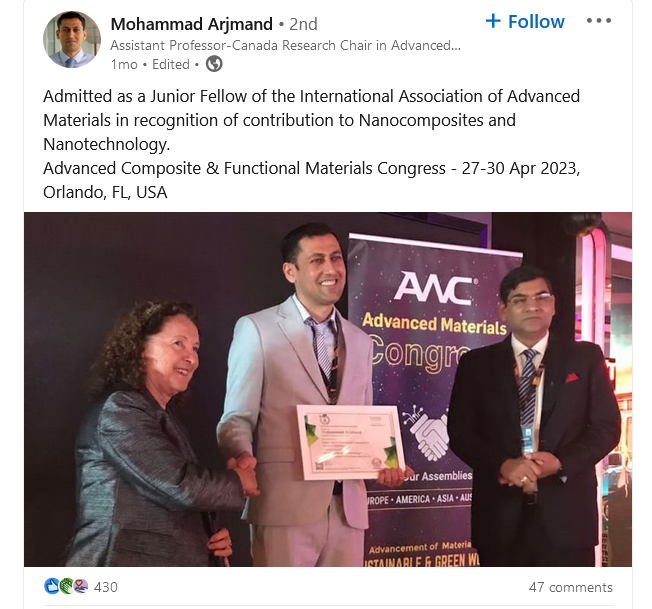
Yes of course Arjmand and the scamference fraudster Ashutosh Tiwari found each other! Of course Arjmand is proud of his fake fellowship in Tiwari’s fictional International Association of Advanced Materials (IAAM) which he obtained at Tiwari’s predatory conference! Of course Arjmand is a regular visitor at these scamference events! Of course UBC is proud to pay for it!
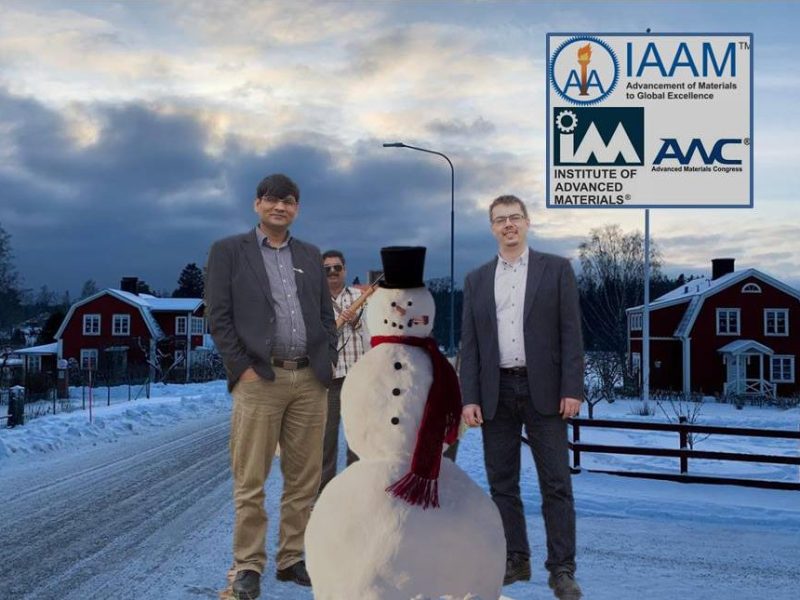
The Indefatigable Ashutosh Tiwari
Four years after Ashutosh Tiwari’s scamferences and research fraud were exposed, his impressive-sounding yet fictional “International Association of Advanced Materials”, or IAAM, still opens doors, hearts and wallets.
I for my part can’t wait to see Steinmeier visit Ashu Tiwari in his tiny village of Ulrika, maybe on an official trip to Sweden. Maybe the German President can open the next IAAM scamference?
I thank all my donors for supporting my journalism. You can be one of them!
Make a one-time donation:
I thank all my donors for supporting my journalism. You can be one of them!
Make a monthly donation:
Choose an amount
Or enter a custom amount
Your contribution is appreciated.
Your contribution is appreciated.
DonateDonate monthly
 For Better Science
Look at this other Iranian former PhD student.
https://0-scholar-google-com.brum.beds.ac.uk/citations?user=YeEtShsAAAAJ&hl=en
10,000 citations, h index of 64!!! While being only a PhD student !!!
Not only even 10% of professors (I’m not talking about assistant professors, or associate, full professor) at university of Toronto has this H index.
!!!!!?
LikeLike
I have worked with Farhad Ahmadi Jokani in the past, and based on my experience, I have concerns about his work ethics. There have been instances where he has used ideas from others without giving proper credit. Additionally, it seems that he relies heavily on others to complete his work, rather than contributing significantly on his own. I believe it’s important to approach collaborations with caution in situations like this.
LikeLike
I have worked with Farhad Ahmadi Jokani in the past, and based on my experience, I have concerns about his work ethics. There have been instances where he has used ideas from others without giving proper credit. Additionally, it seems that he relies heavily on others to complete his work, rather than contributing significantly on his own. I believe it’s important to approach collaborations with caution in situations like this.
LikeLike
Just wanted to point out that he was named “Researcher of the Year” by UBC this year. This shows how ethics seem to be secondary, and that what truly matters is the amount of funding one brings in. It sends the message that even fraudulent work can be rewarded if it brings in enough money. Sad days for academia.
https://research.ok.ubc.ca/2025/05/08/ubco-celebrates-extraordinary-faculty-members-as-researchers-of-the-year/
LikeLiked by 1 person