
Yogeshwer Shukla’s toxic career of Ayurvedic infusions
Professor Shukla is a bigwig in Indian toxicology because he uses fresh fruit, tea and curry spices to cure cancer. For maximum effect, his lab resorts to fabricating data in Photoshop.
By Leonid Schneider, on research integrity, biomedical ethics and academic publishing
Professor Shukla is a bigwig in Indian toxicology because he uses fresh fruit, tea and curry spices to cure cancer. For maximum effect, his lab resorts to fabricating data in Photoshop.
Benjamin Bonavida is a prolific science book author and recently retired as UCLA professor. He previously had to retract some papers as others took the blame. Yet Smut Clyde found so many fraudulent works signed by Bonavida that one wonders if this cancer researcher is a victim or rather the perpetrator here.
US cancer research professors Paul B Fisher, Paul Dent and Stephen Grant look like the characters of a Joel and Ethan Coen crime movie, unfortunately never filmed. Smut Clyde will give you a peek into their spree of data manipulation
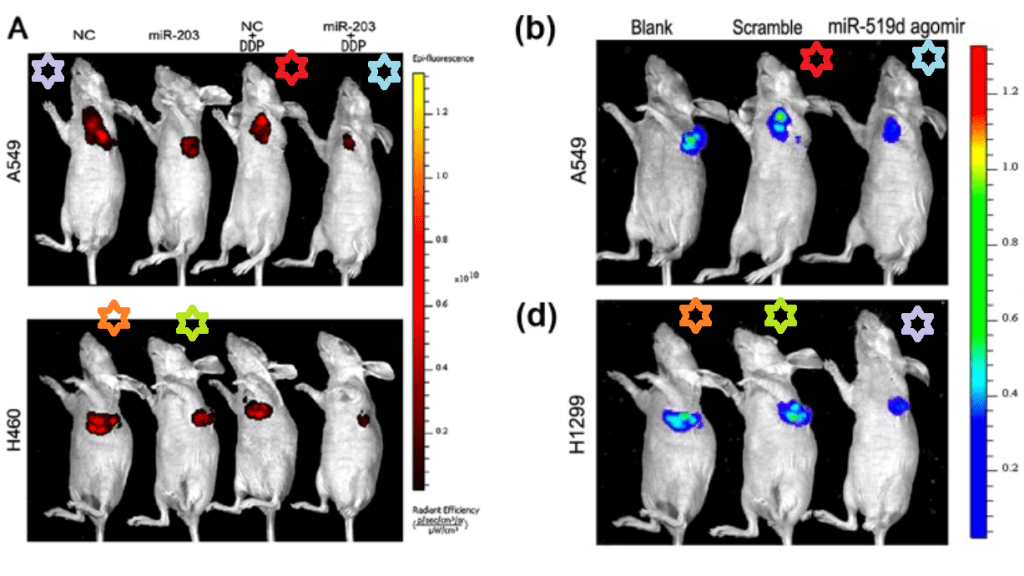
A cancer research professor in China runs a paper mill, sources claim he sells first authorships for a bribe. Problem for his customers: the peer-reviewed papers they pay for, contain fake data.
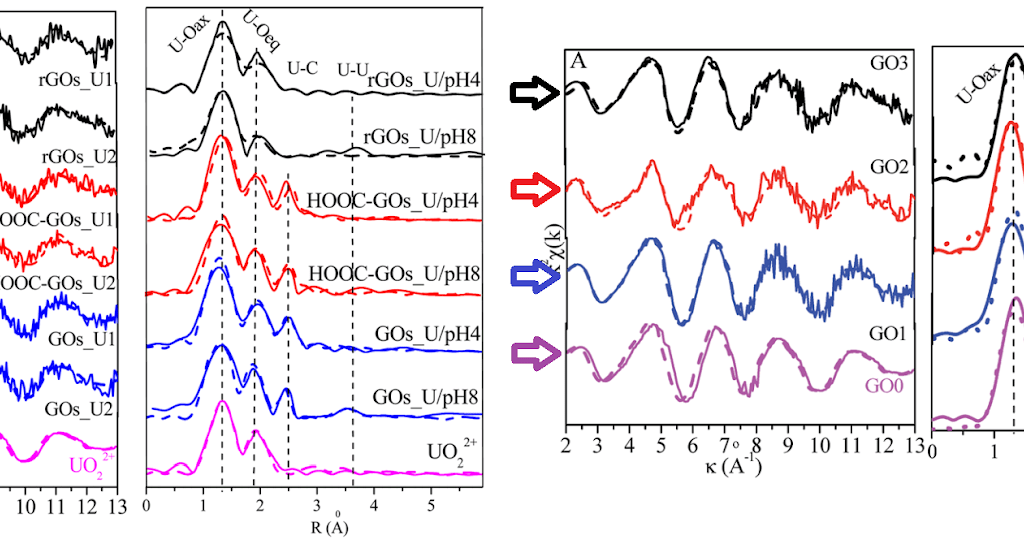
Smut Clyde and TigerBB8 investigate another case of nanotechnology research in China. Connected teams of authors pretended to work on cleaning up the environment of radioactive pollution, and instead released a toxic sludge of fraudulent data and citations.
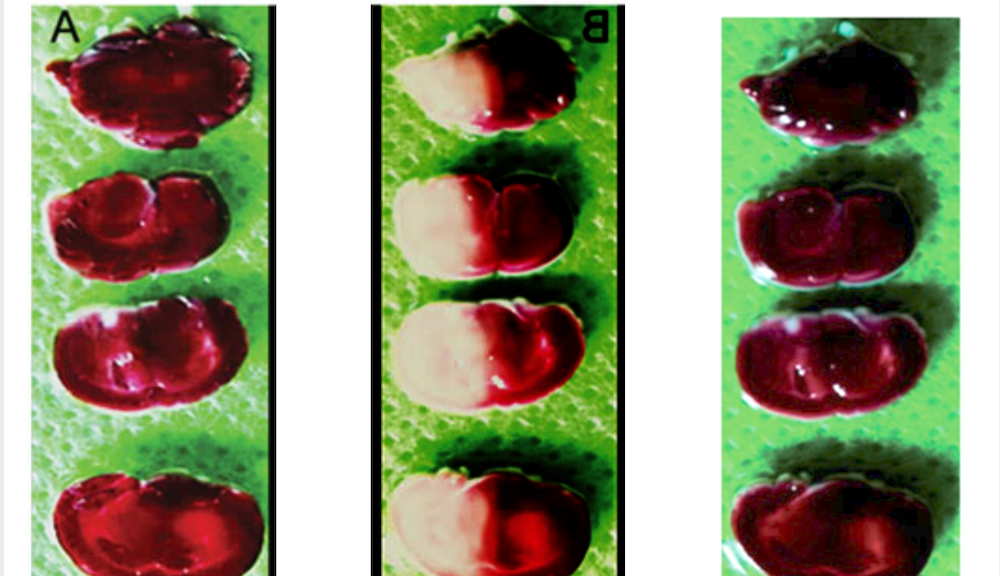
Smut Clyde and Tiger BB8 uncover a Chinese network which spreads over two cities and uses same stash of fake data to keep inventing nanoparticle or TCM-based cures for diabetic brain damage and other diseases.
The story of two data fabricators and Elsevier regulars, Sudheer Khan and Ali Fakhri. Smut Clyde brings them together in this new guest post about nanotechnology
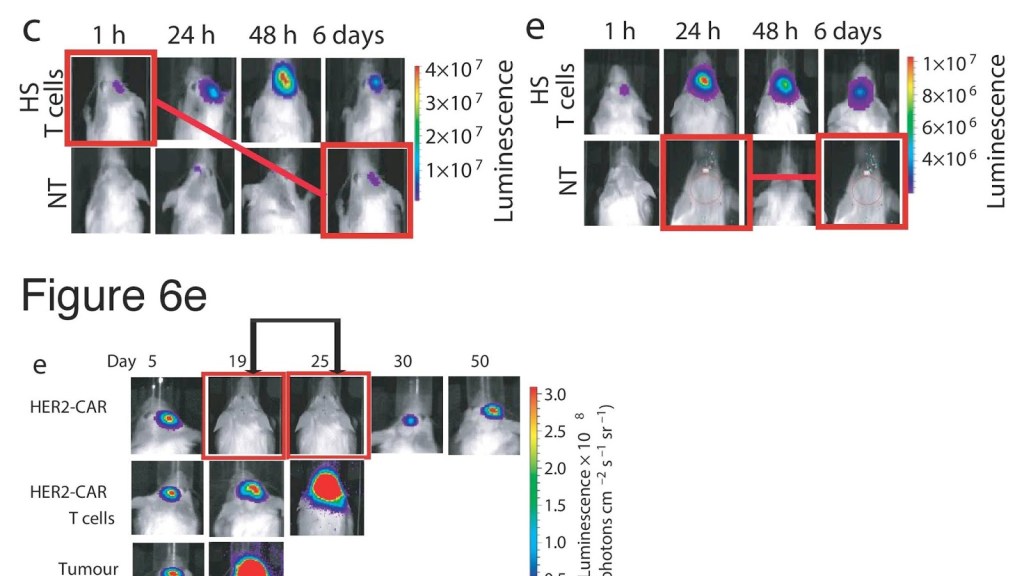
The team around the paediatric oncologist Nabil Ahmed at Baylor College of Medicine in Houston, Texas, discovered a way to engineer T-leukocytes to bypass the blood-brain barrier at attack otherwise untreatable brain cancers. Their amazing technology to get this published in Nature was brazenly insolent data fakery.
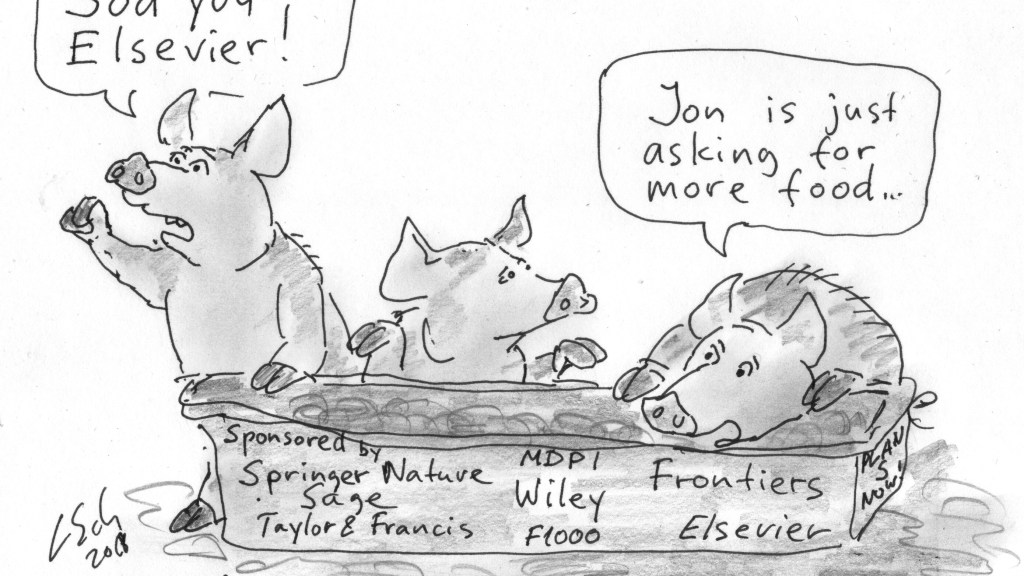
Frontiers is a somewhat unconventional open access publisher, which likes to have it both ways: playing scientific elite while accepting almost anything from paying customers. My regular contributor Smut Clyde will tell you below how some anti-vaccine scare-mongers managed to sneak in some rather dangerous works thanks to Frontiers’ unofficial “we don’t judge, we just charge” quasi-policy.
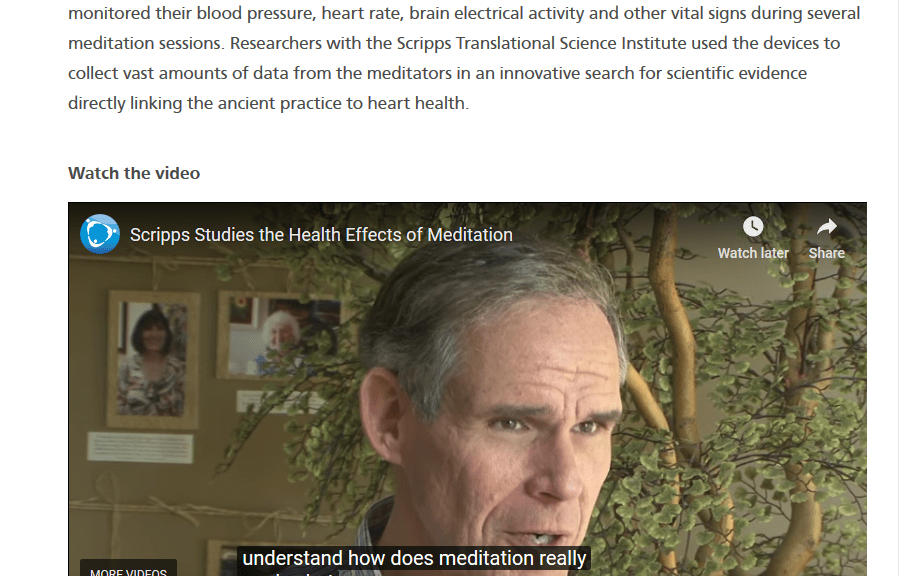
Smut Clyde will take you on a meditative Ayurvedic trip where the most respectable of research institutions and their world-renowned academics were caught dancing with the Guru Deepak Chopra himself. Famous cardiologist and medical writer Eric Topol and the Nobel Prize winner Elizabeth Blackburn were just two most prominent US academics listed on Chopra’s Panchakarma clinical trial.

 For Better Science