On Dangers of Preprints
Antivaxxery in scientific literature – are preprints to blame?
By Leonid Schneider, on research integrity, biomedical ethics and academic publishing
Antivaxxery in scientific literature – are preprints to blame?

“It feels like half the higher-echelon professors at Jilin University have built their careers on these fairy-tales, with successions of papers itemising the interactions of ADAM10 or GRIM-19. […] if only they had published instead about the Tooth-Fairy circ-RNA and how it targets the Easter-Bunny Pathway…”, – Smut Clyde
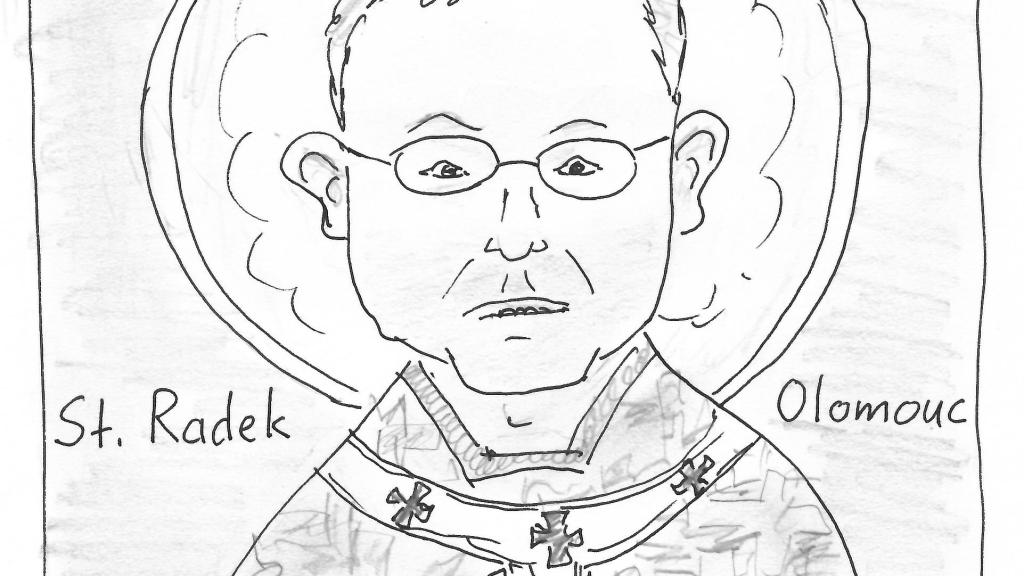
“I should remind you that the editorial offices that investigated your allegations did not found any evidence of scientific misconduct or data fabrication. In my opinion, your allegation may bear the elements of defamation and false accusation” – Prof Radek Zboril

“The Board assesses that there are no scientifically acceptable explanations for why the notified researchers have fabricated research results in the manner that has occurred in the notified articles. Raw data also does not support the reported results. [..]
In summary, the Board finds therefore that the notified researchers have been guilty of misconduct in research.”

NEJM and The Lancet retract two fake papers, one was dealing with chloroquine. Did we just get a brief glimpse into the fraudulent abyss of medical literature and the corruption of medical elites, briefly opened by the current COVID-19 situation?

This is my interview with Kaoru Sakabe, research integrity manager at the Journal of Biological Chemistry. Will the tough stance on science fraud be abandoned, now that the publisher partnered with Elsevier?
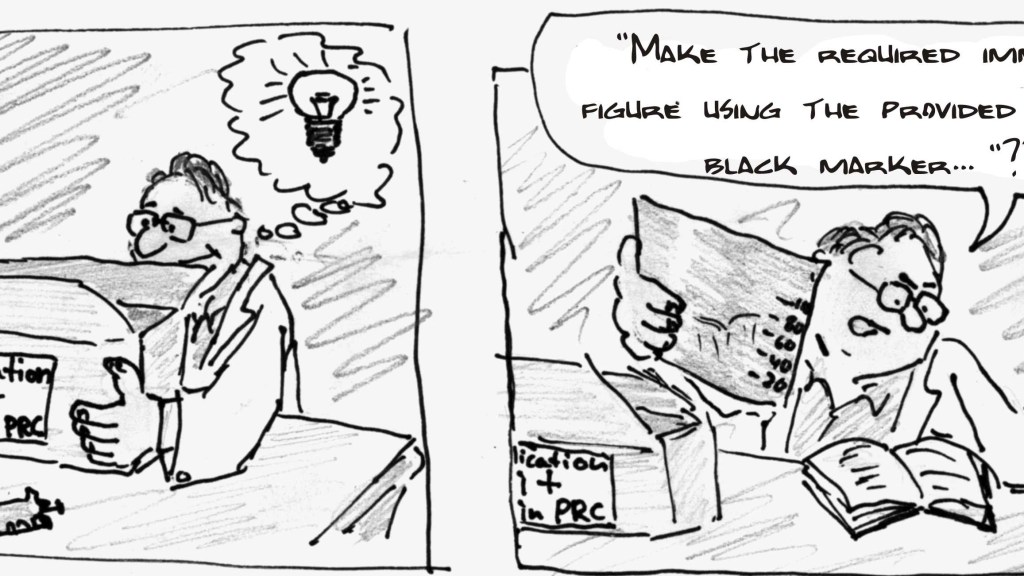
A Chinese paper gets rejected at Elsevier after reviewer spotted fraud. Same paper re-appears unchanged in another Elsevier journal, the editors refuse any action.

A dishonest cancer researcher. A dud cancer drug based on rigged lab data. A clinical trial in The Lancet. A greedy university which finds no misconduct. And a medical journal which tramples over patients.
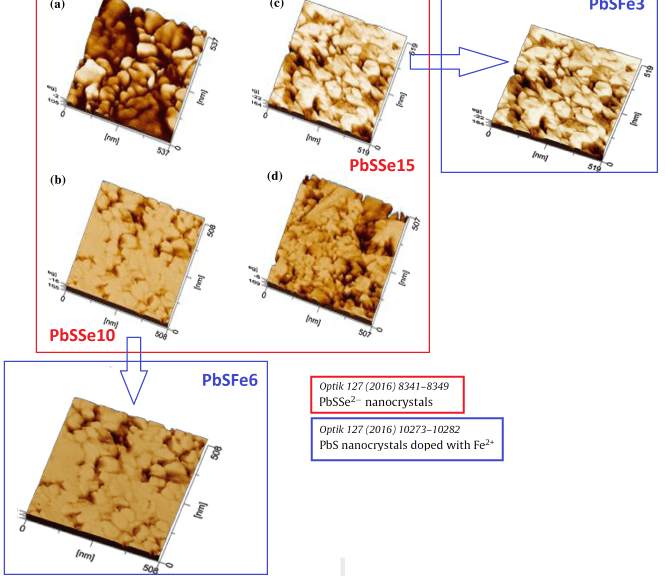
The Mexican potty-mouth Oscar Portillo Moreno dopes nanostructured thin films, or so he says. In reality it is not clear if he ever performed any experiments.
Germany recruits the very best of the best in international science to its elite institutions. Professor Alexandr Bazhin is one of them.

 For Better Science