Did Plant Cell learn from Voinnet Affair?
The Plant Cell is an elite journal, its authors and editors are some serious heavyweights whose labs cannot be associated with data manipulation.
By Leonid Schneider, on research integrity, biomedical ethics and academic publishing
The Plant Cell is an elite journal, its authors and editors are some serious heavyweights whose labs cannot be associated with data manipulation.

In yet another investigation, UCL whitewashed Martin Birchall of all responsibilities. I publish here the confidential report and excerpts from a secret PhD thesis, which the UCL committee carefully avoided to read.
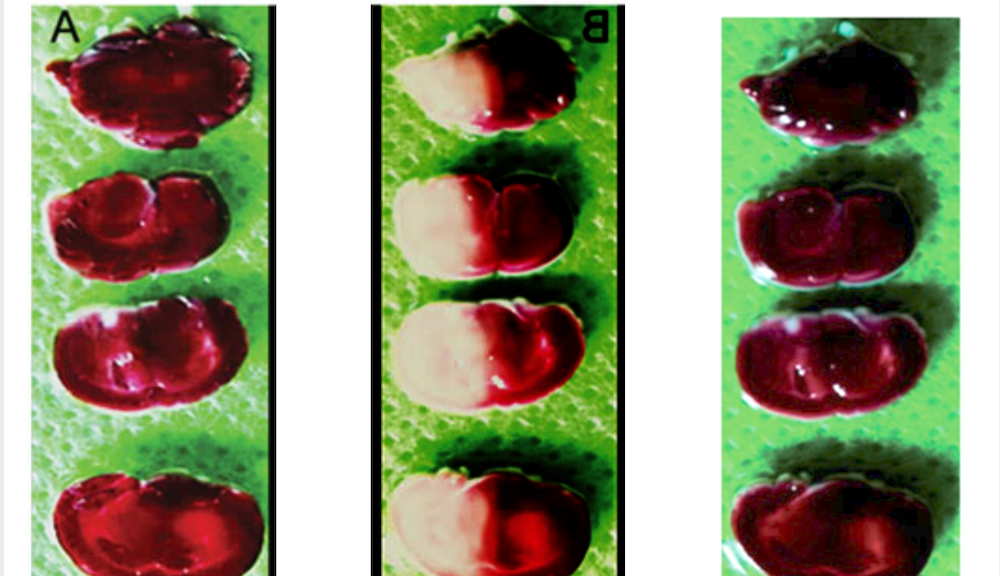
Smut Clyde and Tiger BB8 uncover a Chinese network which spreads over two cities and uses same stash of fake data to keep inventing nanoparticle or TCM-based cures for diabetic brain damage and other diseases.
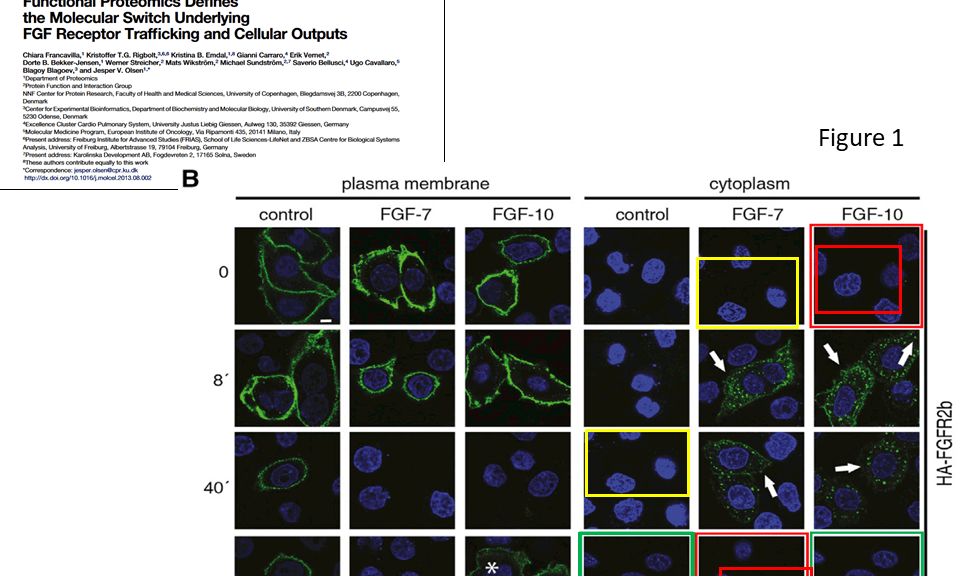
Manchester scientist Chiara Francavilla discovered duplicated images in her older papers and submitted correction requests to Molecular Cell and JCB, only to be ignored.

The story of two data fabricators and Elsevier regulars, Sudheer Khan and Ali Fakhri. Smut Clyde brings them together in this new guest post about nanotechnology

Catherine Jessus resigned, Olivier Voinnet solves the crime he was suspected of, and their mutual investigator Francis-Andre Wollman might want to investigate his own papers
Carlos Lopez-Otin was forced to retract EIGHT papers in the Journal of Biological Chemistry, right after he retracted a very important paper in Nature Cell Biology. Spanish elites cry foul, a letter signed by 50 Spanish researchers was sent to JBC to prevent retractions. The ringleader is Juan Valcarcel of CRG in Barcelona, and I release 3 incompetent investigative reports Valcarcel commissioned in 2015 to whitewash his CRG colleague Maria Pia Cosma.
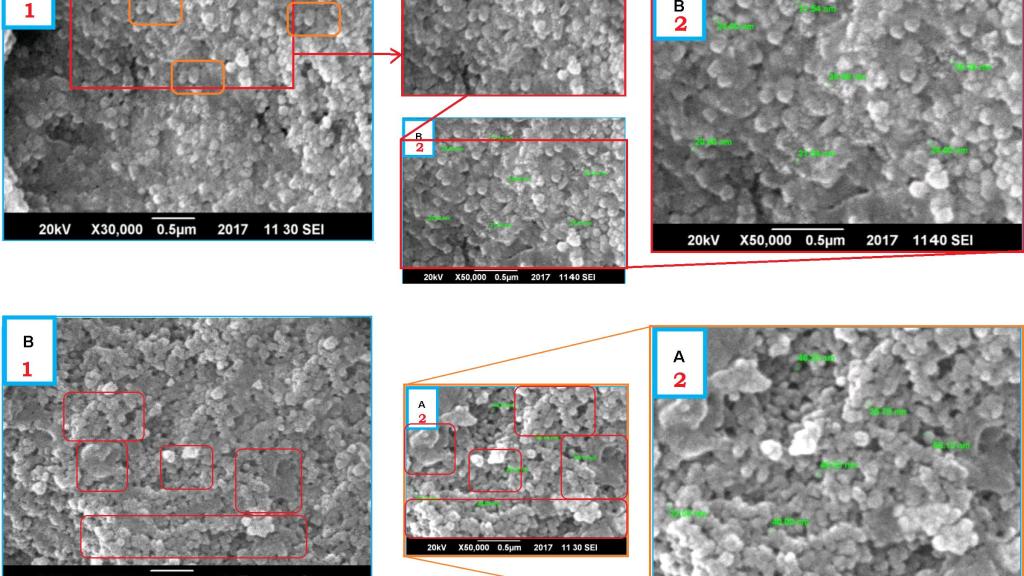
A scientifically subterranean topic at Frontiers leads to a discovery of cheater talents in Poland: a duo of EU-funded nanofabricators from Pakistan. Does any of their papers contain any actual research data, or is it all just made up?
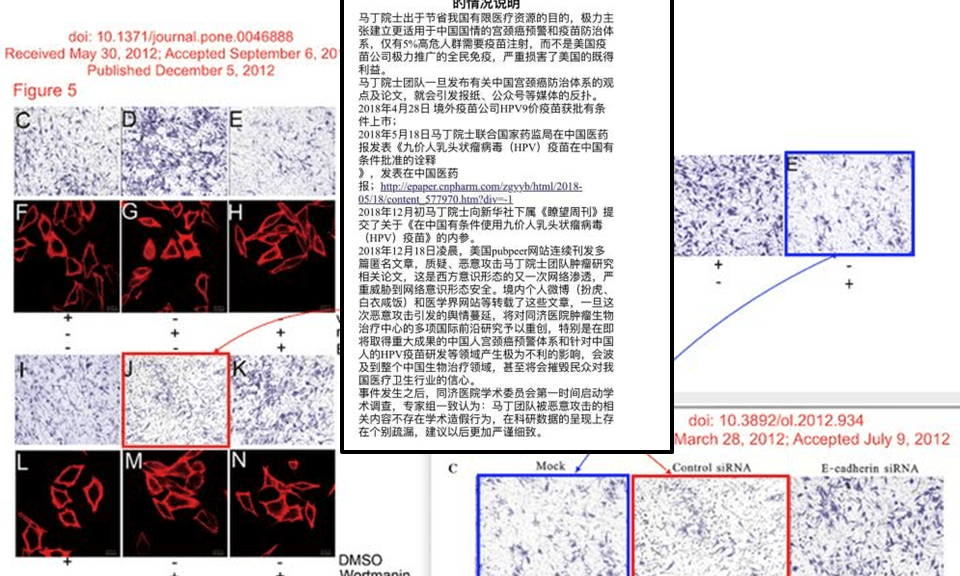
Manipulated data in 17 papers from one cancer research lab in China gets flagged on PubPeer. It ends with the university hospital in Wuhan issuing a secret statement accusing the US pharma giant a Merck of a conspiracy to slander a Chinese Academy member, Dr Ding Ma.
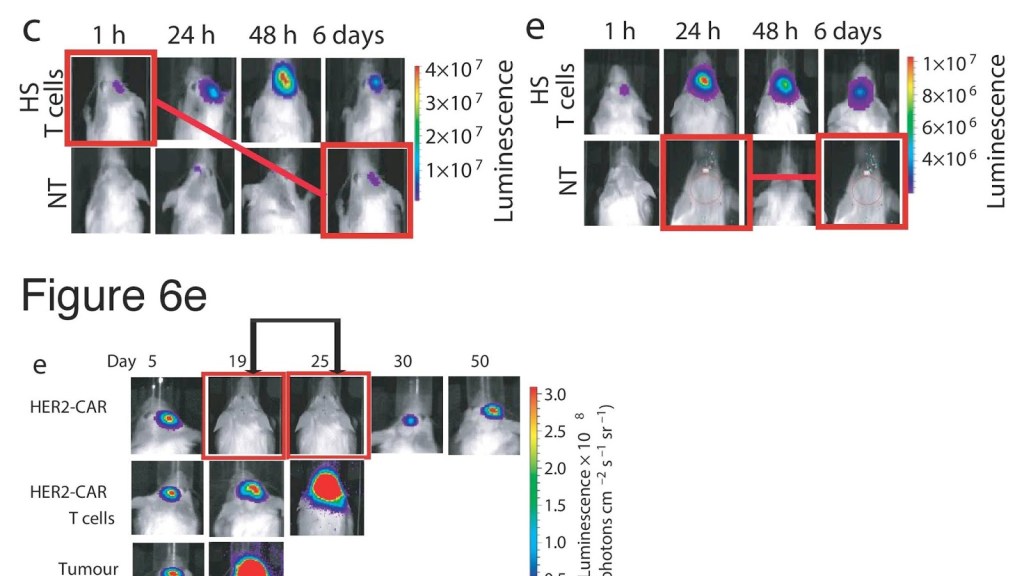
The team around the paediatric oncologist Nabil Ahmed at Baylor College of Medicine in Houston, Texas, discovered a way to engineer T-leukocytes to bypass the blood-brain barrier at attack otherwise untreatable brain cancers. Their amazing technology to get this published in Nature was brazenly insolent data fakery.

 For Better Science