
Karolinska’s haunted leadership
Johan Thyberg discusses the Macchiarini affair in the context of ethical shortcomings of Karolinska’s own leadership.
By Leonid Schneider, on research integrity, biomedical ethics and academic publishing
Johan Thyberg discusses the Macchiarini affair in the context of ethical shortcomings of Karolinska’s own leadership.
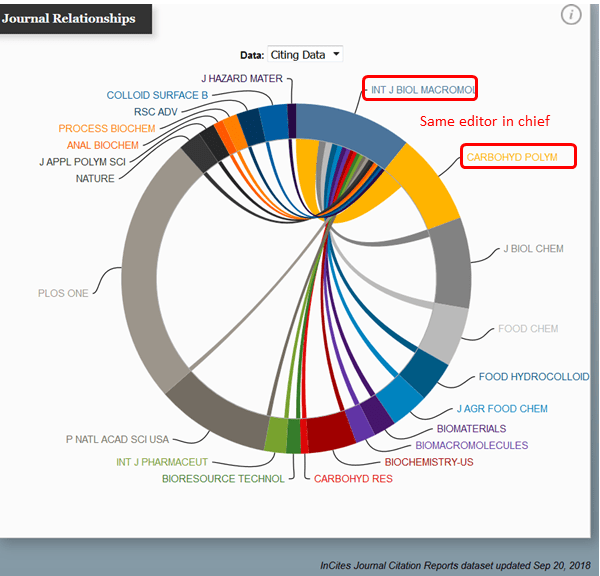
This guest post by “Morty” will show you some useful life hacks to boost your publication output. To qualify however, you must be Editor-in-Chief or at least editorial board member, preferably with Elsevier.

This guest post by pseudonymous Cheshire, shows that everyone can become an image integrity sleuth. You don’t need to be a scientist, just use common sense and some Twitter advice
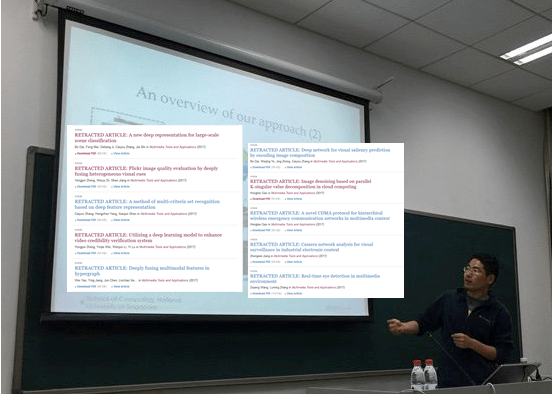
If you thought you already saw the worst research fraud from China, here comes the next level. Anything goes to please the Communist Party and to advance own academic career under the oppressive regime.
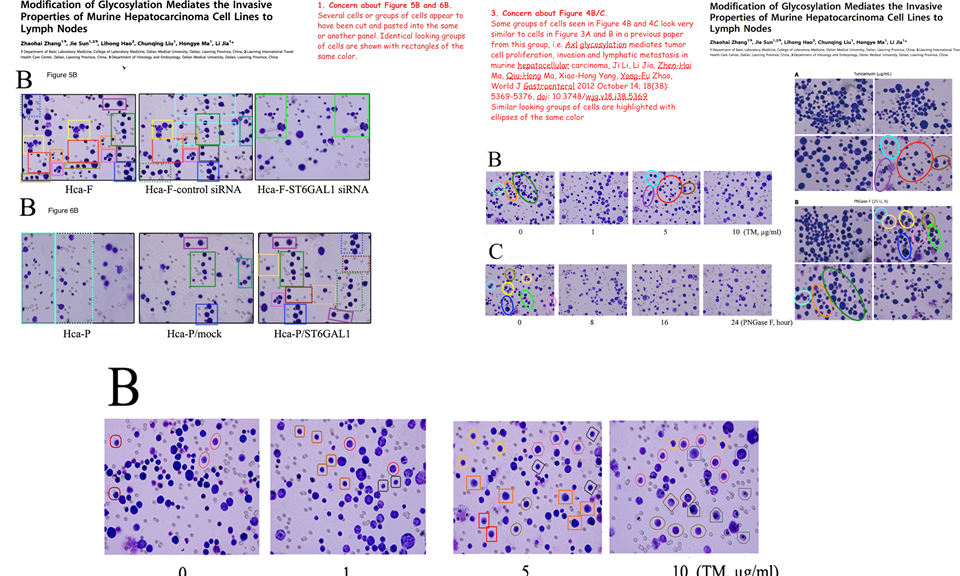
Li Jia is Chinese cancer researcher apparently training for Fraud Olympics. She fabricates data at speed and excess, and in several disciplines.
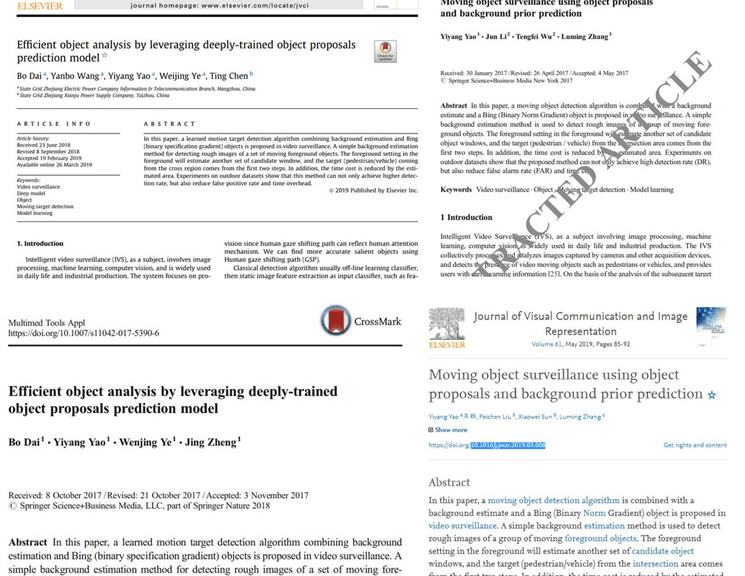
In this guest post by Smut Clyde and Tiger BB8 you will witness a publication practice you would never have thought possible. Even from China. Even at Elsevier.
This guest post by Elisabeth Bik will conclude the Fraud Triptych started by Smut Clyde. We shall meet a former mentee of Paul B Fisher, Sujit Bhutia, who is now busy fabricating data at his own lab at National Institute of Technology in India. Our next encounter will be with Fisher’s and Benjamin Bonavida’s past collaborator Devasis Chatterjee, who recently abruptly stopped being a principal investigator at the Brown University.
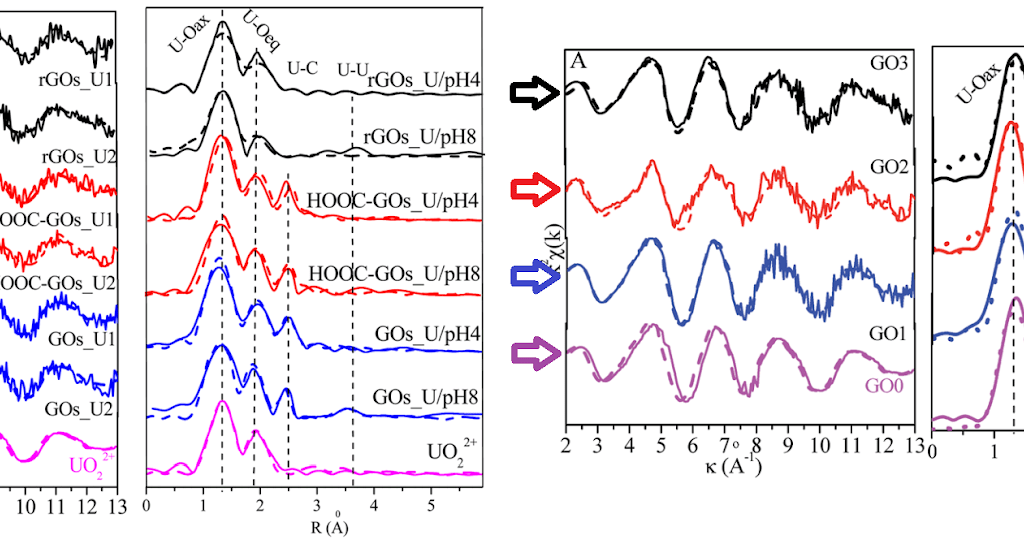
Smut Clyde and TigerBB8 investigate another case of nanotechnology research in China. Connected teams of authors pretended to work on cleaning up the environment of radioactive pollution, and instead released a toxic sludge of fraudulent data and citations.
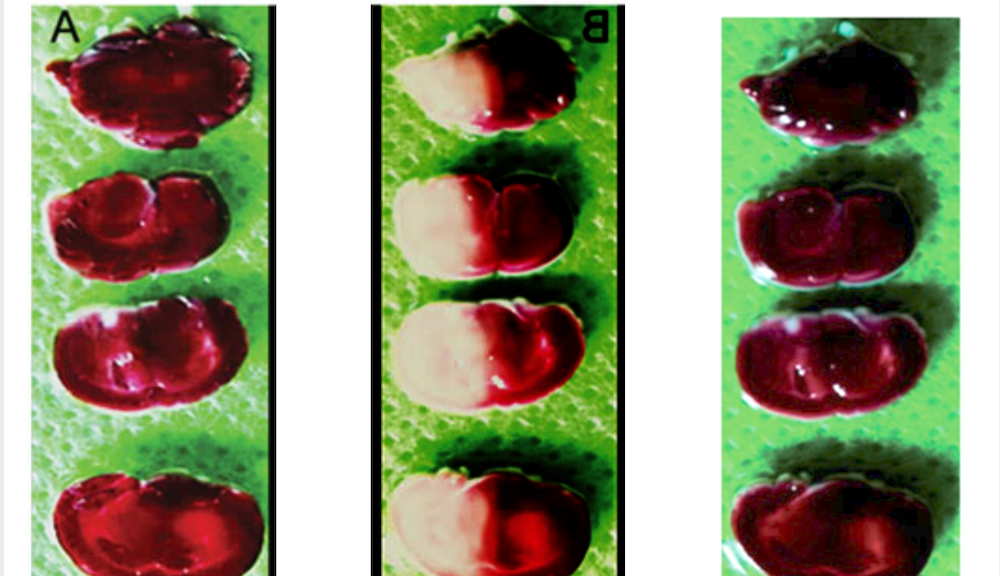
Smut Clyde and Tiger BB8 uncover a Chinese network which spreads over two cities and uses same stash of fake data to keep inventing nanoparticle or TCM-based cures for diabetic brain damage and other diseases.
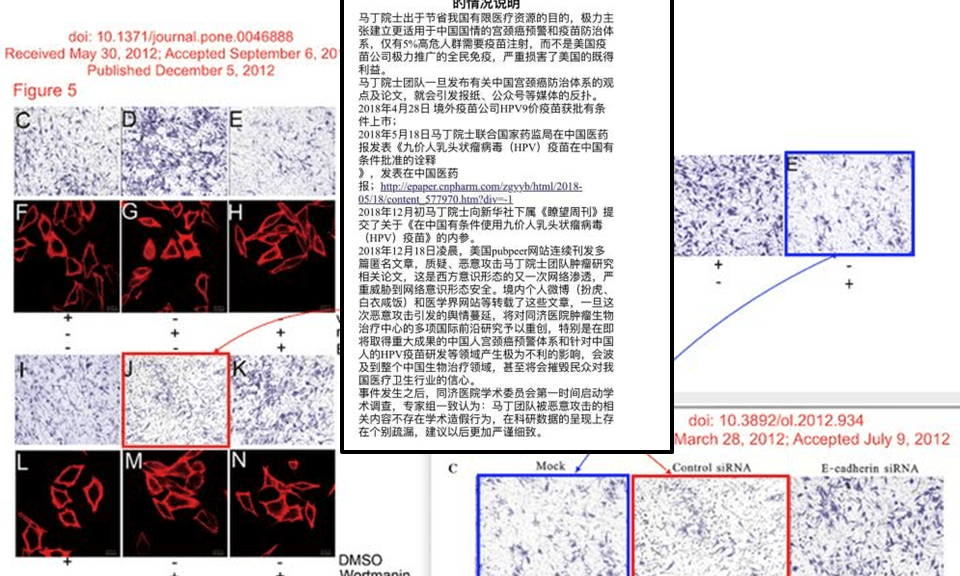
Manipulated data in 17 papers from one cancer research lab in China gets flagged on PubPeer. It ends with the university hospital in Wuhan issuing a secret statement accusing the US pharma giant a Merck of a conspiracy to slander a Chinese Academy member, Dr Ding Ma.

 For Better Science