Sally Assmann, right EiC choice for Plant Cell?
The Plant Cell is getting a new Editor-in-Chief, Sally Assmann. In a sense, she brings with her the necessary expertise in research integrity this journal sorely needs.
By Leonid Schneider, on research integrity, biomedical ethics and academic publishing
The Plant Cell is getting a new Editor-in-Chief, Sally Assmann. In a sense, she brings with her the necessary expertise in research integrity this journal sorely needs.
Smut Clyde and TigerBB8 investigate another case of nanotechnology research in China. Connected teams of authors pretended to work on cleaning up the environment of radioactive pollution, and instead released a toxic sludge of fraudulent data and citations.
The 2008 Lancet paper of Paolo Macchiarini and Martin Birchall about the world first trachea transplant might end up retracted. Until recently, the journal’s editor Richard Horton used to ignore and suppress “non peer-reviewed” evidence, but due to combined pressure of activism, media and politics, things started to move.
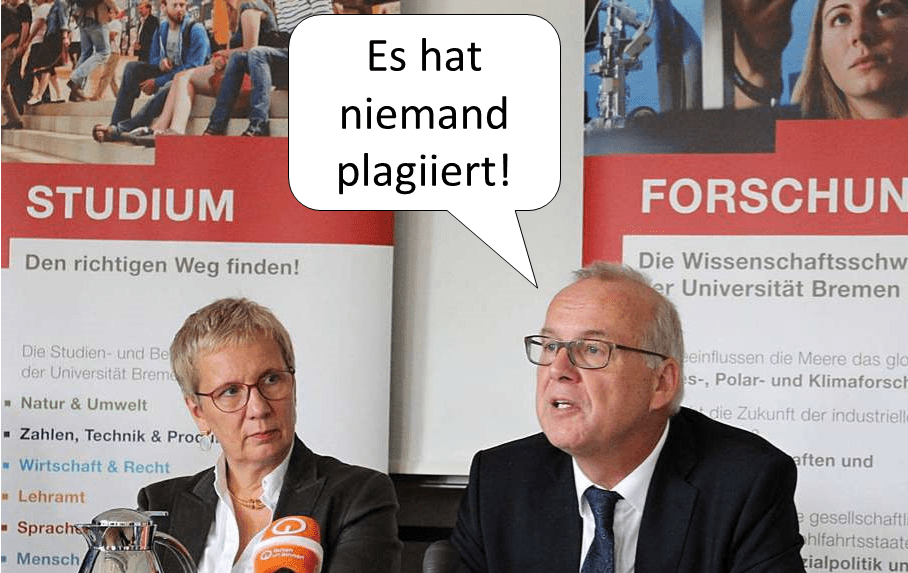
Bremen rector Bernd Scholz-Reiter previously explained his predatory publishing and self-plagiarism as a personal crusade for Open Access. Now a closed access conference paper he coauthored was declared by his university as definitely not plagiarised.
The Plant Cell is an elite journal, its authors and editors are some serious heavyweights whose labs cannot be associated with data manipulation.
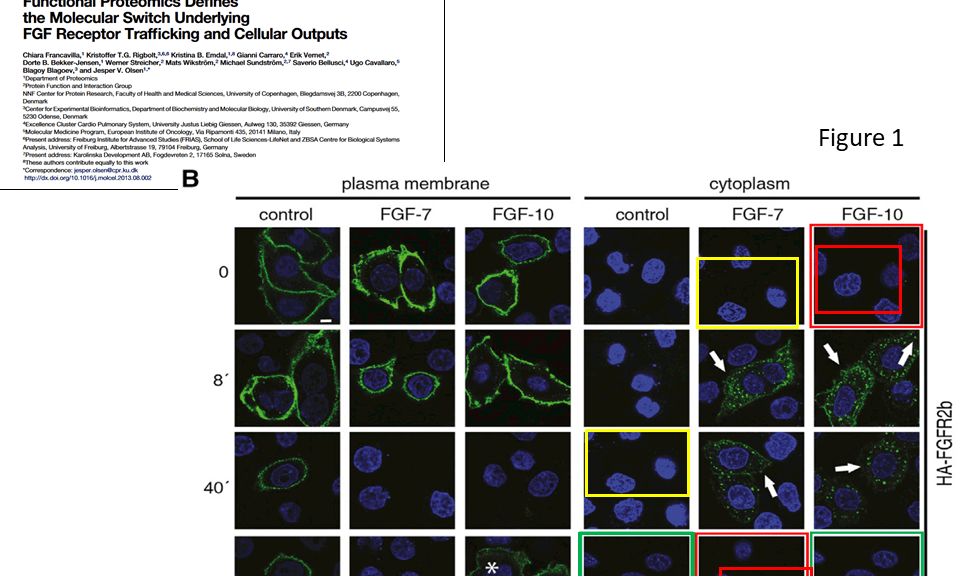
Manchester scientist Chiara Francavilla discovered duplicated images in her older papers and submitted correction requests to Molecular Cell and JCB, only to be ignored.
The following is a rant in praise of preprints. I blog of usefulness of preprints, open science and open access, how BioRxiv works and their Plan U.
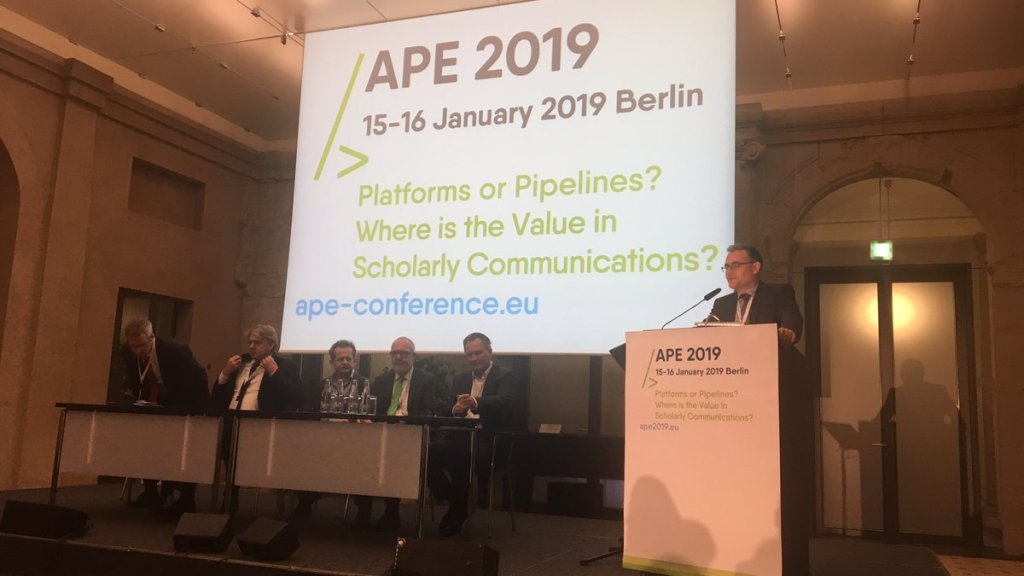
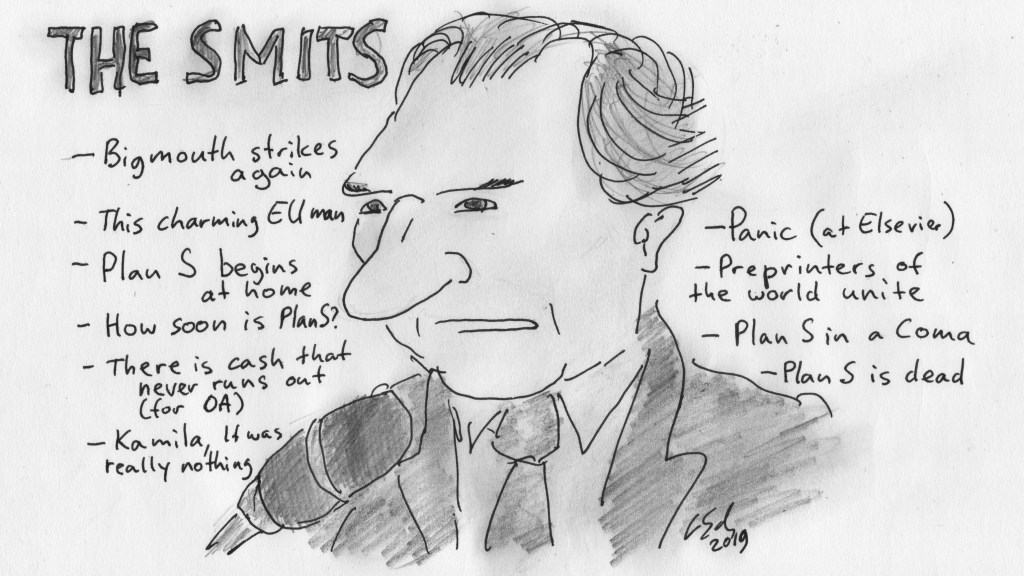
Plan S, designed by the former EU Commissioner Robert-Jan Smits, became a complete and chaotic mess where everyone, including the members of the signatory cOAlition S of research founders, does whatever they want. I learned all that while participating at the Academic Publishing Europe (APE) conference in Berlin, on 15-16 January.
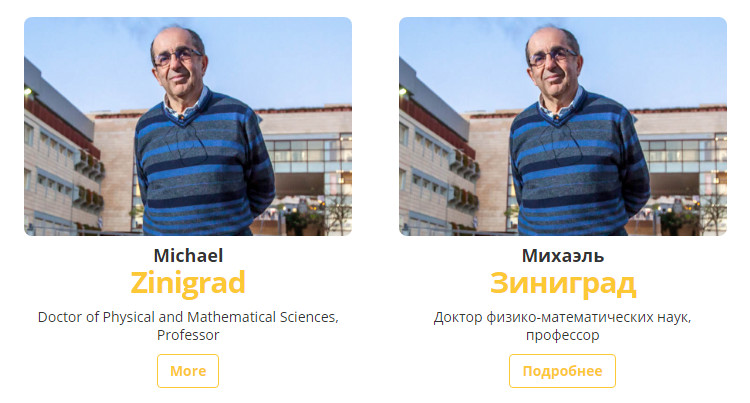
Ariel University is a settlers’ university, located outside of legal Israel borders. What Ariel lacks in academic performance or even official recognition, it makes up in support from right-wing politicians. This post addresses the scientific qualifications of Ariel’s rector Michael Zinigrad. Or the pretence thereof.
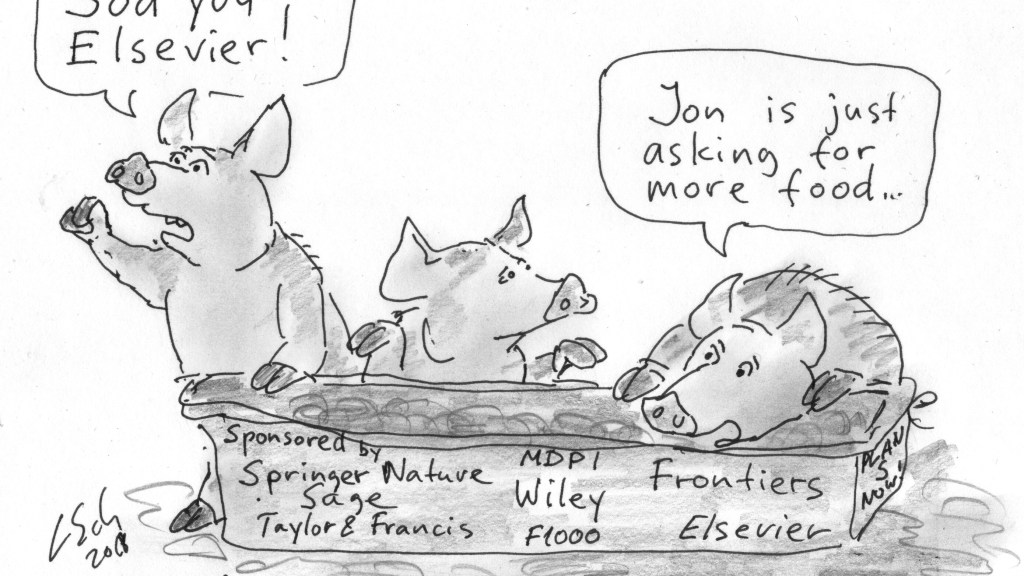
Frontiers is a somewhat unconventional open access publisher, which likes to have it both ways: playing scientific elite while accepting almost anything from paying customers. My regular contributor Smut Clyde will tell you below how some anti-vaccine scare-mongers managed to sneak in some rather dangerous works thanks to Frontiers’ unofficial “we don’t judge, we just charge” quasi-policy.

 For Better Science