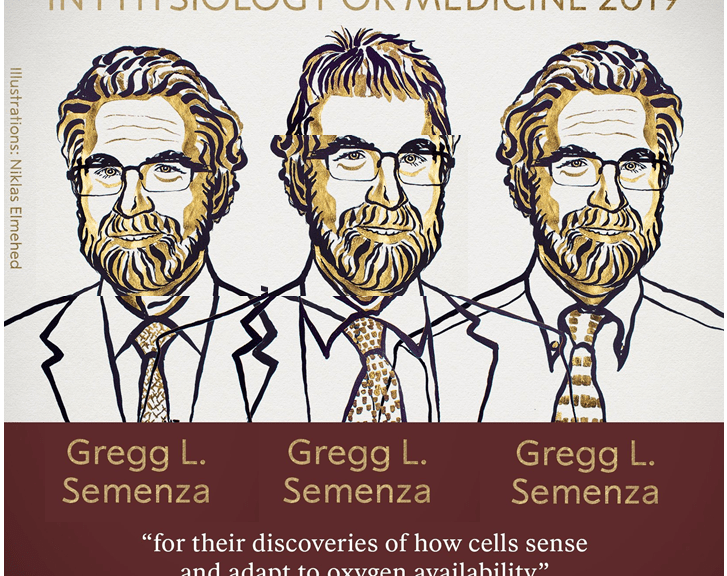
Gregg Semenza: real Nobel Prize and unreal research data
“Even after people have been telling you for, you know, 20 years or more that it’s going to happen, no one expects it.” -Gregg Semenza, Nobel Prize winner 2019
By Leonid Schneider, on research integrity, biomedical ethics and academic publishing
“Even after people have been telling you for, you know, 20 years or more that it’s going to happen, no one expects it.” -Gregg Semenza, Nobel Prize winner 2019
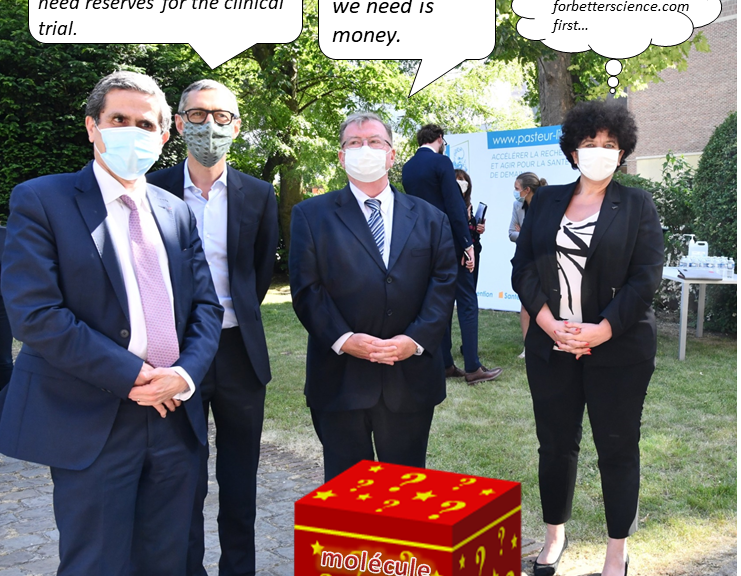
There is a miracle drug for COVID-19, but it is secret. Enterprising researchers at Institute Pasteur in Lille ask for €5 million.
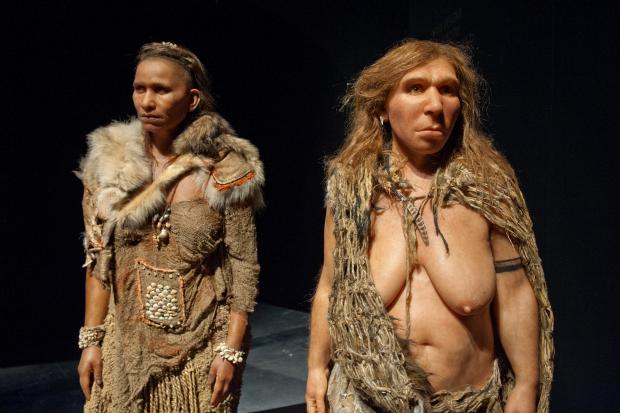
Who brought us COVID-19? The Neanderthals. The susceptibility to the SARS-CoV2 coronavirus, but also to diabetes, obesity, allergies, skin diseases, smoking and autism all happened because your great-[…]-great-grandfather could not keep his todger in his trousers many thousands of years ago.
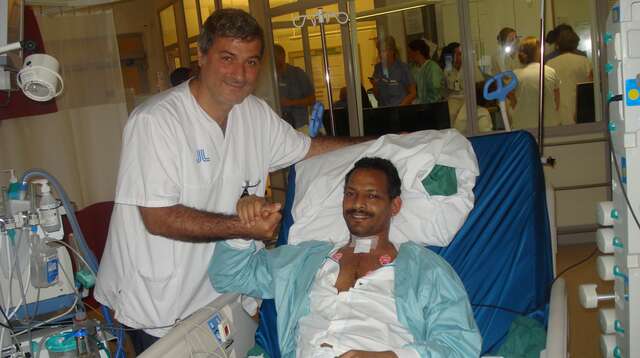
Swedish prosecutor opened a criminal indictment against Paolo Macchiarini. The scandal surgeon will have to stand court trial for all 3 deadly plastic trachea transplants he performed at Karolinska.
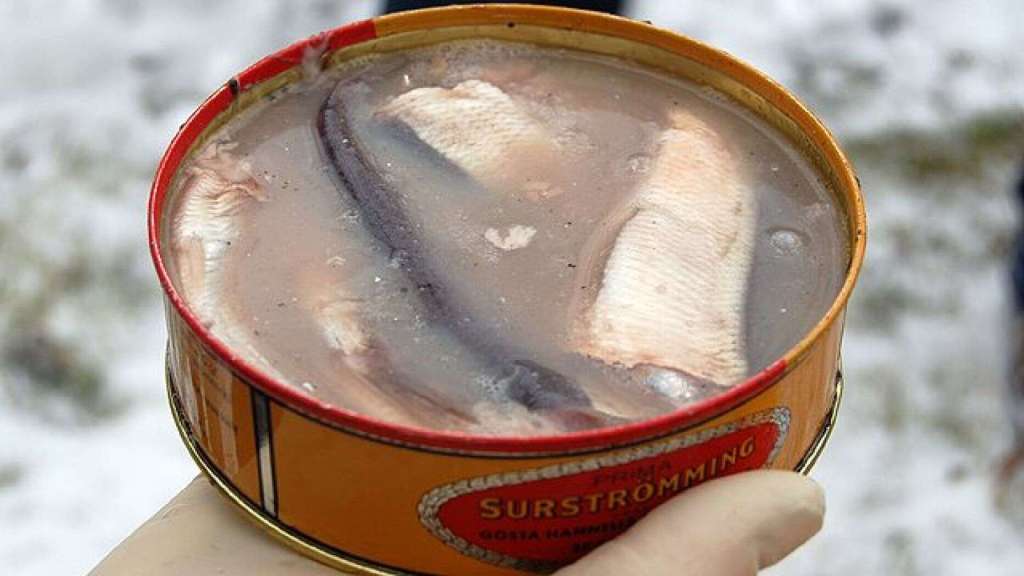
It was only logical that COVID-19 will be cured with vitamin supplements. Peer-reviewed science is now catching up with the bustling Vitamin D market.
US Historian Timothy Snyder is expert for murderous totalitarian systems. Now, he himself almost died when he succumbed to the inhuman US profiteering industry which America calls healthcare.
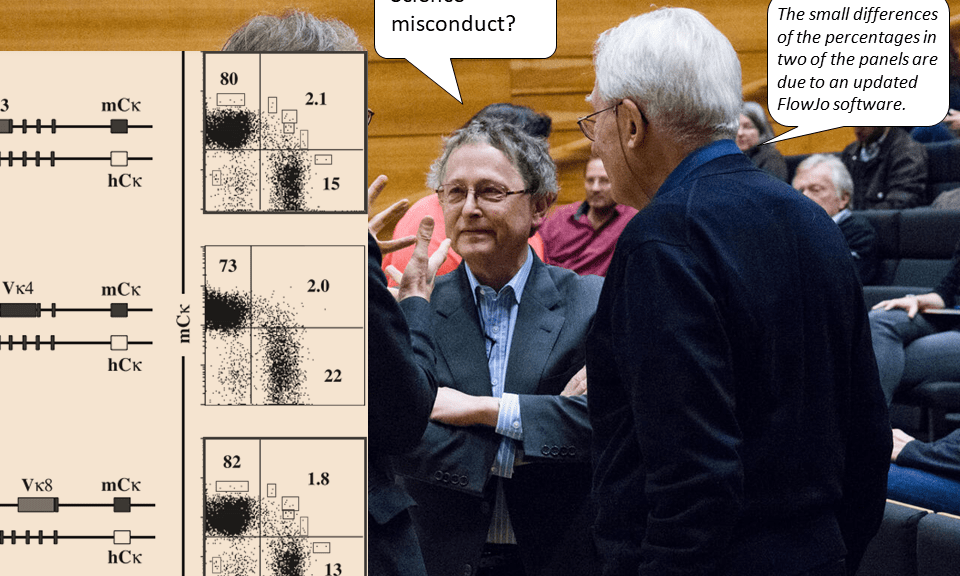
Star scientists Michel and Andre Nussenzweig come from a famous family of immunologists. Clare Francis looked at some of their papers.

Karin Dahlman-Wright, Karolinska Institute’s former president, then vice-president, now rector’s counsellor was found guilty of research misconduct, again. This time in 4 papers.
And then a Swedish court overturned everything and declared her innocent.
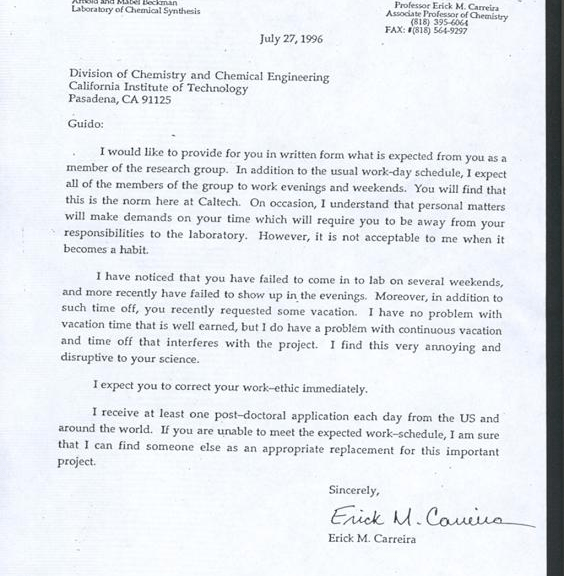
Erick Carreira’s letter to Guido, from 1996. You all saw it probably at some point, and now it’s being discussed again.
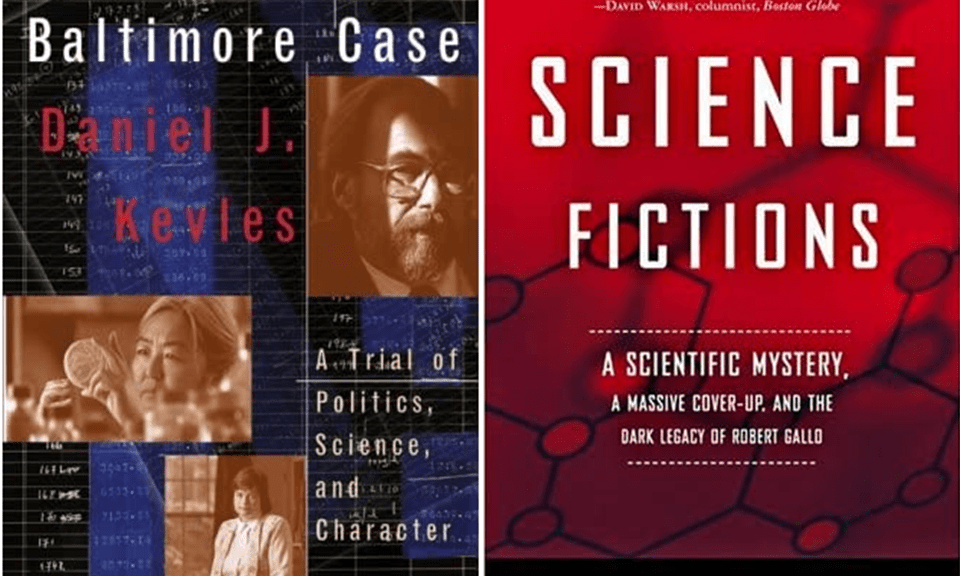
A review of “The Baltimore Case” by the historian Daniel Kelves and “Science Fictions” by the journalist John Crewdson, which also tell the history of the Office of Research Integrity (ORI).

 For Better Science