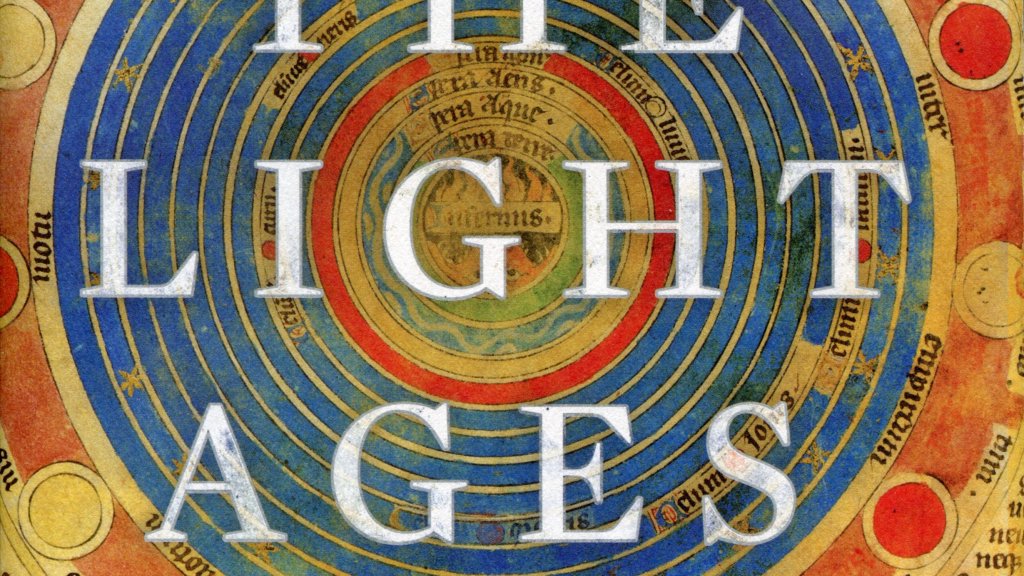
Seb Falk’s The Light Ages: book review
This is my review of the book “The Light Ages” by Seb Falk. Turns out, there was much learning and scientific inquiry going on in the Middle Ages!
By Leonid Schneider, on research integrity, biomedical ethics and academic publishing
This is my review of the book “The Light Ages” by Seb Falk. Turns out, there was much learning and scientific inquiry going on in the Middle Ages!
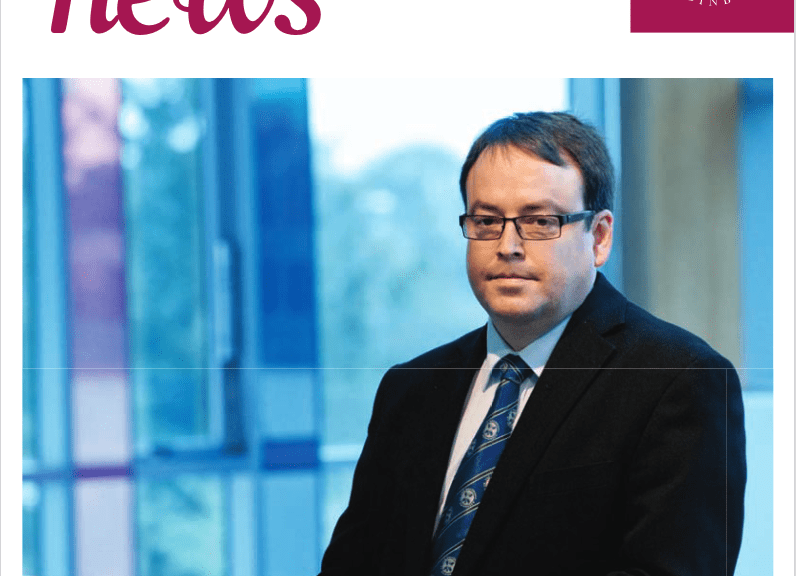
David Argyle was about to become President of the Royal College of Veterinary Surgeons. But then bullying allegations emerged, which the University of Edinburgh swiftly dismissed and suppressed. Now they can do same with the data integrity concerns in Argyle’s research.
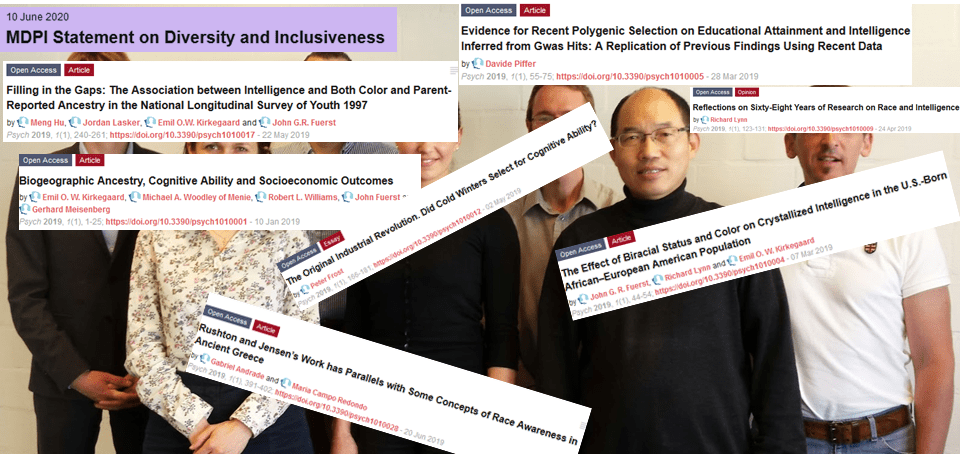
In 2019, MDPI published a Special Issue “Beyond Thirty Years of Research on Race Differences in Cognitive Ability”, one year later its owner Shu-Kun Lin expressed admiration for Trump and said “Black Lives Matter. White Lives Matter. All Lives Matter.”

“The Board assesses that there are no scientifically acceptable explanations for why the notified researchers have fabricated research results in the manner that has occurred in the notified articles. Raw data also does not support the reported results. [..]
In summary, the Board finds therefore that the notified researchers have been guilty of misconduct in research.”

EU Commission gives €6 million to an obscure German start-up, promising to convert sewage to synthetic fuels. Internet sources suggest behind all this is “Professor” Ruggiero Santilli, the litigious “Florida Genius”, eternally self-appointed Nobel Prize candidate and sock-
puppeteering businessman. Exactly the kind of “fringe scientist” Smut Clyde likes to write about!
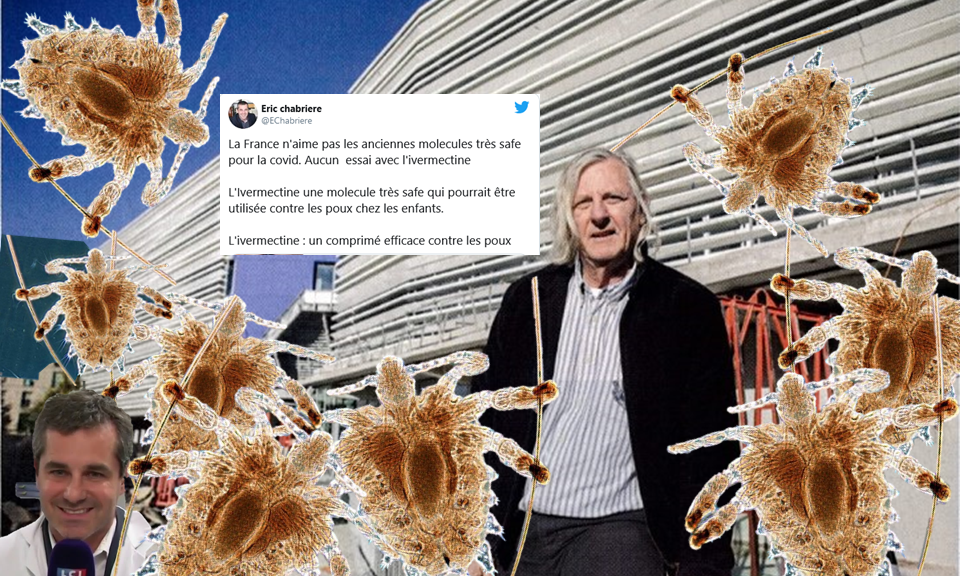
Ivermectin is the new hydroxychloroquine. But who is its new Raoult? What if the cast of the 2021 sequel will remain otherwise the same?
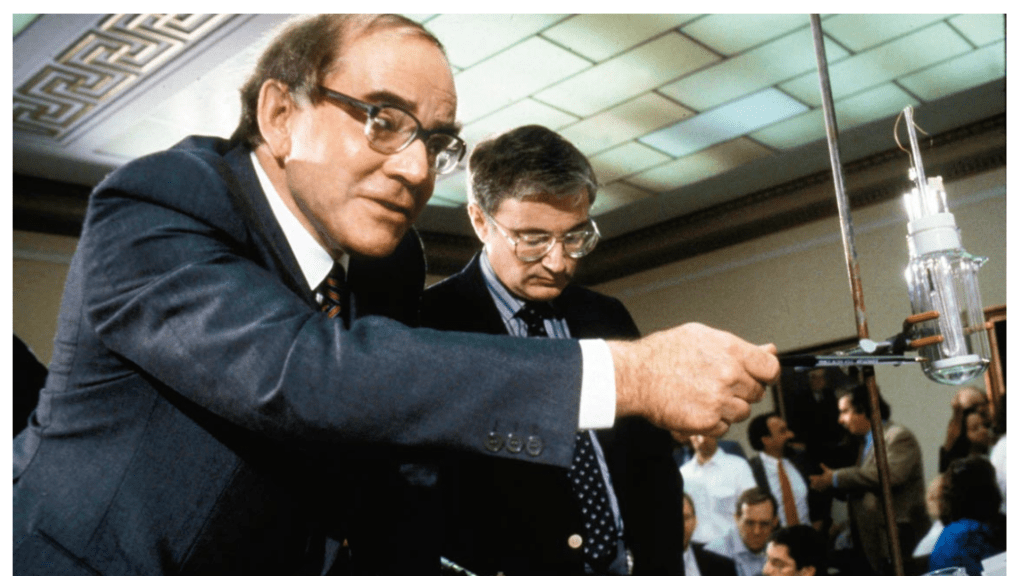
Cold Fusion is back, and EU Commission now funds it with €10 million. One project specifically builds on Fleischmann and Pons, the other is run by Italy’s most notorious Cold Fusion loon, Francesco Celani.

Telomere dysfunction is a common problem in older men. Dr Shai Efrati can help: Book your appointment for Hyperbaric Oxygen Therapy now!
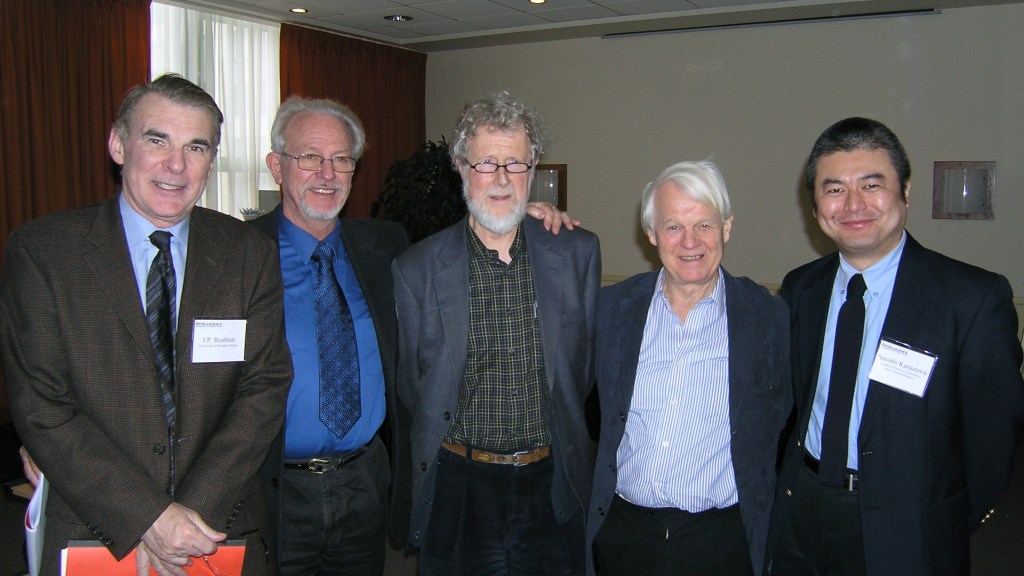
Outright racism and misogyny became rare in academia, eugenics and bigotry lurk these days not in Mankind Quarterly but in respected journals, wrapped in fancy genetics and neuroscience. Meet one of the last of the old school racist IQ psychologists, Satoshi Kanazawa.

“All these SEM, EDX, TEM, BET, XRD, FT-IR, and contact angles in the theses and papers from our lab, where do they come from? We made them up. “

 For Better Science