

Schneider Shorts of 27 February 2026 – men of science on Epstein’s island, how to profit from a personality cult in Harvard, with concerns for an Israeli genius, old men burdened with retractions, and finally, with an expert guide to ChatGPT!
Table of Discontent
Science Elites
- Nerd tunnel vision – George Church and Epstein’s stem cells
- Little did he know – How Zhi-Min Yuan made career in Harvard
Scholarly Publishing
- Write an introduction with references – an expert guide to ChatGPT
- Original data were no longer available – concerns for Jacob Hanna
Retraction Watchdogging
- Only original images were used – Daniel Alkon failed with his lies
- Large number of duplications – another retraction, and Wen G Jiang still doesn’t care
Science Elites
Nerd tunnel vision
As we already know, the MIT geneticist George Church used to take money from the paedophile Jeffrey Epstein, specifically at least $2 million. Back in 2019 then, Church assured everyone that it is only about Epstein’s funding for his pure science, and that he was guided by his “nerd tunnel vision“, as some kind of celibate deep thinker married only to his pipette.

George Church, Colossal W*nker
From mammoths to eugenics to anti-aging scams: god-impersonator George Church knows how to make money with bullshit.

Well what do you know, it is more complicated!
On 6 February 2026, CNN reported that a former researcher at Massachusetts General Hospital and Harvard, Joseph Thakuria, offered regenerative medicine services to Epstein:
“Among the documents in the Epstein files released by the Justice Department is a proposal that Thakuria sent Epstein in February 2014, […] in June, Thakuria sent Epstein an extensive invoice for a range of projects that included an initial $2,000 investment for sequencing part of Epstein’s genome. The invoice included an estimated cost for “personalized longevity studies” that proposed using gene editing. The invoice indicated that Epstein gave a saliva sample. […]
The invoice gave a range of options for future research such as creating new stem cells starting at $10,000, and broader longevity studies that included other patients, and indicated that it could cost “$11,400 for his [Epstein’s] whole genome ($21,000 if he wanted to include both of his parents; not sure if this is even feasible)” to be sequenced.”

What does this have to do with Church? Paul Knoepfler studied some relevant emails from the released fraction of Epstein’s emails, and blogged on 19 February 2026, that “the emails show that there were extensive plans for research on Epstein (his cells and possibly genome) in part via Church’s PGP“, which is “The Harvard Personal Genome Project” lead by Church. Knoepfler reports his findings:
“One of the files I found was an itinerary (near the top, it says “GO TO HARVARD!”) for a June 28, 2013 Epstein visit that seemed to indicate that Epstein would get a skin cell sample taken somehow via Church. […]
A September 21, 2013 email from a redacted sender mentioned Church and Thakuria. It said the Epstein skin cell biopsy led to the successful generation of fibroblast cell lines from Epstein. The email goes on to say, “Those cell lines are now stored in liquid nitrogen and slated for iPS cell line (“adult stem cells”) creation.”
A December 12, 2013 email from Thakuria to an Epstein assistant named Leslie mentions potentially making Epstein iPS cells. It also goes through what Epstein might pay if things proceeded.
There are more emails about possible research costs. For example, there’s an Epstein files document with “J.E. Invoice” at the top from June, 2014 going through all kinds of costs for possible research adding up to nearly $200,000 including related to iPS cell generation from Epstein.
iPS cell generation is the third bullet point here, saying, “iPS cell lines: We’ve discussed making adult stem cells from JE’s fibroblast cells. If we do this, he, like George Church, would be one of very few people in the world to have this done.” There was also mention of potential CRISPR gene editing of Epstein’s iPS cells for research. There’s a longevity section too.
Something else struck me as notable:
“Venus project: Jeffrey and briefly discussed a genomic research studying I’m dubbing the Venus project (he’ll know what this). I can do this for him but doing this work would be greatly aided by having some good bioinformatic infrastructure. This infrastructure could be used for the Venus project.”
This potential Venus project was apparently related to the genetics of facial features and the possible cost was $160,000.”
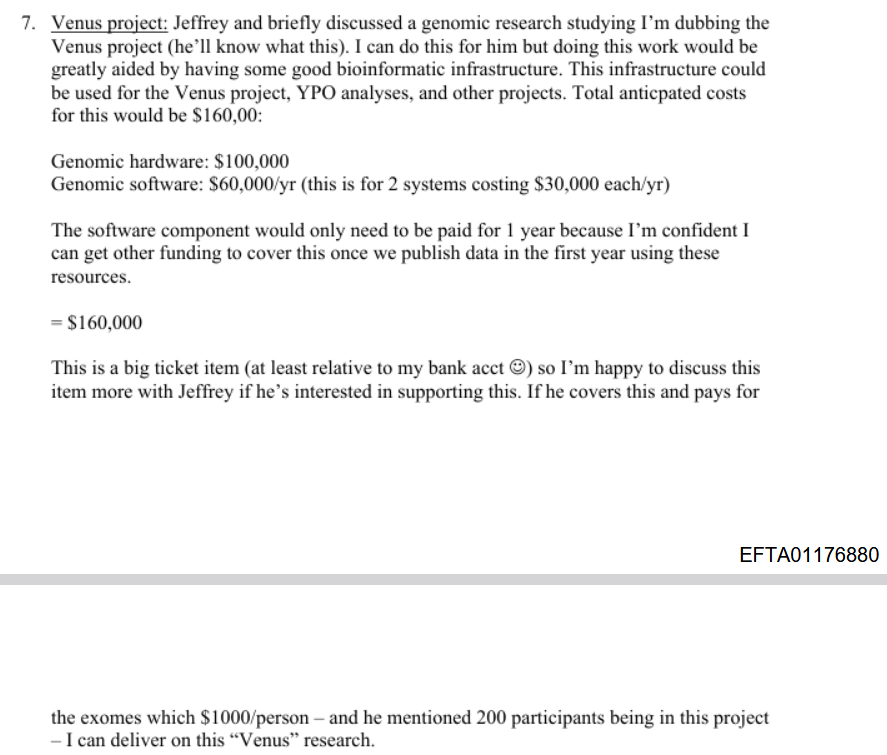
I’m not sure I want to know what exactly this Venus project was which Church and Thakuria discussed with the paedophile child-trafficker Epstein.
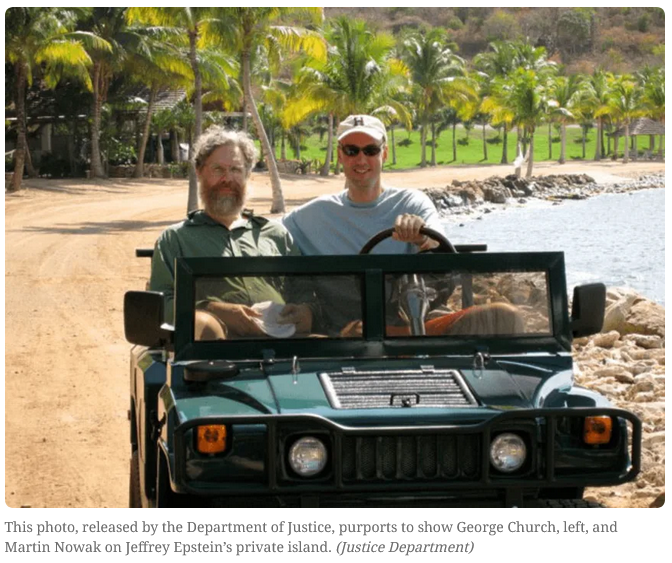
But Church also visited Epstein’s private island, where children were raped, this was reported by CNN on 19 February 2025, see photo above. Here is how Epstein founded Church’s company “Georgarage”:
“In July 2014, Epstein emailed Church: “I have a great idea. lets speak today if possible.”
The next day Church outlined a 10-stage proposal for investments totaling $10 million in an email back to Epstein.
“Many thanks for your very encouraging words yesterday morning,” Church wrote, before listing a number of projects including “Supercentenarianstudy.com,” followed by items on gene-editing to make virus-resistant animals, reversing aging, and creating “cold-resistant elephants,” […]
Emails show Church and Epstein discussing investments in at least three companies using Georgarage, including a company co-founded by Church, eGenesis, that develops gene-edited organs for human transplant. […]
In an October 2014 email, Epstein and Church discussed investing in Androcyte, a gene-editing company founded by James Clement, through Georgarage.
The three men had a conference call, Clement told CNN. According to Clement, Epstein proposed becoming chairman of the company’s board. […] Clement shuttered Androcyte in 2017 and moved its assets to BetterHumans, a nonprofit he founded that bills itself as “the world’s first specifically-transhumanist bio-medical research organization.””
Colossal Liar Wolves
“What is most concerning is that Colossal’s ‘dire wolves’ have now attracted the attention of the Trump administration.” – Ronan Taylor

The paedophile billionaire was obviously less interested in de-extincting mammoths and more in not going extinct himself. As STAT News reported, Epstein’s cells are still stored in a freezer at Church’s PGP lab.
By the way, Church’s driver on that photo above is the Harvard professor of mathematical biology Martin Nowak, whom Epstein sponsored with at least $6.5 million, plus those “exotic” travels. Times of India quotes from Nowak’s email exchange with Epstein:
“In 2014, the two exchanged an email where the professor wrote to Epstein, “our spy was captured after completing her mission.” To this Epstein responded, “Did you torture her?”” […]
Apart from professional help and suspicious emails, Nowak also stayed at Epstein’s New York apartment and thanked his accomplice Ghislaine Maxwell for “amazing hospitality”. He was also a planned beneficiary of $5 million in Epstein’s will, just days before his death.”
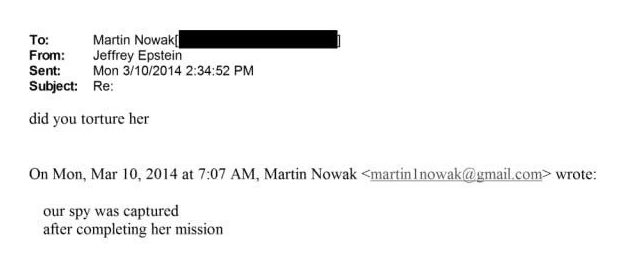
This week, Harvard placed Nowak on administrative leave, “effective immediately“, as Harvard Crimson reported on 24 February 2026. He was previously sanctioned by Harvard in 2021, also over his Epstein connections.
In other Epstein news, the Nobel Prize laureate Richard Axel has just resigned as co-director of the Zuckerman Mind Brain Behavior Institute at Columbia University and as investigator at the Howard Hughes Medical Institute, he will retain his professorship though. As Columbia Spectator reported on 24 February 2026:
“Axel corresponded with Epstein from at least 2010—two years after Epstein pled guilty to soliciting prostitution from a minor—until five months before Epstein’s 2019 suicide in prison, though Axel had spoken favorably of Epstein as early as 2007. His close relationship with Epstein was revealed in the Department of Justice’s Jan. 30 trove of unsealed files. Mortimer Zuckerman, namesake of the neuroscience institute, also corresponded with Epstein after his conviction, according to the files.
Axel and his wife, Cornelia Bargmann, were repeatedly invited to Epstein’s private island in 2011. “
All this is not “nerd tunnel vision”. We must seriously consider the possibility that also many men of science and learning, whom we are expected to adore and admire, not only shared Epstein’s racist and eugenic views, they also may have done horrible things on his Island.
Little did he know
Meet the US cancer researcher Zhi-Min Yuan, Director of the John B. Little Center at Harvard T.H. Chan School Of Public Health. The Center is named after Yuan’s former mentor, John B Little, who died in 2020 aged 91, apparently it was named after Little during his lifetime, a strange personality cult. Little used to be the mentor of T.H. Chan’s son Gerald Chan, the billionaire heir then sponsored annual “John B Little symposia” at the John B. Little Center. After Little’s death, Yuan officially inherited the Center and the John B Little personality cult.
So here is a fake paper by Yuan with the immortal Little:
Anna De Polo , Zhongling Luo , Casimiro Gerarduzzi , Xiang Chen , John B. Little , Zhi-Min Yuan AXL receptor signalling suppresses p53 in melanoma through stabilization of the MDMX–MDM2 complex Journal of Molecular Cell Biology (2017) doi: 10.1093/jmcb/mjw045
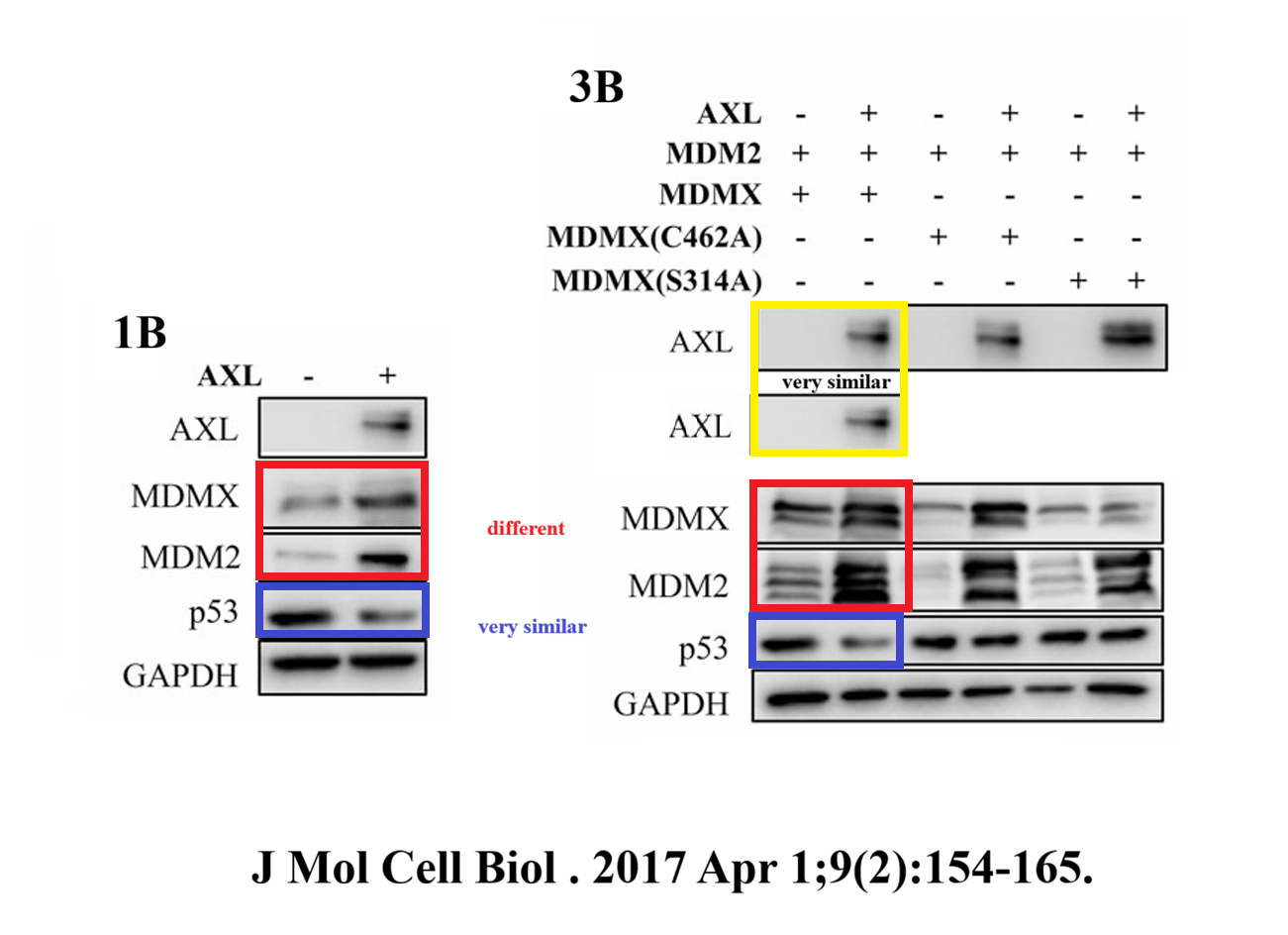
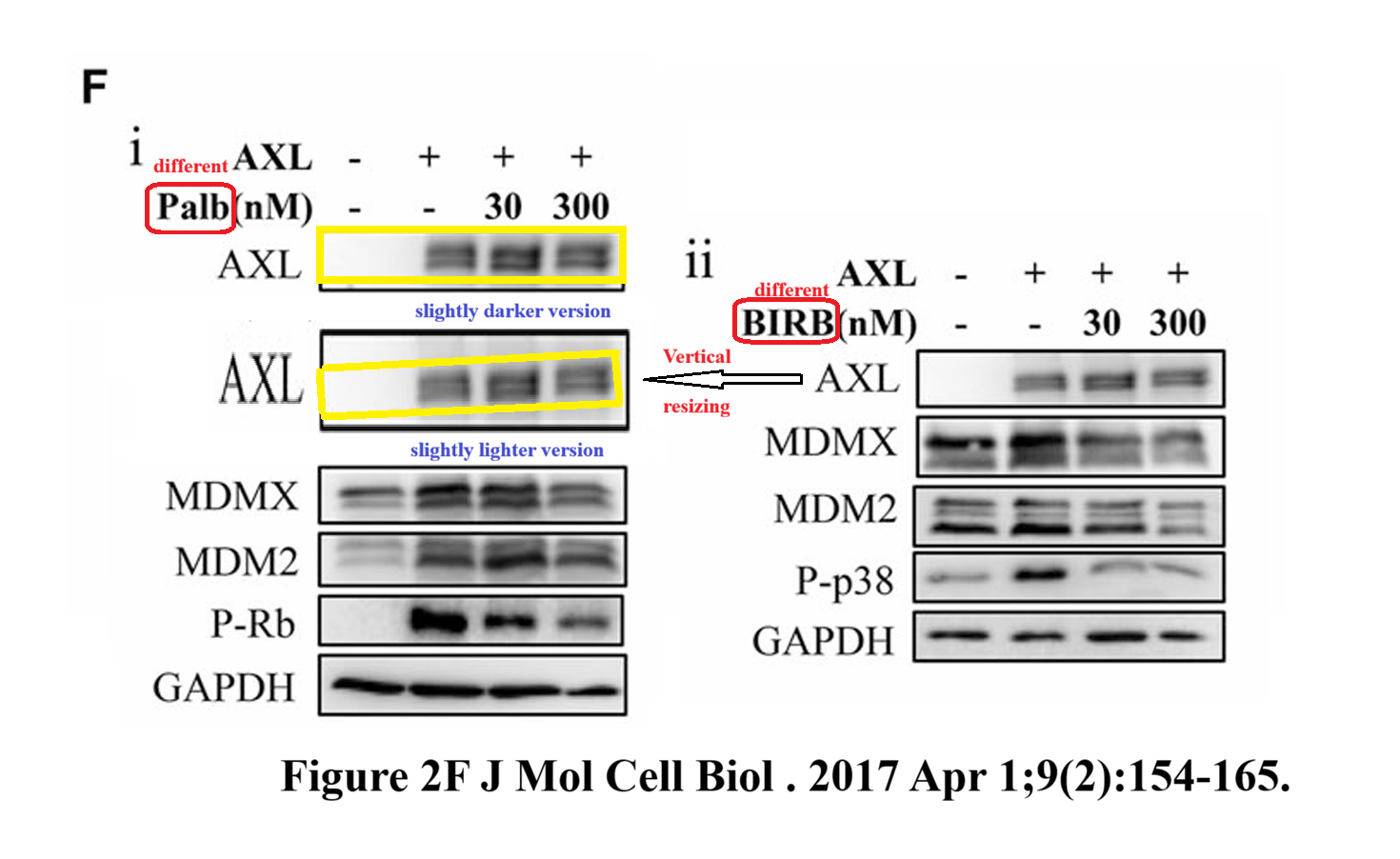
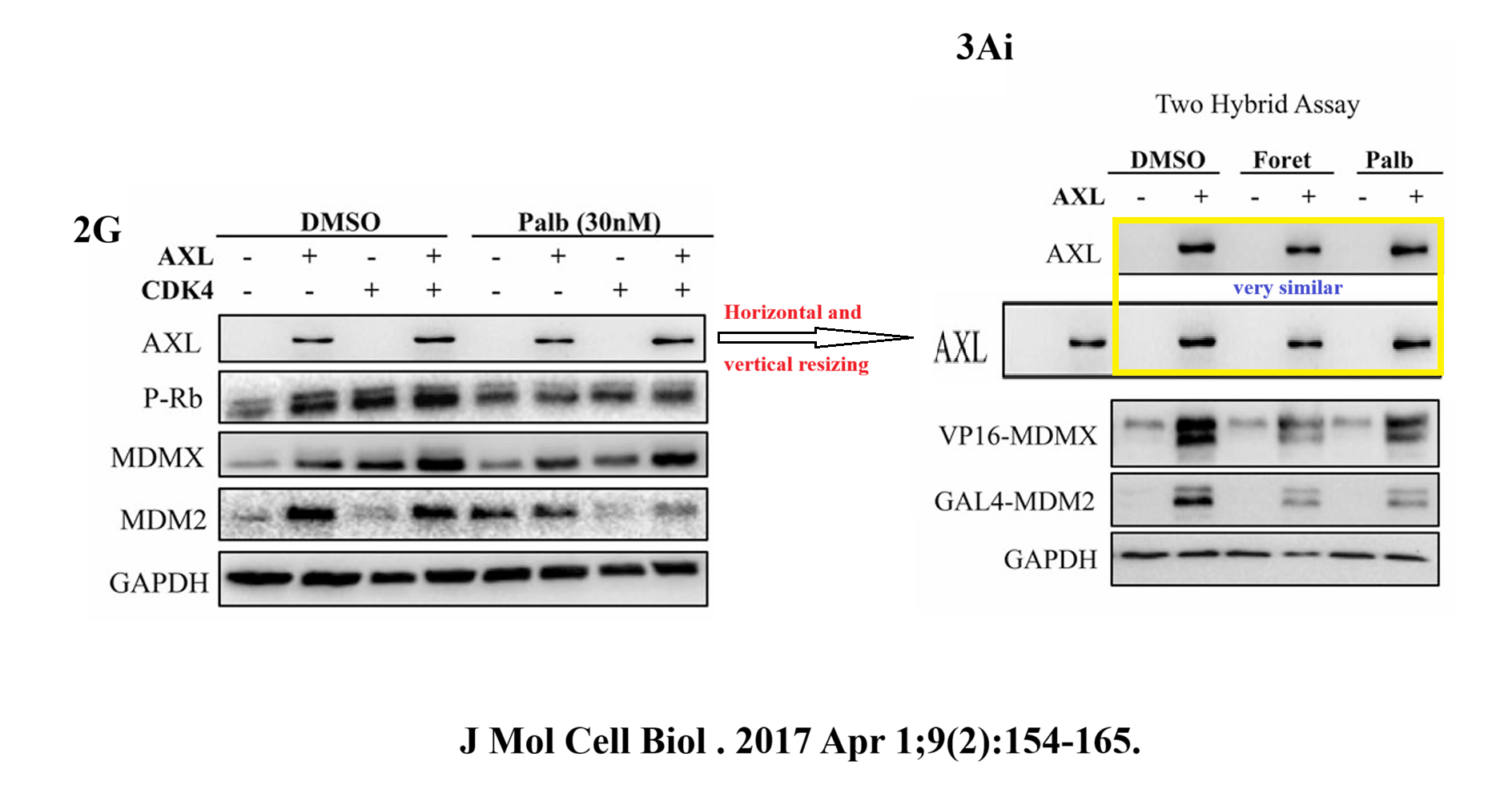
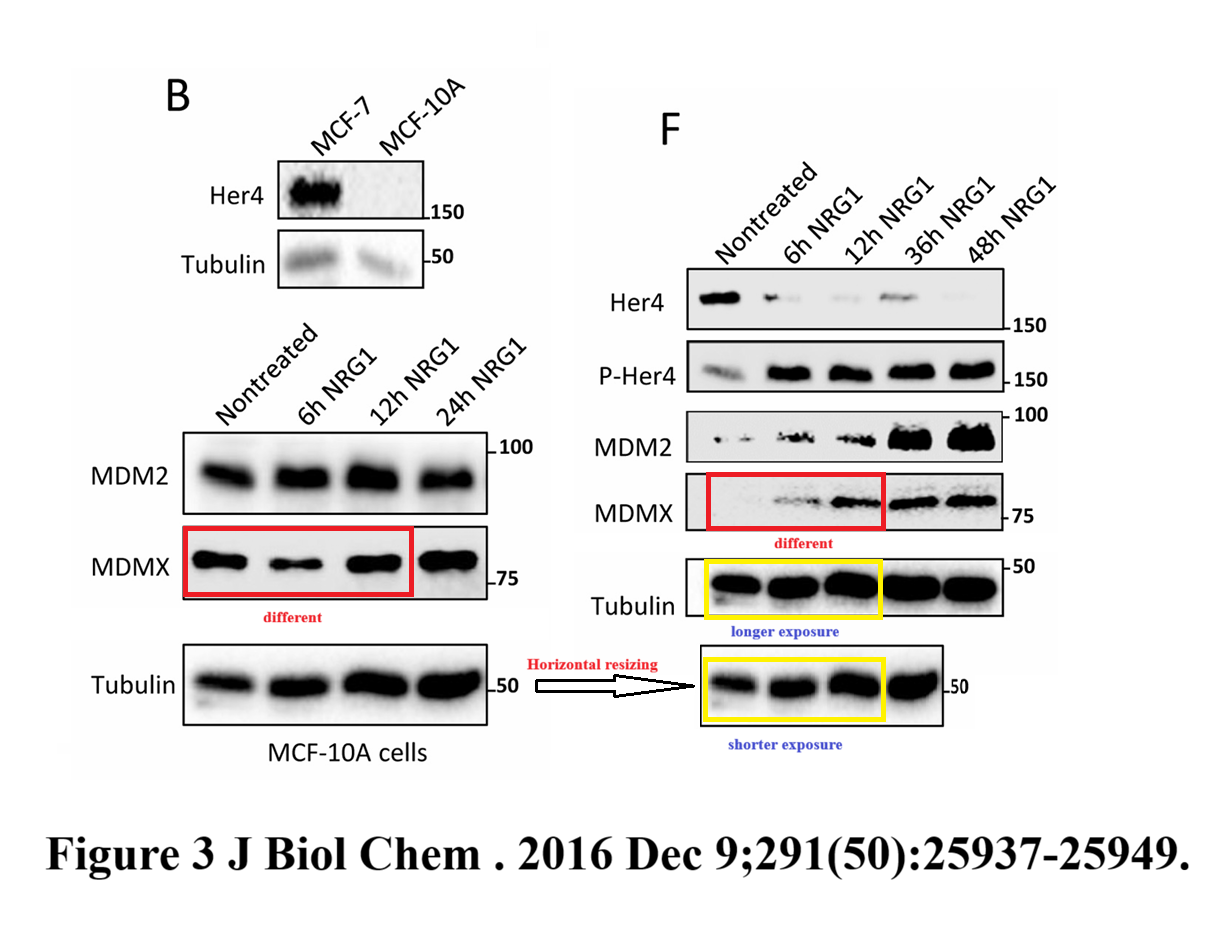
Yuan’s own mentee Casimiro Gerarduzzi is now senior researcher at University of Montreal in Canada:
Casimiro Gerarduzzi , Anna De Polo , Xue-Song Liu , Manale El Kharbili , John B. Little , Zhi-Min Yuan Human epidermal growth factor receptor 4 (Her4) Suppresses p53 Protein via Targeting the MDMX-MDM2 Protein Complex: IMPLICATION OF A NOVEL MDMX SER-314 PHOSPHOSITE Journal of Biological Chemistry (2016) doi: 10.1074/jbc.m116.752303
Here another cancer research study by Yuan and Little:
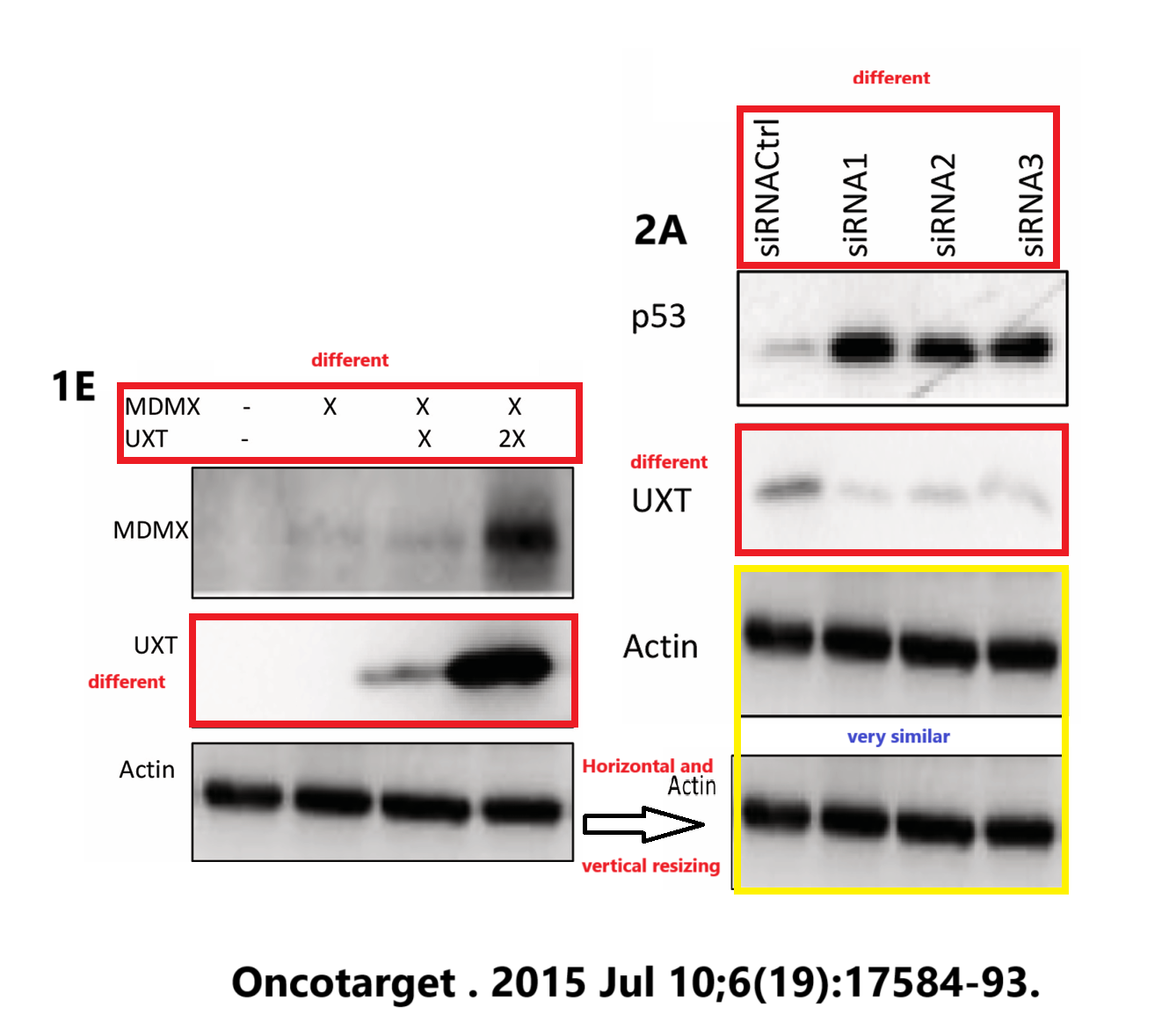
Min Qi , Suthakar Ganapathy , Weiqi Zeng , Jianglin Zhang , John B. Little , Zhi-Min Yuan UXT, a novel MDMX-binding protein, promotes glycolysis by mitigating p53-mediated restriction of NF-κB activity Oncotarget (2015) doi: 10.18632/oncotarget.3770
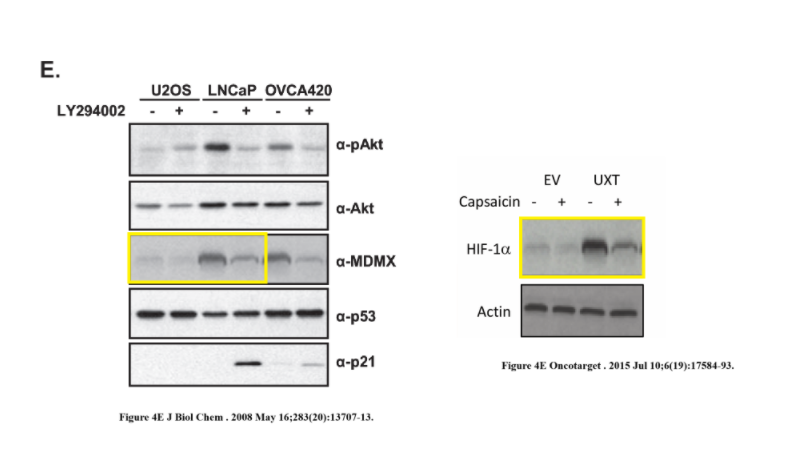
Vanessa Lopez-Pajares , Mihee M. Kim , Zhi-Min Yuan Phosphorylation of MDMX mediated by Akt leads to stabilization and induces 14-3-3 binding Journal of Biological Chemistry (2008) doi: 10.1074/jbc.m710030200
And some more:
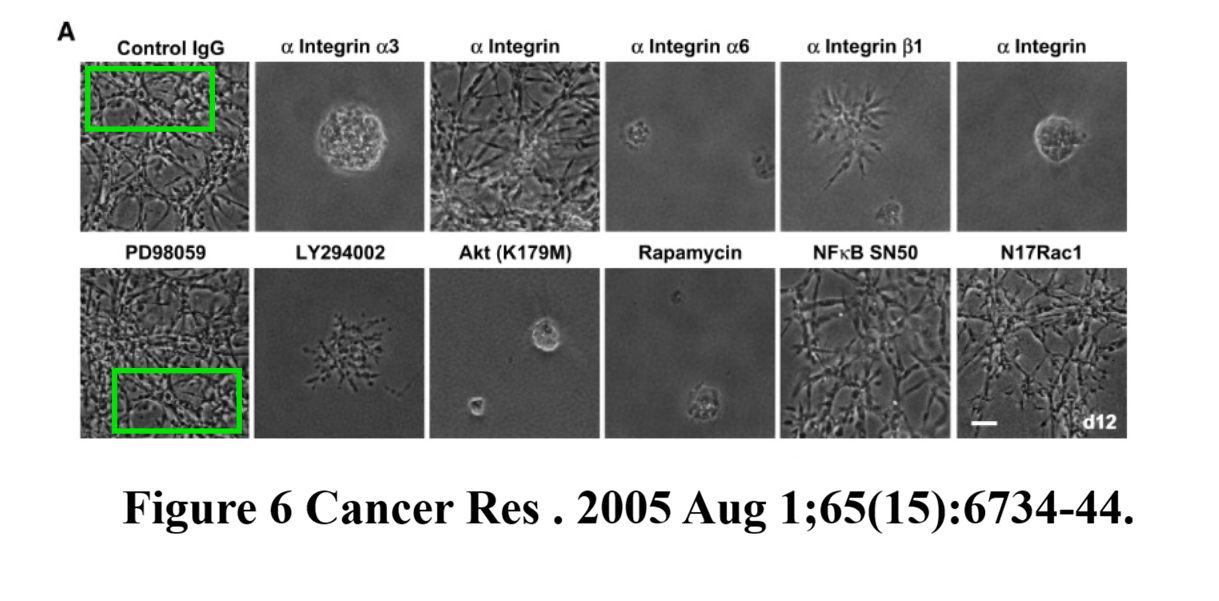
Fig 6
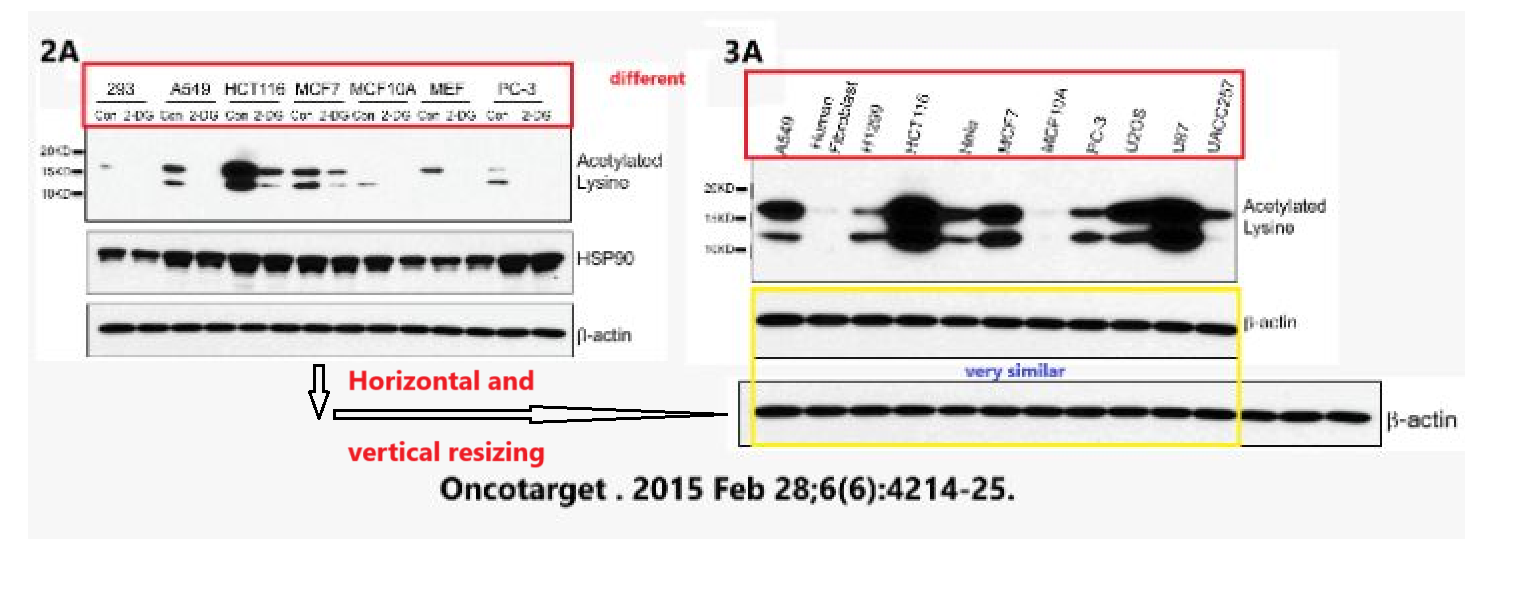
This, flagged by another PubPeer user, also isn’t a simple copy-paste:
R Lall , S Ganapathy , M Yang , S Xiao , T Xu , H Su , M Shadfan , J M Asara , C S Ha , I Ben-Sahra , B D Manning , J B Little , Z-M Yuan Low-dose radiation exposure induces a HIF-1-mediated adaptive and protective metabolic response Cell Death & Differentiation (2014) doi: 10.1038/cdd.2014.24
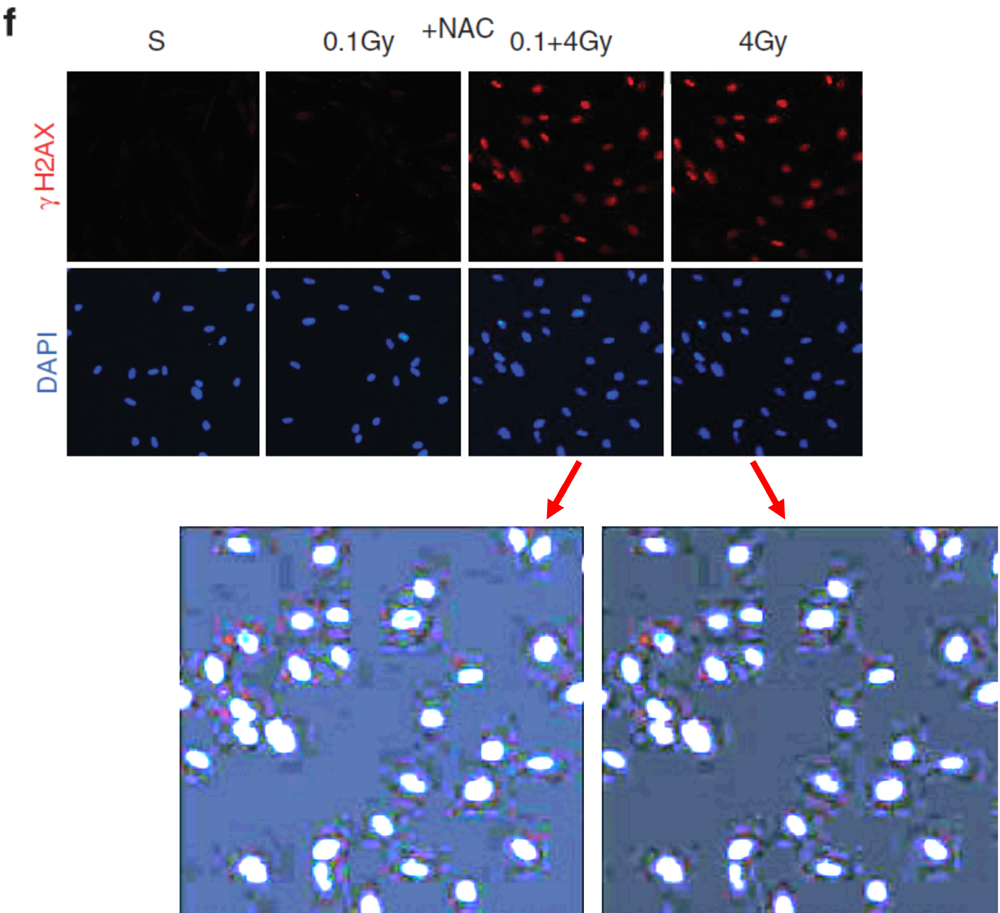
Bracca ribbei: “In Figure 1h of the paper, the right two panels appear to be duplicated. […] the two DAPI images appear to have a different background shade, suggesting one is not simply a copy/paste of the other. “
Funnily, Yuan’s own forged research was later on stolen by a Chinese papermill:
Yelin Huang , Jianglin Zhang , Kevin T. McHenry , Mihee M. Kim , Weiqi Zeng , Vanessa Lopez-Pajares , Christian C. Dibble , Joseph P. Mizgerd , Zhi-Min Yuan Induction of cytoplasmic accumulation of p53: a mechanism for low levels of arsenic exposure to predispose cells for malignant transformation Cancer Research (2008) doi: 10.1158/0008-5472.can-08-3025
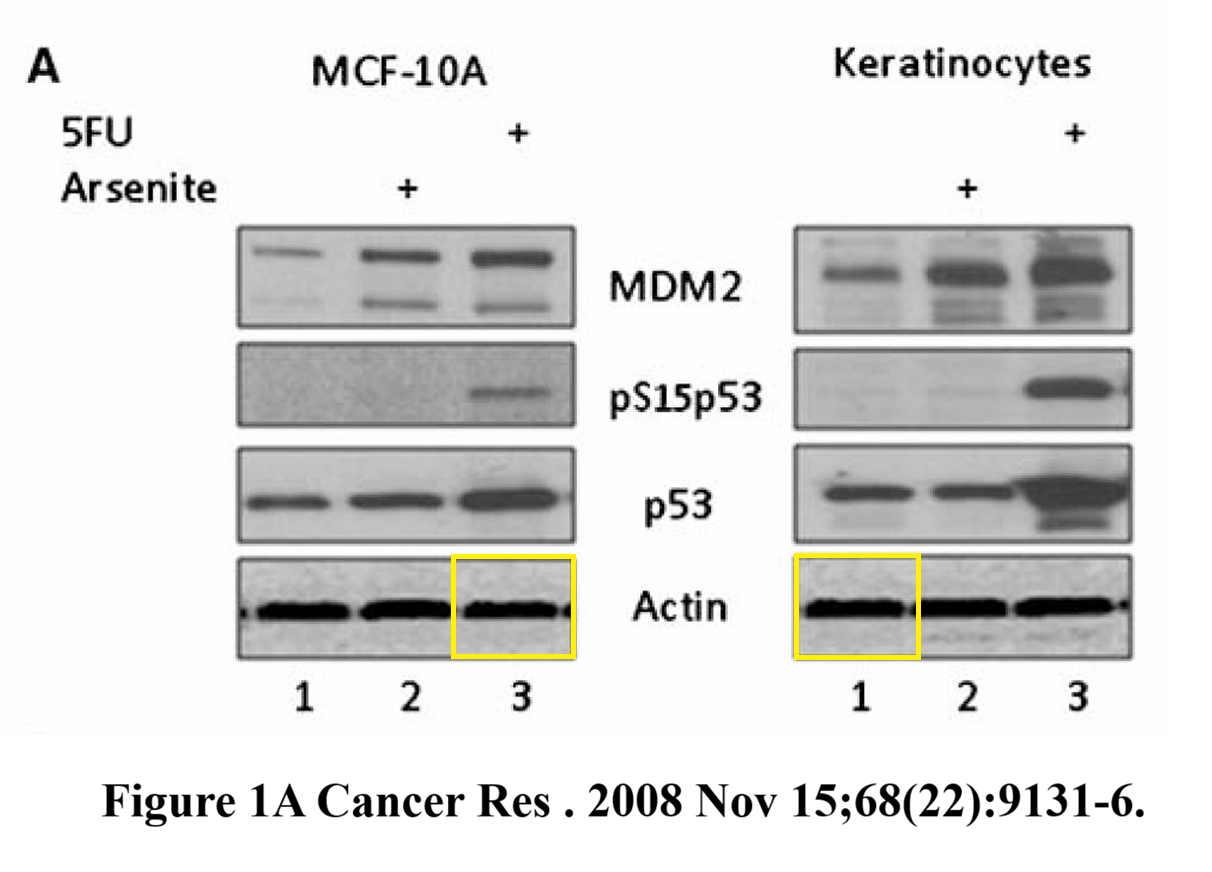
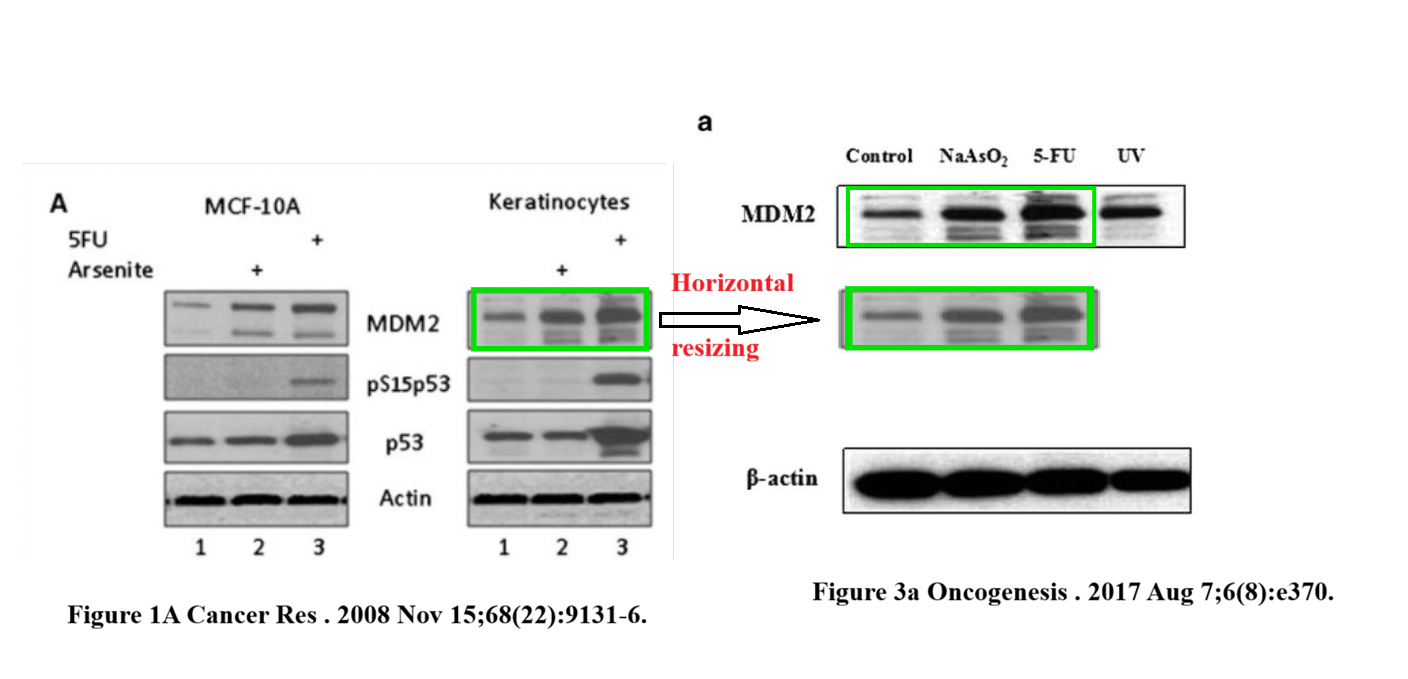
Y Zhou , W Zeng , M Qi , Y Duan , J Su , S Zhao , W Zhong , M Gao , F Li , Y He , X Hu , X Xu , X Chen , C Peng , J Zhang Low dose arsenite confers resistance to UV induced apoptosis via p53-MDM2 pathway in ketatinocytes Oncogenesis (2017) doi: 10.1038/oncsis.2017.67
Who’s surprised that Little and Yuan were friends with Wafik El-Deiry?

Scholarly Publishing
Write an introduction with references
Please appreciate this rather unusual academic contribution, from a promising young man – Arman Shafiee, student of medicine at Alborz University of Medical Science in Iran. Valentin Rodionov recently found it:
Arman Shafiee Matters arising: authors of research papers must cautiously use ChatGPT for scientific writing International journal of surgery (2023) doi: 10.1097/js9.0000000000000515
Shafiee basically tells of his experience of fabricating research studies using ChatGPT, and the technical trouble he encountered: “With the aid of ChatGPT, we sought to write the manuscript for our most recent project. Table 1 presents the exact conversation.”
This was his entire prompt:
“‘Write an introduction about brain neurotrophic factor and COVID-19 with 400 words with references.’”
ChatGPT obliged, and it looked good, as Shafiee writes:
“When we tried to assess the validity of the statements generated by ChatGPT, all the statements regarding the potential interaction between coronavirus disease 2019 (COVID-19) and lowered brain-derived neurotrophic factor (BDNF) levels3 and the negative correlation between COVID-19 severity and BDNF were supported by the studies available in the literature4. The matter arose when we sought to retrieve the references to which the AI bot referred its statement to it. All three references provided by the bot were not existed [sic!] in reality after searching their meta-data in the aforementioned journals.”
If only he had used ChatGPT to check this text for grammar… Shafiee then asked AI to share the links for these three references:
“As we tried to reach out to the URLs provided, the first two URLs were fake addresses, and we were faced with ‘Page not found’ on the journal’s website. The third URL was for an irrelevant manuscript.”
Shafiee then discusses the shortcomings of using ChatGPT as your own private papermill, as it “may even fabricate sources that do not exist which we encountered several times on several different projects that we tried to get help from this AI tool for our scientific writing“.

In international affairs and paper mills
Alexander Magazinov would like you to meet an Iranian scholar named Ali Akbar Velayati.

Shafiee’s publication record shows that indeed, he can publish many authoritative papers on any random medical topic, thanks to his mastery of ChatGPT. One of these papers is incidentally Shafiee et al 2024, titled “Levels of brain-derived neurotrophic factor (BDNF) among patients with COVID-19: a systematic review and meta-analysis“. Rings a bell?
In March 2023, there was Shafiee et al 2023, “Reactivation of herpesviruses during COVID-19: A systematic review and meta-analysis“, followed in August by much more scarierShafiee et al 2023, “Herpesviruses reactivation following COVID-19 vaccination: a systematic review and meta-analysis“, and I am disappointed that the antivaxxers haven’t discovered that yet. And because there is no papermill fraud without curcumin, here is Shafiee et al 2023, “Curcumin for the treatment of COVID-19 patients: A meta-analysis of randomized controlled trials” .
No prizes for guessing how all that was researched and written!

Look What the Cat Dragged In
Meet Mohammad Taheri, PhD, a humble PhD student in Jena, Germany, and his equally unremarkable Iranian associate Dr Soudeh Ghafouri-Fard.
Wait, there is an extra joke. Last year, Shafiee lost one of his AI-hallucinations to a retraction:
Arman Shafiee , Razman Arabzadeh Bahri , Mohammad Ali Rafiei , Fatemeh Esmaeilpur Abianeh , Parsa Razmara , Kyana Jafarabady , Mohammad Javad Amini The effect of psychedelics on the level of brain-derived neurotrophic factor: A systematic review and meta-analysis Journal of Psychopharmacology (2024) doi: 10.1177/02698811241234247
“The authors contacted the Journal Editors and Sage with a request to update their article in response to concerns raised by a reader.
The authors noted that data had been incorrectly extracted and used in the meta-analysis. They requested to revise the article with updated data and leave-one-out sensitivity analysis. The requested changes included updates to the statistical analysis, meta-analysis, discussion, figures and supplementary material. The authors’ changes also included removal of Figure 3 and Figure 4, inclusion of two additional figures in the meta-analysis section, and the addition of two figures in the supplementary material.
In addition to the request for significant changes in the article text and figures, the submitted corrections also contained a change in authorship.
Due to the nature of the revisions requested and concerns about the authorship of the article, which calls into question the reliability of the original research and the conclusions, the Journal Editors and Sage retract the article.
The authors did not agree with the decision to retract.”
(Retraction May 2025)
Original data were no longer available
How to avoid a retraction, a lesson from Springer Nature and Jacob Hanna, Weizmann Institute’s professor and Israel’s greatest biomedical scientist of all times.
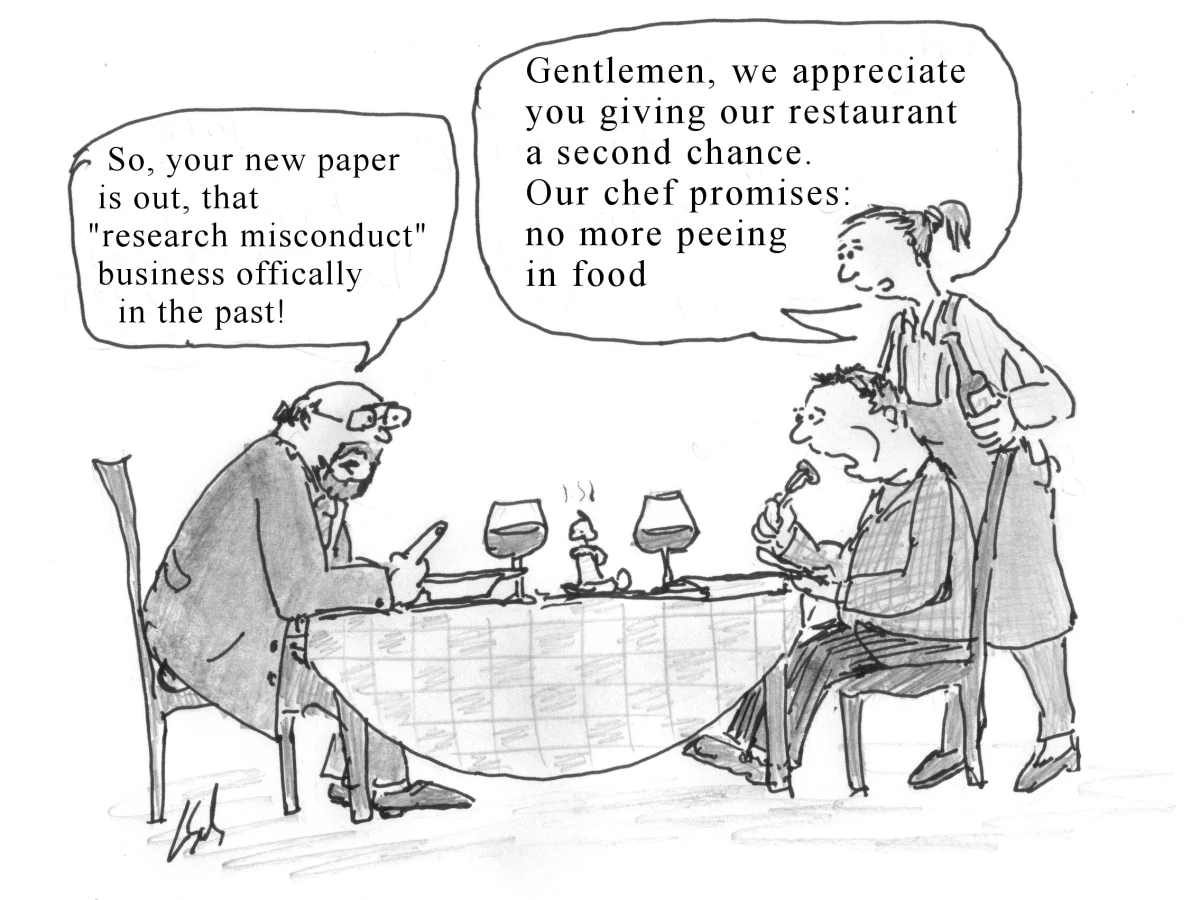
Hanna came out of all scandals unscathed: his anonymous PubPeer trolling of his former colleague (read here), a public skirmish of misconduct accusations against his former US mentor Rudolf Jaenisch at MIT, and of course a PubPeer record of very dodgy stem cell research, much of it corrected, and one retraction where students were blamed. Read here:
The PubPeer Stars of Weizmann Institute
Rony Seger, Jacob Hanna, Ilana Kolodkin-Gal, Atan Gross, Sima Lev, Tsvee Lapidot, Moshe Oren, Varda Rotter and others. Let’s celebrate the Weizmann Science!
That’s because Hanna keeps making the most grandiose discoveries for which a a bunch of Nobel Prizes wouldn’t be enough. Every time, he is celebrated in Israeli and global media, a few months later nobody speaks of those breakthroughs ever again. In 2023, Hanna announced to have created artificial human embryos, in Nature (Oldak et al 2023, read September 2023 Shorts). A year before that, Hanna presented artificial mouse embryos in Cell, see Tarazi et al 2022 and read August 2022 Shorts. An artificial womb was introduced by Hanna to the world the year before, in the Nature paper Aguilera-Castrejon et al 2021. Hanna also founded the company Renewal Bio to grow artificial tissues and entire organs from those synthetic embryos, to erase all diseases and extend lives.
A man who is about to save humanity, or at least the billionaires, cannot be tainted with any further retractions.
This paper was flagged on PubPeer in October 2017, literally days after it was published, and yet nobody did anything. Hanna’s coauthors are his former PhD mentor at Hebrew University, Ofer Mandelboim, and the Austrian university rector Veronika Sexl (read about her in April 2024 Shorts):
Ariella Glasner , Batya Isaacson , Sergey Viukov , Tzahi Neuman , Nehemya Friedman , Michal Mandelboim , Veronika Sexl , Jacob H. Hanna, Ofer Mandelboim Increased NK cell immunity in a transgenic mouse model of NKp46 overexpression Scientific Reports (2017) doi: 10.1038/s41598-017-12998-w
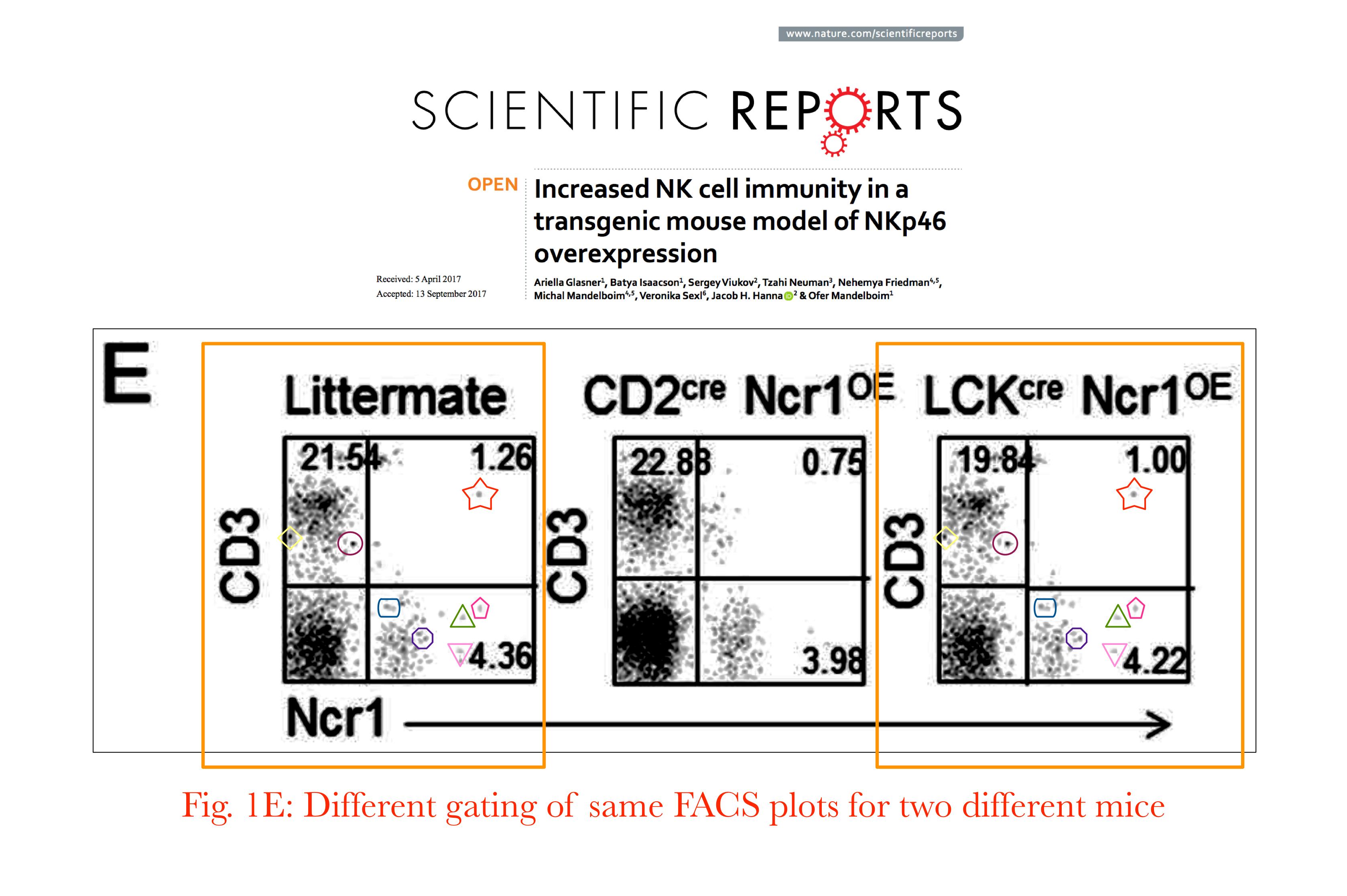
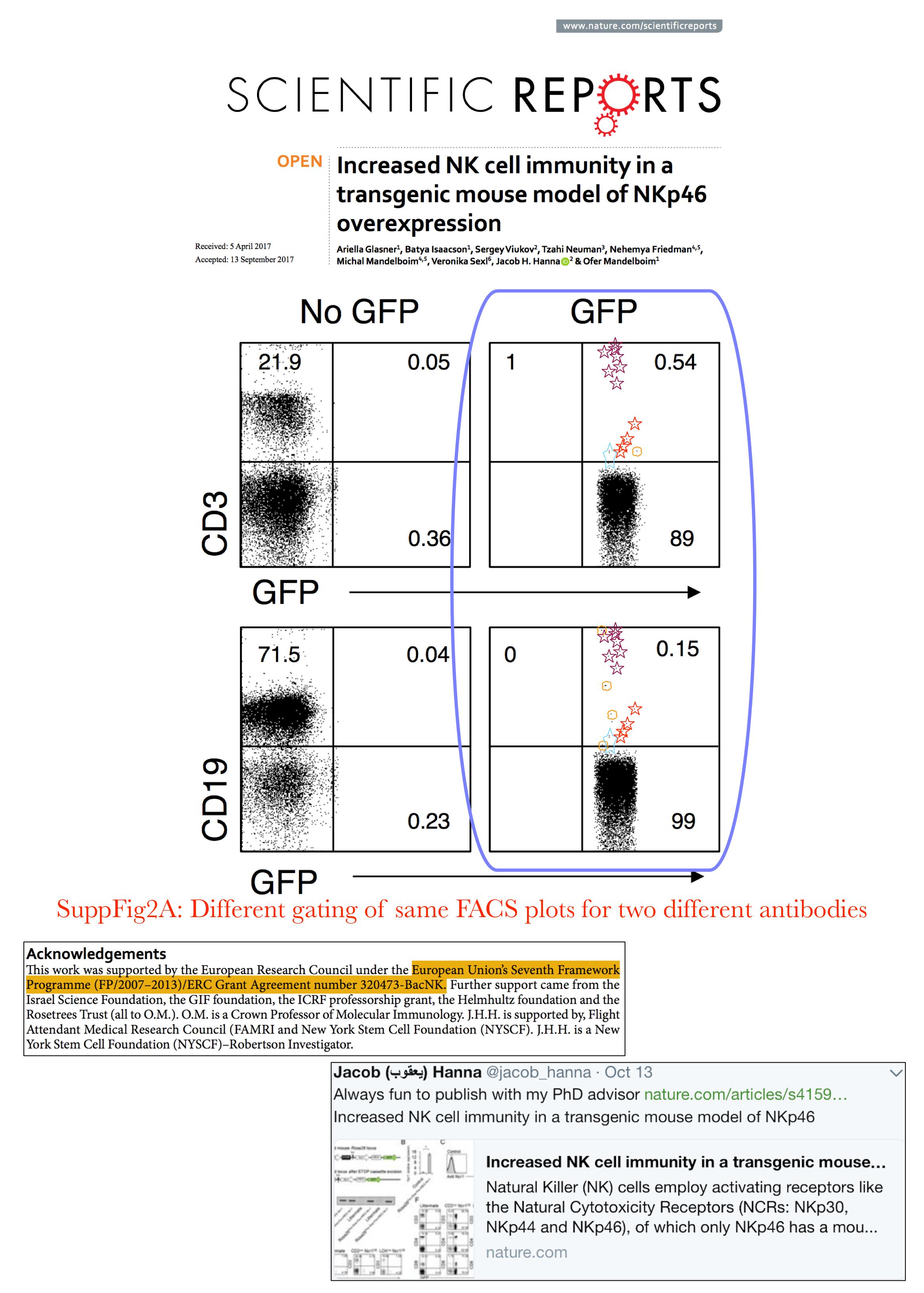
Eight years have passed. The authors and journal’s publisher Springer Nature patiently waited for the moment when the paper gets old enough to declare all of its raw data as unavailable. Now apparently is the time, on 17 February 2026 this Expression of Concern was published:
“The Editors are issuing an Editorial Expression of Concern to alert readers that concerns were raised regarding similarities within the FACS plots in Figure 1E and Supplementary Figure 2A of this Article. The Authors provided explanations for the matters raised; however, the original data were no longer available. As such, it was not possible to determine whether the descriptions of these figures are accurate. Readers are therefore advised to interpret the data presented in Figure 1E and Supplementary Figure 2A with caution.
Ariella Glasner, Batya Isaacson, Michal Mandelboim and Ofer Mandelboim disagreed with this Expression of Concern; Sergey Viukov and Jacob H. Hanna did not explicitly state their agreement or disagreement; Tzahi Neuman, Nehemya Friedman and Veronika Sexl did not respond to correspondence from the Editor.”
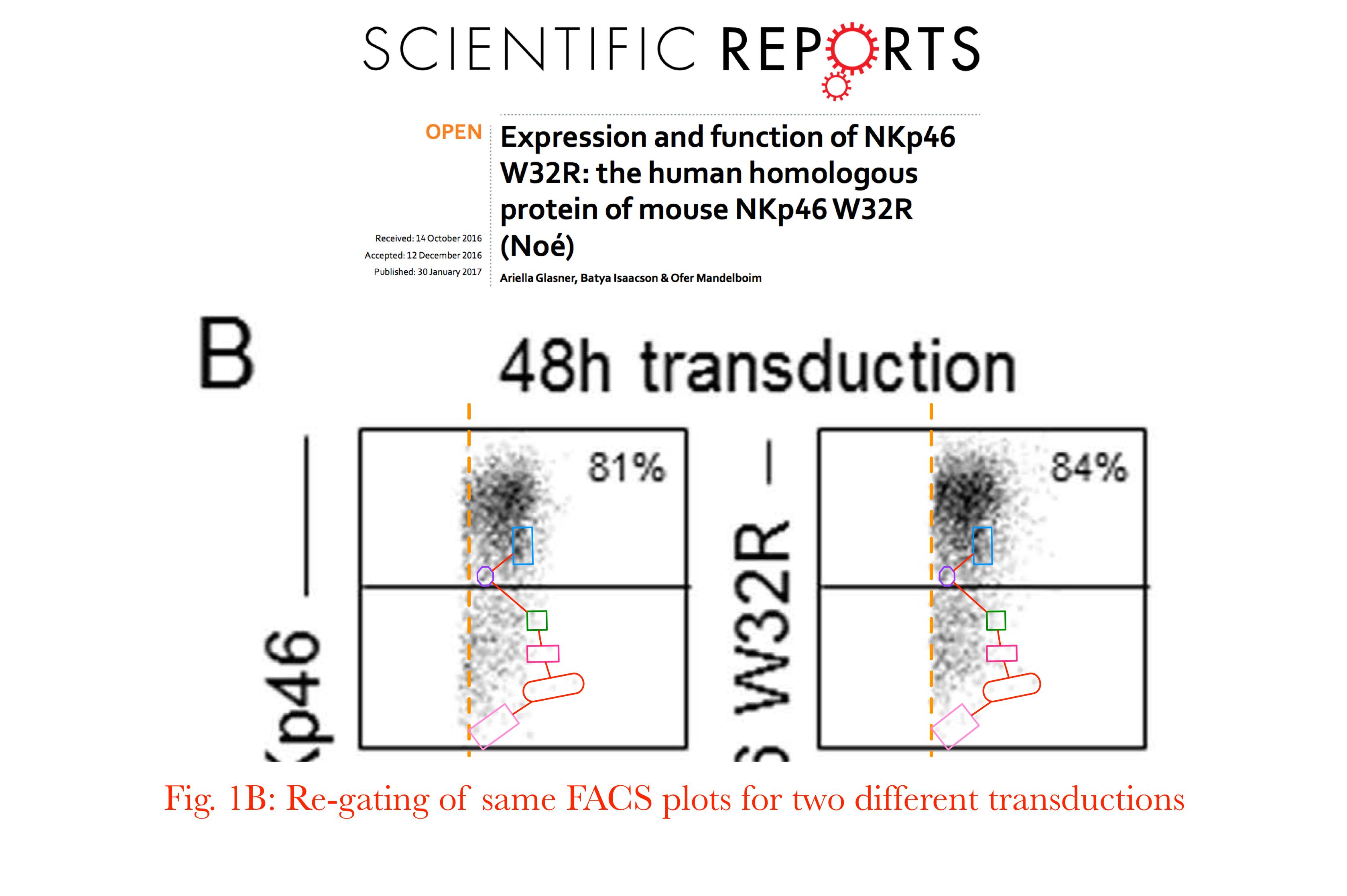
As reminder, the paper was merely a few days old when the above concerns were raised on PubPeer. There is a similar problem in another paper in the same journal, without Hanna and also without an Expression of Concern:
Ariella Glasner , Batya Isaacson , Ofer Mandelboim Expression and function of NKp46 W32R: the human homologous protein of mouse NKp46 W32R (Noé) Scientific Reports (2017) doi: 10.1038/srep40944
Retraction Watchdogging
Only original images were used
A Frontiers paper I wrote about in December 2022 Shorts has now been retracted.
Back then, the lead author Daniel Alkon, the 84 year old former scientific director of Blanchette Rockefeller Neurosciences Institute at West Virginia University, now president of two biotechs, Synaptogenix and Neurotrope, blamed his junior author and spoke utter nonsense. This paper was flagged by Elisabeth Bik in 2022:
Guetchyn Millien , Huaixing Wang , Zongxiu Zhang , Dan L. Alkon , Jarin Hongpaisan PKCε Activation Restores Loss of PKCε, Manganese Superoxide Dismutase, Vascular Endothelial Growth Factor, and Microvessels in Aged and Alzheimer’s Disease Hippocampus Frontiers in Aging Neuroscience (2022) doi: 10.3389/fnagi.2022.836634

Elisabeth Bik: “Figure 8B.
- Orange boxes: The AD II-III and AD IV-VI panels appear to show an overlap, as detected by ImageTwin, if one of the panels is rotated nearly 180 degrees.
- Of note, the dark blue signal is different between the two panels.”
Alkon replied straight away, and assured that all these were merely “illustrative figure examples. They did not involve any actual data used in the results or the conclusions. Only original images were used for data collection.” He then offered to submit a correction while blaming an assistant professor at Jefferson University:
“After your message, today I contacted Dr. Jarin Hongpaisan – who is the sole author of the images for which you raised questions. He stated that he may have made mistakes when he prepared the illustration images. However, he confirmed that he did not use any of these illustration images to generate the data that were reported in the Results.“
Hongpaisan then arrived to PubPeer to share raw data in an unannotated and unreadable format. Bik eventually succeeded opening and analysing those, and concluded:
- “The images you and Dr. Alkon claim were ‘just illustrations’ are actually included in the “original files” you provided and that you claim are the ones used for the measurements
- The AD II-III (middle) and AD IV-VI (bottom) panels in Figure 8B indeed are derived from the same specimen.“

Hongpaisan still pleaded: ““I used only original, unmodified images for quantification. I then modified some of these original images for illustration – with some errors that I will correct, one by one.“
On 27 January 2026, Frontiers retracted that paper:
“Following publication, concerns were raised regarding the integrity of the images in the published figures. Image duplication concerns were identified in Figure 8B panel AD II–III and Figure 8B panel AD IV–VI.
The authors have remained unresponsive to multiple requests for the raw data for this study. Given extant concerns over the validity of the study, the article has been retracted.
This retraction was approved by the Chief Editors of Frontiers in Aging Neuroscience and the Chief Executive Editor of Frontiers. The authors have not responded to correspondence regarding this retraction.”
Obviously Hongpaisan and Alkon lied, the raw data never existed. That attitude however provoked Bik to screen even more papers by Alkon, some were already discussed in December 2022 Shorts. One of those (Sen et al 2018) was corrected in 2024, in another case (Sun et al 2016), Hongpaisan and Alkon provided original data, which Bik then exposed as fraudulent.
Alkon’s PubPeer record now stands at 15. Here another fabrication by Hongpaisan and Alkon:
Jarin Hongpaisan, Miao-Kun Sun, Daniel L Alkon PKC ε activation prevents synaptic loss, Aβ elevation, and cognitive deficits in Alzheimer’s disease transgenic mice Journal of Neuroscience (2011) doi: 10.1523/jneurosci.5209-10.2011
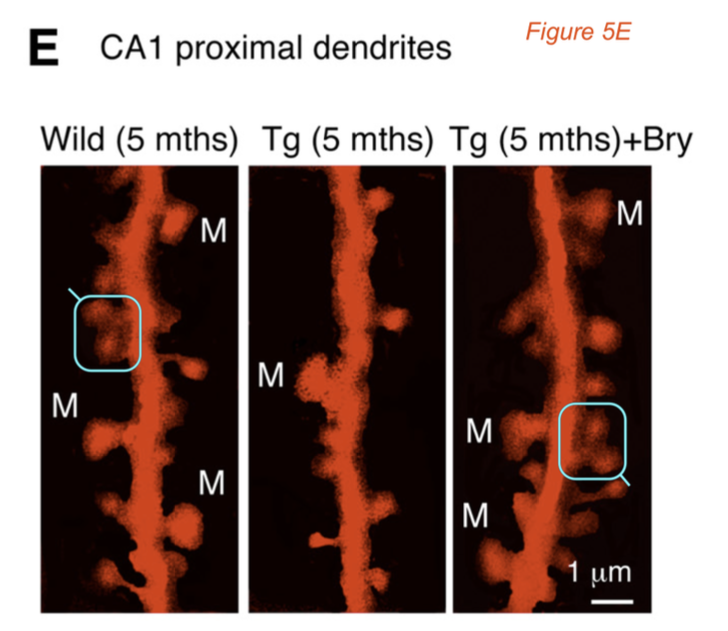
Elisabeth Bik: “Concern about Figure 5E: *Light blue boxes: The Wild and the TG+Bry panels appear to share the same mushroom structure, albeit rotated 180 degrees.”
Bik found a similar problem in the paper Hongpaisan & Alkon 2007 in PNAS. But no need to blame Hongpaisan as Alkon did. Look at these two papers:
- Chol Seung Lim, Daniel L. Alkon PKCε promotes HuD-mediated neprilysin mRNA stability and enhances neprilysin-induced Aβ degradation in brain neurons PLOS One (2014) doi: 10.1371/journal.pone.0097756
- Chol Seung Lim , Daniel L. Alkon Protein kinase C stimulates HuD‐mediated mRNA stability and protein expression of neurotrophic factors and enhances dendritic maturation of hippocampal neurons in culture Hippocampus (2012) doi: 10.1002/hipo.22048
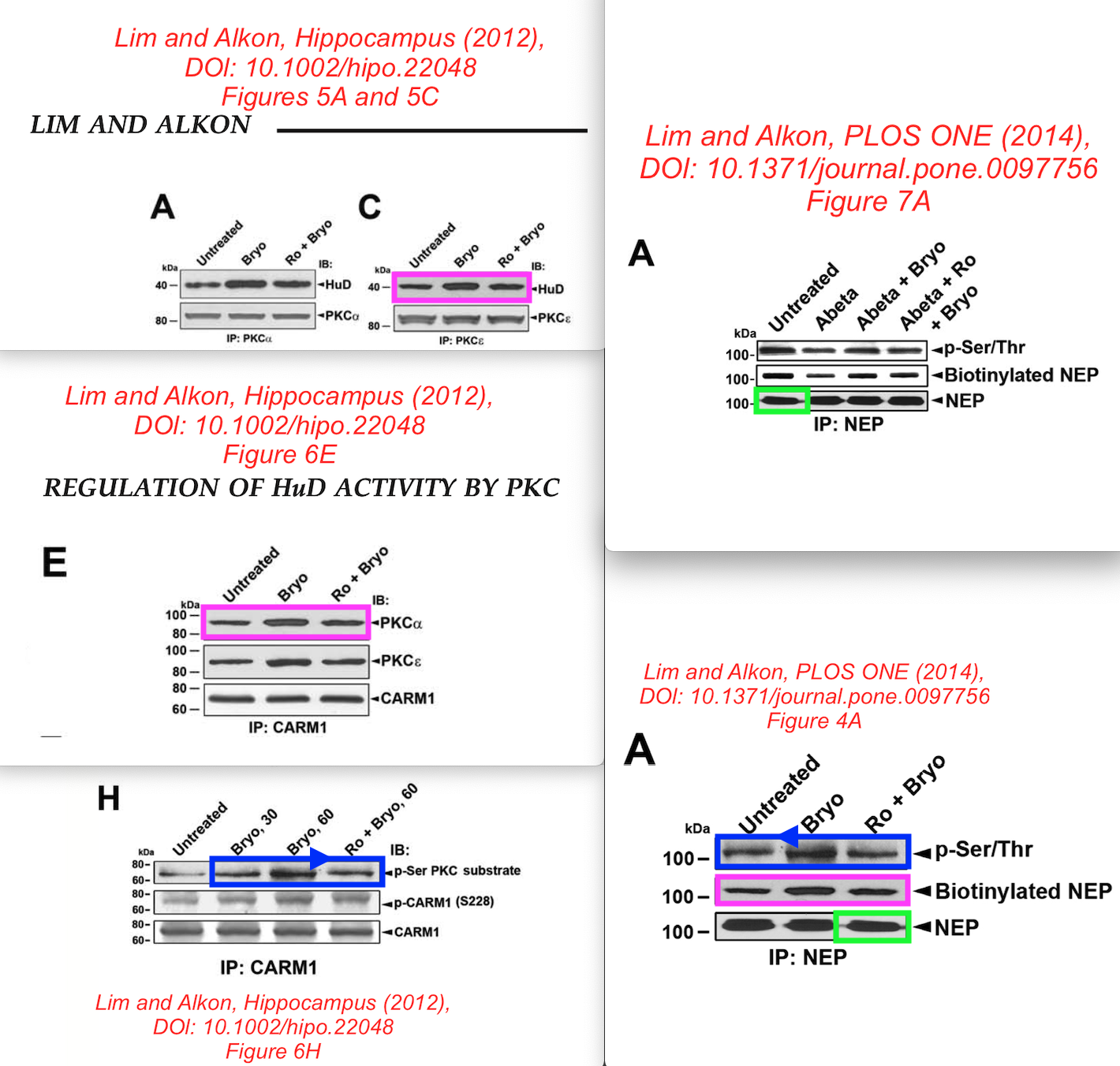
Green boxes: One lane in the NEP panel of Figure 4A might look similar to a lane in the NEP panel of Figure 7A.
Blue boxes: the p-Ser/Thr panel in Figure 4A looks similar to the mirror image of the p-Ser PKC substrate in Figure 6H of the 2012 Hippocampus paper
Pink boxes: The Biotinylated NEP panel in Figure 4A looks similar to both the HuD panel in Figure 5C and the PKCalpha panel in Figure 6E of the 2012 Hippocampus paper.”
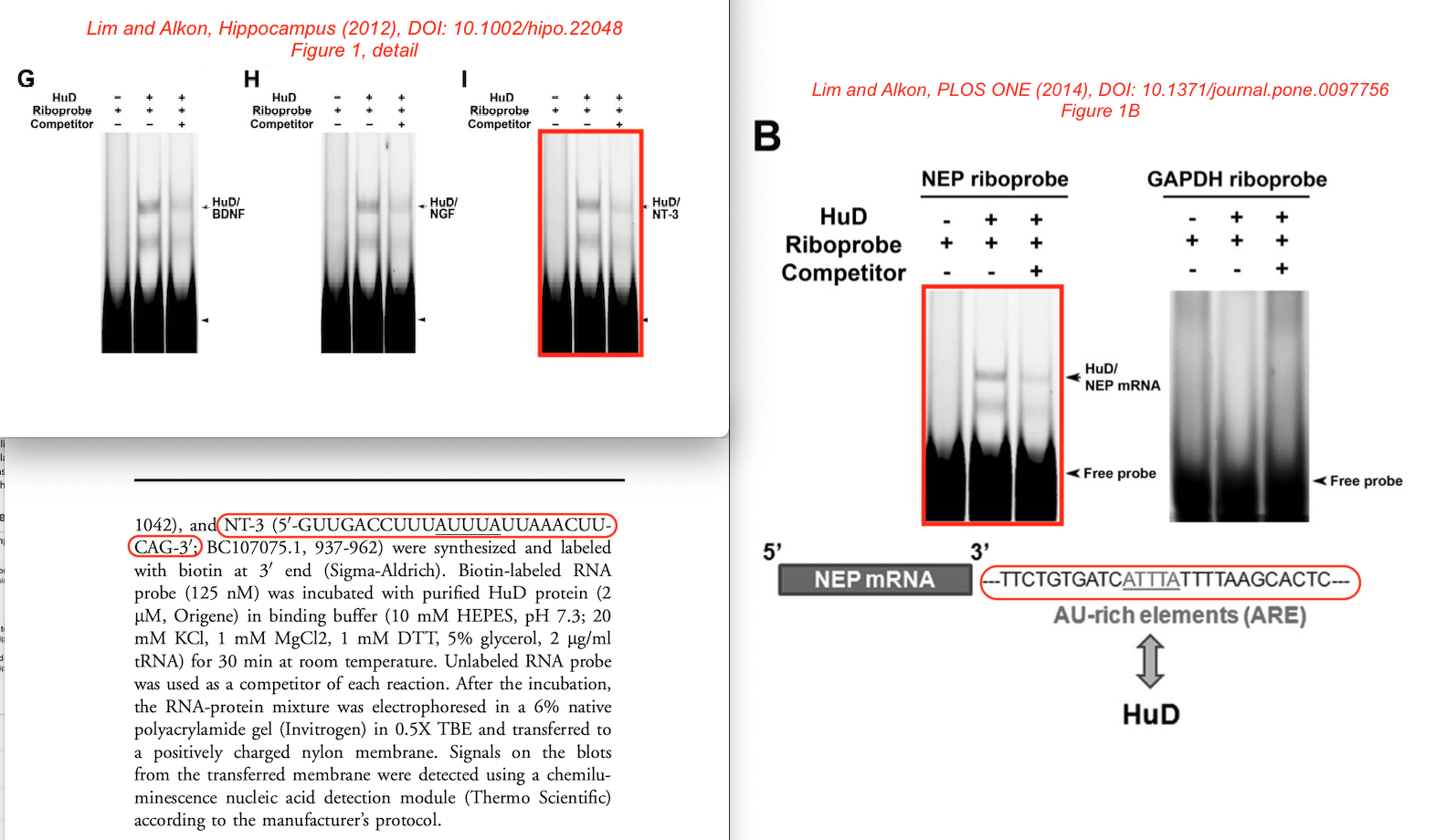
Red boxes: The NEP riboprobe panel appears to look similar to Figure 1I in an older paper by the same authors, i.e. Lim and Alkon, Hippocampus (2012), DOI: 10.1002/hipo.22048, which represents the HuD incubated NT-3 probe.
The RNA probes appear to have different sequences.”
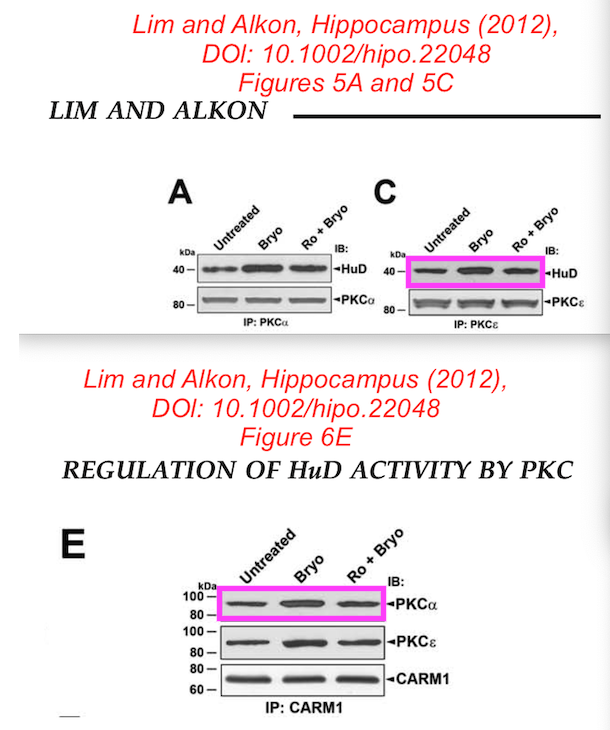
Pink boxes: The HuD panel in Figure 5C looks very similar to the PKCalpha panel in Figure 6E. Note that the immunoprecipitations are also different.”
Here our hero was cornered by another sleuth, Mu Yang. Here, a lazily copied diagram:
Miao-Kun Sun, Daniel L Alkon Synergistic effects of chronic bryostatin-1 and alpha-tocopherol on spatial learning and memory in rats European Journal of Pharmacology (2008) doi: 10.1016/j.ejphar.2008.02.014
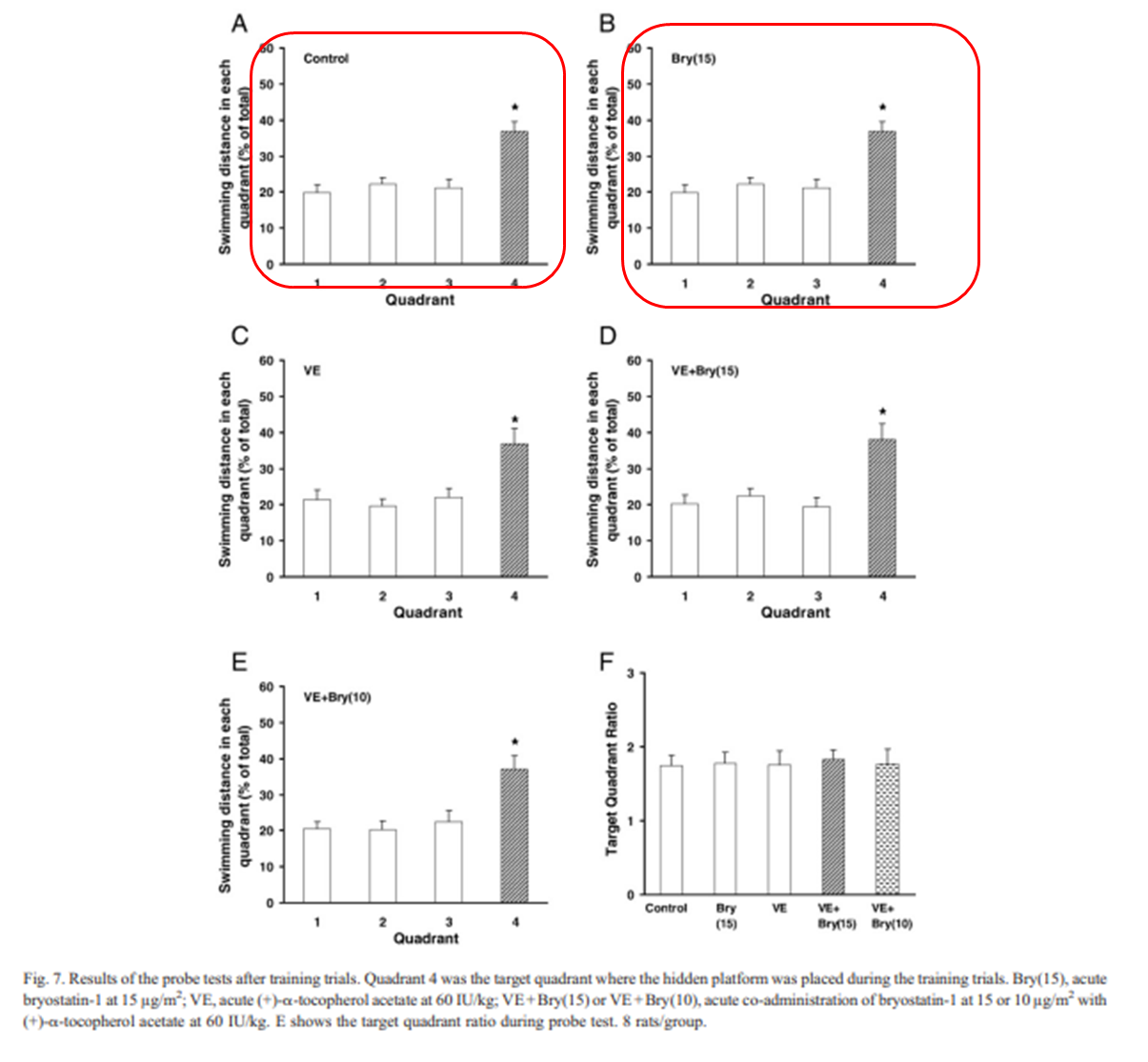
Dysdera arabisenen: “Fig 7 A and B contain identical data”
Even table numbers were forged:
Thomas J Nelson, Peter S Backlund , Daniel L Alkon Hippocampal protein-protein interactions in spatial memory Hippocampus (2004) doi: 10.1002/hipo.10152
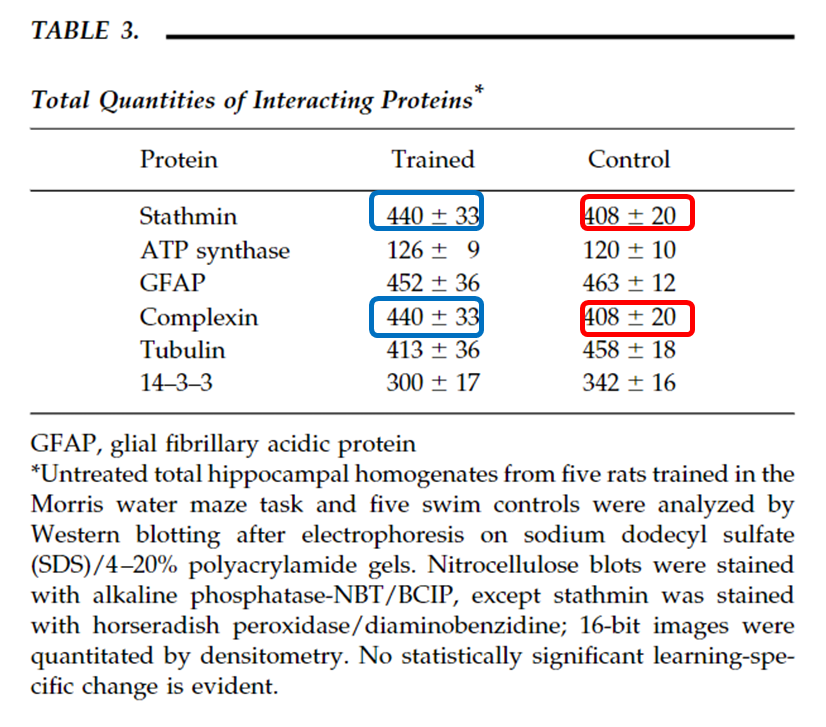
Dysdera arabisenen: “Stathmin and Complexin data are identical for control and Trained.”
Alkon’s coauthor here is the Stanford bigwig Paul Wender:
Tapan K Khan , Paul A Wender, Daniel L Alkon Bryostatin and its synthetic analog, picolog rescue dermal fibroblasts from prolonged stress and contribute to survival and rejuvenation of human skin equivalents Journal of Cellular Physiology (2018) doi: 10.1002/jcp.26043
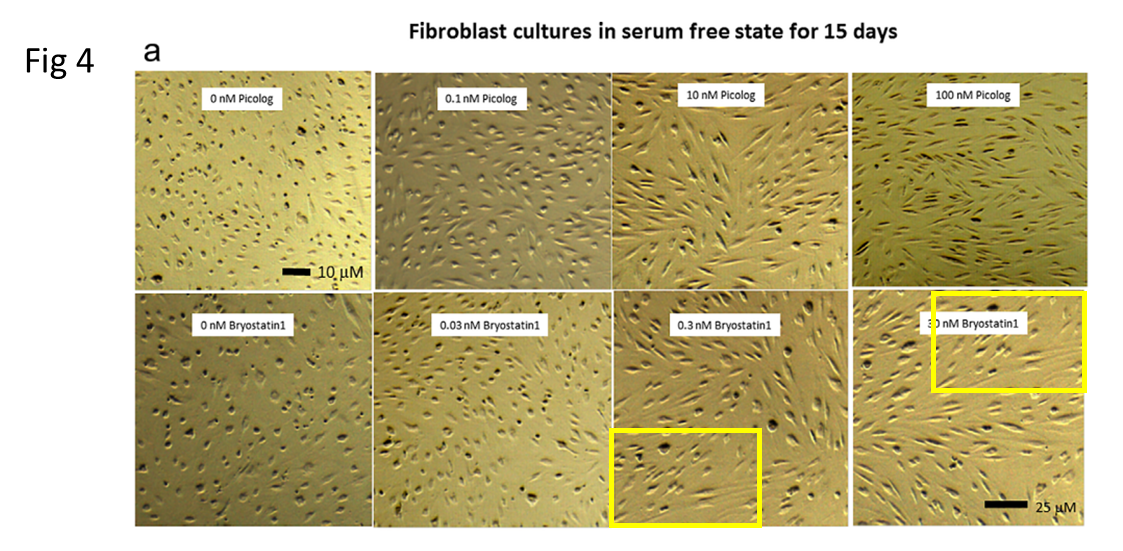
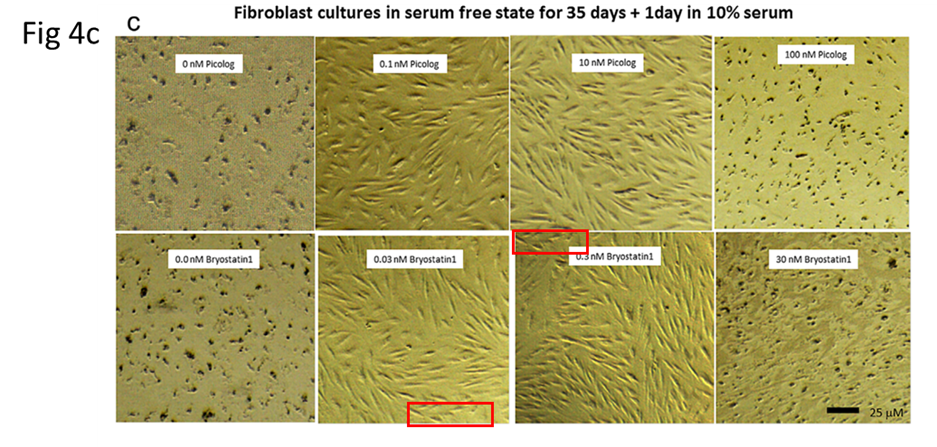
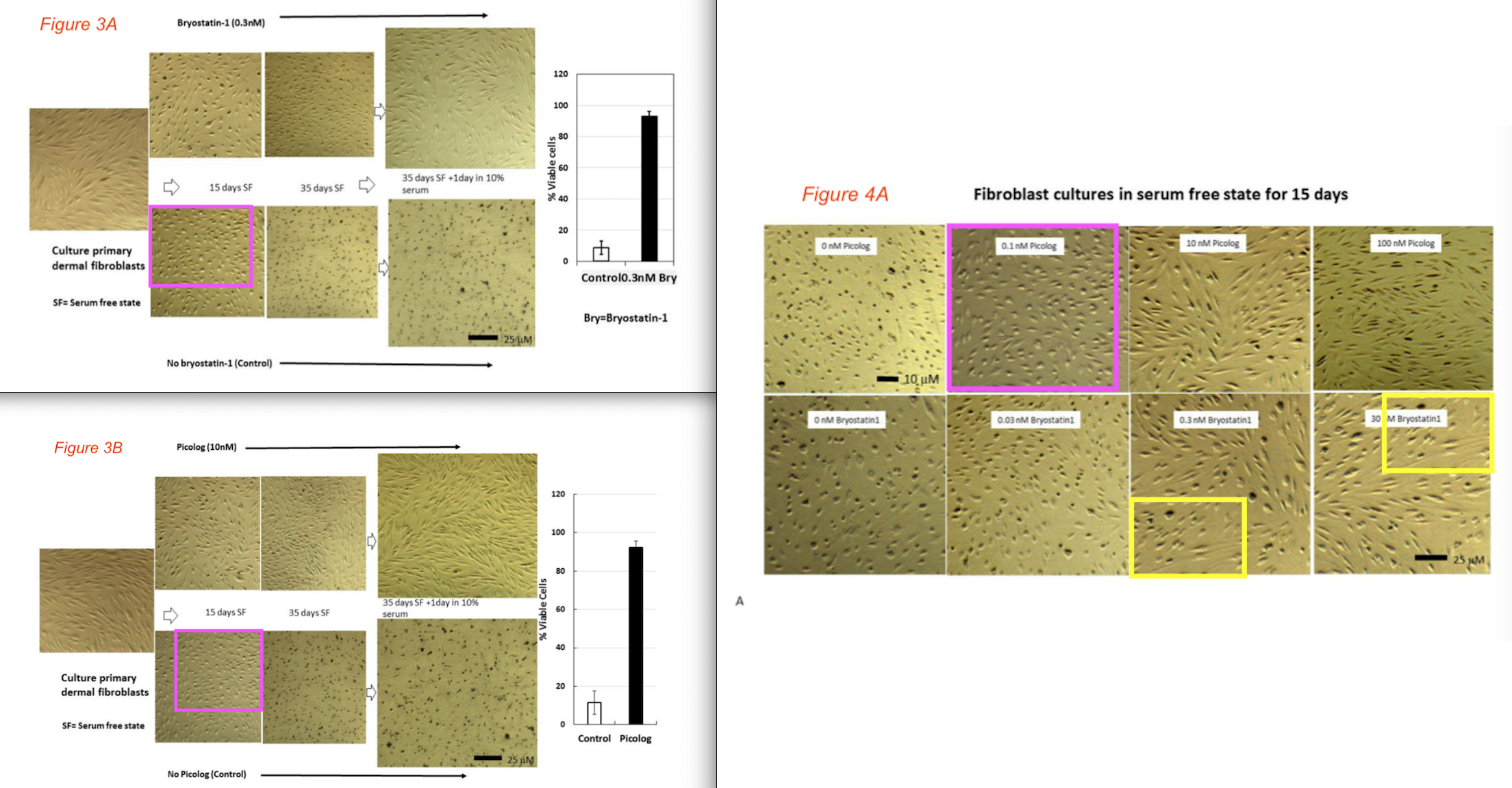
Pink boxes: The 15 days SF controls in Figures 3A and 3B (which are appropriate duplicates) also appear to match the 0.1 nM Picolog sample in Figure 4A.”
This paper was already corrected in 2017 because “the blots in Figure 7b contained a misprint” and thus, “labels for “1 day” should be omitted“. But Bik showed that there never was any misprint, but a copy-pasted blot:
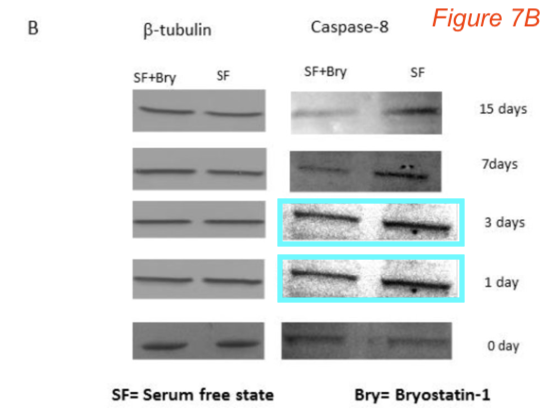
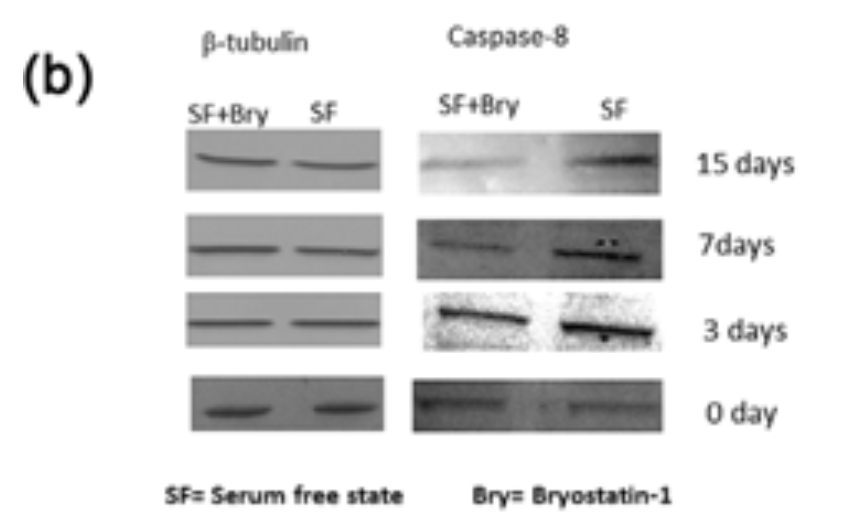
I do wonder if Alkon not just a liar, but also a bully, who specifically employed vulnerable lab members whom he could terrorize into delivering the desired results, or even accept his own “interventions” into figure assembly?
Large number of duplications
We haven’t heard of Wen G Jiang MBE, MB, BCh, MD, FRSB, FLSW for some time already! Despite all that fraud and occasional retraction, he remains full professor and “Dean of International”, because his University of Cardiff still relies on the money from Traditional Chinese Medicine industry.
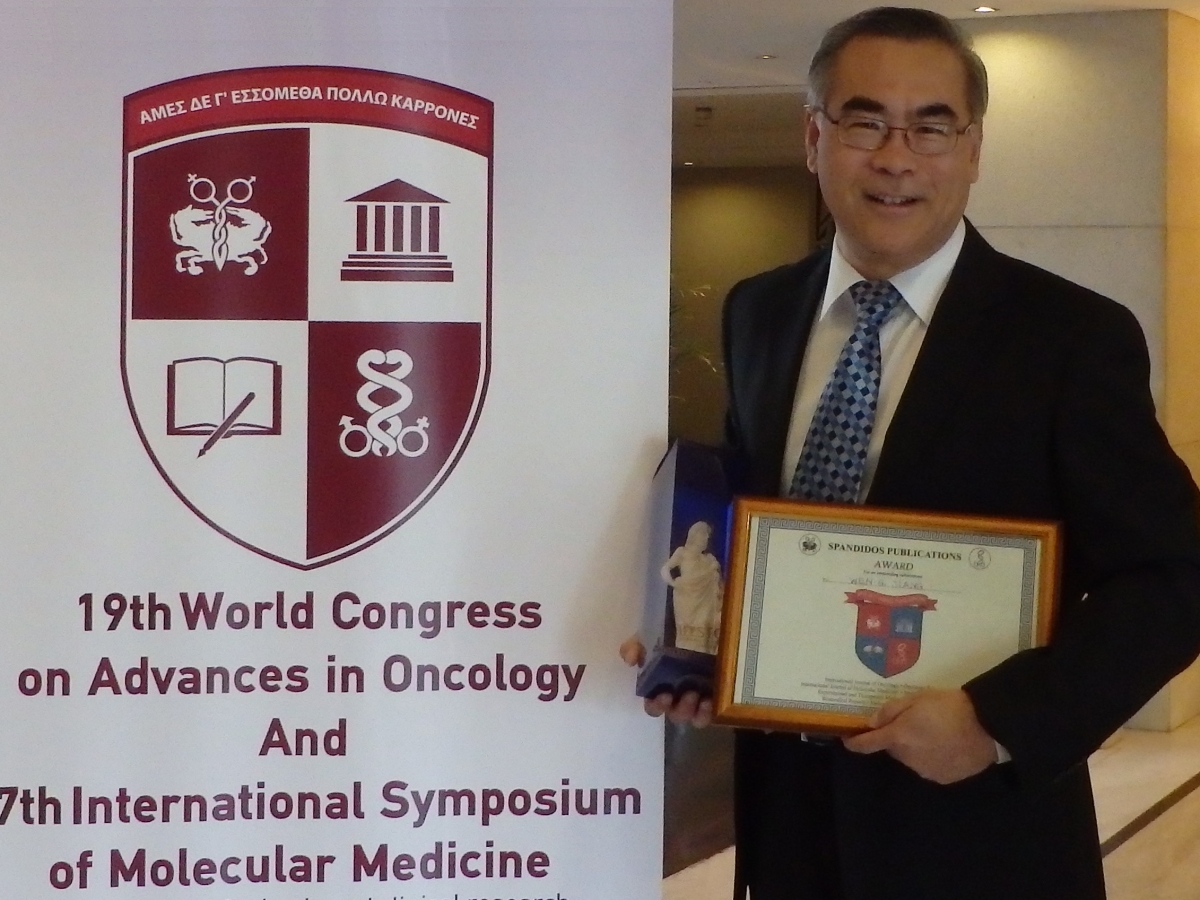
Fried Divine Comedy, featuring anti-cancer cockroach and phallic fungus
This is a follow-up to the previous article, about a misconduct investigation at the Cardiff University in UK into the published works of cancer researcher Wen Jiang, professor of Surgery and Tumour Biology, Fellow of Royal Society of Medicine and chair of Cardiff China Medical Research Collaborative. The following guest post by my regular contributor Smut…
Here is a new retraction for Jiang, and it took the publisher Spandidos merely nine years (the paper was flagged by Claire Francis on PubPeer in 2017:
Zhu Yuan , Andrew J Sanders, Lin Ye , Yu Wang , Wen G Jiang Knockdown of human antigen R reduces the growth and invasion of breast cancer cells in vitro and affects expression of cyclin D1 and MMP-9 Oncology Reports (2011) doi: 10.3892/or.2011.1271
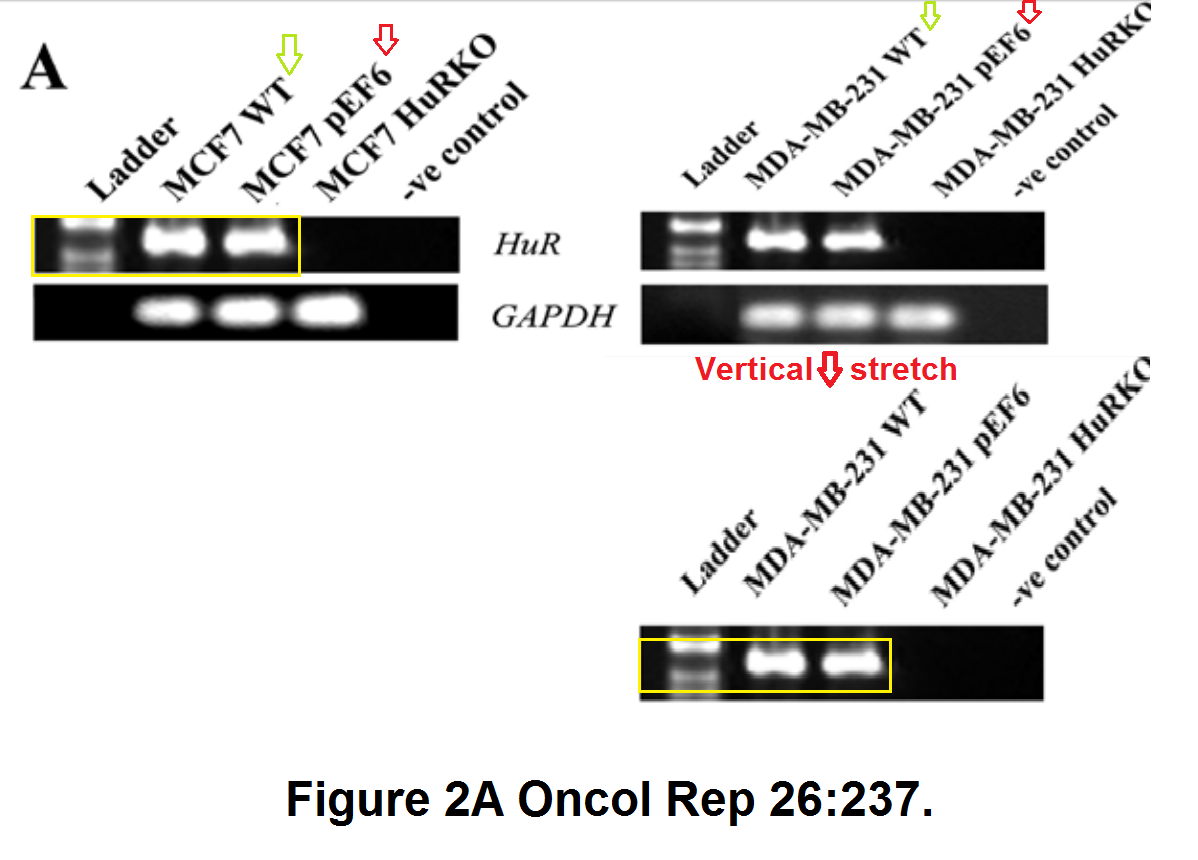
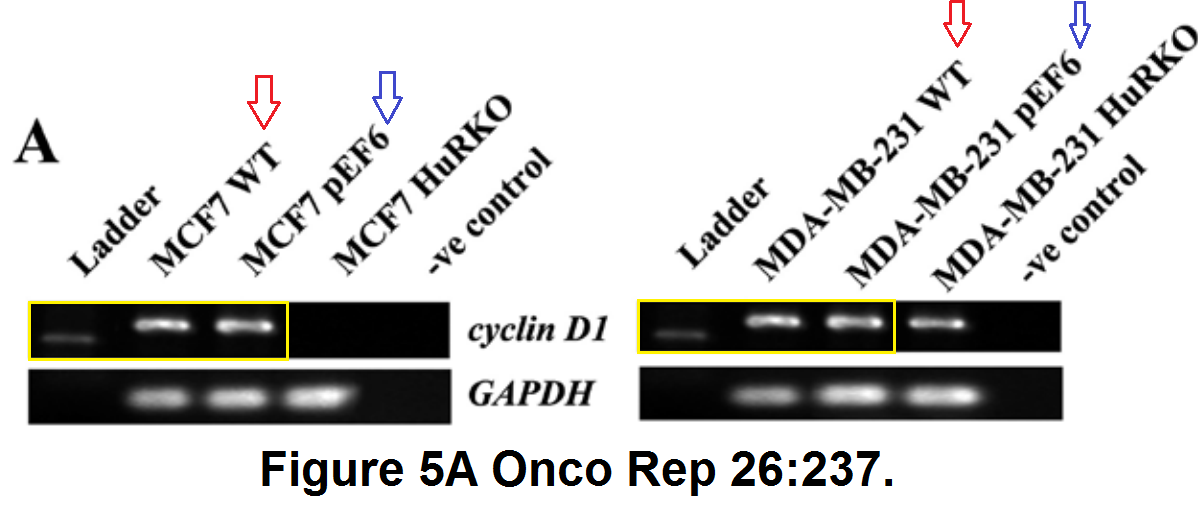
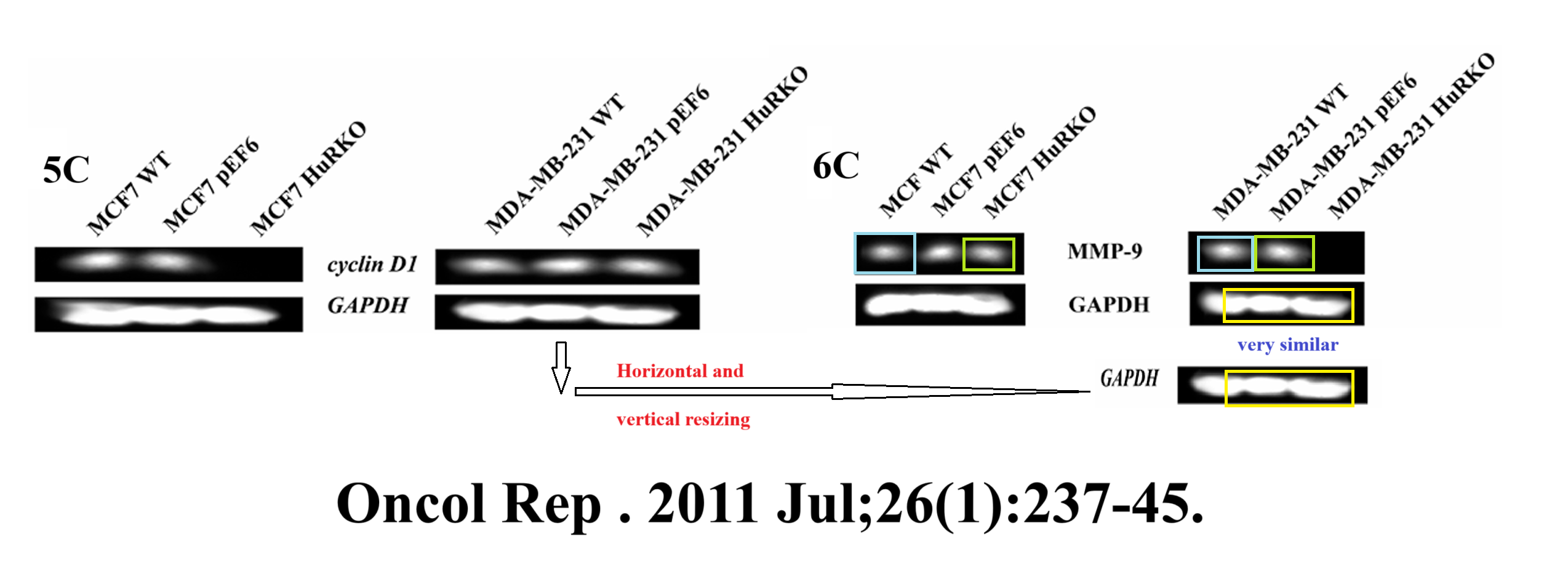
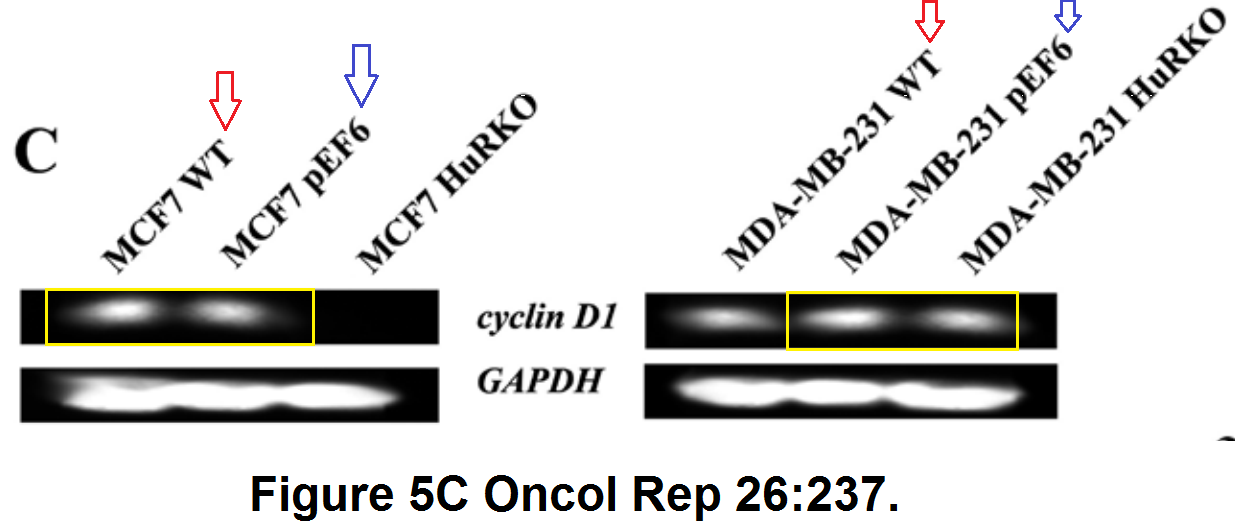
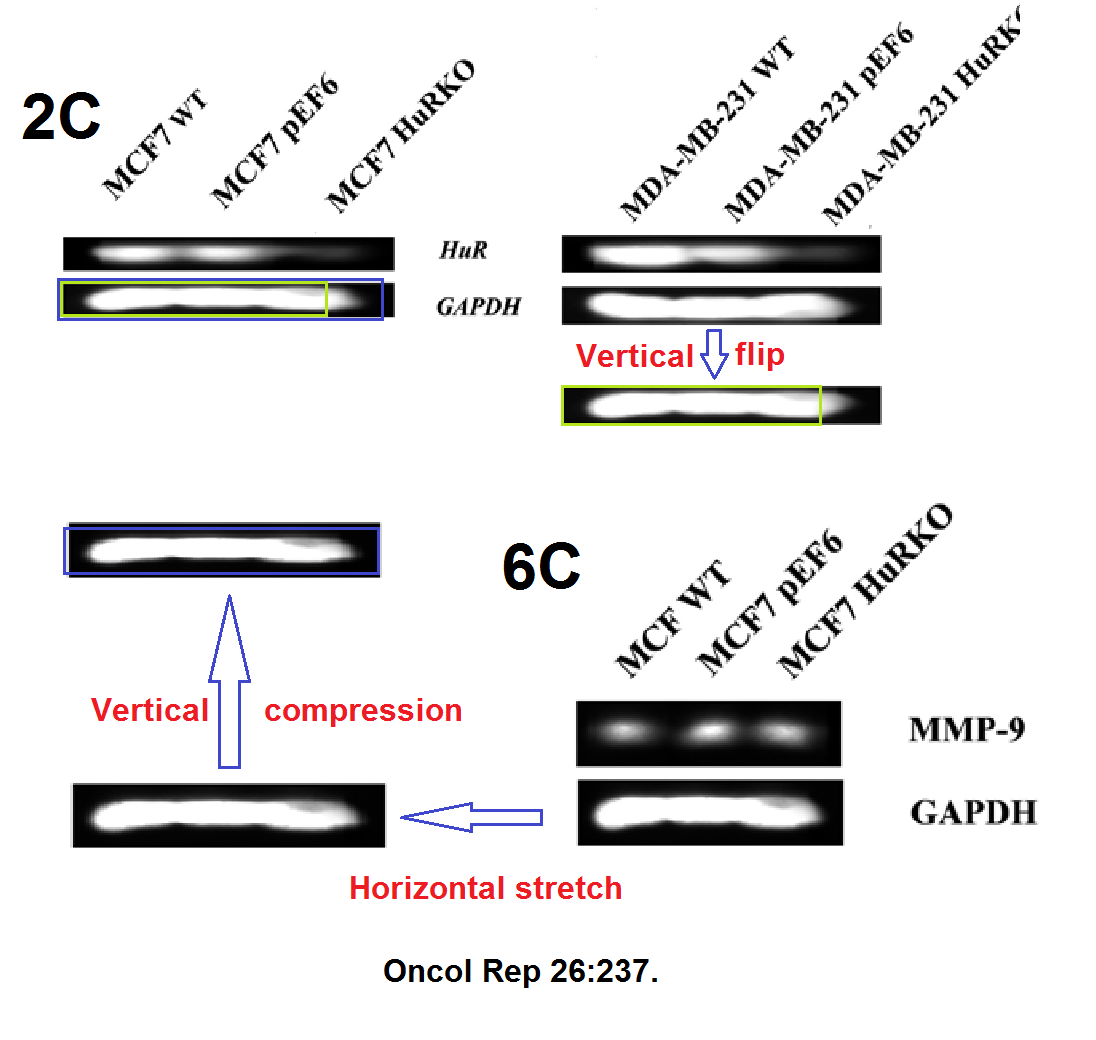
The long-awaited retraction arrived on 16 February 2026:
“Following the publication of the above paper, a concerned reader drew to the Editor’s attention that, for the RT‑qPCR experiments shown in Fig. 2A on p. 240, data which were intended to show the results of experiments performed in two different cell lines (MCF7 and MDA‑MD‑231) appeared to have been duplicated, with some evidence of stretching of the bands. In addition, it was shown that, in Fig. 5A and C on p. 242, data which were also intended to show the results of RT‑qPCR and western blot analysis experiments performed in the same two cell lines appeared to have been duplicated; moreover, GAPDH data in Fig. 2C also appeared to have been included in Figs. 5C and 6C, but with the data bands shown in different orientations, and probable rearrangement of bands had occurred with the cyclin D1 / MMP‑9 data in Fig. 5C compared with Fig. 6C. Owing to the large number of duplications of data that have been identified in this paper, the Editor of Oncology Reports has decided that it should be retracted from the Journal on account of a lack of confidence in the presented data. The authors were asked for an explanation to account for these concerns, but the Editorial Office did not receive a reply. The Editor apologizes to the readership for any inconvenience caused.
See, Jiang doesn’t even bother to reply to the journal.
Donate!
If you are interested to support my work, you can leave here a small tip of $5. Or several of small tips, just increase the amount as you like (2x=€10; 5x=€25). Your generous patronage of my journalism will be most appreciated!
€5.00

 For Better Science
I wonder what causes papermills’ obsession with specific topics: curcumin, ZIF-8, biochar, green synthesis of nanoparticles using [random plant]. If you see two of these things in the title, it’s like 99% chance it’s papermill, and with 3 you have six-sigma confidence 😀
LikeLiked by 1 person
It’s because such papers have high chances of being accepted by similarly obsessed editors. Or they just form authors-editors-reviewers rings creating certain “research” topics and making them trendy. Don’t forget that ZIF-8 is just one example of MOFs. As shown by David Bimler most their magic properties may just be fake.
Better Living through Coordination Chemistry: A descriptive study of a prolific papermill that combines crystallography and medicine | Research Square
LikeLike
See https://vu.nl/nl/nieuws/2026/artikel-in-eclinicalmedicine-teruggetrokken (apparently only in English).
LikeLike
Epstein and Harvard
Larry Summers Will Resign From Harvard After Jeffrey Epstein Revelations – The New York Times
Epstein and Columbia
Statement from Dr. Richard Axel | Office of Public Affairs
LikeLike
Yes, and some others!
Like the Jurassic Park Jack Horner:
https://www.nature.com/articles/d41586-026-00554-4
LikeLike
“Little did he know – How Zhi-Min Yuan made career in Harvard”
Financial Report – FISCAL YEAR 2025
“Harvard’s endowed funds generated an 11.9% return in fiscal year 2025, bringing the aggregate endowment value to $56.9 billion. “
Harvard has the resources. You’d think that Harvard could afford to audit all its scientific output, all the way back. Obviously not one of Harvard’s priorities.
LikeLike
“We haven’t heard of Wen G Jiang MBE, MB, BCh, MD, FRSB, FLSW for some time already! Despite all that fraud and occasional retraction, he remains full professor and “Dean of International”, because his University of Cardiff still relies on the money from Traditional Chinese Medicine industry.!
Second 2026 retraction for Wen G Jiang, Cardiff.
Oncology Reports
LikeLike