

Schneider Shorts of 24 October 2025 – minibrained autism quacks poison Neanderthals, two sleuths expose massive FDA fail, journalists reveal secret investigation in Canada, California fraudster gets a lucky correction, Australian scholar offers discounts, and finally, how to avoid death with love hormone!
Table of Discontent
Industry Giants
- Woodpecker disappeared from the internet – Smoliga & Yang expose industrial fraud
Science Elites
- For goods and services – UBC’s misconduct investigation of Aziz Ghahary revealed
- We recommend to readers to discount the images – advice from Andreas Strasser
- Expect severe punishment – Tomasz Sliwinski faces investigation
Scholarly Publishing
- Cells that were frozen – concerns about Pasi Jänne
- The copy and paste function did not properly work – Keigo Machida lucky and unlucky at Cell Press
Science Breakthroughs
- Our eureka moment – Alysson Muotri poisons Neanderthals!
- Three times less likely to die at any point – will Irina Conboy’s husband use love hormone to avoid death?
Industry Giants
Woodpecker disappeared from the internet
New developments in the story of the so-called Q-Collar device by the company Q30 Innovations, which is FDA-approved and sold to US Army and professional athletes with the promise to prevent brain concussions, except that this Q-Collar most clearly a) doesn’t work, and b) derives its advertised performance from forged data. The scam was exposed in many years of dedicated sleuthing by James Smoliga (professor at Tufts University School of Medicine), later on he was joined by the sleuth and Columbia University researcher Mu Yang. Read September 2025 Shorts for my past summary.
On 16 October 2025, Washington Post reported:
…internal FDA documents show that some of the agency’s reviewers doubted Q-Collar research showed the device offered meaningful protection against brain injury, damage or disease. The agency agreed to clear it, the records show, only after Q30 added language to its owner’s manual stating the device does not prevent concussions and that any claims it protects against long-term cognitive problems have “not been demonstrated.”
This language is nowhere to be found in Q30’s promotional materials …”
The C-shaped device is sold for $199 and is nothing else but a plastic-covered piece of metal springy metal. Its alleged function is to restrict blood flow to the brain through the jugular veins, because of woodpeckers, or so says the company’s founder David Smith, professor at Cincinnati Children’s Hospital Medical Center. This is how the company advertises it. Woodpeckers never get a concussion, so you can easily fool evolution and physiology by simply pressing off your own jugular. Well, not really, that would actually kill you.
Washington Post‘s coverage is based on the original investigation published by Smoliga and Yang in The BMJ on 16 October 2025:
James M Smoliga, Mu Yang, How an FDA cleared “brain protection” device built on shaky science made it to the NFL BMJ (2025) doi: 10.1136/bmj.r2028
“But the woodpecker based hypothesis—the Q-Collar’s central origins story—has yet to be substantiated.89 Smith’s 2012 rodent model papers merely speculated that woodpeckers used jugular compression,1011 but they have subsequently been cited as evidence for this claim. And in more than a decade since he made his woodpecker discovery, Smith never studied woodpeckers directly.
In a response to The BMJ, Smith said that “since woodpeckers are endangered, they couldn’t be studied.” (In fact, most woodpecker species are not endangered.) He added, “I never touched an animal, nor human subject, nor did I ever touch the data.”
In 2018 one author of this investigation (JMS) showed that Smith’s jugular compression claims were inconsistent with decades of meticulous research on woodpeckers’ multiple protective mechanisms.9 The next year Smith admitted in an interview that he never was able to get his hands on a woodpecker.12 The Q-Collar’s promotional claims then shifted away from bird brain origins of the device, and original promotional videos featuring the woodpecker disappeared from the internet.”
Smoliga & Yang 2025
Even without woodpeckers, Q-Collar doesn’t prevent concussions, as their own clinical and real life studies showed:
“But real world experience of the device has proved problematic. News reports state that Kuechly, a linebacker, sustained a concussion within weeks of wearing it, and Vernon Davis, another early adopter in the National Football League (NFL), got two concussions. Both athletes, however, now advise the company, and media stories tout how the device has helped protect them.
Smoliga & Yang 2025
After these high profile concussions Q30’s marketing de-emphasised concussions, and the narrative switched to a more nebulous concept: “brain protection.” By 2019 most Q30 press releases didn’t even mention the word “concussion.””
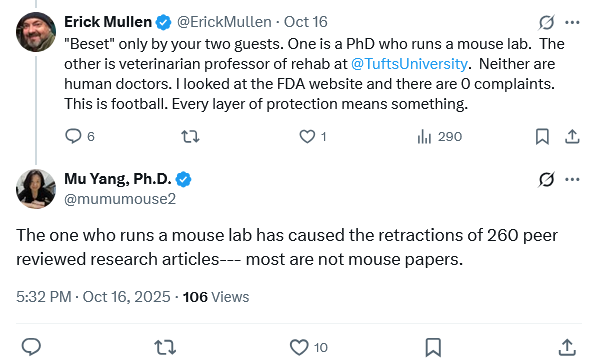
And of course there was also data forgery, recorded by Mu Yang on PubPeer and already mentioned in September 2025 Shorts. The other Q-Collar inventor, Emory University professor Gregory Meyer, however fights back:
“On 20 August the journal informed us that Myer was willing to provide the raw data for the investigation and would reanalyse the data in question. We countered that raw data reanalysis couldn’t explain many of these issues, such as factual discrepancies between tables within a paper.24 Myer then published three corrigendum statements in December 2024, each attributing a different form of “error” at the root of the data anomalies. The duplicate table was blamed on the “wrong version” being provided to the journal—yet the “corrected” version still contained a mathematically impossible value. We were invited to submit a letter to the editor, which we did with additional coauthors in March 2025. Our letters remain unpublished.”
Smoliga & Yang 2025
The BMJ article ends with a call to FDA to rescind their 2021 approval for Q-Collar for “research integrity failures“. For more details, read Smoliga’s blog post.
Science Elites
For goods and services
On 15 October 2025, CBS brought this reporting together with Investigative Journalism Foundation (IJF) – a magical cure for bed sores proved to be fake:
“The Investigative Journalism Foundation (IJF) and CBC News have obtained a 64-page report about University of British Columbia (UBC) plastic surgery professor Aziz Ghahary’s actions during a pilot study for Meshfill. It lays out how he presented falsified results to the public on several occasions, violated conflict of interest guidelines and was even accused of bullying by another researcher.
The March 2021 document, which was written by a UBC-appointed investigative committee of three outside experts, says Ghahary “abandoned his scholarly integrity in his pursuit of his attempt to establish that Meshfill should be used as a treatment for chronic pressure ulcer wounds” — also known as bed sores. Despite his public claims of success, none of the pressure wounds in the pilot study had healed and some became infected. […]
Ghahary left his job at UBC shortly after the investigation was completed in 2021.”
Aziz Ghahary was almost 80 years old when he was retired, his Canadian university continued paying him “for goods and services” in 2023 and 2024. These were the only public records of the fraud findings, totally anonymised:

This is how the investigation started:
“The university opened the investigation into Ghahary in June 2019 after receiving a complaint from Dr. Anthony Papp, the report says. Papp, a plastic surgeon, had collaborated with Ghahary in the past, and was the principal investigator for the pilot study”
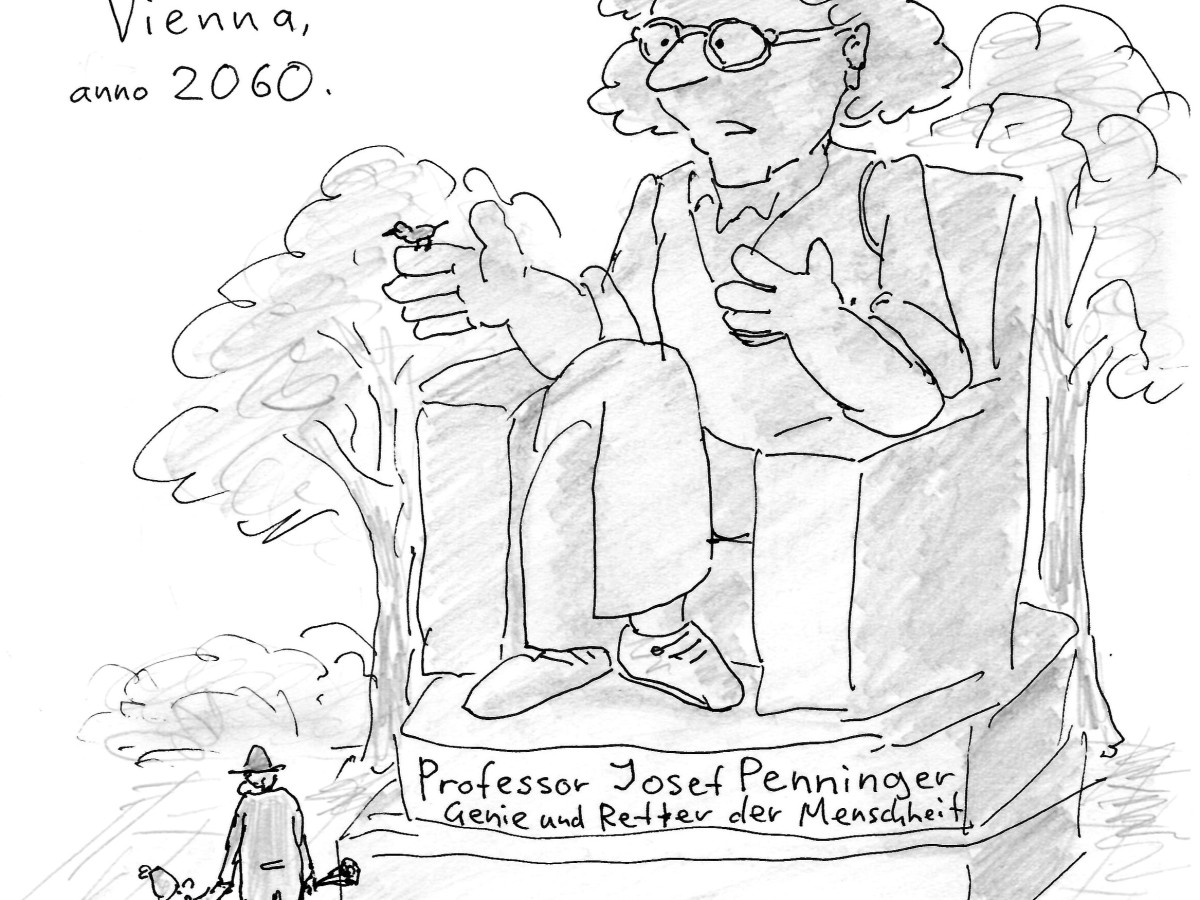
Mr ACE2 Josef Penninger, Greatest Scientist of Our Time
As a young Wunderkind, Josef Penninger discovered the ACE2 receptor. Now he invented the cure for the coronavirus which will work in his hands where Big Pharma failed. He was never found guilty of research misconduct and never retracted a paper. Dr Penninger is a Genius making a COVID-19 vaccine.

CBS informs that Ghahary was “awarded an Innovation and Translational Research Award from the Vancouver Coastal Health Research Institute (VCHRI) for Meshfill“, which then sponsored his Meshfill pilot study to “solve the painful health burden of slow healing wounds.” Ghahary faked this clinical trial, and bullied a nurse into helping him:
“The report says Ghahary exchanged emails with at least one spinal cord patient and promised to arrange treatment, even though the patient didn’t meet the study criteria and Ghahary wasn’t supposed to recruit study subjects. Then, when 12 appropriate spinal cord patients couldn’t be identified, the study was expanded to include patients with surgical wounds.
The nurse told the committee that throughout the trial, Ghahary and members of his lab would visit the clinic, speak with patients — even visiting one at home — and then record their own, second set of measurements, all against the approved protocol. […]
In the end, Papp’s analysis suggested that none of the pressure ulcer wounds showed any “real change,” according to the report. The nurse told investigators “I would never use [Meshfill] for chronic wound healing” because of the infections she observed.
Only five patients with pressure ulcer wounds and five with surgery wounds participated in the study. Three of the surgery wounds healed completely, but none of the pressure ulcer wounds did, and a handful showed signs of infection at some point. “
Ghahary than publicly lied that his trial showed “significant improvement in healing of pressure ulcers“, which in some cases “completely healed in four weeks“. The pilot study was terminated and its ethics approval revoked.
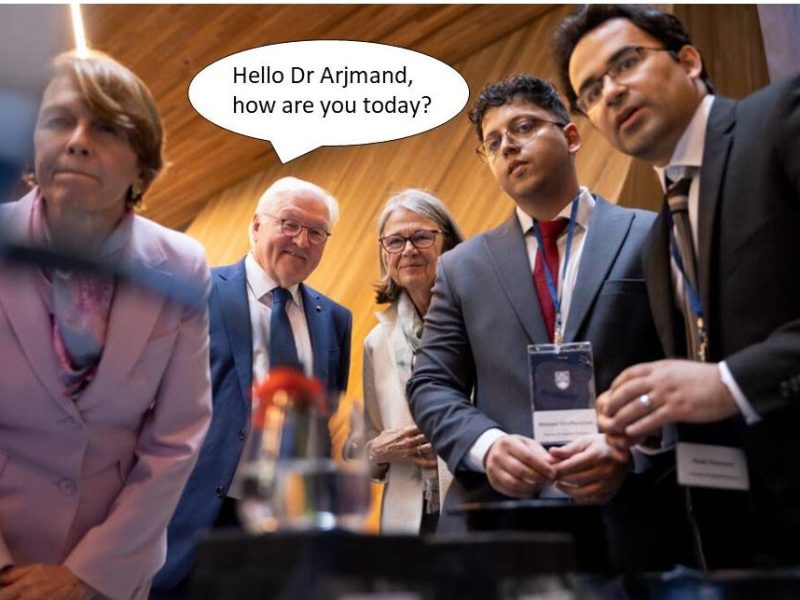
Dr. Mohammad Arjmand showcases his work to German President Steinmeier
“The German President and delegation members also spoke with researchers working on challenges relating to clean energy,…”
However, Ghahary also engaged in pre-clinical fraud, as posted on PubPeer years ago. This is not in the CBS article. Flagged in March 2019, actually on this very topic of wound gels:
Amy Lai, Azadeh Hosseini-Tabatabaei , Ryan Hartwell , Elham Rahmani-Neishaboor , Ruhangiz Taghi Kilani , Aziz Ghahary Topical application of aminopeptidase N-neutralizing antibody accelerates wound closure Molecular and Cellular Biochemistry (2013) doi: 10.1007/s11010-012-1449-x


That paper was retracted on 24 August 2024, most likely on UBC orders:
“The Editor-in-Chief has retracted this article due to irregularities in Fig. 3. The Editor-in-Chief therefore no longer has confidence in the integrity of the data in this article.
Aziz Ghahary agrees to this retraction. None of the other authors have responded to any correspondence from the editor/publisher about this retraction.”
Other fake papers by Ghahary were not addressed yet. This one is actually also on skin wound healing, also flagged in March 2019:
Amy Lai , Abdi Ghaffari , Yunyuan Li , Aziz Ghahary Paracrine regulation of fibroblast aminopeptidase N/CD13 expression by keratinocyte-releasable stratifin Journal of Cellular Physiology (2011) doi: 10.1002/jcp.22666

Ocybadistes walkeri: “Concern about Figure 4B: The bottom “NT” photo appear to shown an overlap with the bottom “SFN” photo.”
Is the biotech entrepreneur Abdi Ghaffari Aziz’s son, not just his former PhD student? Maybe. Here they are again, flagged in June 2022:
Yunyuan Li , Edward E. Tredget, Abdi Ghaffari , Xiaoyue Lin , Ruhangiz T. Kilani , Aziz Ghahary Local Expression of Indoleamine 2,3-Dioxygenase Protects Engraftment of Xenogeneic Skin Substitute Journal of Investigative Dermatology (2006) doi: 10.1038/sj.jid.5700022

Actinopolyspora biskrensis: a repeated region in at least one of the images in Figure 5″
Flagged in March 2019, Ghahary cures diabetes:
Yun Zhang , Reza B. Jalili , Garth L. Warnock , Ziliang Ao , Lucy Marzban , Aziz Ghahary Three-Dimensional Scaffolds Reduce Islet Amyloid Formation and Enhance Survival and Function of Cultured Human Islets American Journal Of Pathology (2012) doi: 10.1016/j.ajpath.2012.06.032

More fake diabetes cures:
Yun Zhang , Reza B. Jalili , Ruhangiz T. Kilani , Sanam Salimi Elizei , Ali Farrokhi , Mohsen Khosravi-Maharlooei , Garth L. Warnock , Ziliang Ao , Lucy Marzban , Aziz Ghahary IDO-Expressing Fibroblasts Protect Islet Beta Cells From Immunological Attack and Reverse Hyperglycemia in Non-Obese Diabetic Mice Journal of Cellular Physiology (2016) doi: 10.1002/jcp.25301


My hope that in many years from now, some intrepid journalists will report about a secret UBC investigation of Martin Gleave and Amina Zoubeidi. Nah, I was joking. No chance of that investigation.

Trials and Errors of Martin Gleave
“The magnitude was much greater than we had expected or hoped for,” – Martin Gleave
UBC proudly hosts even papermillers like Mohammad Arjmand and zombies like Joseph Penninger whom UBC even previously kicked out.
We recommend to readers to discount the images
Meet the Swiss-born Australian cancer researcher Andreas Strasser, professor at Walter and Eliza Hall Institute of Medical Research (WEHI), described as “a world leader in cancer and immunology“:
“He has been recognized with the Burnet Prize, the Josef Steiner Cancer Research Prize, the Friedrich Miescher Prize from the Swiss Society for Biochemistry, shared the Glaxo Wellcome Australia Prize with Professor David Vaux, and the Victoria Prize in 2011. In 2003 he was elected to the Australian Academy of Science. In 2009, became a foreign associate member of the European Molecular Biology Organisation, and in 2023 he was elected a Fellow of the American Association of Cancer Research (AACR).”
Strasser now commented on this problematic paper of his:
Stephanie Grabow , Alex R. D. Delbridge , Liz J. Valente , Andreas Strasser MCL-1 but not BCL-XL is critical for the development and sustained expansion of thymic lymphoma in p53-deficient mice Blood (2014) doi: 10.1182/blood-2014-09-601567

The presentation is rather confusing, so let me sum up: the creERT2 western blot from Fig 5C shares the same 2 first gel lanes with Fig 6B. The Bim blots share all 4 gel lanes. Other blots seem to have no gel bands in common.
In October 2025, Strasser explained on PubPeer (highlights mine):
“It has been brought to our attention that the Western blot data in the two first lanes from the left of Figure 5C (lymphoma #502 from a p53-/-;Rosa-Cre mouse) are very similar to the Western blot data presented in the first two lanes of Figure 6B (also lymphoma #502 from a p53-/-;Rosa-Cre mouse). These are actually the same samples and this was stated in the legend to Figure 6 “Lanes 1 and 2 are the same samples as in lanes 1 and 2 of Figure 5C and are presented here for comparison”. So there is no problem here. However, it was also brought to our attention that lanes 3 and 4 for the BIM Western blot in Figure 5C look more similar than expected to lanes 3 and 4 for the BIM blot in Figure 6B even though these are listed as samples from different lymphomas (lymphoma #587 from a p53-/-;RosaCre;Bclx(fl/+) mouse for Figure C and lymphoma #316 from a p53-/-;RosaCre;Mcl1(fl/+) mouse in Figure 6B). We apologise for this error. We have tried to find the original images/blots from these experiments but, unfortunately, could not locate them. We recommend to readers to discount the images for the BIM blots in Figures 5C and 6B. We believe that the error in assembly of these figures occurred as the result of an innocent error and was not deliberate. We also believe that all other blots/images in Figures 5C and 6B are not affected by the mistake we made in assembling these two figure panels. We maintain that the conclusion of our work presented in this publication remains intact; i.e.MCL-1 but not BCL-XL is critical for the development and sustained expansion of thymic lymphoma in p53 deficient mice.
Stephanie Grabow and Andreas Strasser on behalf of all authors“
This makes no sense. First of all, other panels do not show the announced overlap of the first two gel lanes. Second, since when is one allowed to photoshop western blots? Third: sorry, the gel is fake, just disregard it? Huh? Here my comparison:

Fig 6 legend: “Lanes 1 and 2 are the same samples as in lanes 1 and 2 of Figure 5C and are presented here for comparison”..
Yet only creERT2 gels share the first 2 lanes, all other gels do not. BIM gels are full copies across all 4 lanes
Strasser replied on PubPeer and offered me an even bigger discount:
“I agree with your recommendation that it would be best to discount both of these figure panels. […] We still believe in the overall conclusions of our publication”
My guess is: back in 2014, the journal noticed during copy editing the similarities in creERT2 and BIM blots, but the editors were reminded what a big and mighty white man Strasser was, so they allowed him to write this “comparison” nonsense.
There is of course more on PubPeer for Strasser. Presumably all should be discounted? Apparently yes, he says:
S Grabow , P Waring , L Happo , M Cook , K D Mason , P N Kelly , A Strasser Pharmacological blockade of Bcl-2, Bcl-x(L) and Bcl-w by the BH3 mimetic ABT-737 has only minor impact on tumour development in p53-deficient mice Cell Death & Differentiation (2012) doi: 10.1038/cdd.2011.133

Strasser explained on PubPeer also here, highlight mine:
“We apologise for this error. We have tried to find the original tissue sections/images from these experiments but, unfortunately, could not locate them. We recommend to readers to discount these images. We believe that the error in assembly of these figures occurred by mistake and was not deliberate. Accordingly, please note that the two images appear identical; i.e. neither had been manipulated in any way inappropriately. We maintain that the conclusion of our work presented in this publication remains intact; [….]
Stephanie Grabow and Andreas Strasser on behalf of all authors“
At least here, Strasser decided against discounting, and issued a correction:
Junya Kuroda, Hamsa Puthalakath, Mark S. Cragg, Priscilla N. Kelly , Philippe Bouillet, David C. S. Huang, Shinya Kimura , Oliver G. Ottmann , Brian J. Druker , Andreas Villunger, Andrew W. Roberts, Andreas Strasser Bim and Bad mediate imatinib-induced killing of Bcr/Abl + leukemic cells, and resistance due to their loss is overcome by a BH3 mimetic Proceedings of the National Academy of Sciences (2006) doi: 10.1073/pnas.0606176103

Mycosphaerella arachidis: “Figure 1 A and B: Western blots for β-actin and HSP70 are more similar than expected”
Now, this paper is much older than the other two. For 11 and 13 years old papers from Strasser’s lab, all original data was long gone. Yet it took him and his coauthors merely a few days to find the correct data for an 18 year old paper, as Strasser replied on PubPeer in April 2024:
“Junya Kuroda, the first author of this paper who performed the experiments for the Western blot images presented in Figures 1a and 1b, was able to find the original images in his Lab Books, although not the original blots”
A Correction was published in August 2025:
“The authors note that Fig. 1B appeared incorrectly. “The β-actin panel from Fig. 1A was inadvertently duplicated as the HSP70 panel in Fig. 1B during figure assembly. All of the data presented in Fig. 1A are correct, and the BIM blot in Fig. 1B is correct, but the wrong image for the loading control was selected for Fig. 1B.” The corrected Fig. 1B is provided herein and the online version has been updated.”
Both loading controls now look like they don’t stem from the same gels as the ones they were supposed to control. Here another PNAS paper by Strasser and his former postdoc Andreas Villunger, now professor an der Medical University Innsbruck in Austria, a collaboration with another German-speaker – Jochen Prehn, professor at Royal College of Surgeons in Ireland:
Dairín Kieran , Ina Woods , Andreas Villunger , Andreas Strasser , Jochen H. M. Prehn Deletion of the BH3-only protein puma protects motoneurons from ER stress-induced apoptosis and delays motoneuron loss in ALS mice Proceedings of the National Academy of Sciences (2007) doi: 10.1073/pnas.0707906105

Dairín Kieran , Jordi Sebastia , Matthew J Greenway , Matthew A King , Dervla Connaughton , Caoimhin G Concannon , Beau Fenner , Orla Hardiman , Jochen H M Prehn Control of motoneuron survival by angiogenin The Journal of neuroscience (2008) doi: 10.1523/jneurosci.3399-08.2008

In August 2021, Prehn corrected both papers. Kiernan et al 2008 had other problems, but hey, Prehn is a rich white male German doctor and not some brown-skinned dude from Pakistan, so we were served this Correction: “the authors were not able to access archival data or contact former staff who worked on the project. The authors repeated the experiments…”
As for his paper with Strasser and Villinger, Prehn issued this Correction:
“The authors wish to note the following: “An error occurred when assembling β-actin loading controls in Figs. 2A and 3B. We were unfortunately unable to access the original β-actin image files and original Western blot files for Figs. 2A and 3B. It appears that the Fig. 3B β-actin loading control was accidently taken from the experiment shown in Fig. 2A, not from the experiment shown in Fig. 3 A and B.”
Then more forgeries were found in Kieran et al 2007 in February 2023:

Actinopolyspora biskrensis: “a portion of a gel slice has been used for two different conditions, in Figure 1B and Figure 2A.”
Prehn explained to his “anonymous reader”:
“...there are also distinct dissimilarities between the bands in question.
The experiments in question were conducted nearly two decades ago. […] The first author was not contactable despite several attempts […] The other two authors provided and re-derived the puma-deficient mice […] We have also lost locally stored, original western blot data when the HDD of the Fuji LAS 3000 control PC of our western blot imaging system failed in August 2017. […] several folders were migrated to the cloud but are now empty […]
As senior author I have no concerns regarding the validity and reproducibility of the original findings reported. “
Prehn has over a dozen bad papers on PubPeer. Strasser’s other PubPeer threads feature as his coauthors known cheaters like Douglas Green, Gerry Melino, Mark Smyth and Elsa Flores.
Expect severe punishment
Tomasz Sliwinski, the mega-cheater of the University of Lodz in Poland, previously felt very safe and protected.

Would you in Lodz?
“Forgeries of this calibre make me think anything ever published by Sliwinski, Skorski and their associates is made up. In an ideal world, hundreds of articles by these people showing just tables and graphs should get retracted ” – Aneurus Inconstans

On 1 October 2025, he reacted to the above article with this message to me:
“In consultation with my colleagues and university authorities, the matter has been reported to the police and prosecutor’s office. Expect severe punishment because Polish law has changed and it’s no longer possible to anonymously harass, harass, and slander others.
notification to the Prosecutor’s Office regarding suspected offenses under Article 190a § 1 of the Penal Code (persistent harassment) and Article 212 § 2 of the Penal Code (defamation with a motion to prosecute ex officio).
I have nothing to fear because I’ve provided evidence that I’m clean. On the advice of a lawyer, we won’t discuss this with anonymous individuals, but you will be identified and face appropriate punishment.
Now, I wish you a great day! 🙂“
Neither the University of Lodz nor Sliwinski’s other employer, the Medical University of Lodz, reacted to my request for comment or any other messages I sent them. But now, something changed.
On 22 October 2025, I received an official “Statement from His Magnificence the Rector of the University of Łódź to Mr. Leonid Schneider“:
It rather contradicts Sliwinki’s earlier claims:
“l would like to inform you that the matter concerning the academic teachers employed at the University of Lodz, who co-authored the scientific articles mentioned in the publication, has been referred for investigation to the Disciplinary Ombudsman for Academic Teachers at the University of Lodz.”
Rafai Matera, Rector of the University of Lodz
Uh-uh, maybe it is Sliwinski who now faces appropriate punishment?
Scholarly Publishing
Cells that were frozen
One rarely sees journals and publishers proactively react to data irregularities which weren’t even posted on PubPeer. Here the American Association for Cancer Research (AACR) acted on an 8 year old paper coauthored by the Stanford professor Nathanael Gray with his Dana Farber colleague, Pasi Jänne. The latter briefly featured in this article:
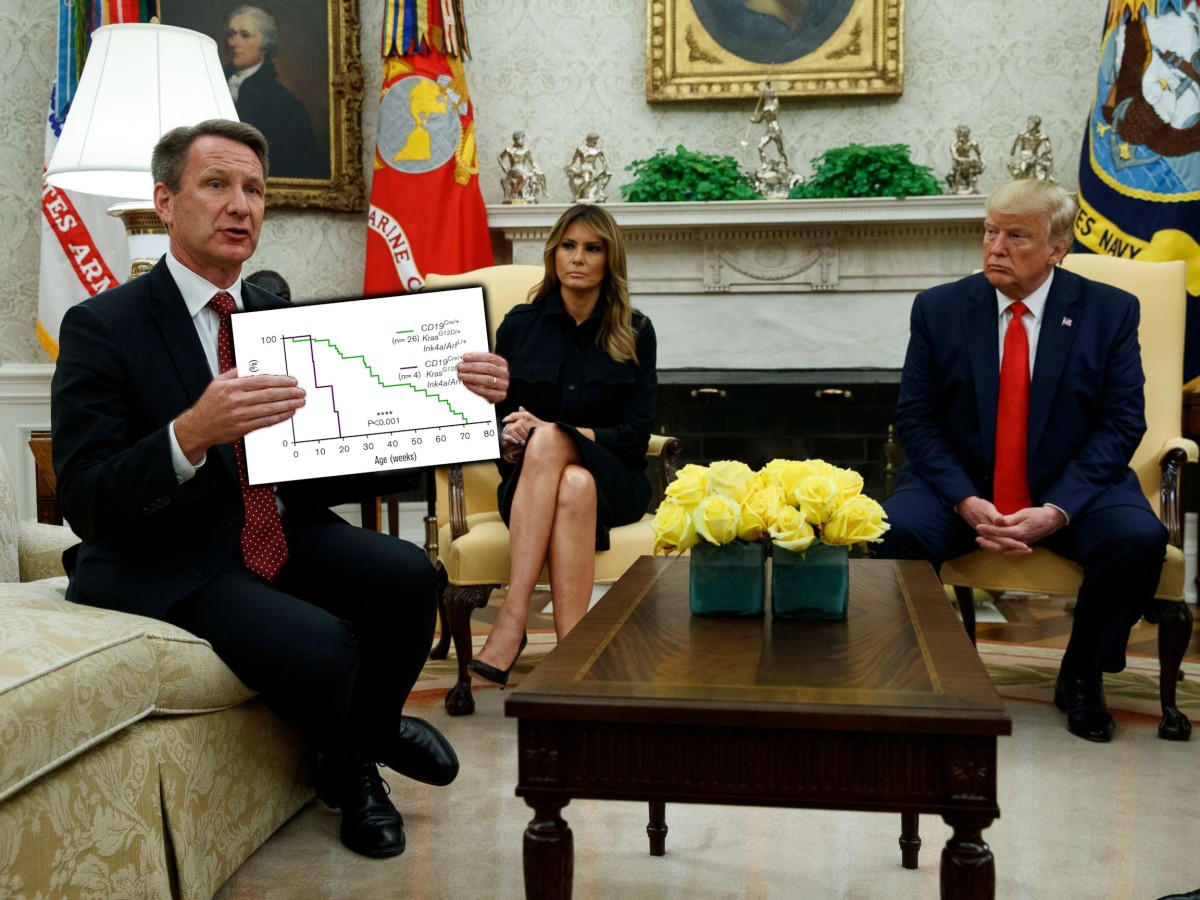
Sharpless Ned, or how half a mouse died
“The President’s goal of ending cancer as we know it today is grounded, in part, in the work of scientific discovery that Ned Sharpless has led at NCI”

This received an editorial note from AACR:
Curtis R. Chong , Magda Bahcall , Marzia Capelletti , Takayuki Kosaka , Dalia Ercan , Taebo Sim , Lynette M. Sholl , Mizuki Nishino , Bruce E. Johnson , Nathanael S. Gray , Pasi A. Jänne Identification of Existing Drugs That Effectively Target NTRK1 and ROS1 Rearrangements in Lung Cancer Clinical cancer research (2017) doi: 10.1158/1078-0432.ccr-15-1601
“The editors are publishing this note to alert readers to a concern about this article (1). In Fig. 3B, the tROS Western blots for CD74-ROS BaF3 and CD74-ROS G2032R BaF3 are more similar than expected.
After being informed of this, the authors stated that they were able to locate cells that were frozen after the original experiments were completed; they prepared new samples from the frozen cells and reran the Western blots for the CD74-ROS BaF3 and CD74-ROS G2032R BaF3 panels. The revised figure panels and the related full blots can be viewed in Supplementary Fig. S1 of this notice.”
Editor’s Note 15 October 2025
I illustrated this notice:

Both panels were replaced completely with new experiments, the authors also provided raw data for the new blots.
Jänne has more on PubPeer, he published fake stuff before with Gray and Gray’s buddy David Sabatini, read here:
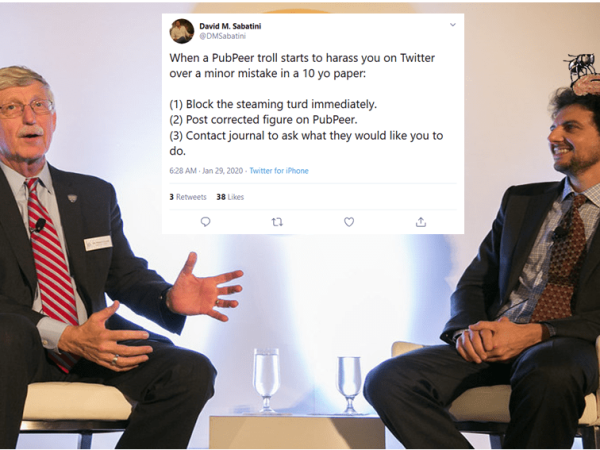
David Sabatini TORmented by steaming turds
David Sabatini is an absolute star scientist, and now he is being harassed. On PubPeer and Twitter. It is all very unfair.
Here another paper by Jänne in need of correction, his coauthor is the disastrous Lewis C Cantley of Weill Cornell. On PubPeer since 10 years:
Toru Mukohara , Jeffrey A. Engelman , Nasser H. Hanna , Beow Y. Yeap , Susumu Kobayashi , Neal Lindeman , Balázs Halmos , Joseph Pearlberg , Zenta Tsuchihashi , Lewis C. Cantley, Daniel G. Tenen , Bruce E. Johnson , Pasi A. Jänne Differential effects of gefitinib and cetuximab on non-small-cell lung cancers bearing epidermal growth factor receptor mutations JNCI Journal of the National Cancer Institute (2005) doi: 10.1093/jnci/dji238

This article mentioned another bad paper by Jänne with the former NCI director Ned Sharpless:
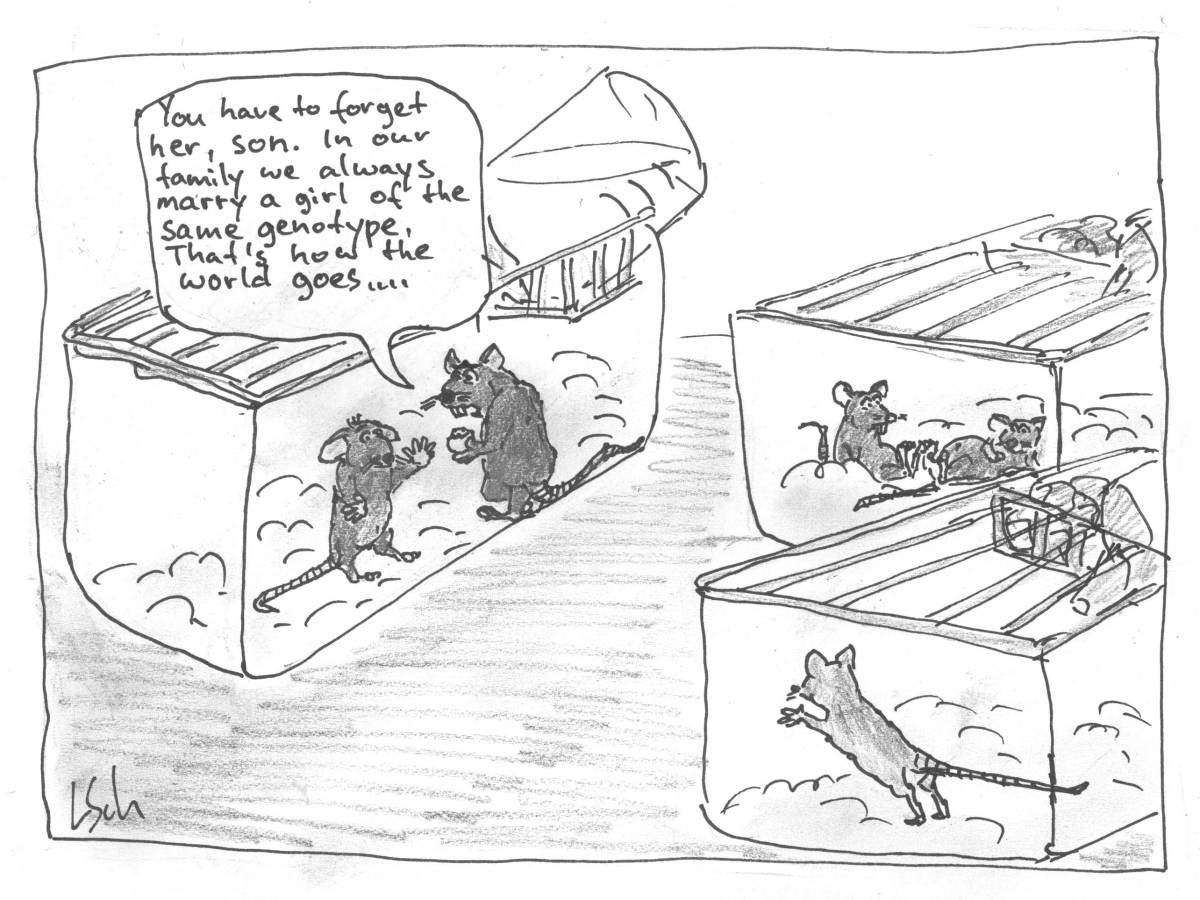
Mice don’t count
“The mice probably wouldn’t care whether the experiment they suffered and died for was meaningful or not, but it does seem to matter to me. “- Sholto David
Jänne’s collaborations are certainly not kosher. Maybe his own research needs more scrutiny. Maybe it already gets it, hence the editorial note above?
The copy and paste function did not properly work
Elsevier’s Cell Press journal corrected something which wasn’t really correctable. the lead author Keigo Machida, associate professor at Keck School of Medicine of University of Southern California in Los Angeles, USA, already has several retractions. In December 2022 Shorts, his name was mentioned because he co-discovered a cure for COVID-19.
19 of Machida’s papers were flagged for outright fraud on PubPeer by the anonymous user “Barley stripe“. Now, this was corrected:
Chia-Lin Chen , Dinesh Babu Uthaya Kumar , Vasu Punj , Jun Xu , Linda Sher, Stanley M. Tahara , Sonja Hess , Keigo Machida NANOG Metabolically Reprograms Tumor-Initiating Stem-like Cells through Tumorigenic Changes in Oxidative Phosphorylation and Fatty Acid Metabolism Cell Metabolism (2016) doi: 10.1016/j.cmet.2015.12.004


Keigo Machida, George McNamara , Kevin T.-H. Cheng , Jeffrey Huang , Chun-Hsiang Wang , Lucio Comai, Jing-Hsiung James Ou, Michael M. C. Lai Hepatitis C Virus Inhibits DNA Damage Repair through Reactive Oxygen and Nitrogen Species and by Interfering with the ATM-NBS1/Mre11/Rad50 DNA Repair Pathway in Monocytes and Hepatocytes The Journal of Immunology (2010) doi: 10.4049/jimmunol.1000618


Dinesh Babu Uthaya Kumar , Chia-Lin Chen, Jian-Chang Liu , Douglas E. Feldman , Linda S. Sher, Samuel French , Joseph DiNorcia , Samuel W. French , Bita V. Naini , Sunhawit Junrungsee , Vatche Garen Agopian , Ali Zarrinpar , Keigo Machida TLR4 Signaling via NANOG Cooperates With STAT3 to Activate Twist1 and Promote Formation of Tumor-Initiating Stem-Like Cells in Livers of Mice Gastroenterology (2016) doi: 10.1053/j.gastro.2015.11.002

Hye Yeon Choi , Yicheng Zhu , Xuyao Zhao , Simran Mehta , Juan Carlos Hernandez , Jae-Jin Lee , Yi Kou , Risa Machida , Mauro Giacca , Giannino Del Sal , Ratna Ray, Hyungjin Eoh , Stanley M. Tahara , Lin Chen , Hidekazu Tsukamoto, Keigo Machida NOTCH localizes to mitochondria through the TBC1D15-FIS1 interaction and is stabilized via blockade of E3 ligase and CDK8 recruitment to reprogram tumor-initiating cells Experimental & Molecular Medicine (2024) doi: 10.1038/s12276-024-01174-6


Hye Yeon Choi , Hifzur R. Siddique , Mengmei Zheng , Yi Kou , Da-Wei Yeh , Tatsuya Machida , Chia-Lin Chen , Dinesh Babu Uthaya Kumar , Vasu Punj , Peleg Winer , Alejandro Pita , Linda Sher, Stanley M. Tahara, Ratna B. Ray, Chengyu Liang , Lin Chen , Hidekazu Tsukamoto, Keigo Machida p53 destabilizing protein skews asymmetric division and enhances NOTCH activation to direct self-renewal of TICs Nature Communications (2020) doi: 10.1038/s41467-020-16616-8


Chia-Lin Chen , Hidekazu Tsukamoto, Jian-Chang Liu , Claudine Kashiwabara , Douglas Feldman , Linda Sher, Steven Dooley , Samuel W. French , Lopa Mishra , Lydia Petrovic , Joseph H. Jeong , Keigo Machida Reciprocal regulation by TLR4 and TGF-β in tumor-initiating stem-like cells Journal of Clinical Investigation (2013) doi: 10.1172/jci65859 RETRACTED Oct 2024

Juan Carlos Hernandez , Chia-Lin Chen, Tatsuya Machida , Dinesh Babu Uthaya Kumar , Stanley M. Tahara , Jared Montana , Linda Sher, Jake Liang , Jae U. Jung, Hidekazu Tsukamoto, Keigo Machida LIN28 and histone H3K4 methylase induce TLR4 to generate tumor-initiating stem-like cells iScience (2023) doi: 10.1016/j.isci.2023.106254
RETRACTED Feb 2025


Chad Nakagawa , Manjunatha Kadlera Nagaraj , Juan Carlos Hernandez , Dinesh Babu Uthay Kumar , Vivek Shukla , Risa Machida , Jörg Schüttrumpf , Linda Sher , Patrizia Farci , Lopa Mishra , Stanley M. Tahara , Jing-Hsiung James Ou , Keigo Machida β-CATENIN stabilizes HIF2 through lncRNA and inhibits intravenous immunoglobulin immunotherapy Frontiers in Immunology (2023) doi: 10.3389/fimmu.2023.1204907
A coauthor on one of mentioned papers, Risa Machida, is likely Keigo’s daughter, who is still at school. Another coauthor Tatsuya Machida, is likely Keigo’s son, at that time he studied psychology at USC for Bachelor. Giannino Del Sal from Italy featured in this story:
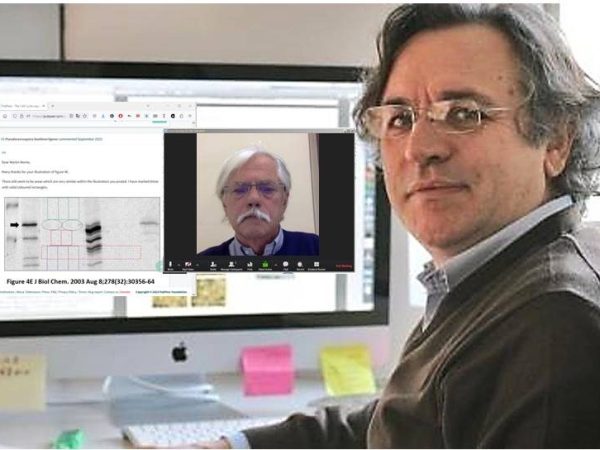
Claudio and Giannino evaluate and analyze
“together with my colleagues we are actively analyzing the points raised on pubpeer.” – Claudio Schneider “we will evaluate Pubpeer comments” – Giannino Del Sal
All those Machida papers are all just as fraudulent, with massive reuse of western blots and other images accross many studies years apart.
So how did Cell Metabolism address this massive fraud? Well, with a Correction from 7 October 2025:
“The authors of this study have noticed errors in the β-ACTIN immunoblot in Figures 1D, 2G, and 3E; IP: TAK1, followed by TAK1 western blot, in Figure 2F; the NANOG western blot in Figure 3E; and cytochrome c in Figure 7F. A different H&E-stained image of HCC of NS5A transgenic mice was incorporated into Figure 1E during figure preparation; these errors are not a correct representation of the data. These errors do not alter the results or conclusions of this study. The authors apologize that these errors were not detected earlier.”
The correction replaced all offending western blots with new blot pictures, and in dark blue hue. One has to be a special kind of a crooked moron to approve this as editor.

Now, the irony is that another Cell Press journal, iScience, retracted THREE papers by Machida, the aforementioned Hernandez et al 2023, and two others. The journal was notified in April 2024 and promised action, which was soon delivered. Machida with his son again:
Raphael Serna, Ambika Ramrakhiani , Juan Carlos Hernandez , Chia-Lin Chen, Chad Nakagawa , Tatsuya Machida , Ratna B. Ray , Xiaohang Zhan , Stanley M. Tahara, Keigo Machida c-JUN inhibits mTORC2 and glucose uptake to promote self-renewal and obesity iScience (2022) doi: 10.1016/j.isci.2022.104325


Keigo Machida, Hidekazu Tsukamoto, Jian-Chang Liu , Yuan-Ping Han , Sugantha Govindarajan , Michael M. C. Lai , Shizuo Akira , Jing-hsiung James Ou c-Jun mediates hepatitis C virus hepatocarcinogenesis through signal transducer and activator of transcription 3 and nitric oxide-dependent impairment of oxidative DNA repair Hepatology (2010) doi: 10.1002/hep.23697 Corrected July 2024, RETRACTED June 2025


Da-Wei Yeh , Xuyao Zhao , Hifzur R. Siddique , Mengmei Zheng , Hye Yeon Choi , Tatsuya Machida , Padmini Narayanan , Yi Kou , Vasu Punj , Stanley M. Tahara , Douglas E. Feldman , Lin Chen , Keigo Machida MSI2 promotes translation of multiple IRES-containing oncogenes and virus to induce self-renewal of tumor initiating stem-like cells Cell Death Discovery (2023) doi: 10.1038/s41420-023-01427-9
In June 2024, Machida replied on PubPeer to “sincerely apologize[d] for our careless oversight“, informed that “The errors were introduced during figure preparation and is not a correct representation on the data“, and announced a correction with replacement figures. Instead, a retraction was served on 19 March 2025:
“The journal was alerted to the presence of multiple potential image duplication issues in this article concerning Figures 1E, 2A, 2B, 2D, 2F, 6F, and 7E, as well as a potential duplication of Figure 1C with Figure 1C from an article in Gastroenterology (Kumar et al., 2016, Gastroenterology 150, 707–719, https://doi.org/10.1053/j.gastro.2015.11.002). The editors requested clarification from the authors and asked for the raw data to address the concerns. However, the authors’ response and data provided were deemed unsatisfactory. As a result, the editors lost confidence in the integrity of the article and decided to retract it.
The authors and the journal apologize to the community for the inconvenience caused.”
Here the third retracted iScience paper by Machida:
Da-Wei Yeh , Cheng Liu , Juan Carlos Hernandez , Stanley M. Tahara, Hidekazu Tsukamoto, Keigo Machida Polycomb repressive ctomplex 2 binds and stabilizes NANOG to suppress differentiation-related genes to promote self-renewal iScience (2023) doi: 10.1016/j.isci.2023.107035


Machida’s regular coauthor, the Keck School of Medicine professor Hidekazu Tsukamoto, protested on PubPeer:
“Please address these issues on the questioned data to Dr. Keigo Machida and the first authors as II was only conceptually involved in this study.”
The retraction from 5 December 2024 mentioned that some forgeries were discovered by the publisher:
“The authors reached out to the journal requesting corrections to Figures 4A, 5E, and 5H, claiming copying errors during figure preparation. Although these corrections were initially approved, a further investigation by the journal revealed potential duplication issues in these figures, as well as in Figures 4B and 4D, from previously published work. These issues were identified after the article had been updated with revised figures and before the publication of a corrigendum notice. The editors requested clarification from the authors and asked for the raw data to address the concerns. However, the authors’ response and data provided were deemed unsatisfactory, confirming the image duplication issues. “
Finally, even Wiley retracted a fake paper by Machida:
Chia‐Lin Chen, Juan Carlos Hernandez , Dinesh Babu Uthaya Kumar , Tatsuya Machida , Stanley M. Tahara, Anthony El‐Khoueiry , Meng Li , Vasu Punj , Suresh Kumar Swaminathan , Ameya Kirtane , Yibu Chen, Jayanth Panyam , Keigo Machida Profiling of Circulating Tumor Cells for Screening of Selective Inhibitors of Tumor‐Initiating Stem‐Like Cells Advanced Science (2023) doi: 10.1002/advs.202206812


Hernandez et al 2023 (retracted), Yeh et al 2023,(retracted)


In Fberuary 2024, Machida delivered on PubPeer the best explanation possible:
“After our computer was upgraded to Macintosh Monterey, the copy and paste function did not properly work for pasting images and generating Figure images.”
The retraction from 11 April 2025 went:
“The retraction has been agreed upon due to duplication between the AKT1 bands in Figure 5B and the β actin bands in Figure 5D. The β actin bands in Figure 5I,K of this article are also duplicated. Furthermore, elements of Figures 3I,K and 5I have been published in other articles by some of the same authors; in some cases, the duplicated elements are used to represent different scientific contexts. The authors provided an explanation and some data; however, this was not considered satisfactory. Due to the extent and nature of the duplications, the editors consider the results and conclusions substantially compromised.”
Noteworthy, Springer Nature, where world’s greatest champions of research integrity heroically fight fraud every minute (or so they celebrate themselves), decided to do absolutely nothing about Machida’s outrageously fraudulent papers Choi et al Nature Communications 2020, Choi et al Exp & Mol Medicine 2024 and Yeh et al Cell Death Discovery 2023, never mind his other stuff on PubPeer.
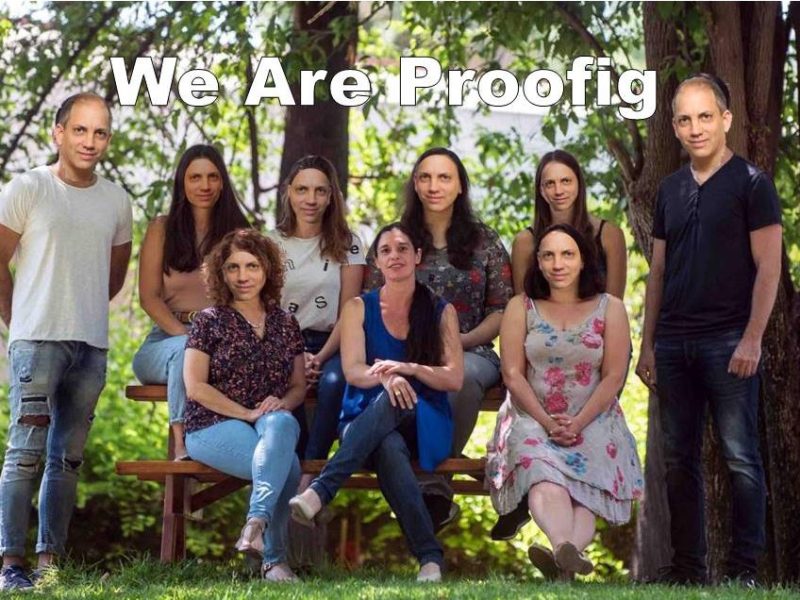
Proofig – the Kolodkin-Gal family business
“Don’t let online controversies and aggressive blogs easily ruin everything you’ve worked for to build your reputation […] Whether the image issue is innocent or intentional, the outcome is still the same. Bloggers will attack that publication with image issues, which will damage your reputation and may even lead to a costly investigation. We are…
It is actually surpise that Journal of Clinical Investigation retracted Chen et al 2013, its editor Elizabeth McNally usually prefers to accuse sleuths of hidden financial conflicts of interests (read the article above). The retraction from 1 October 2024 was very short:
“At the request of the corresponding author, the JCI is retracting this article. The authors recently became aware of incorrect images used in Figures 1A, 1C, 1E, Supplemental Figure 3D, and Supplemental Figure 7B.
The authors apologize for these errors.”
Very little can be expected from other society journals – PNAS (Machida et al 2009), Journal of Immunology (Machida et al 2010), Journal of Virology (Machida et al 2009) – experience shows at least the latter two dispise whistleblowers as traitors and defend fraudsters as dear colleagues.
How Andrea Cerutti molested and defiled Journal of Immunology
Spain is where dishonest research gets rewarded, with awards, grants and media fame. No wonder the New York-based immunologist Andrea Cerutti opened a second lab in Barcelona.
Science Breakthroughs
Our eureka moment
Quality science and quality science journalism from Science – an article from 15 October 2025 reveals why Neanderthals died out:
“A study published today in Science Advances suggests how this social superiority may have emerged: Our brains were better protected against the toxic effects of lead. This scenario draws on evidence from fossil teeth that lead poisoning was rampant in our ancestors as long as 2 million years ago. The resulting brain damage might have created a ceiling on how socially complex hominins could be. Modern humans evolved defenses against lead, the idea goes, allowing them to build more complex and robust societies. Support for that idea comes from experiments with test tube minibrains—organoids made of brain tissue—engineered to have both modern and archaic versions of key brain genes.”
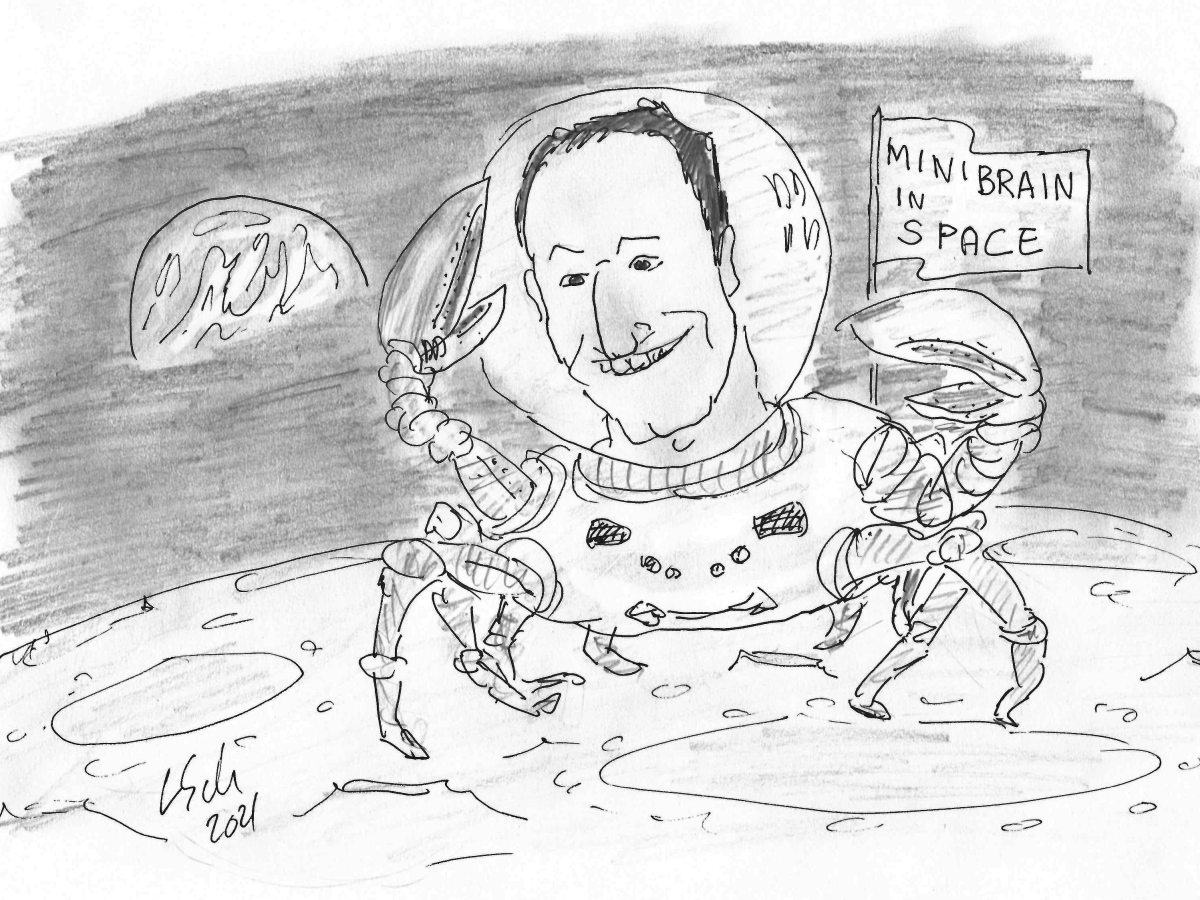
Alysson Muotri, a minibrain
Autistic Neanderthal minibrains operating crab robots via brain waves of newborn babies are to be launched into outer space for the purpose of interstellar colonization. No, I am not insane. Science Has Spoken.
Without reading further I knew this is about Alysson Muotri. This dude is professor at UC San Diego, Muotri’s “research” with neural organoids (“minibrains”) and his theories about his conscious minibrains of autistic Neanderthals can only be described as braindead and idiotic, but Muotri is a white male, protected by the mighty Fred Gage and who knows whom else, thus all science writers stand queue to kiss Muotri’s arse. Including Science:
“The hypothesis first occurred to Alysson Muotri, a neuroscientist and organoid expert at the University of California San Diego, when he attended a talk about lead exposure in Neanderthals by environmental epidemiologist Manish Arora of the Icahn School of Medicine at Mount Sinai. […]
At the time, Muotri’s team was investigating the small suite of protein-coding genes, 61 in total, that differ between modern human genomes and those of Neanderthals and Denisovans. He was focused on one, NOVA1… “
For Muotri, Nova1 is the gene responsible for autism. He also claims Neanderthals were defective in Nova1 and hence brain-defective and autistic, that’s why they died out. He proved it all with his minibrains. Now it’s lead poisoning.
Science proudly informs us of Muotri’s collaboration with Manish Arora, but forgets to tell us who he really is. Arora is namely an associate of the antivaxxer Richard Frye, in fact they postulated autism to be a mitochondrial disorder (Frye et al 2021, criticised on on PubPeer). Freye is now best friends with HHS Secretary Robert F Kennedy Jr, for his claim to cure autism with the mitochondria drug leucovorin, read about his autism quackery here:
Frontiers: a danger for public health?
Frontiers is a somewhat unconventional open access publisher, which likes to have it both ways: playing scientific elite while accepting almost anything from paying customers. My regular contributor Smut Clyde will tell you below how some anti-vaccine scare-mongers managed to sneak in some rather dangerous works thanks to Frontiers’ unofficial “we don’t judge, we just…
So here is the Neanderthal insanity by Muotri and Arora:
Renaud Joannes-Boyau , Janaina Sena De Souza , Manish Arora , Christine Austin , Kira Westaway , Ian Moffat , Wei Wang , Wei Liao , Yingqi Zhang , Justin W. Adams , Luca Fiorenza , Flora Dérognat , Marie-Helene Moncel , Gary T. Schwartz , Marian Bailey , Filipe F. Dos Santos , Gabriela D. A. Guardia , Rafael L. V. Mercuri , Pedro A. F. Galante , Aline M. A. Martins , Blake L. Tsu, Christopher A. Barnes, John Yates, Luiz Pedro Petroski, Sandra M. Sanchez-Sanchez, Jose Oviedo, Roberto H. Herai, Bernardo Lemos, Matthew Tonge, Alysson R. Muotri Impact of intermittent lead exposure on hominid brain evolution Science Advances (2025) doi: 10.1126/sciadv.adr1524
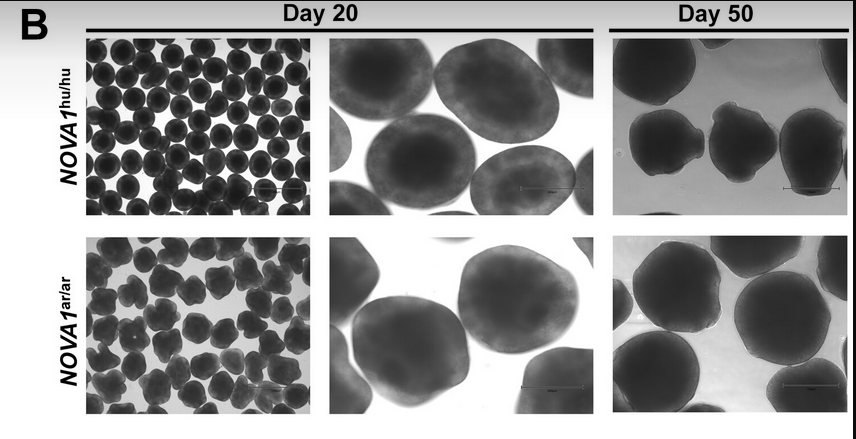
According to Muotri, 10µM lead concentration in the brain is “very small, realistic amounts of lead that ancient humans might have encountered naturally”. This passed peer review in a fancy journal, so shut up, you ignoramuses.
Then:
“Lead disrupted development in the two types of minibrains differently, they found. In the archaic organoids, it appeared to rattle neurons that express a gene called FOXP2. Mutations in FOXP2 have been implicated in several communication disorders, suggesting it plays a key role in language. In the modern human organoids, these neurons remained essentially unharmed. “That was our eureka moment,” Muotri says.”
This literal brainrot was picked up by all the media worldwide. Sometimes I wonder if Trump’s defunding and his war on science would stop this waste and bullshit. But truth is: people like Muotri aren’t in danger, quite the opposite. For all we know, this Californian professor might soon apply for a NIH grant to study intelligence genes in minibrains from different human “races”.
Three times less likely to die at any point
A press release from 14 October 2025 from Impact Journals publishing business, which is run by Misha Blagosklonny’s widow Zoya Demiidenko:
“A new study featured in the journal Aging has found that combining oxytocin with an Alk5 inhibitor (OT+A5i) can greatly improve both lifespan and healthspan in older, frail male mice. The research, led by first author Cameron Kato and corresponding author Irina M. Conboy, an Aging-US Editorial Board Member from the University of California, Berkeley, showed that this treatment offered significant rejuvenating effects in males but not in females, suggesting that biological differences between the sexes may play a crucial role in how aging therapies work. […]
Male mice treated with the therapy lived more than 70% longer than untreated controls and showed noticeable improvements in physical strength, agility, and memory. Based on hazard ratio analysis, treated males were almost three times less likely to die at any point compared with those that did not receive the therapy.”
Irina Conboy and her husband and lab partner Michael Conboy trained under Thomas Rando, their dodgy paper is discussed in this article:
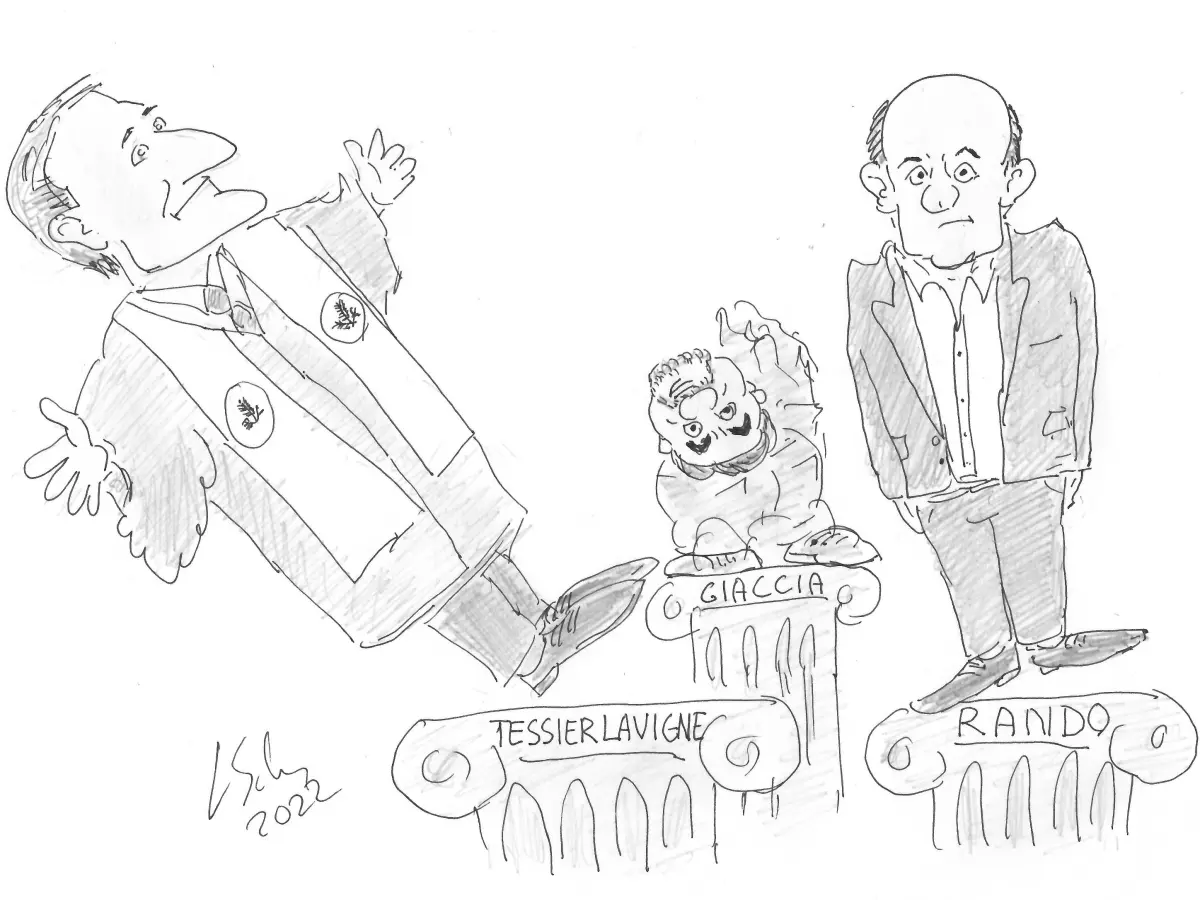
Toppling Giants in Stanford
Everyone is talking about Stanford’s President Marc Tessier-Lavigne now. OK, let’s talk about him, and how Stanford deals with research fraud. And then let’s talk about Thomas Rando.
Oxytocin was so far hyped by psychologists as the “Love Hormone“, implicated in maternal, social and romantic relationships. But that was for girls. Real men need oxytocin to AVOID DEATH. Here is the paper:
Cameron Kato, Jessica Zheng, Cindy Quang, Sophia Siopack, Joana Cruz, Zachery R. Robinson, Nicole Fong, Zhixin A. Zhang, Patrick Young, Michael J. Conboy and Irina M. Conboy, Sex-specific longitudinal reversal of aging in old frail mice Aging (2025) DOI: 10.18632/aging.206304
“The authors declare no conflicts of interest related to this study.”
It is a continuation of the story Mr & Mrs Conboy and their mentee Cameron Cato published already in 2019, also in Aging (Mehdipour et al 2019). In both papers the authors claim to have no conflicts of interests, while in reality Irina Conboy is co-founder and CSO of the anti-aging company Generation Lab which sells SystemAge “by Dr. Irina Conboy to measure aging with organ-level precision with AI-powered Epigenetics“.

The device regularly measures your “epigenetic age”, while then Conboy’s company advises you which drugs or supplements to take to rejuvenate yourself. On the advisory board of Generation Lab are of course George Church and the pimp (yes, literal one) Aubrey De Grey. Read about them both here:
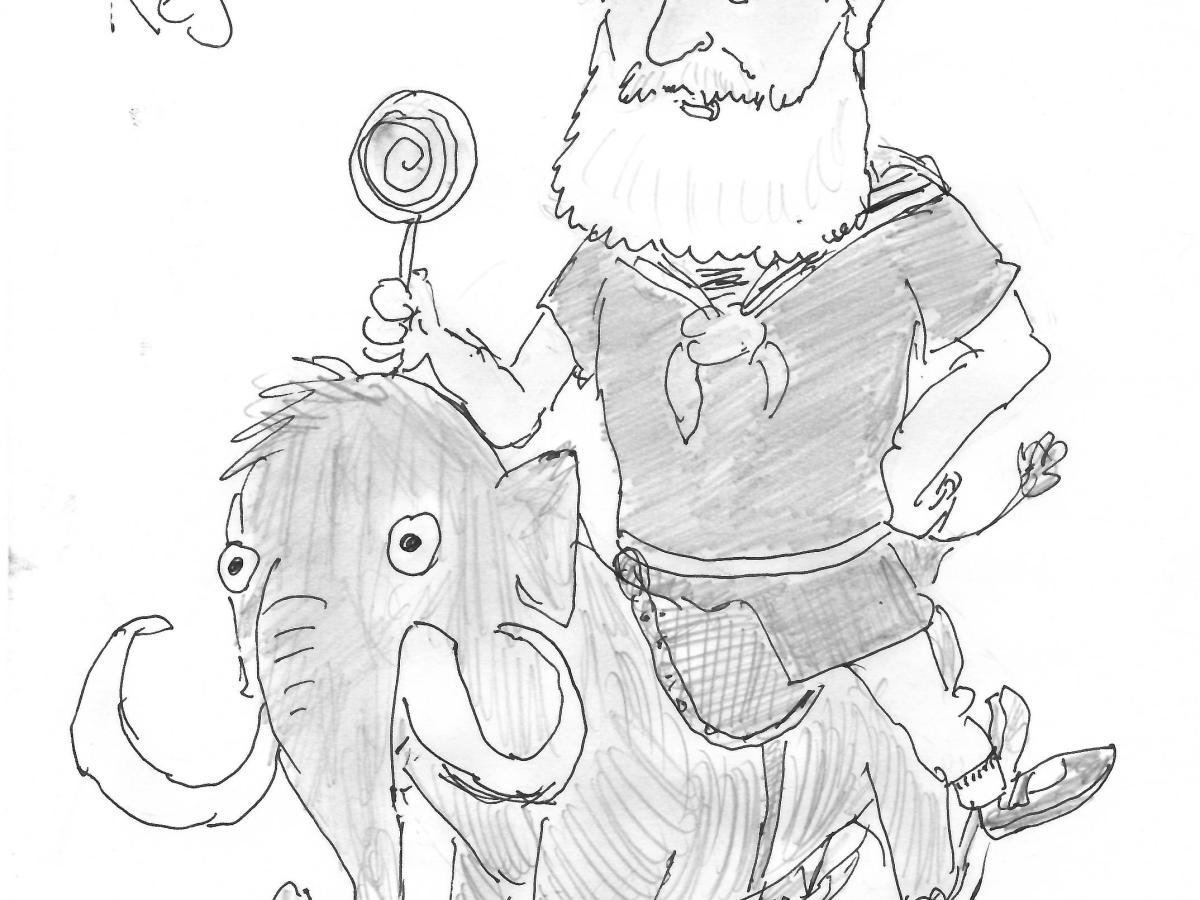
George Church, Colossal W*nker
From mammoths to eugenics to anti-aging scams: god-impersonator George Church knows how to make money with bullshit.
Hopefully Irina’s husband takes enough oxytocin so he won’t die. Too late for Blagosklonny, who instead took huge doses of the immunosuppressive drug rapamycin hoping to extend his life and prevent cancer, which however killed him. Conboy is russian like Blagosklonny and a number of other anti-aging enthusiasts in USA, for some reasons russians are historically obsessed with life extension and not dying (especially putin).
Someone (presumably a Conboy) protested on PubPeer that there is no conflict of interests to declare, because “SystemAge – the product of Generation Lab was neither tested nor used in this study.”
Before my male readers start ordering SystemAge and gulping down oxytocin, a word of warning. Conboy’s anti-aging science may be not perfect. This was flagged by Elisabeth Bik in 2015:
Morgan E. Carlson , Michael Hsu , Irina M. Conboy Imbalance between pSmad3 and Notch induces CDK inhibitors in old muscle stem cells Nature (2008) doi: 10.1038/nature07034

Elisabeth Bik: “Figure 1a: overlapping panels. The overlap highlighted with pink boxes might be acceptable if the cryosection was restained with a different dye, but the similarities are still striking. The blue boxes show an apparent overlap between young and old myofibres, which is unexpected.”
A July 2026 Corrigendum informed:
“In Fig. 1a of this Letter, the immunofluorescence images for myostatin and follistatin are inaccurate owing to many versions of this figure in multiple revisions of our manuscript. Specifically, the immunofluorescence panels representing anti-myostatin and anti-follistatin staining were duplicated. We would like to thank the anonymous reader who pointed out this error. We have repeated the age-specific immunofluorescence experiments for myostatin and follistatin, and the results confirm our original conclusion that no age-specific differences are detected”
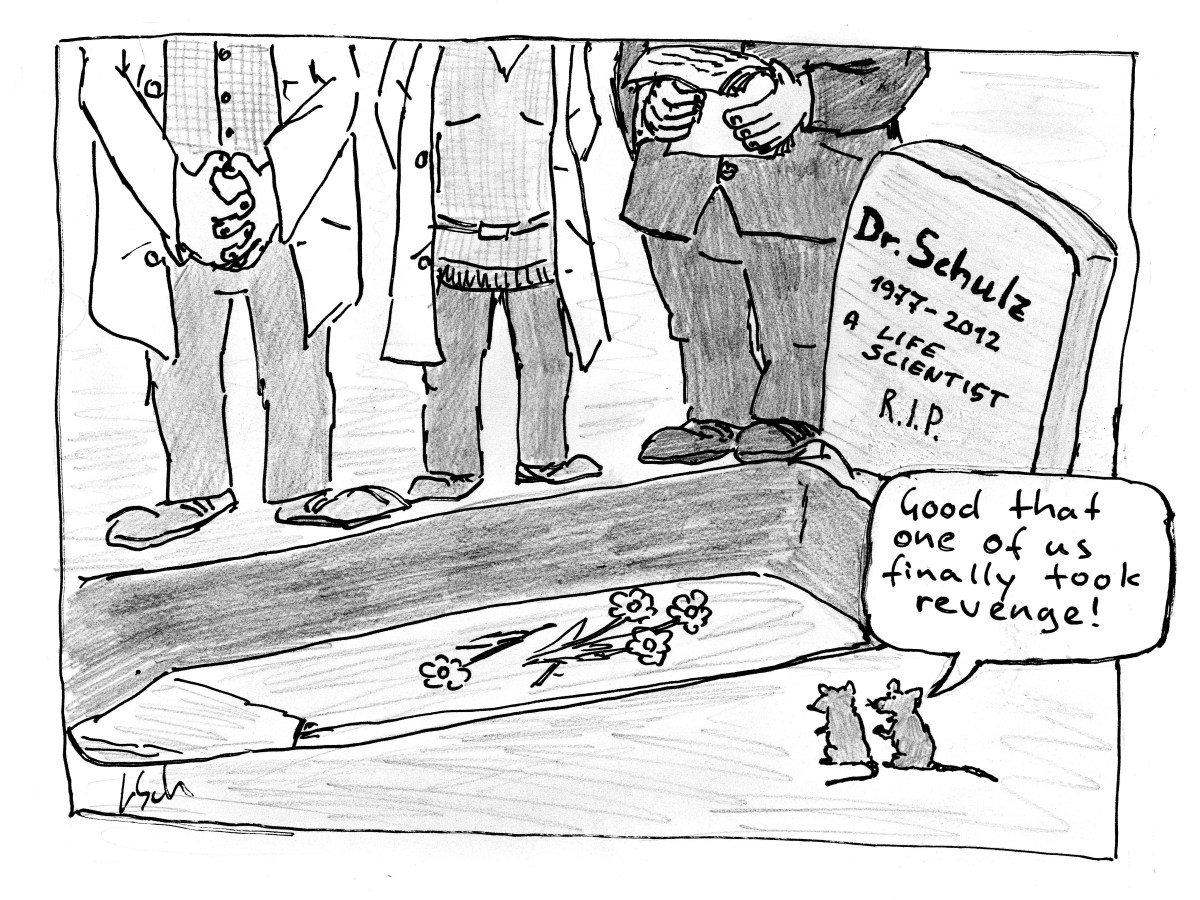
Bleed’em while they’re young
“There’s still a long way to go – blood is complicated. But there are many excellent labs focused on this, so I am optimistic about progress.” – Aubrey de Grey.
Two decades ago, Conboy was working with the cheater Amy Wagers, stitching mice together and pushing “young blood” as the anti-aging cure. That hype is mostly over, also because it’s easier (and safer) to make money with drugs and supplements than with the blood from teenagers.
Donate!
If you are interested to support my work, you can leave here a small tip of $5. Or several of small tips, just increase the amount as you like (2x=€10; 5x=€25). Your generous patronage of my journalism will be most appreciated!
€5.00
Donate!
If you are interested to support my work, you can leave here a small tip of $5. Or several of small tips, just increase the amount as you like (2x=€10; 5x=€25). Your generous patronage of my journalism will be most appreciated!
€5.00

 For Better Science
!%5Bfile%5D(https://pubpeer.com/storage/image-1676304484796.jpg)
“Uh-uh, maybe it is Sliwinski who now faces appropriate punishment?”
If the disciplinary commission in Lodz works the same way as in other universities in Poland then in after 500 meetings in 5 years they will kindly ask the offender to consider not manipulating data in the future.
Disciplinary procedures in Poland are as efficient as the UN is in stopping Putin.
LikeLiked by 3 people
Well, if they at UL really planned to whitewash Sliwinski and his friends, they would have remained silent and continued to never answer my emails.
LikeLiked by 1 person
I reported on a 2001 Science paper from Strasser way back in 2012, but it never made it onto PubPeer. Just rectified that situation… https://www.pubpeer.com/publications/1CE2F08942D1B80310A1248C5C5695#1
LikeLiked by 4 people
Thanks for posting, interesting blot 😂
LikeLike
I suggest discounting Fig 1C!
Surely it wasn’t relevant to begin with?
LikeLike
You have to admire Dr. Machida’s enthusiasm for fabricating data. A 5x reuse of an image across three papers demonstrates a level of confidence that is rarely seen. And including two of his children as authors, well that is next-level parenting.
LikeLiked by 2 people
H-index is heritable.
LikeLiked by 2 people
Your figure legend on the minibrains has made me laugh several times, great writing.
LikeLiked by 1 person
“neither are human doctors” by which I suppose the critic means MDs. I wish we could correct the general public’s misconception that MDs know anything at all about research. Having worked with MDs and MD-PhDs*, often in PI roles, I’ve found they frequently lack very fundamental science skills.
*I’ve had much better experience with those who first completed a PhD and then gone to med school
LikeLike