

Schneider Shorts of 30 August 2024 – lawyers advise universities about PubPeer, a spoiled brat in Liverpool gets a new toy, an Italian role model gets her first retractions, low standards in Cleveland, with fake and stolen identities, a failed defamation lawsuit, and finally, how US government supports new brains for immortality.
Table of Discontent
Industry Giants
- Institutions cannot spend every waking hour reviewing PubPeer comments – law firm issues guidelines
- A World leading scientist who pioneered – mom buys Tony a new toy
Retraction Watchdogging
- Grit, passion and tenaciousness – finally, retractions for Anna Bagnato
- Improper figure presentation – Domenico Pratico loses another paper and lawsuit
- We hope he is doing well – correction to a retraction at MDPI
- Scott Mizzi could not be identified – fake whitey kills Elsevier paper
- Submitted by a sole author – shameless papermilling uncovered by Elsevier
- Let them publish the correction – Cleveland Clinic discovers Chinese papermills
Science Breakthroughs
- Functional brain replacement – US government puts Jean Hebert in charge of immortality
Industry Giants
Institutions cannot spend every waking hour reviewing PubPeer comments
Lawyers from Ropes & Gray LLP in Boston, USA, have done some brainstorming and issued guidelines on what to do with all those posts on PubPeer.
Here is the peer-reviewed result:
Minal M. Caron, Carolyn T. Lye , Barbara E. Bierer, Mark Barnes The PubPeer conundrum: Administrative challenges in research misconduct proceedings Accountability in Research (2024) doi: 10.1080/08989621.2024.2390007
The reason the multinational law firm is interested in this niche topic, is their business of doing research misconduct investigations on behalf of universities and academic medical centres. Mark Barnes used to be executive vice-president of St. Jude Children’s Research Hospital and university-wide senior research officer and associate provost for research at Harvard University. Currently, the Ropes & Gray partner Barnes is acting as external research integrity officer for MD Anderson Cancer Center in Houston, Texas, which Barnes forgot to mention as his conflict of interest, but which Sholto David (who communicated with Barnes) pointed out. MD Anderson being a fraudulent swamp, Barnes et al complain:
“…institutions and RIOs cannot spend every waking hour reviewing PubPeer comments and other potential concerns of research misconduct originating on blogs, social media, and other online sources.”
Indeed, there’s a lot for Barnes in this case alone:
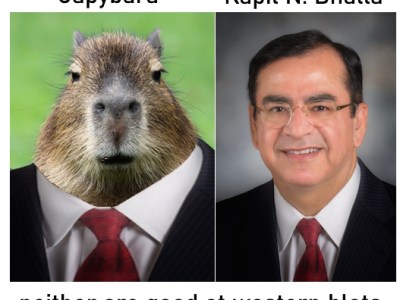
Capybara’s Adventures in Medicinal Chemistry
“Every now and again, it is a good idea to open the door of the clown car that is MD Anderson, and see who climbs out. Today is the turn of Kapil N. Bhalla. If you say his name quickly, it sounds a bit like “capybara”” – Sholto David

One author seems independent and not directly affiliated with Ropes & Gray: Barbara E. Bierer is former senior vice president of research and Research Integrity Officer at the Brigham and Women’s Hospital, where she “often serves as a committee member in research misconduct proceedings.” However, Barnes’s profile mentions:
“In 2012, with Dr. Barbara Bierer, Mark started, and continues to serve as faculty co-chair of, the Multi-Regional Clinical Trials Center of Brigham and Women’s Hospital and Harvard (MRCT Center)”
By the way, Ropes & Gray partner George Marshall Moriarty used to be Brigham and Women’s chairman of the board and is now honorary trustee. It is very likely that many if not all major US research institutions use the services of Ropes & Gray when academic misconduct needs to be dealt with. For example, Dana Farber Cancer Center recruited in 2022 the Ropes & Gray partner John Chesley as their Counsel.
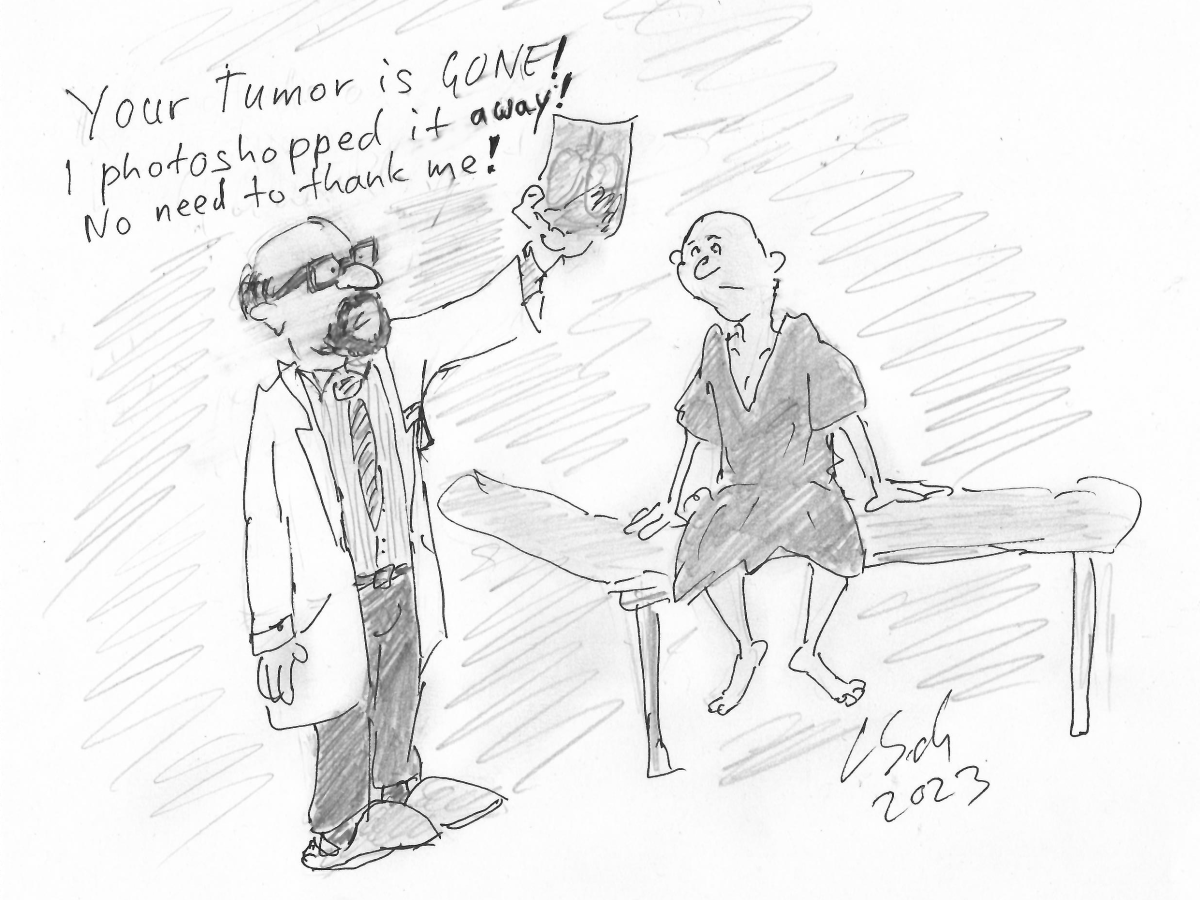
Dana-Farberications at Harvard University
“Imagine what mistakes might be found in the raw data if anyone was allowed to look!” – Sholto David
The Oxford University emeritus professor Dorothy Bishop blogged about that Ropes & Gray paper:
“The authors conclude that the bar for research integrity investigations should be raised, requiring a complaint to reach a higher evidential standard in order to progress, and using a statute of limitations to provide a cutoff date beyond which older research would not usually be investigated. This amounts to saying that the current system is expensive and has bad consequences, so let’s change it to do fewer investigations – this will cost less and fewer bad consequences will happen. The tldr; version of this blogpost is that the argument fails because on the one hand the authors give no indication of the frequency of bad consequences, and on the other hand, they ignore the consequences of failing to act.”
As Bishop discusses, the focus of the Ropes & Gray paper is PubPeer, and how dreadfully annoying it is:
“One rather puzzling aspect of Caron et al’s paper was their focus on the post-publication peer review website PubPeer as the main source of allegations of research misconduct. The impression they gave is that PubPeer has opened the floodgates to accusation of misconduct, many of which have little substance, but which the institutions are forced to respond to because of ORI regulations. This is the opposite of what most research sleuths experience, which is that it is extremely difficult to get institutions to take reports of possible research misconduct seriously, even when the evidence looks strong. […]
…the picture presented by Caron et al seems misleading in implying that most complaints involve concerns such as “a single instance of image duplication in a published paper”. Most sleuths who regularly report on PubPeer know that such a single instance is unlikely to be taken seriously; they also know that a researcher who commits research misconduct is often a serial offender, with a pattern of problems across multiple papers.”
Contrary to what many think, the main purpose of PubPeer-related research misconduct investigations is not to find fraud, but rather NOT to find it. Eminent peers need to be protected, institutional reputation needs to be defended, funding flow needs to be maintained, mutual dependency networks need be cultivated. An acquitted fraudster will not only continue to bring in funding, they will be also eternally grateful and pliable, while a convicted fraudster will cause trouble or even sue.
Ropes & Gray lawyers understand exactly what their clients really ask from them, that’s why they present legalese grounds for dismissal of PubPeer evidence, like statute of limitations or the comment being “a single instance of image duplication in a published paper“. But the real expert is the Brigham & Women’s research misconduct investigator Barbara Bierer, here an interesting quote from her paper with Ropes & Gray lawyers:
“More recently, one scientist submitted a letter to PubPeer requesting that certain comments made in “bad faith” be removed from PubPeer that the scientist claims have been made to harass him and his colleagues (Joelving 2023). Such use of PubPeer for pure harassment may not be an experience unique to this one scientist, and the functioning of PubPeer would certainly seem to allow for such malicious use of its platform.”
The reference goes to Retraction Watch‘s criticism of my reporting about the research integrity issues with the papers by Joseph Loscalzo, a former associate of the mega-fraudster Piero Anversa:
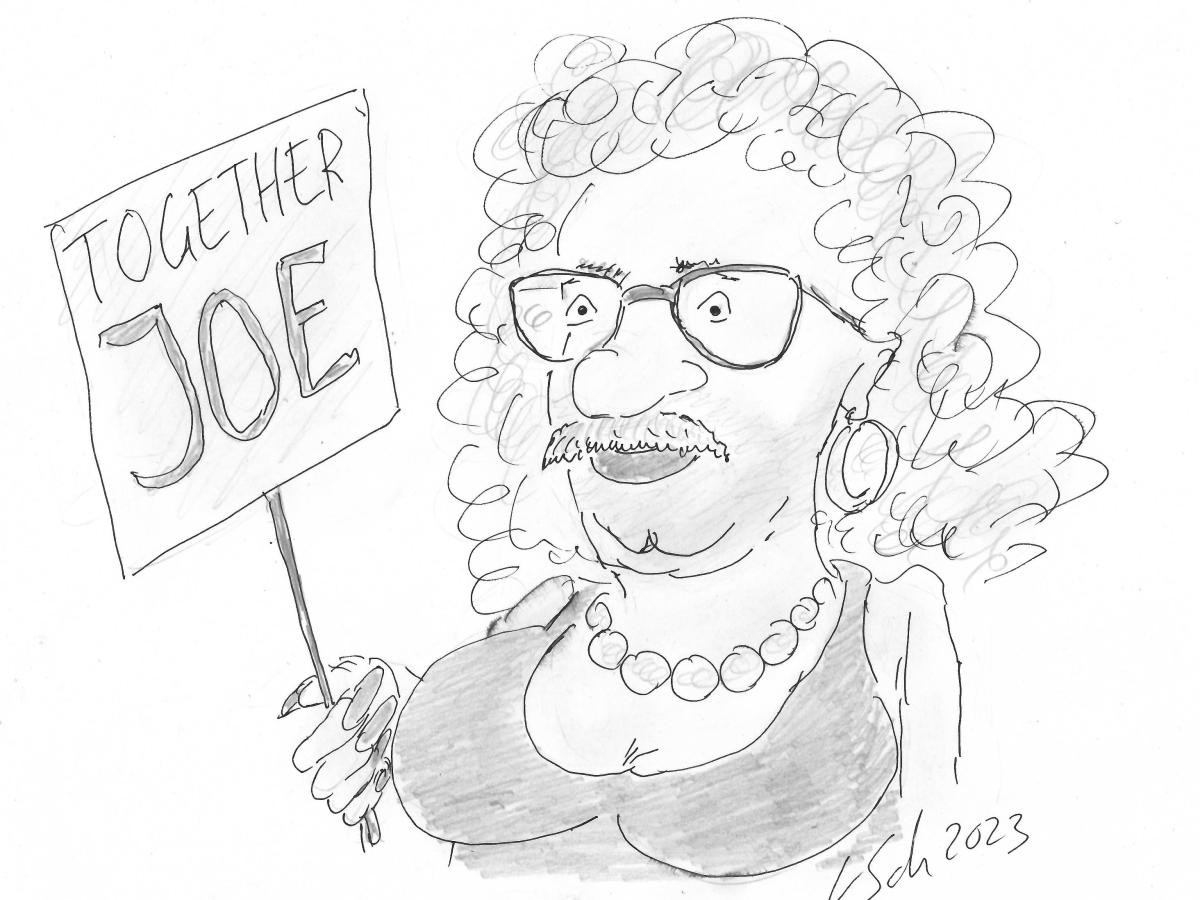
Joe Loscalzo’s Drag Show
“Dr. Loscalzo […] has a more cool-headed awareness and philosophy of research ethics than anyone else. We are here to stop the reckless defamation of Dr. Loscalzo and baseless attacks on his papers. Please ignore any malicious concerns and conspiracies. “

Now, Loscalzo is professor at Brigham & Women’s. His investigator Bierer just admitted that she dismissed all evidence as “pure harassment“.
A World leading scientist who pioneered
When a spoiled child breaks his toy, his helicopter parents immediately buy him a new one.
As it happened to young Tony, reportedly a fan of “Blue Peter”, a BBC children programme which he says inspired him to create cartilage out of bone marrow cells, for bioengineered tracheas or for knee surgeries, and to collaborate with the trachea transplanters Paolo Macchiarini and Martin Birchall. In 2008, Tony was a hero who saved a woman’s life. 15 years later, that long-debunked Lancet study “Clinical transplantation of a tissue-engineered airway” was finally retracted for fraud and lies.
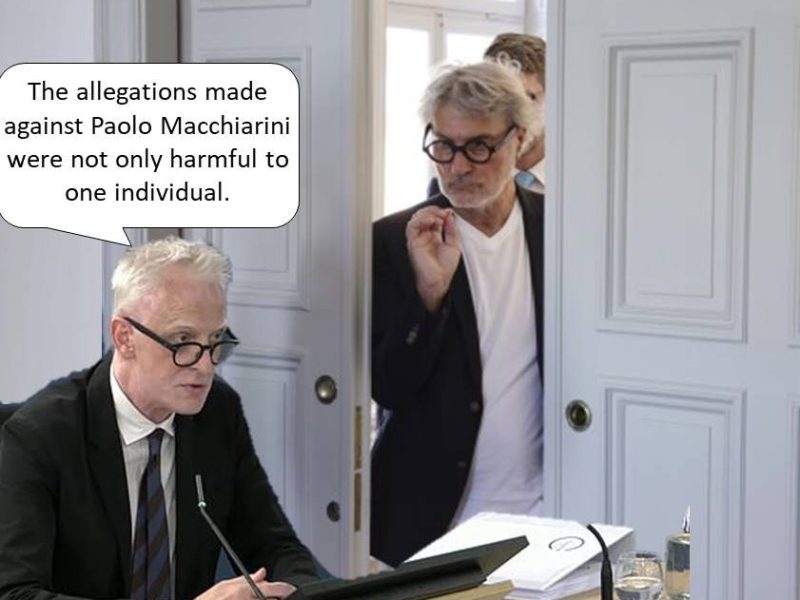
Swedish investigation spoils Macchiarini cover-up at Lancet
NPOF, again and again: “Philipp Jungebluth and Paolo Macchiarini guilty of research misconduct” Lancet: “Paolo Macchiarini is not guilty of scientific misconduct”
In 2007, Tony set up a company called Azellon to market his “stem cell” technology, but on 13 February 2024 Azelon was dissolved, having brought to the market precisely nothing but hot air.
You probably recognised Tony: our spoiled brat is Anthony Hollander, currently Pro-Vice-Chancellor for Research & Impact and Professor of Stem Cell Biology at the University of Liverpool, where he famously tried to sack everyone whose science wasn’t as miserably pointless as his.
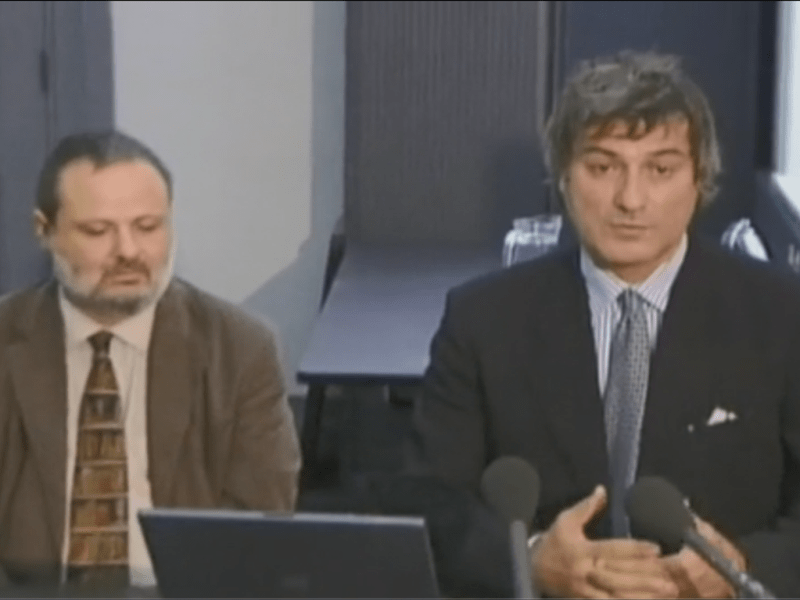
Macchiarini partner Anthony Hollander chairs mass-sacking committee in Liverpool
“I felt I had a lot to give the world. Getting my first at university and doing so well in research was an antidote. Underneath, though, there is part of me that feels maybe one day someone will discover that I am stupid.” – Tony “Blue Peter” Hollander
Now, the news, issued by the University of Liverpool half a year ago, on 14 February 2024:
“The University of Liverpool has launched a new spin-out company, TrophiCell, that has developed a revolutionary approach to harness the therapeutic potential of adult Mesenchymal Stem Cells (MSCs).
TrophiCell optimises ‘trophic repair’ – the process by which MSCs secrete factors that promote repair and reduce inflammation in chronic conditions such as osteoarthritis and liver disease. TrophiCell has patented a new approach to cell therapy production that can reliably treat a range of diseases at a scale never previously possible with MSCs.
TrophiCell’s underpinning science and intellectual property was discovered by the University of Liverpool’s Professor Anthony Hollander and his team, and offers a new way of generating stem cell therapies. […]
Professor Anthony Hollander, founder of TrophiCell and University of Liverpool’s Pro-Vice-Chancellor for Research & Impact said: “As a University, we are committed to translating research into clinical practice and I’m delighted that our stem cell research will have the chance, through TrophiCell, to reach the people who will benefit from it most.”
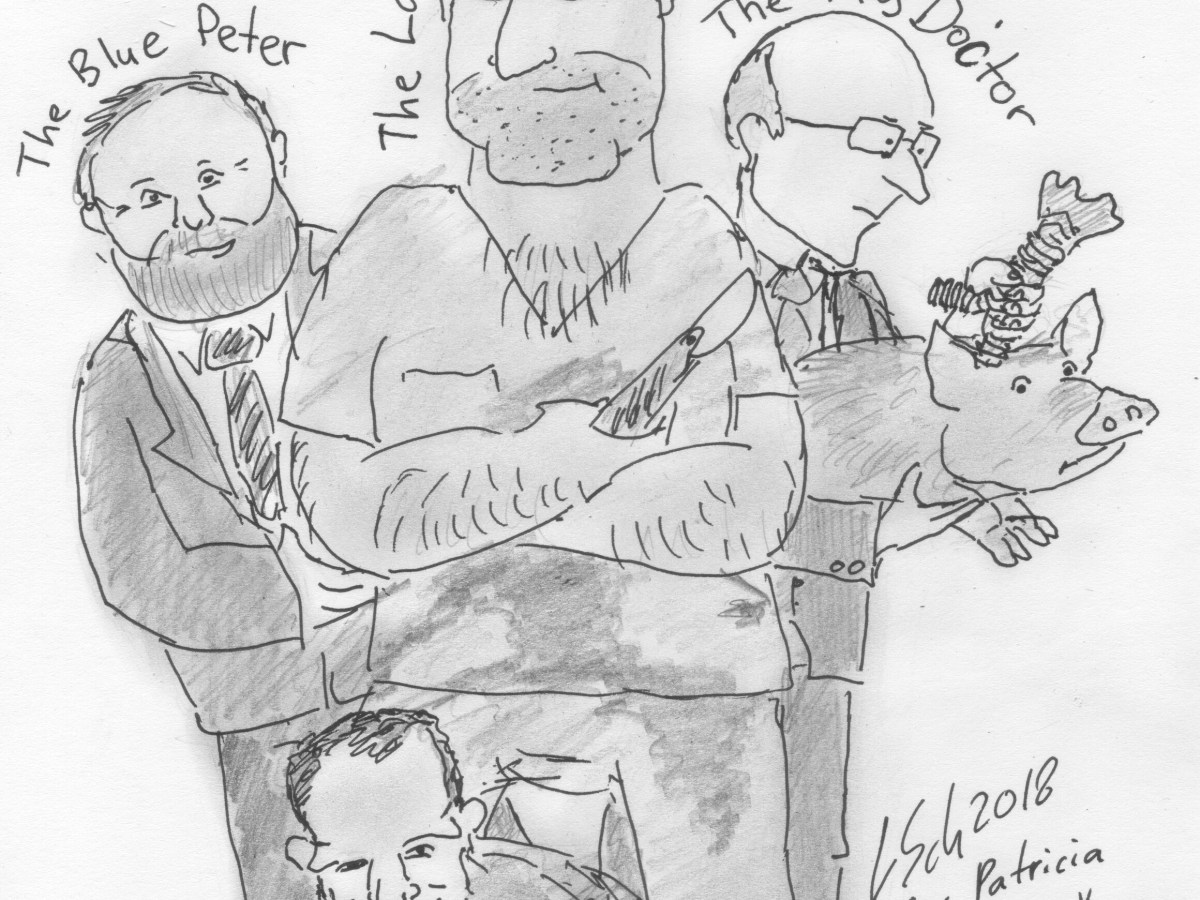
Peter Wilmshurst vs Macchiarini cult at The Lancet
The 2008 Lancet paper of Paolo Macchiarini and Martin Birchall about the world first trachea transplant might end up retracted. Until recently, the journal’s editor Richard Horton used to ignore and suppress “non peer-reviewed” evidence, but due to combined pressure of activism, media and politics, things started to move.
Thing is, TrophiCell’s technology was previously developed and published by Tony’s defunct company Azellon. The company website refers solely to this study as its business foundation:
Salerno A, Brady K, Rikkers M, Li C, Caamaño-Gutierrez E, Falciani F, Blom AW, Whitehouse MR, Hollander AP. MMP13 and TIMP1 are functional markers for two different potential modes of action by mesenchymal stem/stromal cells when treating osteoarthritis. Stem Cells (2020) doi: 10.1002/stem.3255
From the paper:
“The work reported here was part of a larger project funded by Innovate UK and led by Azellon Ltd, a spin-out company from University of Bristol, UK. A.P.H. is a founder and shareholder in Azellon Ltd. Some of the findings reported here are the subject of a patent filing by The University of Liverpool.”
This is the patent application by the University of Liverpool, “WO2021064424 – BONE MARROW MESENCHYMAL STEM CELL DERIVED CELL POPULATIONS AND METHODS OF PREPARING SAME“, submitted 2 October 2020, inventor is Hollander. And here is the decision by the patent office from April 2022 that Hollander’s groundbreaking method is NOT patentable. In plain words: TrophiCell sells nothing but same hot air as the dissolved Azallon.
But because Azellon went tits up, the University of Liverpool indulged their darling little Tony with a brand new company to run into the ground while trying to sell the same non-patentable (and most obviously useless) stem cell rubbish.
Oh, and do you know what Hollander’s profile linked in his university’s press release says, even today?

“Anthony’s research career has focussed on the development of stem cell therapies for treating diseases of cartilage. His spin-out company, Azellon Ltd, is developing a stem cell treatment for torn knee cartilage and he was previously part of a team that created the world’s first tissue engineered airway. “
Again, dear University of Liverpool: that “world’s first tissue engineered airway” paper was retracted for fraud, lies, and ethics breach. And your mighty Azellon has been DISSOLVED, its website DELETED (but here is a backup):

Presently, the University of Liverpool informs us:
“The company has received investment from the University of Liverpool’s Enterprise Investment Fund (EIF) to provide start-up capital and is currently working on an initial investment round of £7.5M to fund the pre-clinical stage of development.”
Retraction Watchdogging
Grit, passion and tenaciousness
A Top Italian Scientist and a role model for WomenInSTEM, Anna Bagnato, gets two retractions. Finally. Because the rest of her published research should be retracted also.

Top Italian Scientists
“You may think this is just a silly prank with zero impact on whatsoever, but no. […] this initiative is useful for something. It provides solid numbers for quantifying the extent of scientific misconduct in Italy and beyond” – Aneurus Inconstans

Bagnato is cancer researcher and unit director at the Regina Elena National Cancer Institute in Rome. Bagnato owes her entire success to her US mentor, the NIH researcher Kevin John Catt, who died in 2018. She has currently around FORTY papers on PubPeer, most are very, very fake.
The two fresh retractions took place in the same Canadian non-profit journal, however the evidence was on PubPeer for around a decade, posted by Clare Francis. Nr 1:
Francesca Spinella , Valentina Caprara , Emirena Garrafa , Valeriana Di Castro , Laura Rosanò, Pier Giorgio Natali , Anna Bagnato Endothelin axis induces metalloproteinase activation and invasiveness in human lymphatic endothelial cells Canadian Journal of Physiology and Pharmacology (2010) doi: 10.1139/y10-050


The retraction was published on 23 August 2024:
“Endothelin axis induces metalloproteinase activation and invasiveness in human lymphatic endothelial cells” (Spinella et al. 2010) has been retracted owing to concerns about misrepresentation of image data.
Post-publication review on PubPeer (https://pubpeer.com/publications/A28B15695FA04DE60FDD1181FB35C6#9) alerted the Editor and Publisher to:
- Duplicated bands in Fig. 1D
- Reuse of images from Fig. 1 in another paper
- Duplicated bands in Fig. 2E
- Duplication of BQ788 image in Fig. 2A
Investigation by the Editor-in-Chief and Publisher confirmed this and also found unlabeled splicing in Figs. 1A and 1B.
The authors could not supply original image data and their responses to these concerns did not allay doubts about the integrity of the image data. Therefore, the article was retracted by the Editor-in-Chief. The authors could not be reached for their response to this retraction.
This retraction is consistent with the publishing policy of the Canadian Journal of Physiology and Pharmacology and its publisher, Canadian Science Publishing.
Anna Bagnato disagreed with the retraction. The other authors were unable to be reached.”
Nr 2:
Roberta Cianfrocca , Laura Rosanò , Francesca Spinella , Valeriana Di Castro , Pier Giorgio Natali , Anna Bagnato Beta-arrestin-1 mediates the endothelin-1-induced activation of Akt and integrin-linked kinase Canadian Journal of Physiology and Pharmacology (2010) doi: 10.1139/y10-052

Also this was retracted on 23 August 2024:
“Post-publication review on PubPeer (https://pubpeer.com/publications/06A520B9D316145B8472F38D25B91C) alerted the Editor and Publisher to overlap between Fig. 1A in this paper and Figs. 1A and 1D in two previously published articles (https://doi.org/10.1158/0008-5472.CAN-07-0883, https://doi.org/10.1158/1078-0432.CCR-10-2325) with the same bands labeled as different samples and treatment groups. Investigation by the Editor-in-Chief and Publisher confirmed this.
The authors could not supply original image data and their responses to these concerns did not allay doubts about the integrity of the image data. Therefore, the article was retracted by the Editor-in-Chief. […] Dr. Laura Rosanò disagreed with the retraction. The other authors were unable to be reached.”
The penultimate author and former Regina Elena researcher Pier Giorgio Natali (now CEO of Janus Pharma) is Bagnato’s former mentor. neither he nor Bagnato replied to my emails. Coauthor Laura Rosanò (you will see her name often) is now CNR Research Director at Sapienza University. Also worth mentioning that another problematic affiliate of the Regina Elena institute is Massimo Loda, usually found at Weill Cornell in USA:

AACR deploys Massimo Loda on a mission to cure cancer
Meet Massimo Loda, the new EiC of Molecular Cancer Research. Not despite, but because of his PubPeer record. Also meet his partner Michele Pagano!
Let me show how badly fraudulent one those Bagnato papers referenced in the retraction above, is.
Laura Rosanò , Valeriana Di Castro , Francesca Spinella , Giampaolo Tortora , Maria Rita Nicotra , Pier Giorgio Natali , Anna Bagnato Combined targeting of endothelin A receptor and epidermal growth factor receptor in ovarian cancer shows enhanced antitumor activity Cancer Research (2007) doi: 10.1158/0008-5472.can-07-0883


More art by Bagnato and Natali:
Francesca Spinella, Valentina Caprara , Valeriana Di Castro , Laura Rosanò, Roberta Cianfrocca , Pier Giorgio Natali , Anna Bagnato Endothelin-1 induces the transactivation of vascular endothelial growth factor receptor-3 and modulates cell migration and vasculogenic mimicry in melanoma cells Journal of Molecular Medicine (2013) doi: 10.1007/s00109-012-0956-2


Is it safe to assume everything we know about endothelin is based on Italian fraud?
Anna Bagnato, Laura Rosanò, Francesca Spinella , Valeriana Di Castro , Raffaele Tecce , Pier Giorgio Natali Endothelin B receptor blockade inhibits dynamics of cell interactions and communications in melanoma cell progression Cancer Research (2004) doi: 10.1158/0008-5472.can-03-2344


Don’t believe for a second the Italian science community doesn’t know about problems with Bagnato’s research. This is actually exactly the reason why she is celebrated in the media! Like in the national newspaper Corriere Della Sera four years ago, where Bagnato says of herself in the headline: “I, on the front line against cancer also with Covid”. And in a February 2024 local news article the Calabria-born Bagnato was presented as “a new hope for women” (translated):
““I have no doubt that, in determining the achieved success ,” Anna Bagnato explains, ”beyond the commitment, the tenacity and curiosity contributed in particular. In Research, one must precisely be primarily tenacious. There it takes grit and passion, because the sacrifice is enormous. And the determination must be matching.”
Well, look at this tenaciousness:
Roberta Cianfrocca , Piera Tocci , Francesca Spinella , Valeriana Di Castro , Anna Bagnato, Laura Rosanò The endothelin A receptor and epidermal growth factor receptor signaling converge on β-catenin to promote ovarian cancer metastasis Life Sciences (2012) doi: 10.1016/j.lfs.2012.03.023


You must also see the PNAS paper, where the above gels came from!
Laura Rosanò , Roberta Cianfrocca , Stefano Masi , Francesca Spinella , Valeriana Di Castro , Annamaria Biroccio, Erica Salvati , Maria Rita Nicotra , Pier Giorgio Natali , Anna Bagnato Beta-arrestin links endothelin A receptor to beta-catenin signaling to induce ovarian cancer cell invasion and metastasis Proceedings of the National Academy of Sciences (2009) doi: 10.1073/pnas.0807158106


And there is even more in that totally fraudulent PNAS paper, but you see, it can’t be retracted. It was namely edited by the Nobel Prize Laureate Robert Lefkowitz, who seems to specialise on editing fraudulent cancer research. As he did for George Baillie (read October 2022 Shorts) and for Leonard Girnita:

Leonard and Ada Girnita guilty of research misconduct
“The Board states in conclusion that the research leaders Ada Girnita and Leonard Girnita have a special responsibility for guaranteeing the quality of the research group’s publications and that they have failed to take this responsibility fully.”
All journals knew, because Clare Francis informed them. Except for the Canadian one, still don’t give a toss. Look at his Figure 7C, the journal used to care:
Francesca Spinella , Laura Rosanò , Valeriana Di Castro , Maria Rita Nicotra , Pier Giorgio Natali , Anna Bagnato Endothelin-1 decreases gap junctional intercellular communication by inducing phosphorylation of connexin 43 in human ovarian carcinoma cells Journal of Biological Chemistry (2003) doi: 10.1074/jbc.m304785200

In case you wish to write a strongly-worded letter of protest to the director of the Regina Elena National Cancer Institute – Ruggiero De Maria, who leads the institute since 2011 and is also President of the national Alliance Against Cancer, has his own troublesome PubPeer record. Here his paper with Bagnato, with a fake gel in Fig 2F:
Roberta Cianfrocca , Laura Rosanò , Piera Tocci , Rosanna Sestito , Valentina Caprara , Valeriana Di Castro , Ruggero De Maria , Anna Bagnato Blocking endothelin-1-receptor/β-catenin circuit sensitizes to chemotherapy in colorectal cancer Cell Death and Differentiation (2017) doi: 10.1038/cdd.2017.121

The rest on PubPeer is the same kind of fake trash, more than 30 more times. Last one, and why didn’t PLOS One act yet?
Francesca Spinella , Laura Rosanò, Martina Del Duca , Valeriana Di Castro , Maria Rita Nicotra , Pier Giorgio Natali , Anna Bagnato Endothelin-1 inhibits prolyl hydroxylase domain 2 to activate hypoxia-inducible factor-1alpha in melanoma cells PLoS ONE (2010) doi: 10.1371/journal.pone.0011241


Improper figure presentation
The neuroscientist and Temple University professor Domenico Pratico retracts yet another paper. Officially, Pratico is innocent of everything, his lab minions did it.
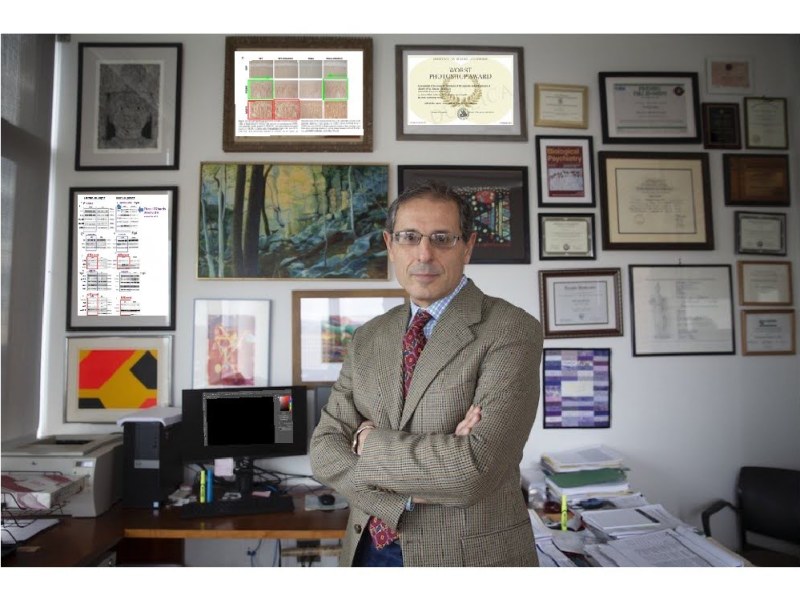
Research misconduct: Theory & Pratico
A whistleblower tried to report fraud in Domenico Pratico’s papers via proper channels, and hit a wall everywhere.
It should be Pratico’s 9th retraction (be aware that Retraction Watch database is collated manually, and may lack entries):
Jin Chu , Domenico Praticò Pharmacologic blockade of 5-lipoxygenase improves the amyloidotic phenotype of an Alzheimer’s disease transgenic mouse model involvement of γ-secretase The American Journal of Pathology (2011) doi: 10.1016/j.ajpath.2010.12.032


The retraction from 24 August 2024 credited Pratico as a hero of research integrity:
“This article is being retracted at the request of the Editor and one of the authors, Domenico Pratico. The retraction is related to improper figure presentation […] After thorough review by Dr. Pratico and the Editor-in-Chief it was concluded that the actin band of figure 4B and 5A of the paper were improperly used and should not be considered valid. Coauthor Jin Chu was notified of this decision but did not respond to any communication regarding the retraction of this manuscript. The Office of Research at Temple University has been notified of this retraction.”
You may remember that Pratico sued his former PhD student, Phillip Giannopoulos for being a snake who bit the hand that fed him and for faking all Pratico’s papers behind his innocent and honest back (read January 2024 Shorts).
Now, will Pratico also sue his other rotten PhD student, Jin Chu? Not likely. Because Pratico’s lawsuit against Giannopoulos has been tossed out in court. You can find the court verdict here, and here is the coverage from 22 August 2024, explaining that “The claim was brought too late, the court holds, and the associated defamation claim is barred by the judicial proceeding privilege.”
We hope he is doing well
MDPI corrects an earlier retraction, because of a stolen identity. One of the authors, the papermill fraudster Abolfazl Bahrami, previously featured prominently in this article:
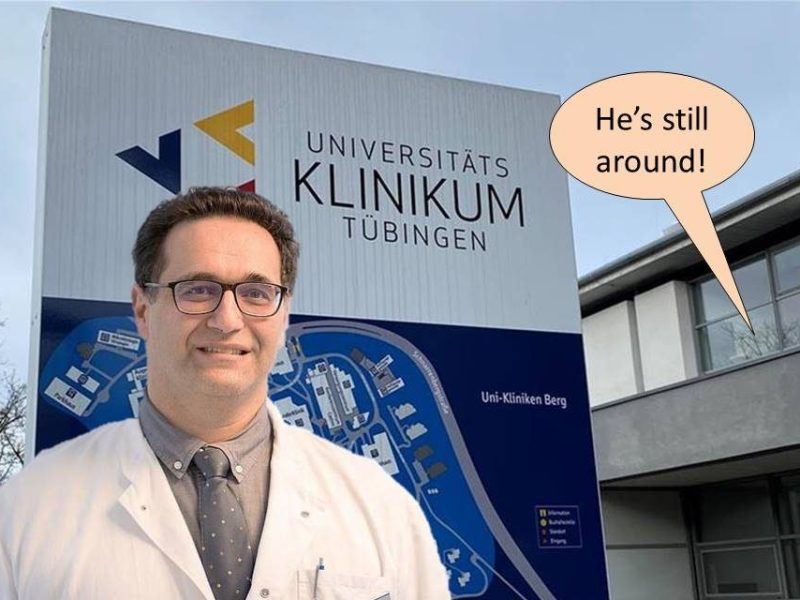
Gardening goats and external papermills in Tübingen
One shooting and one falling star of University Clinic Tübingen. Meet the research ethics champion Julia Skokowa and the eternally affiliated Renaissance Man Reza Akhavan-Sigari,
Bahrami reacted in April 2024 by emailing me poorly staged photos of his alleged dying in a hospital, with this message:
“As well, you have slandered in your article that I have lied about my involvement with cancer. I have attached some photos of my current situation so that you can understand. You have also commented on all my articles, of course, I got this disease because of working hard in the laboratory and achieving good scientific content, and in these remaining days, I will not let my articles get into trouble because of a small unintentional error. “
This paper was retracted by MDPI over one stolen identity:
Amir Abbas Esmaeilzadeh , Mahdis Kashian , Hayder Mahmood Salman , Marwa Fadhil Alsaffar , Mustafa Musa Jaber , Siamak Soltani , Danial Amiri Manjili , Ahmet Ilhan, Abolfazl Bahrami, John W. Kastelic Identify Biomarkers and Design Effective Multi-Target Drugs in Ovarian Cancer: Hit Network-Target Sets Model Optimizing Biology (2022) doi: 10.3390/biology11121851
“The affiliation of last author John Kastelic is given as ‘Department of Health, University of Calgary’ but no such department exists. According to his university webpage, Prof. Kastelic is a member of the Faculty of Veterinary Medicine. His research is primarily on cattle reproduction, so I am surprised that he helped author this paper on identifying biomarkers for ovarian cancer in humans. In addition, his middle name is Patrick so his middle initial should be P not W.”
Nick Wise
In August 2023, Bahrami explained on PubPeer that he indeed meant to list a different John Kastelic, a lawyer whom Bahrami asked to “to edit natively the manuscript” but who couldn’t be reached: “we hope he is doing well“. But in October 2023, Bahrami suddenly claimed: “We got permission from him and according to his permission, we added his name.”
On 30 January 2024, the paper was retracted:
“Following publication, concerns were brought to the attention of the publisher relating to the authenticity of the authorship of this article [1].
Adhering to our complaints procedure, an investigation was conducted by the Editorial Office and Editorial Board, who were unable to verify the identity, contribution, or affiliations of a number of the authors listed on this manuscript. […] In this case, neither the authors nor the authors’ institutions could satisfactorily establish the contribution that they made to this article, nor could the origins of this study be verified. […] The authors did not provide a comment on this retraction decision.”
But on 27 August 2024, a Correction to the Retraction was published:
“A correction has been made to the authorship list of this article [1] and the linked retraction notice [2]. Following the publication of the above-mentioned retraction, the Editorial Office was made aware that certain individuals previously listed as authors were unaware of the submission and did not contribute to the article. As a result, the authorship list of the article [1] and the retraction notice [2] have been updated accordingly. This correction was approved by the Editors-in-Chief. This correction does not affect the content of the retraction notice.”
The new authors list is: Esmaeilzadeh, Kashian, Salman, Alsaffar, Jaber, Soltani, Ilhan, Bahrami. Removed were John Kastelic and for some reason also Danial Amiri Manjili, who presently works as GP for the Iranian police in Teheran.
Scott Mizzi could not be identified
Another retraction for a fictional author, this time for a paper in Elsevier which wasn’t flagged on PubPeer before.
Zhi Yuan , Weiqing Wang , Haiyun Wang , Scott Mizzi Combination of cuckoo search and wavelet neural network for midterm building energy forecast Energy (2020) doi: 10.1016/j.energy.2020.117728
The undated recent retraction went:
“This article has been retracted at the request of the Editor-in-Chief.
Following a post-publication investigation in response to a concern received by the journal, it was found that the fourth author of the article, Scott Mizzi, could not be identified and was not affiliated with Northeastern University, which was listed as their affiliation. The scientific community takes a very strong view on such matters and apologies are offered to readers of the journal that this was not detected during the submission process.”
The real problem is actually the racism in academic publishing. Apparently Asian papermill fraudsters have it much easier to get their papers through peer review when a white coauthor is included. Quite often, some greedy western professor makes things easy by accepting a gift authorship, otherwise white identities need to be stolen or, a bit safer, invented.
Still, poor Scott Mizzi… Cut down in his prime, just when he started publishing…


Submitted by a sole author
Another one of those Elsevier retractions where one wonders what kind of rotten crooks run that journal.
You may recognise one notorious “author”, the Emirates-based papermill customer Maria Jade Catalan Opulencia:
Saade Abdalkareem Jasim , Moaed E. Al-Gazally , Hasan Sh. Majdi , Yasir Salam Karim , Maria Jade Catalan Opulencia , Mustafa M. Kadhim, Ali Thaeer Hammid , Yasser Fakri Mustafa , Parvaneh Delir Kheirollahi Nezhad Gallium and scandium doping effect on the sensing performance of aluminum phosphide nanotubes toward toxic ethylene oxide gas Physics Letters A (2022) doi: 10.1016/j.physleta.2022.128145

Nick Wise: “On the 3rd of March 2022 an advert was placed on Facebook selling authorship of a paper with a title matching this one. […] Maria Jade Catalan Opulencia is an author on many papers where authorship has previously been advertised for sale.
Also, Wise noticed that “29 of the 90 references in this paper are to Y. M. Chu“, another notorious papermiller and citation buyer.
The recent but undated retraction mentioned (highlights mine):
“In investigating concerns brought up regarding inappropriate advertisement of the authorship of the article, the editor reached out to the authors for an explanation.
Post-publication, the editor also discovered suspicious changes in authorship between the original submission and the revised version of this paper. In summary, the paper was submitted by a sole author, Parvaneh Delir Kheirollahi Nezhad. During revision, the author names Saade Abdalkareem Jasim (New First Author), Moaed E. Al-Gazally, Hasan Sh. Majdi, Yasir Salam Karim, Maria Jade Catalan Opulencia, Mustafa M. Kadhim (New Corresponding Author), Ali Thaeer Hammid, and Yasser Fakri Mustafa were all added to the revised paper without explanation and without exceptional approval by the journal editor, which is contrary to the journal policy on changes to authorship.
The editor reached out to the authors for an explanation to the above points, but they failed to reply.
Overall, the editor feels that the findings of the manuscript cannot be relied upon, and the article needs to be retracted.”
The journal Physics Letters A currently has no Editor-in-Chief, but elsewhere Elsevier lists Amita Das of Indian Institute of Technology in New Delhi, India, as the Editor-in-Chief. I guess she had to go over such malpractices?
The original “author” and papermill entrepreneur Parvaneh Delir Kheirollahi Nezhad has currently around 20 threads on PubPeer, mostly for citation buying. But he also had a retraction, and look with which luminaries of papermilling:
Dmitry Olegovich Bokov , Abduladheem Turki Jalil , Forat H. Alsultany , Mustafa Z. Mahmoud , Wanich Suksatan , Supat Chupradit , Maytham T. Qasim , Parvaneh Delir Kheirollahi Nezhad Ir-decorated gallium nitride nanotubes as a chemical sensor for recognition of mesalamine drug: a DFT study Molecular Simulation (2022) doi: 10.1080/08927022.2021.2025234
Bokov, Turki Jalil, Suksatan, Chupradit, Qasim! The retraction from 22 November 2023 mentioned “significant concerns […] about the use of irrelevant references, the authorship, source of this article, and the significant similarity in the results and conclusion of this article to other sources“.
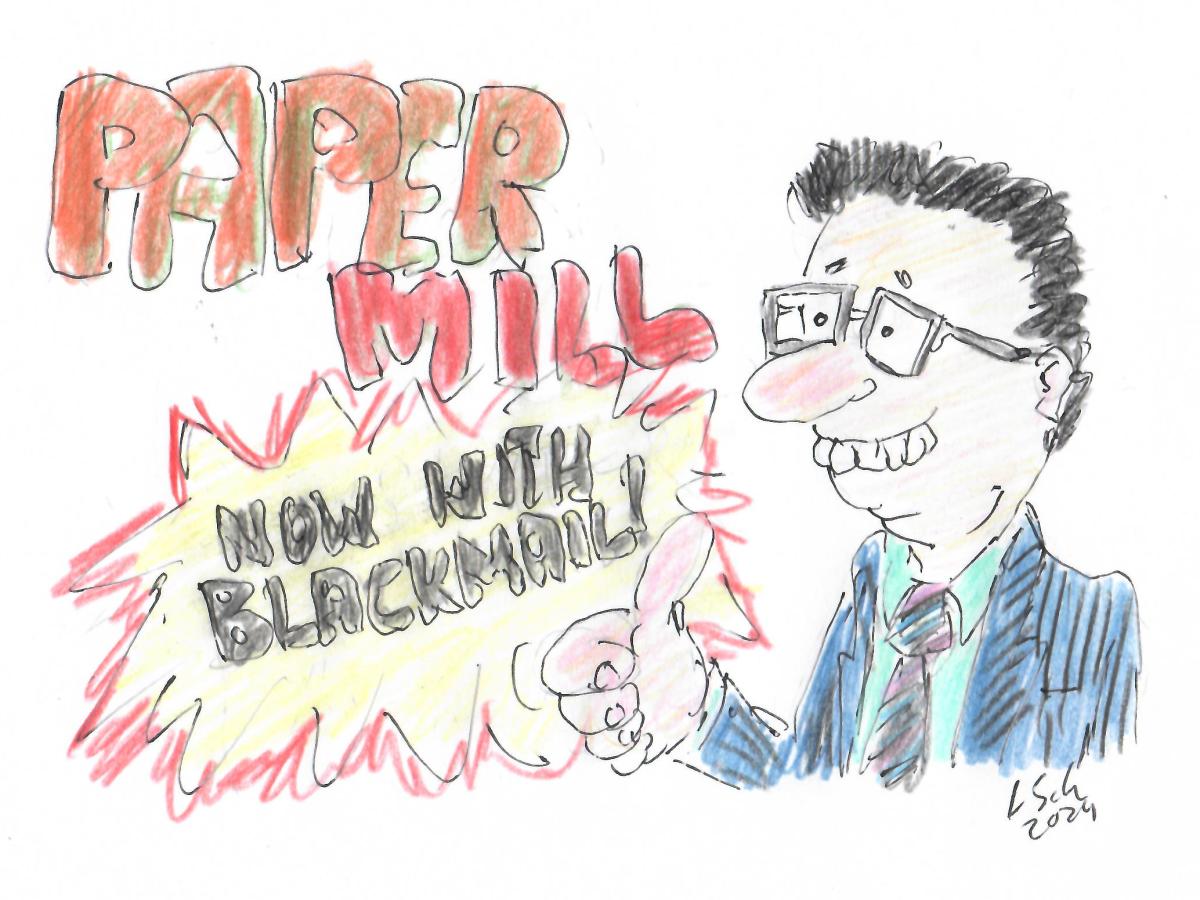
Retraction blackmail – new service by Iranian papermills
“I was asked to pay in bitcoin to avoid retraction”. – Zbigniew Leonowicz
Let them publish the correction
A US researcher learns the hard way that fake science is like drugs: easy to give you a quick high, but the come-down is painful. Belinda Willard is Core unit director at Lerner Research Institute of Cleveland Clinic and also affiliated with the Case Comprehensive Cancer Center in Cleveland, Ohio.
Her paper with Chinese papermillers, published in a German society journal, was just retracted, having been flagged on PubPeer in November 2023 by Sholto David:
Bing Pan , Hui Ren , Yijing Ma , Donghui Liu , Baoqi Yu , Liang Ji , Ling Pan , Jing Li , Liangui Yang , Xiaofeng Lv , Xiaoli Shen , Bin Chen , Youyi Zhang , Belinda Willard, Yubin He, Lemin Zheng High‐density lipoprotein of patients with type 2 diabetes mellitus elevates the capability of promoting migration and invasion of breast cancer cells International journal of cancer (2012) doi: 10.1002/ijc.26341

Mycosphaerella arachidis: “Figure 3B and F: An image is repeated between migration and invasion assays. The treatment condition is also different.”
In May 2024, the author Lemin Zheng replied on PubPeer with: “We already wrote the correction letter to the editor and let them publish the correction” and shared the prepared correction notice.
Instead, the paper was retracted on 28 August 2024:
“The above article, published online on 29 April 2011, in Wiley Online Library (wileyonlinelibrary.com), and has been retracted by agreement between the journal Editor-in-Chief, Prof. Christoph Plass; the Union for International Cancer Control; and John Wiley and Sons Ltd. A third party reported that they had detected image similarities between figures 3B and 3F. The publisher requested original raw data and images for all Western Blot figures included in the published article, and in response the authors shared what they reported as raw images. A detailed investigation by the editors revealed additional irregularities in the raw data, including the discovery that the data for the Akt and p-Akt bands in Figure 5A had been manipulated between the original images and those presented in the published article. The retraction has been agreed to as the results presented in the article can no longer be considered reliable. The authors disagree with the retraction.”
Let’s see what else Dr Willard has on PubPeer. This actually not an Asian papermill fabrication, but a home-made forgery made at Cleveland Clinic:
Gangarao Davuluri, Michela Giusto , Rajeev Chandel , Nicole Welch , Khaled Alsabbagh , Sashi Kant , Avinash Kumar , Adam Kim , Mahesha Gangadhariah , Prabar K. Ghosh , Uyen Tran , Daniel M. Krajcik , Kommireddy Vasu , Anthony J. DiDonato , Joseph A. DiDonato , Belinda Willard , Satdarshan P. Monga , Yuxin Wang , Paul L. Fox , George R. Stark , Oliver Wessely, Karyn A. Esser, Srinivasan Dasarathy Impaired Ribosomal Biogenesis by Noncanonical Degradation of β-Catenin during Hyperammonemia Molecular and Cellular Biology (2019) doi: 10.1128/mcb.00451-18


Actually, who can blame Willard for turning to Chinese papermills when she is surrpounded by bad science at her Cleveland Clinic?
Arishya Sharma, Turkeya Alswillah , Kamini Singh , Payel Chatterjee , Belinda Willard , Monica Venere , Matthew K. Summers, Alexandru Almasan USP14 regulates DNA damage repair by targeting RNF168-dependent ubiquitination Autophagy (2018) doi: 10.1080/15548627.2018.1496877

In June 2022, the last author and Cleveland Clinic professor Alexandru Almasan admitted the duplication, blamed first author, provided replacement and warned: “This error does not affect the results and conclusion of the article.” A correction for “one inadvertent duplication” was issued in August 2023, but not linked to the original article.
Published in PNAS and “Contributed by George R. Stark“, who is National Academy of Sciences member:
Sarmishtha De, Elise G. Holvey-Bates , Kala Mahen , Belinda Willard , George R. Stark The ubiquitin E3 ligase FBXO22 degrades PD-L1 and sensitizes cancer cells to DNA damage Proceedings of the National Academy of Sciences of the United States of America (2021) doi: 10.1073/pnas.2112674118

The nonagenarian Cleveland bigwig and Willard’s boss at Lerner Institute, George Stark, has his own PubPeer record. As it happens, here a Chinese (papermill?) fabrication in PNAS, “Contributed by George R. Stark“:
Ning Zhu , Jing Zhang , Yuping Du , Xiaodong Qin , Ruidong Miao , Jing Nan , Xing Chen , Jingjie Sun , Rui Zhao , Xinxin Zhang , Lei Shi , Xin Li , Yuxi Lin , Wei Wei , Aihong Mao , Zhao Zhang , George R. Stark, Yuxin Wang, Jinbo Yang Loss of ZIP facilitates JAK2-STAT3 activation in tamoxifen-resistant breast cancer Proceedings of the National Academy of Sciences of the United States of America (2020) doi: 10.1073/pnas.1910278117

In March 2024, less than 4 years after publication, the Chinese author Jinbo Yang explained that “Due to the passage of time, we were unable to locate the non-cropped original image“.
Again, Stark and his Chinese papermill friends:
Qiaoling Song , Shyamasree Datta , Xue Liang , Xiaohan Xu , Paul Pavicic , Xiaonan Zhang , Yuanyuan Zhao , Shan Liu , Jun Zhao , Yuting Xu , Jing Xu , Lihong Wu , Zhihua Wu , Minghui Zhang , Zhan Zhao , Chunhua Lin , Yuxin Wang , Peng Han , Peng Jiang , Yating Qin , Wei Li, Yingying Zhang, Yonglun Luo, Ganes Sen, George R. Stark, Chenyang Zhao, Thomas Hamilton Jinbo Yang Type I interferon signaling facilitates resolution of acute liver injury by priming macrophage polarization Cellular & molecular immunology (2023) doi: 10.1038/s41423-022-00966-y
Oreobates granulosus: “Overlap histology image was found to be used for different experiments in Figure 4i.”

Bottom line: who can blame Willard for papermilling, if her senior Cleveland Clinic colleagues do science this way? But as you see, when Stark’s China activities are protected from retractions because of who he is, Willard’s are not.
Science Breakthroughs
Functional brain replacement
Nothing is too stupid when it’s about anti-aging. After all, the greatest problem facing humanity, that of death separating rich people with their money, hasn’t been yet conclusively solved.
Well, the US Government has a solution in sight.
This article from MIT Technology Review from 16 August 2024 describes it:
“Jean Hébert, a new hire with the US Advanced Projects Agency for Health (ARPA-H), is expected to lead a major new initiative around “functional brain tissue replacement,” the idea of adding youthful tissue to people’s brains.
President Joe Biden created ARPA-H in 2022, as an agency within the Department of Health and Human Services, to pursue what he called “bold, urgent innovation” with transformative potential.
The brain renewal concept could have applications such as treating stroke victims, who lose areas of brain function. But Hébert, a biologist at the Albert Einstein school of medicine, has most often proposed total brain replacement, along with replacing other parts of our anatomy, as the only plausible means of avoiding death from old age.
As he described in his 2020 book, Replacing Aging, Hébert thinks that to live indefinitely people must find a way to substitute all their body parts with young ones, much like a high-mileage car is kept going with new struts and spark plugs.”
We also learn that “defeating death is Hébert’s stated aim“. He also works with the Longevity Biotech Fellowship (LBF):
“a self-described group of “hardcore” life extension enthusiasts, which this year published a technical roadmap for defeating aging altogether. In it, they used data from Hébert’s ARPA-H proposal to argue in favor of extending life with gradual brain replacement for elderly subjects, as well as transplant of their heads onto the bodies of “non-sentient” human clones, raised to lack a functioning brain of their own, a procedure they referred to as “body transplant.”
Remember the Italian surgeon Sergio Canavero who around a decade ago announced to perform head transplants in China, “as soon as 2017“? What an idiot. He should have applied for US presidential funding instead!
Back to Hebert. His plan is not to replace the entire brain in one go, but piece-meal:
“Hébert thinks, that replacing the neocortex little by little could be achieved “without losing the information encoded in it” such as a person’s self-identity. […] During a visit to his lab at Albert Einstein, Hébert described plans to manually assemble chunks of youthful brain tissue using stem cells.”
Hebert told the visiting journalists about his recent “initial experiments with mice, removing small sections of their brains and injecting slurries of embryonic cells“. The study was so groundbreaking, revolutionary and historical, that only MDPI was a good enough venue for it. It is the only research paper in that special issue, the other 3 are reviews.
Alexandra Quezada , Claire Ward , Edward R. Bader , Pavlo Zolotavin , Esra Altun , Sarah Hong , Nathaniel J. Killian , Chong Xie , Renata Batista-Brito , Jean M. Hébert An In Vivo Platform for Rebuilding Functional Neocortical Tissue Bioengineering (2023) doi: 10.3390/bioengineering10020263
“J.M.H. is Founder of BE Therapeutics Inc., a company aimed at brain tissue repair. There are no other conflicts to report.”
Not completely correct, the first author Alexandra Quezada is Lead Scientist at BE Therapeutics. In 2022, Hebert published two papers: one again in MDPI (a special issue of 3 papers, two of them by its sole editor), another Hebert paper from 2022 was titled “Could an old brain be made young again?” and appeared in a journal by the dodgy publisher “Scientific Scholar”. But Biden was impressed, who knows what Hebert promised this very frail and very old man…
At this stage, Hebert, is playing with “aborted human fetuses 5 to 8 weeks of age” and claims to be engineering “a fetal-like neocortical tissue that has all the cell types and structure needed to develop into normal tissue on its own“. He will be soon torturing monkeys:
“Hébert told MIT Technology Review that he had proposed a $110 million project to ARPA-H to prove his ideas in monkeys and other animals, and that the government “didn’t blink” at the figure. “
Surprisingly, not all neuroscientists are convinced:
“Despite evidence the brain can incorporate individual transplanted cells, that’s never been robustly proven for larger bits of tissue, says Rusty Gage, a biologist at the Salk Institute in La Jolla, Calif., and who is considered a pioneer of neural transplants. He says researchers for years have tried to transplant larger parts of fetal animal brains into adult animals, but with inconclusive results. “If it worked, we’d all be doing more of it,” he says.”
“Inconclusive results” means in academia-speak: total failure so far, but more research funding is needed. Cage is the mentor of a certain mini-brain enthusiast Alysson Muotri, and is probably sad that Muotri didn’t think of deploying the minibrain technology for anti-aging:
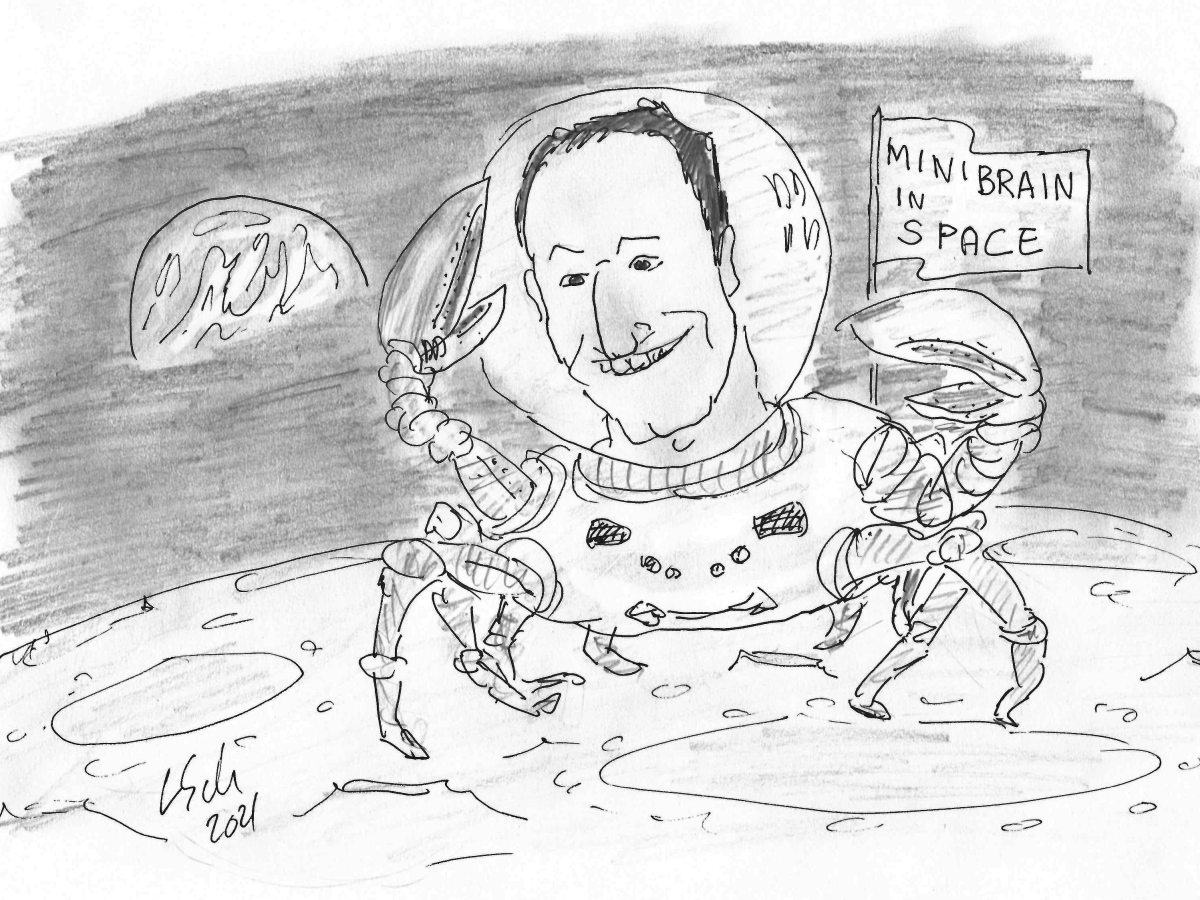
Alysson Muotri, a minibrain
Autistic Neanderthal minibrains operating crab robots via brain waves of newborn babies are to be launched into outer space for the purpose of interstellar colonization. No, I am not insane. Science Has Spoken.
Donate!
If you are interested to support my work, you can leave here a small tip of $5. Or several of small tips, just increase the amount as you like (2x=€10; 5x=€25). Your generous patronage of my journalism will be most appreciated!
€5.00

 For Better Science
Bonus Canavero:
https://eusa-riddled.blogspot.com/2017/05/you-went-full-rotwang-man-never-go-full.html
LikeLiked by 1 person
I found the editorial, but where is the rest of the special issue?
https://surgicalneurologyint.com/surgicalint-articles/whole-brain-transplantation-in-man-technically-feasible/
LikeLiked by 1 person
Oh my God.
Click to access SNI-7-49.pdf
“Imagine what effect might ensue from a young donor body (say, in her 20’s) nourishing with her young blood 24/24, 7/7 the head of an aging body recipient! Yes, life extension on a level that simple, periodic transfusions
of young blood have no way to match.”
“The real concern that needs to be addressed in this letter is whether one day HEAVEN is spun off as a cure for transsexualism (TS). […] Initially, head transplants will be deployed for incurable conditions, then for life extension. TS is not yet on the agenda”
LikeLiked by 1 person
The best bit there is the Commentary where Canavero’s acolyte assures the reader that all Canavero’s surgical magic has been proven to work in practice.
LikeLiked by 1 person
A billionaire of the Silicon Valley receives plasma from his adolescent son to live longer…
https://www.lefigaro.fr/secteur/high-tech/l-etre-humain-est-programme-pour-vivre-jusqu-a-120-ans-quand-la-silicon-valley-lance-un-defi-a-la-mort-20240819 (Sorry, it’s in French.)
This reminds me of the testicle transplants from rams (but also from monkeys and guillotined criminals!) that Serge Voronoff, a student of Alexis Carrel, practiced in the 1920s. He should have tested head transplants from young criminals…
LikeLike
Rich people, drinking the blood of their children to stay young..
https://www.businessinsider.com/millionaire-bryan-johnson-stops-blood-infusions-young-people-teen-son-2023-7
LikeLiked by 1 person
Sorry, Le Figaro is one year late…
LikeLike
Voronoff mentioned here:
https://forbetterscience.com/2023/12/04/little-creatures/
LikeLike
RetractionWatch still committed to the myth that Loscalzo is a victim: https://retractionwatch.com/2024/08/29/researcher-whose-work-was-plagiarized-haunted-by-impostor-emails/
LikeLike
The funny thing is that it was mentioned in one of the Shorts how Sadrizadeh, the main protagonist of the post in which Loscalzo is still labelled as a victim, was also involved and what he turned a blind eye to. This is the second time RW has reported on Sadrizadeh. Sadrizadeh again tells a victim story.
In the comments section it was mentioned what Sadrizadeh was trying to do.
LikeLike
“the director of the Regina Elena National Cancer Institute – Ruggiero De Maria, who leads the institute since 2011 and is also President of the national Alliance Against Cancer”
The “ruggero de maria” list, PubPeer – Search publications and join the conversation.
misses these contribution:-
A very clever kind of differentiation.
PubPeer – Mesenchymal differentiation of glioblastoma stem cells
Mixed up?
PubPeer – Type-3 metabotropic glutamate receptors regulate chemoresist…
Not following suit.
PubPeer – Noncanonical GLI1 signaling promotes stemness features and i…
LikeLike
Do US presidential term limits apply to the head or the body? Asking for a friend.
LikeLiked by 2 people
“Currently, the Ropes & Gray partner Barnes…”
“…institutions and RIOs cannot spend every waking hour reviewing PubPeer comments and other potential concerns of research misconduct originating on blogs, social media, and other online sources.”
Why is a presumably not poor lawyer complaining that he gets more work? Surely he gets paid?
He is in a perfect spot. U.S. law mandates that if U.S. federal money has been used (e.g. NIH-grants, NCI-grants) and if the complaints have substance the complaints have to be investigated. The NIH will have jurisdiction over any investigation, or at least that’s what Becky Welch, at East Carolina University writes, where an investigation happened recently.
The research integrity officers are the ones who should be going through publications aided by AI, such as ImageTwin, checking for inappropriate image reuse as a starter. What do they do all day? Hand out leaflets, fend off accusations of misconduct?
LikeLike
“Regina Elena National Cancer Institute in Rome”.
The article gives too much credit to the Regina Elena Cancer Institute for its breath taking discoveries. You have to take its achievements in the context of Rome being a “hotbed” of innovative techniques, which go back almost as far as Ancient Rome itself. It is only fair that credit is given where credit is due.
A very small selection, to preserve Rome’s modesty.
PubPeer – Phorbol ester-induced disruption of the CD4-Lck complex occu…
PubPeer – Effective erythropoiesis and HbF reactivation induced by kit…
Cameo appearance by Carolus Rex III, I mean Carlo Croce.
PubPeer – MicroRNA-133 controls cardiac hypertrophy
Oh! And again! It’s good to put in appearances on stage.
PubPeer – MicroRNAs 17-5p-20a-106a control monocytopoiesis through AML…
Some credit was given to this one, but not enough.
PubPeer – Inhibition of TPO-induced MEK or mTOR activity induces oppos…
An author told a journal their institution had no one who handled allegations. Turns out that wasn’t true. – Retraction Watch
LikeLiked by 1 person
To be fair to Roma, is it any more a “hotbed” than Londra?
Kristian Helin gets the perfect job – For Better Science
Top addresses attract the top talents.
LikeLike
PubPeer – Phorbol ester-induced disruption of the CD4-Lck complex occu…
I’ve always been interested in how the CD4-Lck complex works.
Could somebody explain how it works? Editors at the journal would do.
Bilocation – Wikipedia
Our Lady of the Pillar – Wikipedia
LikeLike
An excellent document. Its brevity adds.
Normae de modo procedendi in diudicandis praesumptis apparitionibus ac revelationibus – Sacra Congregatio pro Doctrina Fidei (vatican.va)
The Supreme Pontiff (Paulus VI, Paolo VI,Paul VI) knew more about the real world than many gave him credit for. He seems to have understood human nature quite well.
“B) Criteria negativa:
a) Error manifestus circa factum.
c) Evidens quaestus lucri cum ipso facto arcte connexus.
e) Morbi psychici vel tendentiae psychopaticae in subiecto, quae in ipsum factum praesumptum supernaturale influxum certo exercuerunt, vel psychosis aut hysterismus collectivus, aliave eiusdem generis.
Praesentes Normae in Congregatione Plenaria huius S. Congregationis deliberatae, a Summo Pontifice P.P. Paulo VI, f.r., die 24 februarii 1978, approbatae sunt.”
The leadership of the Regina Elena Cancer Institute could do much worse than follow these criteria.
Norms regarding the manner of proceedings in the discernment of presumed apparitions or revelations (vatican.va)
“B) Negative Criteria:
a) Manifest error concerning the fact.
c) Evidence of a search for profit or gain strictly connected to the fact.
e) Psychological disorder or psychopathic tendencies in the subject, that with certainty influenced on the presumed supernatural fact, or psychosis, collective hysteria or other things of this kind.
The Present Norms, deliberated in the Plenary Session of this Sacred Congregation, were approved by the Supreme Pontiff, Paul VI on 24 February 1978.”
LikeLike
New norms give Vatican greater say on alleged apparitions | Catholic News Agency
By Matthew Santucci
Rome Newsroom, May 17, 2024 / 06:53 am
“One key component of the news norms is that only the pope can judge that an alleged apparition or other phenomenon is of “supernatural origin.” It is beyond the scope of a local bishop or an episcopal conference to do so, the DDF [Vatican’s Dicastery for the Doctrine of the Faith] says.”
“In the document’s introduction, Fernández observes that under the older norms, “decisions took an excessively long time, sometimes spanning several decades,” delaying “the necessary ecclesiastical discernment.” “
Sounds very much like scientific journals!
“Fernández also highlights that in the past there was greater deference to the local bishop in ascertaining the validity of alleged supernatural events, stating that “some bishops insisted on being able to make a positive declaration of this type.”
“Even recently, some bishops have wanted to make statements such as, ‘I confirm the absolute truth of the facts’ and ‘the faithful must undoubtedly consider as true …’”
“These expressions,” Fernández states, “effectively oriented the faithful to think they had to believe in these phenomena, which sometimes were valued more than the Gospel itself.””
Sounds like a Protestant Reformation! Whatever next!
LikeLike
IRCCS Istituto Nazionale Tumori Regina Elena – RIN (reteneuroscienze.it)
SCIENTIFIC DIRECTOR
Prof. Gennaro Ciliberto
It’s always good to direct your name to be on papers.
PubPeer – TrkB is responsible for EMT transition in malignant pleural…
PubPeer – Neurotrophin system activation in pleural effusions
PubPeer – The Akt1/IL-6/STAT3 pathway regulates growth of lung tumor i…
LikeLiked by 1 person
Third retraction for Anna Bagnato.
https://link.springer.com/article/10.1007/s00109-024-02484-y
LikeLike
Gates opened?
“The Editor-in-Chief has retracted this article after concerns were raised about the data reported. Specifically:
In Figure 1e, individual lanes appear to be duplicated within the VEGF-C and B-actin blots.
In Figure 3g, individual lanes appear to be duplicated within the ETbR and B-arrestin-1 blots.
In Figure 4a, individual lanes appear to be duplicated within the VEGFR-3 blot.
In Figure 4b, individual lanes appear to be duplicated within the pMAPK and MAPK blots. There also appears to be a duplication between the AKT channel of this Figure and the AKT channel of Figure 7a.
The Editor-in-Chief no longer has confidence in the results or findings of this article.
Anna Bagnato did not respond to correspondence from the Publisher about this retraction. The Publisher was not able to confirm current contact details for the remaining authors.”


LikeLike
Fresh off the press!
https://www.catholicnewsagency.com/news/259377/medjugorje-vatican-gives-green-light-to-marian-devotion-but-says-some-issues-need-clarifying
“The Vatican’s doctrinal office on Thursday endorsed prudent devotion to Mary at the popular pilgrimage site in Bosnia and Herzegovina yet withheld any declaration on whether the alleged visions are supernatural in origin.”
Waiting for endorsement for devotion to the publications of Anna Bagnato and also Giovanni Blandino from the Regina Elena Cancer Institute, Roma. It may be too early for a statement of whether their publications are supernatural in origin.
https://pubpeer.com/search?q=Giovanni+Blandino
LikeLike
05 December 2024 retraction for Anna Bagnato, Retraction number 4.
Retraction: Endothelin-1 Inhibits Prolyl Hydroxylase Domain 2 to Activate Hypoxia-Inducible Factor-1α in Melanoma Cells | PLOS ONE
After this article [1] was published, concerns were raised about Figs 1–5. Specifically,
The corresponding author disagreed with the journal’s observations but did not provide the underlying raw image data. PLOS remains concerned that the areas remain more similar than would be expected from independent results which, in the absence of the underlying data, cannot be resolved.
In light of the above concerns, which question the reliability and integrity of the reported results, the PLOS ONE Editors retract this article.
AB did not agree with the retraction and stands by the article’s findings. FS, LR, MDD, VDC, MRN, and PGN either did not respond directly or could not be reached.Reference
LikeLike