

Schneider Shorts of 16 August 2024 – superconductor data released, old American alpha males in trouble, a theory why CureVac failed, a resigned Polish papermiller’s lament, with a remote-papermiller in London, France’s celebrity plagiarist, a society for fake neuroscience, MDPI in action, and finally a bad ecstasy trip in California.
Table of Discontent
Science Breakthroughs
- Equivalent to data manipulation – Mikhail Eremets releases superconductivity data
Science Elites
- Visiting professor who never visits– Omid Mahian remote-papermills for Imperial College London
- Megalomania squared – Krolczyk’s lament, before resignation
- Respondent intentionally, knowingly, or recklessly falsified data – Richard Eckert sanctioned by HHS-ORI
- I was not as rigorous as today – new revelations for France’s celebrity plagiarist Etienne Klein
Industry Giants
- A multi-million dollar deal – Ronald Plasterk’s success and CureVac’s fail
Scholarly Publishing
- Society for fake Neuroscience – SfN defends Stefano Pluchino from Mu Yang’s harassment
- Reviewing for MDPI – Rene Aquarius on his experience
- Vegetative electron microscopy – MDPI corrects paper by Luque and Rabiee
Retraction Watchdogging
- A scientific wonder – Irving Zucker loses a paper
- The drugs don’t work – Californian company faked clinical trials with ecstasy
Science Breakthroughs
Equivalent to data manipulation
The russian-German physicist Mikhail Eremets from Max Planck Institute for Chemistry in Mainz defends his much criticised hydrogen sulfide superconductor discovery in a new preprint, after he was attacked by two “witches” (his own portrayal!): Jorge Hirsch of UC San Diego and Frank Marsiglio of University of Alberta, plus by Maarten von Kampen with whom Eremets also refuses all communication. Not everyone is convinced by Eremets’ re-analysis. Read here about this affair:
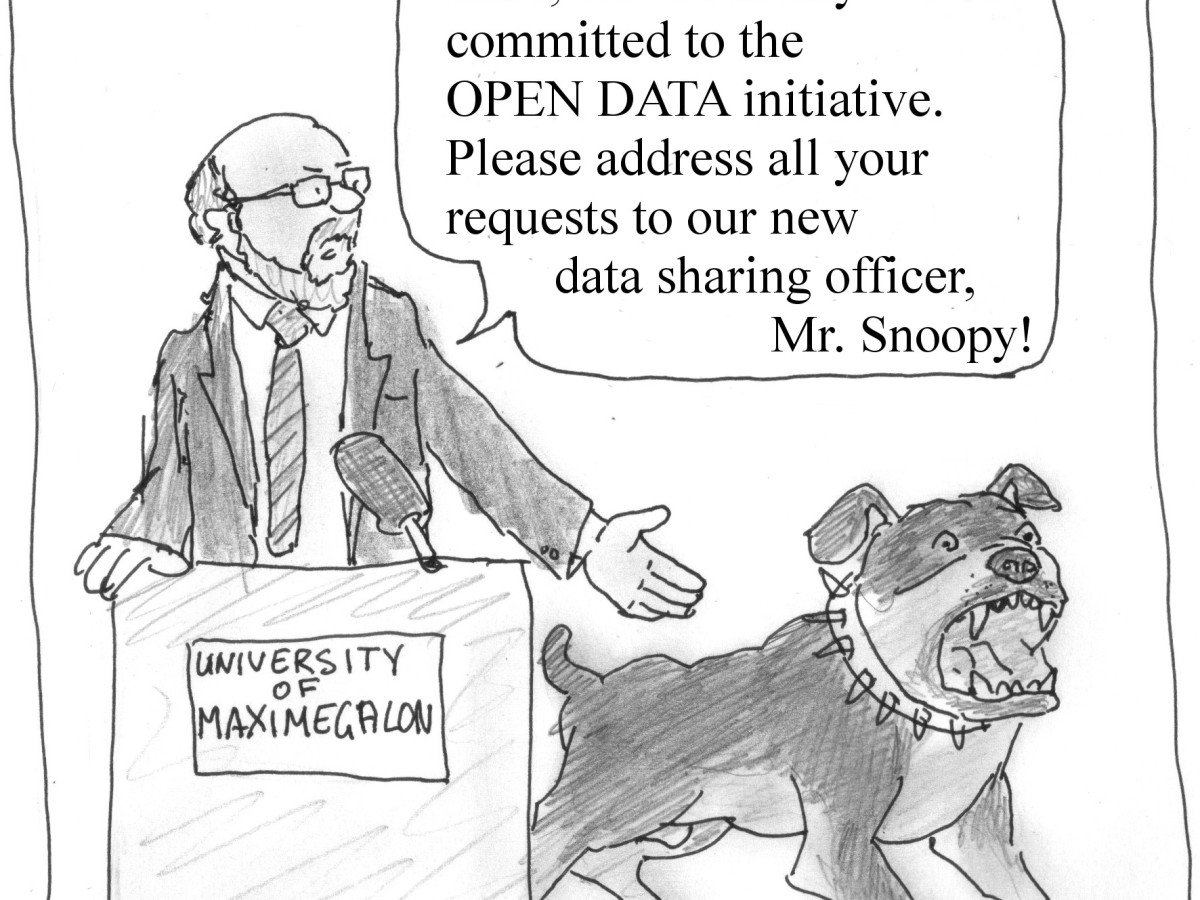
Superconductive Witch Hunt
“J. Hirsch. […] engaged in unscrupulous practices, including falsifying analyses and selectively presenting data to support unfounded claims. […] Hirsch’s tactics include manipulation of public opinion, personal attacks on our team members, and threats and complaints to our management and funding agencies.” – Mikhail Eremets, the single most highly regarded high pressure experimentalist today.

This is the paper in question:
V. S. Minkov, S. L. Bud’ko, F. F. Balakirev, V. B. Prakapenka, S. Chariton, R. J. Husband, H. P. Liermann, M. I. Eremets Magnetic field screening in hydrogen-rich high-temperature superconductors Nature Communications (2022) doi: 10.1038/s41467-022-30782-x
Nature brought this reporting by Dan Garisto on 5 August 2024:
“The dust-up over data was reported this May in the blog For Better Science. For the field of hydride superconductivity, which is still reeling from the Dias scandal, the latest dispute is not just a spat between researchers, but an existential question about how science should be conducted in a community already in turmoil. […]
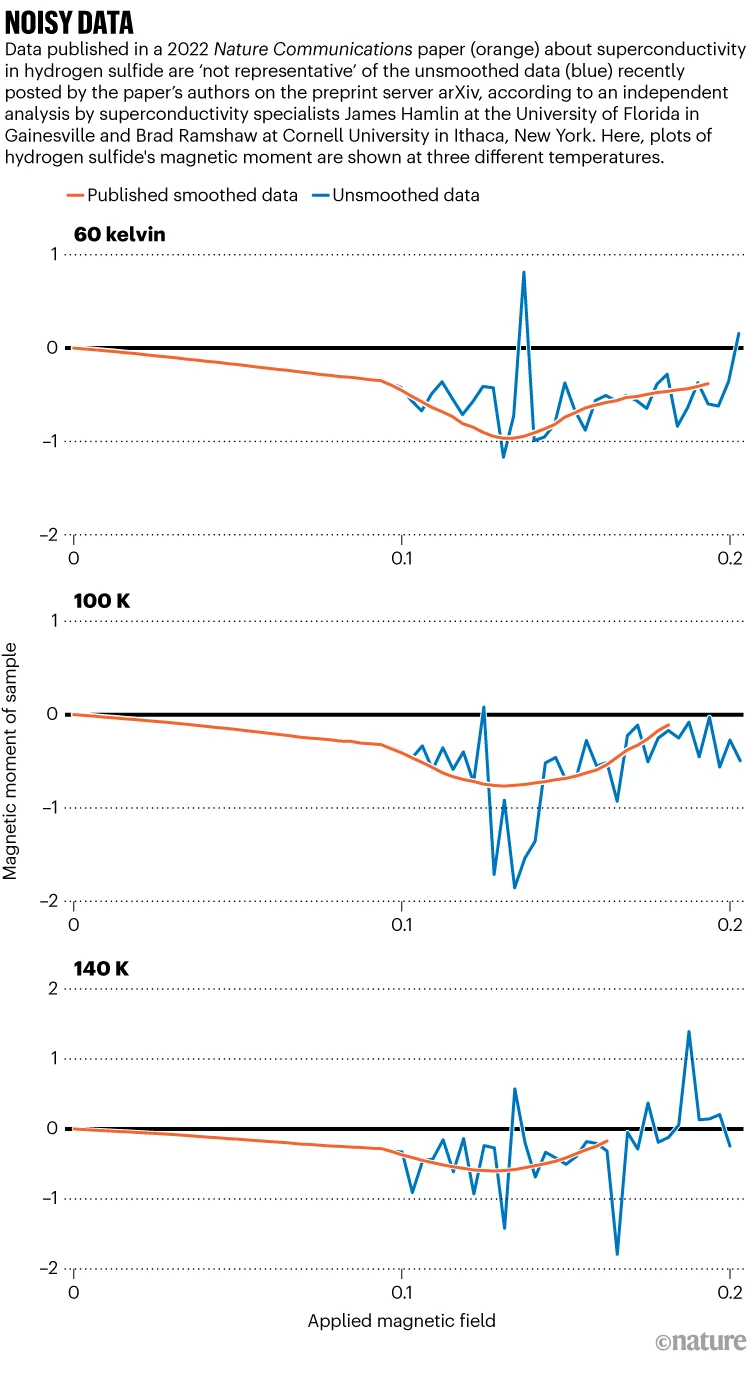
In May, Maarten van Kampen, a physicist who works in industry and is based in Eindhoven, the Netherlands, corroborated Hirsch’s findings, telling Nature’s news team that Eremets and his co-workers “did something” to change the noisy data into “the nice figure they published”.
Eremets and Minkov explained to the news team that they performed further smoothing. “This graph can seem misleading because it gives the impression that the lines result from averaging,” they said. “In fact, these lines are ‘guide lines’ plotted over the averaged data.” […] Minkov and Eremets defended the conclusions taken from the data — namely, that hydrogen sulfide is a superconductor — but acknowledged concerns about the smoothing procedure. “In retrospect, it is difficult to understand why we chose this kind of presentation,” they said.”
This is their new preprint, it was first published on 1 August 2024, then removed and reposted after modifications on 9 August 2024:
V. S. Minkov, E. F. Talantsev, V. Ksenofontov,, S. L. Bud’ko, F. F. Balakirev, M. I. Eremets Revaluation of the lower critical field in superconducting H3S and LaH10 (NatureComm. 13, 3194, 2022). osf (2024) doi: 10.17605/OSF.IO/7WQXB
Also an accompanying dataset was released, yet what the Nature article doesn’t mention, it is incomplete: the now available 160K data does not correspond to the 160K data published in the 2022 paper, which is therefore still missing. This looks like an important issue.
It should also be noted that four US and German coauthors of the original 2022 paper did not participate in this reanalysis. Instead, a new external collaborator was added: Evgeny Talantsev, researcher at a physics institute of the russian Academy of Sciences in Ekaterinburg, and a close associate of Eremets. Talantsev proved his eminence by previously stating that “everything is OK with hydrides“, equalling Hirsch and Marsilio to a flat-earthers, and accusing them of violating “professional communications standards towards me” and of research misconduct:
“ALL CURVES SHOWED BY JORGE AND FRANK WERE PARTIALLY HIDDED/DELETED CALCULATED CURVES, where 4 parameters were chosen and manually entered manually by Jorge and Frank without reporting this, and claimed instead as “fitting curves”.”
Talantsev also demanded “to declare an embargo on any relations with Jorge and Frank to everyone for whom scientific ethics makes sense, and not to provide any requested data coming from them“.
Actually, Eremets was not supposed to continue collaborating with russian institutions, as per Max Planck Society’s guidelines: “Due to the Russian war of aggression in Ukraine, the Max Planck Society has currently suspended its scientific collaborations at the institutional level.” But Talantsev is apparently exempt: Ereemts coauthored 5 publications with his colleague in russia since the beginning of russia’s full-scale war and genocide in Ukraine. I asked about that, but Max Planck Institute in Mainz excludes Ukrainans like myself from all communication.
Anyway, back to the Nature article. The russians insist it is the other side who did what they likely committed themselves:
“Eremets and Minkov say that they did not share the data because Hirsch has in the past “deliberately ignored” contradictory evidence for hydride superconductivity in his work8, which they claim is equivalent to data manipulation.”
And this is how the article ends:
“Hirsch has accused the MPIC team of violating the data-sharing policies of the Max Planck Institutes, which stipulate that data should be shared, but that exceptions can be made — for instance, if there are concerns about the misuse of data. Susanne Benner, a spokesperson for the MPIC, says that although data should generally be made available, concerns about misuse are a legitimate reason to withhold them.
Responding to a complaint from Hirsch, the Committee on Publication Ethics reviewed the case and found that Nature Communications had followed “due process”, but suggested that it clarify when requests for data are unreasonable and can legitimately be rejected. A spokesperson for Nature Communications says that the journal has updated its policy for transparency to remove the word “reasonable” so data are available only “upon request”.
Eremets says that sharing data in the superconductivity field has become fraught. “What is happening after Dias is an atmosphere of hysteria, suspicion and it’s not a community anymore,” he says. “It’s not good for science.”
Van Kampen acknowledges those fears, but says that sharing data is crucial for scientific reproducibility. By sharing data, “you make yourself vulnerable”, he says. “But I think it’s good. It is the way it should be.”
Bottom line: Max Planck Society’s dreams of a Nobel Prize for Eremets went in a puff of smoke. The professional approach is to sit it out and to quietly send the already 75-year-old Eremets into retirement. But at least a retraction for the 2022 paper should be unavoidable now.
Science Elites
Visiting professor who never visits
The prestigious Imperial College London has a visiting professor named Omid Mahian, affiliated with the Department of Chemical Engineering.
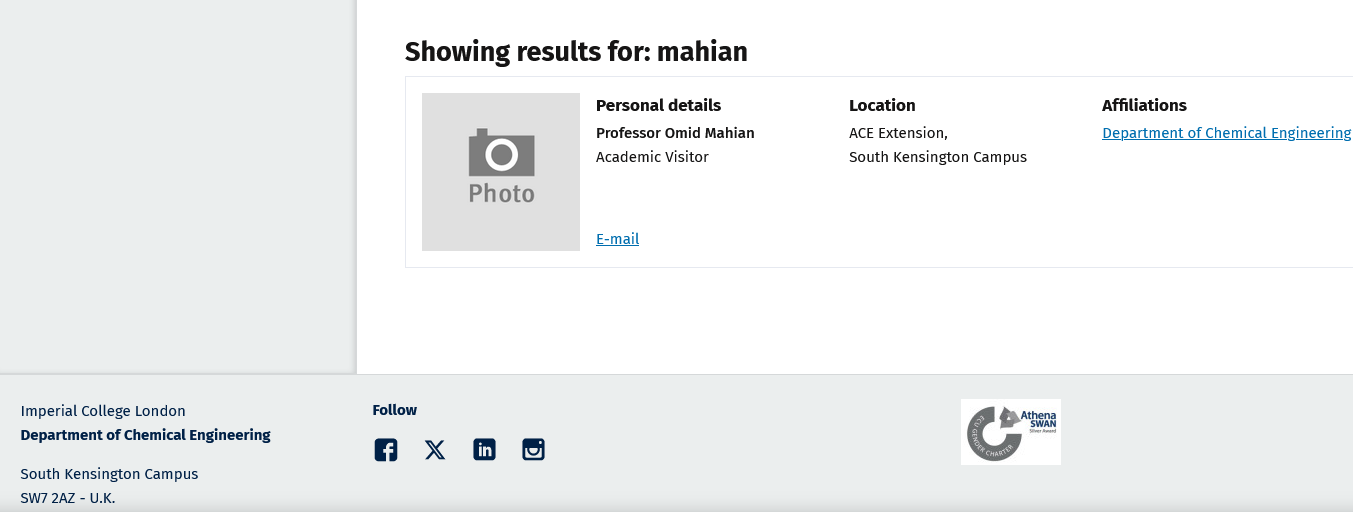
Problem Nr 1: the Iran-born engineer Mahian is a papermiller, Problem Nr 2: he is physically not at Imperial, but in China, where he holds a professorship at the Ningbo University. Problem Nr 3: Imperial College seems to be OK with that arrangement as long as Mahian uses the Imperial College affiliation. Like here:
Ali Sangtarash , Seyed Reza Maadi , Robert A. Taylor , Ahmad Arabkoohsar , Somchai Wongwises , Mikhail Sheremet , Omid Mahian , Ahmet Z. Sahin A comprehensive investigation of porous media’s effects on the performance of photovoltaic thermal systems Applied Thermal Engineering (2024) doi: 10.1016/j.applthermaleng.2024.122766
Mahian’s coauthor there is his close associate, the papermill fraudster Somchai Wongwises, in turn an associate of Arash Karimpour, Masoud Afrand and Nader Karimi. Another coauthor is a russian papermill ork named Mikhail Sheremet, see for example Sheremet’s paper Islam et al 2023 and its tortured phrases about “magnetic specialization“, “bouncy force” and “dynamics of thermal energy flow […] addressed using heart function and headlines“. Incidentally, Mahian bears 3 affiliations on that paper: Ningbo University, Imperial College London and Sheremet’s own Laboratory on Convective Heat and Mass Transfer of Tomsk State University in russia.
This one, again with Wongwises, received an Expression of Concern due to concerns “about the integrity and rigor of the peer-review process“, being part of the Special Issue edited by Afrand. Karimi and Mohammad Arjmand:
Kittinan Boonma , Mehrdad Mesgarpour, Javad Mohebbi NajmAbad , Rasool Alizadeh , Omid Mahian , Ahmet Selim Dalkılıç , Ho Seon Ahn , Somchai Wongwises Prediction of battery thermal behaviour in the presence of a constructal theory-based heat pipe (CBHP): A multiphysics model and pattern-based machine learning approach Journal of Energy Storage (2022) doi: 10.1016/j.est.2022.103963
Maybe stop accepting submissions, Herr Prof Dr Sauer?
Who needs science if you can have a 75 paper strong special edition by Afrand and Karimi? A guest post by Alexander Magazinov.

There is of course much more by Mahian on PubPeer. Papers with Christian Sonne and his associate Su Shiung Lam for example. Especially this monstrosity by Mahian and Lam, a parade of the worst papermillers: Yasin Orooji, Gilles Guillemin, Mortaza Aghbashlo, Meisam Tabatabaei…
Homa Hosseinzadeh-Bandbafha, Hamed Kazemi Shariat Panahi, Mona Dehhaghi, Yasin Orooji, Hossein Shahbeik, Omid Mahian, Hassan Karimi-Maleh, Alawi Sulaiman, Changtong Mei, Mohammadali Kiehbadroudinezhad, Abdul-Sattar Nizami, Gilles G. Guillemin, Su Shiung Lam, Wanxi Peng, Xiangmeng Chen, Ki-Hyun Kim, Mortaza Aghbashlo, Meisam Tabatabaei Nanomaterials and their role in advancing biodiesel feedstock production: A comprehensive review Biofuel Research Journal (2023) doi: 10.18331/brj2023.10.3.4
Read about Sonne, Lam, Aghbashlo and Tabatabaei here:
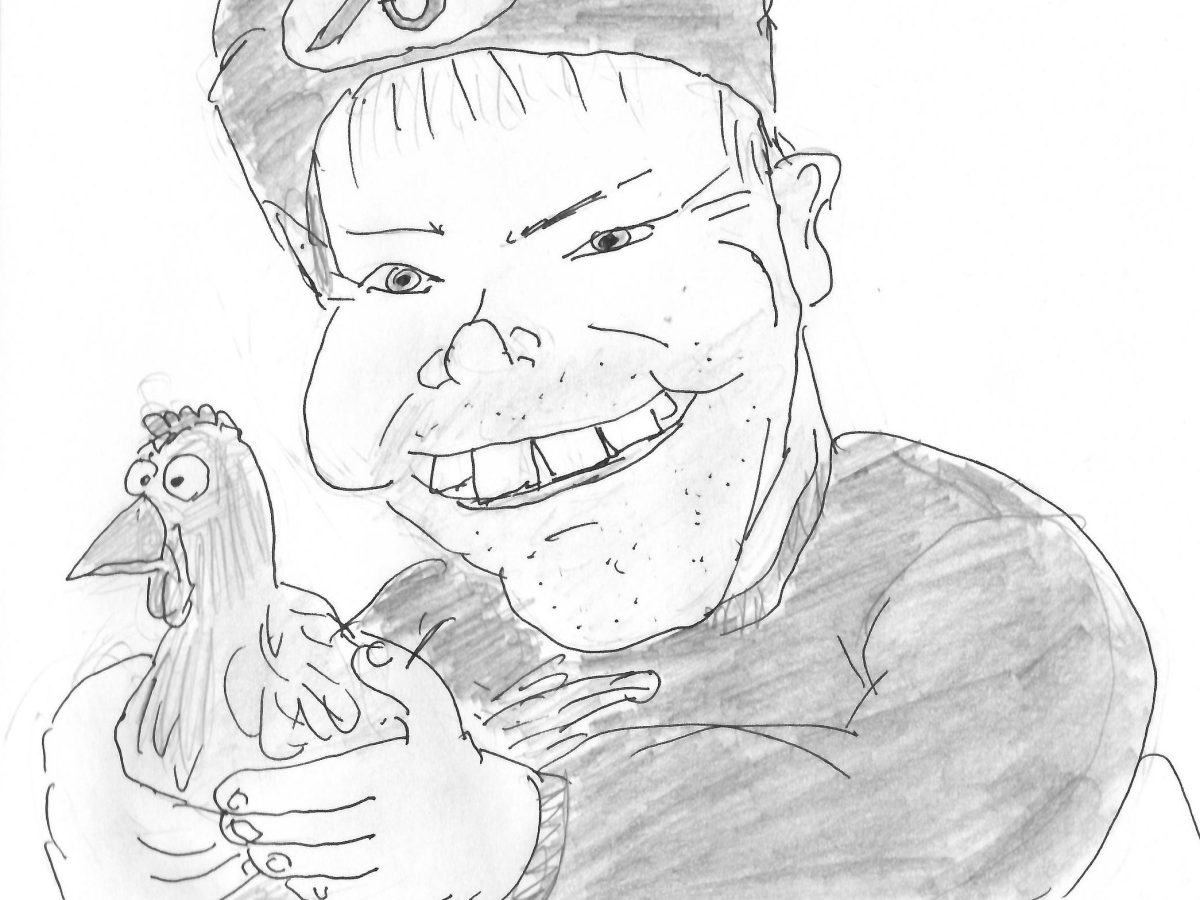
This trolling is breathtaking:
Omid Mahian, Somchai Wongwises Is it Ethical for Journals to Request Self-citation? Science and Engineering Ethics (2015) doi: 10.1007/s11948-014-9540-1
Now look at this, where Mahian uses an Iranian affiliation with Ferdowsi University of Mashhad and shares an affiliation with Wongwises of King Mongkut’s University in Bangkok, Thailand:
Omid Mahian, Lioua Kolsi , Mohammad Amani , Patrice Estellé , Goodarz Ahmadi , Clement Kleinstreuer , Jeffrey S. Marshall , Majid Siavashi , Robert A. Taylor , Hamid Niazmand , Somchai Wongwises , Tasawar Hayat , Arun Kolanjiyil , Alibakhsh Kasaeian , Ioan Pop Recent advances in modeling and simulation of nanofluid flows-Part I: Fundamentals and theory Physics Reports (2019) doi: 10.1016/j.physrep.2018.11.004

You can read about Mahian’s coauthor Tasawar Hayat here:

So anyway, what does the Imperial College London think of their visiting professor? This was the reply by their Research Integrity Officer Jon Hancock to one of the notifiers:
“Professor Omid Mahian is not employed by, and nor is he based at, Imperial College London. As you will be aware he is currently employed as a full Professor in the Faculty of Mechanical Engineering and Mechanics at Ningbo University, China.
He currently has a Visiting Researcher association with Imperial College London. These are usually short-term informal associations of around 12 months in duration. Although they may be extended, they must be reviewed on an annual basis. I understand that he has not been based at Imperial during this association, but collaborated with Imperial academics virtually.
Imperial College London considers any allegation of potential research misconduct to be a matter of concern and although Professor Mahian is not an Imperial employee, the information you have provided will be considered carefully when Professor Mahian’s visiting researcher status is reviewed in the next few months.
Translation: Mahian is not really a visiting professor, that is just a little scam by Imperial, because Mahian’s papermill fabrications with Imperial affiliation are needed for REF performance assessments. Imperial College quickly assessed the usefulness of Mahian’s papermill fraud, i.e. by weighing the dangers of retractions and reputational damage against his publication and citation delivery usefulness, and then decided, as announced by Hancock in his next email:
” when Professor Mahian’s visiting researcher status comes to an end, he will be instructed to cease using Imperial College London as an institutional affiliation.”
More Hancock adventures here:

Imperial Piss-Take
“Having reviewed the Conflict of Interest disclosures made by Professor Frost, Professor Holmes and Dr Garcia-Perez, and having also reviewed additional information concerning their company, Melico, […] the College is satisfied that they have no undisclosed or unmanageable conflicts of interests” – Arts Bachelor (Honours)
In the next few months, Imperial visitor Mahian can be seen live in Poland, as a speaker at the InternNanoPoland conference 16-17 October 2024 in Katowice. It is sponsored by Polish universities and research institutions. The speakers are actually secret and are not listed on the website, but there is a trick. Will you be surprised that the King of Papermillers Rafael Luque is among the speakers, job-wise described as “currently a Freelancer Professor“, i.e. unemployed? You will meet Luque again further below.
Megalomania squared
Speaking of Poland. Grzegorz Krolczyk, the rapacious papermill rabbit and vice-rector of the Opole University of Technology, has been forced to resign from his May 2024 appointment as chairman of the national the Council for Innovation in Higher Education and Science. Retrospectively even. This was reported by Opolska on 14 August 2024, referencing the spokeswoman for the Ministry of Science:
“Professor Grzegorz Królczyk resigned on July 23 in response to media reports regarding his scientific activities. The resignation was the initiative of prof. Królczyk and concerned the entire work of the Council for Innovation in Higher Education and Science. Therefore, the Professor is no longer a member of the above-mentioned Council” – says Natalia Żyto.”
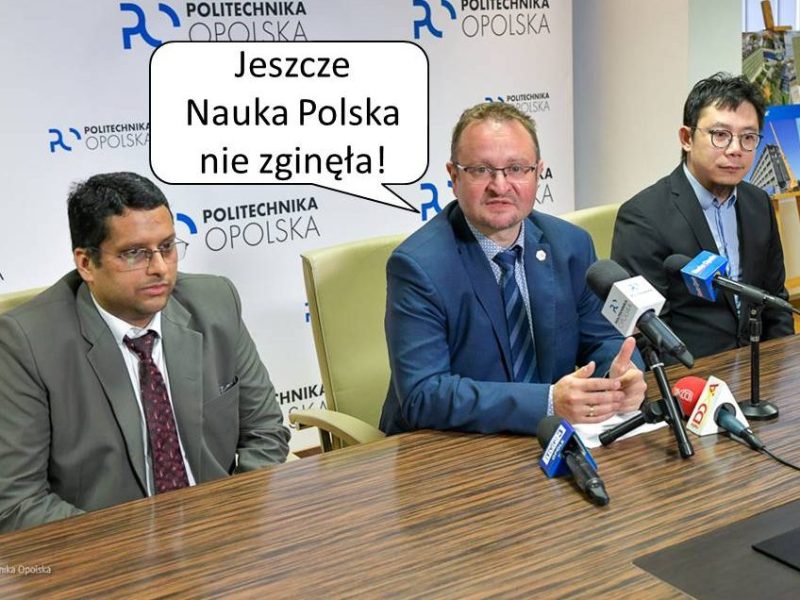
Polish science eaten by Papermill Krolczyk
“Prof. Grzegorz Królczyk, Vice-Rector for Science and Development of the Opole University of Technology, was elected President of the Council for Innovation in Higher Education and Science.”
Just a few days before that, Krolczyk felt totally confident and had his secretary interview him. The result was published on 10 August 2024 on Opole Polytechnic website and is a very long diatribe against all his critics and an announcement to sue the local newspaper Opolska.
Some choice quotes from Krolczyk’s “interview” (in Google-translation), with my comments:
“Out of 60 articles contributing to [Krolczyk’s] Hirsch Index, 41 were published in one of the most prestigious publishing houses, i.e. Elsevier, 6 articles were published in the equally prestigious Springer Nature publishing house, 6 articles were published in the MDPI publishing house, […] The world’s best publishing houses guarantee a reliable review process and thus the quality of the reviewed research. “
LOL. Especially about MDPI.
“I would like to emphasize that science does not recognize borders, and I have joint research and review work with scientists from several dozen countries, e.g. from China, the USA, Ukraine, Croatia, the Czech Republic, Russia, and Belarus. This is scientific cooperation, but not at any cost. For example, my co-authors know my view on the war caused by Russia. I was the initiator of breaking off institutional contacts with Russian universities and removing Russian scientists from the scientific committees of conferences organized by the Opole University of Technology.”
That is actually a shameless lie. Kroczyk and his Opole colleagues are STILL publishing papers with rascist papermill ork Danil Pimenov, who publicly supports putin, kadyrov and the war on Ukraine (read August 2024 Shorts).
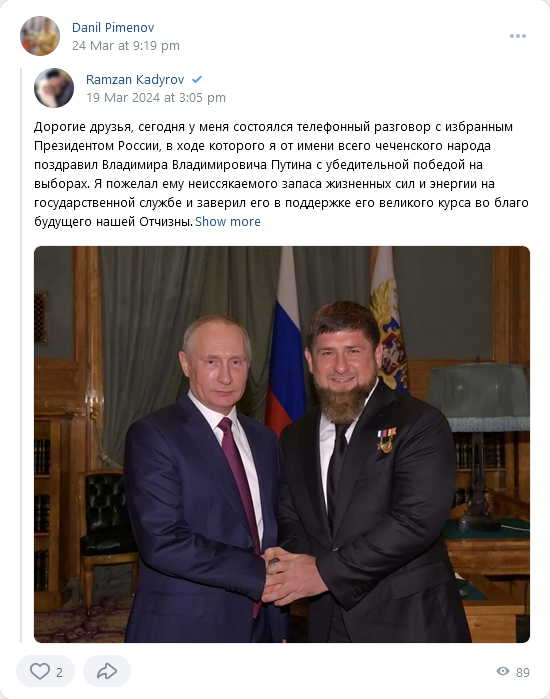
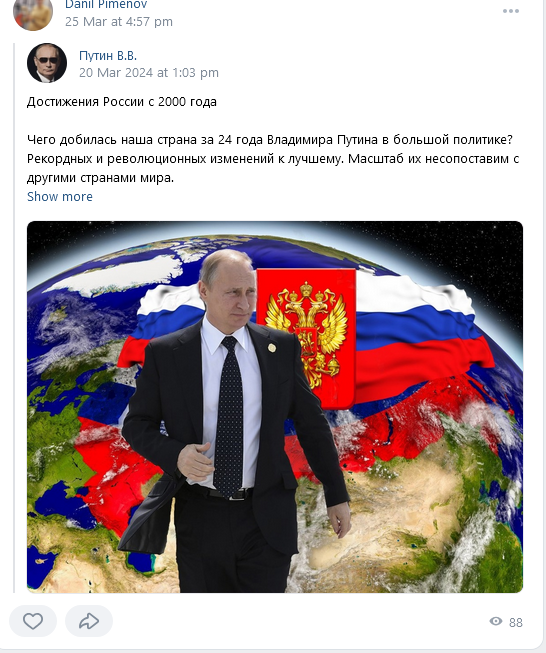
Proof – recent papermill garbage by the two corresponding authors Pimenov and Krolczyk which they submitted on 29 February 2024 and published in April 2024:
Danil Yu. Pimenov , Leonardo Rosa Ribeiro Da Silva , Alisson Rocha Machado , Pedro Henrique Pires França , Giuseppe Pintaude , Deepak Rajendra Unune , Mustafa Kuntoğlu , Grzegorz M. Krolczyk A comprehensive review of machinability of difficult-to-machine alloys with advanced lubricating and cooling techniques Tribology International (2024) doi: 10.1016/j.triboint.2024.109677

References to Krolczyk’s associates MK Gupta (22) and M. Mia (13)
There was also this, with a revealing keyword of “milling”, resubmitted by Pimenov and two Opole professors to the journal in June 2022:
Danil Yu. Pimenov , Munish Kumar Gupta , Leonardo R.R. Da Silva , Maitri Kiran , Navneet Khanna , Grzegorz M. Krolczyk Application of measurement systems in tool condition monitoring of Milling: A review of measurement science approach Measurement (2022) doi: 10.1016/j.measurement.2022.111503
To be fair, Pimenov’s most loyal Polish partner is not Krolczyk but a certain Tadeusz Mikolajczyk, associate professor at UTP University in Bydgoszcz. Their extremely close collaboration started already in 2015 and continues happily to this day. Krolczyk and his papermilling friends Munesh Gupta and Mozammel Mia joined only later, see Mikolajczyk et al 2018, and Mikolajczyk et al 2019. 2018 was also when Krolczyk (with Gupta and Mia) first published with Pimenov seperately (e.g., Mia et al 2018), leading to almost 20 common papers today, including Singh et al 2021 with the now defunct predatory publisher Imperial Open. Maybe it was Mikolajczyk who introduced Krolczyk to the “good russian” Pimenov? Anyway, Krolczyk is ready to defend his Polish fatherland from foreign influence:
“After analyzing the situation I found myself in, I am convinced that I have fallen victim to a massive attack and there will be more and more such situations in Poland.”
It is indeed a huge anti-Polish conspiracy.
“The whole situation is reminiscent of Kafka’s “The Trial”.
No, in Krolczyk’s case rather “The Metamorphosis”.
On his two retractions:
“Suddenly, after two years, it turned out that the editors of the special issue, representing very good universities, including: from Canada or England were accused of scientific dishonesty. […] To this day, I don’t know what caused the retraction of the articles I co-authored. It was certainly not the initiative of any of the co-authors. I have not been accused of anything unethical personally. The articles were removed, so I asked the publisher to tell me why. The website only states that the authors did not provide satisfactory information, which surprised me because no one contacted us. […] The decision was made by the editor, about whom there are a lot of ethical allegations on the Internet, and probably out of fear she retracted several dozen articles from this special issue. “
That is just sooo wrong and slanderous, the papers were retracted over “a significant increase in citations to articles by the two Guest Editors between the original submission and the revised version“. The Opole professor Hubert Wojtasek described Krolczyk’s attack on the editor as “megalomania squared” in an interview in Opolska, and explained “it is obvious that no one contacted Prof. Krolczyk on this matter. The corresponding author was Prof. [Zhixiong] Li. So it’s Prof.’s Li fault that Prof. Krolczyk didn’t know anything about it, although I don’t believe it.”
Krolczyk’s full reply to the question: “What does Dr. Leonid Schneider do?“
“He presents himself as an independent science journalist. He never asked me a single question, like journalists do. Instead, he launched a ruthless attack: he sent an e-mail to the rector, vice-rectors of our university and the dean of the Faculty of Mechanical Engineering, accusing me of something as absurd as buying research in Asia and Iran. In the subsequent messages, many slanders were expressed against me, written in a language whose style and level was far from the standards of official correspondence. Each message was signed in Cyrillic “Glory to Ukraine, glory to the heroes!” I still have doubts whether this person exists at all, i.e. whether he is actually the person he claims to be.
Please note that people around him graduated from Moscow universities. We are dealing with a Ukrainian of Jewish origin living in Germany who signs his name in Cyrillic and attacks scientists from Central Europe. Such information cannot be ignored.“
Indeed, the danger to Poland and its Jesus Among the Scientists from Ukrainian-speaking Jews in Germany like Schneider and exile russians like Alexander Magazinov, cannot be overestimated. But again, the putin-worshipping rascist ork Pimenov is a friend of Poland. I propose the Ukraine-hating antisemiite Krolczyk shares his warnings on Radio Maryja and russian TV.
“Leonid Schneider claims that he is 47 years old and lives on donations to his blog because working on it takes him a lot of time. You can quickly check it and what does it turn out to be? Monthly donations amount to PLN 300. A 47-year-old with a doctorate degree lives in Germany on PLN 300? This version is impossible, so the question arises: who sponsors his activities?
I know that the police in Gliwice brought a case against him to the prosecutor’s office, but I would not like to reveal the details so as not to harm the person who was in danger due to Mr. Schneidr’s [sic] attacks. I have heard of similar cases conducted in the Czech Republic, Italy and Hungary. “
Gliwice refers to the Silesian Polytechnic’s iranian papermiller named Samrand Saiedi (read June 2024 Shorts) who indeed threatened me with all possible things. Good to know he and Krolczyk are friends.
Otherwise, my little innocent rabbit, just as you insinuate, I am indeed paid by Soros and Rotschild. And as every patriotic Pole knows, we Jews don’t need to buy food as we live off the blood of Christian babies.
Respondent intentionally, knowingly, or recklessly falsified data
US HHS-ORI announced another fraud finding. The guilty party is no small fish this time:
“Richard L. Eckert, Ph.D., University of Maryland, Baltimore: Based on the report of an investigation conducted by the University of Maryland, Baltimore (UMB) and additional analysis conducted by the Office of Research Integrity (ORI) in its oversight review, ORI found that Richard L. Eckert, Ph.D., (Respondent), who was Professor, Chair of the Department of Biochemistry and Molecular Biology, and Deputy Director of the University of Maryland and Stewart Greenebaum Comprehensive Cancer Center, UMB, engaged in research misconduct in research supported by U.S. Public Health Service (PHS) funds[…]
ORI found that Respondent engaged in research misconduct by intentionally, knowingly, or recklessly falsifying and/or fabricating data in the following thirteen (13) published papers and two (2) PHS grant applications […]
Specifically, ORI found that Respondent intentionally, knowingly, or recklessly falsified and/or fabricated Western blot image data and microscopy image data by:
- using images representing unrelated experiments, with or without manipulating them, and falsely relabeling them as data representing different proteins and/or experimental results […]
- reusing the same source images, with or without manipulating them to conceal their similarities, and falsely relabeling them as data representing different proteins or experimental results […]
- manipulating the data to exclude the band from a source image to falsely show a favorable result”
The dermatologist Eckert was appointed as Deputy Director of the UMB Cancer Center in 2019, described as “a preeminent scientist and investigator with continuous funding from the National Institutes of Health“, his job was also “to evaluate and mentor scientific faculty“. HHS-ORI now banned him for EIGHT years from applying for funding or acting as reviewer. These papers are ordered to “be corrected or retracted“:
- Cancer Res. 2016 Dec 15;76(24):7265-7276. doi: 10.1158/0008-5472.CAN-16-2032.
- Oncotarget 2017 Nov 22;8(66):110257-110272. doi: 10.18632/oncotarget.22628.
- J Biol Chem. 2014 Apr 18;289(16):11443-11453. doi: 10.1074/jbc.M113.543165.
- J Biol Chem. 2015 May 22;290(21):13521-30. doi: 10.1074/jbc.M115.642868.
- J Biol Chem. 2011 Aug 19;286(33):28772-28782. doi: 10.1074/jbc.M110.205245.
- Carcinogenesis 2010 Mar;31(3):496-503. doi: 10.1093/carcin/bgp314.
- J Invest Dermatol. 2008 Mar; 128(3):517-29. doi: 10.1038/sj.jid.5701035.
- J Invest Dermatol. 2010 Aug;130(8):2017-30. doi: 10.1038/jid.2010.108.
This is the last paper in the list:
Gautam Adhikary , Yap Ching Chew , E Albert Reece , Richard L. Eckert PKC-delta and -eta, MEKK-1, MEK-6, MEK-3, and p38-delta are essential mediators of the response of normal human epidermal keratinocytes to differentiating agents Journal of Investigative Dermatology (2010) doi: 10.1038/jid.2010.108


There is much, much more on PubPeer, flagged by anonymous PubPeer users in 2022, but Eckert already corrected some of that. I show a few examples.
Sivaveera Kandasamy , Gautam Adhikary , Ellen A. Rorke , Joseph S. Friedberg , McKayla B. Mickle , H. Richard Alexander , Richard L. Eckert The YAP1 Signaling Inhibitors, Verteporfin and CA3, Suppress the Mesothelioma Cancer Stem Cell Phenotype Molecular Cancer Research (2020) doi: 10.1158/1541-7786.mcr-19-0914

This will need a second correction:
Kamalika Saha , Matthew L Fisher , Gautam Adhikary , Daniel Grun , Richard L Eckert Sulforaphane suppresses PRMT5/MEP50 function in epidermal squamous cell carcinoma leading to reduced tumor formation Carcinogenesis (2017) doi: 10.1093/carcin/bgx044

Correction 7 August 2023: “In the originally published version of this manuscript, there was an error in band placement in Figure 1D. In the original figure, incorrect bands were inadvertently presented representing histone 4.”
Yet Smut Clyde found more:

This was corrected already in 2022, because a colour figure was erroneously submitted in black and white, but new problems were found:
James F Crish , Frederic Bone , Eric B Banks , Richard L Eckert The human involucrin gene contains spatially distinct regulatory elements that regulate expression during early versus late epidermal differentiation Oncogene (2002) doi: 10.1038/sj.onc.1205038

One paper was already retracted in early 2021 following an instituional investigation by UMB, Eckert was against the retraction:
Bingshe Han , Ellen A. Rorke , Gautam Adhikary , Yap Ching Chew , Wen Xu , Richard L. Eckert Suppression of AP1 transcription factor function in keratinocyte suppresses differentiation PLoS ONE (2012) doi: 10.1371/journal.pone.0036941
“The University of Maryland, Baltimore, has investigated the work reported in this article [1]. The investigation committee recommended retraction of the article and concluded that it is compromised in light of their findings about Figs 1 and 2. […] In light of the above concerns and in line with the University’s recommendation, the PLOS ONE Editors retract this article.
EAR, WX, and RLE did not agree with retraction. The other authors either could not be reached or did not respond directly.”
Retraction 11 February 2021
This is one of many PubPeer-flagged papers which wasn’t corrected yet and is not on HHS-ORI’s list:
Sivaprakasam Balasubramanian , Yap Ching Chew , Richard L. Eckert Sulforaphane Suppresses Polycomb Group Protein Level via a Proteasome-Dependent Mechanism in Skin Cancer Cells Molecular Pharmacology (2011) doi: 10.1124/mol.111.072363


The rest is on PubPeer, let’s conclude with curcumin, because no biomedical fraud is complete without it:
Sivaprakasam Balasubramanian , Richard L. Eckert Curcumin Suppresses AP1 Transcription Factor-dependent Differentiation and Activates Apoptosis in Human Epidermal Keratinocytes Journal of Biological Chemistry (2007) doi: 10.1074/jbc.m606003200


I was not as rigorous as today
The French celebrity plagiarist and physicist Étienne Klein was caught on even more plagiarism, this time in his PhD thesis. Here is the investigation by Arret sur Images (ASI) from 5 August 2024 (Google-translated):
“…the bad habits of Étienne Klein, singled out in 2016 by Express for sentences taken from great authors and other physicists, subject of a previous article in Arrêt sur images for the recycling of his own texts… including those containing already identified plagiarism. At L’Express then at Le Monde – which returned in 2021 to the plagiarisms revealed by the weekly – Étienne Klein said he was involuntarily touched by the prose of writers after reading them. Or highlighted the impossibility of presenting physical phenomena in a way different from the scientific canon. To ASI in May 2024 , he justified his practice of recycling texts in order to supply works, chronicles and popular texts (including plagiarism) by their educational nature. If Express – which had entrusted him with a column in 2022 – had then ceased its collaboration with Étienne Klein, France Culture had retained its confidence in him. […]
This source of Étienne Klein’s practice is his thesis, entitled Studies on the question of unity in physics – subsequently published under the title The Unity of Physics by Puf [Presses Universitaires de France, – LS]. He defended it in 1999 at Paris-Diderot University, facing a jury made up of big names in the philosophy of science such as Dominique Lecourt, Françoise Balibar, Michel Paty and Lambros Couloubaritsis. They validated a scientific work that was nevertheless largely plagiarized, since our review establishes that several dozen pages of this thesis were copied and pasted, sometimes with slight paraphrases, from other works by at least 22 different authors. … including three members of its own jury. In total, we identified plagiarized passages in 88 of the 429 pages of text in the book resulting from the thesis, or a little more than 20%: you can find all of the identified plagiarism here . […]
On several occasions, Étienne Klein also uses a subterfuge already identified in 2016 by Express : quoting an author correctly, while plagiarizing him before or after in several paragraphs without further indicating any reference. “
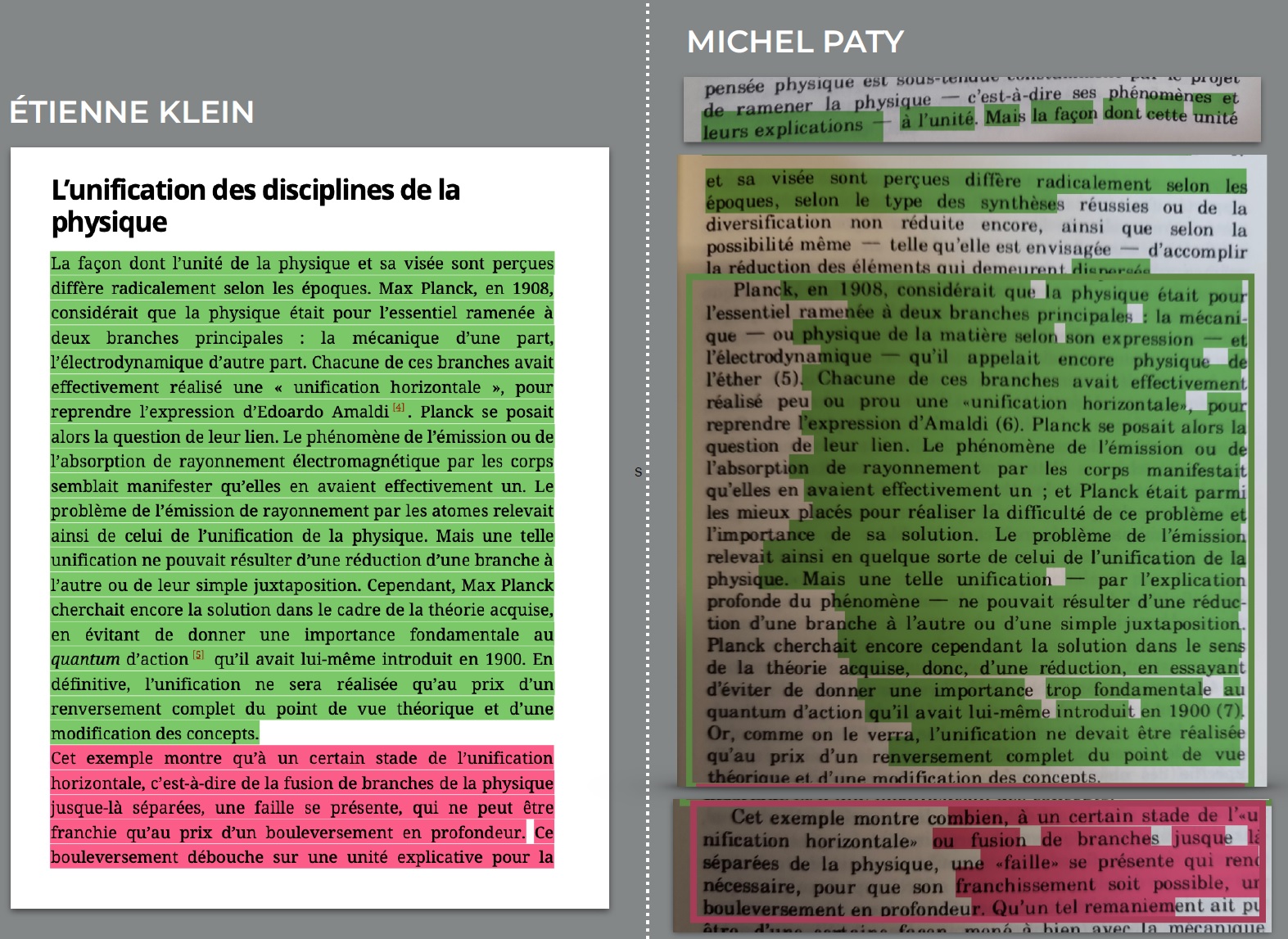
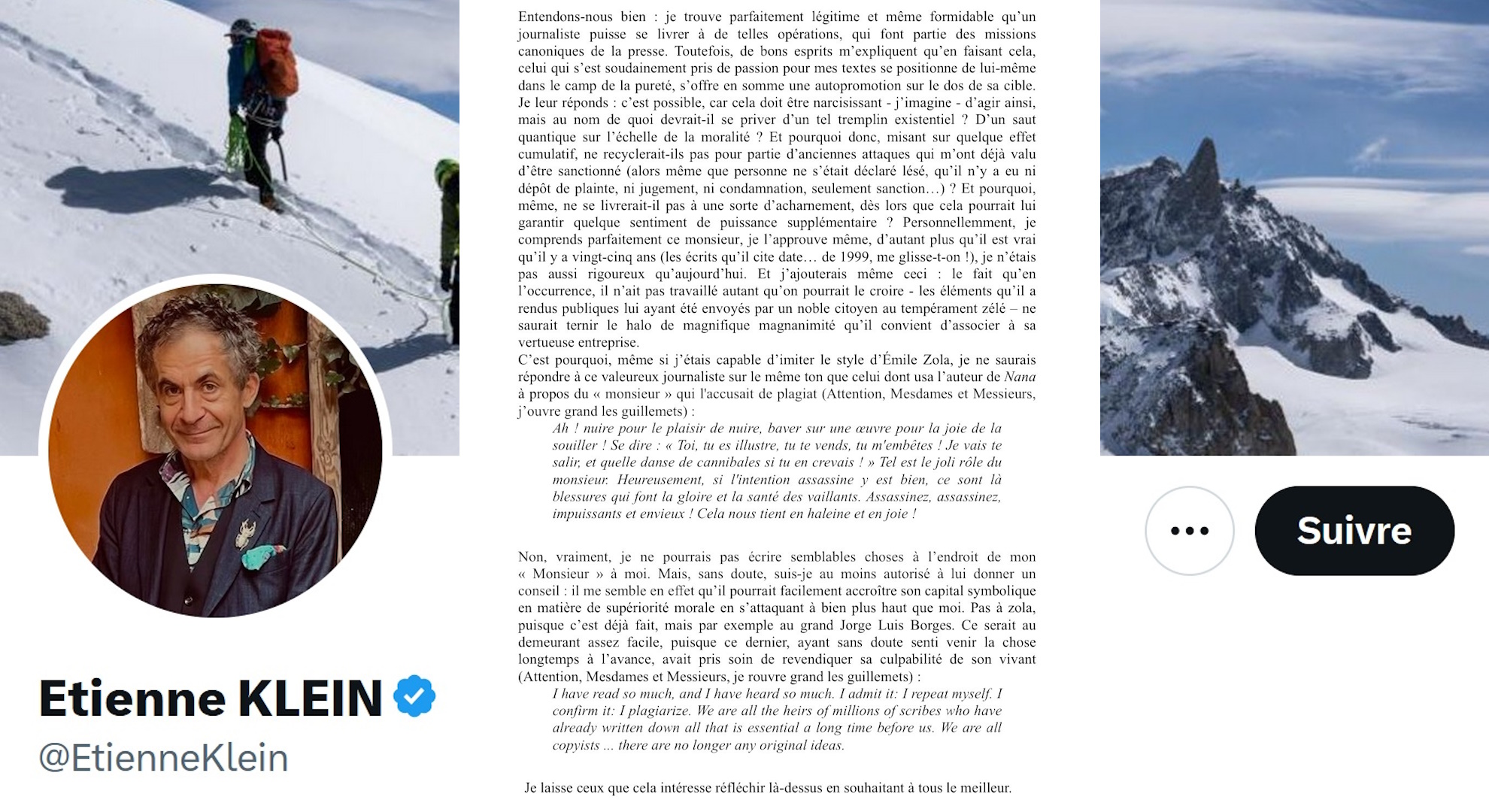
Klein only reacted after the ASI article was published, and on the social media:
“A few hours after publication of this article, Étienne Klein posted a long response on X – then deleted, we republish it below. […] Klein writes: “It is true that 25 years ago (the writings that he quotes date… from 1999, I am told!), I was not as rigorous as today.” He does not specify that the “writings” concerned are those of his doctoral thesis.”
Industry Giants
A multi-million dollar deal
Maybe you recall the Dutch politician and entrepreneur Roland Plasterk, who used to be the scientific director of the Hubrecht Institute. Eventually, Elisabeth Bik exposed data falsifications in his papers, the institute opened an investigation, one very fake paper in Science was eventually retracted, others received eternal Expressions of Concern to close the case of Plasterk’s fake science. More recently, Plasterk almost became his country’s Prime Minister on behalf of the Dutch far-right. I wrote about some of this in December 2023 Shorts, and here:

Science misconduct
Scholarly publishing is broken, and no repair is possible. At least let’s point fingers at the elites and laugh. Can science trust Science?
Now, there is a new aspect to Plasterk’s science, as the Dutch newspaper NRC reported on 8 August 2024 (Google-translated):
“Ronald Plasterk wrongly claims to be the only inventor in the ‘patent issue’, the Amsterdam UMC states after its own investigation. Thanks to the patent applications in his own name, Plasterk was able to conclude a multi-million dollar deal with his own company at the time of his professorship. The university was left behind, revealed NRC last March.
The issue led to Plasterk withdrawing as Geert Wilders’ prime ministerial candidate for the new cabinet of PVV, VVD, NSC and BBB.
The Amsterdam UMC announced research from which it now concludes that full-time university researcher Jan Koster is a co-inventor, as NRC found. The Amsterdam UMC wants Koster to be added as an inventor to several patent applications and a patent that has now been granted. If that happens, the Amsterdam UMC, as Koster’s employer, will automatically become co-owner of the patents. This then applies retroactively.”
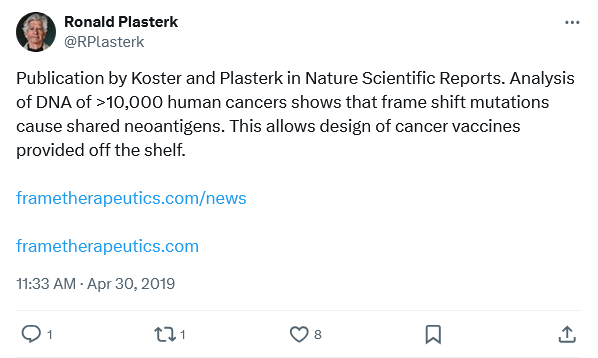
This was the decisive paper from April 2019, published in “Nature Scientific Reports” because maybe previous reviewers at proper Nature journals smelled trash:
Koster, J., Plasterk, R.H.A. A library of Neo Open Reading Frame peptides (NOPs) as a sustainable resource of common neoantigens in up to 50% of cancer patients. Scientific Reports (2019). doi: 10.1038/s41598-019-42729-2
“NL2021400 Patent pending; filed on July 24 2018, by Ronald Plasterk as inventor: method of preparing subject-specific immunogenic compositions based on a neo open-reading-frame peptide database. RP is the founder/CEO of Frame Pharmaceuticals BV.”
Competing Interests
The interesting bit for me in that NRC article is to whom exactly Plasterk sold his cancer vaccine company:
“Plasterk, together with university researcher Koster, conducted research into cancer vaccines in 2018 and 2019 and on this basis filed several patent applications in his own name alone. He did this without first consulting the management of the Amsterdam UMC or the management of the department. The patent applications became the basis for his company Frame Therapeutics, which he founded in 2018. He sold that to the German CureVac in 2022. The value of the patent applications at the time was more than six million euros, as can be deduced from the annual report of this listed biotech company. CureVac acquired the entire company from Plasterk and its business partners for 32 million euros – half of it conditionally, depending on future results.”
If you still remember, there was once a COVID-19 pandemic and a race for vaccines. In the race for a mRNA vaccine, there were 3 major players: Biontech, Moderna and CureVac. All three worked on mRNA-based cancer vaccines before 2020, but swiftly re-purposed the technology for COVID-19 when the pandemic hit. There reason why you may have forgotten about CureVac is because their product miserably failed in the clinical trials. The company recently abandoned and sold the technology to GSK.
Maybe CureVac’s COVID-19 failure was somehow connected to Plasterk and the way how he generates his scientific results?
Scholarly Publishing
Society for fake Neuroscience
In February 2024, the neuroscience researcher and sleuth Mu Yang informed the Society for Neuroscience-owned Journal of Neuroscience of two fraudulent papers. As reminder, their former top official and awardee was once the fraudulent bully, racist and psychopath BethAnn McLauglin, and very little has changed ethics-wise.

BethAnn McLaughlin affair: now also research fraud?
BethAnn McLaughlin is a liar, a racist, an embezzler, and a dangerous manipulative bully. But surely she is at least a great neuroscientist?
These were the two papers, from the same Italian group around Stefano Pluchino and Bianca Marchetti, he is professor at the University of Cambridge in UK and she is professor at the University of Catania in Italy.
Both studies are also flagged on PubPeer, Yang uses the account Dysdera arabisenen:
Francesca L’Episcopo , Cataldo Tirolo , Nunzio Testa , Salvatore Caniglia , Maria C Morale , Francesco Impagnatiello , Stefano Pluchino , Bianca Marchetti Aging-induced Nrf2-ARE pathway disruption in the subventricular zone drives neurogenic impairment in parkinsonian mice via PI3K-Wnt/β-catenin dysregulation Journal of Neuroscience (2013) doi: 10.1523/jneurosci.3206-12.2013


The second paper by same lead authors:
Francesca L’Episcopo , Cataldo Tirolo , Nunzio Testa , Salvatore Caniglia , Maria C Morale , Michela Deleidi , Maria F Serapide , Stefano Pluchino , Bianca Marchetti Plasticity of subventricular zone neuroprogenitors in MPTP (1-methyl-4-phenyl-1,2,3,6-tetrahydropyridine) mouse model of Parkinson’s disease involves cross talk between inflammatory and Wnt/β-catenin signaling pathways: functional consequences for neuroprotection and repair Journal of Neuroscience (2012) doi: 10.1523/jneurosci.5259-11.2012


On 9 August 2024, Yang finally received an authoritative reply from Emily Babcock, Peer Review Manager at the Society for Neuroscience (highlight mine):
“Dear Dr. Yang,
Thank you for checking in about this. Per our standard procedure, we reached out to the authors for more information about the potential issues. The authors provided an explanation of the concerns that the editors found sufficient and no further action was taken. As such, the editors decided to let the articles stand as-is for now unless additional information came to light. The authors were made aware of the threads on PubPeer and invited to respond if they so chose. If you have any questions or need anything else, please let me know.”
Now, I know which explanation the Cambridge professor Pluchino provided. I suspect this, verbatim:
DO YOU KNOW WHO I AM???
In November 2023, the Cambridge University informed the world that Pluchino and an Italian colleague found a cure for progressive multiple sclerosis (MS), namely an “injection of a type of stem cell into the brains of patients“:
“…in research published in the Cell Stem Cell, scientists have completed a first-in-human, early-stage clinical trial that involved injecting neural stem cells directly into the brains of 15 patients with secondary MS recruited from two hospitals in Italy.”
There was no improvement for the patients, but since the stem cell intervention didn’t kill them, the study was declared as a groundbreaking revolutionary success. Pluchino was quoted as “cautiously very excited” and announced to “proceed to the next stage of clinical trials“.
Pluchino was the penultimate author of that clinical study Leone et al 2023, where he declared to be “founder, CSO, and shareholder (>5%) of CITC Ltd. and Chair of the Scientific Advisory Board at ReNeuron plc.” The last author is a certain Milanese professor named Angelo Vescovi (see April 2024 Shorts). Vescovi lied about having no conflict of interest: he is founder and CSO of the Italian biotech Stemgen. Vescovi also has a history of fudged science on PubPeer which I can’t show you here for space reasons, because it is about Pluchino and Marchetti. Also discovered by Mu Yang:
Francesca L’episcopo , Maria F Serapide , Cataldo Tirolo , Nunzio Testa , Salvatore Caniglia , Maria C Morale , Stefano Pluchino , Bianca Marchetti A Wnt1 regulated Frizzled-1/β-Catenin signaling pathway as a candidate regulatory circuit controlling mesencephalic dopaminergic neuron-astrocyte crosstalk: Therapeutical relevance for neuron survival and neuroprotection Molecular Neurodegeneration (2011) doi: 10.1186/1750-1326-6-49


Here a Marchetti paper:
Maria Concetta Morale , Pier Andrea Serra , Maria Rosaria Delogu , Rossana Migheli , Gaia Rocchitta , Cataldo Tirolo , Salvo Caniglia , Nuccio Testa , Francesca L’Episcopo , Florinda Gennuso , Giovanna M Scoto , Nicholas Barden , Egidio Miele , Maria Speranza Desole , Bianca Marchetti Glucocorticoid receptor deficiency increases vulnerability of the nigrostriatal dopaminergic system: critical role of glial nitric oxide The FASEB Journal (2004) doi: 10.1096/fj.03-0501fje

In a case of some obscure Sicilian researcher like Marchetti, the esteemed Society of Neuroscience maybe could have possibly considered issuing a small correction. But Pluchino is a Cambridge professor. Who says he established a stem cell cure for MS, which will earn huge money for all involved.
There is nothing wrong with Pluchino’s papers. It must be Mu Yang who is a bad scientist, and the Society for Neuroscience now put her in her place.
Reviewing for MDPI
René Aquarius contributed a guest post on Dorothy Bishop‘s blog about his experience as MDPI reviewer. TL;DR version: MDPI published the paper anyway.
Aquarius received that manuscript for review in November 2023:
“My biggest gripes were that the authors claimed that data were collected prospectively, but their protocol was registered at the very end of the period in which they included patients. In addition, I discovered some important discrepancies between protocol and the final study. Target sample size according to the protocol was 50% bigger than what was used in their study. The minimum age for patients also differed between the protocol and the manuscript. I also had problems with their statistical analysis as they used more than 20 t-tests to test variables, which creates a high probability of Type I errors. The biggest problem was the lack of a control group, which made it impossible to establish whether changes in a physiological parameter could really predict intolerance for a certain drug in a small subset of patients.”
Aquarius recommended rejection, but even rejected manuscripts are allowed for resubmission and re-review at MDPI.
“But before I could start my review of the revision, just four days after receiving the invitation, I received a response from the editorial office that my review was no longer needed because they already had enough peer-reviewers for the manuscript. […] The manuscript had indeed undergone extensive revisions. The biggest change, however, was also the biggest red flag. Without any explanation the study had lost almost 20% of its participants. An additional problem was that all the issues I had raised in my previous review report remained unaddressed.”

MDPI and racism
In 2019, MDPI published a Special Issue “Beyond Thirty Years of Research on Race Differences in Cognitive Ability”, one year later its owner Shu-Kun Lin expressed admiration for Trump and said “Black Lives Matter. White Lives Matter. All Lives Matter.”
Still, Aquarius submitted his second review, even if unwanted. The paper was rejected again, and then:
“In December, about a month later, I received an invitation to review a manuscript for the MDPI journal Geriatrics. You’ve guessed it by now: it was the same manuscript. […] The manuscript had, again, transformed. It was now very similar to the very first version I reviewed. Almost word-for-word similar. That also meant that the number of included patients was restored to the initial number. However, the registered protocol that was previously mentioned in the methods section (which had led to some of the most difficult to refute critiques) was now completely left out. The icing on the cake was that, for a reason that was not explained, another author was added to the manuscript.”
Aquarius reviewed and rejected the paper for the third time. It was rejected again. That’s how it all ended:
“Late January 2024, the manuscript was published in the MDPI journal Medicina. I was not attached to the manuscript any more as a reviewer.”
Vegetative electron microscopy
In this regard, look what and how MDPI corrected. By two giants of papermill fraud, Rafael Luque and Navid Rabiee! The paper was flagged by Luque’s nemesis Alexander Magazinov for bulk self-citations and tortured phrases:
Navid Rabiee, Sepideh Ahmadi , Omid Akhavan , Rafael Luque Silver and Gold Nanoparticles for Antimicrobial Purposes against Multi-Drug Resistance Bacteria Materials (2022) doi: 10.3390/ma15051799
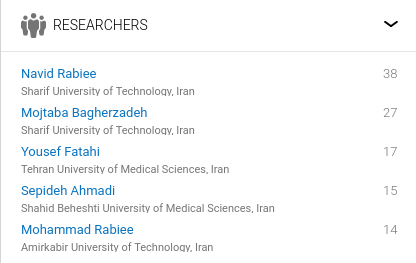
Rabiee’s citations to himself, his paying customers, his coauthor Ahmadi, and presumably to Rabiee’s brother Mohammad.
Now, the MDPI correction from 11 June 2024 (highlights mine):
“Following publication [1], the authors raised concerns to the editorial office relating to certain terminology and the relevance of several citations contained within this publication. The editorial office then completed an investigation adhering to our Updating Published Papers policy (https://www.mdpi.com/ethics#_bookmark30). As a result of the investigation and discussions between the authors and the editorial office, it was decided to issue a correction containing the following changes:
- Remove/Replace Citations
The original publication contained the following irrelevant citations that have now been removed and the references have been renumbered: [2], [4], [8], [9], [10], [12], [13], [15], [17], [18], [19], [26], [27], [28], [30], [37], [38], [39], [42], [49], [50], [53], and [65].
In addition, the following references were replaced: [22], [23], [31], [32], [33], [34], and [35].
The list of updated and rearranged references is as follows:
- [22]: Alavi, M.; Rai, M. Recent advances in antibacterial applications of metal nanoparticles (MNPs) and metal nanocomposites (MNCs) against multidrug-resistant (MDR) bacteria. Expert Rev. Anti-Infect. Ther.2019, 17, 419–428.
- [23]: Mishra, A.; Pradhan, D.; Halder, J.; Biswasroy, P.; Rai, V.K.; Dubey, D.; Kar, B.; Ghosh, G.; Rath, G. Metal nanoparticles against multi-drug-resistance bacteria. J. Inorg. Biochem.2022, 237, 111938.
- [31]: Ebrahim-Saraie, H.S.; Heidari, H.; Rezaei, V.; Mortazavi, S.M.J.; Motamedifar, M. Promising antibacterial effect of copper oxide nanoparticles against several multidrug resistant uropathogens. Pharm. Sci.2018, 24, 213–218.
- [32]: Ye, Q.; Chen, W.; Huang, H.; Tang, Y.; Wang, W.; Meng, F.; Wang, H.; Zheng, Y. Iron and zinc ions, potent weapons against multidrug-resistant bacteria. Appl. Microbiol. Biotechnol.2020, 104, 5213–5227.
- [33]: El-Kattan, N.; Emam, A.N.; Mansour, A.S.; Ibrahim, M.A.; Abd El-Razik, A.B.; Allam, K.A.; Riad, N.Y.; Ibrahim, S.A. Curcumin assisted green synthesis of silver and zinc oxide nanostructures and their antibacterial activity against some clinical pathogenic multi-drug resistant bacteria. RSC Adv.2022, 12, 18022–18038.
- [34]: Basavegowda, N.; Baek, K.H. Multimetallic nanoparticles as alternative antimicrobial agents: challenges and perspectives. Molecules2021, 26, 912.
- [35]: Ranpariya, B.; Salunke, G.; Karmakar, S.; Babiya, K.; Sutar, S.; Kadoo, N.; Kumbhakar, P.; Ghosh, S. Antimicrobial synergy of silver-platinum nanohybrids with antibiotics. Front. Microbiol.2021, 11, 610968.
- Text Correction
In addition, two phrases in the original publication were not appropriate. The authors would like to change “vegetative electron microscopy” to “scanning electron microscopy” and “extracellular cells” to “extracellular membrane”. A correction has been made to Section 3. Ag Nanoparticles for Antimicrobial Resistance, paragraph 1.
The authors state that the scientific conclusions are unaffected. This correction was approved by the Academic Editor.”
The scientific conclusions of that MDPI study is a fabrication by Iranian papermills are indeed unaffected. I trust that Luque (last seen at RUDN university Moscow) will again arrive to troll the comment section below under a stolen identity and accuse Magazinov of being putin’s agent. I will again delete those comments.
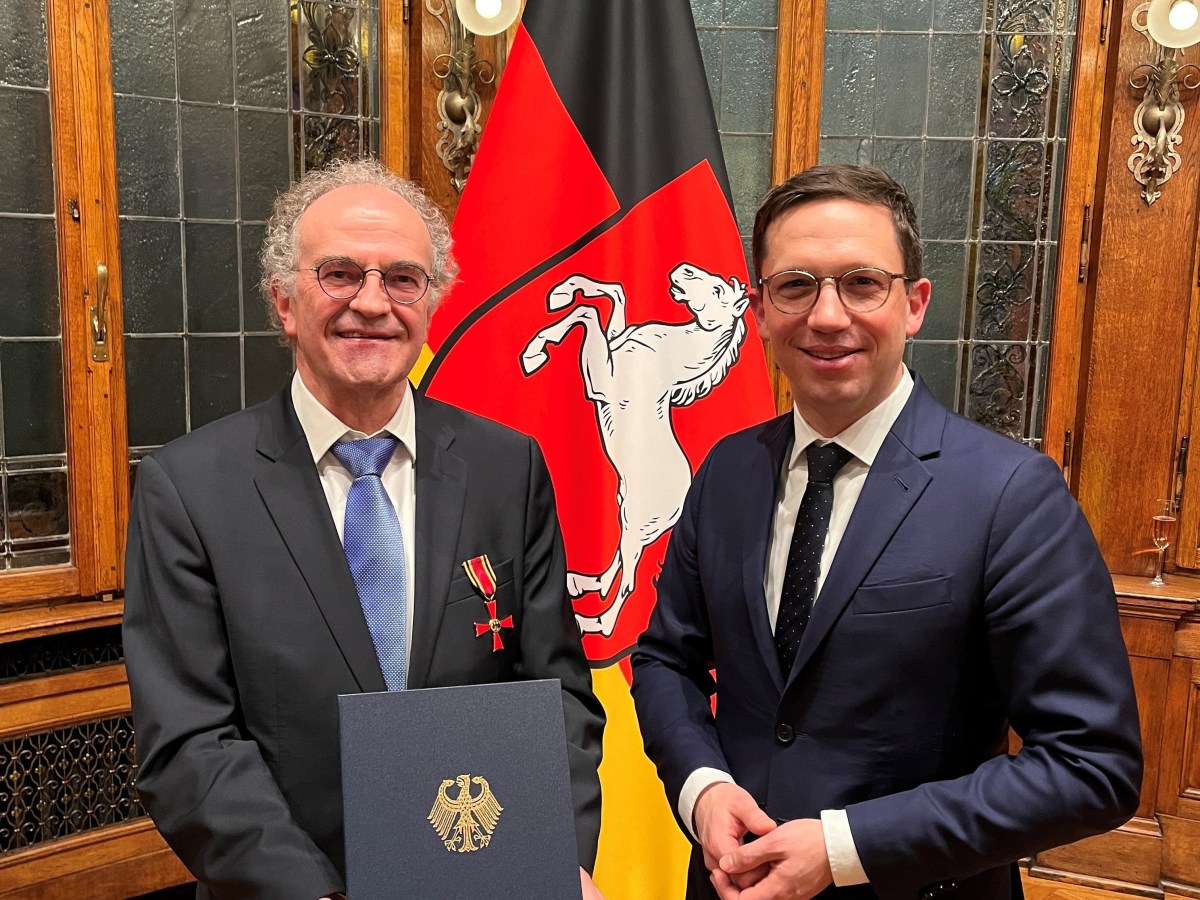
Bundesverdienst-Kümmerer am Bande
“Benign-by-design, circular economy in the plastics industry, biodegradable antibiotics – the sustainable design of chemistry is the central theme of Prof. Klaus Kümmerer’s work. “
Retraction Watchdogging
A scientific wonder
A paper flagged by Elisabeth Bik in June 2023 has been retracted after a year.
Amit K. Mitra , Lie Gao , Irving H. Zucker Angiotensin II-induced upregulation of AT(1) receptor expression: sequential activation of NF-kappaB and Elk-1 in neurons AJP Cell Physiology (2010) doi: 10.1152/ajpcell.00127.2010

Boxes of the same color highlight bands that look more similar than expected. The band marked in red appears to be shown in two different orientations. The band marked in blue might be shown at two different exposures.
Note that the blots strips marked with brown and purple boxes both represent GAPDH time series, but the individual time points are slightly different.”
The retraction notice from 2 August 2024 was very short yet revealing:
“The American Physiological Society is issuing a retraction of this article at the request of University of Nebraska Medical Center after an institutional investigation revealed image duplication in Figs. 1, 3, 4, and 6.”
So there was an investigation at UNMC. The first author Amit Mitra is now assistant professor at Auburn University in Alabama, possibly not for long. Now, the irony is that Irving H. Zucker not only led the UNMC Department of Cellular and Integrative Physiology for THIRTY years, but also used to be President of the American Physiological Society (APS) which publishes the journal where he now just lost a paper. Zucker also received two prestigious awards from APS and used to be the Editor-in-Chief of society’s journal AJP Heart and Circulatory Physiology, where he previously published this:
Lie Gao, Yulong Li , Harold D. Schultz, Wei-Zhong Wang , Wei Wang , Marcus Finch , Lynette M. Smith, Irving H. Zucker Downregulated Kv4.3 expression in the RVLM as a potential mechanism for sympathoexcitation in rats with chronic heart failure AJP Heart and Circulatory Physiology (2010) doi: 10.1152/ajpheart.00145.2009

Elisabeth Bik: “Concern about Figure 3:
- Boxes of the same color highlight that all four “% of Basal RSNA* plots look identical to their corresponding “Inte” plots. […]
- Red rounded boxes: The legend reads “Inte, ??”. Perhaps the authors did not understand this experiment either?”
The authors explained that “The % baseline RSNA (upper trace) and Integrated RSNA (bottom trace) look similar because it is the same data” and the case was closed. Maybe it should be reopened now. Especially when such things like outright plagiarism also went on:
Karla K. V. Haack , Amit K. Mitra , Irving H. Zucker NF-κB and CREB are required for angiotensin II type 1 receptor upregulation in neurons PLoS ONE (2013) doi: 10.1371/journal.pone.0078695

Red boxes: The panel shown here looks identical to part of Figure 5B’s panel in Suliman HB et al., Journal of Cell Science (2010), DOI: 10.1242/jcs.064089 – https://pubpeer.com/publications/C677818B3F7E235282C34AC78A4616
A finding by ImageTwin.
There is no overlap in authors or institutions. This paper (Haack et al.) is affiliated with the University of Nebraska Medical Center, while the Suliman paper is affiliated with Duke University Medical Center.”
In July 2023, Zucker replied on PubPeer and announced to contact the PLOS One editors and publish a correction or a retraction:
“After examining the two images we agree that these are indeed the same image. It is unclear at this point how this happened, and we are profoundly sorry about this issue. […] It should be pointed out that in no way does the duplication of this figure change the results or conclusions of this paper…”
An Expression of Concern was published in November 2023:
“The corresponding author stated that they were unable to locate the original underlying data for this figure, and they acknowledged that the image in this article [1] appears to have been taken from the previous article [2].
While original data underlying some of the other figures in this article was available, the corresponding author acknowledged that much of the original data is no longer available due to the age of the article.”
Again, same first author Karla Haack who since 2021 works at Marck and is presently merely the member of APS Board of Directors (i.e., Zucker’s sockpuppet) and “chair of the APS Diversity, Equity & Inclusion Committee“. This, also by her, doesn’t look like a mistake of oversight:
Karla K.V. Haack , Christopher W. Engler , Evlampia Papoutsi , Iraklis I. Pipinos , Kaushik P. Patel , Irving H. Zucker Parallel changes in neuronal AT1R and GRK5 expression following exercise training in heart failure Hypertension (2012) doi: 10.1161/hypertensionaha.112.195693

Elisabeth Bik: “Concern about Figures 3A and 4A:
Pink boxes: The GAPDH panel of Figure 3A looks remarkably similar to the AT1R panel of Figure 4A, albeit stretched differently.”
The journal Hypertension is published by American Heart Association (AHA) which used to sponsor Zucker as “established investigator”. This was published in another APS journal, flagged by Bik in June 2023, yet never addressed in any way:
Sumit Kar , Lie Gao , Irving H. Zucker Exercise training normalizes ACE and ACE2 in the brain of rabbits with pacing-induced heart failure Journal of Applied Physiology (2010) doi: 10.1152/japplphysiol.00840.2009


Elisabeth Bik: “Concern about the loading controls in Figures 2, 3, and 4.
- Blue boxes: the actin panels in Figure 2A (Cerebellum), Figure 3B (NTS), and Figure 4B (NTS) all look identical.
- Cyan boxes: the actin panels in Figure 2D (PVN), Figure 4A (Cerebellum), Figure 4C (RVLM), and Figure 4D (PVN) all look very similar.
- Red boxes: The GAPDH panels in Figure 3A (Cerebellum) and Figure 3B (Medulla) also look very similar to each other (and to the GAPDH panel in Figure 1B (Medulla; not shown).”
There is more on PubPeer for Dr Zucker. In 2019, the man described by his UNMC as “A Scientific Wonder” said:
““I get scared thinking about what I’d do in retirement,” Dr. Zucker said. “I plan to work until I run out of funding or my health fails. I may cut back on my own research and work more with junior faculty.””
Zucker is now 81 years old. Time for him to finally retire and some of his 300 papers to be retracted.
The drugs don’t work
On 12 August 2024, Biospace reported about 3 retractions and a failed Ecstasy trip, referencing STAT News:
“The medical journal Psychopharmacology on Saturday retracted three papers related to the use of the psychiatric substance MDMA for the treatment of post-traumatic stress disorder. […]
Saturday’s retraction comes just a day after the FDA rejected Lykos Therapeutics’ investigational MDMA-assisted regimen for post-traumatic stress disorder (PTSD). In its Complete Response Letter, the regulator said that Lykos’ application “could not be approved based on data submitted to date” and called for an additional Phase III trial. […]
The FDA’s rejection is in line with the verdict of its Psychopharmacologic Drugs Advisory Committee, which in June 2024 voted 10–1 against Lykos. During the panel discussion, the external experts raised concerns about selection bias and the functional unblinding of Lykos’ Phase III study to support its MDMA therapy.
The panelists also flagged the “potential for some misconduct and manipulating the trial results […]
In May 2024, the Institute for Clinical and Economic Review (ICER) released a scathing report on Lykos’ MDMA-assisted therapy, questioning the enrollment of patients who had been “pulled heavily” from a community with deep interest in the use of psychedelics. Some therapists and patients also had “very strong prior beliefs” about MDMA.
In addition, the ICER report revealed that there had been “pressures” to make the study’s results “favorable.””
A New York Times article from 12 August 2024 also mentioned:
“In 2015, an unlicensed Canadian therapist who took part in the trial engaged in a sexual relationship with a participant after the conclusion of the trial’s dosing sessions.
In civil court documents, the patient, Meaghan Buisson, said she was sexually assaulted by the therapist, Richard Yensen, who at the time was working alongside his wife, a licensed therapist.”
In this context, the CBS reporting from March 2022 is relevant:
“…videos that show two B.C. therapists cuddling, spooning, blindfolding and pinning down a distressed PTSD patient during clinical trials using MDMA have prompted a review of their work and fresh concerns about public safety.
The 2015 footage shows psychiatrist Dr. Donna Dryer and unlicensed therapist Richard Yensen, a married couple who were then sub-investigators for the Multidisciplinary Association for Psychedelic Studies (MAPS), during their second experimental session in a Health Canada-approved Phase II clinical trial with patient Meaghan Buisson in Vancouver.”
Journalists “described the tapes as difficult to watch.” More than 2 years later, the 3 papers by MAPS “scientists” on the alleged benefits of MDMA (ecstasy) for PSTD were retracted:
- Lisa Jerome , Allison A. Feduccia , Julie B. Wang , Scott Hamilton , Berra Yazar-Klosinski , Amy Emerson , Michael C. Mithoefer , Rick Doblin Long-term follow-up outcomes of MDMA-assisted psychotherapy for treatment of PTSD: a longitudinal pooled analysis of six phase 2 trials Psychopharmacology (2020) doi: 10.1007/s00213-020-05548-2
- Michael C. Mithoefer , Allison A. Feduccia , Lisa Jerome , Anne Mithoefer , Mark Wagner , Zach Walsh , Scott Hamilton , Berra Yazar-Klosinski , Amy Emerson , Rick Doblin MDMA-assisted psychotherapy for treatment of PTSD: study design and rationale for phase 3 trials based on pooled analysis of six phase 2 randomized controlled trials Psychopharmacology (2019) doi: 10.1007/s00213-019-05249-5
- Allison A Feduccia , Lisa Jerome , Michael C Mithoefer , Julie Holland Discontinuation of medications classified as reuptake inhibitors affects treatment response of MDMA-assisted psychotherapy Psychopharmacology (2021) doi: 10.1007/s00213-020-05710-w
The retractions notes from 10 August 2024 were the same:
“The Editors have retracted this article after they were informed of protocol violations amounting to unethical conduct at the MP4 study site by researchers associated with this project. The authors have subsequently confirmed that they were aware of these violations at the time of submission of this article, but did not disclose this information to the journal or remove data generated by this site from their analysis. Additionally, the authors also did not fully declare a potential competing interest. Several of the authors are affiliated with either the Multidisciplinary Association for Psychedelic Studies (MAPS) or MAPS Public Benefit Corporation (MAPS PBC), a subsidiary that is wholly owned by MAPS. As is stated in the Funding declaration, MAPS fully funded and provided the MDMA that was used in this trial, and MAPS PBC organised the trial.”
The Californian “nonprofit” MAPS is dedicated to legalizing unspecified psychedelic drugs as recognised psychotherapy, it in turn owns Lykos Therapeutics.

We were also informed that Allison Feduccia, founder and CEO of the Californian magic mushroom market Psychedelic Support, “agrees with this retraction but disagrees with the wording of the retraction notice” while her business partners Rick Doblin (MAPS founder and President, also on board of directors of Lykos), Berra Yazar-Klosinski (Lykos CSO) as well as MAPS employees Lisa Jerome and Michael Mithoefer, his wife Anne Mithoefer, plus Mark Wagner and Julie Holland all disagreed with the retractions.
Donate!
If you are interested to support my work, you can leave here a small tip of $5. Or several of small tips, just increase the amount as you like (2x=€10; 5x=€25). Your generous patronage of my journalism will be most appreciated!
€5.00

 For Better Science
Étienne Klein said he was involuntarily touched
The prose made me do it!
LikeLiked by 1 person
Regarding the fact that Etienne Klein even plagiarized two of the members of his jury who said nothing during the defense, I am led to make three hypotheses between which I let you choose: (i) they had not read the thesis; (ii) they did not remember what they had written before; (iii) they were very happy to have eventually identified the sole reader of their work.
LikeLiked by 1 person
All three?
LikeLike
Hilarious, Klein claimed before that his “scientific integrity was absolute”.
French physicist accused of plagiarism seems set to lose prestigious job | Science | AAAS
But as Einstein taught us, it is all relative.
LikeLiked by 1 person
My son made a fourth hypothesis: the members of the jury who were plagiarized had themselves plagiarized someone else in their writings
LikeLiked by 1 person
I didn’t realise that Mahian used Mashdad affiliation, I guess I missed it, but it’s good to know that because there is another name that often works with Mashdad, also mentioned in the article, Arabkoohsar. For example, another article from 2024.
I think there are a few points to be made here. Firstly, according to Dimensions AI, Arabkoohsar is also a Mashdad-derived name. So what this tells us is, wherever you go in the world, look after your brother. Only in this way can your brother from Mashdad overtake his rivals who have graduated from normal or prestigious universities in other countries of the world and find a chance in Europe, China or Canada. One from China, the other from Denmark, and they continue to help their brothers and sisters in Mashdad. In return, of course, their brothers in Iran will help them to strengthen their position in their current country by providing them with hundreds of useless citations per year.
Secondly, what I have started to notice in many papers, such as the one I mentioned in the link, is that by making someone from a country that has an open access agreement with Elsevier a corresponding author, the work can be published in Elsevier with an open access licence, even if the work is actually done in Iran. The Elsevier agreement with Denmark is at this link. I understand that you can publish open access in Iran with Danish tax dollars. Of course, this is not a one-sided gift, in this way the professor in Denmark gets an article almost for free and contributes to the academic performance of the Danish university. Nice business. I wonder what their excuse for this business is? ‘We connect different countries and cultures through open access’ would be a good excuse.
The third is the journal in which this article was published. Both Mahian and Arabkoohsar are on the editorial board. If I look at the content of the article, I will probably see yet another fictitious system, yet another unrealistic assumptions and unnecessary references. But please everyone calm down, because the editor is also one of the authors of the article. There is no problem that cannot be solved with a few friendly reviewers.
LikeLike
As best as I could check, Danil Pimenov may not even have a PhD.
No degree shown here for Pimenov, although on the same page degrees are shown for others who have them.
Here, it is said that Pimenov enrolled in doctoral studies in 2001-2004, but there is no word about any defense, nor a single word about the topic of his thesis (most plausibly, there was none).
Google search for the most obvious Russian-language query yields nothing, too.
And that despite 200+ articles.
LikeLike
Was a stingy ork. If he can pay for all these papermill papers, can’t he buy himself one of those dissertations?
LikeLike
Please remember, orks have no brain like human does 🙂
LikeLike
It is possible that SUSU affiliation incurs additional costs for the potential buyer (since the reputation of this “university” is worse than shit, even by the low russian standards). That might have made it too expensive, even for Pimenov.
LikeLike
As a compensation for that he most surely has a military and/or KGB rank. PhD thesis is a pesky almost irrelevant detail.
LikeLiked by 1 person
MDPI now removed Pimenov’s fake “Dr” title.
https://www.mdpi.com/journal/sensors/special_issues/AI_Machining
LikeLiked by 1 person
A hard-to-find retraction for Gupta / Pimenov / Mia / Korkmaz (but without Krolczyk):
https://doi.org/10.1016/j.jmatprotec.2022.117722
Not in RW database, but also even Dimensions doesn’t recognize the DOI. Yet it exists.
LikeLike
These are hard-to-find — on purpose! It’s an old Elsevier trick. They claim that it can’t be a “retraction” if page numbers aren’t assigned. If the retraction occurs in the “article in press” stage (however brief that may be), then it is a “withdrawal” but not a “retraction”. It’s a semantics scam. I ran into it this myself a few times, a long time ago, back then RW would humor my efforts on scientific integrity. Nowadays, I’m no Sasan. 😉
LikeLike
The views in this blog of a lawyer [in Dutch] aged very well. https://www.njb.nl/blogs/over-patenten-en-integriteit-de-affaire-plasterk-in-vier-vragen/ Ronald Plasterk is still a member of Royal KNAW. Royal KNAW has until now not made any public statements about the outcome of the investigation of Amsterdam UMC.
LikeLike
Charité begins at home.
https://pubpeer.com/publications/A7E71983A6BE739FFA23AE79D235D9
LikeLike
Couple more Charité contributions.
PubPeer – Induction of endoplasmic reticulum stress response by TZD18,…
PubPeer – TKI258, a multi-tyrosine kinase inhibitor is efficacious aga…
LikeLiked by 1 person
Some of us were raising the alarm about Hayat more than a decade ago:
https://arxiv.org/abs/1111.4464 (see the Appendix for instance) (pulblished version
https://doi.org/10.1016/j.ijengsci.2011.10.012)
While, after much acrimony, this comment on the egregious mathematical errors in Hayat (and co-conspirators)’s papers was published, we were not allowed to point out that the reason the erroneous papers were being published in the first place was because Hayat (and co-conspirators) cited the co-editor-in-chief of the journal a sufficient number of times (to bypass real peer review).
Raised to issue to so many colleagues, editorial board members, academic friends. And no one cared. Only got personal insults in return, as the illustrious co-editor-in-chief of the above journal asked me, “Don’t you have better things to do?”.
So, Hayat trained a generation of eminent <s>scholars</s> scammers in how to play the game. Thus, here we are. So, the scientific community should accept the consequences as the noise overwelms the signal, and scammers take firm hold with (fake or real) positions at elitistis western institutions.
After screaming into the void for more than a decade, I fell that still no one in a position to do anything about it cares (as well documented on here). Still, gald to see that FBS does care and is putting in the work to find all the key commenctions between scammers.
LikeLike
An expert’s voice is always welcome!
This spreadsheet might be of interest to you. Even if the chances to publish formal comments are slim, comments on the substance of (any of) these papers on PubPeer are much appreciated.
LikeLiked by 1 person
This is a nice start! I learned some new things from it too. Like the absolute absurdity of https://journals.sagepub.com/doi/10.1177/1081286514544253. Who thought this rambling preface should be published in a scientific journal? No one sober, that is for sure. Hefty payload of 43 citations though. I am sure KRR would consider this an “impressive” feat to be proud of. Probably put it on his CV.
LikeLike