

Schneider Shorts of 15 March 2024 – Alzheimer cures from China, Spain and the FDA, a nasty ork sanctioned in Germany, with a Lord of the Biochar Rings, medals for the bestest science ever, a brain breakthrough, and finally, what can University of Ulm do against Schneider?
Table of Discontent
Science Elites
- Whistleblowers are not do-gooders who want to save the Occident – Ombudsman seeks limitations against Schneider
- Axel Ullrich Medal – role models for the bestest science ever
- A key opinion leader – Christian Hölscher cures Alzheimer’s in China
- A problem in the image acquisition – Eva Carro cures Alzheimer’s in Spain
- Sexual harassment below the criminal threshold – Highly Cited Russian sanctioned in Germany
Industry Giants
- A litany of problems – FDA finally dared to investigate Cassava
Scholarly Publishing
- Perplexing finding – BMC lets papermillers fix references
- Lord of the Biochar Rings – a paper dedicated to Jörg Rinklebe
Science Breakthroughs
- Acts like the real thing – real working thinking brain 3D-bioprinted in America!
Science Elites
Whistleblowers are not do-gooders who want to save the Occident
The Ombudsman of the University of Ulm in Germany, physiology professor Paul Dietl, in charge of investigating the affair of his colleague and university’s former Vice-President Klaus-Michael Debatin (and of Debatin’s mentee Simone Fulda), publicly aired his views. In brief – Leonid Schneider is Satan. And Debatin and specifically also his associate Guido Kroemer are martyr saints who urgently need to be defended by a legal framework of statute of limitations.
For background, read about Debatin’s case here:
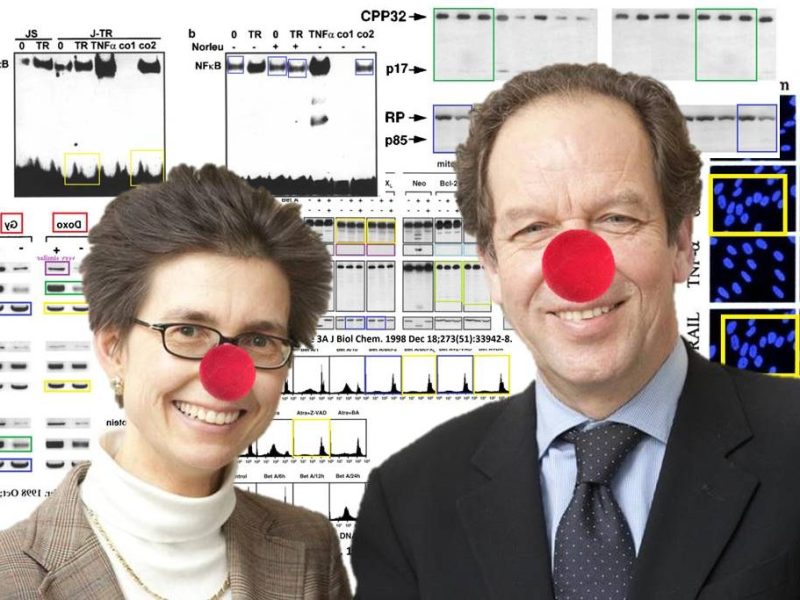
Fulda & Debatin: Reproducibility of Results in Medical and Biomedical Research
“Basic and advanced training for researchers should focus much more on self-reflection, openness and a culture of error acceptance.”

For some reason Dietl the Ombudsman wrote a letter to an Austrian fiction book writer, who then posted it on his blog normally dedicated to poetry (archived backup here). Translated excerpts:
“As a decades-long member and chairman of the Senate Commission on Responsibility in Science and an ombudsman for scientific misconduct, I was able to deal extensively with the practical, procedural aspects of investigating and punishing scientific misconduct.
The matter is too multi-layered and complex to be dealt with in full here, but from a practical point of view, a few points are briefly mentioned below that speak pro statute of limitations: […]
The archiving requirement for original data (from experiments, data sets, images, etc.) is 10 years. In times of digital data collection, in which a single scientific experiment can consume gigabytes of data, 10 years is an enormous logistical and financial challenge.This deadline was not set as a joke by the German Research Foundation and similar institutions at home and abroad.
In practice, it is extremely difficult to prove scientific fraud after this deadline has passed. Even if image recognition programs, for example, identify contours and colors in an image as most likely subsequently manipulated, definitive proof or assessment of the severity of deleted primary data is de facto impossible.
And thank God we still live in a constitutional state in which one has to prove that the accused has a fraudulent intention, and not the other way around, the accused has to prove his innocence (even if I have the feeling that this basic principle is becoming increasingly popular in people’s minds dwindles).”
Dietl is only partially right here. Exactly becasue it is in many cases very much possible to prove that an image was falsified by manipulations (even without access to raw data), research integrity officers of Dietl’s persuasion introduce the legal concept of intent to fraud. It was originally invented over 30 years ago by lawyers of HHS-ORI in order to whitewash Thereza Imanishi-Kari, David Baltimore and Robert Gallo, read here:

How USA embraced research fraud: review of two books
A review of “The Baltimore Case” by the historian Daniel Kelves and “Science Fictions” by the journalist John Crewdson, which also tell the history of the Office of Research Integrity (ORI).
First of all, it is often difficult to prove who among the study’s authors actually faked the image or gave instructions to fake it. And second, it is almost never possible to prove that someone conspired to intentionally falsify a scientific result. Simply because nobody can know what the original scientific result originally was when the raw data isn’t available anymore. This is exactly why conclusions always remain unaffected even if the research data is proven as fake.
Therefore, a doctor who injures a patient by medical malpractice even despite a stated intent to help, can be sentenced for grievous bodily harm. A scientist who produces fake preclinical research which would then damage patients, is innocent of everything for the very same reasons. Back to Dietl now:
“And that brings me to the next basic problem that we as ombudsmen and commissions for scientific misconduct are increasingly confronted with: the confusion between bad science on the one hand and scientific misconduct (e.g. fraud) on the other. […]
Ironically, one could exaggerate the point: stupidity or sloppiness alone is not a crime unless there is clear evidence of gross negligence or deliberate misleading of the public .”
This argument can be followed up to a point where one sacks a professor for being stupid and sloppy. After all, you are not supposed to give a cack-handed idiot of a surgeon second chances to operate (I know, in theory!). But Dietl the Ombudsman argues that it is OK for professors to be bad scientists and it us the whistleblowers who should be punished for wasting his time:
“There are now websites, such as Pubpeer ( https://pubpeer.com/static/about ), where authors in whose publications irregularities or similar are discovered, can be pilloried. Some of these are people are over 70 years old themselves and whose publications are over 30 years old.
We as ombudsmen/commissions must investigate these anonymous complaints. I can tell you from experience that whistleblowers are not just do-gooders who want to save the Occident. There are often old quarrels, desires for revenge, etc. behind it. People who have committed themselves to science all their lives are then mercilessly prejudged by certain science journalists (see e.g. https://forbetterscience.com/2019/11/05/opera-buffa-di-guido-kroemer-a-la -scala/ ).
This mischief would also probably be over if there was a statute of limitations.”
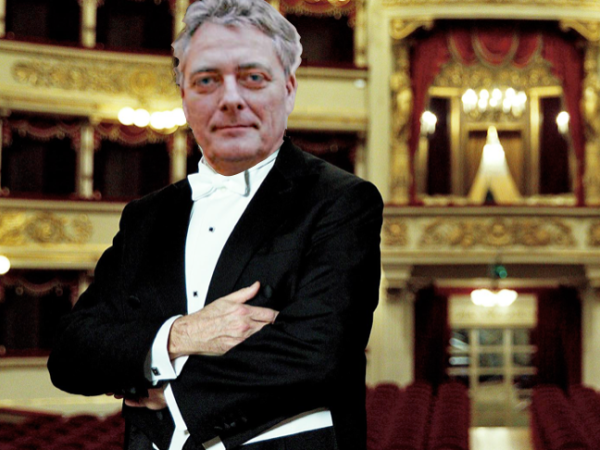
Opera Buffa di Guido Kroemer a La Scala
Guido Kroemer receives on 8 November 2019 the €1mn Lombardy Award for Healthy Ageing, at La Scala in Milan. And why not, one panel member was Carlo Croce.
But yes, I am indeed the wrong person to save the Occident – I am a Ukrainian Jew, Herr Dietl. But why this specific reference, why is Dietl defending this center of data fudging universe now, of all people?
Why is Guido “80 Fake Papers on PubPeer” Kroemer one of those “who have committed themselves to science all their lives”? What sick religious cult is this, pray?
I speculate that Dietl didn’t want to refer to Debatin’s case directly because he knows he is bound by Ombudsman’s confidentiality and impartiality. But Kroemer is an old collaborator and possibly even a friend of Debatin, they sit on various boards together (e.g., here). I don’t think Dietl knows Kroemer personally, but Is suspect Debatin explained to Dietl everything, and Dietl took upon himself to valiantly defend these two damsels in distress.
I contacted the University of Ulm and their University Clinic, and asked them if they wished to distance themselves from their Ombudsman’s partisanship for Debatin and Kroemer. They did not want to distance themselves, thus we all know the Debatin investigation is being buried right now. And my notification against their disastrously rotten guest professor, Christoph Thiemermann, was simply never admitted.
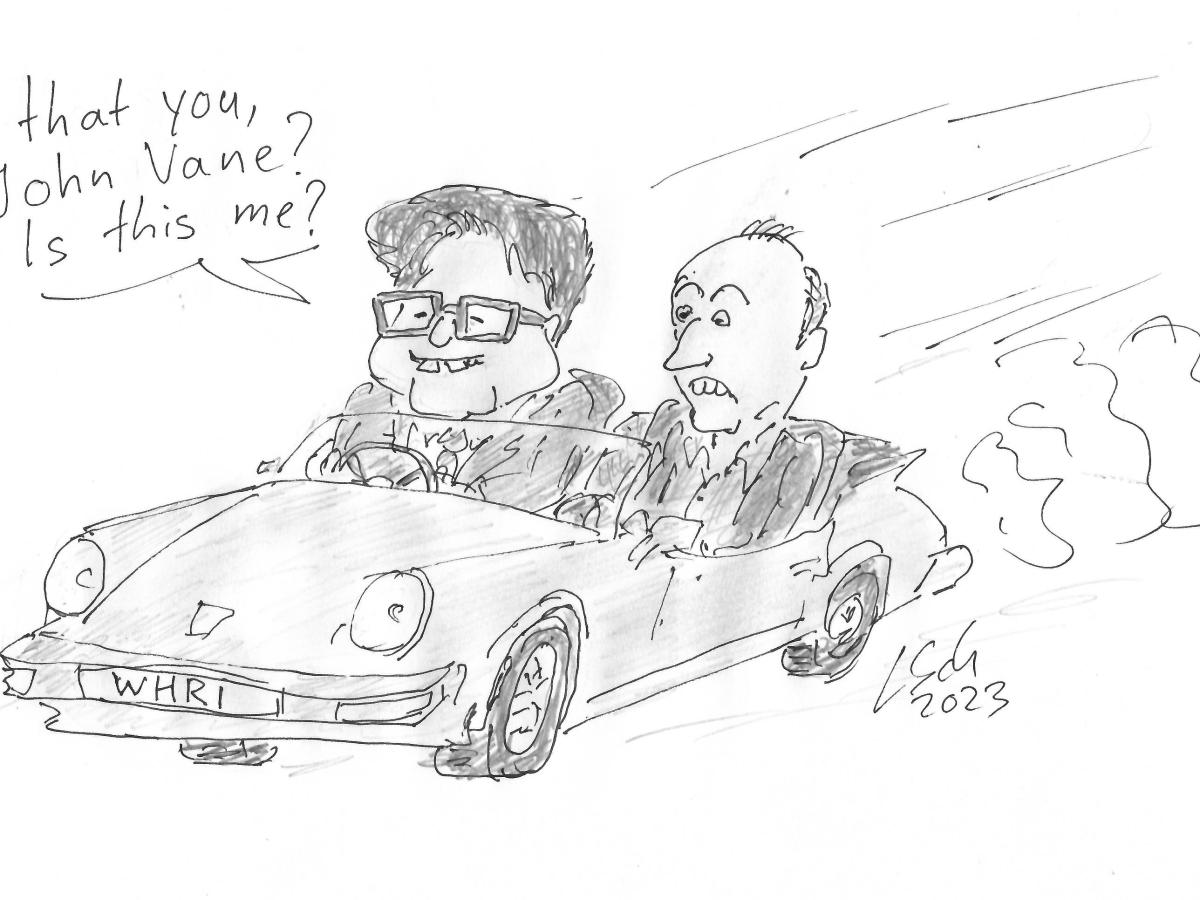
Queen Mary and John Vane’s Cowboys
Welcome to the the William Harvey Research Institute in London. Meet two proteges of its founder, the late Nobelist Sir John Vane: Chris Thiemermann and Mauro Perretti. Then meet their own rotten mentees, especially Salvatore Cuzzocrea and Jesmond Dalli.
Axel Ullrich Medal
The Max Planck Institute (MPI) for Biochemistry in Martinsried, Germany, has a tradition: the Axel Ullrich Lecture, combined with the awarding of the Axel Ullrich Medal.

No, Axel Ullrich is not dead. He is 79 years old and used to be until his retirement director of the MPI Martinsried.
Given Ullrich’s status as MPI deity, you can rest assured absolutely nothing will be done about this paper. Especially since it was done in collaboration with the University of Bochum, where they have a practice to declare data manipulations as irrelevant to the conclusions (read earlier Friday Shorts).
A. Horvat-Bröcker , J. Reinhard , S. Illes , T. Paech , G. Zoidl , S. Harroch, C. Distler , P. Knyazev , A. Ullrich , A. Faissner Receptor protein tyrosine phosphatases are expressed by cycling retinal progenitor cells and involved in neuronal development of mouse retina Neuroscience (2008) doi: 10.1016/j.neuroscience.2008.01.016


The Ombudsman of the University of Bochum announced to discuss this with the last author and neuroscience professor Andreas Faissner. Who only has this other paper on PubPeer:
Fardad T. Afshari , Jessica C. Kwok, Melissa R. Andrews , Bas Blits , Keith R. Martin , Andreas Faissner , Charles Ffrench-Constant, James W. Fawcett Integrin activation or alpha9 expression allows retinal pigmented epithelial cell adhesion on Bruch’s membrane in wet age-related macular degeneration Brain (2010) doi: 10.1093/brain/awp319

The Axel Ullrich Medal awardees so far were Jonathan Weissman, Michael Hall, Titia de Lange and Oliver Hobert. I wrote about Hall’s problematic mTOR papers before:

mTOR: conclusions not affected?
David Sabatini, remember that story? Well, it seems the conclusions were not affected. I take an ill-informed look at the mTOR signalling research field, to understand how photoshopped data gets to be independently verified by other labs.
The telomere researcher Titia de Lange, professor Rockefeller University, also has papers on PubPeer.
Here, a huge red flag, because of Eros Lazzerini Denchi, now Principal Investigator at National Cancer Institute (NCI), de Lange’s former postdoc and former PhD student of Kristian Helin. Judging from his PubPeer record, Lazzerini Denchi is a massive cheater.
Teresa Davoli, Eros Lazzerini Denchi, Titia De Lange Persistent telomere damage induces bypass of mitosis and tetraploidy Cell (2010) doi: 10.1016/j.cell.2010.01.031


Kristian Helin gets the perfect job
ICR London has a new director. The Great Dane Kristian Helin is the perfect successor to continue the ideological line of fictional cancer research.
Even worse:
Eros Lazzerini Denchi, Giulia Celli, Titia De Lange Hepatocytes with extensive telomere deprotection and fusion remain viable and regenerate liver mass through endoreduplication Genes & Development (2006) doi: 10.1101/gad.1453606
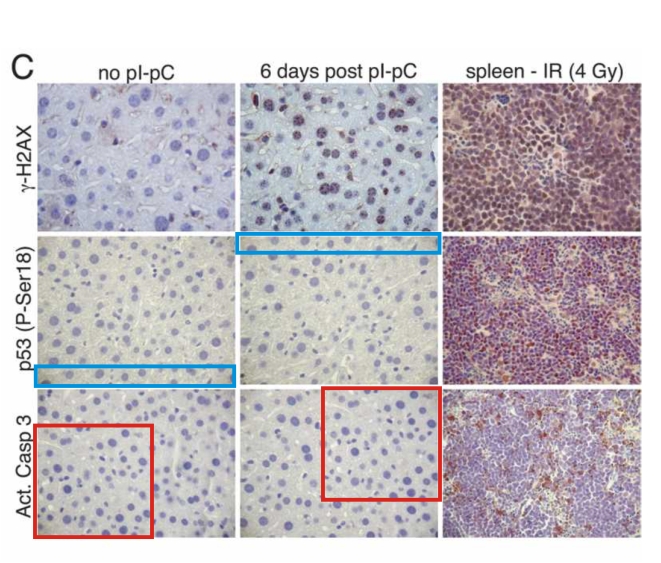
Corrigendum from 2021: “In the original version of the above-mentioned article, the authors mistakenly used incorrectly labeled images for the immunohistochemistry panels in Figure 2C that were used to detect p53 and Caspase-3 in liver sections of Mx-Cre TRF2F/− mice either untreated or 6 d following pI-pC administration. […] The sentence “However, there was no induction of p53 or apoptosis, and liver function appeared unaffected.” should now read “However, there was no induction of p53, and liver function appeared unaffected.””
And here is a paper by another Axel Ullrich Medal awardee, Oliver Hobert, professor at the Columbia University in USA.
Oded Rechavi , Gregory Minevich , Oliver Hobert Transgenerational inheritance of an acquired small RNA-based antiviral response in C. elegans Cell (2011) doi: 10.1016/j.cell.2011.10.042


The paper claimed to have proven the existence of epigenetic inheritance, a very controversial claim to say the least. In fact, a related study from Hobert’s lab, Rechavi et al 2014, was debunked as irreproducible by Webster et al 2018 and apparently even by Hobert himself!
Oded Rechavi, who later on joined his father Gideon Rechavi to be professor at the Tel Aviv University, admitted the problem in June 2021 on PubPeer:
“we can not reconstruct why different images were swapped in later. But as stated above, since the scoring was not based on the images, but on examination of live worms under the scope, these images do not have an impact on the data points presented.“
In June 2023, I wrote to Rechavi asking if he plans to correct this and other papers of his. This was his reply:
“I made it perfectly clear that there’s nothing there that affects the results or interpretation in any way . I answered with full transparency immediately on the day these comments were posted (years ago).
Respectfully, please stop with this, the next email will be from a lawyer, you are trying (very hard) to hurt me, this is harassment. “
Update:
Alex Ullrich retracted 3 papers for data falsification. First, two papers in JBC:
- Naohito Aoki, Shuichi Ueno , Hiroyuki Mano , Sho Yamasaki , Masayuki Shiota , Hitoshi Miyazaki , Yumiko Yamaguchi-Aoki , Tsukasa Matsuda , Axel Ullrich Mutual regulation of protein-tyrosine phosphatase 20 and protein-tyrosine kinase Tec activities by tyrosine phosphorylation and dephosphorylation Journal of Biological Chemistry (2004) doi: 10.1074/jbc.m310401200 Retracted in 2010
- Naohito Aoki , Yumiko Yamaguchi-Aoki , Axel Ullrich The novel protein-tyrosine phosphatase PTP20 is a positive regulator of PC12 cell neuronal differentiation Journal of Biological Chemistry (1996) doi: 10.1074/jbc.271.46.29422 Retracted in 2010
In 2010, Retraction Watch quoted Ullrich blaming his first author:
“Ullrich tells Retraction Watch that he found out from a “private investigator” several months ago that the papers’ lead author, Naohito Aoki, had manipulated their figures. Aoki was a postdoc in Ullrich’s lab in the early 1990s:
It was relatively simple, and according to my estimate, it was done to make the data look more perfect without generating new results.
Ullrich said he contacted Aoki immediately, and then the journal, to say he wanted to retract the papers. He has no plans to retract any other papers, and says the now-retracted work “was never followed on and I estimate that it had no significant impact on the relevant field.””
Ullrich learned his lesson and jumped straight to bed with two massive cheaters, the husband and wife couple Sylvia Asa and Shereen Ezzat (they labs were shut down by University Health Network (UHN) and University of Toronto, the couple lost lawsuits). The Canadian pair has many fake papers on Pubpeer and 5 retractions, one of them with Ullrich:
Shereen Ezzat, Lei Zheng , Jose C. Florez , Norbert Stefan , Thomas Mayr , Maw Maw Hliang , Kathleen Jablonski , Maegan Harden , Alena Stančáková , Markku Laakso , Hans-Ulrich Haring , Axel Ullrich, Sylvia L. Asa The cancer-associated FGFR4-G388R polymorphism enhances pancreatic insulin secretion and modifies the risk of diabetes Cell Metabolism (2013) doi: 10.1016/j.cmet.2013.05.002

The journal asked UHN to investigate, UHN refused, the study was retracted in 2020 anyway. Ullrich continued playing with bad kids, you may recall his russian colleague at MPI Martinsried Pjotr Knyazev from the initial paper with Faissner:
Zhiguang Xiao, Bianca Sperl , Silvia Gärtner , Tatiana Nedelko , Elvira Stacher-Priehse , Axel Ullrich , Pjotr G. Knyazev Lung cancer stem cells and their aggressive progeny, controlled by EGFR/MIG6 inverse expression, dictate a novel NSCLC treatment approach Oncotarget (2019) doi: 10.18632/oncotarget.26817

Another one by Ullrich and his russian associate was never corrected:
Zhiguang Xiao , Silvia Gaertner , Alicia Morresi-Hauf , Rebecca Genzel , Thomas Duell , Axel Ullrich , Pjotr G. Knyazev Metformin Triggers Autophagy to Attenuate Drug-Induced Apoptosis in NSCLC Cells, with Minor Effects on Tumors of Diabetic Patients Neoplasia (2017) doi: 10.1016/j.neo.2017.02.011

Why yes, Ullrich has more on PubPeer. I should have checked, but his MPI personality cult fooled me!
A key opinion leader
Meet a German in China – Alzheimer’s and Parkinson’s researcher Christian Hölscher, professor of neuroscience at the Henan University of Chinese Medicine, and since 2018 Chief Scientific Officer of Kariya Pharmaceuticals, a biotech based in Copenhagen, Denmark. The company has two lead products against Parkinson’s: the Glucagon-Like Peptide 1 (GLP-1) analogue Exenatide and the incretin receptor co-agonist KP405. Both are involved in insulin signalling, the former is an FDA-approved diabetes drug. This is how Kariya describes their CSO:
“His group is pioneering the development of novel drug treatments for Alzheimer’s and Parkinson’s Disease, with specific focus on researching the interaction between diabetes and neurodegeneration, leading to the discovery of the neuroprotective properties of incretin analogues. A key opinion leader authoring over 180 scientific publications and two books, his research has been funded by the Alzheimer’s Society, Alzheimer’s Research UK, Cure Parkinson’s Trust, Alzheimer’s Drug Discovery Foundation, and The Wellcome Trust. Dr. Holscher is a recent recipient of a Lundbeckfonden visiting professorship to Copenhagen University…”
And here is the science on which Kariya’s drug discovery pipeline is based on, as detected by the pseudonymous sleuth Dysdera arabisenen:
Chenhui Ji , Guo-Fang Xue , Cao Lijun , Peng Feng , Dongfang Li , Lin Li , Guanglai Li, Christian Hölscher A novel dual GLP-1 and GIP receptor agonist is neuroprotective in the MPTP mouse model of Parkinson’s disease by increasing expression of BNDF Brain Research (2016) doi: 10.1016/j.brainres.2015.09.035

Another Parkinson’s paper with an GLP-1 receptor agonist:
MiaoJun Lv , GuoFang Xue , HuiFeng Cheng , PengFei Meng , Xia Lian , Christian Hölscher , DongFang Li The GLP-1/GIP dual-receptor agonist DA5-CH inhibits the NF-κB inflammatory pathway in the MPTP mouse model of Parkinson’s disease more effectively than the GLP-1 single-receptor agonist NLY01 Brain and Behavior (2021) doi: 10.1002/brb3.2231

Those GLP-1 analogues also cure Alzheimer’s:
Hong-Yan Cai , Dan Yang , Jing Qiao , Jun-Ting Yang , Zhao-Jun Wang , Mei-Na Wu , Jin-Shun Qi , Christian Hölscher A GLP-1/GIP Dual Receptor Agonist DA4-JC Effectively Attenuates Cognitive Impairment and Pathology in the APP/PS1/Tau Model of Alzheimer’s Disease Journal of Alzheimer s Disease (2021) doi: 10.3233/jad-210256

In June 2023, Hölscher announced on PubPeer an Erratum, which was published soon after.
More proof that GLP-1 receptor agonists work against all brain disorders if applied creatively:
Ling Han , Christian Hölscher , Guo-Fang Xue , Guanglai Li , Dongfang Li A novel dual-glucagon-like peptide-1 and glucose-dependent insulinotropic polypeptide receptor agonist is neuroprotective in transient focal cerebral ischemia in the rat Neuroreport (2016) doi: 10.1097/wnr.0000000000000490


And here is Kariya’s incretin pipeline:
Li Yuan , Jun Zhang , Jun-Hong Guo , Christian Holscher , Jun-Ting Yang , Mei-Na Wu , Zhao-Jun Wang , Hong-Yan Cai , Ling-Na Han , Hui Shi , Yu-Fei Han , Jin-Shun Qi DAla2-GIP-GLU-PAL Protects Against Cognitive Deficits and Pathology in APP/PS1 Mice by Inhibiting Neuroinflammation and Upregulating cAMP/PKA/CREB Signaling Pathways Journal of Alzheimer s Disease (2021) doi: 10.3233/jad-201262

These cholecystokinin papers by Hölscher feed both the KP405 and the Exenatide pipelines, and prove the digestive hormone cures both Parkinson’s and Alzheimer’s:

“Fig 3 MPTP+CCK and MPTP+Liraglutide images overlap.”

“Fig 8 actin band and Fig 9 PI3K band appear to be identical”
There is more on PubPeer.
TCM professor Hölscher and his Chinese colleagues also proved that nematodes with Alzheimer’s can be cured with extract from magnolia bark:
Zhishen Xie , Jianping Zhao , Hui Wang , Yali Jiang , Qiaoling Yang , Yu Fu , Huahui Zeng , Christian Hölscher , Jiangyan Xu , Zhenqiang Zhang Magnolol alleviates Alzheimer’s disease-like pathology in transgenic C. elegans by promoting microglia phagocytosis and the degradation of beta-amyloid through activation of PPAR-γ Biomedicine & Pharmacotherapy (2020) doi: 10.1016/j.biopha.2020.109886

I am not sure Kariya has a big future in biotech, what do you think?
A problem in the image acquisition
Meet another Alzheimer’s researcher: Eva Carro, tenured researcher at the Instituto de Salud Carlos III and Instituto de Investigación Hospital in Madrid, where she was since 2018 a member of the Drug Research Ethics Committee. Carro briefly featured on this website as an associate of Antoni Camins, a very questionable neuroscientist, also from Spain:
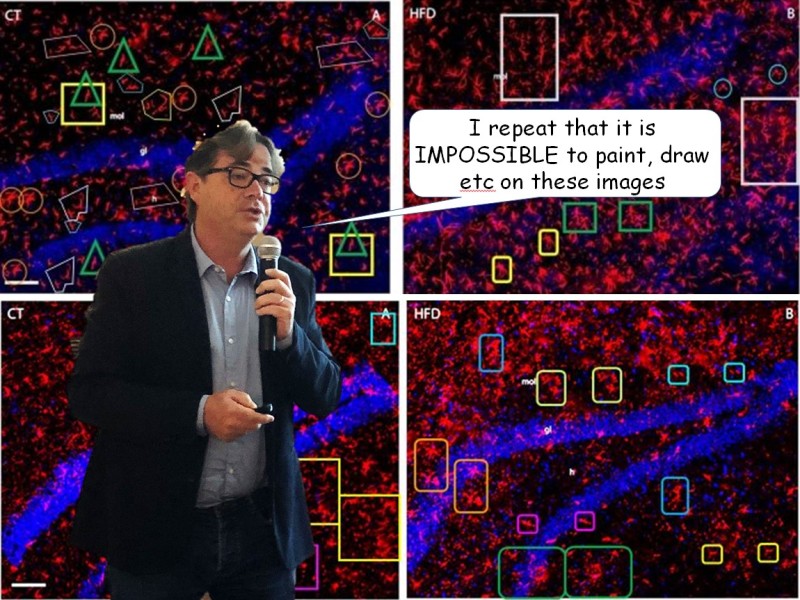
The impossible Toni Camins
They are professors of molecular biology and they don’t know how microscopy or western blots are supposed to work. But it passed peer review!
Carro has over 20 papers on PubPeer, here are some of them. This is similar to what was found in Camins’ papers:
Marcelo O. Dietrich , Carlos Spuch , Dessire Antequera , Izaskun Rodal , Justo G. De Yébenes , José Antonio Molina , Felix Bermejo , Eva Carr Megalin mediates the transport of leptin across the blood-CSF barrier Neurobiology of Aging (2008) doi: 10.1016/j.neurobiolaging.2007.01.008


There were also several fabricated western blots figures, for example:

Anbd hand-drawn bar plots:

Same first author on another problematic paper:
Marcelo Dietrich, Desiree Antequera , Consuelo Pascual , Nerea Castro , Marta Bolos, Eva Carro Alzheimer’s disease-like impaired cognition in endothelial-specific megalin-null mice Journal of Alzheimer s Disease (2014) doi: 10.3233/jad-131604

Leptinella altilitoralis: “The Figure 1B for beta-actin comparing lanes 2 and 3 are unexpectedly similar.”
In July 2022, Carro repudation the allegation of a duplicated bands by posting “the unedited gel”:

Actinopolyspora biskrensis: “it does not resemble the published figure.”
In September 2022, Carro admitted:
“The original version of this article unfortunately contained one mistake. In Figure 1B, the authors mistakenly used an incorrect image for β-actin.”
She then added: “Indeed it seems that the bands are duplicated. We apologise for such image mix-up” and
“I can’t think that anyone made the mistake deliberately, rather it must be a problem in the image acquisition process and/or in the import of the same to another file or image processor.”
No correction was published, because it was not the authors’ fault, you see. Also here, Carro decided against the correction:
Desiree Antequera , Teo Vargas , Cristina Ugalde , Carlos Spuch , Jose Antonio Molina , Isidro Ferrer , Felix Bermejo-Pareja , Eva Carro Cytoplasmic gelsolin increases mitochondrial activity and reduces Aβ burden in a mouse model of Alzheimer’s disease Neurobiology of Disease (2009) doi: 10.1016/j.nbd.2009.06.018


In December 2019, Carro “apologised for this inadequacy” on PubPeer and offered replacement figures:
“These new images must replace the old images, but the study results and conclusions do not change.“
It is peculiar that Carro had replacement data for a 2009 paper ready, because in July 2022 she declared for the following 2012 study: “Unfortunately, given that the work was done more than 10 years ago and many of its authors are no longer in the group, I do not have the original files with all the images.“
Desiree Antequera , Aitziber Portero , Marta Bolos, Gorka Orive , Rosa Ma Hernández, José Luis Pedraz, Eva Carro Encapsulated VEGF-Secreting Cells Enhance Proliferation of Neuronal Progenitors in the Hippocampus of AβPP/Ps1 Mice Journal of Alzheimer s Disease (2012) doi: 10.3233/jad-2011-111646
Fig 1B, overlap

Hence, no correction was offered, because “Despite the serious duplication of the image, the main finding […] remains confirmed“.
Also in December 2019, Carro also promised to publish a correction the paper Anitua et al 2014, where a micrograph was reused in Figure 4A. As a side note, with her co-author Gorka Orive, Carro developed an Alzheimer’s diagnostics tool based on detection of lactoferrin in saliva (Orive et al 2022). Together founded the company Geroa Diagnostics to market their patented method. As it happens, Orive, an associate professor at the University of the Basque Country, published trice as many papers than Carro, thanks to his “collaborations” with of Iranian papermills and Ashutosh Tiwari, mentioned here:
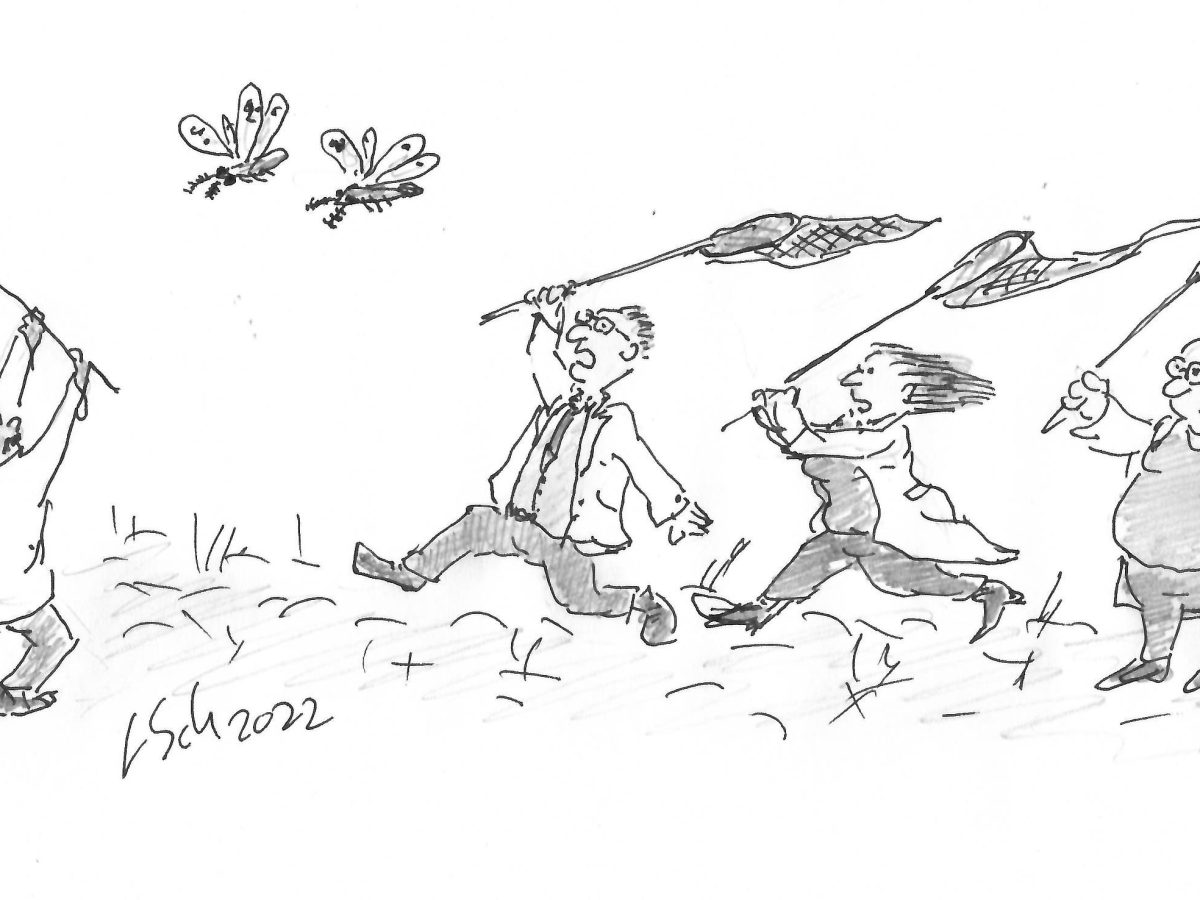
When I’m citing you, will you answer too?
What do moth pheromones on one side have to do with cancer research, petrochemistry, materials science, e-commerce, psychology, forestry and gynaecology on the other? They are separated by just one citation!
Carro also made same empty promises here:
Agnieszka Krzyzanowska , Inés García-Consuegra , Consuelo Pascual , Desiree Antequera , Isidro Ferrer, Eva Carro Expression of regulatory proteins in choroid plexus changes in early stages of Alzheimer disease Journal of Neuropathology & Experimental Neurology (2015) doi: 10.1097/nen.0000000000000181

Gnidia scabrida: “In Figure 2B:These 2D gels should represent different experimental conditions, as stated “Images representing choroid plexus protein expression on 2D gels from** control subjects (top panel) and AD (bottom panel**).”. However, they look surprisingly similar, just cropped a little different. “
In December 2019, Carro wrote on PubPeer “we apologise for this unintended mistake” and promised to publish a correction.
Carro then decided she must not publish any corrections. Maybe because such attempts can backfire. Here, she also promised a correction in December 2019, but got a retraction instead.
Teo Vargas , Desiree Antequera , Cristina Ugalde, Carlos Spuch, Eva Carro Gelsolin restores A beta-induced alterations in choroid plexus epithelium Journal of Biomedicine and Biotechnology (2010) doi: 10.1155/2010/805405


In March 2021, Hindawi published a retraction:
”BioMed Research International has retracted the article titled “Gelsolin Restores Aβ-Induced Alterations in Choroid Plexus Epithelium” [1], due to concerns with duplicated figures as initially raised on PubPeer [2].
Figures 1(a) and 1(b) appear to be identical to Figure 1(a) in [3]. Additionally, in Figure 2, the control and Aβ1-42 panels appear very similar to the control and Aβ1-42 panels in Figure 5(e) [4].
Following an investigation into these concerns, the editorial board has recommended the retraction of the article. The authors do not agree to the retraction.”
Maybe it was the first author all who faked the data?
Eva Carro, Jose Luis Trejo, Carlos Spuch, Delphine Bohl , Jean Michel Heard, Ignacio Torres-Aleman Blockade of the insulin-like growth factor I receptor in the choroid plexus originates Alzheimer’s-like neuropathology in rodents: New cues into the human disease? Neurobiology of Aging (2006) doi: 10.1016/j.neurobiolaging.2005.09.039


Another one from Carro’s time in the lab of Ignacio Torres-Aleman at the Basque Center for Neuroscience in Leioa, Spain:
Eva Carro, Carlos Spuch, Jose Luis Trejo , Desiré Antequera , Ignacio Torres-Aleman Choroid plexus megalin is involved in neuroprotection by serum insulin-like growth factor I Journal of Neuroscience (2005) doi: 10.1523/jneurosci.2909-05.2005


Seriously where do you think all these cheater professors come from? They all used to be cheating PhD students who managed to cheat themselves into top journals and then into top jobs. Cited alsmot 350 times:
E. Carro, J.L. Trejo, T. Gomez-Isla, D. LeRoith, I. Torres-Aleman Serum insulin-like growth factor I regulates brain amyloid-β levels Nature Medicine (2002) doi: 10.1038/nm1202-793

Sexual harassment below the criminal threshold
Some russophobia now. A reader alerted me to this court verdict from last year, regarding Yakov Kuzyakov, Chair of the Department of Soil Science of Temperate Ecosystems at the University of Göttingen in Germany. The university tried to sack their russian professor for sexual harassment and his alcoholism, but failed.

Translated:
“In a ruling dated October 11, 2023, the 5th Chamber of the Göttingen Administrative Court demoted a university professor by two salary groups in disciplinary proceedings (ref. 5 A 2/18).
The defendant is a university professor with a civil service position for life (salary group W 3) at the Faculty of Forestry and Forest Ecology and the Faculty of Agricultural Sciences at the Georg-August University of Göttingen (plaintiff).
In April 2018, the university filed a disciplinary action against the professor with the aim of removing him from his position as a civil servant. It made 44 individual allegations from the period 2006 to 2017, which related to continued sexual harassment below the criminal threshold and allowing and encouraging excessive consumption of alcohol. The defendant denied the allegations. As early as March 2017, the university banned him from conducting official business under civil service law and imposed a spatially limited house ban. The decisions were valid in the expedited procedure (ref. 1 B 123/17). The chamber suspended a temporary dismissal from service in accordance with disciplinary law in September 2022 (ref. 5 B 4/22).
The disciplinary complaint was successful with the imposition of disciplinary measures. The court considered it proven that the university professor had committed a serious misconduct. After questioning 19 witnesses, it was convinced that he had verbally and sexually harassed female students, doctoral candidates and employees on several occasions over a period of years. It was sufficient that only some of the allegations in the disciplinary complaint had proven to be correct. His behavior violated civil service obligations, in particular the obligation to behave in a respectful and trustworthy manner (Section 34 Paragraph 1 Sentence 3 BeamtStG) and in six cases exceeded the threshold of sexual harassment (see Section 3 Paragraph 4 AGG). According to the court’s findings, the defendant exploited the special relationships of dependency that characterize universities in order to demonstrate power and violated the dignity of the women concerned.
This uniform disciplinary offense was punishable by a demotion of two salary groups. As a result, the defendant will be paid salary from salary group W 1 for a period of five years, since he is not a “career civil servant” (see Section 10 Para. 2 NDiszG). He retains his status as a university professor. The disciplinary measure was to be measured according to the seriousness of the official misconduct. The court also took into account the fact that after admonishing discussions in 2012 and 2013, the university did not attempt to influence the defendant through lower-threshold disciplinary measures, even though it became aware of further allegations. The length of the legal proceedings, which already had an impact on all those affected, was also taken into account. The Chamber expects that the defendant will change his behavior in the future under the influence of the disciplinary measure.
During the course of the judicial disciplinary proceedings, the chamber excluded some of the allegations, particularly those relating to alcohol consumption, from the disciplinary proceedings because they would probably not be of any importance for the expected disciplinary action.”
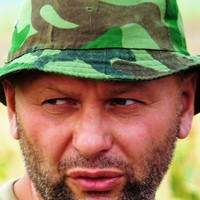

The verdict doesn’t name Kuzyakov, but his Wikipedia page links to this verdict. He was removed from the institutional website.
In case you wonder why it took over 10 years for the University of Göttingen to act on Kuzyakov’s sexual harassment: he is a Highly Cited Researcher 2015-2023, with tight connection to russia and also China, who prides himself to have “published 95 papers in 2023, or 4 days per paper“. His coauthors are mostly Chinese, papermill origin can’t be excluded. The law is an ass: Kuzyakov remains a professor on the public payroll, until his honorable retirment with full pension in 4-5 years.
I wrote to Kuzyakov, he remained silent. Also the University of Göttingen refused saying why it took them over a decade to act, if the sexual harasser is still allowed on campus, and what his current employment duties are.
Industry Giants
A litany of problems
The slapstick travesty of Cassava Sciences continues. For the background about this American trash company, their fraud and their nonsense Alzheimer’s drug, read here:

On 11 March 2024, Science brought an update:
“In September 2022, Food and Drug Administration (FDA) officials arrived at an imposing, glass-dominated research complex at the City University of New York (CUNY). They planned to review records and practices in a lab run by pharmacologist Hoau-Yan Wang, who had been involved in clinical tests for an experimental Alzheimer’s drug. Two years earlier Wang and his colleagues had analyzed samples of patients’ blood and cerebrospinal fluid from a key trial of the drug, called simufilam, developed by Wang’s longtime collaborator Cassava Sciences.
At first a CUNY official denied entry to the inspectors and security guards escorted them off the premises. When CUNY granted them access to the lab 2 days later, the FDA staff found a litany of problems with that old work. […] CUNY didn’t reply to Science’s requests to explain why its guards initially denied FDA inspectors access to Wang’s lab.”
The fact that a (public!) university can just set the dogs upon governmental authorities and hold them off until the most damning evidence is cleared and destroyed, kind of proves that USA can’t be taken seriously anymore, but who I am to criticise American customs.

Facts and Fiction of Cassava Sciences
Attack is the best form of defence. Especially when your commercial clinical research is tainted by preclinical Photoshop fraud.
Science published the FDA report which basiclaly found that Wang’s and Cassava’s drug research was totally fake.
“The FDA report, disclosed under the Freedom of Information Act, raises new questions about the credibility of claims by Wang and Cassava about simufilam, a drug that has long been under scrutiny. (The report was requested by a person trying to profit if Cassava’s share price declines, and shared with Science by his colleague. They are among several so-called short sellers whom the company has sued for defamation.) […]
It is not clear why FDA waited 2 years to investigate…”
I know I know! American corruption and institutional failure, basically same stuff Republican fascists constantly accuse Ukraine of. This apparently depends on the results of the next US Presidential Election:
“FDA would not say whether its inspection findings would affect the agency’s review of the phase 3 trials of simufilam, normally the last set of safety and efficacy tests before the agency decides whether to approve a drug.”
Cassava was from the very beginning a cartoon joke of science fraud. If someone wrote this as a script for a TV series it would be rejected as too trashy. But life beats fiction anytime, recall how we all laughed at that Trump-copycat as US President in Back to The Future II.
The fact that this Cassava clown-car shit-show is being treated by Science and other authoritative voices as a research integrity failure of one Chinese dude at CUNY which might endanger the approval of a “possible Alzheimer’s drug”, and not as a total failure of all US authorities perfectly fits to Trump’s impending return.

Alone against fascists – Thoughts on russia’s war on Ukraine
This war should have ended long ago, if only Ukraine received enough support. But the fascists in our midst are winning. We must fight fascism at home.
Scholarly Publishing
Perplexing finding
BMC elegantly corrected an Iranian papermill fabrication.
Mohammad Chehelgerdi, Matin Chehelgerdi , Milad Khorramian-Ghahfarokhi , Marjan Shafieizadeh , Esmaeil Mahmoudi , Fatemeh Eskandari , Mohsen Rashidi , Asghar Arshi , Abbas Mokhtari-Farsani Comprehensive review of CRISPR-based gene editing: mechanisms, challenges, and applications in cancer therapy Molecular Cancer (2024) doi: 10.1186/s12943-023-01925-5
This is the correction from 27 February 2024:
“Following publication of the original article [1], it has come to the author’s attention that this article cites their work in an incorrect fashion and at least the related part of the paper raises some concern about the integrity of the reported information.
In Table 3 on clinical trials of CRISPR-based therapy of the manuscript, the authors cite our study (Ref 202 in the article, https://doi.org/10.1016/j.omtm.2022.03.018) and claim they demonstrated HPRT1-KO in cancer cells as a treatment strategy. Unfortunately, this statement does not reflect our study. They demonstrated for the first time that non-viral knock-in of CD19-specific CAR into primary human T cells is possible and effective with non-viral dsDNA templates (e.g. related to Fig. 11 of the Molecular Cancer article). This study was completely pre-clinical and had no relation to HPRT1.
After this perplexing finding, the corresponding author took some time to check other references of Table 3 and discovered that other references (such as References 201, 198, 197 that he checked) were also wrong. Glancing at other references in Table 3, it seems the authors cited predominantly review articles instead of original articles and at least some of the content was completely misaligned to the topic (e.g. Ref 198 cites a review on transplantation and GvhD; no relation to cancer therapy). Some of the related content is also non-sensical, suggesting either inexperience by the person preparing the table or potentially the use of a flawed AI tool.”
Nonsensical datasets never affect any conclusions of course. As Alexander Magazinov noted:
“Table 3 is still not great. It is supposed to list clinical trials, but, e.g., [8] is a review.”
Probably not a mistake, the russian papermillers paid good money for their MDPI review to be cited.
Lord of the Biochar Rings
A manuscript called “Citation Rings: Inflating Impact, Undermining Integrity“ has been posted to ResearchGate in March 2024, by an Akira Abduh, of “RPS Research, Texas, USA.” I suspect this to be an assumed name and a made-up affiliation. It is about Jörg Rinklebe, professor of soil sciences at the Universiytty of Wuppertal in Germany and a Highly Cited Researcher. Alexander Magazinov and I wrote about him here:
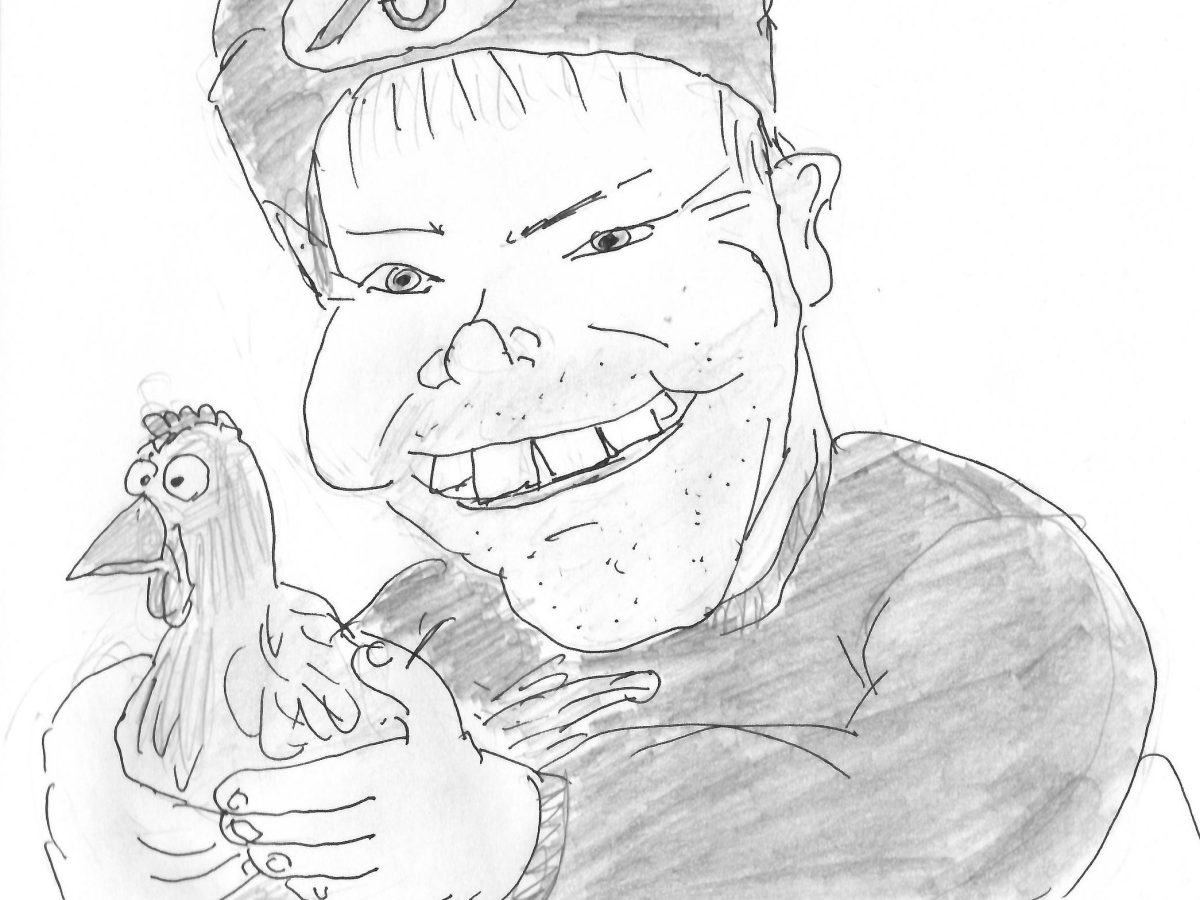

Quote from the Abduh manuscript:
“The case study involves hyperprolific author Jörg Rinklebe or sometimes written as Joerg Rinklebe. Rinklebe has been identified as part of the biochar ring in the previous publication and also has been expelled from the title Highly Cited Researcher by Clarivate in 2023.
Investigating citation rings can be challenging, but certain patterns raise concerns. Let’s examine some observations about Jörg Rinklebe’s publication history:
– Sharp Rise in Publication Rate: Dr. Rinklebe’s publication output has seen a significant increase in recent years. From 8 papers in 2016 to 97 papers in 2021 and 2022, this represents a more than tenfold jump within a five-year period.
– Increased Citations: Similarly, his citation count has shown a substantial rise according to Google Scholar, going from 611 in 2016 to 10,822 in 2023.
In addition to the publication rate, a closer look is needed at the citation patterns:
– Potential Citation Network: Data from the Web of Science Database suggests a large network of more than co-authors associated with Dr. Rinklebe, with some exceeding five co-authored papers over the years (Figure 1)”
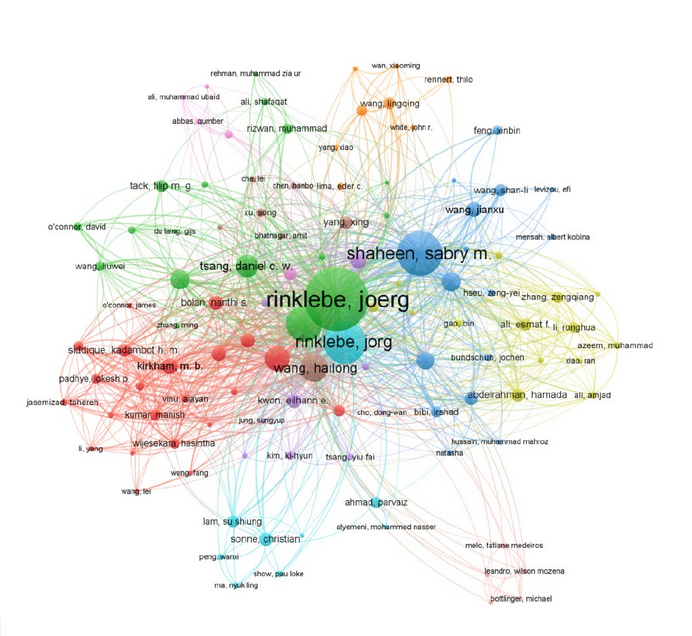
Specifically:
“Rinklebe formed a network of around several clusters where they publish together
– Group 1:
Led by Nanthi Bolan, James O’Connor, Methika Vithanage, Scott X. Chang, Binoy Sarkar, Kadambot Siddique, etc.
– Group 2:
Led by Yong Sik Ok, Filip MG Tack, Daniel CW Tang, Daniel Alessi, Deyi Hou, David O’Connor, Amit Bhatnagar, Wang Hailong, Muhammad Rizwan, yang Xing etc.
– Group 3
Led by Sabry M. Shaheen, Vasileisos Anoniadiia, Nabeel Niazi Khan, Irshad Bibi, Muhammad Hussin, Peter Leinweber, Muhammad Shahid, Wang Jianxu etc.
– Group 4:
Zhang zeqiang, Esmat Ali, Li Ringhua, Hamada Elrahman etc
– Group 5:
Led by Eilhann Kwon, Kim Hi Kyun, Song Holchelo Tsang Yiu Fai etc.
Group 5:
Led by Pau Loke Show, Christian Sonne, Su Shiung Lam, Ma Nyuk Ling etc.”
There is only one reference at the end:
Akira J Abduh. Unveiling Biochar Research: Trends, Influential Authors, and Ethical Dilemmas in Hyperprolific Publishing . Authorea. May 17, 2023.DOI: 10.22541/au.168417015.58883331/v2
Science Breakthroughs
Acts like the real thing
On 9 February 2024, Science has spoken:
“3D printer creates brain tissue that acts like the real thing
By squirting cells from a 3D printer, researchers have created tissue that looks—and acts—like a chunk of brain. In recent years, scientists have learned how to load up 3D printers with cells and other scaffolding ingredients to create living tissues, but making realistic brainlike constructs has been a challenge. Now, one team has shown that, by modifying its printing techniques, it can print and combine multiple subtypes of cells that better mimic signaling in the human brain.
“It’s remarkable that [the researchers] can replicate” how brain cells work, says Riccardo Levato, a regenerative medicine researcher at Utrecht University who was not involved with the study. “It’s the first demonstration that, with some simple organization [of cells], you can start getting some interesting functional [responses].”[…]
With the right kind of 3D printing, however, “you can control where different cell types are placed,” says developmental biologist Francis Szele of the University of Oxford. […] “It’s really cool that despite [the simplicity of the constructs], they got proper connectivity,” Szele says. And Levato says that although previous studies involving 3D printing of brain tissue had observed some functionality, they involved constructs that were “nowhere near the type of quality of tissue that they get here.””
Yes, it is idiotic. No, it is not a joke. It is in fact in all the big news worldwide. Functional living human brains have been bioprinted. Here is the paper, from University of Wisconsin Madison, it really claims in its first sentence that “Functional human neural tissues assembled by 3D bioprinting“:
Yuanwei Yan , Xueyan Li , Yu Gao , Sakthikumar Mathivanan , Linghai Kong , Yunlong Tao , Yi Dong , Xiang Li , Anita Bhattacharyya , Xinyu Zhao , Su-Chun Zhang 3D bioprinting of human neural tissues with functional connectivity Cell stem cell (2024) doi: 10.1016/j.stem.2023.12.009
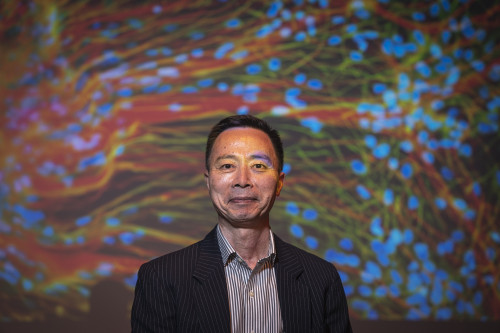
A Harvard newspiece mentioned: “the researchers used their system to successfully model Alexander’s disease, a neurodegenerative condition.” In a press release by University of Wisconsin, revolutions are announced:
““This could be a hugely powerful model to help us understand how brain cells and parts of the brain communicate in humans,” says Su-Chun Zhang, professor of neuroscience at the UW School of Medicine and Public Health and a member of UW–Madison’s Waisman Center. “It could change the way we look at stem cell biology, neuroscience and the pathogenesis of many neurological and psychiatric disorders.”[…]
The results speak for themselves — which is to say, the cells can speak to each other. The printed cells reach through the medium to form connections inside each printed layer as well as across layers, forming networks comparable to human brains. The neurons communicate, send signals, interact with each other through neurotransmitters, and even form proper networks with support cells that were added to the printed tissue.
“We printed the cerebral cortex and the striatum and what we found was quite striking,” Zhang says. “Even when we printed different cells belonging to different parts of the brain, they were still able to talk to each other in a very special and specific way.”
I am disappointed that Zhang doesn’t speak of consciousness arising in his 3D bioprinted brains.
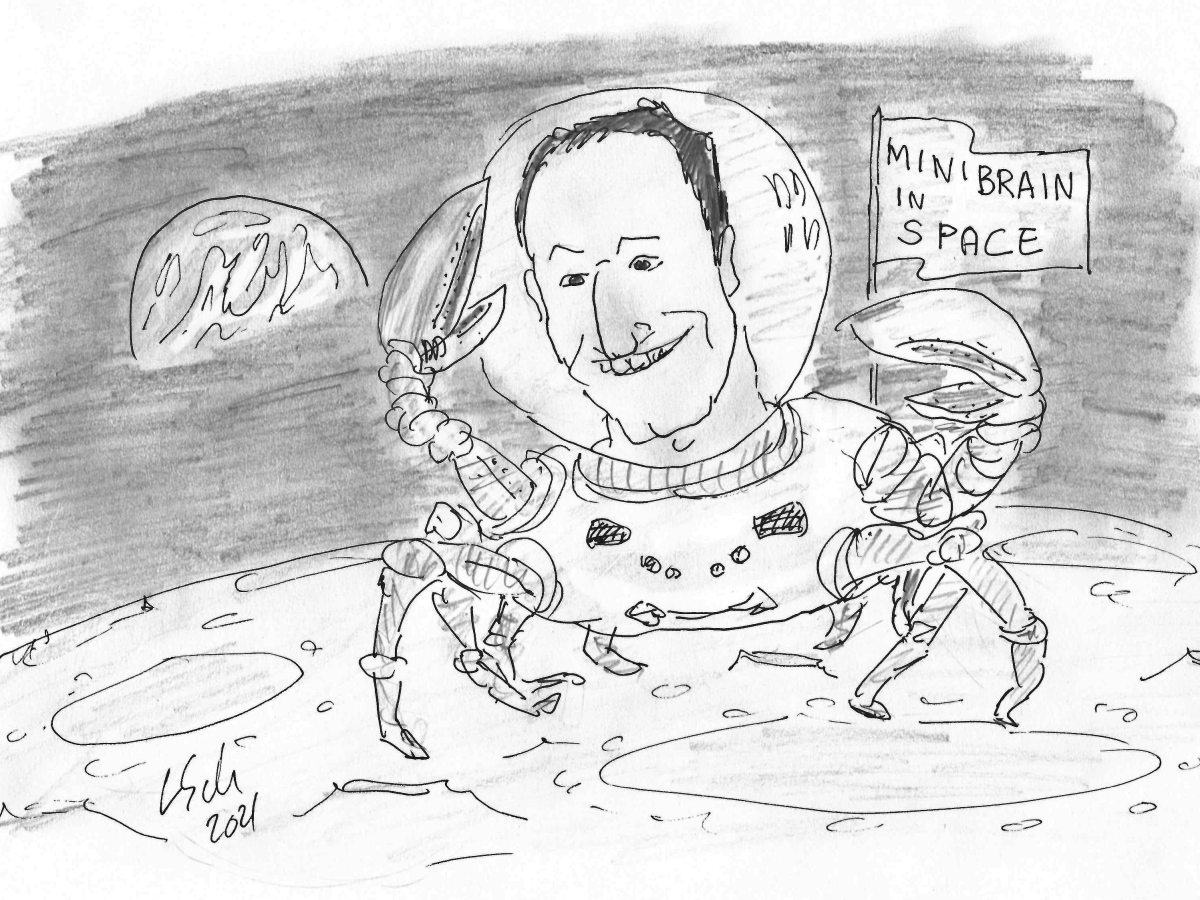
Alysson Muotri, a minibrain
Autistic Neanderthal minibrains operating crab robots via brain waves of newborn babies are to be launched into outer space for the purpose of interstellar colonization. No, I am not insane. Science Has Spoken.
I thank all my donors for supporting my journalism. You can be one of them!
Make a one-time donation:
I thank all my donors for supporting my journalism. You can be one of them!
Make a monthly donation:
Choose an amount
Or enter a custom amount
Your contribution is appreciated.
Your contribution is appreciated.
DonateDonate monthly
 For Better Science
“Axel Ullrich Medal – role models for the bestest science ever”
Is your Axel Ullrich the same as
Axel “3 retractions” Ullrich?
http://retractiondatabase.org/RetractionSearch.aspx?AspxAutoDetectCookieSupport=1#?AspxAutoDetectCookieSupport%3d1%26auth%3dUllrich%252c%2bAxel
LikeLiked by 1 person
How did I miss that???
Retraction Nr 1:
http://www.jbc.org/content/285/42/32678.1.long
Retraction Nr 2:
http://www.jbc.org/content/285/42/32678.1.long
RW reporting:
“Ullrich tells Retraction Watch that he found out from a “private investigator” several months ago that the papers’ lead author, Naohito Aoki, had manipulated their figures. Aoki was a postdoc in Ullrich’s lab in the early 1990s:
Ullrich said he contacted Aoki immediately, and then the journal, to say he wanted to retract the papers. He has no plans to retract any other papers, and says the now-retracted work “was never followed on and I estimate that it had no significant impact on the relevant field.””
The he retracted a 3rd paper, with that awful fraudster Sylvia Asa:
https://www.cell.com/action/showPdf?pii=S1550-4131%2820%2930487-3:
LikeLike
I wrote a huge update to that section now.
LikeLiked by 1 person
I suspect the main culprits in the Neuroscience paper are Ullrich and his russian friend Pjotr G. Knyazev. Or Count Petya, if you like.
Knyazev claims on LinkedIn in to have been at MPI Martinsried since 1977 and in 2021 he finally buggered off back to his orkostan.
https://www.linkedin.com/in/peter-g-knyazev-md-phd-dms-88b877a6/?originalSubdomain=de
LikeLike
Six 15 March 2O24 Dana Faber Cancer Institute retractions in Cancer Research.
https://aacrjournals.org/cancerres/issue/84/6
LikeLike
Poor Mitsi.
LikeLike
“Poor Mitsi”. Do you mean the Mitsiades brothers, Constantine and Nicholas, who appear on the Dana Faber Cancer Institute retractions?
No need to feel sorry for them. The former is a professor at the Dana Faber Cancer Institute, the latter a professor at UC Davis.
LikeLike
“Poor Mitsi”.
As well as the Mitsiades brothers cancer fakes, there are also the Mitsiades brothers ophthalmology fakes.
https://pubpeer.com/search?q=Mitsiades+
It is not obvious what cancer fakes and ophthalmology fakes have in common except fakes
It’s all Greek to me!
LikeLike
The irony is that in most cases it is Commissions on Responsibility in Science and/or Scientific Misconduct Ombudsmen and/or Chairs of Publishing Ethics Commissions, who are the ones who certainly and cynically support violations of integrity in research and publishing ethics, thereby encouraging the spread of fraud in research/science and in the academic environment in general.
LikeLike
Dr Dietl, nobody said that stupidity and sloppiness were crimes. However, the public’s justified expectation is that publications, financed by taxpayer money, should be devoid of plagiarism, major errors, duplicated blots, undisclosed digital manipulations, p-hacking,… and data fabrication, irrespective of when the research was conducted. In addition, an ombudsman is an official who must be impartial; that is integral to their role. The manner in which you discuss whistleblowers raises doubts about your impartiality.
LikeLiked by 1 person
In most jobs, you get fired when you’re incompetent and sloppy. Just for professors, this works as an excuse. Must be because their brains are so highly developed…
LikeLiked by 1 person
Your mention of the Toronto power science couple Asa and Ezzat brought back memories. For an update, Sylvia legged it off to Case Western for a comfy new job, while remains ensconced at Princess Margaret Hospital in the bosom of the University Health Network, who seem to have forgotten about the whole sorry affair. If it wasn’t for the actual journals like Cell Metabolism, the retractions would have likely not happened at all. And of course the couple are still publishing away like nothing ever happened. See kids, nothing to worry about if you does a little cheatin’ now and then – provided you have that old MD to fall back on, you’ll never end up out in the cold.
LikeLike
It is amazing how these people are never without a comfy job in academia.
Because it is nobody’s money.
LikeLike
That should say Shereen remains at PMH.
LikeLike
https://abcnews.go.com/International/80-year-man-pleads-guilty-genetically-engineering-giant/story?id=108117977
An early April fool? If true then 80-year-old is much more competent than most biologists and needs a medal.
LikeLike
Well, you don’t see things like this everyday.
http://www.youtube.com/watch?v=ODgYbmmgOss
“In my last few videos exposing James Tour, I included testimonies from several of his colleagues, who outlined in great detail how James commits plagiarism and fraud to get his publications. The interactions got a little buried amidst all the debunking, so I thought it would be fitting to make a separate video that consists exclusively of those interviews, since it is important information that everyone should know about this vile charlatan.”
LikeLike
Another Science Breakthrough
8-hour time-restricted eating linked to a 91% higher risk of cardiovascular death(!)
https://newsroom.heart.org/news/8-hour-time-restricted-eating-linked-to-a-91-higher-risk-of-cardiovascular-death
LikeLiked by 1 person