

“If anyone is a bully, it is you.“
Lawrence Lash, Editor-in-Chief
The pseudoscience debunker, image integrity sleuth and For Better Science contributor Sholto David took on the Elsevier journal Toxicology Reports, in a preprint. In this article, Sholto gives you examples of the fake science he found and how of little the editors care.
Sholto tried to communicate with the journal’s Editor-in-Chief Lawrence Lash, pharmacology professor at Wayne State University in USA. But Lash is a bully, and when he senses you can’t be made to cower, he stops replying to your emails (we all tried). As for evidence of data manipulation, Lash does NOT accept it when:
- it’s submitted anonymously
- it’s submitted from a private and not institutional email account
- It’s submitted from a person and not organisation
- it’s submitted at all.
I am not exaggerating, that’s basically what he wrote to me in 2021. Those who try submitting evidence anyway, Lash calls “crusader” and “bully”. You can read about his attitude here:
Editors vs the Anonymous
A tale of brave academic editors fighting those bad, naughty, annoying anonymous whistleblower trolls

Lash was the founding editor of Toxicology Reports, later on he passed the reins to a certain russia-loving Greek antivaxxer Aristidis Tsatsakis. This one has a PubPeer record, and you can read about him here:
During the COVID-19 pandemic, Tsatsakis’ antivaxxery in his own journal reached such heights that it was too much even for Elsevier. Tsatsakis and his antivaxxer buddies were removed from editorial board, and Lash returned as Editor-in-Chief. One of Tsatsakis’ antivax excretions, “Why are we vaccinating children against COVID-19?” was
“retracted at the request of the Founding Editor, Prof. Lawrence H. Lash, on the basis that there is clear evidence that the findings are unreliable”
Yet the rest, including Tsatsakis’ advice of smoking as COVID-19 therapy, or the horrible “Safety of COVID-19 vaccines administered in the EU: Should we be concerned?” remained standing, sometimes decorated with an unhinged Erratum, because Lash must have found clear evidence that their findings were perfectly reliable.
Now the pseudoscience debunker, image integrity sleuth and For Better Science contributor Sholto David published this preprint:
Sholto David, “A Quantitative Study of Inappropriate Image Duplication in the Journal Toxicology Reports” bioRxiv (2023) doi: 10.1101/2023.09.03.556099
From the abstract:
“This study aimed to quantify the rate of image duplication in the journal Toxicology Reports. In total 1540 unique articles (identified by DOI) were checked for the presence of research related images (microscopy, photography, western blot scans, etc). Each research paper containing at least one such image was scrutinized for the presence of inappropriate duplications, first by manual review only, and subsequently with the assistance of an AI tool (ImageTwin.ai). Overall, Toxicology Reports published 715 papers containing relevant images, and 115 of these papers contained inappropriate duplications (16%). Screening papers with the use of ImageTwin.ai increased the number of inappropriate duplications detected, with 41 of the 115 being missed during the manual screen and subsequently detected with the aid of the software. In summary, the rate of inappropriate image duplication in this journal has been quantified at 16%, most of these errors could have been detected at peer review by careful reading of the paper and related literature. The use of ImageTwin.ai was able to increase the number of detected problematic duplications.”
16% of all research papers in this Elsevier journal contain duplications, i.e. possible falsifications. And Sholto found even more than that:
Image Duplication at Toxicology Reports
By Sholto David
Toxicology Reports is an Elsevier journal with a troubled reputation. Misadventures of the previous editor-in-chief Aristidis Tsatsakis include publishing (or co-authoring) “conspiracy-tinged” papers on 5G health risks, Covid-19 vaccinations, and dubious tobacco industry funded research. These and other serious flaws in peer-review and editorial behaviour at Toxicology Reports have previously been covered by For Better Science, Retraction Watch, and Sam Klein. At the end of 2021 Tsatsakis departed the editorial team, and the founding editor, Lawrence Lash, returned as the editor-in-chief.
Elsevier’s Pandemic Profiteering
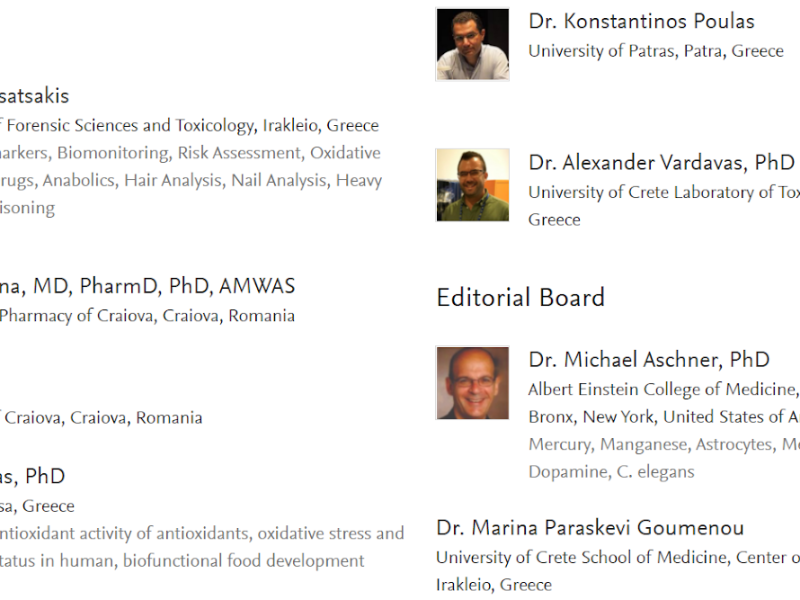
Aristidis Tsatsakis, Konstantinos Poulas, Ronald Kostoff, Michael Aschner, Demetrios Spandidos, Konstantinos Farsalinos: you will need a disinfecting shower once you read their papers.

In this environment of editorial mismanagement, it is unsurprising that papers in Toxicology Reports have earned PubPeer comments for inappropriately duplicated images. The first such comment was posted In February 2019 by anonymous PubPeer user Papillaria crocea, courtesy of a team of Brazilian researchers.
Durvanei A. Maria, Sonia Elisabete A.L. Will, Rosemary V. Bosch, Jean G. Souza, Juliana M. Sciani, Mauricio B. Goldfeder, Giuliana G. Rondon, Ana M. Chudzinski-Tavassi Preclinical evaluation of Amblyomin-X, a Kunitz-type protease inhibitor with antitumor activity Toxicology Reports (2019) doi: 10.1016/j.toxrep.2018.11.014
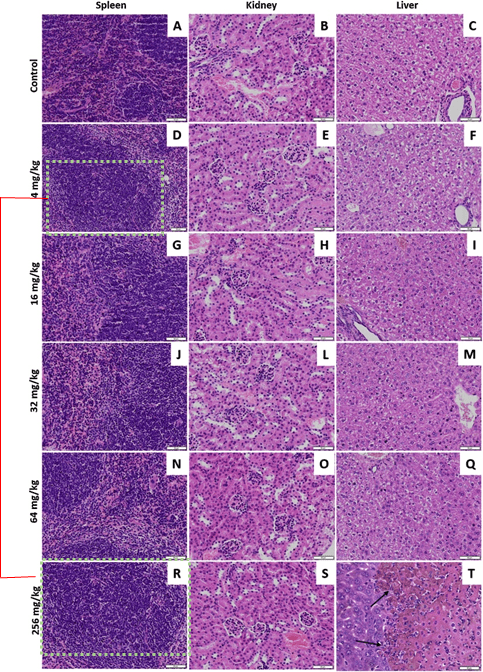
Subsequently, in 2019, further duplicative efforts in different papers were highlighted by Elizabeth Bik, Cheshire, and Smut Clyde, including (as an example) an especially troubling use of the clone tool.
Selvaraj Miltonprabu, Nazimabashir, Vaihundam Manoharan Hepatoprotective effect of grape seed proanthocyanidins on Cadmium-induced hepatic injury in rats: Possible involvement of mitochondrial dysfunction, inflammation and apoptosis Toxicology Reports (2016) doi: 10.1016/j.toxrep.2015.11.010

In 2023, I decided to review the entire back-catalogue of this journal to determine the total number of inappropriate image duplications. For this project I selected only research papers (i.e., no reviews or commentaries) which used images to illustrate the results of experiments or details of case reports (typically western blots, histology slides, and microscopy images of cells, but not spectra, tables, or charts). I included all the articles published online; from the first ever paper in 2014, up to the time of writing in July 2023. The papers were first reviewed manually, and subsequently with the help of ImageTwin.ai.
The inspiration for this study owes much to previous work by Elizabeth Bik.
Elisabeth M. Bik, Arturo Casadevall, Ferric C. Fang The Prevalence of Inappropriate Image Duplication in Biomedical Research Publications mBio (2016) doi: 10.1128/mbio.00809-16
As such, I categorized the types of duplications that I identified into the same three categories with (slight) modifications:
- Category I: Simple duplication. An image is entirely reproduced without modification within the same paper, or in another paper, and labelled as representing a different experimental condition or subject.
- Category II: Duplication with repositioning. An image overlaps with another image found elsewhere in the same paper, or in another paper. The overlap is evidence that both images are smaller parts of a larger image or separate images of the same feature. The images are labelled as showing different experimental conditions or subjects.
- Category III: Duplication with alteration. Images are published with significant alteration, for example the copying or cloning of parts of an image, moving or rotating elements of a gel.
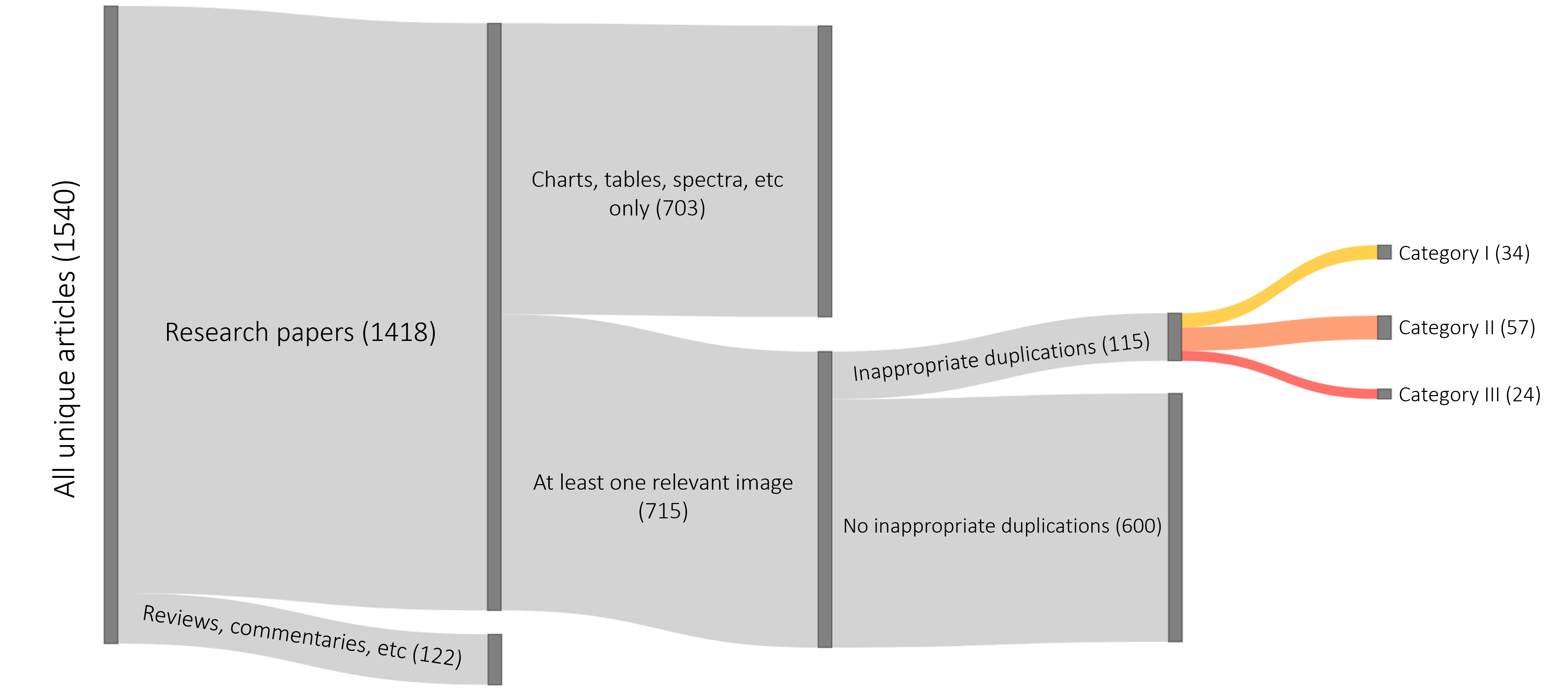
A quick summary of the results of the preprint: Since inception to present day Toxicology Reports published 715 research papers with relevant images, 115 of these papers (or 16%) include at least one inappropriate duplication. The Sankey Diagram below, reproduced from Figure 2 of the preprint, shows the flow of papers through the study, and the categories of duplications identified.
Sholto David A Quantitative Study of Inappropriate Image Duplication in the Journal Toxicology Reports bioRxiv (2023) doi: 10.1101/2023.09.03.556099
Category II Duplications
One point that is worth expanding on (with a few examples) is the presence of Category II duplications, which may at first sound benign. A single overlapping image might be an honest mistake, however there is no limit to how many overlaps might be found in one figure. The image below, from a team at Dayananda Sagar University, is an example (annotated by ImageTwin.ai). Curiously the liver histology slide (but not the brain, heart, or kidney slide) was stolen from an earlier paper by a Thai research group.
Iswar Hazarika, K.M. Geetha, P. Sivakami Sundari, Divya Madhu Acute oral toxicity evaluation of extracts of in wister albino rats as per OECD 425 TG Toxicology Reports (2019) doi: 10.1016/j.toxrep.2019.04.001

Another extensive Category II duplication is shown below (again annotated by ImageTwin.ai). This time the geometry exercise was prepared by researchers in Saudi Arabia, India, and from a company called Narula Research based in Boulder Bluff, Chapel Hill.
Rakesh Sahu, Sidharth Mehan, Sumit Kumar, Aradhana Prajapati, Abdulrahman Alshammari, Metab Alharbi, Mohammed A Assiri, Acharan S Narula Effect of alpha-mangostin in the prevention of behavioural and neurochemical defects in methylmercury-induced neurotoxicity in experimental rats Toxicology Reports (2022) doi: 10.1016/j.toxrep.2022.04.023

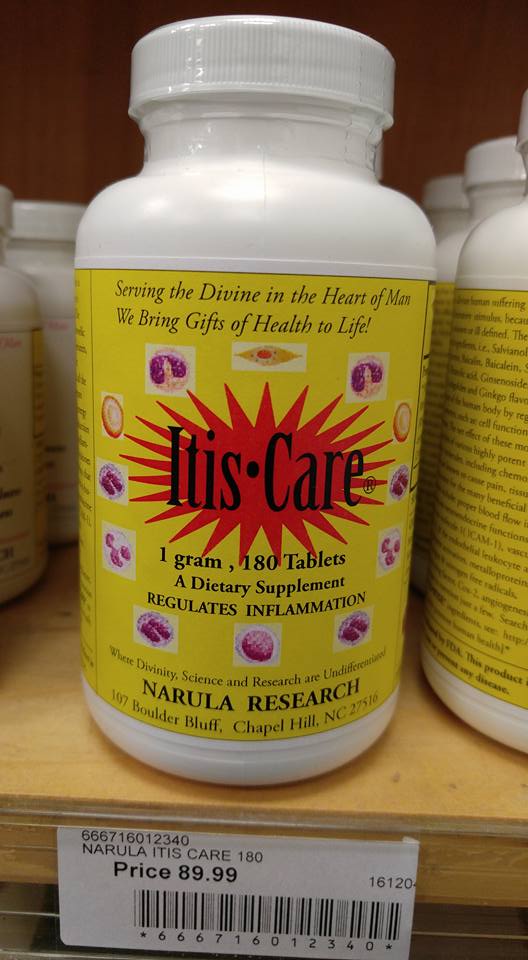
I’m not sure if it is still possible to buy products from Narula Research, however I did find a 2017 Facebook post showing a photo of their supplement product “Itis Care”. The text on the label does not inspire scientific confidence:
“Serving the Divine in the Heart of Man We Bring Gifts of Health to Life” and “Where Divinity, Science and Research are Undifferentiated“
[Neither are images of separate experimental conditions differentiated at Narula Research…]
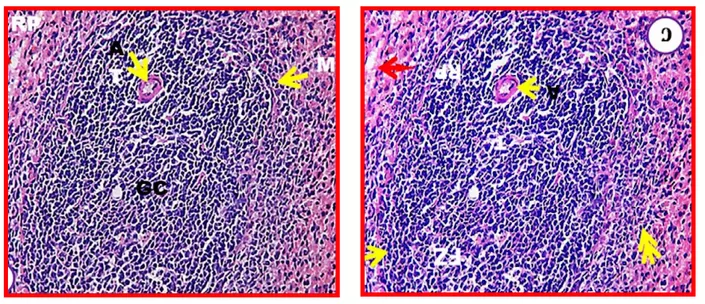
As usual, authors publishing in Toxicology Reports do not normally respond to PubPeer comments, but when they do, it is often to their detriment. The example below is another Category II duplication, with the image being rotated and the field of view not exactly matching.
Heba N.Gad EL-Hak, Abdel Raouf A. Moustafa, Samira R. Mansour Toxic effect of seeds on histological and biochemical analyses of adult male Albino rats Toxicology Reports (2018) doi: 10.1016/j.toxrep.2017.12.012

The authors responded:
“No it is not wrong it is from different rat and different treatment and you can confirm by measuring the diameter“
Heba N.Gad El-Hak
“It’s not wrong look at the image“
Abdel Raouf A.Moustafa
After looking at the image and presenting some additional comparisons, the authors declined to comment further.
Another confident pair of authors came out in support of their pathologist in the following example:
Dorcas Ibukun Akinloye, Regina Ngozi Ugbaja, Adekunle Adeniyi Adebiyi, Olusegun Mark Obafemi Idowu Duration effects of alcohol graded concentrations on the extent of lipid peroxidation, testis morphology and sperm quality assessment in Wistar rats Toxicology Reports (2022) doi: 10.1016/j.toxrep.2022.05.003
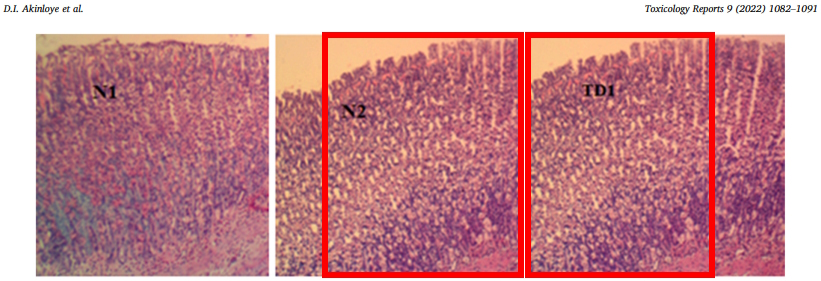
“Thank you so much for your response, but I want you to be assured that the pathology did a great job in achieving these results, more so the reaction to the same tissue of different types of Wistar rats might be the same sometimes.”
Dorcas Ibukun Akinloye
“Just for you to know that the images just look as if they are similar but they are not identical. Thank you… The only explaination here is that probably the pathologist sectioned similar region in both groups which most likely showed that the extract has no visible implication on that section.”
Regina Ngozi Ugbaja
In another Category II case, a corrigendum has been published for an unlikely collaboration between researchers based in Saudi Arabia, Uganda, Egypt, and the UK. Interestingly, according to the correction, the authors believe that “the scholarly integrity and original findings remain intact”…
Mariama Salihu, Gaber El-Saber Batiha, Keneth Iceland Kasozi, George D. Zouganelis, Souty M.Z. Sharkawi, Eman Ibrahim Ahmed, Ibe Michael Usman, Halima Nalugo, Juma J. Ochieng, Ibrahim Ssengendo, Olatayo Segun Okeniran, Theophilus Pius, Kyobe Ronald Kimanje, Eric Simidi Kegoye, Ritah Kenganzi, Fred Ssempijja Crinum jagus (J. Thomps. Dandy): Antioxidant and protective properties as a medicinal plant on toluene-induced oxidative stress damages in liver and kidney of rats Toxicology Reports (2022) doi: 10.1016/j.toxrep.2022.03.026


But we shouldn’t be surprised! Toxicology Reports has previous form for issuing questionable corrections to obviously flawed research. In a recent Schneider Shorts, Leonid discussed the (incomplete) correction of a Toxicology Reports paper containing multiple duplications, and the refusal of the Australian National University to intervene.
One more example of an impressive Category II duplication from Toxicology Reports, as it would be unfair to exclude Chinese authors in any discussion of overlapping images.
Wei Zhao, Jianke Li, Xiaoye He, Ou Lv, Yujiang Cheng, Run Liu In vitro steatosis hepatic cell model to compare the lipid-lowering effects of pomegranate peel polyphenols with several other plant polyphenols as well as its related cholesterol efflux mechanisms Toxicology Reports (2014) doi: 10.1016/j.toxrep.2014.10.013

Category III Duplications
As far as I was able to find, Toxicology Reports published twenty-four papers with Category III duplications, some of which include quite extensive manipulation.
Below is an interesting example; on the left is the original image, on the right I have highlighted a feature which has been cloned throughout the image, without changing the orientation.
Kawthar A. Diab, Noha E. Ibrahim, Maha A. Fahmy, Emad M. Hassan, Enayat A. Omara Inhibitory activity of flaxseed oil against CdCl2 induced liver and kidney damage: Histopathology, genotoxicity, and gene expression study Toxicology Reports (2020) doi: 10.1016/j.toxrep.2020.08.023

Some cloned areas are far subtler, and harder for me to spot with the naked eye. This example was identified by ImageTwin.ai.
Abeer Salama, Dina Mansour, Rehab Hegazy The cardio and renoprotective role of ginseng against epinephrine-induced myocardial infarction in rats: Involvement of angiotensin II type 1 receptor/protein kinase C Toxicology Reports (2021) doi: 10.1016/j.toxrep.2021.04.008

In this comet assay, the trails appear to have been added by the old MS Paint “spray can” tool. I have found these comet assay forgeries are somewhat peculiar to Egyptian labs in other journals too. Another example is given in the preprint.
Omaima M. Abd El-Moneim, Abeer H. Abd El-Rahim, Naglaa A. Hafiz Evaluation of selenium nanoparticles and doxorubicin effect against hepatocellular carcinoma rat model cytogenetic toxicity and DNA damage Toxicology Reports (2018) doi: 10.1016/j.toxrep.2018.07.003

A final Category III effort by Egyptian testicular toxicity researchers. This example is one of the odd cases where it isn’t clear what advantage the authors have secured by copying parts of this histology slide. Perhaps a label from a previous paper has been obscured?
Reham Z. Hamza, Mohammad S. AL-Harbi Monosodium glutamate induced testicular toxicity and the possible ameliorative role of vitamin E or selenium in male rats Toxicology Reports (2014) doi: 10.1016/j.toxrep.2014.10.002

Other Toxicology Reports Misbehaviour
Through the laborious process of checking every paper in this journal I also discovered ethical problems and examples of research misconduct that were not image duplications and are therefore entirely absent from the preprint. But these are certainly worth writing about!
The first example is a point of extreme frustration for me. In a case report detailing the poisoning of a patient who attempted suicide the authors published Ct scans including the full name and date of birth of the patient!
Zanina Pereska , Daniela Chaparoska , Niko Bekarovski , Irena Jurukov , Natasha Simonovska , Aleksandra Babulovska Pulmonary thrombosis in acute organophosphate poisoning—Case report and literature overview of prothrombotic preconditioning in organophosphate toxicity Toxicology Reports (2019) doi: 10.1016/j.toxrep.2019.06.002
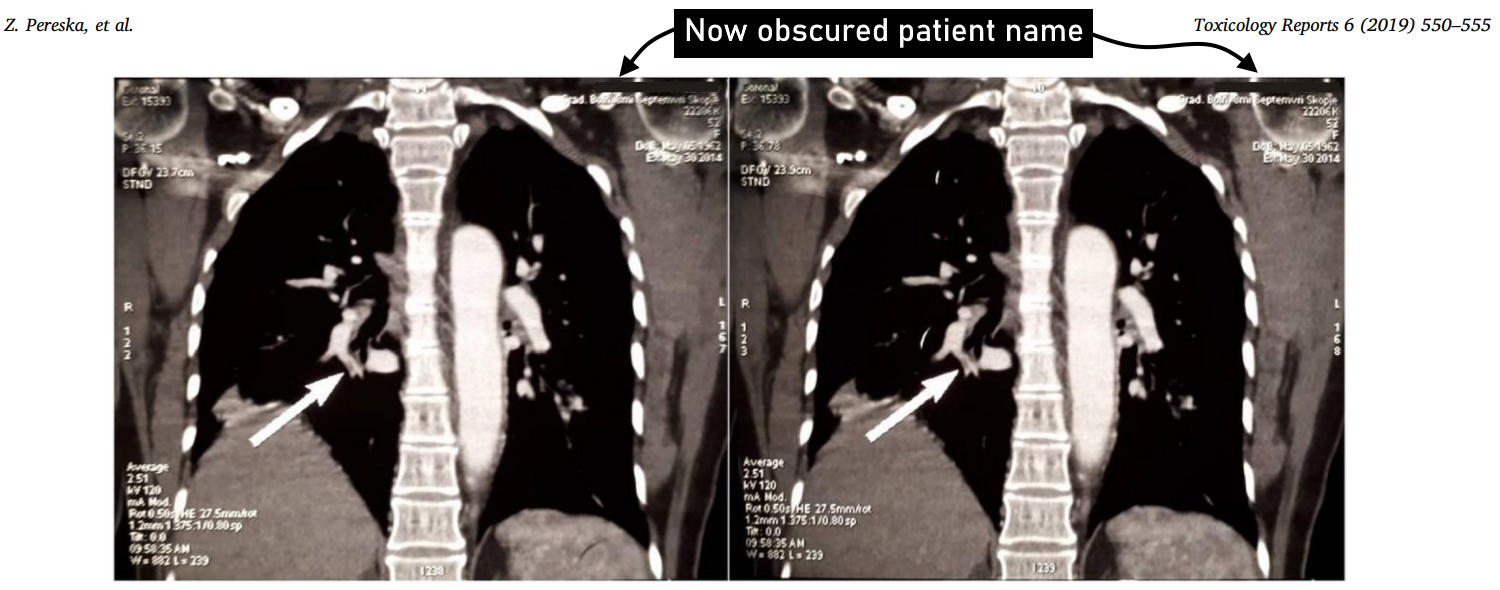
I emailed the author and editor in chief (Lawrence Lash) on May 7th, 2023. By the 24th of June 2023 the identifying information was still published online. After a further prompting email, Nalini Kannan (the journal manager) finally decided to temporarily withdraw the paper and remove the patient’s name. Not before Lawrence objected to the tone of my email.
“Please do not scold someone who you do not even know; very rude.”
Lawrence Lash
Another example which did not fit into the scope of the preprint; the following XRD spectra appear to be identical but are described as representing different samples. I did not systemically compare spectra or include these findings in the preprint dataset.
Parvaneh Ghaderi-Shekhi Abadi , Farshad H. Shirazi , Mohammad Joshaghani , Hamid R. Moghimi Influence of formulation of ZnO nanoblokes containing metallic ions dopants on their cytotoxicity and protective factors: An in vitro study on human skin cells exposed to UVA radiation Toxicology Reports (2018) doi: 10.1016/j.toxrep.2018.03.001

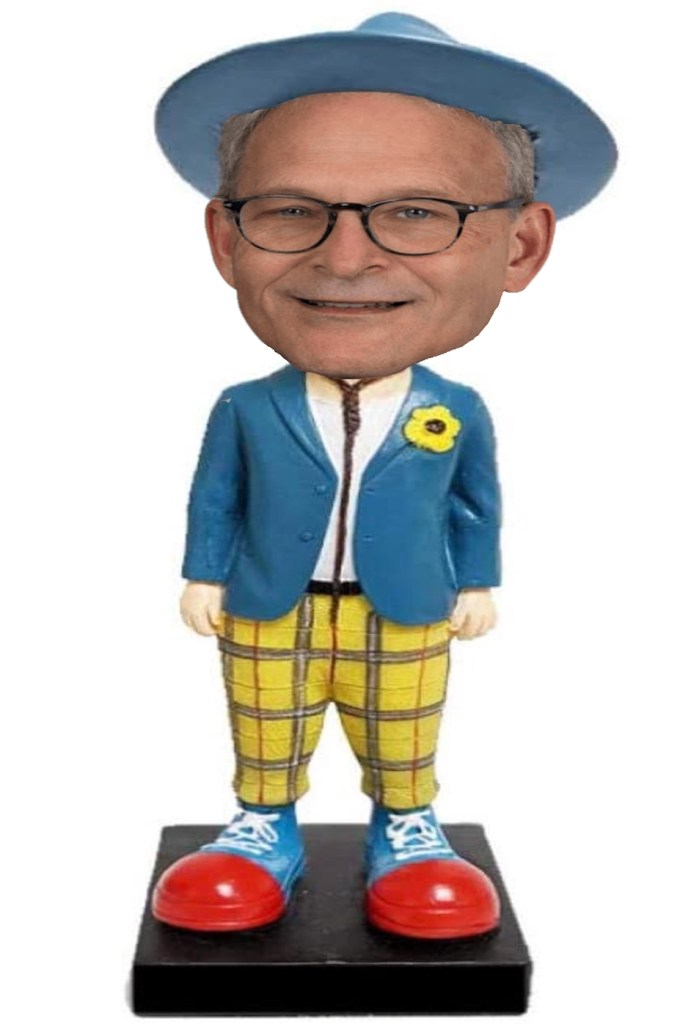
Hoya camphorifolia pointed out that the term “nanobloke” appears in the title of the above paper, but is never explained in the text. Since I can find no other references to “nanoblokes” in the scientific literature I have created an artistic interpretation of Lawrence Lash depicted as a “nanobloke” as a visual aid to readers.
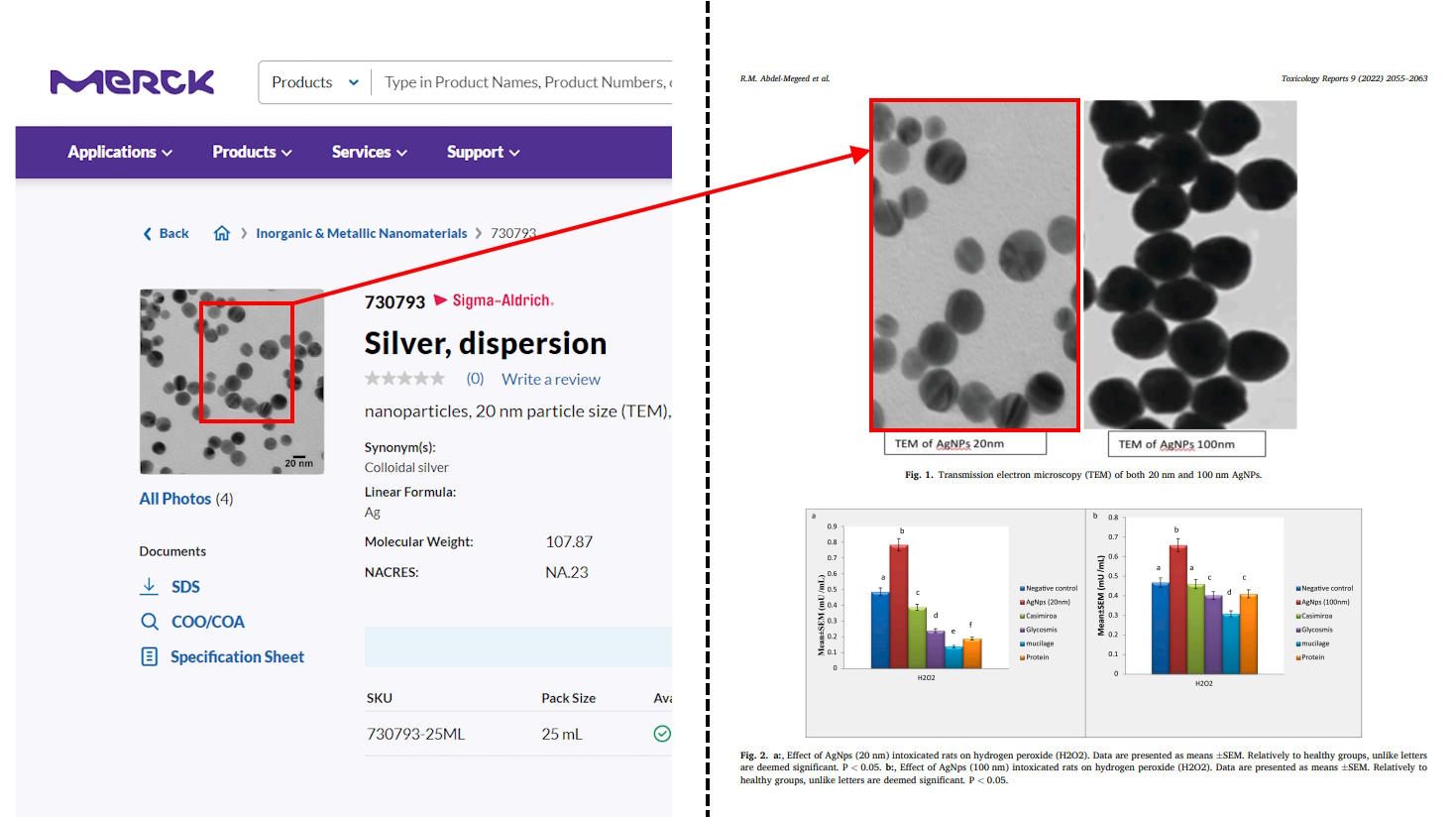
On the subject of nanoscience, another edge case that I eventually excluded were these two papers where the authors republished TEM images of nanoparticles directly from Merck’s sales page. The language of these papers seems to imply that authors actually performed the analysis. Since these images were not published in another paper, they are not included in the preprint.
Rehab M. Abdel-Megeed, Sanaa A. Ali, Wagdy B. Khalil, Esraa A. Refaat, Mai O. Kadry Mitigation of apoptosis-mediated neurotoxicity induced by silver nanoparticles via rutaceae nutraceuticals: P53 activation and Bax/Bcl-2 regulation Toxicology Reports (2022) doi: 10.1016/j.toxrep.2022.11.009
Sanaa A. Ali , Mai O. Kadry, Olfat Hammam, Sohair A. Hassan, Rehab M. Abdel-Megeed Ki-67 pulmonary immunoreactivity in silver nanoparticles toxicity: Size-rate dependent genotoxic impact Toxicology Reports (2022) doi: 10.1016/j.toxrep.2022.09.011
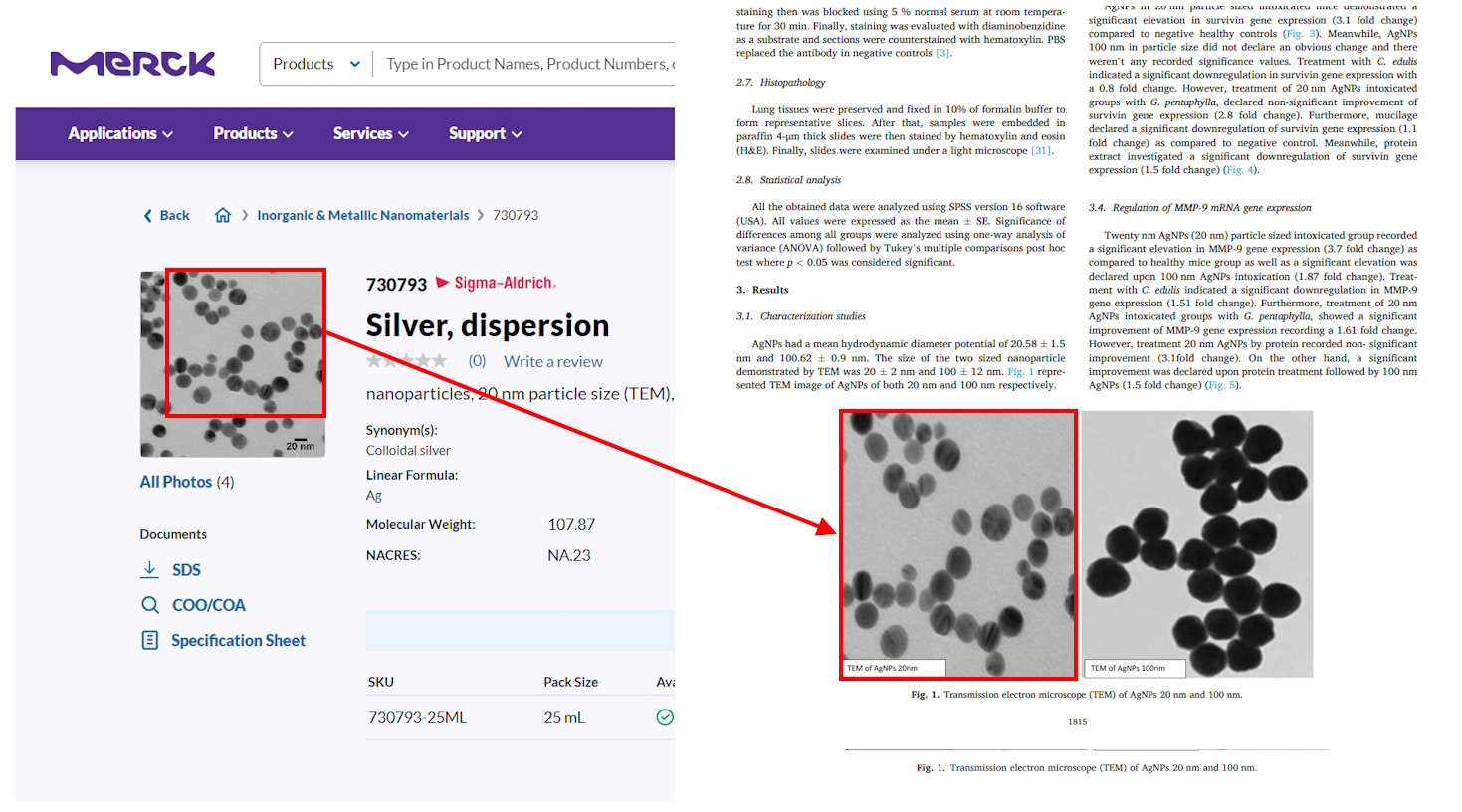
The second paper, on Ki-67 immunoreactivity, includes a citation to the infamous Vicker’s moth pheromone paper, giving the paper a certain scent of its own.
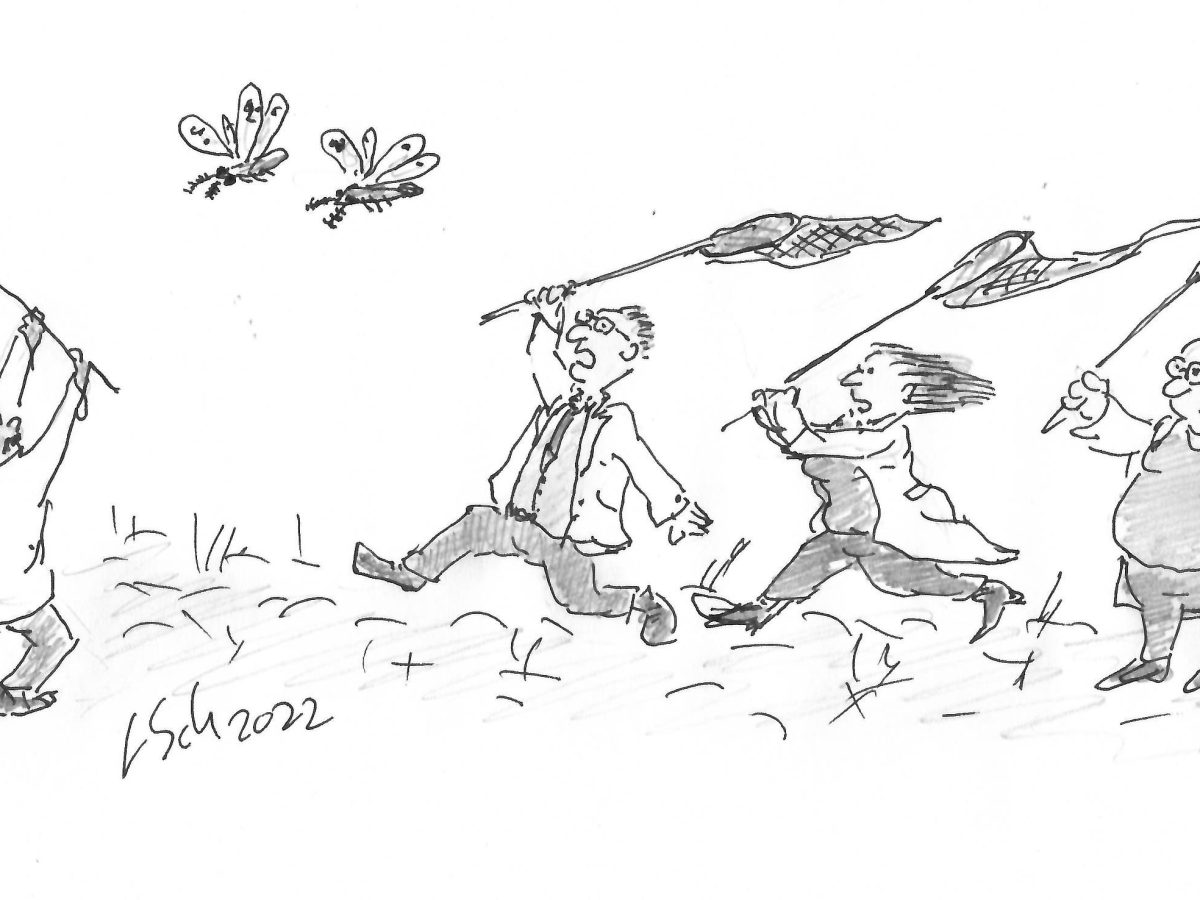
When I’m citing you, will you answer too?
What do moth pheromones on one side have to do with cancer research, petrochemistry, materials science, e-commerce, psychology, forestry and gynaecology on the other? They are separated by just one citation!
Not all manipulated images contain duplications! The histology images below appear to have enlarged cells superimposed into the centre. The sharp edges have been clumsily concealed by drawing on the outline with a paintbrush type tool. Since I can’t find any evidence of duplication, this is not in the preprint dataset.
Kalaiyarasu Thangaraj, Karthi Natesan, Mariyappan Palani, Manju Vaiyapuri Orientin, a flavanoid, mitigates 1, 2 dimethylhydrazine-induced colorectal lesions in Wistar rats fed a high-fat diet Toxicology Reports (2018) doi: 10.1016/j.toxrep.2018.09.004

Response from Toxicology Reports and Lawrence Lash
After submitting the preprint, I emailed the list of Category II and Category III duplications to (Editor-in-Chief) Lawrence Lash, all of the journal’s associate editors, and Jagna Mirska a Senior Toxicology Publisher at Elsevier. I asked for a comment on the content of the preprint for the purpose of this blog and was given none. None of the associate editors replied, nor did Lawrence Lash. Eventually Jagna Mirska-Gent told me she forwarded my email to the ethics team, and subsequently Mihail Grecea from Elsevier responded:
“Thank you for your message and for referring to the recently published preprint. The complaints regarding the listed papers will be assessed by the Editor-in-Chief of the journal with my support, and the decision regarding the further investigation will be timely made.”
Mihail Grecea (Senior Expert in Publishing Ethics at Elsevier)
So, Lawrence Lash will assess my concerns, with the help of someone at Elsevier with the most unfortunate job title. This dream team does not fill me with confidence, Lawrence Lash seems to have very little interest in correcting even the most obvious fraud in the journal he founded. Even worse he has been caught lashing out at people trying to help before.
After being alerted to a paper in Toxicology Reports containing multiple overlapping images Lash responded to Cheshire (in 2021):
“You provide no explanation of the problem. This type of complaint is garbage and unprofessional.”
Lawrence Lash
Here is the problem that Lawrence demands an explanation for, since it “provides non real insight into any problem with the data“:
Shahanshah Khan, Sandeep Choudhary, Arun Kumar, Akanchha Mani Tripathi, Amit Alok, Jawahar Singh Adhikari, Moshahid Alam Rizvi, Nabo Kumar Chaudhury Evaluation of sesamol-induced histopathological, biochemical, haematological and genomic alteration after acute oral toxicity in female C57BL/6 mice Toxicology Reports (2016) doi: 10.1016/j.toxrep.2016.03.005
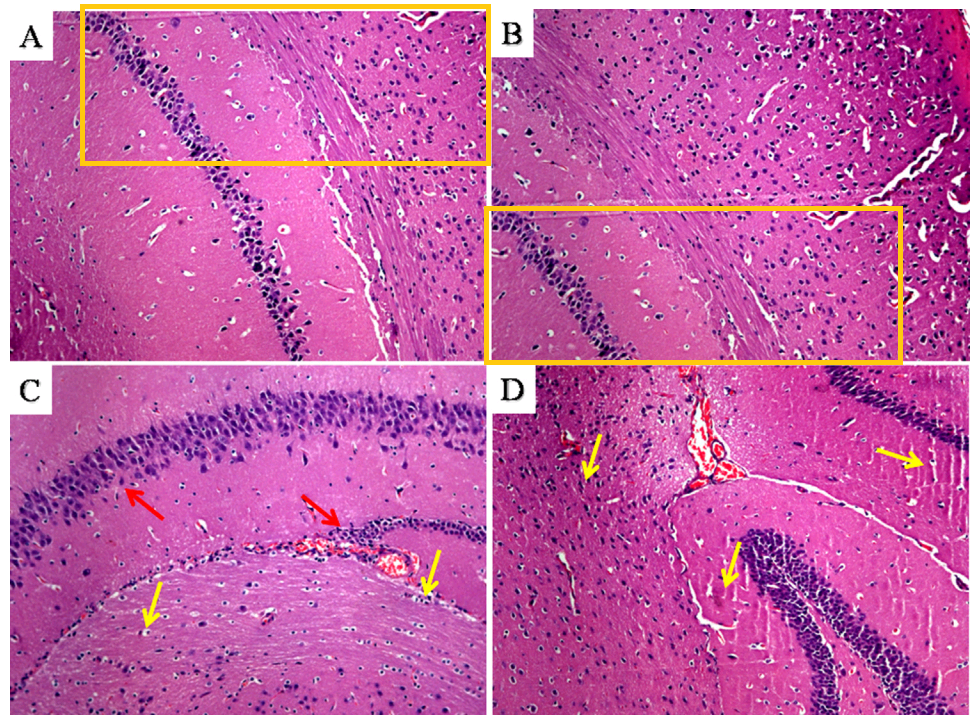

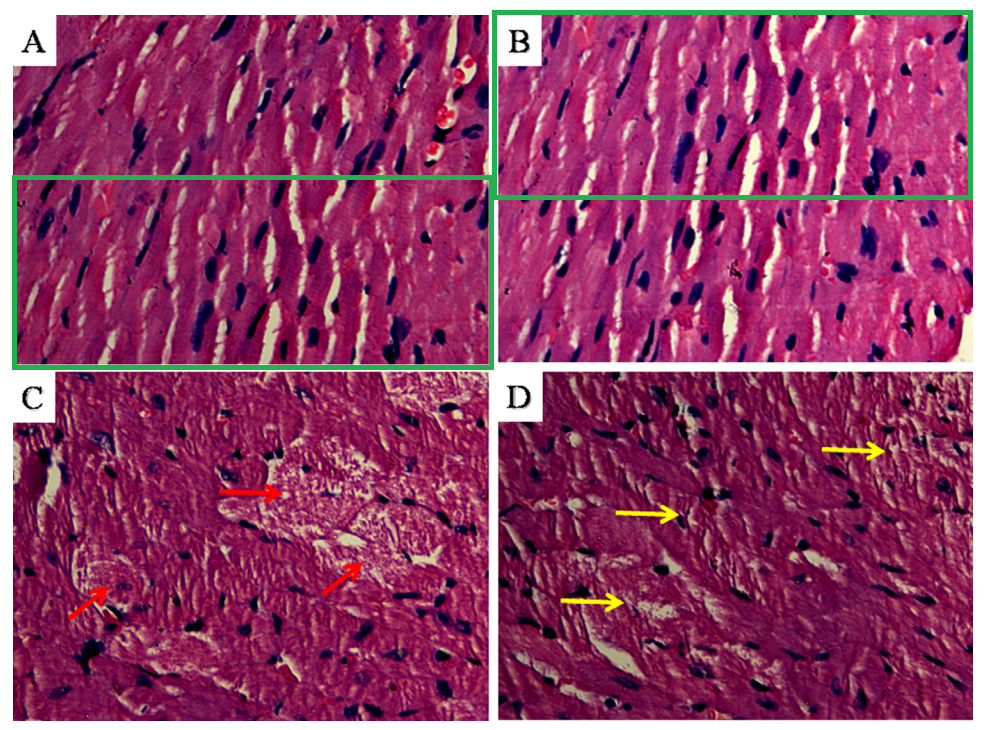
Isn’t it self-explanatory? Even more unfortunately, Lash has been unable to identify duplicated images in his own work. Another debacle previously covered in Shorts…
In a single author MDPI paper Lash included this duplication:
Lawrence H. Lash Unexpected Enhancement of Cytotoxicity of Cisplatin in a Rat Kidney Proximal Tubular Cell Line Overexpressing Mitochondrial Glutathione Transport Activity International Journal of Molecular Sciences (2022) doi: 10.3390/ijms23041993

In his initial response he refused to accept the problem.
“The two panels do indeed look very similar. I have checked the original data files, which were from experiments conducted in 2006 and 2007, and those are the correct pictures for the two conditions…“
Lawrence Lash
I suppose we should feel sorry for Lash here, in his haste to take all the credit for this work, he has forgotten to include a graduate student to blame. Lash eventually relented, and MPDI quietly swapped in a new image without causing him to suffer the indignity of a published erratum.
So in summary Lawrence Lash:
- Does not understand the self evident problem posed by duplicated images (no wonder his journal publishes so many!).
- Cannot identify the obvious duplication in his own paper.
- Requires continuous prompting to correct even the most urgent of ethical issues in Toxicology Reports.
During the chaotic downfall of Aristidis Tsatsakis in 2021 Sam Klein wrote the following about Lawrence Lash:
“A legitimate and respected scholar founded (Toxicology Reports), led it for a few years, then passed on the reigns to someone else.”
Sam Klein
I wonder if he would stand by that statement today? What exactly will Lash and Elsevier do with these 115 problematic papers? I can only expect a painfully inadequate response. Things could be worse though, at least the dreaded COPE has not been mentioned.

Conclusions
The headline result of this preprint is not a surprise to me, 16% of relevant papers containing duplications may seem high, but I doubt it is even the worst Elsevier journal. This figure may not capture the full extent of the duplication problems either, who knows how many images are stolen from paywalled papers (and not accessible to ImageTwin.ai’s library), or were simply missed by my review?
Anticipating a certain flavour of response to this project I would like to make a comment about the use of software; ImageTwin.ai was used to identify a large number of these duplications, and I was very impressed by the performance of this software. However, most of the papers were flagged by me (in my spare time) before I had an account! I just looked very carefully at the images in the papers. I don’t want to give the impression that the editors and reviewers at Toxicology Reports were at a significant disadvantage only because I had access to this specialist software (I’m sure Elsevier could afford it anyway!).
And one last point: The journey to posting this preprint (never mind publishing it!) has been awkward, an earlier version of the preprint with the duplications I identified manually was sequentially rejected by bioRxiv, Research Square, and preprints.org, for no clear reasons. I subsequently added the additional findings by ImageTwin.ai and a comparison between these approaches. This revision was accepted by bioRxiv. Now that my preprint is live it has already been rejected by one journal (apparently, they thought my submission was “accidental”), and Toxicology Reports have not responded to my query as to whether they would waive the APC to publish my analysis in their journal. Without wishing to grumble (I’m sure others have had a worse experience) it seems strangely difficult to write about scientific errors in the scientific literature.
I thank all my donors for supporting my journalism. You can be one of them!
Make a one-time donation:
I thank all my donors for supporting my journalism. You can be one of them!
Make a monthly donation:
Choose an amount
Or enter a custom amount
Your contribution is appreciated.
Your contribution is appreciated.
DonateDonate monthly
 For Better Science
Thirsty now.
LikeLiked by 2 people
‘…the rate of inappropriate image duplication in this journal has been quantified at 16%…’
Images…
Conclusions are what truly matter, and they are never influenced by the poor image management skills of certain individuals in the lab. It’s probably better to cease this obsession with image perfection and focus on publishing an abstract for indexing purposes, along with a concise summary of the conclusions. Clearly, images are not worth the trouble.
LikeLiked by 1 person
Yet images are the only evidence available to the reader that the authors have in fact performed experiments as claimed. If they had to fake images in Photoshop, nothing in the paper is worth wasting time to read.
LikeLiked by 2 people
Just trying to optimize the process. 😉 Next logical step: Just tweet (or is it called ‘x-ing now?)’ something, retweets count as citations.
But now that you mention readers….
Is there a significant number of readers per paper?
If a paper is cited a thousand times, how many actual readers who read more than title and abstract has it?
LikeLiked by 1 person
Many of these journals are write-only media.
I suppose the Abstracts do get read by lit-review writers, or at least the keywords show up in Goofle searchers, so you are right… writing the paper is really an exercise in search-engine optimisation.
LikeLiked by 1 person
Generating data is certainly the riskiest part of science. A lot of authors have already switched to primarily churning out senseless reviews, your joke is close to the truth 🤭
LikeLiked by 1 person
Without the need for experimental data, the most important part of academic process will be endangered:
Bullying your lab members into delivering the right results. What’s the point of coming to lab if you can’t shout or humiliate anyone there?
LikeLiked by 1 person
I think its more what is the point of running a lab as a PI if it doesn’t support your ego: make you feel better about yourself and hopefully, superior to others? If bullying is required for this, then it is often done. Doing correct reproducible work is of lesser importance.
LikeLike
How dare you pointing fingers at fraudsters, that is so unprofessional! (laughs).
By the way, Wayne State motto is “Industry, Intelligence, Integrity”. (laughs).
LikeLiked by 2 people
A question about the ImageTwin performance: were there any papers where manual verififcation identified duplication, but which were not identified by ImageTwin?
LikeLiked by 1 person
Yes, four cases:
https://pubpeer.com/publications/697D50F2B9206B42FA5C1BB7FD96AC
https://pubpeer.com/publications/AF6B8C682EC153B9EB554AE4EAA4BC
https://pubpeer.com/publications/3D447C5FE440F926E105F26BB68475
https://pubpeer.com/publications/6B5E91748679A191190B519CEF4588
There were forty-one cases of the opposite situation (missed by me, but highlight by the software).
LikeLiked by 1 person
I hope your paper finds a home. Nobody, not even Elsevier, gives a rodent’s tuckus about a crap journal with garbled titles about mythical creatures (e.g. nanobollocks). But you have presented a good case for ignoring any journal that does not run submissions through ImageTwin or its equivalent (plus a plagiarism checker). I’m tired of catching this crap as a reviewer.
LikeLike