

Schneider Shorts of 1 September 2023 – how not to deal with rogue student, fraudster sanctioned despite unaffected conclusions, Nobelist gets two more retractions, with a wandering XRD spectrum, Swedish rector under investigation, British medical elites and their businesses, Japanese comedy neuroscience, and finally, the certain direction russian science must be sent to.
Table of Discontent
Industry Giants
- UK FCA to facilitate fraud – smart investments by Ashington Innovation
Science Elites
- Honest mistakes and not falsified data – how not to deal with rogue student
- A positive lab culture – ORI sanctions Ivana Frech despite unaffected conclusions
- We will fix this concern – another reason to send russian science after its warship
- Wandering XRD spectrum – brought to you by Priyabrat Dash, seven times!
- Something that comes up to mind – Takeshi Tabira’s stand-up comedy neuroscience
Scholarly Publishing
- Original data provided did not resolve these issues – 2 new retractions for Nobelist Gregg Semenza
- A critical assessment of extreme events – media investigation leads to retraction of climate change denialist paper
- Circular Economy Taskforce – Swedish rector Anders Hagfeldt corrects one paper, announces to retract another
- Net-zero energy future – guess whose paper Elsevier’s Journal of Energy Storage published
Industry Giants
UK FCA to facilitate fraud
As reported in earlier Friday Shorts, the enterprising Nobelist Sir Martin Evans and his protege Ajan Reginald sold their trash stem cell company Celixir/Cell Therapy Ltd to a company called Ashington Innovation for whooping £135 million.

Requiem for Celixir
How the Nobel Prize winner Sir Martin Evans and the lying crook Ajan Reginald almost succeeded, were it not for Patricia Murray.

Now a reader posted this comment:
“Readers might be interested to hear that after being sanctioned in Greece for improprieties in relation to clinical trials, and then being investigated by the UK regulator, the MHRA, in relation to concerns about a clinical trial in the Brompton Hospital that was stopped after the first patient was treated, Cell Therapy Ltd/Celixir is about to be bought for £135M by a SPAC company called “Ashington Innovation”: [link]
Amusingly, the founder of Ashington is Jason Smart! Not smart enough to do any due diligence it seems.
Celixir have published 2 papers, both of which have expressions of concern:
- Carmen Salguero-Aranda , Daniel Sancho-Mensat , Beatriz Canals-Lorente , Sabena Sultan , Ajan Reginald , Lee Chapman STAT6 knockdown using multiple siRNA sequences inhibits proliferation and induces apoptosis of human colorectal and breast cancer cell lines PLoS ONE (2021) doi: 10.1371/journal.pone.0246415
- Kyriakos Anastasiadis, Polychronis Antonitsis , Stephen Westaby, Ajan Reginald , Sabena Sultan , Argirios Doumas , George Efthimiadis , Martin John Evans Implantation of a Novel Allogeneic Mesenchymal Precursor Cell Type in Patients with Ischemic Cardiomyopathy Undergoing Coronary Artery Bypass Grafting: an Open Label Phase IIa Trial Journal of Cardiovascular Translational Research (2016) doi: 10.1007/s12265-016-9686-0

Sir Martin and Ajan, the stem cell gold-diggers
Sir Martin Evans, winner of Nobel prize 2007, founded in 2009 the stem cell start-up Celixir, together with a struck-off dentist Ajan Reginald. With the help of the British heart surgeon Stephen Westaby, they ran a very profitable clinical trial in Greece, which now moved into UK.
The comment continues (typos corrected) :
“The first paper is about their siRNA product and the second paper is about their cell therapy product “iMPs” that was used in the Brompton trial.
Another of Reginald’s companies “Oncogeni” was recently taken over by a company called Roquefort Therapeutics that is listed on the London Stock Exchange. And they seem to be flogging the same 2 products. The CEO of Roquefort is Stephen West, who was company secretary of “Regal Petroleum” that was fined for misleading investors: [link]
In a further development, Ashington is proposing to buy the company Calon Cardio, where cardiac surgeon Stephen Westaby and Marc Clement are directors. Clement was sacked for gross misconduct from Swansea University and the serious fraud office were even involved: [link] […]Is the role of the UK’s Financial Conduct Authority (FCA) to facilitate fraud one wonders?”
Stephen Westaby, as a reminder, used to be board member of Cell Therapy Ltd/Celixir, and the surgeon responsible for organising this company’s human experiments in Greece.

Questionable activities of UK company Celixir, by Patricia Murray
Patricia Murray uncovers the business secrets of the Nobelist Martin Evans and his partner Ajan Reginald. It seems the magic iMP cells used to treat patients in Greece were drawn from the blood of patients in Swansea, for the purpose of a secret PhD thesis. There is no serious science behind it, only serious investor…
Evans’ Celixir gang used to bleed clueless heart attack patients at Swansea University hospital to convert their blood into magic iMP cells for therapies of other heart attack patients in Greece and UK, endorsed by Westaby. And this is what Westaby’s business partner Marc Clement did at Swansea, as Wales Online reported in June 2022:
“A series of presentations showing proposed equity stakes for two academics sacked by Swansea University for gross misconduct in the £200m Life Sciences and Wellness Village project were widely circulated to potential private sector investors, an employment tribunal has heard.
Former dean of the university’s school of management, Prof Clement and colleague Steven Poole, were dismissed in 2019 for gross misconduct following a lengthy internal disciplinary process for not disclosing, as required under the ordinances of the university, proposed equity stakes in wellness village related firms. They deny any wrongdoing.”
In January 2021, The Eye magazine wrote about Clement:
“A controversial leading academic in Wales is continuing to use the title of ‘Professor’ despite the fact he is with others at the centre of a huge police investigation into alleged bribery, and major questions exist about whether he is entitled to do so, The Eye can reveal.”
Business as usual.
Science Elites
Honest mistakes and not falsified data
In case you didn’t notice: the scientific fraud community has long moved from just publishing falsified images to falsifying “raw” data to defend the published fraud. Here is a recent example:
Yunali Ashar , Qiuxu Teng , John N. D. Wurpel , Zhe-Sheng Chen , Sandra E. Reznik Palmitic Acid Impedes Extravillous Trophoblast Activity by Increasing MRP1 Expression and Function Biomolecules (2022) doi: 10.3390/biom12081162

Sandra Reznik, obstetrics researcher and full professor at St John’s University, associate professor at Albert Einstein College of Medicine in New York, USA, replied on PubPeer:
“Thank you so much for catching this error. We have contacted the editor and submitted a corrected figure.”
There was more, found by Cheshire:

And a fake western blot:

Actinopolyspora biskrensis: “The blots shown in Figure 4A and 4B seem to have some unexpected similarities.”
Reznik replied this time:
“Once again, thank you for catching these errors. I did not catch them before we submitted the manuscript. As the corresponding author, I acknowledge full responsibility for these terrible mistakes and I apologize.
The first author has reviewed her files and sorted things out. Like me, she is terribly sorry. She states emphatically that these unfortunate errors were honest mistakes and not falsified data.
I have attached the original western blots, and two replacement figures, as requested. I am assuming that this response is in lieu of my contacting the journal editor directly, but if I need to take further action, please let me know.“
These were the “raw data” for western blots:


Very strange “gels”, also Cheshire was not convinced:
“I have generated an illustration that compares the as-published Figure 4A/B with the author-provided “raw data.” First, I would note that the raw data does not show the edges, labeling, and background noise that are typically visible in the original data. However, and of greater concern, it is not at all clear why the 2 inner lanes of the GAPDH band shown in 4B could have been cropped and then combined with the first two lanes of the MRP1 band shown in Figure 4A by accident.”

And then Cheshire found this:

I wrote to Reznik, who replied:
“All the figures in question were prepared by the first author of the paper, Dr. Yunali Ashar, who was my graduate student at the time. I realize that this fact is no excuse—I am the corresponding author and ultimately responsible for everything in the paper. I have been in touch with Yunali, and she continues to claim that all the errors were honest mistakes.
I think a corrected version of the paper with new figures would be the best option. […]At this point, I think I should wait for direction from the journal editor rather than respond to any additional queries from PubPeer.”
In another email, I learned that Ashar was “very ambitious“, and “completed another project in another lab to be sure to have enough publications on her CV” and even “won the second place prize in our three-minute-thesis competition“! What talent indeed.
I sent Reznik this article for motivation to retract the paper instead of issuing embarrassing corrections:

My little PubPeer saga – A wake-up call, by Ingrid Herr
“Dear colleagues, scientists, check your lab members’ raw data, publications, and dissertations even more thoroughly than before to protect scientific ethics and data integrity and maintain trust in science!” – Ingrid Herr
Reznik seemed very impressed by Ingrid Herr’s story, and yet her reply ended with:
“I await word from the journal editor for the next steps.”
I don’t know if one should rely on MDPI to solve research misconduct cases…

MDPI and racism
In 2019, MDPI published a Special Issue “Beyond Thirty Years of Research on Race Differences in Cognitive Ability”, one year later its owner Shu-Kun Lin expressed admiration for Trump and said “Black Lives Matter. White Lives Matter. All Lives Matter.”
A positive lab culture
HHS-ORI misconduct findings against Ivana Frech (formerly Ivana De Domenico), former assistant professor at University of Utah (hyperlinks added by me):
“ORI found by a preponderance of the evidence that Respondent intentionally, knowingly, or recklessly falsified and/or fabricated western blot and autoradiogram images related to mechanisms of cellular iron regulation by reusing, relabeling, and manipulating images to falsely report data in eight (8) figures included in the following three (3) PHS-supported published papers:
- Two Distinct Modes of ESCRT-III Recognition are Required for VPS4 Functions in Lysosomal Protein Targeting and HIV-1 Budding. Dev Cell. 2008 Jul;15(1):62-73. doi: 10.1016/j.devcel.2008.05.014 (hereafter referred to as “Dev. Cell 2008”).
- The Role of Ubiquitination in Hepcidin-independent and Hepcidin-dependent Degradation of Ferroportin. Cell Metab. 2011 Nov 2;14(5):635-46. doi: 10.1016/j.cmet.2011.09.008 (hereafter referred to as “Cell Met. Nov. 2011”) Retracted: Cell Met. 2012 Jun 6;15(6):927. doi: 10.1016/j.cmet.2012.04.107.
- Decoupling Ferritin Synthesis from Free Cytosolic Iron Results in Ferritin Secretion. Cell Metab. 2011 Jan 5;13(1):57-67. doi: 10.1016/j.cmet.2010.12.003 (hereafter referred to as “Cell Met. Jan. 2011”). Retracted: Cell Met. 2012 Jun 6;15(6):927. doi: 10.1016/j.cmet.2012.04.012
Frech was found guilty of having “engaged in research misconduct by intentionally, knowingly, or recklessly falsifying and/or fabricating” numerous western blots in these papers. ORI requests the retraction of the first paper, and sentences Frech to 3 year ban from NIH funding and reviewing.
But of course it is all not as straightforward, as the two retraction notices declare:
“…a number of errors have been detected in the assembly of the figures, and some of the original data were inappropriately removed from the laboratory. We stand by the validity of our studies; the data are reproducible, and the conclusions were not affected by the errors. However, we believe that the most responsible course of action is to retract the paper. We are preparing a new expanded version of this study for future submission.”
Key authors on both papers are University of Utah’s senior faculty: associate professor Diane McVey Ward and the corresponding author and emeritus professor Jerry Kaplan. No problem that Frech faked the data, because the conclusions are unaffected, these professors say. And whom to blame for unaffected conclusions here?
Prasad N. Paradkar , Kimberley B. Zumbrennen , Barry H. Paw , Diane M. Ward, Jerry Kaplan Regulation of mitochondrial iron import through differential turnover of mitoferrin 1 and mitoferrin 2 Molecular and Cellular Biology (2009) doi: 10.1128/mcb.01685-08

Elisabeth Bik: “Reported to the journal in 2016, and part of a structured search for image duplications in Molecular and Cellular Biology paper, which was published here: https://mcb.asm.org/content/38/20/e00309-18.long“
Frech was last seen working at University of Iowa, where she was lauded in 2018:
“…when you have Ivana Frech, MS, DSc, PhD, MBA, on your team, the multitude of perspectives can come from just one person. Dr. Frech’s title, Assistant Research Scientist, does not scratch the surface of just how invaluable she is as lab manager for Dr. Frank Zhan, Professor in the Division of Hematology, Oncology, and Blood and Marrow Transplantation. […] Dr. Zhan calls himself “very lucky” to have Dr. Frech on his team, particularly because of her impact as an instructor. “Ivana is an invaluable mentor who helps our students to develop projects, ask focused questions, design experiments, and accurately interpret data. She emphasizes the importance of academic integrity and best lab practices, creating a positive lab culture.”
Maybe someone should check Zhan’s papers now.
We will fix this concern
Alexander Timin and his gang of St Petersburg fraudsters are yet another reason to send all russian science where the russian warship went. This young russian scholar seems to be an academic equivalent of his foreign minister lavrov: publishing made-up fakes, and then lying when questions arise.
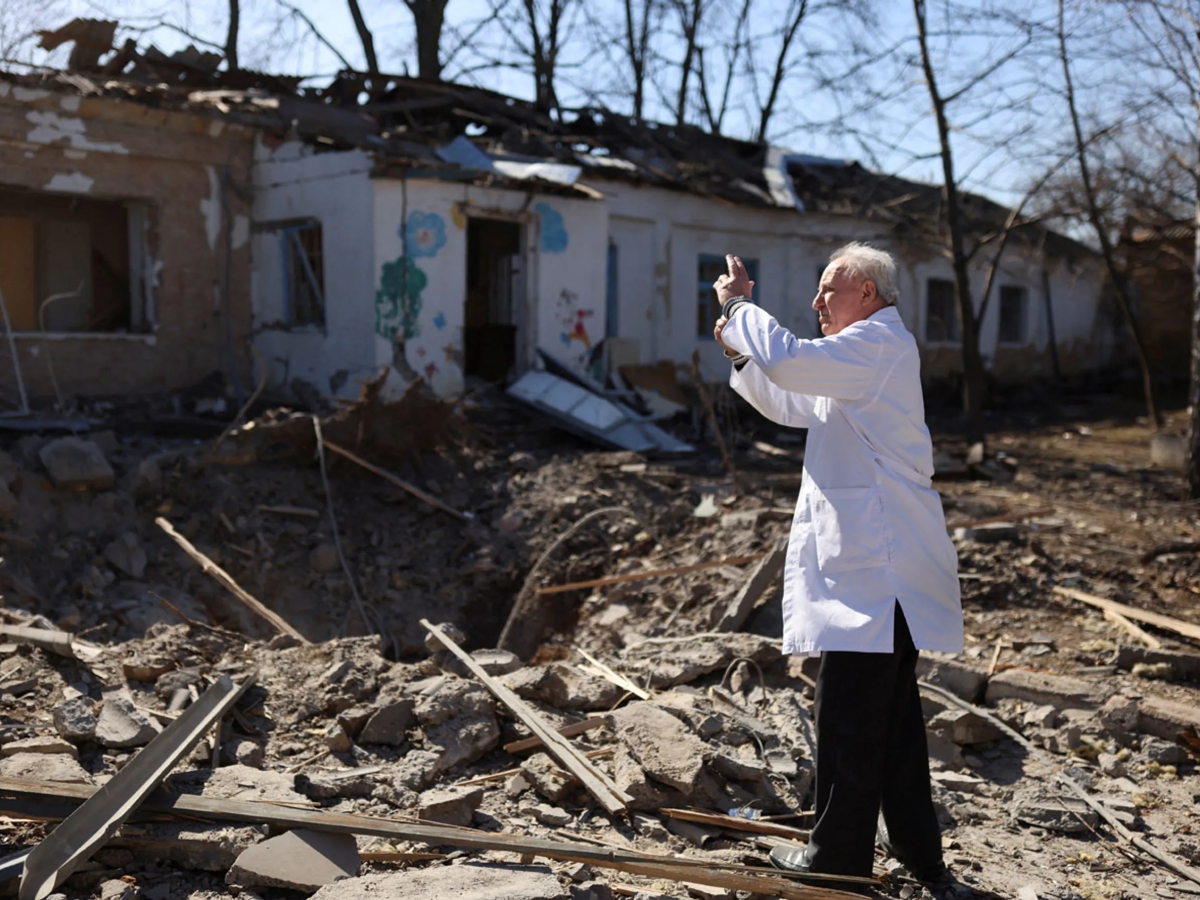
Boycott Russian Science (and Everything Else) – Thoughts on War in Ukraine
The state it’s in, we don’t need Russian science anyway.
Timin’s growing PubPeer record is here, and here is an example:
Anastasiya A. Yakubova , Ksenia A. Mitusova , Aya Darwish , Anna Rogova , Eduard I. Ageev , Aleksandra Brodskaia , Albert R. Muslimov , Mikhail V. Zyuzin, Alexander S. Timin Calcium carbonate nanoparticles tumor delivery for combined chemo-photodynamic therapy: Comparison of local and systemic administration Journal of Controlled Release (2023) doi: 10.1016/j.jconrel.2023.06.012


Timin, an ambitious assistant professor of physics who specialises in curing all diseases with nanoparticles, announced on PubPeer:
“It appears that confusion in the original data caused the images to be duplicated, creating this issue. We deeply regret this mistake and apologize to our readers. We have already contacted the Editor to make the necessary corrections”
There was of course more than a simple mistake. The PubPeer user Pseudanarta actura reminded Timin that “images are stretched, albeit the scale bars are identical.” Timin reassured: “We will fix this concern.”
And how will Timin fix this:

Pseudanarta actura: “Figure S5. In A 30 min panel certain particles appear to be more similar than expected.”
Or how about this masterpiece by Timin and friends, in another Elsevier journal:
Ksenia A. Mitusova, Anna Rogova, Elena N. Gerasimova , Eduard I. Ageev , Vitaly V. Yaroshenko , Sergei A. Shipilovskikh, Lili Feng , Piaoping Yang, Andrey A. Petrov , Albert R. Muslimov, Mikhail V. Zyuzin , Alexander S. Timin Theoretical simulation and experimental design of selenium and gold incorporated polymer-based microcarriers for ROS-mediated combined photothermal therapy Journal of Colloid and Interface Science (2023) doi: 10.1016/j.jcis.2023.04.020


There was more in that paper, by Timin’s only reaction was:
“It can be a technical mistake, which appeared during a final step of figure preparation in PowerPoint. When working in imageJ program, it can be accidently merged (PI with calcein AM). However, it absolutely does not influence on quantative results…“
Another one, this time at ACS:
Oleksii O. Peltek , Timofey E. Karpov, Anna Rogova, Alisa Postovalova, Eduard Ageev, Andrey Petrov , Dmitri Antuganov , Andrei A. Stanzhevsky , Dmitri N. Maistrenko , Dmitry Zuev , Albert R. Muslimov , Alexander S. Timin, Mikhail V. Zyuzin Development of Nanocarrier-Based Radionuclide and Photothermal Therapy in Combination with Chemotherapy in Melanoma Cancer Treatment ACS Applied Materials & Interfaces (2023) doi: 10.1021/acsami.2c20619


Timin replied on PubPeer with drivel about using an “expectation-maximization algorithm” and that “sometimes virtual animal body is used.”
More virtual animals in this Elsevier paper:
Alisa S. Postovalova , Timofey E. Karpov , Darya R. Akhmetova , Svetlana A. Rodimova , Daria S. Kuznetsova , Dmitrii O. Antuganov , Dmitry S. Sysoev , Albert R. Muslimov, Andrei A. Stanzhevsky, Mikhail V. Zyuzin, Alexander S. Timin Preclinical studies of automated radiolabeled microcarriers for radiosynovectomy of inflammatory joint disease Applied Materials Today (2022) doi: 10.1016/j.apmt.2022.101571


Timin explained that the rat images are supposed to be identical because of the special ethics protection bestowed upon experimental animals in russia. Seriously, that’s his argument. Otherwise, Timin reminded everyone that his bullshit was accepted during peer review, so he wins:
“The same answer was provided to reviewer during the revision process. The referee agreed with the answer.“
There is much more on PubPeer, over 20 fake papers by Timin.
Recall how scholarly publishers beat their chests in 2022 when russia’s genocidal total war on Ukraine started, crying out to continue to publish russian papers no matter what, and that they won’t allow those annoyingly dead Ukrainians to interfere in their lucrative business with their beloved russia?

Russkiy Mir at Elsevier and MDPI
Alexander Magazinov presents you two russian professors whom Elsevier and MDPI consider respectable: a Lt Colonel of putin’s mass-murdering army, and a machine-gun totting rascist. Both buy from papermills.

Well, all that steaming fake sh*t by Timin et al was published as the result. You made your bed, dear publishers, now lie in it.
And otherwise,
Русский военный учёный, иди на хуй!
Wandering XRD spectrum
You may have heard of the wandering western blot, but how about a wandering XRD spectrum?
Mario Saad and the return of the wandering western blot
“A clinical trial of fake news, by Mario Saad”
The perpetrator is a Priyabrat Dash, chemistry professor at the National Institute of Technology Rourkela in India. His website informs us that he “obtained his Ph.D. under the supervision of Prof. Robert W. J. Scott at the University of Saskatchewan, Canada (2005-2010)” and became full professor on 29 March 2023. All thanks to fake science like this first incarnation of the wandering XRD spectrum:
- Aniket Kumar , Lipeeka Rout , Rajendra S. Dhaka , Saroj L. Samal , Priyabrat Dash Design of a graphene oxide-SnO2 nanocomposite with superior catalytic efficiency for the synthesis of β-enaminones and β-enaminoesters RSC Advances (2015) doi: 10.1039/c5ra03363b

These are the reincarnations of the XRD spectrum, it was occasionally modified to add or remove peaks:
- Aniket Kumar , Lipeeka Rout , Lakkoji Satish Kumar Achary , Rajendra. S. Dhaka , Priyabrat Dash Greener Route for Synthesis of aryl and alkyl-14H-dibenzo [a.j] xanthenes using Graphene Oxide-Copper Ferrite Nanocomposite as a Recyclable Heterogeneous Catalyst Scientific Reports (2017) doi: 10.1038/srep42975
- Aniket Kumar , Lipeeka Rout , L. Satish K. Achary , Sangram Keshari Mohanty, Priyabrat Dash A combustion synthesis route for magnetically separable graphene oxide–CuFe2O4–ZnO nanocomposites with enhanced solar light-mediated photocatalytic activity New Journal of Chemistry (2017) doi: 10.1039/c7nj02070h
- L. Satish K. Achary , Aniket Kumar , Bapun Barik , Pratap S. Nayak , Nilakantha Tripathy , Jyoti P. Kar , Priyabrat Dash Reduced graphene oxide-CuFe2O4 nanocomposite: A highly sensitive room temperature NH3 gas sensor Sensors and Actuators B Chemical (2018) doi: 10.1016/j.snb.2018.05.093
- Bapun Barik , Aniket Kumar , Pratap S. Nayak , L. Satish K. Achary , Lipeeka Rout , Priyabrat Dash Ionic liquid assisted mesoporous silica-graphene oxide nanocomposite synthesis and its application for removal of heavy metal ions from water Materials Chemistry and Physics (2020) doi: 10.1016/j.matchemphys.2019.122028
- L. Satish K. Achary , Banalata Maji , Aniket Kumar , Surya P. Ghosh , Jyoti P. Kar , Priyabrat Dash Efficient room temperature detection of H2 gas by novel ZnFe2O4–Pd decorated rGO nanocomposite International Journal of Hydrogen Energy (2020) doi: 10.1016/j.ijhydene.2019.12.048
- L. Satish K. Achary , Pratap S. Nayak , Bapun Barik , Aniket Kumar , Priyabrat Dash Ultrasonic-assisted green synthesis of β-amino carbonyl compounds by copper oxide nanoparticles decorated phosphate functionalized graphene oxide via Mannich reaction Catalysis Today (2020) doi: 10.1016/j.cattod.2019.07.050

Of course the dashing professor Dash has much more fake XRD stuff on PubPeer, all in allegedly respectable journals. Look at this insane thing which passed peer review:
Banalata Maji , Adyasha Das , Bapun Barik , Priyabrat Dash Cation substitution effects (Mn, Ni, and Zn) on ZIF-67 derived spinel modified with 3DGO for the detection of NO2 gas with high sensitivity and selectivity Environmental Science Nano (2023) doi: 10.1039/d3en00205e

Something that comes up to mind
Now, for some light academic humour.
When called out of forged figures, instead of hiding behind “it passed peer review!” or insulting or threatening your critics, why not delivering an impromptu stand-up comedy instead?
This is what the Japanese collaborators of the French cheater Frederic Checler did. His negative contribution to science (almost 40 fake papers on PubPeer) was briefly discussed here:
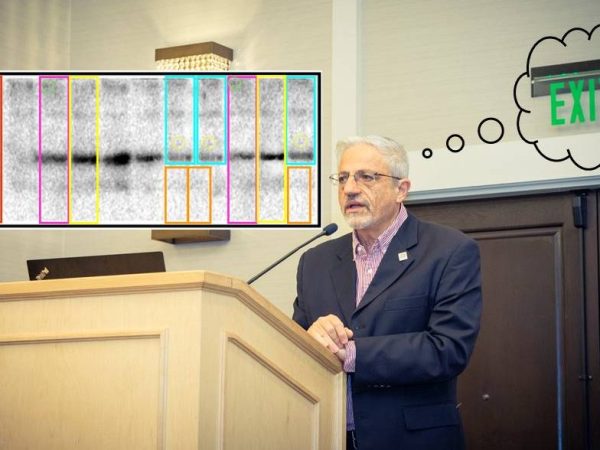
The potential problems of Eliezer Masliah
“the confusion occurred while utilizing prior panels as example ” – emeritus professor Eliezer Masliah
This is the 22 year old paper in question:
D.H. Chui , E. Dobo , T. Makifuchi , H. Akiyama , S. Kawakatsu , A. Petit , F. Checler , W. Araki , K. Takahashi , T. Tabira Apoptotic neurons in Alzheimer’s disease frequently show intracellular Aβ42 labeling Journal of Alzheimer s Disease (2001) doi: 10.3233/jad-2001-3208


Takeshi Tabira, (meanwhile possibly retired) director of the National Institute for Longevity Sciences in Aichi, explained on PubPeer what happened. Here an abbreviated version of his joint statement with De Hua Chui, professor at Peking University Third Hospital, China, and addressed at “Editor in Chief, J Alzheimer’s Disease Dr. George Perry: Pub Peer Dr. Elisabeth M Bik“:
“…we do not have the technology to manipulate the images to sprinkle certain neurons. We do not know why it happened. However, there is something that comes up to mind when looking at Figure 4a. […]
The image analyzer used at the time was Media Cybernetics Image Analyzer (Image- Pro Plus, version 4.0, Media Cybernetics, L.P. Georgia Avenue, Silver Spring, Maryland) connected to an Olympus microscope. The image analysis equipment at the time was an early version, and caution was required when extracting and pasting images. In recent image analysis devices, after reading one image, when reading the next image, the previous image is automatically deleted. However, with the image analysis devices of the time, information from the previous image would sometimes remain unless the previous image was completely erased after reading the previous image and then the next image was read. We cannot deny the possibility that neurons from the previous image remained in the next image, probably because they were not completely erased, and that they were scattered in the next image. Although we were careful, we hardly noticed such mistakes in low-magnification pictures like Fig. 4a. We think it is necessary to investigate whether there are any papers published using the same type of image analysis equipment at that time that show similar phenomena.“
No you tell me if this doesn’t deserve the comedy award of the year. And of course:
“The image analysis device we were using at the time had been disposed of, so we were unable to obtain the original data from the hard disk of the image analysis device.“
Sylvain Lesné is a failed scientist
From Lesné’s public shame to successful role models of neuroscience like Aguzzi and Tessier-Lavigne.
But worry not: the Editor-in-Chief of the Journal of Alzheimer’s Disease will eagerly swallow Tabira’s shameless bullshit because in 2005 this dude was awarded an Alzheimer Award by this same journal:
“The 2005 Alzheimer Award is being presented to Hideo Hara, M.D. and Takeshi Tabira, M.D., Ph.D., in recognition of their outstanding work published in the Journal of Alzheimer’s Disease (IOS Press, Volume 6, 2004, 483-488), “Development of a safe oral Aß vaccine using recombinant adeno-associated virus vector for Alzheimer’s disease” by Hideo Hara, Alon Monsonego, Katsutoshi Yuasa, Kayo Adachi, Xiao Xiao, Shin’ichi Takeda, Keikichi Takahashi, Howard L. Weiner, and Takeshi Tabira. The work was performed at the National Institute for Longevity Sciences, NCGG, Aichi, Japan.”
In 2007, Tabira announced clinical trials on humans:
““We hope the Phase I trials go well,” Tabira said. “Animals are able to recover their functions after developing symptoms, but humans are less able to do so. It may be that this only works in the early stages of the disease, when symptoms are light.”
Of course his magic drug went tits up. Either because the mouse experimental data was as fraudulent as what you saw above, or that nasty Media Cybernetics Image Analyzer attacked again, assisted by the evil Olympus microscope.
Scholarly Publishing
Original data provided did not resolve these issues
Two fresh retractions for the Nobel Prize laureate and Johns Hopkins University professor, Gregg Semenza. Seems Clare Francis’ sleuthing and my notification of suspected research misconduct, and reporting bore fruit.

Gregg Semenza: real Nobel Prize and unreal research data
“Even after people have been telling you for, you know, 20 years or more that it’s going to happen, no one expects it.” -Gregg Semenza, Nobel Prize winner 2019
The two new retraction are both in Journal of Biological Chemistry (JBC) and join the earlier 7 retractions by Semenza.
Huafeng Zhang , Marta Bosch-Marce , Larissa A. Shimoda , Yee Sun Tan , Jin Hyen Baek , Jacob B. Wesley , Frank J. Gonzalez , Gregg L. Semenza Mitochondrial autophagy is an HIF-1-dependent adaptive metabolic response to hypoxia Journal of Biological Chemistry (2008) doi: 10.1074/jbc.m800102200
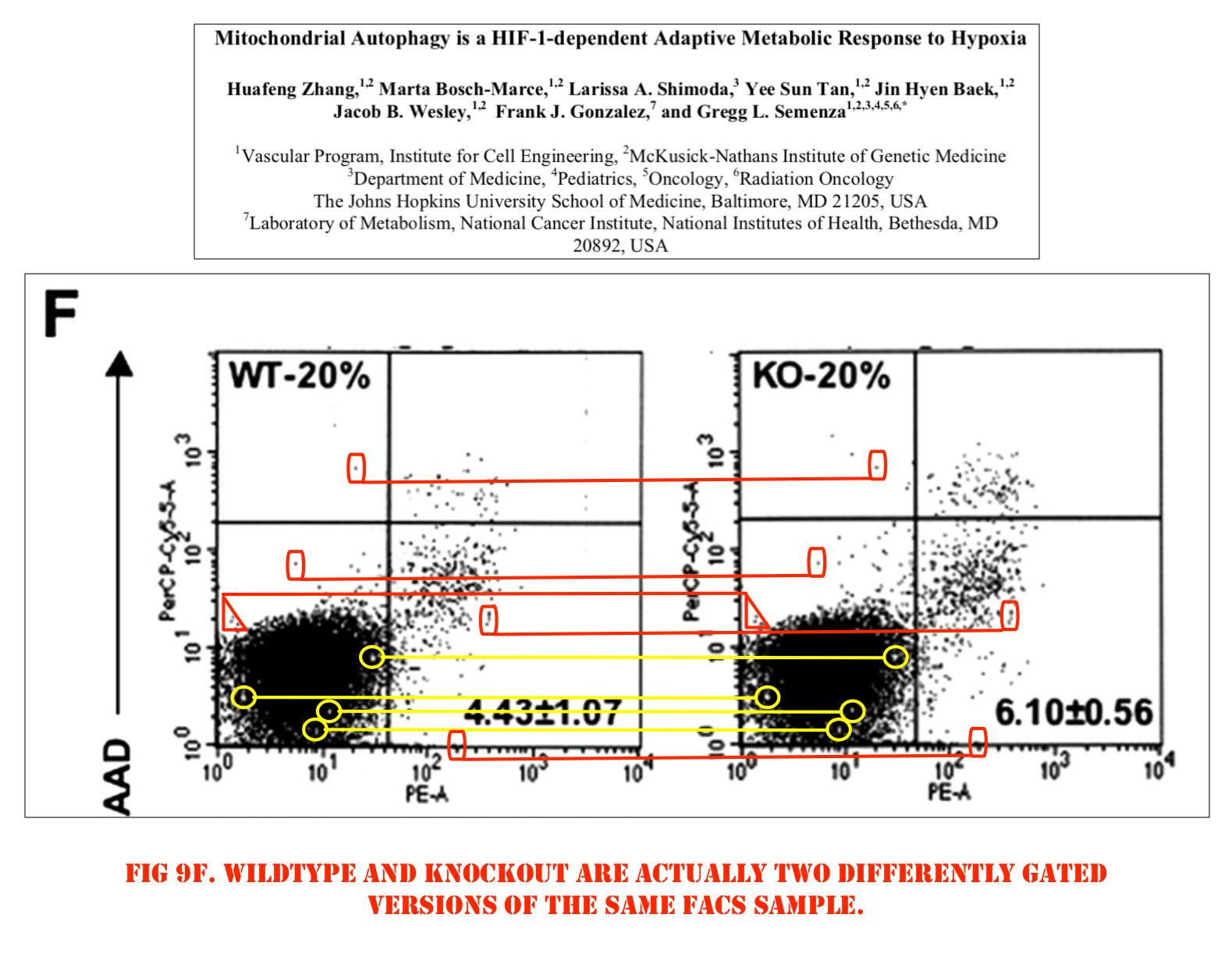


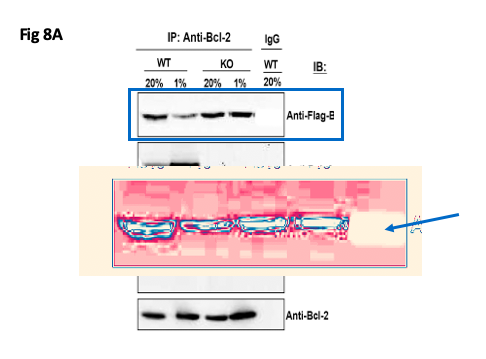
The undated retraction notice, issued a few days ago in August 2023, states:
“This article has been withdrawn by the authors, except F. Gonzalez who did not agree to this withdrawal notice, and J. B. Wesley who could not be reached. The withdrawing authors and journal concluded there were signs of background modifications in figure 3B corresponding to the 20% lane in the ‘KO-EV’ panel. Figure 4A presented background issues on the 20% lane of the ‘WT-EV’ panel. In figure 8A, in the ‘Anti-Bcl2’ top panel a band in the ‘IgG’ panel, ‘WT, 20%’ lane was potentially artificially removed. There were signs of duplication in the FACS plots in figure 9F. In supplemental figure S4, there were signs of potential splicing between lanes 2 and 3. Supplemental figure S5 presented signs of background manipulation on lane 1 on ‘Anti-Bcl2’ top panel. In supplemental figure S6 ‘WCL’ panel on the left, the ‘Anti-Bcl2’ top panel presented artificially deleted bands on lanes 1, 2, 5 and 6. In addition, in the ‘IP’ immunoblot panel on the right, lane 1 in anti-Flag top panel, the band was artificially removed. The ‘Anti-Bcl2’ panel at the bottom presented signs of inappropriate manipulation. The original data provided did not resolve these issues.”
The next paper has Johns Hopkins University’ Vice-President for Research Denis Wirtz as coauthor.
Daniele M. Gilkes, Saumendra Bajpai , Pallavi Chaturvedi , Denis Wirtz, Gregg L. Semenza Hypoxia-inducible factor 1 (HIF-1) promotes extracellular matrix remodeling under hypoxic conditions by inducing P4HA1, P4HA2, and PLOD2 expression in fibroblasts Journal of Biological Chemistry (2013) doi: 10.1074/jbc.m112.442939


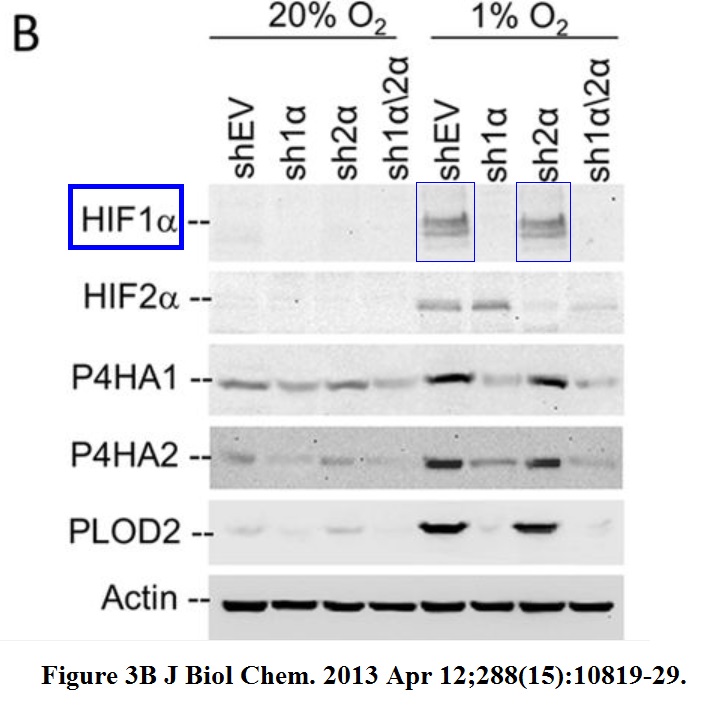
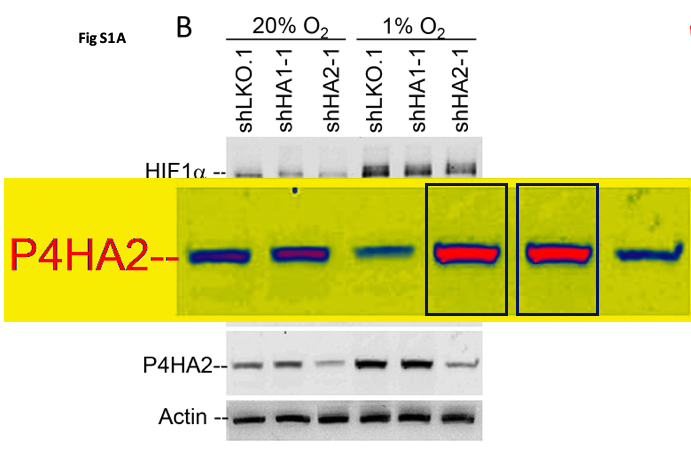
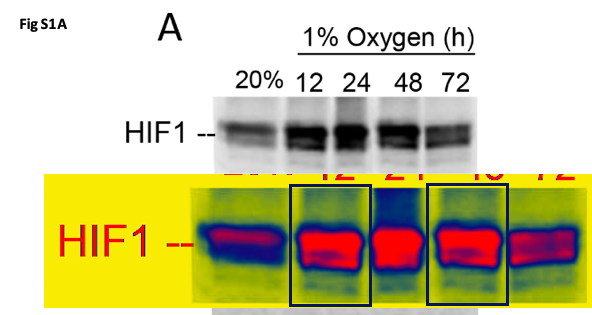

The August 2023 retraction notice went:
“This article has been withdrawn by the authors, except S. Bajpai and P. Chaturvedi who could not be reached. The authors and journal concluded figure 1 presented background issues on ‘FN’ panel, lane 1. In figure 2B, ‘FN’ panel corresponding to ‘Conditioned media’ (bottom panel in the middle), lanes 1 and 4 were reused. In addition, the top right panel for ‘ECM’, lanes 3 and 4 were reused. Finally, ‘Conditioned media’ top middle panel, lanes 1 and 4 were reused. Figure 3B ‘HIF 1a’ top panel, lanes 5 and 7 were reused. In supplemental figure S1 A, in ‘HIF1’ panel lanes 2 and 4 were reused. In supplemental figure S1 B, ‘HIF2a’ panel, lanes 1 and 3 were reused. In addition, ‘Actin’ panel lanes 3 and 4 were spliced in. In supplemental figure S1 B, ‘P4HA1’ panel lane 1 was spliced in, and lanes 4 and 6 were reused. In supplemental figure S1 B, ‘P4HA2’ panel, lanes 4 and 5 were reused. In supplemental figure S1 C, ‘HIF1a’ panel, lanes 3 and 4 were reused. In supplemental figure S1 D, ‘P4HA1’ panel on top left, lanes 1 and 2 are spliced together with lanes 3 and 4. In supplemental figure S1 D, ‘P4HA2’ top middle panel, lane 1 was spliced in. The original data provided did not resolve these issues.”
The Nobel Prize Committee in Stockholm remains silent. Maybe our society’s obsession with the Nobel Prize is misguided?
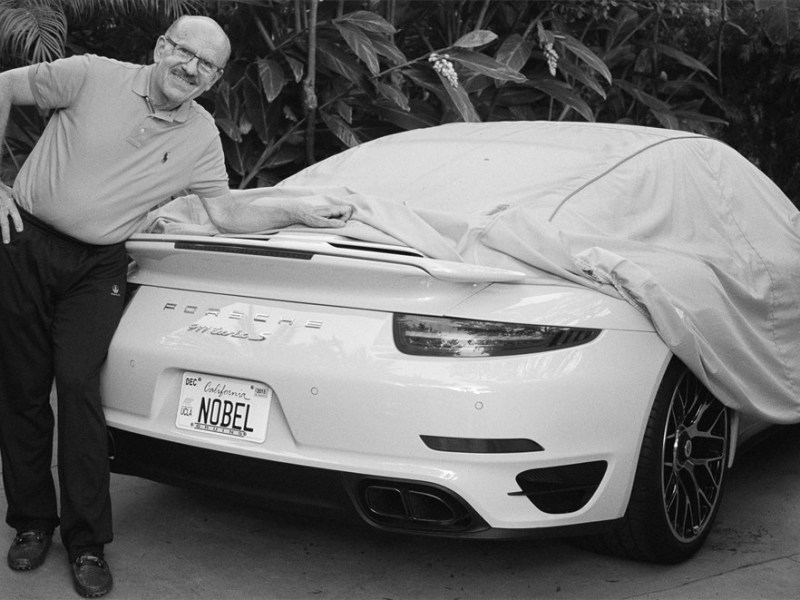
Dr. Ignarro has suffered stigma, and was denied at least two interviews on television
“The presence of such articles online have severely affected Dr. Louis J. Ignarro’s public reputation, and his personal life. Dr. Ignarro disputes any accusations of wrongdoing. There was no fabrication of data, although there was a mistaken duplication of data which occurred due to error. None of the data was false.” -J.L. Perez, Esq.
A critical assessment of extreme events
AFP investigation resulted in a retraction of climate change denialism paper. AFP press release from 24 August 2023 informs:
“AFP reported in September 2022 on concerns over the peer-reviewed study by four Italian scientists that appeared earlier that year in the European Physical Journal Plus, published by Springer Nature.
The study had drawn positive attention from climate-skeptic media.The paper, titled “A critical assessment of extreme events trends in times of global warming”, purported to review data on possible changes in the frequency or intensity of rainfall, cyclones, tornadoes, droughts and other extreme weather events.
Several climate scientists contacted by AFP said the study manipulated data, cherry picked facts and ignored others that would contradict their assertions, prompting the publisher to launch an internal review.
“The Editors and publishers concluded that they no longer had confidence in the results and conclusions of the article,” Springer Nature told AFP in an email late Wednesday.”

Fixing science: with climate denial, misogyny and white supremacism?
A conservative think tank organises a research integrity conference to prove climate change is not real. It is a white men-only academic event, and there are good reasons for that.
This is the retracted paper, from top Italian research institutions:
Gianluca Alimonti , Luigi Mariani , Franco Prodi , Renato Angelo Ricci A critical assessment of extreme events trends in times of global warming The European Physical Journal Plus (2022) doi: 10.1140/epjp/s13360-021-02243-9
From the paper:
“In conclusion on the basis of observational data, the climate crisis that, according to many sources, we are experiencing today, is not evident yet.”
AFP noted Franco Prodi and Renato Angelo Ricci “were named as signatories of the World Climate Declaration, a text that repeated various debunked claims about climate change“.
The retraction notice from 23 August 2023 went:
“The Editors-in-Chief have retracted this article. Concerns were raised regarding the selection of the data, the analysis and the resulting conclusions of the article. The authors were invited to submit an addendum to the article, but post publication review of the concerns with the article and the submitted addendum concluded that the addendum was not suitable for publication and that the conclusions of the article were not supported by available evidence or data provided by the authors. In light of these concerns and based on the outcome of the post publication review, the Editors-in-Chief no longer have confidence in the results and conclusions reported in this article.
The authors disagree with this retraction.”

“The New Climate War” by Michael Mann – book review
My review of new book by Michael Mann on how to fight the climate change inactivists.
Some background of this story can be read on Roger Pielke’s blog, although be aware that Pielke seems to take the side of the climate change denialists as victims of cancel culture.
“the documents linked below were provided to me by a whistleblower associated with SpringerNature. I have asked Prof. Alimonti for permission to publish them, and that permission was granted. I am publishing these documents in the interests of transparency and to expose the shenanigans that still go on in climate research far too often — and which I have unfortunately experienced personally on many occasions.
Circular Economy Taskforce
The Rector (or Vice-Chancellor, or President) of the University of Uppsala in Sweden, Anders Hagfeldt, is currently under research misconduct investigation and announced to retract a paper. This was reported by a local newspaper, but the article is paywalled, so I can’t provide you with details.
Anyway, the details were published on For Better Science a year ago, and I reported Hagfeldt to Swedish authority NPOF for research misconduct, based on my colleagues’ findings that he puts his name on Iranian papermill forgeries (see PubPeer). Like this one, which Hagfeldt recently corrected:
Seyyed Alireza Hashemi , Seyyed Mojtaba Mousavi , Hamid Reza Naderi , Sonia Bahrani , Mohammad Arjmand, Anders Hagfeldt, Wei-Hung Chiang , Seeram Ramakrishna Reinforced polypyrrole with 2D graphene flakes decorated with interconnected nickel-tungsten metal oxide complex toward superiorly stable supercapacitor Chemical Engineering Journal (2021) doi: 10.1016/j.cej.2021.129396

Alexander Magazinov: “One FTIR spectrum presented here and reported as graphene oxide is the same as another FTIR spectrum from a different paper (with some common authors) and reported there as activated graphene oxide. The synthesis procedure and the compounds used in the process appear to differ.“
The last author of this corrected papermill fabrication is the Cambridge- and Harvard-trained Singapore professor Seeram Ramakrishna, who is a notorious papermill cheater (see his PubPeer record), which ironically fits his position as “Chair of the Circular Economy Taskforce”. Ramakrishna and his ilk use research funds to buy fake science from papermills, then use those papermilled fabrications to obtain more public money to buy another set of papermilled fraud, all while controlling this circular economy from the inside as editors and reviewers. Another coauthor of Hagfeld’s paper is also a circular economist, a certain Iran-born Canadian professor Mohammad Arjmand. Read about him here:
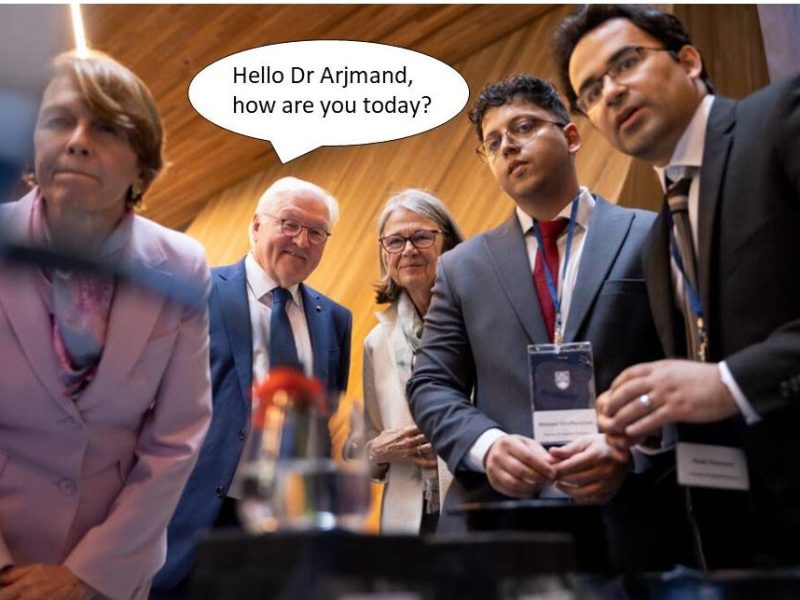
Dr. Mohammad Arjmand showcases his work to German President Steinmeier
“The German President and delegation members also spoke with researchers working on challenges relating to clean energy,…”
The Corrigendum appeared on 15 August 2023:
“The authors regret to inform that the FTIR spectrum in Fig. 1(a) (I) does not accurately represent the graphene oxide (GO) used in this research. This discrepancy occurred because of an error in archiving the obtained data. Hence, this report presents the corrections applied to the FTIR and its respective explanations. The authors would like to apologize for any inconvenience caused.”
Here is another valuable contribution to graphene research by Hagfeldt, Ramakrishna, Arjmand and other Iranian papermill customers:
Seyyed Alireza Hashemi , Seyyed Mojtaba Mousavi , Sonia Bahrani , Navid Omidifar, Mohammad Arjmand, Seeram Ramakrishna, Anders Hagfeldt, Kamran Bagheri Lankarani , Wei-Hung Chiang Decorated graphene oxide flakes with integrated complex of 8-hydroxyquinoline/NiO toward accurate detection of glucose at physiological conditions Journal of Electroanalytical Chemistry (2021) doi: 10.1016/j.jelechem.2021.115303

https://doi.org/10.1016/j.jelechem.2021.115303 (this paper) https://doi.org/10.1016/j.aca.2021.339407 (companion paper)“
Wort noting that Hagfeldt is listed as the Chairman of the Expert Group for Ethics Questions of the Sweden’s University and College Association (SUHF), for the period January 2023 – December 2024. The task of this rather recently assembled Expert Group are described as such (Google-translated):
- create an arena for a nuanced conversation about mistakes, errors and cheating as well as how we create conditions for taking responsibility in helping each other do the right thing and evaluate whether it is appropriate to produce supporting material for this
- have a joint discussion about how we deal with allegations of misconduct or proven misconduct at our institutions of higher education, in the short and long term
- follow the work of the Board for Investigation of Misconduct in Research (NPOF) and analyze the consequences of the system. This also includes the universities’ own handling of violations of good research practice that fall outside the concept of misconduct follow the work of the Ethical Review Authority (EPN) and the Ethics Appeals Board (ÖNEP) and take inventory of how universities handle issues such as compliance with the Ethics Review Act, consent, training and information regarding research ethics and identify practices
- conduct dialogue with external actors, who manage preventive work as well as consequences of misconduct investigations and proven misconduct, such as research funders
- monitor investigations in the area
- ensure that sector-wide work is done on disciplinary matters
- consider the appropriateness of making and revising recommendations.
Must be Swedish humour, to put Hagfeldt in charge. But then again, German DFG and the Council of University Rectors used to be led by an enthusiast of predatory publishing and scamferences:
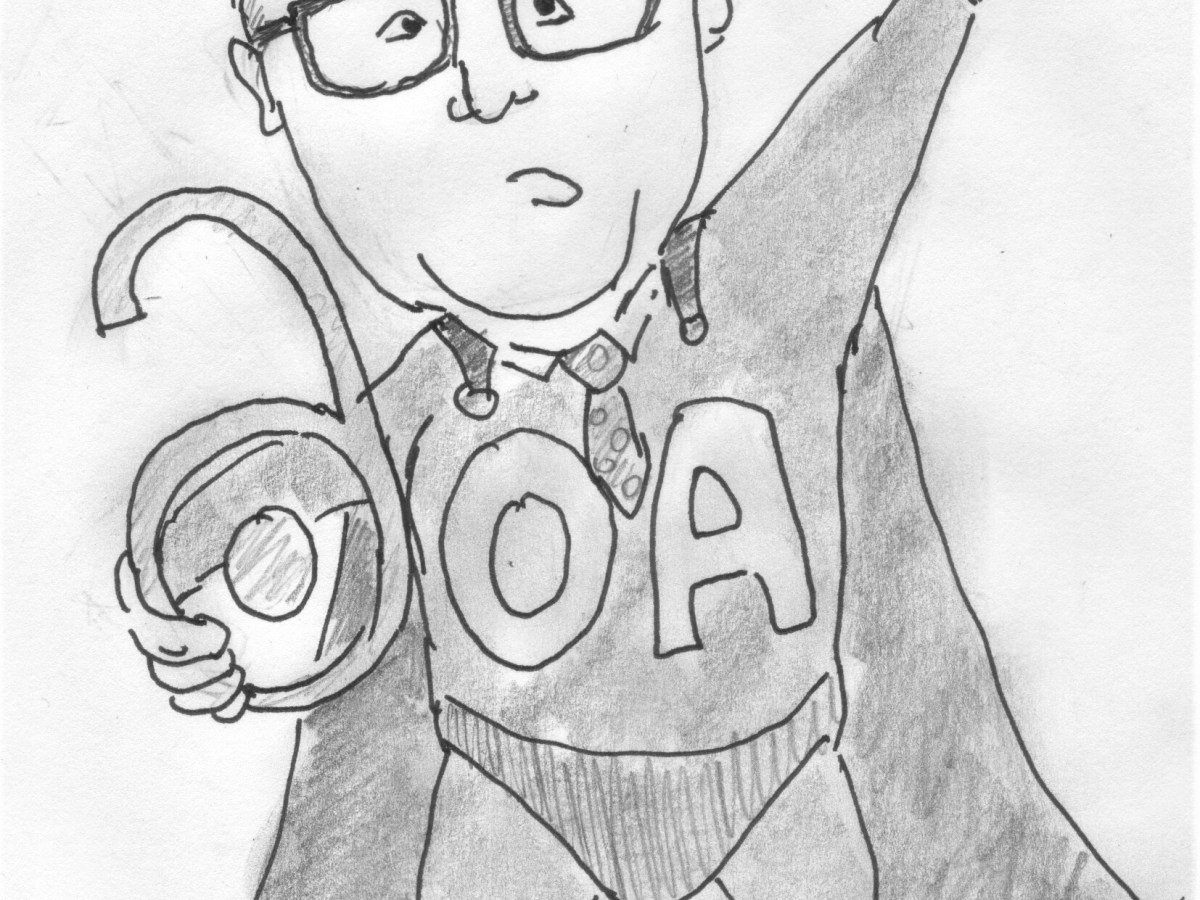
Bremen Rector Bernd Scholz-Reiter, a hero of Open Access?
Research by German journalists revealed whole lists of German academics engaging in predatory publishing and scamferences. Named on over 60 predatory conference papers is Bernd Scholz-Reiter, Rector of the University of Bremen and former Vice-President of DFG. Several such papers are even self-plagiarised, and were used in DFG project reports and Scholz-Reiter’s rectorship application from…
Net-zero energy future
Congratulations to Elsevier and their papermill puke funnel Journal of Energy Storage on their recent publications. Such valuable authors. As reminder, here is our past reporting about this journal, which used to have a German professor as Editor-in-Chief.
Maybe stop accepting submissions, Herr Prof Dr Sauer?
Who needs science if you can have a 75 paper strong special edition by Afrand and Karimi? A guest post by Alexander Magazinov.
Now, stand up and applaud the esteemed authors and their valuable scholarly contribution:
Santanu Patra , Jaya Verma , Yogendra K. Mishra , Santosh Kurinec , Qingyuan Wang , Mikael Syväjärvi , Ashutosh Tiwari The positioning of biofuel cells-based biobatteries for net-zero energy future Journal of Energy Storage (2023) doi: 10.1016/j.est.2023.107919
Yes, ladies and gentlemen, dear children, dogs, cats, budgies and hamsters, it is the great honour of Elsevier to present to you the one and only..
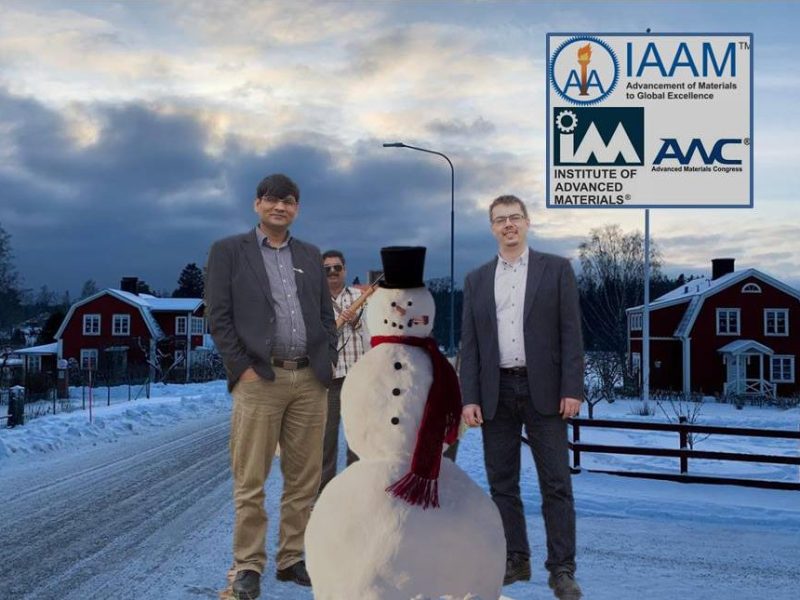
The Indefatigable Ashutosh Tiwari
Four years after Ashutosh Tiwari’s scamferences and research fraud were exposed, his impressive-sounding yet fictional “International Association of Advanced Materials”, or IAAM, still opens doors, hearts and wallets.
The scamference fraudster Ashutosh Tiwari and his sidekick Mikael Syväjarvi, both shown the door at the Linköping University after a massive misconduct investigation.
What kind of idiot nincompoop of an editor accepts papers from these two gentlemen, you want to know? Ask Elsevier! If anything, nobody bothered to check what the affiliation of “Institute of Advanced Materials, IAAM, Gammalkilsvägen 18, Ulrika 590 53, Sweden” means. Namely, Tiwari’s private home.
And yes, the paper is scientifically less than worthless (see PubPeer review), but of course serves as citation vehicle references to Tiwari’s own papers and other trash published in his own predatory pseudojournal Advanced Materials Letters.
I thank all my donors for supporting my journalism. You can be one of them!
Make a one-time donation:
I thank all my donors for supporting my journalism. You can be one of them!
Make a monthly donation:
Choose an amount
Or enter a custom amount
Your contribution is appreciated.
Your contribution is appreciated.
DonateDonate monthly
 For Better Science
What a fundamental study in circular wankery! Or something circular. Or maybe not circular at all. Or maybe not a study. Anyway, by Seeram Ramakrishna.
https://link.springer.com/article/10.1007/s10984-022-09428-8
“Perspective of educational environment on students’ perception of teaching and learning.” Of course.
LikeLiked by 1 person
Ill be curious to see if two retractions of first author papers ends Daniele Gilkes career:
https://pubpeer.com/search?q=daniele+gilkes
My bet is that it wont, because powerful people seem to like her (below). I predict she will pull a Tanginuchi maneuver (gets grants despite two retractions, because he knows famous people), and will not need to pull a Stancheva maneuver (meaning, not be a failed scientist doing arts and crafts for a living). Sad!
LikeLike
“Ill be curious to see if two retractions of first author papers ends Daniele Gilkes career”
I see 4 retractions for Gilkes.
They all have Gregg Semenza on them.
One retraction in J Biol Chem, one retraction in Oncogene, and 2 retractions in PNAS.
http://retractiondatabase.org/RetractionSearch.aspx?#?auth%3dGilkes
LikeLike
Special mention in dispatches for Anne E Willis, OBE (Order of the British Empire), University of Cambridge.
https://www.mrc-tox.cam.ac.uk/staff/anne-willis-obe
https://pubpeer.com/search?q=Anne+e+willis
Also, for her longstanding colleague, Martin Bushell, at a University of Glasgow affiliated institute.
https://www.beatson.gla.ac.uk/beatson-research/beatson-research-groups/martin-bushell-rna-and-translational-control-in-cancer.html
https://pubpeer.com/search?q=Martin+bushell
Elisabeth Bik is starting to notice more problematic data in the pair’s published output.
Both Anne E Willis and Martin Bushell were at the MRC toxicology Unit in Leicester for years, with another luminary, Gerry Melino (search Pubpeer for his name and have a laugh!), before Anne Willis moved to Cambridge, even though the MRC knew about her Pubpeer record at that time, that was an official stamp (approval) of image manipulation, and Martin Bushell moved to Glasgow. Moving to Glasgow is where the fault with their plan lies. The University of Glasgow will retraction duplicated, and manipulated data. It is one of the most honest universities.
https://retractionwatch.com/2018/08/09/glasgow-professor-leaves-post-amidst-multiple-retractions/
LikeLike
Anne E Willis’s claim to fame, selling point, is that she discovered mammalian IRES sequences.
This paper on a “mammalian IRES”
was belatedly corrected. The authors had to admit to the problematic data
https://pubpeer.com/publications/7D2A6E7510046A12DF9444C3974BF5
Correction.
https://academic.oup.com/nar/article/50/3/1796/6517952?login=true
Wiser heads than mine suggest that claims of mammalian IRES sequences can explained as read-through of aberrant transcripts. There is no need to invoke IRES function.
https://pubmed.ncbi.nlm.nih.gov/22618870/
LikeLike
Another Anne E Willis and Martin Bushell paper claiming mammalian IRES function, yet the data look problematic on the page.
https://pubpeer.com/publications/095D933A79348FD1D3983C75FA67C5
LikeLike
Yet another Anne E Willis and Martin Bushell paper claiming mammalian IRES function, but there is also problematic data on taking a careful look! Mammalian IRES sequences are a known cause of clumsiness. They have published the evidence!
https://pubpeer.com/publications/1EC26BC4F60D771903754D7DF48BDF#2
LikeLike
“European Physical Journal Plus”
Look what else is found there, thanks to flawless peer review!
https://pubpeer.com/publications/E0CF11800F3526E0BBC7B74882C9CA
https://pubpeer.com/publications/1FB8DE29F5E7C66B5CE0E4EFB5E567
LikeLike
Update on Ashar/Reznik Biomolecules (2022):
Retraction, April 8, 2024.
“The Biomolecule Editorial Office retracts the article, “Palmitic Acid Impedes Extravillous Trophoblast Activity by Increasing MRP1 Expression and Function” [1], cited above. Following publication, concerns were brought to the attention of the publisher regarding a number of partial figure duplications within this article [1].
Adhering to our complaints procedure, an investigation was conducted by the Editorial Office and Editorial Board that confirmed the partial overlap of a number of panels and Western blots contained with Figures 3–6 and 8, representing different experimental conditions. Given the extent and impact of these duplications on the validity of the overall findings, the Editorial Office, Editorial Board, and the authors have decided to retract this article [1] as per MDPI’s retraction policy (https://www.mdpi.com/ethics#_bookmark30, accessed on 29 March 2024) and in line with the Committee on Publication Ethics retraction guidelines (https://publicationethics.org/retraction-guidelines, accessed on 29 March 2024).
This retraction was approved by the Editor-in-Chief of the journal Biomolecules.
The authors agreed to this retraction.”
Source: https://www.mdpi.com/2218-273X/14/4/453
LikeLike