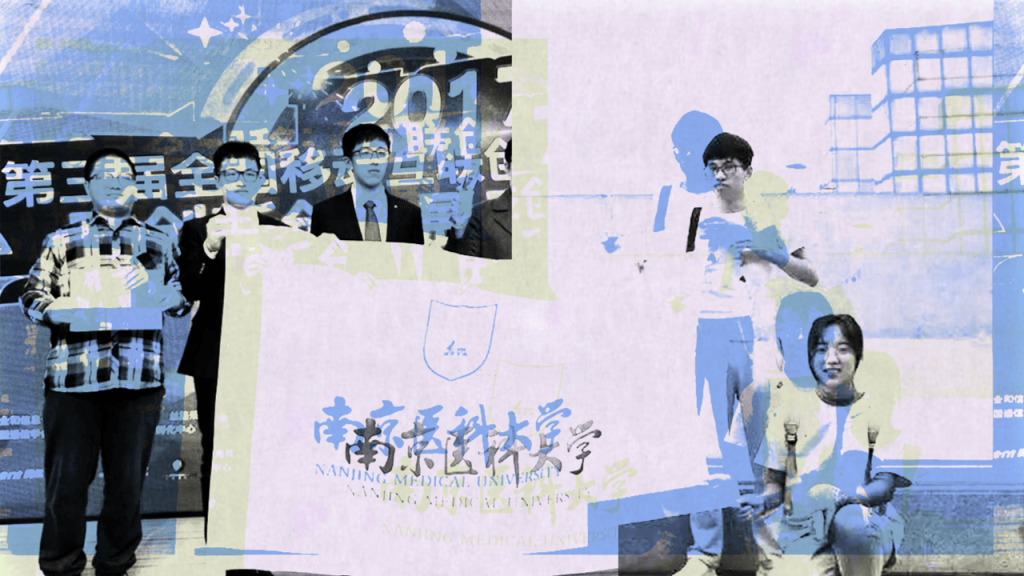
Up-and-coming stars in Nanjing Medical University
“For example, over the course of just a year, from 2021 to 2022, the Ren et al. team make a series of significant discoveries in Kidney disease.”
By Leonid Schneider, on research integrity, biomedical ethics and academic publishing
“For example, over the course of just a year, from 2021 to 2022, the Ren et al. team make a series of significant discoveries in Kidney disease.”
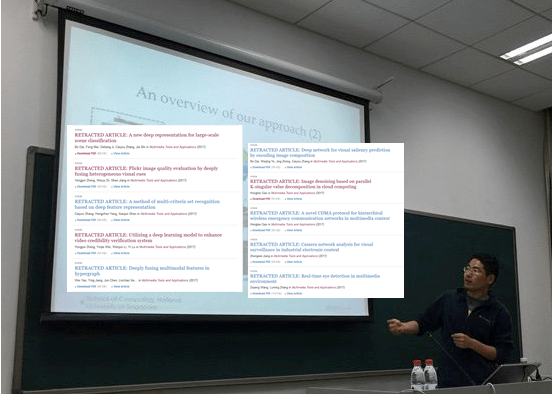
If you thought you already saw the worst research fraud from China, here comes the next level. Anything goes to please the Communist Party and to advance own academic career under the oppressive regime.
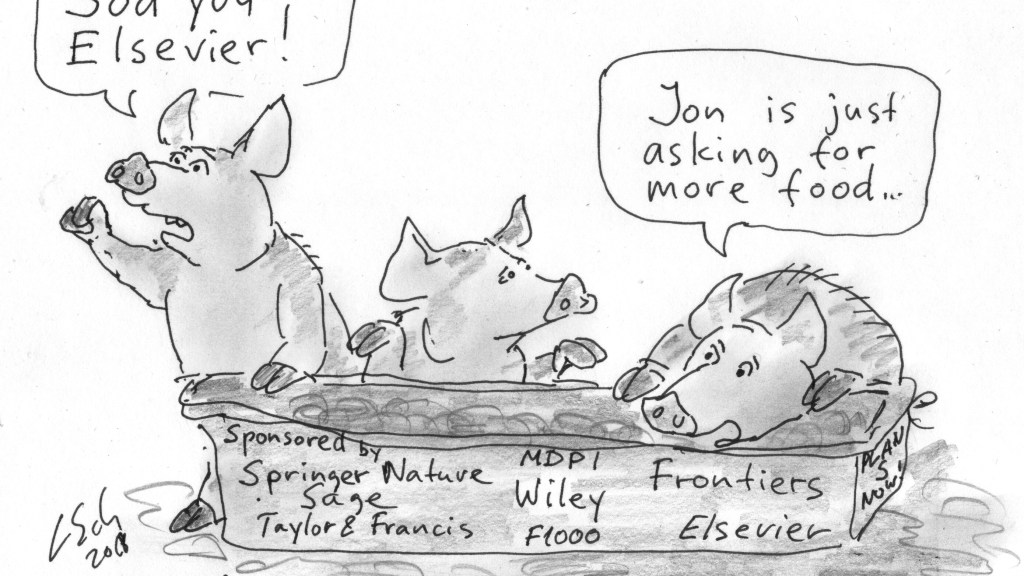
Frontiers is a somewhat unconventional open access publisher, which likes to have it both ways: playing scientific elite while accepting almost anything from paying customers. My regular contributor Smut Clyde will tell you below how some anti-vaccine scare-mongers managed to sneak in some rather dangerous works thanks to Frontiers’ unofficial “we don’t judge, we just charge” quasi-policy.
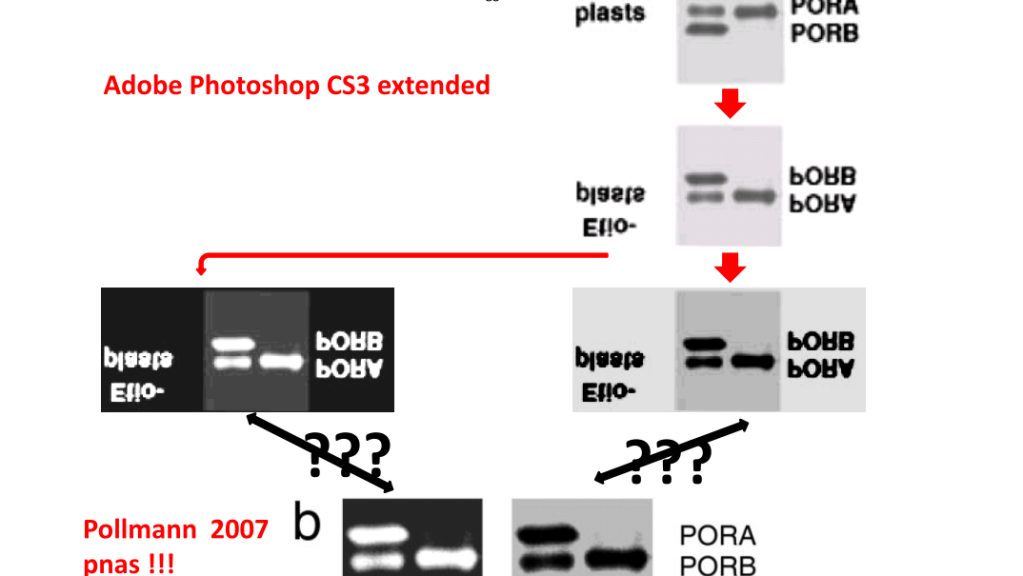
This is a story of a plant scientist in France, Steffen Reinbothe. He and his sister Christiane used to hold academic positions in Germany, but now they both returned to France, to Grenoble. The move might have had to do with a dossier from 2009, made by a former lab member and circulated among peers.
Whatever concerns any peers might have had: Steffen and Christiane Reinbothe could rely on the “contributed” track at PNAS.
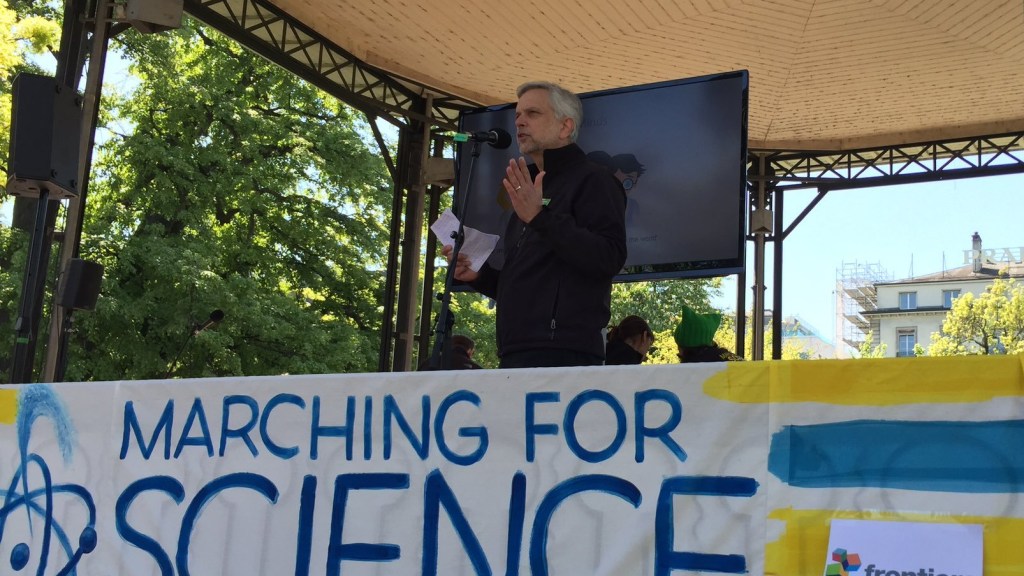
Frontiers describes itself as “a community-rooted, open-access academic publisher”, and boasts a ~71,000 head strong “virtual editorial office”. This guest post by Regina-Michaela Wittich, a former senior editor of a Frontiers journal, narrates how she was sacked by Frontiers because she rejected too many papers for being of insufficient scientific quality, instead of sending them into the “rigorous” Frontiers peer review process
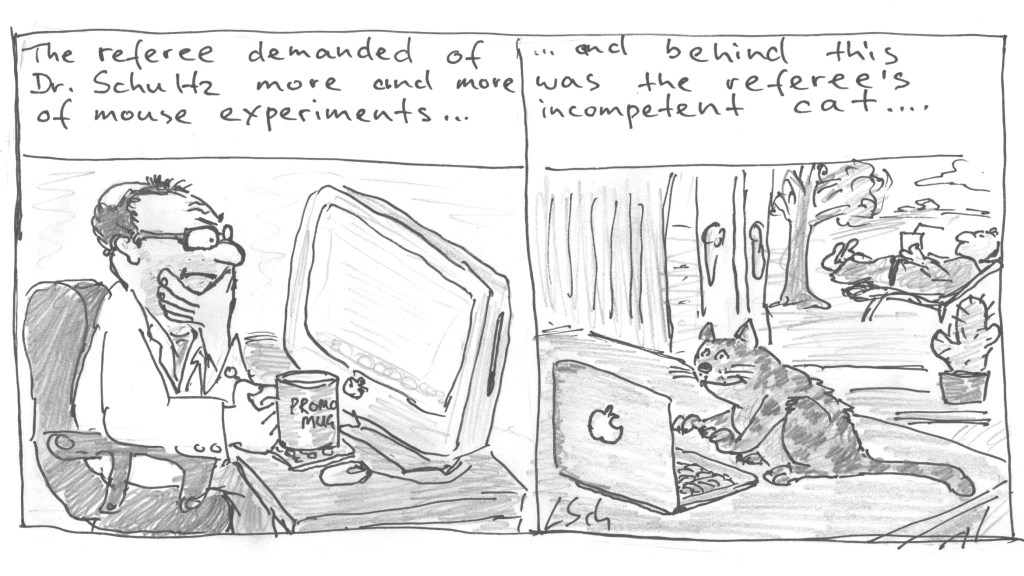
The following email exchange took place between the academic Editor-in-Chief of an Elsevier subscription journal and a professor of physics and astronomy, who was invited to peer review a clinical trial study on gestational diabetes, his expertise assumed from some obscure “keywords”.
Publishers won’t pay YOU for peer review.
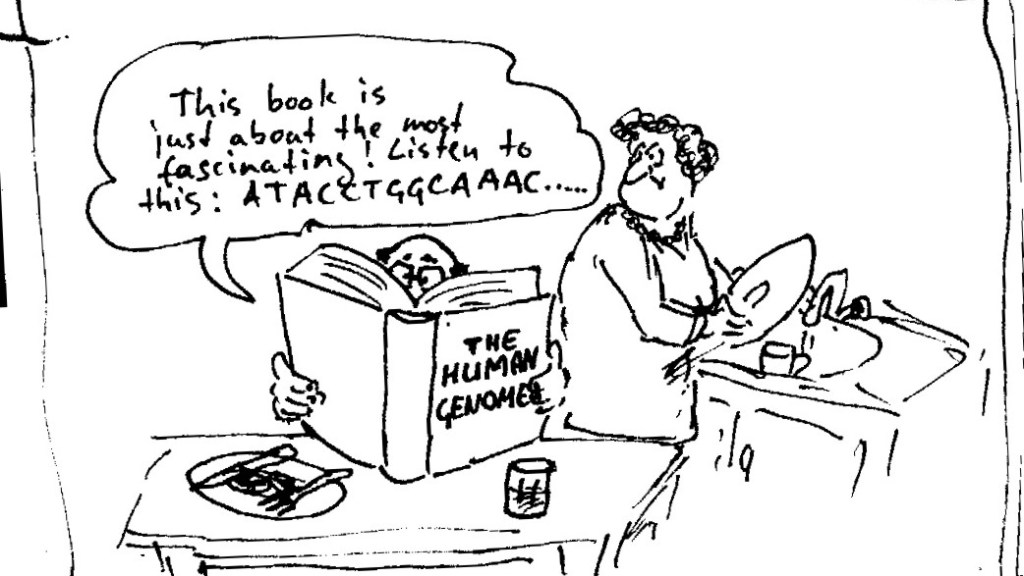
Sweden and the international research community recently faced yet another research misconduct scandal. It was about a Science paper byContinue Reading
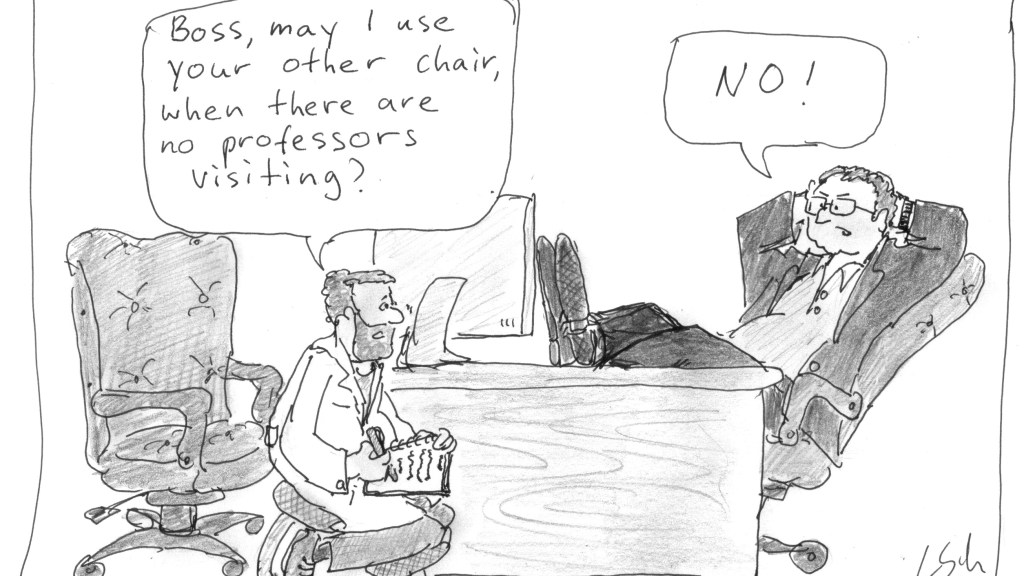
Every academic will probably agree that plagiarism is wrong. It is absolutely not OK to pass someone’s else’s intellectual workContinue Reading
My attempt recently to inform the readers of the journal Tissue Engineering Part A about grave omissions and factual inconsistenciesContinue Reading

 For Better Science