Naughty dentists, or how UCLA hunts a whistleblower
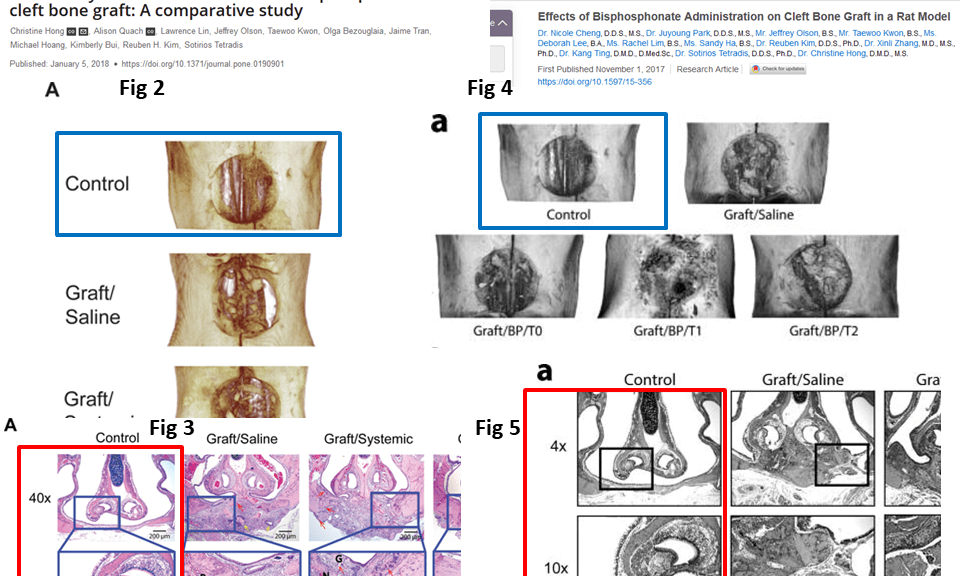
Dentistry professors at UCLA published manipulated data in top-level journals. When a colleague reported them, the university retaliated against the whistleblower.
By Leonid Schneider, on research integrity, biomedical ethics and academic publishing
Dentistry professors at UCLA published manipulated data in top-level journals. When a colleague reported them, the university retaliated against the whistleblower.
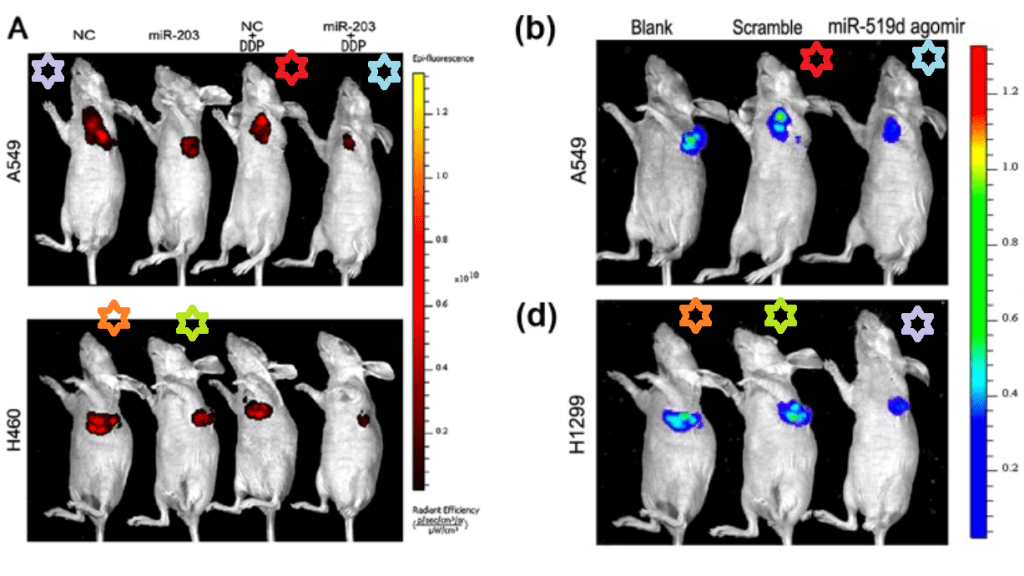
A cancer research professor in China runs a paper mill, sources claim he sells first authorships for a bribe. Problem for his customers: the peer-reviewed papers they pay for, contain fake data.
Arturo Casadevall is probably the most recognized expert for research integrity, author of many peer reviewed papers on that topic. But now his own publications on microbiology and immunity are under scrutiny.
Spain is where dishonest research gets rewarded, with awards, grants and media fame. No wonder the New York-based immunologist Andrea Cerutti opened a second lab in Barcelona.
Frédérique Vidal has been professor for molecular genetics and rector of the University of Nice before she became the currently serving cabinet Minister of Higher Education, Research and Innovation in France. The French government keeps responding with threats of legal action to earlier evidence of data irregularities in her published research, this is why I publish more such evidence here.
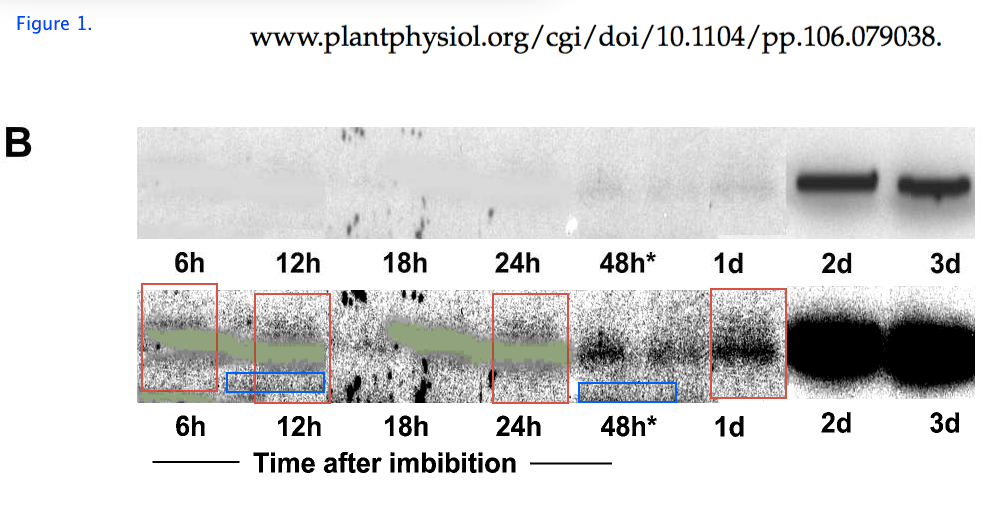
The Plant Cell is getting a new Editor-in-Chief, Sally Assmann. In a sense, she brings with her the necessary expertise in research integrity this journal sorely needs.
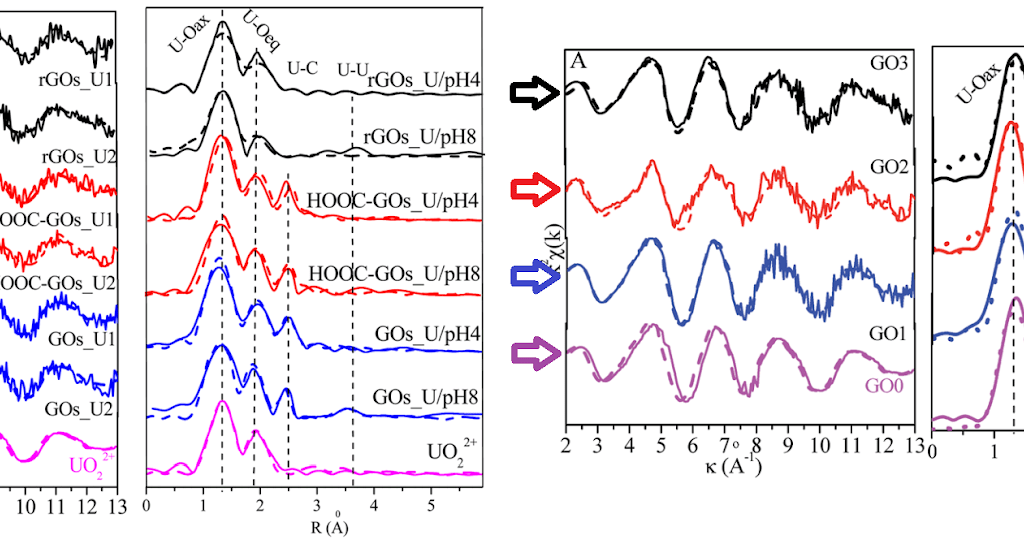
Smut Clyde and TigerBB8 investigate another case of nanotechnology research in China. Connected teams of authors pretended to work on cleaning up the environment of radioactive pollution, and instead released a toxic sludge of fraudulent data and citations.
The 2008 Lancet paper of Paolo Macchiarini and Martin Birchall about the world first trachea transplant might end up retracted. Until recently, the journal’s editor Richard Horton used to ignore and suppress “non peer-reviewed” evidence, but due to combined pressure of activism, media and politics, things started to move.
I obtained the full report on the case of Karin Dahlman-Wright, Vice-Rector of the Karolinska Institutet. The investigation by Danish researcher Nils Billestrup for CEPN found 6 out of 8 papers contained data manipulations, but only in 2 cases serious enough to affect the conclusions.
Karolinska rector Ottersen was criticised for suspicious figure in an old paper. Now his collaborators at Institut Pasteur provide outlandish explanations for a manipulated gel Ottersen’s former lab provided. The original data, allegedly recovered, is not available to anyone, even KI.