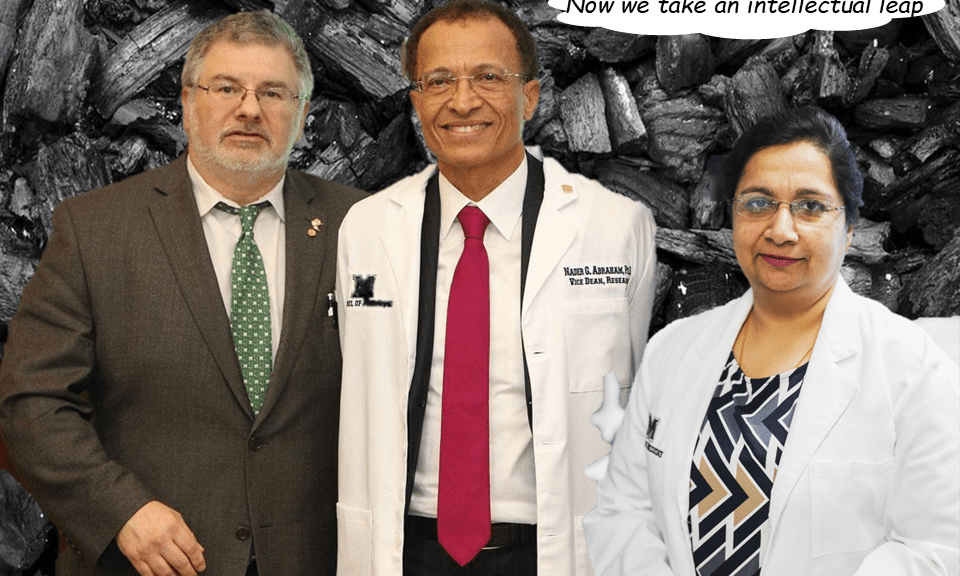
The intellectual leaps of Joe Shapiro
Charcoal as COVID-19 therapy? It may sound silly, but there is solid history of data fudging behind it, wandering western blots included!
By Leonid Schneider, on research integrity, biomedical ethics and academic publishing
Charcoal as COVID-19 therapy? It may sound silly, but there is solid history of data fudging behind it, wandering western blots included!

“Patients affected with ALS now need to know that we are working for them […] We feel completely motivated and convinced to dedicate our careers to fight ALS.” Claudio Hetz, Photoshop artist.
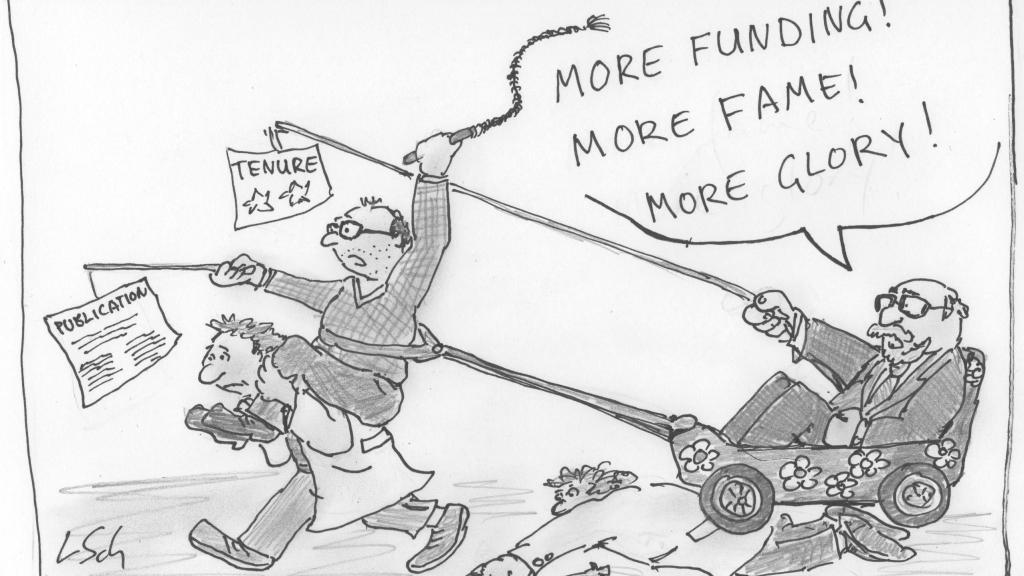
Scholarly publishing is broken, and no repair is possible. At least let’s point fingers at the elites and laugh. Can science trust Science?
The society journal Bioscience Reports fell prey to many fraudulent papers. Cheshire counted around 50 with problematic figures, just for the last year.
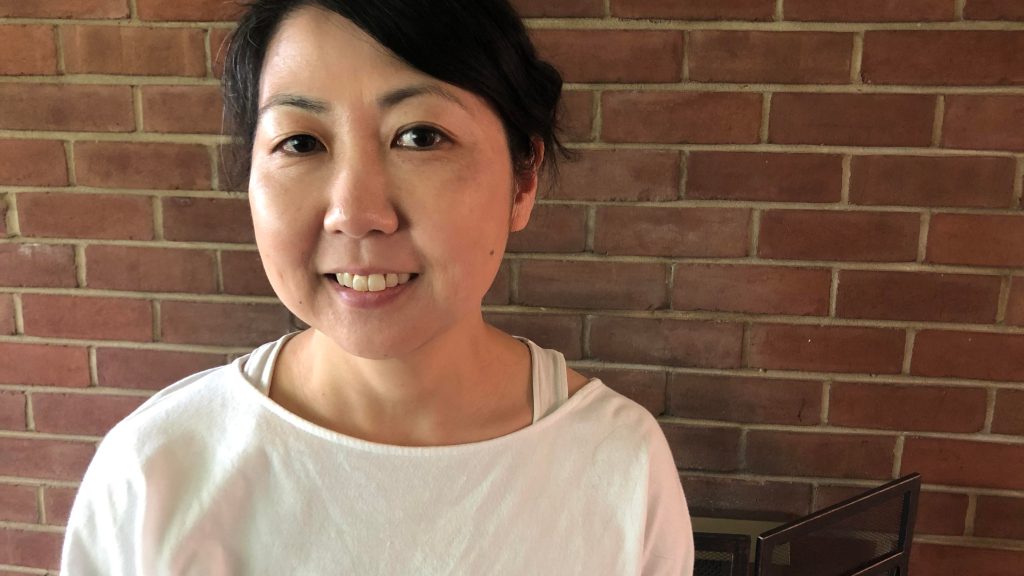
This is my interview with Kaoru Sakabe, research integrity manager at the Journal of Biological Chemistry. Will the tough stance on science fraud be abandoned, now that the publisher partnered with Elsevier?

Former CNRS president Anne Peyroche has been symbolically sanctioned for research misconduct. Despite previous fraud findings, conclusions are not affected, and so is her employment by the Atomic Energy Commission. I present two more falsified figures.
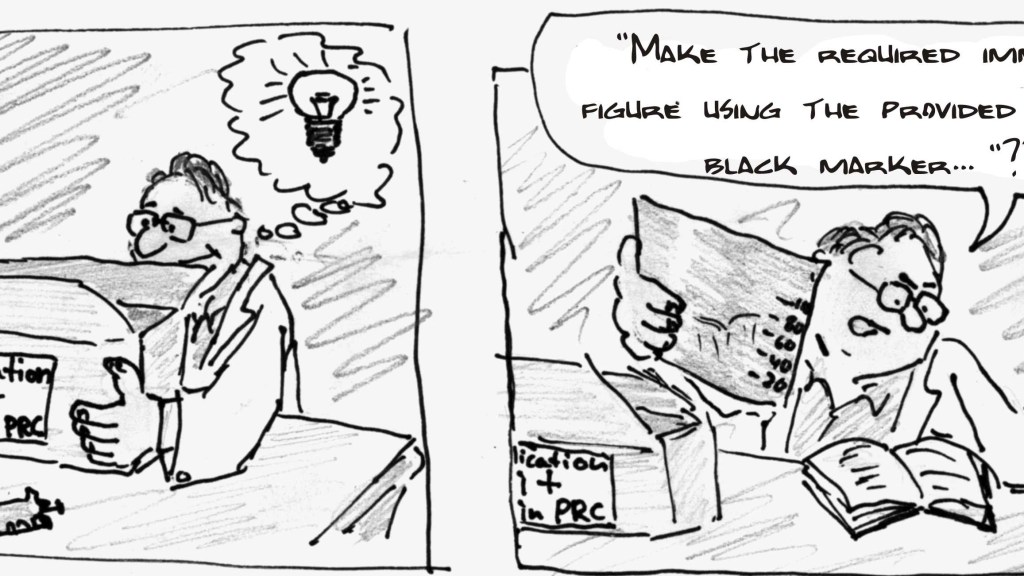
A Chinese paper gets rejected at Elsevier after reviewer spotted fraud. Same paper re-appears unchanged in another Elsevier journal, the editors refuse any action.
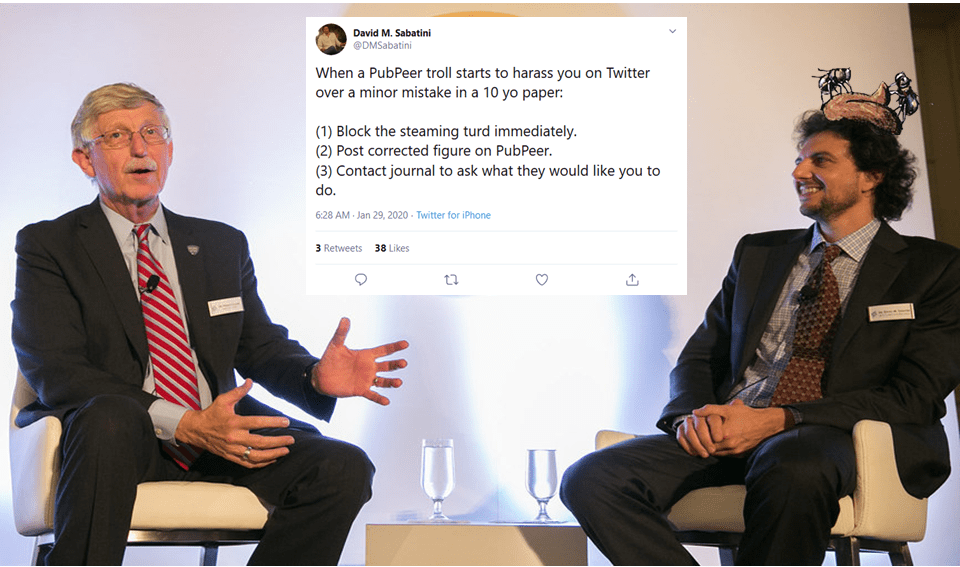
David Sabatini is an absolute star scientist, and now he is being harassed. On PubPeer and Twitter. It is all very unfair.

Oxford professor Dame Kay E Davies, DBE FRS FMedSci, edits the journal Human Molecular Genetics. If you are a scientist who likes Photoshop, but afraid to get caught, give Dame Kay a call!
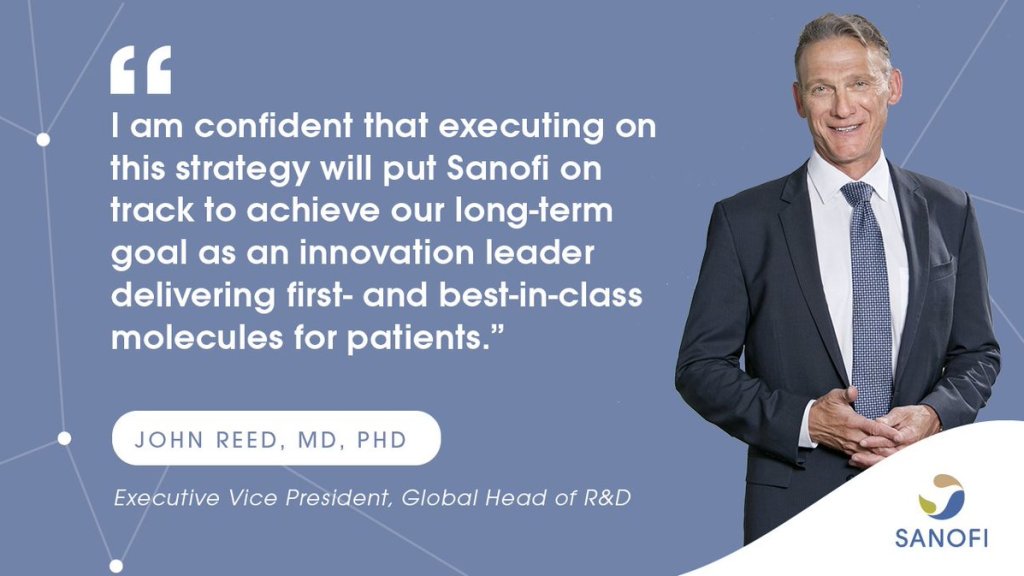
In 2018, the pharma giant Sanofi appointed with John Reed a new R&D head. Apparently Sanofi does not believe in PubPeer.

 For Better Science