
Egyptian Toxicology Mortal Combat
“Stupid people do stupid things, After all it was an Egyptian who once told me: “10% editing is acceptable as long as we didn’t modify the significant ” – Sholto David
By Leonid Schneider, on research integrity, biomedical ethics and academic publishing
“Stupid people do stupid things, After all it was an Egyptian who once told me: “10% editing is acceptable as long as we didn’t modify the significant ” – Sholto David
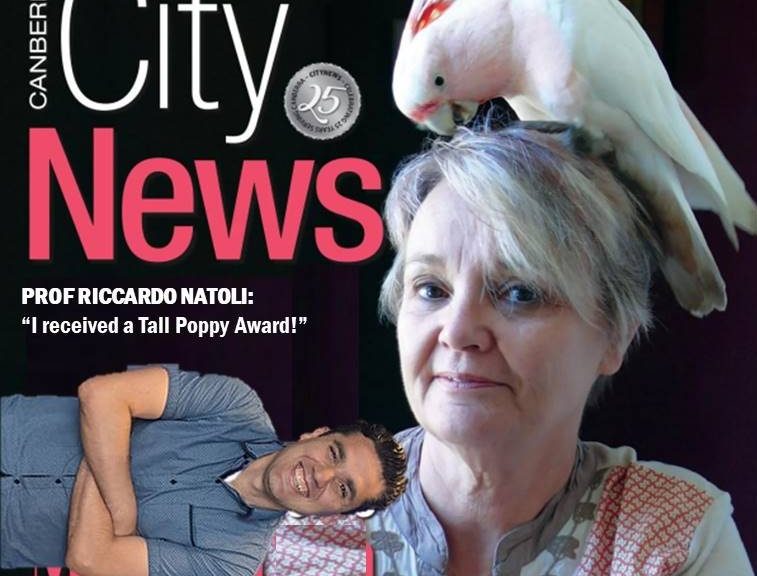
“I am the authorised spokesperson on this matter” – Prof Jan Provis, emerita dean
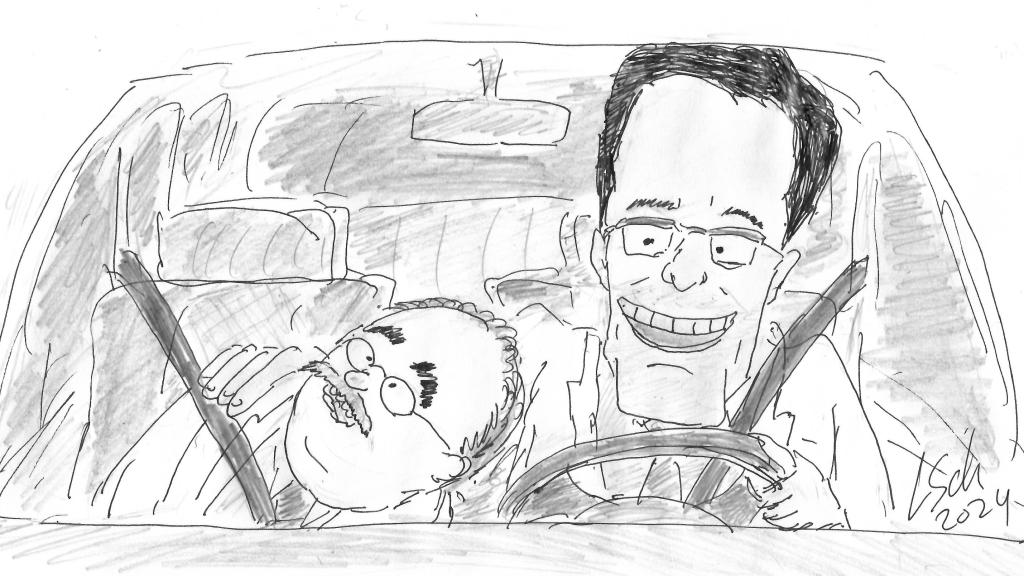
Richard Pestell MB, BS, MD, PhD, FACP, FRACP. MBA, FRCP, FRSB, AO is the most dashing doctor a girl or a boy can ever dream of. What luck for Michael Lisanti to have been invited for a ride!

New season of the popular German TV series, ” Charité”, this time set in the early 21st century! Will Jürgen ever become professor? Will Bernd ever allow science to self-correct? Will Christoph ever catch his mechanical pursuer?
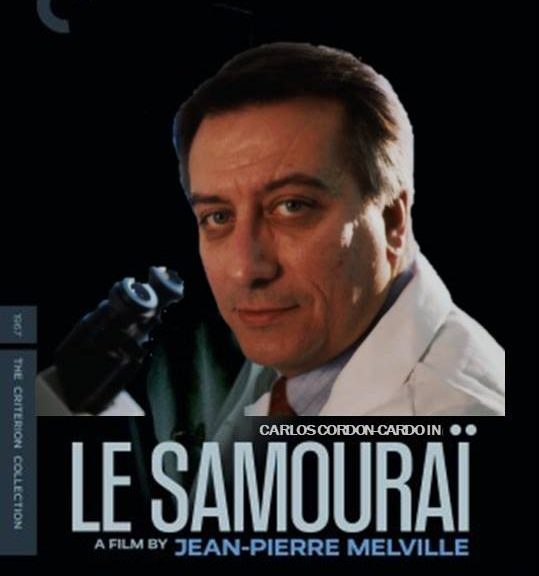
The Schneider Rule teaches that if you wish to meet many science cheaters you must follow one of them.
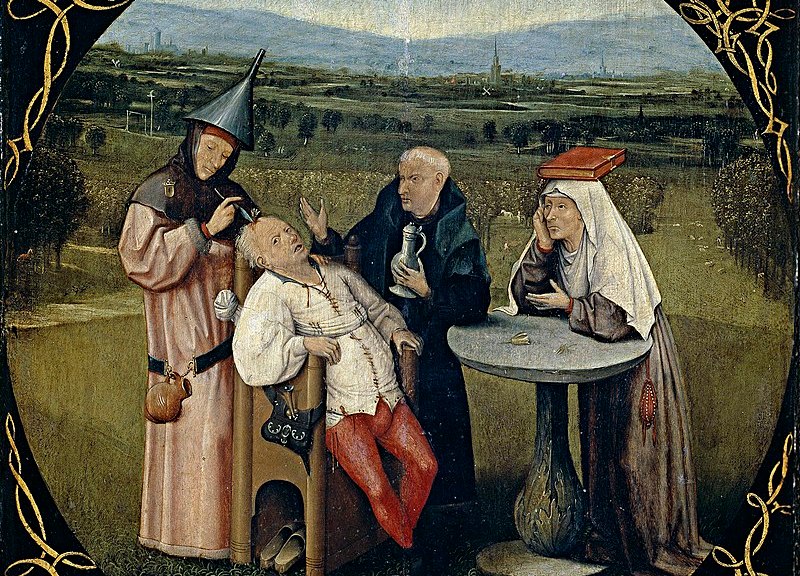
“Poking around PubMed (Dysdera the spider is always on the hunt for new hornet’s nests) [..], I came across one image in two papers by Eliezer Masliah. […] By a conservative count, I contributed to about 160 out of 300 slides in the final dossier” – Mu Yang
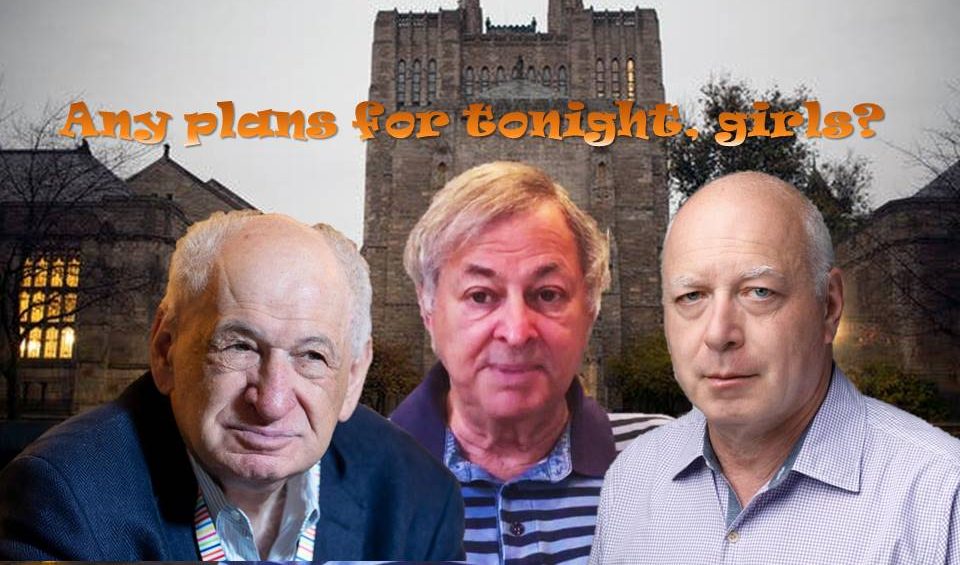
Does being a science genius entitle you to sexual harassment, as academic authorities in Yale and elsewhere insist? Let’s look at papers by Michael Simons, Joseph Schlessinger and Arnold Levine.
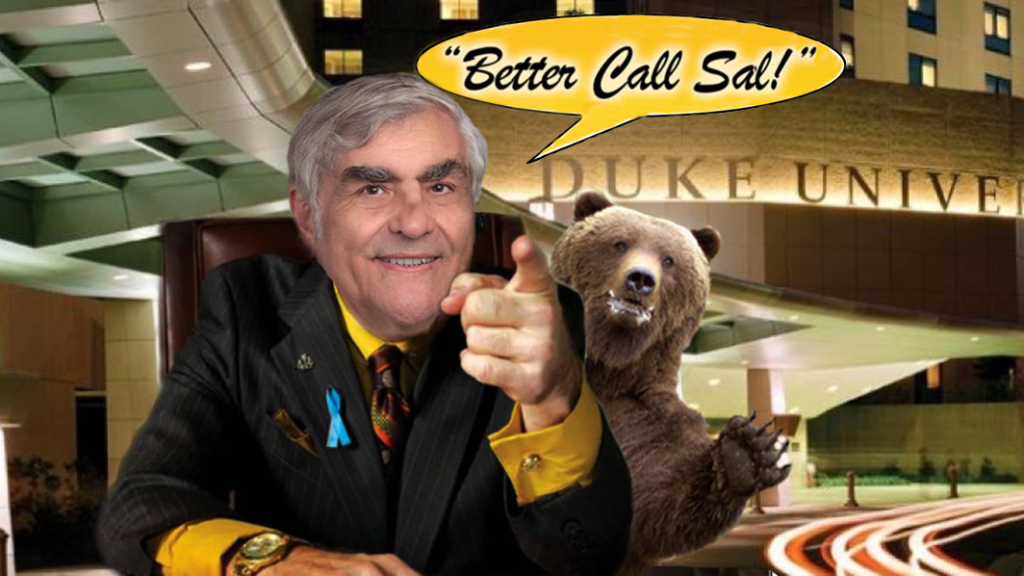
“I have NEVER faked data. If you wish to carry on what appears to be a vendetta please supply me the name of your lawyer and I will have my lawyer contact him.” – Sal Pizzo, Duke University
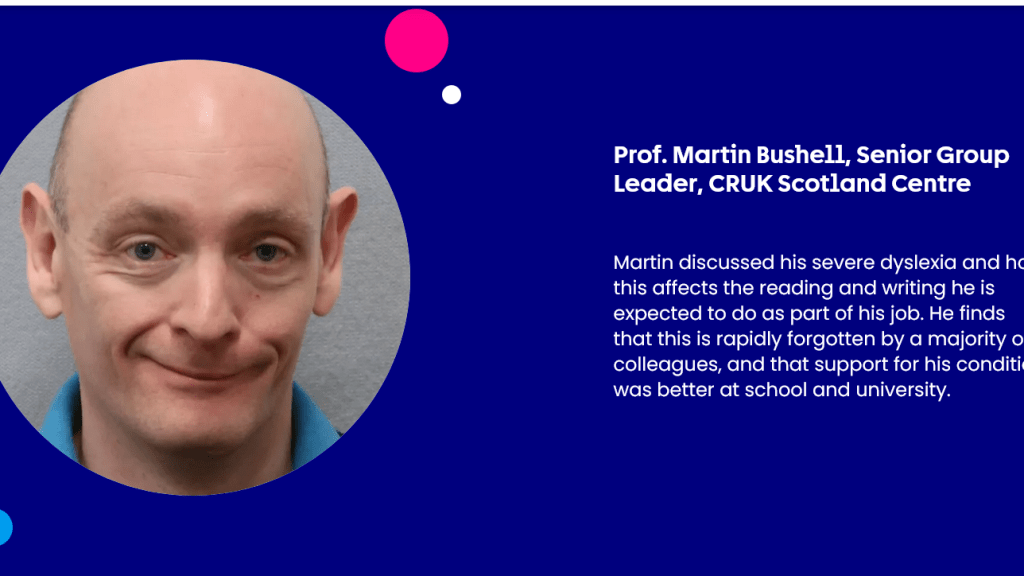
“No paper — I would wager quite heavily that a large percentage, probably over 90% of papers in the public domain, have errors in them. Whether or not they be known, I would suggest that would be the case.” – Prof Martin Bushell
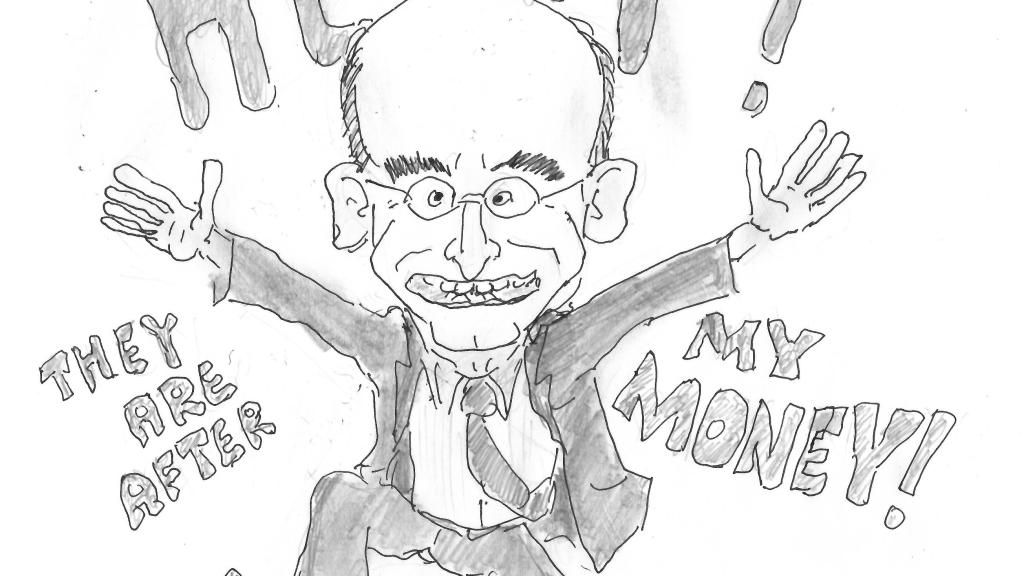
Thomas Südhof, victim of racist and sexist persecution, announced to retract a second paper, “even though the quantitative analyses and conclusions are correct”.

 For Better Science